Tag: George Locke

  • Jenkintown police spending is on track for a 13-year low, just two years after nearly cutting the department

    Jenkintown police spending is on track for a 13-year low, just two years after nearly cutting the department

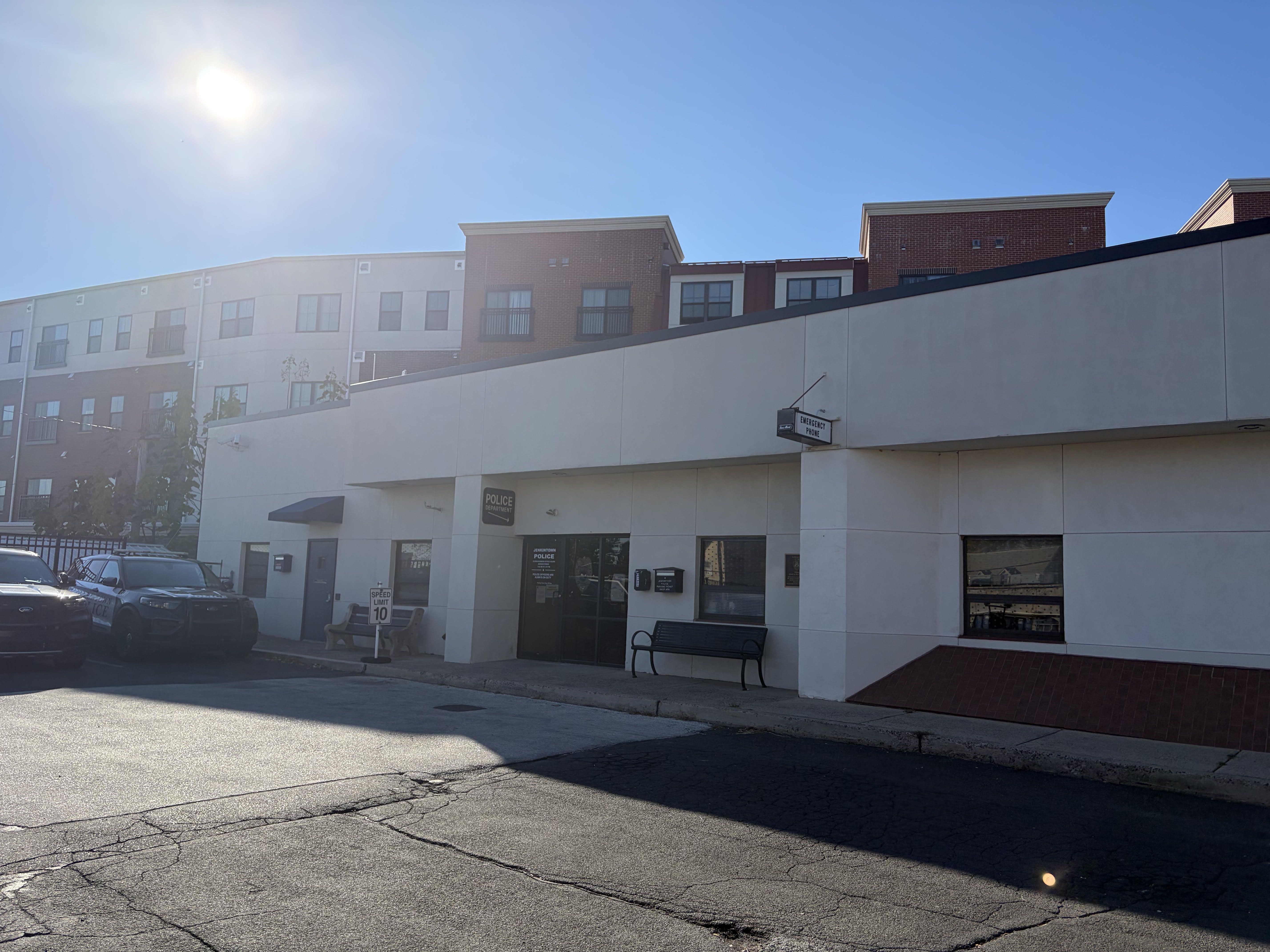
    Just two years after the borough nearly closed its police department over rising costs and budgetary disarray, Jenkintown is set to hit a 13-year low on police spending for 2026.

    As of mid-November, the 4,700-person borough’s projected spend on the police department is about $1.36 million for 2026, manager George Locke said — about $180,000 less than had been budgeted for the year. The figure is down more than 25% from 2023, and it’s the lowest since 2013, when the town spent $1.25 million on police.

    “The borough has struggled financially for many years,” police Chief Thomas Scott said. “We’re on the right track.”

    The savings are largely due to personnel cuts, after two reports suggested that Jenkintown’s police department was too big. In the past year, two officers left the department, and another was furloughed, Scott said.

    In 2024, a state cost-benefit analysis led by two retired police chiefs found Jenkintown’s force may be too big for its needs, and that the borough was spending more on police per resident than the Greater Philadelphia average for similarly sized towns. That report followed a 2020 assessment by an independent police consultant recommending that Jenkintown consider reducing its force and improve its police budget practices.

    Jenkintown aims to keep its force at eight officers, Locke said, and therefore expects a slimmer budget for years to come.

    The department is currently at seven officers, with one opening, Scott said.

    The borough is also working to implement the dozens of other recommendations the reports made, including sending officers to more frequent trainings beyond the minimum requirements.

    “Close to 200 policies have been revamped,” said Scott, who credited his officers for their openness to change.

    “We’ve made great progress,” said Mayor Gabe Lerman, who oversees the department. “There are always going to be things to improve upon in an environment where continuous improvement is crucial.”

    Next steps include pursuing accreditation, Scott said, which the department stopped applying for under his tenure. That decision was partly due to a lapse in standards and training that had built up over years and needed to be corrected before seeking accreditation again, he said.

    The state report had come amid controversy in the department. Jenkintown appointed Scott, the current chief, in 2022, and discussions about dismantling the police department and contracting services from a nearby municipality like Abington or Cheltenham reached a fever pitch less than two years into his tenure.
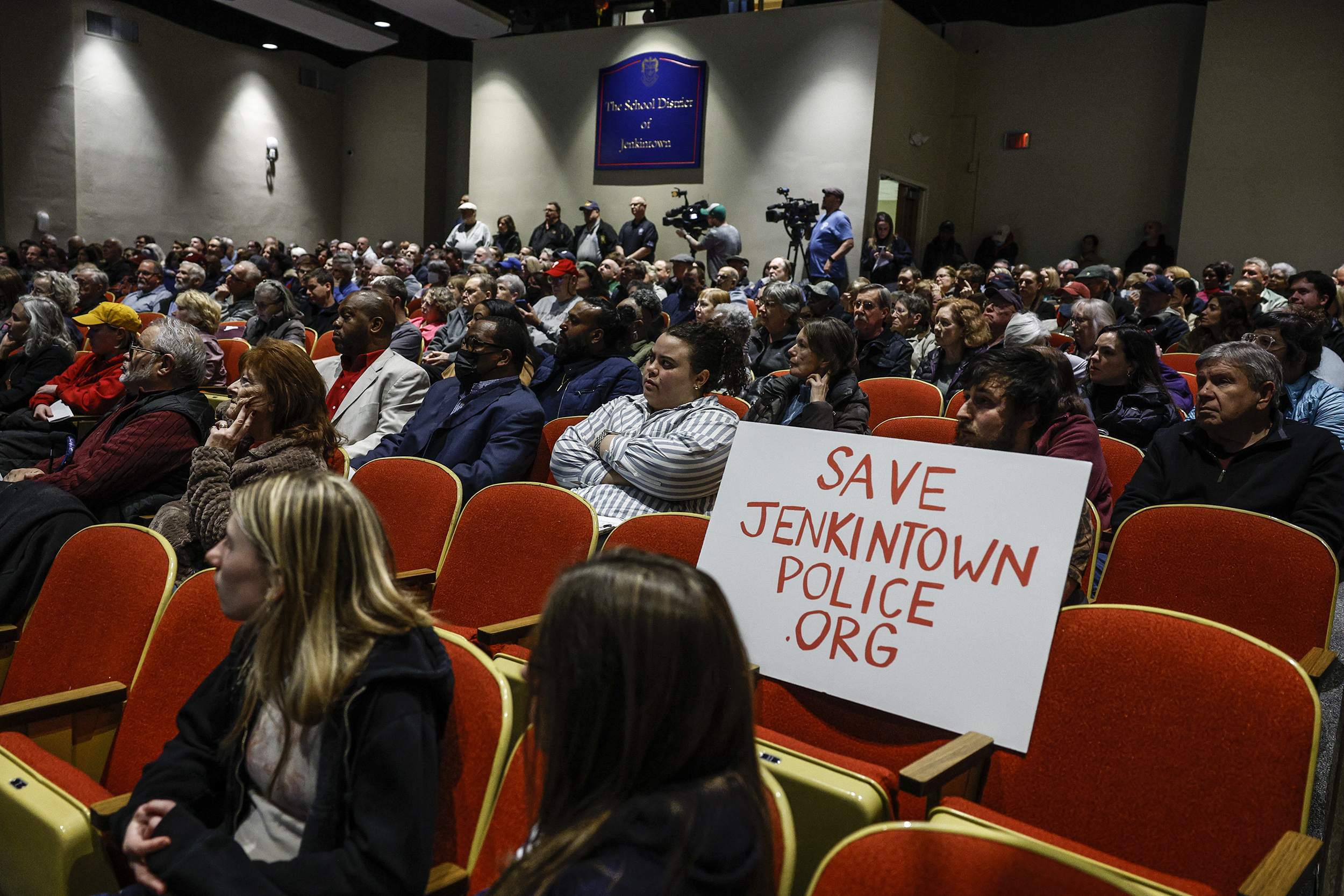
    Residents pack the high school auditorium during a public meeting for community members to voice their thoughts on whether the Jenkintown Borough should disband its police department. Monday, February 26, 2024.Steven M. Falk / Staff Photographer

    In September 2024, the police union claimed their members had voted no confidence in Scott over alleged misconduct.

    The employment law firm that the borough hired to investigate the situation concluded that the misconduct claims were unfounded and stemmed from disagreement with Scott’s leadership decisions and opposition to the potential closure of the department. The firm also found that a formal vote of no confidence was not taken.

    The current police union contract expires at the end of next year, but Jenkintown hopes to start negotiations at the beginning of 2027 and has already met with officers to prepare for bargaining.

    A draft budget for 2027 would raise the police allocation by about $36,000 to $1,576,613.

    Borough council is set to vote on the draft budget at the Nov. 23 meeting, which would then be made available for public viewing before it is finalized at a December meeting.

    There are no longer plans to dismantle the department, Lerman said.

    But it wasn’t easy to reach this point, Scott said: “You have to have hard conversations.”

    This suburban content is produced with support from the Leslie Miller and Richard Worley Foundation and The Lenfest Institute for Journalism. Editorial content is created independently of the project donors. Gifts to support The Inquirer’s high-impact journalism can be made at inquirer.com/donate. A list of Lenfest Institute donors can be found at lenfestinstitute.org/supporters.
  • Is Bradley Cooper really from Jenkintown? We investigate.

    Is Bradley Cooper really from Jenkintown? We investigate.

    Unlike Philadelphia — a city, county, and school district all in one — the collar counties are a mesh of townships, boroughs, and informal neighborhoods.

    That geographical maze, along with the centuries-long evolution of the U.S. Postal Service, means some suburbanites are not even sure what town they live in.

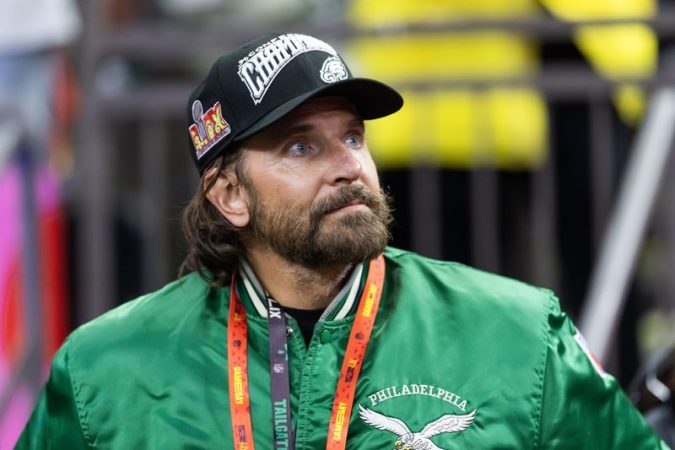
    Which may explain why one of Montgomery County’s most famous sons, former Daily News contributor Bradley Cooper, is often reported to be from Jenkintown, but he is not.

    He is from Abington Township and, like many Abingtonians, he has been living a lie.

    Where is Bradley Cooper from?

    Cooper grew up not in Jenkintown, but a mile away in the unincorporated Abington community of Rydal, in a house his parents bought before he was born, property records show.

    In the 1980s, he attended Rydal Elementary, where he played a mime, according to a playbill shared on social media.

    The Oscar-nominated actor later enrolled at Germantown Academy, a private school in Whitemarsh Township whose reunions he still attends.

    Cooper is known to call nearby Jenkintown his hometown from time to time — maybe because the borough is more well-known, and because that is what his childhood mailing address was. His reps did not return a request for comment this week.

    Some Abingtonians don’t know where they live

    But unlike people who grew up in the tiny enclave, Cooper could not have attended Jenkintown School District or participated in its National Geographic-famous Color Day.

    “As someone who grew up in Jenkintown and loved cute boys and is about the same age as Bradley Cooper, I can tell you he is not from the Borough of Jenkintown,” writer Lauren McCutcheon said.

    Many Abingtonians think they live in J-town, borough manager George Locke has said — so much so that his staff starts resident service calls by asking for an address. Otherwise they could spend 45 minutes on the phone, Locke said, before realizing the caller is in Abington.

    Residents of unofficial neighborhoods like Glenside, or towns that span counties like Telford, may be more aware of their official designation. Some Glensiders attend school in Cheltenham, while others attend Abington School District.

    For people without a kid in public school, an invisible municipal boundary may not matter much day to day. But it matters for local elections and during tax season.

    Nye Stevens, a longtime Postal Service expert for the U.S. Government Accountability Office and the Congressional Research Service, said mailing addresses can also affect people’s insurance rates, which are often based on zip code instead of municipality.

    And a zip code across two towns is nothing, Stevens added — some people get their mail from another state.

    Bob O’Brien of Wyncote used to think his practice, Relief Counseling & Art Therapy, was located in Jenkintown — until the tax bill from Abington arrived.

    “It was confusing,” O’Brien said — especially since there is a Jenkintown post office in the same building.

    “How it got this way, I’m not sure,” he added.

    The demands of mail delivery

    U.S. post offices began primarily as a pickup service in cities until the agency introduced home delivery in the late 1800s.

    Then cars expanded the suburbs, townships shifted, and assigned post office locations grew increasingly messy.

    “As townships grow, post offices seem farther away,” a New York Times headline about South Jersey observed in 1997.

    The U.S. has also closed tens of thousands of post offices in the last several decades, Stevens said, which may mean losing a mailing city that reflects where people actually live.

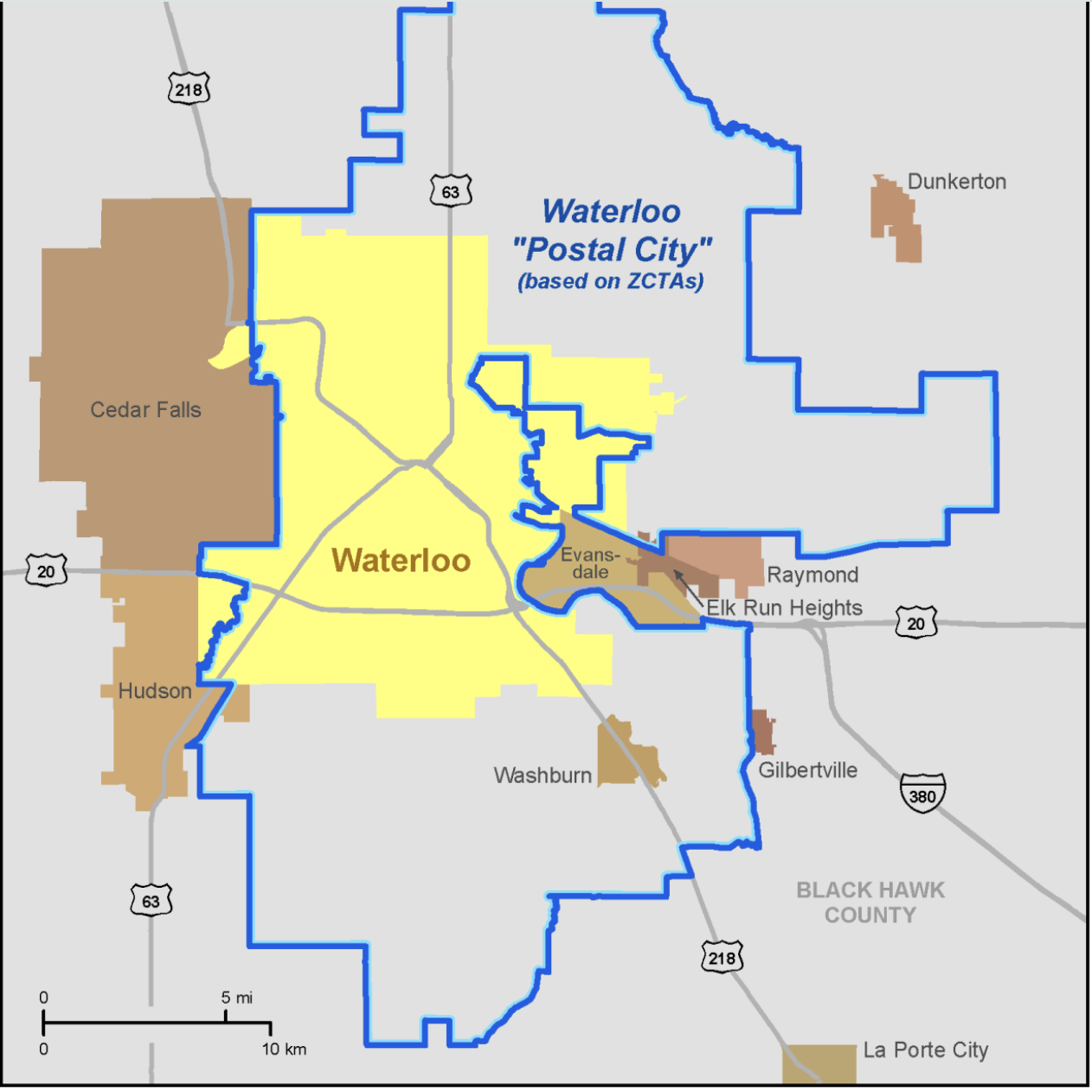
    A map shows the city limits of Waterloo, Iowa, in yellow, while a blue line shows the boundaries of the “Waterloo” zip code.U.S. Census Bureau

    Around 1990, some in Congress tried to fix the issue with a bill requiring the Postal Service make zip codes match municipal boundaries if towns request it.

    But such a change would “absolutely ruin the postal system,” Stevens said. “You can’t have a post office for every little borough.”

    The bill failed, and years later, the Postal Service was routinely rejecting zip code change requests, Stevens wrote in a 2006 Congressional Research Service report.

    “Some communities that lack delivery post offices complain that the need to use mailing addresses of adjacent areas robs them of a community identity,” he noted in the report.

    But at the end of the day, “zip codes are basically a delivery system. They’re not a neighborhood recognition system,” Stevens said this week.

    As for Bradley Cooper, the confusion around his addresses in the Philly suburbs has not ended.

    He supposedly owns an estate in New Hope. But he really lives in Solebury Township.

    This suburban content is produced with support from the Leslie Miller and Richard Worley Foundation and The Lenfest Institute for Journalism. Editorial content is created independently of the project donors. Gifts to support The Inquirer’s high-impact journalism can be made at inquirer.com/donate. A list of Lenfest Institute donors can be found at lenfestinstitute.org/supporters.