Tag: Franklin Institute

  • We pick our favorite shows from this year’s big, bizarre, and bold Philly Fringe Fest

    We pick our favorite shows from this year’s big, bizarre, and bold Philly Fringe Fest

    The Philadelphia Fringe Festival celebrated its 30th year with more than 338 productions across the city. Our reporters found shows that left us dazzled and confused, tearful but still laughing, and truly amazed by all the strange, weird, and delightful originality that artists from Philly (and beyond) had to offer.

    These were some of our favorite performances, including solo shows, interactive experiences, immersive dance, otherworldly journeys, and incisive political explorations.

    Most optimistic: ‘Lunar Retreat’

    To enter this performance, you must prepare for take off: Grab a set of headphones specifically curated for your group (an audience of just a dozen or so, per entry time) and remove your shoes.

    Past the doors lies a transformed Pearlstein Gallery, with different sections divided by flowing white curtains. The calm voice in your ears provides instructions, like a guided meditation for a winding path through a constellation of dancers before you arrive in a maze of tall, twisting cardboard adorned with twinkling lights and images of the moon’s various cycles.

    After billions of years orbiting the earth, our moon has been slowly inching away from us, the disembodied voice explains. The show asks: What does it mean to enter someone’s orbit, to connect with another person, when we all drift apart eventually, inevitably? At its core, Lunar Retreat tackles grief, prompting the audience to imagine a loved one who is physically distant. What detail about this person do you never want to forget? After we write down our answers, we’re guided into the maze, where the answers from previous attendees dot the spiraling walls.

    Fringe Fest regular Nichole Canuso’s dance company Branching Paths is renowned for immersive and interactive performances; here she worked with ocean explorer/artist Rebecca Rutstein, sound designer Bobby McElver, video designer Kate Freer, and set designer Anna Kiraly, among many collaborators. The projections were especially astounding: In one room, a dancer performed a series of moves in one place that were recorded and projected to the same location on a loop, allowing her to essentially dance with and embrace the projected version of herself. It was a mesmerizing collaboration between dance and technology.
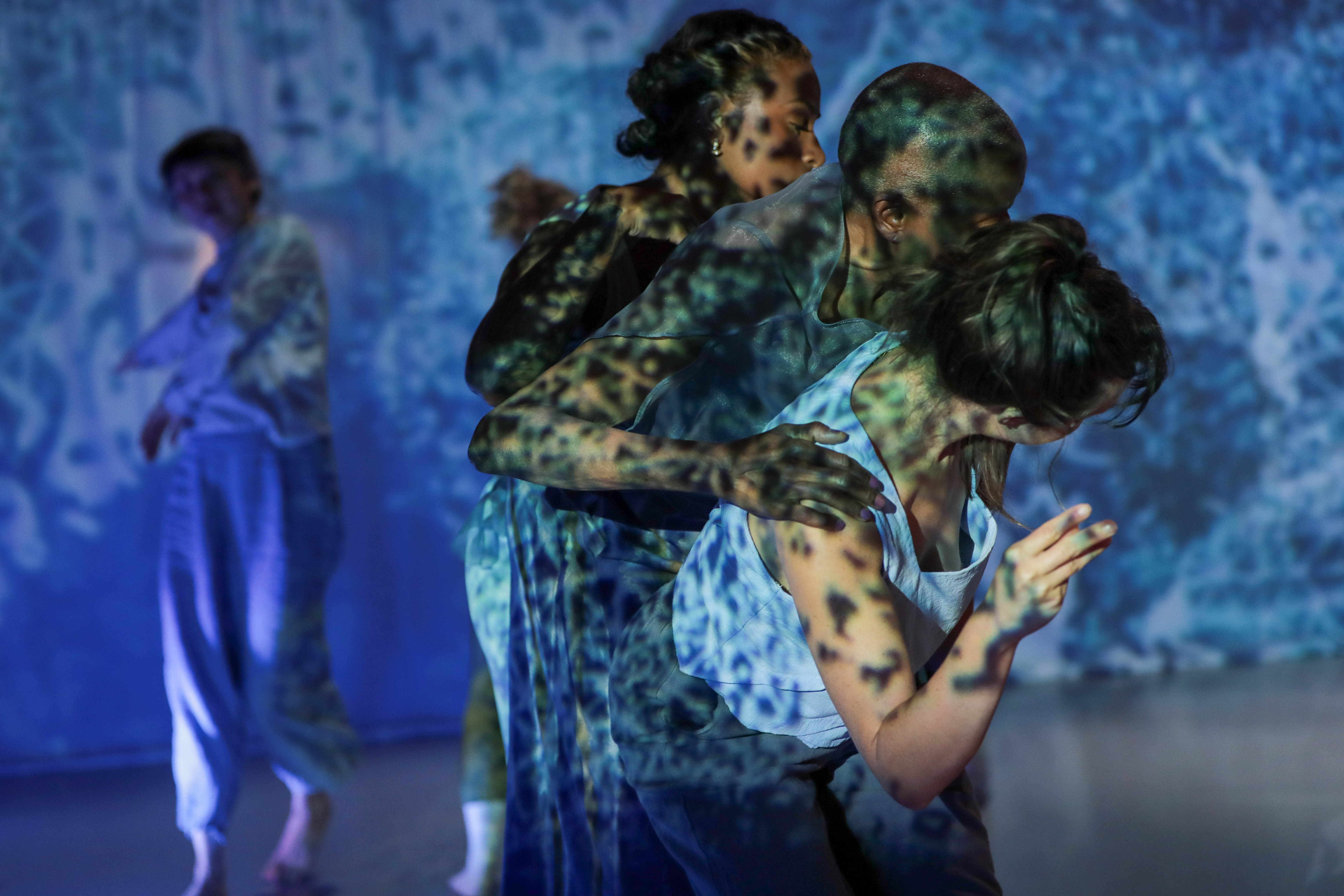
    Founder and artistic director of Nichole Canuso | Branching Paths, presented “Lunar Retreat” in the 2026 Philadelphia Fringe Festival.Theo Cote

    At the end, the three audience groups gathered for the finale, when eight dancers (including the choreographer, Canuso) evoked ocean tides as they converged and separated, where they kept reaching for one another and then leaping apart. I was in awe not only of the performance itself but of my fellow audience members, who embraced the experience with open hearts and curious minds — leaving me surprisingly optimistic about the future of humanity.

    — R.C.

    Standout Solo Show: ‘Tuzluk’

    This wildly inventive coming of age story follows Turkish Colombian American theatre artist izzy sazak as they deconstruct the heroes of their childhood. It’s a bold, imaginative examination of how we recontextualize the stories that we are told as kids. Throughout the piece, sazak examines their father, his Turkish heritage, and the Turkish mythos that they grew up instilled with. It is a magnificent look at the crossroads of culture, legacy, and family; while also being frankly honest about how many people idolize political figures.

    sazak is an effortless performer, immediately engaging with the audience, establishing a welcome and safe feeling throughout the performance. They are also very adept at comedy: their timing is precise, and they can easily adapt and improvise.

    izzy sazak in a promo image for their show “Tuzluk” in the 2026 Philadelphia Fringe Festival.Courtesy of subject

    The word tuzluk is Turkish for “salt and pepper shakers,” but it is also a colloquial name for the folded paper toys that kids use to tell their futures. This item is used both as a literary device, as sazak unravels their future through the show, and also as set pieces.

    Several tuzluks of varying sizes are arranged on the stage, and are utilized as props. The final moments of the show, when the last tuzluk is opened, is one of the most cathartic, community focused finales I’ve ever experienced in a theatre.

    — F.S.

    Best true story, retold: ‘Kramer/Fauci’

    C-SPAN isn’t usually the place where one might find dramatic inspiration. But for director/creator Daniel Fish, one hour of a televised debate in 1993 provided an insightful window into a painful history that still resonates deeply. His innovative verbatim play follows a contentious conversation between Larry Kramer, the fierce activist/playwright who founded ACT UP, and Anthony Fauci, head of the National Institute of Allergy and Infectious Diseases at the time, about then-President Bill Clinton’s new task force to address the AIDS crisis.

    On the sparse stage only four actors appear, playing the moderator (Greig Sargent), Fauci (Pete Simpson), Kramer (Thomas Jay Ryan), and the callers who dial into the TV segment (Jennifer Seastone). There are no cameras, no desks or green screens to evoke the monotony of C-SPAN’s regular programming; instead, the moderator is seated and his guests move around freely while Seastone spins around on roller skates, occasionally donning a chicken suit. The pared down production allows Kramer and Fauci’s sparring to take the spotlight (literally) but also creates a dynamic movement that keeps the audience engaged in their hot-and-cold ping-pong match without feeling like we’re watching a live podcast taping.

    It’s far from boring, no matter how wonky the dialogue gets. Ryan’s Kramer erupts on a dime, shouting and throwing barbs and teasingly threatening to slap Fauci, who deflects and delivers defensive, boilerplate responses typical of a bureaucrat, knowing that his answers are dissatisfying. Kramer is fuming and defiant, demanding urgency from a government and a public whose inert response to the epidemic was a systemic, fatal failure on an unimaginable scale. When the callers chime in, many express sympathy, but one chilling, virulently homophobic standout accuses him of infecting the nation’s bloodline.

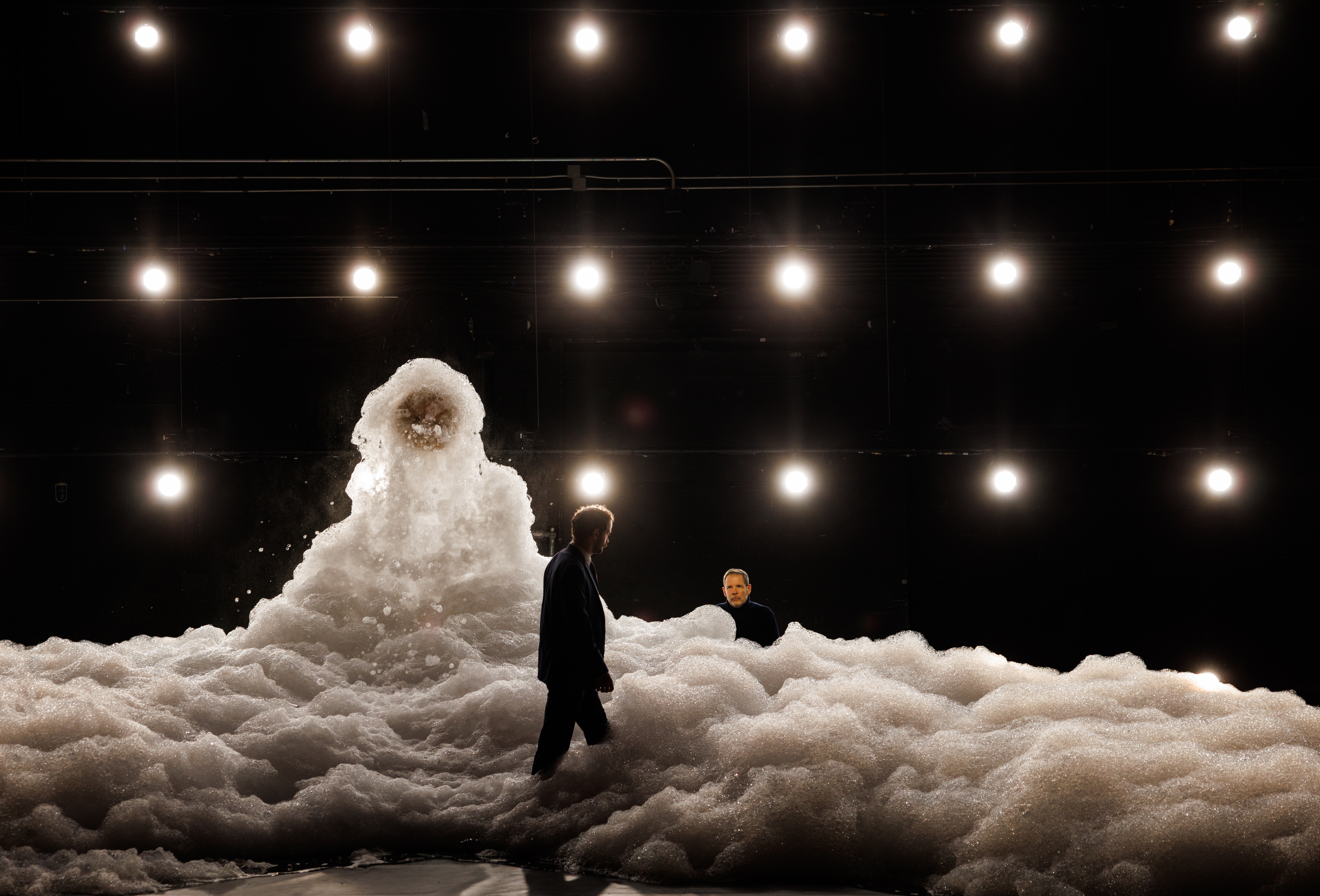
    The most dramatic moment comes rather abruptly, when a towering bubble machine churns out a mass of suds that slowly takes over the stage. Kramer sits next to it, arms crossed, resigned as the machine whirs and the foam spreads.

    Given the devastating subject matter, I didn’t expect to laugh so much. The pair at the center of the show hold profound respect for each other despite their disagreements and there’s a familiarity to their banter that underscores their shared goal; their debate is almost endearing to hear in retrospect today, if the reality wasn’t so infuriating. It ends with an epic line from Kramer when asked for his last word: “I want Bill Clinton to come out of the closet … and do something about this disease.”

    — R.C.
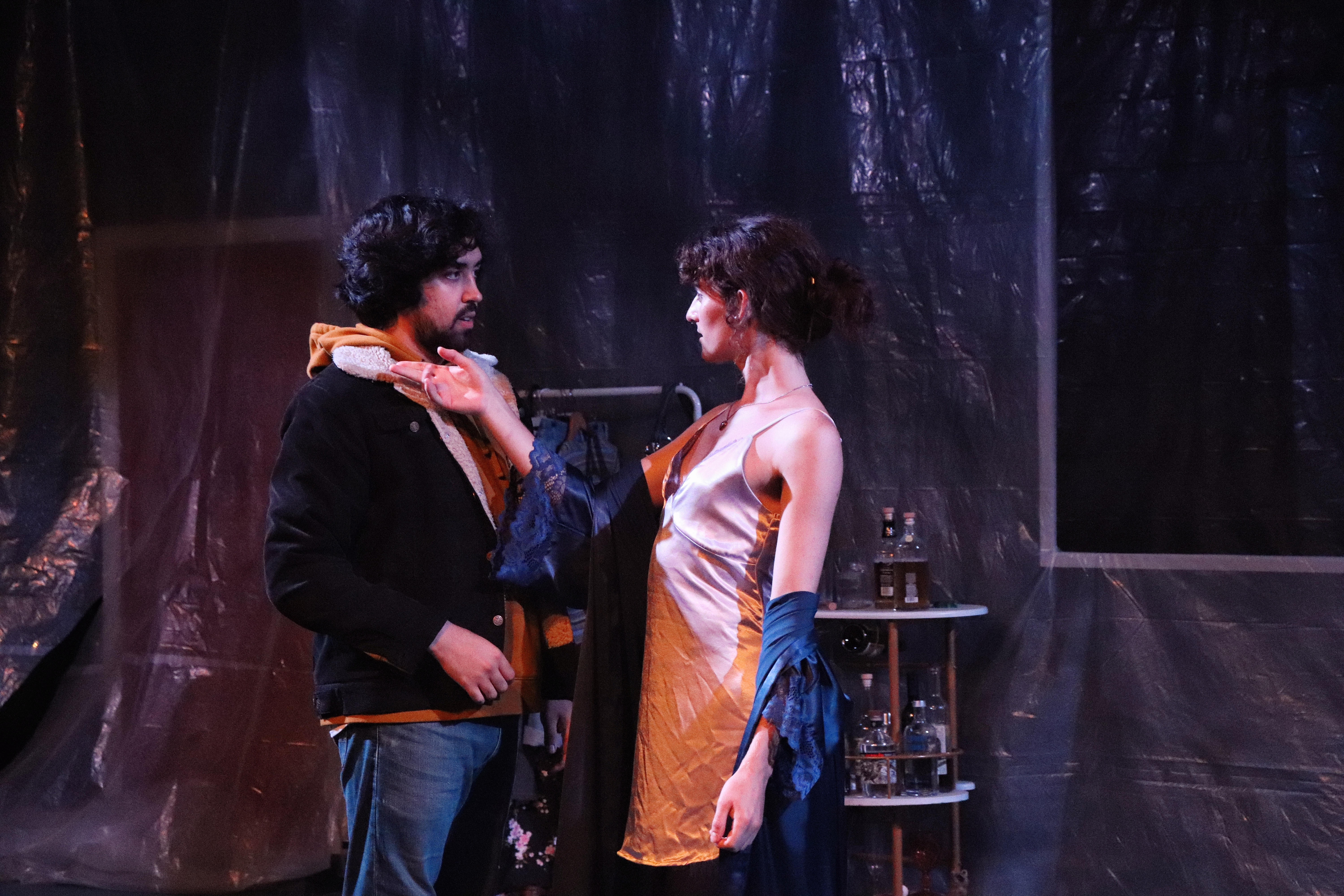
    A scene from “Returned, Iridescent,” part of the 2026 Philadelphia Fringe Festival.Seph McAndrew

    Most Promising: ‘Returned, Iridescent’

    There is a scarcity of narrative stories that showcase LGBTQ+ people growing up and living into old age. Oftentimes, these characters are burdened with struggle, defeat, and frequently, a tragic end; especially stories of trans people. Returned, Iridescent, the new work by playwright Rose Farrell, defies this trope by taking the audience on a beautifully poetic journey of two queer characters who constantly collide, combust, and separate, only to be drawn back together again and again. The text shifts between realism and poetry, allowing the characters to be both their true selves and romanticized versions. It is a beautiful story about finding yourself, loving yourself, and accepting the happiness that you deserve.

    Breathtakingly nuanced performances from the two leads (Olive Gallagher & Gideon Caro McDonald) help ground this work in the moment. Watching the two of them effortlessly push, pull, and play with each other is a joy. I’m eager to see what these two talents do next. Strong design elements, with direction by Jack McManus, help this play to soar.

    This play is an extremely timely one, given the current social and political discourse around trans people, which often serves to dehumanize or vilify them. I commend Theatre by Development for choosing to tell this story now, and hope that it is told many times more.

    — F.S.

    Nerdiest romance: ‘Wikipedilove’

    A Newfoundland town called Dildo. The erotic novella A Billionaire Dinosaur Forced Me Gay. Eva Braun?

    All are ripe for exploration at the love-and-sex-themed Wikipedilove, the lo-fi, musical PowerPoint presentation staged at West Philly Fringe hub Studio 34.

    Writer, singer, and guitarist Noam Osmond — who moonlights as a “troubadour for hire” and can occasionally be spotted serenading strangers in Clark Park — and singer and accordionist Anna Apostolidis take the audience through a whirlwind of weird internet, told through screenshots, academic analysis, and cutesy folk songs.

    In under an hour, we learn, for instance, that gray whales mate in threes (“#consensuwhale”) and that there’s a Wikipedia page of “List of sexually active popes,” among many other NSFW topics.

    At the packed Friday night performance I attended, audience members were game to sing and sway along, emblematic of the participatory theatre that makes the Fringe Festival so special.

    Two actors dressed as sparkly winged green and yellow bugs who appeared in the finale were a highlight of the show — luna moths, which live for just one week, solely to mate. Because who says science can’t be silly and sexy?

    — J.Z.
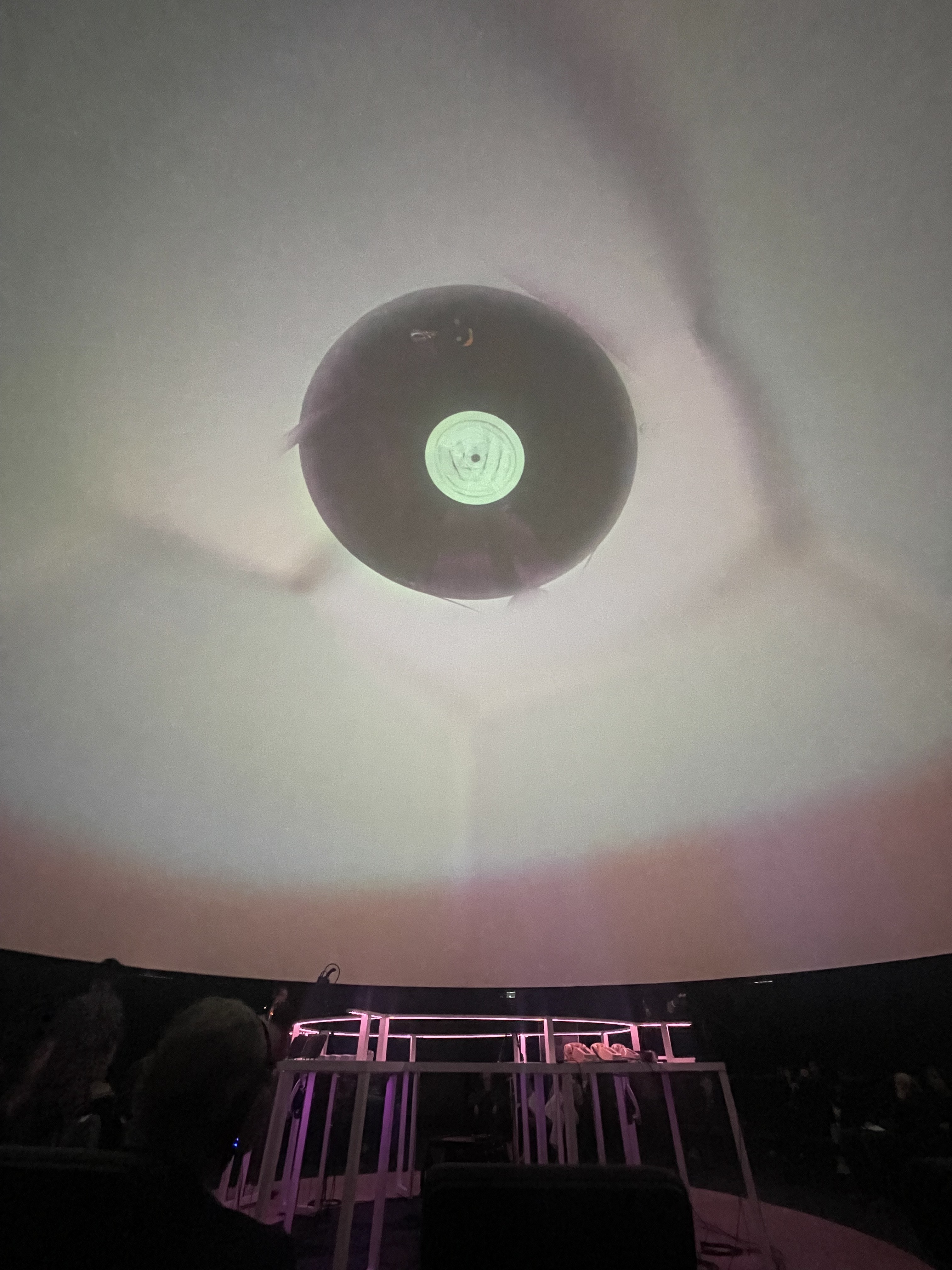
    A projection of a vinyl record on the domed screen of Fels Planetarium for “Utopian Hotline,” part of the 2026 Philadelphia Fringe Festival.Rosa Cartagena

    Strangest existential journey: ‘Utopian Hotline’

    A night at the museum is always a fun set up for a new adventure. This trip to the cosmos — courtesy of the theatermakers at Mitu, an experimental group based in Brooklyn — took place inside the Franklin Institute’s Fels Planetarium.

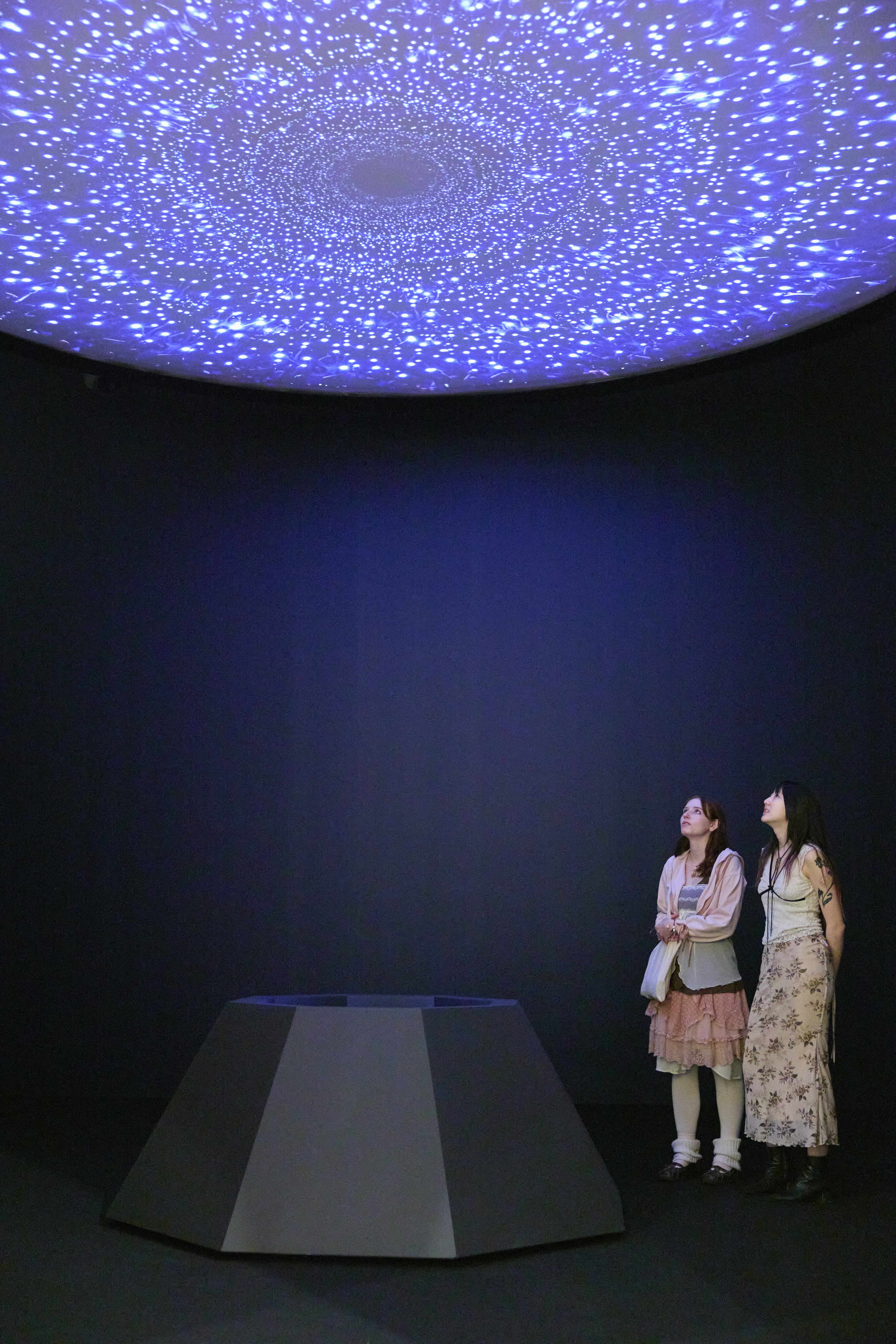
    At the center of the room sat a round desk with a camera, turntable, microphones, and telephones. Audience members wore headphones and sat back as the domed screen above came alive with the trippy, philosophical show.

    The titular hotline is real, inspired by the Golden Record that NASA sent to space that’s meant to represent earth, featuring sounds from voices to waterfalls to classical music. Mitu’s project imagines the messages we could send out into the universe if we created another record with people answering the prompt, “How do you imagine a more perfect future?”

    Their respondents express variations of similar feelings: that it’s a hard question to answer, that it’s especially difficult to imagine a future when our current present time is so fraught, that we all want compassion and care and kindness no matter how far humanity travels from earth. (It’s an active hotline for anyone who’d like to add their voice.)

    The show was part listening session (headphones required) and part strange story time as the performers at the center, akin to astronaut guides in matching gray suits, tinkered with the machines in front of them, sometimes taking over the mic to sing and other times recording with the camera so that their face would appear in the screen like a ghost. They posed existential questions about whether we’re alone in this universe or if we’ll ever truly understand the fickleness of time. The performance was somewhat disorienting, but the experience felt strikingly unique regardless of the occasional confusion, or maybe because of it.

    — R.C.
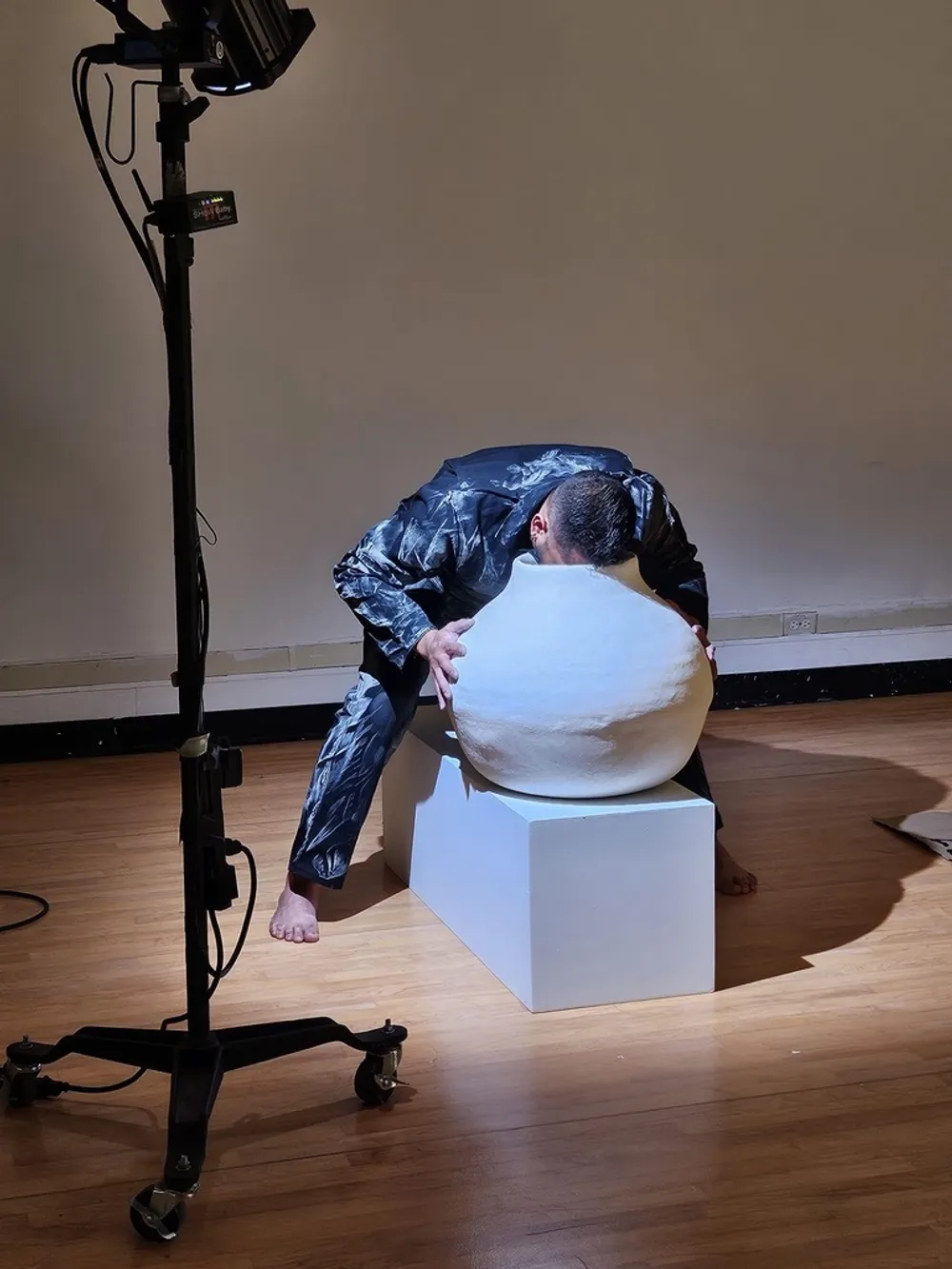
    Actor Justin Jain in “Bad Clay,” a show in the 2026 Philadelphia Fringe Festival.Wendi Van Horn

    Most Thought-Provoking: ‘Bad Clay’

    Justin Jain brings the audience to the cross section of sculptural ceramics and performance art in his original work Bad Clay. An experimental piece about migration, America, and sculpture, it delights in the way Fringe shows often do; by highlighting something new and unexpected. Entering the space, the audience is greeted by a series of ceramics laid around the room, all of which are made by Jain. Throughout the piece, Jain interacts with each ceramic, and also throws some clay on a wheel, creating live sculptures in front of the audience. Conspicuously, there is also a mannequin in the room; dressed as an ICE agent, and draped in an American flag. Ever present, this mannequin provides a feeling of unease that permeates the room, and when it is finally addressed and incorporated into the piece, it results in a truly harrowing moment.

    What really stood out about this piece was the prologue. In a prerecorded monologue from Jain, he explains that the piece we’re about to see is an experiment. He goes on to explain how he has struggled to be presented by the Asian Arts Initiative directly, and also how he came to be in the space that the piece is taking place in … as it was not the space he wanted to present in. According to this prologue, he was looked over for various fellowships and grants, which led to having to present this piece as part of the “pay to play” aspect of the Festival. As a Philly artist of some notoriety, Jain still has struggled for financial and creative stability. It was an interesting breath of realism, and a frank conversation about the state of arts funding throughout the city. Additionally, it also offered audiences a “peek behind the curtain” as they heard firsthand about the hurdles of presenting a fringe show, and how it affects performers and producers.

    Bad Clay is something I would be intrigued to see again, and to see what it would look like as Jain envisions it fully. It is a piece that raises interesting thoughts and questions, paired with honest reflection, and fully seeing it as the artist intended would be an exhilarating experience.

    — F.S.

    Shows we’re excited to seeing develop further post-Fringe

    • Alpha by Lisa Villamil
    • Trauma Queen by Liv Shoup
    • Amor/Libertad by Joel De Jesus-Pacheco
    • The Suppliants by Sidney Marie Hughes
    • Dickie Dickie Dicky Donnie by BETTY
  • 🍻 Grab a stein at Roxtoberfest and more | Things to do

    🍻 Grab a stein at Roxtoberfest and more | Things to do

    Hey folks! I’m back with another random assemblage of events, attractions, and competitions happening this week.

    Some may leave you frightened, while others make up your favorite seasonal activities — pumpkin picking and Oktoberfest-themed entertainment.

    Then there’s one that may fuel your competitive spirit when it comes to squeezing your car into an impossible parking spot.

    Read below to see what’s happening this weekend:

    – Earl Hopkins (@earlhopkins_, Email me at thingstodo@inquirer.com)

    If someone forwarded you this email, sign up for free here.

    The Please Touch Museum turns 50

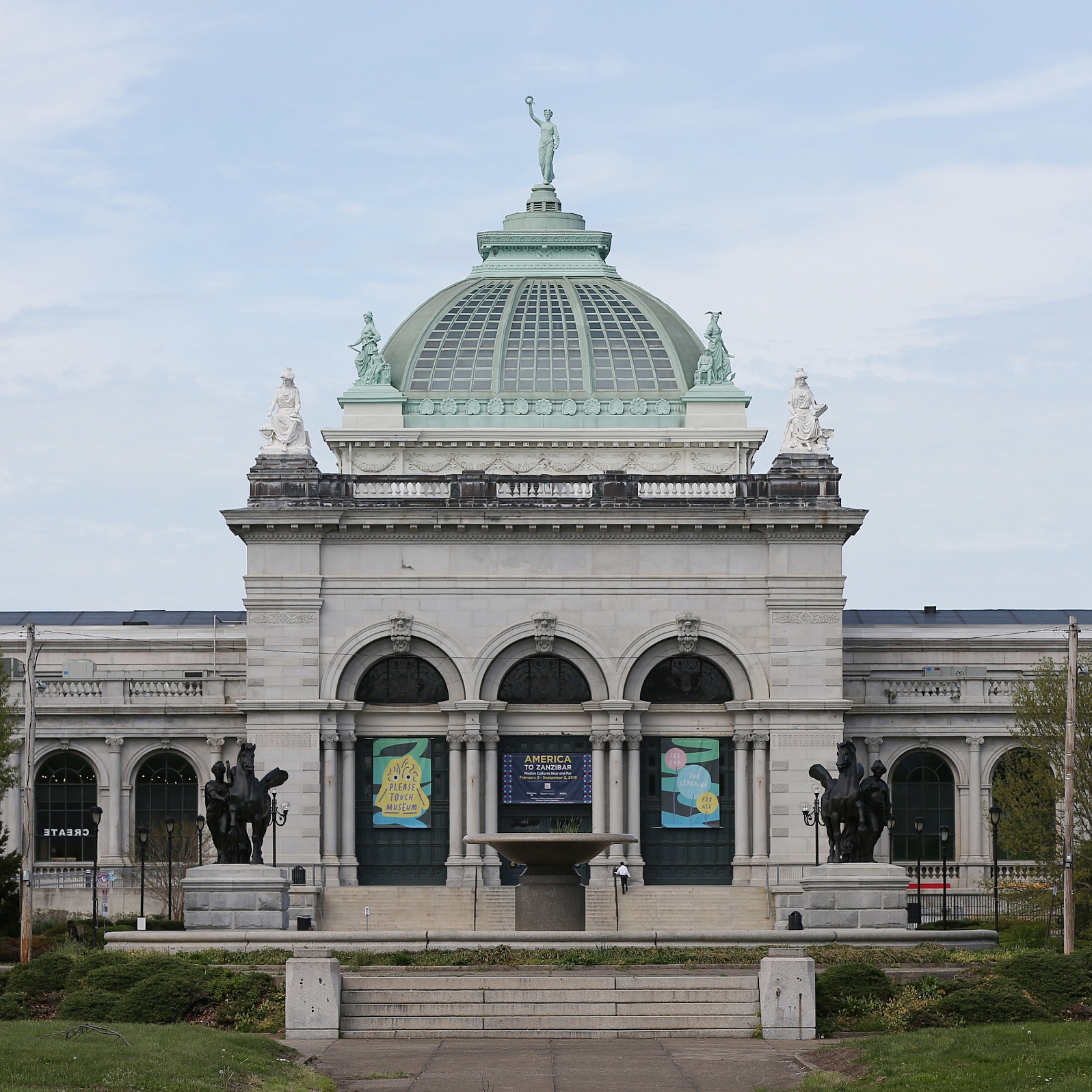
    Memorial Hall, which now houses the Please Touch Museum, is pictured in West Fairmount Park in Philadelphia on Tuesday, April 23, 2019. The building is one of the few surviving structures from the 1876 Centennial Exhibition.Tim Tai / Staff Photographer

    The Please Touch Museum turns 50 with two days of events for children and their caregivers.

    Guests can enjoy toddler sing-alongs, juggling, music, dancing, art-making, story times, and an end-of-day parade on Saturday and Sunday.

    While both days are currently sold out, museum organizers are taking walk-ins when possible.

    Click here for more information on the two-day celebration.

    The best things to do this week

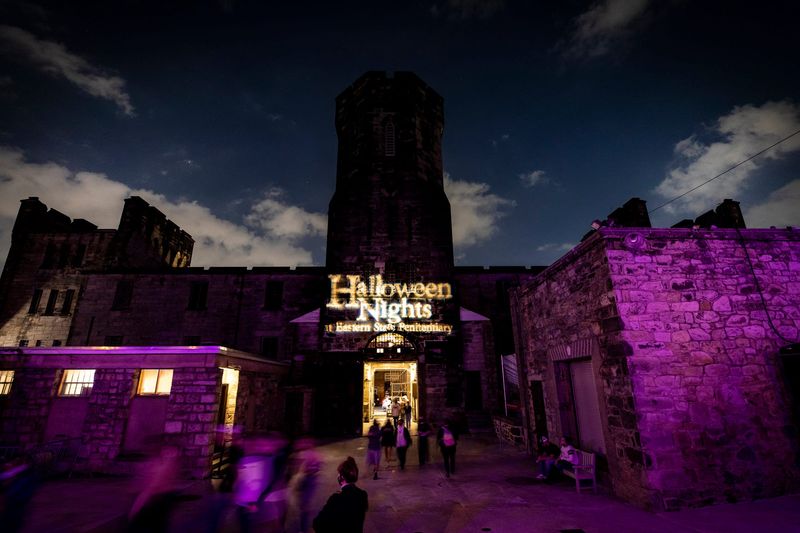
    Eastern State Penitentiary hosts Halloween Nights, a festival-like attraction with characters dressed as scary clowns, zombies, vampires and other ghouls — but not prisoners or prison guardsEastern State Penitentiary

    🇺🇸 A trip to historical grounds: The Revolutionary Germantown Festival, which marks the devastating loss George Washington endured before retreating to Valley Forge in 1777, is happening this Saturday. The free event will feature living history interpreters, hands-on activities with craftspeople, tours of the Chew House, and other activities.

    🎭 A Broadway classic: The Broadway classic, Mamma Mia!, is hitting the stage at the Academy of Music for a limited run. Make your way to the Center City theater before the final curtain call on Sunday.

    🍺 Celebrate Oktoberfest in Northwest: Head to Roxborough on Saturday for the 14th annual Roxtoberfest street festival. Visitors can enjoy German-themed entertainment, including live music, a stein-holding competition, a scarecrow walk, and more.

    👻 Frightening nights: Visit the haunting cell blocks and frightening attractions at Eastern State Penitentiary during Halloween Nights. The month-long experience kicks off Friday, likely giving even the bravest of guests a scare or two.

    📅 My calendar picks this week: Philadelphia Regatta Cup, Proximity: A Street Photography Exhibition, In Community Exhibition. Here’s our full list for the week.

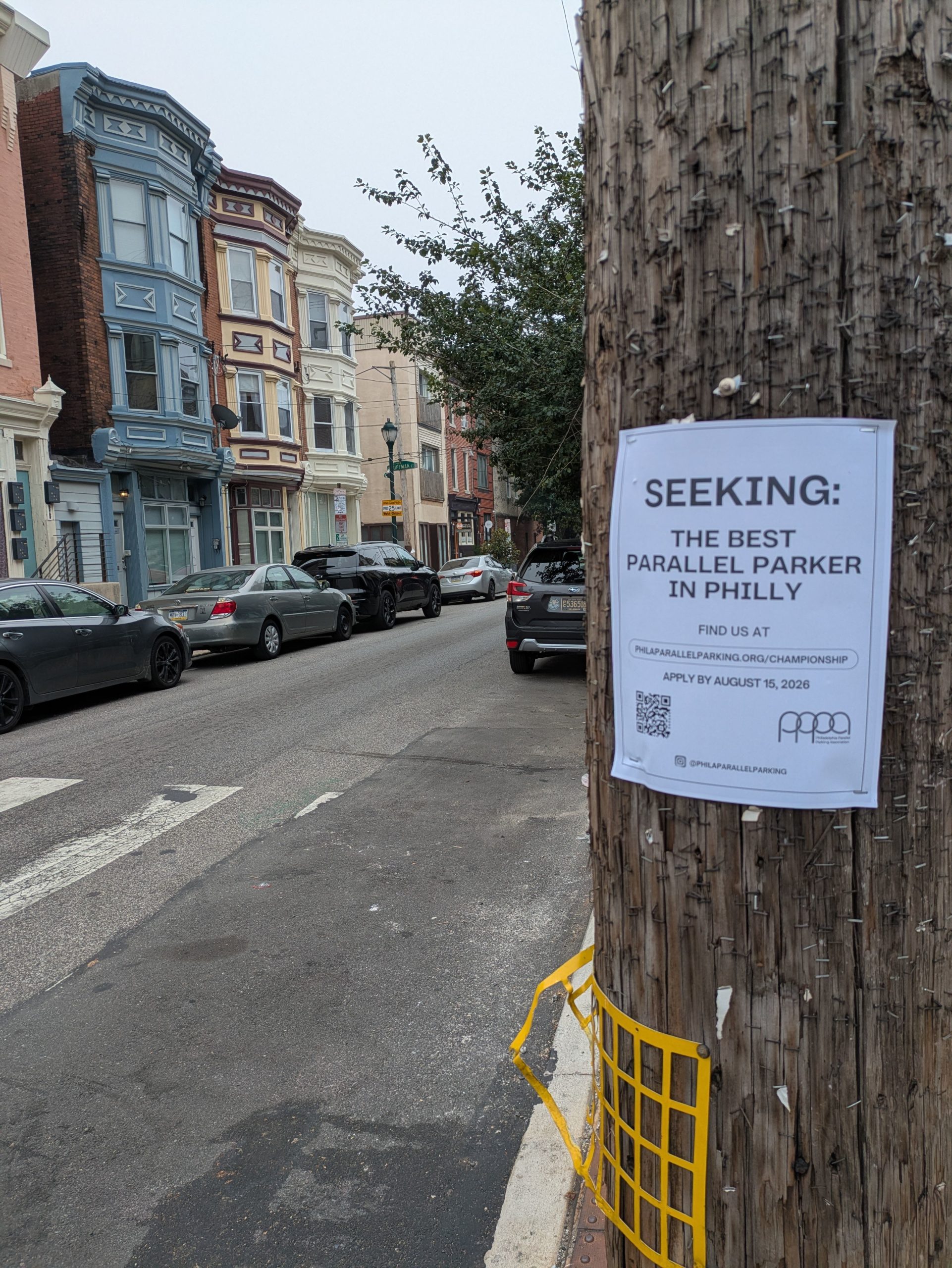
    Philadelphia Parallel Parking Association Championship

    A sign advertising the 2026 Philadelphia Parallel Parking Association Championship is affixed to a pole across from some fine examples of parallel parking in the city.Courtesy of Adam Wodka

    Adjust your mirrors. Strap in your seat belt, and roll up to Headhouse Plaza for the Philadelphia Parallel Parking Association Championship.

    Fifteen competing drivers will test their skills across three events. The first gives drivers a chance to park as close to the curb as possible. The second challenges drivers to navigate a tight squeeze while making the fewest maneuvers. The third will test how well drivers can park under duress.

    The free event will take place from 1-4 p.m. on Saturday. It will also be livestreamed for those unable to attend.

    Click here for more details.

    Fall fun this week and beyond

    Tanelsa Franklin-Phillips outside the Film Society Center, in Philadelphia, Oct. 5, 2025.Jessica Griffin / Staff Photographer

    🎥 A reel movie fan’s dream: Experience classic movies in 35mm for the 35th anniversary of the Philadelphia Film Festival and the 25th anniversary of the Philadelphia Film Society. Screenings for REEL October are happening at the Film Society Center and running through Oct. 11.

    🎨 Builders and makers: Street art and architecture collide at the 22nd Design Philadelphia Festival starting Thursday. The nearly two-week festival will feature lectures, panel discussions, and installations for emerging and seasoned designers.

    🎃 Pumpkin patch at Liberty Point: Make your way to Liberty Point this Saturday for pumpkin picking, carnival games, a photo booth, and other fall-themed activities through Nov. 1.

    Staffer picks

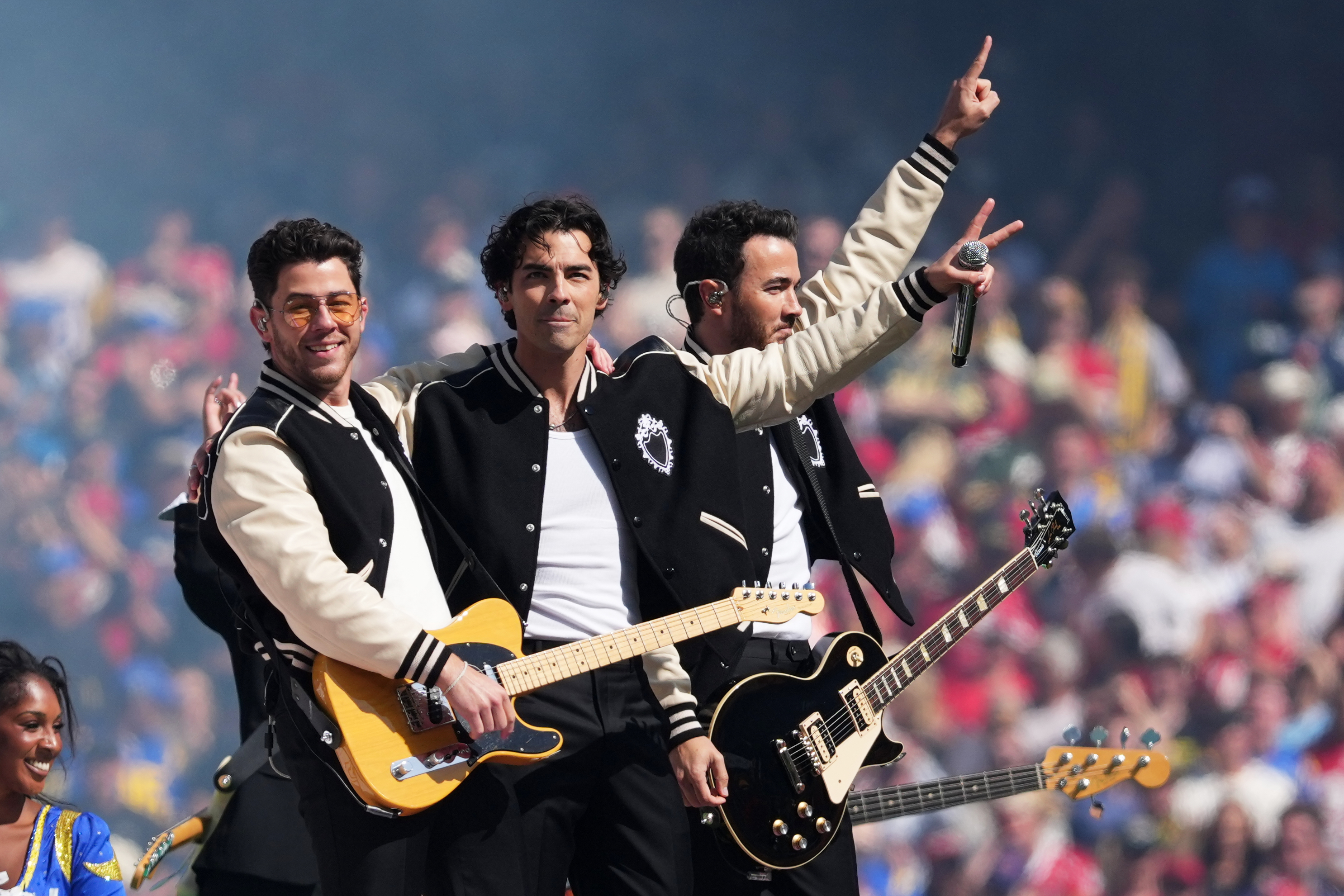
    The Jonas Brothers perform during halftime of an NFL football game between the Los Angeles Rams and the San Francisco 49ers, Friday, Sept. 11, 2026, in Melbourne, Australia. (AP Photo/Scott Barbour)Scott Barbour

    Here’s a list of the best concerts this weekend.

    🎤 Thursday: Rapper Logic will hit the Highmark Mann stage alongside Memphis legend Juicy J and Bay Area native G-Eazy for a supreme rap show.

    🎸 Friday: The Jonas Brothers are dropping into South Philly to perform at Xfinity Mobile Arena, with support from singer-songwriter Magnus Ferrell and DJ Deleasa.

    🔊 Saturday: South Korean rock band Wave to Earth will grace the Met Philadelphia stage with their lo-fi, indie surf-rock jams as part of their “Pieces Tour.”

    🎤 Monday: Stanley Simmons, whose music floats between folk and indie-rock, is set to headline at World Cafe Live on Monday.

    ❓Pop quiz

    Where did the Please Touch Museum originally open its doors?

    A) Memorial Hall

    B) Academy of Natural Sciences

    C) Franklin Institute

    D) Parkway Central Library

    Here’s the answer to last week’s question: What year was the first Concilio’s Annual Puerto Rican Day Parade in Philadelphia? Answer: 1964

    Ask Earl anything

    Many of you have questions about each week’s listings, and others about Philly’s arts, culture, and entertainment scene.

    I have you covered. Have a question? Email me for a chance to have it answered in an upcoming newsletter.

    That’s all folks! Enjoy your weekend, and feel free to sharpen up your parking skills if you feel so inclined. This writer here will certainly appreciate it.

    – Earl Hopkins

    By submitting your written, visual, and/or audio contributions, you agree to The Inquirer’s Terms of Use, including the grant of rights in Section 10.

    Giphy.comCourt
  • The Academy of Natural Sciences museum is closing. What happens to memberships and planned events?

    The Academy of Natural Sciences museum is closing. What happens to memberships and planned events?

    Drexel University and the Academy of Natural Sciences announced Tuesday that the museum would close for good on Sept. 30. Its last day open to the public with regular hours will be Sunday, Sept. 27.

    While the Academy’s research and collections will be unaffected by this closure, here’s how things will change for the museum’s members and its events.

    Will museum members get refunds?

    Most recently, memberships for the Academy museum cost $65 for individuals. $135 for families.

    “Members will receive direct communication in the coming days with information about their memberships, including benefits, expiration dates, and transition options,” Drexel said in a statement.

    The Franklin Institute, the university said, will honor Scademy memberships through their expiration dates, so members can visit the institute situated only about a block away from the Academy.

    Members could also “adjust the tax-deductible portion of their membership or request a prorated refund for the remaining membership period,” the university said.

    The university said it will provide information to members and also post it on the Academy’s website when it becomes available.

    What will happen to events scheduled at the museum?

    “All programs and events scheduled to take place before the closure will continue as planned,” the university said. The university did not respond to what will happen to events that are rescheduled after Sept. 30 or if there are any.

    What happens to the interns and students currently working in co-ops at the museum?

    “Five Drexel students are currently working at the Academy in co-op positions. Their roles support the Academy’s research and collections’ activities and are not affected by the closure of the museum,” the university statement said.

    Will hours be expanded if the closure announcement drives a high turnout?

    The university said visitors should come to the museum through Sept. 27 “and participate in programs and events offering opportunities to experience and celebrate the museum during its final weeks.”

    The Academy of Natural Sciences of Drexel University, 1900 Benjamin Franklin Parkway, is open Friday to Sunday 10 a.m. to 5 p.m. ansp.org

  • Four Philadelphia artists are a part of this year’s Whitney Biennial

    Four Philadelphia artists are a part of this year’s Whitney Biennial

    Whitney Biennial curators travel the length and breadth of the country, paying visits to artists in their studios, surveying their work, and picking creators whose work they think represents the present climate of art making in the country. Together, they bring a once-every-two-years expansive exhibition to New York’s Whitney Museum of American Art, often regarded as the most prestigious and faithful register of American art.

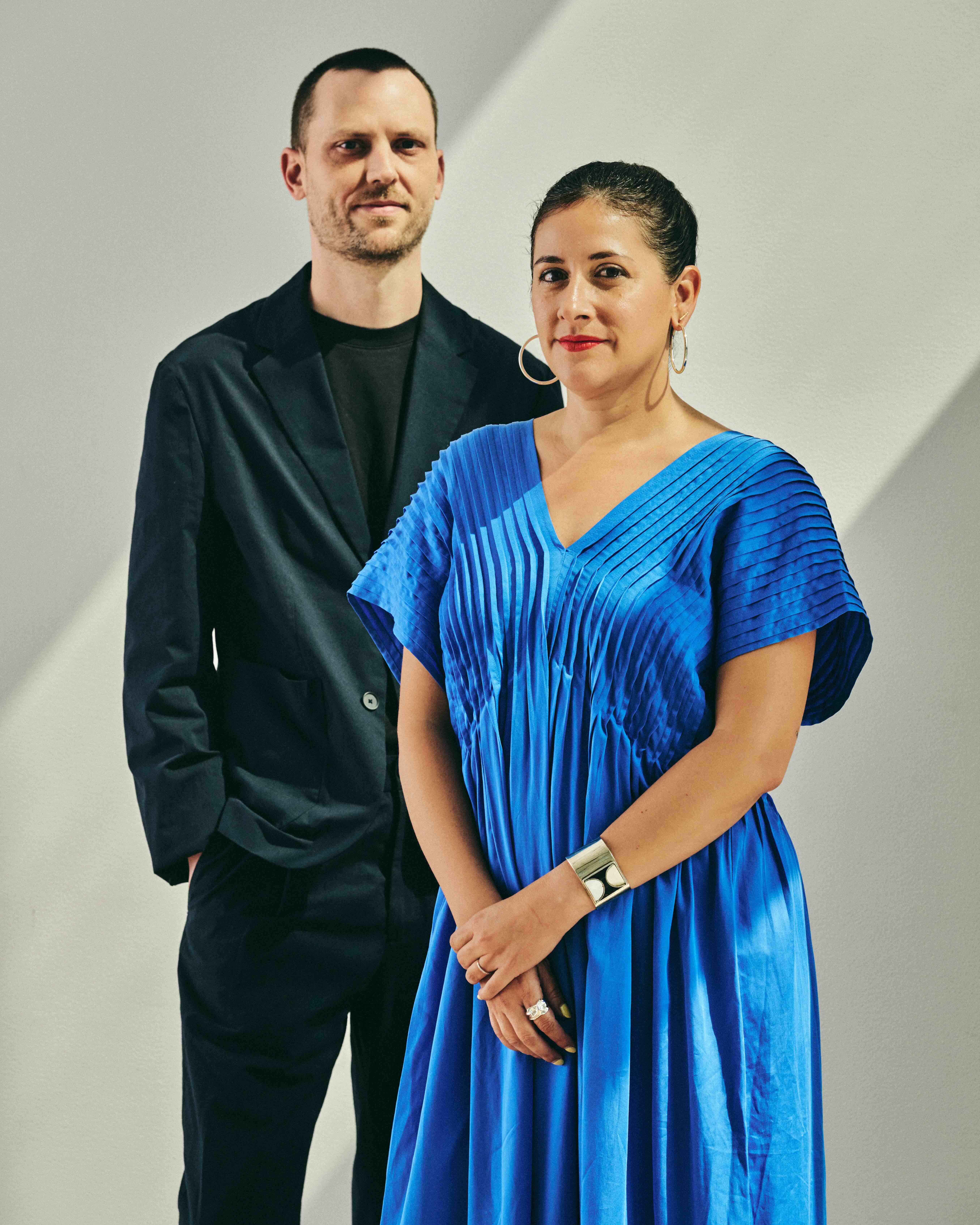
    Past biennial curators — the 2024 edition was curated by the Institute of Contemporary Art’s former associate curator, Meg Onli — have embarked on these travels separately, but for the country’s 250th year and the biennial’s 82nd, Whitney curators Marcela Guerrero and Drew Sawyer traveled together.

    Whitney Museum of American Art’s Biennial 2026 curators Drew Sawyer, Marcela GuerreroBryan Derballa

    “We wanted to just listen to artists and see where they were at, see what they were thinking about, how they were processing recent events,” said Guerrero. They traveled for a bit over a year, nationally and internationally, and visited more than 300 artists.

    “The idea of relationality and how do we relate in different ways” at political and interpersonal levels, is a theme that eventually emerged from their survey, Guerrero said.

    While in the past some curators have traveled as far as Hawaii, Guerrero and Sawyer’s short travel to Philadelphia in the winter of 2024 proved equally fruitful.

    “Philly was such a productive trip and very coherent in terms of what we were hearing from artists on gentrification, displacement, and the cost of living,” Guerrero said.

    Artists in Philadelphia, Sawyer noticed, “seem to be particularly preoccupied with ideas of infrastructure” and there exists a strong sense of connection among them. Several of the city’s artist are graduates of the MFA programs at the University of Pennsylvania and University of the Arts, taught by the same professors like Michelle Lopez (whose work is included in this year’s biennial) and Sharon Hayes (whose work was a part of the 2024 biennial).

    Maia Chao, “Being Moved,” 2026. Performance, Whitney Museum of American Art, New York, May 14–17, 2026. Commissioned by the Whitney Museum of American Art.Julieta Cervantes

    Performance artists Maia Chao and Jonathan González, both of whose works are part of the biennial, live in West Philadelphia and are friends and collaborators. Emilio Martínez Poppe attended Penn and studied with Lopez, and was particularly interested in the idea of infrastructure from the perspective of the labor of public sector employees to help build and maintain our social and civic architectures.

    “A kind of certain institutional critique, I would say, was common” among Philadelphia artists, said Sawyer.

    “One of my biggest takeaways is the real vibrancy of the artistic scene in Philadelphia,” he said.

    Here are the Philadelphia artists whose works appear in the Whitney Biennial.

    West Philadelphia-based artist Maia Chao’s performance pieces “Being Moved’ and “Scores for the Museum Visitor” are part of the 2026 Whitney Biennial.Amelia Golden

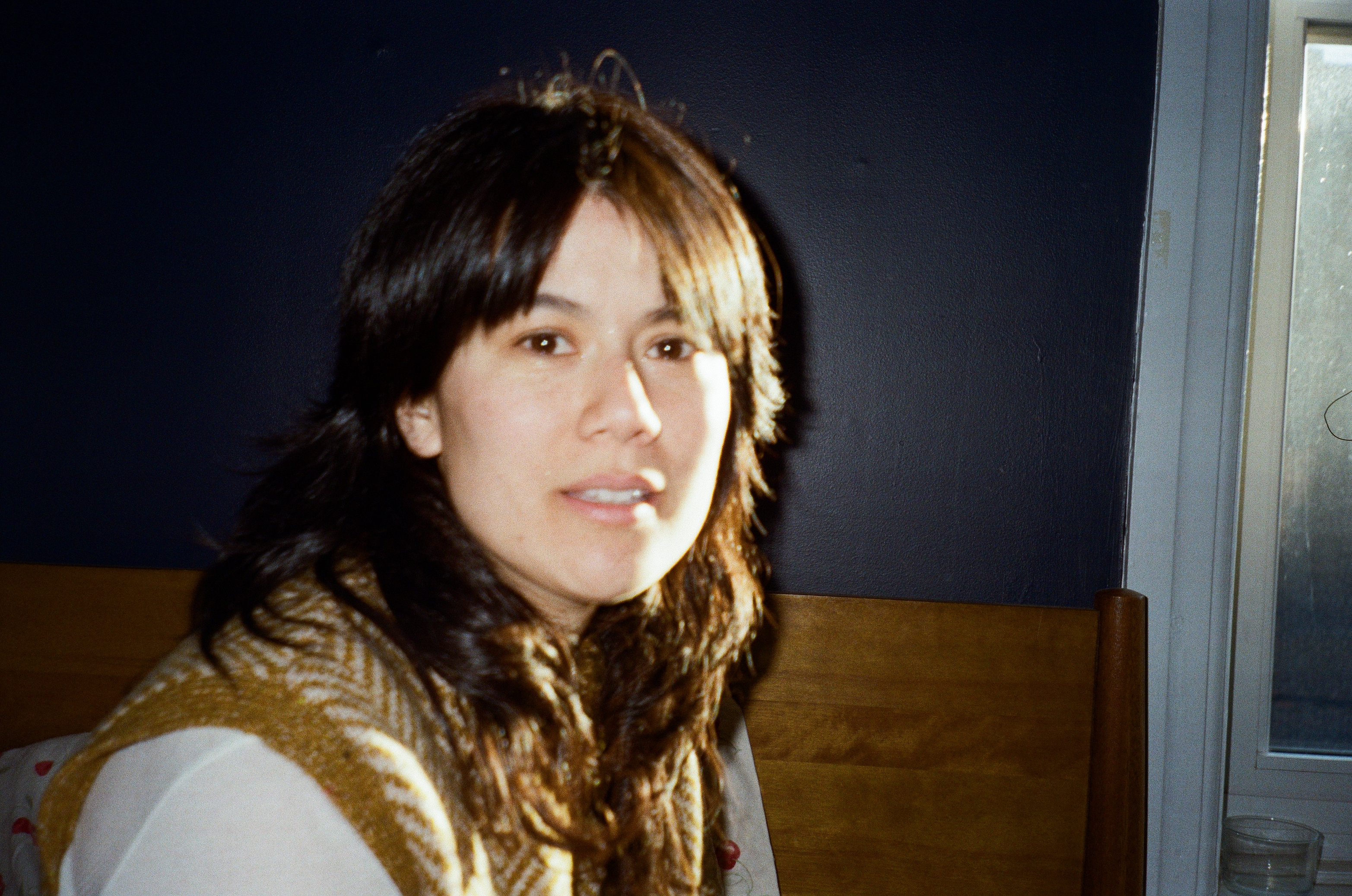
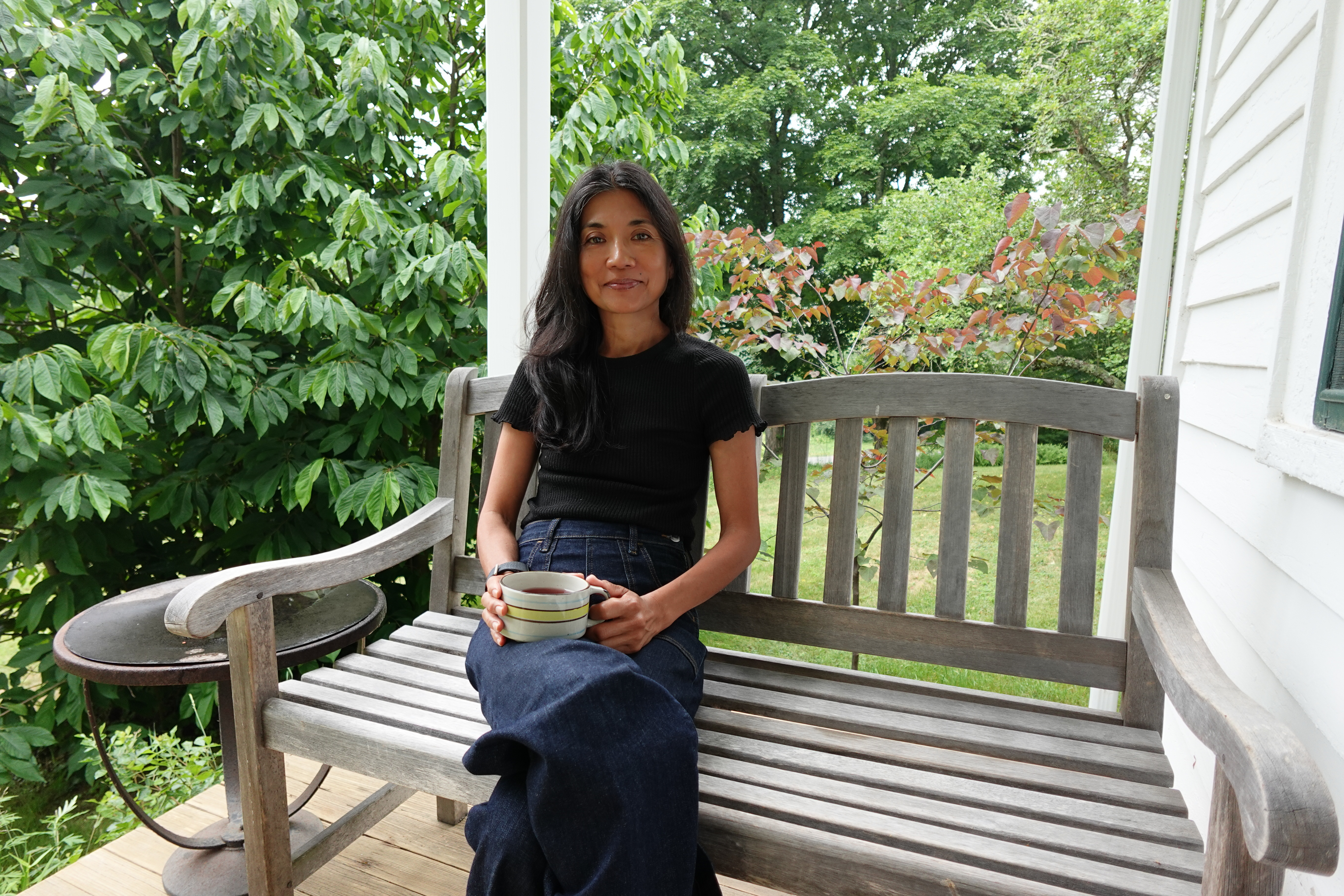
    Maia Chao

    “Scores for the Museum Visitor,” “Being Moved”

    Maia Chao’s performance art emerges from studying social behavior. Where some might see the mundane walk from home to work, she sees choreography, a rhythm, and an interaction of the body with its surroundings.

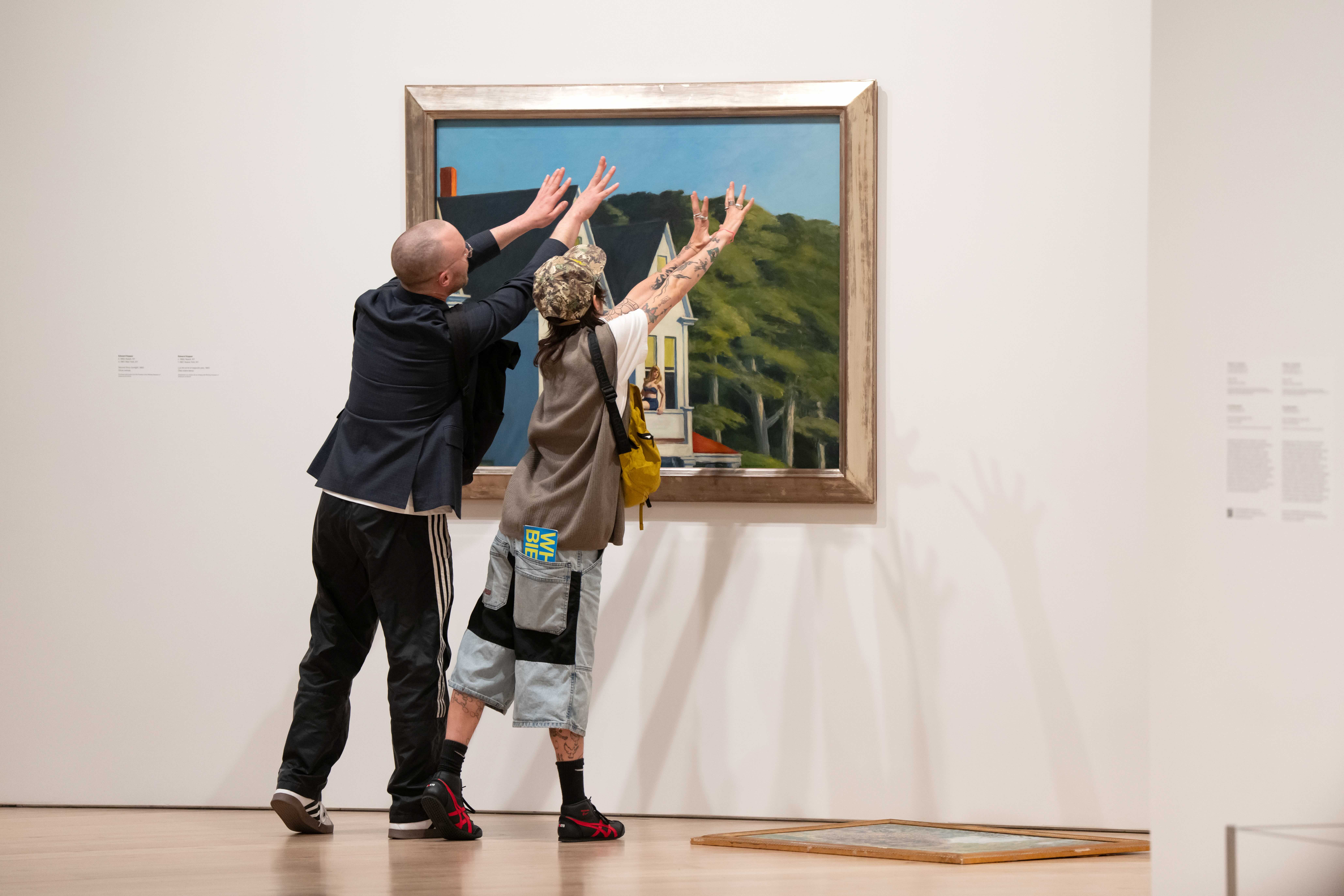
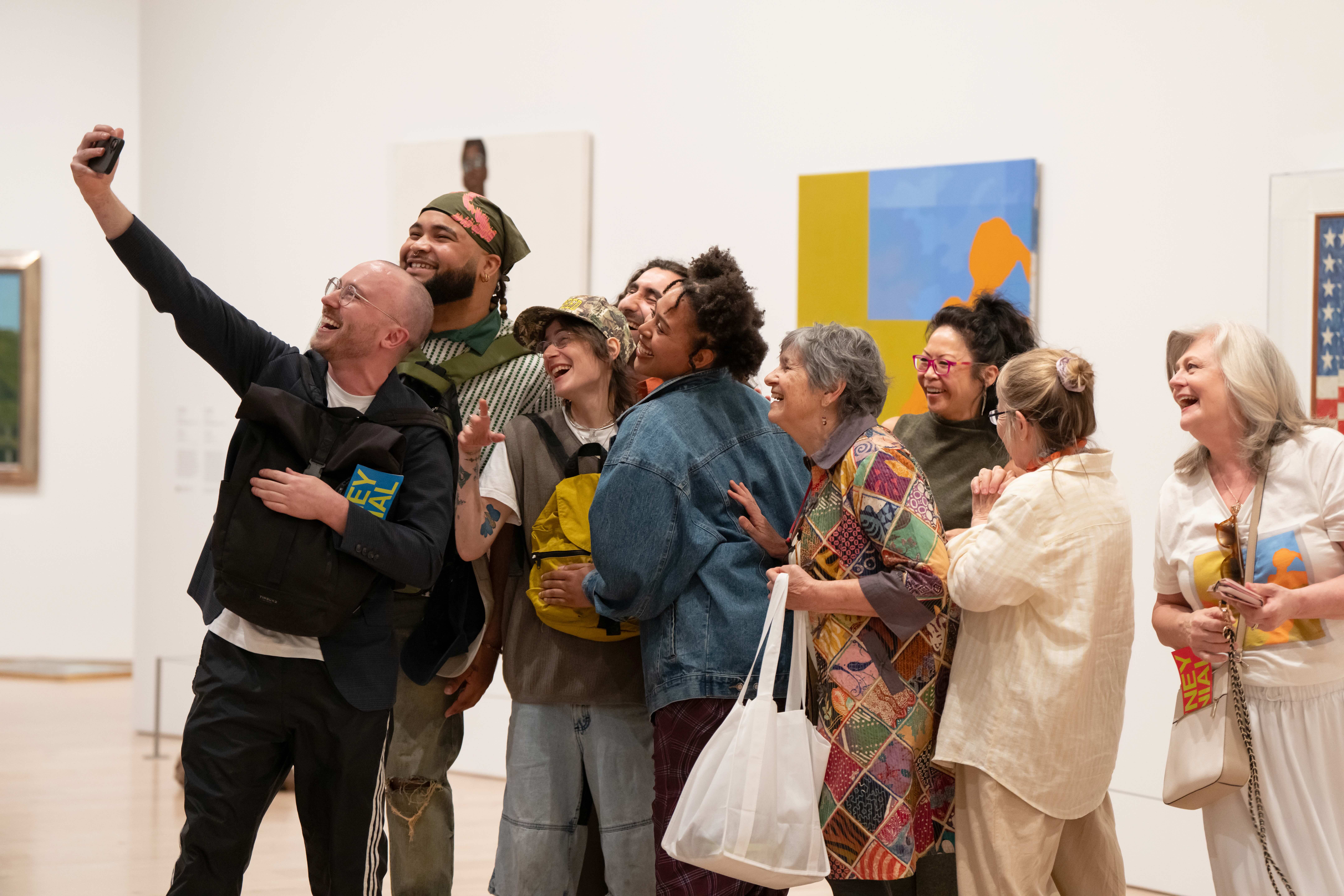
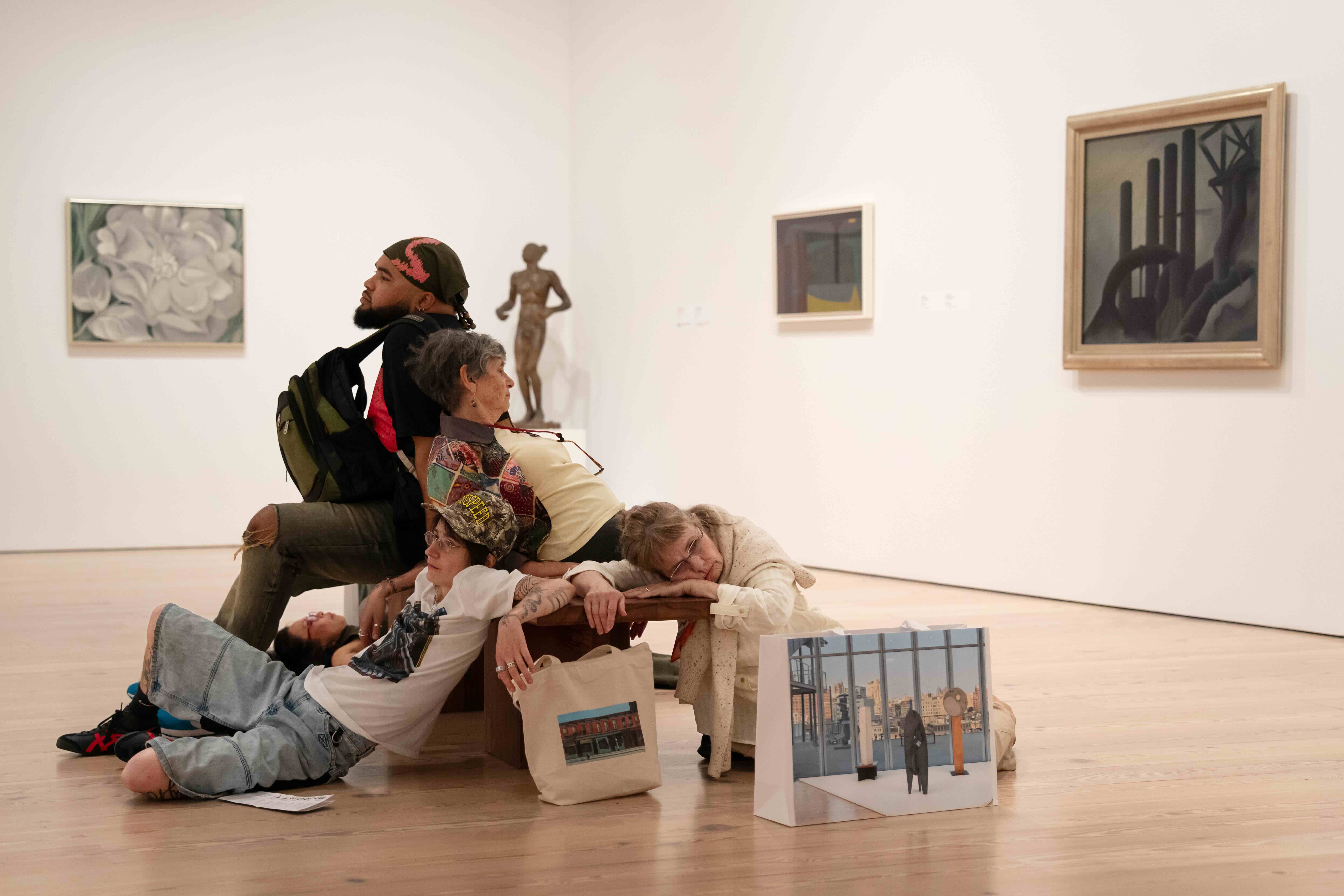
    Her biennial performance piece Being Moved, choreographed by Lena Engelstein, takes inspiration from how museum visitors interact with the art. “It reframes the focus from the art itself to the visitors’ experience,” she said. The title refers to both “this potential to be moved by an artwork,” but also “of the ways that the institution makes us move, makes us move our bodies, and makes us behave in the presence of extremely valuable assets.”

    That tension of the push and pull of a museum — where its mission might seem inviting and welcoming but once inside, rules around how to behave, what to touch abound — is at the center of Chao’s piece.

    Maia Chao, “Being Moved,” 2026. Performance, Whitney Museum of American Art, New York, May 14–17, 2026. Commissioned by the Whitney Museum of American Art.Julieta Cervantes

    When visiting the biennial beyond Chao’s performance schedule, visitors view Scores for the Museum Visitor as a set of prompts, an invitation to create “micro performances” of their own.

    Among the scores are: “Identify another museum visitor. From afar, copy their movements as closely as possible.” “While holding a museum brochure, clasp your hands behind your back. Drop the brochure.” “Find a bench. Take a seat. Imagine the artworks slowly falling to the floor.”

    “These are invitations to kind of transgress the rules, [for] engaging with the artwork, or interpreting and encountering an artwork,” the artist said.

    Maia Chao, “Being Moved,” 2026. Performance, Whitney Museum of American Art, New York, May 14–17, 2026. Commissioned by the Whitney Museum of American Art.Julieta Cervantes

    Chao first caught the curators’ attention with Agents of Deterioration (2024), made in collaboration with Ethan Philbrick, a performance piece commissioned by the Hirshhorn Museum and Sculpture Garden. Sawyer was drawn in by Chao’s “legacy of institutional critique through affective registers.”

    “There’s a real kind of commitment to the institution, even as Maia is critiquing it, which we felt was important in this moment where there’s, from many different directions, an eroding of faith in institutions. We were really interested in the way she both critiques and pushes institutions to do better,” he said.

    Artist and Penn professor Michelle Lopez whose “Pandemonium” is part of the 2026 Whitney BiennialKelsey Valencia, Denniston Hill Residency

    Michelle Lopez

    “Pandemonium”

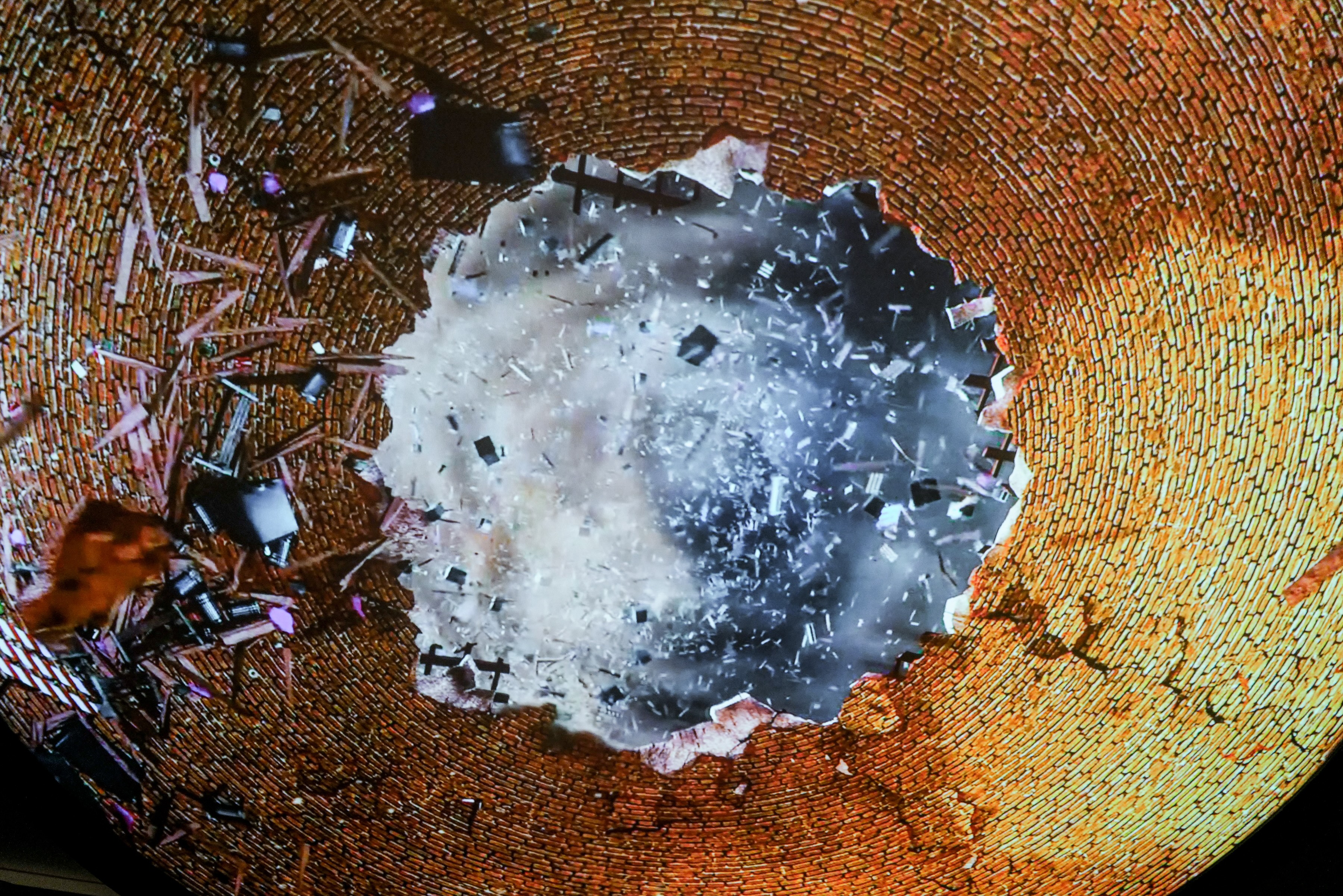
    Pandemonium is a fully Philadelphia piece of art. It was made in collaboration with the Moore College of Art and Design and the Franklin Institute, supported by the Pew Center for Arts & Heritage and the University of Pennsylvania, filmed at Northeast Philadelphia’s RAIR (Recycled Artist in Residency), premiered at the Fels Planetarium and the Galleries at Moore, and inspired by artist Michelle Lopez’s earlier work exhibited at the ICA.

    Installation view of Whitney Biennial 2026. Michelle Lopez, “Pandemonium,” 2025.Jason Lowrie/BFA.com

    “Philadelphia is just a really supportive environment for artists,” said Lopez, who is an associate professor of fine arts at Penn’s Stuart Weitzman School of Design, where she leads the sculpture program. “I could not have made that work in New York.”

    The video project, as Lopez says, came from a desire to “situate the viewer in the eye of a storm so that they could feel, on a somatic level, what it was like to have their environment really collapse around them.”

    Installation view of Whitney Biennial 2026. Michelle Lopez, “Pandemonium,” 2025.Gus Powell

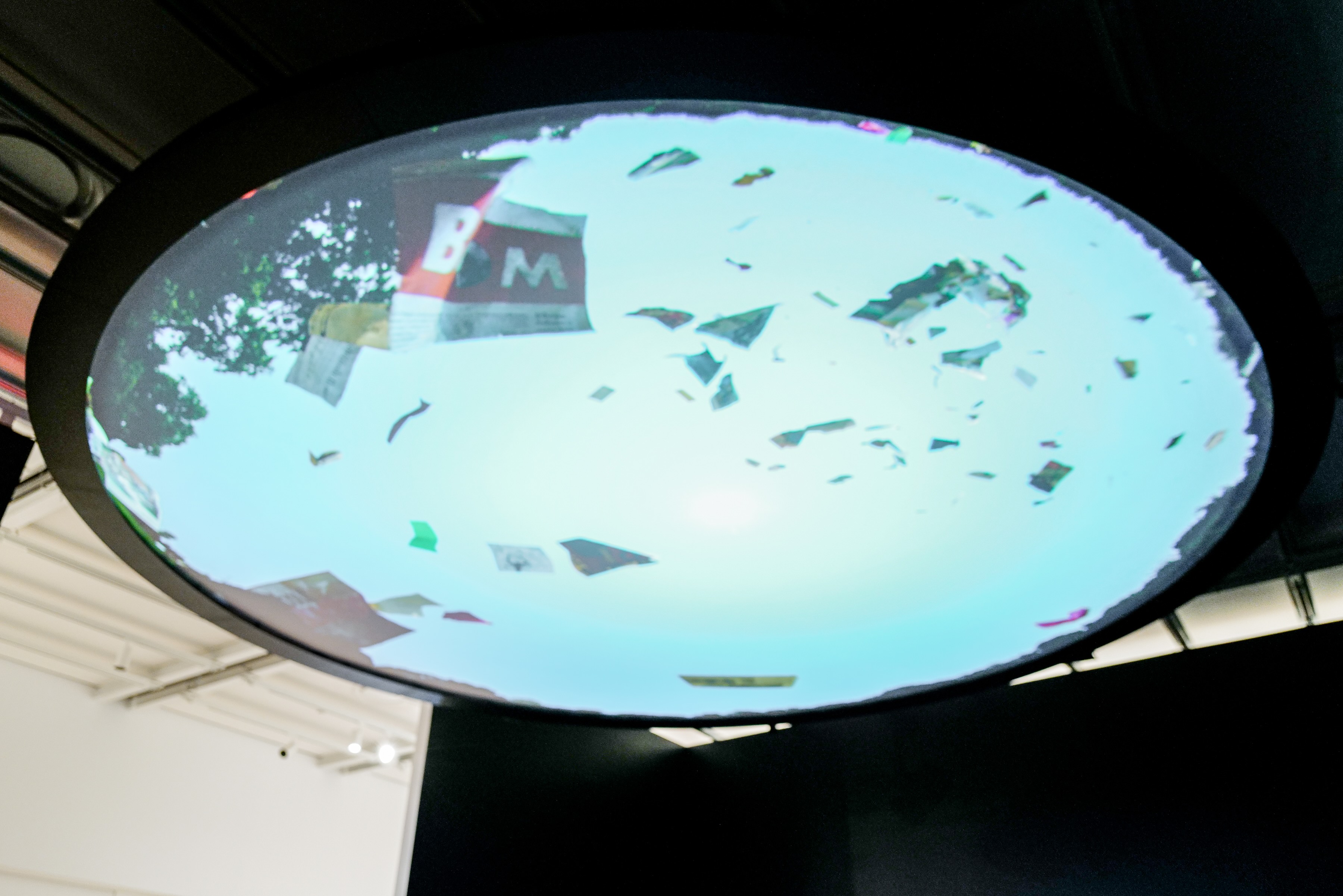
    At the Whitney Museum, Pandemonium plays on a domed screen on the ceiling of the gallery and demands that the viewer sit below it and look up. What they witness is things moving around with a violent force against the sky — debris, newspapers, packaging, clothing (including Lopez’s own and her son’s old underwear), and other markers of extreme human consumption.

    In order to make this mayhem happen, Lopez, who is trained in sculpture, built a tornado machine using a robotic contraption, industrial fans, and leaf blowers. Together they created a simulation of a tornado at RAIR which was then filmed and eventually screened in the Fels Planetarium.

    “A lot of the work imagistically, came from seeing images of tornadoes and hurricanes wiping out towns. I was really interested in the way nature could collapse culture,” said Lopez, who lives in South Philadelphia.

    Installation view of Whitney Biennial 2026 (Whitney Museum of American Art, March 8–August 2026). Michelle Lopez, “Pandemonium,” 2025.Jason Lowrie/BFA.com

    While a Whitney gallery is nowhere close to the grandeur and wonder of the Fels Planetarium, the 360-format video manages to suck in a viewer who feels almost weightless as the feeling of being thrown around by the forces of nature is simulated.

    When the curators visited Philadelphia for studio visits, “top on our list was Michelle Lopez,” said Sawyer. “We were aware that she had been working on this major moving image project that departed from what she’s most well known for, which is sculpture. So we were really excited to meet with her, especially because her work had not been a part of the biennial before.”

    Artist Emilio Martínez Poppe, whose work “Civic Views” was on display in the City Hall courtyard last year. This year, it’s a part of the Whitney Biennial.Neal Santos

    Emilio Martínez Poppe

    “Civic Views”

    Like Lopez’s Pandemonium, artist Emilio Martínez Poppe’s Civic Views is an artwork that is only possible because the city of Philadelphia exists. Several Philadelphians have already seen Martínez Poppe’s work when it was on view last year in the City Hall courtyard.

    Martínez Poppe was then studying city planning and working toward an MFA in visual art from Penn when he was mulling over the future of city planning graduate students who’d go on to join the public service workforce.

    It was in conversation with professors that he found out that the oldest surviving daguerreotype in the country, which is stored at the Historical Society of Pennsylvania, was taken by Joseph Saxon, who was a public sector employee working for the U.S. Mint.

    “That was shot out of the U.S. Mint, where the Widener Building is today. He’s following Daguerre’s technological recipe, he uses it to photograph what he sees through the window. Unlike Daguerre, who was a theater entrepreneur, Saxton was a public sector employee who was doing something he was not hired to do,” said Martínez Poppe. “He was hired to work on the newly nationalized currency and he was tinkering with this invention in his office, and that view is one of the only real entry points that we have into his position at his job there, which is interesting.”

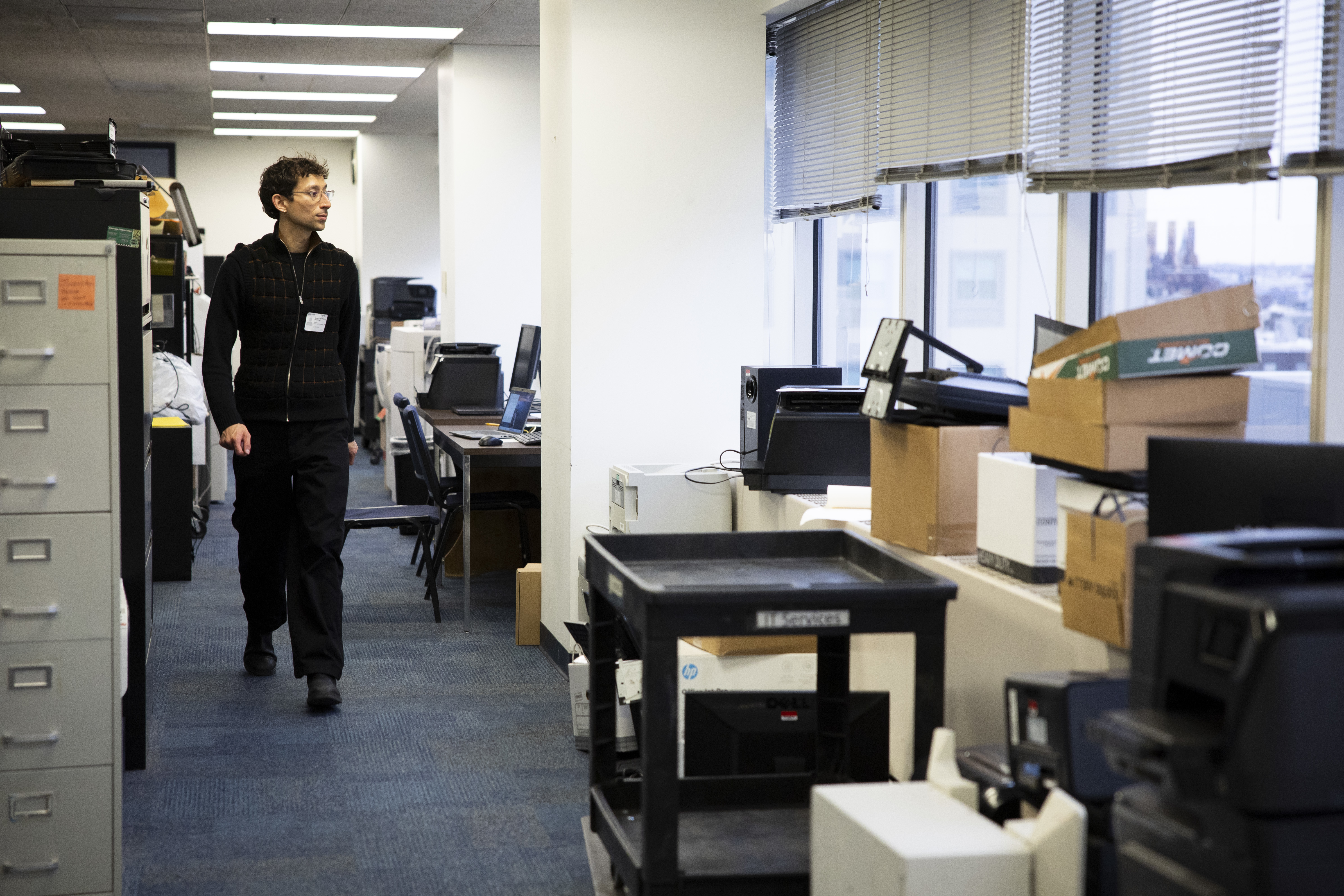
    Emilio Martínez Poppe looks out the windows at the Department of Behavioral Health and Intellectual disAbility Services office on Tuesday, Feb. 11, 2025 in Philadelphia. Emilio Martínez Poppe is working on a project curated by Jameson Paige that documents the views from municipal service buildings. The project also includes interviews with city workers.Monica Herndon / Staff Photographer

    Inspired, Martínez Poppe visited municipal buildings all across Philadelphia and photographed views from the inside out so he could document what city workers see from their windows. Alongside, he conducted “dozens of long form, anonymized interviews” with city workers from more than 20 agencies.

    “I would ask them, what was your perspective of city government before working here, who taught you about the value of public sector work? Often, so many people would tell me it was their mothers.”

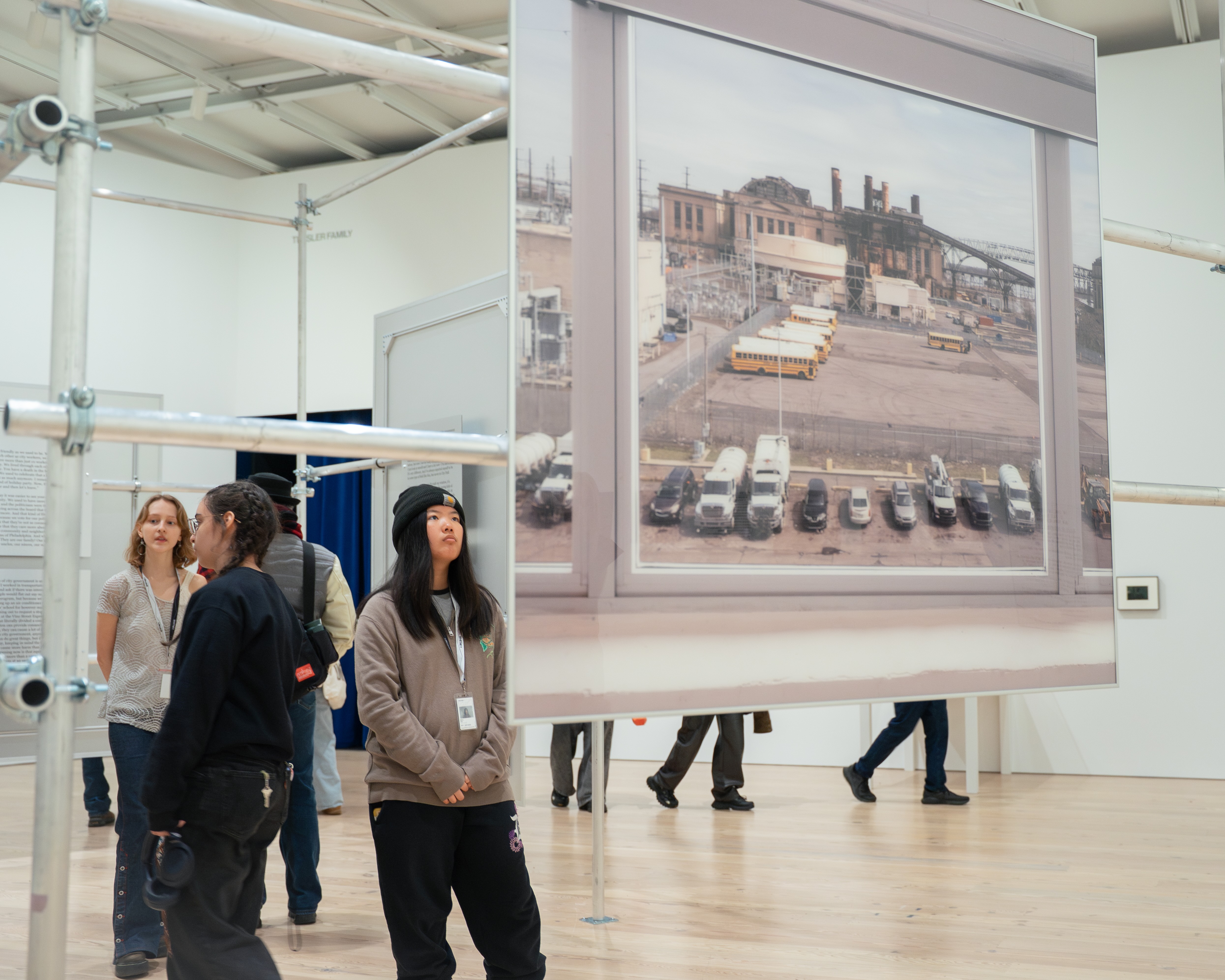
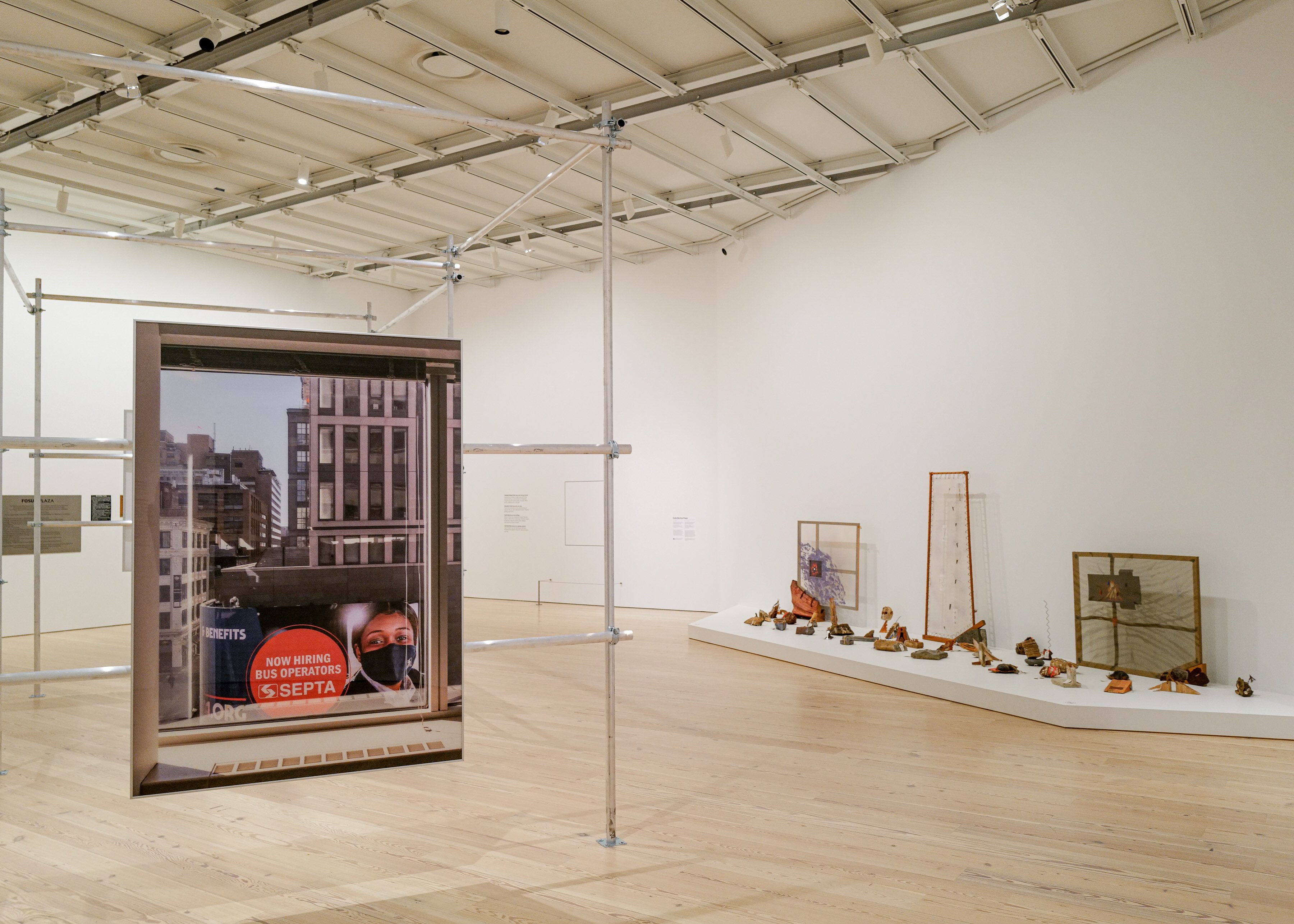
    Civic Views is a result of those conversations — a coming together of anonymized interview snippets and photographs displayed in a scaffolding-like structure in the middle of a Whitney gallery. “It’s the scaffolding that dissolves the authoritative center, even in the Whitney Biennial,” said Martínez Poppe.

    Since his exhibition in Philadelphia, there has been a municipal workers strike and threats of a SEPTA strike, and President Donald Trump’s DOGE cuts have resulted in thousands of public sector employees being laid off in the city.

    An installation view of Emilio Martínez Poppe’s “Civic Views.”Summer Surgent-Gough

    “The public sector is vulnerable to radical change, for better or worse. With my work, I want to say that it’s time to seize the means, seize our technology to create the world that belongs to us,” the artist, who now works for the New York City Mayor’s Office as a civic arts programs coordinator, said.

    “We need to assume that responsibility. That’s why the project centers the voices of workers and how their positions shape their views. But also how their views shape the structures that we are living in and living through.”

    On the curators’ Philadelphia visit, Guerrero recalled seeing Civic Views and people of the city interacting with it. “It was very touching,” she said. Her favorite part about the work is that it uses “the tropes of the camera, of the interview, of bureaucracy, but then upends it completely.”

    Installation view of Whitney Biennial 2026 (Whitney Museum of American Art, March 8–August 2026). “Civic Views” (2024) by Emilio Martínez Poppe, “Philadelphia Housing Authority, South,” 2024; Emilio Martínez Poppe, “Philadelphia Department of Sanitation, North,” 2024; Emilio Martínez Poppe along with works of Kainoa GruspeJason Lowrie/BFA.com

    “You see how important the job of a public servant is,” she said, “and how you know they’re in kind of a double bind because they’re the face of the government and also they receive the same services they provide … their kids are in the public school system, they depend on the Department of Sanitation.”

    She finds this complexity “beautifully translated” in Civic Views. “You can really put yourself in the shoes of the person who’s speaking and feel the care that really goes into this type of work that should not be overlooked.”

    Artist Jonathan González whose performance piece ‘magic hour — golden time’ is part of the 2026 Whitney BienialRudy Gerson

    Jonathan González

    “magic hour — golden time”

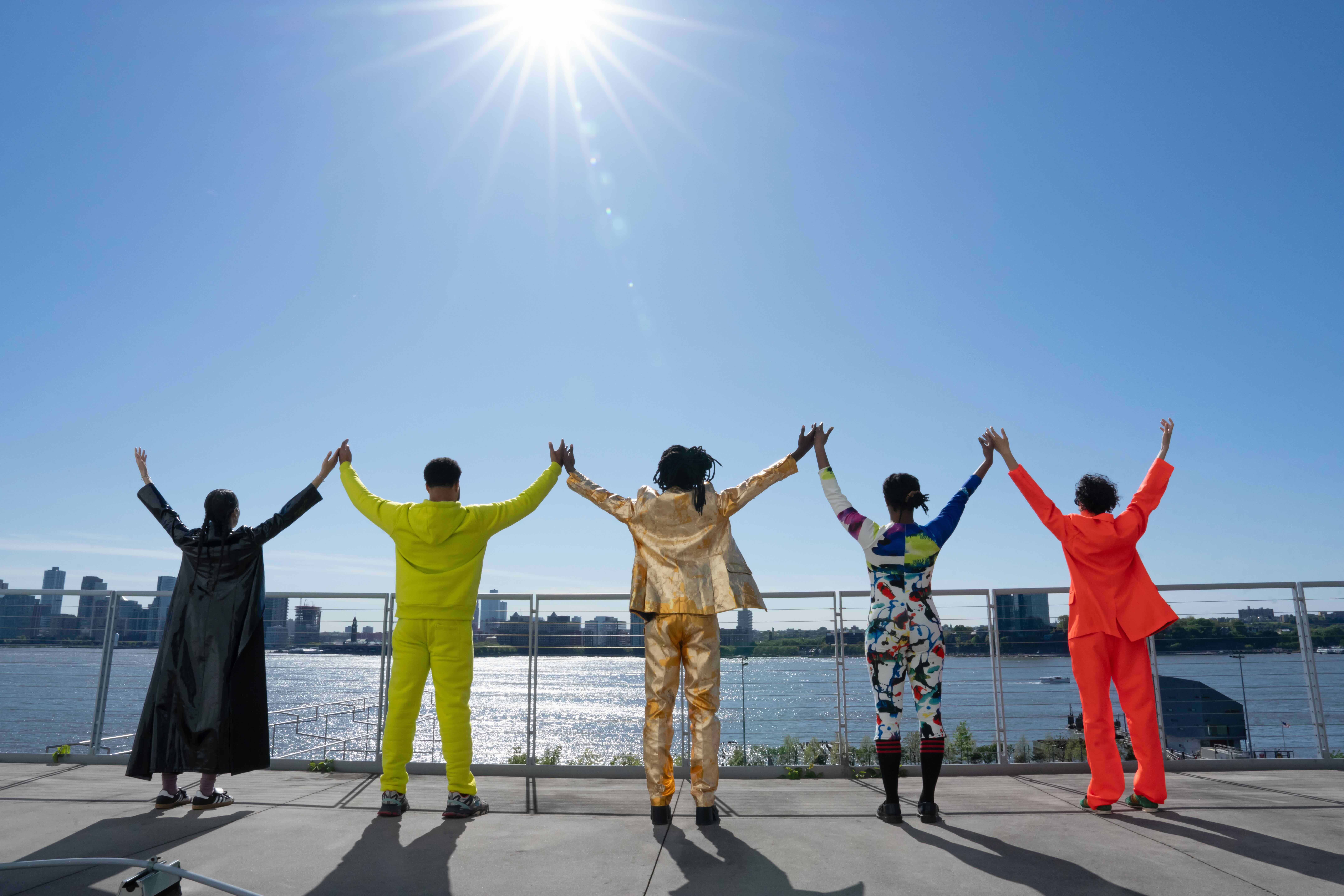
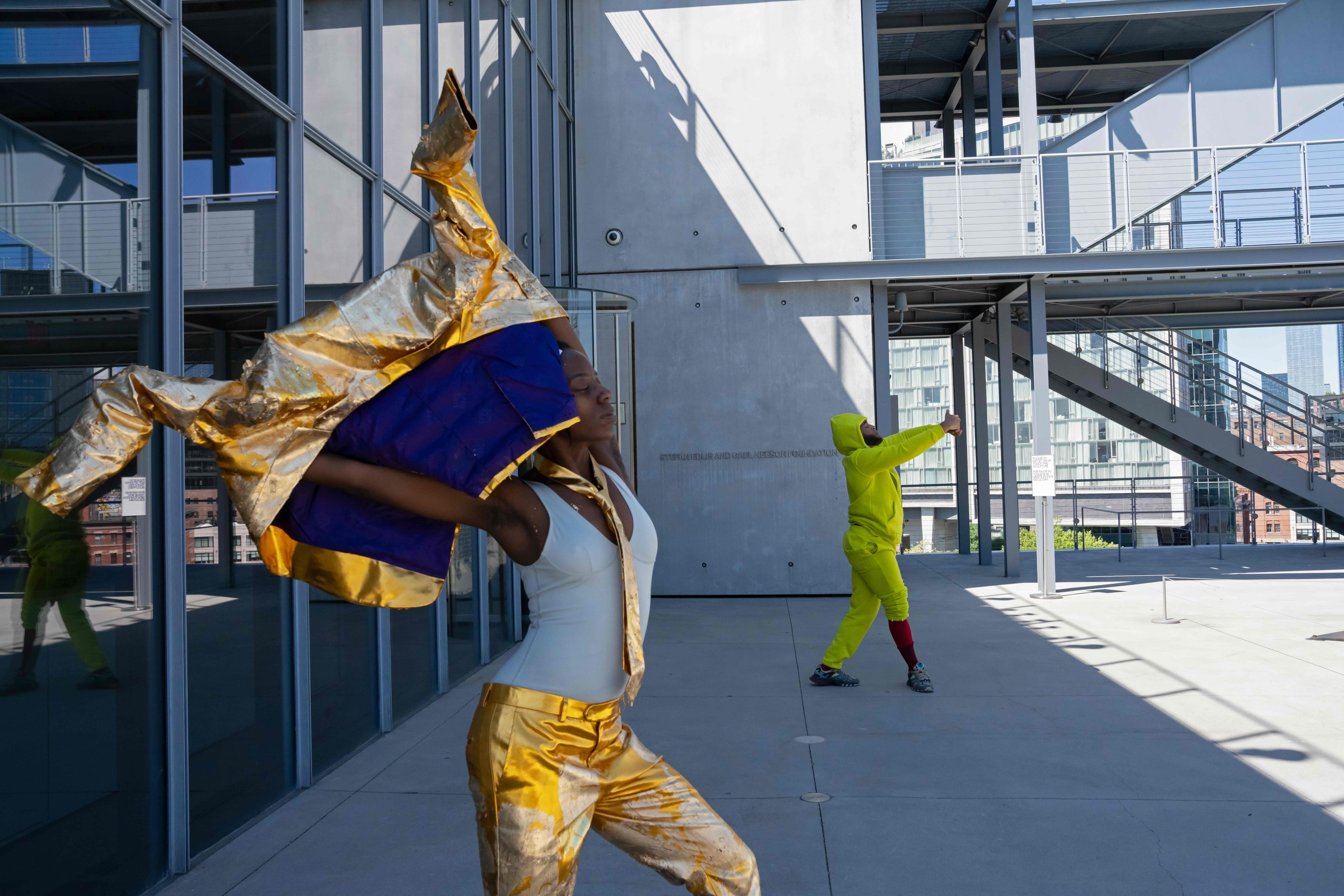
    Like Chao, Jonathan González’s work also sees a two-pronged approach with performance and photography. Three Super 8 photographs, A, B, and C, mark the locations, across the museum, of the three-hour long performance piece presented by González and their co-artists.

    “Each photograph shares with the performers how to perform the work,” said González, who also lives in West Philadelphia. Magic hour-golden time, they said, “is a double leaning. Magic hour comes from the usage in broadcast television when you have the highest viewership. And golden hour is that moment of the sunset. And so the piece is merging this experience of looking out and also being seen over three hours.”

    Jonathan González, “magic hour–golden time,” 2026. Rehearsal performance, Whitney Museum of American Art, New York, May 12, 2026. Commissioned by the Whitney Museum of American Art.Julieta Cervantes

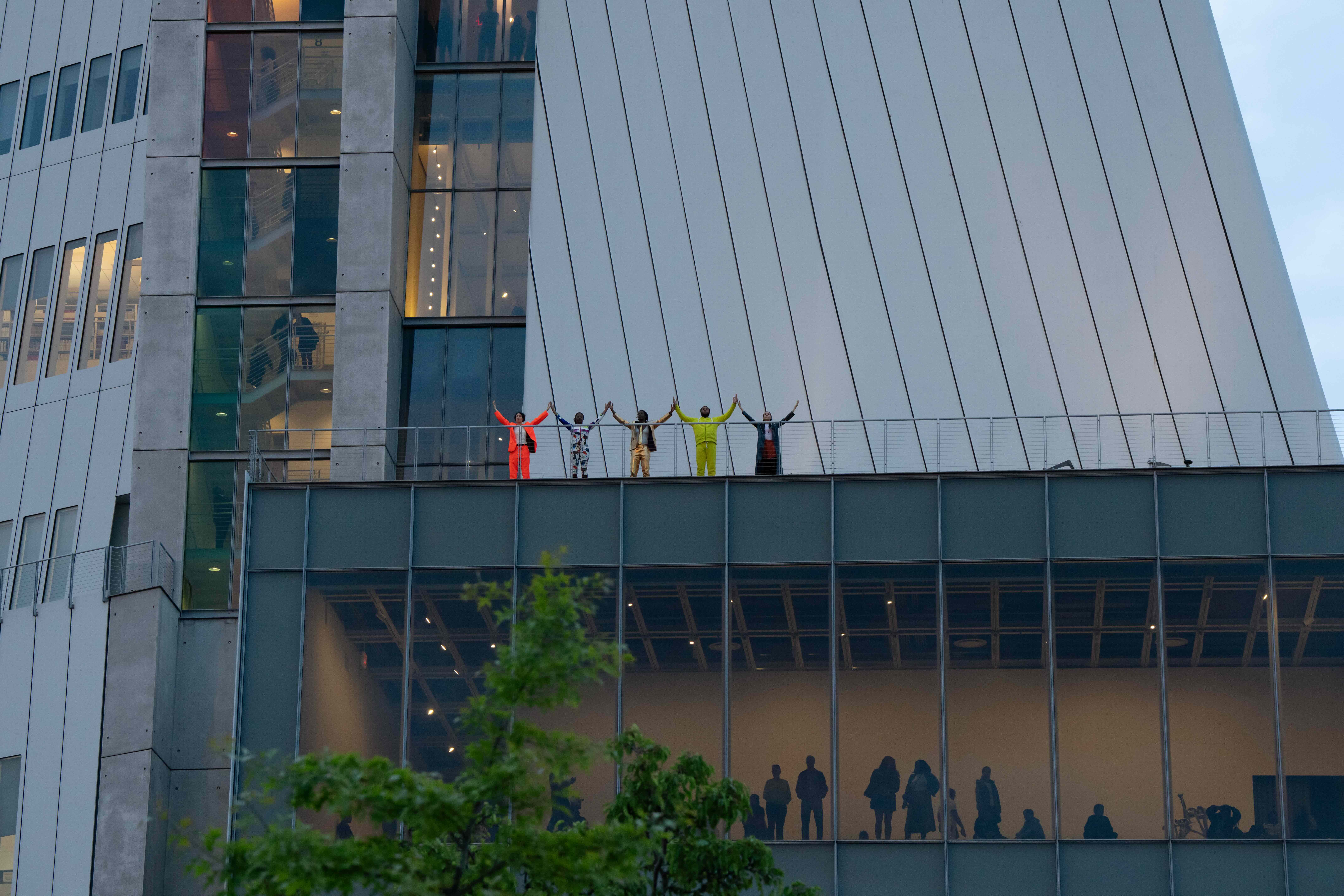
    From three terraces around the museum, the performers follow the sun’s movement for three hours. In the first hour, the performers “embody the architecture that surrounds the museum” and makes up the city’s skyline. The second hour, they said, “is a procedure of call and response … the dancers dance with every dance you’ve ever danced, and take information from one another as dancers, as well as from the pedestrians.”

    The final hour, González said, is performed on an inaccessible terrace. “It can only be viewed from across the street, you cannot see it from the museum. It’s called the ‘Endless Bow,’ and it’s 60 minutes of bowing to the sun and bowing to the world and bowing to the performance.”

    Philadelphia, the former University of the Arts professor said, gives them “the capacity to slow down to hear these voices, and have dreams, visions come to you.” The city allows them the time to spend time in the studio with friends like Chao and inspires them to “collaborating not toward a particular product or aim, but much of the time experimentation.”

    Jonathan González, “magic hour–golden time,” 2026. Performance, Whitney Museum of American Art, New York, May 12, 2026. Commissioned by the Whitney Museum of American Art.Julieta Cervantes

    “Just the fertile nature of Philly as a historical Black geography has been really important for me to really situate the questions of time and what happens to a city at the late stage of industrialization, and to really think critically about what a group can do, what mutuality is,” they said.

    “Certain artists just stay in your mind, and you want to come back and see what they are working on,” said Guerrero recalling her first tryst with González’s work. “The work felt so mature. There’s this notion of how, through improvisation, you can be attuned to your surroundings. In the case of their performance, they make these other effective strategies [for attunement] that don’t always rely on the senses, and that is something that is very present in the show.”


    The Whitney Biennial 2026 is on view through Aug. 23 and on partial view, which will include all of the Philadelphia artists’ static works, through Oct. 12. The Whitney Museum of American Art, 99 Gansevoort St., New York. whitney.org

  • John Alviti, retired senior curator at the Franklin Institute and former executive director at the Atwater Kent Museum, has died at 76

    John Alviti, retired senior curator at the Franklin Institute and former executive director at the Atwater Kent Museum, has died at 76

    John Alviti, 76, of Flourtown, Montgomery County, retired innovative senior curator at the Franklin Institute, former executive director at the Atwater Kent Museum, adjunct professor of urban studies, and “Mr. Philadelphia History” to family and friends, died Saturday, June 20, of complications from heart and kidney disease at Jefferson Abington Hospital.

    Born in Chicago and devoted to history and his South Side White Sox baseball team, Mr. Alviti came to Philadelphia in the 1970s to pursue a doctorate in history and urban studies at Temple University. He never got that doctorate.

    But he fell in love with Philadelphia’s history and architecture, got married, settled down in Flourtown, and, for 34 years, was one of the region’s most influential museum curators and historians. Affable, creative, and energetic, by all accounts, Mr. Alviti became a groundbreaking executive director at the now-closed Atwater Kent Museum in 1982 and celebrated curator at the Franklin Institute in 1994.

    Even after he retired in 2018, he was known around town as “Mr. Philadelphia History.”

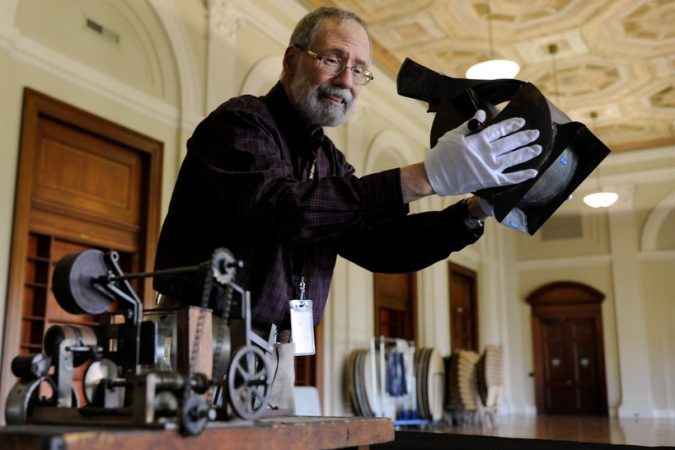
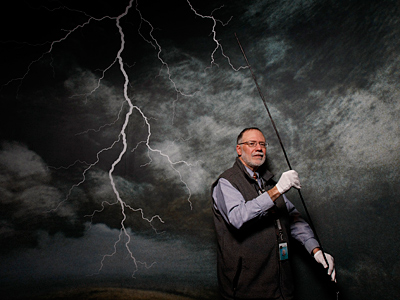
    Mr. Alviti displayed this 5-foot-long fragment of a lightning rod designed by Benjamin Franklin at the Franklin Institute in 2010. Michael S. Wirtz / Staff Photographer

    At the Atwater Kent, Mr. Alviti updated exhibits on William Penn, the history of Philadelphia, the old Enchanted Colonial Village display, and local cemeteries. He added maritime and archaeology galleries.

    At a gala to celebrate the museum in 1984, A. Atwater Kent Jr., son of the museum founder, said Mr. Alviti “has done a great job of creating interesting exhibits and improving the museum.”

    At the Franklin Institute, he reorganized its huge inventory, redecorated the galleries, digitalized many artifacts, and created popular exhibits regarding the Wright Brothers, Benjamin Franklin, antique machines, X-rays, and dozens of other scientific subjects.

    “He loved objects,” said his wife, Maryellen. “He loved the history of objects and telling their story.”

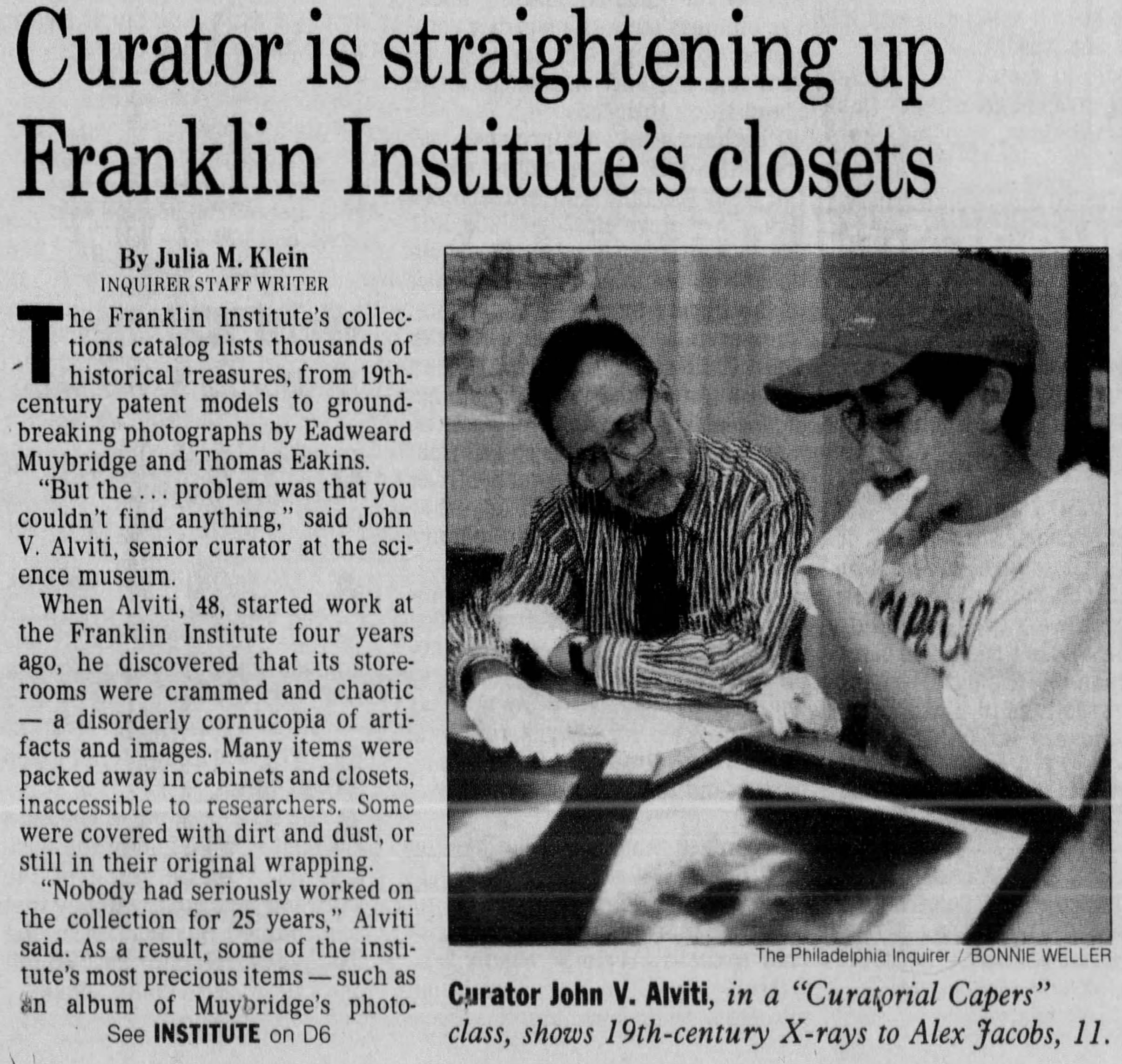
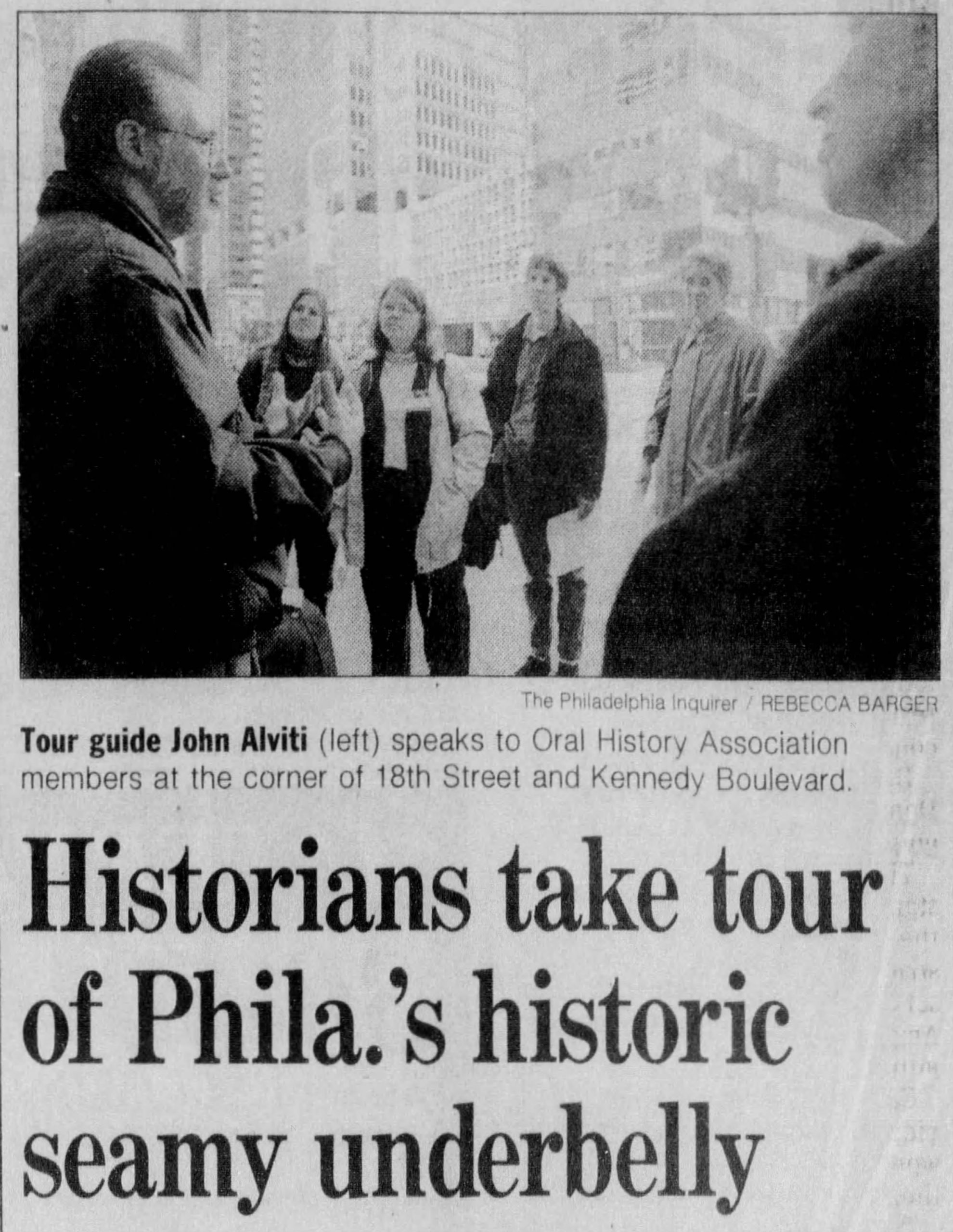
    This story and photo of Mr. Alviti (left) was published in The Inquirer in 1998.Newspapers.com

    In 1998, Mr. Alviti told The Inquirer: “Besides the curator of stuff, I’m also the curator of institutional memory. And institutional memory is more than just simply the facts about what happened in the past. It’s about the legacy of an institution … and how it informs our thinking and decision-making.”

    He was also adept at merging his collections with educational programs, and he helped organize the city’s National History Day competition for students, the Phil-A-Kid hands-on history workshop for fourth and fifth graders, the Peopling of Philadelphia research project, and the Curatorial Capers summer day camp program. Often, in a nod to the ever-present protective gloves he wore to handle the artifacts, he introduced himself as “Johnny Whitegloves.”

    “There are some curators who think I’m crazy,” he told The Inquirer. But a public presentation, he said, “really demonstrates the power of an object.”

    Mr. Alviti also led walking tours of the city for visiting colleagues from the Oral History Association, the Organization of American Historians, and other groups. He admired and worked closely with amateur historians, and led the successful effort in 1981 to save the historic Lit Bros. building complex on Market Street from demolition.

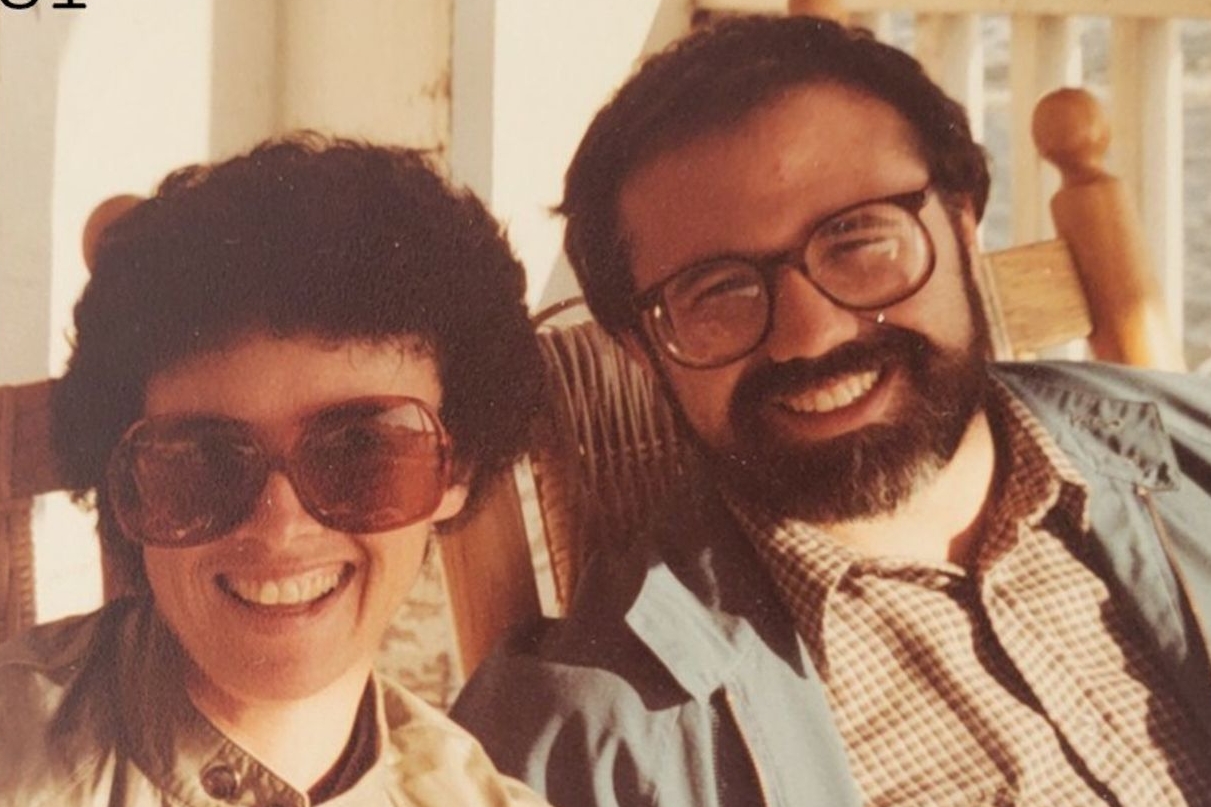
    Mr. Alviti and his wife, Maryellen, married in 1983.Courtesy of the family

    Between the Atwater Kent and the Franklin Institute, Mr. Alviti spent two years as director of the Historical Society of Washington, D.C. He was an expert on public transportation and taught urban studies, American history, and museum training at Temple and Stockton Universities, Rutgers University-Camden, and elsewhere.

    He was onetime curator of historic Fort Mifflin and president of what is now the Museum Council of Greater Philadelphia. He was on the advisory board of the old Philadelphia Alliance for Teaching Humanities in the Schools and active with the American Association of Museums and other groups.

    “He had a gift for making friends for life,” longtime friend Margaret Marsh said, “and he had a legendary generosity of spirit.” Longtime friend Howard Gillette said: “He never met a stranger.”

    John Vincent Alviti was born Sept. 22, 1949. A lifelong avid reader, he earned a bachelor’s degree in urban studies and history at Lewis University in Illinois in 1971 and a master’s degree in history at the University of Wisconsin-Milwaukee in 1975.

    The photo and a story about Mr. Alviti and his city walking tours appeared in The Inquirer in 1996.Newspapers.com

    He played piano and clarinet, and sang in choirs in high school and college. “He left Chicago when he was 25 or 26,” said his younger sister, Rosemarie Alviti Babic, “but never stopped loving the city.”

    He met Maryellen Coonahan when she took an urban studies class he was teaching at Temple, and they married in 1983 and lived in Philadelphia, Washington, and Flourtown. Together, they traveled the world and visited museums in London, Rome, Athens, Madrid, and elsewhere.

    Mr. Alviti enjoyed puzzles, games, and conversation. He lived with a heart condition for most of his life and was the lovable “Uncle Johnny” to his nieces and nephews. “He is missed beyond words,” said his niece Lindsay Hogan.

    He was fascinated by urban architecture and city life around the world, and he routinely bought food and drink for people without homes, picked up litter, and offered correct directions to those who looked lost.

    Mr. Alviti (right) enjoyed time with family and friends.Courtesy of the family

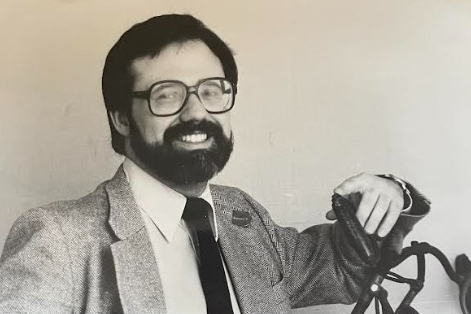
    “He was a curious fellow,” his wife said, “who loved to help people.”

    In addition to his wife, sister, and niece, Mr. Alviti is survived by a sister, Rita Jo Alviti Coyne, a brother, James, and other relatives.

    A celebration of his life was held earlier.

    Donations in his name may be made to Face to Face, 123 E. Price St., Philadelphia, Pa. 19144.

    His wife called Mr. Alviti “a curious fellow who loved to help people.”Courtesy of the family
  • See inside a $1.2M house for sale in Abington thought to have ties to a famous shoe heir

    See inside a $1.2M house for sale in Abington thought to have ties to a famous shoe heir

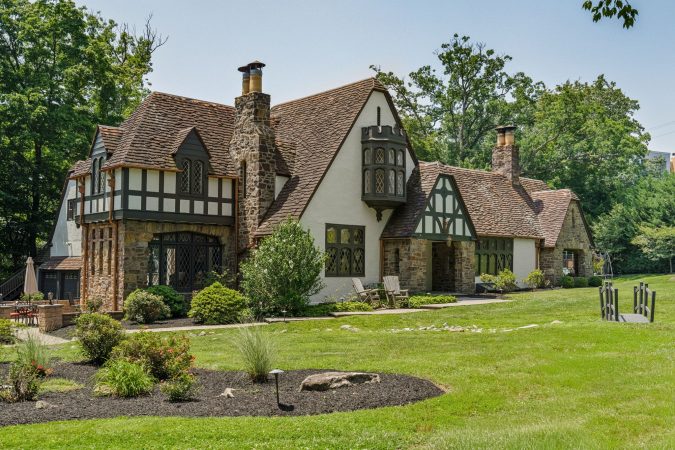
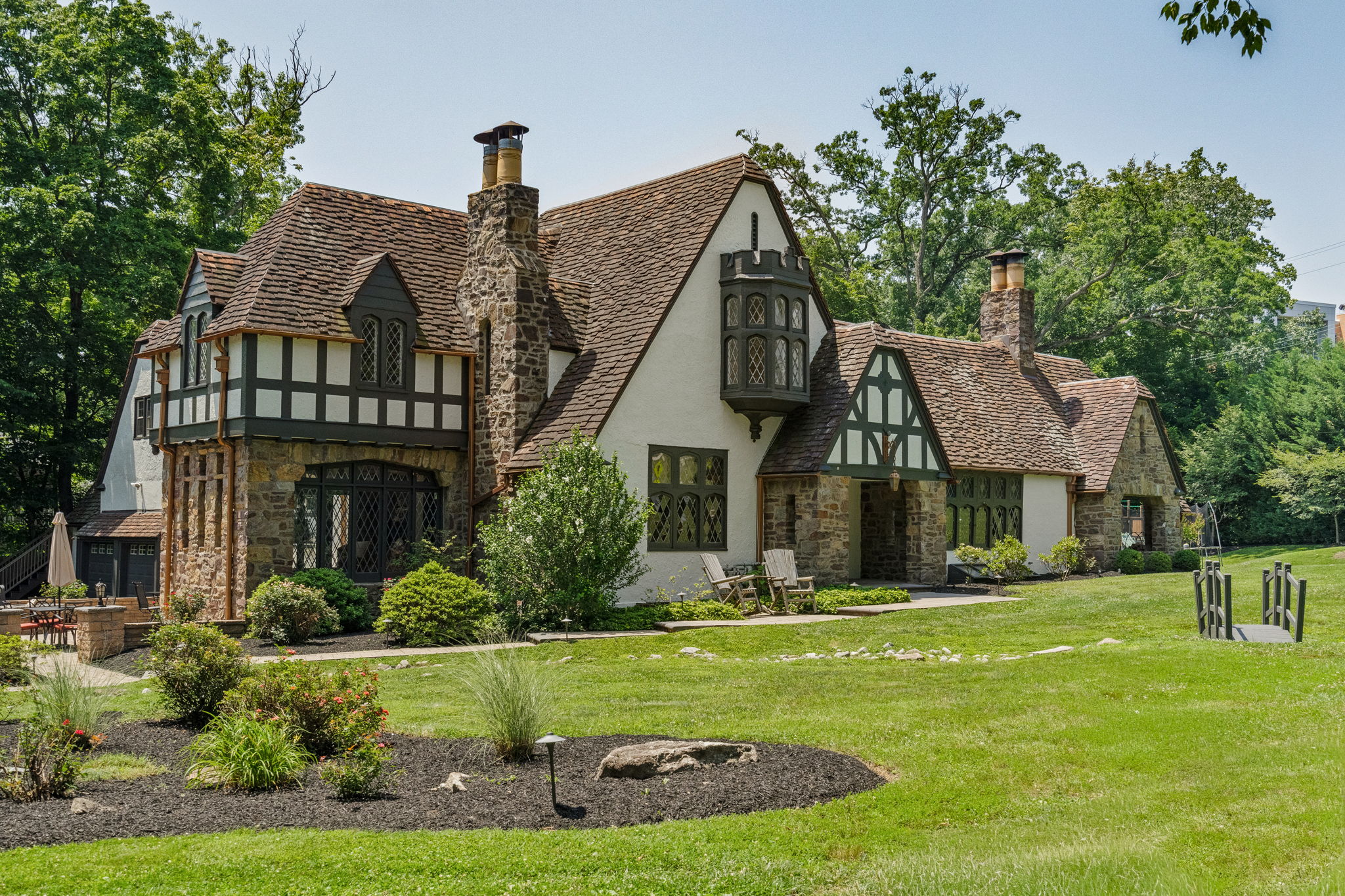
    There’s a 1920s house for sale in Abington whose previous residents may have included a shoe heir.

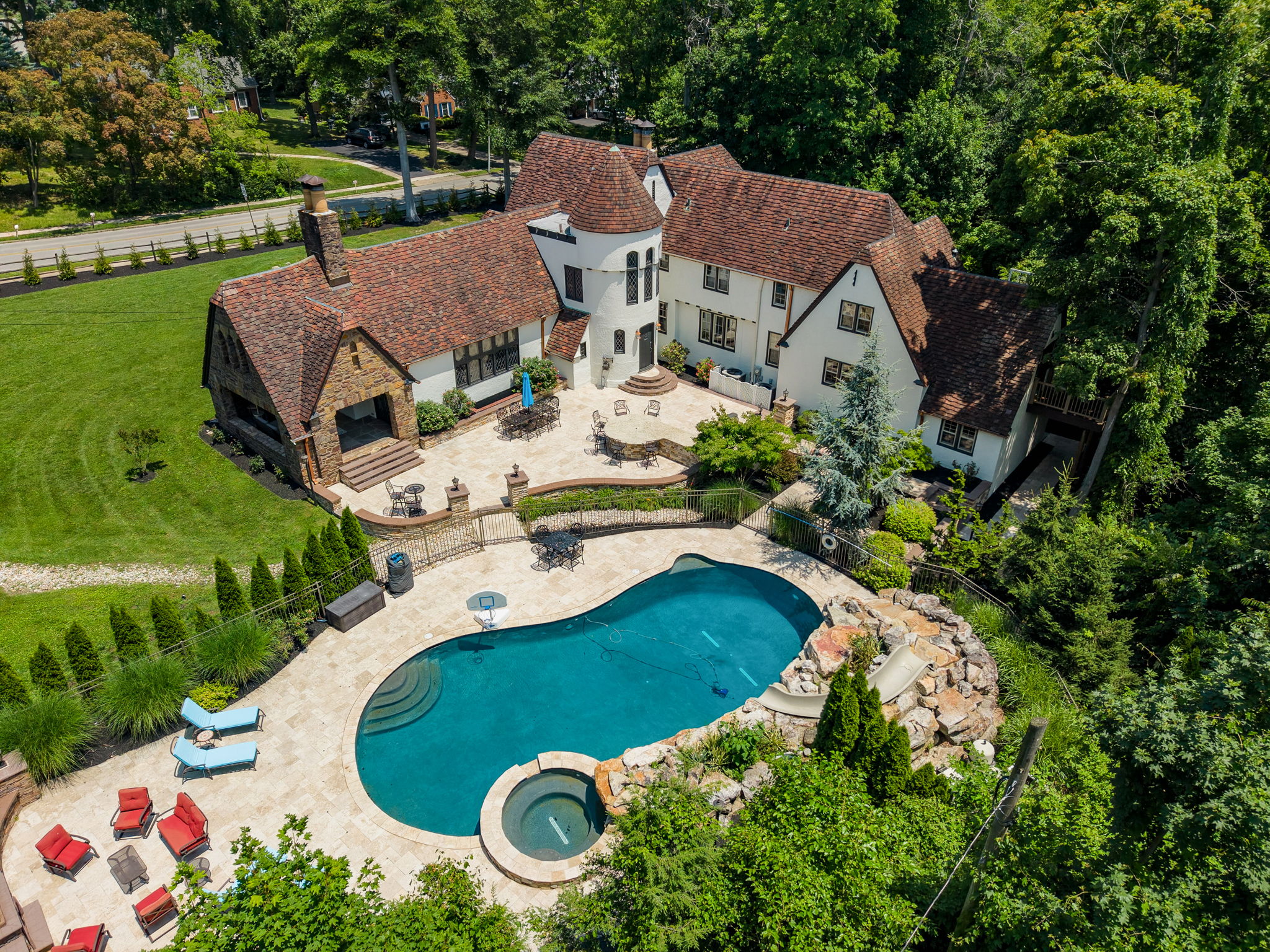
    The 4,328-square-foot-home has five bedrooms, three full bathrooms and two half bathrooms on just under an acre across from Abington Senior High School. One of the bedrooms sits separately above the three-car garage as a suite with a half-bath and a kitchenette. The asking price is $1.2 million.

    The Canterbury Road house sits beside a wooded area owned by a property management company, according to county records, which describe the house as a Tudor.

    But the house also has Norman Revival features, said Brian Whetstone, a historian at the University of Pennsylvania, including a rounded tower and stucco elevations: “This building is certainly taking a grab bag of references from Tudor and Norman influences in the final product.”

    A 1920s Tudor home is for sale on Canterbury Road across from Abington Senior High School.Donkin Media Group

    The two-story house is nicknamed “Tall Trees” for the woodsy feel it used to have, but anyone who’s ever paid an arborist can rest easy — the current owners have removed many of the trees.

    An added bonus is how much sunlight now enters the house, said Tim Owen of Compass Real Estate.

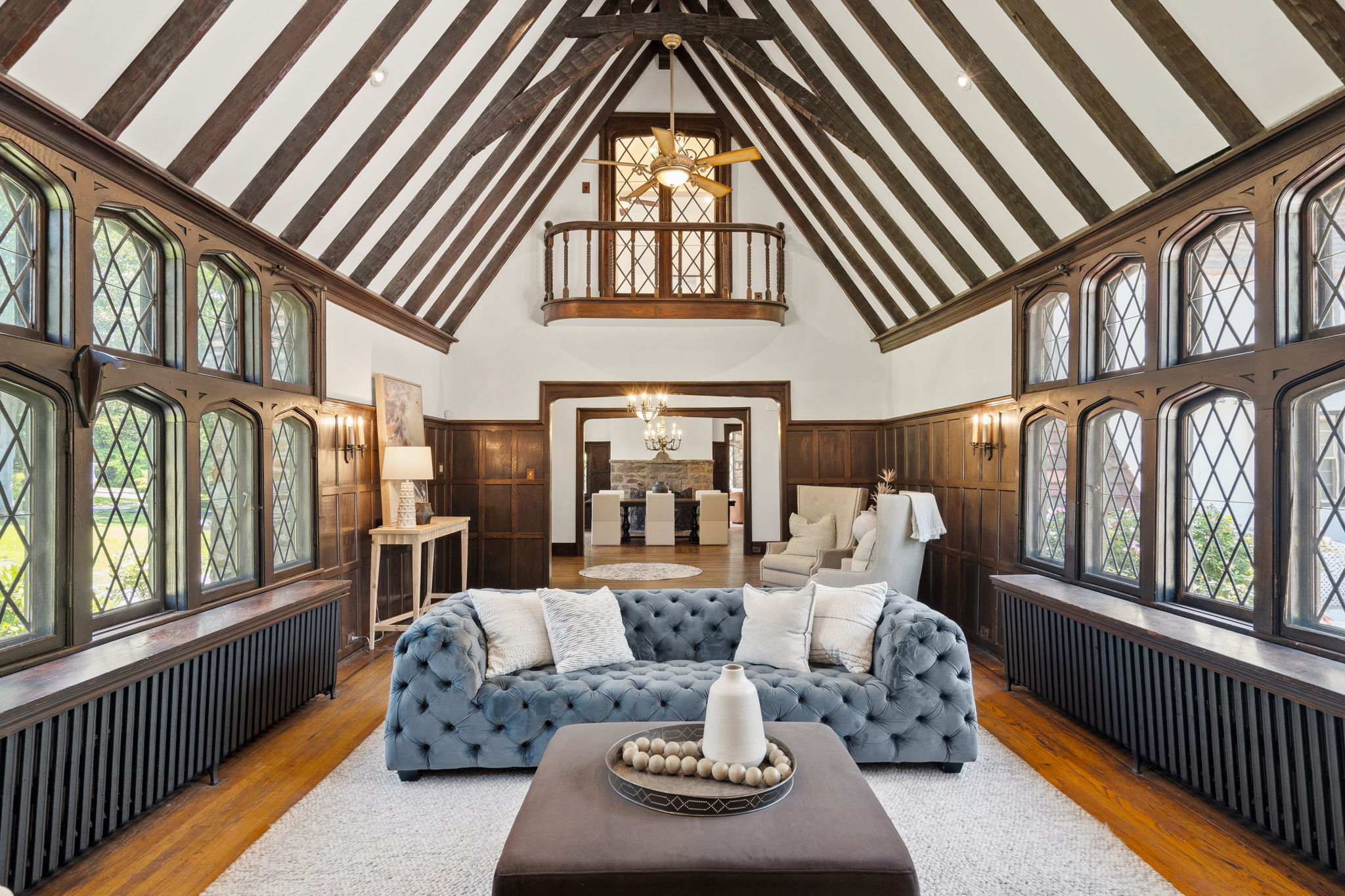
    The main floor of the 1920s Tudor for sale in Abington Township.Donkin Media Group

    “Often with Tudors, the houses feel really dark with the wood and all,” Owen said, but several potential buyers have mentioned how bright it feels inside, even on a gloomy day.

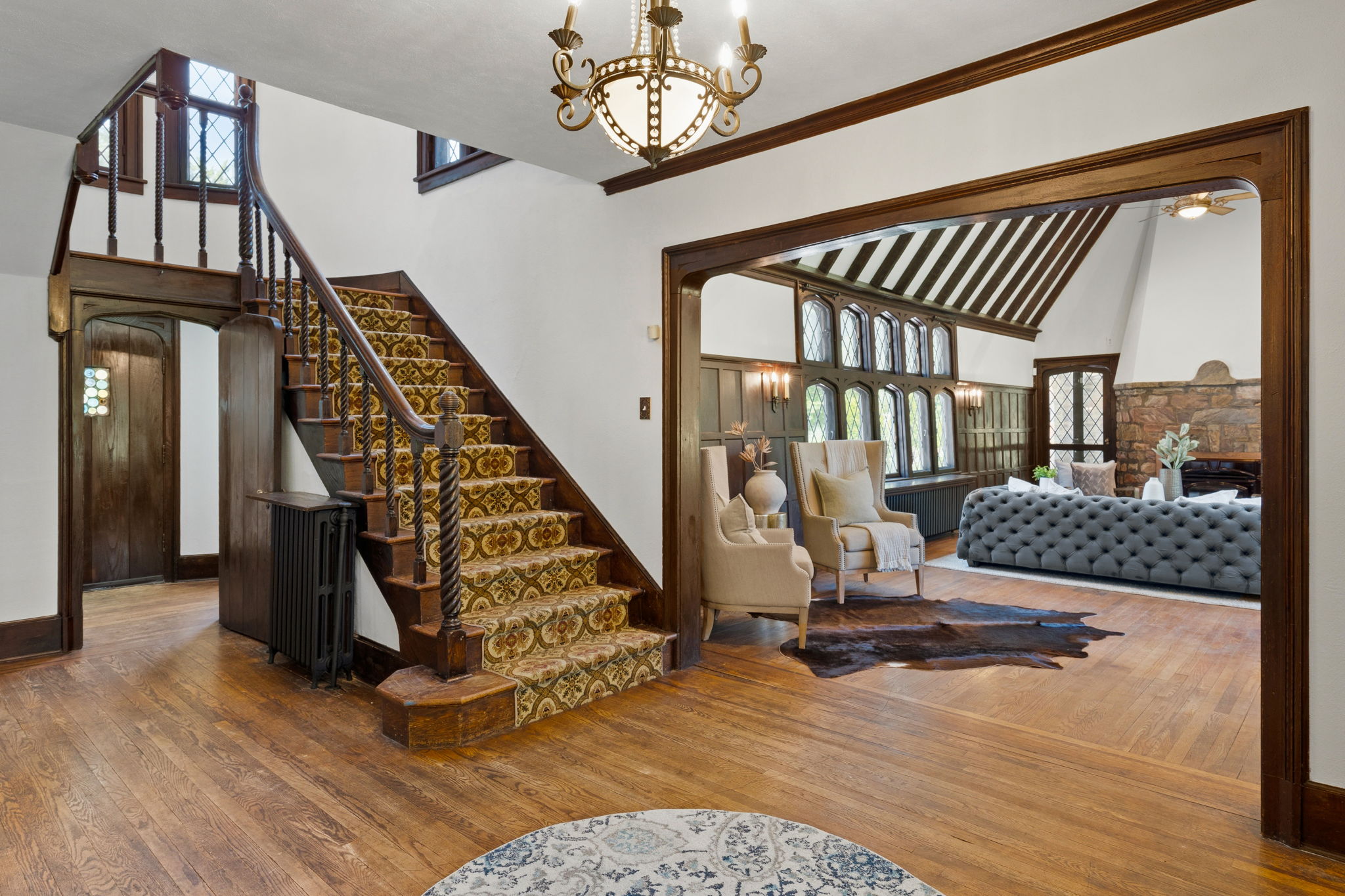
    The home is filled with original amenities, including wood-burning stone fireplaces, hardwood floors, carved woodwork, and sconces that may date back to the late 1920s. The house was built by Tudor-loving real estate mogul Wayne Herkness.

    An interior view of a 1920s Tudor for sale in Abington.Donkin Media Group

    Herkness “studied a great deal from books about English architecture,” reads the description of survey plans held in the Penn State University Libraries collection. “He developed the houses in his favorite styles, English Tudor and stone colonial, with grand center halls and on large lots.”

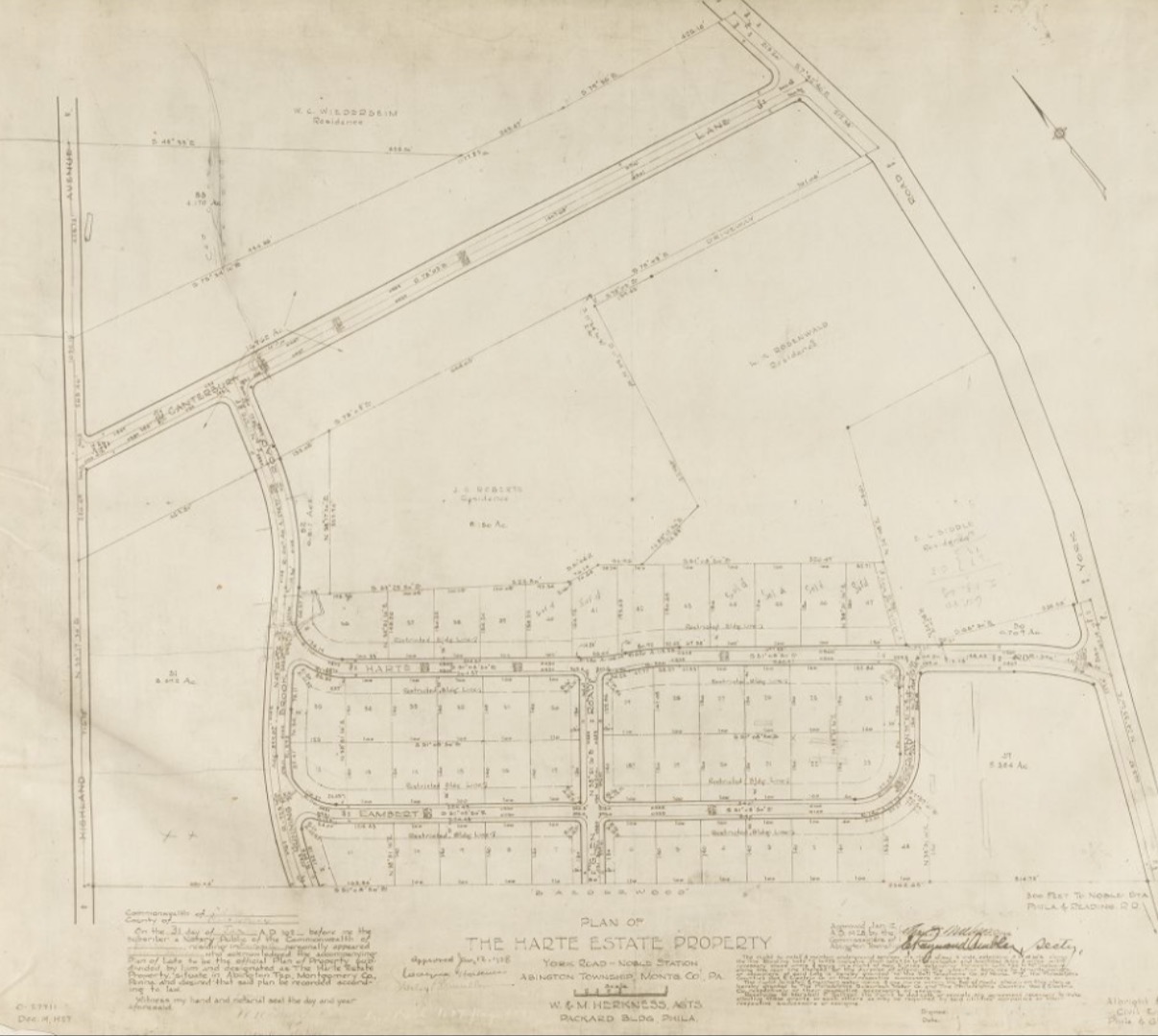
    A 1920s real estate survey by Albright & Mebus for the former Harte property in Abington includes Canterbury Road, where a Tudor home is on the market.W&M Herkness

    The current owners have restored original features and made several updates, Owen said, adding high-velocity central air-conditioning and a heated, in-ground, saltwater pool, replacing the windows, and re-staining the wood moldings.

    “They’ve definitely been very busy in the 13 years they’ve been there,” Owen said. “It truly is a move-in ready home.”

    The current owners of the Tudor home for sale on Canterbury Road in Abington added an in-ground, saltwater pool to the property.Donkin Media Group

    The previous owners who sold the house in 2013 passed on a framed print from the early days of Laird & Schober Shoes, a Philadelphia company that rose to international prominence in the early 20th century, Owen said.

    The company won an award from the Franklin Institute in 1900 for shoe manufacturing, and collaborated with famed Italian designer Elsa Schiaparelli.

    The kitchen of the home for sale on Canterbury Road in Abington.Donkin Media Group

    The print may be a nod to one of the home’s first owners, George S. Laird. The name matches the son of the shoe company’s founder who also worked for the family business, according to a 1920 passport application.

    “It’s a cool house and has a cool story as well,” Owen said.

    This suburban content is produced with support from the Leslie Miller and Richard Worley Foundation and The Lenfest Institute for Journalism. Editorial content is created independently of the project donors. Gifts to support The Inquirer’s high-impact journalism can be made at inquirer.com/donate. A list of Lenfest Institute donors can be found at lenfestinstitute.org/supporters.

  • ‘Star Wars: The Experience’ will debut at the Franklin Institute for the saga’s 50th anniversary

    ‘Star Wars: The Experience’ will debut at the Franklin Institute for the saga’s 50th anniversary

    If you like persnickety droids, precocious aliens, and scruffy-looking nerf herders, the Franklin Institute will be where it’s AT-AT next year when a new exhibit, “Star Wars: The Experience — A Journey Through the Galaxy,” premieres in February.

    The interactive exhibit is part of the 50th anniversary celebration marking the 1977 debut of Star Wars Episode IV: A New Hope, the first film released in the sci-fi franchise.

    Billed as the “largest and most comprehensive behind-the-scenes exhibition celebrating the Star Wars galaxy,” the 18,000-square-foot experience will feature more than 70 props from Lucasfilm’s archives, including Darth Vader’s costume, Darth Maul’s light-saber, and a speeder bike, according to a news release from the Franklin Institute.

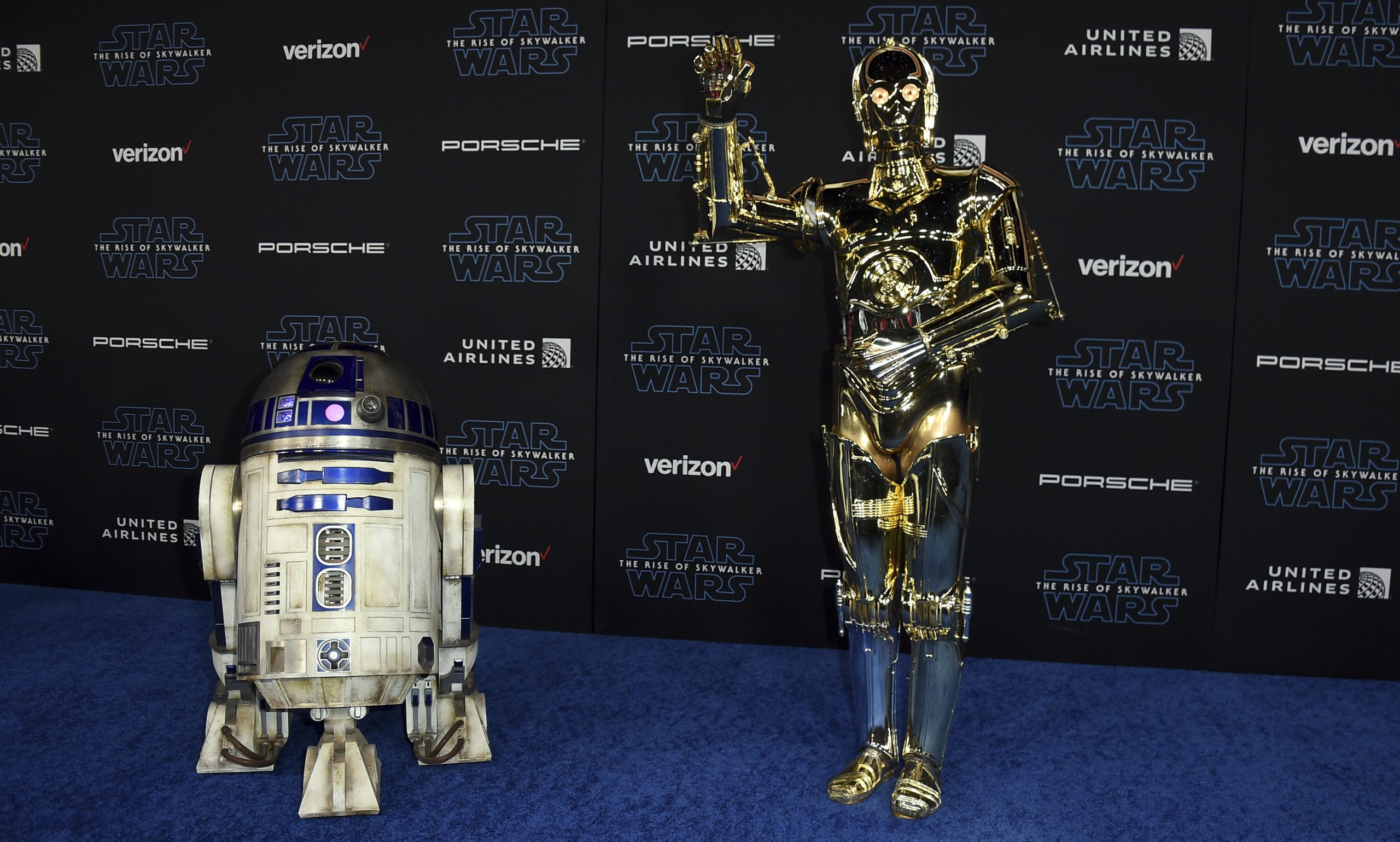
    The droids you are looking for, like R2-D2 and C-3PO, will be on display, along with beloved characters like Grogu (this is the way).

    R2-D2 and C-3PO at world premiere of “Star Wars: The Rise of Skywalker” in 2019 in Los Angeles. Jordan Strauss

    The experience was created over more than four years by the Franklin, Lucasfilm, Disney Consumer Products, and Orlando-based experiential design firm MDSX.

    Specifics about the exhibition are scant, but it will include “large immersive moments” and RFID (radio frequency identification) technology that will allow for a personalized and interactive experience, the release said. Displays will delve into sound design, costume creation, fandom, gaming, and other aspects of the Star Wars universe.

    More details and renderings of the exhibit will be released during a July 24 panel at San Diego Comic-Con called “The Making of Star Wars: The Experience.” The panel will feature representatives from the Franklin, Lucasfilm, and MDSX and will be moderated by Ashley Eckstein, the voice of Ahsoka Tano in several animated series including Star Wars: The Clone Wars.

    “Star Wars: The Experience” will run at the Franklin from Feb. 13 to Sept. 6, 2027, and will be in place for May 4, the unofficial Star Wars holiday. (May the Fourth be with you.)

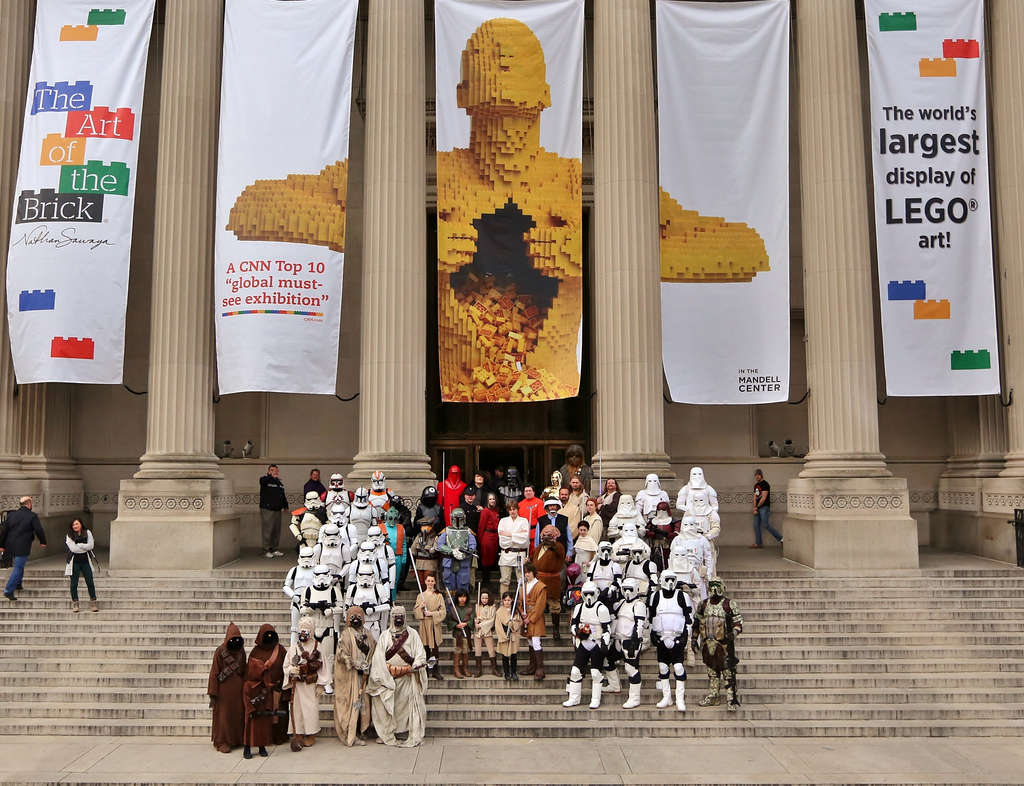
    Star Wars fans gather in costume for Star Wars Day at the Franklin Institute in 2015. Franklin Institute

    After its Philly run, the exhibit will go on a five-year tour around North America.

    “Star Wars created a cultural landscape that spans decades and delivers massive, undeniable global appeal,” said Larry Dubinski, president and CEO of the Franklin Institute, in a statement. “Its influence extends far beyond cinema — shaping entertainment, culture, technology, and business, while redefining how stories are created, experienced, and shared across generations.”

    This is the second exhibit about the galaxy far, far, away that the Franklin has staged. Consider it Star Wars: The Franklin Strikes Back.

    In 2008, the museum hosted “Star Wars: Where Science Meets Imagination,” which featured props, costumes, and a five-minute ride in a simulator of the Millennium Falcon’s cockpit. That touring exhibit was a collaboration between the Boston Museum of Science and Lucasfilm.

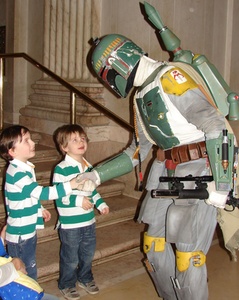
    Two young padawans greet Boba Fett at the exhibit, “Star Wars: Where Science Meets Imagination,” in 2008 at the Franklin Institute.

    The new experience, the Franklin says, will differ from the previous one in many ways.

    “This exhibition is much larger in scale, more ambitious in scope, and powered by technologies that allow every guest to experience a custom story,” said Abby Bysshe, chief experience and strategy officer, in a statement

    A lot has happened with the Star Wars franchise in the 18 years since the first exhibit was held at the Franklin. Luscasfilm was purchased by the Disney Company in 2012, there have been six new Star Wars movies, and more than a dozen new Star Wars shows.

    When the last exhibit opened, Grogu wasn’t even a twinkle in Din Djarin’s eye and nobody had ever heard the name Cassian Andor.

    Now, they have friends everywhere.

    Tickets for “Star Wars: The Experience — A Journey Through the Galaxy” will go on sale in November.