Tag: Frankford

  • The best spooky music in Philly with Alice Cooper, Ink & Dagger, Motionless in White, Florry, and Making Time

    The best spooky music in Philly with Alice Cooper, Ink & Dagger, Motionless in White, Florry, and Making Time

    This super scary week in Philly music features Halloween night events with Alice Cooper, Ink & Dagger, Motionless in White, and Making Time. Plus Journey, Richard Thompson, Vince Staples, Afro-Cuban All Stars, and more.

    Wednesday, Oct. 28

    Journey

    “The Final Frontier” is another alleged farewell tour, this one from the San Francisco band whose “Don’t Stop Believin’,” is a safe bet to the top of WXPN-FM’s upcoming 885 Greatest Songs from Movies & TV countdown for its role in the Sopranos finale. Since 2008, the band led by guitarist Neal Schon has been fronted by singer Arnel Pineda, who sings the hits recorded with vocalist Steve Perry during the band’s 1970s and 1980s heyday. 8 p.m. Xfinity Mobile Arena, 3601 S. Broad St., xfinitymobilearena.com

    Folk City: The Kings of Steel

    Steel guitar players Mike “Slo-Mo” Brenner and Paul Wilkinson will take seats behind their instruments at Old City’s 48 Record Bar as part of the monthly Wednesday night Folk City series hosted by John Train singer Jon Houlon and 48 Record Bar poobah Joey Sweeney. Houlon and Sweeney will both perform with backing by Brenner and Wilkinson, who will also spin records featuring the instrument that has long been a staple of traditional country music and is lately increasingly prevalent in indie rock. 7 p.m., 48 Record Bar, 48 S. Second St., 48recordbar.com

    Allison Russell

    Canadian-born songwriter Allison Russell has recorded with folk groups Po’ Girl and Our Native Daughters, and impressed with her outstanding solo debut Outside Child in 2021. Her new album, In the Hour of Chaos, copes with tumultuous times with the help of guests including Brittany Spencer, Norah Jones, Ruby Amanfu, and Delco soul singer Devon Gilfillian. Sug Daniels opens. 7:30 p.m., Colonial Theatre, 225 Bridge St., colonialtheatre.com

    Marisa “Missy” Dabice, lead singer, as Mannequin Pussy, opens for the Foo Fighters’ “Take Cover Tour” at Lincoln Financial Field on Aug. 13, 2026.Allie Ippolito / For The Inquirer

    Mannequin Pussy

    This past summer, Mannequin Pussy absolutely slayed when it opened for Foo Fighters and Queens of the Stone Age at the Linc, with the Philly punk band making the most of its biggest ever hometown show. Now, the Marisa Dabice-led group is playing a decidedly smaller space. This show is a benefit for Carolyn Haynes, the group’s former tour manager and a touring member of the band, as she undergoes treatment for breast cancer. Dark Thoughts, Kulfi Girls, Commitment, and Cult Objects are also on the bill. 6 p.m., First Unitarian Church, 2125 Chestnut St, r5productions.com

    Thursday, Oct. 29

    Pat Finnerty & the Full Band

    Bandleader and entertainer Finnerty, who assembles many leading Philly musicians for shows, will play two sets at this pre-Halloween-themed gig. The first will be Live Band Karaoke; the second will be all songs by the Cars, with prolific local artist Dave Cope filling Ric Ocasek’s shoes. 8 p.m. Johnny Brenda’s, 1201 N. Frankford Ave., johnnybrendas.com

    Friday, Oct. 30

    Richard Thompson

    Is there another artist in folk-rock who writes songs and plays guitar at as high a level as Richard Thompson? In a word: No. On Friday, the Fairport Convention cofounder does Free at Noon in support of his new album, Hippies, Thugs and Heroes, in a show that will be a solo affair, with guest vocals from his wife, Zara Phillips. Then he’ll be back with a full band at Elkton Music Hall on Nov. 20 and Lansdowne Theater on Jan. 20. Noon, World Stage, 3025 Walnut St., xpn.org

    The Florring Stones

    This should be a blast. Florry, the Philly rocking country band fronted by Berwyn-raised songwriter Francie Medosch, is transforming for Halloween weekend into the Florring Stones. (They’re also playing shows in New York and Vermont.) Expect a ribald night of Stones covers displaying Medosch’s deep knowledge of all things Mick and Keith. Get there early to see an ad hoc band of Philly indie musicians play songs by Memphis power pop avatars Big Star. 8 p.m. Johnny Brenda’s, 1201 N. Frankford Ave., johnnybrendas.com

    Vince Staples

    Long Beach, Calif., rapper Vince Staples is on top of his game on Cry Baby, a pointedly political, wholly impressive album that takes on racism and injustice in America while blending rock riffage and soulful funk into the mix. 8 p.m., Franklin Music Hall, 627 N. Seventh St., franklinmusichall.com

    The Afro-Cuban All Stars plays the Miller Theater on Friday.Tom Ehrlich / Courtesy of Allied Global Marketing

    Afro-Cuban All Stars

    Afro-Cuban All Stars bandleader Juan de Marcos Gonzalez is a vocalist, impresario, and musician whose specialty is the Spanish tres guitar. He has been a key player in the Buena Vista Social Club. This tour continues his ongoing work of bringing Cuban music to the world. 7:30 p.m., Miller Theater, 250 S. Broad St., ensembleartsphilly.org

    Youbba Cissoka with De Tierra Caliente

    Philly Latin-fusion band De Tierra Caliente will be joined by Senegalese kora player Youbba Cissoka, who is a 72nd-generation griot of his family to master the West African 21-stringed gourd instrument. Polyrhythmic cross-pollination is sure to ensue. 8 p.m., Black Squirrel Club, 1049 Sarah St., blacksquirrelclub.com

    Rudresh Mahanthappa Hero Trio, featuring (left to right) Rudy Royson, Rudresh Mahanthappa, and Francois Moutin, play the Zellerbach Theatre on Friday.David Crow / Courtesy of Rudresh Mahanthappa

    Arun Ramamurthy Trio and Rudresh Mahanthappa Hero Trio

    This Penn Live Arts show gives equal billing to violinist Ramamurthy’s band, which melds jazz and South Indian Carnatic traditions, and alto saxophonist Mahanthappa’s freewheeling Hero Trio, which features bassist François Moutin and drummer Rudy Royston. 7:30 p.m., Zellerbach Theatre, 3680 Walnut St., pennlivearts.org

    Mary Gauthier will perform at Arden Gild Hall on Friday.Alexa Kinigopolous

    Mary Gauthier

    Mary Gauthier writes country-folk songs about characters on the margins of society that are deeply empathetic and free of sentimentality. The Louisiana native will be celebrating 2005’s Mercy Now, which she’ll perform along with her album Reckoning. Jamie Harris, the Waco, Texas, native who is Gauthier’s musical and romantic partner, opens. 8 p.m., Arden Gild Hall, 2126 The Highway, Wilmington, ardenconcerts.com

    Sam Coomes and Janet Weiss of Quasi. The band plays Ardmore Music Hall on Friday and Saturday with Built to Spill. John Clark.

    Friday, Oct. 30 and Saturday, Oct. 31

    Built to Spill & Quasi

    These Pacific Northwest-born 1990s bands have both had long and fruitful careers. Since 2019, Doug Martsch’s Built to Spill — the original BTS! — has teamed the indie guitar god with drummer Teresa Esgera and bass player Melanie Radford. Sharing top billing is Quasi, the Portland, Ore., duo of former spouses Sam Coomes and Janet Weiss, the latter of whom spent two decades drumming in Sleater-Kinney. 8 p.m., Ardmore Music Hall, 23 E. Lancaster Ave., Ardmore, ardmoremusicalhall.com

    Saturday, Oct. 31

    Making Time Pure Halloween

    One month post the annual Making Time ∞ blowout at Fort Mifflin, Dave. P’s mobile dance party is back indoors. The evening features industrial dance duo Boy Harsher, Boston rock band Model/Actriz, and British garage DJ-producer Conducta, plus Marie Davidson, Kassie Krut, and Dave P. himself. 8 p.m., Franklin Music Hall, 627 N. Seventh St., franklinmusichall.com

    Motionless in White

    Something scary from Scranton: Gothic metalcore band Motionless in White has built an arena-size audience with dark, disturbing, and danceable tunes that bear the influence of heavy rock and industrial leaning acts like Type O Negative and Nine Inch Nails. A ghastly and ghostly costume party. 8 p.m., Xfinity Mobile Arena, 3601 S. Broad St. xfinitymobilearena.com

    Ink & Dagger

    Philly hard core punk band Ink & Dagger existed from 1995 to 1999, a year before the death of singer Sean Patrick McCabe. Known for vampiric lyrics and fake blood spewing on stage, the band reunited in 2010 and 2011 with singer Geoff Rickly of the band Thursday. Then, they again reunited last year for three Halloween shows at First Unitarian Church. This year, the band, whose albums including Drive This Seven Inch Wooden Stake Though My Philadelphia Heart, have been reissued on Trust Records, is doing a Philly show at the location of its final gig in 1999. Uniform and Danny Death open. 8 p.m., Creese Student Center at Drexel University, 3210 Chestnut St, r5productions.com
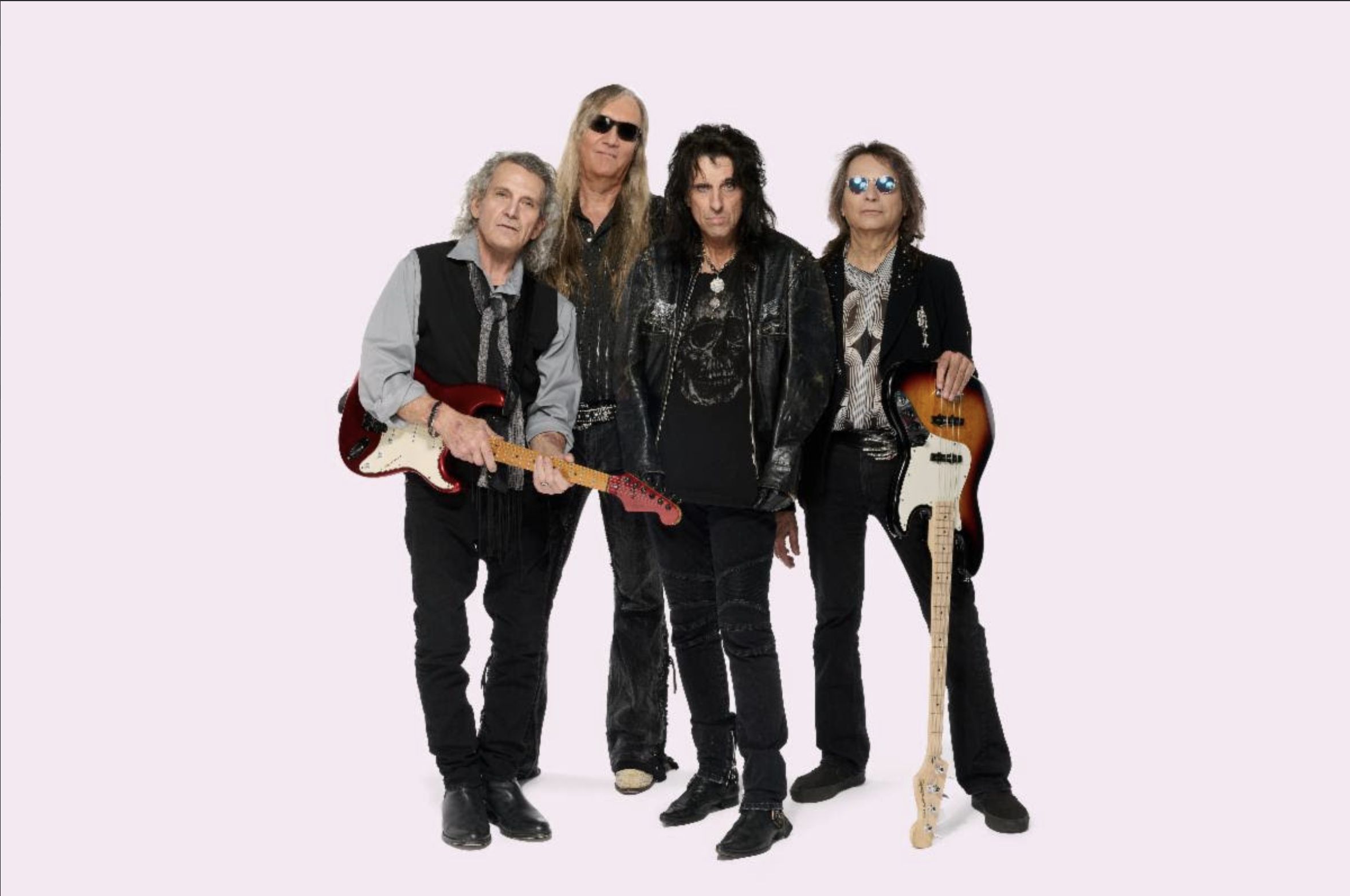
    Alice Cooper plays the Tropicana in Atlantic City on Saturday and the Wind Creek Event Center in Bethlehem on Sunday.Jenny Risher

    Saturday, Oct. 31 and Sunday, Nov. 1

    Alice Cooper

    Alice Cooper invented shock rock. Before there was Kiss or Marilyn Manson, the flamboyant showman born Vincent Furnier was goofing around with a guillotine on stage. What better time than Halloween to see the singer who tells the tale of his showbiz life in the memoir Devil on My Shoulder. 8 p.m. Saturday, Tropicana Ballroom, 2831 Boardwalk, Atlantic City, caesars.com/tropicana-ac and 7 p.m., Wind Creek Event Center, 77 Wind Creek Blvd., Bethlehem, windcreekeventcenter.com
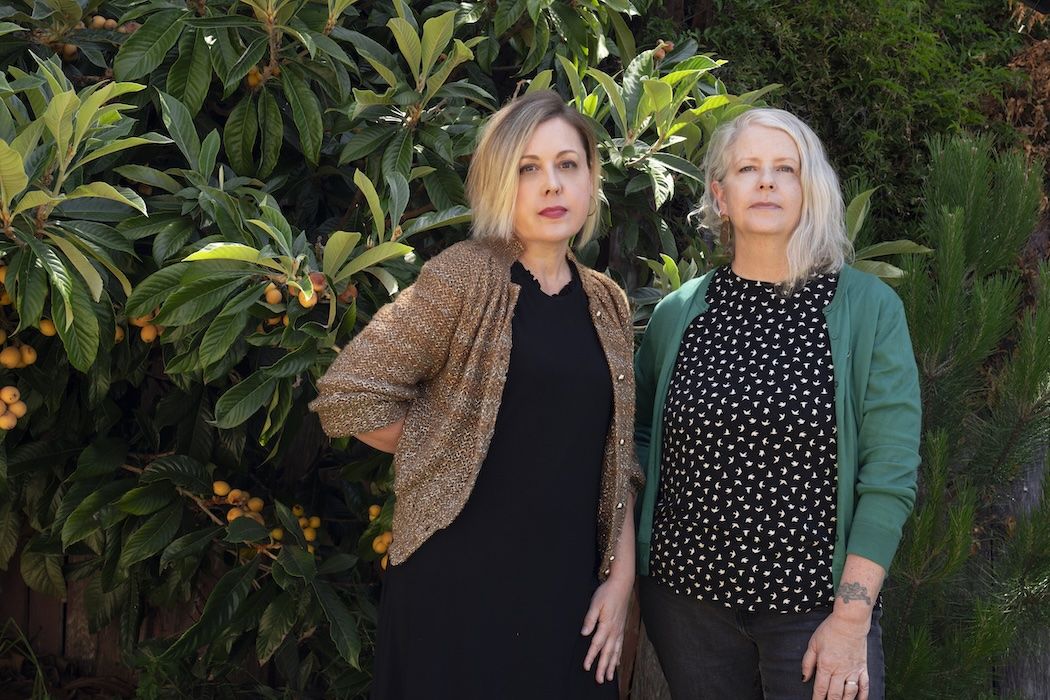
    Corin Tucker and Tracy Sawyer of Heavens to Betsy play First Unitarian Church on Sunday.Chloe Aftel

    Sunday, Nov. 1

    Heavens to Betsy

    After three decades apart, singer-guitarist Corin Tucker and drummer Tracy Sawyer, of influential riot grrrl duo Heavens to Betsy, have reunited for a 10-date tour. The band’s new album, Baby’s Gone, comprises unreleased recordings from the early 1990s, before Tucker became principal vocalist for powerhouse trio Sleater-Kinney. Calamity Jane opens. 8 p.m., First Unitarian Church, 2125 Chestnut St., r5productions.com
  • 17 Pa. companies were given clean-air exemptions by Trump, news report says

    17 Pa. companies were given clean-air exemptions by Trump, news report says

    Seventeen Pennsylvania companies that deal with coal, steel, chemical, or medical device sterilizing have been exempted from federal clean-air regulations under President Donald Trump, according to a New York Times report.

    One of those, a chemical company in Philadelphia, had a 2,000-gallon spill of phenol, a toxin, in 2022. Short-term exposure can cause respiratory irritation, headaches, and burning eyes. High exposure can be fatal.

    Overall, the Times found that the Trump administration has exempted 202 facilities in 39 states and Puerto Rico from clean-air regulations that were going into effect.

    That represents the biggest presidential rollback of the Clean Air Act since President Richard M. Nixon signed it into law in 1970, according to the report.

    The exemptions apply to a 2024 rule under former President Joe Biden that required some of the nation’s biggest polluting industries to take steps to reduce their toxic emissions.

    In Pennsylvania, 12 coal, two sterilizing, and two steel facilities have been given at least two-year exemptions by Trump.

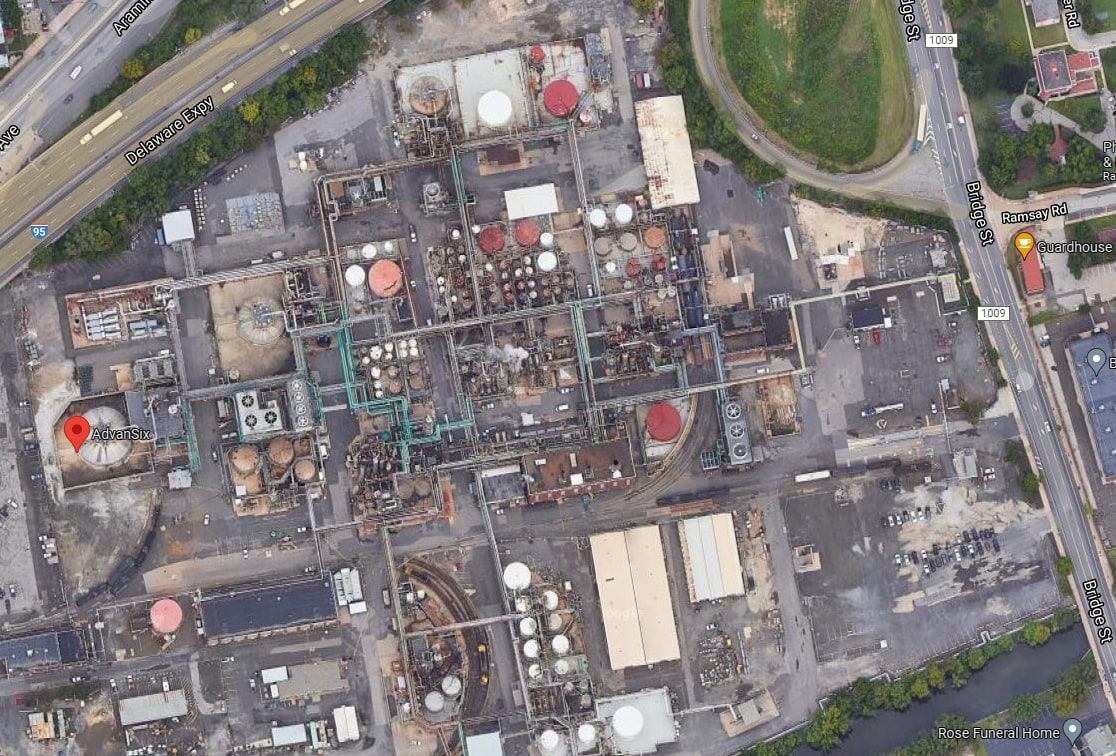
    The AdvanSix Frankford plant is the only chemical facility granted an exemption in Pennsylvania, according to a map published by the Times. The Natural Resources Defense Council, which produced its own map, also reports that the AdvanSix plant received an exemption.

    AdvanSix could not be reached for comment by The Inquirer.

    AdvanSix makes products for building and construction, fertilizers, agrochemicals, plastics, solvents, packaging, paints, coatings, adhesives, and electronics, according to its website.

    An EPA database shows that the facility, formerly owned by Honeywell, emitted greenhouse gases, volatile organic compounds, fine particulate matter, phenol, cumene, sulfur dioxide, and other compounds in 2020.

    A 2022 spill at the facility occurred when a worker failed to shut off a valve and up to 2,000 gallons of phenol spilled near Bridge Street, with some possibly entering the sewer system. The fire department responded but did not call for an evacuation.

    In July, the AdvanSix plant was cited for a clean air permit violation and was assessed a $20,000 penalty in September, according to EPA records.

    The new Biden-era rules required chemical plants, medical sterilizers, and steel facilities to monitor for emissions of cancer-causing gases along their property lines by 2027, The Times reported. If the companies detected certain levels of the gases escaping into communities, they had to fix the leaks and post the findings publicly.

    The chemical industry said the rules were expensive, unnecessary, and unworkable, and its lawyers sought to overturn or delay the regulations.

    Almost as soon as Trump returned to office, trade groups asked Lee Zeldin, the administrator for the U.S. Environmental Protection Agency, to urge Trump to drop the industry from the rules.

    The Times reported that a trade association for the medical device industry donated to Trump’s inauguration fund and to MAGA Inc., his campaign affiliate. Companies also wrote to Trump asking for exemptions.

    Soon, Trump began using an obscure provision of the Clean Air Act that allows the president to issue exemptions. The waivers were good for two years, with the possibility of an extension.

    Meanwhile, Trump staffed the EPA with former industry insiders who worked from within to gut the rules altogether, the Times reported.

    The Times story cites the U.S. Steel facility in Clairton, Pa., as an example of an exemption. The plant near Pittsburgh bakes coal at up to 2,000 degrees to turn it into coke for steel making. Its smokestacks release chemicals.

    For now, the plant no longer has to curb some of its toxic emissions, the Times reported.

    A spokesperson for U.S. Steel, Andrew Fulton, told the Times that Clairton Coke Works had never been fined for exceeding benzene emissions standards. The company plans to invest up to $2.5 billion in its plants in Southwestern Pennsylvania, Fulton said, but none of that will be spent on new pollution controls at Clairton.

    “It would be premature for U.S. Steel or any other regulated company to invest in controls while the rule is under reconsideration,” he told the Times.

    In an interview with The Inquirer, Sarah Buckley, an attorney with the environmental advocacy group Natural Resources Defense Council, said the administration’s reliance on broad presidential proclamations threatens to undermine core protections under the Clean Air Act.

    Buckley said she feared the goal of the two-year exemptions, which have been granted on a rolling basis, is to delay the Biden-era rules until the EPA can rewrite rules in favor of industry.

    Trump has cited national security and a lack of technology for industries to be able to comply with the new rules as his reason.

    In July, a batch of chemical plants — including AdvanSix in Philly — were added to the exemption list just days before compliance deadlines took effect, Buckley said.

    The Biden-era rules were needed, she said, because scientific assessments of chemicals have changed. For example, ethylene oxide is 30 to 60 times more carcinogenic than previously understood, she said.

    “This is not an actual concern with the availability of technology and national security,” Buckley said. “This is just a ploy to let industry off the hook.”

  • SEPTA ridership hits record high since pre-pandemic. But overall ridership still has not fully recovered.

    SEPTA ridership hits record high since pre-pandemic. But overall ridership still has not fully recovered.

    While SEPTA ridership has still not fully bounced back to its pre-pandemic levels, in September, the transit agency recorded the most riders since February 2020.

    SEPTA’s average daily ridership in September passed 822,000 across all modes of transportation, according to new data the agency released Thursday. September also marked the seventh consecutive month of year-over-year ridership — up 8% compared with September 2025.

    “Our focus on the fundamentals has raised our standards, and riders are noticing the difference,” SEPTA general manager Scott A. Sauer said. “They are seeing cleaner stations and vehicles, the system feels safer, and it is becoming easier to use and more accessible.”

    Transit systems across the country are trying to bounce back ridership after years of decline due to rising costs of travel, hybrid work keeping more commuters at home, and the pace of post-pandemic economic recovery. SEPTA worked to address antisocial behavior, like smoking on the Market-Frankford Line, and is working to establish reliability on Regional Rail after fires on Silverliner IV trains took more than 200 railcars out of service.

    More than 800,000 people rode SEPTA on 18 out of 21 weekdays in September. Tuesday, Wednesday, and Thursday are the most popular days to take transit. In late 2019 through early 2020, ridership was about 900,000 on an average weekday, according to SEPTA spokesperson Andrew Busch.

    The agency credits the weekday ridership boom in part to the New Bus Network, according to a new performance report covering the first five weeks of service.

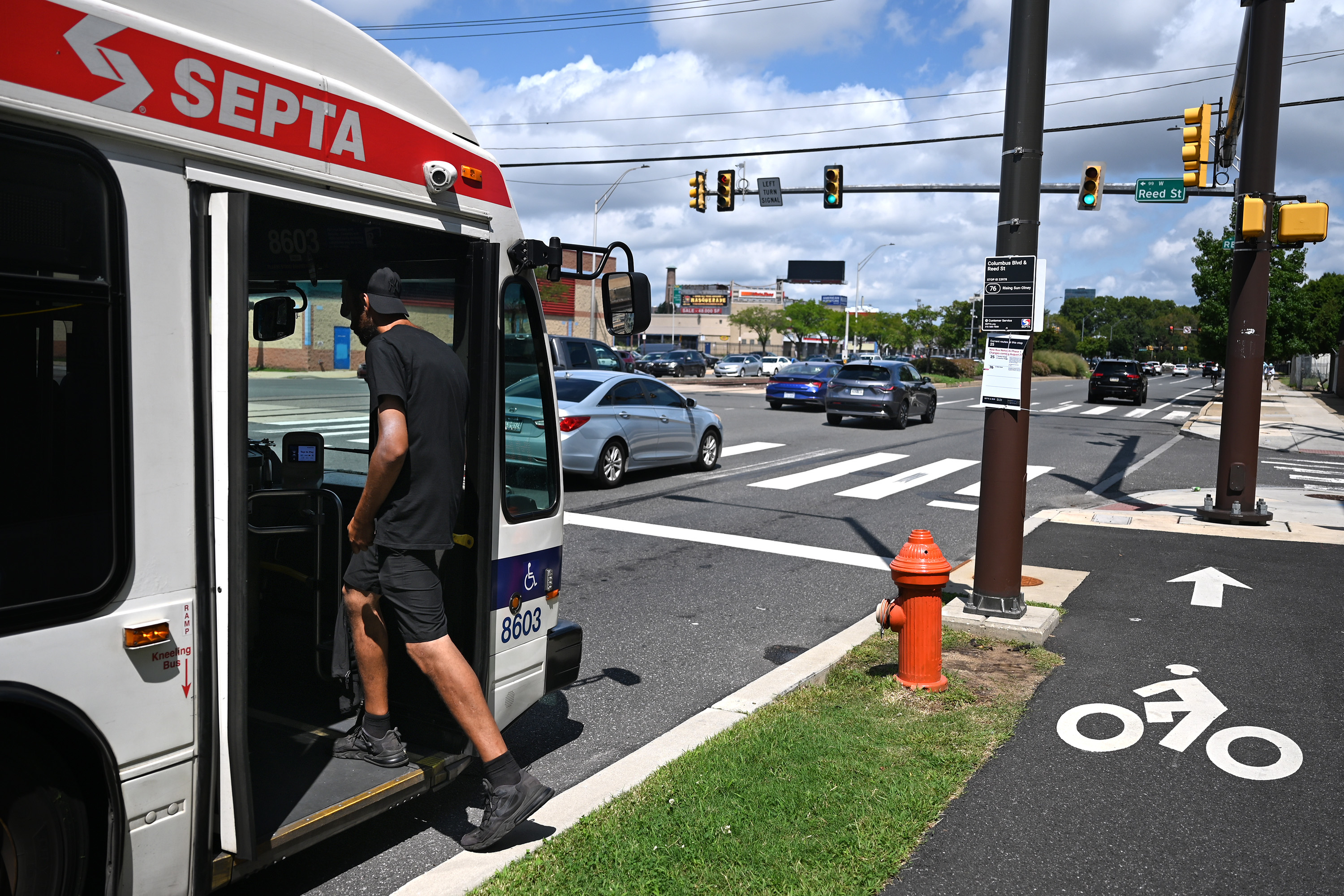
    Passenger board the brand new #76 bus at Reed St. and Columbus Blvd. Sunday, Aug. 23, 2026 on the day the line is introduced as part of SEPTA’s “New Bus Network.” Tom Gralish / Staff Photographer

    The network, SEPTA’s long-delayed streamlining of its bus system, brought changes to 30 routes, including more frequent service on routes with high ridership and buses coming less often on lower-performing routes. Impacted routes experienced a 7% increase in average weekday ridership, with weekend travel growing by 12% on Saturdays and 18% on Sundays.

    “We’ve thought for some time that there’s pent-up demand, and I think we’re seeing that play out,” Busch said of the boom in weekend bus ridership. “The new bus network is aimed at making the trip more reliable by making it more frequent and making better, more convenient connections to other services.”

    Bus riders, who account for more than half of SEPTA’s ridership, were up 14% overall compared with the same time last year.

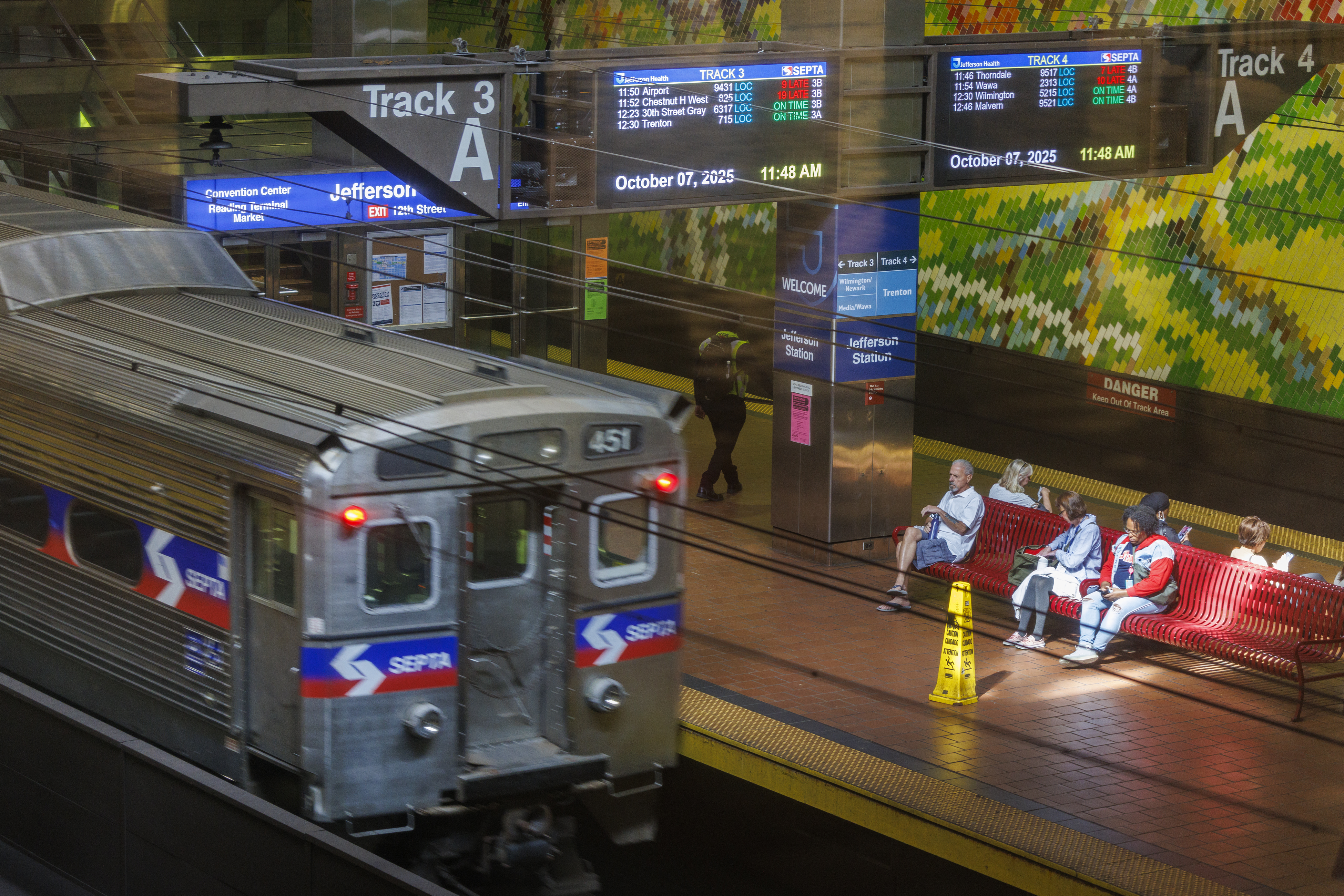
    SEPTA Regional rail train passes riders waiting for their train at Jefferson Station, Philadelphia, Tuesday, October 7, 2025.Alejandro A. Alvarez / Staff Photographer

    While buses, trolleys, and the Broad Street Line (now dubbed the B) have experienced stronger weekday ridership, Regional Rail is still trailing behind last year’s totals.

    Busch attributed the lag to capacity and frequency issues, which the transit agency hopes to help address with the purchase of 24 used railcars from the Montreal Transit Agency and the leasing of 10 others from Maryland Area Regional Commuter Rail (MARC) in December 2025.

    Railcar procurement can take five years to complete, Busch said. The 34 used railcars will be put into service in early 2027.

    An earlier version of this article incorrectly stated SEPTA ridership returned to pre-pandemic levels, when the ridership hit its highest level since February 2020.

  • Philly Bike Ride 2026: Road closures, parking restrictions, detours

    Philly Bike Ride 2026: Road closures, parking restrictions, detours

    The annual Philly Bike Ride will bring thousands to Center City and up to Manayunk, resulting in major road closures throughout the city this weekend.

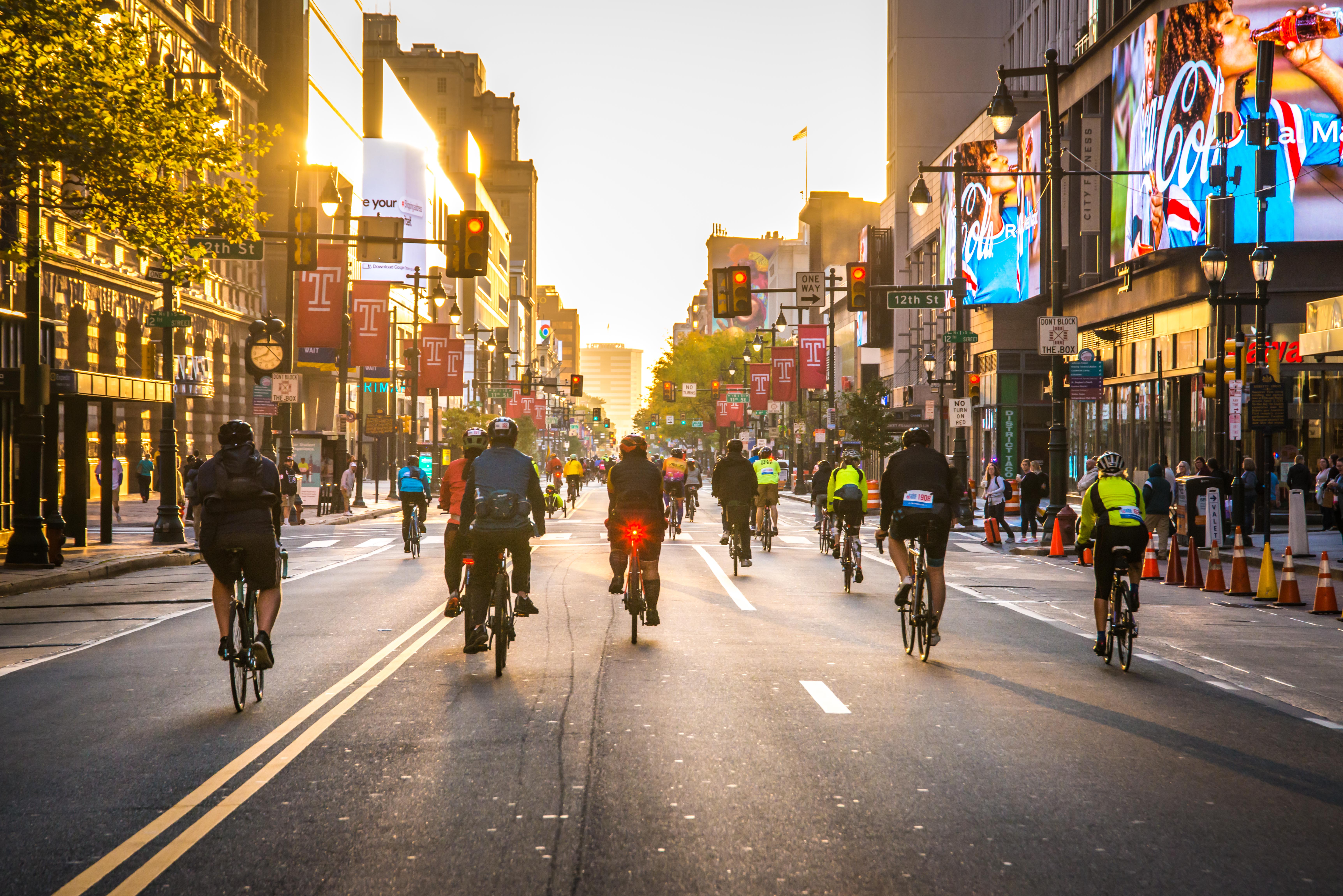
    The 20-mile social bike ride, set for Saturday, begins on the Benjamin Franklin Parkway between 20th and 22nd Streets. Road closures provide a safer, car-free experience that attracts the regional cycling community and promotes healthy lifestyles and better accessibility for riders of all ages and abilities.

    Roads will close as early as 3:30 a.m. and reopen as late as 2 p.m. The ride starts at 7:30 a.m. and will take riders through Center City to Penn’s Landing, along the Delaware, and then back to Kelly Drive, where the course goes up to Manayunk and circles back to the Philadelphia Museum of Art.

    Road closures

    The city’s Office of Special Events said these streets will be closed to vehicular traffic starting at 3:30 a.m. Saturday and will reopen no later than 2 p.m.

    • Eakins Oval in front of the Philadelphia Art Museum 
    • Benjamin Franklin Parkway between Eakins Oval and 20th Street 
    • Kelly Drive between Spring Garden Street and 25th Street 
    • Spring Garden Street off-ramp exit at Eakins Oval 

    The following streets will be closed to vehicular traffic on Saturday from 6:30 a.m. to noon:

    • Benjamin Franklin Parkway between 20th and 15th Streets
    • Arch Street between Benjamin Franklin Parkway and 15th Street 
    • 15th Street between Arch Street and South Penn Square  
    • Penn Square between 15th and Broad Streets
    • Broad Street between Penn Square and Race Street 
    • Fifth Street between Market and Race Streets
    • Race Street between Broad Street and Christopher Columbus Boulevard
    • Sixth Street between Race and Market Streets
    • Market Street between Sixth and Fifth Streets 
    • Fifth Street between Market and Race Streets
    • Christopher Columbus Boulevard between Race and Christian Streets
    • Christian Street between Christopher Columbus Boulevard and 22nd Street 
    • 22nd Street between Christian Street and Benjamin Franklin Parkway
    • Kelly Drive between 25th Street and Falls Bridge  
    • Falls Bridge between Kelly and MLK Drives
    • MLK Drive between Falls Bridge and Black Road

    Police may close additional streets to vehicular traffic and parking near the bike ride if conditions call for it.

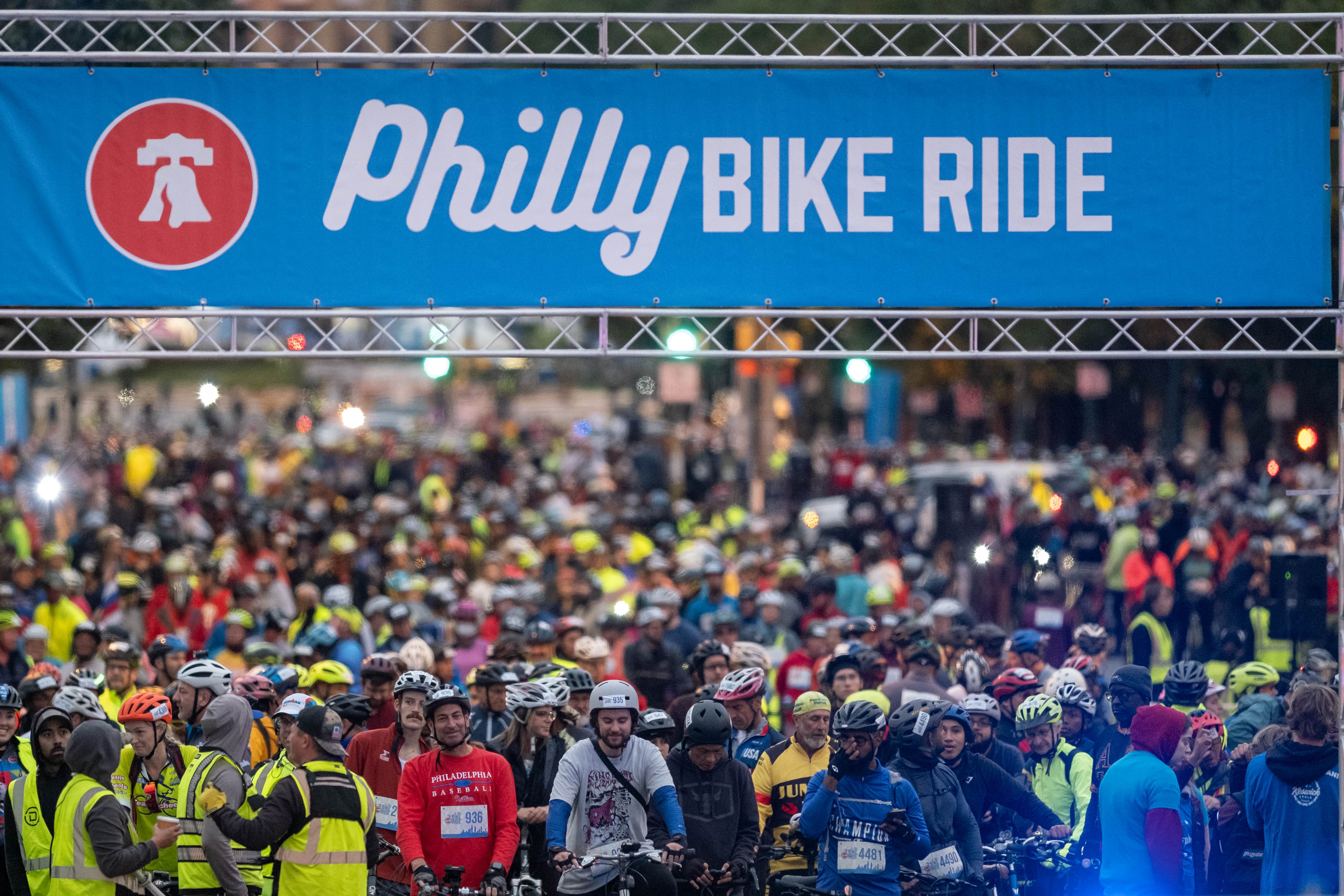
    The fourth annual Philly Bike Ride kicks off at the Philadelphia Art Museum on Saturday, Oct. 18.Courtesy of Philly Bike Ride

    Parking restrictions

    Temporary “No Parking” signs will be posted along the following streets from midnight to 1 p.m. on Saturday. During that time, no vehicles can be parked there, or they will be “courtesy towed” by police with a possible fine.

    • Benjamin Franklin Parkway between 22nd and and 16th Streets
    • Logan Square between 18th and 19th Streets
    • Arch Street between 16th and 15th Streets 
    • 15th Street between Arch andand Market Streets
    • Market Street between Sixth Street and Penn Square 
    • Penn Square
    • Race Street between North Broad Street and Christopher Columbus Boulevard  
    • Christian Street between Christopher Columbus Boulevard and 22nd Street
    • 22nd Street between Christian Street and Benjamin Franklin Parkway
    • Art Museum Drive between Benjamin Franklin Parkway and Pennsylvania Avenue 
    • Spring Garden Street between Pennsylvania Avenue and Kelly Drive 

    Public transportation

    The city is encouraging participants and spectators to use the three SEPTA stations near the start line: Fairmount, Spring Garden, and Race-Vine, all along the Broad Street Line, known as the B.

    There is a free transfer from the Market-Frankford Line, also called the L line, and trolley routes at 15th Street/City Hall station. Regional Rail stations like Suburban Station and Jefferson are within walking distance from the Broad Street Line.

    PATCO riders can hop off at 12th/13th Street station and walk to the Walnut-Locust station for the Broad Street Line.

    SEPTA detours

    These SEPTA bus routes located along the course will be detoured starting at 5:30 a.m. Saturday: 2, 4, 7, 9, 12, 16, 17, 21, 23, 25, 27, 31, 32, 33, 38, 40, 42, 43, 44, 45, 47, 48, 49, 57, 61, 76, 124, and 125.

  • ‘Forever chemicals’ found in nearly all waterways of Philly, its suburbs, and South Jersey

    ‘Forever chemicals’ found in nearly all waterways of Philly, its suburbs, and South Jersey

    PFAS, or “forever chemicals,” were detected in almost all waterways tested in New Jersey and Pennsylvania, a new report says.

    Various types of the synthetic compounds were found in urban, suburban, and rural areas, including New Jersey’s Pinelands.

    PFAS were detected in 96% of waterways tested in Pennsylvania and 91% of waterways tested in New Jersey from samples taken between 2022 and 2024.

    That’s according to national data from the U.S. Environmental Protection Agency reported and compiled locally by PennEnvironment Research and Policy Center, Environment New Jersey Research and Policy Center, NJPIRG Student Chapters, and the Frontier Group. The results were released Wednesday.

    The data come about a week after Pennsylvania officials issued a “do not eat” advisory for fish caught in Wissahickon Creek after PFAS were recently found in a sample. A trout stocking on a section of the creek in Philadelphia was canceled as result.

    “Every place that we’re testing, nearly every place we’re testing, we’re finding PFAS,” said Doug O’Malley, director of Environment New Jersey. “This is not just a problem in some places. This is an everywhere problem.”

    Per- and polyfluoroalkyl substances are a large group of human-made chemicals that have been used in industry and consumer products for decades. There are thousands of the compounds. And many waterways tested positive for multiple types of PFAS.

    Although the effects of the chemicals are still being studied, scientific studies have linked exposure to possible reproductive problems, development effects in children, increased risk of some cancers, high cholesterol, and reduced immunity.

    Where were PFAS found?

    In Pennsylvania, 88 waterways were tested. In New Jersey, 86 were tested.

    The groups released an online map (https://public.flourish.studio/visualisation/30148552) showing the locations and amounts detected.

    The compounds were detected in the Delaware River, the Schuylkill, and Frankford and Wissahickon Creeks in Philadelphia. They were found in Valley Creek near Valley Forge, Perkiomen Creek in Collegeville, and the East Branch of Brandywine Creek in Downingtown.

    They were found in the Cooper River in Cherry Hill, Big Timber Creek in Glendora, Rancocas Creek in Mount Holly, and the Mullica River near Atsion Lake in the Pinelands.

    “The findings from today’s report represent the tip of a toxic iceberg, because many of New Jersey and Pennsylvania’s waterways have yet to be tested at all,” said Stephanie Wein, a clean water advocate for PennEnvironment.

    Wein said that though there are thousands of PFAS compounds, most studies test for only a few. The two most well known are perfluorooctanoic acid (PFOA) and perfluorooctane sulfonic acid (PFOS).

    Both have been phased out in the U.S. However, the compounds gained notoriety as “forever chemicals” because they resist breaking down in the environment, the human body, and wildlife.

    “This poisoning of our water is what happens when we use toxic chemicals throughout our economy for unnecessary uses such as nonstick cookware, cosmetic products, and clothing,” said Tee’Yanah Davenport, coalition coordinator with Rutgers-Camden NJPIRG Students. “It’s time to turn off the toxic tap.”

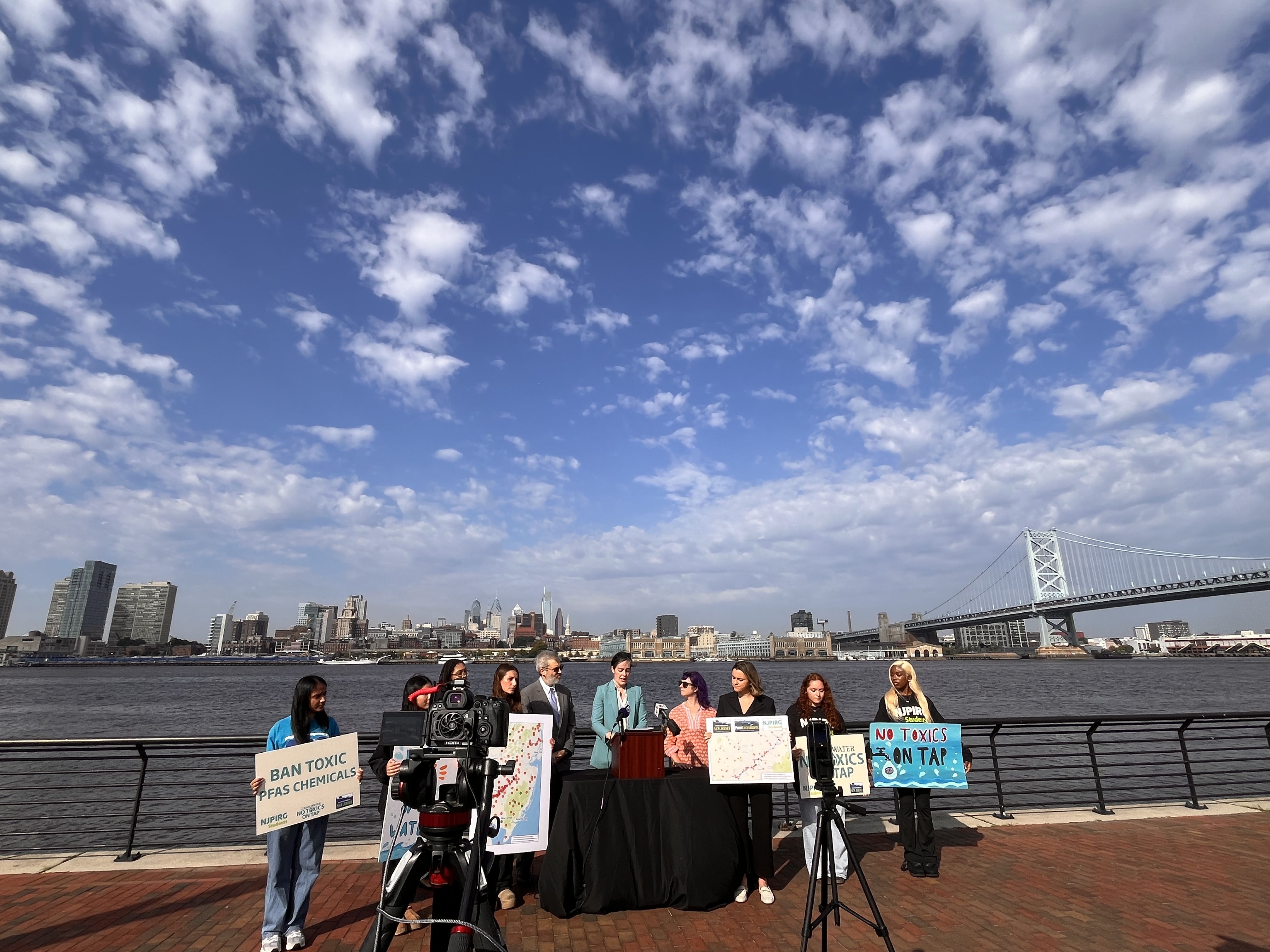
    Stephanie Wein, an advocate for the PennEnvironment Rsearch and Policy Center speaks about a study showing that most waterways in the area tested positive for PFAS. To her left is Doug O’Malley, director of the Environment New Jersey Research & Policy Center. To her right is Stefanie Kroll, director of the Riverways Collaboration. Also seen are student members of NJPIRG.Frank Kummer

    Impact on drinking water

    The Delaware River is one of the most PFAS-laden waterways, O’Malley said. The chemical was found in 98% of samples tested in the lower Delaware River south of Trenton.

    The Delaware River watershed supplies drinking water to millions of people, as well as providing a home to fish and wildlife.

    Philadelphia gets its drinking water from its two major rivers.

    Currently, an EPA rule set during President Joe Biden’s administration — which calls for a maximum of 4 parts per trillion for PFOA and PFOS in drinking water — is being phased in. It set higher limits of 10 parts per trillion for a few PFAS compounds.

    Under the Trump administration, the EPA has proposed giving water companies more time to comply with PFOA and PFOS limits, and rescinding limits for other PFAS compounds.

    Some of the water sampled for the new study exceeded the current EPA safety levels.

    Many water departments have installed, or plan to install, filters that remove most PFAS.

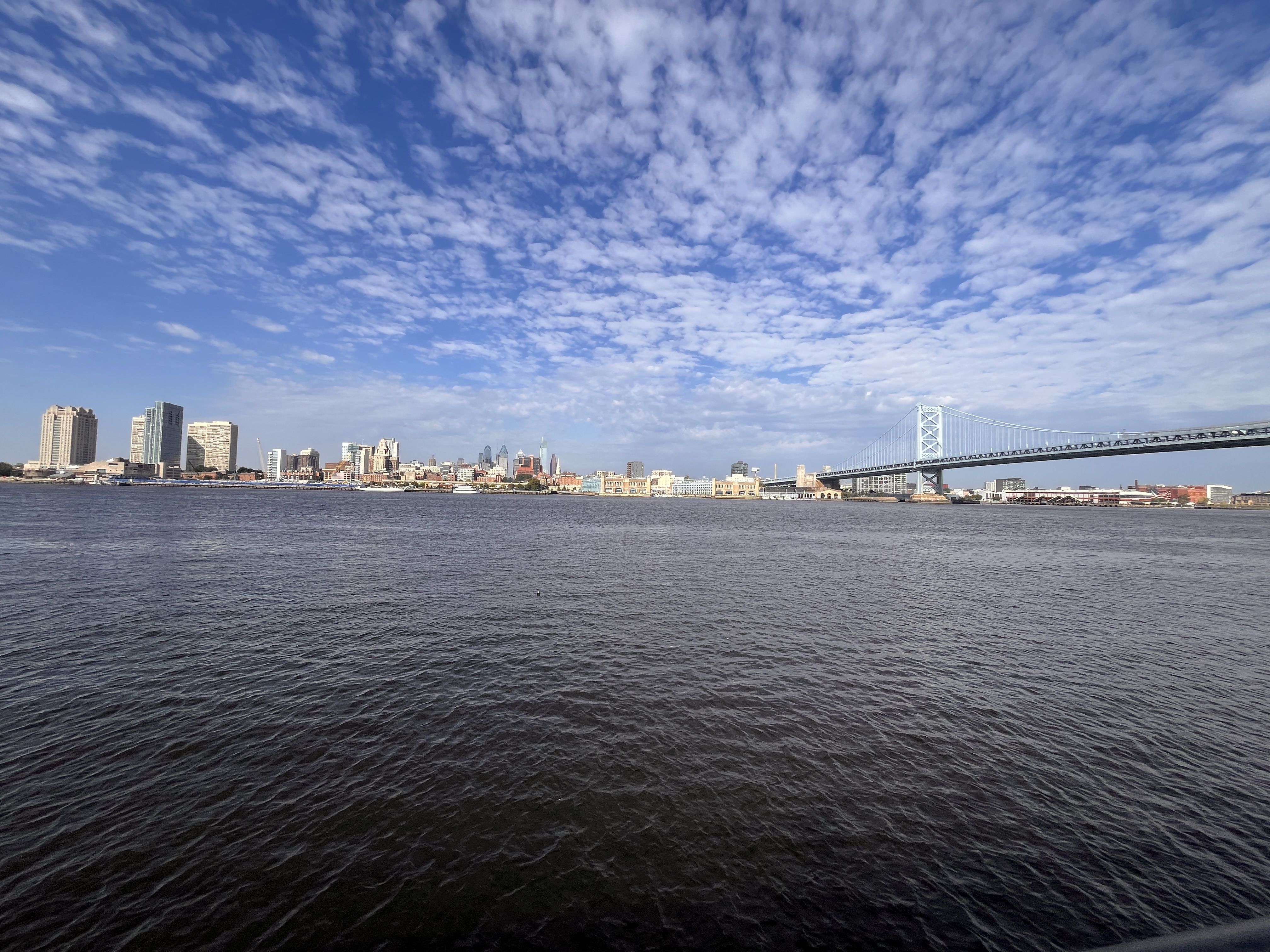
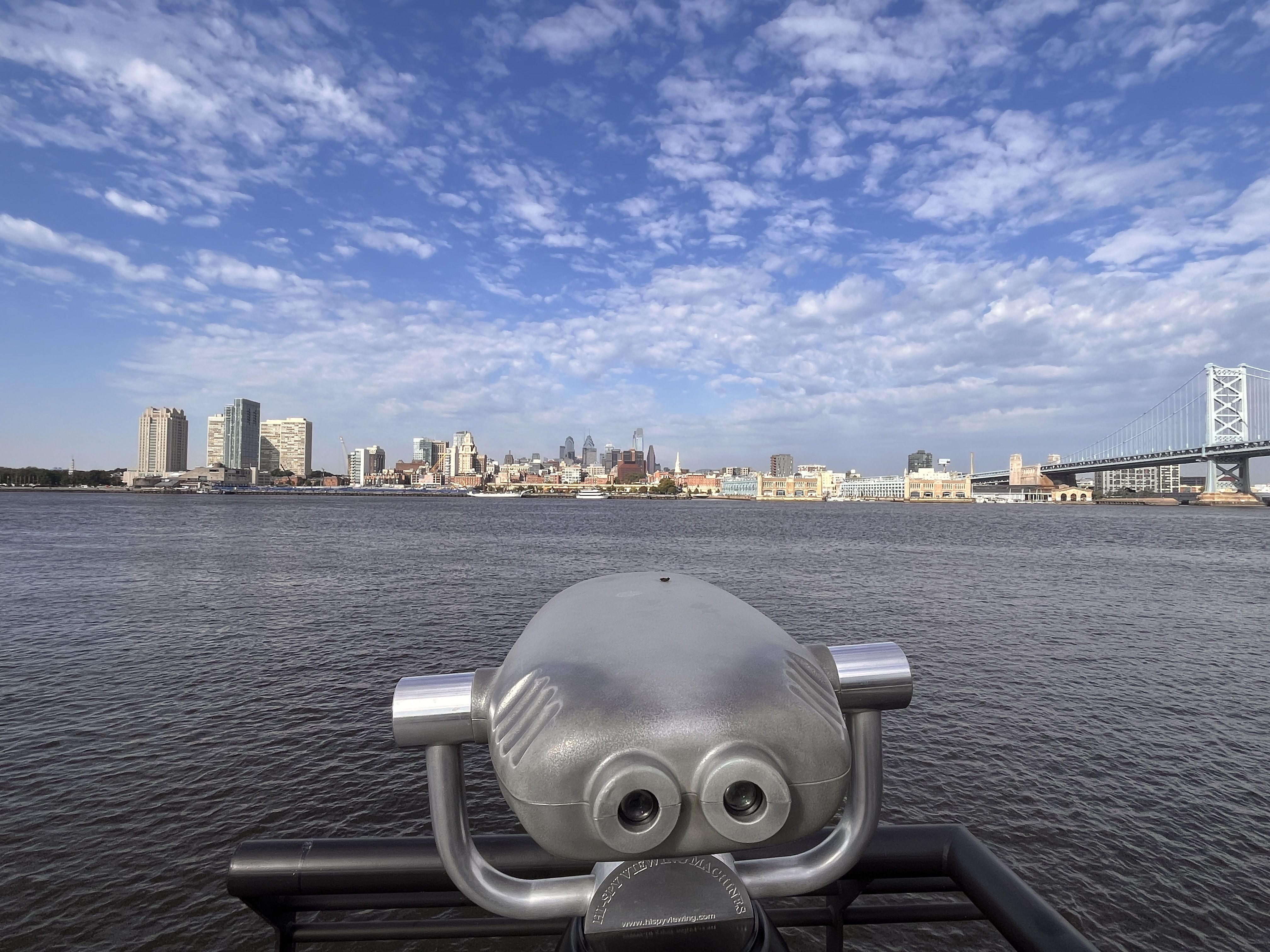
    A view of the Delaware River and Philadelphia skyline from RCA Pier Park in Camden, N.J. on Oct. 14, 2026.Frank Kummer

    Higher blood pressure, cholesterol

    PFAS have also been linked to firefighting foam. The foam was widely used on military bases in Bucks and Montgomery Counties for decades.

    Recently, a major study of PFAS-contaminated drinking water among people living near those bases showed associations with elevated cholesterol, increased blood pressure, and lower childhood development, according to preliminary findings.

    A separate analysis showed areas of some cancers in or near those communities, but more research is needed to determine whether there is a correlation between cancer rates and the water, the study’s investigators said.

    Pennsylvania state legislators are currently debating a bill that would ban PFAS in the foam.

    The 40-mile-long Neshaminy Creek, which runs through Bucks County and near the bases, has been associated with high levels of PFAS, including areas that provide public drinking water.

    The study released Wednesday showed a level of 102 parts per trillion in the creek near Hulmeville.

  • Fewer people are parking in SEPTA garages, so it cut parking fees in half

    Fewer people are parking in SEPTA garages, so it cut parking fees in half

    Prices are rising on everything, everywhere these days.

    SEPTA, however, has cut the parking fee at its garages in half.

    Until Dec. 31, it will cost only $2 a day to use the Frankford, Lansdale, and Norristown garages, instead of $4.

    Fewer commuters are parking in the garages, which are about 5% to 10% full on weekdays, SEPTA spokesperson Andrew Busch said. The transit agency hopes the price break will entice riders.

    “We want to see if there’s a demand we’re not serving,” Busch said. “Maybe we just landed on the wrong price point.”

    In early 2020, SEPTA stopped charging for parking at Regional Rail stations and transportation centers as people adjusted to pandemic shutdowns and changed commuting patterns.

    The transit agency began phasing in paid parking again in 2024 and doubled daily fees — to $2 to park in Regional Rail surface lots and $4 for garages.

    SEPTA was tightening its belt during a period of fiscal crisis and looking for ways to generate new income. Officials believed that the price was still relatively low and would help the bottom line.

    In fiscal 2019, the agency raised $3.5 million from parking fees, Busch said. For the 2026 fiscal year that ended June 30, SEPTA parking lots and garages took in $5.3 million, he said. That was the first full year after all parking was paid.

    Most of Regional Rail’s parking capacity is in surface lots, which are often full or nearly so.

    SEPTA says it has noticed more people using street parking around the 989-space Frankford garage instead.

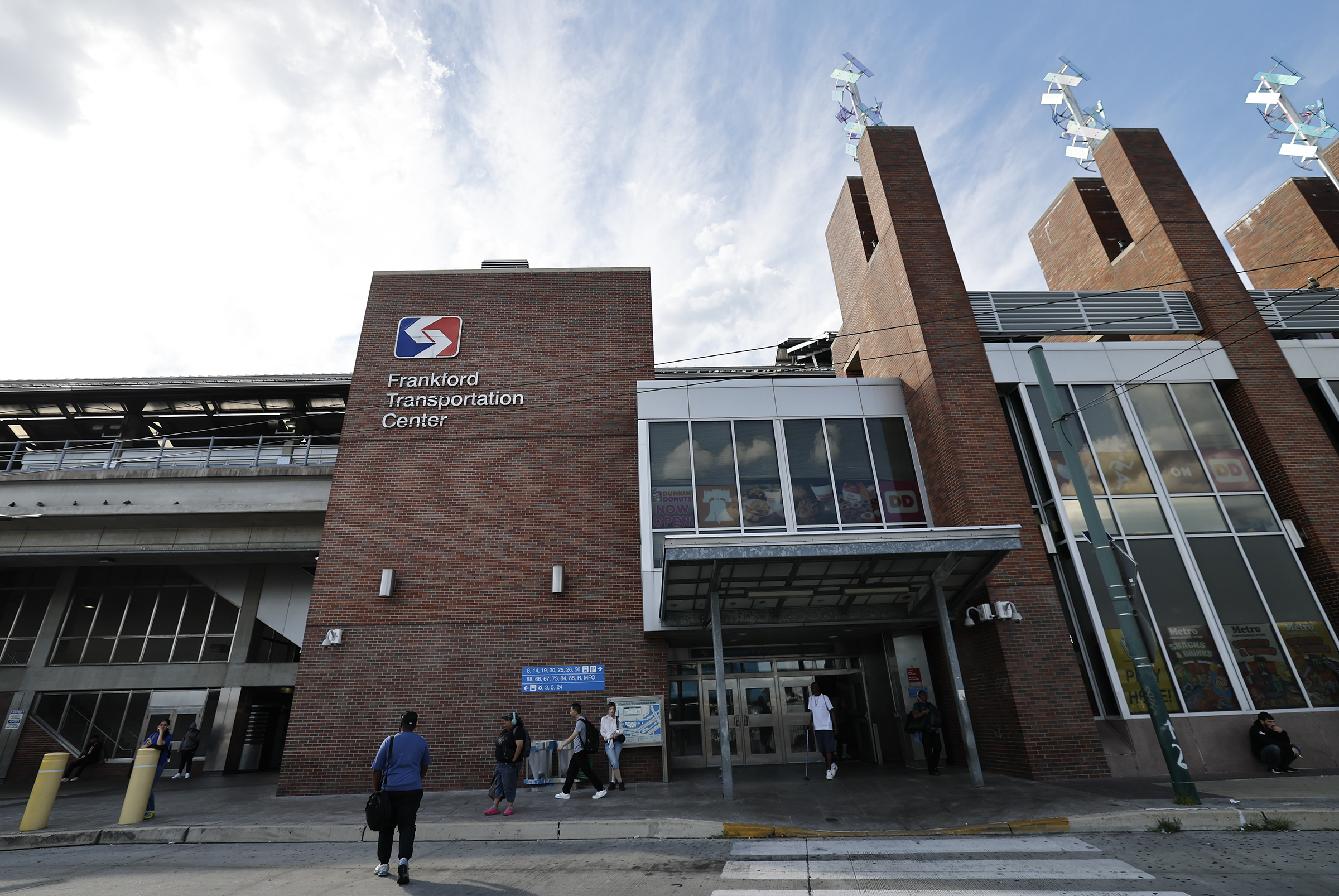
    “We’ve heard from some people that they feel unsafe, particularly at the Frankford Transportation Center,” Busch said. SEPTA has added lighting and 30 blind-spot mirrors in the garage, he said.

    In June, Lansdale police increased patrols around SEPTA’s parking garage after reports of fighting and underage drinking among teens and young adults using it as a gathering spot.

    It is not clear whether customer concerns about the situation contributed to a drop in parking there.

  • Proposed banking rule change threatens city and small town lending, advocates warn

    Proposed banking rule change threatens city and small town lending, advocates warn

    Kenneth Bigos’ day job is running the Affordable Housing Centers of Pennsylvania, which helps people buy their first homes. That puts him arm-in-arm with a lot of Philadelphia’s bankers.

    He serves on TD Bank’s Community Advisory Council. Citizens Bank helps train his group’s housing counselors. He credits Wells Fargo’s NeighborhoodLift program with finding down-payment assistance for first-time borrowers. And he cites WSFS as a major lender in the city’s Turn the Key and Philly First Home grant programs.

    But Bigos is worried that federal bank regulators’ pending plan to streamline the Community Reinvestment Act (CRA) endangers that community-bank energy. Regulators have used this 49-year-old law to set targets for banks so they offer loans and services throughout their market areas, including in lower-income neighborhoods. Bigos and other advocates say the regulators’ plans cuts those targets so banks can do less.

    “All of this good work is because of CRA,” Bigos said. “My concern is that the rollback of the CRA will result in having fewer banks accountable to the communities,” slowing bank-financed improvements to the region’s working-class neighborhoods.

    Kenneth Bigos (right), executive director of Affordable Housing Centers of Pennsylvania, with State Sen. Sharif Street at an event announcing a grant to the housing counseling organization. AHCOA

    The CRA was intended to curb redlining policies from when banks refused to lend in certain sections of Philadelphia and other cities. Regulators are now considering changes, with the public comment period drawing to a close.

    Rules added in 1995 obliged banks to document their loan approval, equity investments, branch networks, and service levels in working-class and low-income neighborhoods. It helped spawn a network of nonprofits that helps banks meet their CRA targets by recruiting local projects, developers, and borrowers.

    Regulators rank banks’ CRA performance. Banks that seek to expand need good CRA ratings or risk regulators’ refusal.

    Some banks made a virtue of necessity.

    PNC, the biggest bank in Pennsylvania, scored an “outstanding” in every inspection and has won approval for mergers, which made it the fifth-largest in the U.S. The Pittsburgh-based company regularly highlighted its CRA lending along the way.

    Big lenders that missed targets, like Wells Fargo, were rated “needs to improve,” and they were blocked from deals until they did better. Underlining the narrow line banks may walk between changing regulatory currents, the Wall Street Journal recently reported that the Trump administration is investigating whether Wells Fargo is violating the Fair Housing Act in its efforts to boost Black homeownership.

    Two suburban Philly institutions, Parke Bank and Penn Community Bank, received low ratings in recent years. Parke Bank is rated “needs to improve.” Penn Community Bank’s rating was updated from “needs to improve” to “satisfactory” in 2025.

    Banker groups have long lobbied for relief from CRA rules and compliance work.

    Proposals put forward earlier this year by the Federal Deposit Insurance Corp. (FDIC) and the Treasury Department’s Office of the Comptroller of the Currency (OCC) would enable banks to ease CRA targets by at least two-thirds, advocates say.

    In Pennsylvania the annual CRA targets would drop from $3 billion to $1.1 billion, according to estimates by the National Community Reinvestment Coalition (NCRC), which represents nonprofit housing and lending groups.

    The American Bankers Association says it’s “pleased” that the proposal focuses CRA more narrowly on loans and community projects, not broader programs or organization funding, and eases targets especially for small banks.

    What the proposed rules would do

    Banks covered by CRA would see the rules eased in two ways, says NCRC director Kevin Hill.

    Under the proposal, banks would be able to comply with the law by issuing strategic plans with a lower CRA loan and investment total — a 64% reduction, by Hill’s calculation — or they could lend a percentage of their capital in low-income areas, with a much lower minimum commitment required.

    The proposals would also raise the definitions of large and midsize banks so that hundreds of banks would move into categories with lower CRA targets. Banks including Mid Penn Bank, which has recently opened offices in Philadelphia, and family-owned Firstrust Bank of Conshohocken would be among those reclassified from large to midsize banks with fewer CRA obligations.

    (function(){function e(){window.addEventListener(`message`,function(e){if(e.data[`datawrapper-height`]!==void 0){var t=document.querySelectorAll(`iframe`);for(var n in e.data[`datawrapper-height`])for(var r=0,i;i=t[r];r++)if(i.contentWindow===e.source){var a=e.data[`datawrapper-height`][n]+`px`;i.style.height=a}}})}e()})();

    Hill says banks in some cases would be able to close urban branches without suffering a loss in CRA standing. And they would be able to stop compiling data on their small-business loan applications, a key credit measure.

    Local and national community-lending groups are sounding warnings and urging members and supporters to write to regulators during the public comment period, which ends Oct. 13.

    What community groups fear

    Nonprofit lenders who have worked with banks for years say they’re scared banks will retreat from the communities meant to benefit from CRA.

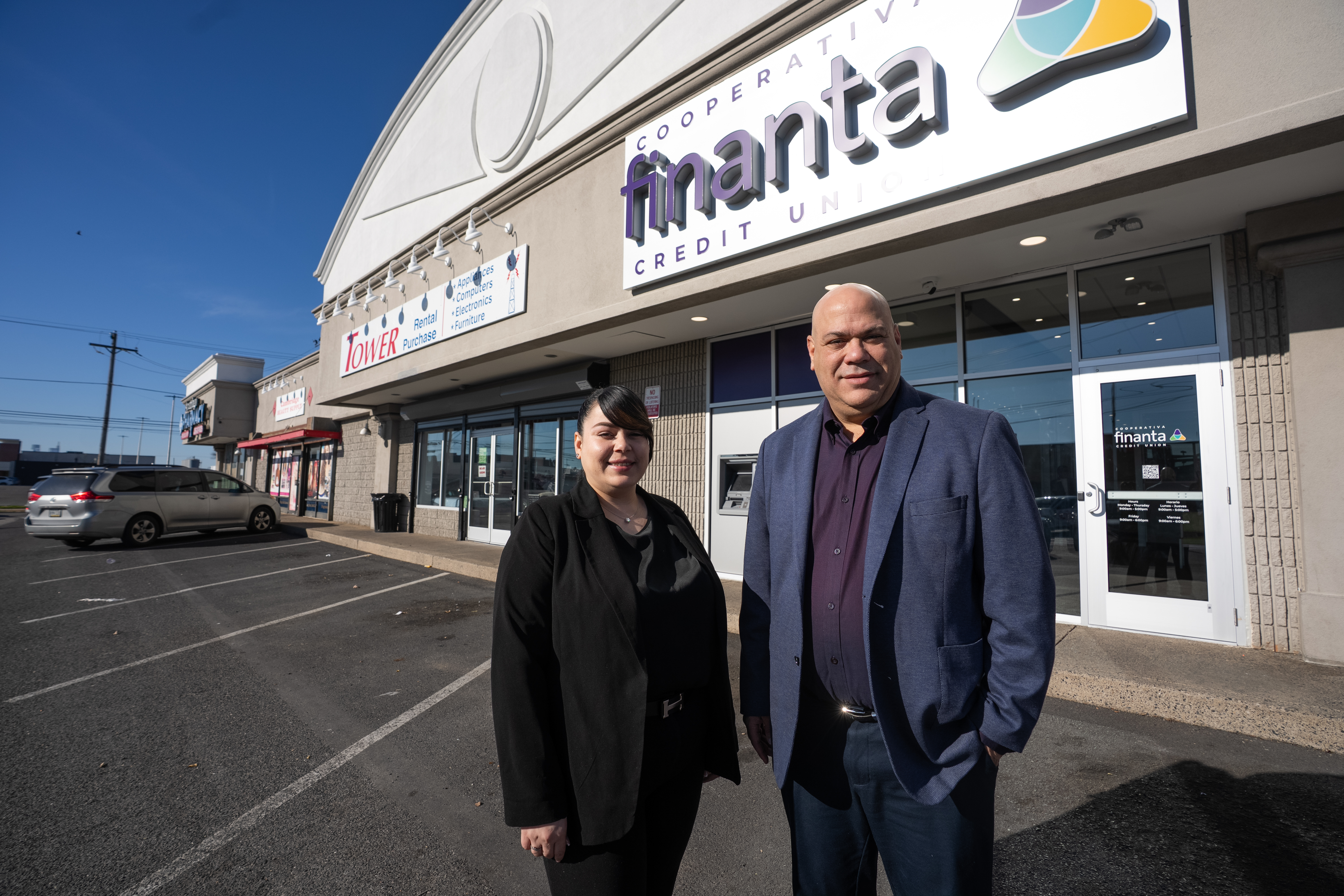
    “This is particularly going to affect small towns and rural areas with small banks. They won’t have to adhere to CRA rules so closely,” said Daniel Betancourt, president and CEO of Finanta Credit Union, which has offices in primarily Latino communities of Philadelphia, Lancaster, and other eastern Pennsylvania communities.

    Iris Santiago, branch manager, and Daniel Betancourt, CEO of Finanta Credit Union, at a Philadelphia branch in 2025.Jessica Griffin / Staff Photographer

    “They will now be able to meet their CRA requirements by lending to large infrastructure projects and stop focusing as much on small mortgages and small-business lending,” Betancourt said. “It will be easier for them to meet the tests, to get a satisfactory rating. I definitely would rather they keep the [current] rules in place.”

    Betancourt cited projects that have been built to meet CRA requirements — mortgages and small-business loans in Frankford and Northeast Philadelphia, and projects like Xiente’s rental unit construction at the former St. Boniface property on Norris Square, ACANA’s Africa Center in Southwest Philadelphia, Taller Puertorriqueno on the Bloque de Oro in Fairhill.

    Bigos, of the Affordable Housing Coalition of Pennsylvania, said he worries about inner-city bank-branch closings and that banks will make fewer, larger loans to richer borrowers, if they no longer get credit for making lots of small ones, which cost more.

    Bankers insist they’ll still lend

    “Philly is a tough city to do business in,” said Abe Ibrahim, head of Mid Penn Bank’s Philadelphia region. “You can’t just open a branch” and expect to profit, he said. There are a lot of banks chasing attractive borrowers.

    Abe Ibrahim, head of Mid Penn Bank’s Philadelphia region. “We don’t use [the federal Community Reinvestment Act] as a box to check off. It’s a leadership philosophy. A good project benefits the community and makes families better,” Ibrahim says.Mid Penn Bank

    “People want to see that you’re from here and you want to add value,” Ibrahim said. “That opens the door.”

    Because it’s so difficult to find solid customers in competitive markets, Ibrahim says he is hopeful the banks won’t cut and run just because the law no longer obliges them to maintain their current loans and grants.

    He said Philadelphia programs like Turn the Key, which gives city land cheap in exchange for selling houses at below-market prices, will remain attractive to lenders even if CRA requirements are reduced.

    “There’s a waiting list for these programs,” which come with income qualifications and other pre-approval requirements. Ibrahim said his bank would back solid city projects, such as a recent Turn the Key development Mid Penn helped fund, “even if there were no CRA consideration.”

    “We don’t use CRA as a box to check off. It’s a leadership philosophy. A good project benefits the community and makes families better, smarter, wealthier,” Ibrahim said.

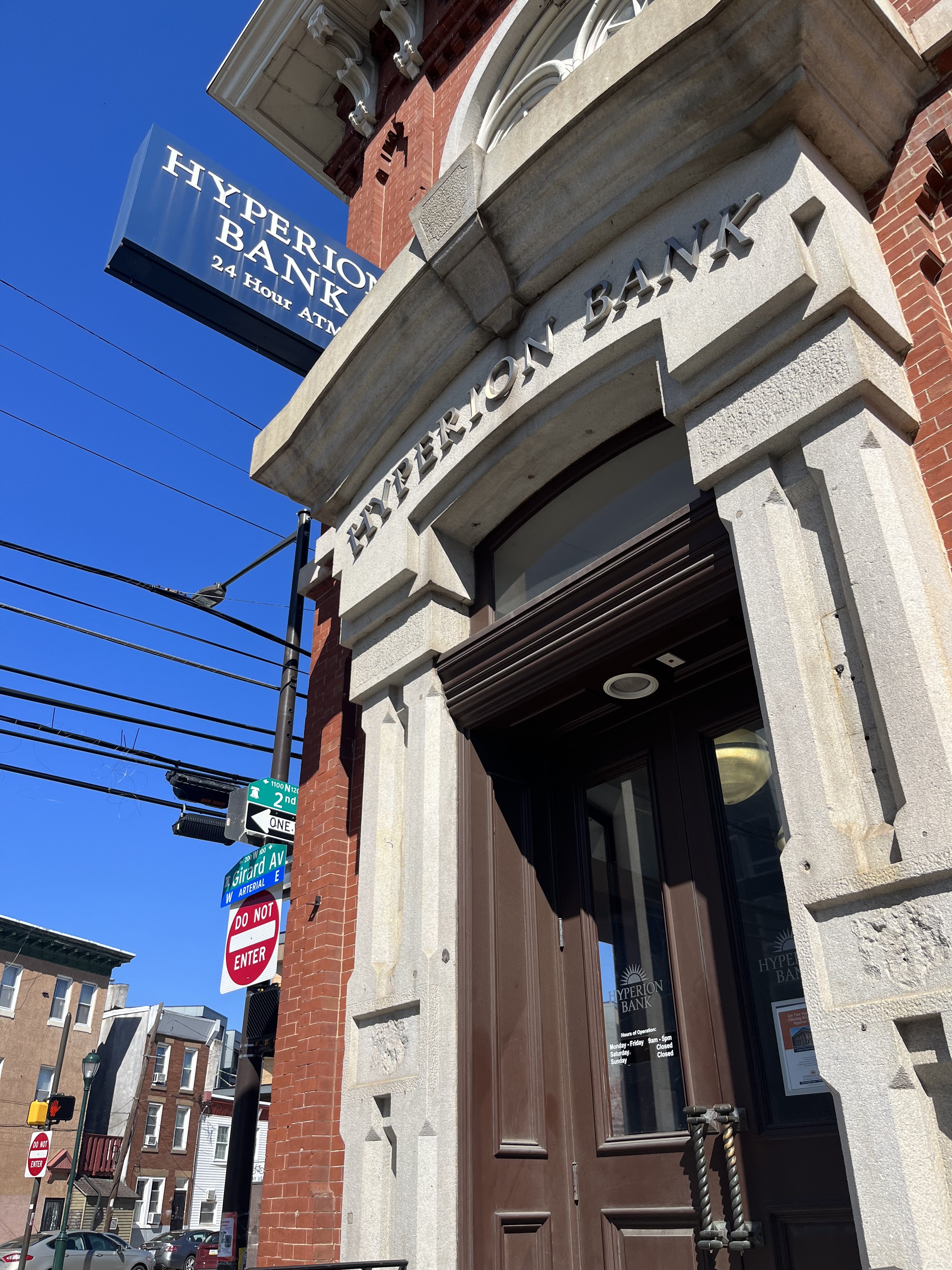
    At Northern Liberties-based Hyperion Bank, “we will, of course, evaluate any (CRA) changes in requirements,” said CEO Charles B. Crawford, a former chair of the Pennsylvania Association of Community Banks. But those changes alone won’t “change Hyperion’s commitment to the communities we serve.”

    Hyperion Bank headquarters at Girard Avenue and North Second Street in Northern Liberties. CEO Charles Crawford says CRA requirement changes alone won’t “change Hyperion’s commitment to the communities we serve.” Joseph N. DiStefano

    “Regardless of how CRA regulations evolve,” Wilmington-based WSFS will focus on “meaningful, sustainable investments that strengthen the communities we serve,” said Justin Dunn, WSFS’s chief community impact officer.

    Wells Fargo, with 4,000 local branches across the U.S., is “evaluating the proposed changes,” said spokesperson Shea Leordeanu.

    Editor’s note: This story has been updated to note that Penn Community Bank’s rating changed in 2025.

  • Police shoot and kill armed man on Benjamin Franklin Parkway, officials say

    Police shoot and kill armed man on Benjamin Franklin Parkway, officials say

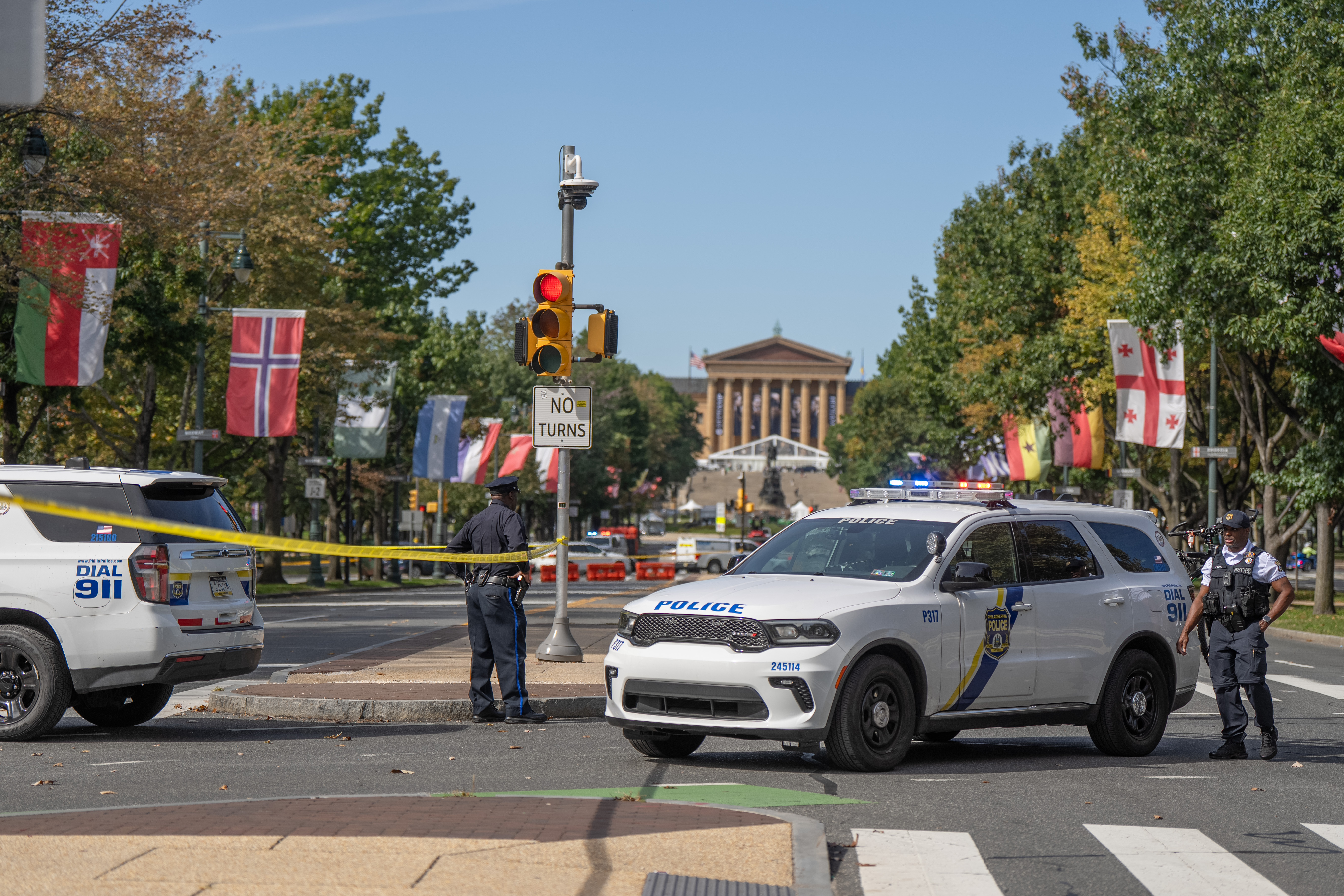
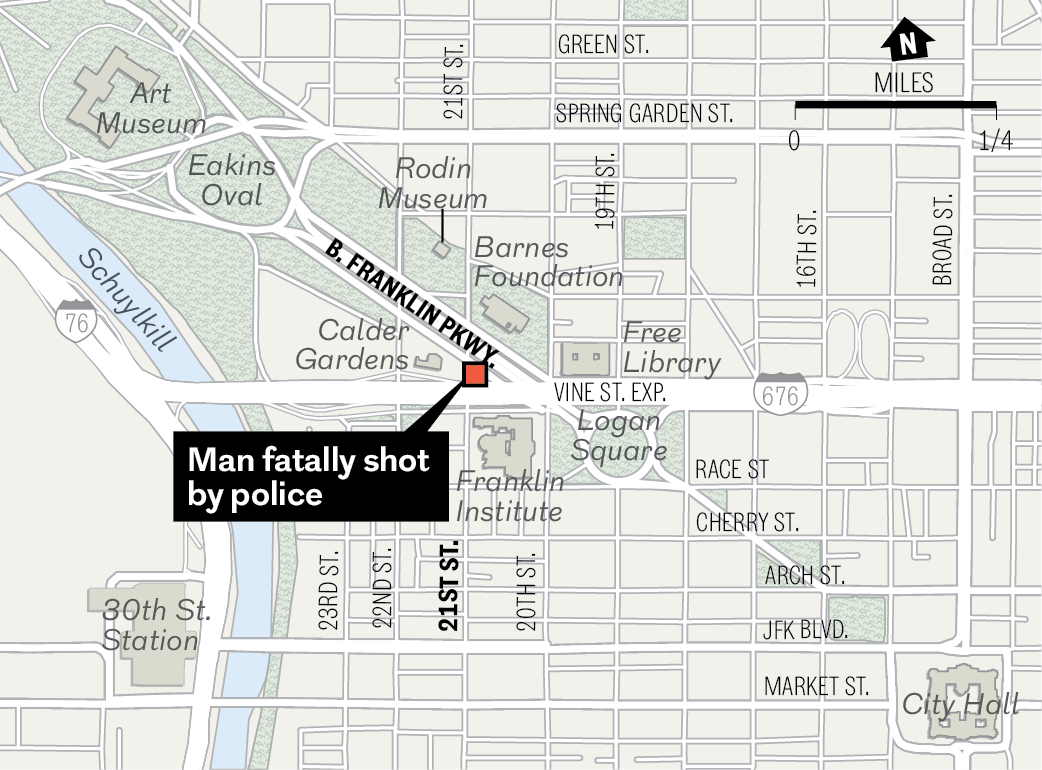
    Philadelphia police shot and killed a man who they said fired a handgun on the Benjamin Franklin Parkway Friday morning, just a few blocks from the Philadelphia Art Museum.

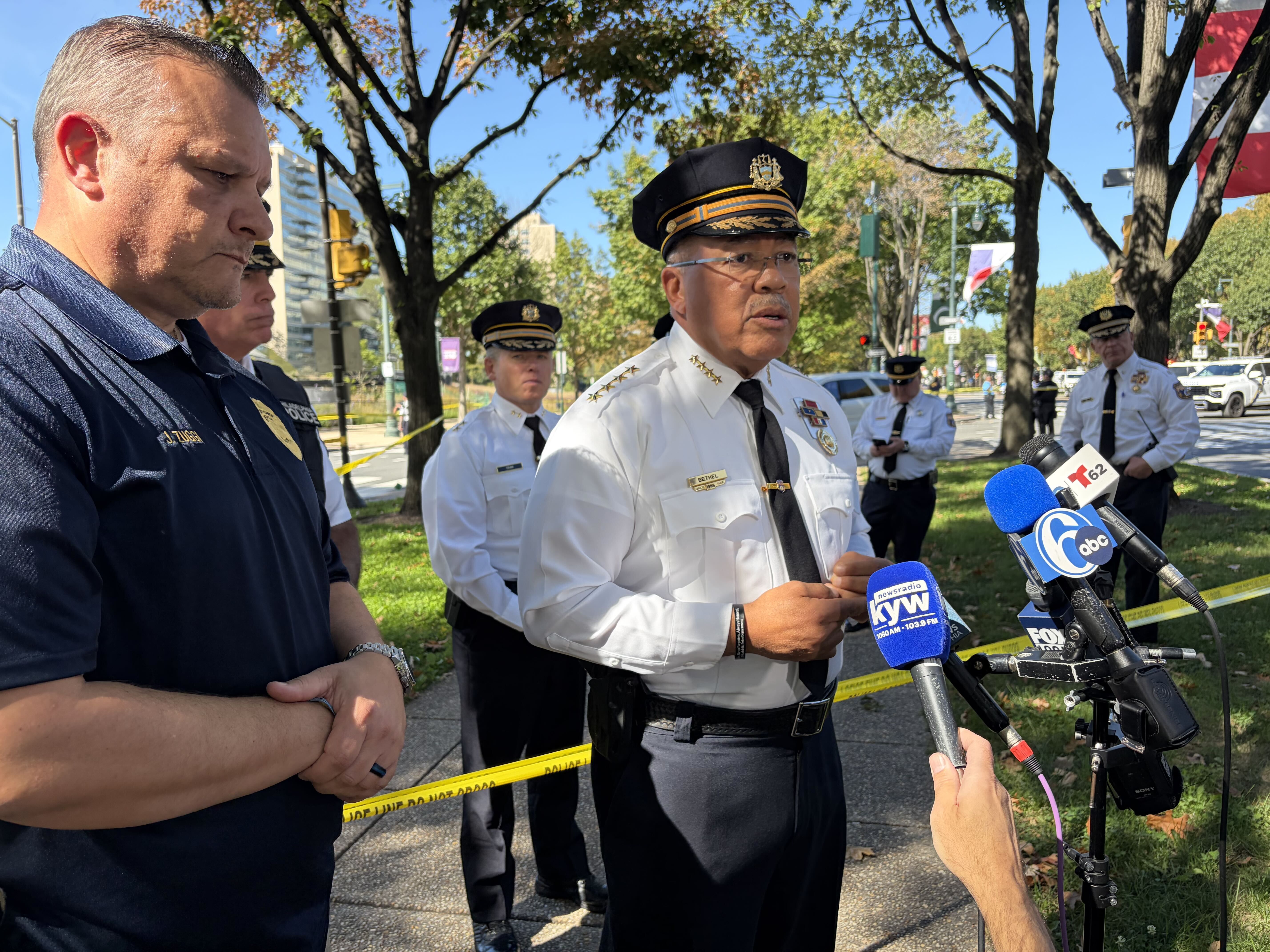
    Police responded to the intersection of 21st Street and the Parkway shortly after 11 a.m. after bystanders reported a man shooting in the area, said Police Commissioner Kevin Bethel.

    No bystanders were struck. Police secured the area and attempted to talk to the man, who was armed with a revolver, through a bullhorn, and defuse the situation, Bethel said.

    Philadelphia Police Commissioner Kevin Bethel speaks to members of the news media near the site of a shooting at the corner of North 21st Street and Benjamin Franklin Parkway on Oct. 9, 2026, in Philadelphia.Anna Orso

    “The individual is just continually pointing the weapon, waving the weapon, and waving the weapon multiple times, pointing it at the officers. The officers all backed away and tried to take as much cover as possible,” Bethel said.

    Then, at some point, the man fired his gun, he said.

    Two officers — one Philadelphia police officer and a SEPTA cop — then each fired their weapons once, striking the man, Bethel said. He was rushed to Jefferson University Hospital, where he died at 11:36 a.m., the commissioner said.

    He said the incident was being investigated as potential suicide by cop. It was not immediately clear how many times the man fired his weapon, he said.

    Police investigate a shooting where officers shot and killed an armed man near 21st Street and the Parkway on Friday.Jessica Griffin / Staff Photographer

    Police did not release the man’s identity or age. Bethel said he appeared to be in his 50s.

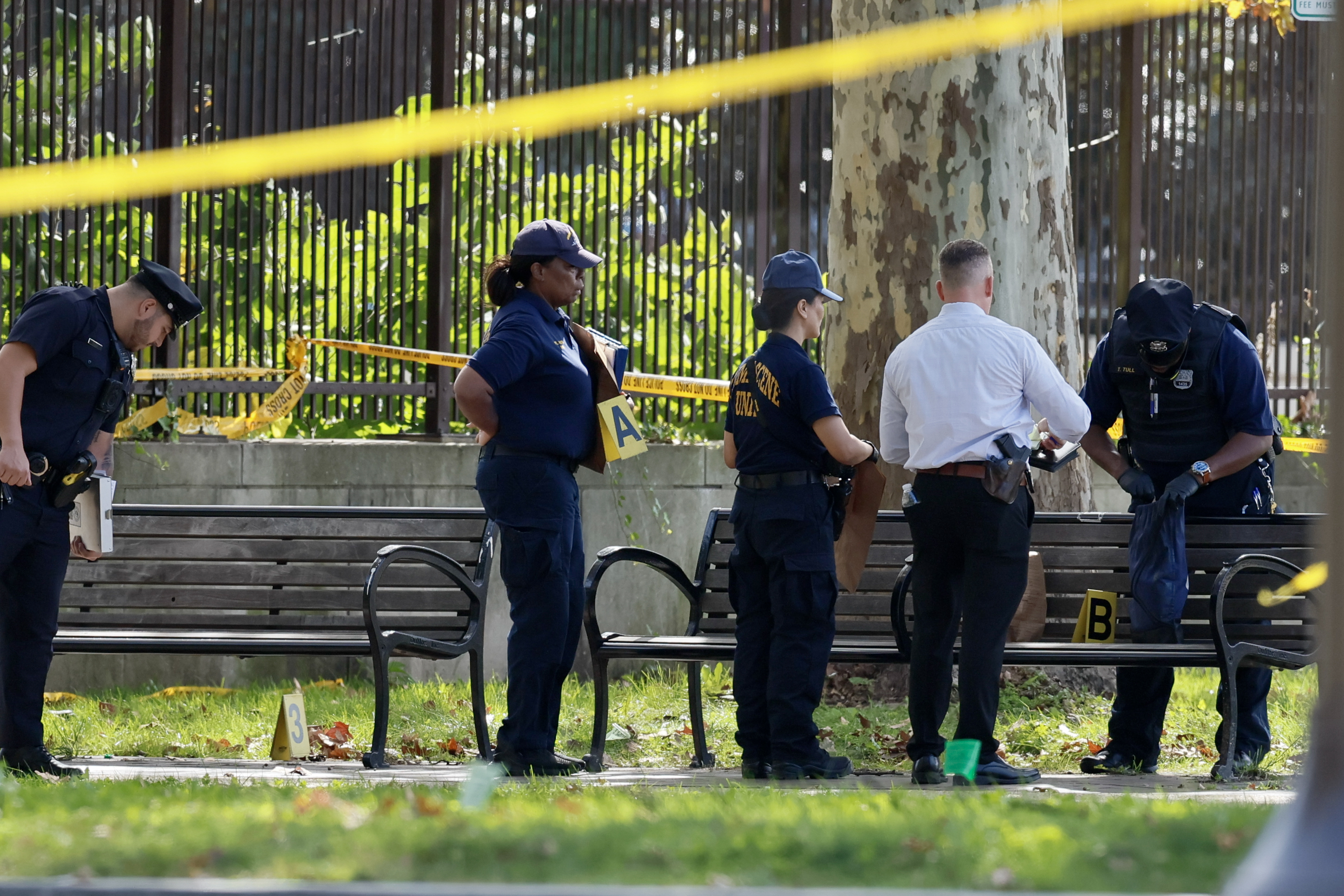
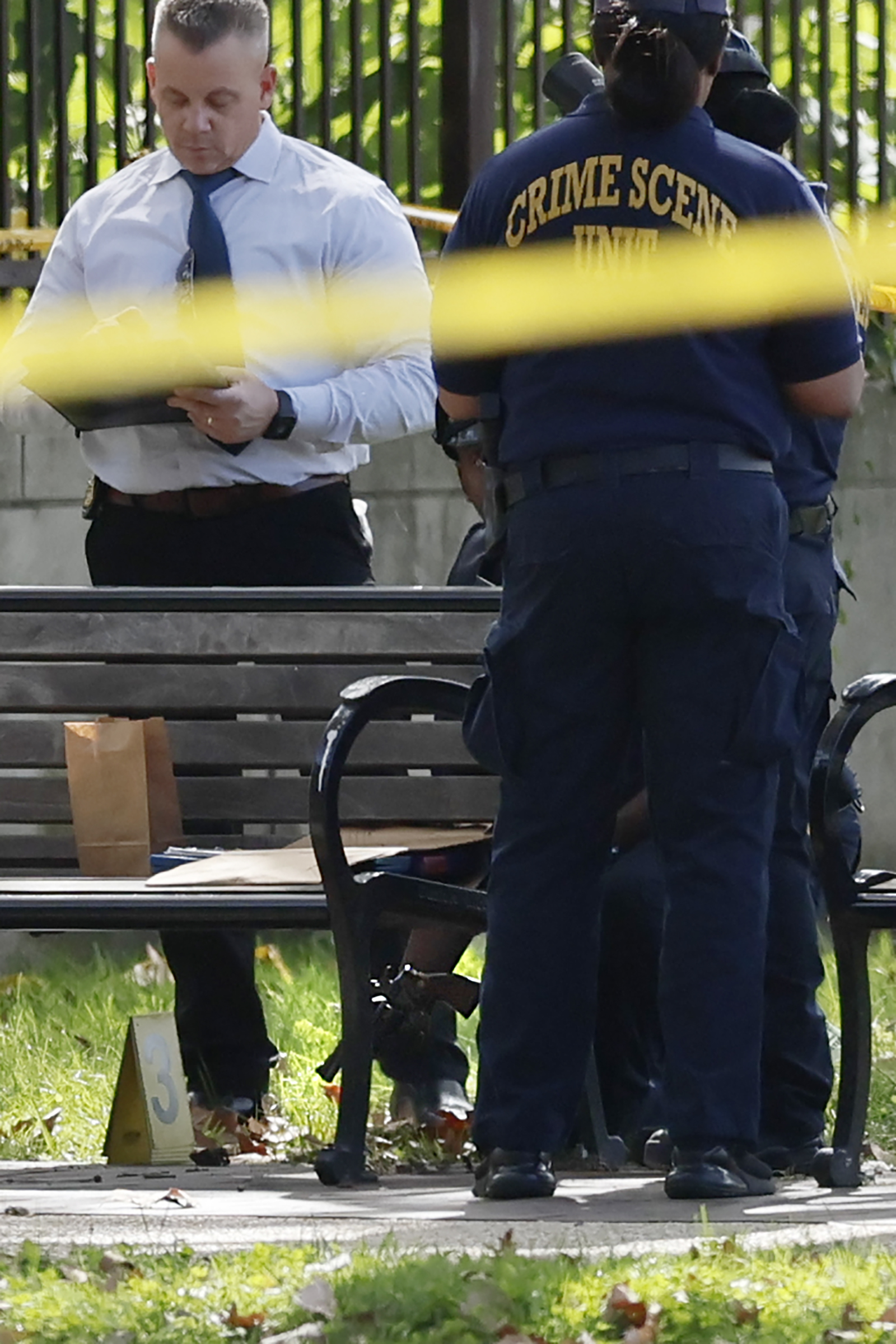
    A section of the Parkway was closed to traffic for several hours Friday as police investigated, gathering evidence that included a gun found under a bench.

    The shooting unfolded as bystanders walked along the idyllic stretch of the city under clear blue skies, and as families visited the many public institutions nearby. The Franklin Institute briefly asked visitors to shelter in place.

    Map of where an armed man was fatally shot by police on Oct. 9 on the Benjamin Franklin Parkway.John Duchneskie

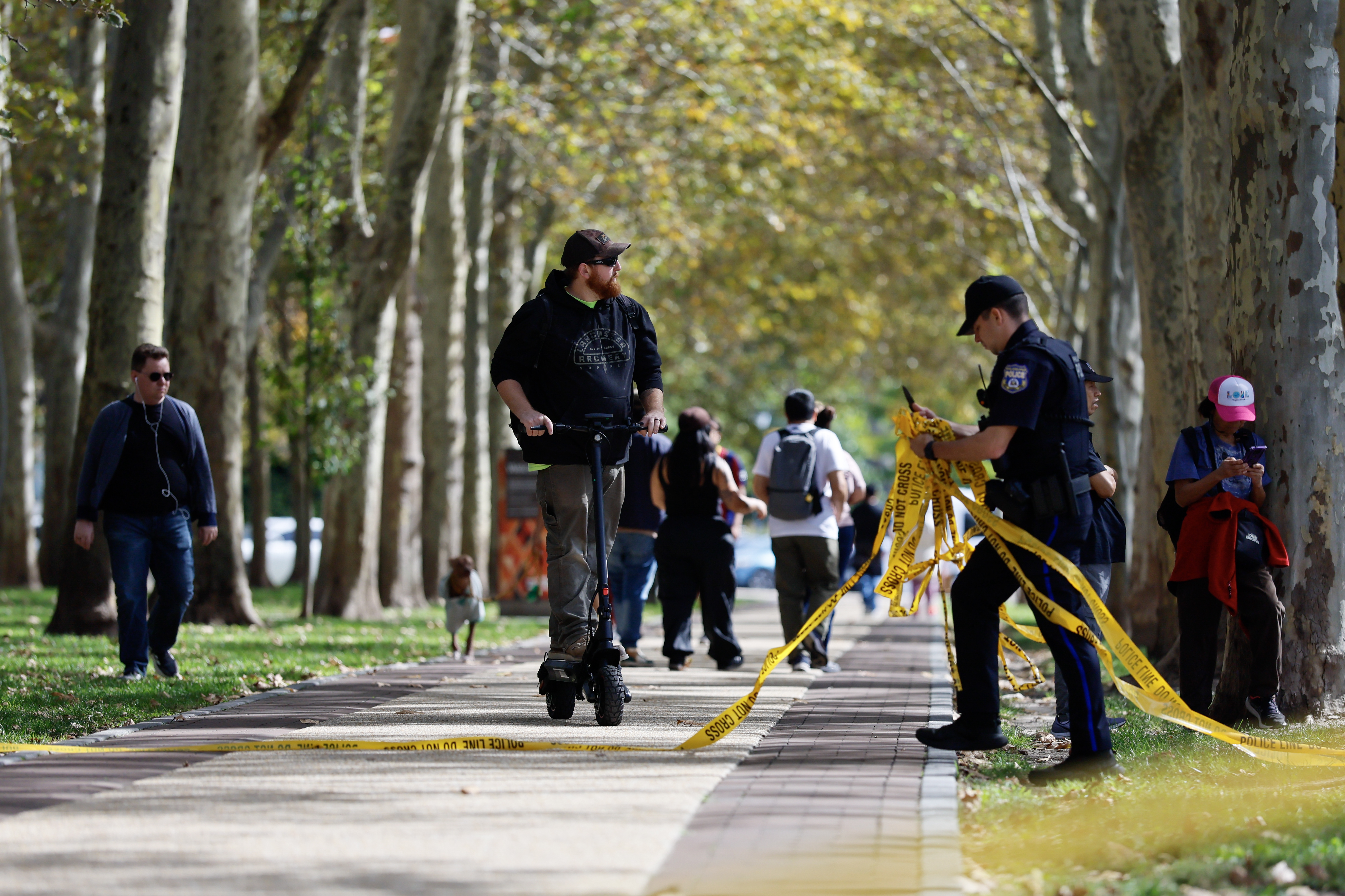
    Outside on Friday afternoon, passersby and tourists stood across from police, gaping at the sight of caution tape leading toward the Art Museum.

    Abby Rosenblum, in town from Seattle for her daughter’s wedding, said she was walking to the Barnes Foundation when she heard the first shot ring out.

    She told herself it was nothing, she said, and kept walking. Her friend’s daughter, Charlene Duty, heard a second shot a short time later.

    “It took a while for the second shot,” Duty said.

    The whole situation, the two women said, was upsetting.

    Marc and Phyllis Donahue, of Chestnut Hill, were walking to Calder Gardens when they learned of the shooting.

    “It’s something we have a hard time comprehending,” said Marc Donahue, lamenting the proliferation of guns.

    “I hope it doesn’t keep people from coming into the city,” Phyllis Donahue said. “But I do get the concern.”

    Police pick up a firearm that was found under a park bench in an area along the Benjamin Franklin Parkway. Elizabeth Robertson / Staff Photographer

    The incident marked the second fatal police shooting in the last week. On Oct. 2, officers in Mayfair shot and killed a 26-year-old man they said was armed with a knife.

    Police tried to stop Jamir Cave after they said he had attempted to break into several cars and a house on the 4100 block of Tyson Avenue.

    Police followed Cave to the 7000 block of Frankford Avenue, and when an officer tried to grab Cave’s arm, they got into a physical struggle, the department said in a statement.

    Cave then produced a kitchen knife, police said. An officer fell during the altercation, and when Cave advanced toward an officer with the knife, police said, two officers shot him.

    Both officers’ body cameras captured the incident, police said. It remains under investigation.

    Police reopen an area near Benjamin Franklin Parkway after it was taped off to investigate a shooting where officers shot and killed an armed man Friday.Elizabeth Robertson / Staff Photographer
  • Accelerate to the modern SEPTA the region deserves

    Accelerate to the modern SEPTA the region deserves

    More than 350,000 people spend time in Center City Philadelphia on an average day. That’s because it is a lot of things to a lot of people: the largest employment hub in our 11-county region, the densest and fastest-growing residential area, the highest concentration of restaurants, shops, museums, and theaters, and the primary destination for millions of conventioneers and tourists annually.

    Even if you don’t live or work here, chances are you spend time here, or know people who do.

    This is largely possible because we are the beneficiaries of decades of investment in transit, including a Regional Rail network that connects more than 150 stations in neighborhoods across Philadelphia and towns across our suburbs to the urban core. This puts us billions of dollars of investment ahead of many cities and regions around the U.S. that came of age after the advent of the automobile.

    The bad news is that we’ve never been able to use this irreplaceable infrastructure to its full potential. We’ve made some transformative moves, such as combining disparate and struggling transit agencies to create SEPTA in the first place.

    Most notably, just over 40 years ago we did something no other U.S. city has done: We built the Center City Commuter Connection that combined the legacy lines of the Reading and Pennsylvania Railroads into one integrated system. This was done, in part, because planners at the time understood the potential to run Regional Rail less like a commuter rail and more like a high-frequency metro service.

    Because we’ve never made the necessary investments in vehicles, signals, and station platforms to bring this idea to life, we live with an enviable set of “good bones” that stop short of offering real choice or convenience.

    It doesn’t have to be that way. Accelerate, SEPTA’s vision for best-in-class transit, would transform quality of life for millions of people across our region. In so doing, it would completely redefine our relationship with Center City.

    We’ve all been there: You miss a big meeting because your usual train was canceled and the next one skipped your station due to overcrowding. The comedy show runs long, you reach the platform two minutes after the last train home pulls out, and now you’re paying $50 (or more?) for an Uber.

    Date night ends early because it’s either the 9:16 or the 11:16, and the sitter can’t stay that late. Or maybe you miss half the game because you can’t risk an ill-timed transfer.

    Picture knowing the next train downtown (or back home) is never more than 15 minutes away, at any hour, on any day of the week. Neighborhoods such as Fox Chase, Eastwick, Germantown, Mount Airy, and Manayunk would connect to Center City often enough that you’d never think about a schedule again. So would suburbs like Media, the Main Line, Jenkintown, and Conshohocken. If you live in these places, commutes and nights out alike just became painless.

    Picture knowing the next train downtown (or back home) is never more than 15 minutes away, at any hour, on any day of the week, writes Clint Randall.Jasmine Goldband / Staff

    Service at that scale makes room for life’s surprises: a high-stakes deadline at work, spontaneous dinner plans, last-minute concert tickets from a friend, staying at the bar through the end of the playoff game; all of these scenarios and countless others become painless adjustments rather than costly complications. Trips that now feel like carefully calculated events, such as bringing grandma in for the Flower Show, taking the kids to The Nutcracker, or showing out-of-town friends around for the weekend, become simple outings that need little advance planning. Miss a train? Another one is coming in 15 minutes or less.

    And that’s just Regional Rail. Under Accelerate, the El (Market-Frankford Line) would run every three minutes. Modern light-rail vehicles, the kind many riders have only seen in Europe, would replace today’s trolleys. Buses would come more often, including nights and weekends. New vehicles and major investments in maintenance, cleaning, and security would mean fewer breakdowns and cleaner rides.

    SEPTA’s new Wissahickon Transportation Center on Ridge Avenue in Manayunk is a major upgrade for the city’s bus riders. The sprawling, $50 million station opened in January 2026 and allows 5,000 passengers a day to switch between 11 bus lines.Inga Saffron / For The Inquirer

    The immediate and widespread impacts of such investments are real: fewer reasons to get in the car, less time circling for parking, and less money at the pump. Fewer meals cut short, encores missed, meetings adjourned early, mad dashes to the platform. More spontaneity, more time spent where it matters, more saying yes to the events and occasions that make Philadelphia such a special place to live.

    All it takes is money. Not subsistence money. Not barely-keeping-up money. Money that places like Seattle, Boston, and Washington, D.C., have managed to identify, each of them spending more than double what we spend in a year on capital projects alone. SEPTA Accelerate has the potential to meaningfully improve quality of life across our region while making Center City Philadelphia one of the most appealing places in the country to live, do business, and visit.

    Clint Randall is vice president of economic development at the Center City District.

  • Police ID man officers killed last week in Mayfair

    Police ID man officers killed last week in Mayfair

    Philadelphia police on Tuesday identified the 26-year-old man officers fatally shot during a physical confrontation last week in the city’s Mayfair section.

    Police also named the two officers who fired their guns, killing Jamir Cave. Police said Cave was armed with a knife.

    One of the officers, Thomas Catalano, is assigned to the 15th District and has been with the force for 12 years, the department said Tuesday.

    The second officer, Christian Nguyen, is a three-year member of the force and also assigned to the 15th.

    The department offered an updated account of what the police said happened Friday afternoon.

    At 2:46 p.m., the officers — both in uniform and separately driving marked patrol vehicles — responded to reports of a man attempting to open doors in the rear of properties along the 4100 block of Tyson Avenue, the department said.

    Catalano spoke with a witness who described the man and reported seeing him try to open a house, a garage, and vehicle doors, the department said.

    The officers then saw Cave on nearby Frankford Avenue and Nguyen exited his patrol vehicle to pursue him, the department said. Catalano soon joined the foot pursuit.

    On the 7000 block of Frankford Avenue, Catalano caught up with Cave and a physical struggle ensued in front of a storage business, “during which the male was holding a kitchen-style knife in his right hand,” the department said.

    According to the department, “A preliminary review of video evidence shows the male drawing back his right arm while holding the knife, with the blade pointed forward near shoulder height.” Catalano “attempted to create distance” and fell backward in the storage facility’s driveway. The man turned toward Nguyen, who backed away, before “turning back and advancing toward” Catalano with the knife as the officer tried to regain his footing, the department said.

    Catalano and Nguyen both fired their weapons. Medics pronounced Cave dead at the scene. Police recovered the knife Cave allegedly wielded.

    Catalano was treated at Jefferson Torresdale Hospital for an elbow injury, the department said. Nguyen was not injured.

    Both officers had body cameras that recorded video of the shooting, the department said. Investigators also recovered surveillance video in the area and interviewed multiple witnesses, the department said.

    Catalano and Nguyen have been reassigned to administrative duties while the shooting is investigated internally by the police and by the Philadelphia District Attorney’s Office.

    In a 12-second video obtained Friday by The Inquirer, one of the officers and Cave can be seen struggling with one another.

    The video was recorded by someone inside a car parked just feet away from the deadly shooting.

    The officer appears to be trying to hold the man’s hands or arms, then falls to the ground as the Cave breaks free.

    A second officer then appears in the video. As the man steps away from that officer and into an open area of the building, the second officer fires multiple shots and the man falls.

    The first officer is seen falling backward away from the man and a second gun can be heard firing before the video ends.

    6abc reported that family members said Cave had been suffering from mental health issues, and quoted his mother, Ebony Boyd, declaring: “My son was innocent; he was innocent.”