Tag: Exton

  • The busiest ambulatory surgery centers in the Philadelphia region

    The busiest ambulatory surgery centers in the Philadelphia region

    The two busiest surgery centers in the Philadelphia region last year were operated by Penn Medicine in Radnor and Jefferson Health in Center City.

    Such facilities have grown increasingly popular as a cost-saving option for procedures that do not require intensive hospital resources or overnight stays.

    While they offer convenience, the facilities operated by Penn and Jefferson both count as hospital departments for billing purposes, which means they cost more than surgery centers operated by independent physicians or other companies.

    Penn Medicine Radnor Surgery Center operates within a large outpatient facility near the intersection of I-476 and Route 30. It logged 12,464 surgical visits in 2025, up from 8,961 the year before, according to data published last month by the Pennsylvania Department of Health.

    Penn attributed the growth to the addition of new gastroenterologists in Radnor to perform colonoscopies, upper endoscopies, and other procedures. Colonoscopies, in particular, account for a large portion of the overall volume in surgery centers outside hospitals.

    Jefferson Surgery Center was close behind, with 12,261 surgical visits, up from 2,639 in 2024. It sits within the Honickman Center, which opened in 2024 at 1101 Chestnut St. in Philadelphia. Jefferson has gradually expanded the array of surgical services offered there.

    “Growth has been driven by both increasing patient demand and the strategic transition of services from other Jefferson locations, allowing us to provide care in a state-of-the-art outpatient environment,” Jefferson said in an email.

    Other fast-growing surgery centers include two independently operated facilities focused on orthopedics, Premier at Exton Surgery Center in Exton and Restore Orthopaedic Surgical Institute in Chadds Ford.

    (function(){function e(){window.addEventListener(`message`,function(e){if(e.data[`datawrapper-height`]!==void 0){var t=document.querySelectorAll(`iframe`);for(var n in e.data[`datawrapper-height`])for(var r=0,i;i=t[r];r++)if(i.contentWindow===e.source){var a=e.data[`datawrapper-height`][n]+`px`;i.style.height=a}}})}e()})();

    Surgery center ownership matters

    Even though the Penn and Jefferson outpatient facilities are not in hospitals, their ownership by large hospital systems enables providers to get paid as if they were located inside the Hospital of the University of Pennsylvania or Thomas Jefferson University Hospital.

    Hospital outpatient department billing rates are sometimes twice as much as the rates paid to independent surgery centers.

    For example, surgery to remove torn cartilage from a knee can cost $7,190 when performed on an outpatient basis in a hospital, nearly three times the $2,477 cost in ambulatory surgery centers (ASCs), according to Philadelphia-area commercial insurance averages from Turquoise Health.

    Health insurers Independence Blue Cross and Highmark have implemented policies this year seeking to save money for employers and patients by moving care out of hospitals and into ambulatory surgery centers or ASCs. Both insurers say they will only pay for certain procedures if they are done in an ASC.

    But it’s not enough to move surgeries to a setting outside a hospital, given the hospital-like billing status of certain surgery centers.

    “The cost savings from an ASC depend on the facility’s ownership, licensing, and billing model,” Richard Snyder, IBX’s chief operating officer, said in a email to The Inquirer.

    IBX would like to see more ASCs in its Southeastern Pennsylvania market and is “prepared to help catalyze growth through continued value-based arrangements, strategic partnerships, and investments,” Snyder said.

    Litigation over ASCs and other policies

    In a July lawsuit against IBX, Jefferson claimed that the insurer’s ASC policy amounted to a change to the financial terms of their contract that needed to be negotiated.

    The lawsuit said that ASC mandate will cost the health system $35.4 million, but doesn’t specify over what time period.

    IBX filed a motion last week to dismiss the lawsuit, which was moved to U.S. District Court in Philadelphia from the Philadelphia Court of Common Pleas.

    The insurer says that the lawsuit was premature because Jefferson filed it before completing a contractual process designed to resolve such policy conflicts.

  • Construction software giant based in Exton opens a new Philly office

    Construction software giant based in Exton opens a new Philly office

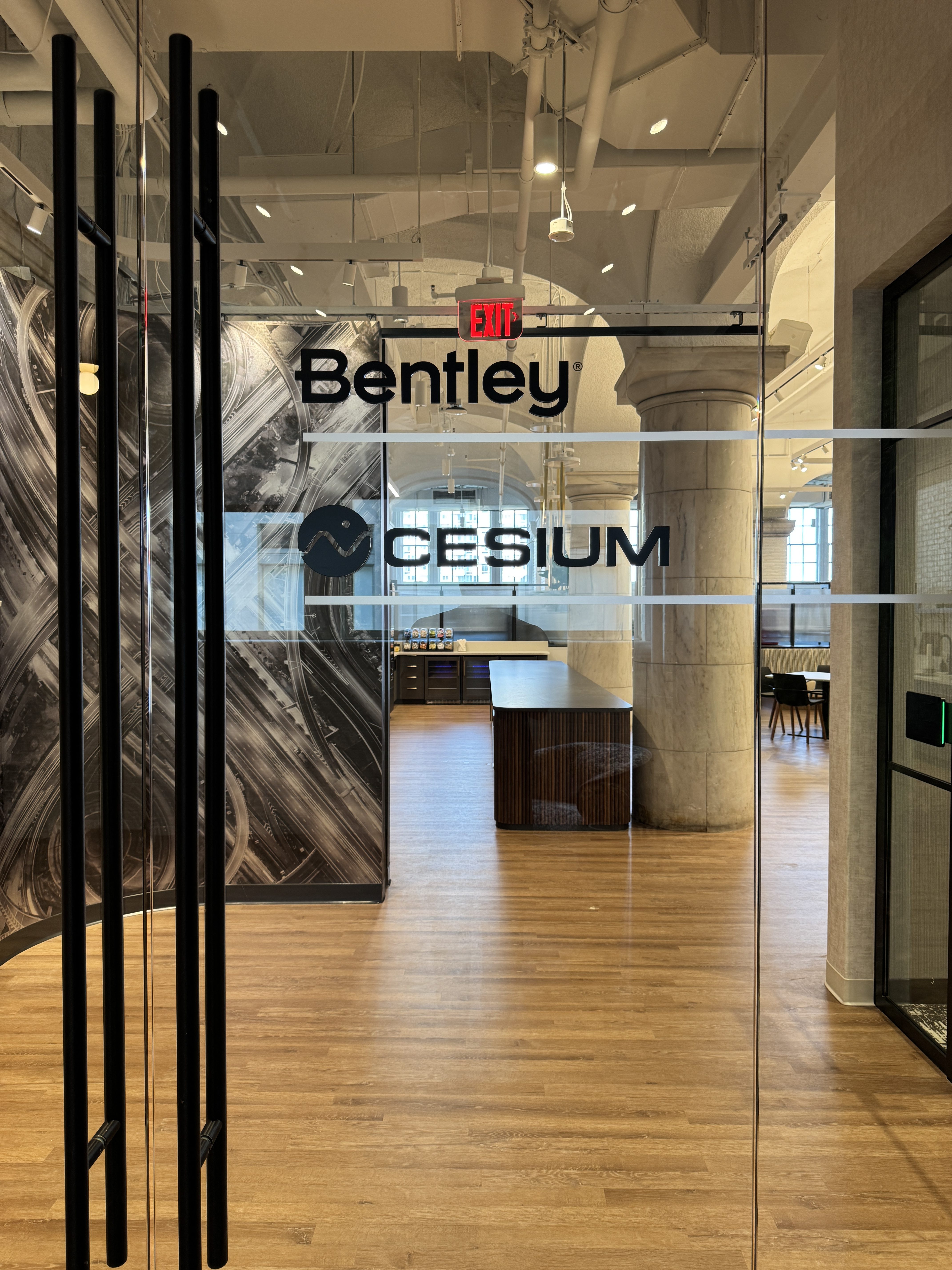
    Exton-based Bentley Systems International, the software company with the highest market capitalization in the Philadelphia area, has opened a Center City office as its new base for 150 engineers and other tech and business staff, replacing two smaller outposts in the city.

    The construction design and building software maker’s 22,000-square-foot hub in the Curtis Center building will replace Bentley’s 14-year-old office on Cherry Street and the 30-person 400 Market St. former headquarters of Cesium GS Inc., which Bentley acquired in 2024.

    Cesium founder and past CEO Patrick Cozzi is now Bentley’s chief platform officer and will head the new office, near Independence Hall.

    At Bentley Systems’ new Philadelphia office, where the company’s Cesium team has its home, in the Curtis Center, 2026.Bentley Systems

    Bentley, founded by five brothers from Delaware in 1984, has sales totaling $1.5 billion last year.

    Cozzi set up Cesium as a geospatial-mapping applications unit of serial tech developer Paul Graziani’s Exton-based Analytical Graphics Inc. (AGI) in 2011 and spun Cesium off as an independent company in 2019.

    Bentley customers use what’s now its Cesium Ion mapping platform to show sites and buildings in complex detail on office computers and hand-held devices.

    A Penn State grad, who also earned a master’s and taught programming and architecture at the University of Pennsylvania, Cozzi says he sees Philadelphia as a “magical place” for tech companies.

    “When I was CEO raising capital on the West Coast, some of the investors told me the best tech entrepreneurs want to move to the [San Francisco] Bay area. I said no, we can build a great tech company in Philadelphia,” he said.

    Philadelphia was an early computing industry center. ENIAC, the pioneering system built at Penn to help plan World War II artillery attacks, and other early Philly-built computing systems relied on the vacuum tubes mass-produced for radio manufacturers in Philadelphia and Camden.

    But by the 1970s, the industry committed to far more efficient silicon-based microprocessors developed in California’s “Silicon Valley.” Investor-rich cities such as Boston, Seattle, and Austin also became important computer hardware and software centers. Few large tech companies are now based in the Philadelphia region.

    Cozzi says Philadelphia’s affordability is now an asset.

    “We have reasonable cost of living and fantastic schools, graduates who want to stay here, great restaurants and quality of life, it’s an awesome place for the tech community,” he said, as he prepared to welcome Mayor Cherelle L. Parker, State Rep. Jordan Harris (D., Phila.), and 200 other guests to the new space for a grand opening celebration Thursday evening.

    Cozzi said neither the city or state provided incentives for the new office.

    Invited guests at Thursday’s event include Bentley clients from Center City-based Pennoni Engineering; Ansys, the Pittsburgh-based owner of AGI, and Earthbrain, a Japanese construction equipment and computing joint venture, which uses Philadelphia as a U.S. base.

    Bentley went public in its 2020 IPO at $22 a share. The stock peaked in the low $60s the next year and ran almost as high last summer. It has lately traded around $35 a share.

    It employs more than 5,000 at offices in 42 countries. The company is worth nearly $11 billion on the Nasdaq stock exchange. That compares to around $6 billion for Newtown, Bucks County-based software-outsourcing provider EPAM, $2 billion for King of Prussia tax-accounting software maker Vertex Inc., and $200 million for Blue Bell legacy hardware and software provider Unisys.

    Bentley’s 10th-floor space in the Curtis Center includes a public-meeting area to host events.

    The building was built in 1910 for Curtis Publishing and its mass market magazines, led by the Saturday Evening Post and Ladies’ Home Journal. Curtis moved its press operations to Delaware County in 1949 and shut both Philadelphia offices and Delco operations by the time of its 1969 bankruptcy.

    The Curtis building’s owner, Keystone Development + Investment, has in recent years added apartments, biotech labs, and other specialized units to help fill the block-long complex.

  • Seeking: A barn? Chester County’s only roller derby league is hitting obstacles while looking for a new space

    Seeking: A barn? Chester County’s only roller derby league is hitting obstacles while looking for a new space

    After graduating nursing school and navigating the loss of her mother, Corinne Kucewicz was looking for something positive to focus her energy on. That’s when she found Brandywine Roller Derby, Chester County’s only league.

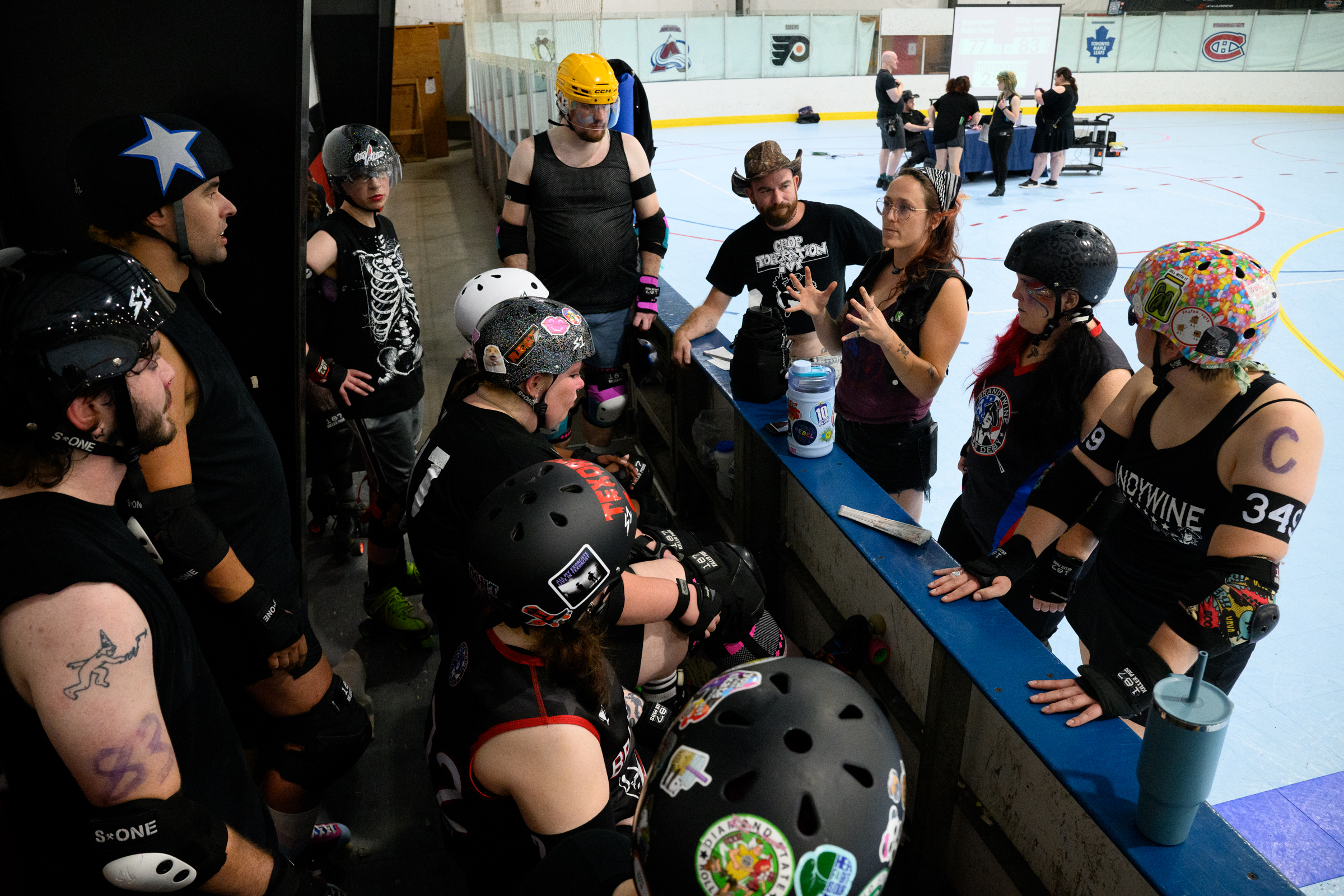
    Now the league’s president, overseeing roughly 26 members, Kucewicz, 28, worries about Brandywine’s future as they struggle to find a permanent and affordable home in Chester County to practice, hold games, and fundraisers. Without any roller rinks in the county, they’ve ended up at their current space at a school facility in Exton. It offers enough room for their track, but with a slippery — and sometimes muddy — floor that can make skating conditions iffy, the location is starting to hurt retention.

    “It worries me if we don’t find another space that our league is going to go kaput,” said Kucewicz, who goes by Maria Von Scrapp on the track. “That would obviously be worst-case scenario, but unfortunately, as one of the leaders of the league, that’s something I have to worry about.”

    Corinne “Maria Von Scrapp” Kucewicz, captain of Brandywine Roller Derby, sits for a portrait at the 422 Sportsplex in Pottstown on Saturday, Aug. 22, 2026.Kriston Jae Bethel / For the Inquirer

    Roller skating has seen its peaks and valleys. There was a boom as far back as the 1880s. More recently it’s been a fixture of school trips or birthday parties. Roller derby, which started in 1935, has a long history itself, transforming from a race, to a full-contact sport, to a scripted professional-wrestling-esque performance.

    Today’s roller derby — a DIY, gender-expansive, and LGBTQ+-friendly sport — cropped up in the early 2000s. Gone are many of the banked tracks, the raised, curved oval that was synonymous with derby of the ’70s and ’80s. Many leagues rent spaces and play on “flat tracks,” which is exactly how it sounds.

    COVID-19 offered a bit of a paradox for roller skating and derby. The pandemic led to the closing of rinks across the country, as many large venues struggled with shutdowns. It simultaneously put roller derby leagues on pause, with skaters unable to hold practices or bouts (i.e. games), eating into funds they had raised through selling tickets and skaters’ dues. Some leagues collapsed.

    Members of the Brandywine Roller Derby warm up on the track before a bout against the Dirty Jersey Roller Derby Violet Uprising at the 422 Sportsplex in Pottstown. Kriston Jae Bethel / For the Inquirer

    At the same time, roller skating spiked, with merchandisers struggling to keep up with demand as people increasingly took up the hobby.

    As pandemic restrictions eased, and roller derby leagues were able to practice again, they saw a depleted returning membership but heightened interest in the niche sport.

    Kucewicz was among them. She showed up with a cohort of other interested skaters to a 2024 recruiting event. The team took her in despite having no past skating experience, and taught her how to skate, how to fall safely, how to hit, and how to take a hit.

    “It was an amazing mix of friendly people and people that I saw myself being friends with,” Kucewicz said. “That was something that I definitely needed at the time, and is still important.”

    Before the pandemic, Brandywine had a large league that was doing well, Kucewicz said. When they were able to start skating again after, they were down to six returning skaters but also had a crowd of interested newbies.

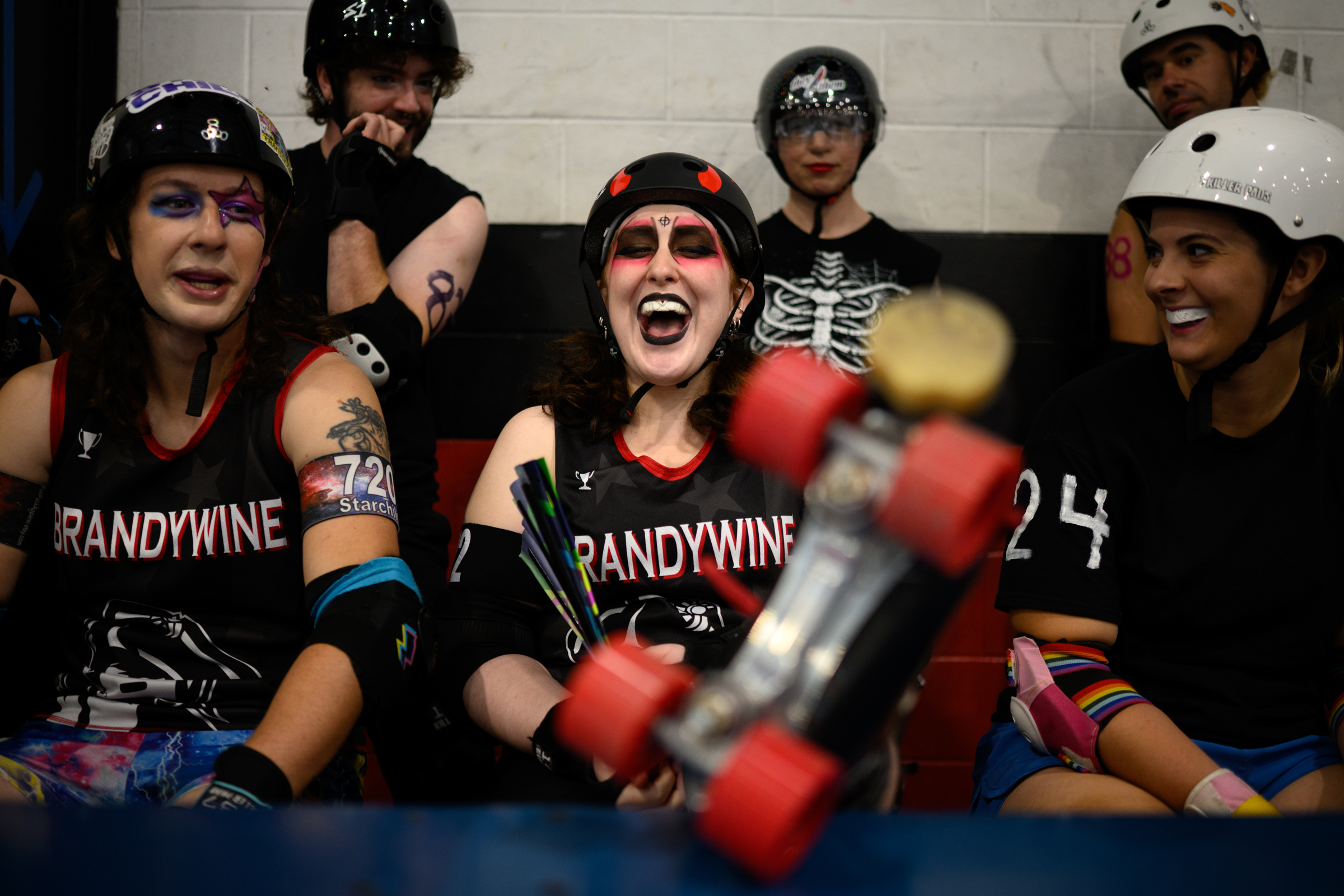
    Rachael “The Texorcist” Gable laughs alongside teammates. Kriston Jae Bethel / For the Inquirer

    Finding a space has proven to be difficult. When the league was founded in 2010 by a group of skaters, they met at the Caln Roller Rink in Downingtown. But a changing of the rink’s ownership ultimately closed the rink.

    The league ended up at Collegium Charter School in Exton two years ago, practicing in an outdoor-indoor, climate-controlled space. The floor is, essentially, plastic tiles on top of dirt. When it rains, mud seeps through.

    The floor itself is uneven: On one side of their track, it goes uphill; the other, downhill. Aside from scrimmaging, derby is a lot of learning and drilling fundamentals, focusing on agility and footwork. A slippery, uneven floor makes that difficult.

    “Members have left and gone to other leagues because they’re afraid, because our floor is so slippery, that they’re going to injure themselves. Or they just want a higher level of derby that we can’t really provide at this moment because our floor is not that great,” Kucewicz said.

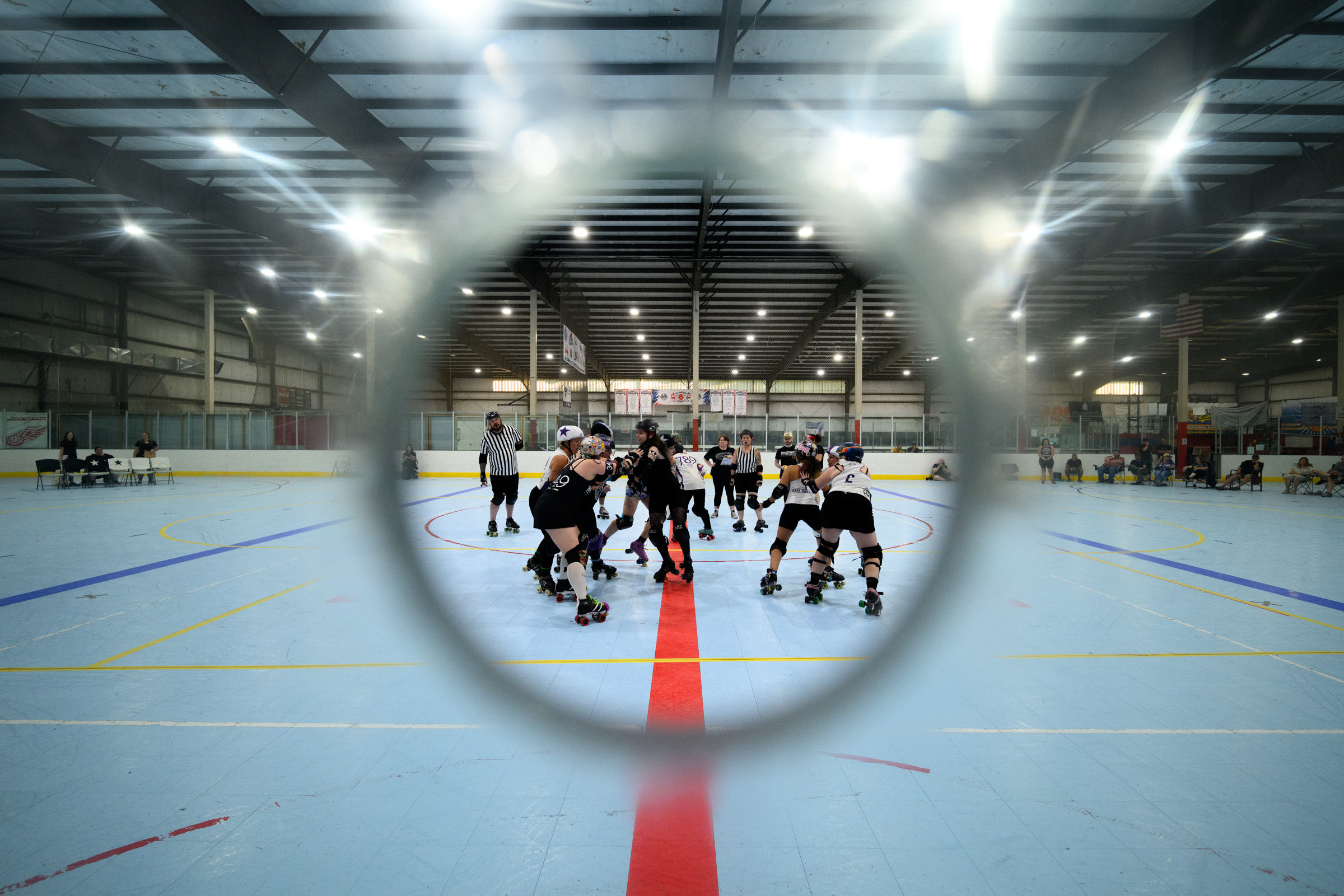
    Brandywine Roller Derby and Dirty Jersey Roller Derby Violet Uprising compete during a bout at the 422 Sportsplex in Pottstown. Kriston Jae Bethel / For the Inquirer

    As they prepare for a new class of recruits — they’re holding a new skater program Sept. 20 — they want to find something more suitable.

    In their hunt, they’ve been priced out of anywhere that can be an option for them, said Christi Tuminelli, a league skater who has been overseeing the search for a new space. Most warehouse spaces are going for $12 to $24 per square foot. Their budget is closer to $2 per square foot. They’ve reached out to more than 30 properties. Most have gone quiet.

    Others don’t work, either because the property doesn’t fit the size of the track they need, or the owner isn’t interested in sports. They also have had to contend with worries about damaging the floor, which they say is a nonissue.

    The league is open-minded about its future home; Tuminelli was contacting farms about their barns. They need an open space, with minimal columns in the way. The track spans 108 by 75 feet, which is roughly 8,100 square feet. They want to stay in Chester County, with the hope of getting more involved with the community when they have a stable location. Ideally, they’ll be able to host the public for games or fundraising events. Right now, the team hosts its bouts in Pottstown, in Montgomery County. They’re breaking even between renting the space and raising funds from ticket sales, they said.

    “Right now we’re at an impasse because we need the space to generate the income, but we can’t afford the space without new people,” Tuminelli said. “We are a working nonprofit that can pay sustainable rent. We just can’t compete with the market rates in Chester County.”

    While derby is a sport, it’s also a community.

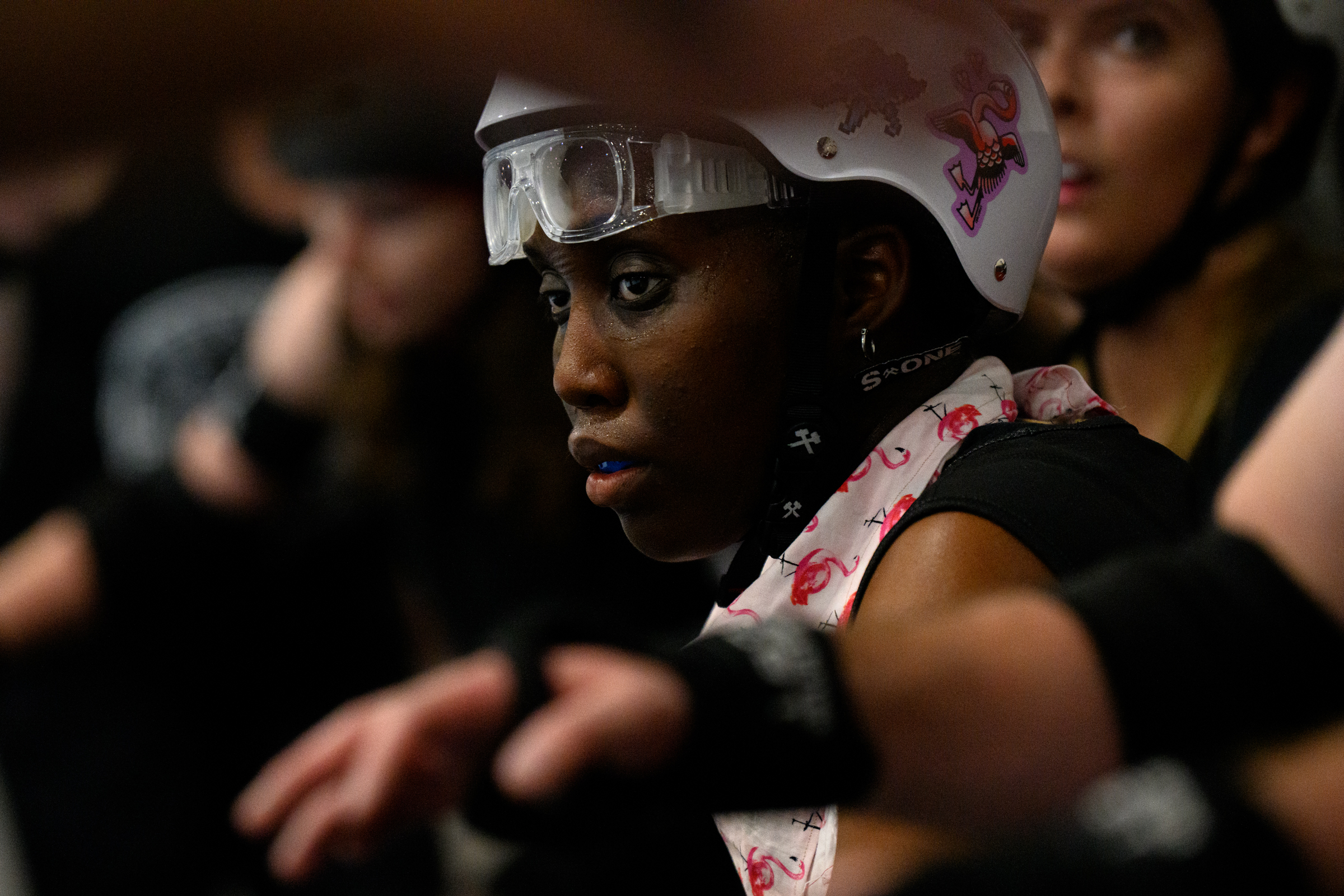
    Najah “Chaotic Condor” Coon from Brandywine Roller Derby sits on the bench during a recent bout. Kriston Jae Bethel / For the Inquirer

    Tuminelli — or Mother Mayhem, on the track — went to her first bout wracked with nerves but walked away feeling excited and empowered. Tuminelli, 42, was never a “sports girlie” growing up, she said. But if she had known what they offered, maybe she would have joined earlier.

    With other teams an hour or so away from the suburbs, it’s an important to have the outlet within their own community, Tuminelli said.

    “When I moved here from New York, I didn’t know anybody. And having a kid that was young and being in a new space, it’s scary as a new mom,” she said. “I wanted something for me, and this was great. Derby just allows you to do things. It raises your confidence.”

    This suburban content is produced with support from the Leslie Miller and Richard Worley Foundation and The Lenfest Institute for Journalism. Editorial content is created independently of the project donors. Gifts to support The Inquirer’s high-impact journalism can be made at inquirer.com/donate. A list of Lenfest Institute donors can be found at lenfestinstitute.org/supporters.

  • As Philly-area construction has slowed, builders are shifting to data centers and military projects

    As Philly-area construction has slowed, builders are shifting to data centers and military projects

    This summer showed signs of a regional construction slowdown: projects downsized or canceled, contractors suing developers for nonpayment, partners suing each other as their bankers close in.

    “Confidence is shaky in the construction industry,” said Ed DeAngelis, founder and head of Bensalem-based EDA Contractors Inc., whose 450 union workers do outdoor construction — roofs, walls, sides, masonry, glass, waterproofing.

    “First, we saw the architects starting to slow down,” he said. “Then we started to see developers financing, not from banks, but private credit, names we don’t know.” A few stopped payment as they waited for financing.

    The Philadelphia region needs more towering cranes building homes and big office projects, he said. “But our margins are not high enough to afford your default. Even if you can still pay 50 cents on the dollar, it takes years for us to make up for that loss.”

    In past years, a commercial slowdown meant falling back on “eds and meds” — college, hospital, and drug-company jobs.

    But Trump administration funding cuts to medical and research universities like Penn and Princeton “hurt us,” DeAngelis said. Some projects were announced this summer after a lull but “even a six-month lag sets us back.”

    Public agencies, though slow and bureaucratic, are generally reliable payers. But the federal government’s reversal on Diversity, Equity, Inclusion requirements has created “a lot of confusion” for contractors and delayed bids, DeAngelis said.

    Add it up and “what industry right now is doing great?” DeAngelis said, noting only the “tremendous amount of money going into AI,” with Philadelphia general contractors busy in parts of Pennsylvania and South Jersey.

    The majority of the action this summer is industrial with Pennsylvania lenders and investors backing strategic metals, minerals, and manufacturing projects, of all sizes, including military contractors, said Dan Fitzpatrick, head of the Mid-Atlantic and Midwest regions for Citizens Bank, which operates the Philadelphia area’s largest branch network.

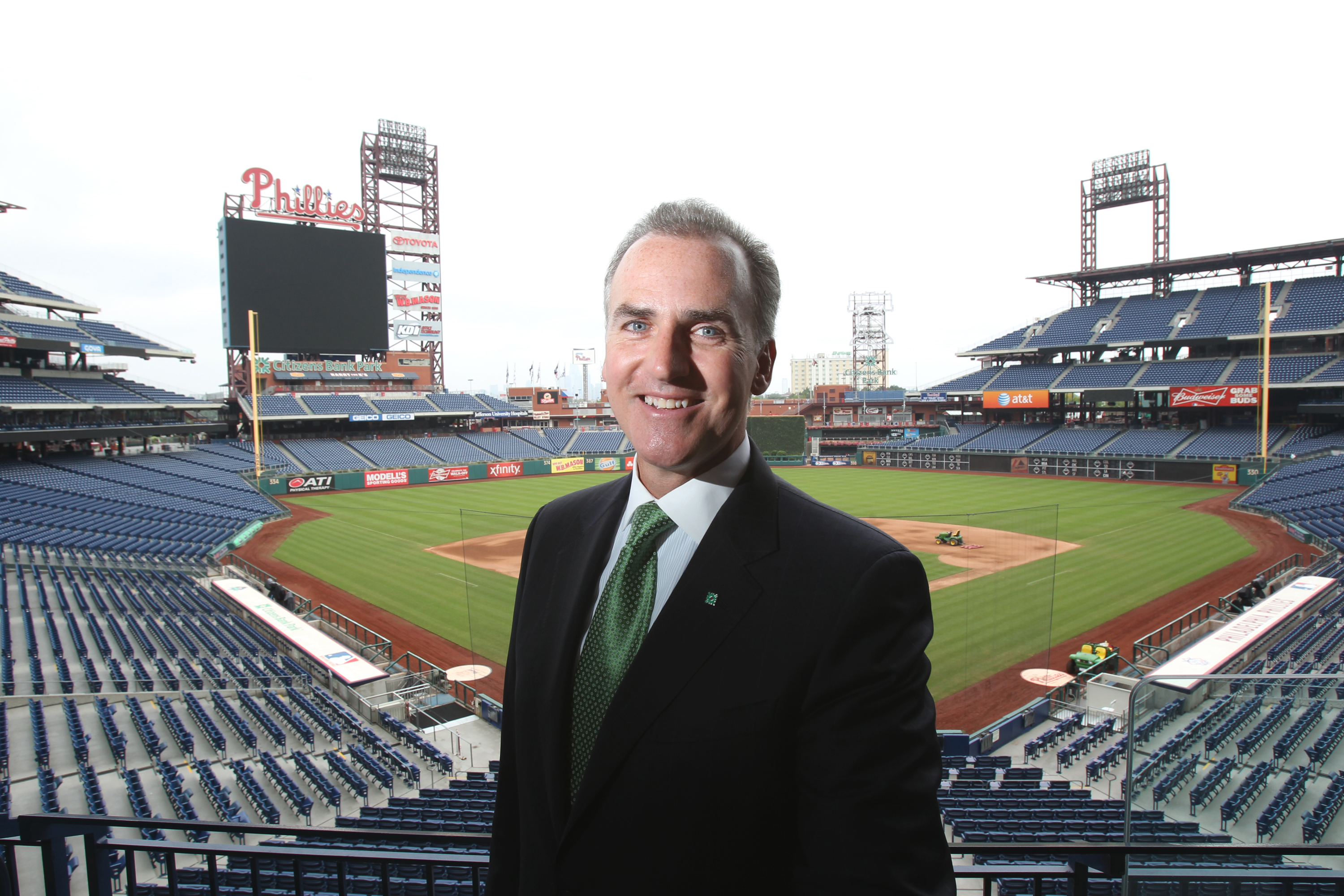
    Dan Fitzpatrick, head of Mid-Atlantic and Midwest regions for Citizens Bank, shown at Citizen’s Bank Park in 2013.Photographer: CHARLES FOX

    In residential development, “we are going through an adjustment period,” he said. Higher interest rates and higher fuel, materials, and labor prices have pushed up new home costs.

    While “there’s now a bit of a glut of luxury homes, we have a shortage of more modest, $200,000 to $500,000 homes,” Fitzpatrick said. “But it’s tough for developers to build those right now with a reasonable return.”

    Citizens has been funding more apartment construction since 2020, but there, too, “developers are hitting a pause.”

    Turning to D.C.

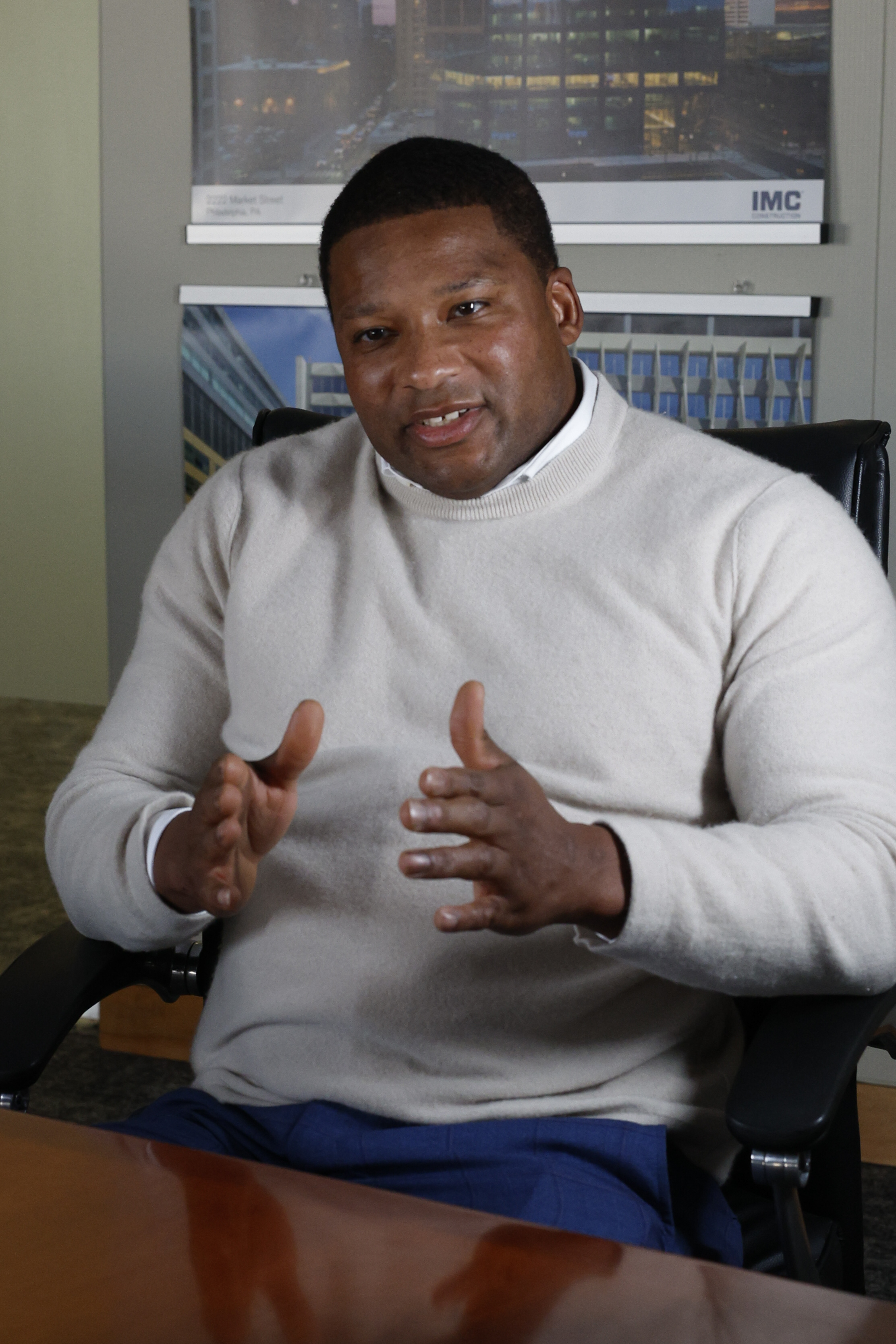
    Mike Lloyd, CEO and owner of IMC Construction, at his Malvern headquarters.Steven M. Falk / For The Inquirer

    One of the Philadelphia area’s largest builders, Malvern-based IMC Construction, is adding a Washington-area office because data and military contractors, anticipating next year’s record military budget, are hiring and growing there.

    “Northern Virginia has been the data-center capital,” said Mike Lloyd, IMC’s CEO and owner. So much is going up — not just data centers, but commercial development that follows big capital investments — that some of the largest, multibillion-dollar national general contractors are overstretched.

    A $100 million project used to be very attractive to big national firms, but “now it’s not large enough to put their best teams on,“ he said. ”And some of the traditional defense contractors are now busy with data center work. That has created a niche for firms like ours in the D.C. market.”

    “With respect to the Philadelphia market more broadly, I’d say the only projects that can get financed right now are data centers, multifamily, and senior living,” Lloyd said.

    He pointed to a Philadelphia-area life-sciences project he said has collected tenant commitments but still can’t attract financing. “You are seeing a crowding-out of other commercial sectors by the data-center hyperscalers.”

    Philadelphia Mayor Cherelle L. Parker’s “Lower South Philly” program of speeding permits for defense, port, and industrial contractors acknowledges that capital is flowing into industrial development and jobs, he added.

    “She’s understanding our competitive strengths and leaning into them,” Lloyd said. ”There are entire supply chains centered around defense projects, and contractors here are ramping up investment.” There’s still demand for Class A office space, but firms are still moving to smaller quarters.

    To Lloyd, “the big question is, why does Pennsylvania still lag in data centers?” He was among the builders who went to Harrisburg in 2019 to testify in favor of a data-center sales-tax exemption, which passed.

    Pennsylvania ranks with Texas as a source of natural gas for cheap power. Lloyd said that in his native Louisiana, communities are prospering from data center-funded job training and road improvements, but in much of Pennsylvania, residents have mobilized against the projects.

    “There are ways to facilitate that growth in an equitable fashion that benefits all parties,” he said.

    On the roads

    Unlike colleges or healthcare, spending for federal transportation didn’t change with the Trump administration, said James Bilella, new CEO of Philadelphia-based Urban Engineers, which designs and advises cities and states on large public projects.

    “We have not seen a drop off in federal transportation spending, especially in the rail and transit industry,” he said. “This administration is trying to be sharper, with quicker turnaround, more efficiency.”

    Bilella said the Parker administration has pledged ongoing support for heavy industry, biotech, and military industries, while continuing to back popular infrastructure safety upgrades like the “Great Streets” project, which Urban helped design.

    Bilella said he is excited by the prospects for Lower South. “It’s rare in a well-established city to have an opportunity to rededicate such a large area [two square miles] to industry and create jobs that can improve lives and attract new people.”

    He added, “We still need to decide about the infrastructure that get people to work there easily. Can people walk in safety? Can they drive, bike, use the river? It’s the kind of project we hope to get involved with.”

    Long-term investments

    “Industrial, logistics, data center, and defense-related projects” are attracting capital because lenders and investors believe they’ll be in demand a long time, said Abe Ibrahim, regional president for the Philadelphia area at Dauphin County-based Mid Penn Bank, whose largest investor is the family of Cooper University Health Care board chairman George Norcross.

    “It’s not that lenders are walking away from office or multifamily, as much as we’re seeing a return to disciplined underwriting,” Ibrahim said. “There are still plenty of opportunities for well-conceived projects to move forward.”

    This story has been updated to correct the location of IMC Construction’s headquarters.

  • These nonprofits called the shuttered Exton mall home. Now, some are struggling to relocate.

    These nonprofits called the shuttered Exton mall home. Now, some are struggling to relocate.

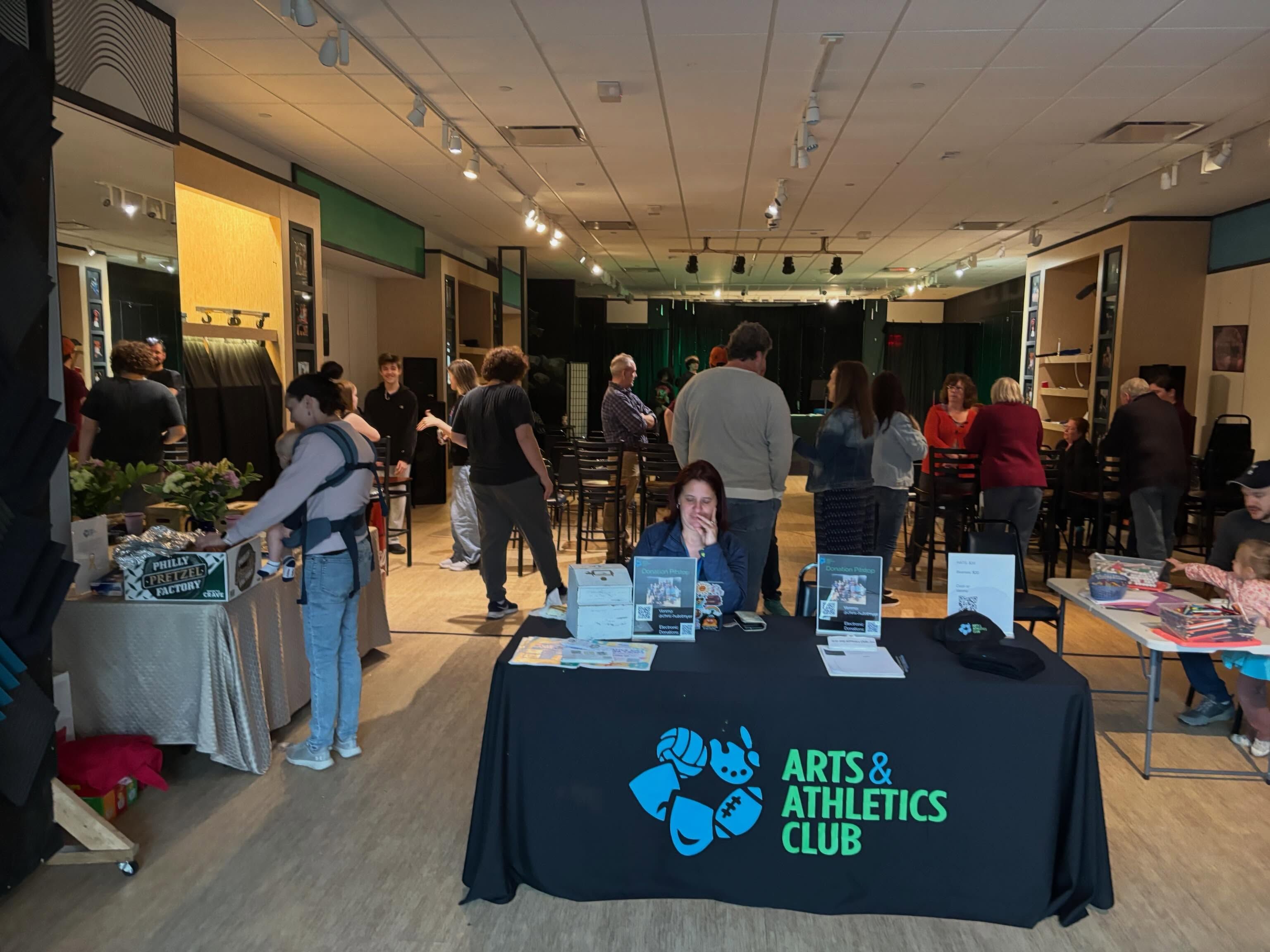
    Cristina Hartley watched her teenage son go from refusing to say more than two lines on stage to taking on the lead role in two performances, thanks to the confidence he built through theater production nonprofit Arts and Athletics Club.

    Now, Hartley, who serves on the organization’s board, is worried about what the future holds for the all-ages theater group. The nonprofit, formally founded in 2019 after starting as a high school senior project, was based for roughly four years in the Exton Square Mall, and lost its space when the mall closed its doors in June. The group has struggled to find a new home and will be forced to take a hiatus until a new location is secured.

    “The arts are always the first program to be cut out of schools, and there’s always a lack of budget to have that in schools or to expand these programs in schools, and we want everybody to have access to anything art-related, whether that’s drawing or trying to sing or trying to perform,” said Hartley, who has been involved with the nonprofit for six years.

    “We know that there’s a space out there. There’s a landlord out there willing to work with a small nonprofit. We just haven’t found it yet,” she said.

    The Arts and Athletics Club’s interior at the Exton mall. Finding a space for it to hold its productions and activities has been a challenge, leaders say.Photo courtesy of Arts and Athletics Club

    The roughly 1 million-square-foot Exton Square Mall closed June 30 amid a legal dispute between the property’s owners and local officials over plans for redevelopment. That squabble is still in court.

    For years, the mall declined from traditional retail, with only a handful of stores left when it shuttered after five decades. It was Chester County’s only enclosed mall.

    But even as the mall’s staples dwindled, other organizations — nonprofits, a robotics club, a fencing center, and more — occupied the space, drawing what business leaders said was significant foot traffic.

    In June, those still left at the mall received notice that they would have to be out by the end of the month. For nonprofits like the Arts and Athletics Club without robust budgets to quickly relocate, the abrupt end put them in a bind.

    The Arts and Athletics Club was in the midst of two productions when its leaders learned they would have to vacate, said Chris Hutelmyer, executive director. They took June to move their things out, depositing belongings in people’s garages, and started the real estate hunt in July.

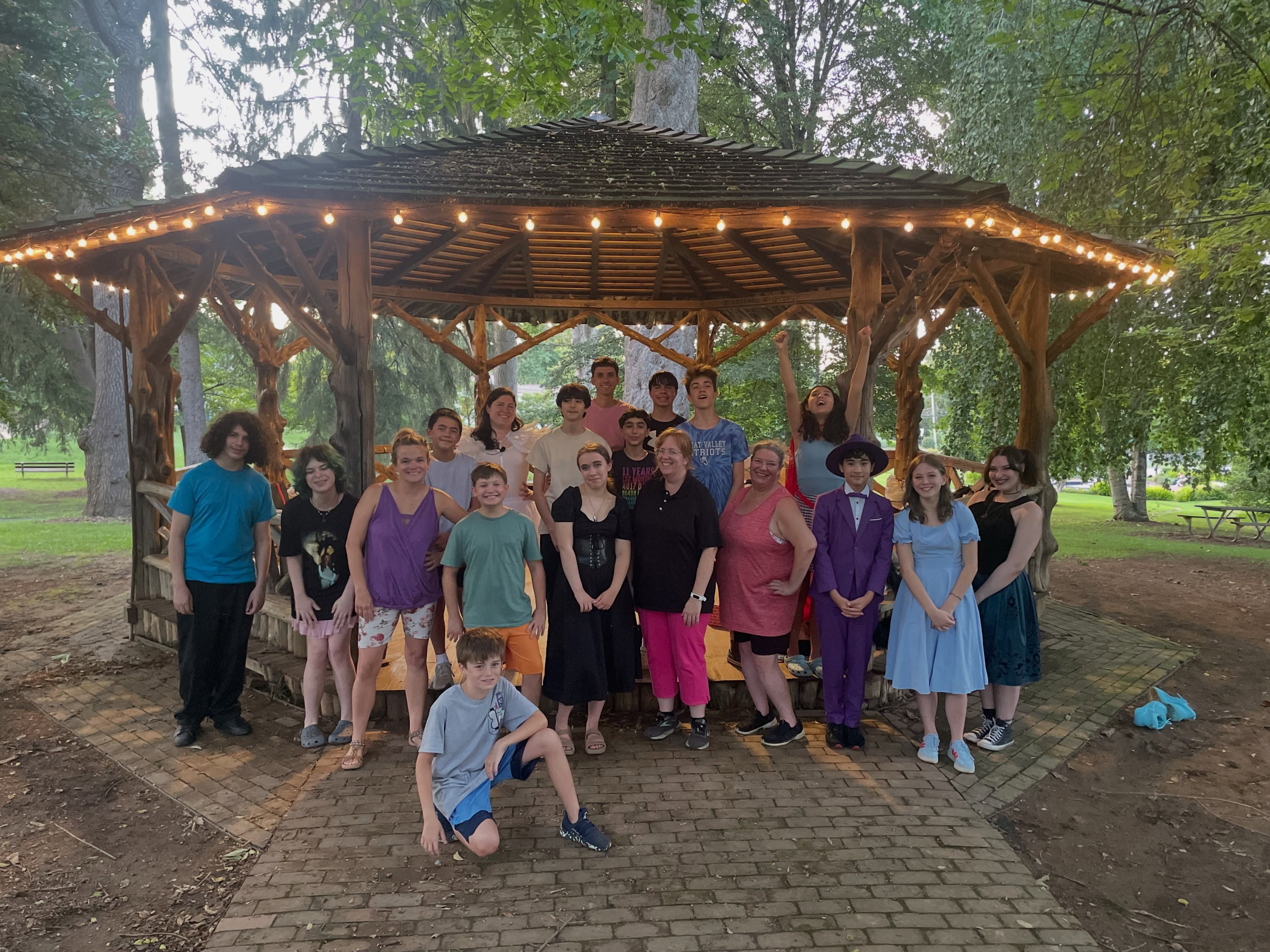
    The two performances, Oh Happy Day and Twisted Tales, went on, albeit under changed circumstances, with one held in a park. After holding a summer bash Saturday, the organization will be on hiatus until it finds a space, Hutelmyer said.

    The mall had been perfect for the group. An old Aéropostale served as its mini black box theater for four years. The former clothing store had no windows, which worked well for staging 10 productions each year, and it was accessible with ample parking. There were bathrooms, dressing rooms, and storage space. And it was a central location for its all-ages community, accessible from Malvern to Downingtown to Coatesville.

    The cast of “Twisted Tales” poses for a photo. Arts and Athletics Club, primarily a theater production nonprofit, has struggled to find a new facility since the Exton mall’s closure in June. Its last production was held in a park, and it hasn’t been able to run a show since.Photo courtesy of Arts and Athletics Club

    Trying to find a comparable space for the Arts and Athletics Club within East and West Whiteland Townships has proved difficult. But its leaders said they want to stay in the area, continuing to provide programming for participants from ages 7 to 70. The mall was the organization’s first permanent location, after performing in parks, libraries, and other community spaces.

    The theater group, which offers its programming for free or little cost, has a limited budget for renting or altering a space to fit its needs. Another challenge has been finding an available location that is the right size: about 1,800 to 3,000 square feet of open space.

    Group leaders have looked at retail locations, warehouses, and churches, and investigated partnering with community centers.

    “We’ve been striking out pretty much everywhere that we’ve been looking,” Hutelmyer said. “It’s just been hard to find a direct match for what we need.”

    It was a similar scramble for the Wardrobe, a nonprofit thrift store that accepts and sells secondhand clothing and also provides free clothes to those in need, after having to abruptly move out of the Exton mall.

    Racing to find a new space to avoid laying off any employees, executive director Sherri Cole enlisted a real estate agent, she said, but struggled to find something affordable that also hit the right marks.

    “Everything had to go out of the mall; it’s not like we could be like, ‘OK, we’ll go dark and we’ll move things when we find a new location,’” Cole said.

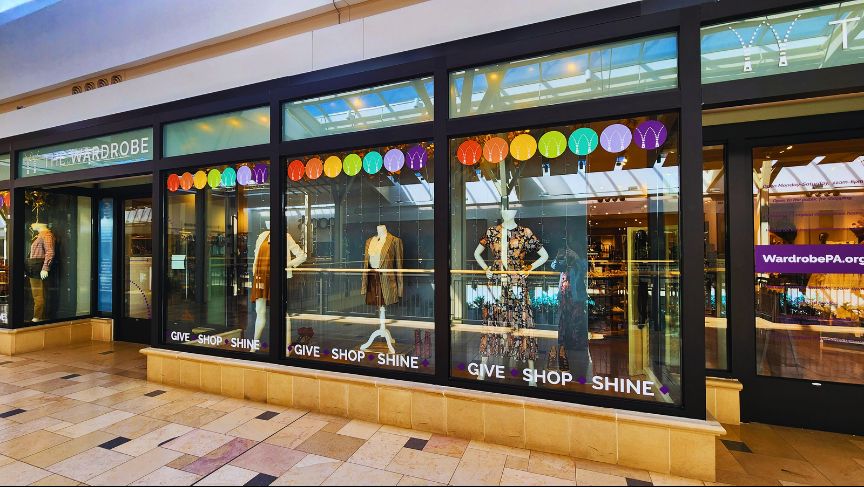
    The old exterior of the Wardrobe, a clothing store that accepts donations and gives clothes to those in need for free, in Exton mall. The business will open its new location in Malvern in the fall.Photo Courtesy of The Wardrobe

    By early July, the Wardrobe secured a pop-up location in the Plymouth Meeting Mall.

    And this month, the nonprofit found a new, permanent home in the Lincoln Court Shopping Center in Malvern, about a 10-minute drive from the old Exton location. Cole anticipates the store will open by October.

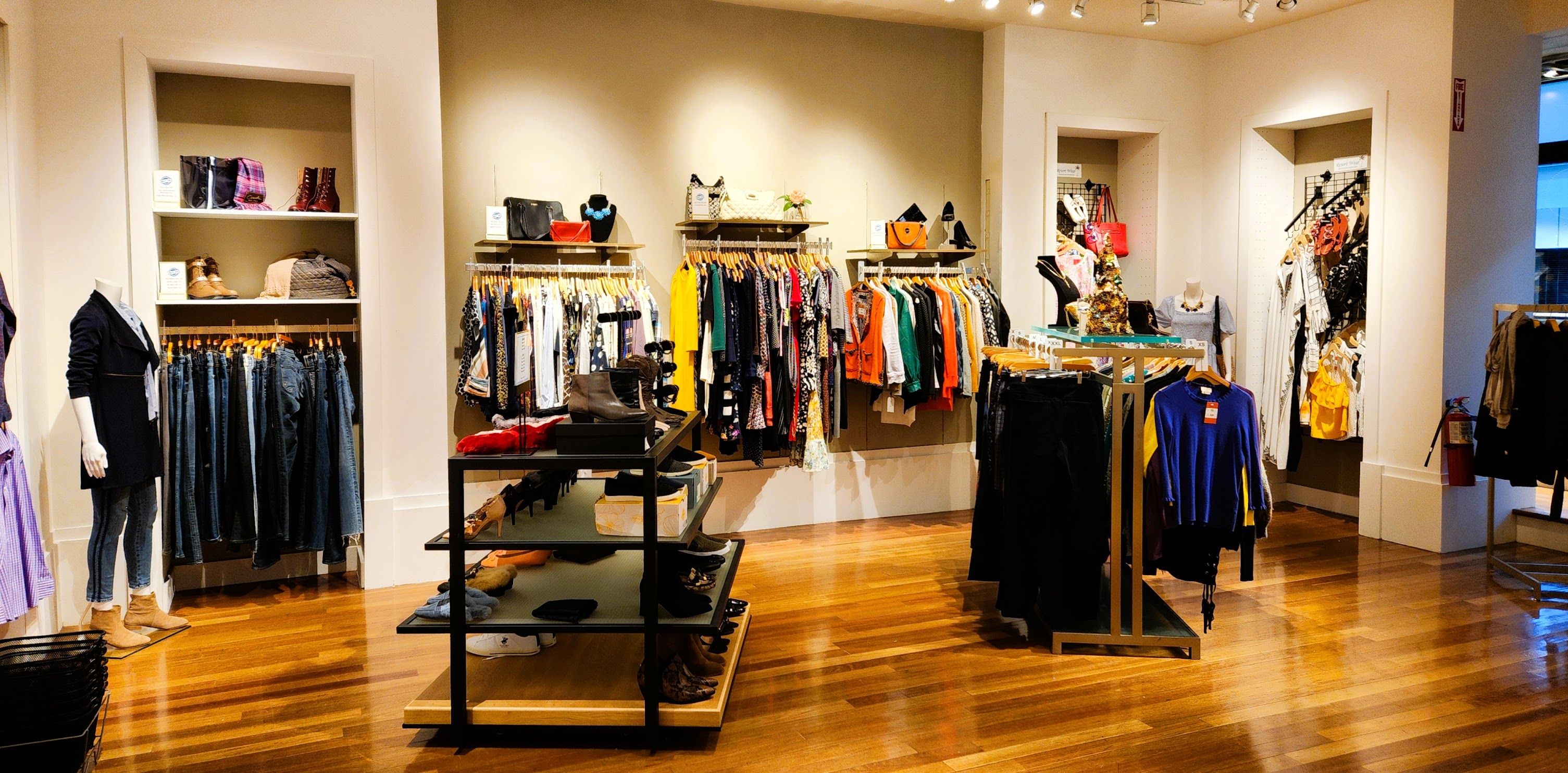
    The interior of The Wardrobe’s former Exton mall location. The nonprofit, which has called the mall home for the last few years, struggled to find a new location in Chester County after the mall shuttered in June.Photo Courtesy of The Wardrobe

    Still, for both the Wardrobe and the Arts and Activities Club, it was hard to lose the Exton mall.

    Out of the Wardrobe’s five locations in the Philadelphia region, the Exton mall location was its second-largest site for foot traffic and retail sales last year, Cole said.

    It proved that people would still show up to a “dead” or “dying” mall if there was something they needed, Cole said. And it was meeting a need.

    “There need to be spaces in the suburbs where everyone feels welcome, and often, the class divide in the suburbs is really stark,” she said. “It’s great that we’re able to find something that is still within the Exton, Malvern neighborhood where we can be providing these services, because even within the suburbs, poverty is really often overlooked.”

    For Hutelmyer, still searching for somewhere for the Arts and Athletics Club to land, it was sad to see a community space like the mall go.

    Housing a constellation of community organizations, the mall “wasn’t what people really expected it to be,” Hutelmyer said.

    “But as it transformed into the community space, at least while we were there, it was still serving a lot of good, and I think that not being there is a big loss for the community,” he said.

    This suburban content is produced with support from the Leslie Miller and Richard Worley Foundation and The Lenfest Institute for Journalism. Editorial content is created independently of the project donors. Gifts to support The Inquirer’s high-impact journalism can be made at inquirer.com/donate. A list of Lenfest Institute donors can be found at lenfestinstitute.org/supporters.

  • Real estate ‘pit bull’ Marc Kaplin says Exton Square Mall pushback is an ‘anomaly’

    Real estate ‘pit bull’ Marc Kaplin says Exton Square Mall pushback is an ‘anomaly’

    Marc Kaplin takes “pit bull” as a compliment when it’s used to describe him. The longtime real estate lawyer who has championed property rights for developers in the region takes it to mean “aggressive, prepared, knowledgeable.”

    He’s using that tenacity right now in court, battling over whether his client’s plan to redevelop the recently shuttered Exton Square Mall into a mixed-use town center can go forward despite the town supervisors’ denial.

    For decades, Kaplin, 82, has been behind dozens of regional development projects, with clientele spanning the Delaware Valley, into the Lehigh Valley, the Poconos, Delaware, and New Jersey.

    Kaplin’s interest in real estate law kicked into high gear when his family moved to Blue Bell in 1978, near Wings Airways. It was still “a prairie” with little development, he recalls. The airway owners wanted to expand the runway, challenging the township’s ordinance. He was hired by a group of neighbors to oppose it.

    Marc Kaplin, a real estate powerhouse, talked to The Inquirer about the Exton mall redevelopment project and more.Courtesy of Marc Kaplin

    That led to his role as township solicitor for Whitpain Township in Montgomery County in the early 1980s. Eventually, he moved into development: First working for his landlord, Bud Hansen of Hansen Properties, which became one of the biggest developers in Montgomery and Chester Counties.

    When Toll Brothers started, Kaplin was there. He’s represented the home construction company for more than 40 years. Other clients, like retail developers Wolfson Group, have also spent decades alongside Kaplin.

    With the closure of the Exton mall, and his client’s proposed redevelopment plan still in the courts, Kaplin spoke with The Inquirer about the downfall of the indoor mall, the challenges of building more affordable housing, and the rise in AI data center development.

    This conversation has been edited for clarity and brevity.

    You’ve worked in the city and the suburbs. Where is it easier to get projects done?

    They’re both extremely difficult and getting more and more difficult for different reasons.

    Philadelphia, if you don’t have a by-right project, you’ve got to go to the neighborhoods, the RCOs [registered community organizations]. You got to spend a lot of time, and it’s more political and satisfying people, than it is complying with every small [thing].

    Not only do you have to make sure that all the I’s are dotted and T’s are crossed in the suburbs, you got to know what to look for.

    There’s often community pushback in development projects. What are you hearing now when communities oppose a project?

    Just seems like everybody is against almost everything for a variety of reasons. Everybody complains about traffic. That’s the biggest thing. It’s ‘We’re here, we live here, we don’t need any more stores. We don’t need any more of this or that.’ But a lot of times you get a mixed bag.

    Now the Exton mall, we got very good reception to the Exton mall. It’s only a small group of people who are against the redevelopment of the Exton mall.

    Does the pushback to Exton Square Mall feel representative of larger trends in the region?

    It’s an anomaly for a project like that. When you look at the malls that are in really bad shape, townships are reaching out and want them redeveloped. Montgomery Mall. Plymouth Meeting Mall. Some over in New Jersey. I’m working on the Berkshire Mall up in the Reading/Wyomissing area, and we’re getting tremendous cooperation.

    These malls are 1,500-pound gorillas. They killed tax base, millions and millions of dollars that were coming in before. … I can’t give you a logical reason why two supervisors in West Whiteland are putting up this fight. I’m waiting for a judge to make a decision.

    We’re pretty optimistic that we’ll be able to go ahead, but it ain’t over until it’s over.

    You’ve been quoted as saying ‘indoor malls don’t work,’ but we are seeing some success in King of Prussia and Cherry Hill. What do you think sets them apart from places like Exton mall?

    They are the super regional malls, and they do work, and Simon controls many, many of them. They work, but the Plymouth Meeting Mall doesn’t work, the Exton mall doesn’t work, the Willow Grove mall doesn’t work, and many, many more.

    There’s a whole long history of why that’s so. There were, in the ’60s and ’70s, department stores we no longer have: Wanamakers, Strawbridge’s, Snellenburg’s, and on and on. … And then you had J.C. Penney and Sears, and it was much easier way back then to get three large anchors. Then the Kmarts came along, and the Walmarts, the big boxes that didn’t have all of the infrastructure. The common operating expenses are much less, because you have all interior halls — heating, air-conditioning, and all that.

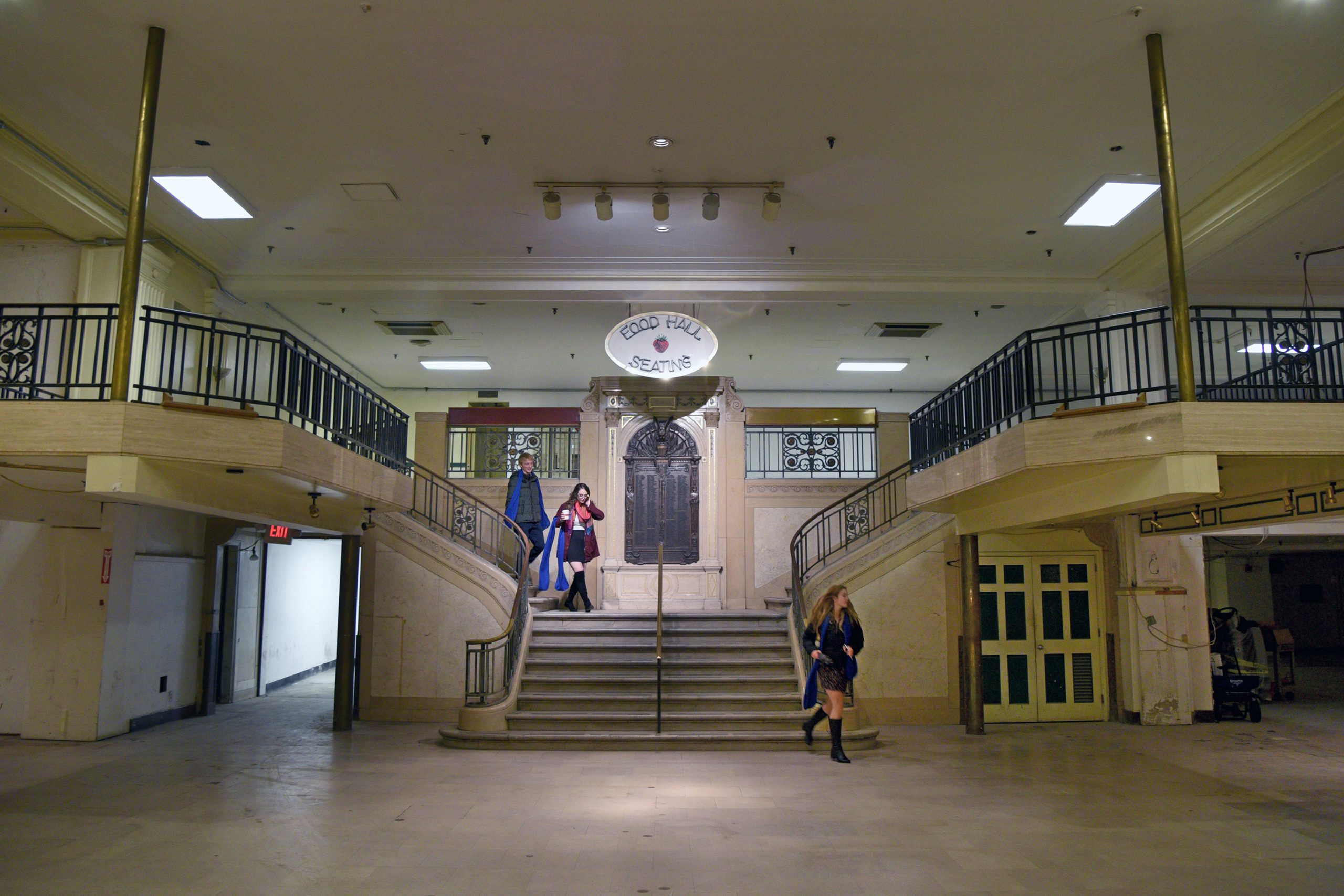
    Members of the Strawbridge family explore the old Food Hall on the first floor of the former Strawbridge & Clothier department store site on the north side of the 800 block of Market Street Dec. 17, 2019.Tom Gralish / Staff Photographer
    Why do you think Main Street at Exton, a mixed-use shopping center that opened in the 2000s, has been such a success?

    Because it’s run by the best operator around. That’s my client, Steve Wolfson. It’s had a[n] … anchor for now over 20 years.

    In Exton, there was about a 10-year period when there were two supervisors who were against everything. So you didn’t see a great deal more development, but the Main Street at Exton used the new urbanist approach 22, 23 years ago and made huge improvements to the roads. There are great roads there, and it was right in the path of development.

    Are there any cases or projects that have shaped Chester County as we know it today?

    Exton has always been called the crossroads of Chester County. You’ve also got the Hankin Group that has done all the development in Chester County. … You had very big companies come in — Vanguard — and you had good school systems and relatively decent roads. I think it’s just the continued outward development from Philadelphia.

    Many suburbs are facing affordable housing crises. How do you predict municipalities will overcome NIMBYism when it comes to those projects?

    It’s a very, very, very difficult problem. There are very few places in the entire country where it’s been solved. New Jersey has the most extensive program in the country to cause the development of affordable housing … that’s really the Mount Laurel doctrine, and where the townships are required not only to make affordable housing available, but also to make it happen.

    The market cannot create affordable housing without governmental help. Just can’t be done. It’s not enough land. Regulations are enormous, expensive.

    It’s a societal problem that can’t be solved just by municipalities and homebuilders and homebuyers.

    Do you think all of the proposed data centers will actually get built?

    I’m involved in a couple of data centers. … At first the communities were dead set against more warehouses, particularly up in the Lehigh Valley, and then when this particular community heard ‘data center,’ they were ecstatic — for a whole variety reasons: very little traffic, very few people in schools, high-paying jobs, and now there’s this national swell attacking data centers.

    The data centers we’re seeing now, in one fashion or another, are creating their own energy. So my own particular opinion is that it’s just blown up, overblown, over-exaggerated, and we’re going to need all this computing power as we move into the next technology age.

  • Two more Philly-area oral and maxillofacial surgery practices have joined a New Jersey group

    Two more Philly-area oral and maxillofacial surgery practices have joined a New Jersey group

    MAX Surgical Specialty Management, a private-equity backed company consolidating oral and maxillofacial surgery groups in the Northeastern U.S., has acquired two more practices in the Philadelphia area.

    The latest deal, announced Friday, gives the Hackensack, N.J., firm 12 surgeons at 12 locations in Pennsylvania. Surgeon Jason M. Auerbach founded MAX in 2022 with private-equity backing and entered Pennsylvania two years later.

    The two newly acquired practices have six offices in Bucks and Chester Counties.

    Oral and Maxillofacial Surgeons P.C. has three surgeons, and offices in Doylestown, Quakertown, Warminster, and Chalfont. Oral Associates of the Main Line has two surgeons and offices in Exton and Paoli.

    MAX did not disclose financial terms of the transactions.

    In addition to New Jersey and Pennsylvania, MAX has practices in Connecticut, New York, and Vermont. The company — a management services organization — is majority-owned by its physicians, Auerbach said.

    Oral and maxillofacial surgeons work at the crossroads of dentistry and medicine. Most have dental degrees, but some also have medical degrees. They remove wisdom teeth, install dental implants, repair facial traumas, and treat jaw injuries, among other services.

    North Jersey origins

    Auerbach founded Riverside Oral Surgery in Bergen County in 2007 and grew it to 12 locations before founding MAX with private equity partners. Part of his motivation was to create a home for independent physicians, Auerbach said in a May interview.

    The Philadelphia region still has a high concentration of independents, with strong patient demand. “It’s hard nowadays to be an independent oral-maxillofacial surgeon, in terms of the complexities in running a healthcare business,” Auerbach said.

    Robert Mogyoros, whose Greater Philadelphia Oral Surgery is in Elkins Park, said he valued his independence above all, but decided to look for a group to join after the business side had gotten too challenging.

    Physician groups get better prices from vendors, better deals with insurers, and have an upper hand in physician and employee recruitment, said Mogyoros, who became part of MAX last July.

    “What attracted me to MAX was that it’s doctor-driven and doctor-run,” he said in a May interview.

    Rothman and Kim Oral & Maxillofacial Surgery, with offices in Northeast Philadelphia and Cinnaminson, was MAX’s first acquisition in Southeastern Pennsylvania. That deal also happened last year when MAX announced that it had borrowed $77 million to support growth.

    When doctors sell their practices to MAX, they typically invest about 30% of the value into MAX, Auerbach said. MAX’s outside investors are MedEquity Capital near Boston, RF Investment Partners in New York, and Kian Capital in Charlotte, N.C.

    Editor’s note: This article was update to correct the year when MAX made its first Pennsylvania acquisition.

  • Exton Square Mall will close next week

    Exton Square Mall will close next week

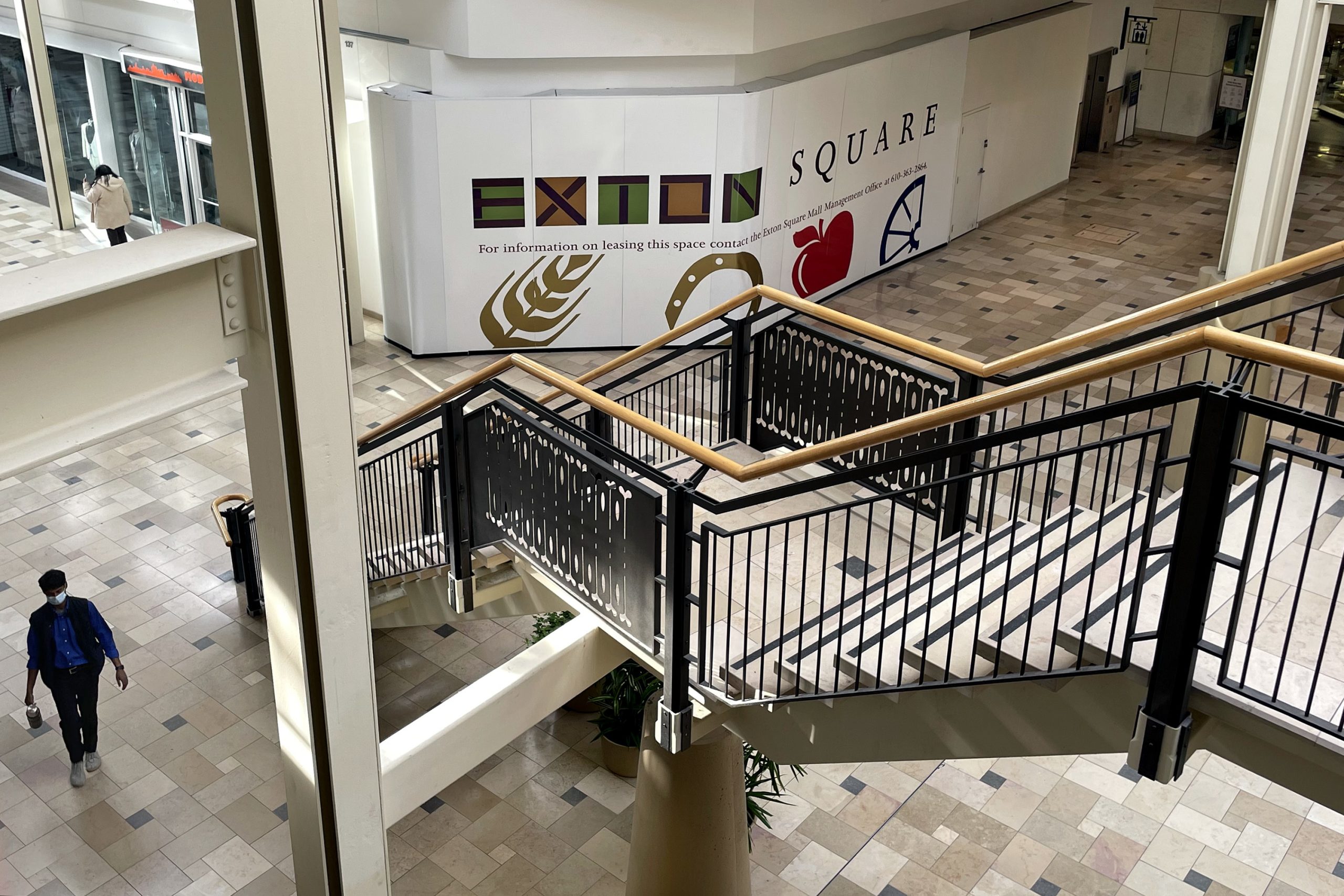
    Chester County’s only enclosed mall will soon shut its doors for good.

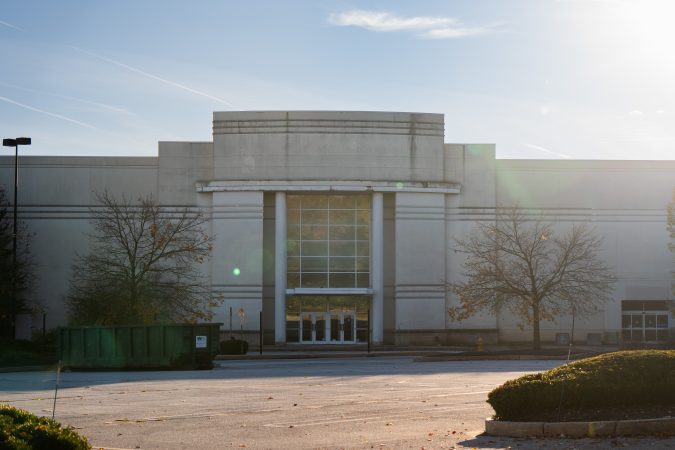
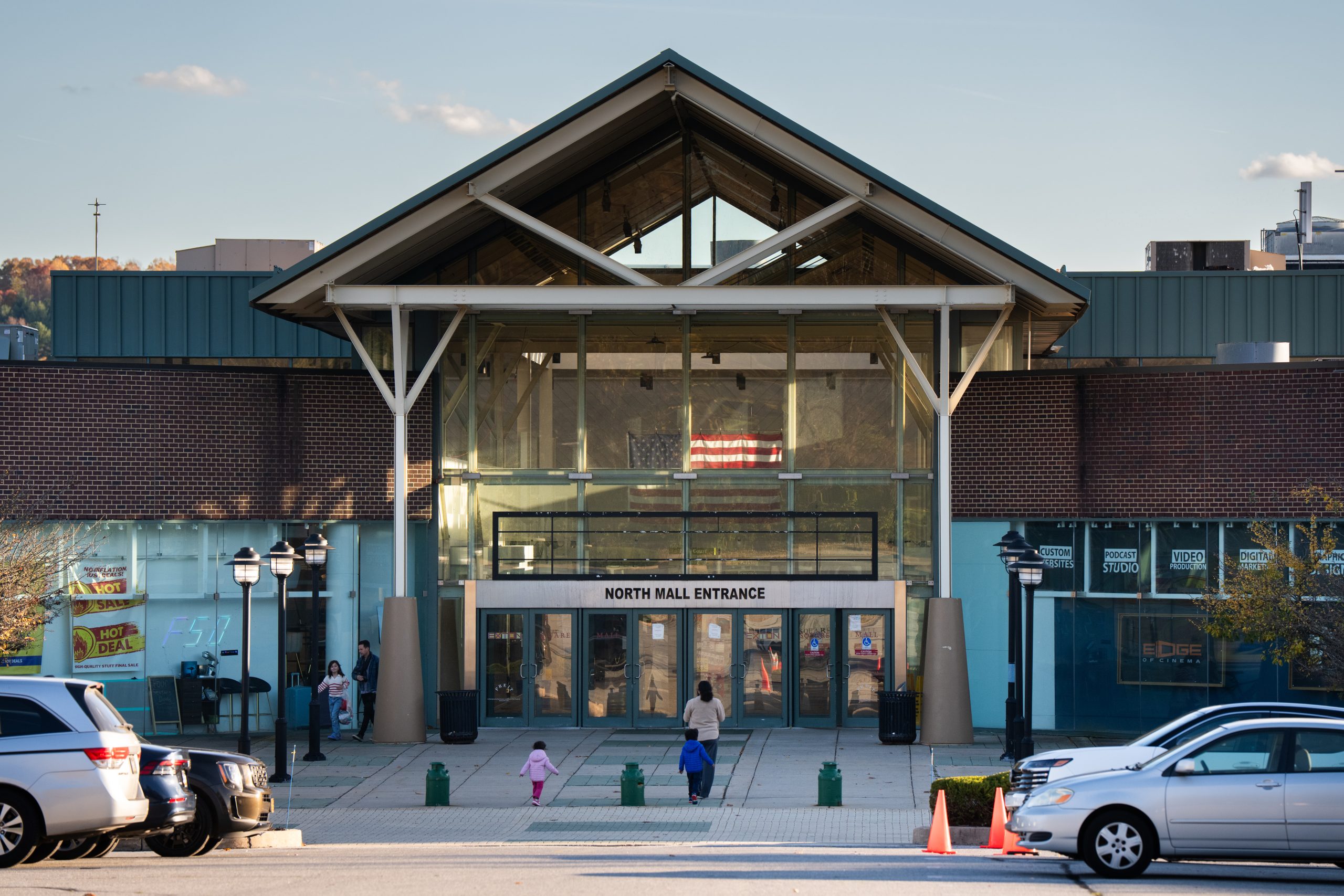
    After five decades as a retail hub, the nearly 1-million-square-foot Exton Square Mall is set to close Tuesday, June 30, according to mall owner Abrams Realty & Development. The Elkins Park-based company has been mired in a legal dispute with local officials over its redevelopment.

    Once a bustling destination that sparked a commercial boom in Exton, the complex has been languishing for years with a desolate interior and only a handful of stores.

    Peter Abrams said his firm had no choice but to shutter the mall.

    “Operating the interior of the property has become untenable due to deteriorating conditions and rising utility costs,” he said in a statement.

    A handful of shoppers walk into the Exton Square Mall in November.Jessica Griffin / Staff Photographer

    The Boscov’s, Main Line Health offices, and Round 1 entertainment venue will remain open.

    Brian Dunn, chair of the West Whiteland Township Board of Supervisors, declined to comment on the mall’s closure, citing the ongoing litigation.

    Abrams, who bought the mall from PREIT for more than $34 million, wants to transform the site into a mixed-use complex with hundreds of townhouses, rental apartments, a 55+ community, and a town center with shops, restaurants, medical offices, and green space.

    Last year, John Weller, West Whiteland’s director of planning and zoning, called the proposed redevelopment of the 75-acre site a “generation-defining project for the township.”

    This fall, despite the planning commission’s recommendation, Dunn and fellow Township Supervisor Rajesh Kumbhardare rejected Abrams’ proposal over sewer, traffic, and density concerns. Abrams then sued the supervisors in an attempt to reverse their decision, saying the plan meets the township’s zoning requirements.

    Litigation between Abrams and the supervisors was ongoing as of Wednesday, according to the company, which wants to complete the project by 2028.

    The Exton Square Mall opened in 1973 with more than 100 stores, including a Strawbridge & Clothier.

    The mall’s construction would prove a harbinger of Exton’s commercialization. “Developers seem bent on heaving this lazy rural area into the mainstream of metropolitan Philadelphia,” The Inquirer reported in 1973.

    In the 1990s, the Exton Bypass made the area easier to access from the city and other suburbs. And by the 2000s, more retail complexes, including the Main Street at Exton town center, had opened near Exton Square Mall, which also underwent an expansion.

    The Exton Square Mall is shown in 2022, when tenants were already starting to dwindle.TOM GRALISH / Staff Photographer

    The community has seen a subsequent rise in residential development, with millennials and baby boomers fueling demand for high-end, low-maintenance living. In the past five years, about 3,000 luxury apartments and townhouses have been built in the 13-square-mile township, supervisor Kumbhardare said this fall, and each new complex is at least 90% occupied.

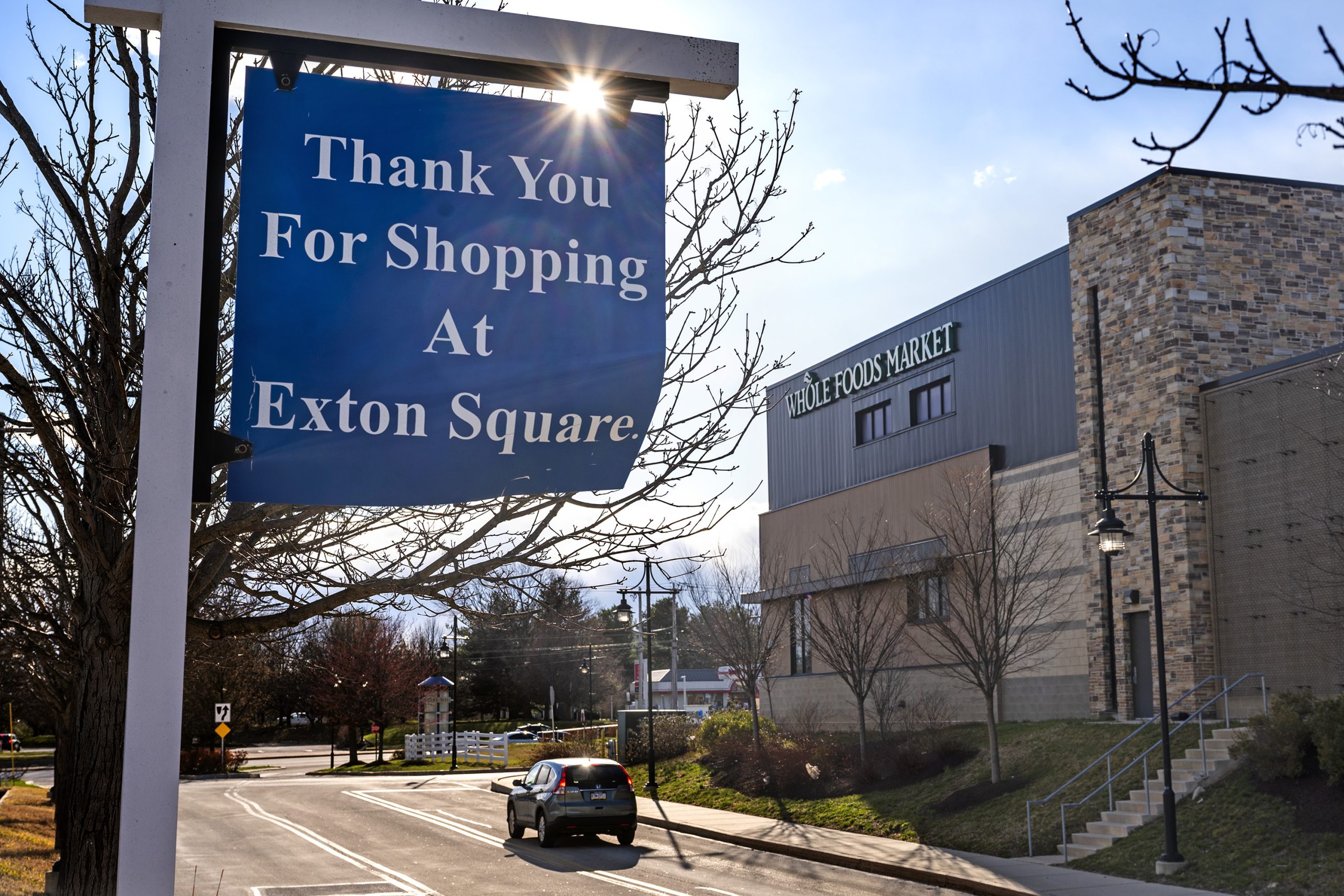
    The residential developments include the Point at Exton apartments, which were constructed on a four-acre parcel of former Exton Square Mall property. The complex is across the street from a Whole Foods that opened in the mall’s former Kmart in 2017.

    The Whole Foods at the Exton Square is shown in 2022.TOM GRALISH / Staff Photographer

    Abrams has said his proposed town center would connect to those apartments and the Whole Foods with pedestrian walkways.

    The developer plans to demolish the enclosed mall, one of several local shopping centers that has become the subject of sad social-media videos that mourn dead malls.

    On Tuesday, as word spread about the mall’s closing date, one user posted a video on Facebook with the caption: “It’s official. They’re tearing down the Exton Square Mall, and with it, my entire childhood.”

    “They can tear the building down, but they can’t take away the memories of buying graphic tees at Wet Seal and CD shopping at FYE. RIP.”

  • This Philly-based steel stock has rocketed as SpaceX shot up

    This Philly-based steel stock has rocketed as SpaceX shot up

    It’s not just SpaceX on the rise.

    Elon Musk’s company that runs the Starlink communications network, launches rockets for NASA, and develops artificial intelligence software raised more than $75 billion from investors last week — a record initial public stock offering (IPO) for a company fast-burning through billions in investor dollars in hopes of future profit.

    SpaceX is just the flashiest of a string of industrial stocks that have soared as orders for missiles, drones, and other war machines, as well as civilian aircraft and rockets, pile up. S&P’s Aerospace and Defense Select Industry Index is up 44% over the past year vs. 24% for the broader S&P 500 stocks, even with Google, Nvidia, and other AI-linked stocks leading the 500.

    The share price for Philadelphia-based Carpenter Technology is up 125%, almost three times as much as that index of aerospace and defense stocks.

    Carpenter does $3 billion in annual sales, melting or grinding iron, tungsten, cobalt, and other metals into super hard or relentlessly flexible alloys used in stainless steel and other specialty parts by military, commercial airliner, medical, industrial, and space equipment makers.

    The company operates plants in Reading, Berks County; Latrobe and other Western Pennsylvania towns; and around Athens, Ala. It has a finishing plant in China and distributors worldwide. Carpenter’s large customers include passenger jet and military aircraft maker Boeing and European aerospace giant Airbus.

    CEO Tony Thene has said space is a fast-growing growing part of Carpenter’s customer base, exciting some investors into expecting the company will share SpaceX’s gains.

    Thene, who is stepping down at the end of the month, hasn’t said SpaceX is a customer. Chief operating officer Brian Malloy will take over leading the company.

    Investor Louis Navellier was quoted last month as saying he’d rather own Carpenter, which makes the metals used by SpaceX and other aerospace companies, and its larger customer, Pittsburgh-based Howmet Aerospace, than SpaceX itself, at recent valuations.

    In an article in Barron’s, also last month, polled analysts predicted Carpenter stock would rise into the high $500s — as it has in the four weeks since.

    That price is above the targets set by analysts at Bala Cynwyd-based Susquehanna International Group and Wall Street brokerages after Thene reported earnings at the end of April. At that time, Carpenter officials predicted stronger than expected sales and higher profits, to be split between investor dividends and new furnace equipment.

    Carpenter at recent valuations is worth around $30 billion, roughly as much as Hershey or Kraft Heinz, whose sales are much larger, and almost as much as gas-drilling giant EQT, based in Pittsburgh.

    Shares of area aerospace manufacturers such as Ametek, which has its headquarters in Berwyn and plants around the world, and Innovative Aerosystem, of Exton, are also up significantly over the past year.

    Triumph Group, an aerospace manufacturer based in Radnor, was bought by private equity companies last year. Growth at privately held Piasecki Aircraft has slowed after delays in private and government contracts.

    Howmet, with $8 billion in yearly sales to Carpenter’s $3 billion, hasn’t boosted its share value as fast in past year, but it has risen enough to become the most valuable company in Pennsylvania, the only company whose shares are worth over $100 billion on the stock market.

    That’s more valuable than companies with much larger sales, such as Philadelphia-based media giant Comcast; mega-drug distributor Cencora of Conshohocken, or Pittsburgh’s PNC, the nation’s fifth-largest bank.

    At today’s share prices, many times earnings or projected future profits, investors are gambling that suppliers like Carpenter and Howmet — and SpaceX, the spaceship builder — will grow a lot faster than the economy as a whole.

  • The only revived Iron Hill Brewery in the Philly suburbs is set to reopen next week

    The only revived Iron Hill Brewery in the Philly suburbs is set to reopen next week

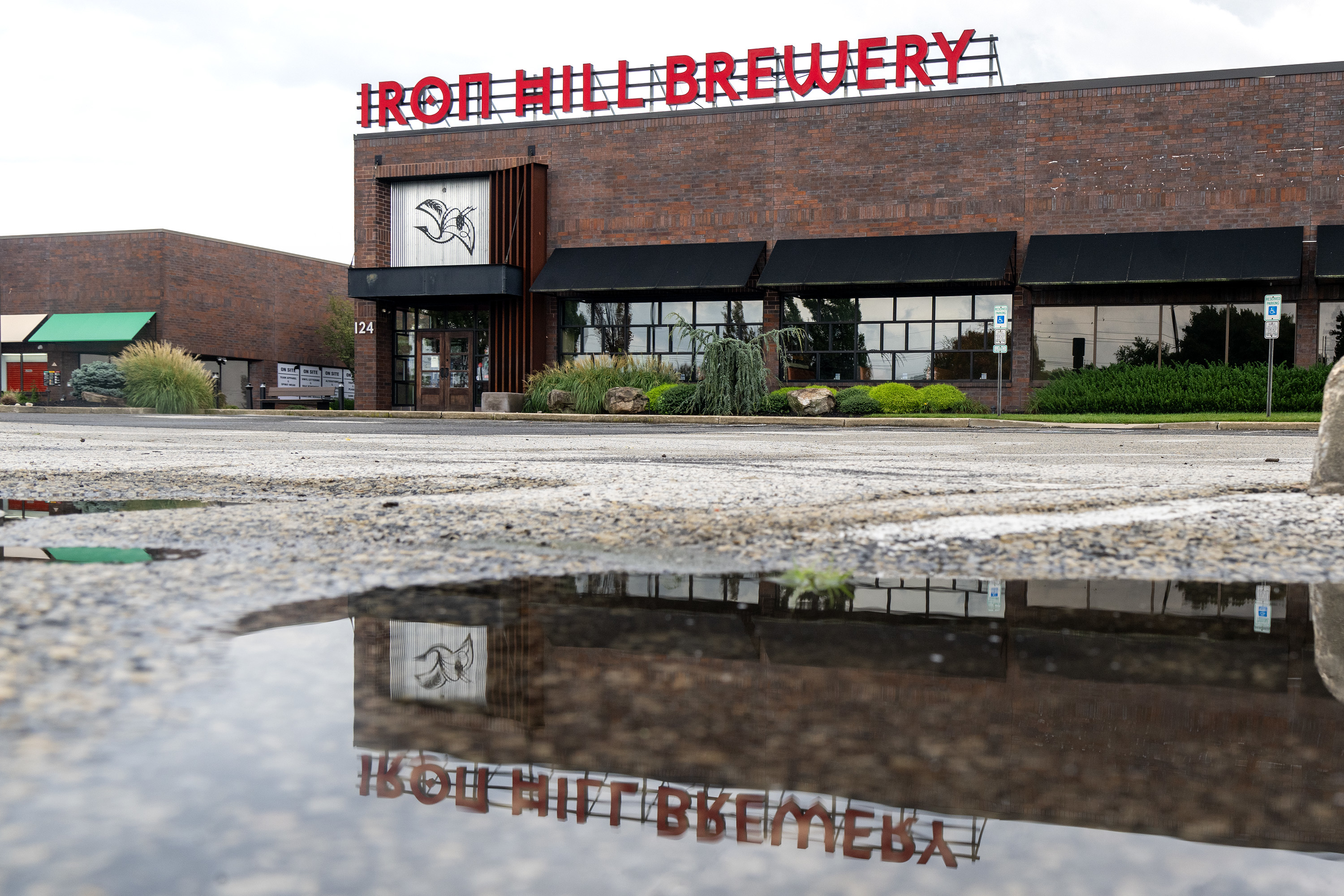
    Another Iron Hill Brewery is set to reopen next week.

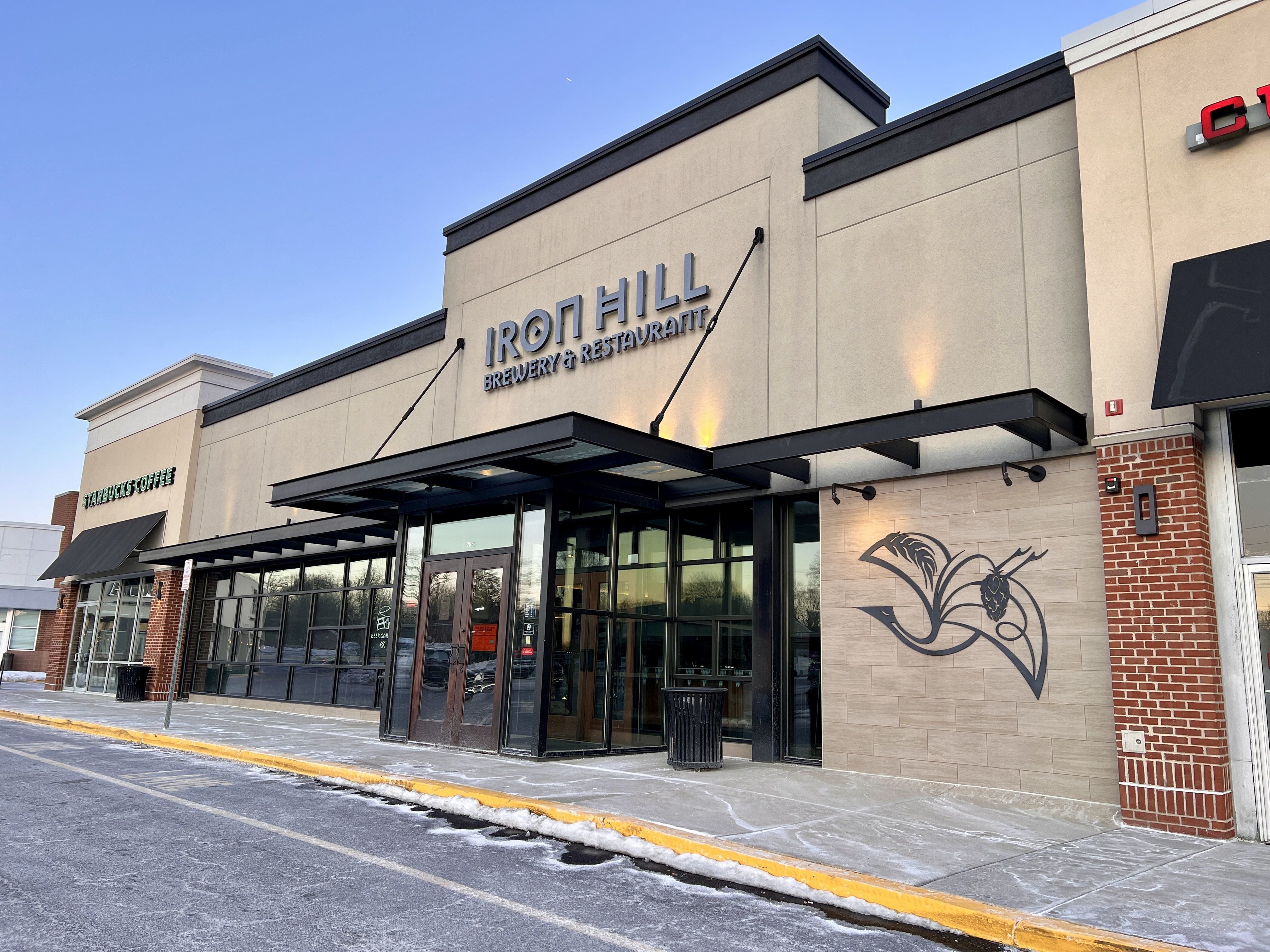
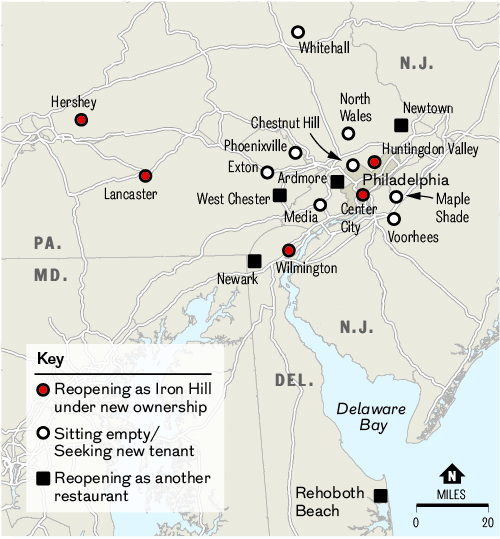
    The Huntingdon Valley restaurant will be back in business Monday, June 22, according to the restaurant’s new ownership group. It will mark Iron Hill’s fourth post-bankruptcy revival and the only one in the Philadelphia suburbs.

    The Center City brewpub reopened in April, followed by the Wilmington riverfront location in May and the Hershey restaurant earlier this month. The Lancaster outpost is also set to reopen by the end of June.

    Elsewhere, other former Iron Hills are being transformed into new restaurants. And in a few spots, property owners are still looking for their next tenant.

    The brewery chain, which was founded in Newark, Del., in 1996, had leased some of these properties for decades.

    Some longtime customers were shocked when Iron Hill’s former ownership group closed all locations in September and filed for liquidation bankruptcy, citing $20 million in debt. The abrupt shutdown left more than a dozen vacant brewpubs across Pennsylvania, New Jersey, and Delaware.

    In the bankruptcy process, a new ownership group — later revealed to include original cofounder Mark Edelson and other former executives — acquired Iron Hill’s trademark and intellectual property, as well as five restaurant leases.

    Amid the reopenings, the new owners have launched a fresh loyalty program and special offers, including a free beer and free appetizer for customers with prebankruptcy gift cards that are no longer usable.

    While Iron Hill had a suburban-Philly focus before bankruptcy, the Huntingdon Valley Shopping Center location is the only one set to be resurrected in the collar counties or South Jersey.

    Bartenders there will be pouring a new IPA, Hop Chase, brewed exclusively for Huntingdon Valley, according to the new owners. They said patrons can sit inside or outside at the restaurant’s beer garden, which was the chain’s first when it opened in 2016.

    “We’re creating a true neighborhood place for the guests we call family, somewhere the community can come together over laughter, great food and award-winning beer,” Naomi Yared, general manager of the Huntingdon Valley Iron Hill, said in a statement.

    What’s happening at your neighborhood Iron Hill?

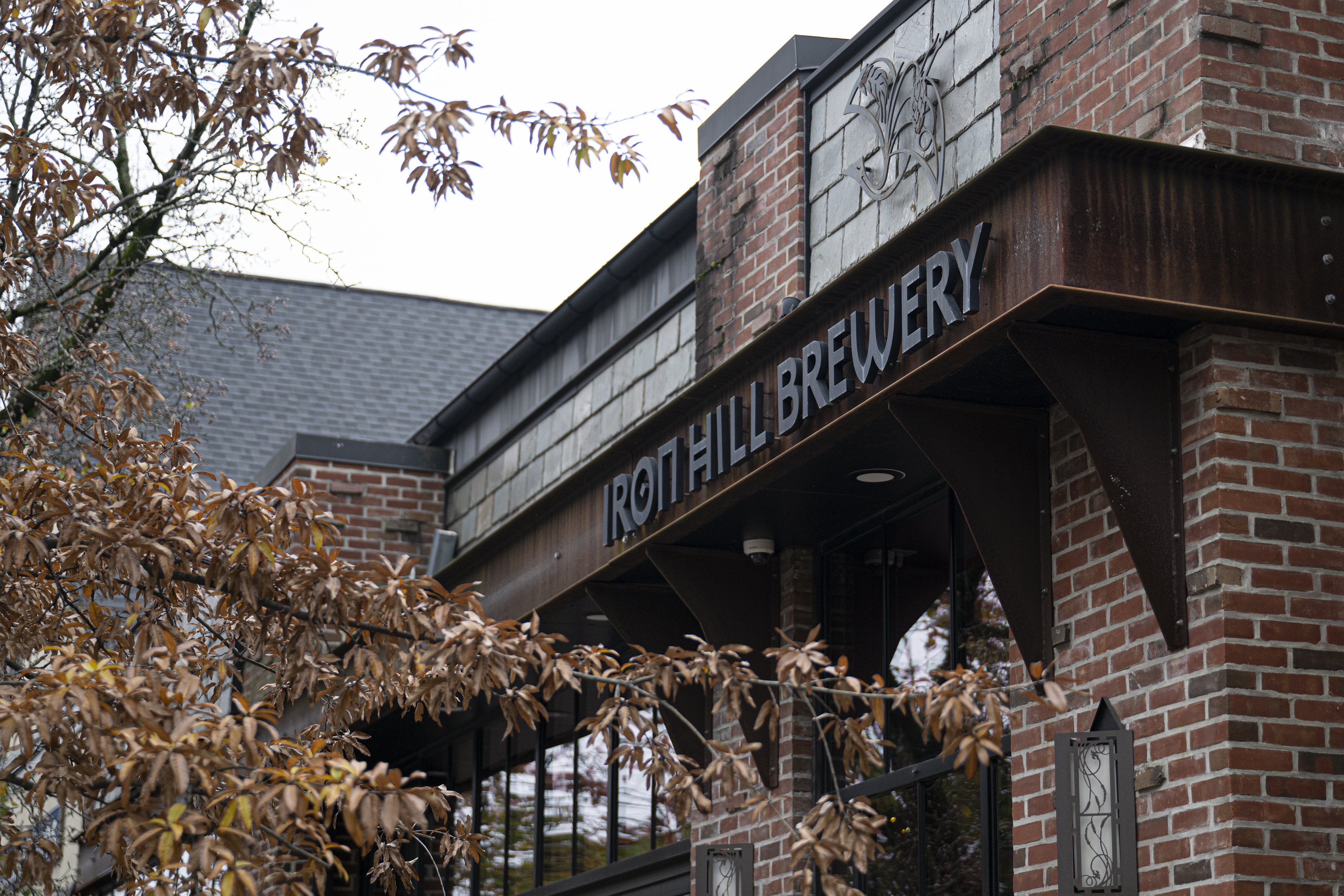
    The former Iron Hill Brewery in Chestnut Hill sat empty in November. Property owners are still marketing the space for lease.Jose F. Moreno / Staff Photographer

    Here’s what we know about these local Iron Hill Breweries as of publication time June 15:

    Philadelphia

    Pennsylvania suburbs

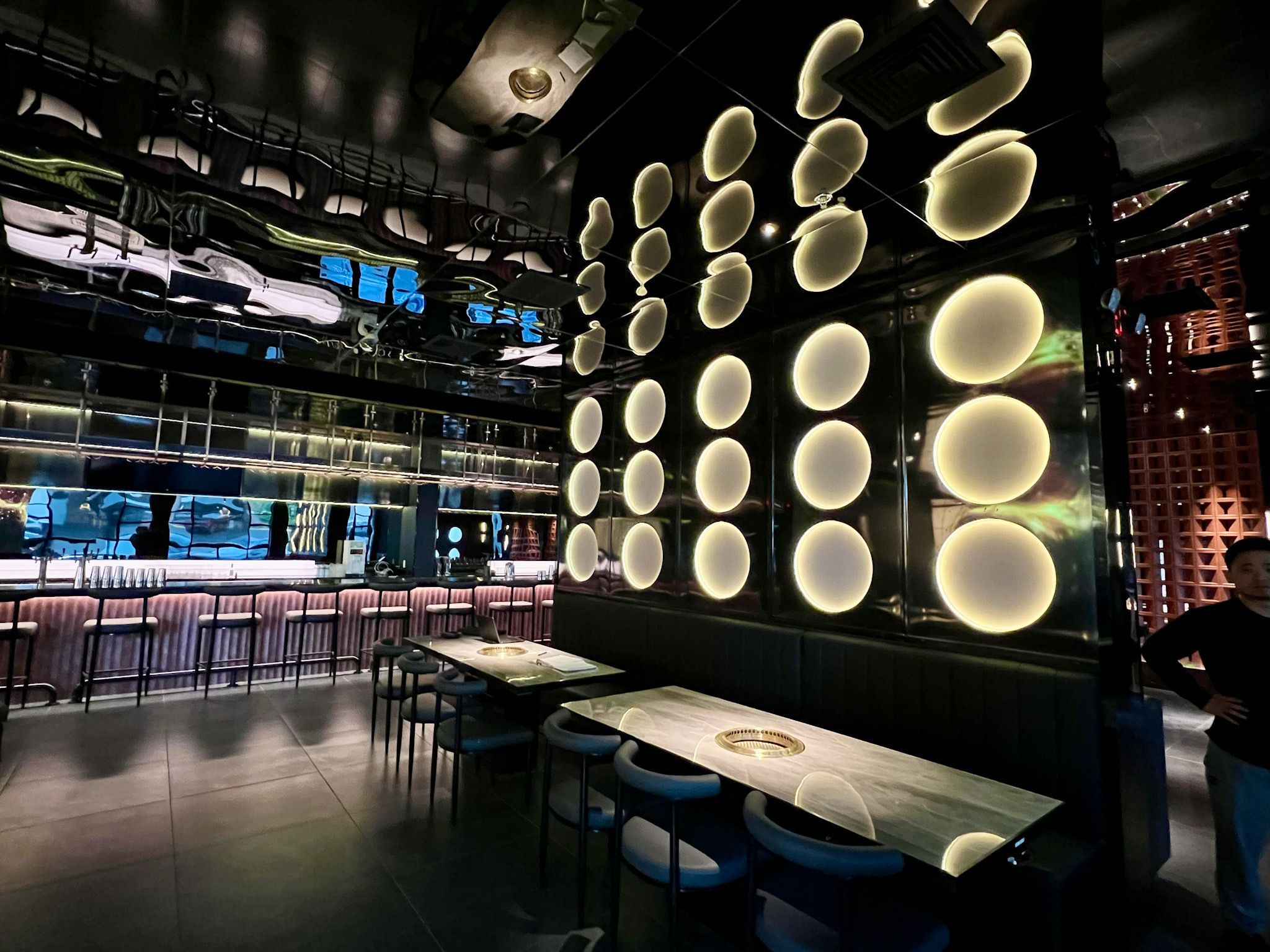
    The lounge area is pictured last month at Ogyu Japanese BBQ at the former Iron Hill Brewery in Ardmore.Michael Klein / Staff
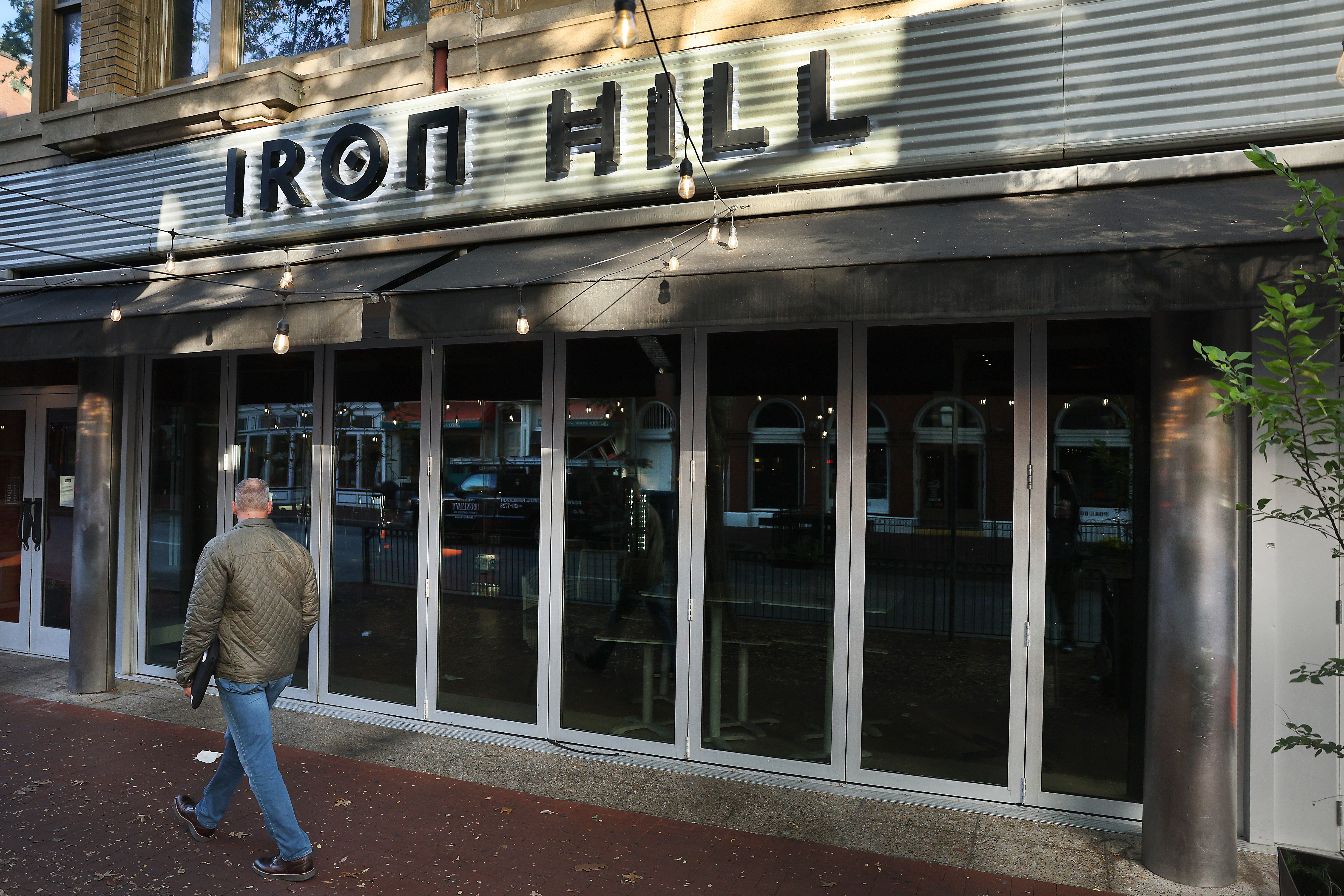
    A pedestrian walked by the closed Iron Hill Brewery in West Chester in October. Magerk’s Pub & Grill is now taking over the space.David Maialetti / Staff Photographer

    Elsewhere in Pennsylvania

    • Hershey (101 W. Chocolate Ave.): Reopened as Iron Hill Brewery under new ownership
    • Lancaster (781 Harrisburg Pike): Reopening as Iron Hill Brewery under new ownership
    • Lehigh Valley Mall (950 Lehigh Lifestyle Center, Whitehall): No update from property owner

    New Jersey

    The closed Iron Hill Brewery in Maple Shade is pictured in September.Tom Gralish / Staff Photographer
    • Maple Shade (24 E. Kings Hwy.): No update from property owner
    • Voorhees (13107 Town Center Blvd.): No update from property owner

    Delaware