Tag: Elkins Park

  • Cheltenham’s new manager wants to fix aging amenities while ‘holding the line’ on taxes

    Cheltenham’s new manager wants to fix aging amenities while ‘holding the line’ on taxes

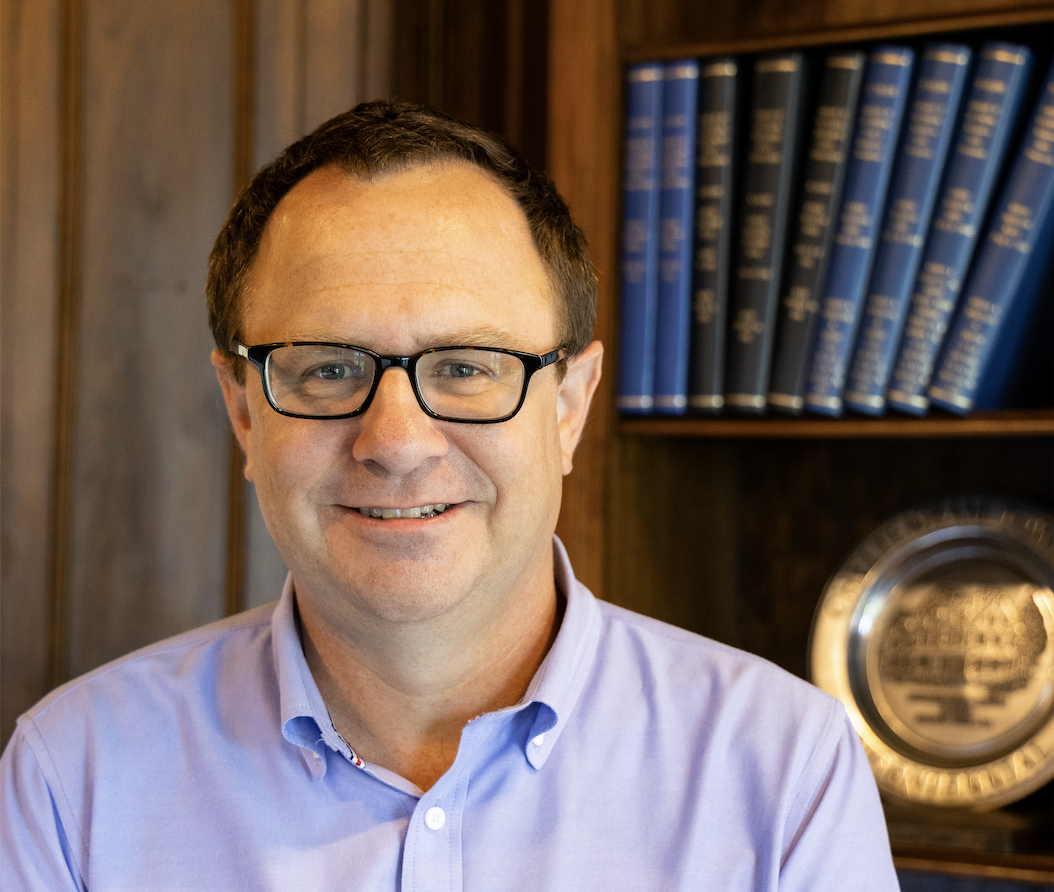
    Jonathan Altshul started this week as the new manager of Cheltenham, an ethnically and economically diverse township of about 38,000 people divided into historic neighborhoods like Elkins Park, Wyncote, and Laverock.

    As he gets down to work on the township’s biggest priorities, including revamping facilities and boosting the tax base, Altshul wants to hear from them all, he said in an interview.

    “That’s what we sign up for as municipal managers,” said Altshul, who will receive an annual salary of $225,000. “How do you get people with different viewpoints, different walks of life, to come to the table?”

    It is a skill he mastered growing up as one of seven kids, Altshul said — “trying to make sure your voice is heard while respecting there’s also six others of you in the house.”

    One of his first priorities is improving Cheltenham’s facilities — some of which are century-old relics of the township’s past as a playground for the wealthy.

    “We are facing aging facilities and aging infrastructure,” Altshul said, and part of his job will be addressing that to attract new residents and businesses.

    He hopes to do so while “holding the line on tax increases as much as possible,” Altshul said. Cheltenham residents — who are the most property tax-burdened in Montgomery County — “have high expectations about the services that they receive, so there’s not, generally speaking, a whole lot of fat to cut.”

    In tackling the building challenges, Altshul’s penchant for hard conversations may be crucial. Township officials in recent years have discussed the possibility of closing facilities, raising worries from some residents in neighborhoods that stand to lose amenities.

    Two community centers — La Mott and Rowland — have been largely closed to the public for several years, and renovation plans have been confirmed only for La Mott.

    Adding to Cheltenham’s infrastructure challenges is the tax base itself. The township has less commercial space than nearby towns, but a larger proportion of institutional land, according to its recent comprehensive plan. Institutional land typically includes churches, universities, and hospitals that may not pay property taxes.

    Encouraging those entities to pay fees in lieu of property taxes may be part of the solution, Altshul said. He plans to take a pragmatic approach.

    “There are no silver bullets with public finances,” Altshul said. “It’s just listening and rolling up sleeves, getting your hands dirty, and thinking through problems.”

    It is the kind of work that led Altshul to public administration in the first place: He got a graduate degree in public policy and finance, taking federal and county-level government jobs in the Washington area before moving to Chester County to work in local government.

    His last job stint — two years as a suburban township manager — took him back to his native Connecticut while he helped his widowed father with a life transition, but his “heart is in the Delaware Valley,” Altshul said. “I raised my kids here.”

    That is why he takes seriously the emotional and financial investments Cheltenham residents have also made, Altshul said:

    “We’re talking about home.”

    This suburban content is produced with support from the Leslie Miller and Richard Worley Foundation and The Lenfest Institute for Journalism. Editorial content is created independently of the project donors. Gifts to support The Inquirer’s high-impact journalism can be made at inquirer.com/donate. A list of Lenfest Institute donors can be found at lenfestinstitute.org/supporters.
  • How could Cheltenham look in 2040? The township calls for more businesses, community spaces, and may adopt a lesson from Ardmore

    How could Cheltenham look in 2040? The township calls for more businesses, community spaces, and may adopt a lesson from Ardmore

    Cheltenham Township’s latest long-range plan, approved last month, provides a glimpse of how the township of 38,000 could look by 2040.

    The Montgomery County Planning Commission, alongside officials and volunteers from the township — one of Philadelphia’s oldest suburbs — spent several years on the plan, said Carl Freedman, a Cheltenham planning volunteer.

    “Communities like Cheltenham have a difficult time, being so developed, that being given an opportunity to direct where new development goes is helpful,” Freedman said.

    The comprehensive plan, which exceeds 200 pages, lays out challenges and recommendations, ranging from streetlights to denser housing, for the township’s homes, businesses, transportation networks, community services, and historical assets over the next 10 to 15 years.

    More business, more tax money

    Many of Cheltenham’s residents still commute to Philadelphia, but more people are working from home after the pandemic, creating opportunities to welcome new restaurants and other businesses, planners wrote.

    Which is sorely needed, because Cheltenham wants more tax money without a ton of new residents.

    One of the challenges for the township, which has very little undeveloped land remaining, is its large proportion of institutional properties — universities, churches, and other nonprofit entities — that do not pay property tax, planners wrote: “Institutions such as non-profits or higher education have taken over many of the large estates in the township. This supports the preservation of these historic and beautiful places but at the same time has real impacts on the tax revenue of the township.”

    Plans to attract business include reviewing rules for home-based enterprises, identifying opportunities to convert some of the parking spaces at large shopping centers into sites for new shops, and piloting a program to bring more food trucks to major commercial streets.

    More main streets, more trees, slower traffic

    The comprehensive plan identifies several neighborhood hubs with potential for more development that Cheltenham could encourage by slowing traffic with road narrowing and other measures, and adding decor to draw foot traffic into town centers.

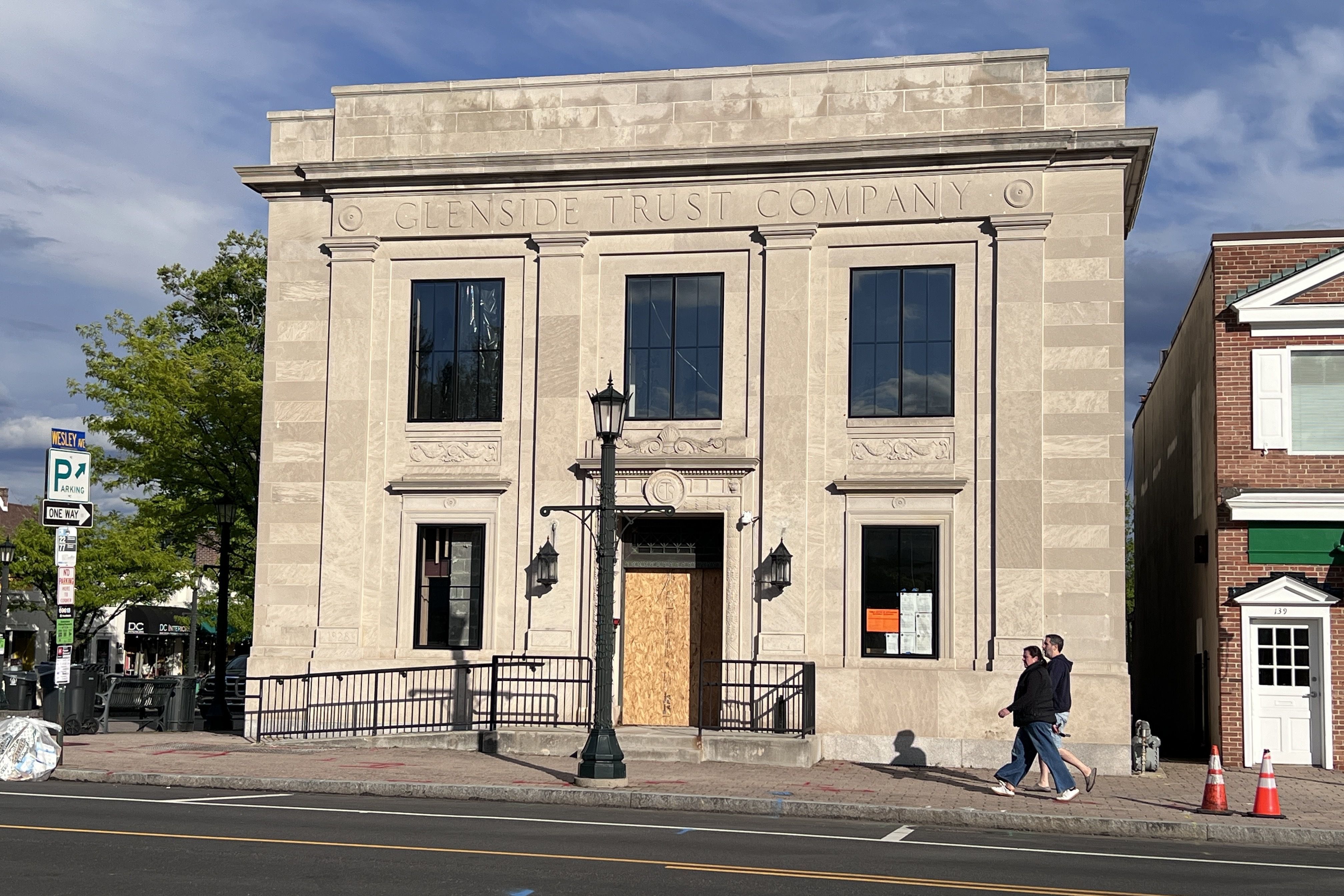
    Glenside and Elkins Park East top the list for main street revitalization, according to the plan. Wider sidewalks on Glenside Avenue and decorative lighting on Wesley and East Glenside Avenues could be part of the solution, planners wrote.

    Public art and infrastructure marking the entrances to the downtowns could also help to give these neighborhoods a sense of place.

    Tree cover is also key, the planners wrote — both preserving existing foliage and planting new trees in hotter, exposed areas, like the parking lot at the Elkins Park Square mall.

    Denser housing, more pedestrians

    Cheltenham has plenty of multifamily apartments compared with other Montgomery County towns, making up about a third of residences.

    But putting additional dense housing in the right locations could liven up Cheltenham’s downtowns without adding too much traffic, planners wrote, by encouraging public transit use.

    Putting more apartments above existing storefronts would create taller buildings that balance out some of the township’s wider streets, encouraging pedestrian traffic and patronage of local businesses, the comprehensive plan notes.

    Planners pointed to a similar approach Ardmore took in the 1990s as a model: “Through the Downtown Ardmore District’s work and an increase in multifamily residences in the vicinity of the business district, the neighborhood has experienced increased redevelopment and economic vitality without sacrificing its historic character.”

    Cheltenham could build more attractive bus shelters and benches to further encourage mass transit, and add bike parking at SEPTA Regional Rail stations.

    The township is also considering encouraging more accessory dwelling units, allowing residents to add in-law suites and other small homes to their existing property.

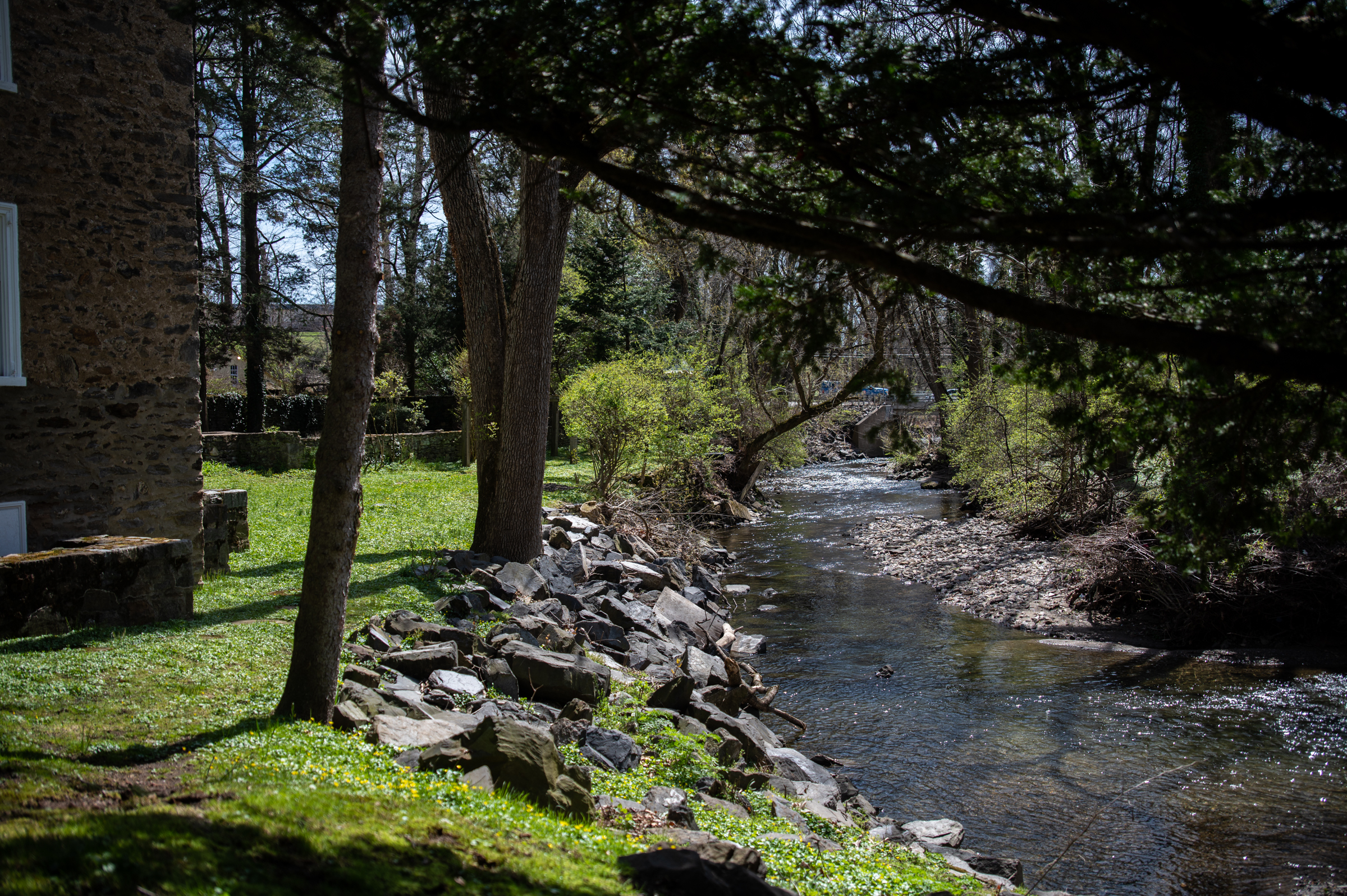
    Tookany Creek in Elkins Park, PA pictured on Monday, April 11, 2022.

    Fresh community spaces

    Cheltenham’s municipal buildings are old: In 2022, the average age of township facilities was 117.

    The township’s administrative building is located in the former home of the Breyer’s ice cream family, Freedman said — and it was built during World War I.

    Cheltenham closed two of its libraries several years ago after boilers failed in both buildings, but plans to renovate only one, La Mott Free Library. The document does not mention plans to rehab the second, East Cheltenham Library.

    The township also plans to continue connecting trails along Tookany Creek and making those trails bike-friendly, and to consider preserving more historic buildings, such as Glenside National Bank.

    This suburban content is produced with support from the Leslie Miller and Richard Worley Foundation and The Lenfest Institute for Journalism. Editorial content is created independently of the project donors. Gifts to support The Inquirer’s high-impact journalism can be made at inquirer.com/donate. A list of Lenfest Institute donors can be found at lenfestinstitute.org/supporters.
  • Neysa Adams, pioneering civic and community leader, scientist, and teacher, has died at 104

    Neysa Adams, pioneering civic and community leader, scientist, and teacher, has died at 104

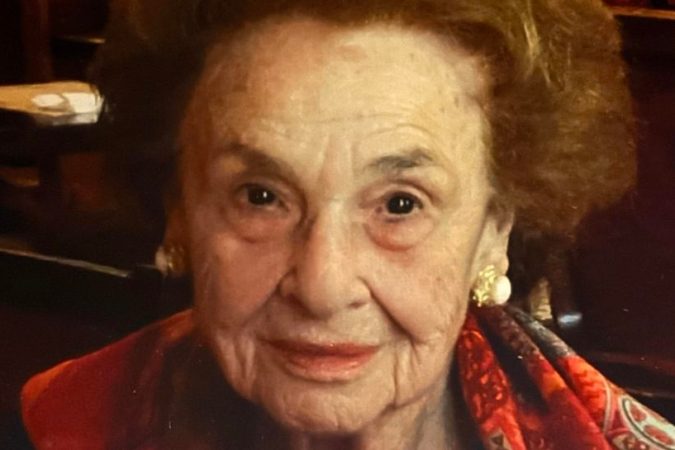
    Neysa Adams, 104, of Philadelphia, 1971 chair of the local United Fund women’s committee, former president of the Rebecca Gratz Club, onetime vice president of the women’s council for the Federation of Jewish Agencies, former associate trustee at the University of Pennsylvania, scientist, high school teacher, investment adviser, and philanthropist, died Friday, June 26, of heart disease at the Hearth at Drexel.

    Born and reared in Philadelphia, Mrs. Adams graduated from Olney High School and lived over the years in East Oak Lane, Germantown, and Elkins Park. She earned a degree in biochemistry with honors at Penn, did scientific research for a time, and taught English and history for two years at Philadelphia High School for Girls.

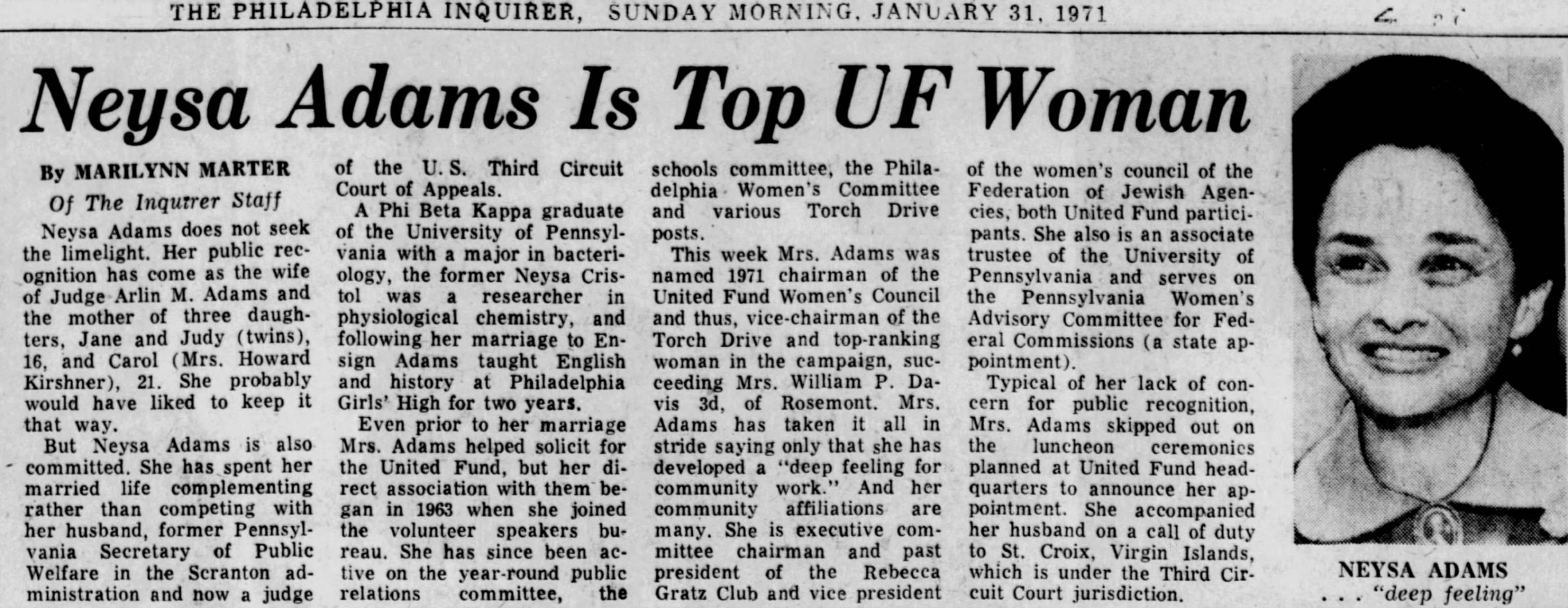
    Smart, friendly, and energetic, she joined the Philadelphia United Fund volunteer speakers bureau in 1963, became active with the fund’s public relations committee, schools committee, and women’s committee, and organized many community fundraising campaigns. In 1971, she told The Inquirer she had a “deep feeling for community work.”

    Mrs. Adams also served on the board at what is now Penn’s School of Social Policy and Practice and was active with the Emergency Aid of Pennsylvania Foundation, the National Conference on Social Welfare, and state and federal women’s advisory commissions. In 2003, then-Gov. Ed Rendell recognized her as a Distinguished Daughter of Pennsylvania for her “outstanding service and contributions to the Commonwealth of Pennsylvania.”

    As a philanthropist, Mrs. Adams and her husband, Arlin, were cochairs of Penn’s Harrison Society for fundraising recognition, and they established, among other endowments, the Arlin and Neysa Adams Lectureship and the Neysa and Arlin Adams Prize for excellence in prelaw studies at Temple University. Her husband died in 2015, and she donated his papers to the archives at Penn Carey Law School in 2017 and later funded its Arlin M. Adams Lecture in Law, Religion, and the First Amendment.

    “Everything good in my life came from him,” Mrs. Adams said in a 2024 online profile by the Hearth at Drexel.

    She also established Neysa Adams’ Library Fund at Reform Congregation Keneseth Israel in Elkins Park. Friends called Mrs. Adams “wonderful,” “outstanding,” and “one of life’s brightest lights” in tributes.

    One friend said: “Neysa was one of the kind.”

    This story about Mrs. Adams appeared in The Inquirer in 1971.Newspapers.com

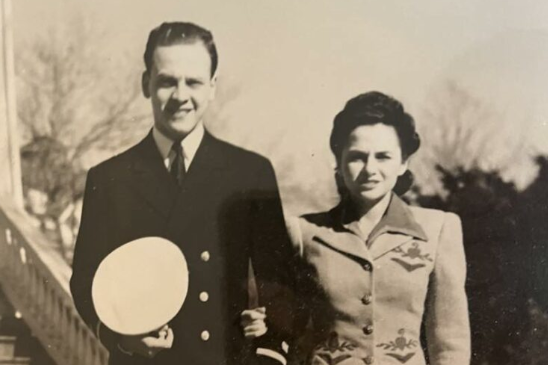
    Neysa Norma Cristol was born Aug. 7, 1921. She met Arlin Adams in high school, and they married in 1942 while he was on leave from the Navy. They had daughters Carol, Judy, and Jane. Her daughter Jane died in 2017.

    Mrs. Adams and her husband, a state secretary of public welfare and longtime federal judge, traveled the world, mostly through his work, and she met a queen, a pope, several U.S. presidents, and other international notables. “Her resilience, intellectual curiosity, and dedication to serving others stand as a testament to a life well lived,” friends at the Hearth at Drexel said in 2024.

    She was active at Keneseth Israel, enjoyed cooking, and was an avid reader. She also worked as an investment adviser.

    She was featured on 6abc TV last August on her 104th birthday and said: “Get those things that make you happy. Enjoy them while you can.”

    Mrs.Adams and husband, Arlin, married in 1942 while he was on leave from the Navy.Courtesy of the family

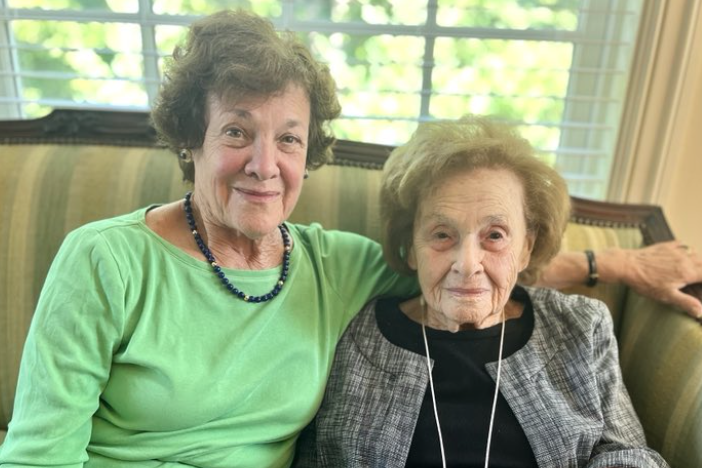
    Her daughter Carol said: “She was outgoing and had lots of friends. It seemed like she knew everyone in Philadelphia.”

    In addition to her daughters, Mrs. Adams is survived by four grandchildren, one great-grandson, and other relatives. A sister and a brother died earlier.

    A celebration of her life is to be at 11 a.m. Friday, Aug. 7, at Reform Congregation Keneseth Israel, 8339 Old York Rd., Elkins Park, Pa. 19027.

    Donations in her name may be made to the University of Pennsylvania, Box 71332, Philadelphia, Pa. 19176; and Susquehanna University, 514 University Ave., Selinsgrove, Pa. 17870.

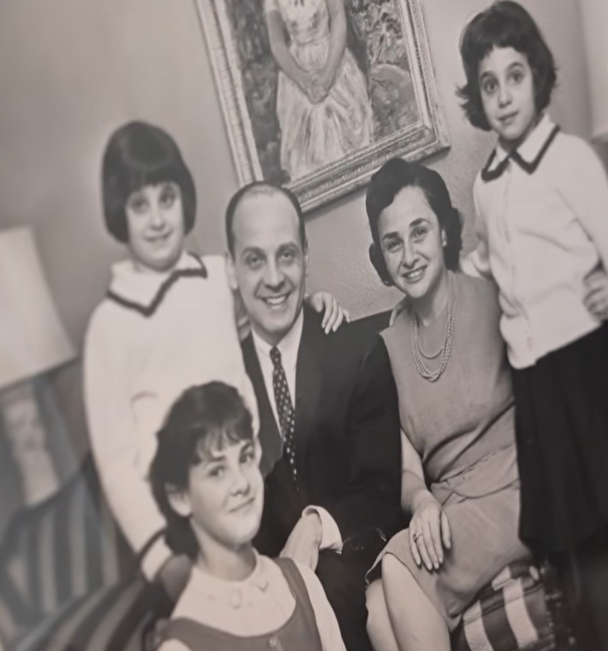
    Mrs. Adams (second from right) doted on her husband and three daughters. Courtesy of the family
    “It seemed like she knew everyone in Philadelphia,” said Mrs. Adams’ daughter Carol (left). Courtesy of the family