Tag: East Falls

  • 🎉 Fall festivals to enjoy | Outdoorsy Newsletter

    🎉 Fall festivals to enjoy | Outdoorsy Newsletter

    Happy October, friends.

    How’s “false fall” treating you? If you pulled your sweaters out thinking summer was done and dusted, you’re not alone. Soon enough, it’ll start to feel like autumn (real autumn).

    As the clock ticks on, we’re losing roughly 2½ minutes of sunlight each day, The Inquirer’s weather whisperer Tony Wood reports. One sure way to combat the negative effects of shorter days? “Get outside and move your body daily,” an expert told Wood.

    You don’t have to tell me twice.

    Here’s today’s itinerary:

    ⛅ Your weekend weather outlook: A mix of sun and showers. Friday will be warm, but temps will cool off Saturday and Sunday.

    — Paola Pérez (outdoorsy@inquirer.com)

    If someone forwarded you this email, sign up for free here.

    From First Fridays to the Philly Bike Ride

    In Philly and the surrounding region, we have a variety of fall festivals and markets to embrace the season in good company.

    Here’s a preview of some lively events to look forward to:

    🏺 Mt. Airy Arts Fest (Oct. 3) at Allens Lane Park will have stations for painting, printmaking, and ceramics to make art with your own hands, along with live performances and food to enjoy.

    🧀 Manayunk Fall Festival (Oct. 17) lets you mac-and-cheese-crawl your way through local vendors. Plus, just one neighborhood over, enjoy free pumpkin decorating and more fun for all ages at East FallsFest.

    🍁 Cherry Hill Harvest Festival (Oct. 18) at Croft Farm will host a beer garden, free pumpkins, and a petting zoo.

    See our full roundup.

    News worth knowing

    🌳 Your outdoorsy experience

    My colleague Sam Stewart recently spent a couple of days in the Poconos and was excited to share this with us:

    These pics are from the Little Falls Trail in Promised Land State Park! It was SO beautiful, lots of water along the trail (including a waterfall!), and it was a super easy, 1.5-mile loop. It was my first fall hike of the year, the weather was incredible and the sun was shining 🙂

    Such a spectacular sight! I’m already planning my own trip up there. Thanks, Sam.

    How about you, dear reader? What’s happening in your neck of the woods? Email me with your favorite adventures or special outdoor memories (and pictures, if you have them). You may see it featured here.

    Tapping into agritourism

    🎤 Here’s rural reporter Jason Nark.

    Pennsylvania is home to tens of thousands of farms, and Airbnb wants you to stay on them.

    The short-term rental giant is partnering with the American Farmland Trust and recruiting Keystone State farmers — and even offering grants — to host guests and tap into the growing agritourism industry. The average farm stay listing on Airbnb, the company said, can make an extra $9,600 per year.

    Valerie and Jeff Fellenbaum said they’re making much more than that at Pleasant Pines Stables, their horse farm dating to the early 19th century in Lancaster County.

    “Once we started, we never looked back,” Valerie Fellenbaum said. “I would say, from March to about the end of October, we’re anywhere from 85% to 90% booked.” — Jason Nark

    Discover how farms in Pennsylvania and beyond are looking to agritourism to stay profitable and find alternate sources of revenue.

    Paola’s picks

    🚣 An activity: Find a good spot to watch sailboats hit the Delaware for the annual Philadelphia Regatta Cup.

    👟 A shoutout: Look out for these runners at the Delco 10 Miler.

    🐕 A fun pup-ortunity: Join “The Dogist” for a walk along the Schuylkill Banks and up the Rocky steps on Sunday.

    💡 A fall fact: According to Merriam-Webster, the term “autumn” entered English in the 1300s, and “fall” became the shortened version of “the fall of the leaves” in the 1600s.

    🎵 A song: “Fall in Philadelphia” by Daryl Hall & John Oates.

    An unassuming view

    There are spotted lanternflies hidden among these vines.Paola Pérez

    I believe this is a Virginia creeper plant, also known as woodbine. It also bears some resemblance to poison ivy. Avoid its berries, though — while wildlife can feed on them, they are toxic to humans.

    👀 Can you spot a spotted lanternfly among the leaves? By my count, I think there are at least two.

    Speaking of the invasive species, my colleague Nick Vadala reported this week about a man tricking at least 80 Pennsylvanians into paying for fake trainings and permits to contain the invasive species. Be wary of scams like that, folks.

    👋🏽 Our next adventure awaits!

    By submitting your written, visual, and/or audio contributions, you agree to The Inquirer’s Terms of Use, including the grant of rights in Section 10.
  • Ron Avery, retired Daily News reporter and Philadelphia historian, has died at 85

    Ron Avery, retired Daily News reporter and Philadelphia historian, has died at 85

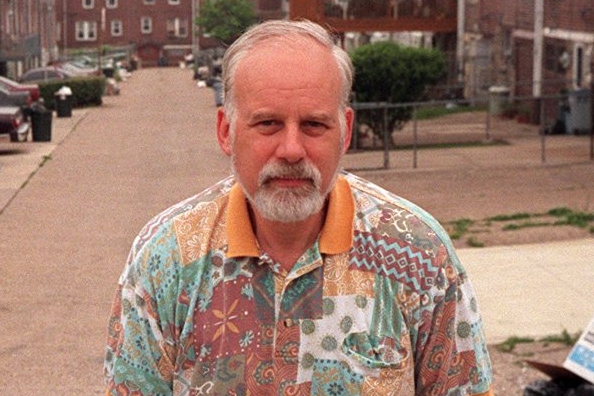
    Ron Avery, 85, of Philadelphia, retired eclectic reporter and columnist for the Daily News, Philadelphia historian, volunteer city tour guide, author, high school history teacher, veteran, and canoe enthusiast, died Sunday, Aug. 2, of complications from amyotrophic lateral sclerosis at his home in East Falls.

    Reared in Fairmount, Mr. Avery graduated from Thomas Edison High School and earned a bachelor’s degree in history at Pennsylvania State University. He was assigned to the ship newspaper in the Navy after college, found a creative niche in journalism, and went on to work for more than 30 years at the Associated Press, the Bucks County Courier Times, the Courier-Post in South Jersey, and the Daily News.

    He wrote for the Daily News as a correspondent in 1981, joined the staff in 1982, and, until his retirement in 2000, wrote thousands of stories about crime, casinos, war orphans, historic houses, the MOVE bombing, local notables, and other subjects. His columns, “Poor Ronald’s Almanac” and “One of Us,” hammered away at local issues and featured everyday people doing exceptional things.

    “He covered every nook and cranny of the city,” said his son Serge. “That burning curiosity sustained him till his last days.”

    He wrote three books about Philadelphia, including A Concise History of Philadelphia in 1999. He produced a series of video guides he called the Urban Explorer for local TV in 2004 and posted blogs about the city from 2017 to 2019 on a website called Philadelphia Cracks Me Up.

    “Like all cities,” he said in a 1995 Daily News column, “Philadelphia is honeycombed with hidden spaces and forgotten places.” In a 1997 review of his book, City of Brotherly Mayhem: Philadelphia Crimes and Criminals, The Inquirer’s Thomas Brady said: “The book … is decidedly a fun read.”

    Alex Strang, his director on the Urban Explorer videos, called Mr. Avery an “unforgettable legend” and “a walking encyclopedia of the city’s history and eccentricities” in a Facebook tribute. Other former colleagues said he was “a clever journalist” and “a true Philadelphian.”

    Longtime Daily News colleague Robin Palley said on Facebook: “He had an amazing knack of finding quirky people with fascinating skills or habits and making them come to life on our pages.”

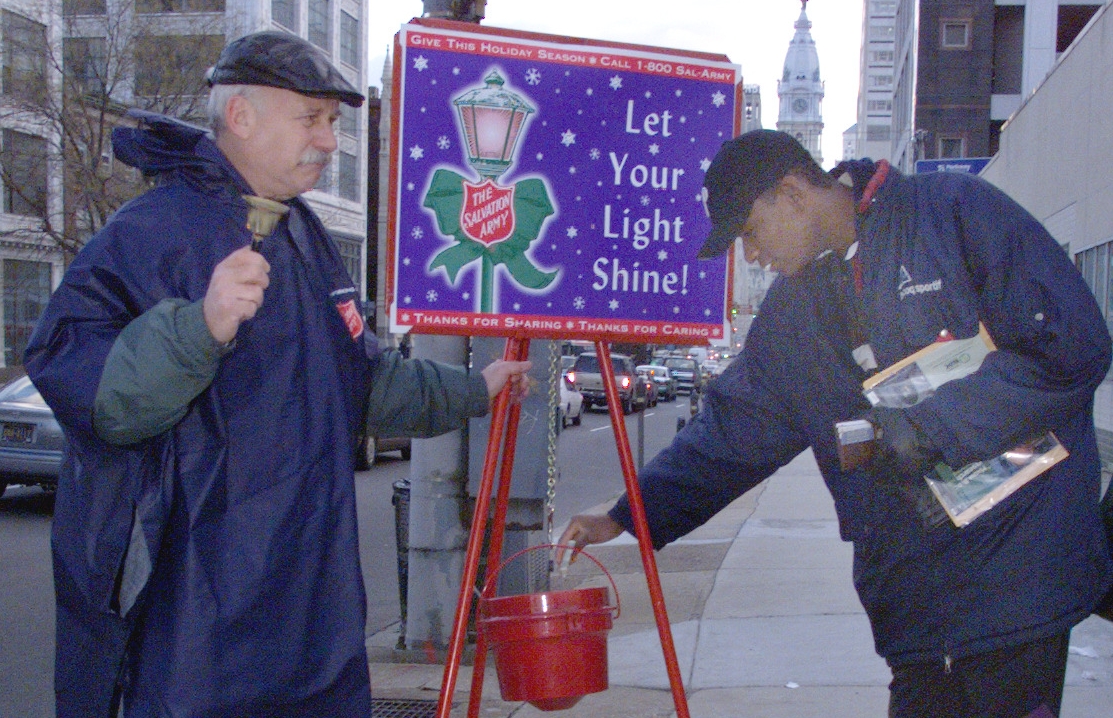
    Mr. Avery (left) mans a Salvation Army donation kettle in 1999.Steven M. Falk / Staff Photographer

    Before the Daily News, Mr. Avery wrote news and feature stories for the Courier-Post in the 1970s, and the Courier Times and the AP in the 1960s. He moved to Israel for six months in 1972 but returned to work for the Courier-Post in 1973.

    He also wrote freelance pieces for the Hidden City Daily, PhillyHistory.org, UShistory.org, and op-eds later for The Inquirer and Daily News. He served in the Navy from 1964 to 1966, joined the Philadelphia Canoe Club later, and led water trips in the New Jersey Pine Barrens and elsewhere.

    Knowledgeable, energetic, and naturally affable, he was a tireless promoter and volunteer guide in Philadelphia. He led walking tours throughout the city for students, civic groups, and other organizations, and his explanatory video tours featured cobblestone alleys, urban gardens, museums, statues, and other features of city life.

    He was a stickler for details and historical accuracy, and he helped spur City Council to pass an ordinance in 2008 to educate and certify paid Center City tour guides. “They score high as Philadelphia ambassadors of good will,” he said in a 1995 column about uneducated guides, “but as historians they often flunk out.”

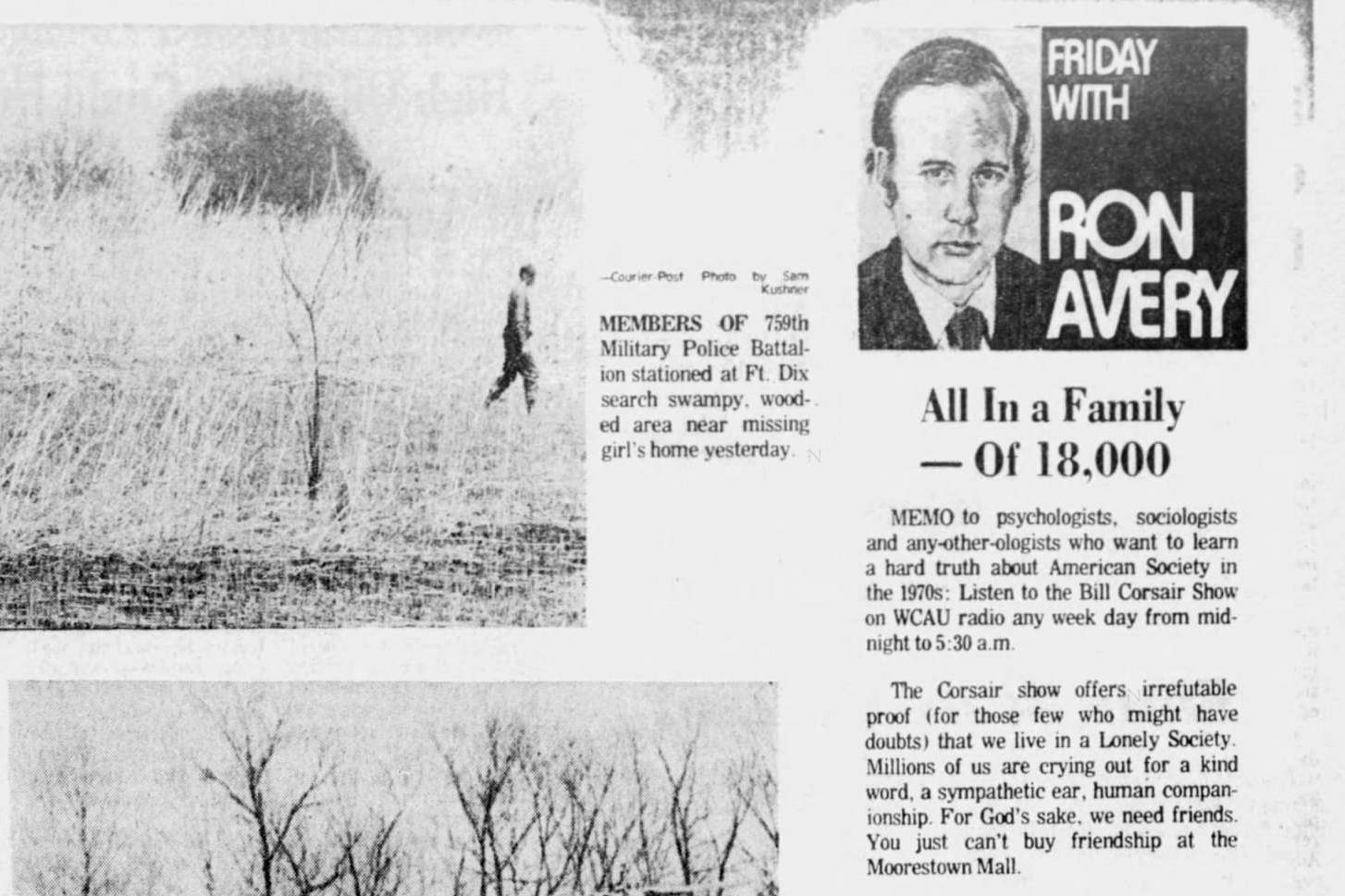
    Mr. Avery wrote a column for the Courier-Post in 1974.Newspapers.com

    Ronald Avery was born June 10, 1941, in Strawberry Mansion. He joined the Boy Scouts, earned his bachelor’s degree at Penn State in 1963, and taught history at Bensalem High School for a year.

    He was a boxer in college and, mesmerized by the sport, later worked as a referee for amateur matches.

    He met Suzet Habif in Israel in 1967, and they married in 1968. They had sons Serge and Ben, and lived for years in a rowhouse in Oxford Circle.

    Mr. Avery cared for his wife during her long illness in the 1980s and ’90s. She died in 1993.

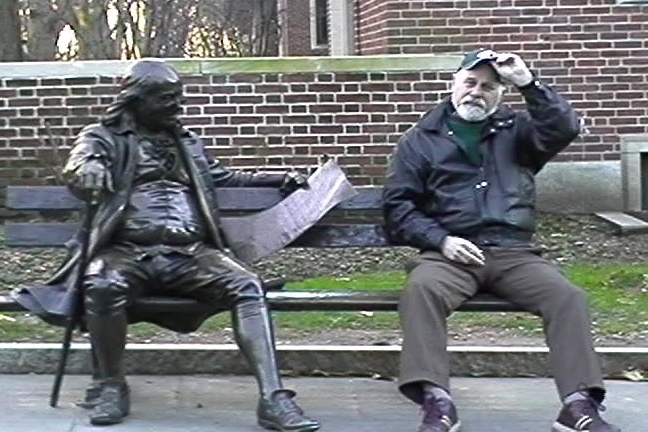
    Mr. Avery liked to hang out with Benjamin Franklin and other historic figures. Alex Strang

    He lived later in Pennsport and East Falls, was diagnosed with ALS in 2015, and proudly outlived its average life expectancy of 18 months by nearly a decade. “He defied that diagnosis and did not let it define him,” his son Serge said. “He always said he had a lot to live for.”

    Mr. Avery was an avid reader and street photographer. He liked poetry, wrote limericks on birthday cards, and posted hundreds of his photos on flickr.com. One of his photos won a contest and was displayed at the airport.

    He enjoyed jazz and jokes, led the prayers at family gatherings, and gave Yiddish quizzes to his two grandsons. He shared favorite recipes with Daily News colleagues and whipped up memorable homemade soups, especially white bean.

    “I’ll greatly miss his endless anecdotes about all things Philadelphia,” said his daughter-in-law, Rebecca Houlding, “the stories about the local criminals, and his love of his family and friends.”

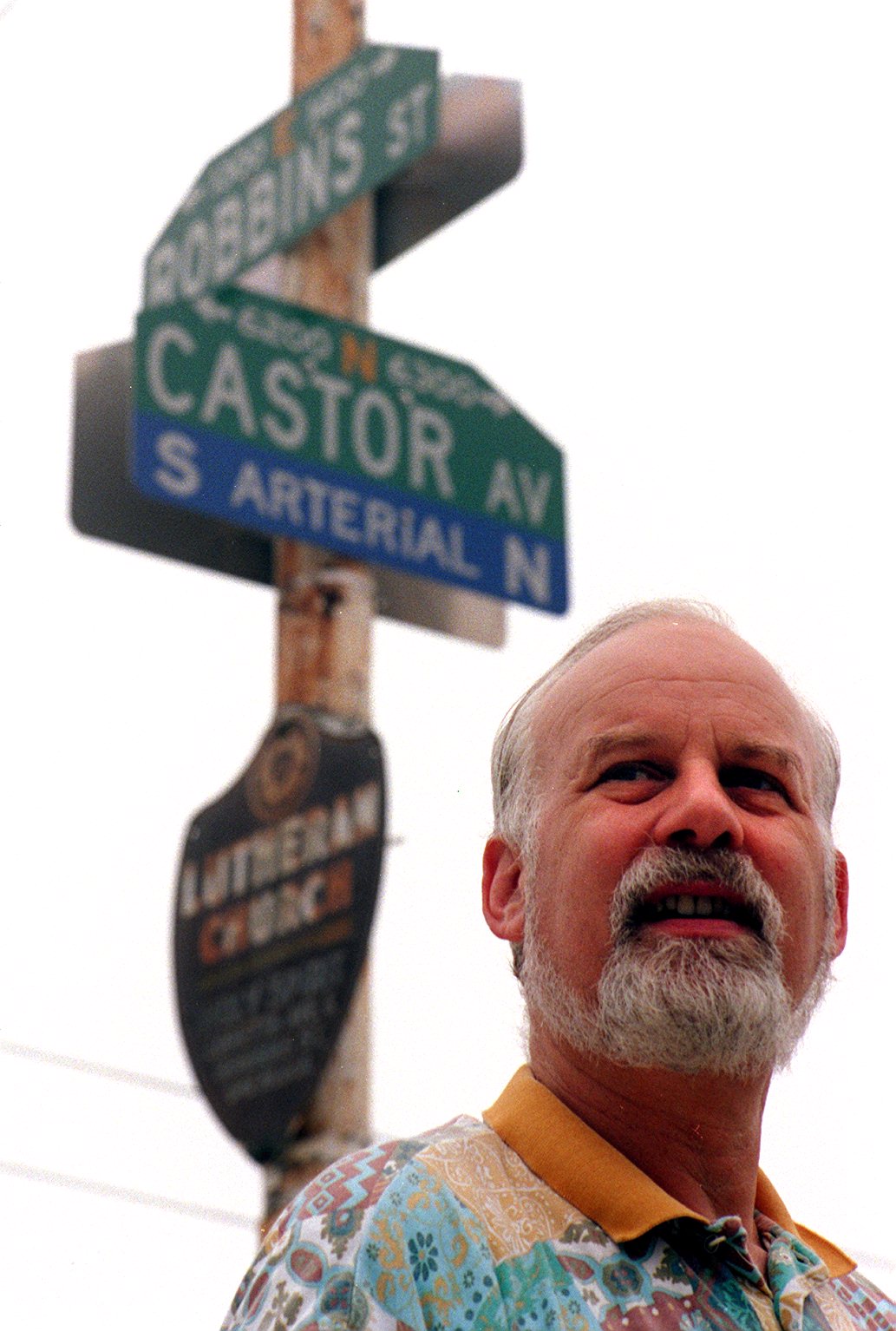
    Mr. Avery wrote about his life in Northeast Philadelphia for the Daily News in 1997.Alejandro A. Alvarez / Staff Photographer

    His son Serge said: “He loved chasing the stories from the back alleys and driveways, highlighting the working people of our town.”

    In addition to his sons, daughter-in-law, and grandsons, Mr. Avery is survived by other relatives. A sister died earlier.

    Services were held earlier.

    Donations in his name may be made to Paralyzed Veterans of America, Box 758589, Topeka, Kan. 66675; and the Hebrew Immigrant Aid Society, Box 8688, Philadelphia, Pa. 19101.

    Mr. Avery “loved chasing the stories from the back alleys and driveways, highlighting the working people of our town,” his son Serge said.Alex Strang
  • Albert James Mamary, attending physician and professor of thoracic medicine and surgery at Temple, has died at 59

    Albert James Mamary, attending physician and professor of thoracic medicine and surgery at Temple, has died at 59

    Albert James Mamary, 59, of Wynnewood, attending physician and professor of thoracic medicine and surgery at Temple University, researcher, writer, mentor, artist, outdoorsman, craftsman, and amateur bicycling champion, died Thursday, July 9, of cholangiocarcinoma at Temple University Hospital.

    A 1999 graduate of Temple’s Lewis Katz School of Medicine, Dr. Mamary spent his career at Temple and affiliated hospitals. He was an expert in pulmonary disease, transplants, and sleep disorders at the Temple Lung Center, and became program director of the Pulmonary and Critical Care Fellowship at Temple Hospital in 2006.

    He earned a master’s degree in anthropology at the College of William and Mary in Virginia and his premedical school credits at the University of Pennsylvania. In a tribute, his family said: “His education in both medicine and anthropology reflected a lifelong belief that caring for a patient required understanding not only the disease but the whole person.”

    Over more than three decades at Temple — as a student, resident, fellow, professor, and physician — Dr. Mamary treated thousands of patients, mentored hundreds of students and doctors, lectured in classrooms and at seminars, and wrote more than 60 scientific papers and textbook chapters. He was named a top doctor by Philadelphia Magazine several times and was featured in The Inquirer and on 6abc TV for his lead role in a successful double-lung transplant in 2015.

    “It’s been 120 to 145 patients, individual patients that we’ve been able to help every year,” Dr. Mamary told CBS News in 2024. “That’s really the aim here, is to add years of life to patients who otherwise wouldn’t have that opportunity.”

    Colleagues called Dr. Mamary a “physician’s physician” and noted his “amazing intelligence and clinical acumen” in tributes. Gerard J. Criner, chair of Temple’s Department of Thoracic Medicine and Surgery, said: “His patients loved him not only for his clinical skills but also for the warmth, compassion, and humanity he brought to every encounter.”

    A former patient said online: “He was a calm in the storm of my end stage disease. … The world has lost a hero.”

    A former student said: “His kindness, thorough and balanced approach to medicine, and quiet, thoughtful approach to even the most stressful emergencies reminded me of a Jedi master.”

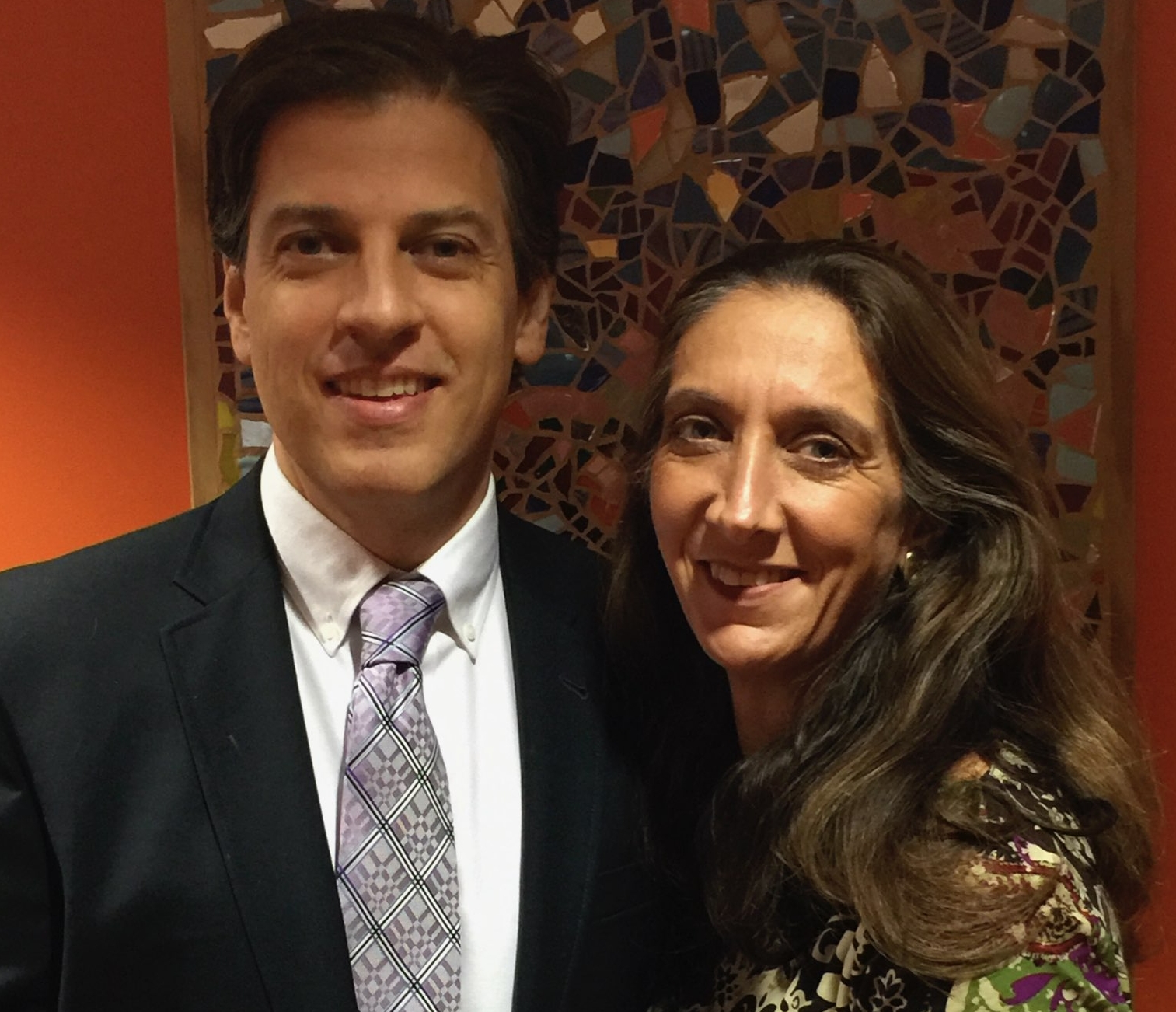
    Dr. Mamary and his wife, CeilaSue, married in 1996.Courtesy of the family

    Away from the hospital, Dr. Mamary liked to bike, hike, and camp. He built his own 18-foot mahogany canoe, walked the entire 272-mile Long Trail in Vermont, and won masters bicycling championship races.

    He also painted and sculpted, and earned a bachelor’s degree in art and psychology at Haverford College. He and his wife, CeliaSue, initiated the Shortridge Memorial Park Arboretum in Wynnewood and earned a 2024 community service award from Narberth and Lower Merion officials.

    “James brought wisdom, kindness, curiosity, and genuine joy to every moment,” his wife said.

    Albert James Mamary was born June 12, 1967, in Hempstead, N.Y. He grew up in Binghamton, N.Y., became an Eagle Scout, and was a wilderness river guide for the Boy Scouts in Maine during his college years.

    Dr. Mamary was an avid bicyclist and won masters championship races. Courtesy of the family

    He met CeliaSue Jaffe in class at Haverford, and they married in 1996 and had daughters HannahRose and LilyRuth. They lived in East Falls and Wynnewood, and he rode his bike from home to Penn and then Temple as often as he could.

    Dr. Mamary enjoyed traveling, baking, cooking, and gardening. “His specialty is fruits and vegetables, and I grow the flowers,” his wife said.

    He followed the Phillies, rescued cats and dogs, and doted on his daughters. Everybody said he was funny and silly.

    “He was curious and always learning or doing something new,” his daughter LilyRuth said. “He took joy in simple things.” His daughter HannahRose said: “Even if he wasn’t my dad I would want him as a friend because he was so interesting and so easy to talk to.”

    Dr. Mamary was a wilderness river guide for the Boy Scouts in Maine during his college years.Courtesy of the family

    Dr. Mamary was diagnosed with cholangiocarcinoma, bile duct cancer, in 2020 and treated by longtime colleagues and friends at Temple, some of whom he had mentored. “It was a profound reflection of the life he lived,” his family said, “that so many of those he had taught ultimately became his caregivers.”

    His wife said: “He was a very vibrant and adventurous person but so thoughtful, steady, and reliable. James was incredible.”

    In addition to his wife and daughters, Dr. Mamary is survived by a sister and other relatives.

    Private services were held earlier.

    Donations in his name may be made to the Albert James Mamary Memorial Fund at the Cholangiocarcinoma Foundation, 5526 West 13400 South, No. 510, Herriman, Utah 84096.

    Dr. Mamary “was a very vibrant and adventurous person but so thoughtful, steady, and reliable,” his wife said. Courtesy of the family
  • Two childhood friends grew up to become top chefs. Now, they’re opening a ‘punk French’ restaurant together in Manayunk

    Two childhood friends grew up to become top chefs. Now, they’re opening a ‘punk French’ restaurant together in Manayunk

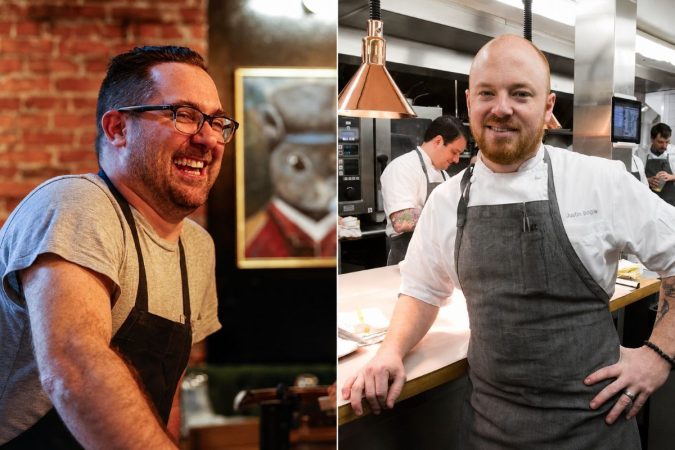
    After nearly four decades of friendship and two careers that took them in different directions, chefs Arthur Cavaliere and Justin Bogle are working together.

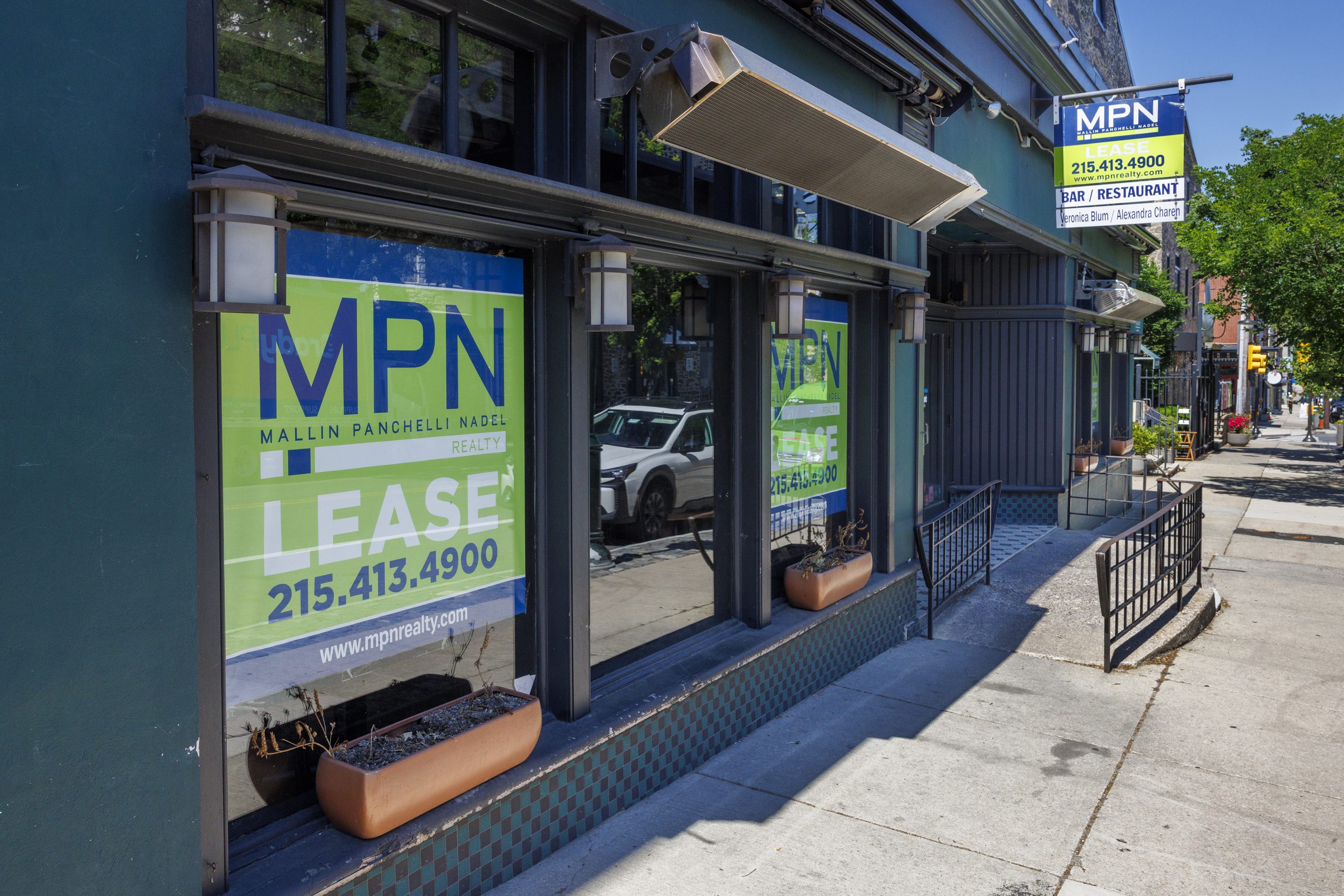
    The Roxborough natives and best friends since third grade, both 45, have signed a lease for the former Winnie’s Manayunk space on Main Street near Roxborough Avenue, where they plan to open a new restaurant in late fall. Though they are keeping most details, including the name, under wraps, they describe the project cryptically as a “punk French” restaurant inspired by the neighborhood that helped shaped them.

    The former Winnie’s at 4266 Main St. in Manayunk.Alejandro A. Alvarez / Staff Photographer

    For both, the restaurant represents the fulfillment of a dream they have shared since they started cooking together as teenagers.

    “Artie and I have been best friends since grade school,” Bogle said. “We always had this vision, this pipe dream, that someday we would join forces and do something together.”

    The two met at Shawmont Elementary in Roxborough and got their start in the late 1990s working for chef Derek Davis at his string of restaurants then on Main Street. Their careers soon diverged.

    Cavaliere is a longtime consulting chef. Among the gems he created was the shatteringly crispy chicken at the former Bar Poulet at 20th and Walnut Streets. He came up through Philadelphia kitchens including El Vez and Parc, where he was executive chef, and headed to chef Michel Richard’s orbit in Washington, before opening In Riva, Black Squirrel Pub & Haunt, and Foghorn in East Falls. He left that partnership last year.

    Chef Arthur Cavaliere’s fried chicken was a signature at Bar Poulet, which was open in 2021-22 at 2005 Walnut St. Michael Klein

    Bogle, who attended Walnut Hill College, cooked at Striped Bass and Alma de Cuba before heading to New York, where he became one of the youngest American chefs to lead a two-Michelin-starred restaurant at Gilt. In 2013, he returned to Philadelphia to open Avance — the successor to Le Bec-Fin — and after its 2014 closing joined Garces Group as corporate executive chef. He later returned to New York, where he spent years with Union Square Hospitality Group, most recently as executive chef of Manhatta.

    Family drew him home after nearly two decades in New York.

    “I knew I needed to give my kids a backyard,” Bogle said. “Raising three kids in a two-bedroom apartment wasn’t the goal for me.”

    Avance, led by Justin Bogle, had a 10-month run after Le Bec-Fin’s closing at 1523 Walnut St.David M Warren / Staff Photographer

    He left Manhatta last spring, relocated his family to the area last August, and immediately resumed planning with Cavaliere. They spent the past year evaluating Main Street locations before settling on the former Winnie’s, which closed last November.

    “When the right space presented itself, it was a no-brainer,” Bogle said.

    The partners are keeping quiet about the menu, name, and design while they refine the concept. Bogle will oversee the kitchen and said the long-term plan extends beyond a single restaurant. “We have goals and aspirations to do more than just this,” he said.

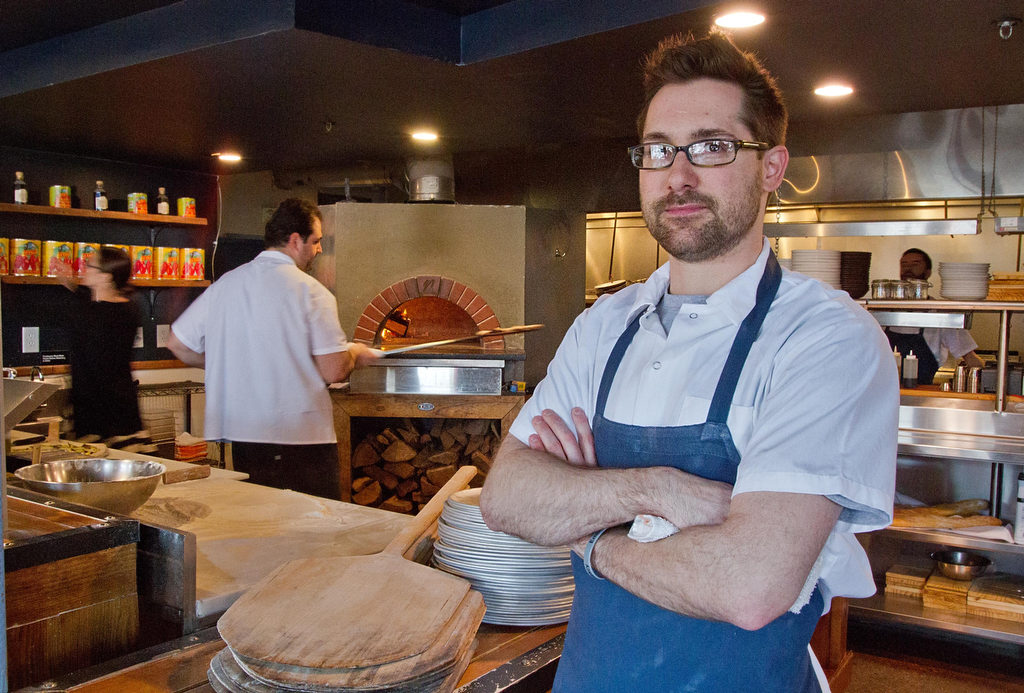
    Chef-owner Arthur Cavaliere at In Riva in 2013. Working the pizza oven at rear is sous chef Biff Gottehrer, now at Ripplewood, the Refectory, and Izzy’s.David M Warren / Staff Photographer

    If construction and permitting stay on schedule, they hope to open in November. If delays push the project into December, they are likely to wait until after the new year.

    Cavaliere said the concept is rooted in “friendship, memory, and the neighborhood that raised” them.

    “Their decision to invest in Manayunk is another testament to the strength of the neighborhood and the continued momentum of its dining scene,” said Veronica Blum of MPN Realty, who brokered the lease with Alex Charen. “It’s especially rewarding to help bring operators of this caliber to a community that values independent concepts.”

    For Bogle, returning to Main Street with the friend he has known since childhood carries a significance beyond opening another restaurant.

    “For us to come back to where it all started, plant our roots there, and have some fun — it has been a goal for a long time,” he said. “We’re just really excited about the opportunity.”

  • He thought buying a house meant leaving Philly. He was proven wrong in East Falls. | How I Bought This House

    He thought buying a house meant leaving Philly. He was proven wrong in East Falls. | How I Bought This House

    The buyers: Eric Murchison, 35, vice president and commercial loan officer

    The house: A 2,617-square-foot townhouse in East Falls with 4 bedrooms and 3 baths built in 2025.

    The price: Listed for $525,000; purchased for $490,000.

    The agent: Marvin Capps, Marvin Capps Realty, Inc.

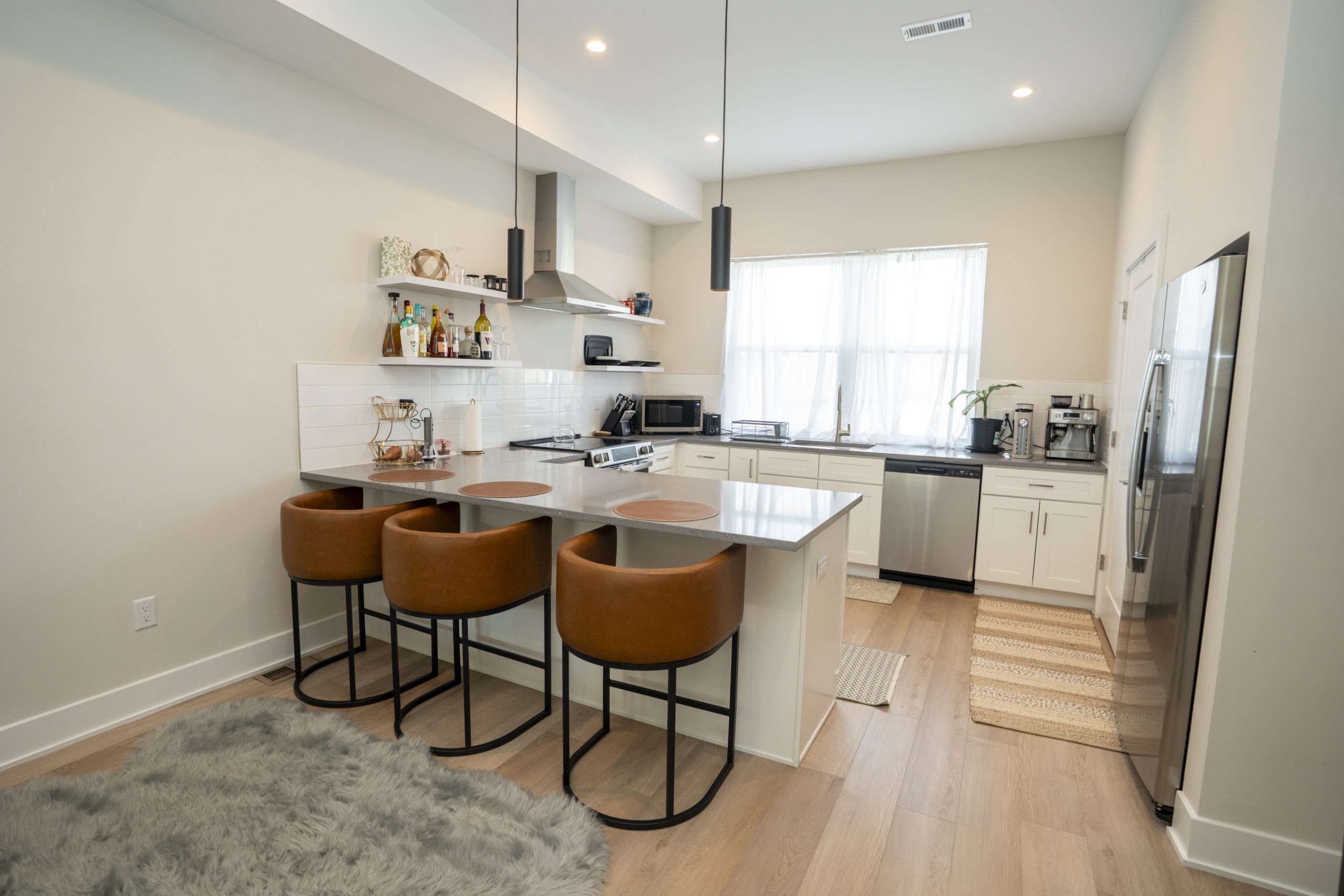
    The kitchen of Murchison’s new East Falls townhouse.Jessica Kourkounis / For The Inquirer

    The ask: The idea of buying in Philly had begun to feel impossible to Eric Murchison.

    Born and raised in North Philly, he’d watched prices in the city skyrocket for years, convincing him that in order to own a nice home, he’d need to move somewhere like Texas. He’d already begun telling friends that he’d be gone within two or three years.

    But when a work client urged him to think about buying in his home city — Why would you leave your hometown? Why not own a piece of it? — he began to think seriously about the possibility.

    “I kind of couldn’t sleep at night after he said that to me,” Murchison said.

    What he was looking for wasn’t extravagant. He wanted a garage and a rooftop space, along with a separate bathroom for his 16-year-old daughter — which he didn’t have in his rental in Bala Cynwyd. And to be “in an area where you could visually see that developers are in this space.”

    He hoped to find all that under $500,000, even as his real estate agent tried to temper expectations.

    “When I said ‘under a half-million,’” Murchison recalled, “he said, ‘Eric, are you kidding me? That’s [probably] not going to happen.’”

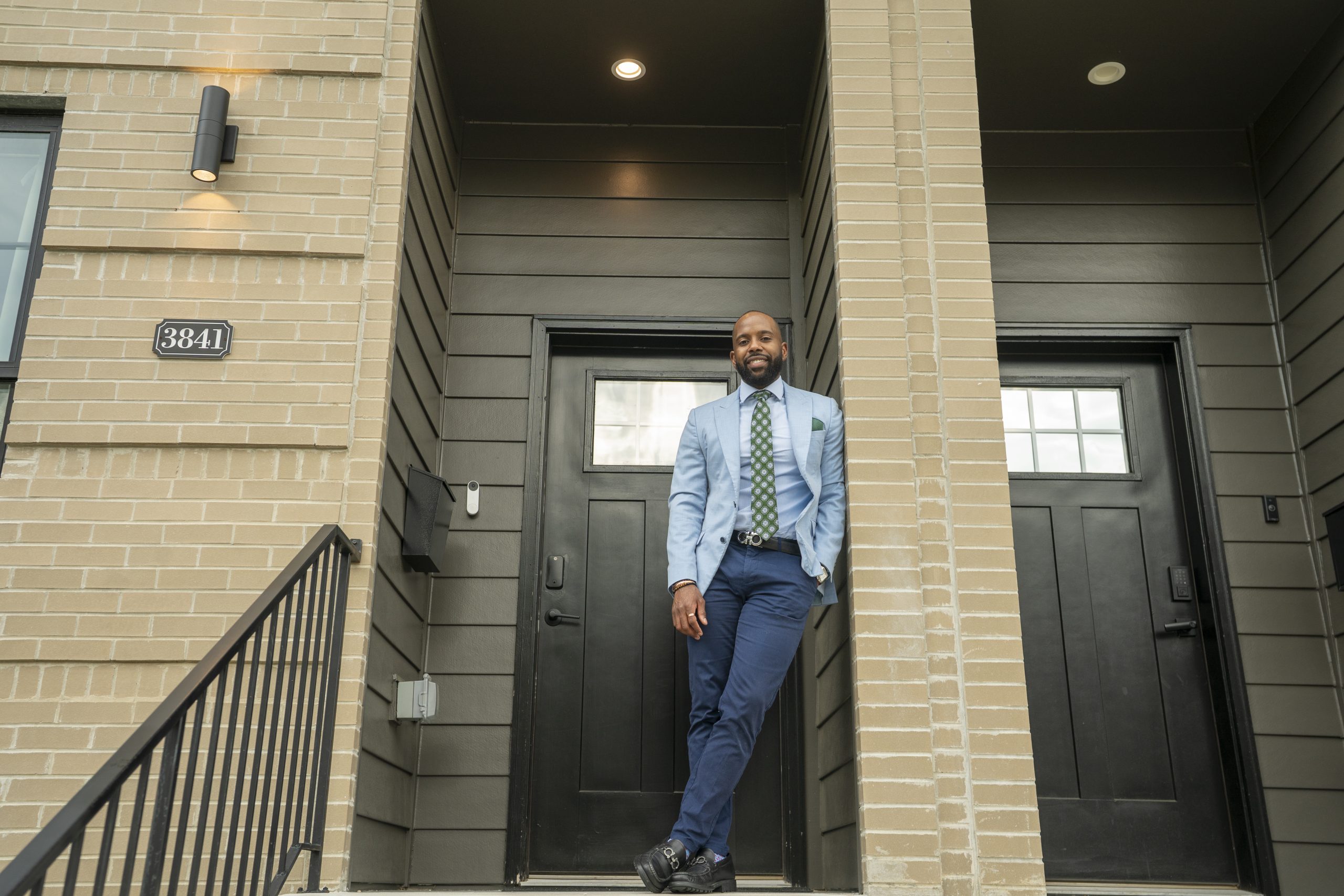
    Eric Murchison, 35, on the front steps of his new East Falls townhouse.Jessica Kourkounis / For The Inquirer

    The search: By his own admission, Murchison’s search was “very spontaneous and random.” He’d see a potential home while searching online during his lunch break and decide to go check it out.

    One — a duplex near Temple University — was well over his budget, at $750,000. (He’d liked the idea of buying a duplex and renting out one of the units while living in the other.)

    Another home he liked in South Philly was priced around $550,000, with no wiggle room. “The guy just was not budging on the price,” Murchison said.

    Discouraged, he let his property manager know that he was renewing his lease for the following year.

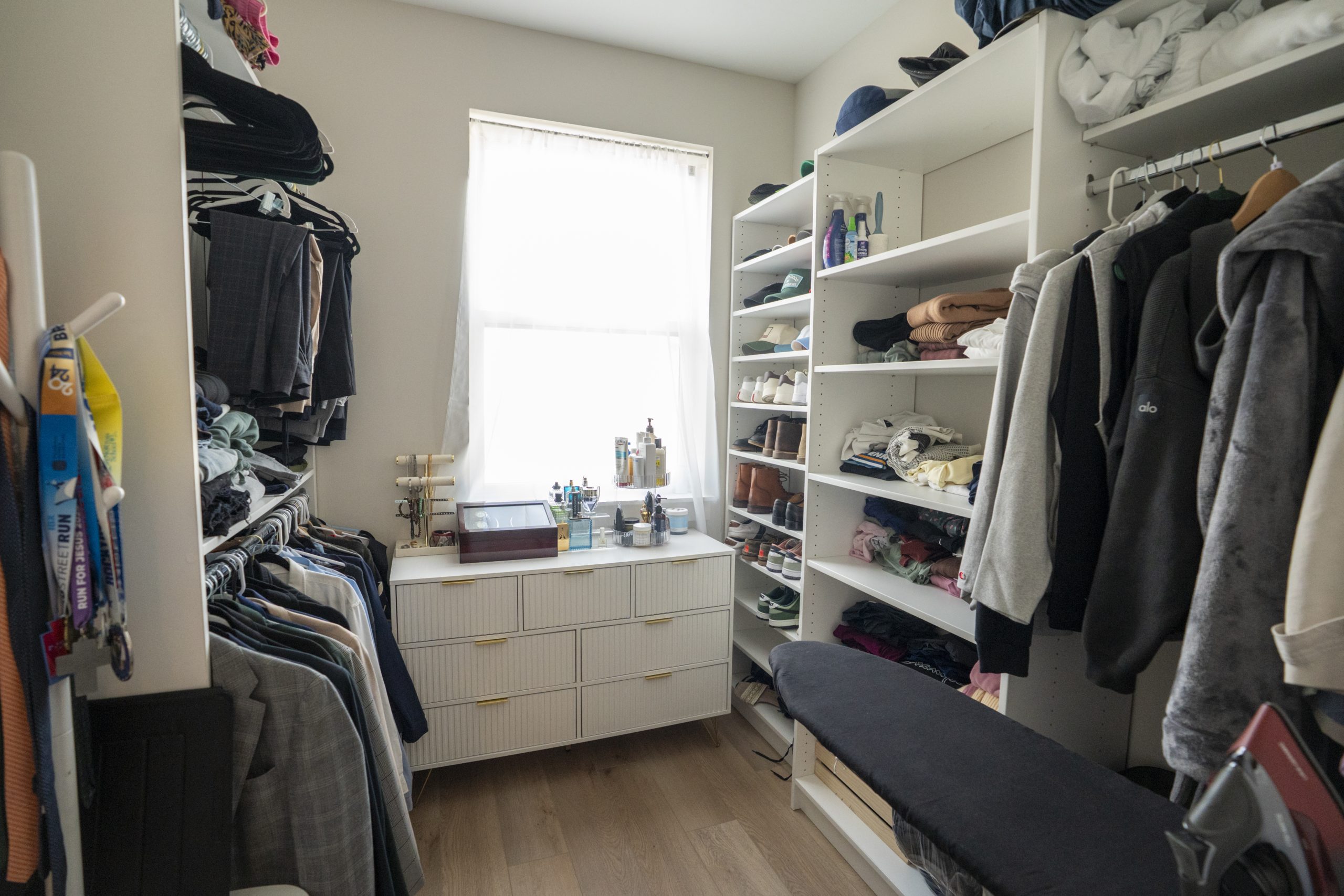
    The primary suite includes a walk-in closet.Jessica Kourkounis / For The Inquirer

    The appeal: The first time he came across his future home was on Zillow. It was also on his drive to work, so he’d passed it on his commute, admiring the newly constructed townhouses.

    But when he randomly met the developers through work, he said, it felt like kismet.

    The development was across from a cemetery and a bit over budget at $525,000. But it was just a 10-minute drive to Center City and a half-mile walk to Kelly Drive, where Murchison liked to go running. He liked the neighborhood, too, which he felt was poised for a boom.

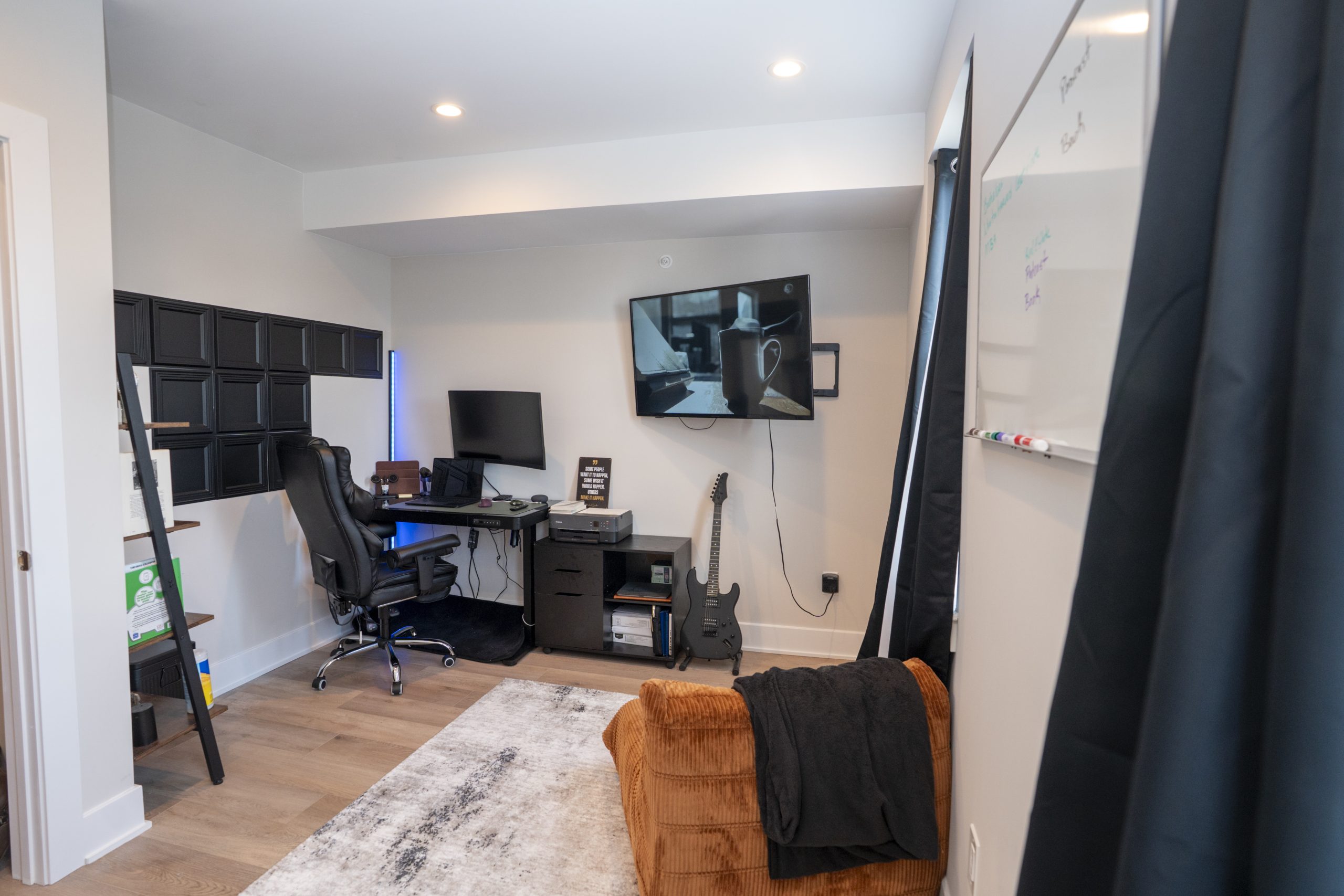
    Murchison turned one of the home’s four bedrooms into an office and meditation space.Jessica Kourkounis / For The Inquirer

    Because it was a newly constructed home, it was part of a city program that provides a 10-year tax abatement to buyers who bought into certain new construction projects in the city.

    “But what ultimately made me move on it was that feeling like, ‘This feels like it could be home,’” he said. “I remember having that feeling, and seeing my daughter, envisioning us like having popcorn and watching TV, and I kind of had in mind where I could put the furniture.”

    By the time he toured a second time, he was sold.

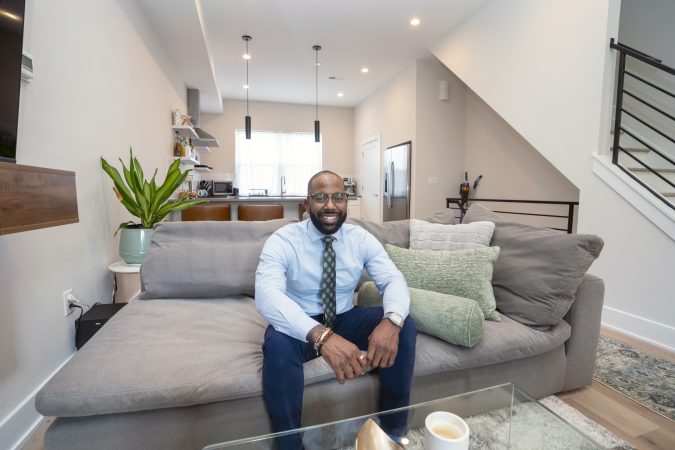
    The first floor of Murchison’s new townhouse. At 2,617 square feet, it’s more than twice the size of his previous rental. Jessica Kourkounis / For The Inquirer

    The deal: Listed at $525,000, Murchison initially offered $480,000 before settling on $490,000, with a 6% seller’s assist.

    Though it was a new home, an inspection turned up some minor issues — a loose faucet and a noisy kitchen range fan — that the developer agreed to fix.

    The money: Murchison was prepared to put 3% down on the new home. But when he inquired with another lender, he said, he was able to get a more attractive deal, in which a down payment wasn’t required.

    “I actually got a refund at settlement because I had the 6% seller’s assist,” he said. “So the only down payment was like transfer tax, closing cost, all those things.”

    Today, his mortgage is $3,400 — $400 more than his previous rent — and because of the tax abatement, he pays just $68 a month in taxes, he said, instead of the roughly $500 he’d otherwise owe.

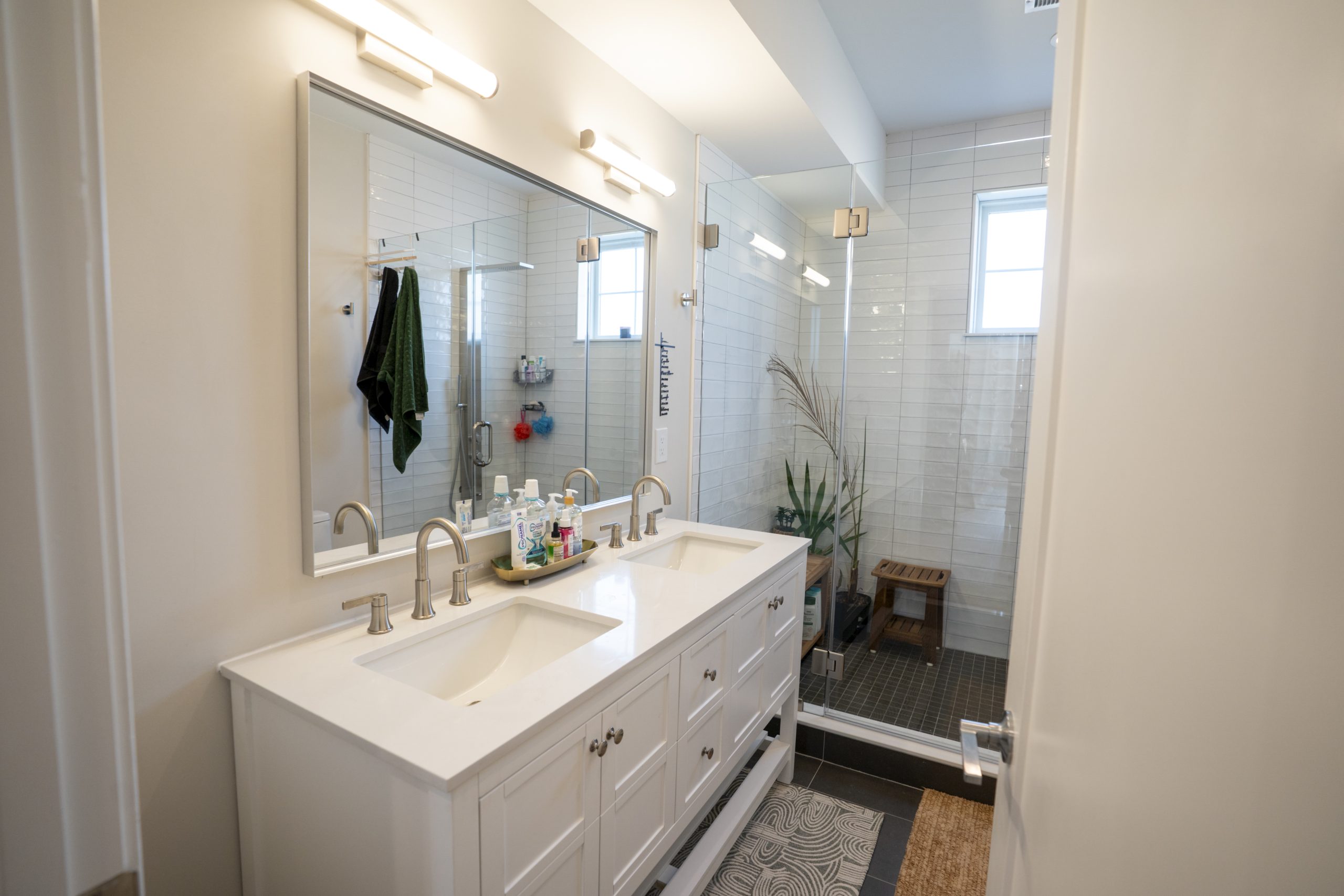
    The primary bathroom in Murchison’s new townhouse.Jessica Kourkounis / For The Inquirer

    The move: With the money he was able to save by not putting down the 3% down payment, he was able to pay for movers, plus a nice dinner for his first night in his new home.

    He moved in the same day he closed on the home. “I closed Feb. 6, I think at like 10 a.m., [and] the movers were done by 1 p.m.,” he said.

    Life after close: At more than 2,500-square-feet, the new home dwarfs Murchison’s previous rental, which was about 1,000 square feet.

    In addition to bedrooms for both him and his daughter, he also has a meditation/prayer room.

    Eric Murchison’s daughter’s bedroom in his new East Falls townhouse.Jessica Kourkounis / For The Inquirer

    So far, he’s had one small renovation project done — removing some shelving in a hallway between his bedroom and bathroom — with plans to make two more improvements in the not-too-distant future: adding a sauna, as well as some shade to the rooftop.

    He considers himself “very happy” with his new home, and hopes his story inspires other Philadelphians that homeownership in the city remains possible.

    “People need to know — especially Philadelphia natives who think they have to leave — like, hey, if you have a good real estate agent and you have creative financing, you might as well buy.”

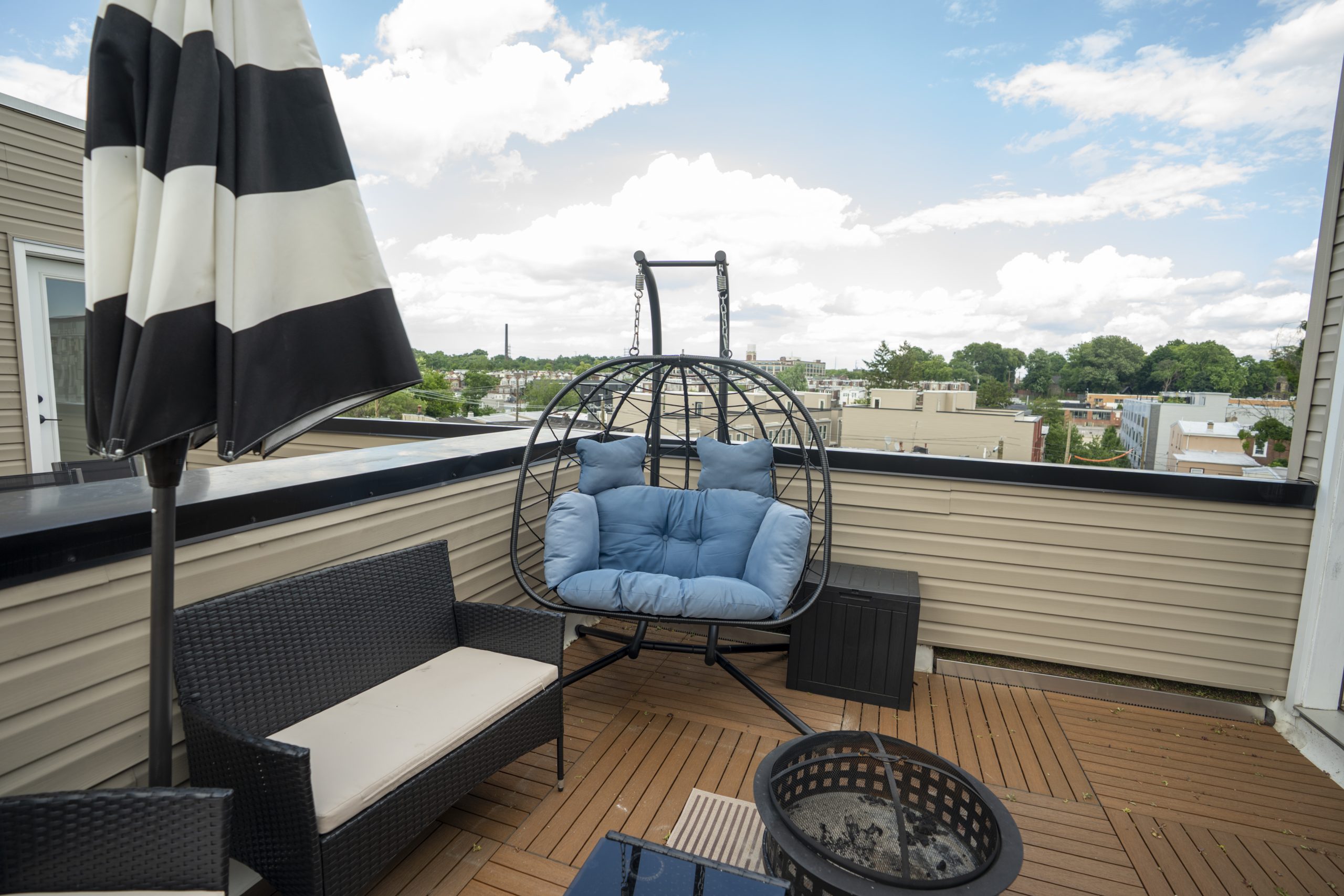
    A rooftop deck is one of amenities Murchison was seeking in his new home. He got it.Jessica Kourkounis / For The Inquirer

    Did you recently buy a home in the Philadelphia area or South Jersey? Share the story of how you did it. Email Inquirer real estate reporters at properties@inquirer.com.

  • This Philly business started by making dinners for doctors. Now it’s selling thousands of meals a week.

    This Philly business started by making dinners for doctors. Now it’s selling thousands of meals a week.

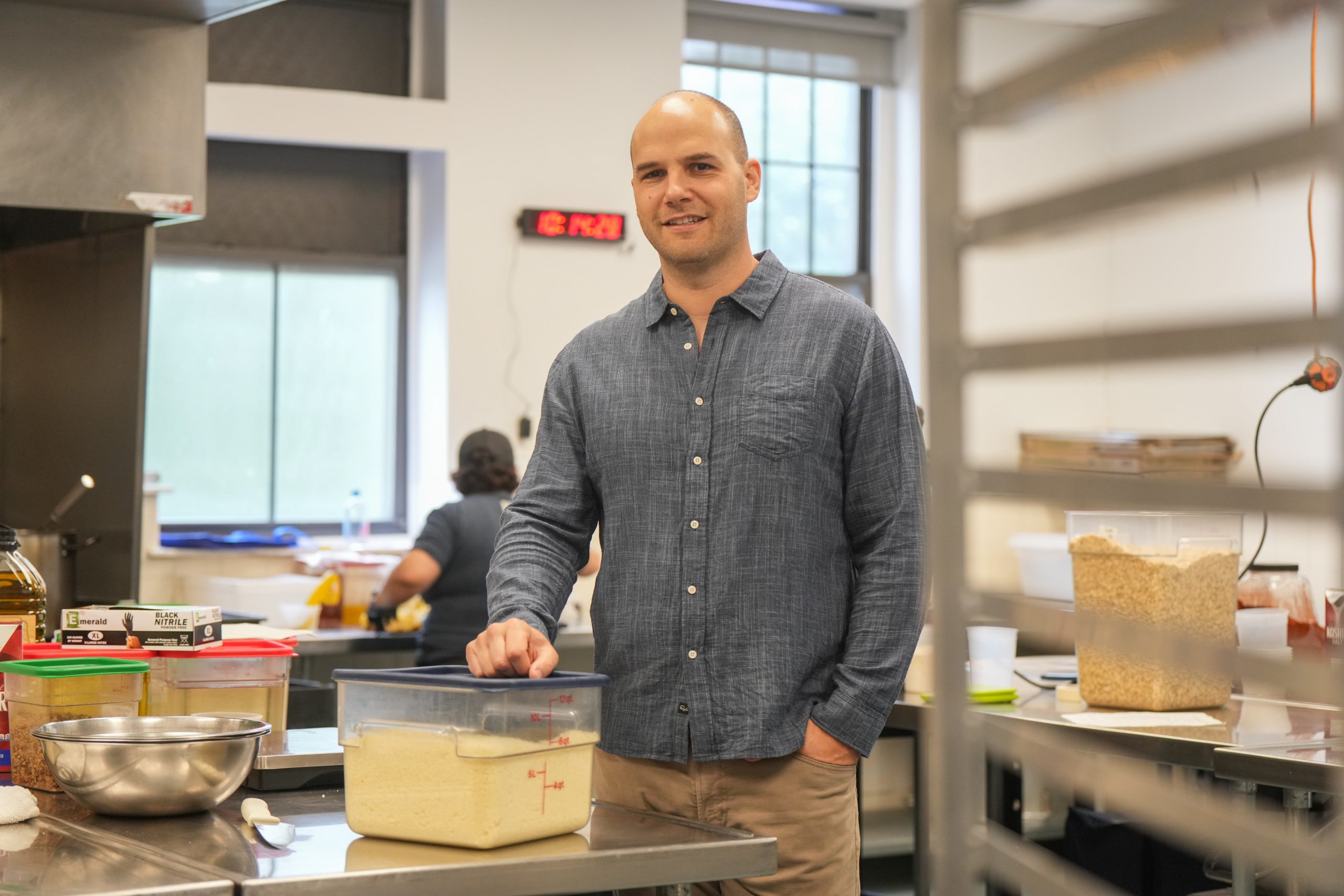
    When Home Appétit moved into a space just off City Avenue in West Philadelphia in 2020, founder and CEO Lee Wallach thought the company would stay five to 10 years.

    But given the business’ quick growth, particularly during the pandemic, the company is already “bursting at the seams,” Wallach said. The meal delivery company is moving to East Falls in September, to a former catering facility Wallach bought and is renovating.

    Home Appétit, founded in 2013 in Wallach’s Center City apartment, is on track to bring in $10 million in revenue this year, Wallach says. His company delivers roughly 16,000 to 20,000 meals a week within a 50-mile radius.

    Wallach sees untapped customers and opportunities he can now pursue.

    In addition to buying the new headquarters for a little over $2 million, he plans to spend between $3 million and $4 million on renovations and business upgrades, which he’s been able to do through bank financing. He’s building out a fleet of delivery vans, opening a pickup window, and setting up the business to make and sell more meals. That includes hiring dozens more employees.

    With that, Wallach predicts, Home Appétit will “have almost unlimited potential for growth.”

    Why Home Appétit grew as some competitors fizzled

    In Home Appétit’s early days, Wallach planned to discontinue chicken cutlets. Breading the chicken by hand and cooking it was very labor intensive for his small team, he says.

    “I tried to take them off the menu, and I had many customers messaging me that I couldn’t do that,” Wallach said. “They’ve been on the menu ever since.”

    It was an early lesson in what keeps people coming back to Home Appétit. Wallach’s earliest customers were doctors. Today, customers include doctors, nurses, and professors, as well as young families, and new parents who receive meal delivery as a gift. Of his original first five customers, two still buy his meals.

    In recent decades, plenty of meal kit companies such as Blue Apron and HelloFresh have tried to shake up home cooking, providing customers with premeasured ingredients and detailed instructions. But they have faced retention challenges.

    Home Appétit, on the other hand, offers fully prepared heat-and-eat or ready-to-eat meals — so do several competitors.

    Factor has Keto and vegan options; Thistle offers gluten-free and dairy-free meals; and CookUnity brings together distinct chefs to craft menus.

    They’re all helped by a trend of people eating fewer meals out, said Michael Infranco, a RetailStat analyst who covers businesses such as Wegmans, HelloFresh, and Kroger.

    But the industry is facing competition from grocery stores that offer prepared meals and delivery, he says. Some are partnering with Uber Eats or DoorDash.

    There’s a lot of industry pressure around trends, says Wallach, who has steered clear of them.

    “People are looking for protein, and people look for macros, and everybody wants to count calories, and everybody wants to know how many carbs are in [their food],” he said. “That’s not really us.”

    His business doesn’t cater to a specific diet, he says. Instead, his team aims to make “restaurant quality” food.

    “We’re not just dumping butter or dumping salt into a dish to make it taste good,” Wallach said. “We’re finding different ways and using different techniques to really elevate the flavor and the profile of the meals that we prepare.”

    Home Appétit sets itself apart because of its focus on the long-term, Wallach said. He wants it to be an “essential service” to its customers.

    That’s been true for Ricky Grenis of Northern Liberties. He and his wife, Bonnie, have been considering a move to the suburbs and often joke that they must stay in the Home Appétit delivery range, Grenis said.

    “It’s hard to put a price on the convenience that it provides us as two working parents,” said Grenis, 37, who has two young children and works in the wine industry. The couple tried out a few national meal-kit companies, but they were unimpressed by the ingredients and still had to cook.

    Grenis is a vegetarian, but Bonnie isn’t, and Home Appétit allows them to order meals that both can enjoy, as well as kid-friendly options. “It literally feels like we have a private chef,” said Grenis.

    The only downside, he said, is the amount of plastic packaging. “If we could figure out how to even be more sustainable, that would be a plus,” he said.

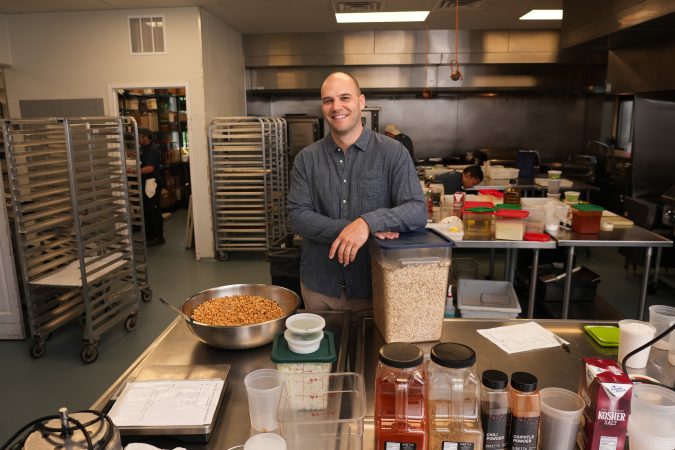
    Lee Wallach at the company’s kitchen.Jessica Griffin / Staff Photographer

    Staying competitive, and focused on the Philly area

    On a recent day in July, Home Appétit’s entree menu included a miso-glazed salmon bowl with bok choy and brown rice, a pulled buffalo chicken sandwich, and a “Southwest Salad” with tortilla strips and buttermilk dressing. The company also offers small plates and add-ons such as roasted asparagus, steamed broccoli, and hard-boiled eggs.

    Customers can order anytime between Tuesday and Friday night, to receive their meals the following Monday.

    The minimum order costs $100 and covers four to six meals for a single person. Customers can also increase their order size for more people.

    While some businesses have struggled with rising food costs, Wallach says Home Appétit has been partly insulated because it sources products from cooperatives and small farms.

    “That’s kind of been a bit of a competitive advantage for us, and has allowed us to control our prices a little bit more,” he said.

    Still, economic conditions have changed since 2013, particularly the costs of labor. He increased prices for the first time last year. While the basic order still costs $100, adding more people to an order now costs more.

    The new headquarters is 23,000 square feet, up from the current 3,500-square-foot space, as well as a leased office in South Philly. With the move, the company will consolidate under one roof.

    Wallach plans to have a staff of 200 to 250 by 2028. He currently employs roughly 50 full-time kitchen staff and 10 corporate employees. Meals are delivered by 40 to 50 drivers, who are mostly contractors in their own vehicles.

    Tech company founder Lilly Chen, 30, orders most of her food to her Chinatown apartment, where she lives with her cofounder. She has tried every food delivery service under the sun, she says, but Home Appétit stands out because of its delivery model. She says it’s because the company doesn’t outsource delivery.

    “There’s a lot of other meal providers, that because they don’t own it, if something goes wrong — the food spoils or it’s late or you can’t find a delivery — they just kind of have to refund you and then you’re on your own,” Chen said.

    Wallach plans to launch pickup at the new location, which customers have been asking for. Home Appétit also got its first refrigerated van.

    Under the company’s current model, food gets delivered in insulated bags with ice packs in contractors cars, which puts a limit on how far meals can travel — but Wallach plans to expand the company’s delivery zone as he adds additional refrigerated vans.

    He also plans to deliver on more days, not just Mondays, starting next year.

    “If we can start delivering [closer to the weekend] and deliver to the Shore, I think it’s a home run for us for the summer months,” Wallach said.

    He might pursue other markets in the future, perhaps Boston or Washington, D.C. But for now, Wallach is focused on the Philadelphia region, he says.

    “There’s a ton of untapped opportunity here,” he said. “I’m excited to finally be able to take advantage.”

  • AristaCare at Meadow Springs is keeping patients in-house for a lung procedure that used to require a transfer to a hospital

    AristaCare at Meadow Springs is keeping patients in-house for a lung procedure that used to require a transfer to a hospital

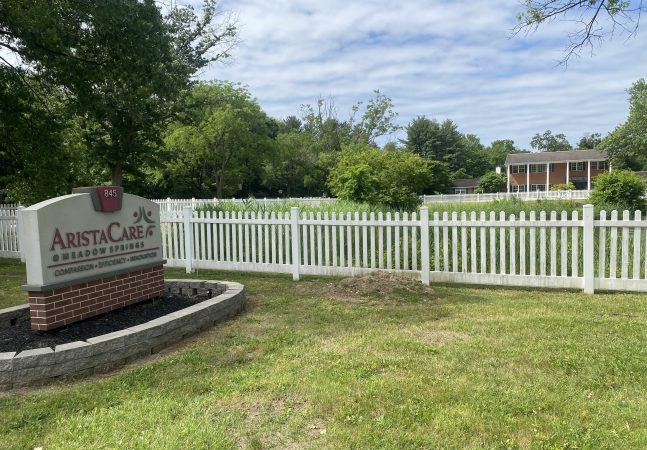
    AristaCare at Meadow Springs, a Plymouth Meeting nursing home that specializes in patients who need ventilators to help them breathe, has started doing a key lung procedure in-house that used to require patients to be transferred to a hospital.

    The effort is part of a broad trend in healthcare to provide more care outside of hospitals, which are the most expensive sites of care.

    Meadow Springs’ goal in doing the lung-clearing procedures in-house is reducing the number of times its residents are hospitalized, the facility’s administrator Rob Nealon said.

    Keeping residents in the facility benefits Meadow Springs financially even though it doesn’t charge for the treatment because it doesn’t lose revenue to hospitals, Nealon said. It’s also better for residents to avoid difficult transitions and long hospital stays, he said.

    The treatment, called a bronchoscopy, uses suction tubing with video to go deep inside a patient’s lungs to clear out secretions and mucus plugs that make it hard for ventilator patients to breath, said Lejoy Mathew, respiratory director for the facility.

    The nursing home with 153 licensed beds has the capacity to care for 72 people on ventilators.

    AristaCare did its first bronchoscopy in February and has done four more since then, Mathew said.

    Patients who are dependent on ventilators often have a chronic respiratory disease, neuromuscular or neurodegenerative diseases, or traumatic brain injuries.

    The company, based in Cranford, N.J., also owns AristaCare at East Falls, another ventilator facility it acquired in 2024, and plans to start doing bronchoscopies there as well. The East Falls facility has 66 beds.

  • He called himself ‘the Beast,’ and he killed six people in six months. A jury has convicted him of all crimes.

    He called himself ‘the Beast,’ and he killed six people in six months. A jury has convicted him of all crimes.

    He called himself “the Beast,” and he killed six people in six months.

    Several of his victims were retail store workers who gave up cash or goods during robberies, and he decided to shoot them anyway. One of the victims was his mother — he shot her at her office because he wanted the payout from her life insurance policy.

    On Tuesday, Keith Gibson, 44, was delivered a measure of accountability for his killing spree — one of the worst in recent city history — when a jury convicted him of four counts of first-degree murder and related crimes for the killings he committed in the city in 2021.

    He was immediately ordered to serve four consecutive life sentences in prison. That’s on top of the seven life sentences he had already been handed for two murders and a string of robberies he committed in Delaware.

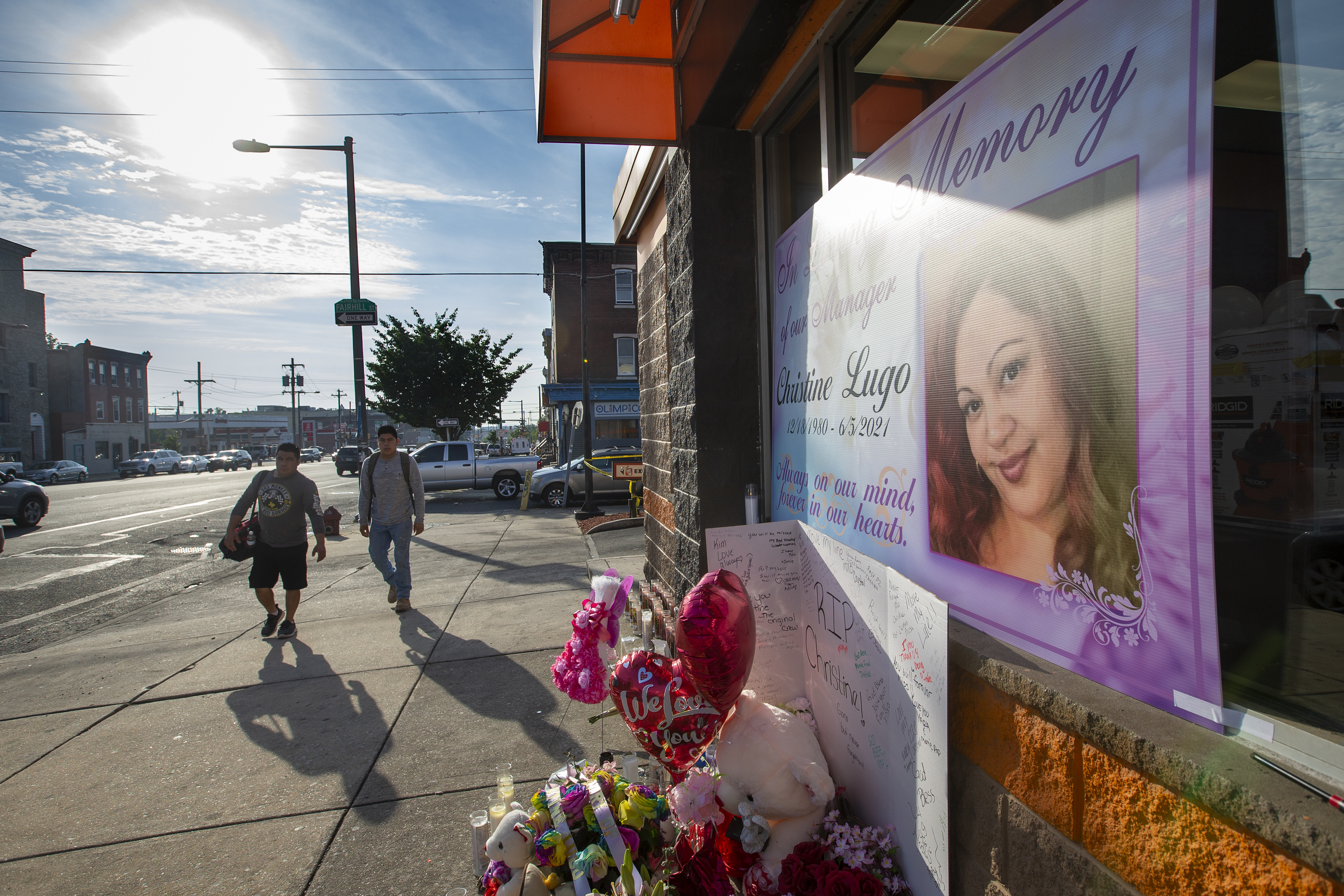
    The case attracted attention when the crimes happened five years ago, in part because some of Gibson’s targets were compliant and effectively defenseless when he shot them. In one murder, at a Dunkin’ store in Fairhill, surveillance video showed an employee speaking with Gibson for several minutes and handing him cash before he shot her in the head and left her for dead.

    Surveillance video showed Keith Gibson inside the Dunkin’ before he shot and killed Christine Lugo in June 2021. Courtesy of Philadelphia police

    Assistant District Attorneys Jeffrey Hojnowski and Katie Wood called Gibson’s crimes despicable.

    “These were regular, ordinary people, fellow Philadelphians going about their business, trying to work, and they were gunned down callously, needlessly,” Hojnowski said. “This was never about the money. This is about control. This is about dominance.”

    The case also stood out because of questions about why Gibson had been free to kill in the first place. In April 2021, he was jailed in Delaware for a probation violation, and a probation officer told a judge that police considered Gibson a suspect in his mother’s killing. But the judge ordered Gibson released, and in the weeks after, he went on to kill three more people.

    The weeklong trial that led to his conviction in Philadelphia relied heavily on surveillance video and ballistics evidence. Testing showed that Gibson had used the same revolver in every crime, and officers in Wilmington found the gun as they arrested him for robbing a Rite Aid store.

    A former friend, Amanda Masteller, took the stand and testified that Gibson, who she said referred to himself as “the Beast,” carried that revolver everywhere — including into her house and around her children when she let him stay in a spare room from time to time.

    She wanted to tell him to stop coming over, she said, but the gun and his aggressive demeanor left her afraid of what might happen if she did so.

    “I was petrified of this man,” she said.

    Gibson’s crimes

    Gibson’s killing spree began Jan. 28, 2021, at Al-Madinah Traders store in Germantown. There, he rummaged through the shop and stole several watches. He forced employees Roy Caban and Eric Flores into a back room, where he shot Flores in the head and Caban in the back as he tried to flee.

    The following week, Gibson set out after his own mother.

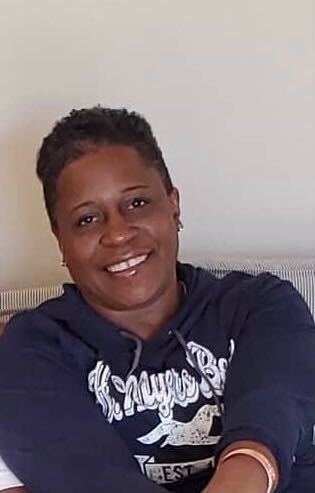
    Christine Gibson, 54, was shot and killed by her son, Keith Gibson, in February 2021. She worked as the director of a mental health program at a community center in East Falls.Courtesy of David Thornton

    Christine Gibson, 54, told family members she was afraid of her son and wanted him to move out of her North Philadelphia home. And, prosecutors said, she had made plans to remove him as the beneficiary of her life insurance policy.

    On the morning of Feb. 8, Keith Gibson accompanied her to the United Peers Community Center in East Falls, where she worked as the director of a mental health counseling program. Once inside, he took her to a small office room in the rear of the building and shot her in the back of the head. Her body was found two days later.

    Soon after, probation officials in Delaware sought to have Gibson held in jail, filing paperwork saying he was a suspect in his mother’s killing and that violated the terms of his probation from a 2010 manslaughter conviction.

    But Superior Court Judge Vivian L. Medinilla declined to extend Gibson’s time in custody. He was released in late April.

    A few weeks later, in late May, Gibson robbed an AT&T store in Elsmere, Del., of cash and phones, and shot and killed the store attendant before stealing her car.

    And in early June, his crimes continued in Philadelphia.

    Surveillance video played at trial showed Gibson wandering the city on foot before dawn on June 5. After leaving his house on the 2700 block of North Croskey Street at 4:25 a.m., evidence showed, Gibson walked about a mile and a half to the Dunkin’ at Fifth Street and Lehigh Avenue.

    Christine Lugo was unlocking the store to start her shift when Gibson walked over to her with his gun and shoved her inside.

    Christine Lugo was killed during a robbery at the Dunkin at 532 W Lehigh Ave. on June 5, 2021.

    Cameras from inside the store captured the lengthy encounter. Lugo did not appear to panic, and was not aggressive toward Gibson. Instead, she could be seen shrugging at times and showing Gibson her wallet, as if to suggest she didn’t have anything for him to take.

    Eventually, she sat down on a chair in a closet-size office and gave Gibson about $300 from the cash register trays.

    Gibson then glanced at his watch, shot Lugo in the head, and walked out.

    Later that day, he went to Wilmington, where he shot and killed Ronald Wright, 42, during a robbery.

    His string of crimes began to unravel there three days later, when he robbed a Wilmington Rite Aid and stole a bag of cash — with a tracking device inside. Police quickly arrested him with a revolver behind a rowhouse. Ballistics tests later showed the same gun had been used at Al-Madinah Traders and in the killings of Gibson and Lugo.

    Tips from the public identifying him in surveillance footage then bolstered the investigation. After Lugo was killed, police released some footage from the incident to try to identify a suspect. Masteller — his former friend from Delaware — said she saw it and called to tell police the man in the video was Gibson.

    Gibson’s attorneys, Jonathan Strange and Brian Johnson of the Defender Association, said homicide detectives rushed to tie Gibson to other crimes as a means of closing old, unsolved cases. They failed to collect or test certain evidence, Johnson said, including surveillance video and DNA in some of the cases.

    “The police had to take the easy way out,” he said.

    Following his convictions, Gibson, in a lengthy ramble, said he was not happy with his legal representation and intended to appeal his convictions. He was not guilty, he said. And he only briefly addressed his victims’ families, saying: “I’m extremely sorry for your loss.”

    It brought no comfort to the loved ones of his victims who had filled the courtroom throughout the trial.

    Lugo’s children, Frances Rodriguez and Christian Lugo, said the disturbing video of their mother’s death will remain etched in their memories. Still, as prosecutors played it several times, they stayed to watch.

    Left to right: Frances Rodriguez, Christine Lugo, Christian Lugo, and another family member celebrate Christmas.Courtesy of Frances

    “I didn’t want my mom to be alone,” said Rodriguez, 27. “She already had to experience it alone already.”

    Lugo, originally from Massachusetts, had a vibrant laugh and believed fiercely in giving people second chances, they said. She had two children and three grandchildren.

    Also in the courtroom Tuesday were members of Gibson’s family, who had spent years praying he would be held accountable for killing his mother.

    David Thornton, 68, said his nephew stole the golden years of his sister’s life.

    Christine Gibson overcame years of addiction, he said, and went on to earn a master’s in sociology from Widener, bought a house in Philly, and was working a job she loved. She was strong, outgoing, and full of joy.

    She had told Thornton she was afraid of her son, he said, but did not want to call the police.

    “She’d say, ‘That’s my son,’” Thornton said. “That was her only child.”

    They never imagined it would come to this.

    “Some things,” he said, “are not meant to be understood.”