Tag: Bridesburg

  • Philly schools are missing thousands of students. District employees are knocking on doors to get them back.

    Philly schools are missing thousands of students. District employees are knocking on doors to get them back.

    The Philadelphia School District is thousands of students under its enrollment projections this school year — and with an important funding deadline looming, Superintendent Tony B. Watlington Sr. is sending officials knocking on doors to drum up business.

    Central office staff and school workers have been asked to fast-track “Enrollment Acceleration,” a new, district-specific program directly engaging families that have left the Philadelphia school system, The Inquirer has learned.

    District staff — up to and including chiefs and assistant superintendents — are fanning out across the city, pounding the pavement to try to connect with reluctant families face-to-face. The door knocking began in the last two weeks.

    The effort is driven by a shrinking student body in district schools and an Oct. 1 deadline to report enrollment — which drives district funding — to the Pennsylvania Department of Education.

    District schools were 4,236 students under their projected enrollment as of Sept. 17, according to internal documents obtained by The Inquirer. District-run alternative programs had 1,051 fewer students than planned.

    The school system had projected 116,898 in district schools by Sept. 17, and 2,757 in alternative schools. Instead, its enrollment was 112,662 in district schools and 1,706 in alternative schools.

    Asked to comment on the enrollment decline, a district spokesperson said it was too early to estimate annual enrollment because the state’s verification process does not conclude until Oct. 30. But, Monique Braxton said, it’s part of a nationwide trend of dwindling public school enrollment.

    “The district’s goal is to get district operated schools as close as possible to that of last year’s number of approximately 116,898 students, such that we can grow our enrollment next school year,” Braxton said in a statement.

    Enrollment is down virtually everywhere in the city.

    Just two of 15 networks did not lose students, according to the Sept. 17 figures — Learning Network 9, a geographic network of elementary and middle schools in Kensington, Bridesburg, Port Richmond, and Frankford, and Learning Network 15, a network of magnet schools across the city.

    Voting with their feet

    Once the 2026-27 school year began Aug. 24, it became quickly clear that there were fewer district students in seats than expected.

    Many factors likely play into the enrollment decline.

    Though academics have generally been improving in the school system — Philadelphia was tops in the nation in its learning rate post-pandemic, according to research out of Harvard and Stanford — the district still struggles, with most students unable to read (33%) or do math (25%) at grade level.

    (Philadelphia charter schools’ performance is slightly worse in reading, 31%, and slightly worse in math, 20%.)

    Also a likely factor is the effect of the school board voting recently to close 17 schools in the next several years. Officials have said they are doing so to improve academic outcomes for all students, amid 70,000 empty seats citywide, a stock of aging buildings and decades of underfunding, and emphasized that in addition to the closings, they plan to spend billions on renovating 169 of the buildings they’re keeping open — though most of that plan is unfunded.

    There are other reasons, too: Some staff say the current political climate has fears of ICE keeping some students out of school. And cyber charter enrollment is growing, with some Philadelphia families choosing the virtual option because of safety fears for their children as the city grapples with a gun violence epidemic.

    “The district is a hard sell for some families,” said one central-office employee who was not authorized to speak about the enrollment decline. “You have a lot of families who have just unfortunately lost faith in a lot of the offerings that we have, and they’re voting with their feet.”

    A full-court press

    Since the surprise decline became apparent when school started, “we’ve been working hard to close the gap,” the employee said.

    At first, schools were directed to reach out themselves via calls and emails to students they expected to enroll but who never showed up. Soon, almost-daily briefings on closing the enrollment gap began, and have continued.

    Next, the administration moved to canvassing events, asking central office employees and school staff to volunteer to go out in pairs into neighborhoods to reach families. Canvassing also includes trips to neighborhood barbershops, laundromats, and corner stores “trying to convince students to return back to the district, rather than remain in whatever other option they decided on.”

    About 75 employees volunteered for the effort, the employee said. It is still ongoing.

    Some schools and departments pushed back against the call to directly appeal to students, with officials they didn’t feel comfortable sending staff into neighborhoods. Others are going out, the employee said.

    The campaign is an extraordinary step, said the employee.

    “I’ve never known an assistant superintendent or anyone going so far as this, being part of canvassing,” said the employee source.

    Much is at stake.

    “Our funding is based on numbers,” the employee said. (Both state and federal funding are tied to enrollment.)

    And the district has generally been shrinking for decades.

    In 1999, just after the first charter schools opened in Pennsylvania, the district enrolled 205,199 students in its schools. By 2025, that number was 113,735. (An additional 64,469 students were enrolled in charters.)

    The district’s enrollment rose once in the last decade: in 2024-25, jumping by 1,841 students to 117,956. Watlington said he believed the next year’s drop happened because of large-scale SEPTA bus route changes at the start of the school year.

    ‘Warm conversations’

    A second employee involved in the recent recruitment efforts said the call to canvass came with surprising urgency.

    “They said, ‘It needs to be done in the next two weeks, because our numbers have to go to the state Oct. 1,’” said the employee, who also asked to not be identified because they were not authorized to speak about the enrollment push.

    The second employee was paired with another volunteer. They received a several-page handout with instructions about how to conduct the visits, and a suggested script.

    “We’re reaching out because we want to make sure your child has a clear plan for school and see how we can support you,” the second employee said.

    Canvassers were told to ask if the family planned to return their children to the district, to begin a “warm conversation” and to help families with information about how to register for district schools. They were told to help address any barriers to registration.

    Teams were told their safety is paramount, asked to not enter homes, and reminded to end a visit if either team member feels unsafe.

    “Remember,” one handout said, “you are there to understand, inform, support and connect — not to convince.”

    The second employee wasn’t especially enthusiastic about canvassing, but felt pressure to do so.

    “What can I say on somebody’s doorstep to get them registered in the school district? Nothing,” the employee said.

    The first employee said they were not having success with families.

    “The houses I’ve been to haven’t been very responsive,” the employee said. “But I’ve been having very cool conversations with neighbors.”

    Many families aren’t home or don’t answer the door, and the employee doesn’t blame them. They could be mistrustful of authorities or people they don’t know or worry about their safety.

    Four people involved in the “come-back-to-the-district” effort said they were skeptical it would help the school system reach its projections.

    “It’s going to yield something, but it’s not going to yield enough to cover up the fact that we’re several thousand away from meeting our projection of 116,000,” the employee said.

  • Philly’s getting a pickle tasting room

    Philly’s getting a pickle tasting room

    After eight years, several production spaces, and many tons of cucumbers, Fishtown Pickle Project is putting down permanent roots.

    But it’s still not in Fishtown.

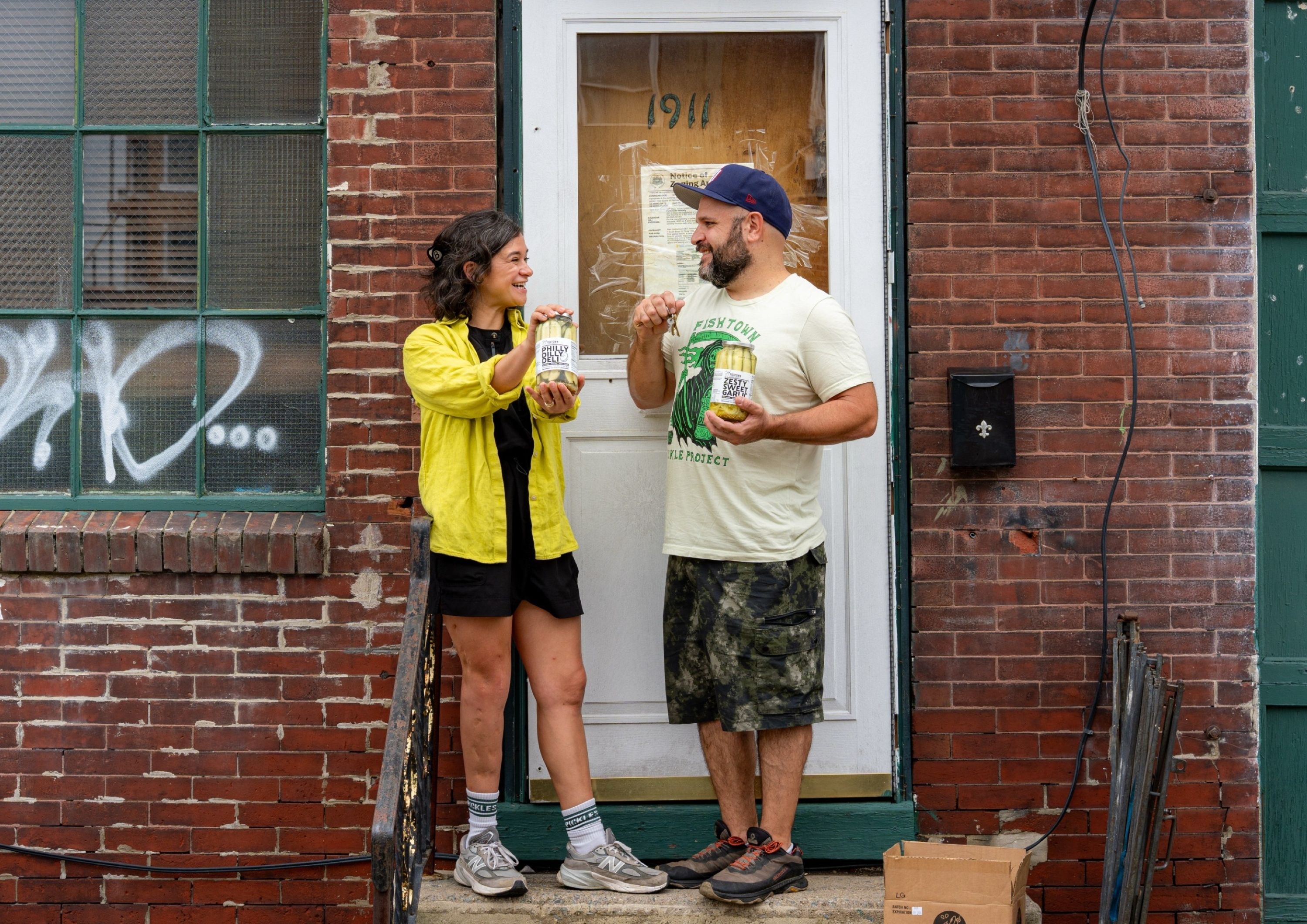
    Last month, Niki Toscani and Mike Sicinski, the husband-and-wife team behind the pickle company, bought a 6,200-square-foot building at 1911-13 N. Second St., just north of Berks Street near Norris Square in Kensington. There, they plan to triple production and, for the first time, invite customers into their briny world.

    The move from Globe Dye Works in Frankford will allow them to combine production with a storefront.

    The Richmond Shops IGA grocery store at Fishtown Crossing was an early customer of Fishtown Pickle Project.Heather Khalifa / Staff Photographer

    The centerpiece will be a 500-square-foot pickle tasting room, where customers can sample varieties, buy pickles by the pound or jar, shop for pickle-themed merchandise, and eventually take classes and production tours. They are aiming for a summer 2027 opening.

    A pickle tasting room? Think brewery, only with cucumbers. Toscani said customers will be able to sample the goods while watching production. She calls the concept a “brinery.”

    Most of the building will be devoted to manufacturing, storage, offices, and events. Fishtown Pickle Project now processes about 3,500 pounds of cucumbers a week, a figure Toscani expects to triple by the end of 2028.

    The couple said they remained at Globe Dye Works because of its affordable rent and highway access, but eventually ran out of room. Their search for a larger property with manufacturing and retail space, plus a driveway and loading area, led them to Norris Square. Finding that combination in Fishtown was difficult, Toscani said, “especially for a bootstrapped small business.”

    A 2025 collaboration between Fishtown Pickle Project and Miller’s Twist in Reading Terminal Market resulted in Philly Dilly spears wrapped in a soft, sweet pretzel dough.Craig LaBan / Staff

    The Second Street property should also make deliveries easier. “When we’re getting trailers delivered with glass jars, it helps to have a garage and a street for them to deliver at without tons of traffic,” Sicinski said.

    Wholesale growth is driving much of the expansion. Toscani said revenue from buckets of pickles sold to restaurants, delis, and retailers increased 200% from 2024 to 2025. Some customers use them to stock pickle bars.

    The company sells through about 30 ShopRite stores, 11 Wegmans locations, and the Kimberton Whole Foods and McCaffrey’s Market chains. Toscani and Sicinski make their products and handle distribution themselves.

    “It allows us to grow responsibly without taking on more business than we can handle,” Toscani said.

    The company has the equivalent of about six full-time employees, which Toscani expects to double to about 12 by the end of 2028.

    As for the Fishtown in the name, that goes back to the company’s beginnings in 2018. Toscani and Sicinski lived in the neighborhood, and some of their first customers were Fishtown retailers, including Bottle Bar East (now closed), IGA, and Riverwards.

    The pickles themselves have always been made elsewhere. Sicinski, a chef who was then a food-service director for a New Jersey school district, first made them in his work kitchen. The couple — Toscani is a dietitian — also made pickles as wedding favors, helping turn the hobby into a business. Production later moved to Bridesburg Commissary (now Culinary Collective) and then to Globe Dye Works, where the company eventually moved into a larger space within the complex.

    The passion project became a livelihood after Sicinski was furloughed at the start of the pandemic. The lineup now includes the flagship Philly Dilly Deli, Sweet Onion, and Habanero varieties, and limited releases such as Bloody Mary and Ginger Lemonade pickle chips.

    The Norris Square project is their largest investment yet. They paid $550,000 for the building Aug. 6 and said they expect to spend about $700,000 on construction and outfitting. A $1.6 million Small Business Administration loan is helping finance the project, and they are seeking about $250,000 in grants for equipment and hiring. Toscani puts the overall investment at close to $2 million.

    The couple have no outside equity investors.

    Toscani sees no contradiction in taking the Fishtown name with them to Norris Square.

    “We still consider the neighboring neighborhoods our neighbors,” she said. “Despite the fact that we’re not in Fishtown proper, we feel like the opportunity to have roots in Norris Square actually fits our mission quite a bit.”

  • Philly kids are heading back to class Monday. Here are 4 things to know about the coming school year.

    Philly kids are heading back to class Monday. Here are 4 things to know about the coming school year.

    School begins Monday for about 113,000 Philadelphia School District students.

    Janis Butler, the interim principal of Fanny Jackson Coppin Elementary in South Philadelphia, has decades of experience in teaching and administration.

    But she is still thrilled at the prospect of personally welcoming back Coppin’s 500-plus students.

    “It’s a rah-rah, we’re back in business now,” Butler said.

    Here is what to know about the 2026-27 school year.

    Book cover posters highlight positive emotions in the second grade classroom of teacher Gabrielle DiCrosta at Fanny Jackson Coppin Elementary Tuesday, Aug. 18, 2026 ahead of the start of the school year on Aug. 24 for the School District of Philadelphia.Tom Gralish / Staff Photographer

    School is cool. (But 52 schools are not cool.)

    District leaders said in 2022 they aimed to have all district schools fully air-conditioned by 2027.

    But on the cusp of that cutoff, 52 schools remain inadequately cooled. That is likely to come into play as school starts in August, with weeks to go before temperatures cool down.

    The district’s extreme-weather protocol calls for schools that lack sufficient air-conditioning in classrooms and other learning spaces to dismiss early if temperatures are forecast to reach or go past 85 degrees by noon. The protocol mandates remote learning if temperatures are expected to hit 85 degrees by 9 a.m.

    That means an unequal experience for students across the system, with students in some schools not missing any instructional time when it’s hot, and those in a quarter of schools subject to interrupted schedules.

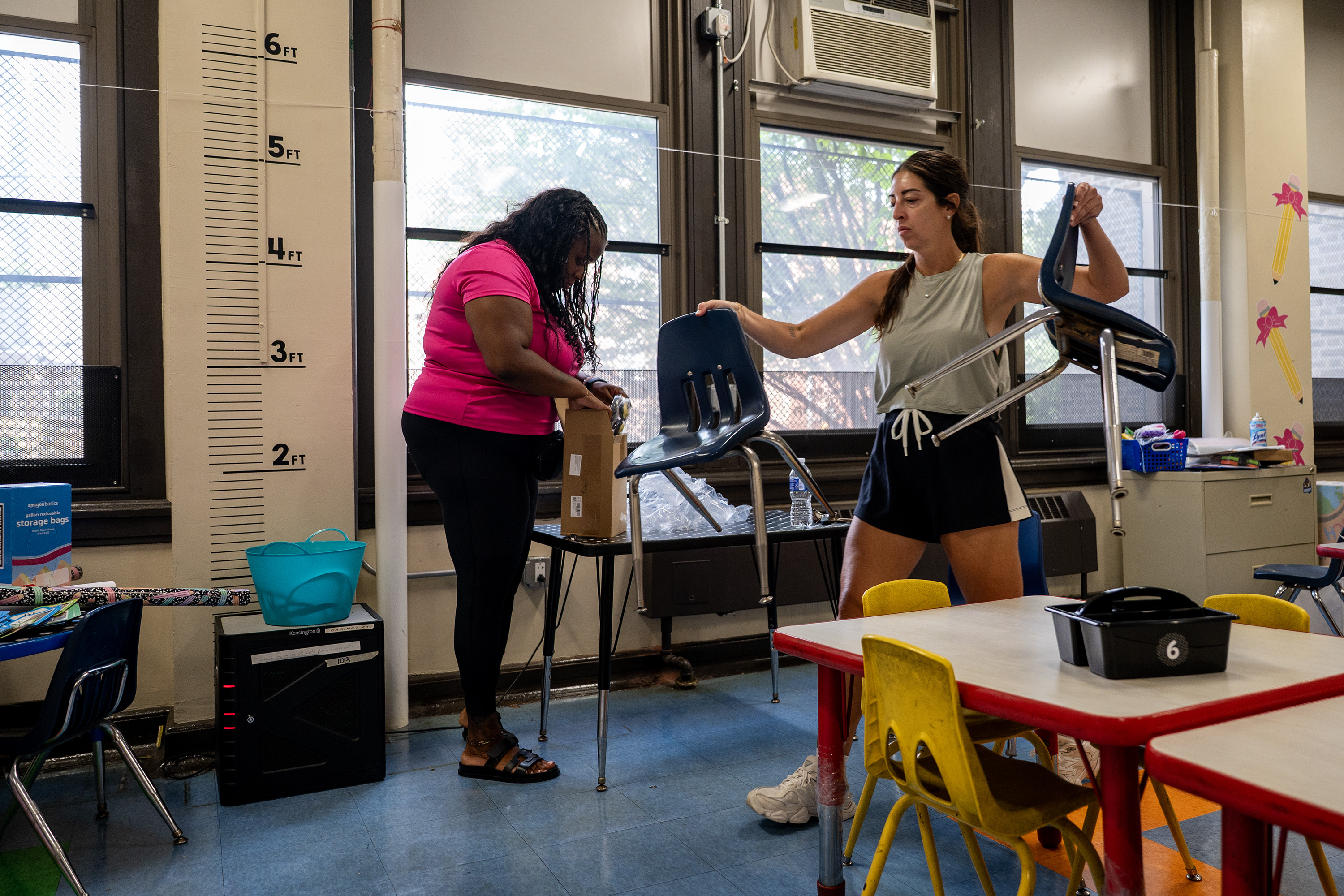
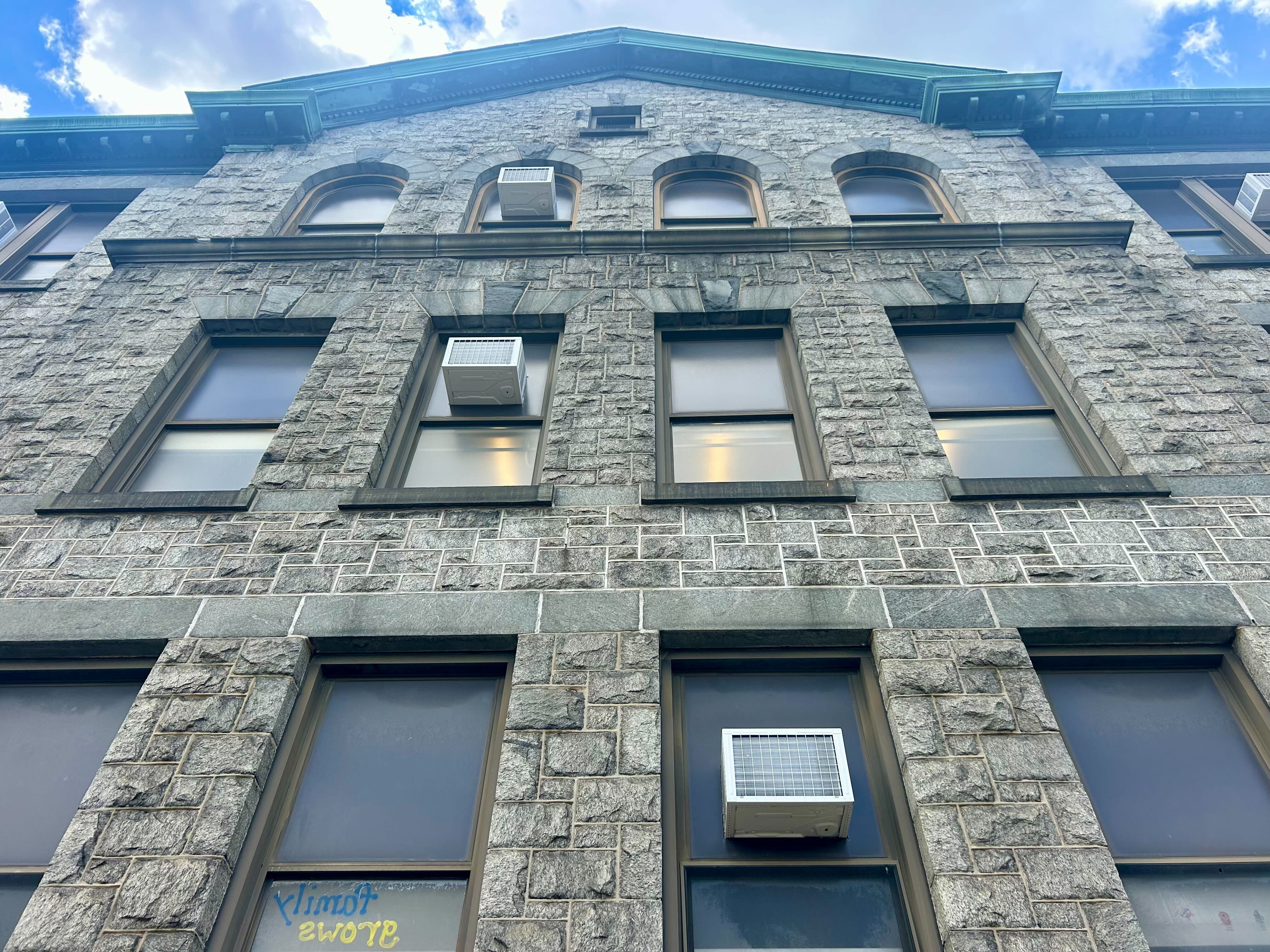
    Gloria Casarez Elementary School, in Kensington, got window units in all of its classrooms in 2024. As of the start of the 2026-27 school year, 52 schools still have no air conditioning.Kristen A. Graham / Staff

    The holdup in air-conditioning all district schools is not related to the cost of air-conditioning units, but rather upgrading old electrical systems in the 52 schools.

    Such upgrades are tricky. An HVAC project at Kensington High went awry this summer, triggering asbestos issues that forced students and staff to relocate for the rest of the calendar year.

    Farewell, half days

    The school board in March opted to cut all half days from the 2026-27 calendar, a move that Superintendent Tony B. Watlington Sr. would carry on “forevermore.”

    Watlington cited dips in student attendance around half days, and said they are inconvenient for parents who must scramble to plan for childcare around the irregular schedule.

    Eight half days had been previously scheduled for this year.

    This is the final year before some schools close, and others merge

    The school board voted in April to move forward with a $3 billion facilities plan that will close 17 schools and renovate 169.

    The first closures are expected at the end of the school year. That means that this is a planning year for 50 schools — those that are closing, beginning phaseouts, or receiving students in the 2027-28 school year.

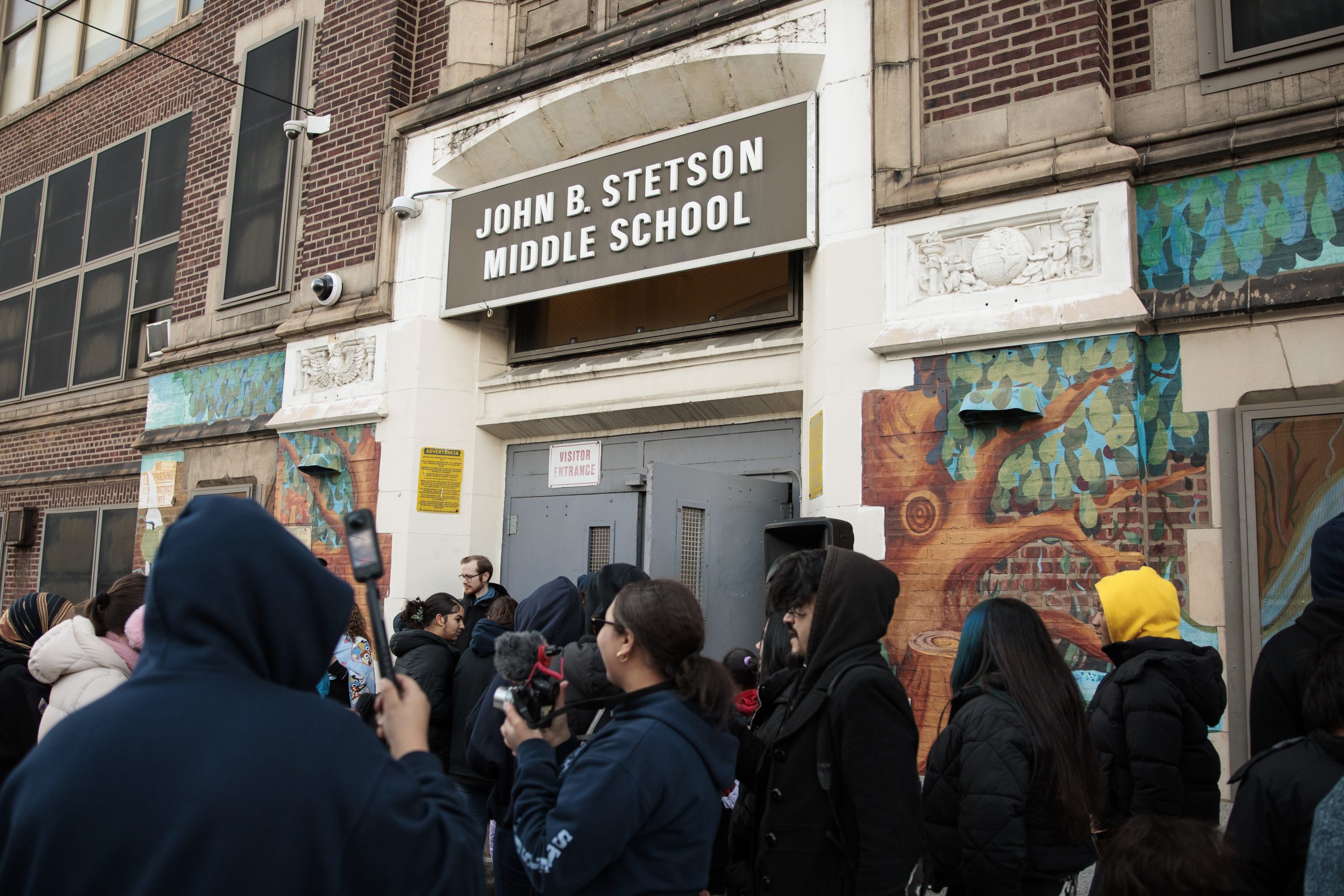
    Students, teachers and supporters rally before a community meeting at John B. Stetson Middle School in this February file photo. Stetson is one of 17 schools ordered closed by the Philadelphia school board.Monica Herndon / Staff Photographer

    The district is forming transition committees at those 50 schools, and will begin accepting applications Aug. 31 for roughly 20 spots on each transition committee.

    Plenty of administrative shifts have happened

    Watlington has made a number of changes at the top of his administration, some as a result of departures. Other leaders were given new roles or responsibilities.

    Among the changes are: a new chief of talent, Kristi Murphy Baldwin; a new deputy superintendent of academic services, Brenda Elliott; a new chief academic officer, Michael Farrell; and additional responsibilities for Nathalie Nérée, who becomes chief of special education, diverse learners, and wellness.

    Nyshawana Francis-Thompson has a new title: senior adviser for strategic initiatives and innovation.

    Jamina Clay-Dingle is now assistant superintendent of school management and organization.

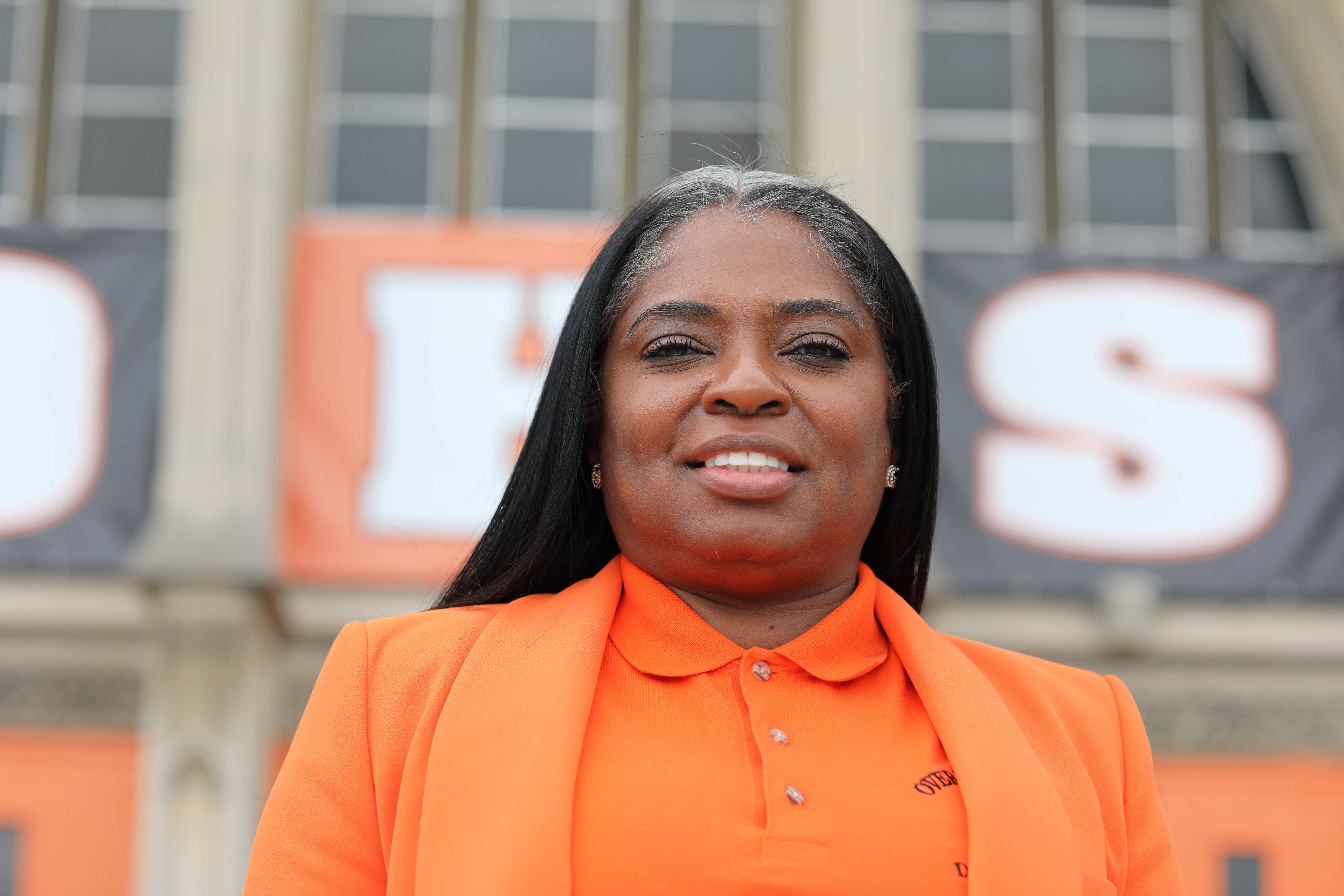
    Kahlila Johnson, a former principal of Overbrook High, is now an assistant superintendent responsible for a district learning network.Courtesy of the Philadelphia School District

    There are some new assistant superintendents for various learning networks around the city: Kelly Espinosa and Kahlila Johnson will serve full-time, and Wilfredo Ortiz and Lucy Feria on an interim basis.

    Noah Tennant is now associate superintendent for secondary schools, and Tomás Hanna is now associate superintendent for student life and school operations.

    A number of schools have new principals, too: Adaire Elementary, Amanda Strain; Bridesburg Elementary, Louis Depa; Clemente Middle School, Regina Barr; Edison High, Albert Sniezevage; Benjamin Franklin Elementary, Ryan Sullivan; Heston Elementary, Kamia Smith; Lawton Elementary, Michelle Todd-Coleman; Memphis Street Academy, Wayne Diggs; Northeast High, Andrew Lukov; Southwark Elementary, Mason Luksch Wilson; Bayard Taylor Elementary, Claire Charles; Tilden Middle School, Jessica Culp; Waring Elementary, Cathryn Anderson.

  • Philly school district promotes some administrators, changes principals elsewhere. Here’s a rundown.

    Philly school district promotes some administrators, changes principals elsewhere. Here’s a rundown.

    Superintendent Tony B. Watlington Sr. has announced a flurry of Philadelphia School District shifts in recent weeks, from promotions and principal changes to additional responsibilities for some of his senior officials.

    Changes are common at this point in the school calendar, but this year is particularly busy. The district’s 113,000 students return to school August 24.

    The changes include:

    A new human resources chief

    Kristy Baldwin was named chief talent officer. Baldwin had previously held the position on an interim basis. The district has cycled through a number of talent executives during the Watlington administration.

    Baldwin is the former longtime human resources executive in Prince George’s County, Maryland, where she was credited with lowering teacher vacancies and recruiting a more diverse educator workforce.

    Watlington, in a release, said Baldwin was “battle-tested” and collaborative.

    “Dr. Baldwin brings a wealth of experience and knowledge to the district, as well as a demonstrated track record of effectively staffing schools with high-qualified teachers, increasing the number of Black and Latine educators, and working with union leaders,” Watlington said.

    Baldwin officially in her new role on July 27, and will be paid $235,000.

    Changes in assistant superintendents, salaries announced

    Also announced last week was a new role for Kahlia Johnson, who had worked as deputy chief of talent management and recruitment selection. Johnson, the former principal of Overbrook High, is moving to become interim assistant superintendent for a network of district high schools. Johnson will be paid $197,302.

    Johnson replaces Noah Tennant, who was previously announced as associate superintendent for secondary schools. Tomás Hanna, who was associate superintendent for secondary schools, moved over to become associate superintendent for student life and school operations. Hanna will be paid $221,658 per year, and Tennant’s salary will be $215,202.

    In other recent changes that the district identified in recent weeks, Brenda Elliott was named deputy superintendent of academic services. Her salary is $285,488.

    Michael Farrell, chief academic officer, is paid $221,658. Nathalie Nérée, chief of special education, diverse learners and wellness, has a salary of $221,658. Nyshawana Francis-Thompson, senior adviser for strategic initiatives and innovation, is paid $208,627.

    Jamina Clay, assistant superintendent of school management and organization, makes $197,302. Kelly Espinosa, assistant superintendent for Learning Network 4, makes $197,302.

    Interim assistant superintendents Wilfredo Ortiz and Lucy Feria, who will run Learning Networks 8 and 9, respectively, will also be paid $197,302 annually.

    Additional responsibilities for Watlington deputies

    Two of Watlington’s top deputies are also taking on additional responsibilities.

    Alexandra Coppadge Wright is now supervising the operations, external and community affairs departments. Coppadge Wright, the chief of communications and customer service, was already supervising the Office of Communications, Office of Customer Service, and the Family and Community Engagement Office.

    Sarah Galbally, Watlington’s chief of staff, will add the School Transitions Office to her portfolio. Galbally also handles Board Relations, Government Relations, Grants Development, Strategic Partnerships, and Strategic Planning.

    Both Coppadge Wright and Galbally are paid $225,096 annually.

    Naima DeBrest, a spokesperson for the district, said in a statement that the changes were necessary as the district remains “focused on balancing the budget while recruiting and appointing talented individuals who have a demonstrated track record of improving student outcomes, as we continue to drive towards becoming the fastest-improving, large urban school district in the nation.”

    Principal changes

    A number of district schools have new principals. They are:

    Adaire Elementary, Amanda Strain. Strain had been principal of Waring Elementary.

    Bridesburg Elementary, Louis Depa. Depa had been assistant principal at Pennell Elementary.

    Clemente Middle School, Regina Barr. Barr had been assistant principal at Bluford Elementary.

    Edison High, Albert Sniezevage. Sniezevage had been assistant principal at the school.

    Benjamin Franklin Elementary School, Ryan Sullivan. Sullivan had been assistant principal at Penrose Elementary.

    Heston Elementary, Kamia Smith. Smith had been assistant principal at Heston.

    Lawton Elementary, Michelle Todd-Coleman. Todd-Coleman had been assistant principal at Forrest Elementary.

    Memphis Street Academy, Wayne Diggs. Diggs had been assistant principal at Mastbaum; Memphis Street Academy is reverting back to district control after being a charter school for years.

    Northeast High, Andrew Lukov. Lukov had been principal of Southwark Elementary, he also has experience as a Northeast assistant principal.

    Southwark Elementary, Mason Luksch Wilson. Luksch Wilson had been assistant principal at Elkin Elementary.

    Bayard Taylor Elementary, Claire Charles. Charles had been assistant principal at the school.

    Tilden Middle School, Jessica Culp. Culp had been assistant principal at Comegys Elementary.

    Waring Elementary School, Cathryn Anderson. Anderson had been assistant principal at Bache-Martin Elementary.

    Philadelphia principals are typically paid between $153,296 and $172,636 annually, with salaries set by union contract. Principals are represented by the Commonwealth Association of School Administrators, Teamsters Local 502.

  • Philly’s kitchen professionals endure one heat wave after another

    Philly’s kitchen professionals endure one heat wave after another

    Even on 100-degree days, Philly’s chefs and cooks are still in the kitchen. For the most part, they only call it quits when the food they’re making can’t take the heat.

    How do they make it through their stifling shifts? The answer comes down to preparedness, hydration, and lots of icy treats to lower body temps and boost morale.

    Restaurant kitchens can easily run 10 or 20 degrees higher than whatever the temperature is outside, abetted by hot fryers and stoves, plus wood-fired grills and ovens that hover around 500 degrees.

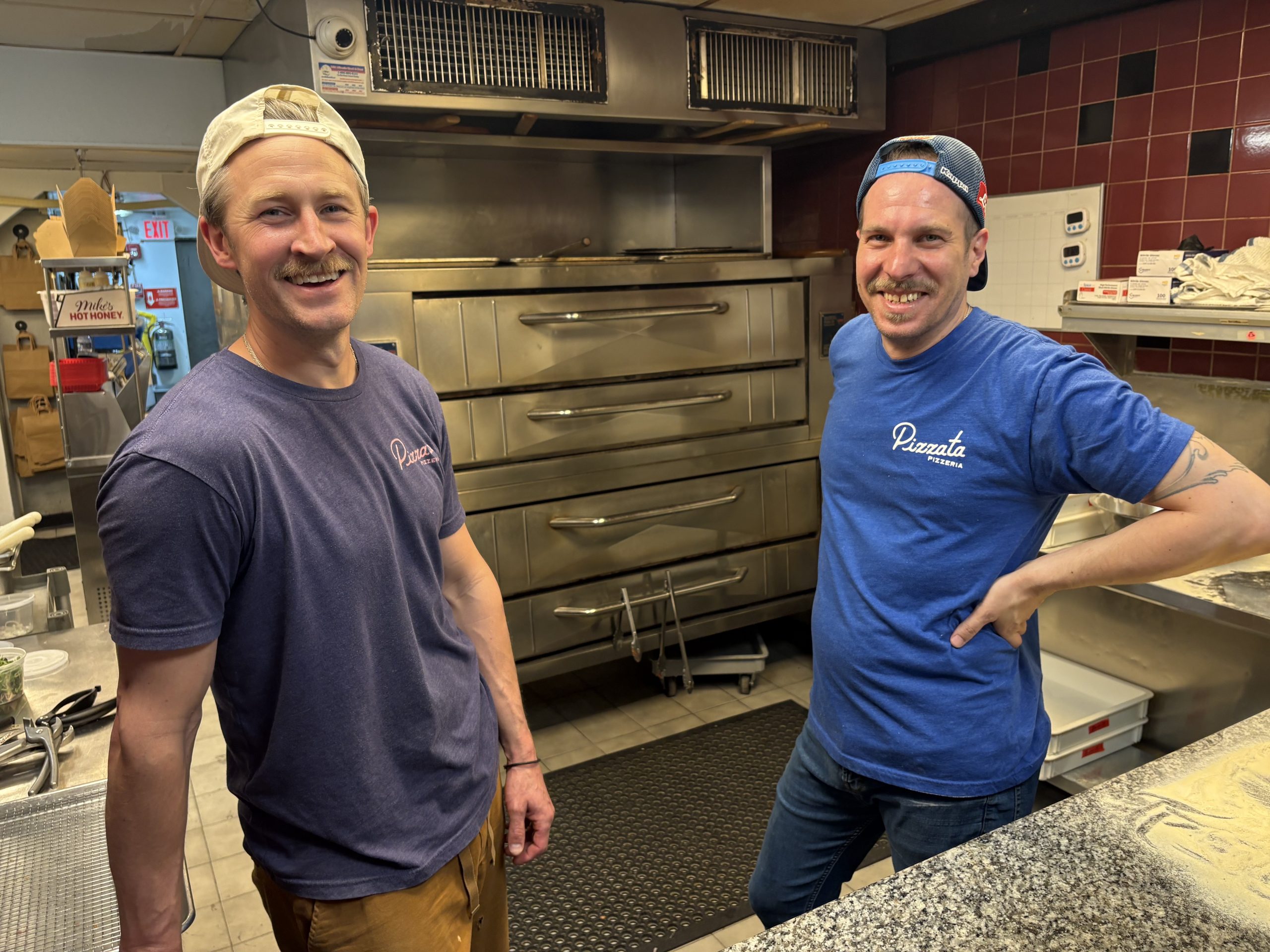
    The planning for heat waves starts long before the mercury rises. At Pizzata Pizzeria‘s South Philly location, recently added split-unit air conditioners and commercial kitchen fans have kept temperatures moderate. “They have been tremendously beneficial and helpful to our staff,” said owner Davide Lubrano Lavadera. “For our Rittenhouse spot, we didn’t have a chance to install these units, so we added an evaporative air cooler there.”

    Pizzata Pizzeria co-owners and chefs Vinny Gallagher and Davide Lubrano Lavadera pose in the kitchen of their original pizzeria location on 22nd Street near Fitler Square.Craig LaBan / Staff

    Two weeks ago, when temperatures spiked over 100 degrees three days in a row, Gilda chef-owner Brian Mattera warned customers on social media that the cafe would close if the heat tipped above 120 degrees in the kitchen — besides being uncomfortable, it would compromise the cooking. The flaky, laminated dough for Gilda’s signature pastéis de nata is notoriously temperamental, Mattera said.

    “Our pastry chef, Sophia Fiorenza, is the star of the show. When she comes to me and says the temperature is one or two degrees up, she’s not being dramatic,” Mattera said. “The dough is tacky and difficult to work with. It’s unfortified and it can feel like papier mache.”

    When the kitchen temperature is too high, the dough expands and falls off the sheeter, the machine that folds the dough into its many layers. “We say the dough is angry with us,” Mattera said.

    The pastéis de nata at Gilda get harder to make in hot weather. Monica Herndon / Staff Photographer

    Even in Gilda’s diminutive space, with just six gas burners and a flat-top, Mattera needs five separate HVAC units to maintain the perfect temperature for the dough, around 70 degrees. They weren’t enough to keep the kitchen open during early July’s heat waves: Gilda’s crew called it a day when the temperature behind the line reached 137 degrees.

    When the heat’s that intense, Mattera has a trick. “I’ll get a deli container of ice water, bring it into the bathroom, pour it over my head, and go back on the line.”

    Chefs in nontraditional kitchens also battle the heat. Josh Broder owns Root to Fruit, a vegan meal-delivery service that operates out of the Culinary Collective commissary space in the Bridesburg neighborhood. “We’ve basically become professional heat dodgers. We start cooking earlier, pack our delivery bags like they’re headed to the Arctic with insulated bags and extra ice packs, and everyone’s usually carrying a water bottle in one hand and a spatula in the other,” he said.

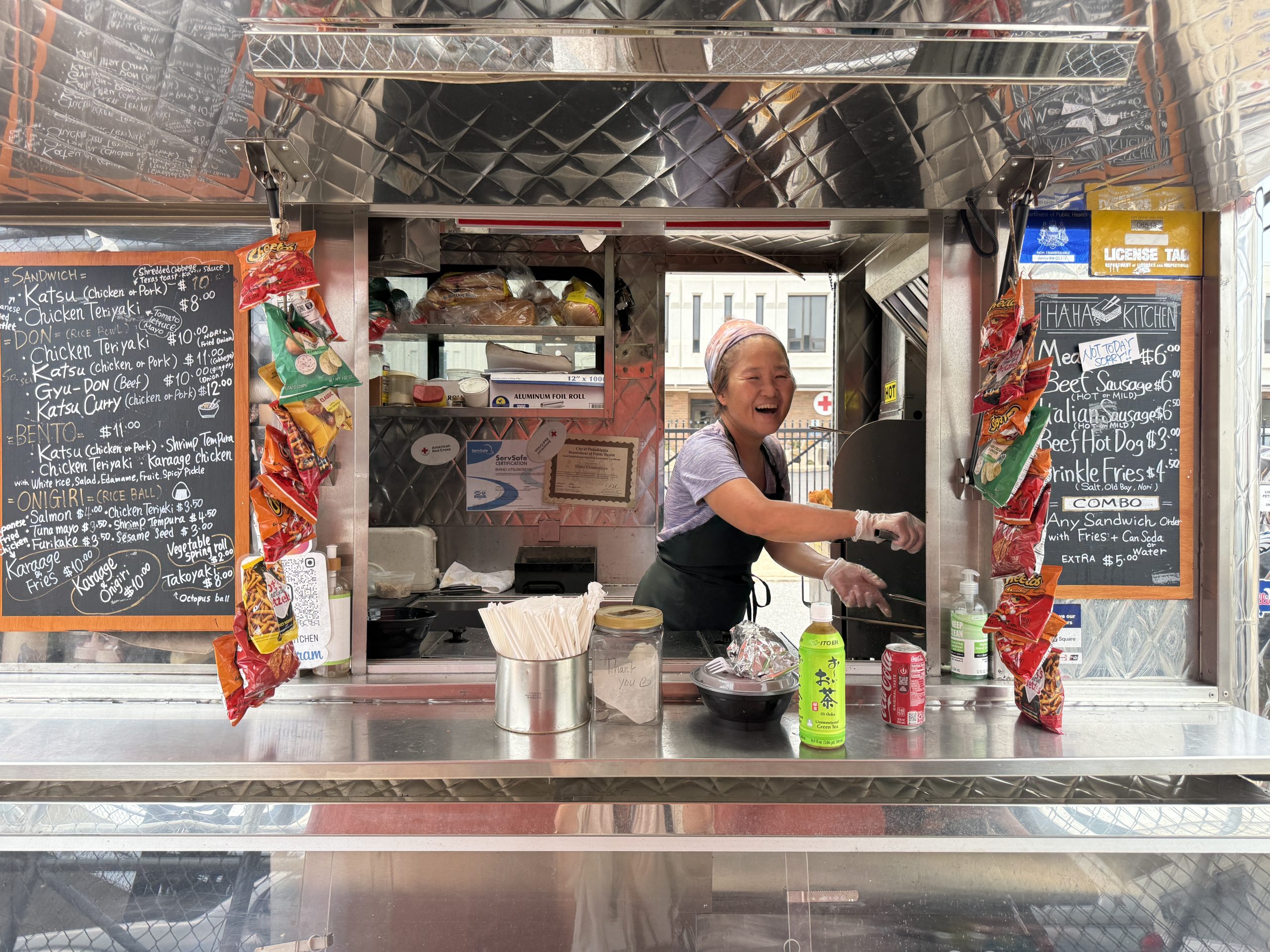
    Shiho Utsonomiya, the chef operator of Haha’s Kitchen, rarely closes the tiny food cart she has operated at the corner of Seventh and Spring Garden Streets since 2018. But she was forced to break for a few days leading up to July 4 this year, when the heat became unbearable. She closed the cart Wednesday for the same reason.

    Shiho Utsunomiya in her food cart during a heat wave.Kiki Aranita / Staff

    “It’s been getting hotter every year,” she said. “Winter, I don’t mind! Minus 17 degrees, no problem. But the heat just kills me.” She’s surrounded by a burner, steam tables, a fryer, and rice cooker. She’s enhanced her setup this year with a rechargeable fan with a mister.

    Utsonomiya’s location has a significant benefit: free ice from her best customer. United Refrigeration’s offices are nearby and her cart is popular with their workers.

    Extreme heat also prompted Little Walter’s — where the wood-fired grill casts off 120-degree heat, according to chef-owner Michael Brenfleck — to close in early July. Brenfleck said reservations were light during the holiday weekend, but the same could not be said of the following Friday, when the restaurant was nearly fully booked. That presents a challenge in itself: The busier the restaurant, the hotter it is inside.

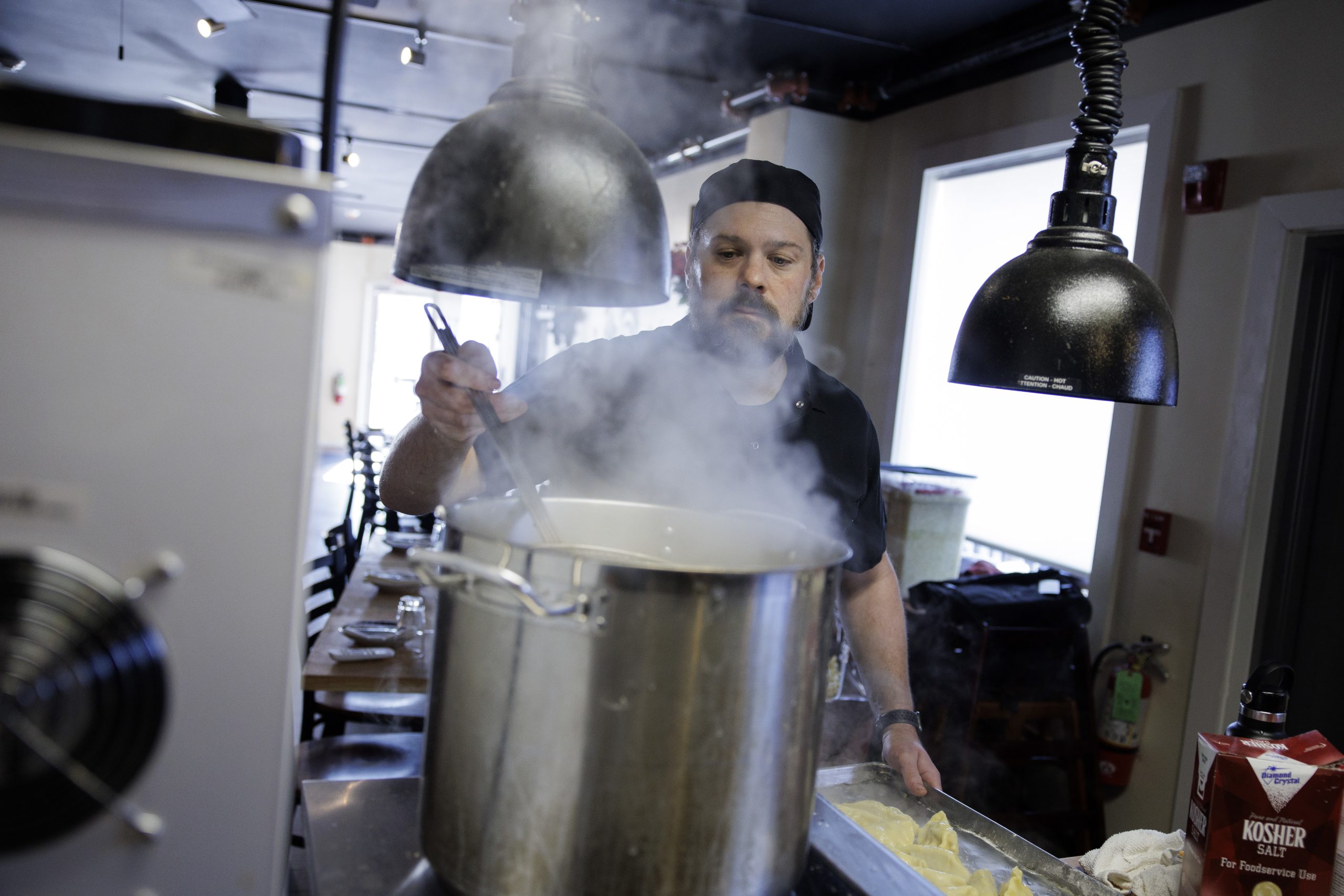
    Chef Michael Brenfleck cooks pierogi at Little Walter’s in Philadelphia on Wednesday, Sept. 4, 2024.Monica Herndon / Staff Photographer

    “Every person’s body radiates a certain number of BTUs, both in the kitchen and in the dining room,” said Brenfleck. His solution: “We’re going to put some cold specials on the menu, like a chilled pickle soup.”

    Brenfleck and Phila Lorn, the chef-owner of Sao and Mawn, were both amazed their respective staff endured the heat without complaint.

    “The real ones plan for these times and problem-solve,” Lorn said. “It amazes me to see my chefs in the kitchen crushing it. They’re eating popsicles, [mopping themselves with] cold wet towels, using Gatorade powder, but I swear to you, not one complaint from the back of house.”

    Liberty Kitchen staff trades tomato pie for soft serve on hot days. Monica Herndon / Staff Photographer

    Heat waves tend to foster community among restaurants — especially when there’s an ice cream shop involved. On the hottest days, the staff at Liberty Kitchen trades boxes of tomato pie with 1-900-ICE-CREAM, according to Liberty Kitchen chef Beau Neidhardt. “They’ll give us individual cups of soft serve for our staff. It’s very neighborly.”

    For many restaurant workers, it’s just part of the job.

    “We aren’t doing anything that needs to be applauded,” said Mattera. “At the end of the day, we’re all professionals. This is what we do. We can handle the heat.”