Tag: Brian O’Neill

  • What’s it like living in the shadow of an AI data center? These Vineland residents know.

    What’s it like living in the shadow of an AI data center? These Vineland residents know.

    When Amber Ayrer bought her Vineland home 25 years ago, she envisioned growing old there, enjoying lazy afternoons with the windows open and a view of farmland from her front door.

    After her adult daughter, Ally, suffered a traumatic brain injury, Amber made the rancher accessible, installing a ramp that aides use to push Ally’s wheelchair outside for her daily walks.

    The place had all the makings of a forever home, Amber Ayrer said — until a massive AI data center moved in across the street.

    Now, the 71-year-old looks out her front windows at the hulking DataOne facility, a windowless compound surrounded by walls and metal fences.

    In recent months, Ayrer said, the 2.4-million-square-foot complex has emitted a near-constant hum. She struggles to sleep, she said, and has suffered from headaches. She turns the TV on to mask the sound.

    Residents who live farther away have also complained about the noise, including in a recent lawsuit that was thrown out due to procedural issues. In the suit, residents said the Cumberland County Department of Health measured the hum as higher than 50 decibels a mile away in the middle of the night. A sound higher than 50 decibels is equal to a running refrigerator and is 10 times louder than a typical suburban area at night.

    Ayrer, who was not involved in the lawsuit, said she doesn’t want to move, even as she sees neighbors sell their homes to the data center developers.

    “In order to get another home, I’d have to get one built” to be accessible, Ayrer said, standing in her entryway. She shrugged, adding, “I need to be here for my daughter.”

    The noise had quieted, she noted, since around Sept. 22. That’s when the New Jersey DEP ordered the data center to pay a $1 million fine for running 62 gas generators without the required permits. She isn’t sure why the hum stopped, or whether it was related to the fine.

    By late Wednesday, the sound had returned, she said, and she worried it would be even louder when the center is fully operational.

    The Ayrers are some of the first Philly-area residents to live in the shadow of a massive AI data center. Only a handful of homeowners live within eyesight of DataOne’s South Lincoln Avenue complex in Vineland.

    They used to have more neighbors. But since 2025, DataOne Vineland and LJR Real Estate — which is registered to the address of Northeast Precast, a local company that has partnered with DataOne — have purchased at least five surrounding homes for a combined $3 million, according to online property records.

    DataOne and Northeast Precast did not respond to requests for comment about the acquisitions. Several former Vineland residents who sold their homes to these companies could not be reached or declined to comment.

    Asked about residents’ concerns, DataOne spokesperson Naomi Rice shared a previous statement, which said in part that the facility was “transitioning to low-emission, quiet fuel cells.” These generate energy through an electrochemical reaction rather than combustion, pistons, or rotating machinery.

    Nebius Group, which is operating the center’s internal AI infrastructure, says the fuel cells from Bloom Energy — a company expanding locally — and enhanced sound mitigation will make for a quieter environment than what residents experienced during construction, according to spokesperson Ava Iuliucci.

    Charles-Antoine Beyney, DataOne’s founder and chief executive officer, previously said the Vineland center would use “breakthrough” technology to reduce its environmental impact. He said the complex would be a good neighbor, promising a vertical farm — which uses technology to grow crops indoors — to help feed Vineland residents in need.

    “Most of the data centers that are being built today suck, big time,” Beyney said in January.

    “No freaking way am I going to do what the entire industry is doing … just killing our communities and killing our lungs to make money.”

    What it looks like near a South Jersey data center
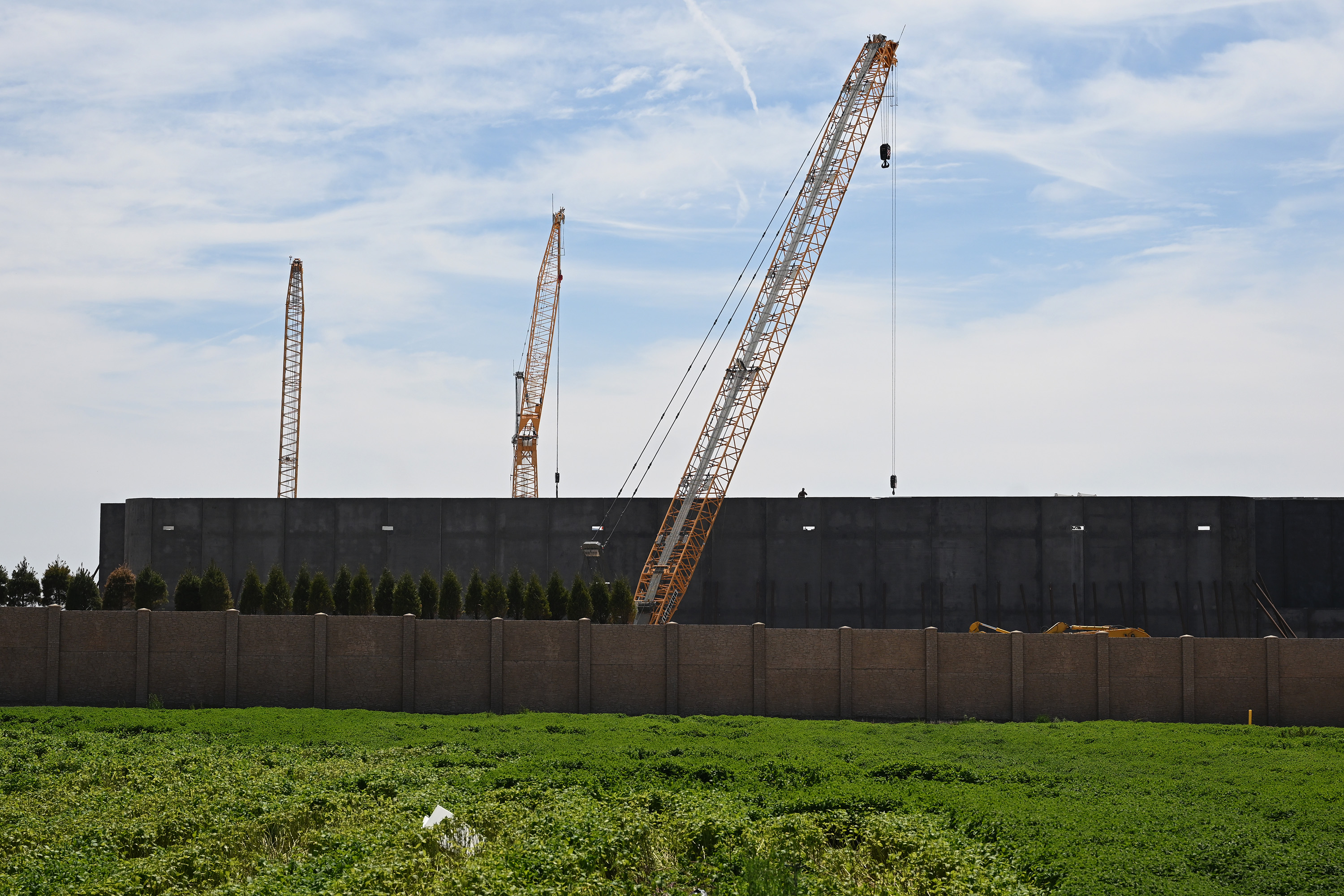
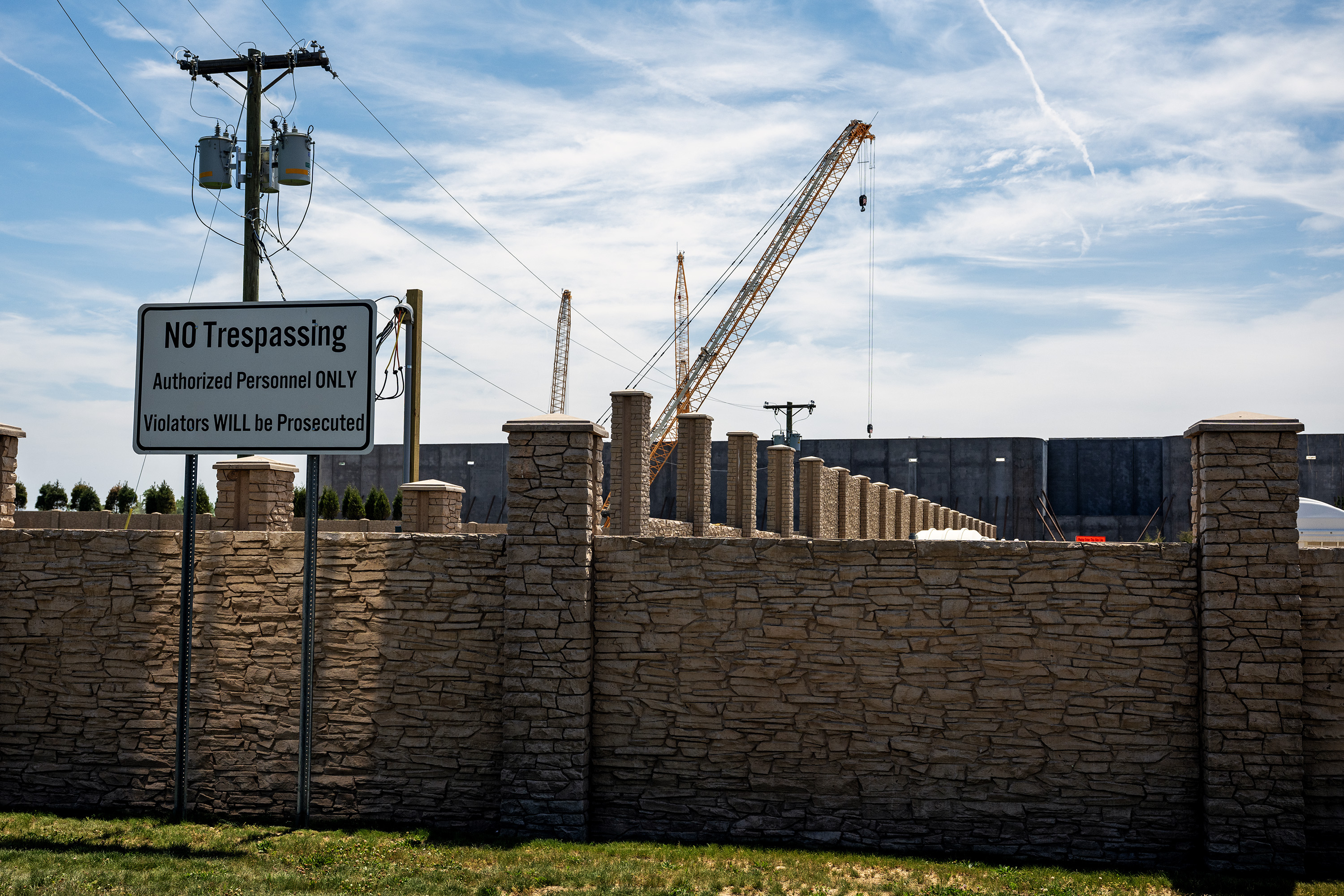
    The Vineland DataOne center, as seen in June, could be finished by the end of the year, developers have said. Tom Gralish / Staff Photographer

    The dark exterior of DataOne abuts busy South Lincoln Avenue, towering above homes and farms on the outskirts of Vineland City. In spots, rows of crops extend to the data center’s walls.

    On a recent day, the data center appeared abuzz with activity, although residents said it was relatively quiet, as cars and yellow school buses drove in and out of its gated-off parking lot. Giant “no trespassing” signs are prominently displayed.

    While the front portion of the data center appeared complete, cranes farther back reached into the sky.

    Meanwhile, several large homes across from the entrance — purchased by the data center developers and associates — appeared abandoned, with recycling cans askew in the driveways, indoor and outdoor lights on in the middle of the day, and swing sets sitting empty in the backyards. No one answered the doors.

    At another home, a woman shook her head, saying she’d lived there forever and would never speak publicly about the development across the street.

    Who is behind the Vineland data center?

    Data centers like this one handle the cloud-storage and computing needs of increasingly sophisticated AI tools.

    DataOne, a French company that manages advanced data centers, is the owner, operator, and builder of the Vineland data center. Its client, Nebius Group, an Amsterdam-based AI-infrastructure company, operates the center’s internal technology, which fuels Microsoft’s AI tools.

    As demand for these facilities has surged, so has the controversy surrounding them. Across the country, proposed complexes have received fierce pushback from nearby residents concerned about environmental, noise, quality-of-life, and property-value impacts.

    The debate has intensified in recent weeks as some top AI executives urge a slowdown of the technology amid fears that it may eventually wipe out humanity.

    Several of these facilities have been proposed in the Philadelphia region, from King of Prussia to Limerick. But few plans have been approved.

    DataOne Vineland could become the region’s first hyperscale AI data center. The developers have said the complex is partially operational, and they expect it to be complete by the end of the year.
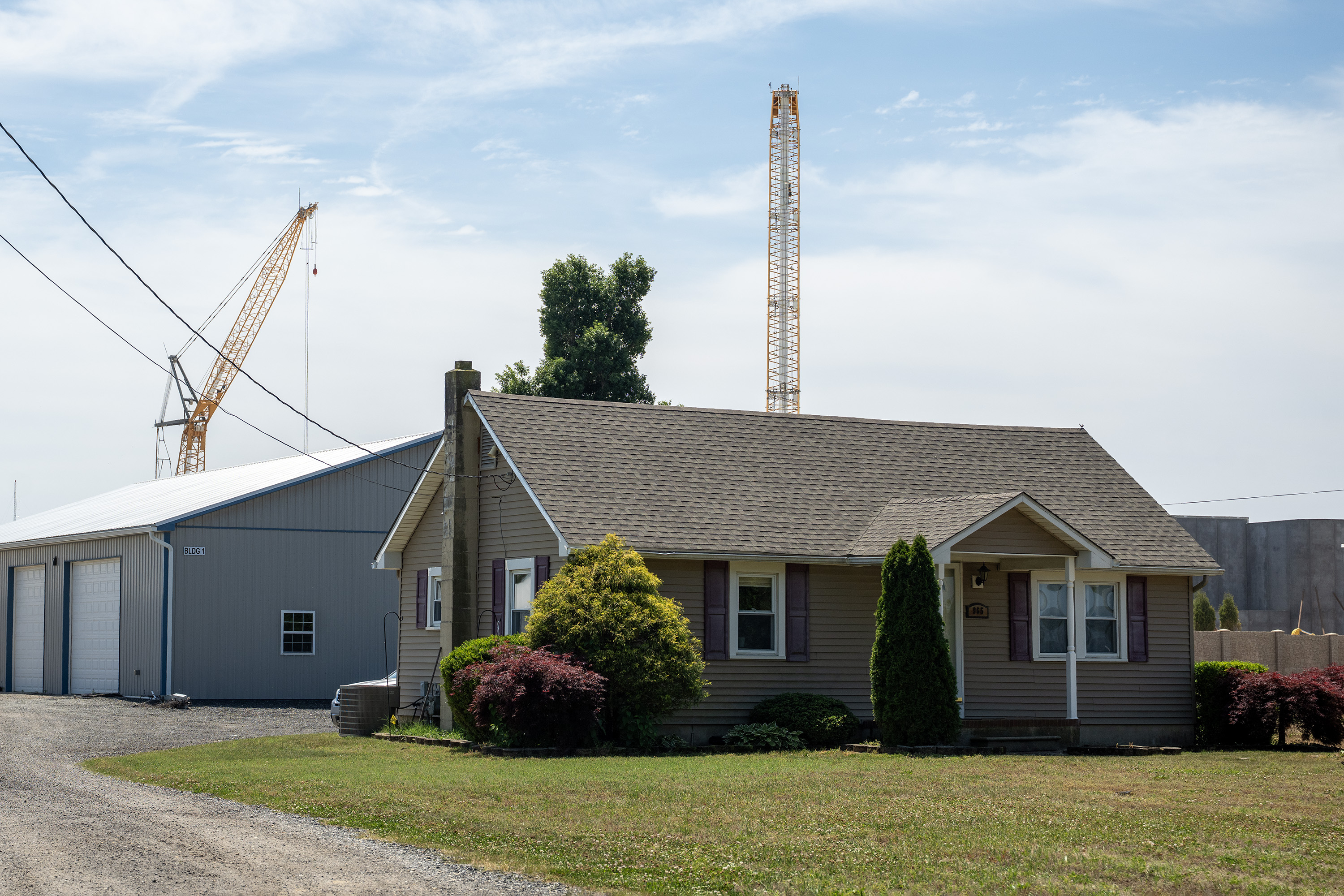
    Construction continued on the DataOne center as seen from a nearby home in June.Tom Gralish / Staff Photographer

    Theresa Lewis, who has owned her home for 47 years, said living by the data center has gotten worse in recent months.

    Stepping outside and seeing the building, “I think of a prison, and I’m the prisoner with the noise,” said Lewis, 74, who compares the sound to a tractor trailer idling outside her home all day and night.

    “You get up in the morning and you’re in a foul mood,” Lewis said.

    Both she and Ayrer said they have called the Cumberland County Department of Health to report excessive noise in the middle of the night, but doing so comes at a cost. They said they then have to get up, get dressed, turn the lights on, and wait for an official to come take a decibel reading, making for another sleepless night.

    Data centers are being built in different communities
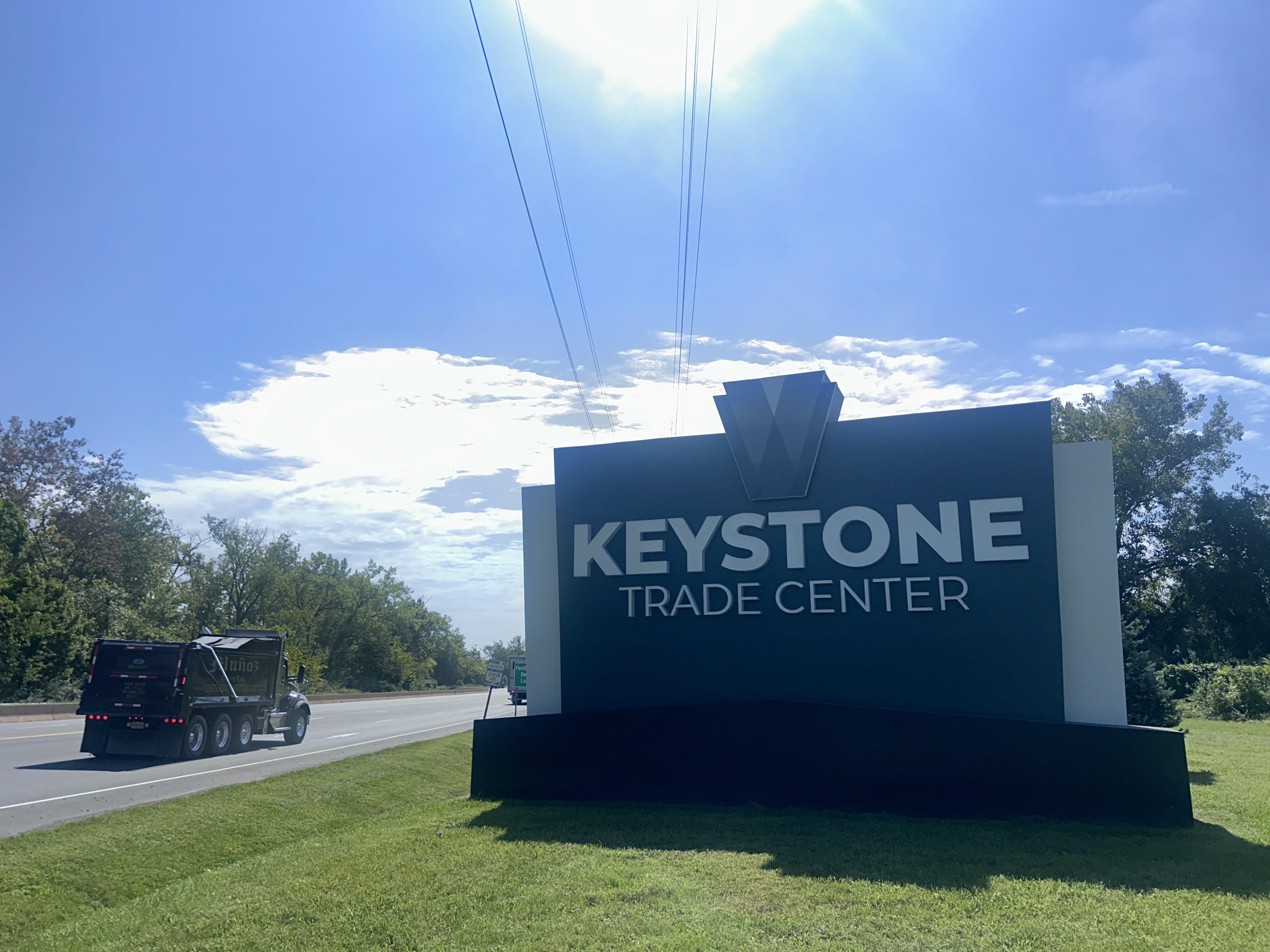
    The view outside the Keystone Trade Center in Falls Township. Amazon is building a data center inside the private complex.Erin McCarthy/Staff

    The scene in Vineland is vastly different from the one outside Amazon’s 2-million-square-foot data center campus in Falls Township, Bucks County, the Philadelphia region’s other facility nearing completion.

    That data center sits deep inside the Keystone Trade Center, an industrial hub surrounded by water, with no homes in sight. On a recent day, tractor trailers whizzed by Keystone’s main entrance. Only the transmission wires overhead hinted at what may be inside the private property.

    Still, neighbors have pushed back against the complex, with more than 5,000 people signing a petition in favor of a data center moratorium in Falls Township.

    Elsewhere, data center plans proposed by developer Brian O’Neill have faced fierce opposition in King of Prussia and on the outskirts of Conshohocken. So have projects in East Whiteland, where data center construction recently began, and in East Vincent, where a center was proposed for the site of the former Pennhurst State School and Hospital.

    In Vineland, Lewis said she wishes she and her neighbors had a chance to push back against the data center before it was built. Residents were first asked to provide input about the project at a contentious town hall in January, more than a year after the project was approved by city council and months after construction started.

    “I don’t want to move — and who is going to pay what the house is worth with that right there?” Lewis said, motioning to the data center across the street. “But I wake up angry.”

    She added: “I can’t imagine living next to this for the rest of my life.”

    Editor’s Note: This story has been updated to reflect that the noise from the data center returned Wednesday, according to Ayrer.
  • A GOP backer of Mayor Parker resigned from three city boards as he weighs ‘civic engagement’ opportunities

    A GOP backer of Mayor Parker resigned from three city boards as he weighs ‘civic engagement’ opportunities

    Private equity investor Gregory L. Segall, a Philadelphia Republican who was a key backer of Mayor Cherelle L. Parker’s 2023 campaign, has resigned from three city boards as he weighs other “civic engagement” opportunities, according to a copy of one of his resignation letters obtained by The Inquirer.

    Parker, a Democrat, appointed Segall to the Philadelphia Gas Works board, the Philadelphia Tax Reform Commission, and the Mayor’s Business Roundtables. Segall resigned from all three effective Aug. 31. He also served as a vice chair of Parker’s transition committee when she was taking office.

    “While I am stepping away from this role, I remain committed to civic engagement and intend to explore other ways to continue the journey I have been privileged to pursue over the last several years,” Segall, the chairman and CEO of Versa Capital, wrote in his letter resigning from the Mayor’s Business Roundtables, an advisory group convened by Parker.

    Segall’s moves come as candidates are gearing up to run in next year’s municipal elections, when Parker and all 17 City Council members are up for reelection.

    Candidates in the primary election have until early spring to decide whether they are running.

    Claudia Vargas, a journalist who formerly worked for NBC10 and The Inquirer, reported this week that Segall was considering running for Council.

    When contacted by The Inquirer, Segall, who lives in Chestnut Hill, said Wednesday he is “not running” for Council.

    “People have suggested multiple forms of public service, including Council, and I have no plans or commitments at this time,” Segall, 63, said in an interview.

    Segall said he continues to “strongly support Mayor Parker, and my highest and best hope is that my public service will be in aid of her continued success.”

    Parker on Wednesday declined to comment on the report of Segall exploring a run for office.

    From 2022 through 2025, Segall and his wife donated $37,300 to Parker’s campaign, according to campaign finance records. He also gave $150,000 to a super PAC backing her 2023 run, and $6,200 to her transition committee, the records show.

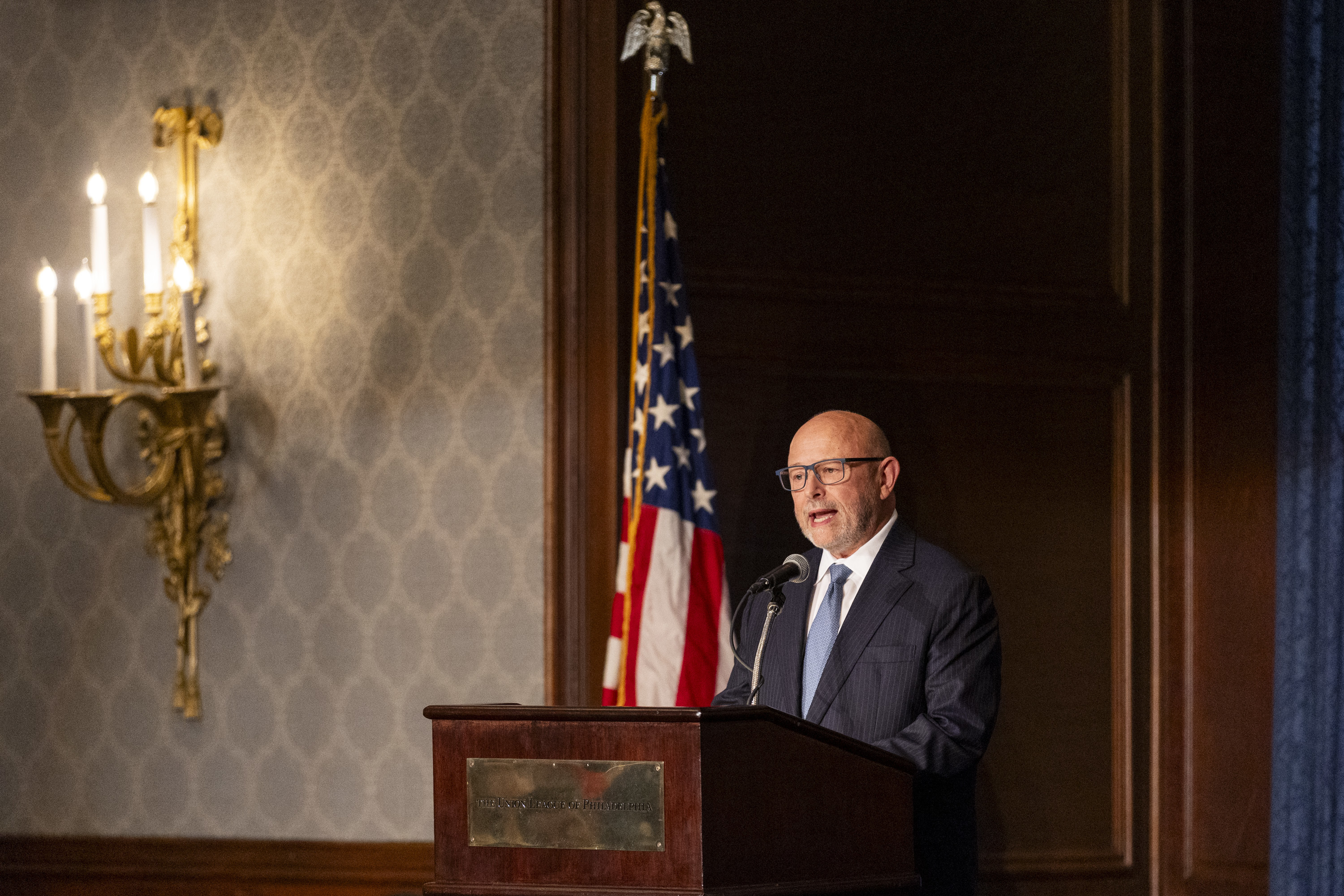
    Segall introduced Parker last year when she gave a high-profile speech at the Union League, where he is a member.

    “The 2023 election took place at a time of crisis in the city, and getting the right leader was never more critical,” Segall said. “So the reason for my commitment to her was quite simple: Before I’m a Republican, I’m a Philadelphian.”

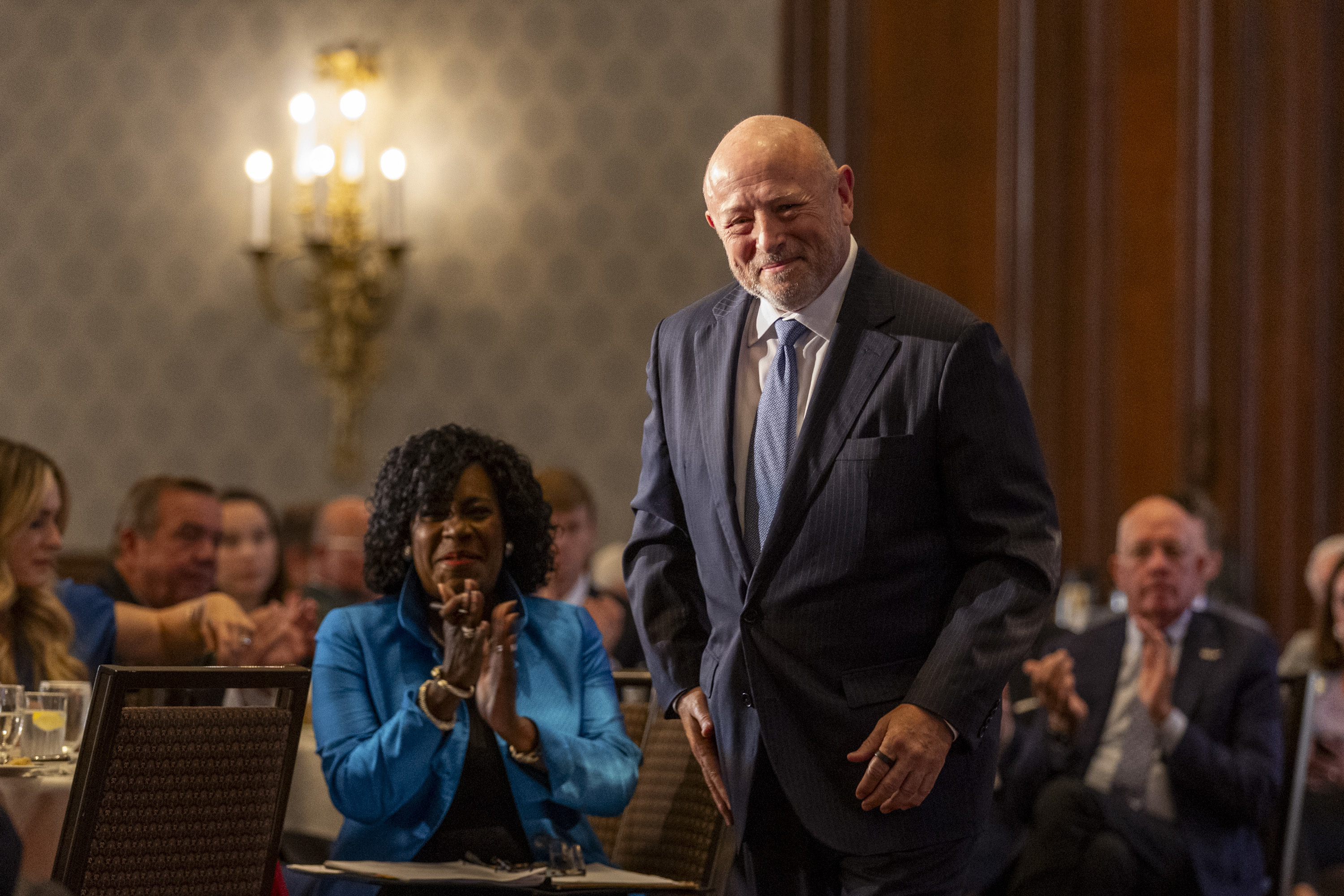
    Gregory Segall, Chairman and CEO of Versa and Supporter of Mayor Parker, speaks at the Union League of Philadelphia Presidential Luncheon in Philadelphia, Pa., on Thursday, September 18, 2025.Tyger Williams / Staff Photographer

    Citing Republican Party sources, Vargas reported that Segall was considering running for one of the two at-large seats on Council that are elected citywide and are set aside by the Home Rule Charter for minority-party or independent candidates.

    Republicans held those seats for about seven decades until Councilmembers Kendra Brooks and Nicolas O’Rourke won them over the last two election cycles as members of the progressive Working Families Party.

    Brooks is considering challenging Parker in next year’s mayoral election, sources previously told The Inquirer, which would require her to resign from her Council seat.

    The Philly GOP has been strategizing ways to recapture the seats, and a run by Segall, a wealthy businessman who could potentially help fund his own campaign, could be a major opportunity for the party.

    Segall donated $2,500 to the Republican City Committee last October.

    GOP chair Vince Fenerty said he has met Segall and thinks he is a “nice and honorable man.”

    “We’re a party that welcomes any potential candidate, and the decision to endorse would be up to our ward leaders,” Fenerty said in an interview Thursday.

    Brian O’Neill, who represents the 10th District in Northeast Philadelphia, is currently the only Republican on Council. Democrats hold the remaining 14 seats.

  • A settlement could preserve more of Chester County’s sprawling Rock Hill Farm — but still allow for development

    A settlement could preserve more of Chester County’s sprawling Rock Hill Farm — but still allow for development

    A proposed settlement with the developer who is seeking to turn the rolling, open Rock Hill Farm into housing could significantly preserve more of the land than initially planned, if township officials decide to accept it.

    During a public meeting Thursday, Willistown Township officials laid out for residents a potential settlement between the township and Rock Hill Farm Acquisition LLC, the developer who purchased the sprawling 222-acre parcel, and an adjacent 24-acre property, in 2021. Supervisors did not vote on the plans Thursday night; a vote will be held at a future, undetermined meeting.

    A Chester County judge last month sided with the developer, overturning the township’s September 2024 denial of plans to build more than a dozen homes on the property. The township appealed the ruling earlier this month.

    But under a proposed settlement, the developer would radically scale down the plan that was before the court, preserving roughly 166 acres of the larger tract, or 75% of the land, under a conservation easement. The land would be subdivided into 18 lots, down from roughly 24, with all but one lot proposed for residential development. The one non-residential lot would be conserved as open space. The lots vary from about four acres to up to 26 acres.

    “This is a good ‘best-case scenario’ for us,” said Molly Perrin, chairperson of Willistown’s board of supervisors. “It could get a lot worse than this. Ongoing litigation would almost ensure that.”

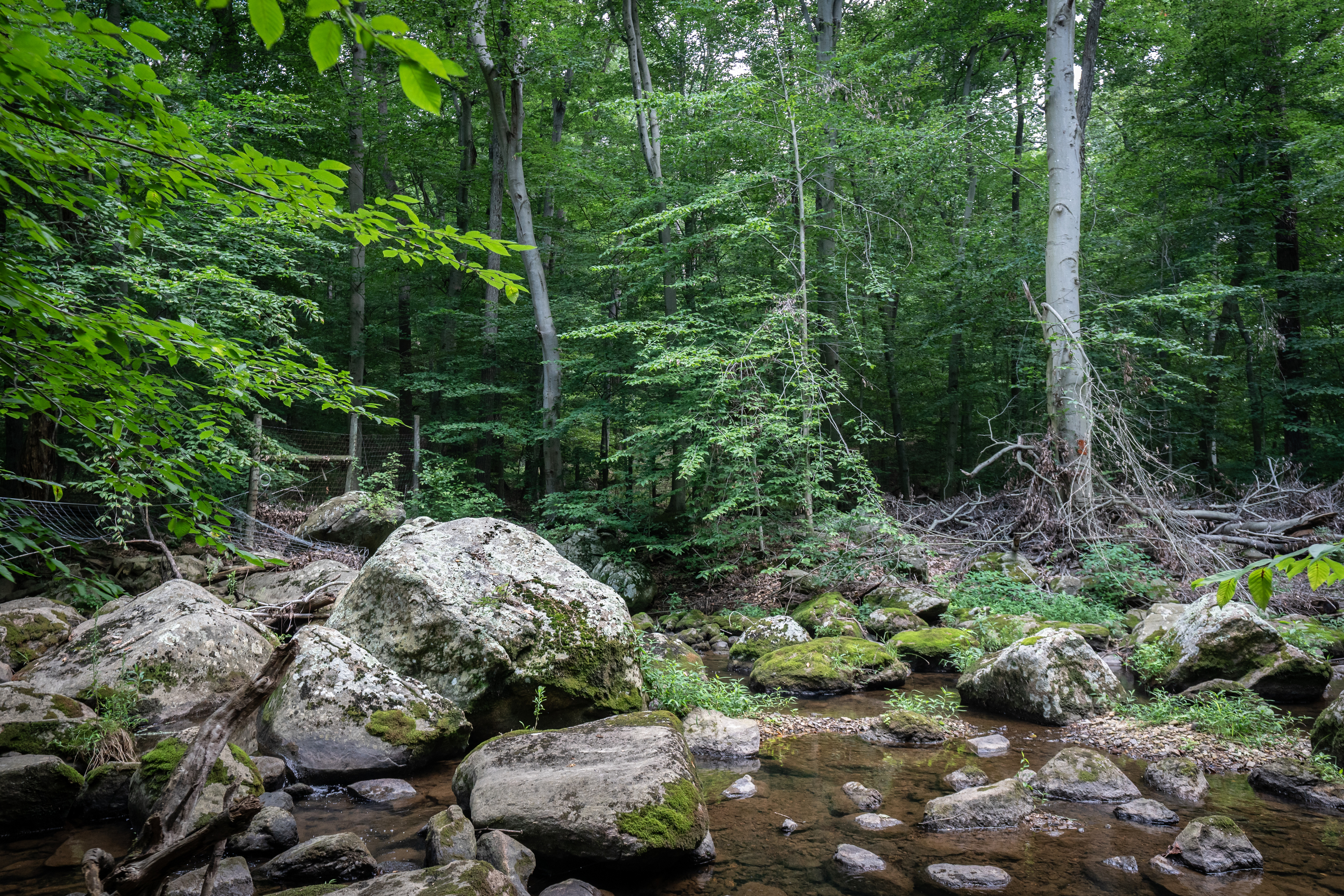
    A view of part of Rock Hill Farm, in Paoli, Tuesday, August 2, 2022. JESSICA GRIFFIN / Staff Photographer

    A conservation easement for the preserved land would be held by the Willistown Conservation Trust. The trust would maintain the protected woodland as private property, not public land.

    Separately, the developer has offered Willistown Conservation Trust the exclusive option to buy the adjacent 24-acre property, if the settlement agreement is approved by the township and court. The township would plan to buy it from the trust using designated open space funds, and preserve the property as open land. The board voted to approve the purchase in February, officials said.

    “We understand there are members of the community who feel very strongly that the entirety of the 222-acre parcel should be coJ. Brian O’Neillmpletely conserved with no future development,” Perrin said. “Municipalities cannot simply ban a property from being developed. It would be nice if we could, except that when that’s turned against us, we would all hate it.”

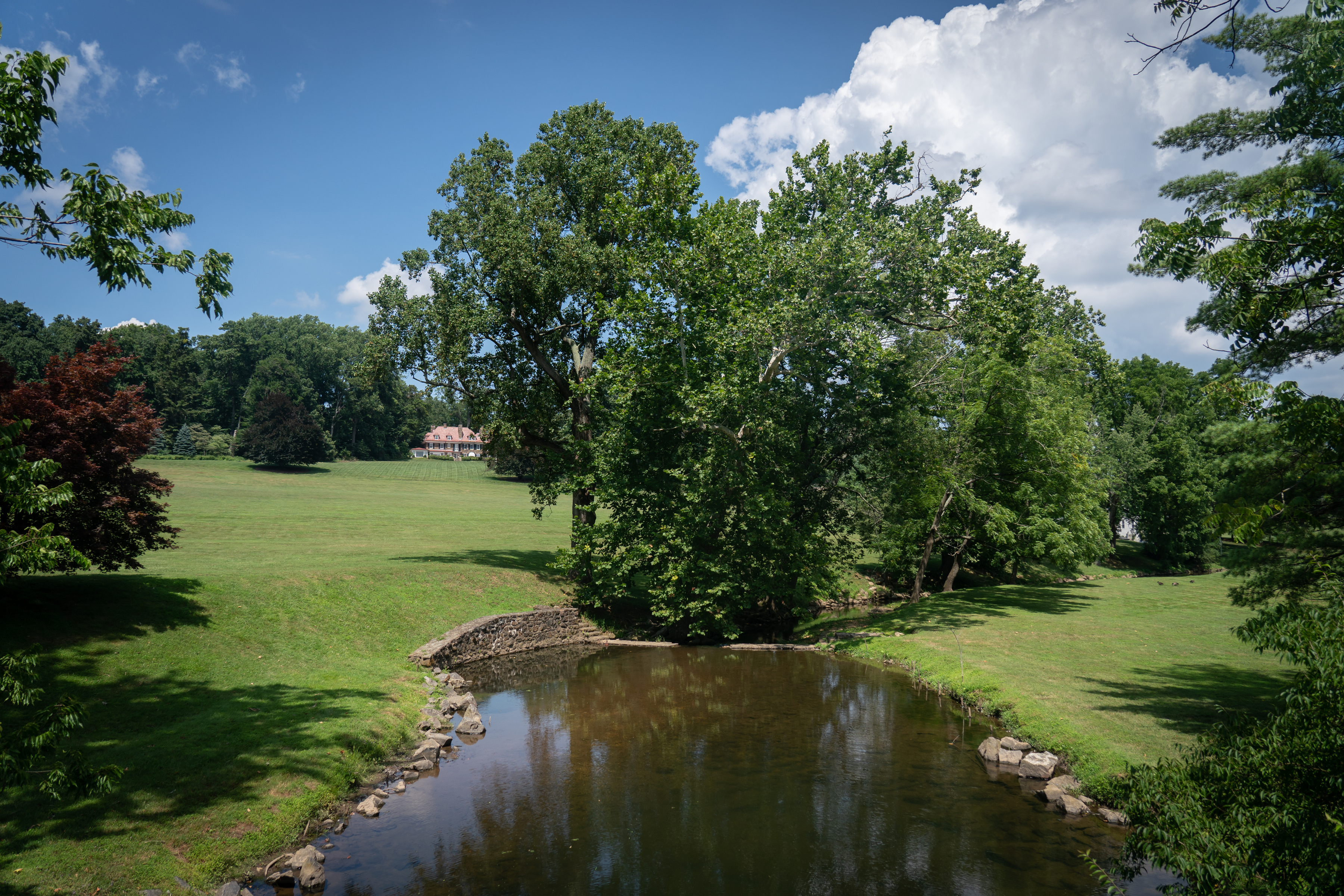
    The property, purchased by developer for $25.4 million, boasts rolling hills, meadows, woodlands and historically significant properties across its hundreds of acres.

    For years, it had been owned by a conservation-minded local family. When it sold to O’Neill, who originally planned to build up to 24 residential lots on the grounds with only roughly 52 acres of land preserved, it sparked a community battle.

    Rock Hill Farm in August 2022. JESSICA GRIFFIN / Staff Photographer

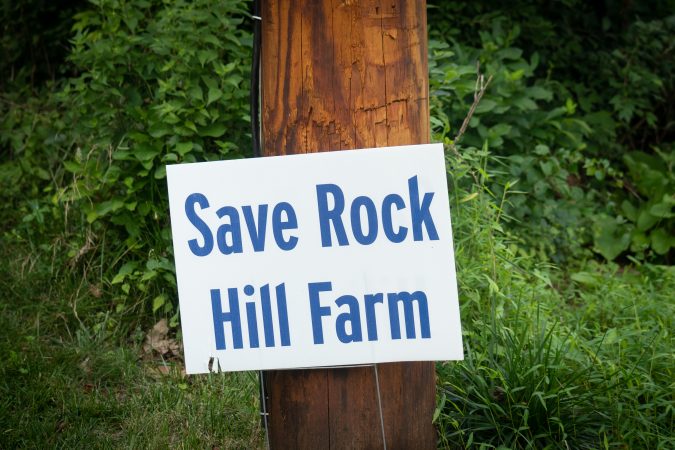
    Community members launched a “Save Rock Hill Farm” campaign in an effort to fend off the development, as other Chester County municipalities have successfully done when homebuilders have come knocking.

    At Thursday’s meeting, residents were relatively open to the proposed settlement.

    David Rawson, who lives in the township, thought it was a “far better plan than I thought anybody would be able to negotiate.”

    It’s the “best deal you’re going to get short of continuing to fight,” resident Joe Heenan told the board.

    “I’m not opposed to the fight,” he said, “but I think it’d be nice to have odds in the favor.”

    Others hoped more could still be done.

    Invoking President Franklin D. Roosevelt, Les Haggett, a leader of Save Rock Hill, noted, “Sometimes fear is the only thing we have to fear.”

    “I don’t think it’s the right time to settle,” he said. “My thought is, don’t be afraid. Don’t settle.”

    Supervisor Bill Shoemaker said the township was working to achieve the best possible plan. Though they feel their appeal is “based on good and solid reasons,” they thought that of their initial filing, too, he said.

    “The court is always a bit of a gamble,” he said. “So we have to consider very, very carefully what the best possible plan would be.”

    This suburban content is produced with support from the Leslie Miller and Richard Worley Foundation and The Lenfest Institute for Journalism. Editorial content is created independently of the project donors. Gifts to support The Inquirer’s high-impact journalism can be made at inquirer.com/donate. A list of Lenfest Institute donors can be found at lenfestinstitute.org/supporters.