Tag: Best Things We Ate

  • The best thing Beatrice Forman ate this week: Panettone from a Fishtown pop-up

    The best thing Beatrice Forman ate this week: Panettone from a Fishtown pop-up

    On one block of Martha Street, it feels like Christmas came early. Panettone — sliced and dolloped with whipped cream — is already officially for sale.

    The traditional Italian holiday sweet bread is part of the lineup at Formosa, the pop-up bakery from James Beard-nominated pastry chef James Matty that’s taking over the bottle shop inside Picnic on Saturday and Sunday mornings this October.

    Matty, who oversees the pastry program for Defined Hospitality restaurants including Suraya and Condesa, said Formosa is shorthand for Aquaformosa, the tiny mountain village in Calabria, Italy, where his grandfather was born. Likewise, the pop-up’s menu spans bread-forward (and seasonally anachronistic) sweets that are meant to evoke a sense of warmth. There are oversized cinnamon rolls swirled with blueberry jam, a sticky-sweet plum upside down cake, and doughnut shop-style maple pecan cruellers, among other delights.
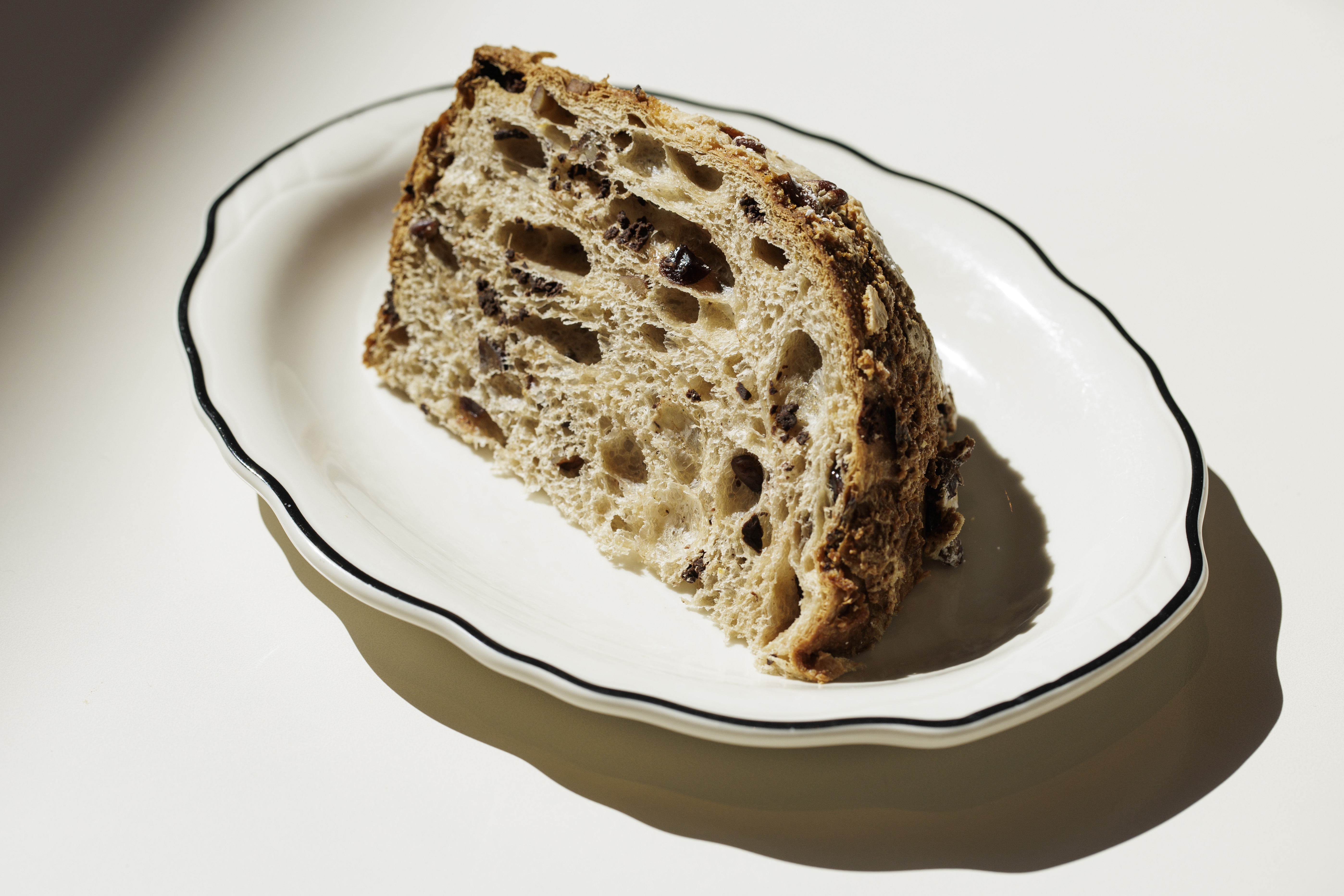
    At Formosa inside Picnic, pastry chef James Matty’s panettone will be served as $9 slices topped with whipped cream.Monica Herndon / Staff Photographer

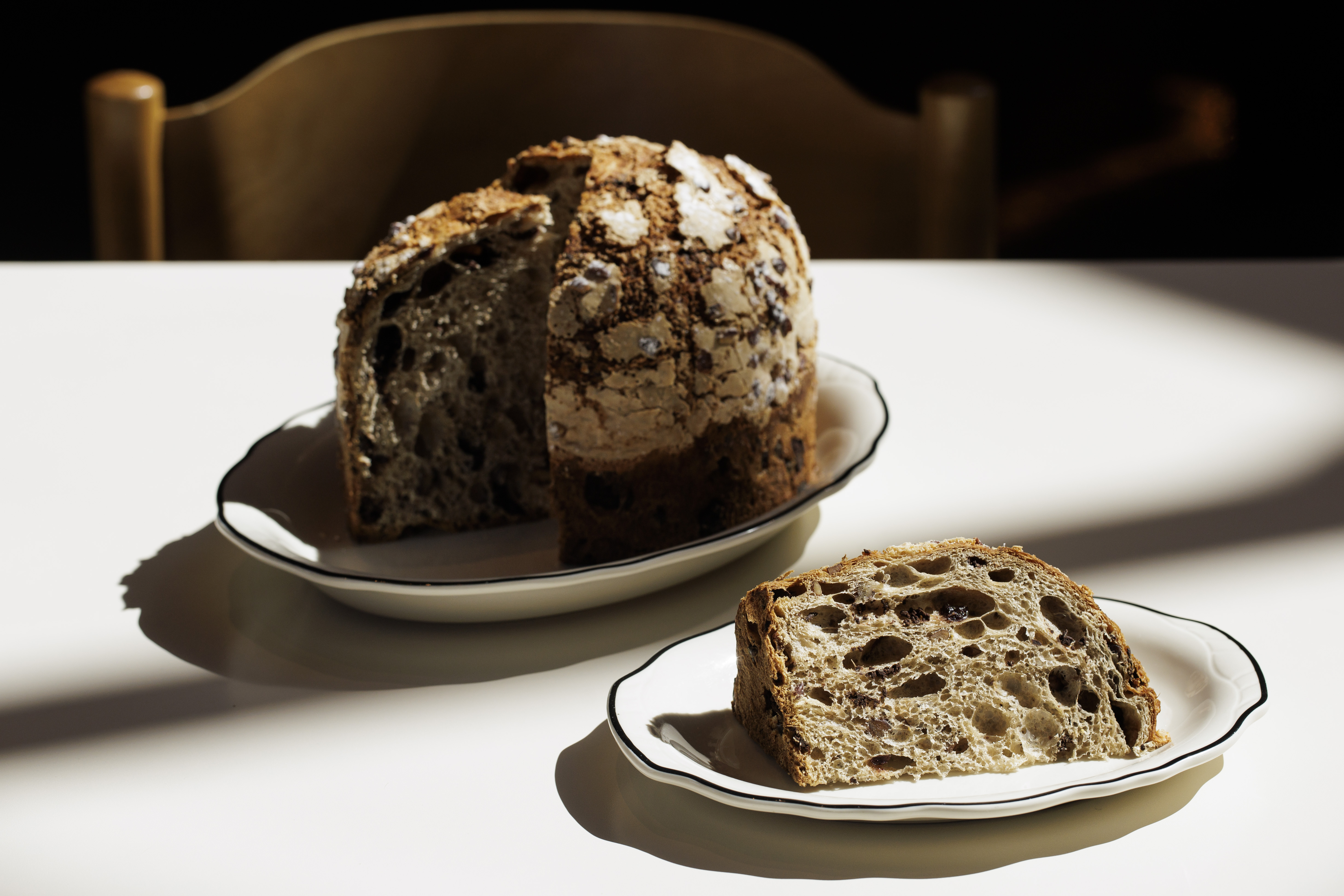
    The panettone is Formosa’s crown jewel. Flecked with dark chocolate chips, pecans, and Luxardo cherries, Matty’s version splits the difference between classic and new-aged panettones, which tend to be airier and more voluptuous. His bread is buttery soft and light, with a crackly crust that’s fun to peel off.

    To me — a panettone novice — it tasted like a cross between the world’s moistest poundcake and a sourdough loaf.

    Matty, who grew up in Trooper, Montgomery County, was also not raised in a panettone family. His fixation with the bread began in adulthood while studying at the Culinary Institute of America, where he became enamored with the craftsmanship good panettone requires.
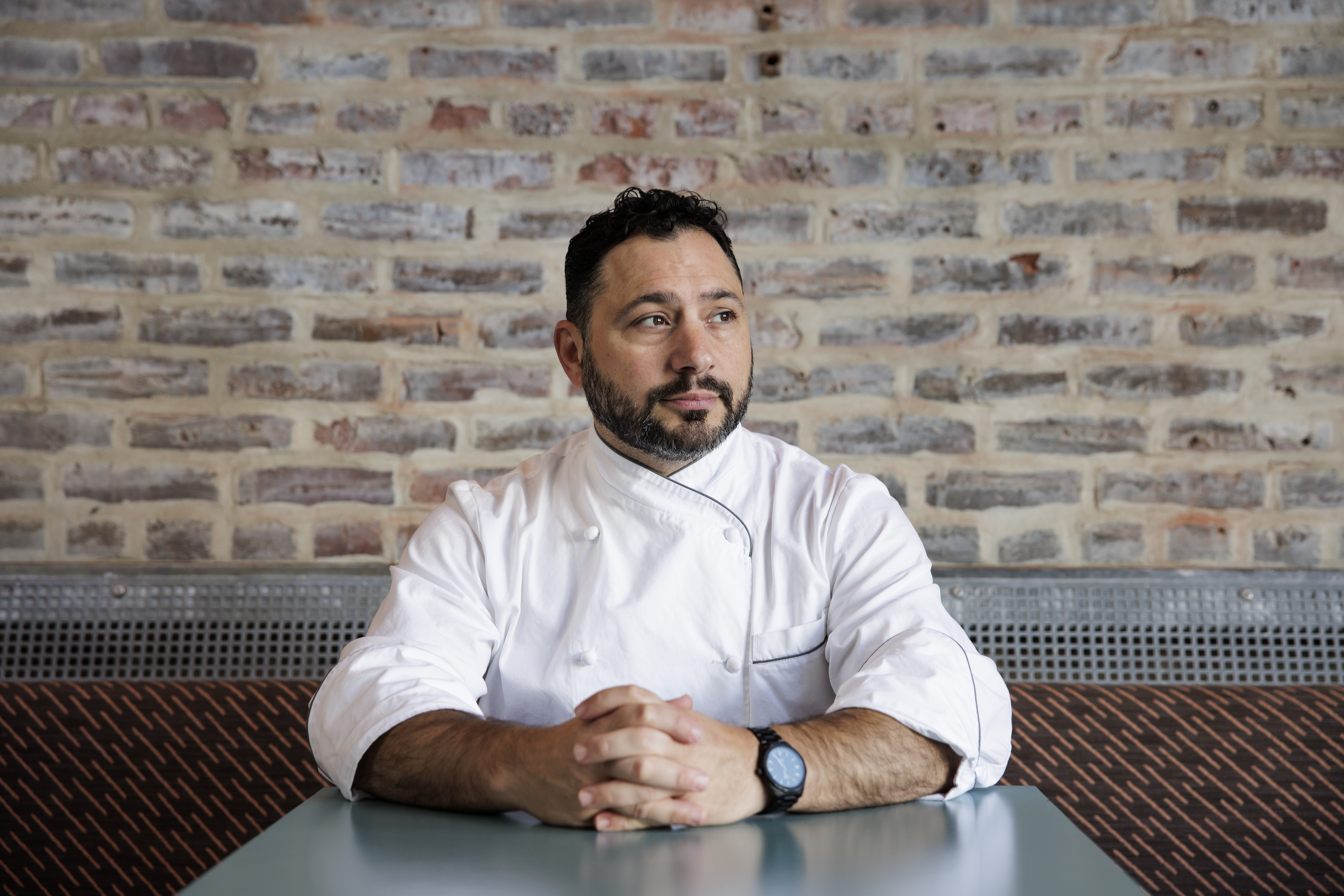
    Pastry Chef James Matty poses inside Picnic, the restaurant hosting his Formosa pastry pop-ups during October 2026.Monica Herndon / Staff Photographer

    Panettone is “like the mountaintop” of bread, said Matty. “It’s the most difficult to pull off consistently.”

    Formosa’s version takes the equivalent of a work week to prepare. The dough must ferment for three days, said Matty. It takes another two to proof and bake. The most stressful test comes at end: Panettone must hang upside while cooling so it doesn’t collapse inward under its own weight.

    The first time Matty made panettone, he said called it a “complete flop.”
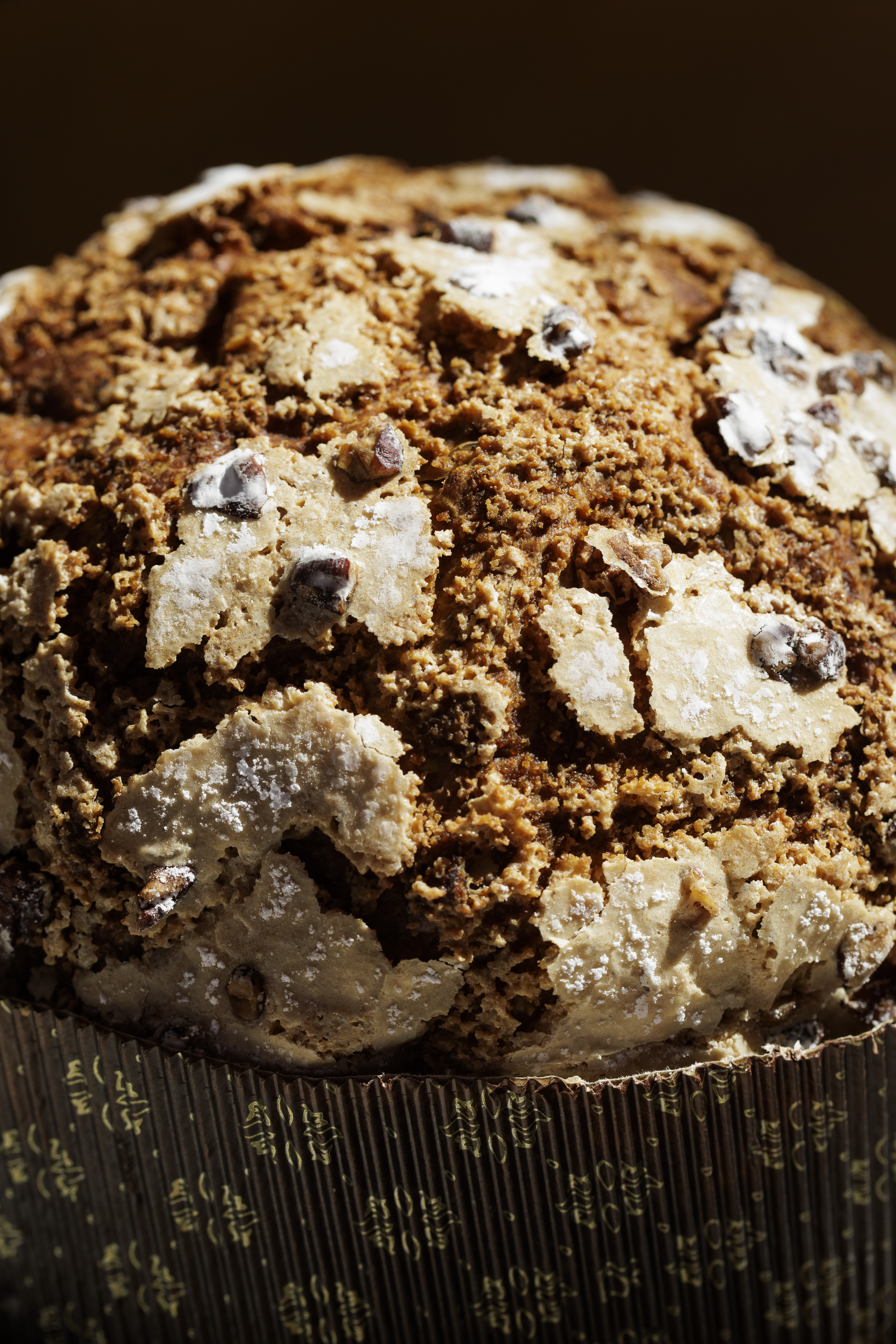
    Formosa’s panettone takes five days to prepare.Monica Herndon / Staff Photographer

    “It literally flopped out of the mold,” he said. Upwards of twenty retries later, and Matty’s panettone hangs steadily on the cooling rack, sort of like muffin-shaped bats.

    At Formosa, Matty’s panettone will be served in $9 slices topped with whipped cream. As for selling whole rounds in time for the winter holidays, Matty said to “wait-and-see.”

    For now, I’ll just be adding it to the top of my wish list.

    Formosa at Picnic, 2421 Martha St., instagram.com/formosa.philly. Hours: 8 a.m. – 12 p.m. (or sell out) Saturday – Sunday from Oct. 3 to Oct. 25.
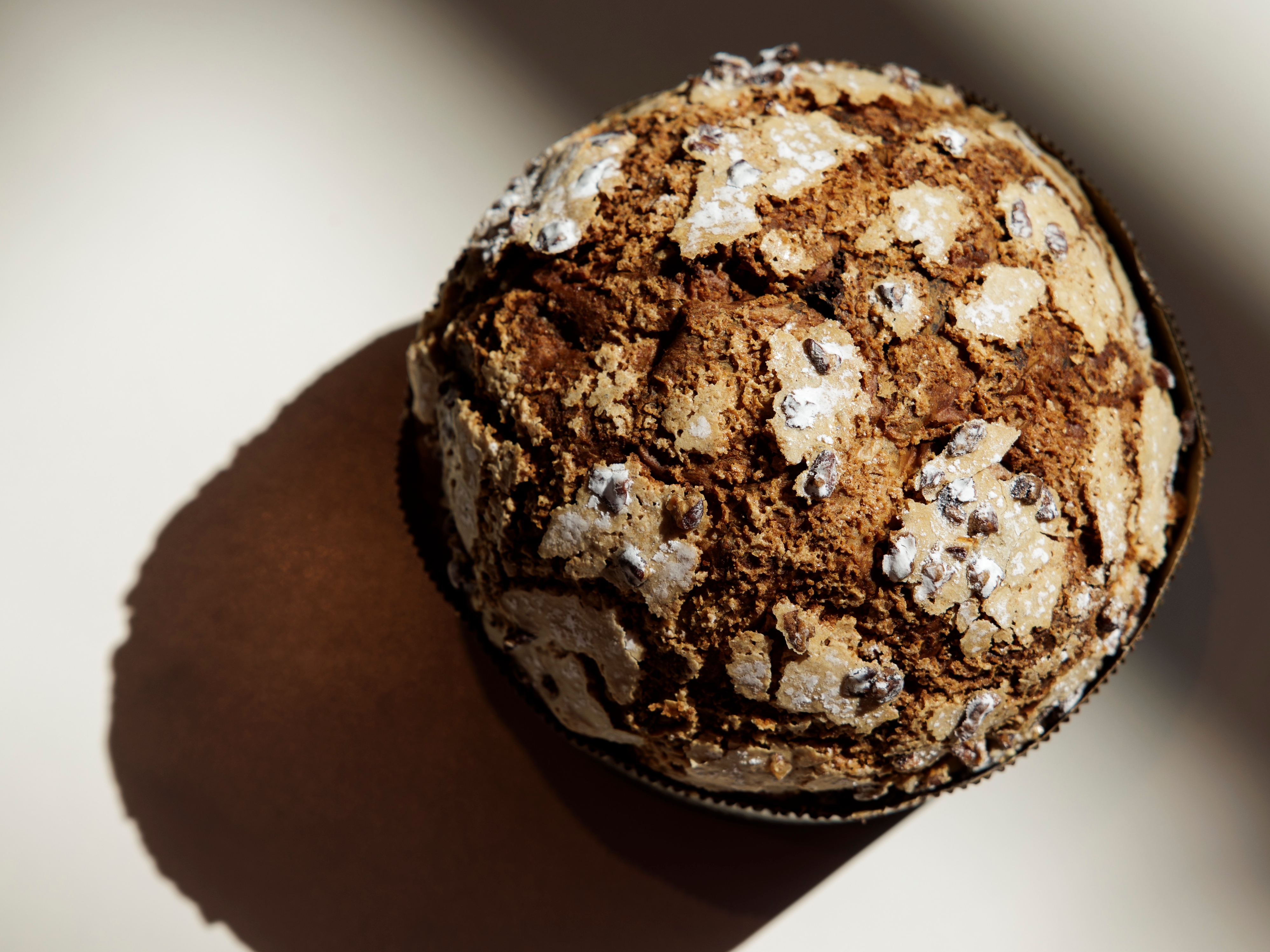
    Panettone’s real test come at the end: To cool, the Italian sweet bread must hang upside down. If prepared incorrectly, it flops.Monica Herndon / Staff Photographer
  • The best thing Kiki Aranita ate this week: Candy-shaped pasta from Fiorella

    The best thing Kiki Aranita ate this week: Candy-shaped pasta from Fiorella

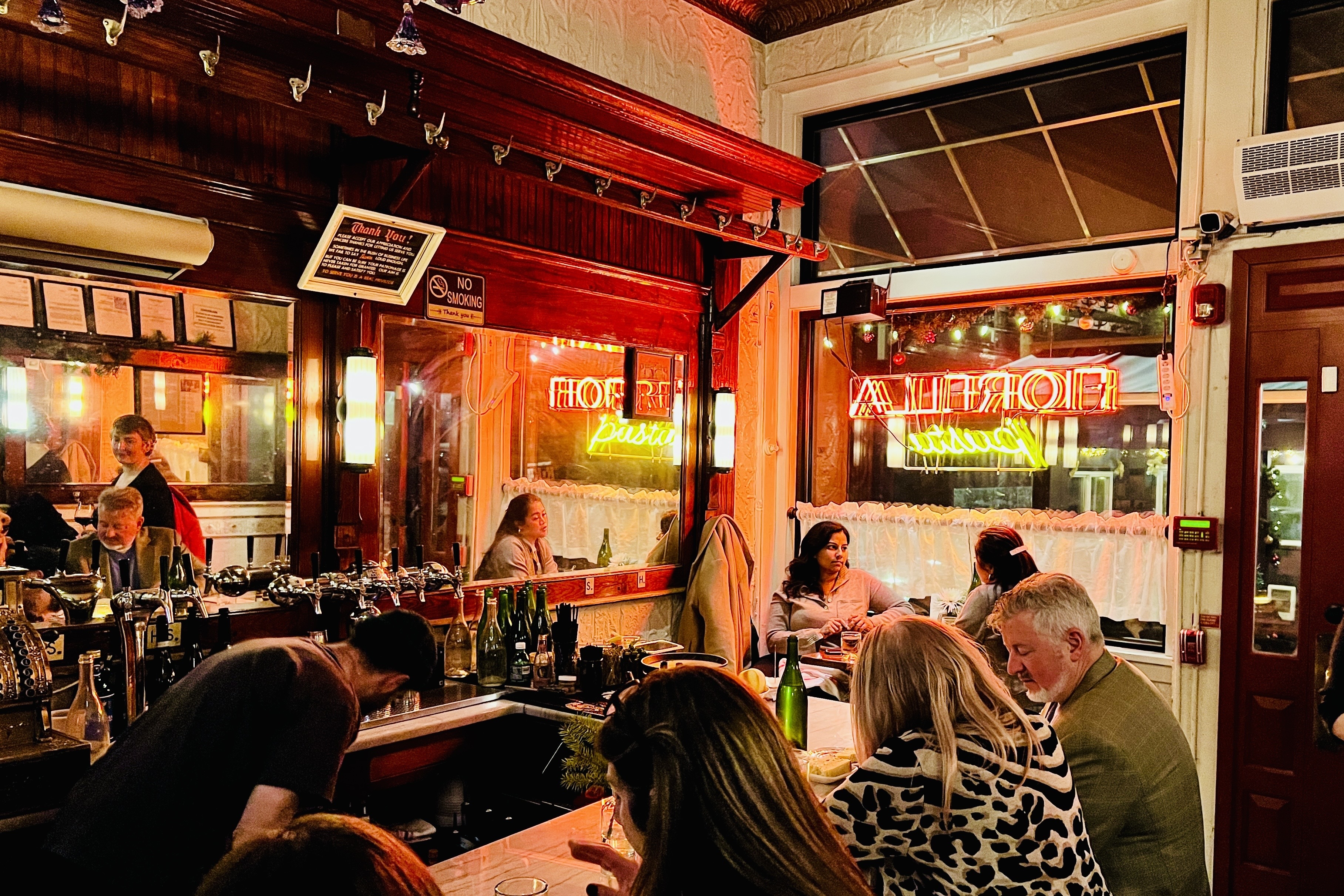
    The cleverest pastas tend to trick the eye and tease with wordplay. Are those postage stamps or francobolli? A plate of handkerchiefs or fazzoletti? Sorprese? Or surprise! It’s stuffed with nothing at all.

    But no pasta shape is more visually convincing than caramelle, which closely resembles oblong candies in wrappers, with both ends twisted to contain the fillings. Fiorella’s cooks add another layer of wit to their current variation on the classic shape: Their caramelle are undeniably sweet (something that pasta often is not).

    But the historic Italian Market butcher shop-turned-pasta bar isn’t sugaring its pasta. The caramelle’s sweetness comes naturally from late-summer corn simmered in butter and funked up with huitlacoche and black summer truffles.

    “Huitlacoche is known colloquially as the poor man’s truffle,” said chef Matt Rodrigue, who loved the duality of uniting it with conventionally expensive black truffle — and with the fungus’ host.

    “Pairing huitlacoche [corn smut] with corn isn’t reinventing the wheel but, again, it was simple. They grow together. It’s one of the few fungal infections that happen on a farm where the farmer is, well, not upset because of how much it can sell for,” he said.

    It’s unlikely you’d fly to Italy and get a plate of caramelle pasta made with huitlacoche, but it’s an essential ingredient in Mexican cuisine — and in Philly’s Italian Market, which now contains far more Mexican businesses than its namesake suggests.

    By cooking with locally available ingredients, Rodrigue is, in essence, hewing to Italian tradition and simplicity in his approach to making pasta, even if he’s not always sticking to ingredients from Italy.

    Fiorella Pasta, 817 Christian St., Philadelphia, on Dec. 27, 2025.Michael Klein / Staff

    “Simple is hard. It’s difficult to be restrained and to work within confines,” Rodrigue said. “But rules help you develop a vision.”

    And so his caramelle filling is simply corn, huitlacoche, butter, and onion simmered together, pureed until silken, then twisted up into pasta. The candy-shaped batons are cooked, then dressed with pasta water that’s emulsified with chives by vigorously tossing the caramelle in the pan. The dish is finished with a snowdrift of Parmigiano Reggiano and black truffle shavings. The result is a marriage of cultures, aromatic funk from two different sources, and the last breath of the season’s corn.

    “People pay for things. For truffles, for certain mushrooms. And I felt corn should be in that category and an all-star. Corn is perfect. It just needs butter and salt and you’re good to go,” said Rodrigue.

    And Fiorella’s caramelle is a perfect salute to corn and its smut. But also, of course, butter.

  • The best thing Jenn Ladd ate this week: Wood-fired pizza at one of the suburbs’ best shops

    The best thing Jenn Ladd ate this week: Wood-fired pizza at one of the suburbs’ best shops

    It’s hard to lure downtown diners to Bucks County, and Roberto Carollo knows it.

    Carollo’s wood-fired pizzeria inside Doylestown’s Main Street Marketplace, Spuntino, has a loyal, longstanding following, so much so that when the Washington Post analyzed 7.5 million nationwide Yelp reviews in 2023, it determined Spuntino to have the highest-rated Neapolitan pie in Pennsylvania.

    “We’ve had a lot of love from the people that matter to us, but I still feel like the suburbs are a really tough place to get attention,” Carollo said. “We’ve been here 12 years, but even Doylestown residents are still finding out about us.”

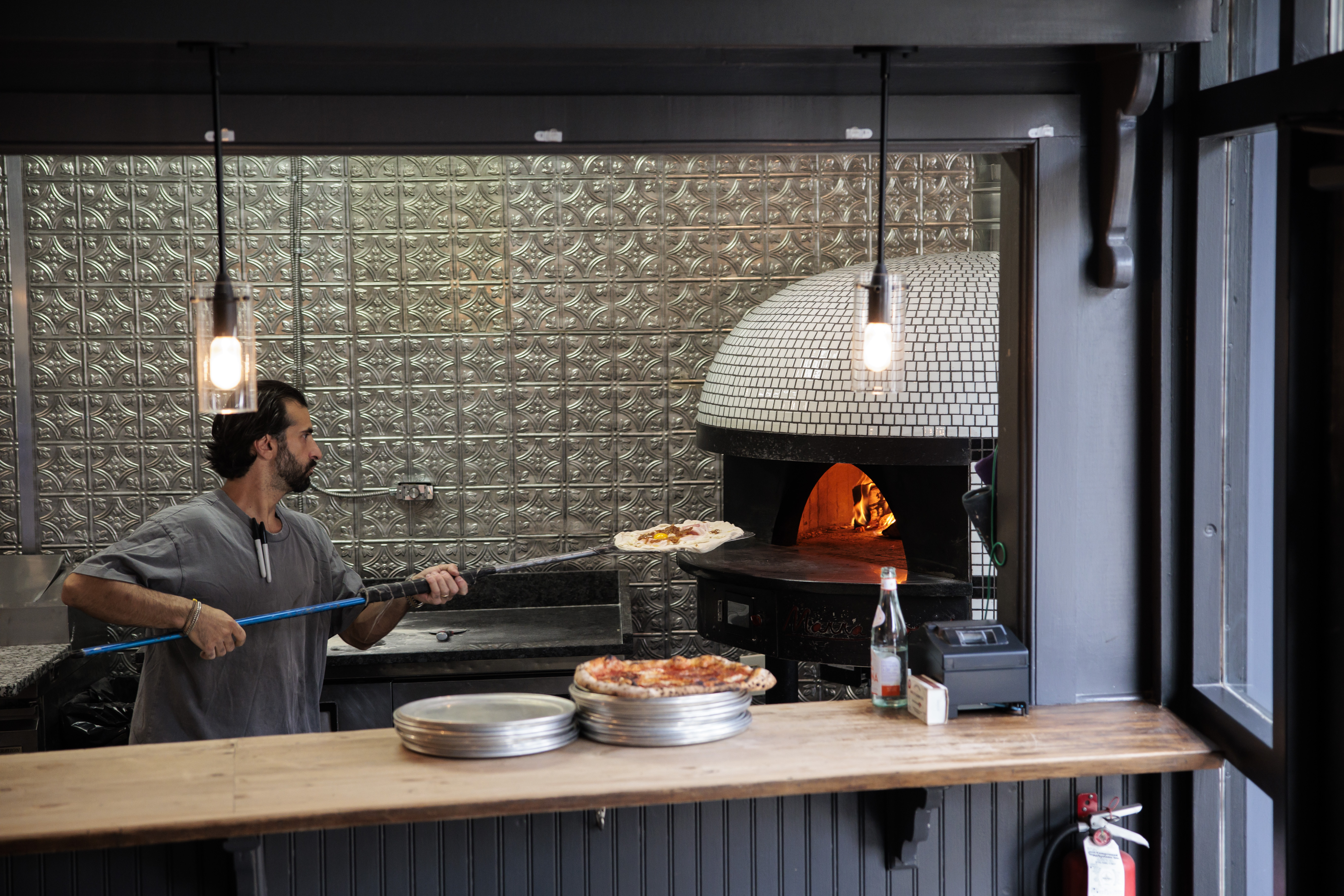
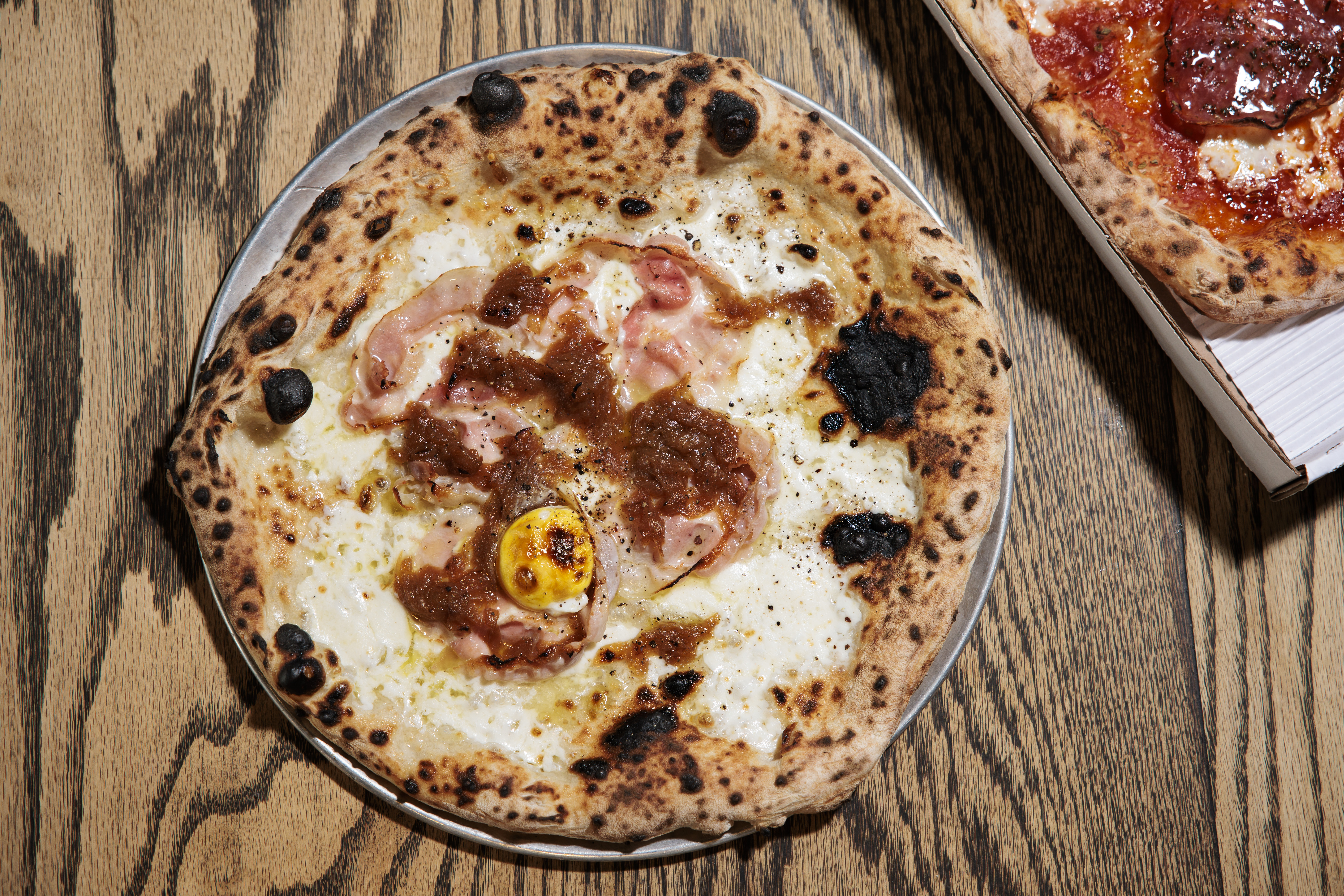
    Roberto Carollo makes the Carbonara pizza at Spuntino on Monday, Aug. 31, 2026 in Doylestown, Pa.Monica Herndon / Staff Photographer

    But Spuntino’s puffy, leopard-spotted pies are worth a trek from wherever you may be. Thin, chewy, and judiciously loaded, the pizzas are best eaten then and there, at one of the several tables Spuntino claims inside the market. (Takeout — and leftovers — are perfectly satisfying, too.)

    Carollo opened Spuntino in Doylestown in 2014 with his brother Salvatore. (They also had a Northern Liberties location from 2015 to 2023. Carollo is now Spuntino’s sole owner.) The brothers are fourth-generation pizza makers, dating back to their Sicilian great-grandfather’s bakery days. They had grown up working in their father’s Philly-area neighborhood pizzerias — “your big 16-inch pies, hoagies, sandwiches,” Carollo said — but they hadn’t made Neapolitan pies before, and they had no experience with wood-fired ovens.

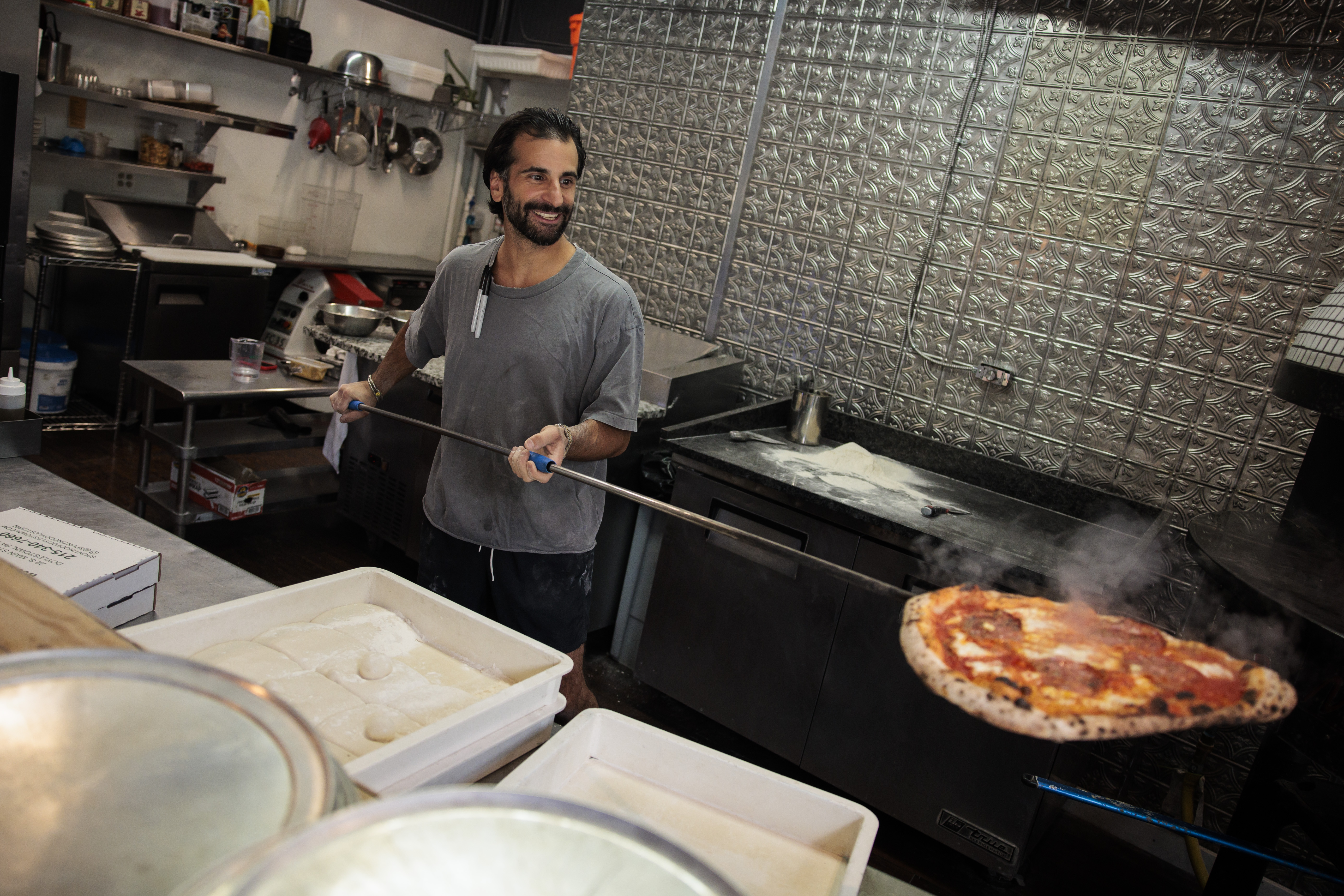
    “We kind of just were going in on a prayer,” Carollo said. They had their work cut out for them with this exacting style of pizza. At Spuntino, a 250-gram ball of 48- to 72-hour fermented dough is stretched into a millimeters-thin 11-inch round, then covered with sauce, cheese, and toppings before being pitched into a fiery 900-degree oven, where it cooks in about 90 seconds. The pizzaiolo needs to have an eagle eye. “Five or six seconds too long, and the pizza’s burned,” Carollo said.

    Roberto Carollo pulls a Ronzio pizza from the oven at Spuntino on Monday, Aug. 31, 2026 in Doylestown, Pa.Monica Herndon / Staff Photographer

    Evidently, his prayers were heard: Inquirer critic Craig LaBan named Spuntino among the suburbs’ best pizzas in 2017. Carollo said his chops have only gotten sharper since. “[The pizza] is so much better, and I think that’s natural, that’s normal. Anybody who has any profession — a major athlete — when they start at 18, they’re not as good, hopefully, as they are when they’re 25.”

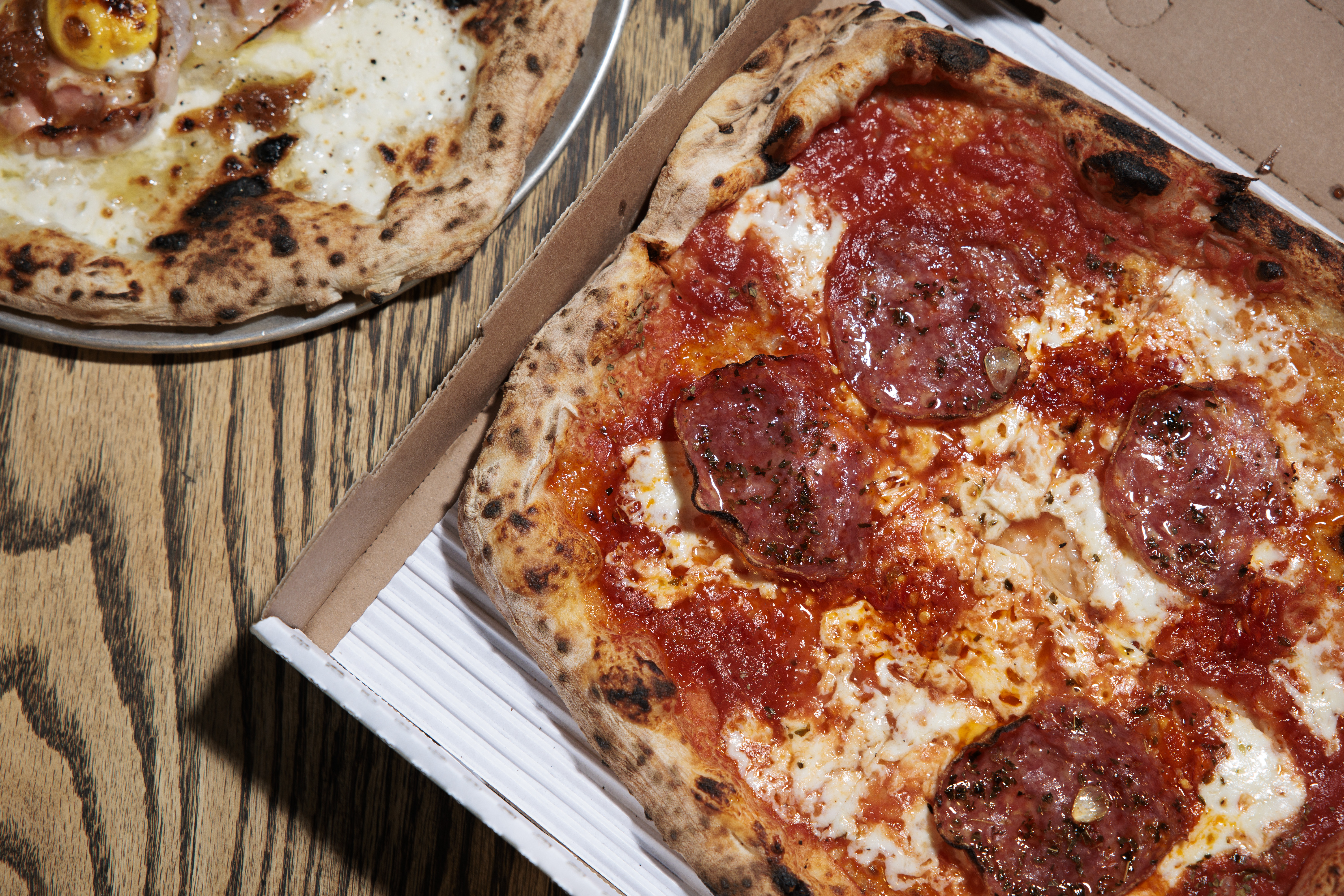
    It’s hard to choose among the 23-pie menu, but Carollo always recommends setting a baseline with a Regina, with milled San Marzano tomatoes, Lioni buffalo mozzarella, fresh basil, and salty pecorino Romano. My family scarfed one of those down, but our favorites were the Ronzio — with the same tomatoes and mozzarella, plus thin-sliced soppressata, shaved garlic, Sicilian oregano, mild Calabrian chilies, and a drizzle of honey — and the Carbonara, a white pie with pancetta, caramelized onions, fresh mozz, pecorino, and an egg yolk that’s finished with black pepper and olive oil.

    The Carbonara and Ronzio pizzas at Spuntino on Monday, Aug. 31, 2026 in Doylestown, Pa.Monica Herndon / Staff Photographer

    We’ll be back for what Carollo considers his most underrated pizza — the Tonno, a red pie with Sicilian tuna and red onion — plus another spin through his fellow vendors in the family-friendly Main Street Marketplace, including Hops/Scotch and the Department of Note stationary store and boutique. Carollo makes a very good point, and Spuntino is proof: “There are a lot of places out in the suburbs that are making such amazing pizza.”

    Spuntino, 22 S. Main St., Doylestown, 215-340-7660, spuntinowoodfiredpizzeria.com

  • The best thing Mike Klein ate last week: Retro burgers and fries at one of Joe Biden’s go-to restaurants

    The best thing Mike Klein ate last week: Retro burgers and fries at one of Joe Biden’s go-to restaurants

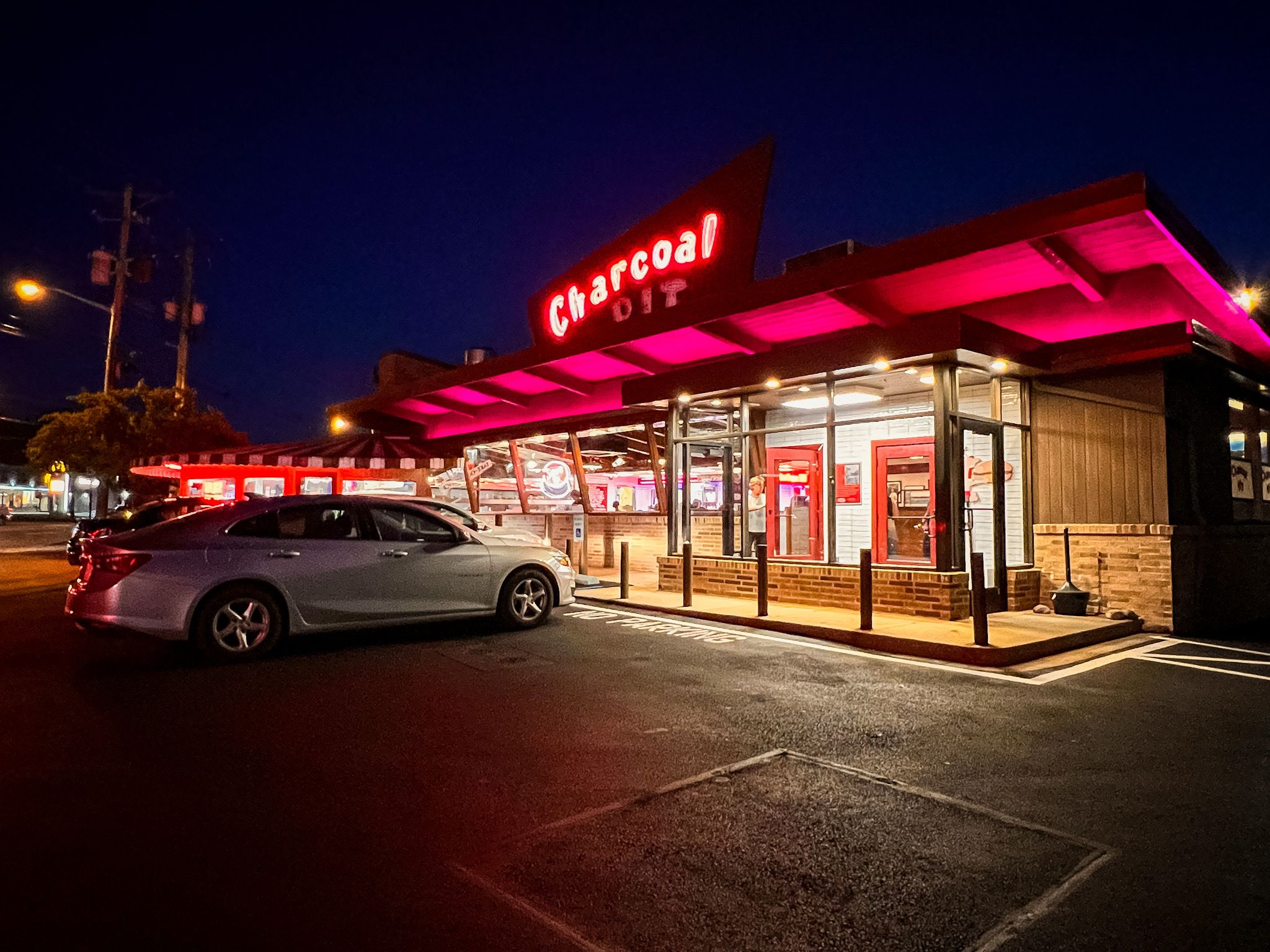
    The Charcoal Pit has been serving burgers on Concord Pike in Wilmington since the Happy Days of the Eisenhower administration, when a 4-ounce hamburger was considered a meal rather than an appetizer. (Funny how, in the GLP-1 era, that portion suddenly seems just about perfect.)

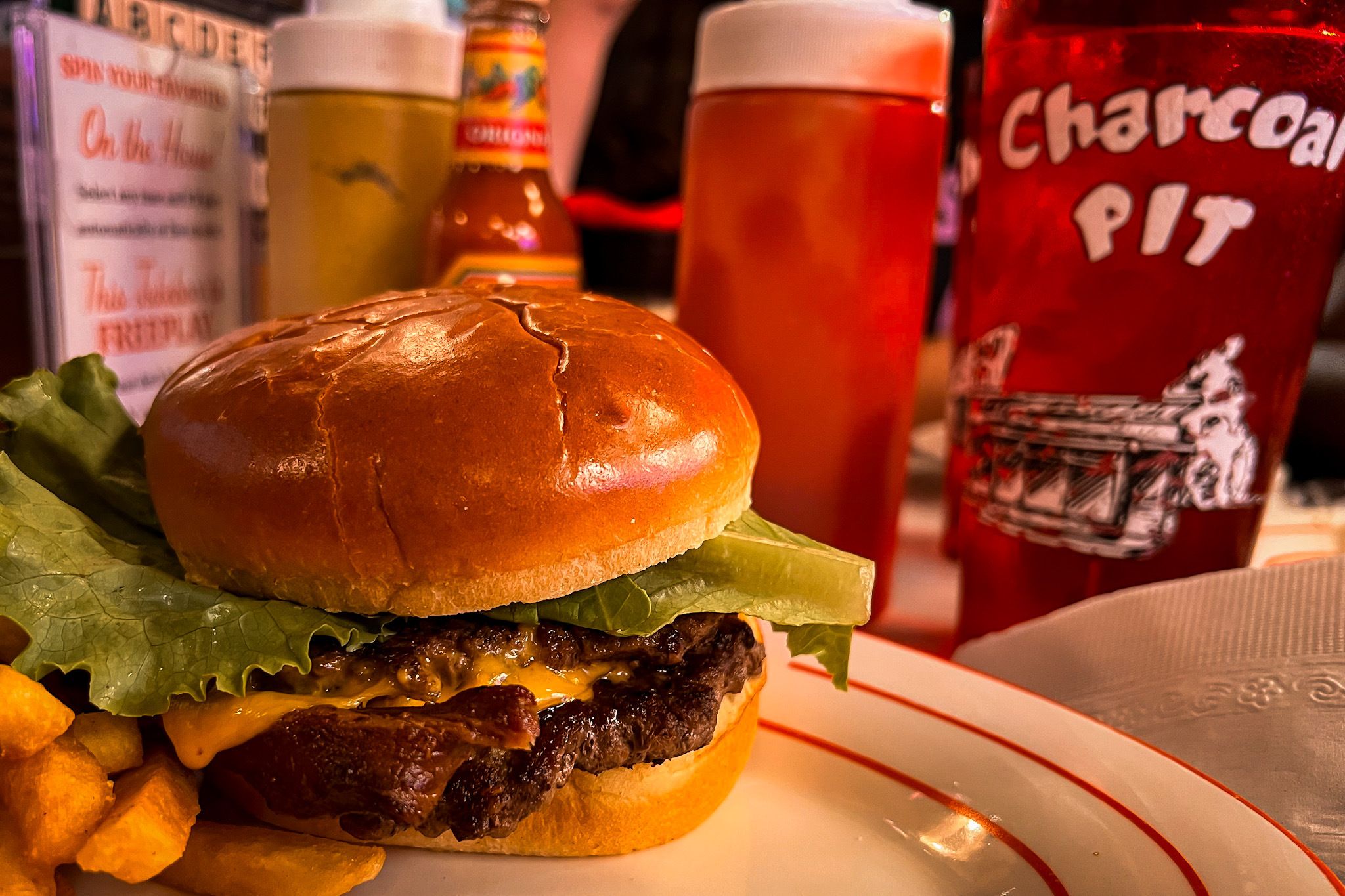
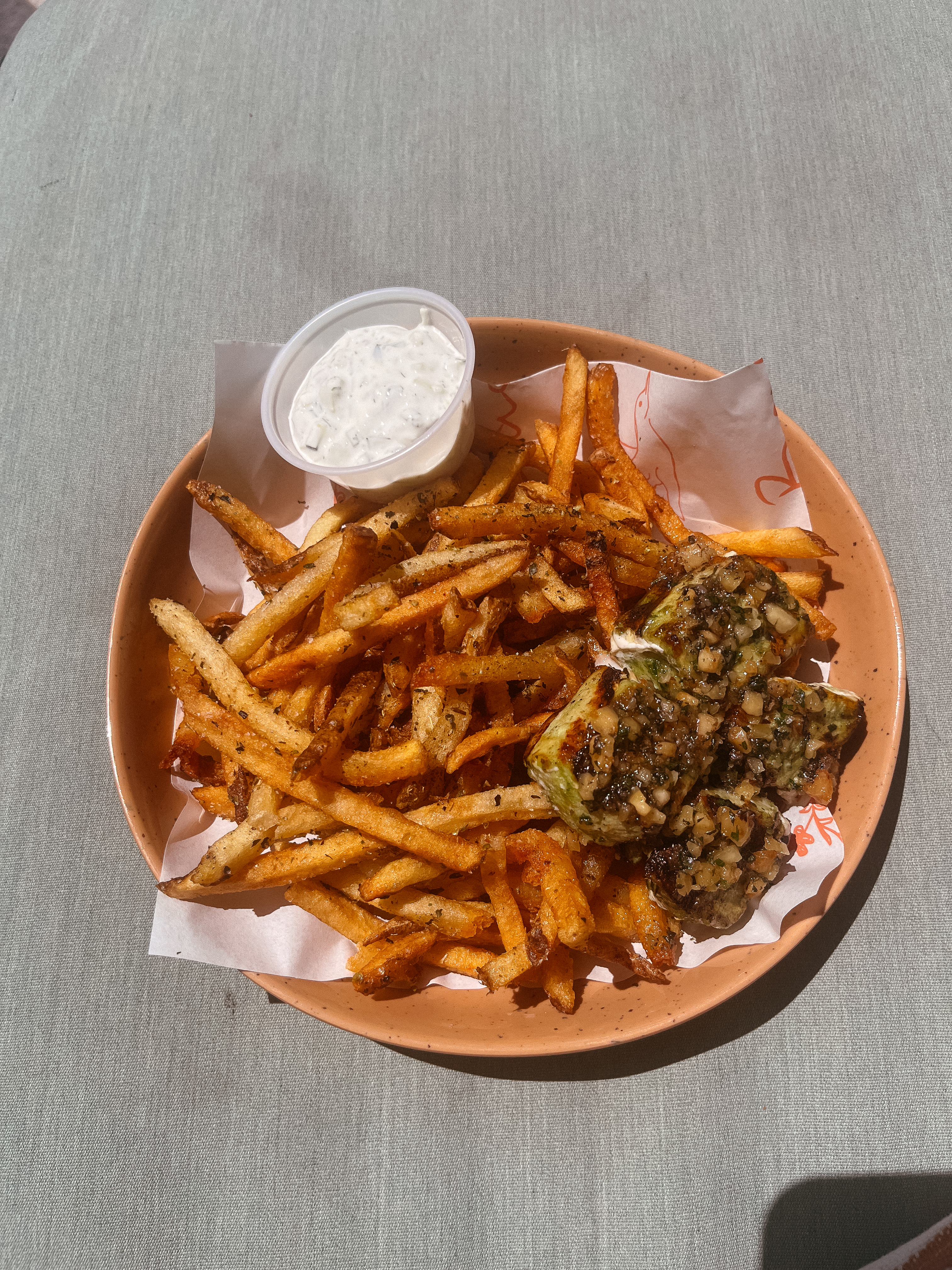
    This is honest food. The signature flame-broiled burger, ordered medium at my recent stop, arrived precisely that way — juicy and properly pink inside, speared by a charming retro toothpick helpfully confirming “medium.” The fries were similarly old-school: unevenly golden, crisp at the edges but softer through the middle.

    Charcoal Pit, 2600 Concord Pike, Wilmington, on Sept. 6, 2026.Michael Klein / Staff

    Everybody heads to the Pit’s soda fountain, where we all skipped the idea of the 20-scoop “kitchen sink” sundae in favor of a more manageable three dips: Pistachio and peanut butter swirl are two winners.

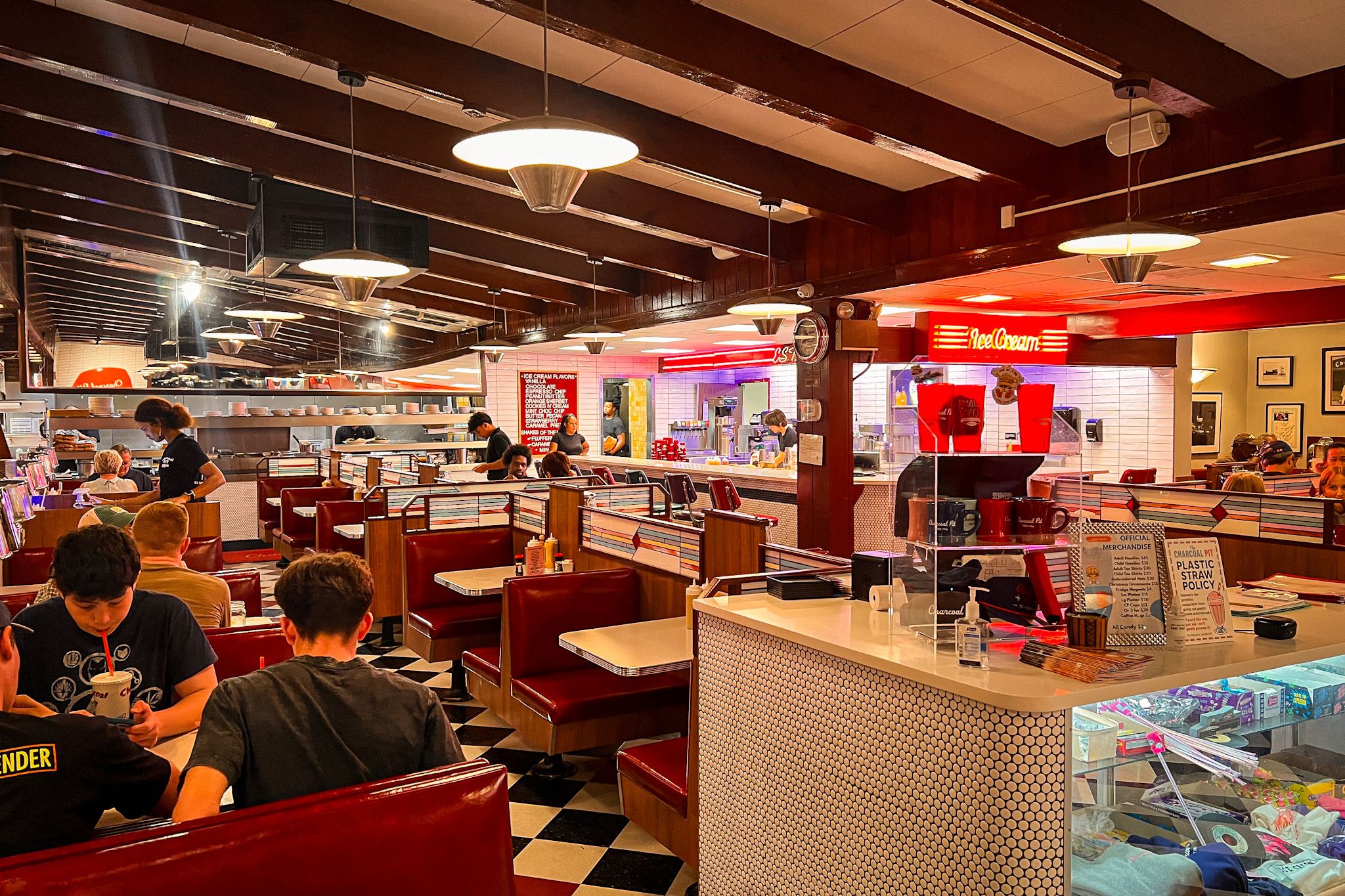
    Burgers, shakes, and sundaes never go out of style, and neither does this dining room. The Charcoal Pit looks less like a re-creation of a 1956 diner than one that never got the memo the 1950s ended.

    Despite renovations, enough survives that the nostalgia feels accumulated rather than contrived: red vinyl booths, a black-and-white checkerboard floor, saucer-shaped pendant lights, and mirrors multiplying the chrome stools and booths.

    Charcoal Pit, 2600 Concord Pike, Wilmington.Michael Klein / Staff

    One bit of history is more consequential. An oft-retold story holds that around 1960 or 1961, Joe Biden and several Archmere Academy football teammates walked out after the restaurant refused indoor service to their Black teammate, Frank Hutchins. Teammate Michael Fay later recalled Biden leading the walkout. As an adult, Biden frequented the Pit, stopping particularly for its butter pecan ice cream.

    And one practical tip survives from a more innocent part of the past: Always put the kids on the inside of the booth, so they can reach the free-play jukebox and flip through the 1950s hits.

    Charcoal Pit, 2600 Concord Pike, Wilmington, 302-478-2165, charcoalpit.net

  • The best thing Craig LaBan ate this week: Vietnamese fried chicken in deep South Philly

    The best thing Craig LaBan ate this week: Vietnamese fried chicken in deep South Philly

    Given the name, it’s no surprise that the soups are fantastic at Phở Duyên, a tiny four-year-old corner restaurant with an open kitchen at Fifth and Snyder in South Philly. Chef Duyên Le’s beef rendition of Vietnam’s famous phở comes with an impressive bouquet of herbs on a side plate (not just the usual Thai basil, but also perilla, rau ram, culantro, and mint). Its crystal-clear dark broth, swirling with star anise and other spices, is dappled with droplets of molten fat for extra flavor.

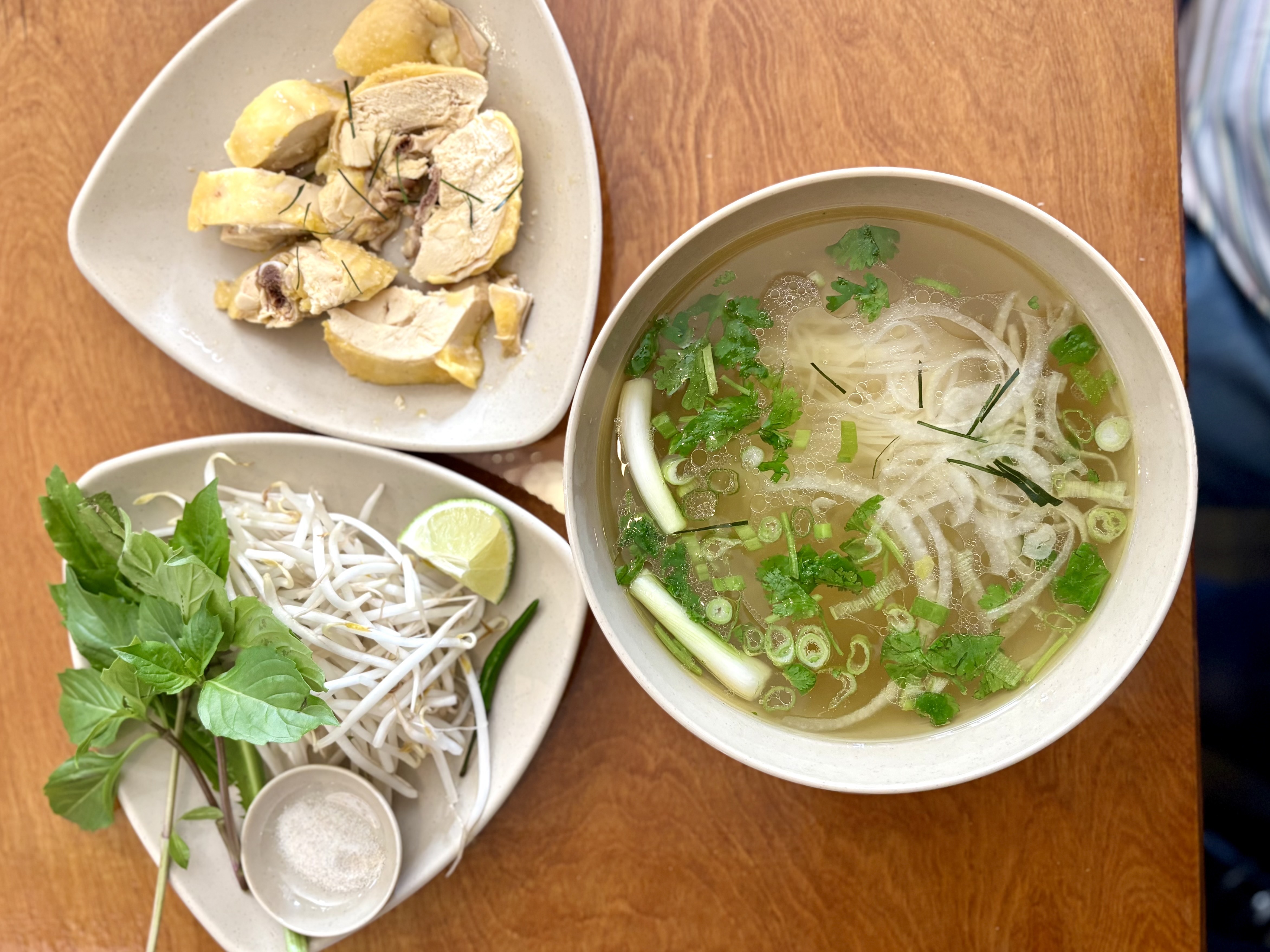
    The chicken version, phở gà, is served with a side plate of the tender, poached bone-in chunks of the fresh-killed bird. The soulful and fragrant broth is the best I’ve tasted in South Philly since Phở Gà Thanh Thanh left its Washington Avenue location to consolidate at its larger home in Olney.

    Pho gà at Pho Duyên.Craig LaBan / Staff

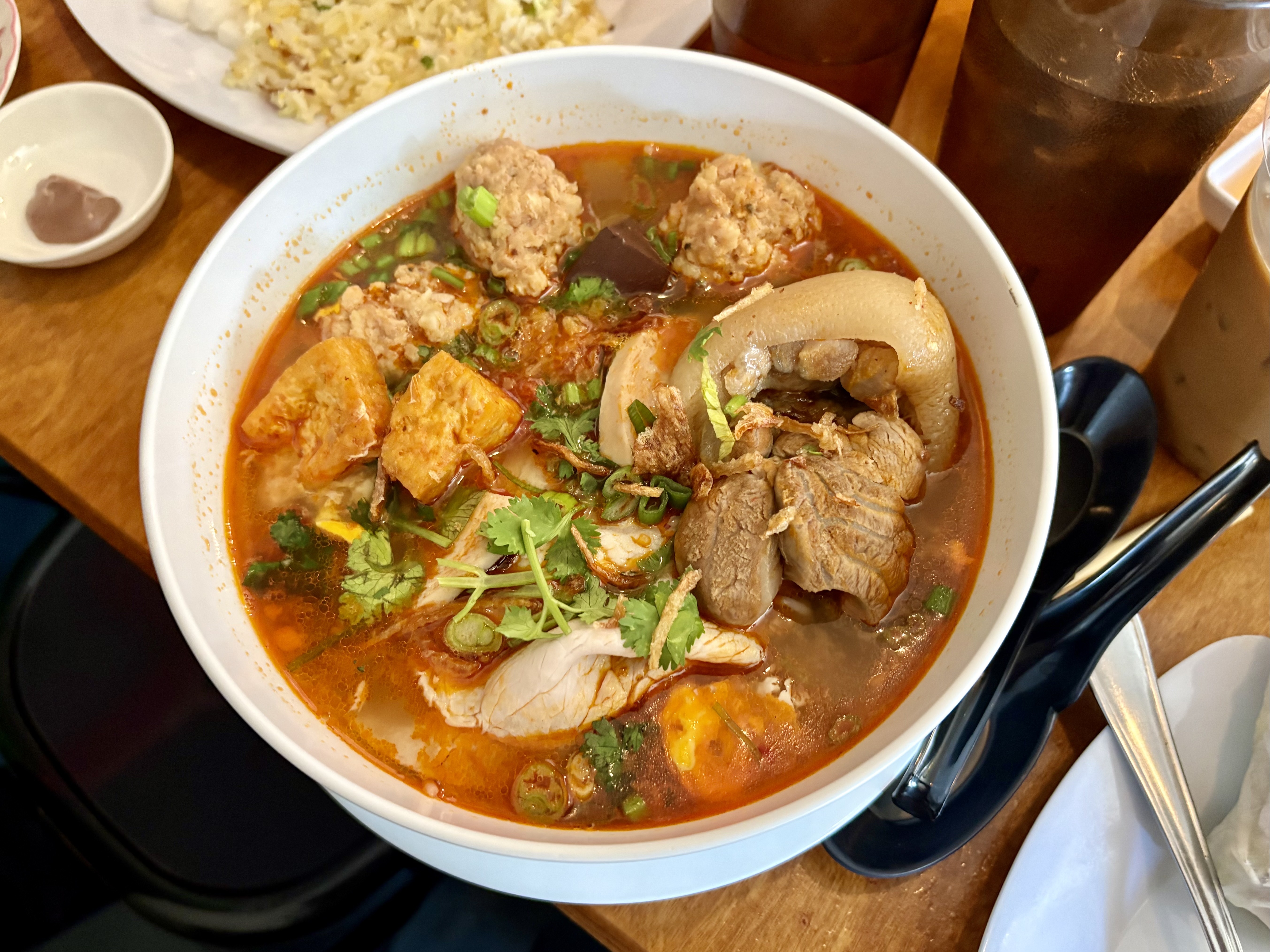
    Phở Duyên’s spicy crab noodle soup, bún riêu, is also incredible, with plump seafood meatballs bobbing alongside cubes of pork blood, fried tofu, and sundry meats that — with an extra helping of purple shrimp paste to ratchet up the umami funk level — is one of the most intense soup experiences in town.

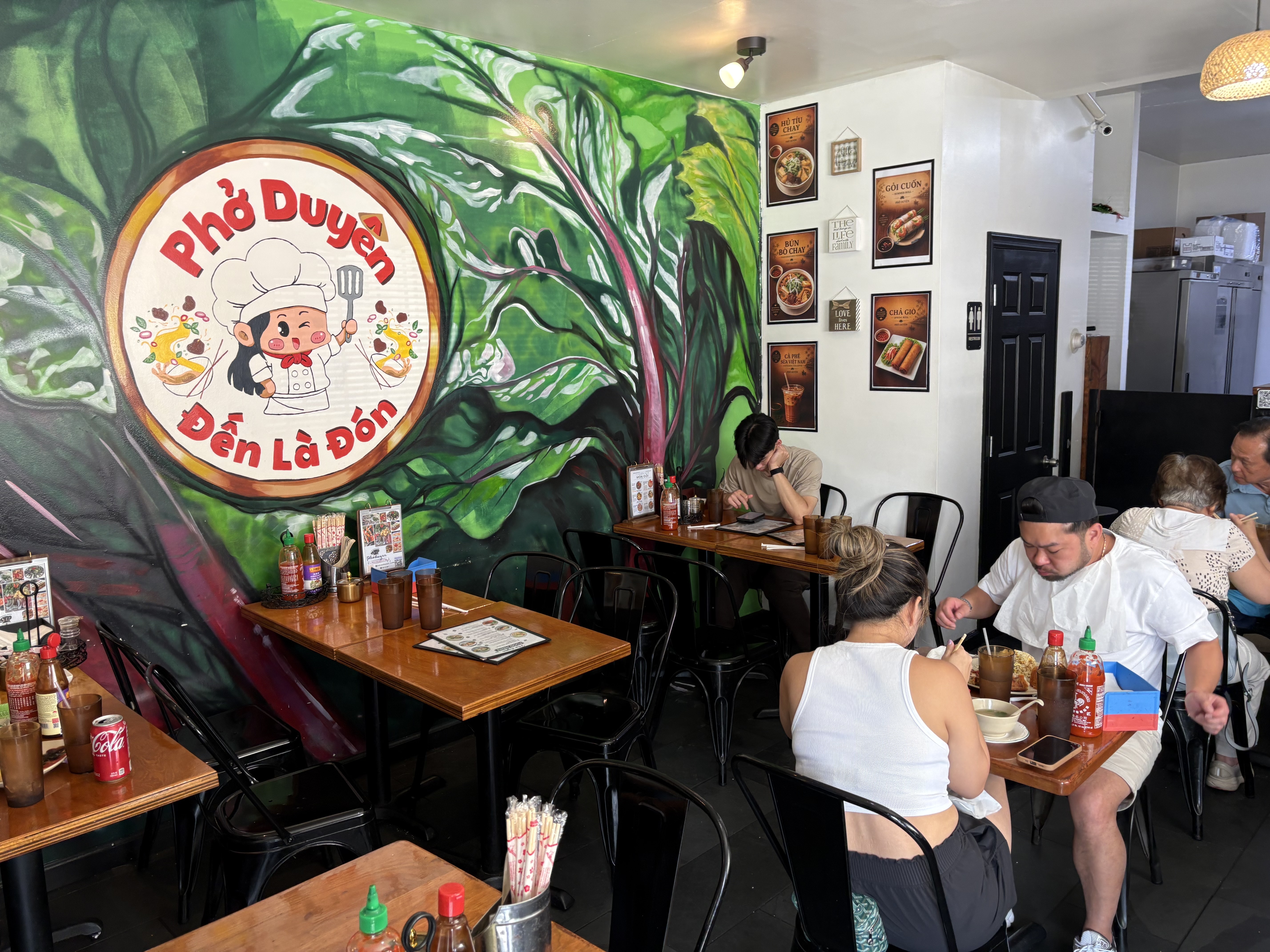
    The colorful interior of Phở Duyên in South Philadelphia.Craig LaBan / Staff
    The crab noodle soup at Phở Duyên, bún riêu, is filled with seafood meatballs, assorted meats, and a broth that shimmers with spice.Craig LaBan / Staff

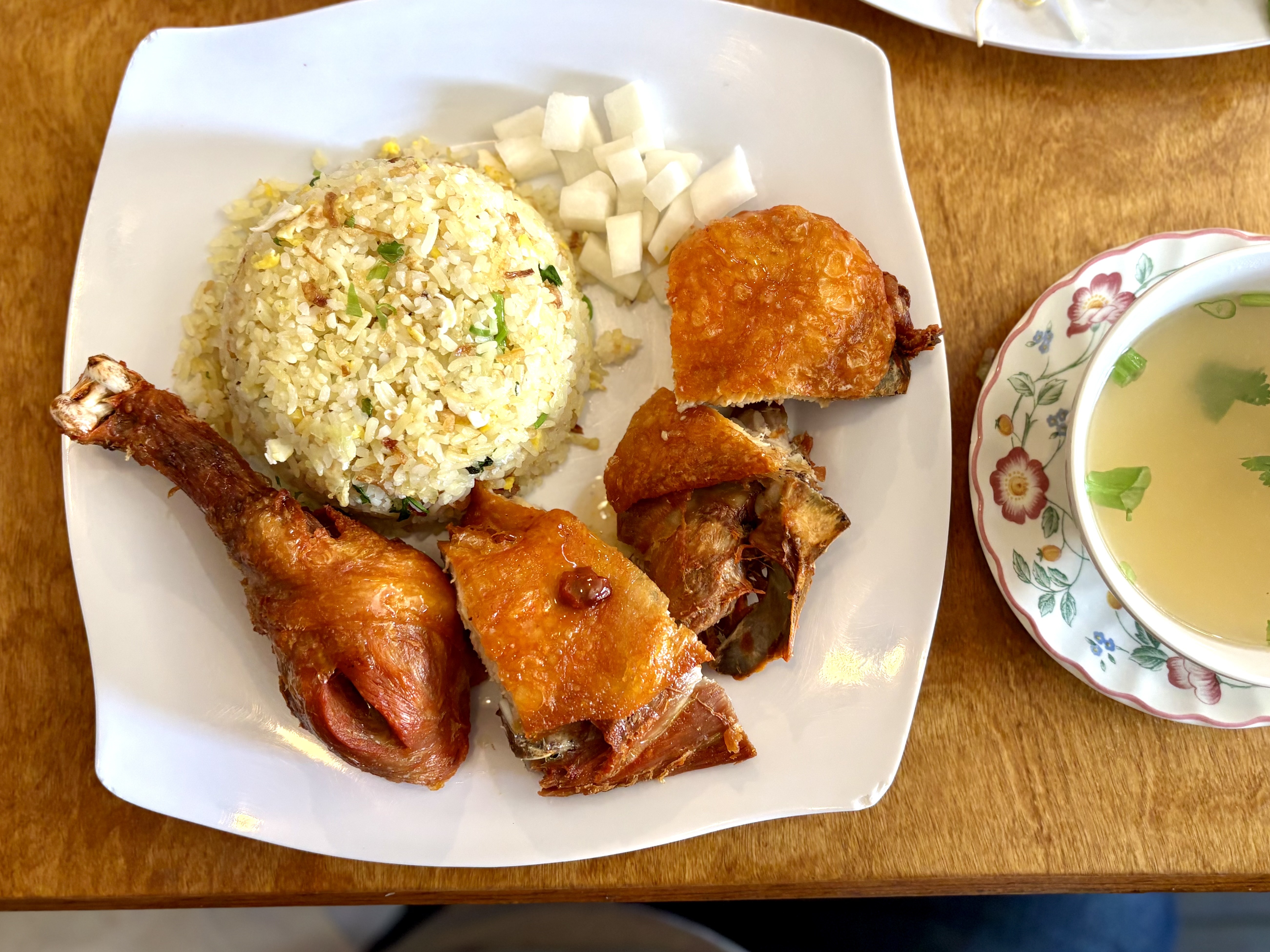
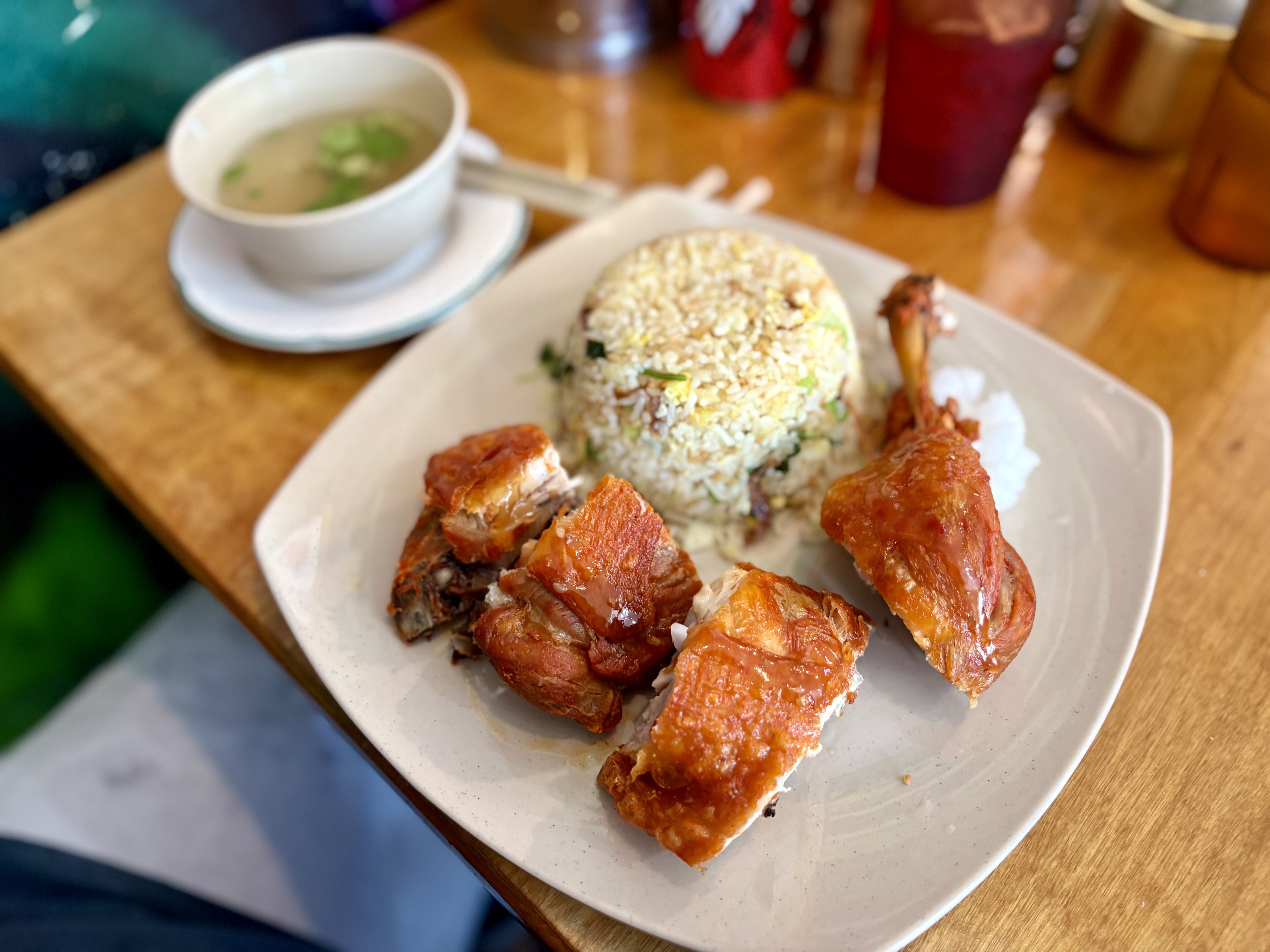
    And yet, these soups are not even the best thing that I ate at Phở Duyên, which just reopened after the family returned from an extended vacation in Vietnam. That would be the Vietnamese fried chicken platter, cơm gà xối mỡ. This meaty chicken thigh and drumstick is first simmered to juicy tenderness, then painted with a secret sauce to give it a rosy hue (the details of which chef Le declined to divulge). It crisps into a shattering crunch of parchment-thin skin you can hear across the table when someone takes a bite. An additional glaze of sweet-sour-salty sauce drizzled over top lends an extra swerve to the taste buds. It’s so, so good. But it’s really the platter as a whole — an irresistible mound of turmeric-tinted fried rice laced with crunchy fried shallots, a simple cup of restorative broth on the side, and tangy cubes of pickled daikon to refresh your palate between bites — that makes this meal my No. 1 food deal for $15 in Philadelphia right now.

    Vietnamese fried chicken, Cơm Gà Xối Mỡ, is served at Pho Duyen in South Philadelphia with fried rice, pickled Daikon cubes, and a cup of broth.Craig LaBan / Staff

    Vietnamese fried chicken platter, cơm gà xối mỡ, $15, Phở Duyên, 2039 S. Fifth St., 215-315-9109, instagram.com/phoduyenrestaurant

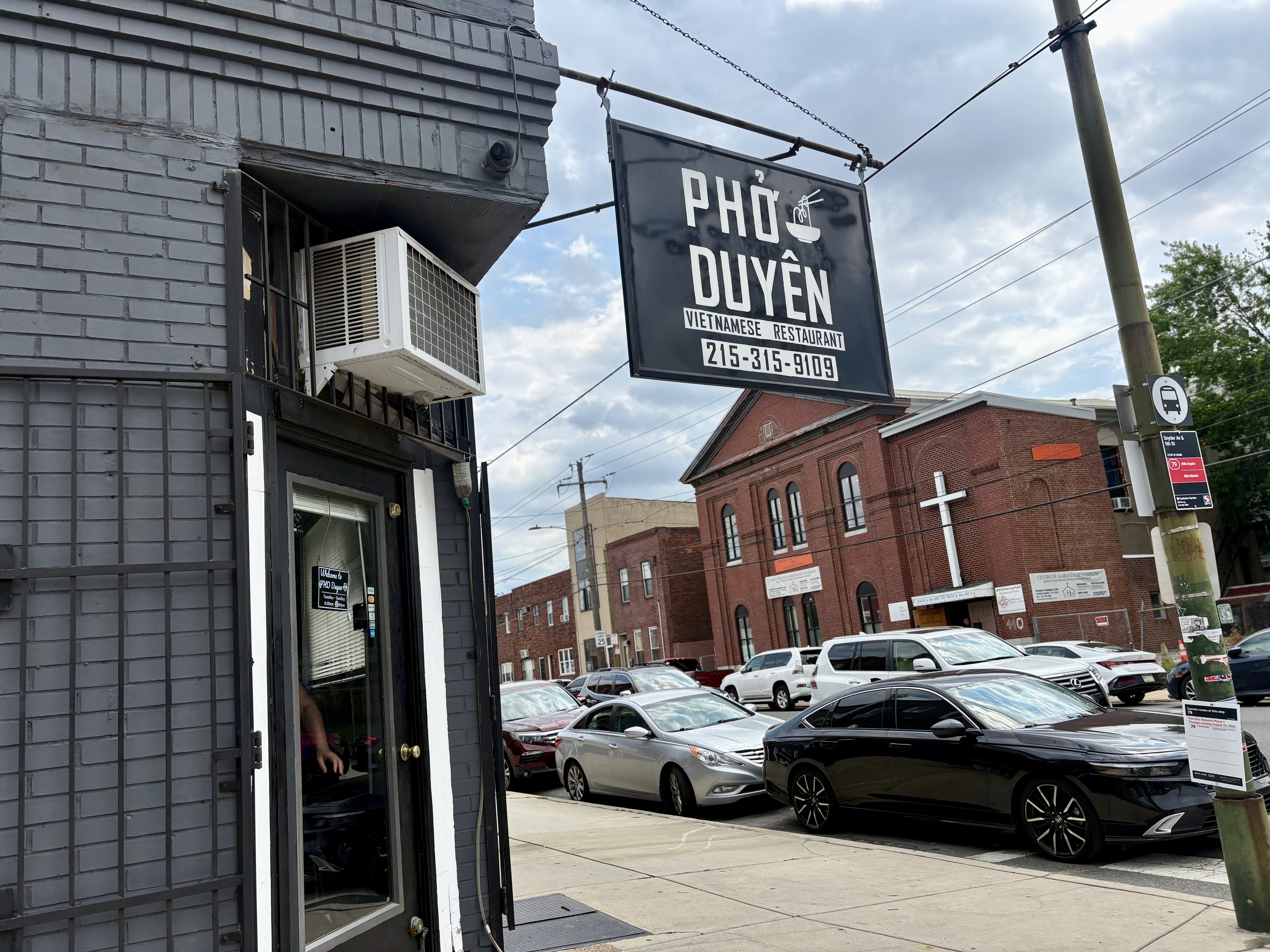
    The entrance to Phở Duyên on South Fifth Street and Snyder Avenue in South Philadelphia.Craig LaBan / Staff
  • The best thing Emily Bloch ate this week: Lots of fish on a Fishtown staycation

    The best thing Emily Bloch ate this week: Lots of fish on a Fishtown staycation

    It’s summer and that means I have one goal at basically all times: to be lounging in a pool. It’s the Florida girl in me, what can I say?

    So when my boyfriend, Mark, and I decided to take some days off together for a staycation, Fishtown’s Hotel Anna & Bel immediately came to mind. The boutique hotel, in a historic property that once served as a women’s home, opened in 2024 with a heated pool in its luxe open-air courtyard. A stay at the 50-room hotel guarantees exclusive poolside service, enjoyed while lounging on a cozy recliner. (Sorry, no day passes here.)

    We kicked off our first night as tourists in our own city with a meal at Bastia, the in-hotel restaurant with a Sardinian- and Corsican-inspired menu. Many excellent bites were had: skate cheeks over white polenta and sweet peppers that transported me back to the South, a bright artichoke salad with shaved Parmesan, and a morel tart that inspired at least one limerick about how good morels are.

    But one special in particular really sang.

    Mark loves eating fish and is an excellent cook, but he’s a hamachi collar skeptic, having tried so many that have been underseasoned, uninspiring, and so tough you have to scrape the should-be fatty meat off the bone.

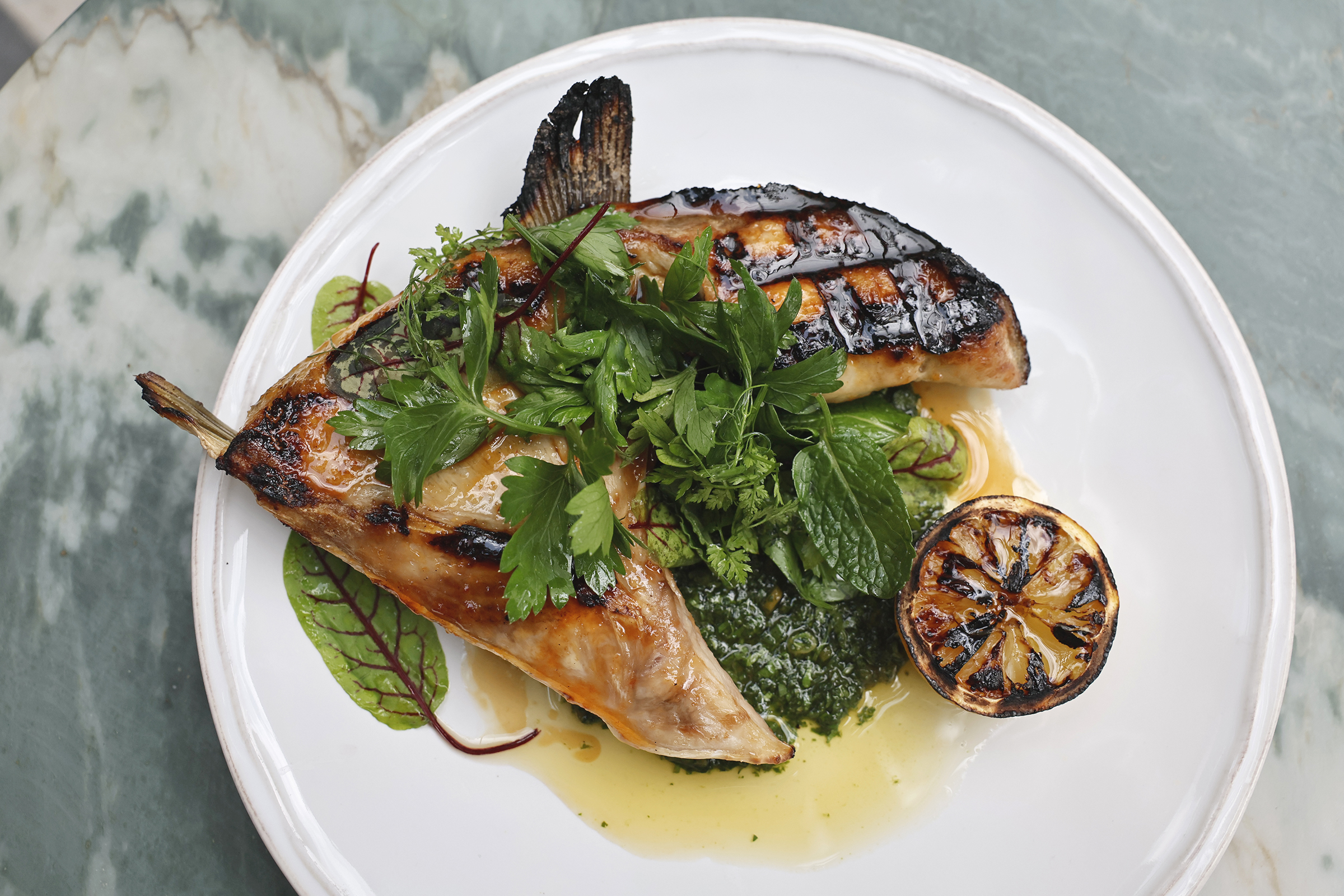
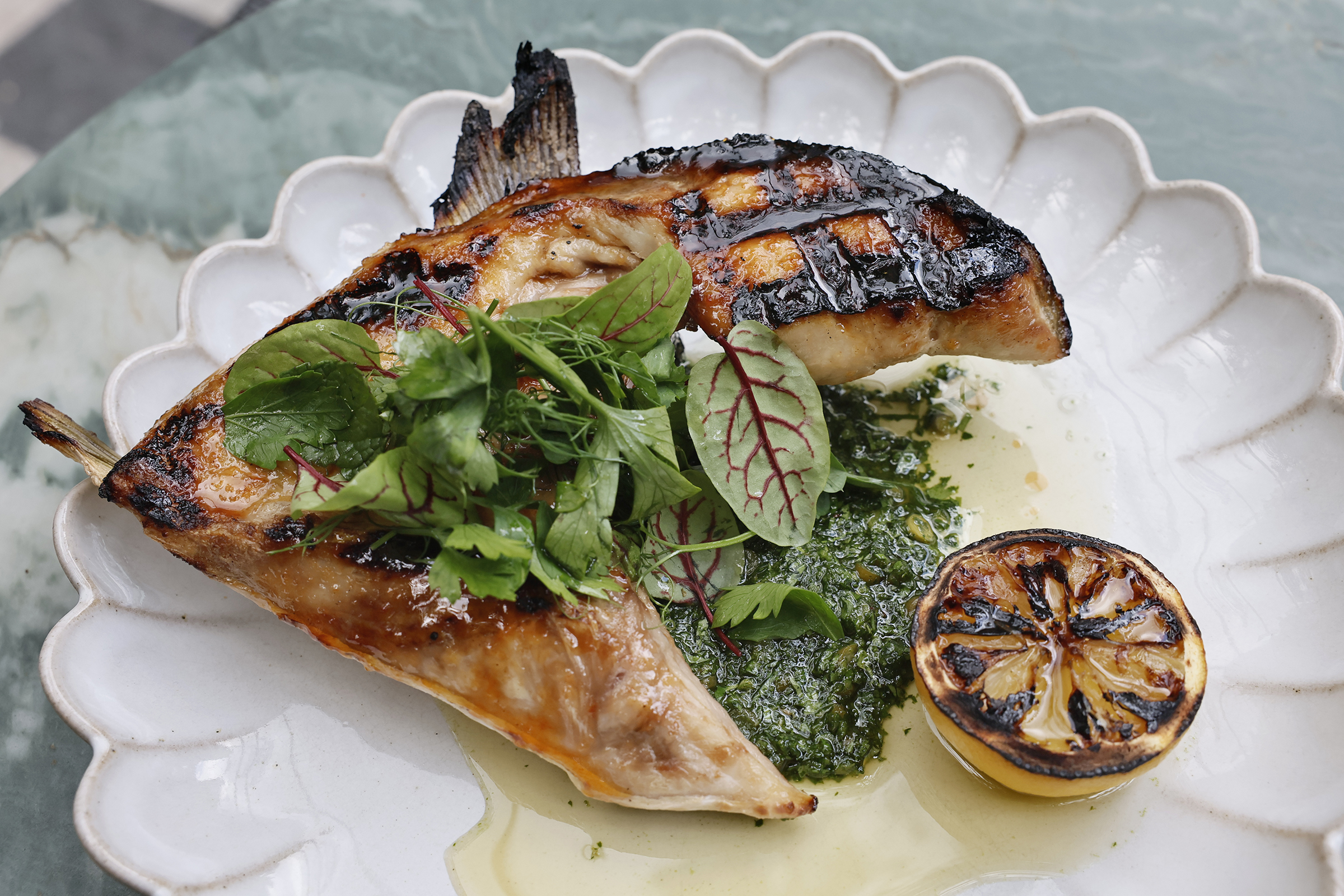
    He had all but written off the cut — until executive chef Michael McDonough’s hamachi collar with grilled fioretto cauliflower, beldi olive agrodolce, and golden raisin glaze hit the table. One bite and Mark was sold. “It’s as if they cooked hamachi collars like they were sweet barbecue ribs,” he said.

    The grilled hamachi collar, Calabrian chili agrodolce, garlic scape salsa verde, and fines herbs at Bastia in Fishtown. Elizabeth Robertson / Staff Photographer

    The fish itself was blackened and tender, lacquered with a complex glaze, and brightened by a spritz of grilled lemon wedge. Its meat fell right off the bone and melted in our mouths.

    This special frequently appears on Bastia’s menu because the hamachi collar is leftover after the kitchen team preps the amberjack crudo that lives on the menu at Caletta, the restaurant’s moodier, more playful cocktail lounge sister. (Hamachi is the Japanese name for amberjack, aka yellowtail.)

    McDonough said the accompanying components came together out of seasonality and theme. Fioretto cauliflower — whose heads are nuttier and less dense than standard cauliflower — is at its peak. Beldi olives (Moroccan cured black olives) and golden raisins are crossover ingredients in the Sardinian, Corsican, and neighboring North African trade hub.

    My other favorite bite was good enough to order twice.

    Bastia’s swordfish skewers are a mainstay on its menu. They start with a center-cut loin that’s diced and marinated in an herb blend of parsley and marjoram. McDonough preserves the herbs’ vibrant green color by emulsifying them in oil with a little bit of ice. From there, the kebabs are grilled and finished with Sicilian olive oil, fresh lemon juice, French sea salt, and walnut pesto. The set of emerald green kabobs are served atop a bed of black rice with citrus labneh.

    Emily Bloch enjoyed Bastia’s swordfish skewers so much, she ordered them the following day in their lunch format: swapping black rice for a bed of traditional-cut fries.Emily Bloch

    We enjoyed the skewers so much, we ordered them the next day from Anna & Bel’s poolside menu, which pairs them with golden, traditional-cut fries. After a few bites washed down with Caletta’s dirty martini and tonic (a best-of-both-worlds drink off the bar’s aperitivo hour menu), we determined our future pool days have been ruined forever.

  • The best thing Beatrice Forman ate this week: Breakfast at Chibanos

    The best thing Beatrice Forman ate this week: Breakfast at Chibanos

    I am a breakfast sandwich snob. I also love rules, which is why there’s rigorous criteria a sandwich needs to meet for me to even consider ordering it.

    Is it served on brioche, a bread that is entirely too soft for a greasy sandwich? Hard pass.

    Is there one of those dreaded rectangular egg patties, which are somehow always dry and a little cold in the center? Don’t even send it my way.

    Does it lack whimsy? Unless there’s some sort of intrigue — a fun condiment, fresh-baked bread, a flavor combo that gives a sense of perspective — I’ll just have eggs with a side of bacon and home fries, please.

    A lot of Philly’s breakfast sammies make the grade, but I’ve only ever fixated on one: the Chino at Chibanos, Washington Square West’s recently opened Chinese-Cuban sandwich shop at 1127 Pine St.

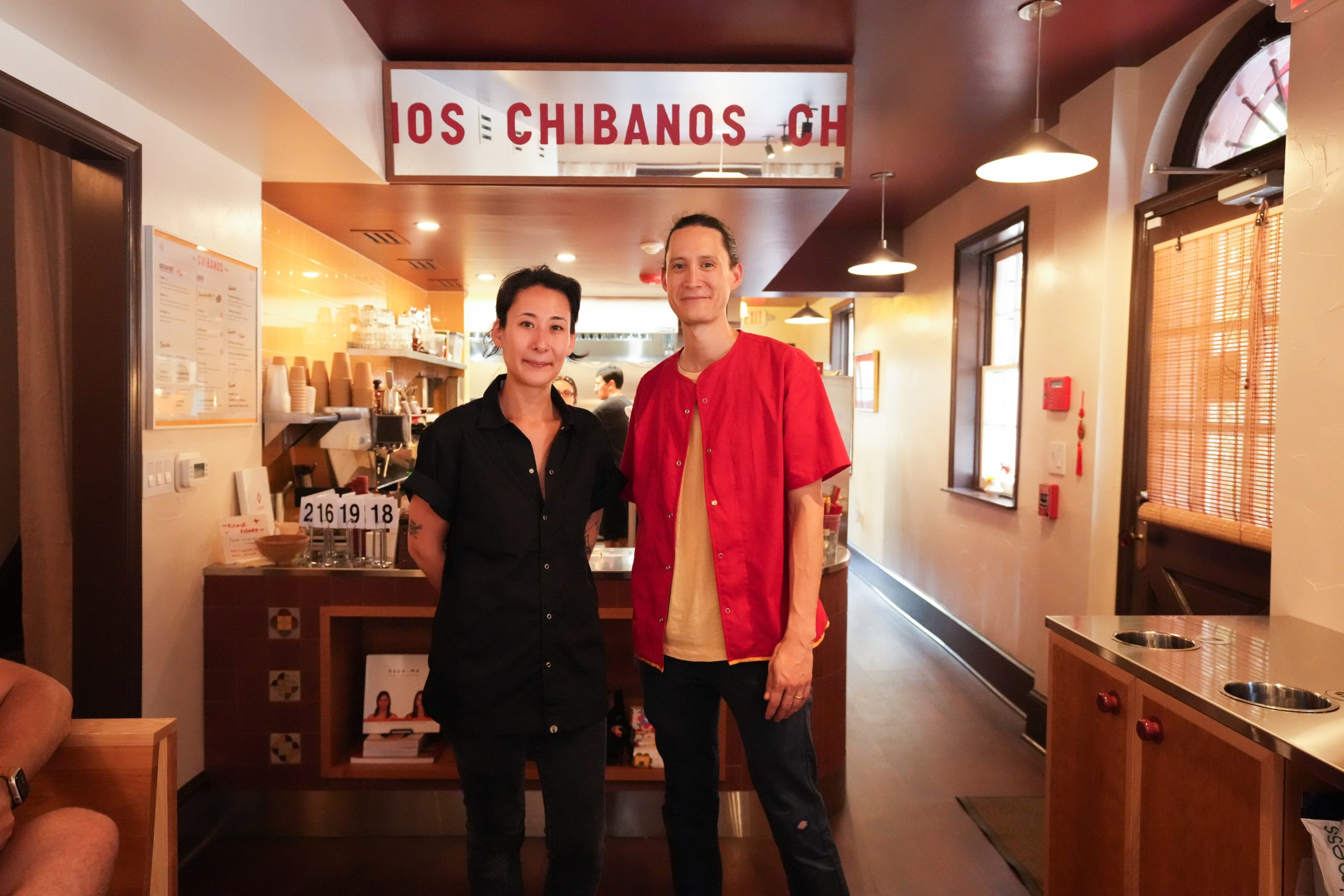
    Executive chef Aya Iwatani (left) and owner Evan Jaroff (right) inside Chibanos, their Cuban-Chinese sandwich shop that opened on July 1 at 1127 Pine St.Jessica Griffin / Staff Photographer

    The tight menu — eight sandwiches plus a handful of snacks — is an ode to owner Evan Fong Jaroff’s mother, Ana, a Chinese Cuban who immigrated to the U.S. from the island in the 1960s. Jaroff grew up watching her command their home kitchen in Lansdowne, where she’d serve traditional Southeast Chinese fish dishes alongside staple Cuban dishes like fried yucca, beef picadillo, and lechón (aka shredded and slow-roasted pork).

    “I don’t think of us as a Cuban restaurant. I don’t think of us as a Chinese restaurant,” Jaroff told me in July. “We’re our own thing.”

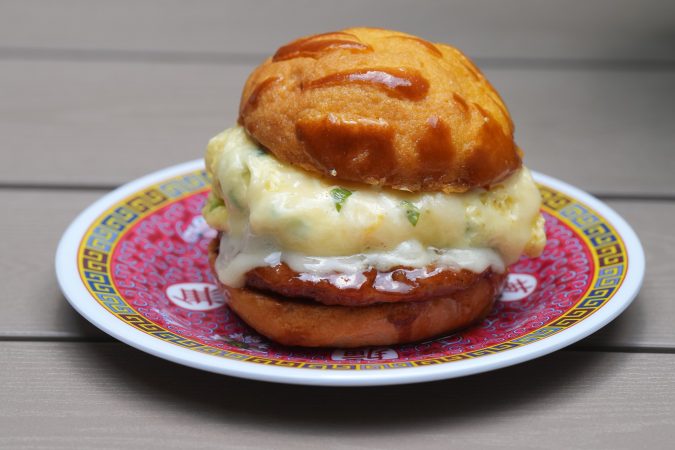
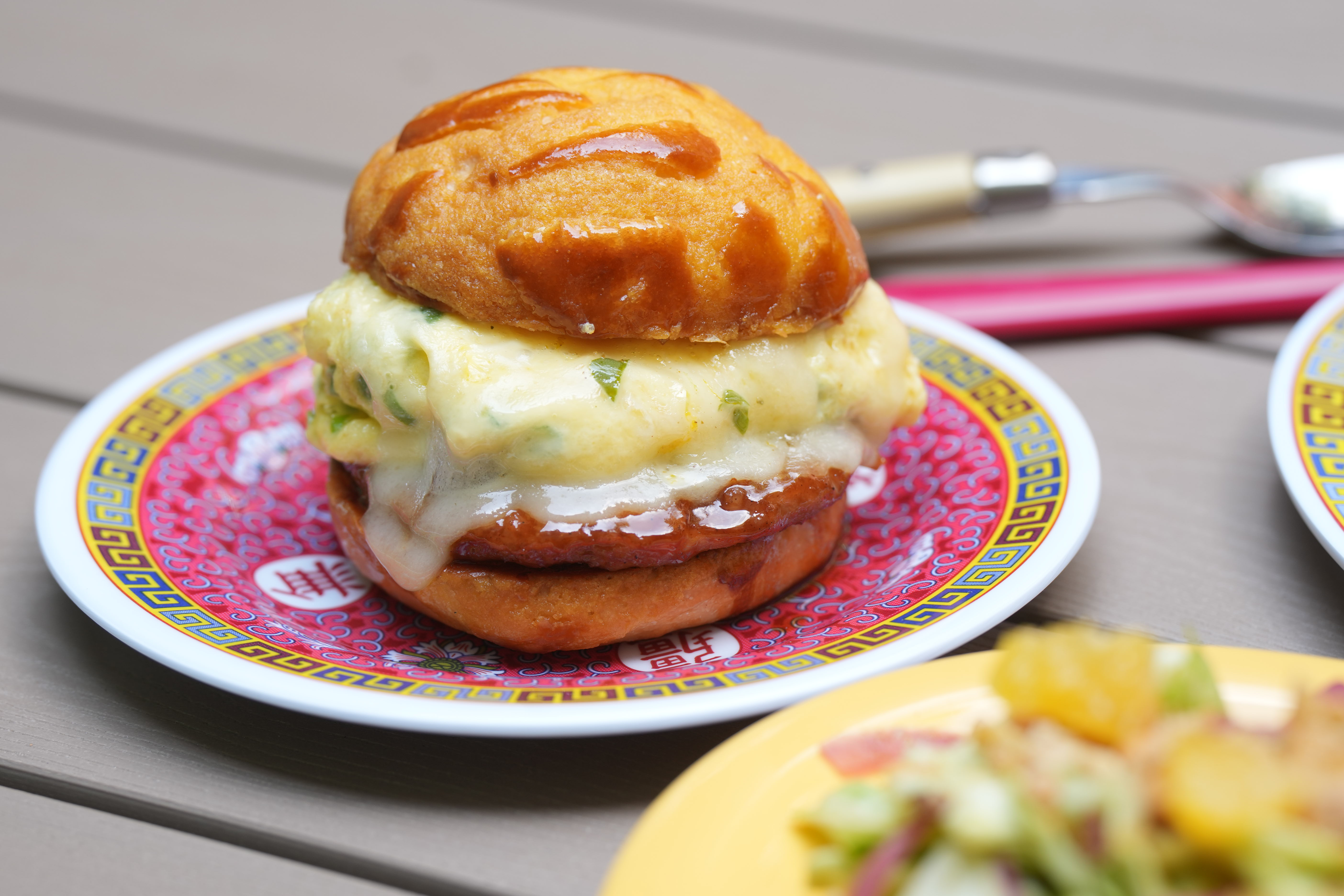
    Chibanos’ menu pulses with nostalgia. That’s especially true of the Chino, which packs fluffy eggs, melted Swiss cheese, and a sticky-sweet char siu-style sausage patty between a crackle-crusted bolo bao bun smeared with garlicky scallion mayo.

    The sandwich is an adult version of Jaroff’s favorite childhood breakfast: a steamed, custard-filled bao from pretty much any bakery in Chinatown.

    The Chino breakfast sandwich on a Dodo Bakery bolo bao at Chibanos, a Chinese-Cuban sandwich shop at 1127 Pine St.Jessica Griffin / Staff Photographer

    Developed in partnership with executive chef Aya Iwatani (formerly of Honeysuckle Provisions), the Chino is the perfect combo of sweet and savory. It conjured up my own memories of using sausages to sop up the leftover syrup from diner pancakes. The lightly sweet bao from Dodo Bakery — a Cantonese bread and sweets specialist in South Philly — is equally transportive. It reminds me of the oversized conchas that lined the pastry cases of the panaderias in the tiny Hudson River town I lived in as a teen.

    It’s funny how a single sandwich can take me to so many places. Perhaps I should add another question to my breakfast sandwich checklist: Does it make me feel warm and fuzzy?

    The Chino most certainly does.

  • The best thing Mike Klein ate this week: Chicken roulade at Academy Grill

    The best thing Mike Klein ate this week: Chicken roulade at Academy Grill

    White-tablecloth restaurants in Eastern Montgomery County are few and far between nowadays, which makes the recent arrival of Academy Grill in Fort Washington something of a throwback.

    Tucked off Bethlehem Pike near Germantown Academy, the restaurant took over the building that for years housed Cantina Feliz. (Last year, the Mexican restaurant left Fort Washington for Ambler, 10 minutes away.) The sleek Academy Grill is taking a decidedly different approach: polished, contemporary American cooking with chef Jeffrey Power in the kitchen.

    Power is no stranger to the area. He was the longtime chef at Dettera, the ambitious Ambler restaurant that closed earlier this year, and before that worked at Blackfish in Conshohocken and Le Bec-Fin downtown. Though Power is turning out steaks and seafood at Academy Grill, one other dish connects those chapters of his career.

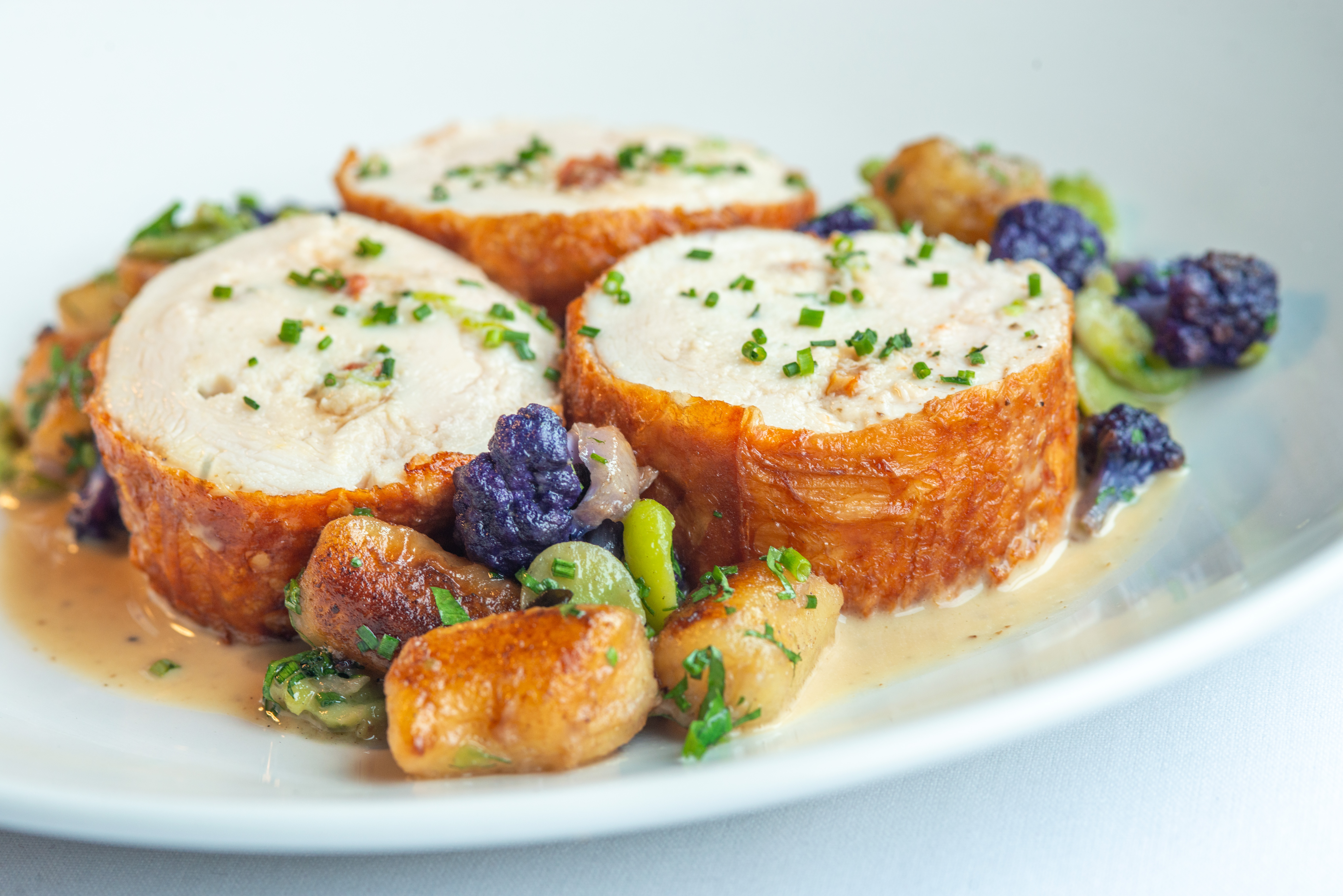
    Power’s chicken roulade — once a staple at Dettera — traces its roots back more than 20 years to Le Bec-Fin, though the technique has evolved. Power completely debones a whole chicken, removes the legs and thighs, and wraps the breast in its skin around a chicken mousseline studded with sun-dried tomatoes, oregano, basil, parsley, and scallions.

    At Le Bec-Fin, the roulade was rolled, tied in the old-school fashion, then pan-seared. Power now forms it into a cylinder using cellophane and cooks it sous vide, setting the proteins and helping the roulade hold its shape. It is then deep-fried to evenly crisp the skin around juicy chicken and herb-flecked mousseline.

    The dish is unabashedly rich, but its accompaniments have changed with its surroundings. At Dettera, Power plated it with English peas, smoked fingerling potatoes, and cremini mushrooms. At Academy Grill, pillowy potato gnocchi and earthy truffle crema add to its lushness. Cauliflower brings sweetness, while fava beans provide a fresh counterpoint — green, slightly nutty, and mildly bitter.

    In that sense, the roulade is both a new Academy Grill dish and a snapshot of Power’s career: a Le Bec-Fin idea refined at Dettera and carried into his latest kitchen.

    Academy Grill, 424 S. Bethlehem Pike, Fort Washington, 610-424-5000, academygrill.com.

  • The best thing Hira Qureshi ate this week: the spanakopita at Stina

    The best thing Hira Qureshi ate this week: the spanakopita at Stina

    It’s been three years since my parents visited me in Philly, and I needed a restaurant that would impress the toughest critics I know.

    One place came immediately to mind: Stina.

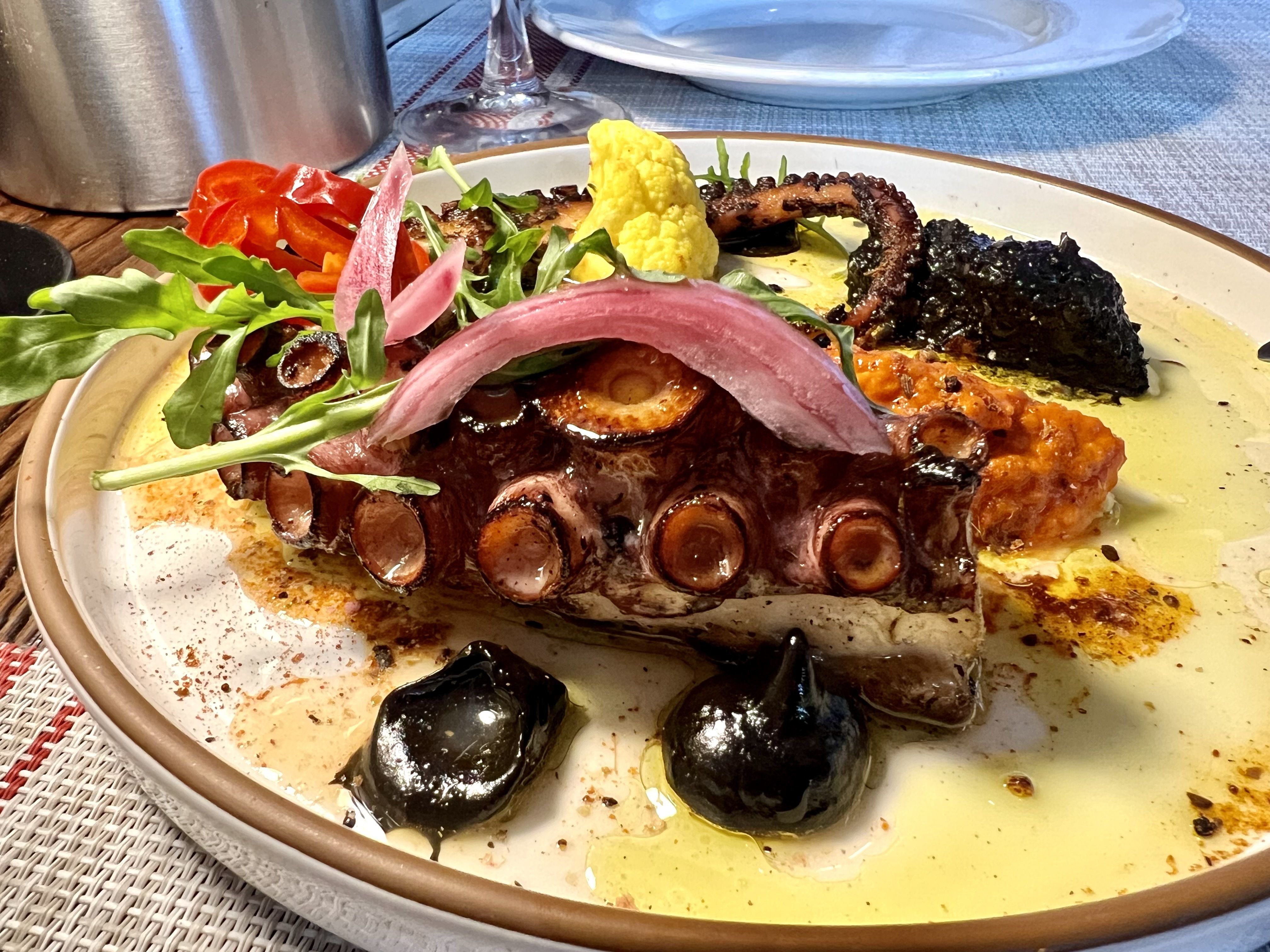
    Chef-owner Bobby Saritsoglou’s Snyder Avenue restaurant leans Greek, showcasing the joy of wood-fired dishes. It’s a crowd-pleaser, and a perfect spot to bring out-of-town visitors. The slow-cooked octopus is one clear example why.

    My father, who usually stays clear of octopus due to previous bad experiences, instantly fell for the gorgeous char on the S-shaped tentacle we got, which comes from the three-hour slow cooking. Dunking chunks of octopus into the almond romesco and black garlic purée on the plate, we devoured the crisp yet tender tentacle with awe and delight.

    “I didn’t think I’d be eating an octopus again,” my father said. “This is the best I’ve had in a long time.”

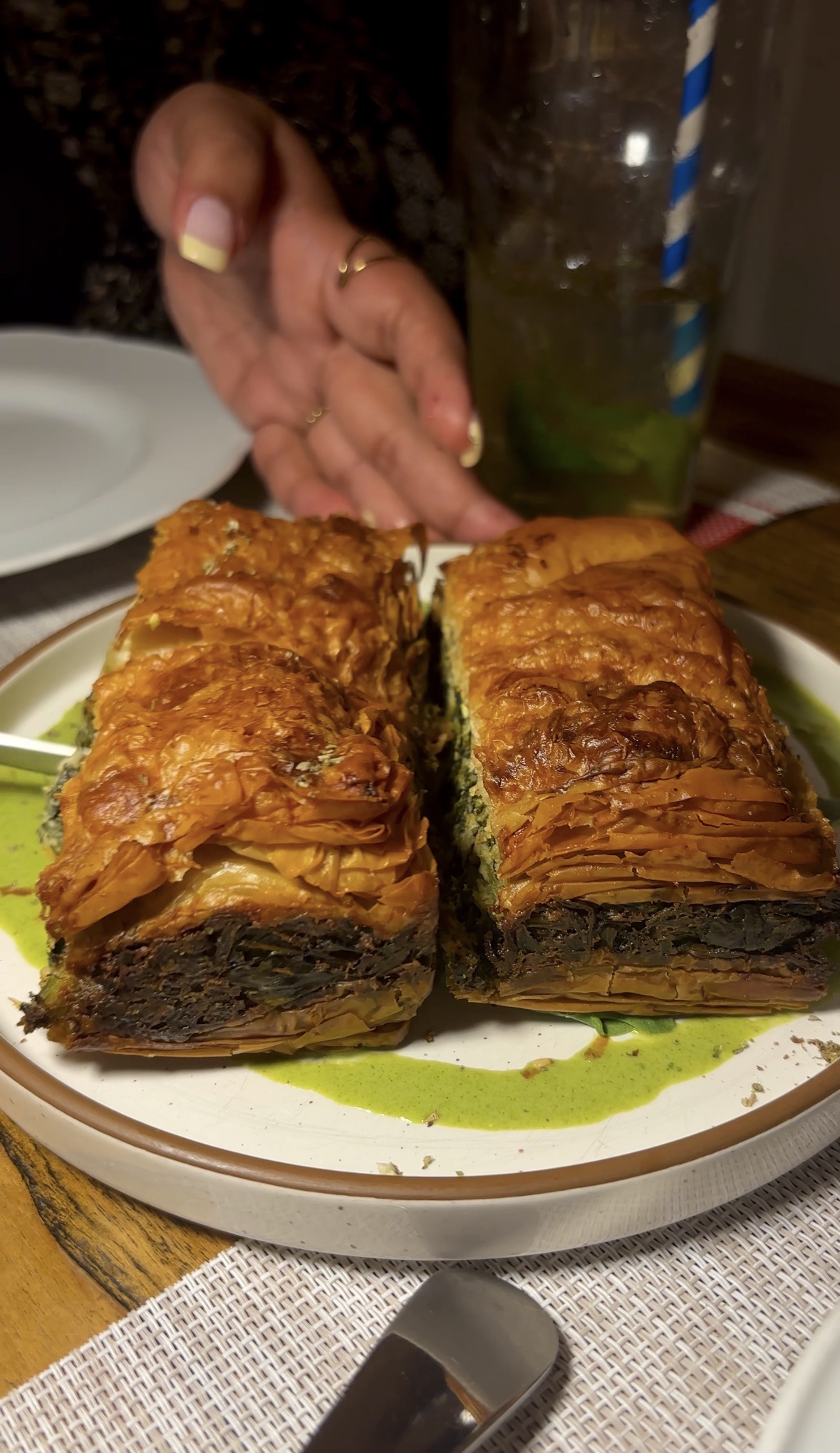
    The spanakopita at Stina.Hira Qureshi

    But then, a glorious crackling sound moved our attention away from the octopus to my sister, who was cutting into an overstuffed piece of browned, crispy phyllo. My mother, eager to sink her teeth into the spanakopita, couldn’t help but take two pieces for herself. “[With] that [sound], I know it will be good.”

    And she was right.

    The savory tastes of fresh spinach and barrel-aged sheep’s milk feta, with subtle notes of shallots, lemon zest, dill, parsley, and cracked black pepper shine through with each bite.

    Both dishes were the highlight of my Stina visit — and the best things my parents ate on their Philly trip. They even received high praises on my dad’s Facebook posts.

  • The best thing Kiki Aranita ate this week: The savory tomato tart from Market Day Canelé

    The best thing Kiki Aranita ate this week: The savory tomato tart from Market Day Canelé

    Market Day Canelé’s savory tart is a scrapbook of sorts for owners Gil Ortale and Nem Ngo. It’s sold at farmers’ markets on weekends, each tart a collection of every interaction they’ve had through the week, shopping from their fellow vendors at Rittenhouse, Headhouse, Chestnut Hill, and Swarthmore Farmers’ Markets, and filling in the gaps at Reading Terminal Market, where Ortale once ran Fireworks, a charcoal-grill stall four decades ago.

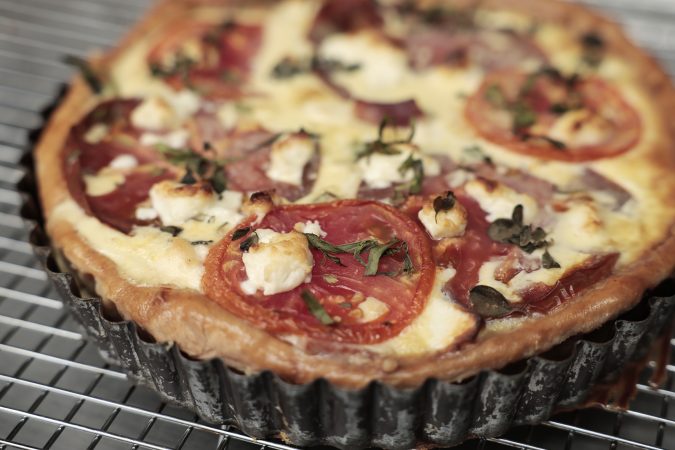
    It’s tomato season, and the Market Day savory tomato tart ($30) is an ode to this area’s most covetable, most anticipated fruit. Crimini and white button mushrooms, corn, herb-roasted cotto ham from Claudio, Alderfer Farm eggs, and gruyère play supporting roles to the tomato slices splayed across its top. It’s a tart that’s also a philosophical meditation on produce.

    “Flavors [in my cooking] should be crystal clear examples of the very thing you imagine,” said Ortale, whose resume reads like a highlights reel of Philadelphia’s most storied restaurants, as he has worked everywhere from Frog to La Terrasse. “Like when you’re a child and tasting herring or Roquefort for the first time.”

    Ortale’s goal is to make food that tastes exactly like one’s first recollection of tasting any food. And so, his tomato tart reminds me of the first time I tasted fresh tomatoes cooked gently on a pizza, when I was five years old. It made me think of the first time I had sweet, fresh corn and the kernels burst in my mouth, and the savory British pies I ate growing up in Hong Kong.

    Nem Ngo and Gil Ortale are the folks behind Market Day Canelé. They were photographed in their Philadelphia home on Thursday, July 30, 2026.Elizabeth Robertson / Staff Photographer

    It’s so good that I was hesitant to write about it, as Ortale and Ngo usually only make two dozen to sell every week, and if you get one, there’s far less of a chance I’ll be able to get one.

    The crust is intentionally imperfect and not uniform, which makes it so flaky, it will stop you in your tracks, mid-bite. Ortale makes every single tart by hand. He doesn’t use a mixer or a Robot Coupe. “He blends the butter into the dry ingredients for each dough ball. That’s why they taste the way they do, they’re light and never stodgy,” said Ngo. “You can’t get that without elbow grease. It can’t be done with a machine.”

    This approach is also why Market Day Canelé has never opened a brick-and-mortar bakery. They have no desire to scale up.

    “We’re not hardcore capitalists. We just genuinely want to make good food. The farmers’ market industry is the most supportive and values-driven part of the food economy. People are shopping there because they want to know where their food is coming from and they want to see the faces of the people who make the food. We try to uphold that by doing everything by hand, with love, and to the best of our ability,” said Ngo.

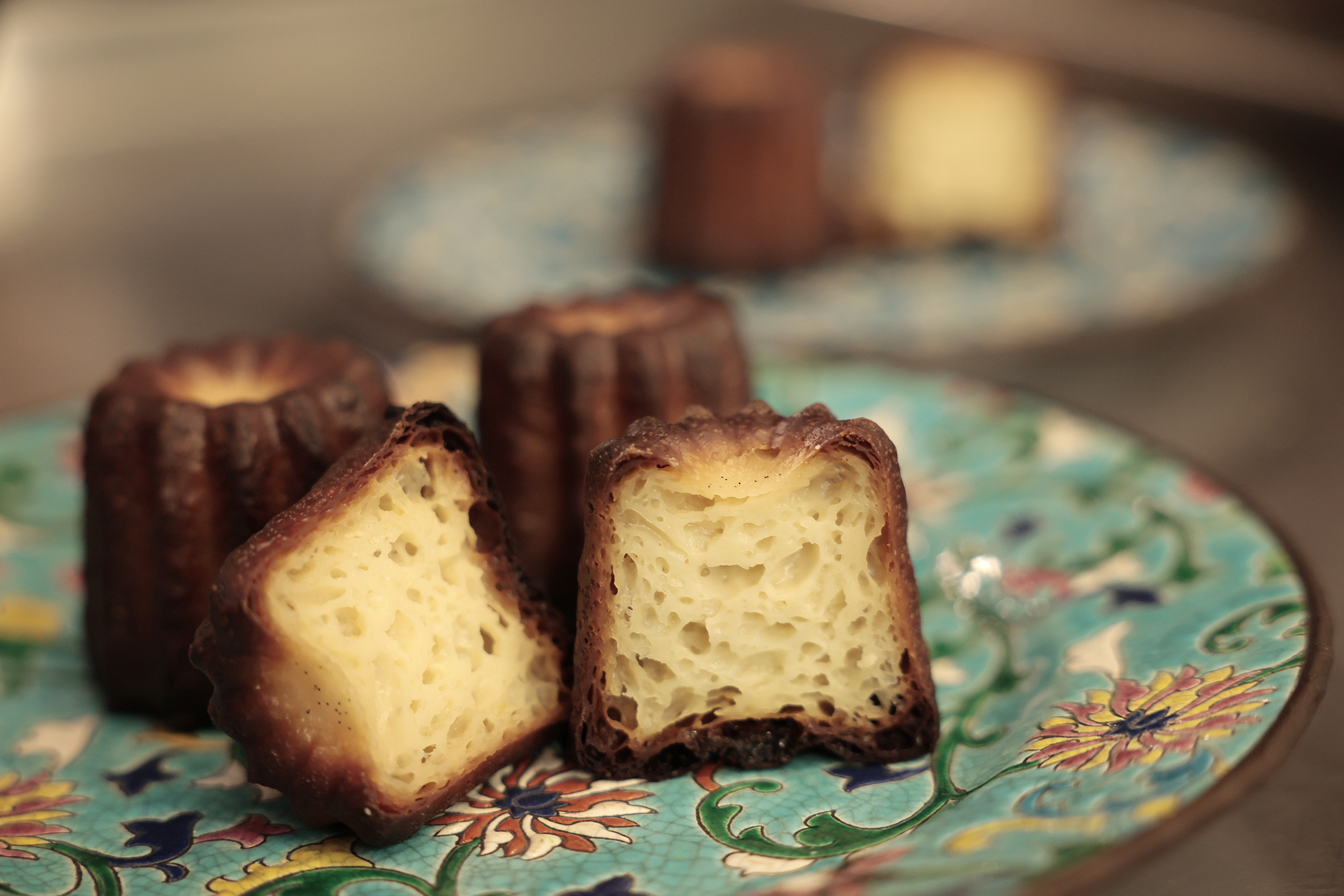
    The canelé by Market Day Canelé is a vanilla custard pastry that is the traditional pastry of Bordeaux. It was photographed in Philadelphia on Thursday, July 30, 2026.Elizabeth Robertson / Staff Photographer

    The airy, honey-combed crevices of beeswax and butter-slicked canelés may be the emblem of their business. They certainly have sent Ortale and then Ngo down an obsessive path of perfecting a corner of French-rooted baking traditions. But their savory tarts, with a rotation of ultra-local ingredients, many sourced from their friends, are the finest illustration of how skilled hands and devotion to one’s community can produce extraordinary things.

    Market Day Canelé, instagram.com/marketdaycanele. Hours: Every Saturday, 9 a.m. to 2 p.m. at Rittenhouse Farmers’ Market and every Sunday, 10 a.m. to 2 p.m. at Headhouse Farmers’ Market. Every other Saturday: Chestnut Hill Farmers’ Market and Swarthmore Farmers’ Market, 9 a.m. to 12 p.m.