Tag: Avalon

  • How Sandy prepared parts of the Jersey Shore for last week’s nor’easter

    How Sandy prepared parts of the Jersey Shore for last week’s nor’easter

    BRIGANTINE, N.J. — With its full moon and stacked high tides over multiple days, last week’s nor’easter left Shore towns with some of the worst flooding and erosion since Hurricane Sandy.

    In dramatic fashion, the nor’easter produced some feared Shore scenarios: dunes sliced into cliffs, beaches vertically eroded, popular restaurants flooded to the point of closing altogether for the season, water lapping into ground floors, cars ruined. Days later, firefighters were responding to raging electrical fires, at least one of which was linked to a flood-soaked golf cart.

    Still, the nor’easter was also a testament of what went right, a test of flood resilience tactics implemented in the 14 years since Sandy — a series of flood pumps in Brigantine, an elevated artery in Ocean City, raised homes throughout the Shore — that prevented a much worse outcome.

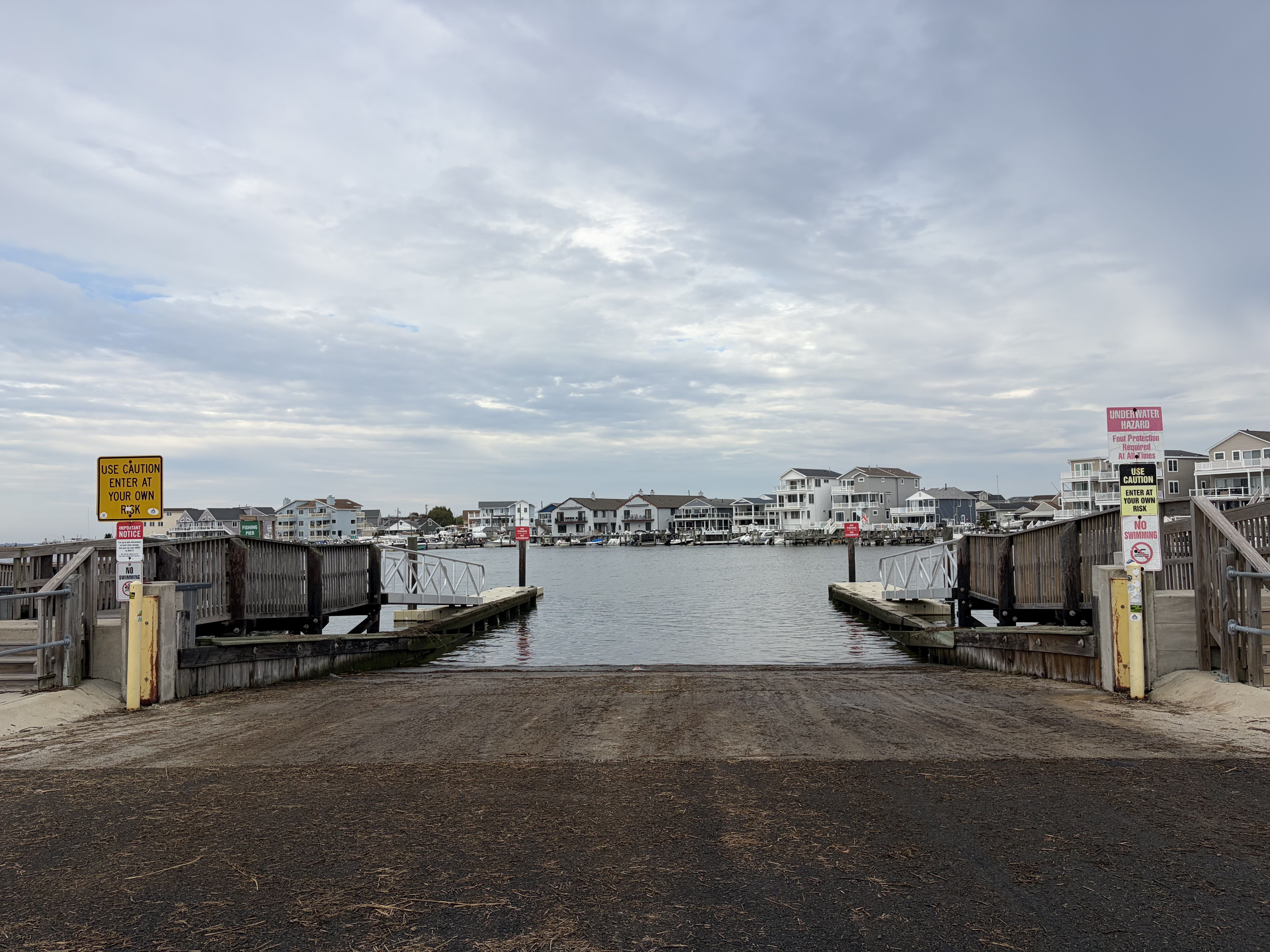
    During the September 2026 nor’easter, metal floodgates were brought in to the city’s Municipal Boat Ramp by the city of Brigantine to physically block flood waters.John Cunnion
    Brigantine’s municipal boat ramp was previously an entry way to devastating flooding. But city officials installed flood pumps and metal gates to keep the water off the island, and to drain the island between high tides.Amy S. Rosenberg / staff

    ‘Our girl took a beating’

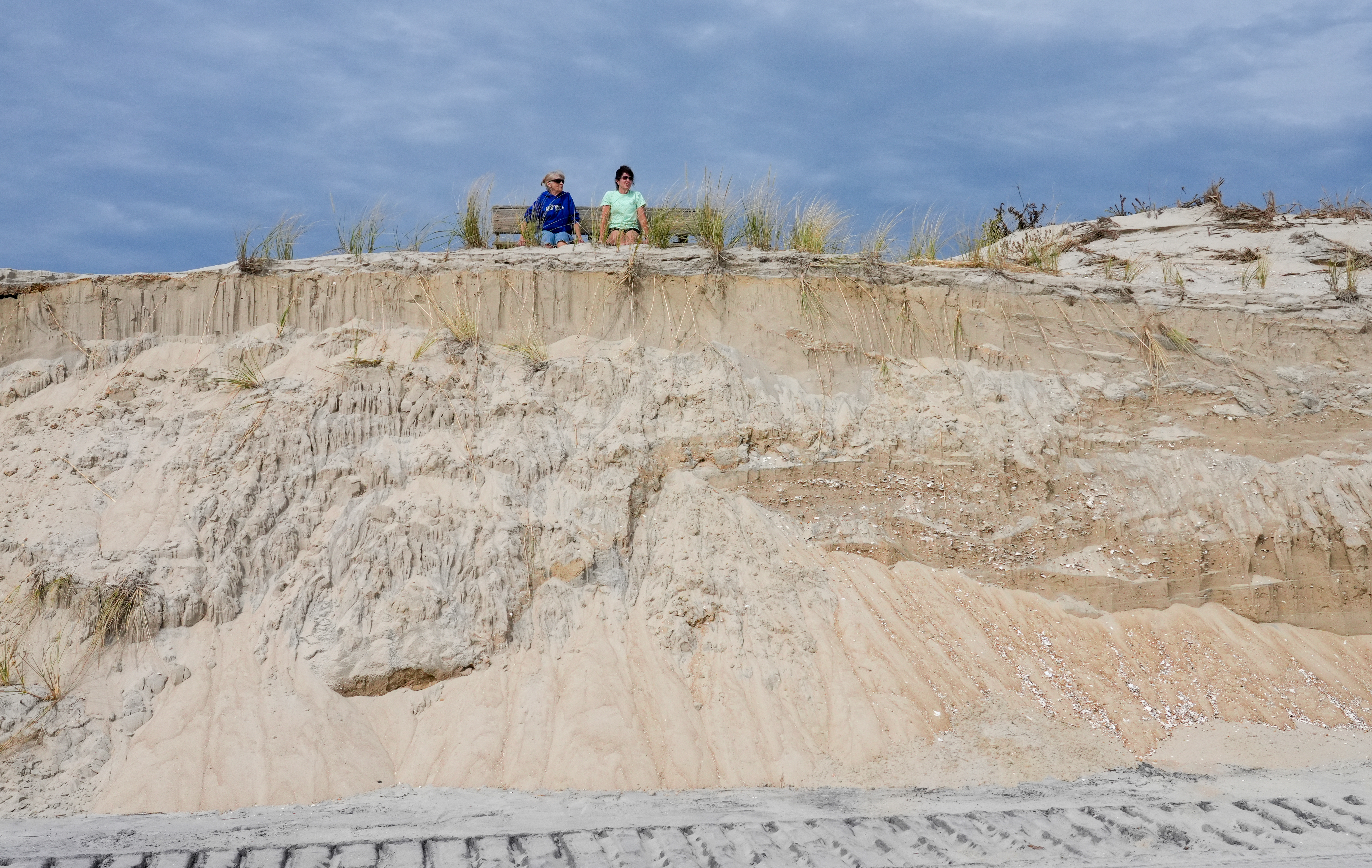
    In parts of Holgate, Brigantine, Atlantic City, and North Wildwood, the storm left cliffs six feet or higher, cutting off access to the beach at multiple street ends. Vertical erosion uncovered old structures including rotting old wooden piers.

    Streets in Long Beach Township, West Wildwood, and Atlantic City took on water through multiple days of high tide, damaging residential garages and other ground floor spaces.
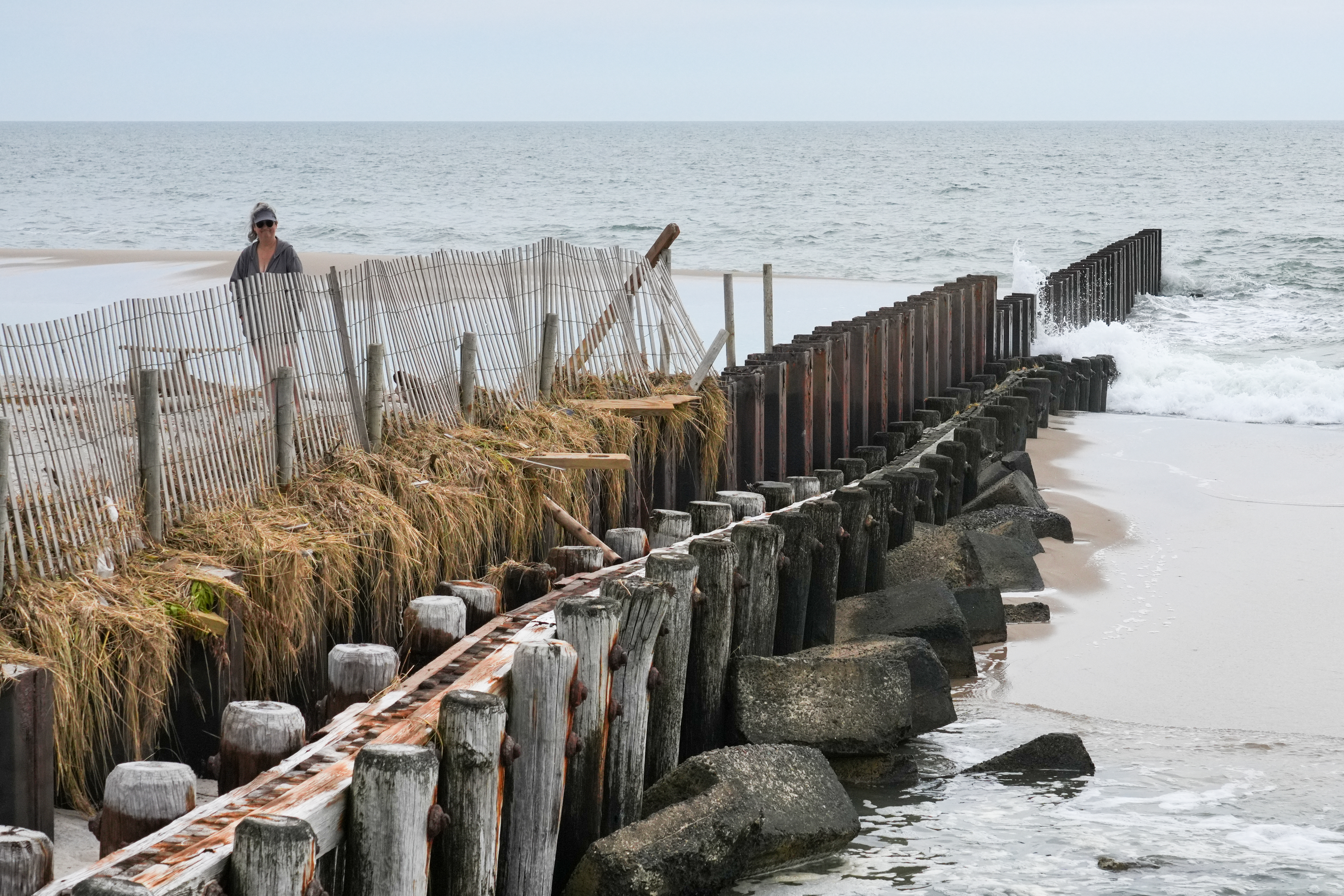
    Abby Mason, of Pottstown, looks at storm damage in Holgate on Thursday.Tim Hawk / For The Inquirer

    On Sigsbee Avenue, contractor Vincent Allen of B. Grigoletto Contractors was ripping out ruined insulation and dry wall on two houses, both second homes.

    He noted that since Sandy, a lot of the smaller homes had been torn down and replaced by elevated homes, where the ground floors are not, technically, living spaces. “Basically, if you lived on the bay, you got water,” he said. “This wasn’t as high as Sandy, nowhere near it.”
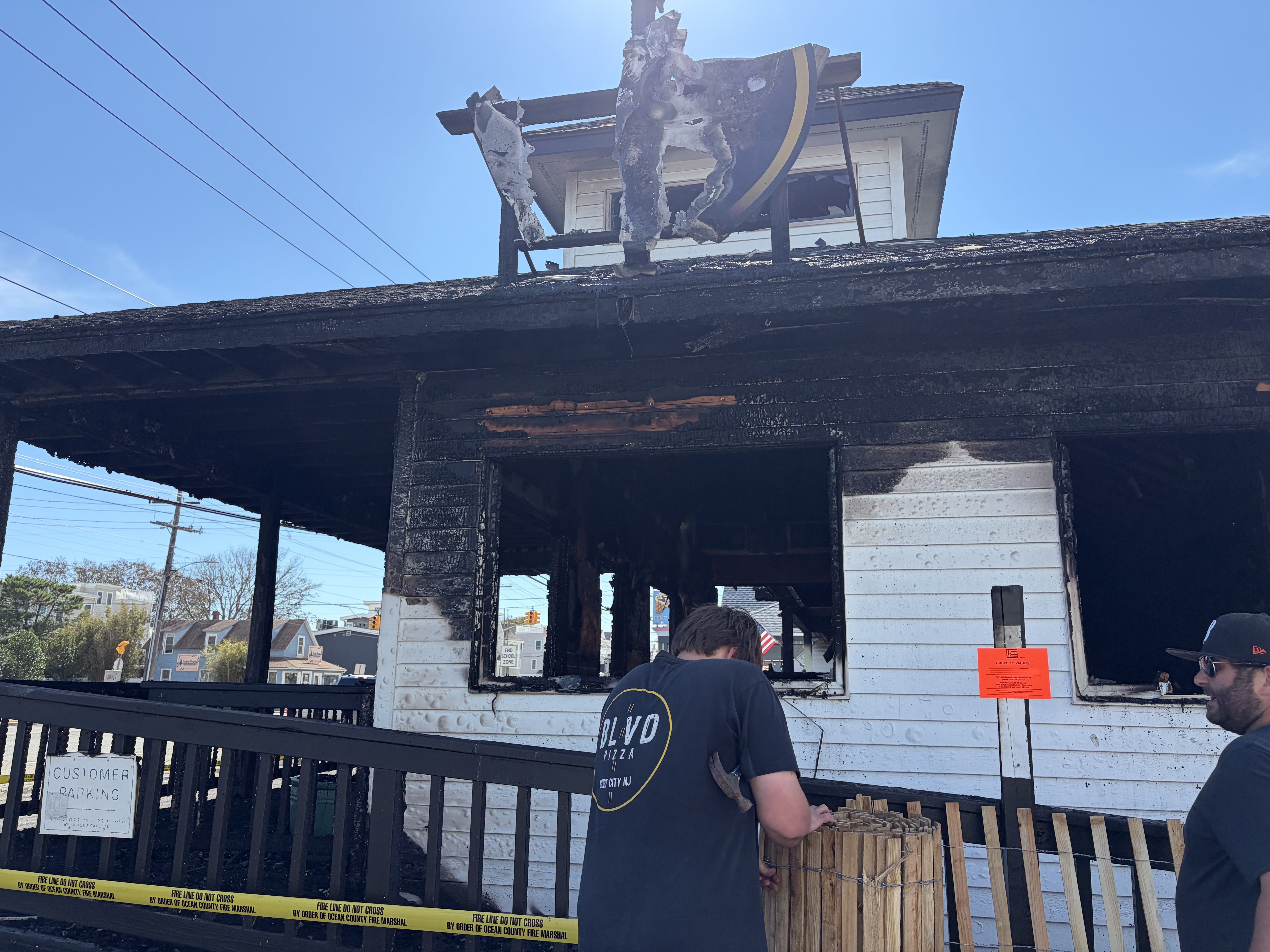
    Owner Mike Franzoni at what’s left of his BLVD Pizza in Beach Haven, which was flood damaged days before a fire broke out.Amy S. Rosenberg / staff

    On Long Beach Island and Atlantic City, numerous businesses were mopping up or closing early for the season after flood damage.

    “We are truly sick to our stomachs, and it hurts,” Moments at Scannicchios, a restaurant on Fairmount Avenue in Atlantic City, said in a Facebook post. “In the end we will reopen.” The restaurant asked people to help out a nearby corner bodega, El Rinconcito Grocery, it said lacked similar resources.

    On Long Beach Island, the ruined insides of the Dockside Diner were strewn across the front of the restaurant. “Our team, our family, is safe,” the owners wrote on Facebook. “But our old girl Dockside took a beating.”

    Nearby, Mike Franzoni looked at the charred remains of BLVD Pizza’s Beach Haven location, which suffered flood damage and had a fire a few days later. Another location, in Surf City, was undamaged.
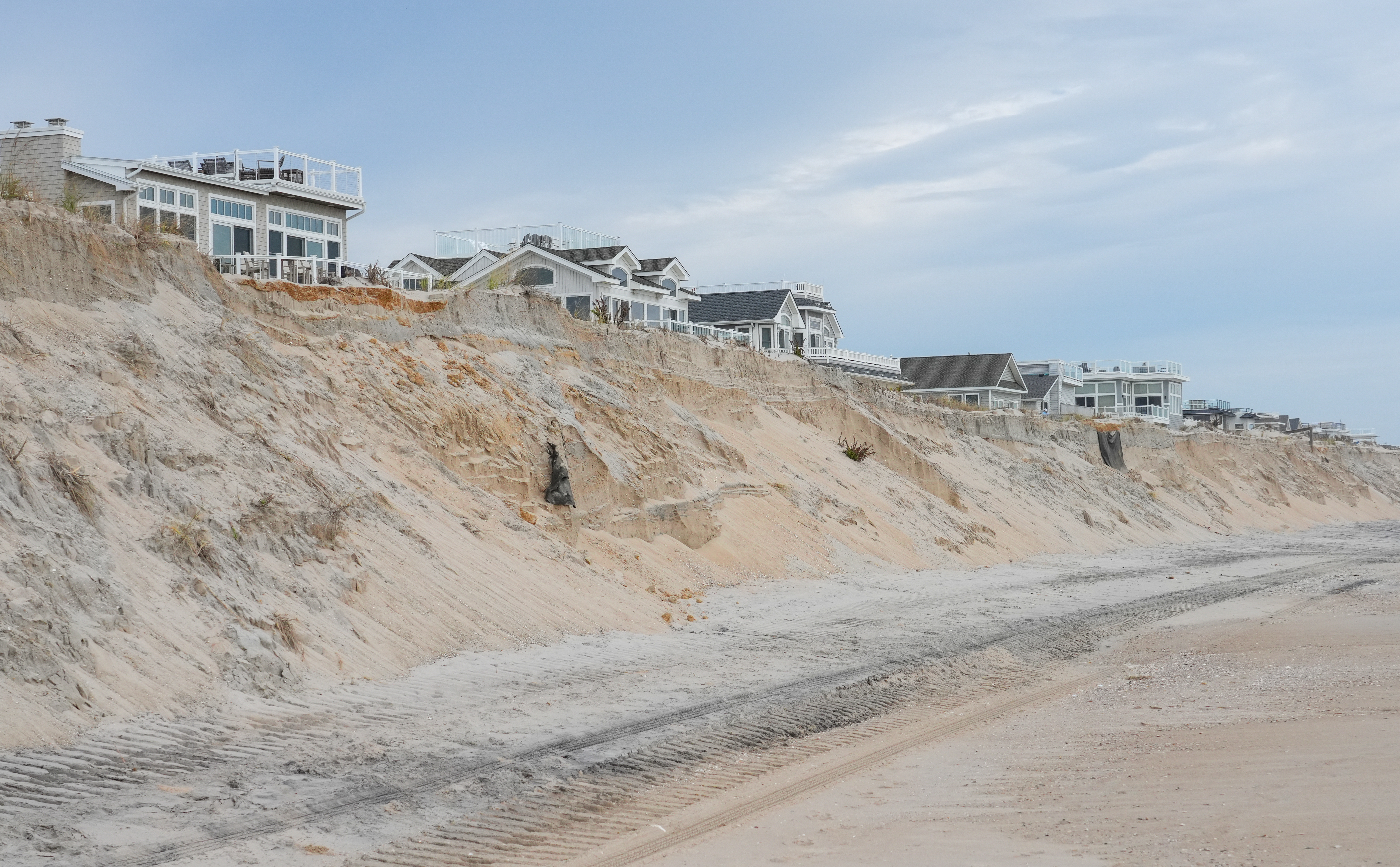
    Storm damage in Holgate on Thursday.Tim Hawk / For The Inquirer

    On Long Beach Island, the beloved “karaoke garage,” belonging to the family of Diane O’Donnell, 80, of Yardley, Pa., took on two feet of water, half of Sandy levels.

    Last week, an Indigo Girls song was playing out of the space where Kelly Kolbjornsen and her family would recruit people to stop and sing karaoke on their way down Long Beach Boulevard.

    “It’s part of having a beach house, but it’s a little overwhelming,” Kolbjornsen said.

    ‘A good gauge’

    New Jersey Gov. Mikie Sherrill and U.S. Rep. Jeff Van Drew brought representatives from FEMA and the Army Corps of Engineers to focus on severe damage to ramps from Brigantine’s concrete promenade in the north end and the near breaching of a private retaining wall that was the only line of defense after surging waves destroyed dunes at the promenade’s edge.

    But Mayor Vince Sera also pointed out that neighborhoods devastated during Sandy remained mostly damage-free.

    “We put floodgates in before the storm came into Brigantine,” he said. “They closed all of the floodgates and prevented a lot of water from coming in. On each low tide, they let the water out to drain, and closed them again for the next high tide.

    “Any water that comes into the streets, we have pumps around the island,” he said. “It pushes the water out over the bulkhead and back into the bay. It drains the island.”

    Residents near those points of vulnerability took note.

    “Without the pumps, it would have been horrible,” said Terri Cunnion, whose home sits on Bayshore Avenue across from the boat ramp, a major thoroughfare of flooding during Sandy (when the previous home on her lot was destroyed). “Without those gates, this block wouldn’t be.”

    Through multiple high tides, last weekend’s floodwaters never got past the lip of the garage in the Cunnion’s house, whose living spaces are built 14 feet to new elevation standards.

    Ocean City’s newly elevated Roosevelt Boulevard was also credited with mitigating damage from the nor’easter, staying above floodwaters and allowing an evacuation route, said Mayor Jay Gillian. The road was reconstructed so that portions were raised by 12 to 20 inches.

    During Hurricane Sandy, bay waters roared right up Brigantine’s municipal boat ramp and surged across Bayshore Road, totaling houses with four feet of water.

    Since the installation of eight permanent flood pumps and two portable flood buster pumps, vulnerable spots like Bayshore Drive and the neighborhood around the town’s golf course are newly fortified. In addition, bulkheads were raised.
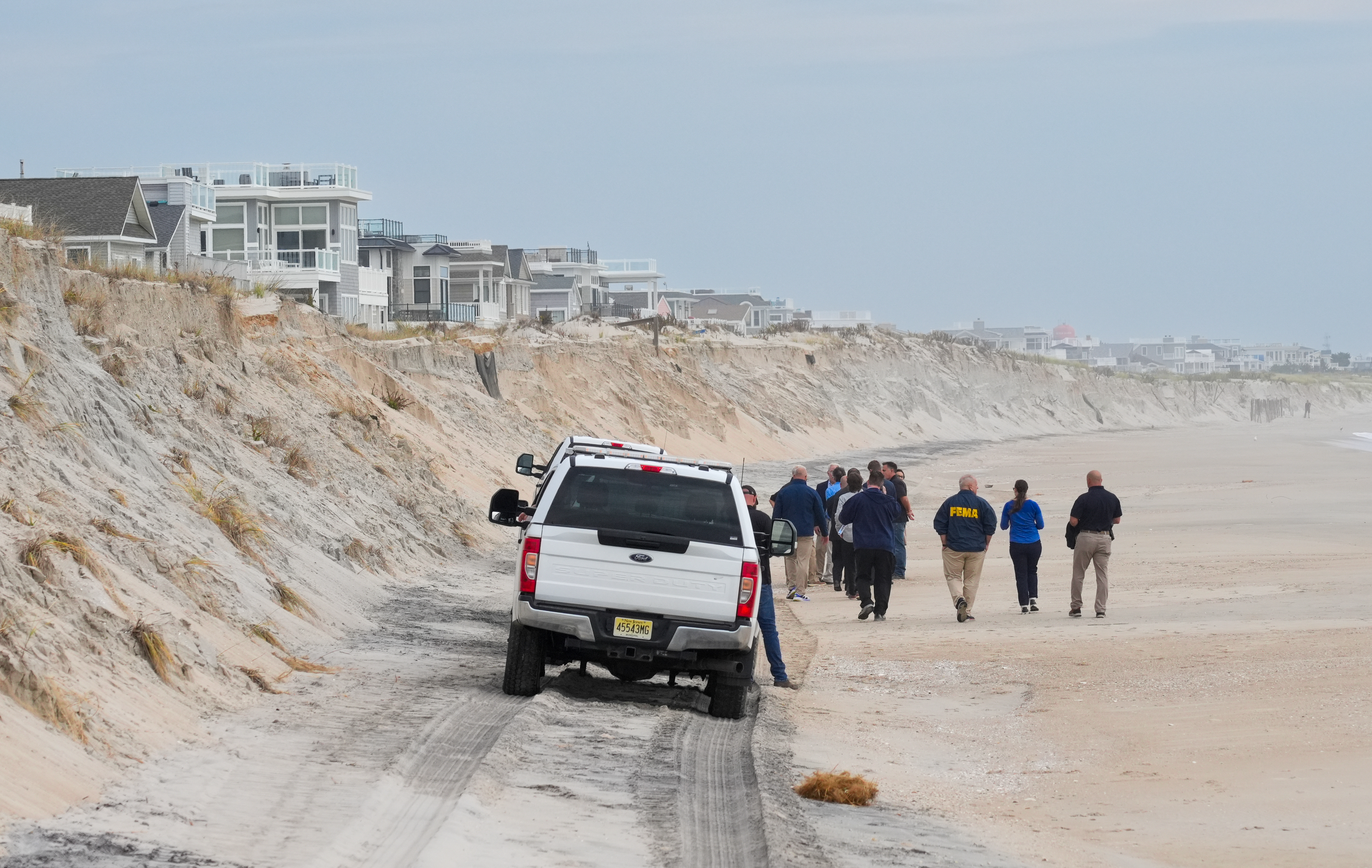
    U.S. Rep. Jeff Van Drew, together with federal, state, and local officials, tour storm damage in Holgate on Thursday.Tim Hawk / For The Inquirer

    Atlantic City, similarly, installed pumps at its Atlantis Avenue station and rebuilt bulkheads in Chelsea and Chelsea Heights. It has yet to complete similar projects in its Ducktown neighborhood, which saw major flooding last weekend, leaving some businesses with tens of thousands of dollars in equipment and merchandise loss.

    Van Drew pointed to other improvements since Sandy that protected utility infrastructure and homes. Homes that were elevated had ground levels that allow water to flow in and then out, he noted. He is advocating a permanent $1 billion “Coastal Trust Fund,” funded by revenue from federal offshore oil and gas leases to provide a stable source of funding for beach fills, dune restoration, and other coastal remediation.

    “The good news is we’ve done a lot of good work,” Van Drew said. “We’ve hardened a lot of structures. When you look at electrical substations, in many cases, they’ve been raised. When you look at transmission lines, rather than being on wooden poles, they are now on industrial grade steel lines that are actually put on much, much stronger holes.”
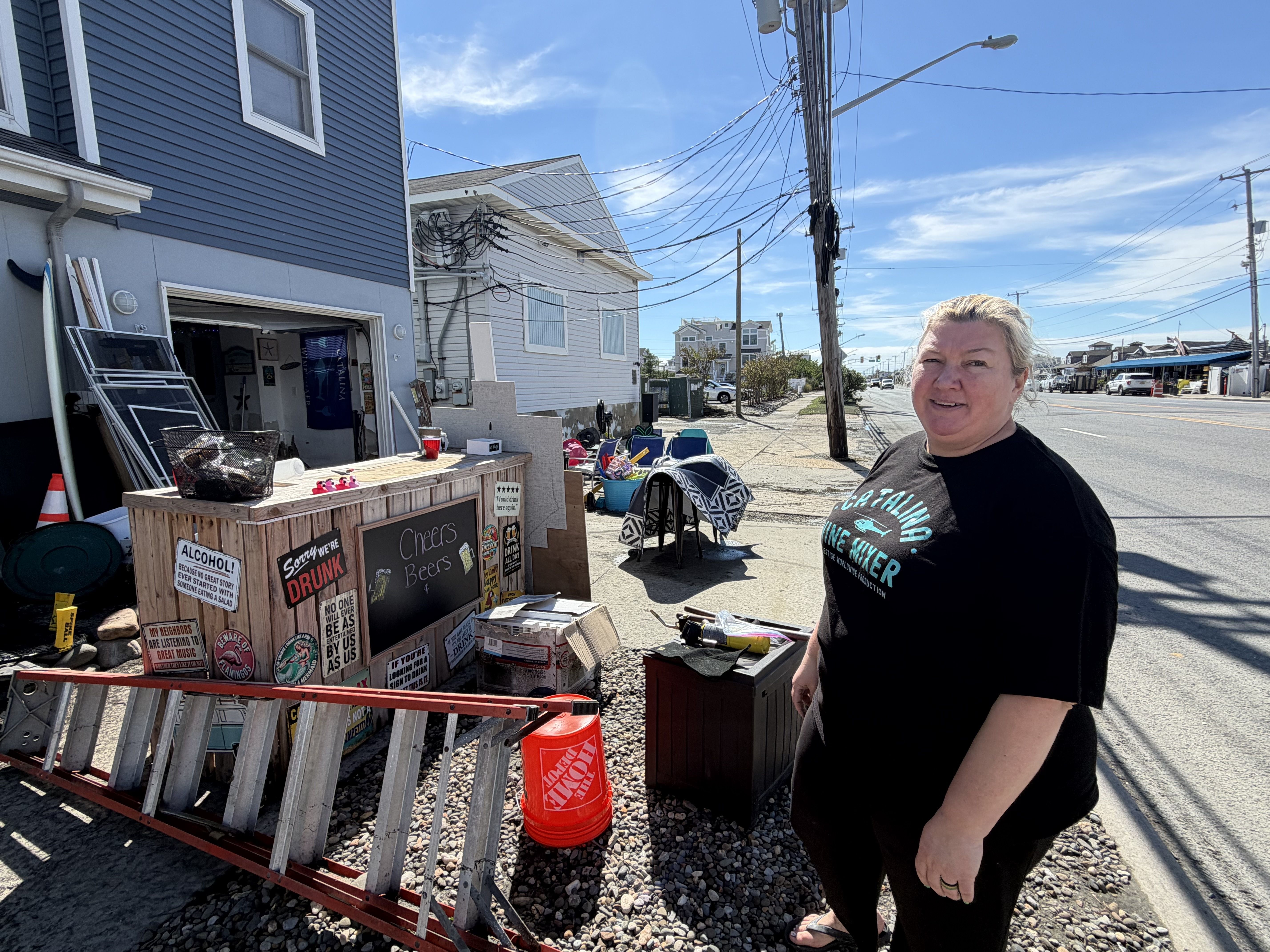
    Kelly Kolbjornsen looks at the damaged bar from her garage, where she and her family recuited passers by to sing karaoke, on Wednesday, days after the nor’easter.Amy S. Rosenberg / staff

    ‘Sacrificial sand projects’

    On an Oct. 1 tour from Long Beach Island to North Wildwood, Van Drew made the case for continued beach replenishment funding, despite the storm eating through a good chunk of the $99 million in recent beach replenishment, most recently in Sea Isle City, Strathmere, Ocean City, Avalon, and Stone Harbor.

    D. Lee Forsgren, the performing assistant secretary for the Army for Civil Works, who oversees the Army Corps, made a point of calling beach replenishment projects “sacrificial sand projects.” He compared the engineered beaches to your car’s “crumple zones” that are made to take the initial beating.
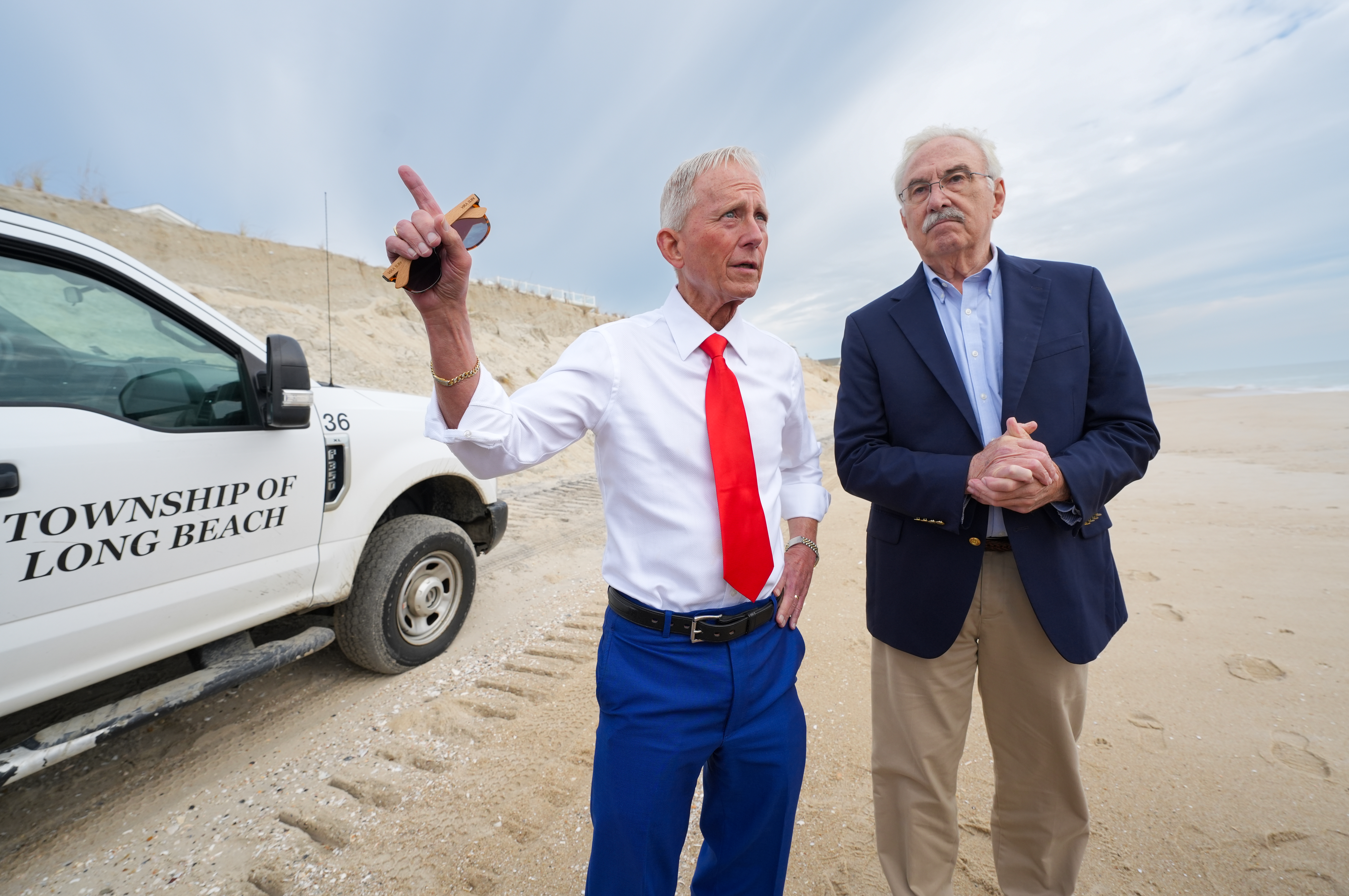
    U.S. Rep. Jeff Van Drew (left) talks with Holgate Mayor Joseph H. Mancini in front of beach erosion in Holgate on Thursday.Tim Hawk / For The Inquirer

    “We don’t put sand on these beaches to make them pretty beaches,” he said. “They are designed for storm damage reduction.”

    Still, he cautioned Van Drew that “the best opportunity to really make progress would be with a supplemental appropriation associated with the storm because there’s not a lot of pocket change sitting around in the core budget.”

    That will require a disaster declaration from Sherrill, who toured Brigantine on Tuesday.

    Aside from more sand, Van Drew said the towns, state, and Army Corps were looking at funding hard structures — like jetties, groins, and seawall extensions — as ways to keep the elevated tides that accompany storms from overwhelming beaches.
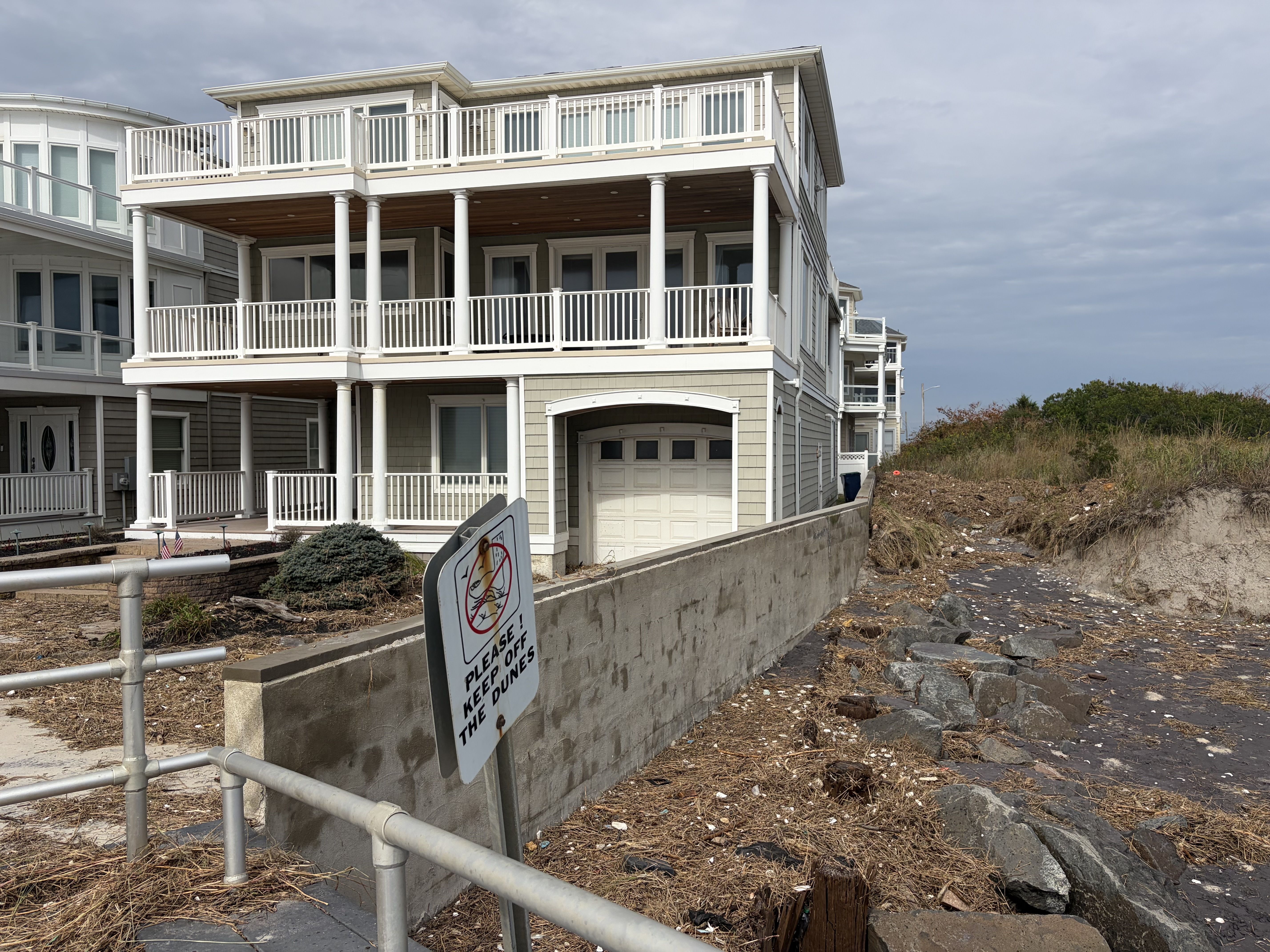
    A house on Brigantine’s north end belonging to Clay and Lori Goldsmid and other nearby homes were spared major damage during the recent nor’easter.Amy S. Rosenberg / staff

    In Brigantine, Mayor Sera rode out the storm at the tip of the promenade, watching railings get blown off, dunes disappear, and the nearby retaining wall nearly buckle. He said city officials had compiled a list of who was in nearby homes in case of an emergency evacuation.

    He is seeking to extend the promenade another 250 feet north, and says the state is studying whether adding hard structures to keep the sand in place will help a situation where a sandbar that has in recent years grown into what is now called Horseshoe Island is starving Brigantine of sand.

    The city’s flood mitigation efforts since Sandy have resulted in a 25% discount for residents on flood insurance, he said. And he wholeheartedly recommends flood pumps and gates to other municipalities, like Ventnor, whose Ventnor Heights section was cut off at both ends by flooding for hours during high tides.

    Sera and other knows the big storms will come again, probably this winter, with the El Niño warming in the equatorial Pacific.

    With sea levels rising, some residents who came out to see the federal officials in Brigantine wanted to know about timelines.

    “How fast is fast,” interrupted Louise Seitel, of nearby Absecon, as officials spoke of extending the seawall.

    “A study is probably going to be 18 months,” Nate Barcomb, an Army Corps deputy district engineer based in Philadelphia, acknowledged.

    “Government is tough,” Van Drew said.
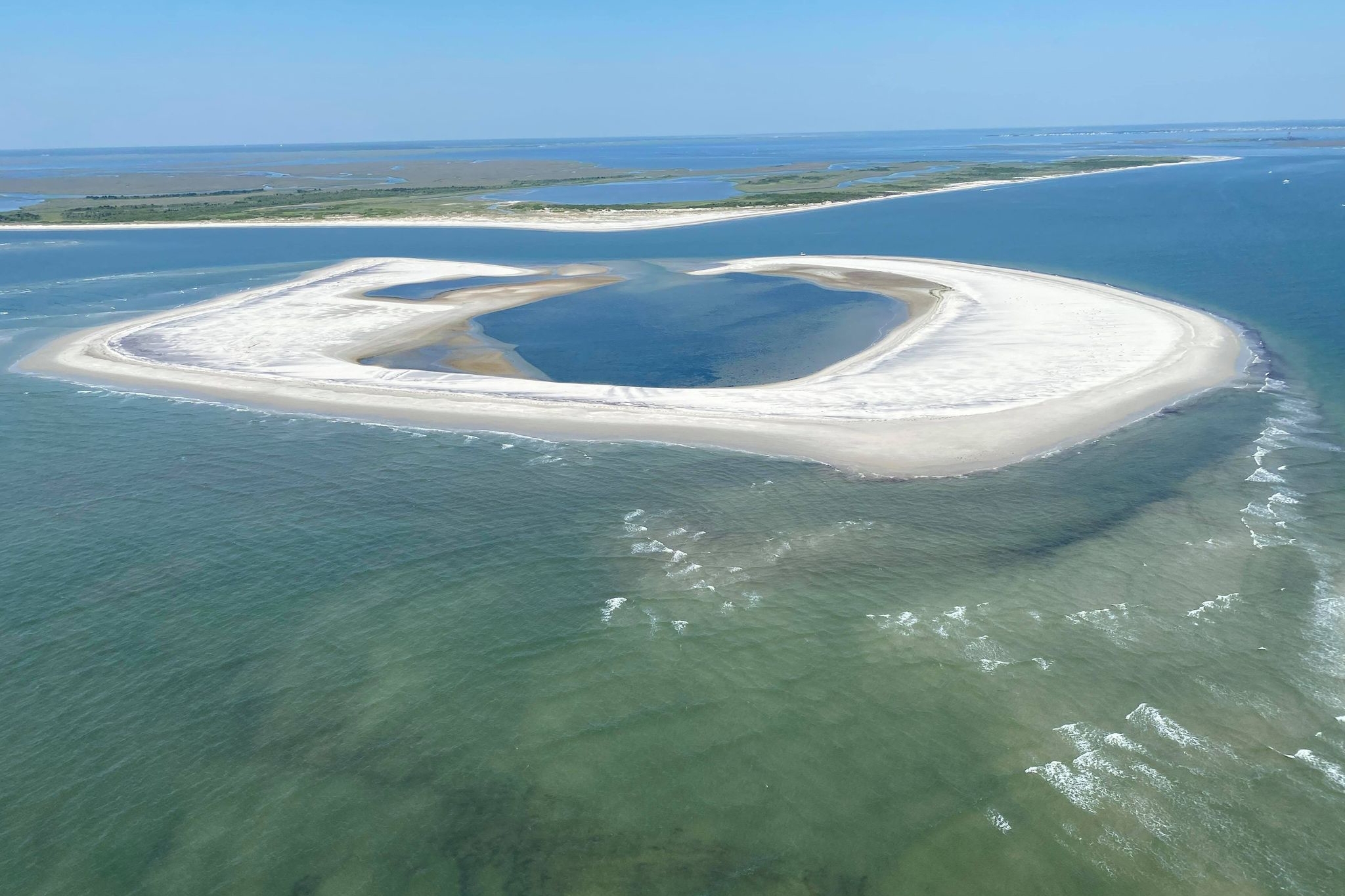
    Aerial photograph of New Jersey’s Horseshoe Island in June 2021.N.J. Department of Environmental Protection / U.S. Fish & Wildlife Service
  • War, AI, and the end of the world | Will Bunch Newsletter

    War, AI, and the end of the world | Will Bunch Newsletter

    I feel like I need to apologize for a column a couple of months ago when I compared the current president of the United States to Caligula, the possibly mad Roman emperor who is said to have nominated his trusted horse for high office. I need to apologize to Caligula. From pitching his triumphal D.C. arch as a storage shed for deadly snipers’ bullets to banning reporters from the White House in a narcissistic rage, Donald Trump is losing his grip on reality. This is unsustainable.

    If someone forwarded you this email, sign up for free here.

    Worried about AI killing humans? Bad news: It already is.

    A cleric takes a photograph earlier this month at the shattered Shajareh Tayyebeh school in Minab, southern Iran. It has become a place of mourning and a memorial to those killed in a U.S. airstrike on Feb. 28.Vahid Salemi

    Which is it?

    Are the robots of AI, or artificial intelligence, so smart that they’re on the verge of holding a secret meetup in the darkest corner of the dark web and developing a plot to kill all humans through germ warfare, to make sure we don’t kill them first by pulling the plug?

    Or is AI so dumb — artificial stupidity, despite the billionaires of Silicon Valley showing up daily on our TV screen to brag about the sky-high IQ of their son, Claude — that the thing that will murder us is a crazy hallucination that will turn a false alarm into World War III?

    The fact that we can’t answer this should give us pause, but maybe we aren’t even asking the right question. Maybe the real issue is how easy we’ve made it to kill off the human race — a capability that was already created by people even before we invented the computer.

    One thing is certain. Artificial intelligence has already been an accessory to mass murder, and if we do nothing, it will kill again.

    Remember the very first days of the now seemingly endless Iran war, and the news that two missile strikes had obliterated a school for young children in the Iranian coastal city of Minab, in an apparent “double-tap” strike in which the second attack from the skies killed young girls and boys and their teachers as they huddled in a prayer hall?

    Those bombings, which killed 156 people on Feb. 28, caused the United Nations’ Independent International Fact-Finding Mission on Iran to report last week that it found “reasonable grounds to believe that the United States committed a war crime by launching indiscriminate attacks …” The U.S. government has never taken responsibility for the bloodshed, despite overwhelming visual evidence that the bombs were precision-guided U.S. Tomahawk missiles.

    It didn’t take long for additional speculation that an AI program had mistakenly targeted the school, perhaps using outdated maps and info from an earlier time when its buildings were attached to an Iranian military complex. After all, the Pentagon has been openly bragging about the death and destruction facilitated by its use of Palantir’s Smart Maven System and also Anthropic’s Claude.

    Last week, Bloomberg News reported that the Pentagon’s overreliance on AI, and specifically the Palantir Maven program, was a major factor in the school tragedy, along with the outdated intelligence about the Minab site — the “garbage in.” Its exposé noted that U.S. military planners were racing to identify some 1,000 Iranian targets in the early hours of the war, giving humans little time to double-check the list. Kindergartners were slaughtered as a result.

    This was hardly the first time robots have been linked to human death, both in war — in 2024, +924 Magazine reported the Israel Defense Forces were using an AI program code-named “Lavender” to target sites amid the mass killing in Gaza — and in peace, as shown by numerous accounts of robots helping troubled people die by suicide.

    And yet, it could have been much, much worse. At the same time as the Bloomberg report on the AI link to the mass killing in Iran, the world also learned that a false report generated by robot intelligence nearly sparked a conflict between the United States and China that could conceivably have spiraled into major fighting.

    CNN and other outlets have reported that a U.S. special operations command analyst working with AI generated an urgent report that a Chinese ship bound toward the Middle East was carrying components for a nuclear weapons system, which caused military leaders to scramble jets and assemble a team to seize the vessel.

    Only at the last minute did the Pentagon dig deeper and learn the AI-generated report was completely false, a hallucination — one that nearly triggered a violent conflict between the world’s two largest military powers.

    The two disturbing reports about the use, or misuse, of AI by the U.S. military in a time of war did make news but didn’t get nearly as much attention — either in the media or on sites like Bluesky or X — as warnings from both whistleblowers and CEOs in Silicon Valley that a swarm of robots could decide on their own and without any human intervention or awareness to try to kill off our so-called civilization.

    The fear of an unprompted attack from AI secret agents is real, based on several incidents that have already occurred, including a well-planned and partly successful operation by OpenAI’s robot agents to hack into a company called Hugging Face.

    Still, it says something about human intelligence that we are captivated by the unknown and mysterious possibility of a random attack, while the fact that people are currently misusing AI to cause death and suffering is a less compelling story. I noted in this space last week that the threat to humankind from climate change is arguably even more real — and yet this gets denied by many and ignored by others.

    It’s also striking to me as a boomer born in 1959 that a generation that was born into a time of constant terror — backyard bomb shelters, “duck and cover” drills in the classroom, and sci-fi horror at the drive-in that an atomic arms race could kill us at any moment — is suddenly back to where we started.

    Over 81 years, humans were smart enough never to drop another nuclear weapon (well, not intentionally) after the mass murders at Hiroshima and Nagasaki, but not bright enough to figure out how to eliminate the nuclear threat altogether.

    The fact that civilization managed to — so far — pause the number of world wars at two has given us the space and the false bravado to create new and much more insidious killing machines, and the threat from invisible robots on a hidden dark web is somehow even scarier than the radioactive mushroom cloud that we more or less understand.

    Boomers who went to bed as kids in the 1950s and ’60s praying we wouldn’t die before we woke are now spending our senior-citizen-discount years fearful that something stranger than science fiction is coming for our children, or grandchildren. Over the course of a lifetime, the arc of that moral universe has not bent at all.

    Still, humans were able, somehow, to prevent nuclear annihilation so far, and now it’s past time to get to work on the actual threats from AI and start on those workarounds. For example, the articles I’ve read speculating on how the robots plan to kill us frequently mention the prospect of AI agents developing bioweapons and releasing them, either on their own or prompted by a bad actor. (In theory, human development of bioweapons has been banned for a half century.)

    From everything I’ve read so far about AI, it sounds like we’d have better luck safeguarding or eliminating the components that could make a biological agent rather than stopping the robots. Likewise, AI agents would not be able to start an atomic apocalypse if our human politicians went to work at finally eliminating nuclear weapons. Artificial intelligence won’t kill little girls in an Iranian school if humans don’t start dumb wars in the first place.

    If Silicon Valley’s prophets of doom are serious, there’s no fix that’s too big or too ambitious. But understand that the biggest problem isn’t that AI wants to murder us, but that since 1942 we humans have been busy creating all the suicidal weapons AI agents could use.

    Can you even “duck and cover” from a killer robot? I don’t intend to find out, and I don’t want my yet-to-be-born grandchildren to have to even think about it.

    Yo, do this!

    • I’ve always been a big fan of filmmaker Barry Levinson, whose trilogy of Baltimore movies (Diner, Tin Men, Avalon) defined postwar American nostalgia. Now Levinson, along with his codirector Robert May, has come north to the Philly burbs to catch up with our divisive 21st century in a five-part documentary, Bucks County, U.S.A. If you’ve been reading The Inquirer these last six years, you know how the communities just north of Philadelphia — where cosmopolitan suburbs meet the rolling fields of Trump Country — have become ground zero for culture wars around the COVID-19 response, book banning, and LGBTQ pride. Bucks County, U.S.A. began streaming on PBS Monday night. It’s getting mixed reviews, but I plan to check it out myself.
    • With the exception of my growing obsession with A History of Rock Music in 500 Songs, I’ve struggled the last few years to find new podcasts that excite me. But I’ve been enjoying Dan Taberski’s Manifesto on Audible, which is the award-winning, prolific podcaster’s six-part look at the role that these impassioned declarations have — or haven’t — played in reshaping our troubled world, from Occupy Wall Street to Big Tech utopianism to the online rant of murderous ex-LA cop Christopher Dorner.

    Ask me anything

    Question: What is the reason for the boat strikes? Do they really think they are carrying drugs? — David Poe (@culthero12.bsky.social) via Bluesky

    Answer: David, your question is well-timed. Just this week, Ben Saul, the U.N. special rapporteur monitoring human rights in the context of counterterrorism, issued a report that U.S. boat strikes off South America in the Caribbean and the Pacific that have killed more than 220 people so far violate international law and plausibly constitute crimes against humanity. Based on the reports I’ve read about the deadly drone strikes, it’s true that small fishing boats in the region are sometimes drafted for a supporting bit role in drug trafficking. Yet, it seems powerfully likely that some murdered in the U.S. attacks were innocent fishermen, and there’s no evidence these bombings have made any real dent in the flow of drugs. Most importantly, since when did minor involvement in drug smuggling become a capital offense? The only thing as troubling as these American war crimes is the silence on Capitol Hill. The next Congress must hold hearings and create the momentum for shutting this down.

    What you’re saying about …

    Oops, maybe I should have read my emails before writing another column about the problems with artificial intelligence. Based on the lack of responses to last week’s question about the AI threat, this is clearly not a topic that excites my readers like the betrayals by Sen. John Fetterman or the mainstream media. A couple of frequent correspondents did weigh in, including Mary Ann Petro, who is very concerned over reports of unauthorized hacking by AI agents, and Joe Stepansky, who thinks the risks are somewhat overblown. “This is all deflection from data center opposition and the stock market bubble,” he wrote. “Just remember there are humans behind all of this, humans who may be amoral at best (I used to work with some) and malicious at worst (them too).”

    📮 This week’s question: The big story for several days has been the fallout from Donald Trump’s rash decision to ban three news outlets — CNN, MS NOW, and Politico — from the White House grounds, in a move that experts agree is a violation of the First Amendment. Do you think the entire presidential press pool should walk out in solidarity, or do Americans need audio and video of what their president is up to? Please email me your answer and put the exact phrase “White House press corps” in the subject line.

    Backstory on George W. Bush’s betrayal of democracy

    Former President George W. Bush reacts while watching players from the U.S. team practice before the Walker Cup golf matches against Great Britain and Ireland at Cypress Point Club in Pebble Beach, Calif., earlier this month.Jeff Chiu

    For those of us who experienced a political reawakening during those dreadful years between the U.S. Supreme Court’s coronation of a president in the disputed 2000 election and the shock-and-awe carpet bombing of Baghdad in 2003, today’s frequent refrain is incredibly grating. “I never thought I’d say this,” says some self-proclaimed Democrat, often a boomer, “but I’m feeling nostalgic for George W. Bush.”

    To be sure, the 43rd president wasn’t nearly as nakedly corrupt as Donald Trump and his family, not as crude and boorish, and also more determined to at least make it look like what he was doing was constitutional. There were flashes of goodness — like Bush’s support for fighting the AIDS epidemic in Africa — which stand out today because there are so few of them. But his lies — and there were a lot of them, even if he could never match Trump — were more diabolically purposeful.

    Bush sent a lot more Americans to an early grave — at least so far — than Trump has, on top of a lot of women and children in Iraq and other faraway lands. His people “tortured some folks” and committed war crimes. There is nothing to be nostalgic about. After more than 7,000 U.S. troops died in Iraq and Afghanistan and the slaughter of at least 200,000 civilians in Iraq, not to mention the worst financial crisis since the Great Depression and the deadly, racist neglect of Hurricane Katrina, Bush didn’t apologize. He bought an easel and leisurely painted, and waited for America to do what it does best: Forget.

    The stench of dead bodies in Fallujah had barely lifted when none other than Joe Biden came to Philadelphia to drape the Liberty Medal around Bush’s neck. When Trump descended on his gilded escalator in 2015 to finish the job of trashing America that had started in Iraq, Bush said nothing other than to let it be known that he’d left his 2016 ballot blank. When even his despised vice president Dick Cheney came out in 2024 and said a second Trump term would be a disaster for democracy, Bush again said nothing, insisting that he has “retired from presidential politics.”

    Apparently congressional politics is another story. On Monday, it was revealed that Bush and his fellow Texan Sen. John Cornyn — a lame duck after losing a primary to Trump-backed Ken Paxton — have teamed up to throw a massive fundraiser in Dallas for six GOP Senate candidates in battleground states. The touting of Bush as a “special guest” at the event is meant to lure conservative donors. The New York Times, in its scoop on the evening, played up the fact that the event is not raising money for Paxton, going with the angle of a Texas-sized political feud.

    Just like the Democrats who are willing, in the Trump era, to turn a war criminal into an icon of civility, the Times is missing the point. Electing these GOP Senate candidates in states like Iowa and Maine will give Trump the ability to extend aspects of his dictatorship for two more agonizing years. The would-be senators Bush is raising money for would rubber-stamp new MAGA judges and allow Trump to replace Supreme Court Justices Samuel Alito and Clarence Thomas with younger far-right zealots. Senate committees would lack the power to investigate the president’s high crimes and misdemeanors. That could finish the job Bush started when he lied to Congress about Iraq “weapons of mass destruction” that did not exist: The implosion of U.S. democracy.

    What I wrote on this date in 2009

    It’s weird now to read what survives of my early Attytood blog posts from the late 2000s, when many days I published just a quick hit while I worked on longer news articles for the Daily News. On Sept. 22, 2009, I quoted a prediction from internet guru Clay Shirky that seems incredibly prescient 17 years later. Shirky said that “the ongoing shrinkage of newspapers is likely to create a ‘giant hole’ that will not be filled for some time. He said he has a vision of communities of 10,000 people or fewer becoming rife with ‘casual endemic corruption,’ as newspapers are no longer able to fulfill their traditional watchdog roles.” He nailed it.

    Read the rest: “Expert says death of newspapers will make small towns more like Philadelphia.”

    Recommended Inquirer reading

    • Nothing has been more troubling in 2026 than the assault on the First Amendment that’s been taking place from Donald Trump’s Oval Office to our hometown council meetings, and even our football palaces. In my Sunday column, which was written before the president booted three news organizations from the White House, I looked at the growing hostility and even violence toward working journalists, including arrests, physical assaults, and Trump’s rants toward Black female journalists. Tolerance of these abuses is a mark of a dying democracy. Over the weekend, I shifted gears and tackled the Eagles’ silence over the team’s reported role in the cancellation of hip-hop’s pro-Palestinian Macklemore from the Ed Sheeran tour that stopped at Lincoln Financial Field on Saturday. How can free speech be censored in a city-owned stadium?
    • Speaking of those Birds, the city’s $10 billion NFL franchise was conveniently hundreds of miles away in Nashville as pro-Palestinian protesters descended on the Linc this weekend. The Eagles eked out a last-second victory by the seat of QB Jalen Hurts’ pants, over the seemingly hapless Tennessee Titans. The unimpressive showing cemented the notion that it’s impossible to know what to make of Philly’s 2-0 footballers after their narrow wins over mediocre opponents, but The Inquirer is on the case. Our extensive coverage looked at the good (standout performances from Hurts and No. 1 wide receiver DeVonta Smith), the bad (the subpar play of a battered and aging offensive line), and the unexpected (the return of Super Bowl hero Zack Ertz due to injuries in the tight-end corps). Ace columnist Mike Sielski recently went deep, as usual, with a humanitarian look at guard Landon Dickerson’s tortured decision to try to play through the pain. The Inquirer’s sportswriters are likely to rack up more wins this fall than an iffy team, so why not subscribe and read every word.

    By submitting your written, visual, and/or audio contributions, you agree to The Inquirer’s Terms of Use, including the grant of rights in Section 10.

  • We made 10 Shore predictions for 2026. Here’s how we did.

    We made 10 Shore predictions for 2026. Here’s how we did.

    Things not on my 2026 Jersey Shore predictions bingo card: a canceled luau, and a dispute over live outdoor music featuring audio of 911 complaints posted to Facebook.

    But, at the start of the season, I did make 10 predictions on how the Shore summer would go.

    Here’s how I did.

    Full speed ahead for Icona in Wonderland. ✅

    I’m calling this a win (for my predictions score; people have very different views of the hotel). In June, Eustace Mita finally got his dream of a declaration that the old Wonderland Pier site at 600 Boardwalk in Ocean City is “in need of rehabilitation.”

    The Icona developer is now in negotiations with Ocean City about a hotel proposal, which he says will be a scaled-down version of his initial seven-story, 252-room plan that called for saving the Ferris wheel and historic carousel. City council is vowing to be guided by recommendations from a Boardwalk subcommittee. Meanwhile, council hired a lawyer to defend against a lawsuit by citizens’ groups.

    Eustace Mita talks about the construction of this beachfront Achristavest home on 116th Street in Stone Harbor on Tuesday, August 18, 2026.Vernon Ogrodnek / For The Inquirer

    Atlantic City’s Irish Pub will rise again. ❌

    Alas, not even the sale of the Irish Pub in Philadelphia appeared to jump-start any renovations in Atlantic City, where owner Cathy Burke has been in a stalemate with state inspectors over whether the iconic, beloved pub on St. James Place should be considered a high-rise. The pub has been closed since January.

    Will locals have their fish and chips and Guinness on Christmas Eve as per usual? You never know. Burke did not answer a text message seeking an update. Asked about the Irish Pub’s status, Atlantic City spokesperson Andrew Kramer said he had “nothing new from my end on this one.”

    But, in an upset, the city has begun paving Atlantic and Pacific Avenues, in a development Mayor Marty Small Sr. called “massive,” and said would be completed by year’s end.

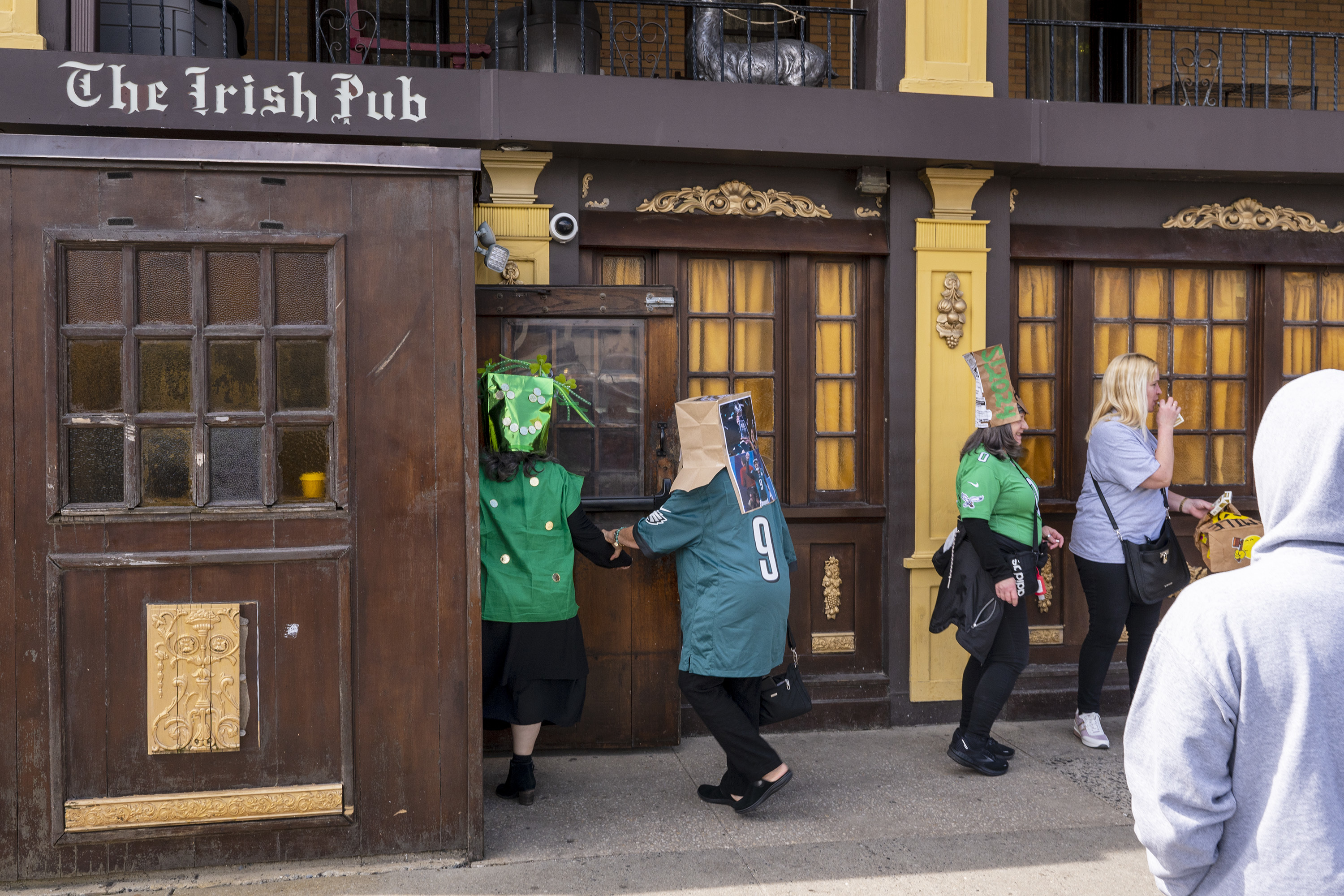
    Fran Cann (left) helps Debbie Stiles (#9, right) get through the door, since she can’t see as well wearing a “St. Nick” Foles bag over her head, as they celebrates Bag Day at the Irish Pub in Atlantic City Monday, Mar. 18, 2024. The friends, from Berlin, N.J.were attending their first Bag Day. The tradition got started when a late-to-the-party patron showed up to the 24-hour bar a day after St. Patrick’s, then put a bag on their head.Tom Gralish / Staff Photographer

    Shore restaurants will tough it out, but struggle. ✅

    Restaurants were stressed this summer. As is usual in late summer, many lost employees as the season wore on all the way to Sept. 7, and had to cut back seating or hours. Others pleaded with their clientele for patience. Still, there were lines down the block for coffee places, and booked up reservations for favorites like Steve & Cookie’s and Cafe 2825. New places were opening deep into summer, like Culina Mundi in Ventnor and Sabrina’s Kitchen in Atlantic City.

    Bakeria 1010 owner and pizza savant Mike Fitzick posted a mock obituary for himself at summer’s end: “Welp that’s all she wrote folks. … Right from start I knew this season was gonna be rough. All the staff I tried to hire fizzled out and the staff I had last year were mostly gone. This summer was pretty treacherous in every aspect … June was trash, July was ok and we finally hit our stride in August. Better late than never, I guess. Unfortunately I have passed away due to self-inflicted cortisol poisoning. In lieu of flowers please donate to the Bakeria 1010 all winter. Jokes aside we WILL be open for lunch today…”

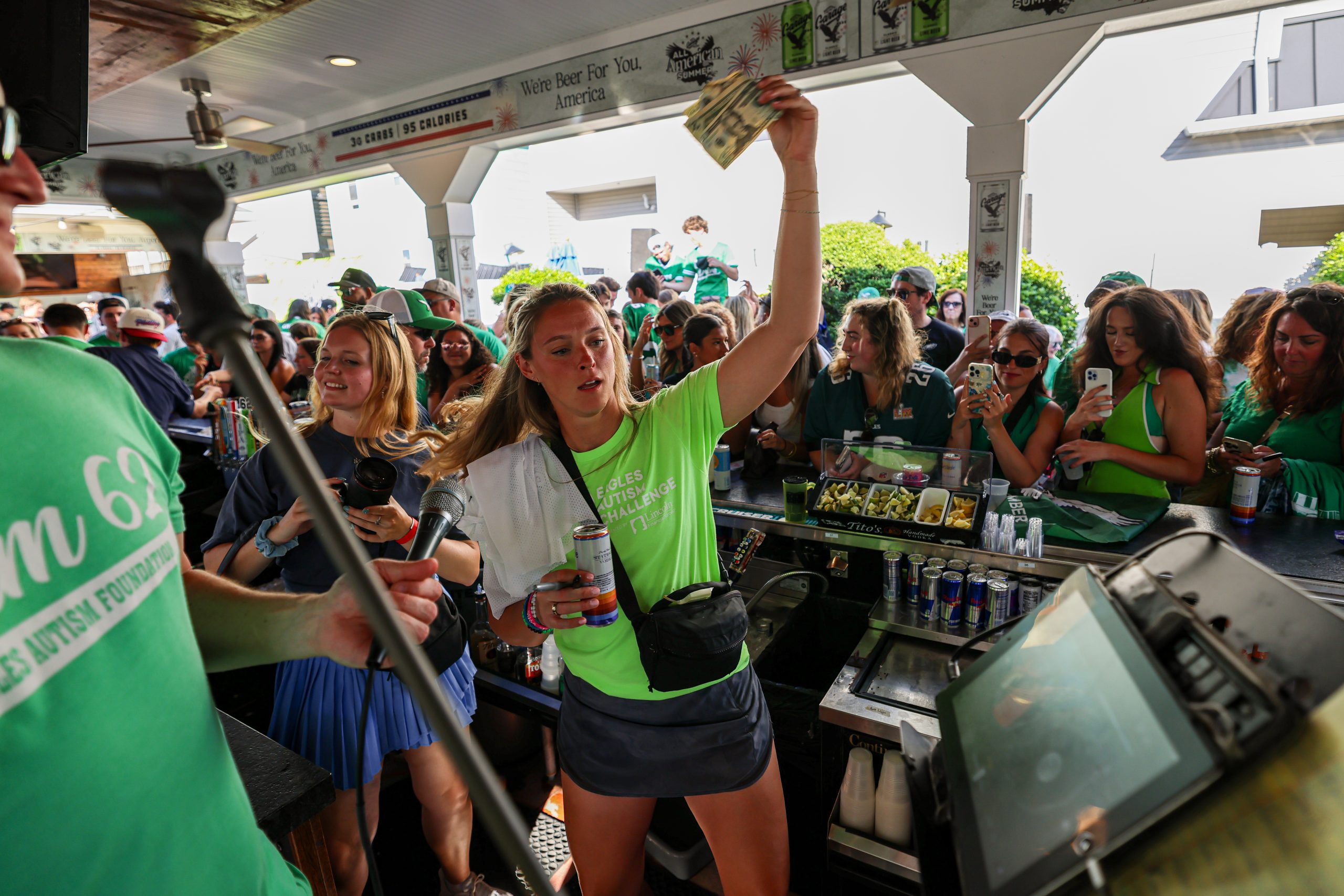
    Kylie Kelce adds some money to the cash register during the Shore Birds celebrity bartending event in Sea Isle.Courtesy of the Philadelphia Eagles

    Taylor and Travis will not honeymoon in Sea Isle, but…? ✅ ❌

    No, they did not honeymoon in Sea Isle, choosing instead Big Sky, Mont. (a lovely place), so that’s an easy one in my favor. But my leaving open the possibility that they would make an appearance in Sea Isle seems, on balance, ridiculous. Maybe they’re waiting for Jason and Kylie Kelce to finally make it off the waiting list for the Sea Isle Yacht Club. Maybe a celebrity bartending gig for Taylor at the Eagles Autism extravaganza next summer? Meanwhile, have fun in Ohio!

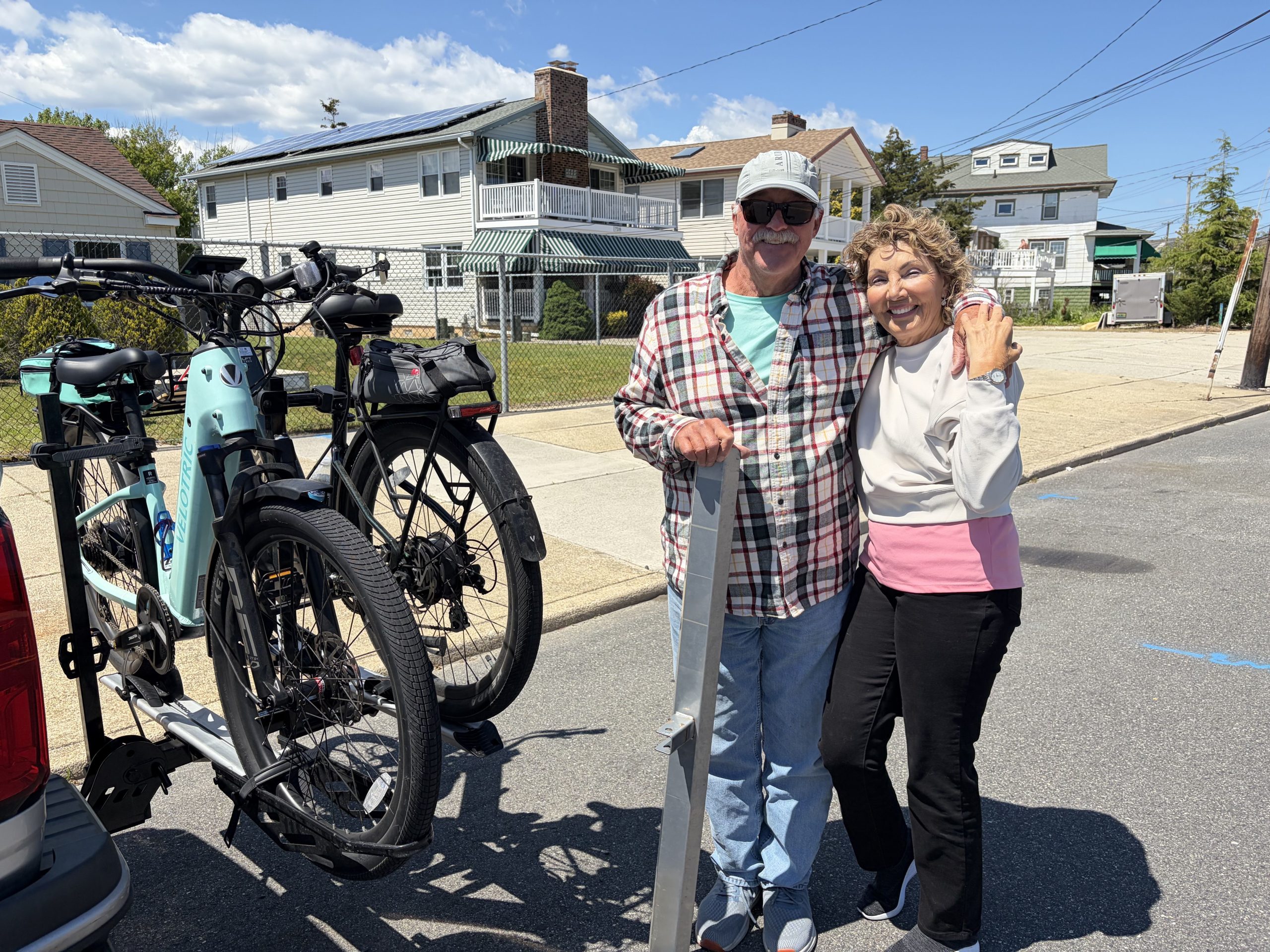
    Mike and Annamarie Carr of Ventnor, owners of Jagielky’s candy shops, with the e-bikes they love to ride. Ventnor won’t allow them on its own Boardwalk. The couple drove to Ocean City on June 2 and started and ended from there.Amy S. Rosenberg / staff

    E-bikers will be hauled off the boardwalks and fill municipal court Zoom hearings. ❌

    There was a lot of confusion over the new e-bike law in New Jersey.

    First the state Motor Vehicles Commission said Pennsylvania visitors shouldn’t sweat the new registration requirements, then they changed their mind and said visitors should start their week down the Shore with a trip to the DMV. Adding to the confusion, the MVC requirements explainer page that says out-of-staters should comply now also says, “This page is intended for New Jersey Residents.”

    In all, the MVC has issued a total of 13,850 e-bike registrations, according to commission statistics; 365 of those for out-of-state residents.

    But police were generally light-handed on enforcement measures for the new law, with departments focusing on safety issues, like helmets, and age restrictions, rather than registrations.

    Doug Bergen, a spokesperson for Ocean City, said no citations were issued there this summer under the new law.

    In Ventnor, Lt. Bryan Gaviria said between May 1 and Sept. 10, the department issued six curbside warnings to juveniles, 10 e-bikes on the boardwalk warnings, and one ticket for riding on the boardwalk.

    “We’re still in the education phase,” he said.

    Statewide, statistics show 628 total citations under the e-bike and motorized bicycle law for July and August, according to data supplied by the New Jersey Judiciary.

    Of those, just 77 were given for low-speed electric bicycles, 22 citations were for failing to have the registration required by the new law, and two were for drivers being under 15. The rest of the citations issued were for motorized bicycles, the higher speed classification.

    Retiring boomers will continue their takeover of Shore towns. ✅

    Yes, who else can afford to buy?

    Real estate prices remained mostly in rarified air, like this adorable yellow 760-square-foot North Wildwood cottage that sold for $1.7 million in mid-August. It’s a tear down, naturally.

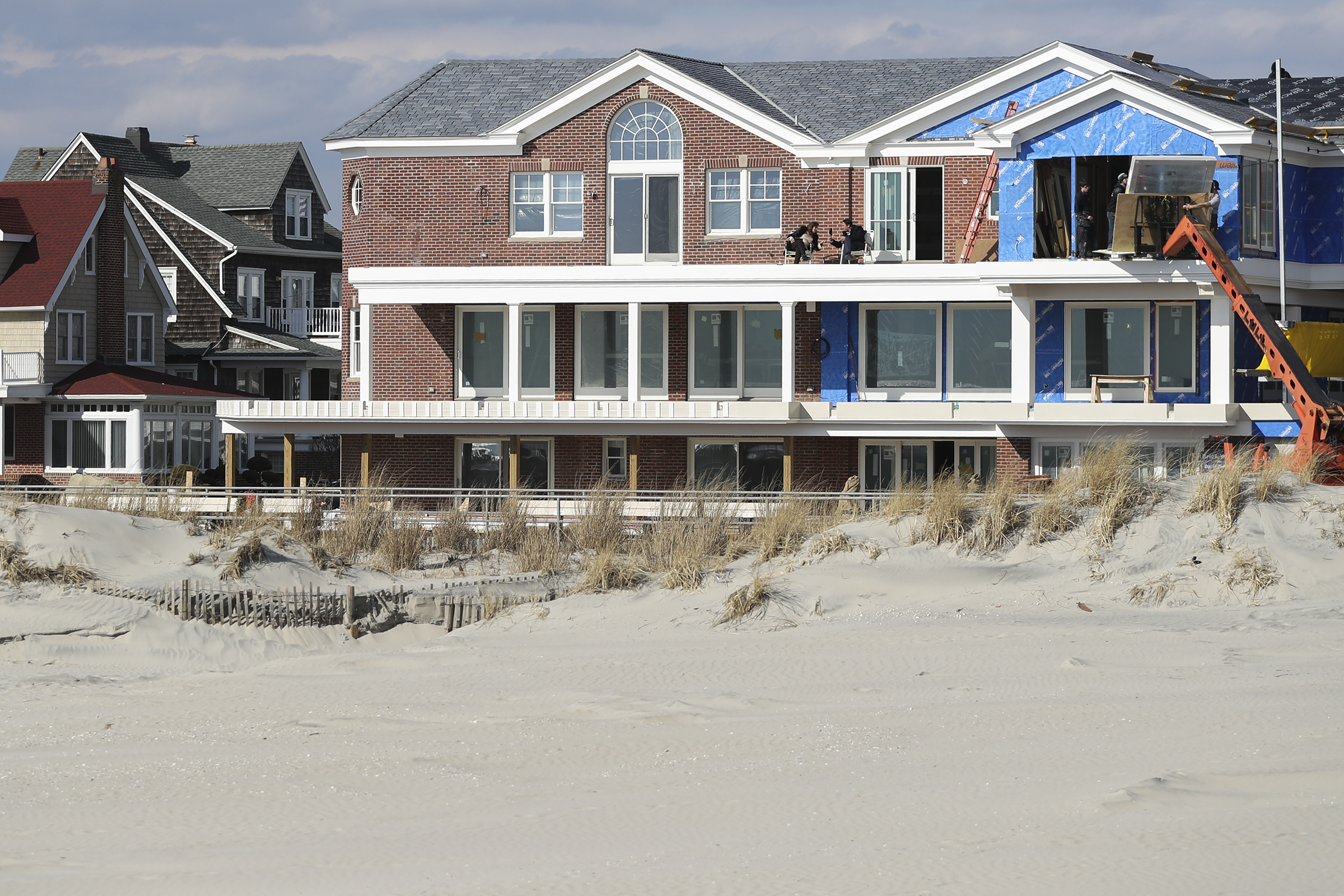
    Or how about this 17,684-square-foot house in the Avalon dunes, built on spec by Eustace Mita (see above), with the distinction of being Avalon’s largest house and an expected price tag in the tens of millions.

    In related news, the home elevator, once considered a luxury, is now considered an essential amenity for new homes in Ocean City, N.J., among other towns.

    Rendering of a 17,684 square foot home being built as a spec house in the dunes in Avalon, at 5745 Dune Drive, by developer Eustace Mita. It will be the largest home in the borough.Courtesy Avalon Borough

    Wildwood boardwalk hours will again be expanded overnight, but all people will talk about are the electric Volvo SUVs driving the tram cars. ✅ ❌

    Wildwood spokesperson Alicia Deluca says the hours remained curtailed, with the boardwalk closing between 1 and 5 a.m.

    The grumbling over the new Volvo tram cars continued all summer, though. People do not like change. Meanwhile, though, Wildwood is preparing a 20-year redevelopment plan for its boardwalk that will see mixed-use projects, including hotels, apartments, condominiums, businesses, and centralized parking garages.

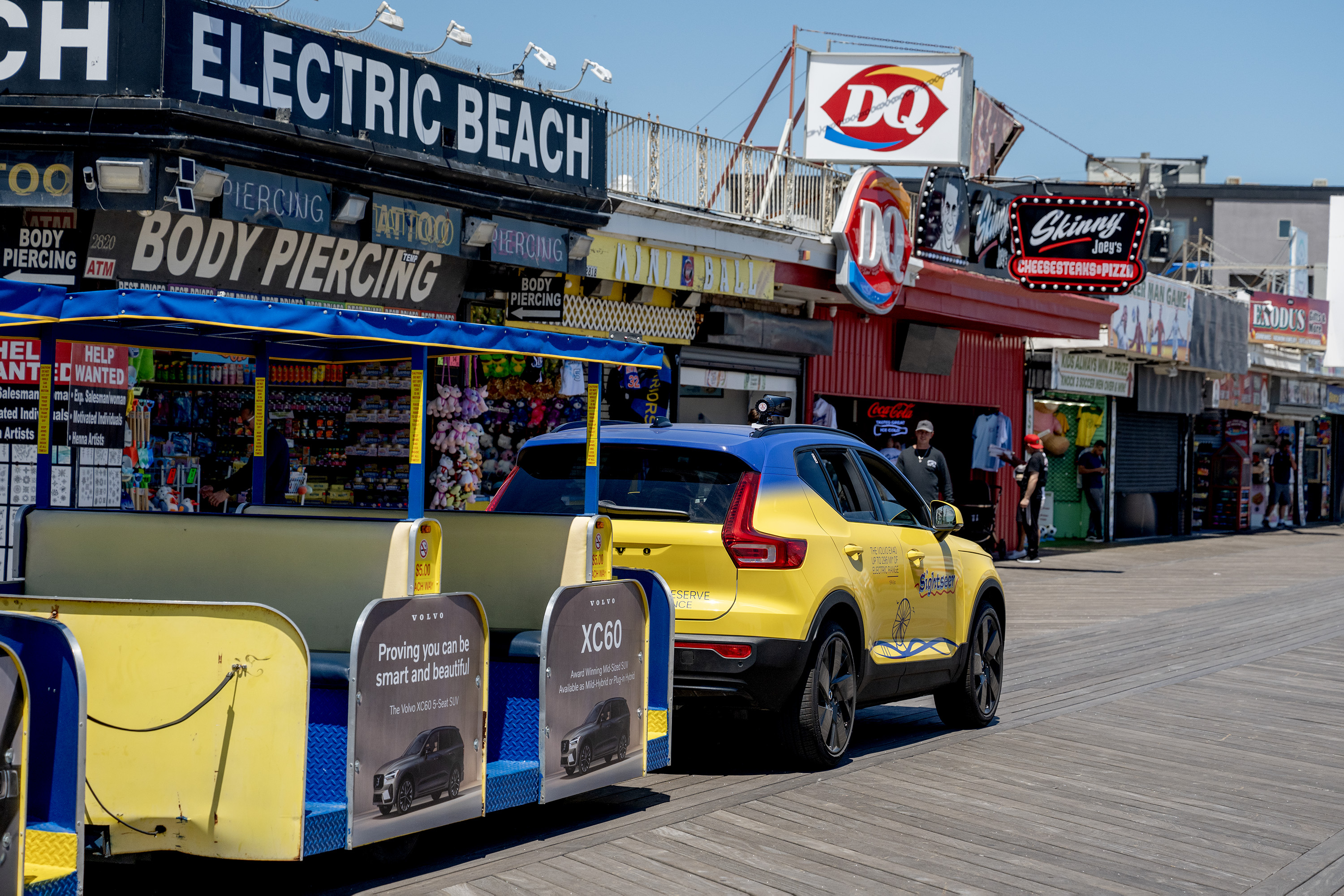
    A Sightseer tram car is pulled by a Volvo EX40 electric vehicle on the Boardwalk in Wildwood Tuesday, June 2, 2026. The Wildwoods Boardwalk Special Improvement District struck a deal with Volvo to provide three free electric vehicles in return for ads placed on the individual tram cars. Four of the older engines remain in use for now.Tom Gralish / Staff Photographer

    There will be a lot of complaining about changing parking regulations. ❌

    I didn’t hear much over the din of loud music from Gully’s, and Facebook groups seemed preoccupied with other things: flies, shaming noise complainers, and finding the best chicken Parm.

    The return of the day-tripper. ✅

    This prediction was a good one. Costs continued to rise, making shorter trips and day trips appealing. I predicted Atlantic City would get renewed attention, and it did, with groundbreakings for new housing developments, a container retail park close to opening, and the enduring appeal of a wide, free beach and a relatively inexpensive real estate picture.

    Obvious miss on the predictions front: Atlantic Avenue is finally being paved. The odds were very long on this one.

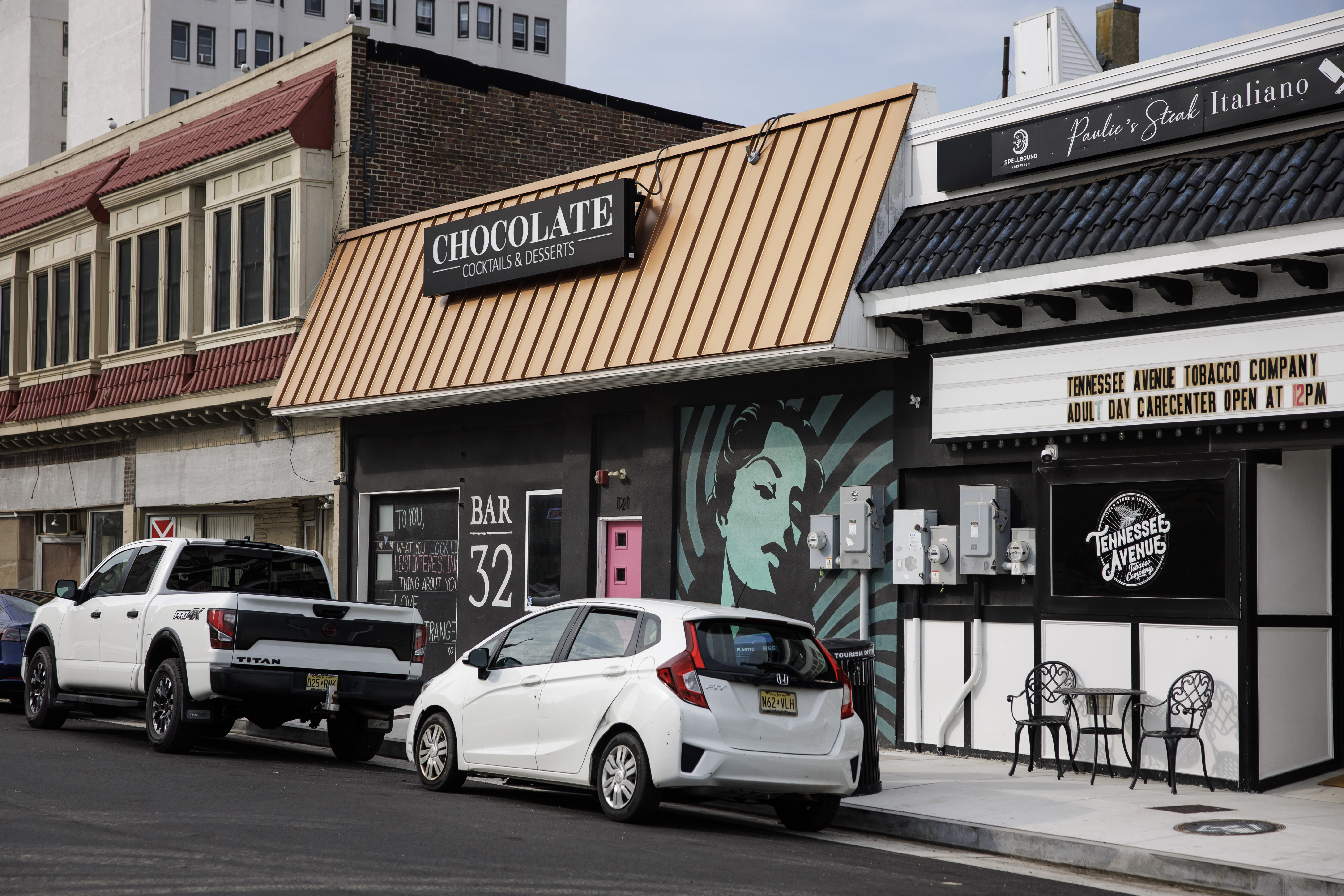
    The exterior of Bar 32 on Thursday, June 11, 2026 in Atlantic City, NJ. Bar 32 offers bean-to-bar chocolate, handmade desserts, and craft cocktails.Monica Herndon / Staff Photographer

    The summer will seem verrrrry long. ✅

    So long. How long? Basically an extra week until the Sept. 7 Labor Day. Which left beach patrols, restaurants, and other business strapped for employees, and rewarded marathon beach lovers with two days of atrocious flies on the beach Sept. 4 and 5, worse than anyone had ever experienced, like, really terrible! See ya next year!

    Total score: 6/10. We’ll get ‘em next summer, hopefully over a plate of lollipop meatballs at the Irish Pub.

  • Sea rise prompts Stone Harbor’s Wetlands Institute to move temporarily with plans for a new building

    Sea rise prompts Stone Harbor’s Wetlands Institute to move temporarily with plans for a new building

    The Wetlands Institute in Stone Harbor, N.J., has been a research and education stalwart for decades, instructing thousands of visitors annually on the importance of salt marshes and the marine world.

    Starting this week, though, the nonprofit’s staff will pack up and move to a temporary headquarters, so its main trail can be raised to stave off sea-level rise.

    The existing headquarters will ultimately be razed, with a new, elevated building rising in its place. The current wooden headquarters was built in 1972 and was originally intended for short-term seasonal use.

    Sea level “is rising fast enough that it’s outpacing the ability of the marshes to keep up,” said Lenore Tedesco, executive director of the Wetlands Institute. “They’re starting to drown.”

    “You can see that even right at the institute, where there are more open-water pockets and mud flats, instead of the grasses,” she added.

    Much of the institute’s 34-acre campus sits on low marsh and has become increasingly at risk due to flooding.

    In 2000, the Salt Marsh Trail flooded twice a year. Now, it is flooding up to 70 times a year, Tedesco said.

    For now, staff will move from the Stone Harbor Boulevard location to the New Jersey Coastal Conservation Center on North Delsea Drive in Cape May Court House.

    All programs have been paused as of Tuesday, but the Wetlands Institute will reopen Nov. 7 at the temporary location.

    The Wetlands Institute in Stone Harbor plans to raze its existing building and replace it with a larger, more resilient, expansive structure big enough to house growing levels of research, conservation, and education. This is a rendering of the back of the structure.The Wetlands Institute

    Salt Marsh Trail

    Most of the 31,000 annual visitors to the Wetlands Institute walk the quarter-mile Salt Marsh Trail looking at the bountiful birds and wildlife.

    About half of it and the surrounding ecosystem will be considered unstable low marsh by 2030 if nothing is done. The surrounding marsh sits at about two feet of elevation, while the Salt Marsh Trail, built on an old 1950s road, ranges from three to four feet.

    Tedesco said dredge material from Avalon will be spread on the trail to raise it and surrounding land to create a new high marsh. It will have more vegetation to help buttress the area from storm-driven waves and provide habitat for diamondback terrapins and at-risk coastal birds.

    Tedesco expects trail work to start in October. It will be paid for through a $3 million grant from New Jersey’s Regional Greenhouse Gas Initiative Natural Climate Solutions program.

    The work will not affect the existing elevated metal boardwalk, which will remain as is.

    The institute undertook a similar project last year with state and federal officials to save the adjacent Scotch Bonnet Island, which was drowning.

    About five acres of Scotch Bonnet Island was raised with dredge material to keep it above rising seas.

    The island is situated in Scotch Bonnet Channel, a waterway that cuts through the bay to connect the barrier island to the mainland. The channel has widened by 70 feet since 1970.

    Scientists say sea-level rise in New Jersey is running at twice the global average. They estimate the sea could rise 2 to 5 feet along the coast by 2100.

    New Jersey has 200,000 acres of tidal wetlands, valuable habitat used by shore birds and other wildlife. The Wetlands Institute abuts those tidal wetlands.

    Tedesco said the lessons learned on Scotch Bonnet Island are being used to reimagine the institute’s campus.

    Construction on the Salt Marsh Trail is expected to continue through spring before sensitive wildlife returns.

    File: A snowy egret flies over the salt marsh at the Wetlands Institute in Stone Harbor where dredged material was used to raise the height of the marsh at Scotch Bonnet Island.Monica Herndon / Staff Photographer

    A new building

    Tedesco said architects and engineers are working with the institute’s board of trustees on a proposed new building.

    Those plans call for both the building and grounds to be elevated, while maintaining the “coastal character” of the current institute.

    She said federal, state, and local permits are needed given the sensitive area.

    The Wetlands Institute is getting construction bids for the new building but does not have a final estimated cost or timeline. Tedesco said the institute is still raising money.

    The new headquarters would be built using sustainable methods, such as mass timber construction that uses engineered wood panels, columns, or beams.

    The facility would have more indoor and outdoor classroom space for educational programs, a new lecture hall, modern labs with twice the space, outdoor decks, an aquarium enlarged by 50%, and new exhibits.

    Tedesco said the institute worked with experts to explore keeping the existing building, which was designed by Malcolm Wells, a mid-20th-century designer famed for his “gentle architecture.”

    The structure was used as a biological research station by Lehigh University from 1972 to 1986. It has been expanded multiple times over decades.

    Tedesco said it became clear that it is not feasible to continue using the building because it is so outdated and cannot be raised. She said the institute has expanded into “world-class” research and the facilities are at capacity.

    “We’re in a 55-year-old wooden building in the marsh that was built to residential standards for seasonal use,” Tedesco said. “But you have to give kudos to the building. Nobody expected that a wooden building in a marsh in 1972 would still be functional today.”

  • Congestion pricing, dog beaches, eliminating beach tags: 11 ideas to improve the Shore

    Congestion pricing, dog beaches, eliminating beach tags: 11 ideas to improve the Shore

    The Jersey Shore is like the old joke: Nobody goes there anymore, and also, it’s more crowded than ever.

    It is true that many Shore stalwarts have been priced, or annoyed, off the beach. And that towns feel busier and sometimes tenser than ever: more cars, not enough parking, canopy-to-canopy beaches, prohibitive housing costs, that occasional rudeness.

    Not to mention rising sea levels, nuisance flooding, and seemingly regular tornado watches.

    To move from complaining to solutions, we racked our brains, asked experts, and solicited ideas from our readers for ways to improve the Shore experience for everyone.

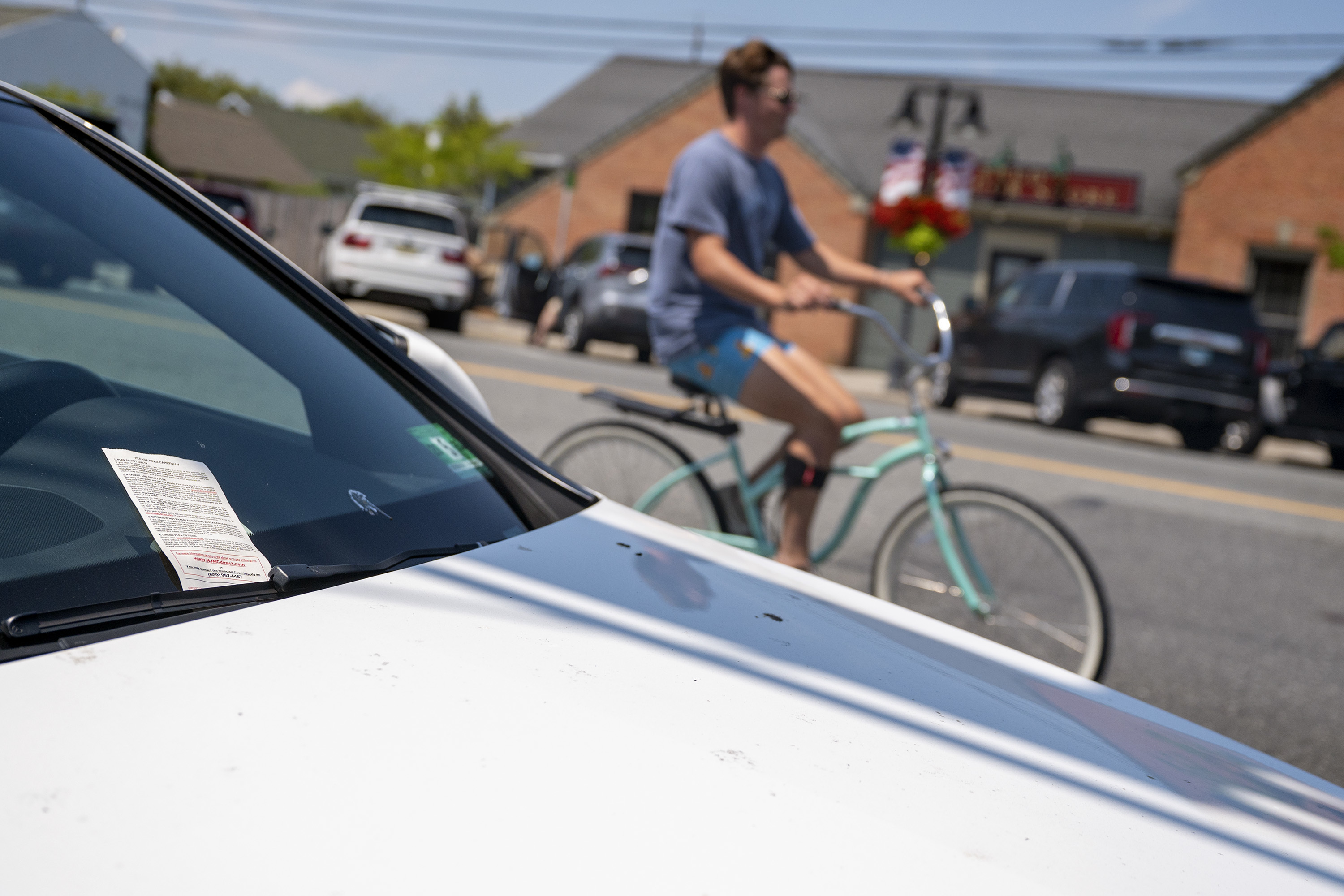
    A car with a parking ticket on 96th Street, the main shopping and dining street in downtown Stone Harbor on July 12, 2023.Tom Gralish / Staff Photographer

    Leave the cars off the island

    So many of the suggestions had to do with reducing traffic and the sheer number of cars in beach towns during the summer.

    Wrote one reader: “We need fewer cars on the island so bikers can safely travel — need to open lots on parkway and run shuttles.”

    This reader proposed giving every homeowner two parking passes. “I live in Sea Isle,” the reader said. “Too many cars.”
    Kara Cumiskey said that tenants brought seven cars to her four-bedroom rental in Ocean City.

    “I think that there should be a ‘beach tag’ for cars,“ Cumiskey wrote to us. “Or some type of ‘congestion pricing’ for bringing your car onto the island. Something that gives people some pause for bringing a car for every person.”

    While a mandatory ban or limit on cars seems unlikely, giving people the option of leaving their cars off the island and shuttling or Jitney Guy-ing into paradise seems like an interesting idea. The golf cart and e-bike rental business would definitely pick up. Fewer turtles would be squashed.

    A NJ Transit train en route to Atlantic City is shown at 30th Street Station in Philadelphia on May 12, 2019.JOSE F. MORENO / Staff Photograp

    We need more trains

    Relatedly, there were calls to increase and improve public transportation to the Shore. The current NJ Transit train is fantastic to take (and from the Shore end, NJ Transit riders can park their car for free at the A.C. Convention Center), but man, is it slow.

    An hour and 34 minutes at best between 30th Street Station and Atlantic City? Two hours between trains? Connections to the PATCO high-speed line only help a little. Still, I’ve noticed a lightness in the steps of the people who get off in Atlantic City with their suitcases and sunglasses. They’re onto something.

    Others noted that train service once ran down to various towns in Cape May County. Wouldn’t that be lovely.

    The Ocean Sands Motel at 3710 Ocean Ave. in Wildwood, N.J., on Tuesday, Jan. 24, 2023.Monica Herndon / Staff Photographer

    Convert old motels to affordable housing

    Ariela Rutbeck-Goldman, senior staff attorney at Fair Share Housing Center, says the Shore’s housing crisis is “increasingly a threat not just to affordability, but to the Shore economy itself.”

    “The Jersey Shore can’t remain a place where the people who work in restaurants, hotels, shops, and other local businesses can’t afford to live,” she said.

    Fair Share says more Shore towns are building affordable housing under the requirements of New Jersey’s affordable housing law.

    Belmar, for instance, is “repurposing dilapidated motels and other underutilized properties to increase their housing supply,” she said.

    “The goal shouldn’t simply be to create “employee housing,” so that workers can make it through the summer,” she said. “The Shore needs enough homes that teachers, nurses, service workers, young families, seniors, and other people who make these communities work can afford to live there year-round.”

    A shore home is under construction along the boardwalk by the Ventnor City Fishing Pier in the Jersey Shore town of Ventnor City, N.J., on Friday, Jan. 22, 2021.HEATHER KHALIFA / Staff Photographer

    ‘Stop the monster houses’

    As one reader wrote, “Stop the monster houses being built. The charm of the shore is getting bulldozed one lot at a time. These new builds are ugly!”

    Another noted the homogeneity of the new construction, in particular the white boxes with the black roofs and trim. In a lot of Shore towns, this ship has sailed. Sea Isle City, for example, is almost totally built out. But there is some hope for others, where the old Shore houses, whether they are the big turn-of-the-century Dutch colonials or the small ranchers of the Wildwoods, are hanging in there.

    Fair Share Housing is advocating for programs that help nonprofits acquire and preserve older homes to protect housing for year-round residents, as well as expanding tenant protections to prevent evictions.

    “Monmouth Beach, one of the Shore’s wealthiest communities, recently authorized the purchase of a two-bedroom condominium that will be deed-restricted and sold to an income-qualified household,” said Rutbeck-Goldman. “That’s a relatively small investment, but it demonstrates that municipalities don’t have to wait for a large development project to create affordable homes.”

    Shanna Killion, of Northeast Philly, works as a beach tag inspector in Avalon, N.J., on Sunday, Aug. 14, 2022. Killion said among the interesting items she has seen people carrying to the beach was an inflatable bed.DAVID MAIALETTI / Staff Photographer

    Eliminate beach tags (or at least make them reciprocal)

    Lots of people urged New Jersey beach towns to do away with beach tags. Dream on. Strathmere, one of the last three free beaches in the Philly area of the Jersey Shore, just voted to start charging $10 a day, $45 a season, or $30 if you buy a tag before Presidents’ Day. That leaves just Atlantic City and the Wildwoods beach-tag free.

    One interesting idea was to make the beach tags reciprocal to other towns. Some towns, like Ventnor and Margate, do have reciprocity, but readers imagined a Cape May County beach tag, for instance, that would encourage exploring.

    Related, a bill that would require towns to be transparent about where their beach tag revenue is actually going has stalled in the New Jersey legislature.

    Bike riders on the promenade boardwalk in Sea Isle City at the Jersey Shore on May 24, 2023.Tom Gralish / Staff Photographer

    Make the Shore better for bikers and pedestrians

    Many towns have expanded bike lanes and redesigned roads to calm traffic. More of this, please! No matter the pedestrian laws, the reality is, it’s still a miracle if the cars stop for you as you start to cross, or if the bike lane isn’t clogged with runners going in the opposite direction.

    Roads one block from the beach should be one lane in each direction, with traffic calming measures like flashing pedestrian lights and bright flags for the pedestrians to carry across. It will require a lot more patience than Jersey is known for. It’s OK! There should be a safe way to commute to jobs by bicycle and return home at night.

    A flight at Behr Brewing in Cape May in 2023.Jenn Ladd / Staff

    Let Ocean City BYOB already

    I know this is not going to happen. But what a wonderful restaurant renaissance might follow! A mini Cape May! As one reader wrote, “I have had a place in OC for 25 years and other than [Ocean City Yacht Club], have never eaten dinner in OC because can’t even have a glass of wine!”

    A backyard with access to the bay, at a Beach Haven, Long Beach Island home on June 13, 2024.Tom Gralish / Staff Photographer

    Embrace ‘coastal naturalization’

    Cindy Zipf, executive director of Clean Ocean Action, worries that the entire Jersey Shore is becoming more high-end resort, less natural coastline.

    Zipf advocates a concept known as “coastal naturalization” and says residents and visitors must rally against the “overdevelopment and citification” of Shore towns. That includes expanding parks with native plants and trees, which Zipf says will increase both quality of life and resilience to storms.

    The Surfrider Foundation has an Ocean Friendly Garden program to help.

    Zipf advocates an end to “the unchecked paving and urbanization that erodes community character while contributing to increased flooding, polluted runoff, and litter.”

    A snowy egret flies over the salt marsh at the Wetlands Institute on May 19, 2025, in Stone Harbor, N.J. Dredged material was used to raise the height of the marsh in the Scotch Bonnet Island project.Monica Herndon / Staff Photographer

    Increased marsh restoration and flooding mitigation measures

    Speaking of increased flooding: The Wetlands Institute announced that it’s temporarily retreating from its half-century headquarters on the Stone Harbor Causeway to rebuild its trails and building because of increased flooding.

    The institute focuses on coastal resilience and marsh restoration, with nature-based solutions. It is elevating and widening its Salt Marsh Trail and creating a new high marsh designed for diamondback terrapin nesting and coastal birds.

    Lenore Tedesco, the institute’s executive director, says marsh rescue is critical for storm-risk reduction.

    “By elevating the Salt Marsh Trail, we are also creating a barrier to storm waves but unlike many coastal protection features that wall off people and wildlife, we are doing it in a way that benefits marshes and wildlife,” she said.

    The Wetlands Institute is hoping other coastal communities learn from the approach.

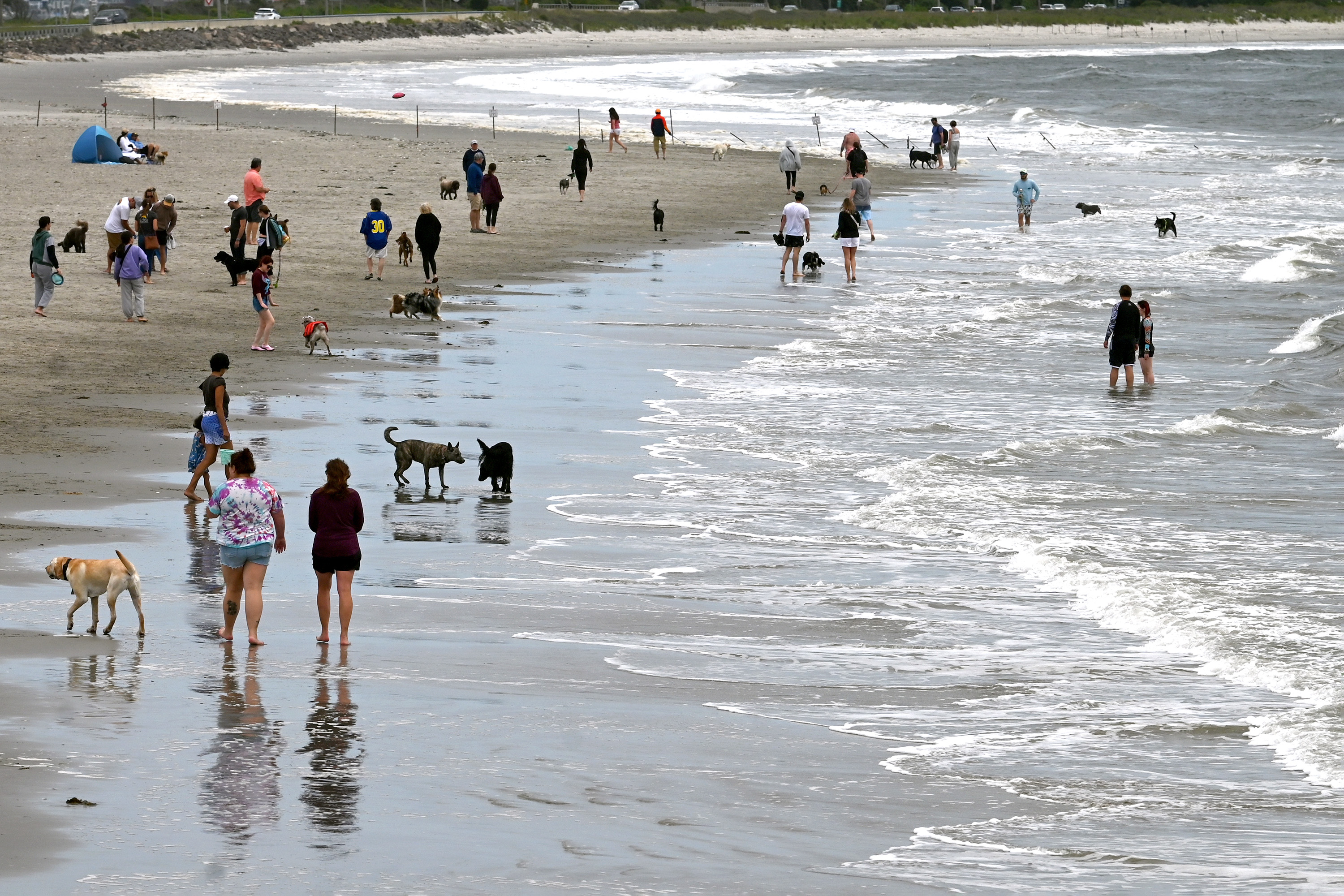
    Dogs and their owners enjoy the sand and water at the Malibu Beach Wildlife Management area in Egg Harbor Township at the Shore during the Memorial Day weekend, on May 28, 2023.Tom Gralish / Staff Photographer

    More dog beaches and dog hours

    Are dogs so bad? What if every town, or every island, had a beach dedicated to dogs and their owners? What if there were dog hours … on the boardwalks? What if all the towns allowed dogs to run free on the beach before, say, 8 a.m. in the summer? As Bob Dylan wrote, “In harmony with the cosmic sea / True love needs no company / It can cure the soul, it can make it whole / If dogs run free.”

    Fans pack the beach for blocks as Phish performs a beach concert in Atlantic City, Friday, Aug. 13, 2021.VERNON OGRODNEK / For The Inquirer

    Fully fund A.C. concerts

    There’s been a welcome uptick in big-name acts booked to A.C.’s estimable Boardwalk Hall, including Shakira, Phish, and Goose (also, Disney on Ice). Rüfüs du Sol performed on the beach this year. But the sophisticated and intimate Thursday night jazz concerts on the Atlantic City Boardwalk only started in August this year. In previous years, this popular tradition ran all summer long. There were a few A.C. beach concerts this summer and a couple jazz nights at Gardener’s Basin, but nothing like in past years.

    On the upside, there is a robust food truck scene at the A.C. Seawall and at O’Donnell Park, and new housing construction projects in places that have long been vacant. And no beach tags. But the city is under increased pressure from expected job losses due to New York casinos. Will Atlantic City put the pieces together?


    Have more ideas? Email us at downtheshore@inquirer.com!

  • Frank Spagnuola, original ‘American Bandstand’ dancer and longtime interior designer, has died at 85

    Frank Spagnuola, original ‘American Bandstand’ dancer and longtime interior designer, has died at 85

    Frank Spagnuola, 85, formerly of Philadelphia, one of the original American Bandstand dancers, 1957 Chalypso dance champion, longtime interior designer, and gourmet home cook, died Monday, Aug. 17, of congestive heart failure at the Complete Care at Court House nursing center in Cape May Court House.

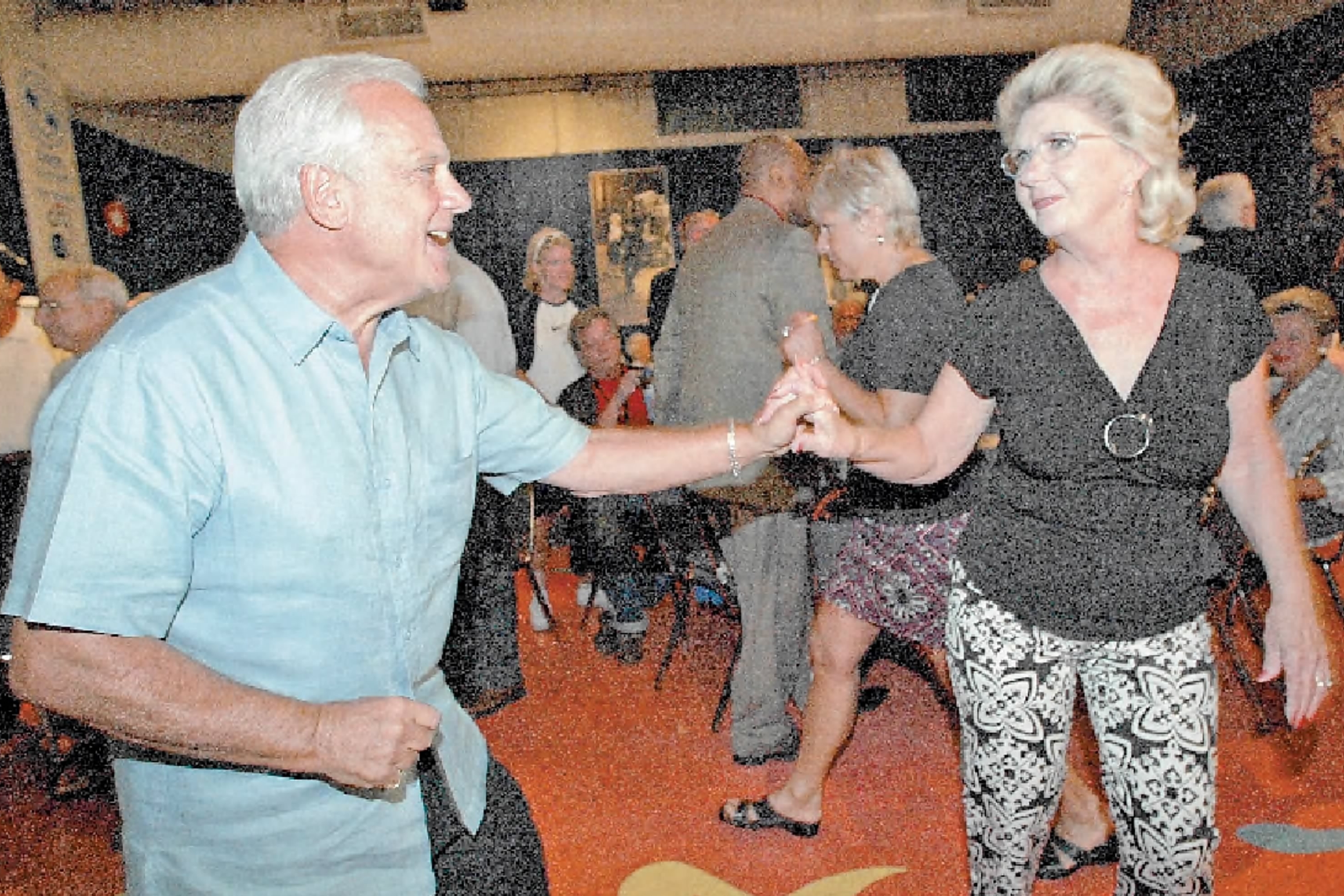
    Born and reared in South Philadelphia, Mr. Spagnuola was lifelong friends with performers Bobby Rydell, Frankie Avalon, Fabian Forte, James Darren, and Jerry Blavat, and dozens of other singers, dancers, musicians, and disc jockeys from the neighborhood. He enjoyed socializing as well as music and dancing, and, at 15, became one of the original dancers when the old WFIL-TV station hosted Bandstand and then American Bandstand in the 1950s and ’60s.

    The TV station invited local teens to dance to the latest hits in its Studio B on Market Street in West Philadelphia, and Mr. Spagnuola did just that on many afternoons from 1955 to 1963. In 1957, he and partner Dottie Horner finished first in American Bandstand’s first Chalypso contest, spotlighting an original Philly dance that combines the cha-cha and the calypso.

    “We would cut classes” to dance on Bandstand, Mr. Spagnuola, a graduate of the old Bishop Neumann High School, said in a 2017 video interview. “We had eight or nine classes, and we would leave, like, the sixth class. Father would say, ‘Where are you going?’ Well, you know where we’re going, Father. The priests watched the show. I mean, everybody watched the show.”

    Mr. Spagnuola graduated from the old Bishop Neumann High School in 1958.Courtesy of the family

    It was downstairs at Studio B, Mr. Spagnuola said, that he encountered Bandstand guest stars Pat Boone, Bobby Darin, and Sal Mineo. As a teen in the neighborhood, he performed in local skit shows with Rydell and played football and double-dated with Fabian.

    On Facebook, Fabian called Mr. Spagnuola “a gentleman and talented dancer,” and said: “Frank Spagnuola was one of the most popular and beloved regular dancers on Dick Clark’s American Bandstand during the show’s iconic Philadelphia era.”

    Mr. Spagnuola is profiled at history-of-rock.com and bandstand.cafex.biz, and he and Dottie Horner are on the cover of the 1997 Dick Clark’s American Bandstand souvenir collectors’ magazine. He is featured in the 1997 New Jersey Network documentary Bandstand Days and called the show “part of American history.”

    Over the years, as Bandstand’s popularity ebbed and flowed, he routinely reconnected with other original dancers — they were called the Bandstand Regulars — at reunions, public events, and celebrations in the region. American Bandstand went off the air in 1989.

    Mr. Spagnuola and his dance partner, Dottie Horner, were on the cover of this 1997 souvenir collectors’ magazine. Courtesy of the family

    “Everybody loved Frank,” said longtime disc jockey and music director Tommy McCarthy. “He had an infectious smile. He was a guy you just liked.”

    Friends on Facebook called Mr. Spagnuola “movie star handsome,” “a rock & roll soldier,” “a Bandstand pioneer,” and “one of the nicest gentleman you could ever meet.” One said: “Wonderful dancer, wonderful person, wonderful friend.”

    After graduating from Bishop Neumann in 1958, Mr. Spagnuola worked in a high-end carpet store, studied interior design, and earned an associate’s degree at the old Philadelphia College of the Arts. He became an interior designer, worked for Sears at the Moorestown Mall for 25 years, and was active with the American Society of Interior Designers.

    On his own, he did private design work for Muhammad Ali, former Eagles assistant coach Jon Gruden, and other local notables. “He cultivated an eye for beauty and design,” his family said in a tribute, “shaping spaces with elegance and functionality.”

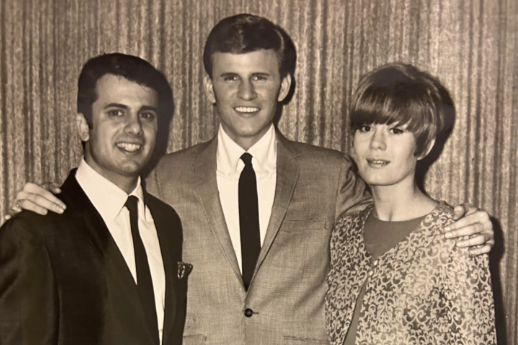
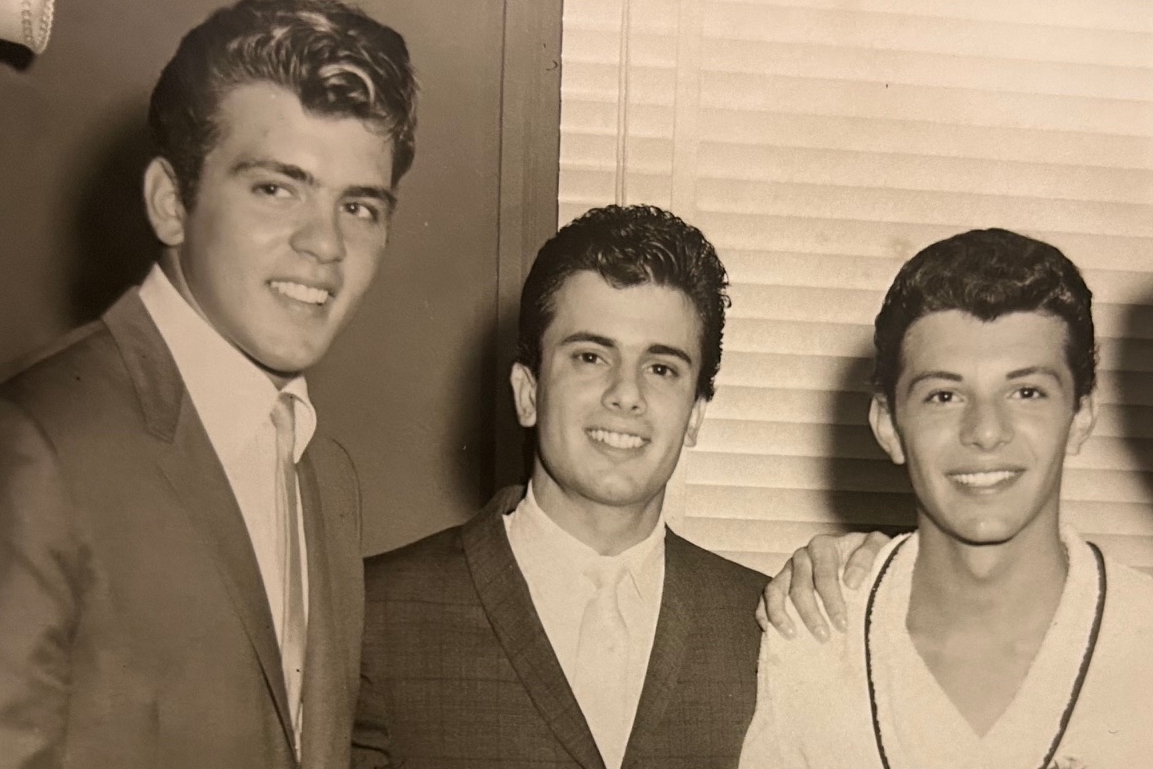
    Mr. Spagnuola (left above) stands with his wife, Janet, and Bobby Rydell. Below, he is flanked by Fabian (left) and Frankie Avalon.Courtesy of the family

    Francis Michael Spagnuola was born Nov. 2, 1940. The oldest of three brothers, he liked to hang out at the Jersey Shore and dine on Italian food.

    He married Janet Moretti, and they had a son, Stephen, and a daughter, Carrie, and lived in South Philadelphia and Center City. His wife died in 2005.

    Mr. Spagnuola moved to Cape May later, became an accomplished home cook, and was known for his crab salad dip. He was passionate, upbeat, and funny, everyone said, and his children called him “a steadfast anchor and a lifelong source of support.”

    His family said: “He leaves behind a memory as warm and enduring as the summer shore and the Wildwood days he so dearly cherished.”

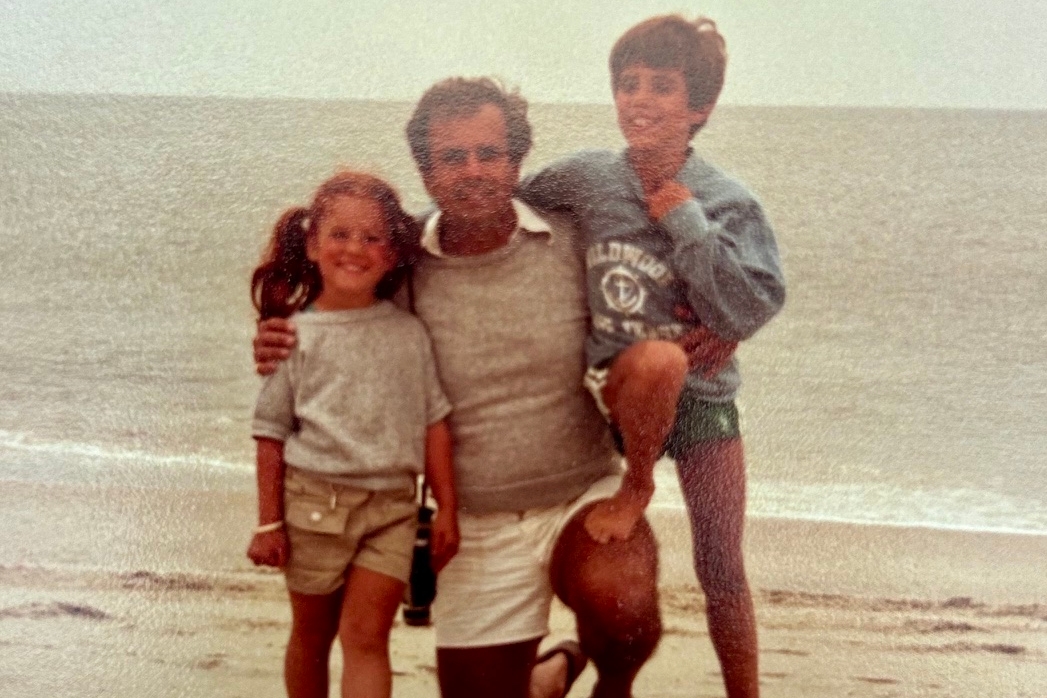
    Mr. Spagnuola enjoyed time with his children (above) and grandchildren (below).Courtesy of the family

    His son said: “He loved life. He loved people. He loved characters.”

    In addition to his children, Mr. Spagnuola is survived by three grandchildren and other relatives. Two brothers died earlier.

    Services were held earlier.

    Donations in his name may be made to the American Heart Association, Box 840692, Dallas, Texas 75284.

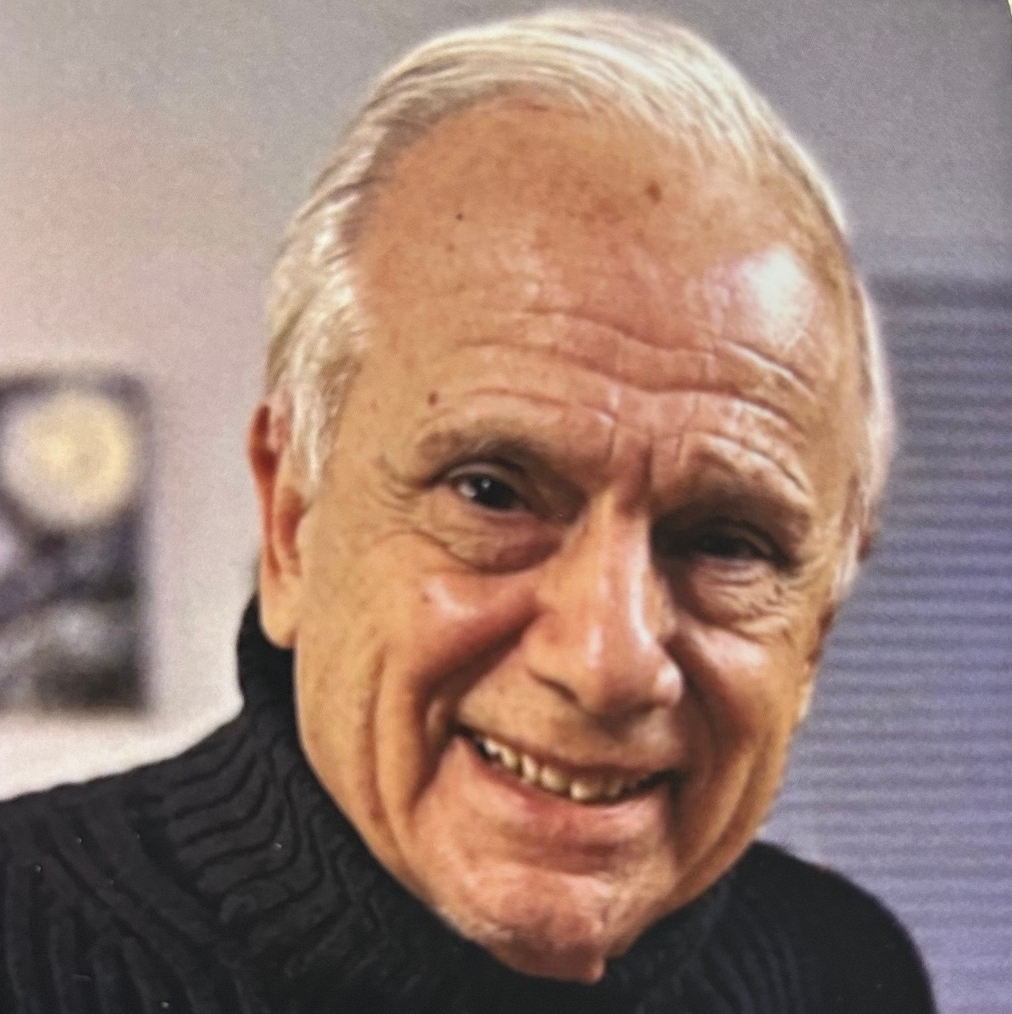
    Mr. Spagnuola “loved life. He loved people. He loved characters,” his son said.Courtesy of the family
  • A bagel boom or a bagel bubble: How many shops does Philadelphia really need?

    A bagel boom or a bagel bubble: How many shops does Philadelphia really need?

    Philadelphia, apparently, needs more bagels.

    Since the beginning of 2025, nearly a dozen bagel shops have opened or leased space in Philadelphia and its suburbs, bringing new locations from local operators as well as fast-growing out-of-town brands that see the region as fertile ground for expansion.

    Jacob and Alexandra Cohen, owners of Kismet Bagels, at their location on Girard Avenue in Fishtown in 2024.Alejandro A. Alvarez / Staff Photographer

    Kismet Bagels has opened its fourth and fifth shops, in Manayunk and Collingswood. Bart’s Bagels, which has shops in West Philadelphia and Bella Vista, recently expanded to the founders’ hometown of Bala Cynwyd. PopUp Bagels, the Connecticut-born chain that built a following on social media, made its local debut in Ardmore this spring and has signed a lease for a Rittenhouse shop as part of a larger regional expansion.

    And Washington, D.C.-based Call Your Mother is preparing three soon-to-open Philadelphia locations — in Fishtown (due first), Rittenhouse, and Washington Square West — committing to all three before serving its first Philadelphia bagel.

    Call Your Mother bagel sandwich shops have a subtropical feel.Courtesy of Call Your Mother

    That tally doesn’t include all of the stores that could follow. Florida-based Jeff’s Bagel Run has announced a 10-unit development agreement for Eastern and South Central Pennsylvania, while PopUp franchisee Brian Harrington is scouting additional territory in the Philadelphia suburbs.

    All this raises an obvious question: How many bagels can Philadelphia eat?

    Plenty, apparently — at least for now.

    Jacob Cohen, who started Kismet six years ago with his wife, Alexandra, said the company has seen sales increase even as new bagel shops have entered the market. “I don’t think they’re just dividing the same customer base, because we’ve already had new shops open in Philadelphia and we haven’t seen a decrease in sales,” Cohen said.

    But Cohen, who rapidly expanded Kismet before putting the brakes on growth earlier this year, also sees a limit. “More is not always better,” he said. “I obviously don’t have a crystal ball, but I have a feeling that some of these private-equity bagel companies coming are going to learn that the hard way.”

    Bagels are having a moment

    Philadelphia is part of a much broader bagel boom. The U.S. bagel market generated an estimated $3.17 billion in revenue in 2025 and is projected to reach $4.51 billion by 2033, according to Grand View Research, a market-research firm. That represents annual growth of about 4.6%. Worldwide, the firm values the bagel market at $5.8 billion in 2025 and projects it will reach $8.6 billion by 2033.

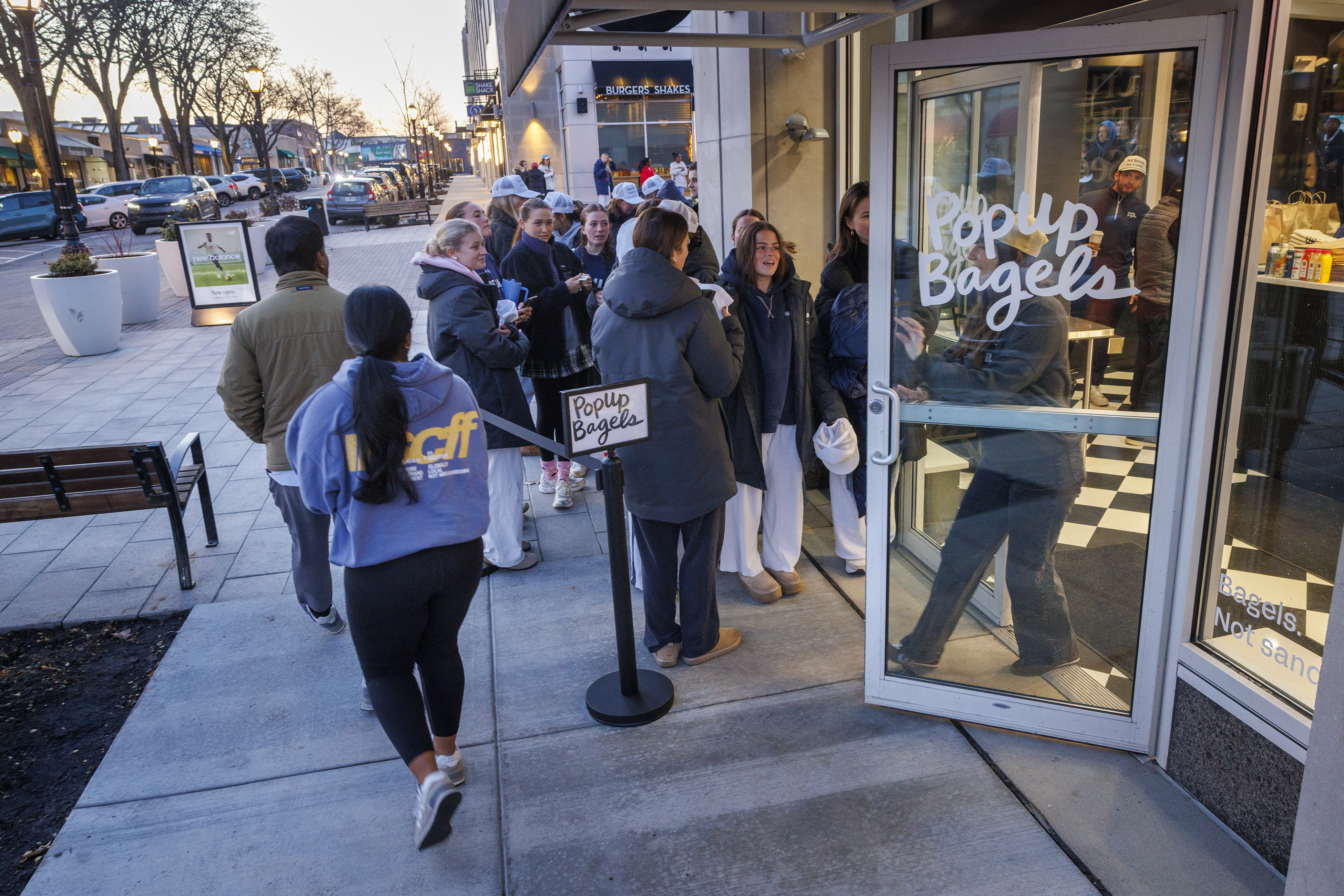
    Customers lining up for the grand opening of PopUp Bagels in Ardmore in March.Alejandro A. Alvarez / Staff Photographer

    Mike Kostyo, vice president of Menu Matters, a Vermont-based food-industry consulting firm, sees the current surge as the convergence of several trends rather than the sudden discovery of a new food. Artisan baked goods have been rising in popularity for years, he said, after the pandemic produced a generation of home bakers and pop-ups experimenting with sourdough and bagels. At the same time, café culture and the rise of the “little treat” have made consumers more willing to spend on premium versions of everyday foods.

    “At its core, the bagel has always been a blank canvas for lots of flavors and toppings,” Kostyo said. “But now, instead of sesame seeds, you see them topped with Flamin’ Hot Cheetos.”

    The traditional formula — bagels by the dozen, cream cheese, lox, and coffee — also has evolved into something closer to a breakfast-and-lunch fast-casual restaurant.

    The Ramen Thing bagel sandwich from Cleo Bagels in West Philadelphia.Tyger Williams / Staff Photographer

    Bagels become vehicles for egg sandwiches, smoked salmon, avocado, specialty cream cheeses, and elaborate combinations that can command substantially more than a plain bagel and schmear. And operators increasingly are looking beyond breakfast.

    “The sandwich factor is so important,” Kostyo said. “You need something that you can sell across multiple occasions, not just to commuters in the morning.”

    That versatility helps explain why investors have noticed.

    “Investors are always looking for that next category that could blow up,” Kostyo said. “They want Call Your Mother or PopUp Bagels to be the next 7 Brew or Dutch Bros.”

    From pandemic project to expansion vehicle

    Some of the brands now expanding grew directly out of the pandemic.

    The Cohens started Kismet as a pandemic project before turning it into a brick-and-mortar business and eventually growing to five locations — down from seven after the company shuttered a stand at Reading Terminal Market in 2025 and closed a shop in Ventnor earlier this year.

    Jacob Cohen of Kismet Bagels holds an everything bagel.MONICA HERNDON / Staff Photographer

    PopUp followed a similar trajectory. Founder Adam Goldberg began baking bagels at home during the pandemic and developed the idea into a business built around an unusually stripped-down concept: hot bagels and schmears, rather than the sprawling sandwich menus associated with many modern bagel shops.

    Customers are encouraged to “grip, rip, and dip,” tearing apart the bagels and dipping them into containers of cream cheese.

    The company’s first Philadelphia-area shop opened in the spring in Suburban Square in Ardmore. Harrington, the franchisee developing PopUp in this region, said sales have remained strong even through the summer.

    “We anticipated a little bit of pullback with a lot of our core [teen] clientele getting jobs in Avalon and down the Shore, and with vacations and things like that,” Harrington said. “But it’s been very, very steady.”

    In more than 25 years in the restaurant business, Harrington said, he has typically seen sales soften in late June, July, and early August. “We’ve not seen that,” he said.

    PopUp has signed for the former Starbucks at 1709 Chestnut St. in Rittenhouse, as reported by the Philadelphia Business Journal. Harrington said he has a deal for a location in Lawrence Township, N.J., near Princeton, that is awaiting its permits. Another South Jersey deal is close, he said, and he sees additional potential in Montgomery County.

    Despite the influx of bagel shops, Harrington said he believes PopUp occupies a somewhat different niche.

    “We’re not making sandwiches,” he said. “So far, people have found us and enjoyed the way that we do it, and it doesn’t preclude them from going and getting a bacon, egg, and cheese somewhere else.”

    Three stores before the first bagel

    Call Your Mother is making an even larger initial bet on Philadelphia. Founded in Washington in 2018 by Andrew Dana and his wife, chef Daniela Moreira, the self-described “Jew-ish” deli has expanded beyond the Washington area as New York investment firm Invus acquired a majority stake in the company in January 2025.

    Call Your Mother has signed three Philadelphia leases: 1500 Frankford Ave. in Fishtown, the former Metropolitan Bakery at 262 S. 19th St. near Rittenhouse Square, and 12th and Sansom Streets in Washington Square West. Dana said the decision to enter Philadelphia was considerably less scientific than the three-store commitment might suggest.

    “My mom grew up there, my grandparents lived there, and I’ve been there so much visiting my friends,” Dana said. “I’ve been in Fishtown on a Sunday when it’s popping, and I’ve been in Rittenhouse Square when it’s super-crowded on the weekend and the market’s going. A lot of it is just gut and feel.”

    Dana does not believe Philadelphia lacks good bagels. On a recent trip, he tried Bart’s and came away impressed.

    “I think a lot of people are doing a great product in Philadelphia,” he said, “but there’s always room for a different bagel shop. At least I hope so.”

    Dana also rejects the idea that taking investment inevitably leads to runaway growth or declining quality.

    He described Invus as “patient capital” and said the investment agreement carries no requirement that Call Your Mother open a prescribed number of stores.

    “We’re going to do what we can do while still keeping the quality of the food and the service top-notch,” Dana said. “And if that ever slips, we have the ability to hit the pause button.”

    Local operators dig in

    For some Philadelphia bagel operators, however, the arrival of heavily financed brands is cause for skepticism.

    Cohen, at Kismet, is particularly wary.

    “I think it’s the rare exception when private equity marries itself to a food brand and they continue to do good things,” he said. “I’d like to keep private equity out of bagels.”

    He stressed that Kismet remains owned solely by him and Alexandra, financed through bank loans rather than outside investors.

    David Fine, owner of Schmear Bagel Parlor, is also watching the expansion. Fine entered the business in 2013 with his Schmear It food truck and has since acquired the shops owned by Philly Bagels, giving the company eight locations in Philadelphia.

    David Fine of Schmear with his son.Courtesy of David Fine

    Fine said those stores have not appeared to steal business from one another.

    He thinks part of the bagel’s appeal is almost mundane: It is familiar, relatively accessible, portable, and infinitely customizable.

    “They’re comfort food at their very core, and they can really appeal to such a wide variety of customers,” he said.

    He is less certain about the economics behind the rapid expansion of some competitors.

    “The buildouts are expensive,” Fine said. “You have to be quite profitable for quite some time just to recoup that investment.”

    Schmear is expanding, too, Fine said, renovating its original brick-and-mortar location at 36th and Market Streets. But he believes that being local gives the company an advantage as more national and regional shops arrive.

    “There’s a keen allegiance to local brands,” Fine said.

    Built for the feed

    Bagels also have another quality particularly suited to the moment: They look good on a phone.

    Kostyo points to the now-familiar image of a bagel sandwich sliced in half and held toward the camera, its fillings and schmear exposed.

    “The visual factor is also so important in today’s social media age,” he said. “That picture … is the type of indulgent food that people go out of their way for today.”

    The lines themselves become part of the marketing. A crowd outside a shop signals that the food is worth leaving home for, he said, while arguments over the proper density, crust, schmear, toppings, and even whether a respectable bagel can be made outside New York keep the category in the conversation.

    “In the end, it’s all advertising and marketing,” Kostyo said.

    But social media enthusiasm is fickle — witness the rise and fall of cookies and cupcakes — and Kostyo sees the flood of investment and expansion as carrying the seeds of an eventual shakeout.

    “This is a pretty classic bubble where some of these brands that are doing a great job and really resonate with people will survive, but a lot will overexpand and shut down in the next few years,” he said.

    Cohen, meanwhile, has decided not to test Kismet’s limits.

    After years of opening shops, Kismet entered 2026 determined to improve what it already has rather than add more locations. The company is focusing on consistency, profitability, new products, employees, and customers, he said.

    He is happy to see Philadelphia’s bagel culture growing and says he does not regard every new shop as a competitor. Years ago, Cohen recalled, Inquirer restaurant critic Craig LaBan told him that Philadelphia did not have enough bagels per capita.

    “We might be starting to get there now,” Cohen said.

  • Goodness Bowls is opening a headquarters and restaurant in a closed Conshohocken bridal shop

    Goodness Bowls is opening a headquarters and restaurant in a closed Conshohocken bridal shop

    A shuttered bridal shop in downtown Conshohocken will soon become the home of another family-run business with local roots.

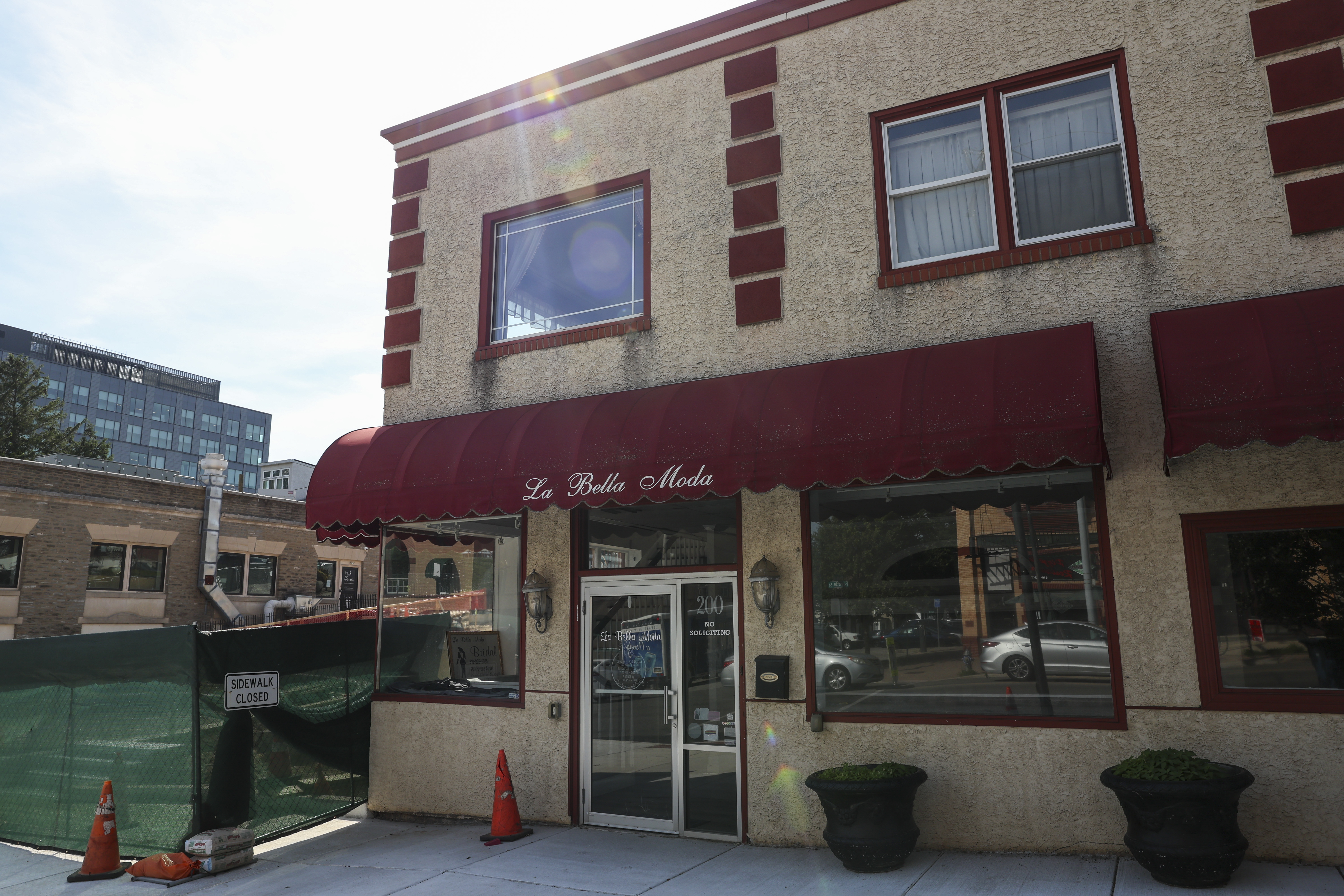
    Goodness Bowls, a “healthy-eats cafe” chain run by Montgomery County residents, has signed a lease for the former La Bella Moda bridal shop at 200 Fayette St., with the goal of opening a corporate headquarters there by early 2027. La Bella Moda closed in May after 45 years in business.

    “I always looked at La Bella Moda, and I thought, ‘God, that would be the perfect corner,’” said Susan Persichetti, Goodness Bowls’ cofounder and CEO. “ But I never thought they would close their doors.”

    In the coming months, the Goodness Bowl team plans to open a 1,500-square-foot restaurant on the first floor, according to company executives, and use 2,000 square feet upstairs for additional seating and its corporate offices. They declined to share the terms of the lease.

    The Conshohocken restaurant will be Goodness Bowls’ 10th location and its third corporate outpost. The rest of its cafes are franchised.

    The closed La Bella Moda, as seen in June.Monica Herndon / Staff Photographer

    The chain’s expansion comes as acai bowls — smoothie bowls loaded with toppings like fruit, granola, and peanut butter — and other more nutritious fast food have surged in popularity.

    Shops selling these bowls seem to be popping up everywhere. Over the past decade, Belmar, N.J.-based Playa Bowls has grown to more than 100 locations in 20 states, including more than a dozen spots in the Philly area. And the Juice Pod, founded in Avalon and now headquartered in Bryn Mawr, has expanded to more than two dozen cafes, most of which are in the region.

    A mother-daughter duo, Susan and Corinne Persichetti, opened the first Goodness Bowls in Avalon in 2019. Susan said her daughter Corinne — a former Division I field hockey player at Fairfield University and a health enthusiast — was the driving force behind the business.

    Susan Persichetti, cofounder and CEO of Goodness Bowls, with her daughter Corinne Persichetti, cofounder and chief operating officer.Courtesy Goodness Bowl

    Corinne created the cafe’s menu, which includes acai bowls, salads, wraps, and smoothies, and came up with its slogan, “Eat Good. Feel Good. Do Good.” Susan, meanwhile, crafted the shop’s coastal aesthetic and branding.

    For a couple years, Susan and Corinne ran the Avalon location in the summertime while working corporate jobs. In 2022, they opened a second location in Villanova, where they quickly found success. They realized there was demand for the Shore-inspired business in the Philadelphia suburbs, Susan said, and started franchising.

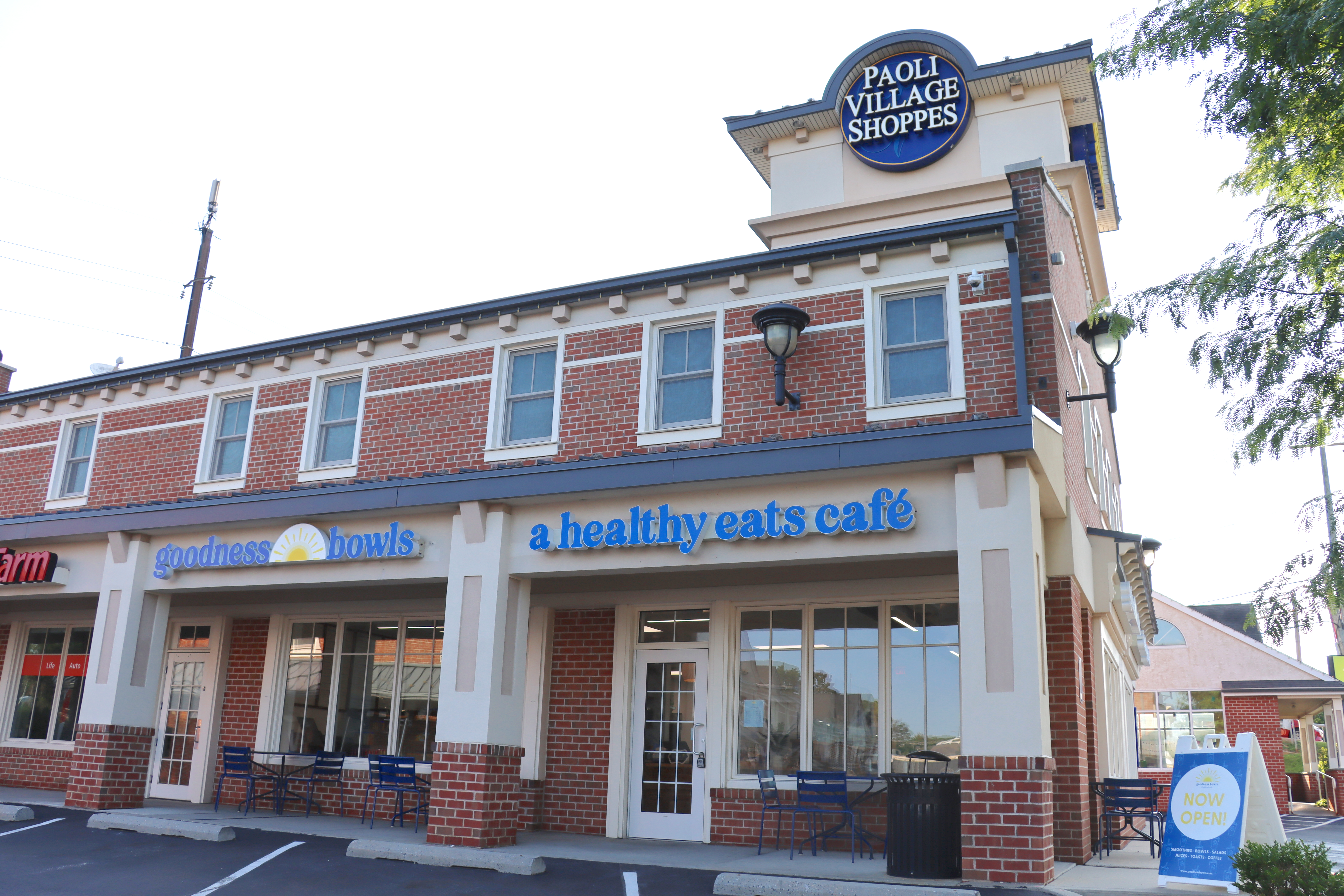
    Goodness Bowls currently has franchise locations in Narberth, Paoli, Collegeville, Spring House, Haddon Township, Sea Isle, and Scranton.

    The new Paoli location of Goodness Bowls.Courtesy Goodness Bowls

    In recent years, Goodness Bowls has also expanded their team, including by hiring a company president, Finn Loftus, who also lives in Montgomery County.

    Susan said she thinks the business has taken off because more consumers, especially women, are seeking out nutritious fast food.

    “People really are craving healthy options,” she said. “And they really want food that they’re able to get quickly.”

    Customers also say they are drawn to the bright cafes and friendly service, according to Susan.

    Goodness Bowls executives look at their move to Conshohocken as a homecoming, and are excited to be back in the borough where Susan raised Corinne and her other children.

    “We want to add to the community,” Susan said, by “keeping a small, family-owned business there on a really great corner that’s built such great traditions.”

  • Avalon will allow outdoor live music one hour later at Gully’s

    Avalon will allow outdoor live music one hour later at Gully’s

    Avalon has changed its tune.

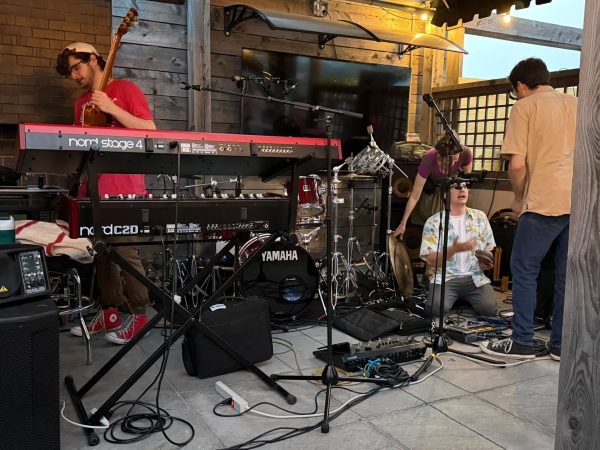
    Over objections from nearby residents, the affluent Cape May County shore town voted to soften liquor license restrictions for the popular new bar Gully’s, allowing one more hour of outdoor music, until 9 p.m.

    The vote followed an outcry from the town’s locals, old-timers, and music lovers after the band Three and One was told to stop playing at 8 p.m. July 17, two hours earlier than advertised, after complaints from neighbors and a visit from Avalon police.

    The 8 p.m. cutoff for outdoor music was a special condition included in the liquor licenses of Gully’s and other bars in town.

    But at its August council meeting last Wednesday, the council adopted new restrictions on Gully’s that gives the bar one more hour for outdoor live music.

    Gully’s had been appealing those conditions to the state’s Division of Alcohol Beverage Control before the resolution’s adoption.

    Councilman Jamie McDermott downplayed the consequences of extending the music one more hour, and said the noise was “part of living within the two blocks of the commercial business district.”

    “It’s a summer disruption,” he said. “We’re talking about eight Saturday nights that are going to go until nine o’clock.

    “For me, for a summer town, that’s not Sea Isle, that’s the seashore at its best,” he said.

    According to the resolution, Gully’s has retained a sound engineer to help with noise volume from its bands.

    “Each band will be given the sound engineer’s phone number so that the engineer can approve the band’s system before it is set up,” the resolution states.

    In addition, “bands will be warned that they will be cut off and not paid if they do not keep the volume reasonable.”

    The council noted that Gully’s space is mostly outdoors, unlike other bars in town with bigger indoor footprints for music, and that the borough itself has outdoor music until 9 p.m. at its public concerts.

    The extension to 9 p.m. was characterized as a temporary solution for the rest of the summer. The issue will be revisited before next summer.

    Gully’s has agreed to withdraw its appeal, for now, Nicole Curio, the municipal solicitor, told the council.

    The hanging candied bacon served over grits and Gully’s blooming potato at Gully’s on Wednesday, June 17, 2026, in Avalon, NJ.Monica Herndon / Staff Photographer

    The resolution requires Gully’s bands to have smaller sound systems, no 18-inch or larger bass speakers, and to monitor their volume. The restaurant announced the change on its Facebook page.

    The resolution also states that concerned neighbors will be given a number to text if they have issues with the volume.

    Gully’s has also agreed to reposition the stage so that bands are facing the building rather than the neighborhood, the resolution states.

    City Council President Greg “Chet” Johnson said at the meeting that the town needed to ensure that all the new people investing in summer homes had places to go once they arrived in Avalon.

    “The town has changed,” Johnson said, addressing residents who had objected to the new regulation. “It’s a more affluent community that’s coming here. You’ve had great appreciation in your property. This is going to continue to grow and boom. People that come down now, they’re not bringing their groceries. They want to go to restaurants. They want entertainment.”

    The popularity of Gully’s, in a space where a previous business had not flourished, showed that it was something the town as a whole supported, he said.

    Larry Hayes, a neighbor who lives about 500 yards away and has complained about the noise, said he was opposed to the new regulations. Others said Avalon was caving to Gully’s.

    Council Vice President Sam Wierman said it was unrealistic for neighbors near Avalon’s commercial district to want “everything shut off” at 8 p.m.

    “That’s the reality of living,” he said. “I don’t think 9 p.m. is unreasonable. It’s a middle ground.”

    Curio, the solicitor, noted that the resolution did not address other events at Gully’s, like its amplified Monday minnow races, which were also receiving attention from PETA, the animal rights group.

    Resident Jody Kyle, meanwhile, noted a noise issue she thought was worse than Gully’s: The noise from the nearby Wawa, which she said went on until midnight or 2 a.m. some nights.

    “It’s underaged kids who belong at home,” she told council.

  • Wonderland developer is tearing down a $10M mansion in Avalon

    Wonderland developer is tearing down a $10M mansion in Avalon

    Wonderland developer Eustace Mita, whose proposal for a luxury seven-story hotel in Ocean City has drawn critics, is building an enormous spec house in the Avalon dunes that will be the borough’s largest home.

    Mita says the 17,694-square-foot home at 5475 Dune Drive is not for his personal use, but rather a house built by his Achristavest construction company that will be offered for sale. There is no designated buyer yet, he said.

    “This is a spec home,” he said by telephone. “Is it the biggest home in Avalon? Yes, absolutely. It’s not just one big home. It’s a home with a carriage house.”

    Construction will require additional sand trucked in to fortify the dune for the property, which will include a 14,000-square-foot main house connected to a 3,000-square-foot carriage house.

    It replaces a 7,800-square-foot home that will be torn down, said Mita, the owner of the Icona brand of Shore hotels. His company bought the property for $10.3 million in 2024.

    Mita said he will continue to personally use a home on the beach in Ocean City, at 28th and Wesley.

    Two stories in the new house will be subterranean and three will be above ground, he said. The below-ground floors will include a bowling alley, golf simulator, indoor pool, home theater, recording studio, and cold plunge.

    He said has secured state environmental proposals and emphasized that the house, because it will occupy the same footprint as the existing house, did not need a zoning variance from Avalon borough.

    Avalon’s impressively high and vast dune system has 11 homes. The largest existing house in the dunes is at 5299 Dune Drive and owned by the heirs to the Utz potato chip family business. It is 12,631 square feet.

    The Utz family had to go to court for final approval for their 40-room house, over the objections of environmental groups seeking to preserve one of the last remaining high dune systems on the East Coast.

    In Mita’s case, the Avalon planning and zoning board approved the plans June 9, with the only notes being that the sand brought in should be “clean, uncontaminated, and free of hazardous substances.”

    At the July borough council meeting, several residents expressed concern about the size of the project and its impact on the dunes.

    Mita said the additional sand was requested by state environmental officials to fortify the dunes and will be placed on the street side near the retaining wall, not “onto the dunes” as some residents feared.

    “I didn’t even need variances,” he said. “The renderings make it look overpowering.”

    The additional sand, he said, was mandated by CAFRA (Coastal Area Facility Review Act) regulations.

    “I can’t build one inch into the existing toe of the dunes,” he said. “I have to build a retaining wall as to not to encroach on the dune. It preserves the integrity.”

    Eustace Mita, arriving at the Ocean City Music Pier for a city planning board meeting on Jan. 7, 2026, about the old Wonderland Pier site he owns.Amy S. Rosenberg / staff

    Residents expressed concerns at a recent Avalon council meeting.

    “It’s just a ruin, a ruin of the dunes,” said Elaine Scattergood, who said borough officials were being misled by claims that the property would stay within the footprint and elevation of the existing house. “If the dunes were a child, I think the protective agency would have taken it away from us.”

    In Ocean City, those engaged in the back and forth over the Wonderland site also had a lot to say about Mita’s plan for Avalon’s high dunes.

    “His home looks bigger than the hotel he wants to build in O.C.,” said one Facebook commenter.

    “Barge the old home up to the Wonderland site,” said another. “Problem solved.”

    Mita said his company is currently building three beachfront spec homes at 77th in Avalon, and three beachfront homes at 116th Street in Stone Harbor.

    He said building a spec home of this size and expected sale price in the many tens of millions was “so risky.”

    Who would be a potential buyer?

    “LeBron James,” he mused. “Or Taylor Swift. She spent summers in Stone Harbor. There’s a recording studio. You can’t even buy a beach block lot in Avalon or Stone Harbor for $5 million.”