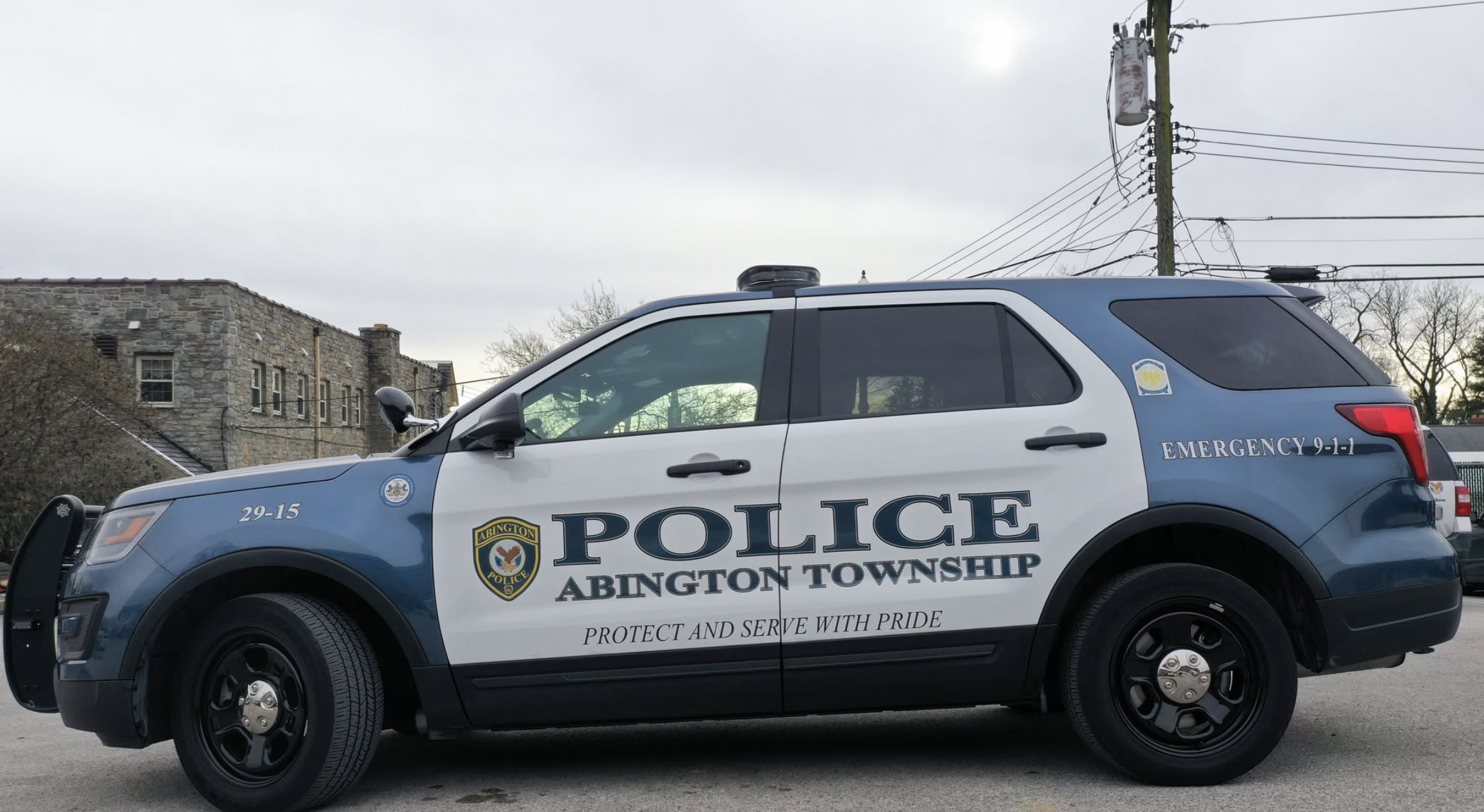
The Abington Township Police Department launched an investigation after antisemitic and racist graffiti was found spray-painted throughout the Weldon playgroundin Glenside.
“There is no place for hate in our community,” the statement said. “We stand united with our Jewish and Black communities, who were targeted by these acts.”
It’s unclear when the park was defaced, and no additional information about the incident was immediately available.
In a Facebook post, Abington School Board President Melissa Mowry called the act “craven, cowardly, and despicable.”
According to Mowry, the school district owns the playground and partners with civic groups to maintain it as “a public resource where everyone is welcome to smile and laugh together.”
“There is ‘No place for Hate’ of any kind in this community, but especially where all children are invited to play,” she wrote.
Dozens of community members on Saturday worked to remove the hateful messages, NBC10 reported.
Police are asking anyone with information to contact the department at 267-536-1100.
A whistleblower lawsuit accuses Gov. Josh Shapiro’s administration of bypassing procurement requirements meant to safeguard the use of taxpayer dollars, including during renovations to the governor’s mansion, and firing a staffer who had raised concerns.
The administration waived competitive bid requirements after purchases were made, split transactions to bypass the threshold requiring a bidding process, and kept paying a security contractor who no longer provided service, the suit says — claims that a spokesperson for Shapiro rejected.
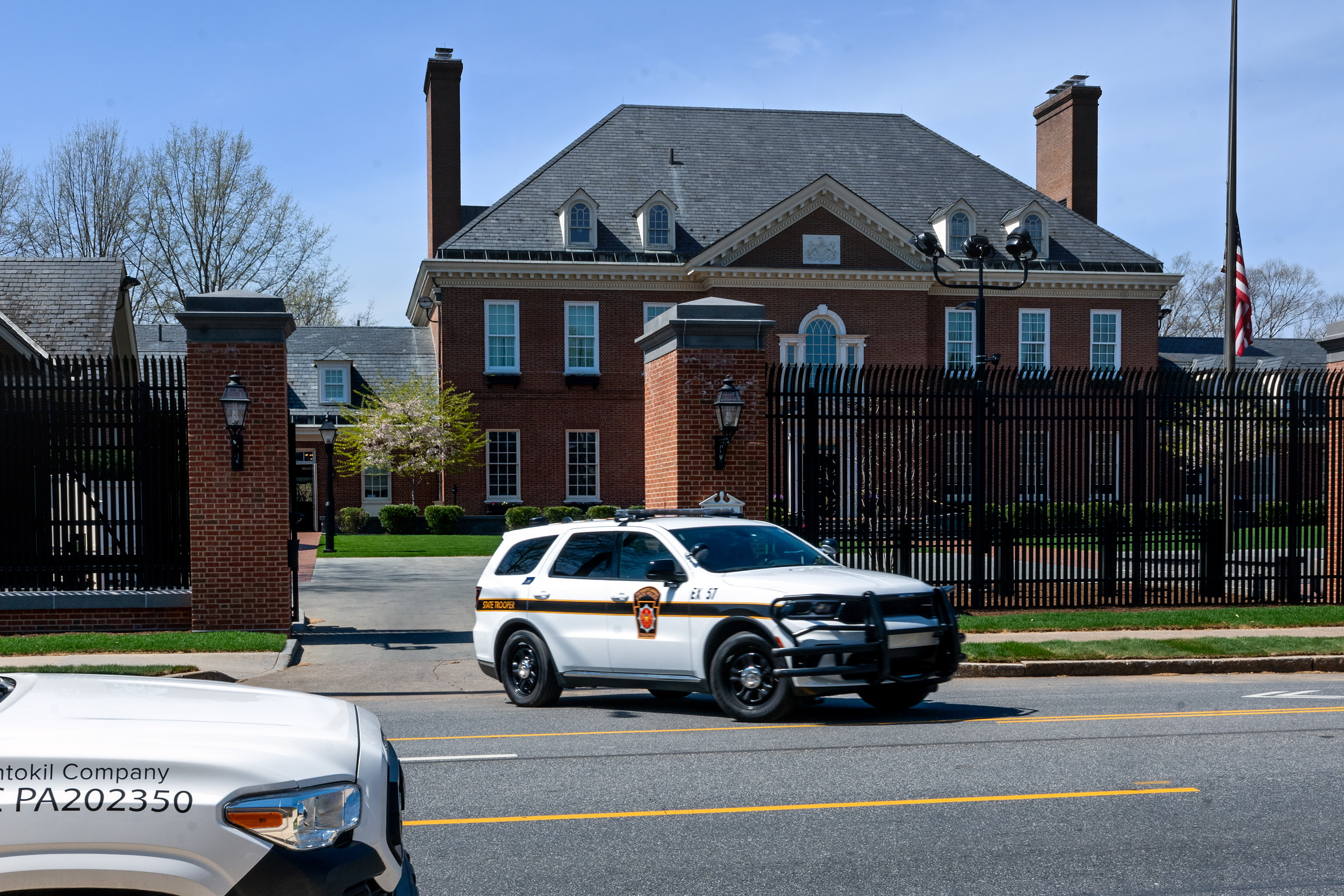
The federal lawsuit is the latest in the controversy surrounding the security upgrades and renovations to the state-owned governor’s residence in Harrisburg and Shapiro’s personal home in Abington Township, after a man firebombed the mansion on the first night of Passover in 2025 while the governor and his extended family were asleep inside.
This work was largely done through the state’s emergency procurement process that allows agencies to the skip lengthy bid protocols, as officials took quick action to strengthen security.
But the overall cost and questions over whether the correct processes were followed led to scrutiny by Republican lawmakers. The project at Shapiro’s Abington residence also led to a property dispute with his neighbors, who filed a federal suit against him that led the Shapiros to sue in return. Those lawsuits are ongoing.
Nicole Moyer, a procurement specialist with the Pennsylvania Department of General Services, claims in the federal lawsuit filed last week that after she repeatedly raised concerns about the “waste and wrongdoing” by the agency, she was fired.
Moyer, 49, has been working in procurement since 1995, first in the Army and later at the Pennsylvania State Police and various state agencies, according to the complaint. She joined the Pennsylvania Department of General Services in 2023.
Rosie Lapowsky, Shapiro’s press secretary, said in a statement that the allegations “by a disgruntled former employee who was dismissed from her position” are “totally and completely false.”
The suit, filed in the Middle District of Pennsylvania against the state, also names the Pennsylvania Department of General Services and former General Services Secretary Reggie McNeil, along with other officials from the agency that oversees the state’s purchasing, construction, and facilities. Shapiro is not a named defendant.
Mark Schwartz, a Delaware County attorney representing Moyer, said he hoped Shapiro will be deposed as part of the litigation.
“The question is how involved, if at all, was the governor in terms of the residence procurement process,” Schwarz said.
In her role as a procurement specialist, Moyer would not have beenaware of details about the emergency procurements for the governor’s residence project, Lapowsky added. Shapiro’s administration complied with “all relevant procurement policies,” she said.
“PSP identified necessary security improvements based on its assessment and issued an emergency declaration consistent with the procurement code in the fastest, most efficient, and most cost-effective way to complete the work and ensure the safety of the governor and his family,” Lapowsky said.
The whistleblower lawsuit claims the administration flouted bidding requirements and made purchases outside of existing contracts, often to meet specifications provided by Shapiro’s interior designer, de la Torre Design Studio.
The firm had been quietly hired to renovate the official residence by Team Pennsylvania, a Harrisburg-basednonprofit that operates the public-private partnership between the state and private businesses. Shapiro has come under scrutiny previously for utilizing the group to watch the Philadelphia Eagles lose to the Kansas City Chiefs in the 2023 Super Bowl and for other trips, Spotlight PA reported.
Josh Shapiro, governor of Pennsylvania, waves before meeting with Mike Parson, governor of Missouri, at the NFL Experience to make a friendly wager on the Super Bowl outcome. The governors met at the Lombardi Trophy on Saturday, Feb. 11, 2023, in Phoenix, Ariz. .David Maialetti / Staff Photographer
De la Torre had been working on the governor’s mansion before the fire, and asked for a specific brand of lighting fixture for the design.
The Pennsylvania Department of General Services deemed the $456,000 purchase too expensive, the suit says, and did not budge when the supplier revised the cost to $380,000.
But after the fire, the costly lighting fixtures were installed without any competitive bid or paper trail that would allow the purchase to be audited, according to the complaint.
Similarly, a $17,000 carpet was purchased and partially installed before procurement’s approval and outside existing contracts for carpets and floorings, the suit says.
Time and again, through other examples detailed in the lawsuit between the April 2025 fire and her March termination, the general services department had to issue waivers after the fact to “clean things up,” the suit says.
Moyer also questioned overlapping payments for the security monitoring companies for Shapiro’s residences, the home of Lt. Gov. Austin Davis, and regional offices, with one company not providing services for months, the suit says.
“Nonetheless, the proposed emergency job order contract that included provision for private residences was processed under the same umbrella as state facilities without bidding,” the complaint says.
The residences are not the only place Moyer says the administration fell short of the procurement requirement.
Earlier this year, the suit says, general services approved a $20,000 lactation pod for the Capitol even though a $4,950 option was available under an existing contract. The only difference between the pods was “outer fake ‘woodgrain’ decal,” according to the complaint.
“Plaintiff questioned the rationale for paying substantially more for a minimal aesthetic modification,” the suit says. “Plaintiff was overruled.”
Moyer was terminated in March after repeatedly reporting concerns, including on whether the department couldlegally make purchases for private residencies, the suit says.
Moyer, a registered Republican from York County, filed her suit just weeks ahead of the forthcoming midterm elections, in which Shapiro, a Democrat, is seeking a second term.
Lapowsky said the suit was “clearly timed” to hurt Shapiro politically.
McNeil left his post as secretary of the general services department in August. Shapiro appointed executive deputy secretary Sandra Aguilera to serve as acting secretary.
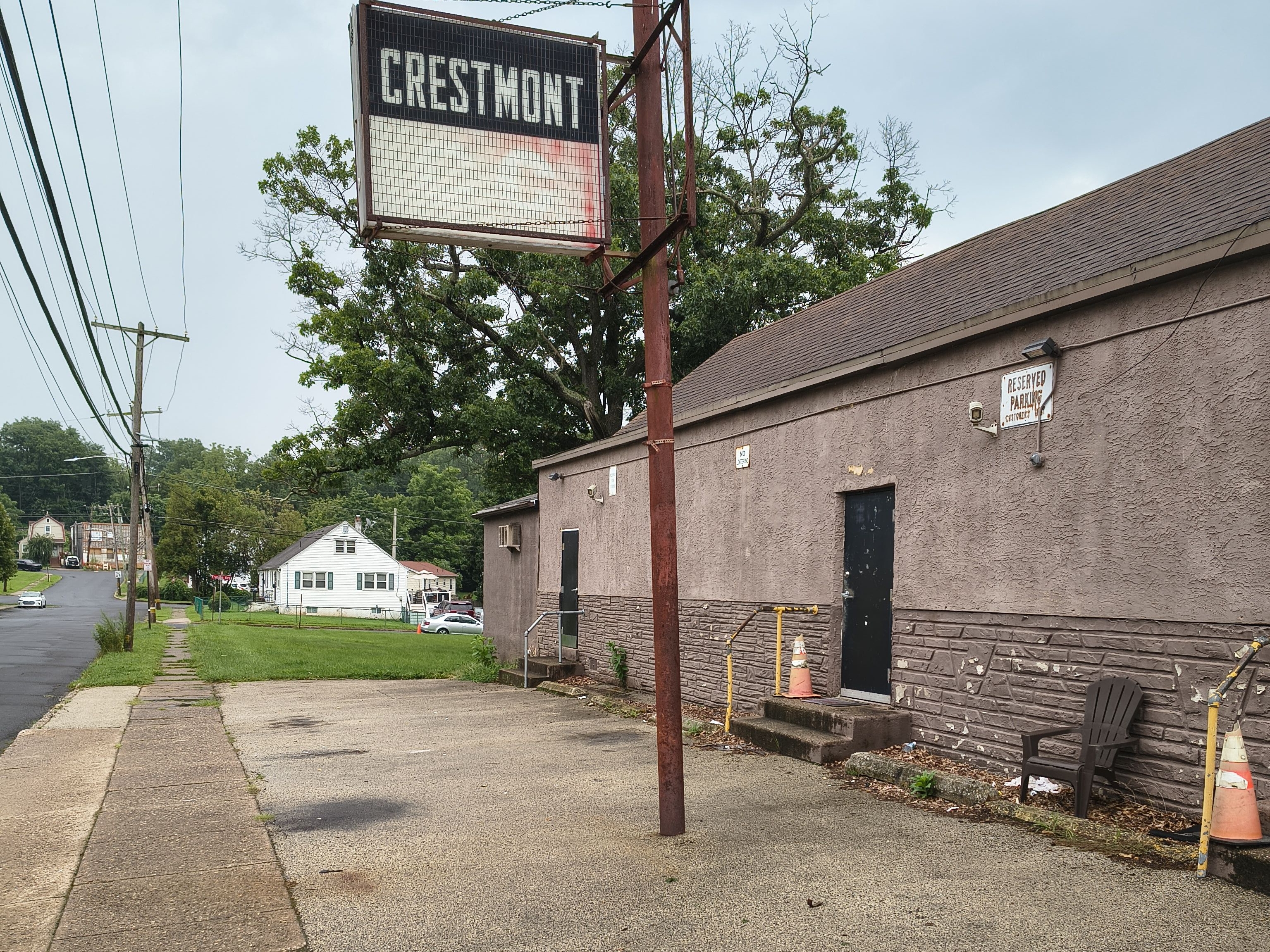
Before you can understand Abington Township’s historically African American unincorporated community of Crestmont, you have to understand Willow Grove Park.
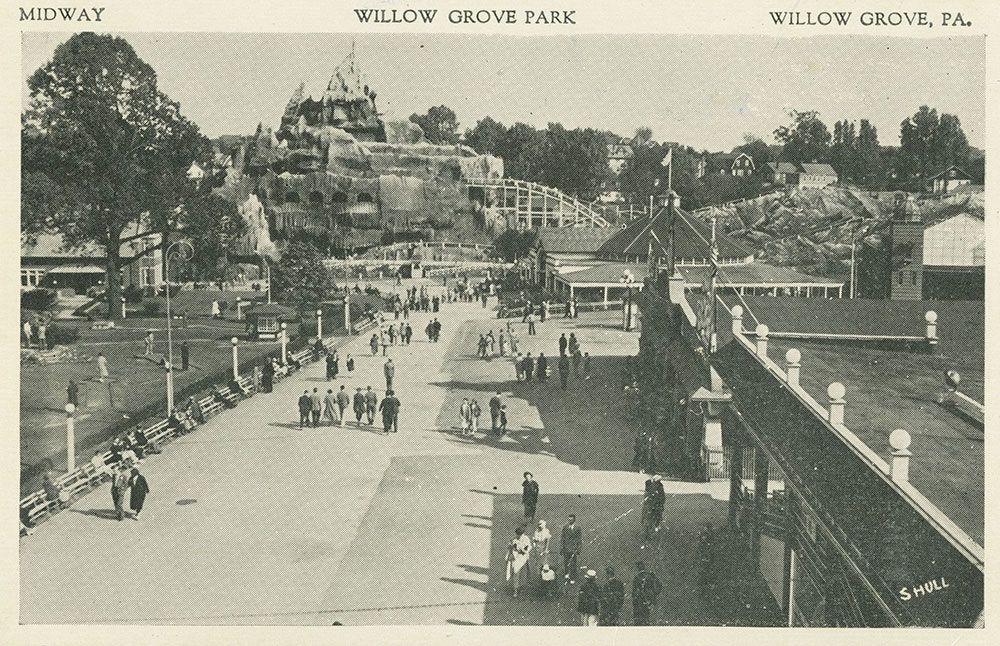
Not the mall with that name, but the Willow Grove Park that predates it: One of the largest and most famous amusement parks on the East Coast.
It opened in 1896, built by the Philadelphia Rapid Transit Co. It had roller coasters, a lake, restaurants, concerts, a massive music pavilion, and crowds pouring in.
It shaped the entire local economy and brought thousands of people out to the suburbs every week. A place like that needed labor. Real labor. Constant labor. And that’s where Crestmont’s story begins.
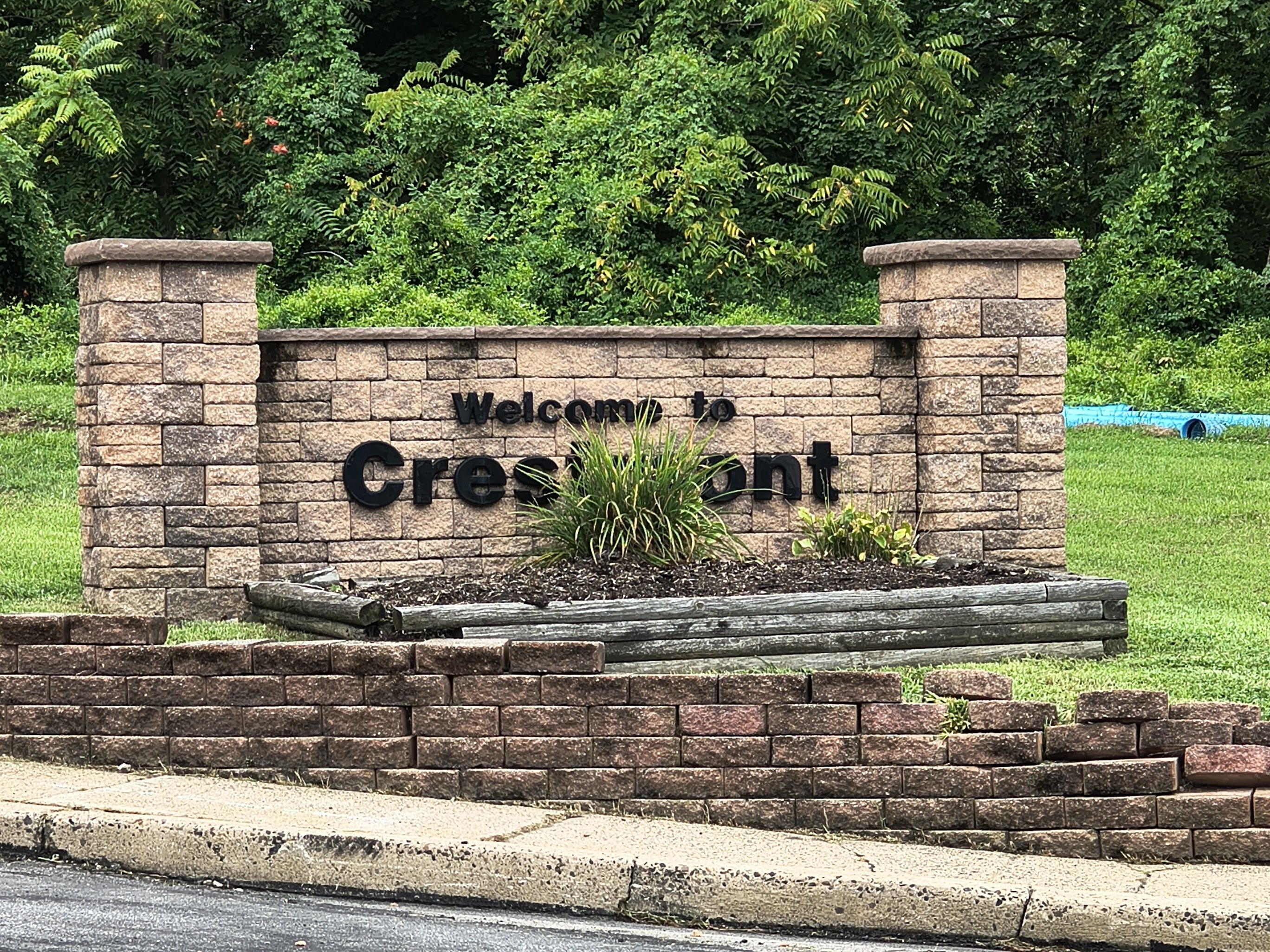
The “Welcome to Crestmont” sign sits directly across from the Willow Grove Mall.DJ Atkins
I didn’t grow up in Glenside or Willow Grove. I came out here for work, almost 15 years ago, and eventually I moved here. Eight years living in these suburbs gives you time to notice things, to ask questions, to wonder about the layout of the place. And one question kept coming back to me: Why is Crestmont, a mostly Black community, sitting right in the middle of overwhelmingly white suburbs?
If you know the area, you know exactly what I mean. Roslyn, Glenside, Willow Grove, Abington … they’re all majority white, and have been that way for generations.
Then suddenly, right next to the Willow Grove Mall parking lot, there’s Crestmont.
Houses closer together. A different feel. A different history. A different story.
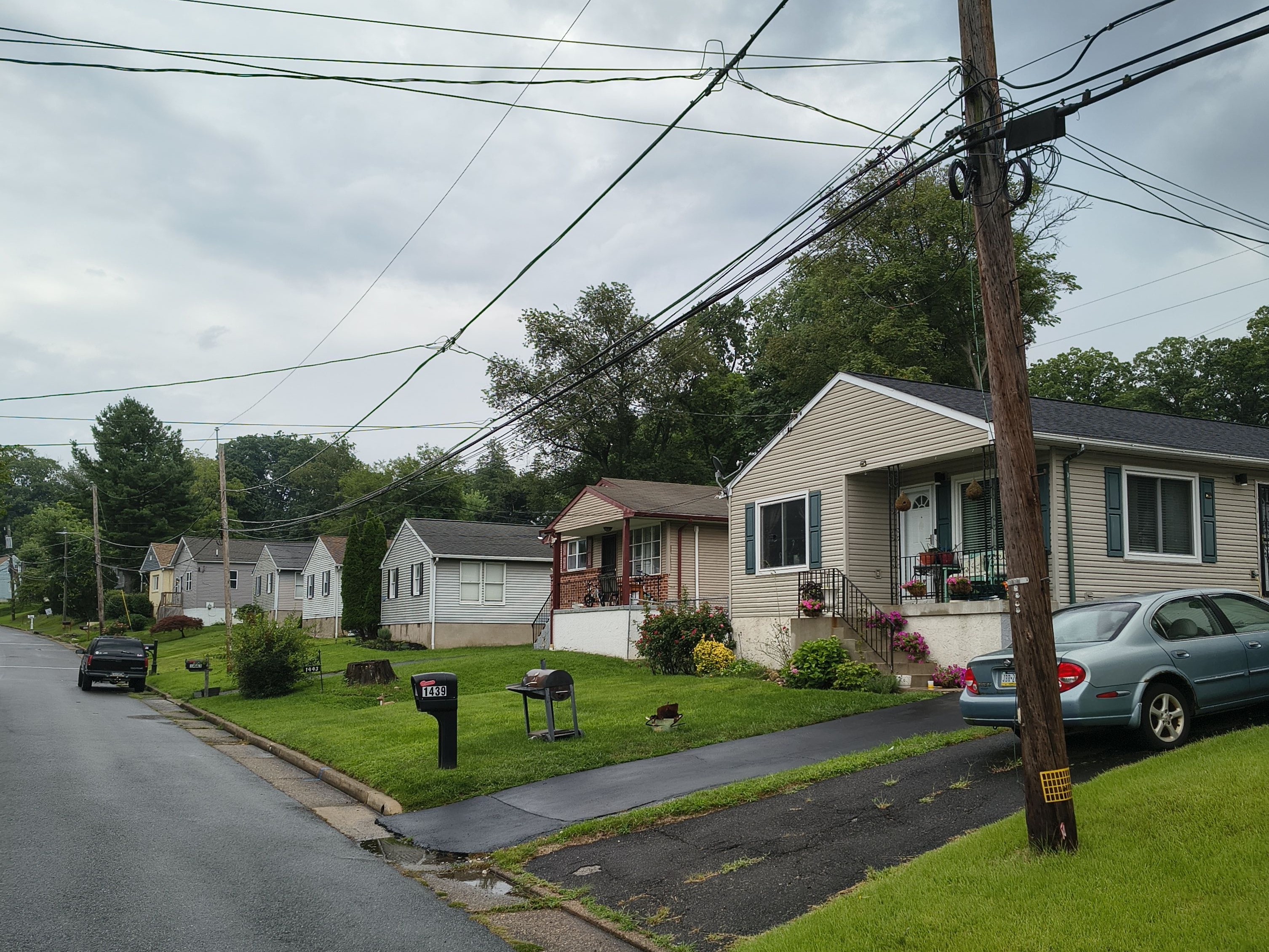
Crestmont’s density, the layout, the architecture, the vibe, the community identity — all of it comes from early working‑class development, limited access to loans, limited access to improvements, township decisions, generational continuity, racial boundaries, economic exclusion, and the strength of the people who lived there, writes DJ Atkins.DJ Atkins
I started talking about Crestmont to people who grew up here. I started learning about Willow Grove Park, looking at the geography, thinking about the era, and the truth became impossible to ignore.
It’s a truth all of us need to hear, because it shows exactly how racism shapes the places we live.
Willow Grove Park opened only 31 years after slavery ended. That was the same year Plessy v. Ferguson legalized segregation. Old newspaper coverage, township references, and public history written about the park all describe a large-scale operation with ties to the trolley company, township officials, police, contractors, and local business owners.
A machine like that needed workers who could show up every day, early, late, and in all seasons. Black workers came to fill Willow Grove Park jobs and stayed because the work kept coming. In line with what the public record shows, people with long family histories in Crestmont talked to me about how common it was for their relatives and neighbors to all work at the park.
A vintage postcard showing the Willow Grove Park midway. Willow Grove Park opened in 1896; it was closed in 1975 and demolished a year later.Courtesy of D.J. Atkins
But many of those workers didn’t have cars, and walking through certain neighborhoods wasn’t safe. Black people weren’t welcome. Renting was restricted, and loans for home purchases were denied. Still, the workers needed to live close. Close to the park, close to the trolley line, close to the commercial strip that fed the park.
Exactly where Crestmont is.
Once a few Black families moved in, the neighborhood took shape. Word spread. More families followed. White buyers stayed away. Black buyers were directed toward the same area. The lots stayed small. The houses stayed close. The community grew through necessity, connection, and resilience.
People who grew up here remember the tensions between high schoolers. They remember buying packaged goods in Crestmont because they couldn’t get them elsewhere. They remember the social boundaries. They remember how Crestmont stood out from the surrounding suburbs. None of that is random. It’s the long-term result of how the neighborhood began.
Crestmont exists because Willow Grove Park existed. Segregation created the boundary. The park created the need. Together, they created the neighborhood.
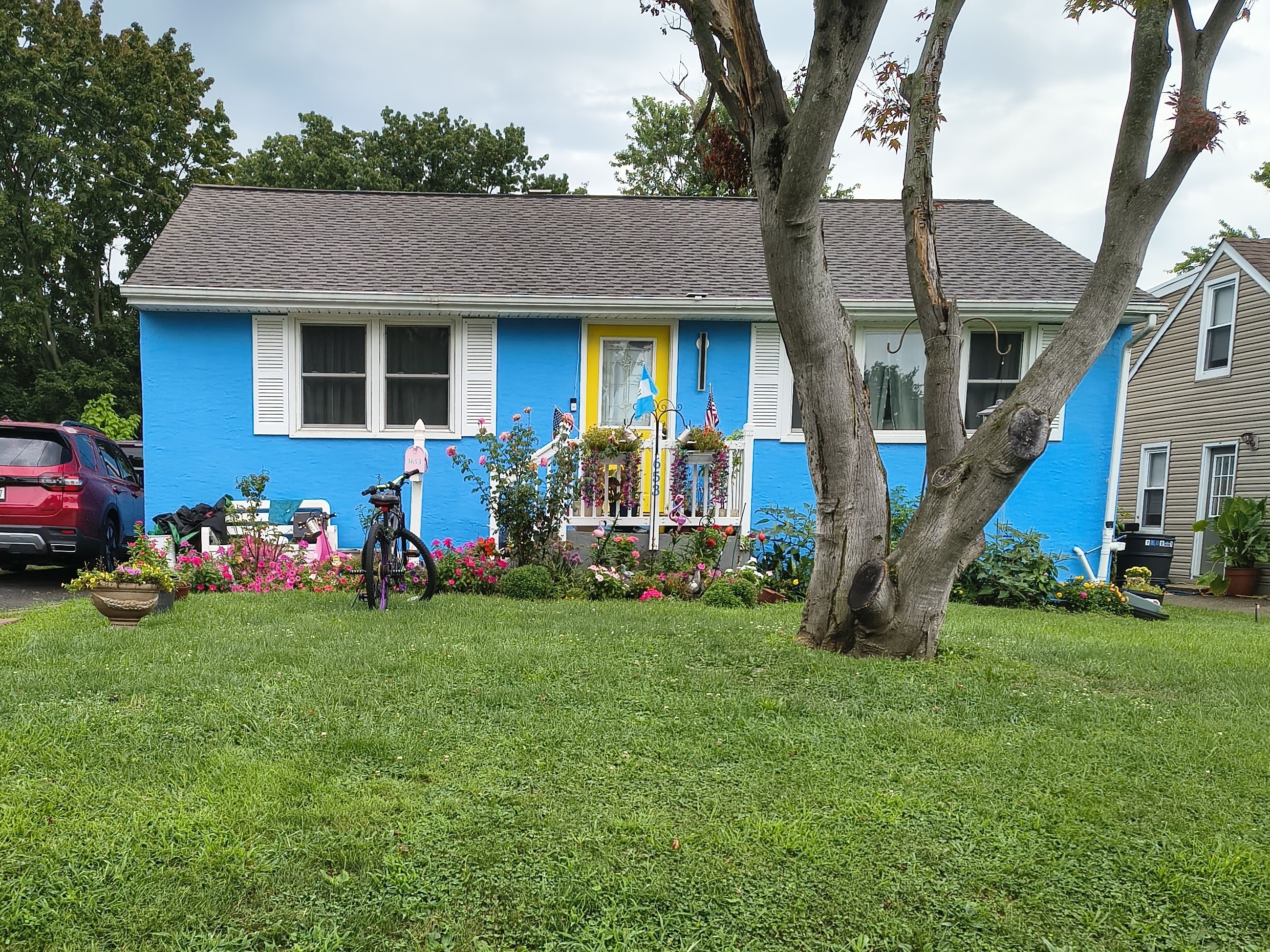
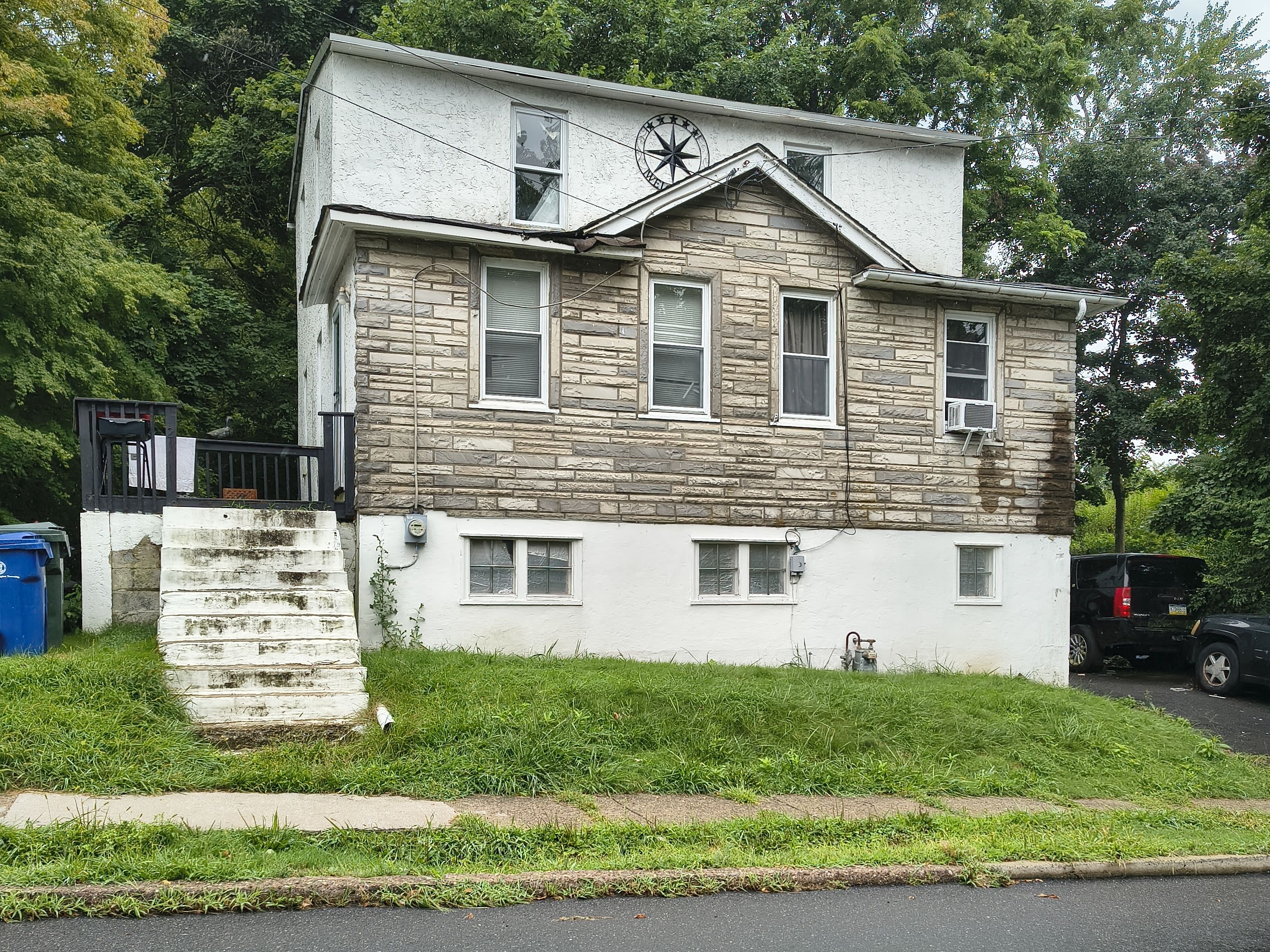
One of the homes in Crestmont, photographed in 2026.DJ Atkins
Crestmont isn’t unique.
Across the country, Black neighborhoods formed near major employers because segregation blocked housing everywhere else.
In Ardmore, Black families lived near the railroad and the estates they worked in. In Bryn Mawr, the Black neighborhood grew beside the service corridors of the Main Line mansions. In Atlantic City, Black workers lived near the Boardwalk hotels they kept running. In Pittsburgh’s Hill District, Black families settled near the steel mills and rail yards. In Baltimore, Black neighborhoods formed beside the shipyards and factories.
Wherever a big employer needed labor, and wherever white neighborhoods refused to open their doors, a Black community formed in the one pocket where the pressure made it possible — and they look the way they do today because of their origins.
One of the homes in Crestmont, an unincorporated community in Abington Township that owes its existence to Willow Grove Park and to housing segregation in the surrounding communities.DJ Atkins
Crestmont’s density, the layout, the architecture, the vibe, the community identity — all of it comes from early working‑class development, limited access to loans, limited access to improvements, township decisions, generational continuity, racial boundaries, economic exclusion, and the strength of the people who lived there.
It’s not a mystery. It’s not random. It’s not accidental. It’s a product of American racism and Black survival.
People around here know Crestmont. But they don’t necessarily know its origin or see in it an example of how racism shapes geography and how Black communities build life anyway.
Once you see that, you can’t unsee it.
DJ Atkins is a Philly‑area DJ, radio host, and cultural writer. He also works in poetry, blending storytelling, music, and community history in his creative work.
Pennsylvania Gov. Josh Shapiro has “real concerns” about the way Flock cameras — automated license plate readers that capture and store data gleaned from moving cars — are being used in the state, a spokesperson said Wednesday.
Open to banning the technology, Shapiro is wary of how Pennsylvanians’ privacy can be protected, Rosie Lapowsky, Shapiro’s spokesperson, said in a statement. Flock cameras can record license plates and other vehicle features such as bumper stickers of every car that passes them.
Lapowsky added that commonwealth agencies, including the Pennsylvania State Police and the Department of Transportation, “do not own Flock cameras and will not allow them to be used or installed on Commonwealth property.”
Shapiro, a Democrat up for reelection in November, has pointed out that there a several proposals being weighed by the Pennsylvania General Assembly that would either ban or strictly regulate this technology, Lapowsky said.
“And,” she added, “our administration is working with the General Assembly on what piece of legislation could make it to the governor’s desk in order to protect Pennsylvanians’ privacy.”
A bipartisan proposal would establish statewide privacy and accountability protections for automated license plate reader systems. The bill, which was introduced by Philadelphia Democratic State Rep. Tarik Khan, would create guardrails to prevent the misuse of personal data and to protect civil liberties.
In a statement Wednesday, Flock spokesperson Paris Lewbelcharacterized the cameras as “important public safety tools … helping [law enforcement] officers solve serious crimes and find missing people.”
But organizations such as the American Civil Liberties Union call the cameras “creepy” and part of what could grow into a nationwide, warrantless surveillance system.
Last week at a news conference in Franklin County, Shapiro said, “I think law enforcement needs to have tools to keep communities safe. Flock cameras are not a tool that I support. I would welcome bipartisan legislation to ban these across the state.”
The county announced it would terminate its contract with Flock, even though the sheriff’s department supported the technology.
Similarly, the Abington Township Police Department ended a contract last month that supplied the agency with Flock cameras over concerns about data security. The governor resides in Abington.
Concerns grew after it was learned that the network uses artificial intelligence to identify cars that frequently drive together, and allows officers to search for vehicles by behavior, rather than plate number.
Lewbel added that the company would “support thoughtful, bipartisan legislation that puts strong privacy, transparency, and accountability guardrails in place while preserving law enforcement’s ability to use technology responsibly to keep people safe.”
Cheltenham High School varsity football families repeatedly warned district officials about allegations that former head coach Terence Tolbert allowed bullying to fester in his previous coaching position at Abington Senior High School, parents say.
Tolbert, along with three other Cheltenham coaches, was charged last week with endangering the welfare of a child and conspiracy after a 15-year-old player was allegedly assaulted in the football team’s locker room by teammates twice last year. Six players were also charged. The assaults have led to the cancellation of two football seasons.
Both the district and a Montgomery County grand jury found that inadequate supervision played a role in the assaults. The district also found coaching staff displayed “a failure to prioritize student safety.”
Tolbert and the other coaches are no longer with the district. Tolbert has declined to comment on the matter, and he and his lawyer did not respond to requests for comment on this story.
‘We protested and pleaded’
In the two months leading up to Tolbert’s hiring in June 2025, Cheltenham football families urged district officials to reconsider Tolbert’s hiring in numerous private conversations and public meetings, parents said in interviews this week.
“We protested and pleaded,” said Naim Ferguson, father of Cheltenham quarterback Kendall Jackson during Cheltenham’s last season. “We didn’t think the people they were putting in place were adequate to handle the kids.”
Parents went to the principal, Benjamin Hammond, and vice principal Samuel Sheridan, who is also the athletic director,emails between the officials and football parents show.
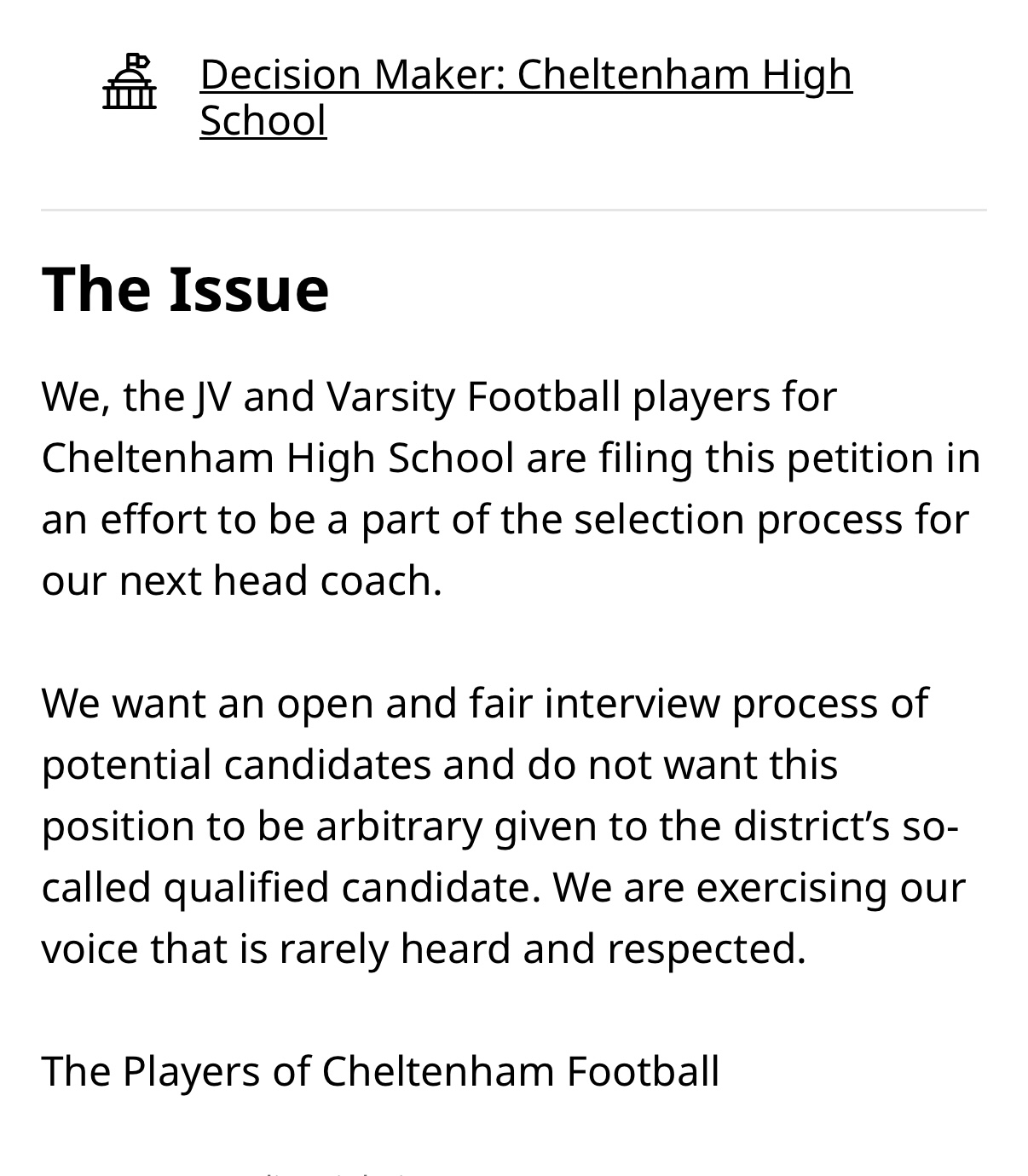
A then-junior on the varsity team started a petition against hiring Tolbert.
“We … do not want this position to be arbitrary given to the district’s so-called qualified candidate,” the petition reads.
A petition started by a Cheltenham varsity football player against the hiring of Terence Tolbert as head coach.Change.org
Taryn Knox, then the vice president of the football parent board, shared her concerns about Tolbert’s hiring process and his record at Abington at school board meetings and in meetings between administrators and football parents until the district formally made Tolbert the coach in June.
At a May board meeting, Knox said Tolbert had been “let go” from Abington, calling him “not appropriate or qualified” for the head coach job.
She was not the only parent who spoke out at that meeting.
“We asked for our children to have a solid leadership,” said Dana Burnley, whose son was on the team. Burnley said that her son had interest from seven Division I schools but that the coaching switch had disrupted the recruitment process.
Burnley’s husband, Ralph, a volunteer coach,was among those charged alongside Tolbert last week and faces the same charges of endangering the welfare of a child and conspiracy. Ralph Burnley has not responded to calls seeking comment.
Multiple upperclassmen also met with Hammond and Sheridan in April to voice their concerns,according to a list that Knox emailed to the principal. Included in the list of concerned players were at least two who were charged last week in connection with the assaults.
“Every plea that we tried was ignored,” Knox said — including one at an April 22 meeting with parents where Knox asked Tolbert to voluntarily resign to reopen the hiring process. Hammond rushed to take the microphone from Tolbert before he could respond, she said.
Cheltenham did not answer any questions this week about parent concerns ahead of Tolbert’s hiring.
Tolbert applied for the open Cheltenham position after a brief stint at Abington that he had left an offensive coordinator role at Cheltenham to pursue. The 2023 move to Abington was a promotion to head coach, but his tenure there was short-lived.
The Abington team won only one game that season, and Tolbert’s employment expired. Abington has acknowledged that the district opted not to renew the one-season appointment but declined to give further details.
Parents from both schools said they believed it was a failure to address bullying and a toxic team culturethat led to his departure.
“There were kids being bullied in the locker room, the language, cussing out coaches,” Knox said this week.
After charges against Tolbert went public last week, an Abington parent shared with The Inquirer the text of a 2023 email he said was sent to Abington officials outlining similar allegations he had heard at the time, including that Tolbert failed to intervene in persistent bullying on the team and crude language from other coaches.
Before a Sept. 8, 2023, game, a coach used the f-slur to refer to the opposing team in a pep talk in front of Tolbert, who did not intervene, the email alleges. The complaint also describes instances when Tolbert failed to break up fights or react appropriately when he saw bullying, including a player who verbally berated a teammate with disabilities.
“It wasn’t a secret,” said the Abington parent, who requested anonymity for fear of retaliation against his child, who still attends the school. “Many parents knew why he was removed. I’m shocked that he was able to get another job.”
Union contract gave Tolbert leg up for coach
Knox and Ferguson said the district hired Tolbert without an interview.
“The [same] buildup that happened here, happened at Abington,” Knox said. “It just didn’t lead to an assault.”
Before Tolbert’s hiring, Cheltenham parents were already upset about former coach Troy Gore’s removal during an important recruitment period, Knox and Ferguson said, because it left players who anticipated scholarships from Division I schools without an advocate.
“These are students who are trying to achieve higher education while also playing a sport that they love, and for some of them, this is their only option,” Knox said at the May 2025 school board meeting.
But when parents questioned what they viewed as an abbreviated hiring process for Gore’s replacement, administrators pointed to a clause in the teachers union contract that gives qualified staff first pick of coaching jobs ahead of external candidates, Knox and Ferguson said.
Tolbert briefly taught business at Cheltenham until he resigned in October 2023, board documents show. He then took a job at Abington as a long-term substitute for business education in addition to coaching.
Cheltenham rehired Tolbert as a business teacher before announcing his 2025 appointment as head coach.
‘Be accountable’
Knox returned for the June 2025 board meeting and said she had been promised a call from the superintendent after the May meeting, but did not receive one.
“Be accountable,” Knox said at the June meeting. “If you say you’re going to follow up, please follow up.”
Superintendent Brian Scriven replied that there was a meeting planned with football players.
“I did say I was going to call you. I opted not to. I will own that,” the superintendent said, adding that Knox had his number and could call him.
The board officially appointed Tolbert as coach at the meeting.
Knox’s son did not trust Tolbert as a teacher or a coach, she said.
“He had been a part of the team for two years prior to that and didn’t have the relationship with the boys,” Knox said.
‘The administration failed these kids’
The administration erred again, Ferguson said, by not suspending students who were involved in the locker room assault recorded on video.
Nearly 20 members of the team witnessed the locker room assault, according to the district’s investigation, and the video was widely circulated. Ferguson said his son and most of the team did not witness the attack.
Jackson always stayed on the field after practice running extra drills, his dad said, and Ferguson would bring his younger son to hang out on the grounds while they waited for him to finish.
By January, the superintendent had publicly acknowledged the district was aware of “several” perpetrators.
But the lack of disciplinary action left the entire team in limbo all year — isolating Jackson from teachers and other students, who were not sure which players were involved, Ferguson said: “People can’t fathom the fact that he’s the starting quarterback and he didn’t know about it.”
Now Jackson, who broke the school’s sophomore quarterback passing record in 2024, is struggling to find a transfer school.
“The administration failed these kids,” Ferguson said.
Knox transferred her son to a Philadelphia school before the incidents. He is set to play football at East Stroudsburg University, a Division II school.
“Thank God I pulled him out,” Knox said. “Every school said, ‘We know you came from Cheltenham; we’re glad you transferred.’”
Staff writer Maddie Hanna contributed to this article.
This suburban content is produced with support from the Leslie Miller and Richard Worley Foundation and The Lenfest Institute for Journalism. Editorial content is created independently of the project donors. Gifts to support The Inquirer’s high-impact journalism can be made at inquirer.com/donate. A list of Lenfest Institute donors can be found at lenfestinstitute.org/supporters.
Unlike Philadelphia — a city, county, and school district all in one — the collar counties are a mesh of townships, boroughs, and informal neighborhoods.
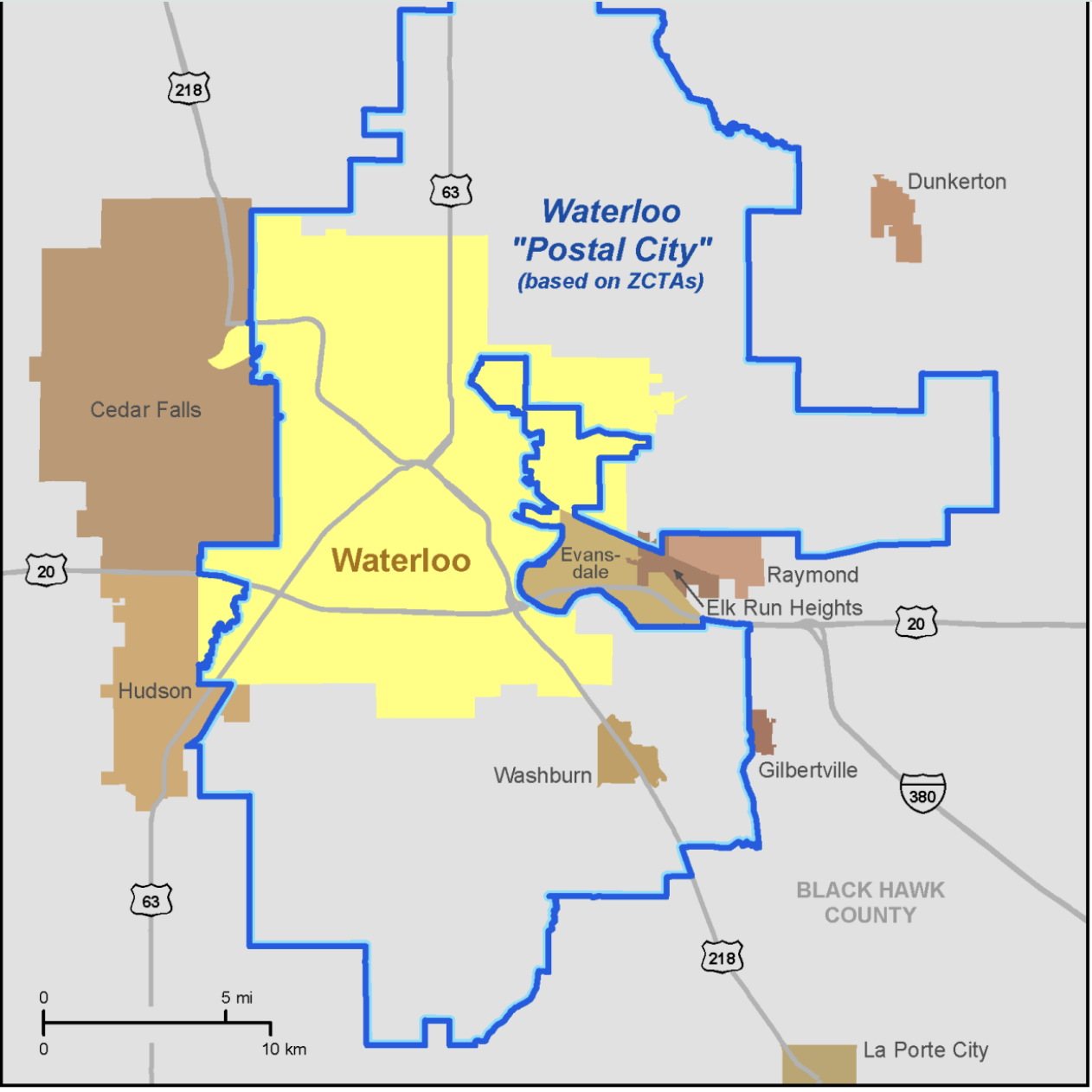
That geographical maze, along with the centuries-long evolution of the U.S. Postal Service, means some suburbanites are not even sure what town they live in.
He is from Abington Township and, like many Abingtonians, he has been living a lie.
Where is Bradley Cooper from?
Cooper grew up not in Jenkintown, but a mile away in the unincorporated Abington community of Rydal, in a house his parents bought before he was born, property records show.
In the 1980s, he attended Rydal Elementary, where he played a mime, according to a playbill shared on social media.
The Oscar-nominated actor later enrolled at Germantown Academy, a private school in Whitemarsh Township whose reunions he still attends.
Cooper is known to call nearby Jenkintown his hometown from time to time — maybe because the borough is more well-known, and because that is what his childhood mailing address was. His reps did not return a request for comment this week.
Some Abingtonians don’t know where they live
But unlike people who grew up in the tiny enclave, Cooper could not have attended Jenkintown School District or participated in its National Geographic-famous Color Day.
“As someone who grew up in Jenkintown and loved cute boys and is about the same age as Bradley Cooper, I can tell you he is not from the Borough of Jenkintown,” writer Lauren McCutcheon said.
Many Abingtonians think they live in J-town, borough manager George Locke has said — so much so that his staff starts resident service calls by asking for an address. Otherwise they could spend 45 minutes on the phone, Locke said, before realizing the caller is in Abington.
Residents of unofficial neighborhoods like Glenside, or towns that span counties like Telford, may be more aware of their official designation. Some Glensiders attend school in Cheltenham, while others attend Abington School District.
For people without a kid in public school, an invisible municipal boundary may not matter much day to day. But it matters for local elections and during tax season.
Nye Stevens, a longtime Postal Service expert for the U.S. Government Accountability Office and the Congressional Research Service, said mailing addresses can also affect people’s insurance rates, which are often based on zip code instead of municipality.
And a zip code across two towns is nothing, Stevens added — some people get their mail from another state.
Bob O’Brien of Wyncote used to think his practice, Relief Counseling & Art Therapy, was located in Jenkintown — until the tax bill from Abington arrived.
“It was confusing,” O’Brien said — especially since there is a Jenkintown post office in the same building.
“How it got this way, I’m not sure,” he added.
The demands of mail delivery
U.S. post offices began primarily as a pickup service in cities until the agency introduced home delivery in the late 1800s.
Then cars expanded the suburbs, townships shifted, and assigned post office locations grew increasingly messy.
“As townships grow, post offices seem farther away,” a New York Times headline about South Jersey observed in 1997.
The U.S. has also closed tens of thousands of post offices in the last several decades, Stevens said, which may mean losing a mailing city that reflects where people actually live.
A map shows the city limits of Waterloo, Iowa, in yellow, while a blue line shows the boundaries of the “Waterloo” zip code.U.S. Census Bureau
Around 1990, some in Congress tried to fix the issue with a bill requiring the Postal Service make zip codes match municipal boundaries if towns request it.
But such a change would “absolutely ruin the postal system,” Stevens said. “You can’t have a post office for every little borough.”
The bill failed, and years later, the Postal Service was routinely rejecting zip code change requests, Stevens wrote in a 2006 Congressional Research Service report.
“Some communities that lack delivery post offices complain that the need to use mailing addresses of adjacent areas robs them of a community identity,” he noted in the report.
But at the end of the day, “zip codes are basically a delivery system. They’re not a neighborhood recognition system,” Stevens said this week.
As for Bradley Cooper, the confusion around his addresses in the Philly suburbs has not ended.
He supposedlyowns an estate in New Hope. But he really lives in Solebury Township.
This suburban content is produced with support from the Leslie Miller and Richard Worley Foundation and The Lenfest Institute for Journalism. Editorial content is created independently of the project donors. Gifts to support The Inquirer’s high-impact journalism can be made at inquirer.com/donate. A list of Lenfest Institute donors can be found at lenfestinstitute.org/supporters.
Neck-downs, chicanes, bulb-outs: They sound like threats from a 1930s mobster, but all three are traffic-slowing techniques that could soon arrive on your Abington street.
The township will now allow residents to request traffic-calming measures under a new policy approved last week that requires traffic studies and majority approval from nearby property owners.
The new petition policy adds to over a decade of efforts to curb speeding in Abington, which was the first town outside of Philadelphia to begin installing red-light cameras in 2014. Abington police have said they saw a resurgence in violations after the department limited in-person traffic stops during the pandemic.
Which streets can get traffic calmers?
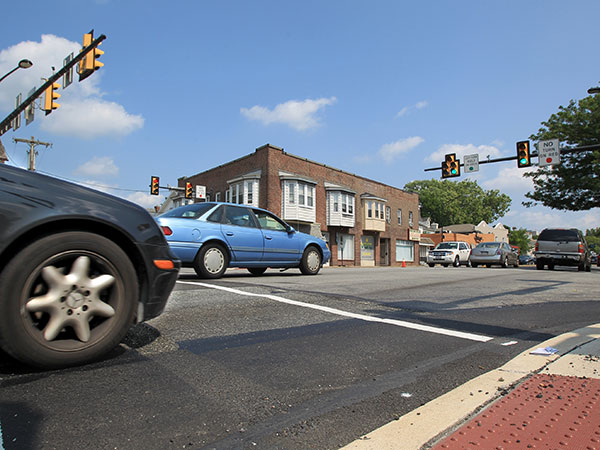
To qualify for a traffic-calmer application, a street has to average between 500 and 6,000 vehicles per day on three weekdays in a row and cannot be a major artery or an emergency route. Private roads and alleys aren’t eligible, either, and the road has to be at least 500 feet long.
There are other criteria too, depending on why the traffic-calming tool is needed.
If the issue is speeding, only roads where three-day traffic studies show that over 15% of drivers are going more than 10 miles above the speed limit will qualify.
If cut-through traffic on a sleepy street is the problem, the traffic volume has to exceed the expected level under a formula the township uses, either as a daily average or at its peak.
Who decides which roads get bumps?
There are two ways a road can be evaluated for traffic calmers under Abington’s new policy: a property owner’s petition, or the township manager’s request.
If the manager requests it and a traffic study shows the road meets the criteria, property owners “directly adjacent” to the proposed traffic calmers will get at least 30 days’ notice of the proposal, the traffic data for that road will be posted on the township website, and there will be a two-week public comment period on the plan.
If a property owner submits their road, the police will do a traffic study and ensure it meets the criteria, and then get approval from the township manager to proceed with a petition for approval from local residents. The property owner who filed the request has to get signatures from 60% of the directly affected home and business owners supporting the measure within 90 days.
If approved, the property owner would then pass around a second petition to get 60% to 70% approval from a larger group of affected residents for the specific traffic-calming device and its planned location within 90 days.
Ticketable speeding not as common as some Abingtonians think, traffic studies show
The traffic study alone may stop many proposals in their tracks, based on similar studies the township already does when residents complain about speeding.
Most studies on the township’s website from 2025 and 2026, spurred by complaints, found very few enforceable speeding infractions.
For example, an October 2025 study at the 500 block of Montgomery Avenue where the speed limit is 25 mph found zero enforceable speeding violations. The average driver was going 18 mph, with 85% going 21 mph or slower.
Many of the dismissed complaints were for roads posted at 25 mph, where going just 9 mph over is 136% of the speed limit.
But some complaints do reflect frequent, enforceable speeding violations: An August 2025 study of the 300 block of Shelmire Street next to Lawnview Cemetery found an average speed of 31 mph in the 25 mph zone, and about 10% of passing vehicles met the criteria for enforcement. The police department planned to add speed enforcement on that block, according to the report.
“Most of our residential streets tend to have 25 mph speed limits,” said Sgt. Michael Coughlin, the traffic safety officer who introduced the new policy at last week’s commissioners’ meeting. “In our experience, people tend to be a little more concerned about speeds where they live, which helps explain some of the complaints.”
What traffic devices could Abington add?
The traffic-calming measures mentioned in the policy include speed humps, roundabouts, road narrowing (called neck-outs), bulb-outs (extended curbs), and chicanes, which create artificial curves in the road with deflectors.
A chicane, or artificial curve, at Charlotte Motor Speedway in Concord, N.C., in 2018. AP
But there are downsides to some devices, township officials have noted at public meetings: Residents might win speed humps on their street, only to realize they now hear the sound of tires thunking over bumps thousands of times per day.
This suburban content is produced with support from the Leslie Miller and Richard Worley Foundation and The Lenfest Institute for Journalism. Editorial content is created independently of the project donors. Gifts to support The Inquirer’s high-impact journalism can be made at inquirer.com/donate. A list of Lenfest Institute donors can be found at lenfestinstitute.org/supporters.
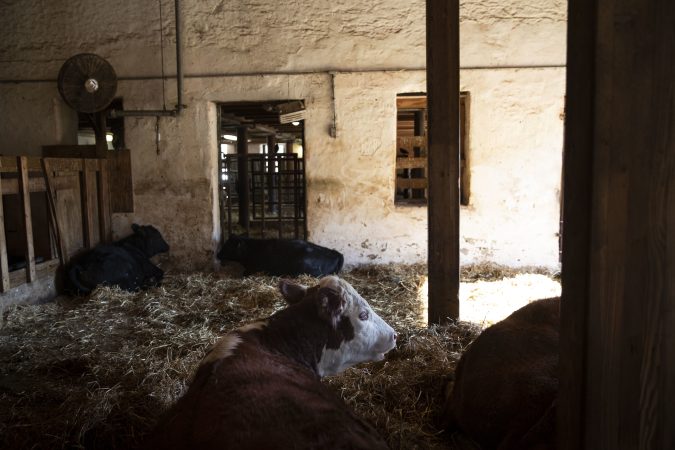
A volunteer group at Fox Chase Farm has dissolved after more than 30 years. The group says dwindling volunteers plus new fees and restrictions from the Philadelphia School District made their work at the city-owned farm too difficult to continue.
“We finally folded,” said Karen Eble, former president of the group, Friends of Fox Chase Farm. “The farm is administered by the Philadelphia School District and they were, I guess, not very open to us being there.”
Friends of Fox Chase Farm formed in 1990 to support the 112-acre property that straddles Philadelphia and Abington Township and is owned by the city.
At its peak, the group drew over 400 local families, who grew thousands of pounds of produce for food banks annually and functioned as a parent-teacher association of sorts for a 4-H program, which some members’ children participated in. The group bought equipment, lent the program money, and attended farm shows with the kids.
The Fox Chase 4-H allowed more than a dozen youth, including many who live in Philly, to raise animals on the city farm — rare for a program that typically attracts kids whose families own agricultural land.
“We’d compete with the kids that grew up on farms,” said Jim Kates, a longtime leader of Friends of Fox Chase Farm.
The farm’s 4-H was suspended in 2022 after the school district began charging fees for services it used to provide the program for free, such as housing the animals.
4-H had long covered food and veterinary care for the animals and split feeding duties with the resident farmer, members said, but the school district used to board the animals for free.
“It would’ve cost us $15,000 to have these kids keep their animals there,” Kates said.
The district said at the time that the 4-H was not complying with new policies and procedures.
“Fox Chase Farm is an educational facility operated by the School District of Philadelphia and is not in the business of boarding privately owned animals,” a spokesperson said this week.
Officials did not directly respond to the volunteers’ assertion that they were made unwelcome by the school district, but the spokesperson said this week the farm saw 10,000 “community visitors” in the last year.
The district spokesperson said there is an active 4-H program on the farm but did not immediately respond to questions about how much access the participants have to the livestock.
The volunteers also held two fundraisers per year that raised thousands of dollars for the farm, group members said.
The Philadelphia School District rents the farm for $1 from the city. The district is currently renegotiating that 30-year lease, said Mandy Fellouzis, who runs the district’s programs there.
In recent years, the Friends group shrank as volunteers aged and the school district placed new restrictions on their activities, members said. By this past March, there were only a handful of active members, Kates said, and they decided to fold.
One of the issues the school district raised about the group’s events, Kates said, was liability: A volunteer group at Pennypack Park disbanded in 2020 after being named in lawsuits that someconsidered frivolous.
“We still had an insurance policy,” Kates said, but with the group dwindling anyway, “we decided it wasn’t worth it.”
This suburban content is produced with support from the Leslie Miller and Richard Worley Foundation and The Lenfest Institute for Journalism. Editorial content is created independently of the project donors. Gifts to support The Inquirer’s high-impact journalism can be made at inquirer.com/donate. A list of Lenfest Institute donors can be found at lenfestinstitute.org/supporters.
P.S. Thank you for the helpful feedback on last week’s launch! We want to keep hearing from you. Let us know what you think of the newsletter by taking our survey or replying to this email.
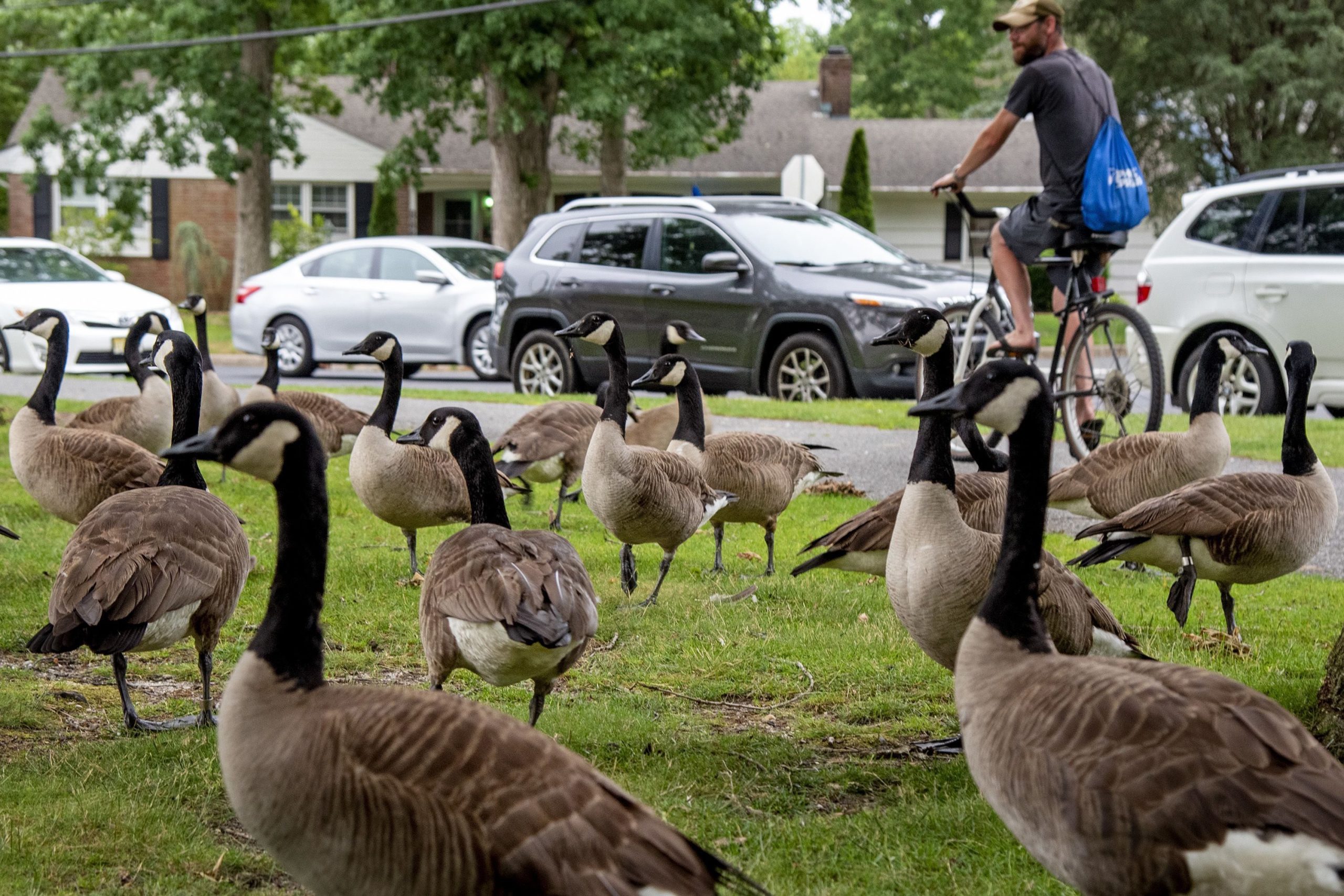
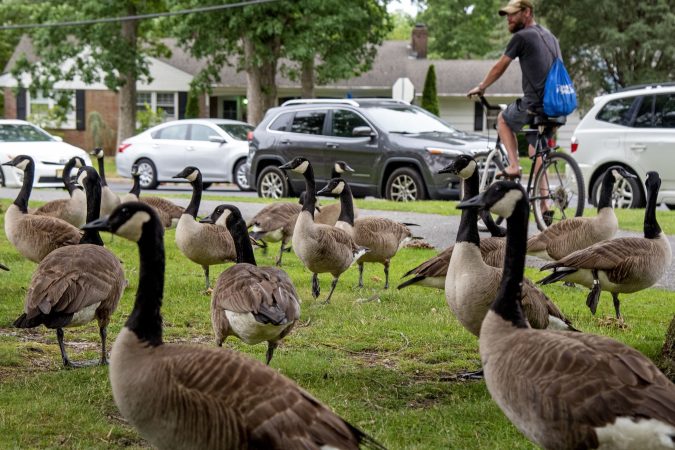
Canada geese in Heritage Park in New Jersey on June 10, 2021. Tom Gralish / Staff
A stroll through Alverthorpe Park over the next year might come with a side of green light beams, propane-powered noisemakers, and remote-controlled boats as township and federal officials team up to scare geese away from the vicinity.
The township has contracted the U.S. Department of Agriculture for Canada goose abatement support as the birds that have taken up residence in the park attack people driving golf carts, dig into sand traps, and each drop up to a pound of slippery, bacteria-laden feces daily.
“It’s a mess,” assistant parks director Patricia Platt said.
SEPTA is trading Glenside Regional Rail riders three daytime trains for new off-peak options, more train cars, and new schedules aimed at reducing congestion between Glenside and Wayne Junction, The Inquirer’s Jess Rohan reports.
Beginning Thursday, Jenkintown businesses will no longer be allowed to provide single-use plastic bags to shoppers, under new borough regulations. Compostable straws and stirrers will now be the default, too.
Remember last week’s On The Market? Take a closer look inside “Tall Trees,” a 1920s home in Abington that is thought to have ties to defunct Philadelphia company Laird & Schober Shoes, which collaborated with esteemed Italian designer Elsa Schiaparelli and won a shoe manufacturing award from the Franklin Institute in 1900.
In-state undergraduates at the Penn State Abington campus will see no tuition increase in 2027-28, marking the fifth year in a row without a price hike, even as University Park campus attendees face a 2.5% rise in tuition and room and board, The Inquirer’s Susan Snyder reports.
Baederwood Park’s new playground, which includes swings, slides, and climbing structures, is ready for action.
Robyn Faye, an OB-GYN at Jefferson Abington Hospital, spoke with The Inquirer’s Wendy Ruderman about the validity of concerns surrounding tampons after the FDA released a new study confirming they contain trace amounts of metals.
🏫 Schools briefing
In case you missed it, the U.S. Department of Education is investigating the Cheltenham School District as federal officials target sexual misconduct by teachers across the country that they say schools have not adequately addressed.
Jenkintown sees the most high school sports participation and spends the most on sports per pupil among Greater Philadelphia school districts, allocating upward of $1,100 per student toward athletics, a new report indicates. The Inquirer’s Maddie Hanna unpacks the details.
🍽️ On our plate
The second iteration of Glenside Lunch Week will run from Sunday to Aug. 1, featuring lunch specials at participating restaurants, including Fill A Bagel & Breads, Glenside Pizza, and Rooster’s Glenside.
Glenside Local has the details on an application for a Taco Bell at the former Citizens Bank location at 1919 Easton Rd. in Willow Grove.
🎳 Things to do
🎵 The Perkolators: The band, fronted by guitar player Tim “the Perkolator” Perks, will perform blues, rock and roll, and roots tunes. ⏰ Friday, July 24, 7 p.m. 💵 Free 📍 The Ways Restaurant and Brewery, Glenside
🥾 Common Ground: Trailblazing for All: Cheltenham Parks & Recreation and the Active Transportation Committee will host a community event centered around local trails accessible for people of all abilities. ⏰ Saturday, July 25, 10 a.m. 💵 Free 📍 Gimbel Field, Elkins Park
🧶 Teen Artisan Craft Fair: Local young artists will sell their handmade wares, like paintings, crocheted items, and jewelry, at the third-annual event. ⏰ Saturday, July 25, 1-4 p.m. 💵 Pay as you go📍 Abington Free Library
✍️ Character Creation Workshop: Kids ages 11 to 15 will learn how to develop characters in this interactive class, taught by local fantasy and romance author Kathleen Zoll. ⏰ Tuesday, July 28, 6-8 p.m. 💵 Free, registration required 📍 Glenside Free Library
Elegant columns line the entryway to this four-bedroom Jenkintown house, complete with a home theater, cedar closet, gas fireplace, jetted tub, and custom built-in bookcases. The home, which is under contract, includes two full bathrooms and two half-baths, as well as a deck out back.
By submitting your written, visual, and/or audio contributions, you agree to The Inquirer’s Terms of Use, including the grant of rights in Section 10.
This suburban content is produced with support from the Leslie Miller and Richard Worley Foundation and The Lenfest Institute for Journalism. Editorial content is created independently of the project donors. Gifts to support The Inquirer’s high-impact journalism can be made at inquirer.com/donate. A list of Lenfest Institute donors can be found at lenfestinstitute.org/supporters.
Like many American suburbs, Abington accidentally spent centuries building a goose paradise. Now, the feds will help the township evict the waterfowl from their ideal habitat.
Abington Township approved a contract with the U.S. Department of Agriculture on July 9 for Canada goose abatement in Alverthorpe Park, where airborne birds are attacking people driving golf carts, digging into sand traps, and dropping slippery, bacteria-laden feces onto walking paths and around the playground, township staff said.
Goose droppings may also be affecting water quality at the park and interfering with fishing, according to the contract.
Each goose can deposit up to a pound of feces per day, a USDA spokesperson said.
“It’s a mess,” said Abington’s assistant parks director, Patricia Platt.
USDA to harass Abington geese 35 times, may kill some to be used as food
Between this month and June 2027, USDA personnel will conduct “waterfowl harassment” at the park, according to the contract, with “visual deterrents, use of lasers, and remote controlled boats, pyrotechnics, etc.”
The service will cost about $15,000 for the yearlong contract.
“Approximately 35 visits of harassment will be conducted throughout the spring and fall seasons,” the contract reads.
The pyrotechnics mentioned in the contract are typically propane-powered noisemakers to scare the birds, a USDA spokesperson said.
“It’s not like fireworks,” spokesperson Tanya Espinosa added.
Lasers can mean green light beams trained on the ground to deter the birds.
USDA workers start with less intensive goose-scaring methods and then escalate as needed, township and USDA staff said.
The feds will also throw away goose eggs and, if the geese start molting, euthanize up to 150 birds for people to eat.
Abington officials have considered other goose abatement tactics in the past. In 2023, the township’s shade tree commission asked whether a planned development across from Alverthorpe could include more shrubs and trees to reduce the goose habitat, but the engineering consultants said the community was adamant about an expansive grass lawn. The town’s 2023 parks plan suggests that closing some of the town’s outdoor ice rinks, which are wet lawns when not frozen, could help reduce goose habitat. The township parks director, Jessica Tholey, did not return calls and emails.
Canada goose damage has been a problem across Pennsylvania for at least three decades. In 2010, USDA Wildlife Services received more than 400 “technical assistance requests” for goose damage in the state.
Falls Township in Bucks County began reducing its resident goose population at a public park in 2015, according to its parks director. Falls spends about $17,000 annually for a private company to chase the geese with border collies.
Honkers plentiful nationwide, Pa. says
Goose populations have exploded across the United States in recent decades, rebounding from a dangerous low in the early 1900s when open hunting threatened migratory populations, according to the Pennsylvania Game Commission.
“There probably are more honkers on the continent today than when the Pilgrims landed,” state officials write.
Canada geese still migrate through the Philadelphia region — a group dubbed the Atlantic population.
But many local geese are part of a nonmigratory population that is relatively new.
Pennsylvania had no year-round populations until 1936, when the state game commission released 30 Canada geese with amputated wing joints at a reservoir near Lake Erie.
The state added to the reservoir population in the 1950s, and by the 1970s, Southeastern Pennsylvania landowners were complaining about geese, according to a 2011 report from a group of government officials and wildlife biologists.
Nuisance geese settled in Abington over 40 years ago
The geese, which prefer open fields with short vegetation near water, thrived on the lawns, golf courses, and fake lakes of the Philadelphia suburbs.
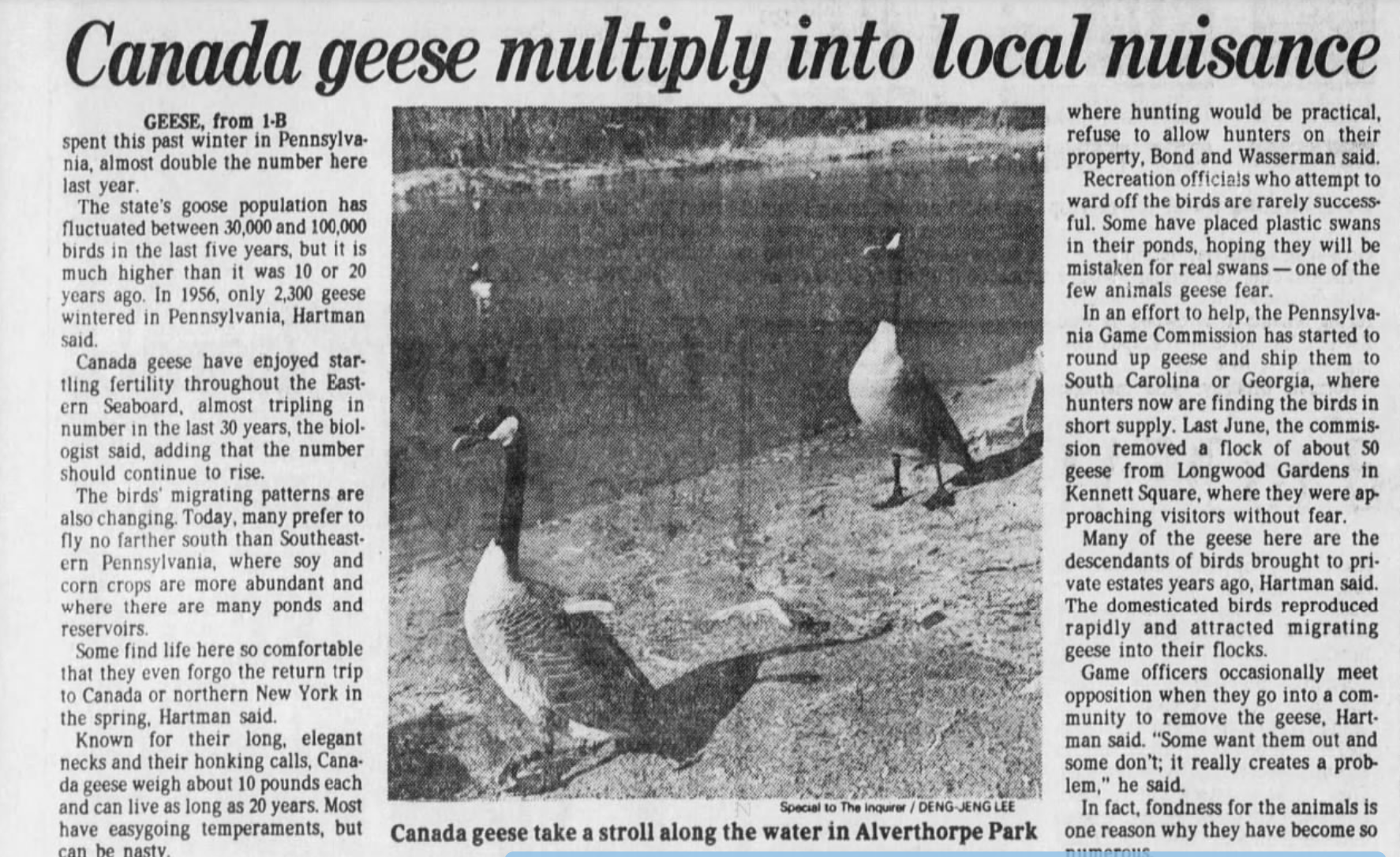
By the 1980s, the geese had reached Alverthorpe Park, where Abington officials considered balloons and plastic swans to deter them.
A Philadelphia Inquirer article from April 1984 by Laura Quinn details the nuisance goose population in Alverthorpe Park.Deng-Jeng Lee
But with tens of thousands of them already settled in the Delaware Valley, The Inquirer reported in 1984, the game commission officer for eastern Montgomery County, William Wasserman, was not optimistic: ”What we’ve got right now with Canada geese is probably going to remain the same to the year 2000 and beyond.”
This suburban content is produced with support from the Leslie Miller and Richard Worley Foundation and The Lenfest Institute for Journalism. Editorial content is created independently of the project donors. Gifts to support The Inquirer’s high-impact journalism can be made at inquirer.com/donate. A list of Lenfest Institute donors can be found at lenfestinstitute.org/supporters.