Philadelphia homicide detectives are investigating two fatal shootings that occurred days apart near Hunting Park Recreation Center, where both victims were found with gunshot wounds near the park’s recreational facilities.
The victims — both adult males who have yet to be publicly identified — were discovered less than a week apart in separate areas of the recreation center, raising questions about whether the killings could be connected.
Police have not said whether they believe the shootings are related.
On June 26, just before 11 p.m., patrol officers discovered a man believed to be between 25 and 30 suffering from a gunshot wound to the back near the outdoor basketball courts. He was taken to Temple University Hospital, where he died a short time later. Police discovered a .40-caliber fired cartridge casing nearby.
The killing came six days after police discovered a man shot to death near the center’s baseball field. It was shortly after 10 p.m. on June 20, when police responding to a call for a shooting, found the 45-year-old victim suffering from gunshot wounds while seated on bleachers near the field. The victim, who had been shot in the torso, was pronounced dead at the scene. Investigators discovered two 9mm fired cartridge casings during that investigation.
Police have not released any motives or announced any suspects in the killings. Investigators have been searching the surrounding area for video surveillance footage, police said.
According to the Philadelphia Police Department, 80 people have been killed in the city so far in 2026, a nearly 30% decrease from the same period last year.
Anyone with information about either shooting is encouraged to contact the Philadelphia Police Department’s Homicide Unit at 215-686-3334 or submit an anonymous tip by calling or texting 215-686-TIPS (8477).
Amy McHale and Raymond “R.C.” Horsch met on the streets when she was battling pneumonia and needed medical care.
She had long struggled with mental health issues and drug and alcohol addiction. She saw Horsch, an erotic photographer and filmmaker 30 years her senior, as her rock, said her mother, Gloria McHale.
“He was like her savior.”
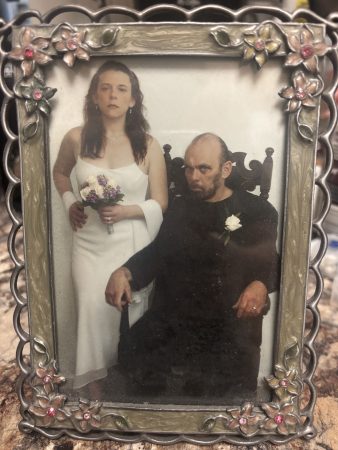
They held their wedding reception beside a greenhouse in the sprawling, serene backyard of his Chalfont home in September 2004. The marriage lasted only a few years, but Amy McHale kept going back to Horsch after he moved to a house on West Chew Avenue in the Olney section of Philadelphia with his son, Eugene Albert Horsch.
She was staying there on June 14, 2016, when she left a voicemail message for her daughter, Amanda Stofer, saying all was OK. At the time, Amy McHale was a 44-year-old mom and grandmother of three.
She has been missing ever since.
“She would never leave her daughter and grandchildren,” Gloria McHale, 79, said by phone after news broke this week that authorities had been combing through that house for days. “She loved them, adored them.”
For more than a week, Philadelphia police and federal authorities have been searching the crumbling Horsch twin home to determine if there is any connection to the disappearance of Amy McHale and one other woman.
R.C. Horsch was a controversial figure who had been convicted of forgery and drug manufacturing when he died in May 2025 of chronic obstructive pulmonary disease at age 82. Police have not named him as a person of interest in a missing-person investigation.
His son, Eugene Albert Horsch, is being held on $500,000 bail at Curran-Fromhold Correctional Facility on charges of illegal gun possession and drug crimes. He had a criminal history that included at least 10 other arrests for drug possession, dealing, assault, and drunken driving when he was arrested earlier this month near Independence Hall after his actions drew the attention of U.S. Park Police.
“This is much ado about nothing,” said Eugene Horsch’s attorney, Jerome Brown, of his client’s connection to any missing-person investigation. “They’re barking up the wrong tree.”
When the news broke, McHale’s mother and daughter thought they might finally discover what happened.
“But I don’t feel much closure, and today is an emotional low,” McHale’s daughter, Amanda Stofer, said Saturday. “I was hoping for some answers about my mother from the home, but I’m doubtful that will happen.
“It just feels heavy and sad.”
The case came to light under bizarre circumstances. U.S. Park Police stopped Horsch, 44, near Sixth and Market streets on June 19. In his black BMW, officers recovered two firearms with obliterated serial numbers and a phony drug enforcement badge with Horsch’s photograph under the name “Eugene Frederick Steiner.” He also had large amounts of cocaine, fentanyl, and marijuana, according to an affidavit of probable cause for his arrest.
A woman with Horsch gave officers a false name, one that belonged to a 38-year-old woman who had been reported missing in Kensington in February 2023. Horsch’s passenger told investigators that he had made her fake ID cards with that name before and advised that if she was ever stopped by police, she could use them.
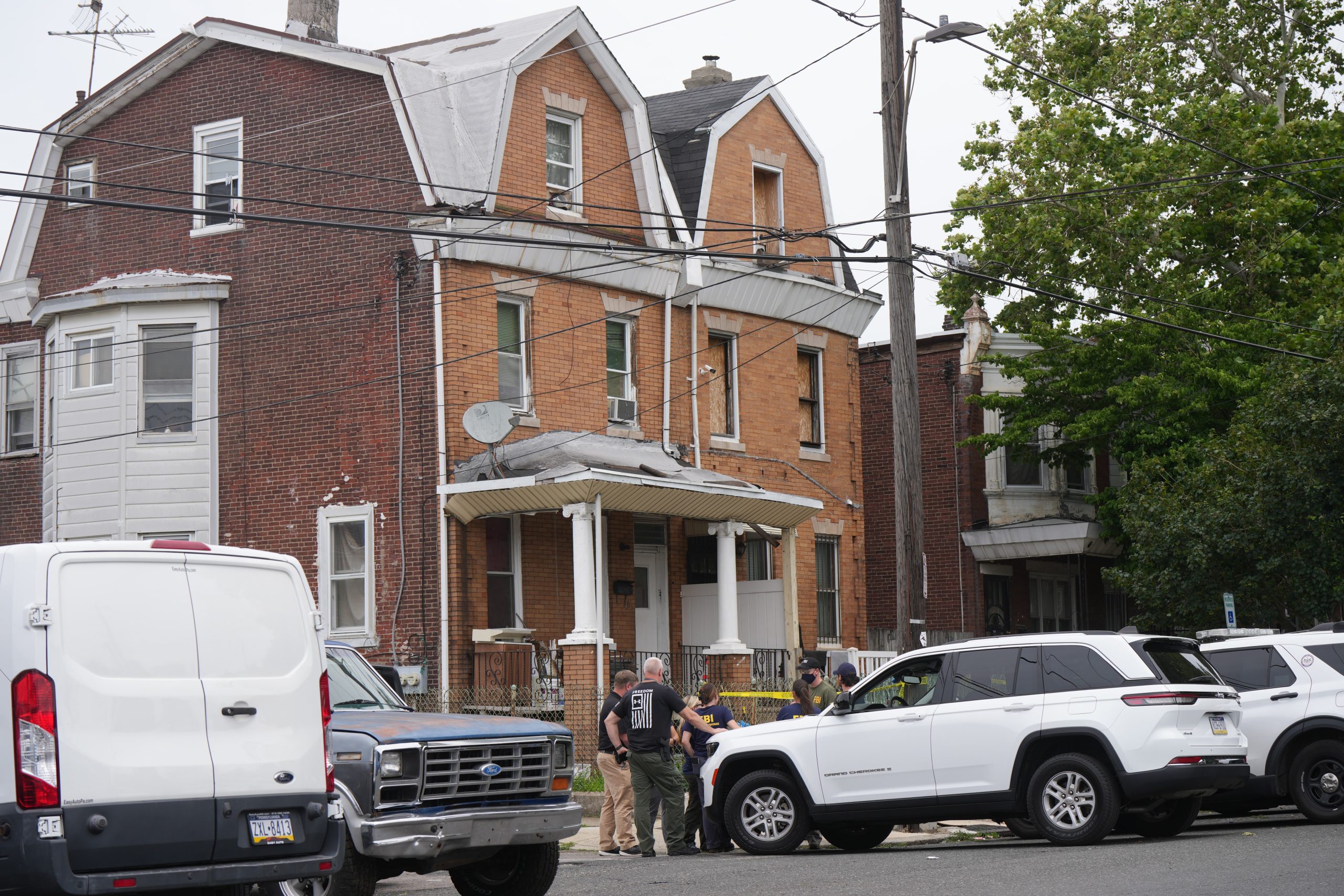
Law enforcement wearing FBI clothing at the scene of an ongoing investigation in the 400 block of West Chew Avenue, searching a home in Olney.Jessica Griffin / Staff Photographer
In Horsch’s dilapidated home, investigators found another handgun, hidden compartments, a 55-gallon drum with connections to water lines leading to a hole in the ground, and chemicals and bottles of liquid that forensics investigators are working to identify. There were also what appeared to be urns holding remains, one set of which was apparently his father’s. The basement resembled some sort of chemical lab.
Federal investigators also found a unsigned and handwritten letter that referenced hurting unspecified people and the serial killer Ted Bundy, according to an affidavit of probable cause obtained by The Inquirer.
Investigators are working to verify the authenticity of the letter, and whether it was meant to serve as a portion of a novel or screenplay.
Under a gloomy sky Saturday, about 15 FBI agents, some wearing hazmat suits, streamed in and out of the boarded-up twin home. “They’ve begun processing the scene,” Philadelphia Deputy Police Commissioner Frank Vanore said. Forensic experts were determining what evidence had to be sent away for scientific analysis, he said. “It’s going to take some time.”
Art and weed
R.C. Horsch, who was born in East Stroudsburg, Monroe County, in 1943, is described in an author’s biography as “an artist, filmmaker, composer, writer, porn performer, drug smuggler, sometime political activist, art forger, counterfeiter, pot grower, air show pilot, army deserter, fugitive, sociopath, ex-convict and all-out villain.”
Throughout his life, R.C. Horsch worked on avant-garde artwork and erotica, often focused on scantily clad women in sadomasochistic settings, including a book described as an “autobiographical memoir of a caring, empathetic serial killer.” He directed his first film, The Erotic Memoirs of a Male Chauvinist Pig, in 1973.
A 1968 news report identified Horsch, then in his mid-20s, as the operator of a theater on the 2000 block of Sansom Street known as “Underground Cinema 16” — later the Roxy — which screened avant-garde films, including his own, but was shut down for operating without a license.
Horsch was married at least three times. He married Anna Ferkuniak, a native of Nant-y-moel, Wales, who was Eugene Horsch’s mother. She died in 1989 at age 39 after a lengthy illness, according to her obituary.
R.C. Horsch also had an extensive criminal history.
He pleaded guilty to passing bad checks in North Carolina in 1973, and the following year the Secret Service charged him and another man in Doylestown with passing nearly $180,000 in fake 10-dollar bills and possessing phony driver’s licenses.
In 1977, federal authorities raided what was described as his home laboratory, seizing equipment they alleged was meant to make methamphetamine. But Horsch left for New Zealand, later returning to California, according to court records, and operating under the alias “Richard Harris.”
Eugene Horsch was born in 1981, while his father was still a fugitive.
Authorities captured R.C. Horsch in Florida in 1985. A psychologist hired by his defense attorney claimed Horsch had a 140 IQ, according to court records, but had “deep rooted emotional problems.”
He was sentenced to three years’ imprisonment, plus probation. He later settled in Chalfont but acquired the Chew Avenue house after his aunt died in 2004. In 2007, he used power of attorney to legally transfer ownership to his son for $1.
In 2009, R.C. Horsch was indicted in Chalfont for growing “455 marijuana plants.” Investigators also confiscated two shotguns. The feds seized his suburban home and he was sentenced to 54 months in prison.
Federal inmate records show he was released from prison in 2013, and later moved into the Chew Avenue property, where he would reside until his death. He authored several erotic novels in the 2010s, often focused on women battling substance abuse or mental health issues.
Krista Marie Killen is credited as appearing in multiple erotic films that he directed, including one released as recently as 2021, and at times listed the Chew Avenue house as her residence.
In 2025, a motorist sued R.C. Horsch, Killen, and an unidentified man, claiming the trio crashed their Chrysler 300 into her SUV near Adams Avenue and Montour Street in 2023. Court papers list Killen’s occupation as “caregiver” and the “adult in charge of residence.”
She died the next month, according to an obituary, three months after Horsch.
In searching the home recently, investigators found a death certificate for Killen. According to the affidavit of probable cause, the cause of death was drug intoxication.
‘People don’t vanish’
R.C. Horsch and Amy McHale had become a couple in the 1990s.
“I was a young kid when they started dating, and I want to say he had been around for at least 10 years by the time they got married,” Stofer recalled.
They divorced after a few years and McHale moved in with her mother on South Hutchinson Street in Philadelphia. She went to Peirce College, became a paralegal, and was trying to get her life back on track, said Gloria McHale, 79.
But she could not kick her drug and alcohol addiction, she said. She would periodically return to Horsch’s home on Chew Avenue.
“They stayed friendly with each other,” Stofer said. “I’m sure it had something to do with the drugs and alcohol. I think he enabled her with things that weren’t really permitted in my grandmother’s house.”
On June 13, 2016, she went to Horsch’s. She called her mom that night to tell her she was on her way home. “She was obviously very drunk and I told her to stay where she was, because to get home she would have to take the subway, and she was in no shape to take the subway.”
The next day, she called Stofer and left a message. “She told me she was at Ray’s house and she was OK.”
That’s the last they heard from her.
Amy McHale would sometimes be gone for a couple of days, but never for much longer, they said. Stofer had three children, and her mother doted on them. Stofer was planning her September wedding.
“My mom had her struggles with addiction,” said Stofer, 38. “But my mom would not want to disappear in my life. She would never do that. She always came back around. She never missed big things like my kid’s kindergarten graduation.”
Gloria McHale searched all over for her daughter. “I put signs up all over Kensington,” she said.
Detectives interviewed Horsch. He told police and the McHale family that she was drinking vodka and he went to bed. “He said when he woke up, she was gone,” McHale said.
And Horsch stopped reaching out to her family.
“When she would disappear before, Raymond would always keep calling me. ‘Did you hear from her?’ And after this I never heard from him.”
McHale is hoping someone will come forward now with new information.
“Somebody has to know something,” she said.
“People don’t vanish into thin air.”
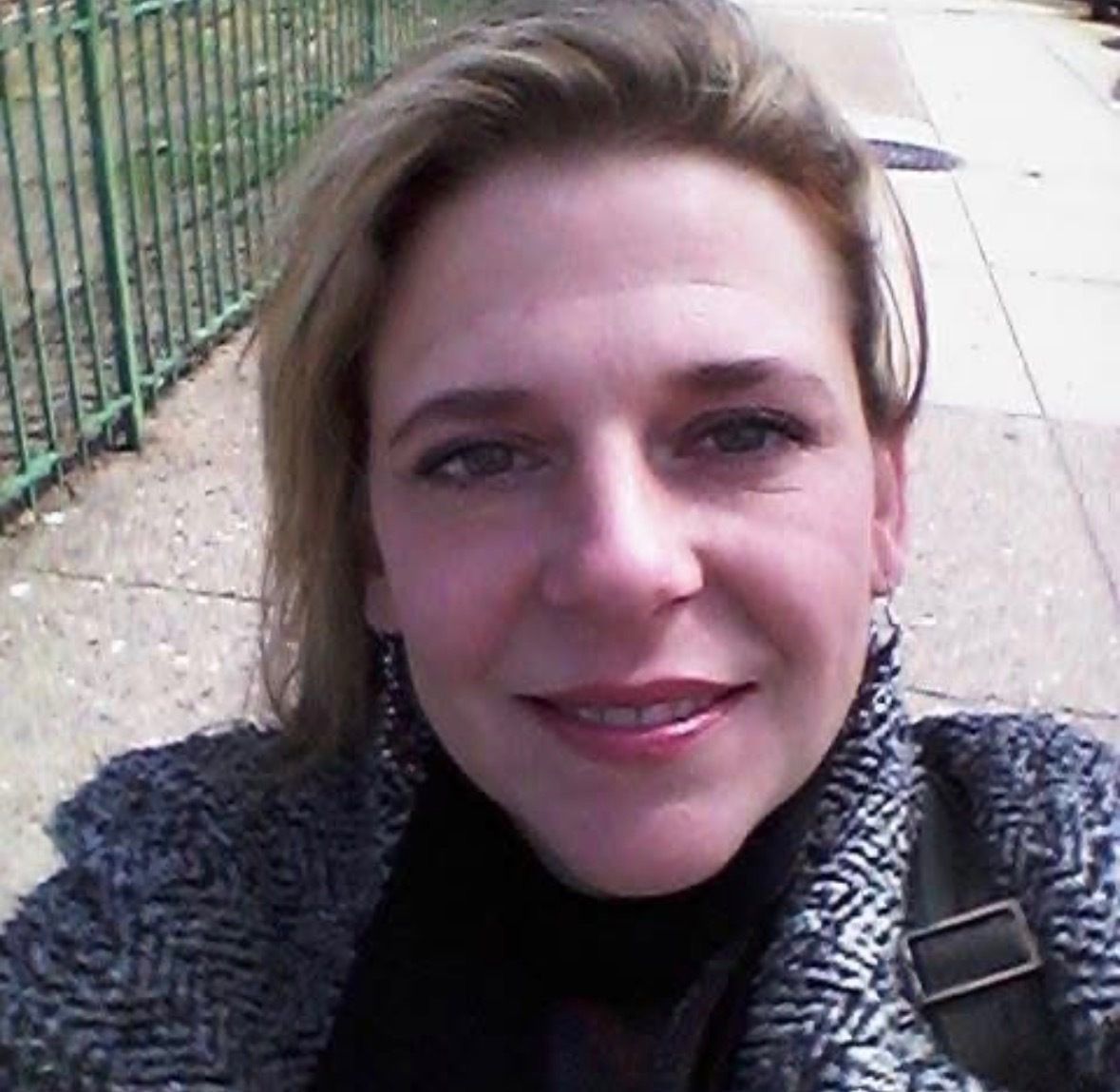
Amy McHale.Courtesy of the family of Amy McHale
Staff writers Brett Sholtis, Michelle Myers, and Isabel Maney contributed to this article.
NEW YORK — In their endless search for a right-handed bat, the Phillies are turning to a well-traveled 38-year-old outfielder.
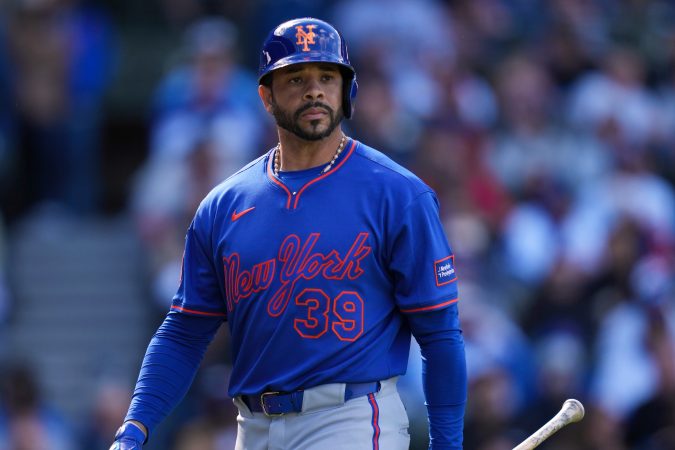
Tommy Pham, released by two teams in the last three months, has agreed to a minor-league contract with the Phillies, a major-league source confirmed Saturday. He will likely join triple-A Lehigh Valley.
Pham can opt out of the deal if he isn’t in the majors by July 25, nine days before the trade deadline, according to ESPN.com, which initially reported the agreement.
The Phillies bypassed other opportunities to acquire Pham, notably at the 2024 trade deadline. But through Friday, their right-handed hitters combined for a .605 OPS, last in the majors by a wide margin.
Pham is a .256 hitter with 149 homers and a .764 OPS in 13 seasons with 10 teams. Two years ago, he had a 70-game stretch for the White Sox in which he batted .266 with five homers and was 3% better than league average, based on OPS+.
But it’s been a while since Pham was productive at the major-league level. He went 0-for-13 with seven strikeouts in April with the Mets before getting released. In 16 triple-A games with the Orioles, he went 12-for-61 (.197) with four homers and a .696 OPS.
The Phillies are running two outfield platoons. Lefty-hitting rookies Justin Crawford and Gabriel Rincones Jr. start against right-handed pitchers; righty-swinging Derek Hill and Edmundo Sosa start against lefties.
Entering play Saturday, Phillies outfielders had a .668 OPS, tied for 26th at the position despite an All-Star-caliber season from Brandon Marsh.
NEW YORK — Jacob Misiorowski has The Heater (105.5 mph!), and Cristopher Sánchez had The Streak (50⅔ scoreless innings!), and Shohei Ohtani is, well, Shohei Ohtani!
But at the midpoint of the schedule, there’s another nominee for the best pitching story in baseball: The Comeback, by Zack Wheeler.
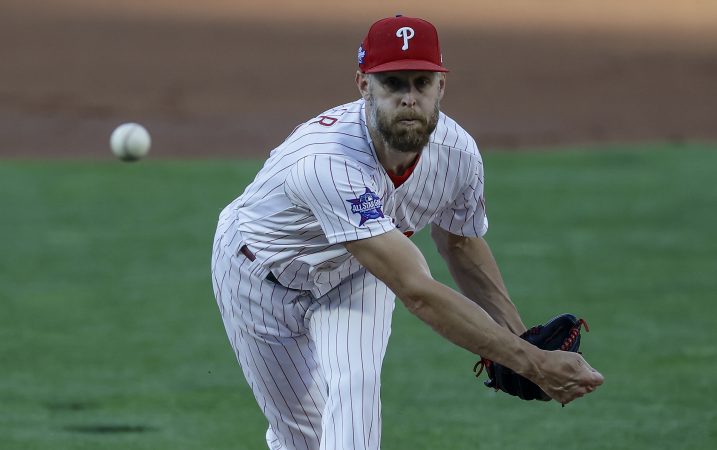
Wheeler gave up one run in seven innings here Friday night against the Mets. And although he got a major assist from center fielder Derek Hill, it still marked the eighth time in his last nine starts that he allowed less than three runs.
It’s almost like the 36-year-old righty didn’t have a rib removed nine months ago to relieve a compressed vein near his collarbone.
“Yeah,” interim manager Don Mattingly said, “it’s been pretty remarkable.”
Never mind that Wheeler had the less threatening form of thoracic outlet syndrome. It’s a condition that has derailed many pitching careers. Yet here he is, with a 2.03 ERA that ranks fifth among 100 pitchers with at least 70 innings entering play Saturday.
If you didn’t know what Wheeler went through last summer, beginning with the discovery of a blood clot near his right shoulder after an Aug. 15 start, well, you wouldn’t know.
His average fastball velocity is down a tick to 95.3 mph, but he can still dial up 97. (He scraped 97.7 mph Friday night against Mets star Juan Soto.) And he still changes speeds with a sweeper, splitter, and curveball.
Wheeler won’t admit that he’s surprised by any of this. Then again, he couldn’t allow himself to expect anything less.
“I mean, you almost have to, right?” he said. “You’ve got to have that mindset when you get hurt and you’re going to have surgery. You just build out your plan in your head — what it’s going to be like, and where you want to be at the end — and you kind of just tick those boxes off as you go.
“You’re always going to have your ups and downs. That’s going to happen with the human body. It doesn’t always go your way. But for the most part it went pretty smooth, and, yeah, I always envisioned myself coming back and hitting the ground running.”
Even as he was coming back from surgery and regaining strength after losing “a good bit” of weight, Wheeler said he set the same three goals: “win the Cy Young, win the World Series, and make the All-Star Game.” He could check off the latter next Saturday when the All-Star rosters are announced.
Wheeler was named to the National League team last year and in 2023 but didn’t attend the game either time. This year, with Philadelphia hosting the game, he won’t have to travel. But if the Phillies stay on rotation, he would start the final game before the break, leaving him unavailable to pitch in the All-Star Game.
In any case, Wheeler has never had a lower ERA through his first 12 starts of a season. Even in his runner-up Cy Young finishes in 2021 and 2024, his ERA through 12 starts was 2.51 and 2.32, respectively.
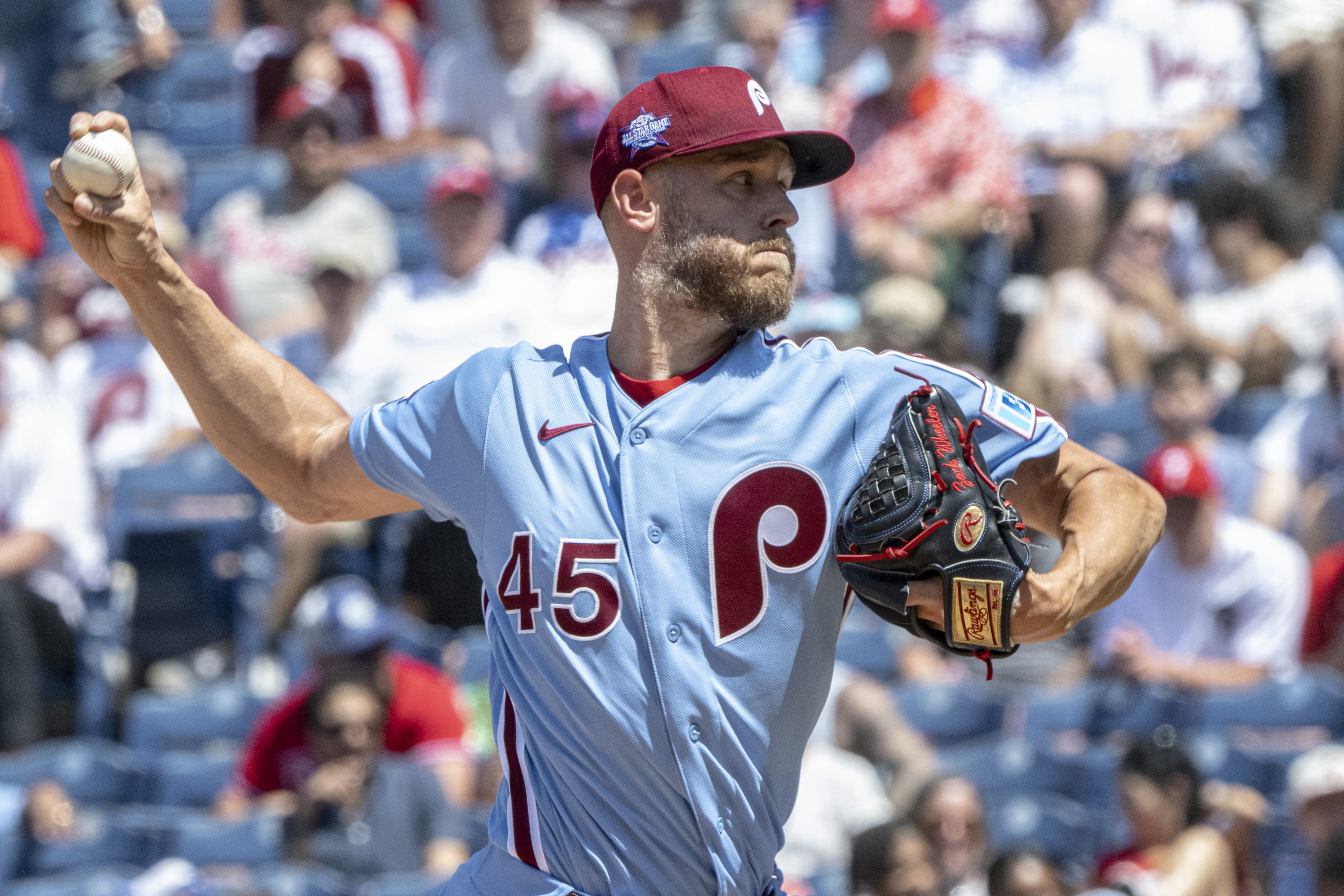
Zack Wheeler is making a strong case to be an All-Star for the third time in the last four years.Jose F. Moreno / Staff Photographer
And yet, ever the perfectionist, Wheeler insists his command isn’t as sharp as it can be.
“Something’s still a tick off, and I hate saying that just because it was a good game,” Wheeler said. “But I’m so used to throwing eight or nine pitches out of 10 where I exactly want it. So, when that’s not happening, I feel like it’s just not there all the way.
“But I know things are going well. I’m feeling strong, so I’ll take that for sure.”
One day after grounding into three double plays, as part of a 1-for-19 funk, third baseman Alec Bohm wasn’t in the lineup Saturday against Mets righty Christian Scott.
“He just looked tired last night,” Mattingly said of Bohm. “I thought he was dragging a little bit. It’s just a day.”
Edmundo Sosa started in Bohm’s place.
Extra bases
Reliever Brad Keller (right forearm inflammation) has progressed to throwing a bullpen session within the next few days, Mattingly said. … Andrew Painter is slated to start Sunday for the first time since getting demoted to triple A on June 17. … Jesús Luzardo (6-4, 4.39 ERA) will start the series finale at 1:40 p.m. Sunday and Mets lefty opener Cionel Pérez (3-3, 4.99).
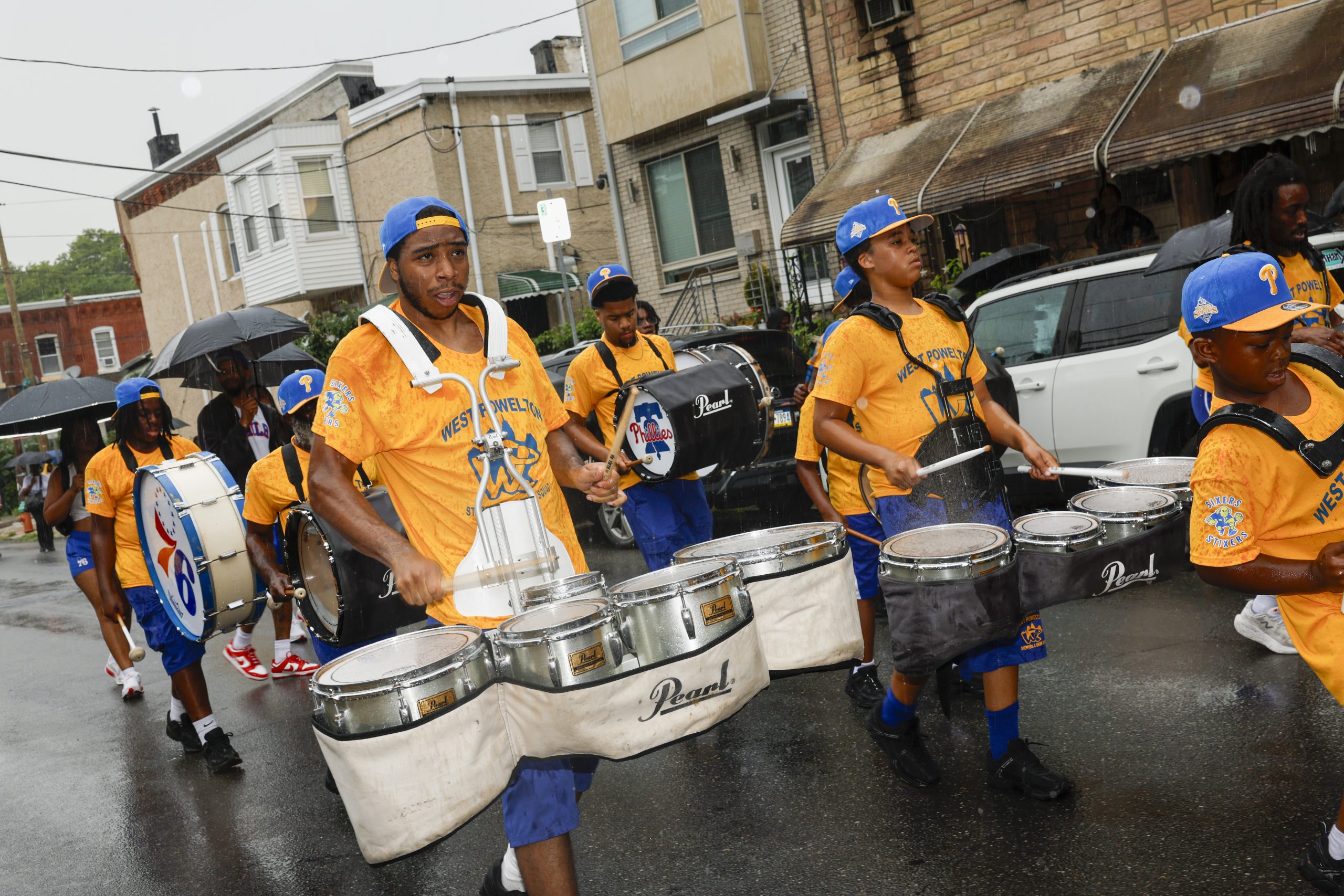
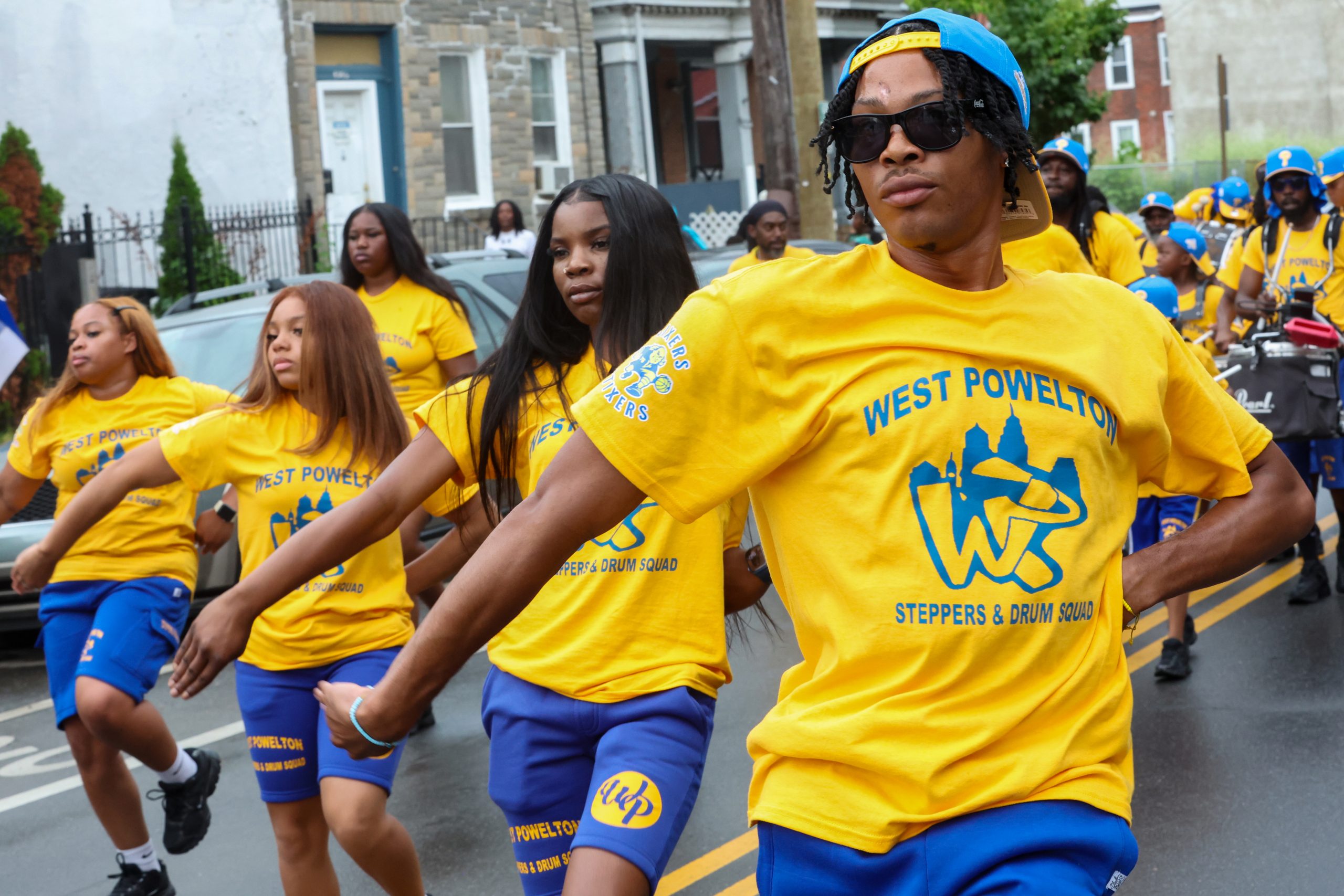
The West Powelton Steppers and Drum Squad, in celebration of their 35th anniversary, endured the weather and took to the streets, drowning out the sound of rain with the beating of drums on Saturday.
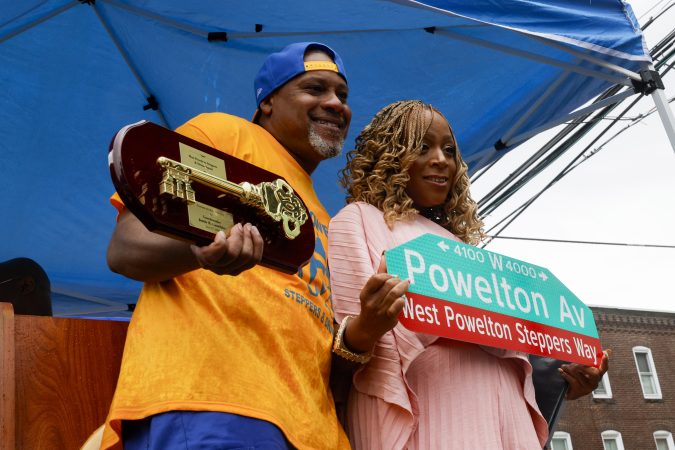
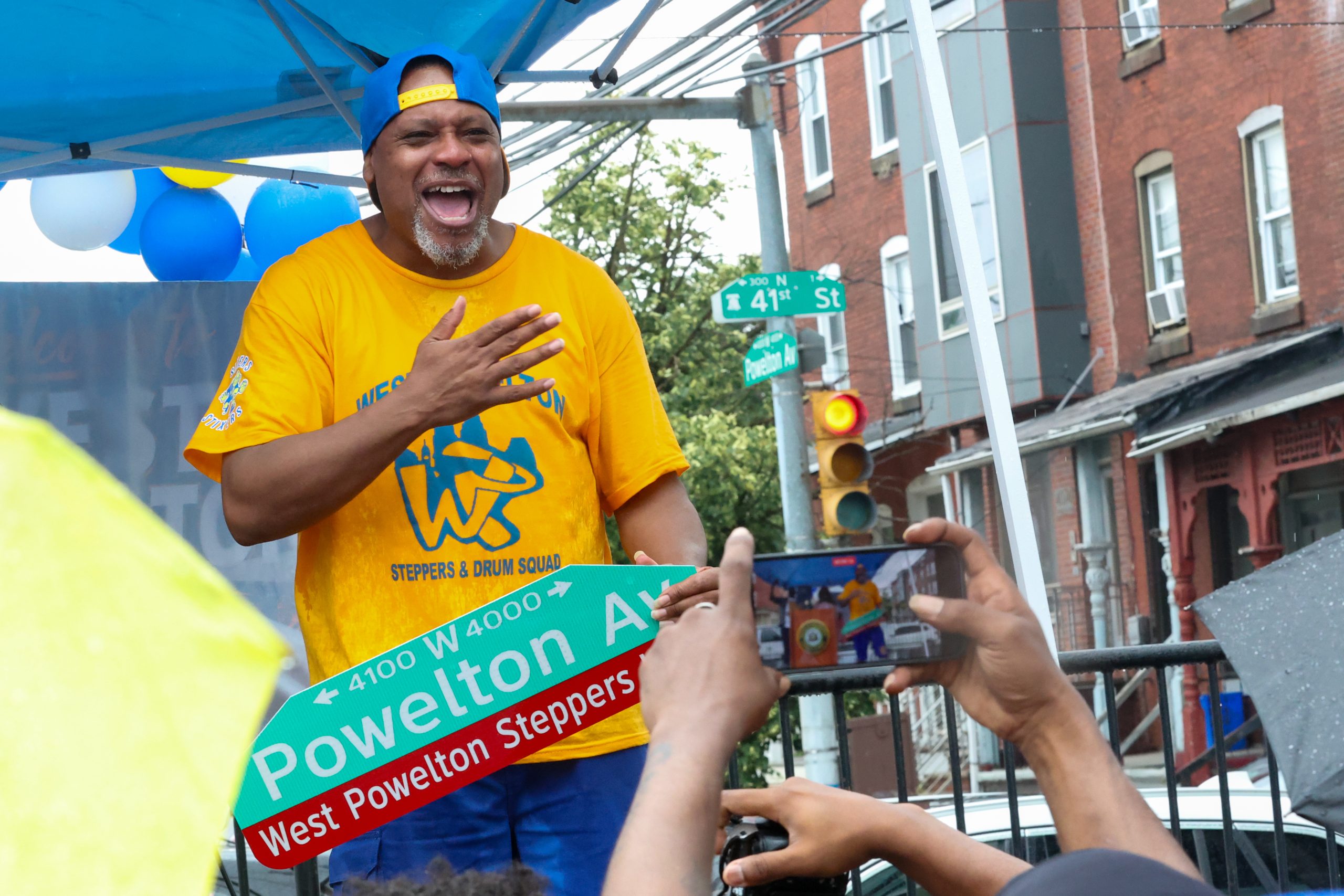
Kicking off at 41st and Filbert and circling back around to 40th and Powelton, the Steppers — known by many in the region for their work as the Sixers Stixers — led a parade to start the day, followed by a ceremony renaming the 4100 block of Powelton, which will now be known as West Powelton Steppers Way.
“The West Powelton Steppers and Drum Squad’s drum beat is Philly’s heartbeat,” Jamie Gauthier, City Councilmember of Philadelphia’s 3rd district, said.
The West Powelton Steppers and Drumline march down the street on Saturday.Aidan T. Gallo / Staff Photographer
Other drumlines and squads, as well as family and friends, joined in the celebration while vendors lined the street in recognition of the group Elsie Wise founded in 1991. Her grandson, Antoine Mapp, is now the director of the West Powelton Steppers.
When Mapp’s grandmother founded the drumline, the hope was to give young people in the community a safe place to go, while instilling core values of discipline and hard work, a legacy Mapp now continues through his work.
Gauthier helped unveil the street renaming and presented Mapp and the steppers with a key to the city. Mapp was also honored with an honorary badge from the sheriff’s office.
“I know that your grandmother is looking down on you right now and is so unbelievably proud,” Gauthier said while addressing Mapp. “You have taken this squad to heights no one could have imagined 35 years ago.”
The West Powelton Steppers march in an event honoring their 35 years entertaining the community. Aidan T. Gallo / Staff Photographer
In their 35 years, the Steppers have become the city’s official steppers, as well as the official steppers for the sheriff’s department and the Philadelphia International Airport. As the Sixers Stixers, they became the official steppers for the 76ers in 2013.
Gauthier commended the Steppers for their ability to “electrify” the crowd anywhere they went, from Sixers games to community rallies. Along with their affiliation with the Sixers, the drum squad also performed in the Eagles Super Bowl parade, the Phillies World Series parade and at some Phillies games where they’re billed as the Bass Line. They’ve performed at Philadelphia Union and Philadelphia Soul games, during halftime for Penn basketball and football, and New Jersey Devils games as well.
Outside of the realm of sports, they’ve performed at amateur night at the Apollo, on America’s Got Talent, and opened for Boyz II Men and *NSYNC, along with countless community events, even winning two regional Emmys in the Mid-Atlantic division.
“People used to call James Brown the hardest working man in show business,” Gauthier said “But I think Antoine Mapp is the hardest working man in Philadelphia.”
Antoine Mapp, the director of the West Powelton Steppers and Drumline, cheers during the street renaming ceremony.Aidan T. Gallo / Staff Photographer
The drumline itself has often been called “the hardest working drumline,” practicing 12 hours and performing at multiple events per week.
Guathier said the multiple ways Philly honored the West Powelton Steppers was the least the city could do to show its appreciation for what has become a staple in the community due to its commitment to “artistic excellence, mentorship, and service.”
“Here’s to an even more impactful next 35 years,” Gauthier said.
Most of us remember the 2010s Obama-era stomp-clap folk music, brought on by bands like the Lumineers, that graced the soundtracks of films like Silver Linings Playbook, sparking an intensely optimistic sound.
But can that even exist today? Can folk music rise in the 2020s, amid rapid social media usage, volatile politics, and a general feeling of uneasiness?
It can and it does.
Often veering into the gloomy and the existential, but somehow still managing to stay romantic and rebellious, thanks to the folk-pop stylings of Noah Kahan.
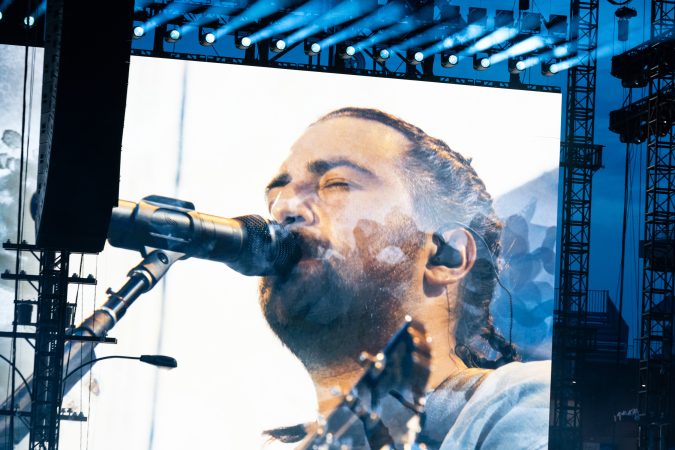
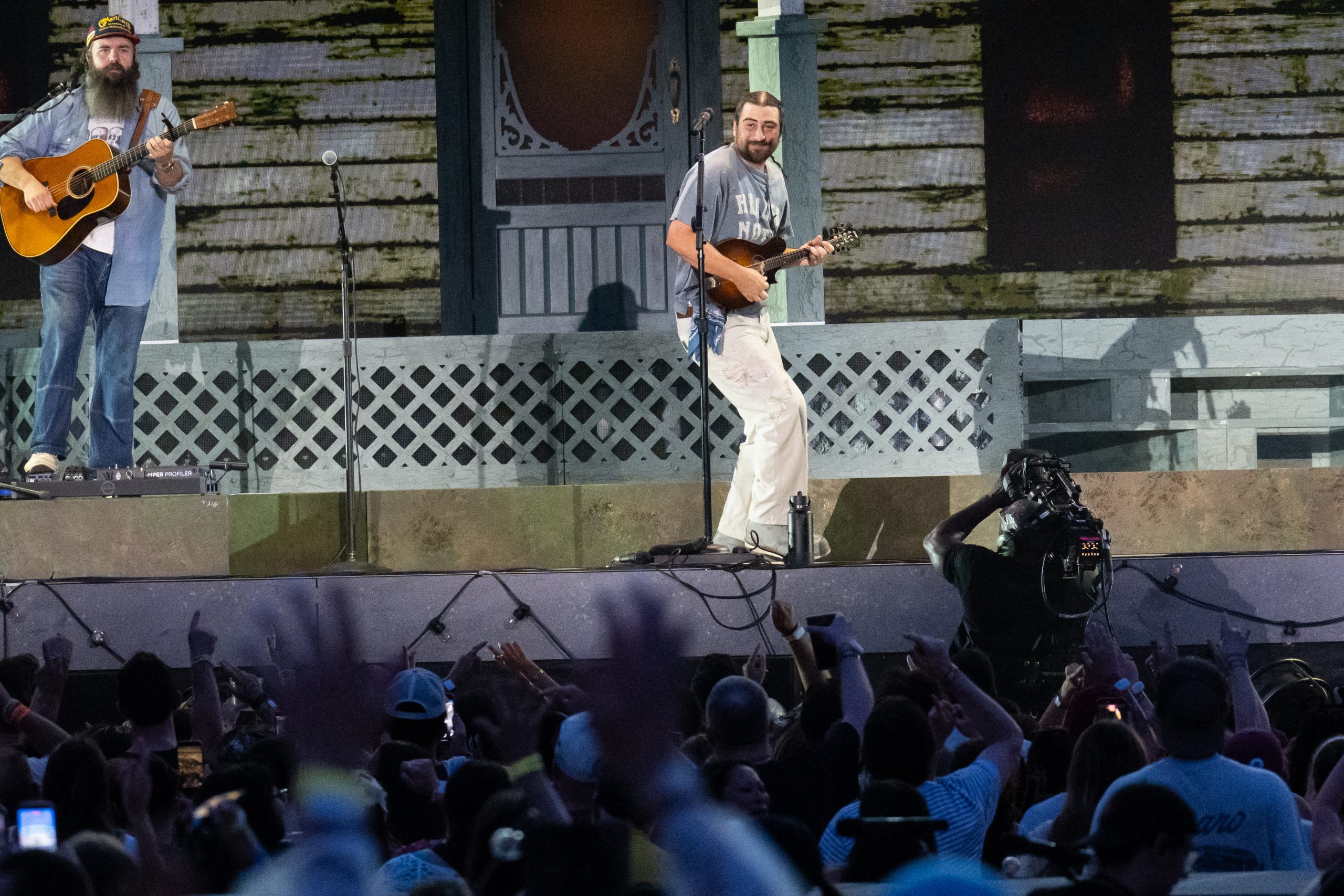
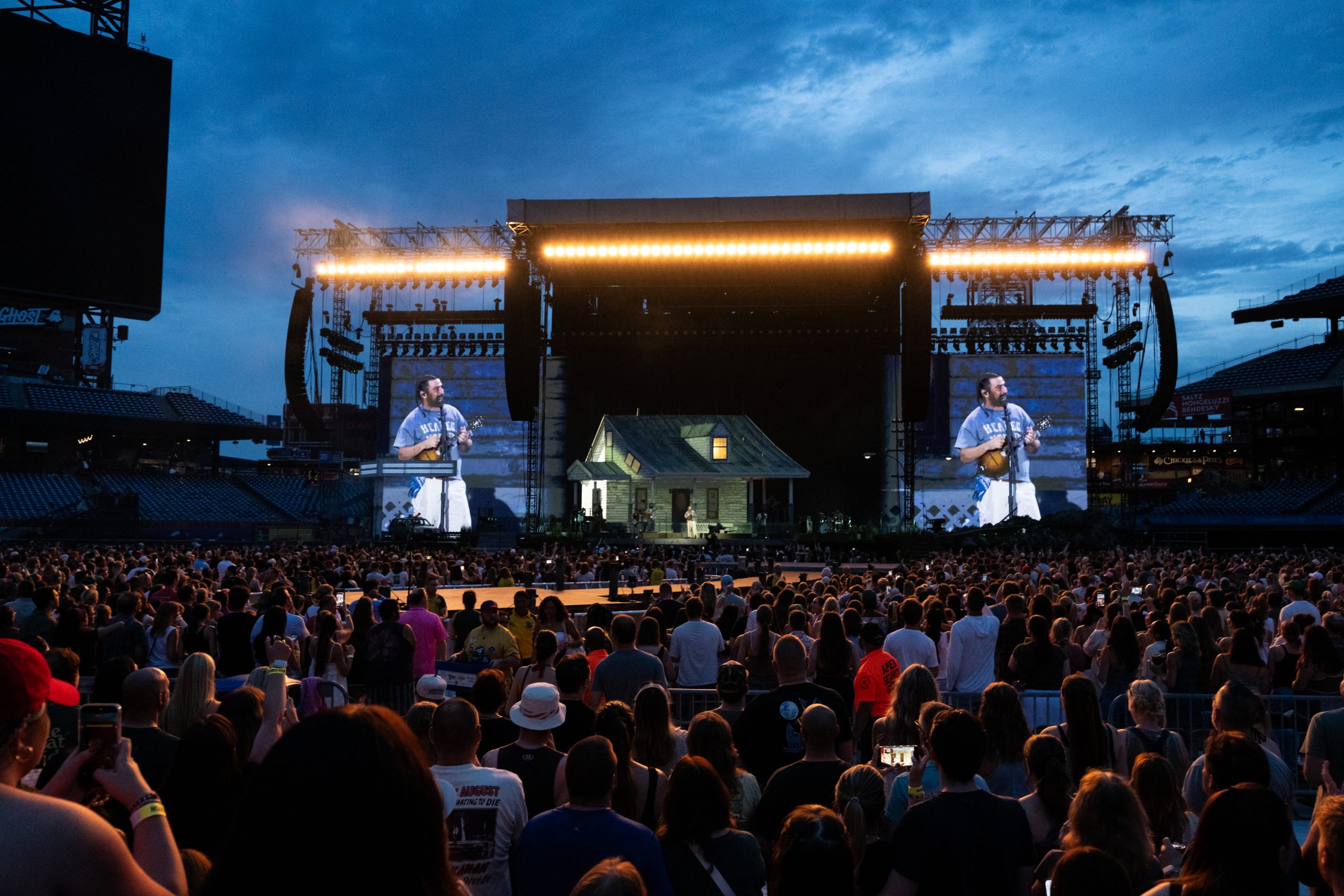
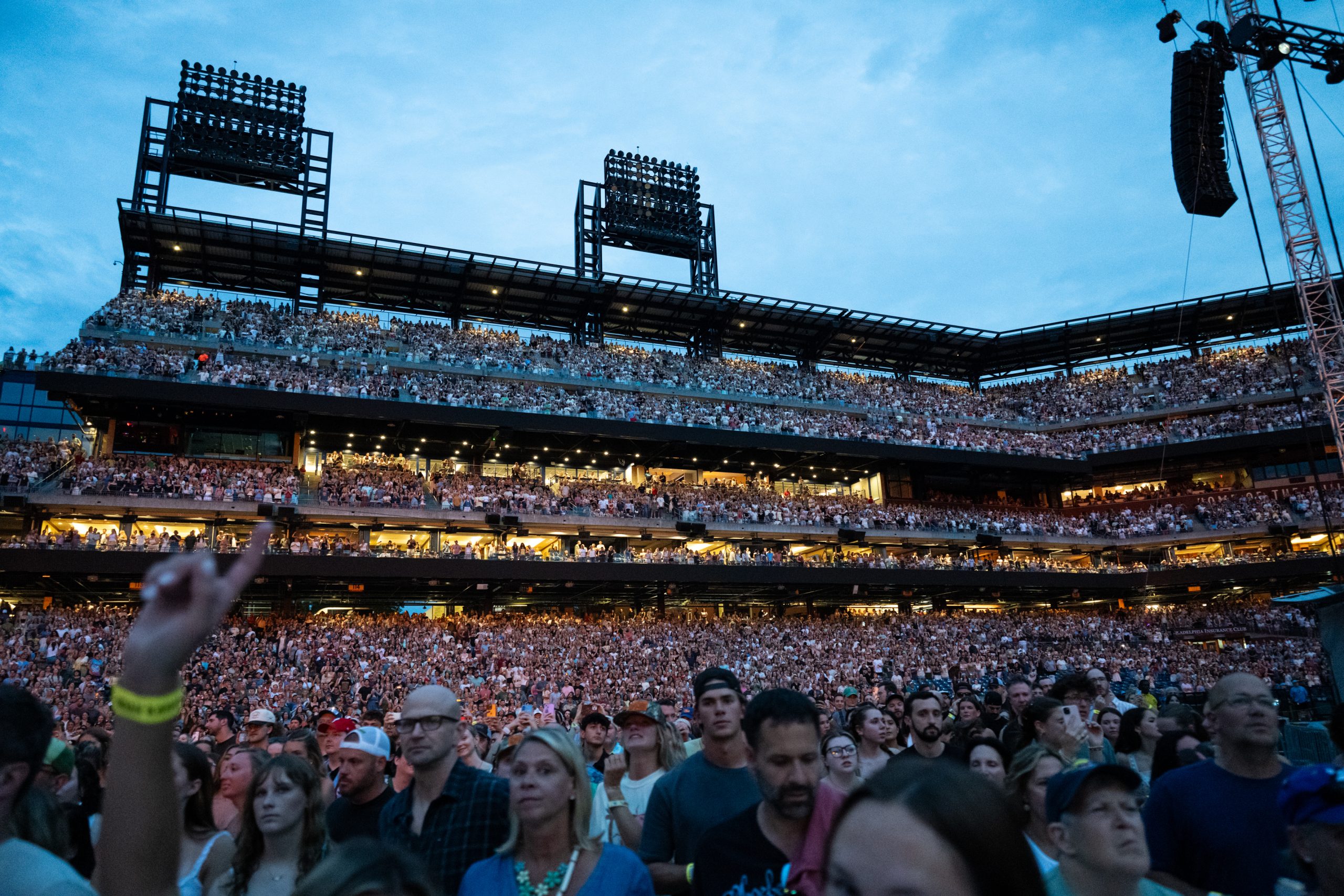
Kahan and his band performed for a sold-out crowd of 40,000 people.Erin Blewett / For The Inquirer
Kahan released his latest The Great Divide in April. The introspective collection of songs explores the realities of fame and the isolating feeling of leaving home. The tour behind that album brought him to Citizens Bank Park on Friday night.
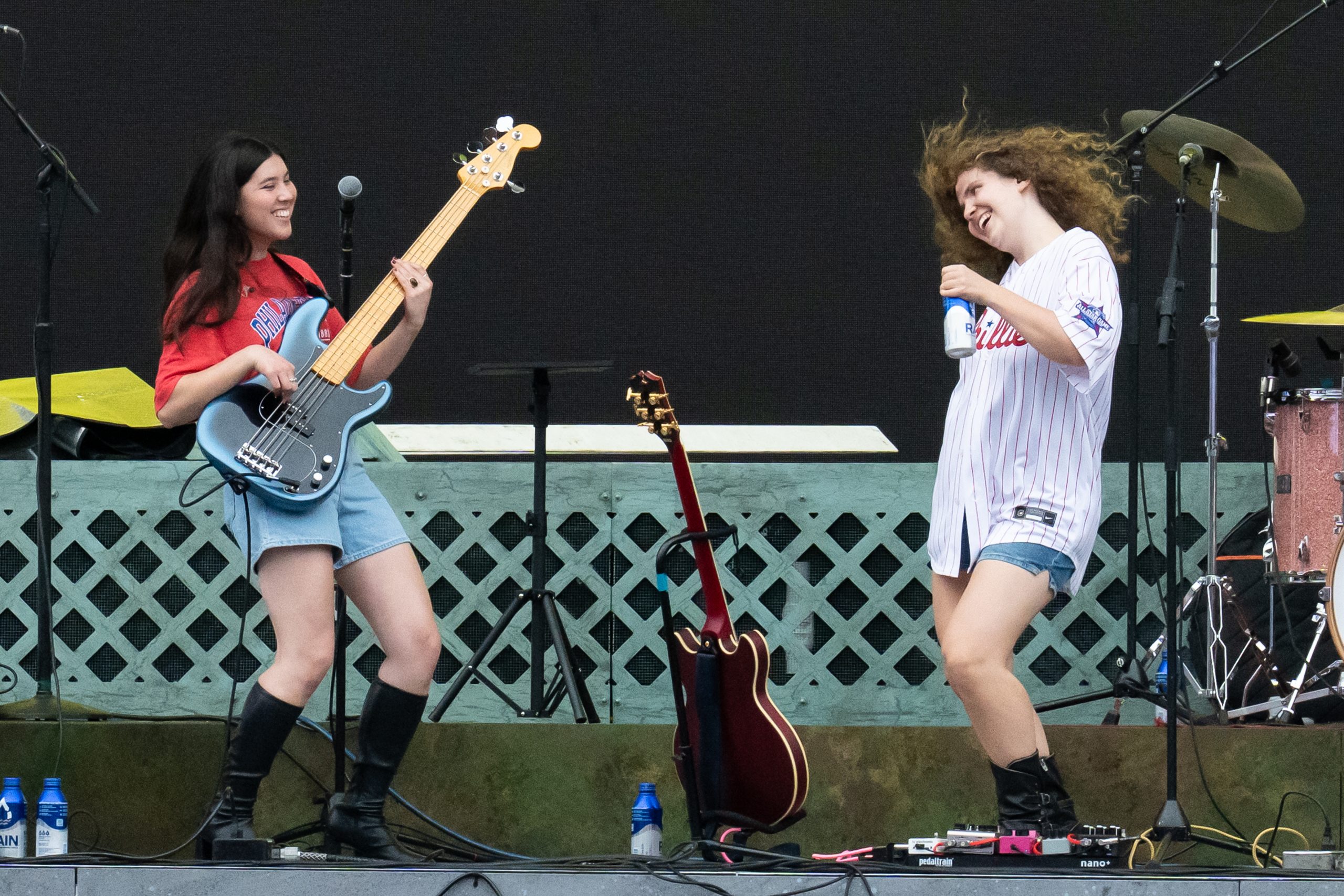
After the openers — Wayne native Annabelle Dinda, sporting a Phillies shirt, and Gigi Perez — a one-minute countdown popped up on the screen at 8:30 p.m., met with loud cheers from the audience.
When the clock struck zero, a sunset scene of a field appeared on a screen on stage, with The Great Divide displayed across it.
The roof of a house slowly descended from the top of the stage to meet the rest of the barn house in the middle of the stage. Then out came Kahan, with his signature French braids and baggy clothes, ready to bring his woodsy vibe to Philadelphia.
Annabelle Dinda performs an opening set during the Philadelphia stop of Noah Kahan’s “The Great Divide Tour” at Citizens Bank Park in South Philadelphia on Friday, June 26, 2026. Dinda was one of two opening acts performing before Kahan took the stage.Erin Blewett / For The Inquirer
The audience in the 40,000-plus-seat stadium reacted swiftly, jumping to their feet and screaming for Kahan. The crowd was a mix of Gen Z fans, new to the contemporary folk-pop sound, and millennials, who were undoubtedly jamming out to Mumford & Sons during the aforementioned 2010s folk-rock era.
There were also families with young children in tow. Some appeared to be fans themselves, wearing the tour’s merchandise and singing along.
After performing “American Cars” and “Doors” from The Great Divide, Kahan addressed the sold-out crowd, promising to make the audience very sad with his melancholic music.
“Philadelphia, what a … dream,” he said. “It must be something in the water. How do you all have clinical depression?”
Gigi Perez performs an opening set during the Philadelphia stop of Noah Kahan’s “The Great Divide Tour” at Citizens Bank Park in South Philadelphia on Friday, June 26, 2026. Perez gained widespread recognition with her 2024 single “Sailor Song” and opened for Kahan on select dates of the tour Erin Blewett / For The Inquirer
Kahan continued with “All My Love” from 2022’s Stick Season, with the set around him bringing the music to life, even in the face of the promised melancholy.
Rocks covered in moss sat one side of the stage with an abandoned gas station scene set up on the other, with tall grass scattered throughout. String lights warmed up the setting as it got darker, making Citizens Bank Park feel like a small-town backyard. On the screen behind Kahan, seasons changed and insects crawled around amid visuals from the singer’s home state of Vermont.
The foresty and naturalist aesthetic of both the music and the setting was an homage to Kahan’s childhood spent on a tree farm in rural Vermont.
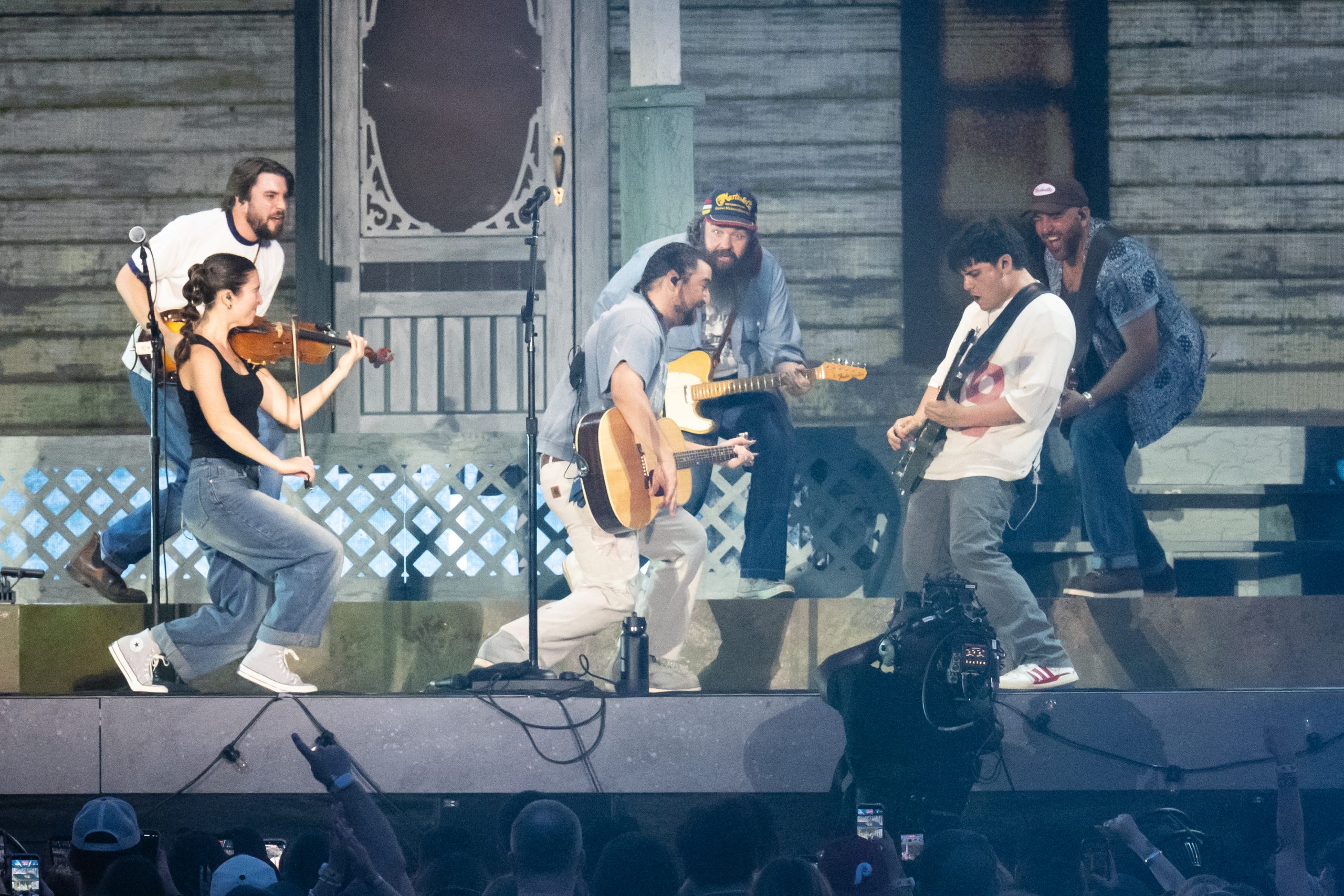
The concert was Kahan’s first arena show in Philadelphia, on his second arena tour in his career.Erin Blewett / For The Inquirer
The crowd matched the scenery: flowing skirts, bandannas, cowboy hats and boots, denim, corduroy, and just about every other clothing item you’d see when searching “farm aesthetic” on Pinterest. Everyone attending could easily pop over to the Schuylkill River Trail for a quick hike after the show.
After singing another new song, “Downfall,” Kahan pretended to answer a phone call.
“What’s up, Twitter,” he said into the phone. “Oh, Noah Kahan can’t sell out stadiums?” The response was a thunderous cheer as Kahan pretended to hang up.
This is Kahan’s fifth concert tour and his first time headlining a show at Citizens Bank Park, playing for a sold-out crowd. His last tour, “The Stick Season (We’ll All Be Here Forever)” Tour in 2024, didn’t stop in Philadelphia.
A fan sings while Noah Kahan performs at Citizens Bank Park in South Philadelphia on Friday, June 26, 2026. More than 40,000 people attended the sold-out show. .Erin Blewett / For The Inquirer
After singing and playing the guitar for nine songs standing on the main stage, Kahan decided to shake things up a bit. For “Dial Drunk,” he moved to the left side of the stage, where an actor dressed as a police officer arrested him. He performed the first half of the song from inside a police car fitted with cameras.
For “Willing and Able,” Kahan sat upon the roof that came down in the beginning of the show. There, he softly played the guitar and sang the lyrics to the somber song about a strained sibling relationship.
Fans sang along and cheered until Kahan made his gravest mistake of the show: suggesting that Philadelphians be friendly toward Boston.
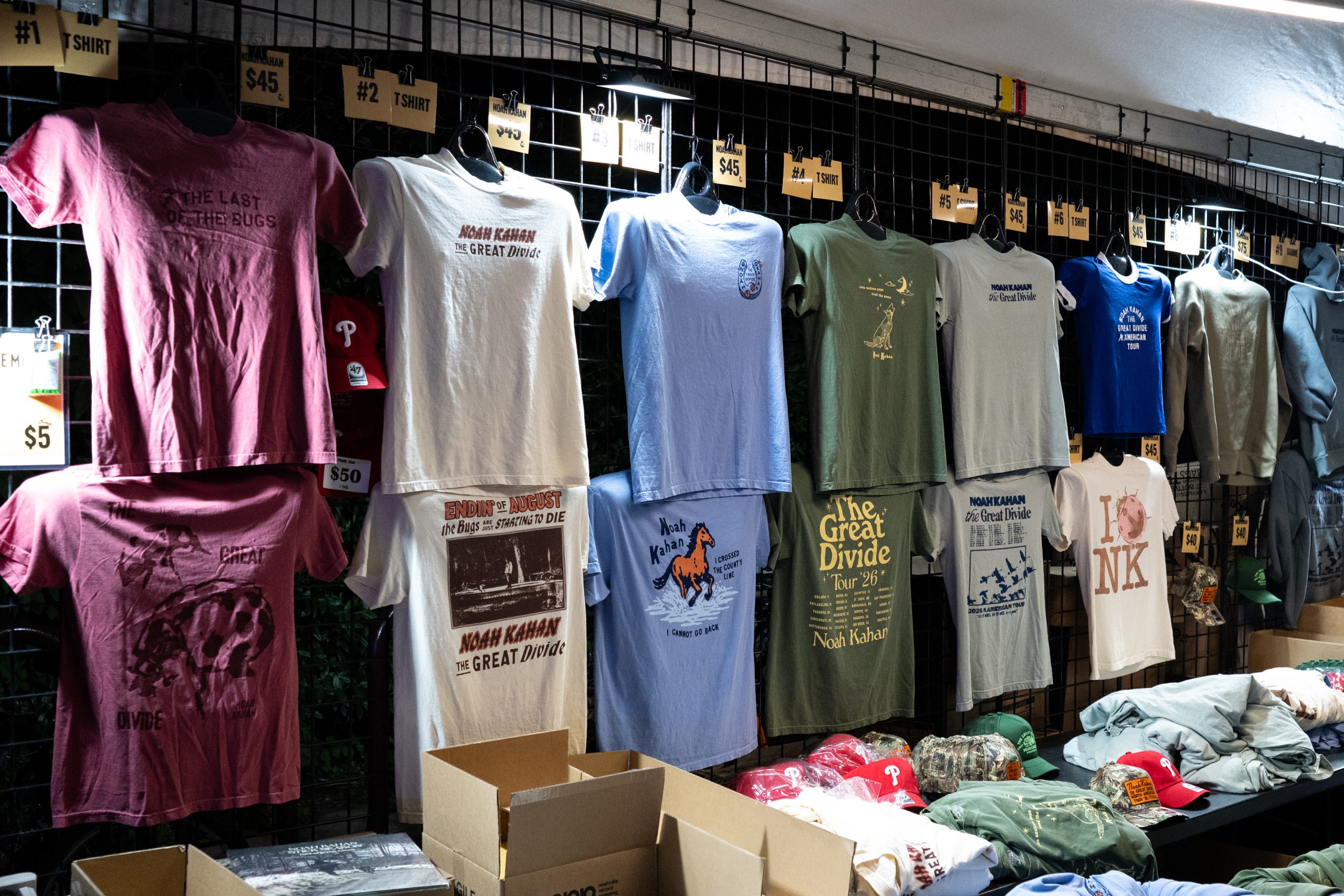
Noah Kahan merchandise is displayed outside Citizens Bank Park in South Philadelphia on Friday, June 26, 2026. More than 40,000 people attended the sold-out show, with some fans lining up as early as 9 a.m. to purchase merchandise.Erin Blewett / For The Inquirer
“Having lived in Boston, you guys are a lot more alike than you think, and I think you need to reconcile,” Kahan said, citing the tough brotherly relationship in “Willing and Able.” This sentiment was the only thing that was met with boos on Friday.
Fittingly enough, Kahan recalled being heckled at a Philly show.
One hopes the city hosting a sold-out show will soften his feelings toward Philadelphia.
Fans matched the forest aesthetic of Kahan’s music, with flowy outfits and cowboy apparel.Erin Blewett / For The Inquirer
He also took the opportunity, standing in the middle of the floor seats, to address the backlash he received on Twitter for his original setlist he played in Orlando on June 11. Fans complained about the lack of older songs, as the singer filled the set with songs from his last two albums. The fans who booed Kahan’s online haters were rewarded with his older song “Maine” from the EP Cape Elizabeth, which he called his favorite song he’s ever written.
In addition to the guitar, Kahan’s six-piece band comprised a host of other unique instruments that got to shine. This included a fiddle, banjo, mandolin, and a resonator guitar, all contributing to Kahan’s unique folk sound that blends both rock and pop.
Noah Kahan performs at Citizens Bank Park in South Philadelphia on Friday, June 26, 2026, during his “The Great Divide Tour.” The Philadelphia concert was part of the North American leg of Kahan’s summer tour Erin Blewett / For The Inquirer
As the show went on, Kahan took multiple opportunities to listen to the crowd sing and coyly smile as he expressed his gratitude, often peppering it with his well-known dry humor.
“You guys are gonna make me emotional,” he said to the screaming fans, giggling.
Kahan closed out his main set with “Orange Juice” and “New Perspective” before exiting the stage and reentering it as fans started growing restless. For the encore, sitting at a spotlit piano, he performed the incredibly moody “End of August.”
That was followed by a more upbeat “Homesick.” Of course, he wrapped things up with an explosive extended performance of his biggest hit, “Stick Season.”
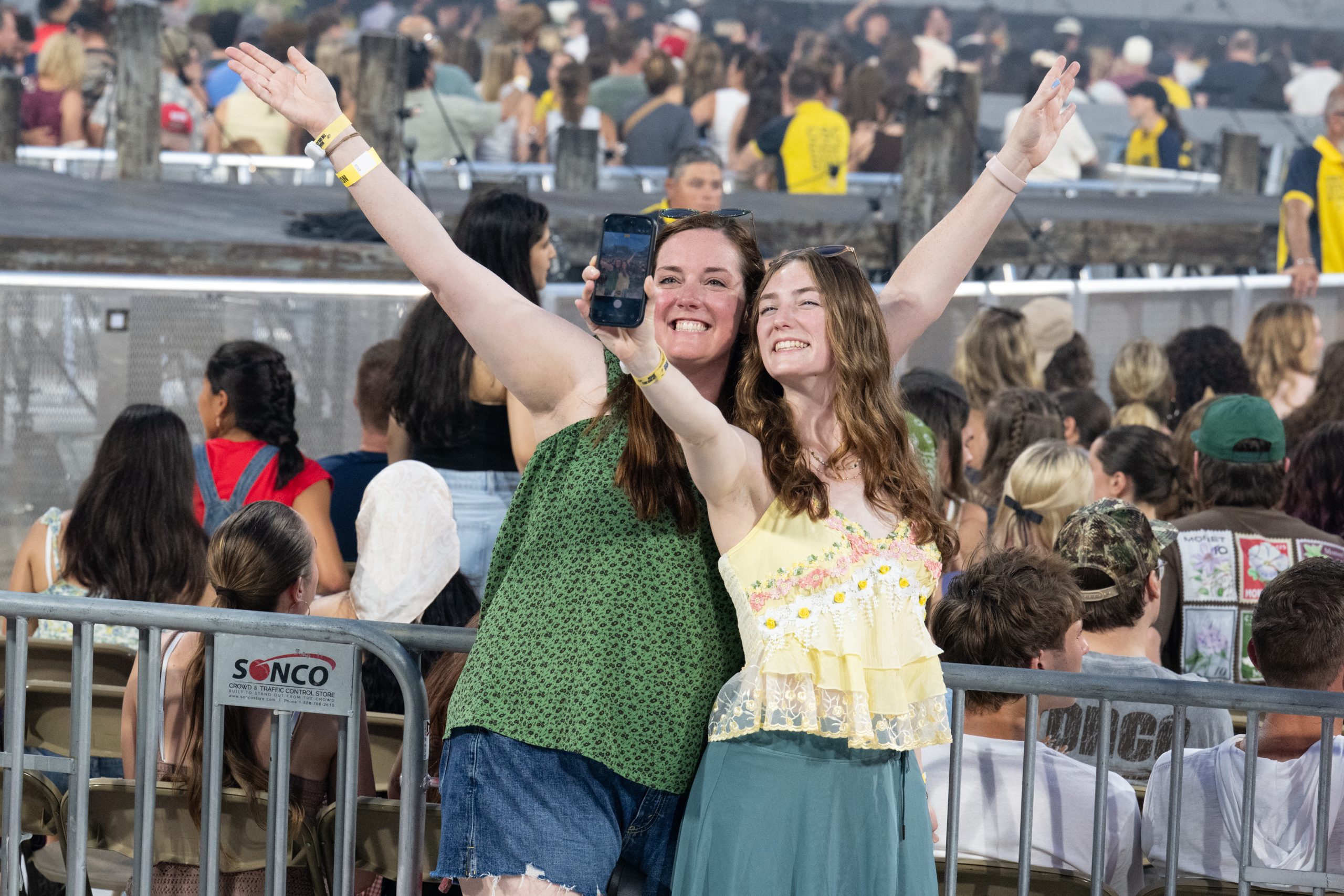
Two fans take a selfie before Noah Kahan performs at Citizens Bank Park in South Philadelphia on Friday, June 26, 2026. More than 40,000 people attended the sold-out show. .Erin Blewett / For The Inquirer
There was no one in the crowd who didn’t sing along.
Kahan made sure to thank his bandmates before one final chorus that culminated in a brief fireworks display over the stage.
And just like that, the woodland escape that is a Noah Kahan concert came to an end for Philadelphia.
Noah Kahan, setlist from “The Great Divide Tour.” June 26, 2026, Citizens Bank Park, Philadelphia
A law enforcement search continued Saturday at a dilapidated three-story brick twin in Olney, where police are investigating the homeowner’s connection with at least two missing women.
The house belongs to Eugene Albert Horsch, 44, who was arrested June 19 and charged with illegal gun possession and drug-related crimes.
Horsch’s initial arrest sparked questions: Why did he have a fake ID showing himself to be a DEA agent? Why did a woman with Horsch identify herself as someone else who was reported missing in 2023?
More questions unspooled as city police investigators and federal agents looked inside Horsch’s house, where they found hidden compartments, a 55-gallon drum, chemicals, unknown liquids, a woman’s death certificate, and a handwritten letter that seemed to describe hurting people.
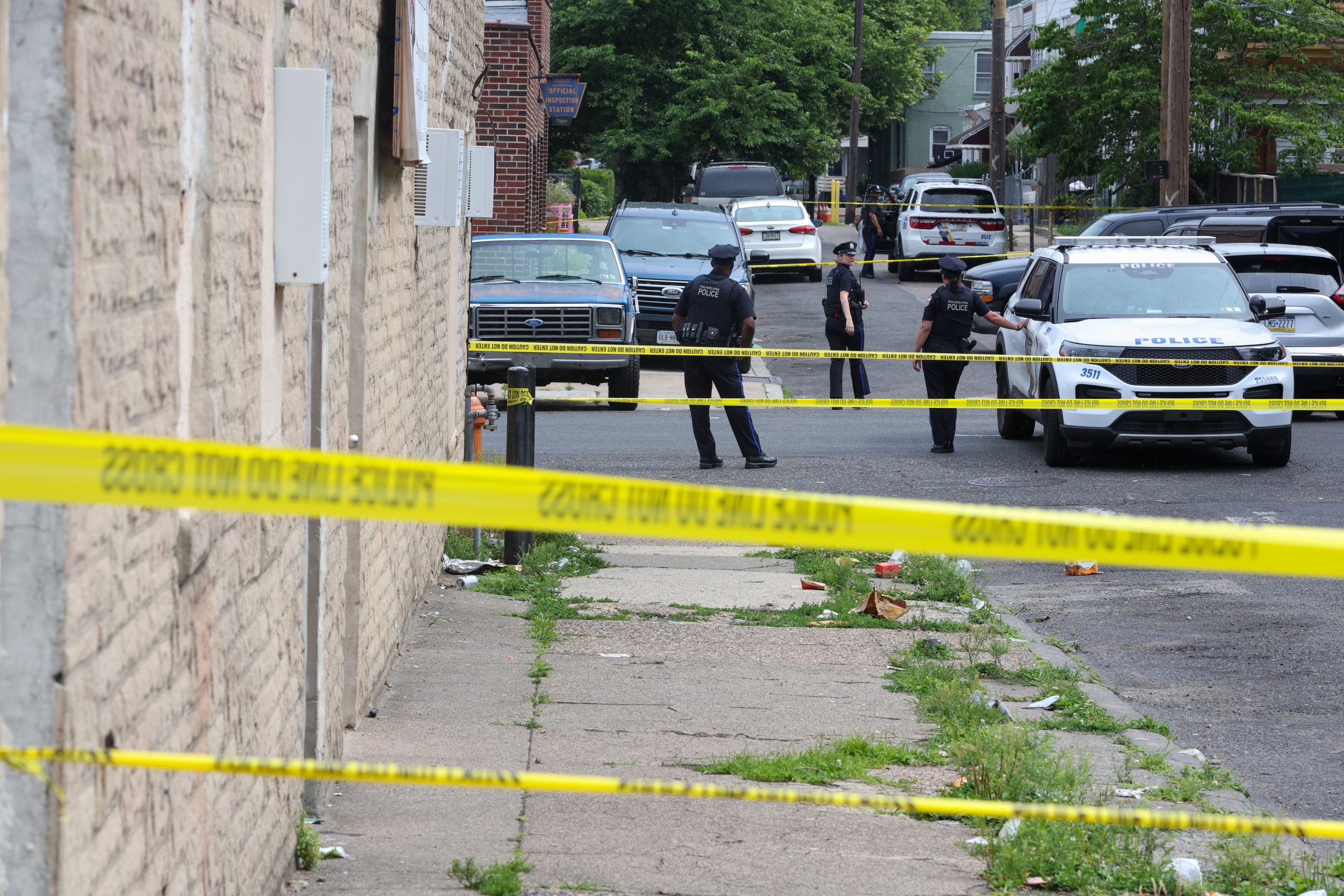
On Saturday, Philadelphia police closed off the block and FBI forensic experts entered the property in hazmat suits.
In addition to these questions, there’s an older mystery — the June 2016 disappearance of Amy McHale.
Here’s what we know so far.
What prompted the investigation?
The morning of Friday, June 19, a U.S. park ranger near Independence Hall in Old City heard “a disturbance” coming from a black BMW, Philadelphia Police Department Deputy Commissioner Frank Vanore said Friday.
The ranger heard a woman say she was concerned that Horsch was going to hurt her, Vanore said.
The woman gave the ranger an identification card bearing her photo but the name of another woman who had been reported missing, Vanore said.
“And the park ranger felt that there was illegal drug activity going on inside the vehicle,” Vanore said.
Other law enforcement officers in the area were called to the scene, he said. In the car, police found cocaine, fentanyl, marijuana, two firearms with serial numbers removed, a collapsible baton, a cattle prod, and switchblade knives, sources told The Inquirer Friday.
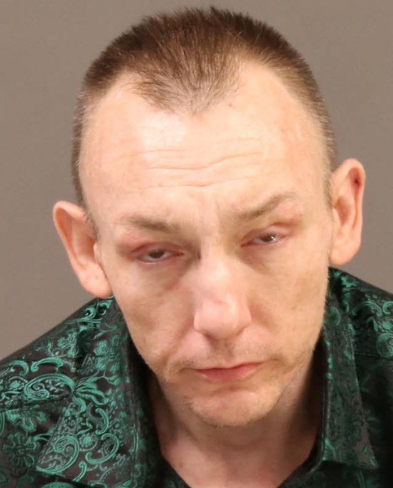
Eugene Albert Horsch, 44, of Philadelphia.Courtesy of Philadelphia police
Why did Horsch have fake DEA credentials?
Law enforcement also found a fake U.S. Drug Enforcement Agency badge with Horsch’s photograph under the name “Eugene Frederick Steiner” in the car, sources told The Inquirer.
Police haven’t spoken publicly about why they believe Horsch had the fake ID. However, they soon brought real DEA agents to the scene, Vanore noted.
Soon, those agents were among those searching his Olney home.
What did police find inside the Chew Avenue house?
Police searched Horsch’s home on the 400 block of West Chew Avenue, where they found a 9mm firearm, ammunition, and a marijuana grow operation on one of the floors, Vanore said.
“The further search of this property produced some other things that we have a lot of questions about,” Vanore said.
Police brought in homicide investigators — who are now leading the investigation with FBI assistance — due to their experience and because several urns, possibly from deceased family members, were found, Vanore said.
Investigators found at least one more fake ID presenting someone as federal law enforcement, Vanore said, as well as “computer evidence” that the DEA took for analysis.
They also found bank cards in the name of the woman who went missing in 2023, and recovered what appeared to be a death certificate for another woman who died last year, The Inquirer reported Friday.
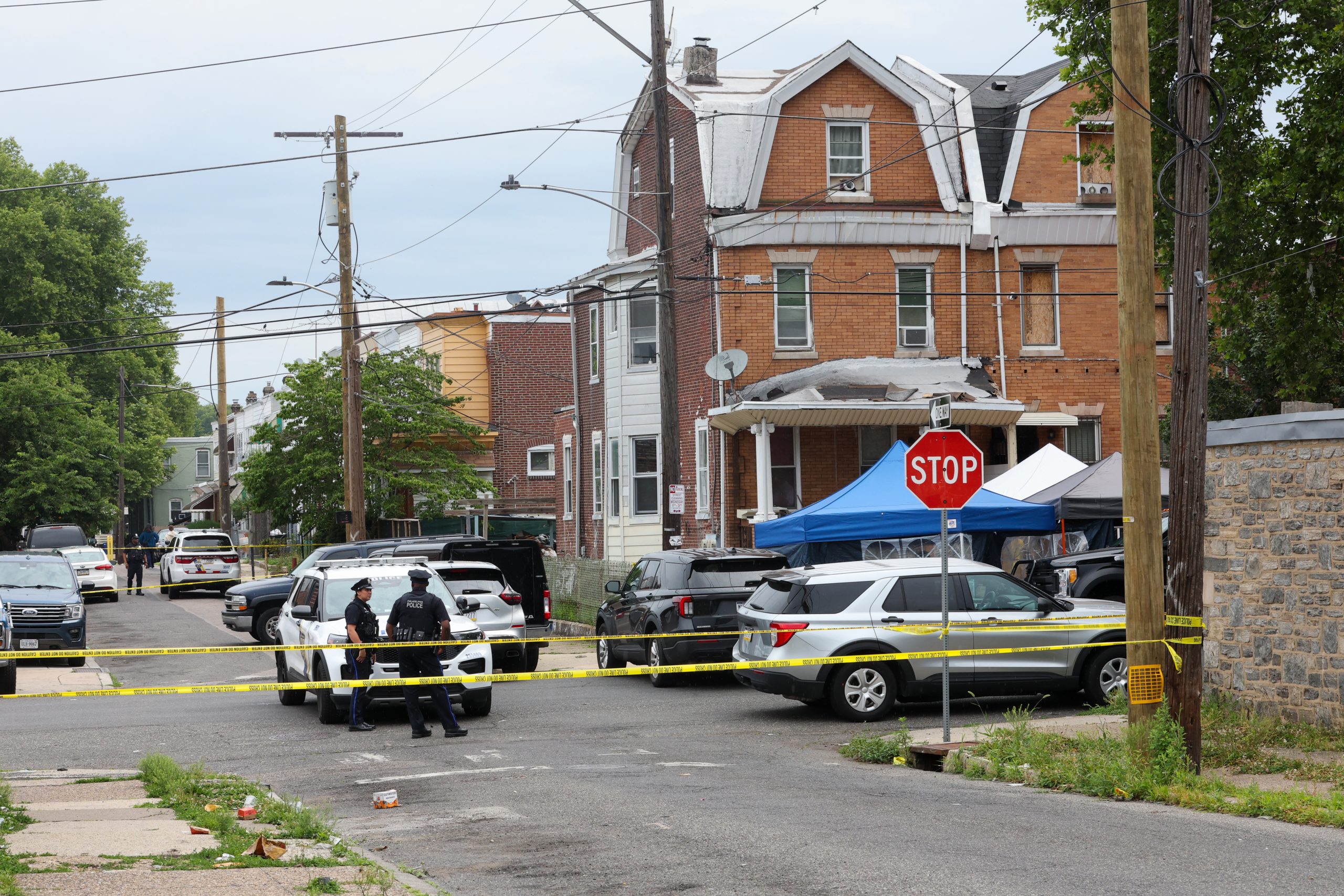
Police have officially blocked off access to the street at 417 W Chew, in Olney home in Philadelphia, June 27, 2026. Residents in the area are unable to access the street since Saturday morning.Aidan T. Gallo / Staff Photographer
Why is the FBI involved?
Investigators also found hidden compartments, “hoses coming from barrels,” and bottles containing chemicals and unknown liquids, Vanore said.
Some of the chemicals, if combined and ignited, could pose hazards, he said. The chemicals are what led investigators to ask for help from FBI experts, Vanore said.
“There’s chemical work being done, but we just don’t know if he was trying to produce narcotics, or some other work,” Vanore said.
What is the handwritten letter investigators found?
Federal investigators also found an unsigned handwritten letter that described references to hurting unspecified people, and references to the serial killer Ted Bundy, The Inquirer reported Friday.
“Acting on emotion is where problems occur. What I don’t think I told you was that the first time it was planned ahead of time. The threat was made before you know who came over and I already had a 2ft zip tie in my pocket and a drum set up,” the letter said.
“I had been ready and waiting and I damn sure showed no hesitation. And it was fun,” the letter said, according to an affidavit of probable cause for a search of the home obtained by The Inquirer.
Law enforcement sources said investigators were working to learn who wrote the letter and whether it may be part of a work of fiction.
Have police found bodies at the house?
Rumors spread quickly online Friday, with one of the most widespread ones being that human bodies or remains had been found at the house.
Speaking to reporters, Vanore dismissed these rumors.
“There’s no apparent bodies inside the house,” Vanore said. “Now, we’re going to further search. There’s a sump pump that looks like a hole in the ground, but there’s no bodies.”
Who are the missing women?
Police have not released the names of any missing women connected to Horsch.
The woman whose name was on the fake ID went missing in February 2023 from the Kensington area, sources told The Inquirer Friday. The woman who was with Horsch when he was arrested told police she used the fake ID because she had outstanding arrest warrants. She didn’t know the missing woman, but feared that something bad happened to her.
Vanore said he didn’t know if the missing woman had known Horsch.
“I have nothing to say she was ever inside the house, but of course, that’s why we’re still holding it and we’re still going to look,” Vanore said.
Vanore noted that Horsch had enough information about the missing woman to create a convincing fake ID.
Another woman who disappeared was Amy McHale, of South Philadelphia, who went missing in June 2016. McHale was the ex-wife of Horsch’s father, R.C. Horsch. Police questioned R.C. Horsch about the disappearance at the time.
Who is Eugene Albert Horsch?
Horsch has a long criminal record including a May 2025 arrest for possession of marijuana and amphetamines, which got him three years’ probation.
In March, he was charged with aggravated assault after police said he stabbed a man in the stomach at Eighth and Market Streets. Prosecutors withdrew the charges in May after a witness failed to appear in court, court records show.
Horsch had at least 10 previous arrests for drug possession, dealing, assaults, and drunken driving. He was sentenced to four to eight years in prison after police discovered $1.9 million worth of cannabis inside the Chew Avenue home in 2013, court records show.
Horsch appeared to be living at his house on Chew Avenue, despite its boarded-up windows and rundown look. Vanore said Friday that the woman who had the fake ID also was believed to have been staying there.
What do we know about R.C. Horsch, Eugene Horsch’s father?
R.C. Horsch, born Raymond C. Hoersch, was an erotic photographer and filmmaker who was convicted of forgery and drug manufacturing. R.C. Horsch changed the spelling of his last name.
R.C. Horsch pleaded guilty to passing bad checks in South Carolina in 1973 and the following year was charged in Doylestown by the Secret Service with passing nearly $180,000 in fake 10-dollar bills and possessing phony drivers’ licenses.
In 1977, federal agents raided what was described as R.C. Horsch’s home laboratory, seizing equipment they alleged was meant to manufacture and distribute methamphetamine. But R.C. Horsch absconded to New Zealand, later returning to California, and operating under the alias “Richard Harris.”
Eugene Horsch was born in 1981, while his father was still a fugitive.
R.C. Horsch was captured by authorities in Florida 1985. A psychologist hired by his defense attorney said he had an 140 IQ but had “deep rooted emotional problems.”
He was sentenced to three years imprisonment, plus probation, and settled into a home in Chalfont, Bucks County.
What was R.C. Horsch’s connection to the Chew Avenue house?
R.C. Horsch acquired the Chew Avenue house after the death of his sister, Helen M. Hoersch, in 2004. In 2007, R.C. Horsch used power of attorney to legally transfer ownership of the property to his son for $1.
In 2009, R.C Horsch was indicted in Chalfont for growing 455 marijuana plants. Investigators also seized two shotguns. The feds seized his suburban home and he was sentenced to 54 months in prison.
Federal inmate records show he was released from prison in 2013.
Are investigators examining R.C. Horsch’s role?
R.C. Horsch died in 2025, and Vanore told reporters Friday that investigators were looking at a lot of different angles. Vanore declined to go into specifics about R.C. Horsch, and said he wasn’t going to name “other missing people” potentially connected to the house.
“We’re certainly looking into the activities that went on at the house, even before he was there,” he said, referring to Eugene Horsch.
Police have officially blocked off access to the street at 417 W Chew, in Olney home in Philadelphia, June 27, 2026. Residents in the area are unable to access the street since Saturday morning.Aidan T. Gallo / Staff Photographer
What’s the latest from the investigation?
Under a gloomy sky Saturday, about 15 FBI agents went in and out of the boarded-up home, some wearing protective suits.
Next to the tent installed Friday outside Horsch’s home were four portable fabric shelters, with all sides shielded from public view.
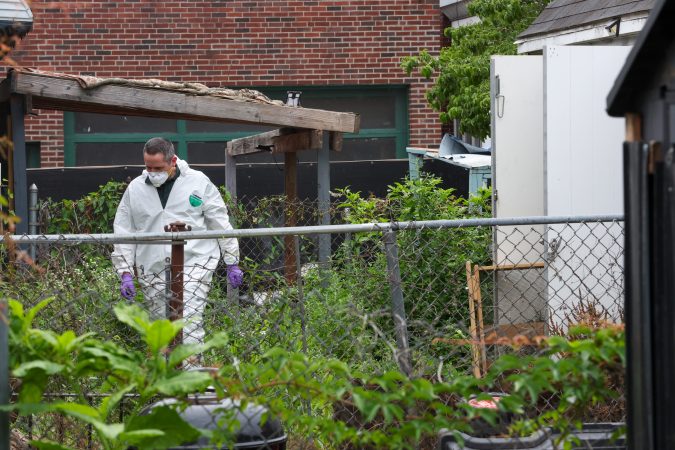
Neighbors walked around the sealed perimeter asking for information, while men in protective suits came and went from Horsch’s backyard shed.
“They’ve begun processing the scene,” Vanore said Saturday. Forensic experts now are determining what evidence had to be sent away for scientific analysis, he said. “It’s going to take some time.”
Inquirer staff writers Max Marin, Ellie Rushing, Barbara Laker, Michelle Myers, Chris Palmer, and Isabel Maney contributed to this article. For more details, read this story.
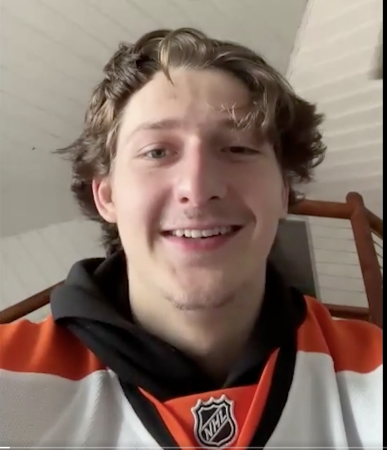
Meeting the media over Zoom for the first time after the Flyers called his name in the second round (No. 53), the defenseman was already decked out in a Flyers jersey, and so were at least six of his family members. He joked that the total number at his draft party might even be closer to 30.
Liske’s father is a die-hard Flyers fan and raised his son the same way, so they already had a stack of jerseys at home to celebrate.
“I’ve never heard him yell so loud,” Liske said. “He’s wearing his Flyers jersey, he’s very proud right now. I think he’s a little bit more in awe than I am right now.”
Liske is from Winnipeg, and so is his dad, but he became a Flyers fan in the 1980s watching the Broad Street Bullies, and passed that love on to his kids, even after the Jets returned to Winnipeg in 2011.
“I’ve asked him multiple times, he doesn’t know,” Liske joked when asked how his dad became a fan. “Just when he was younger, I think with the team in the ’80s, the Bullies, he just liked how they played, so no specific reason.”
Liske’s dad even drove an orange Flyers-themed Jeep with a Philly license plate and a Flyers logo tire cover.
Liske’s father may have fallen in love with the Broad Street Bullies, but Liske said his childhood favorite player was Claude Giroux, whose name was on the back of many of the jerseys at Liske’s cabin.
“I was a big Giroux fan, my number was 82, which I flipped around from 28,” Liske said.
His dad was such a huge fan of the Flyers that he made multiple unsuccessful attempts to name Liske after his favorite players.
“If he was a girl, his name would have been Brin or Brindy after Rod Brind’Amour…” said Liske’s father, Lonnie, per the Everett Silvertips. “[Mom] would not agree to the likes of [Rick] Tocchet, [Chris] Pronger, [Bobby] Clarke, or [Peter] Zezel as a middle name. I fought for Brek Tocchet Liske.”
Now, his son will have the opportunity to achieve his lifelong dream of playing in the NHL, and potentially do so while suiting up for their shared favorite team.
LA GUAIRA, Venezuela — Tensions flared Saturday as desperation grew among anguished residents of the Venezuelan state of La Guaira, where rescuers and civilians searched for earthquake survivors amid a sharply rising death toll.
Venezuela’s government said the number of people killed rose to 1,430 Saturday morning and families reported at least 68,900 people missing, three days after the one-two punch of 7.2 and 7.5 magnitude earthquakes that devastated the South American nation.
Venezuelans looking for loved ones and neighbors used shovels, heavy equipment, ropes, and bare hands atop mounds of toppled concrete throughout La Guaira, one of the country’s hardest-hit states.
Most of those digging were civilians who took search efforts into their own hands, and tensions peaked over inadequate response from the Venezuelan government, whose soldiers, firefighters, police, and military cadets were evidently underprepared to respond to the tragedy.
Frustration was only amplified by state efforts to project the image of a robust state response.
“There’s a pile of bodies over there from last night. Newborn babies. Look what time it is, and they still haven’t come to recover them. At 8 p.m. there were people alive down there, and they haven’t bothered to rescue them. We’ve located several bodies, and they haven’t helped us recover them either,” said Mileidy Romero, who was among those searching the rubble in the seaside town of Caraballeada. “What are they waiting for?”
Aid agencies consider the first 48 to 72 hours as crucial for retrieving people alive, though that can be extended if they have access to food and water.
However, a growing number of international rescue teams were joining the effort to save lives nearly 72 hours after the quake.
Acting President Delcy Rodríguez said on state television Saturday that more than 14,000 members of the military and police are patrolling the area, where access is now blocked and special permits are required to enter. More rescue teams sent by governments across the world arrived in Venezuela on Saturday.
Simón Bolívar International Airport, which serves Venezuela’s capital, Caracas, was badly damaged in the quake. One runway was operational on Saturday as U.S. teams worked to repair the crucial throughway, Jeremy Lewin, a senior State Department official in charge of foreign assistance, told reporters.
Government forces distributed food and water to survivors in La Guaira, and Rodríguez said her government was mounting a full response during these “critical hours for rescuing people alive.”
The disaster poses a huge challenge for Rodríguez, the former vice president who took office in January after the capture and removal of then-President Nicolás Maduro by the United States. Venezuela has been facing economic disarray for more than a decade, and many people reject the legitimacy of the political movement Rodríguez represents.
Search teams and foreign aid from Mexico, the U.S., Brazil, El Salvador, France, El Salvador, and more continued to arrive in Venezuela Saturday morning to bolster recovery efforts.
Lewin, the State Department official, said the U.S. military would help coordinate flights to bring in search and rescue workers, mobile hospitals, and supplies. He said two 80-person search teams were at work and a U.S. Navy transport ship was docked off the coast of Venezuela ready to receive airlifted survivors in need of medical attention. Lewin said it is a “race against the clock” to find people injured in the quakes.
“People are trapped under rubble, and the priority is to get the search and rescue teams and the medical professionals and others to them as quickly as possible to save lives,” he said.
The International Organization for Migration said up to 6.76 million people could be affected, some 2 million of them in Caracas alone. The destruction was amplified by the quick succession of shallow quakes, experts said.
Loyce Pace, the International Red Cross’ regional director for the Americas, said “people are still terrified to reenter what were their homes.”
In the city of Maiquetia, people lined up outside stores and pharmacies that served them one by one behind closed doors. At one point a woman in a crowd threw herself to the ground to protect a package of diapers with her body, desperate to keep it.
Traffic and throngs of motorcyclists at times disrupted search efforts. Mexican soldiers and volunteers repeatedly asked for silence to try to hear signs of life under the rubble, but bikers — civilian and uniformed — continued to honk horns and rev engines, to the first responders’ frustration.
Yuleidy Cadenas, 28, stood across the street from a collapsed public housing building, hoping her son, mother, and brother would be pulled out alive.
She fled barefoot from another building as it collapsed Wednesday and found her mother’s 12-floor apartment tower had pancaked.
“I got on top of the rubble and told them to yell back, and nobody did, not my brother, nor my son, or my mother,” Cadenas said.
The Trump administration took aim at the separation of church and state Friday, issuing a draft report from the president’s Religious Liberty Commission that says the separation concept is a legal error and that Americans should view religion as an “essential support” and always remember “the Creator who made us and bestows our rights.”
The 224-page report recommended the Justice Department issue guidance to promote “an originalist understanding” of how the Constitution sees the relationship between religion and government. The founders had diverse views about the topic, but recent Supreme Court rulings have suggested a more narrow interpretation of what justices considered constraints on religious freedom.
Friday’s report also said faith-based groups working with the government shouldn’t have to accommodate civil rights laws or anything that conflicts with their religious beliefs; public schools should allow religious displays (it mentioned only the Ten Commandments); and soldiers who refused to be vaccinated and were punished should have their positions restored and be financially compensated. It called for the end to the Johnson Amendment, which bars nonprofits from making political endorsements.
At an Oval Office news conference announcing the report, commission chairperson Dan Patrick, the Republican lieutenant governor of Texas, said the commission recommends that any official — in government, a school, the military, a hospital, etc. — who alleges a violation of church-state separation must in writing “point out exactly where you have violated the Constitution, because you have not, and from this day forward, that phrase should have no power over people of all faiths ever again in America.”
While the phrase “church-state” separation is not in the Constitution, the concept of space between government and religion is in the First Amendment, which calls for no government “establishment of religion.” Americans have disagreed over the meaning of establishment since the founding.
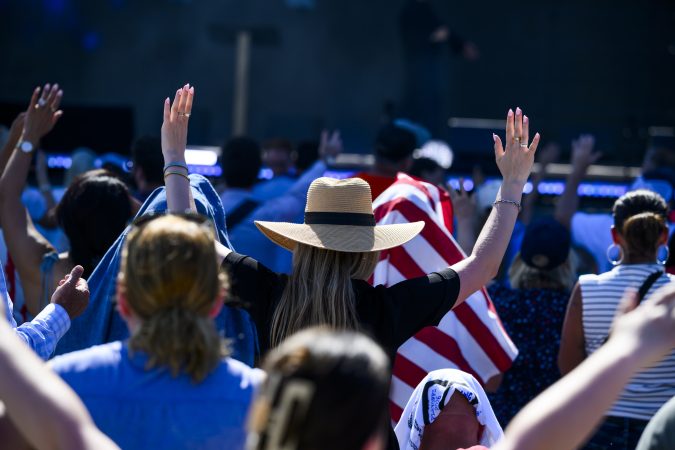
The report was issued at a time when many conservatives are aggressively working to elevate religion — particularly Christianity — into the public square, fueled by Supreme Court decisions saying that such expression is constitutional. Several states have mandated that the Ten Commandments be displayed in public school classrooms, and many are requiring schools to release students for Bible classes during the school day. Last month, the White House hosted a daylong evangelical prayer festival on the Mall for the country’s 250th birthday, featuring commission members and others preaching from the stage.
On Friday, the Texas education board approved a mandatory reading list for more than 5 million public school students in the state that includes Bible passages.
President Donald Trump’s Religious Liberty Commission, created last year, is made up of all conservative Christians and one Orthodox Jew, groups who experts say make up a minority of Americans. In February, a coalition of groups representing other religious groups, as well as nonreligious and interfaith Americans, sued the administration over the commission, saying it was put together without the transparency and diversity required of a federal commission.
The Rev. Paul Raushenbush, one of the plaintiffs in the lawsuit and head of the Interfaith Alliance, had applied unsuccessfully to be a member of the commission.
The draft report, he wrote in a statement, “reflects the narrow, Christian nationalist worldview of the illegitimate commission. … A betrayal of the original intention of the promise of religious freedom guaranteed in the First Amendment, the report and the commission behind it fail to represent and uplift the importance of religious diversity and tolerance for all faiths in our country — not just a special, chosen few. The report is a wish list of divisive, unpopular ideas far-right religious groups have pushed for years.”
Raushenbush also noted that while the report expresses concern about anti-Christian bias and antisemitism, it made no similar mention of growing Islamophobia around the country.
The report is a draft, and comments from the public are open until July 12.
The lawsuit against the commission had sought to stop the release of any report until the court ruled on whether the commission was illegally constituted. It also asked the court to mandate any commission recommendations include a disclaimer stating that the report was produced by a body that was not fairly balanced.
Asked about the lack of religious diversity on the commission, a Justice Department spokesperson said the group was a way for Trump to create “opportunities for Americans from all walks of life to share their testimonies, concerns, and recommendations to better support Civil Rights and religious freedom in the United States.”
“The Department of Justice’s mission is to uphold the rule of law and ensure fair and impartial justice for all Americans, which is an endeavor every American should support regardless of their political or religious beliefs,” the Justice Department statement said.
People called to testify before the commission included a worker at an Alaska women’s shelter who turned away a homeless man who later sued for gender discrimination, and foster parents in Vermont who said their religion kept them from affirming children who were undergoing gender transitions — even though the state required foster parents to do so.
Speaking at the White House, commission vice chairperson Ben Carson said Trump was doing more than anyone else in the country for religious liberty.
“Our founding document says that our rights come from our creator and not from government,” he said. “People who try to divorce us from that heritage? Do they realize that that’s our family document? Do they realize that our family just says we are one nation under God?”
Trump noted that he won the overwhelming majority of evangelicals in his elections.
The White House is facing other litigation over its religion-related actions. Americans United for Separation of Church and State, among other advocacy groups, has a total of seven lawsuits.
Some note that Trump’s Justice Department asked other federal agencies for examples of what it called “anti-Christian bias” and sought access to any complaints received as a result. Others note the proselytizing of some agency heads, including Defense Secretary Pete Hegseth and Agriculture Secretary Brooke Rollins.