Blog

  • Barbara McDermott, a longtime Philadelphia homicide judge who worked with jurors and resentenced juvenile lifers, has died at 71

    Barbara McDermott, a longtime Philadelphia homicide judge who worked with jurors and resentenced juvenile lifers, has died at 71

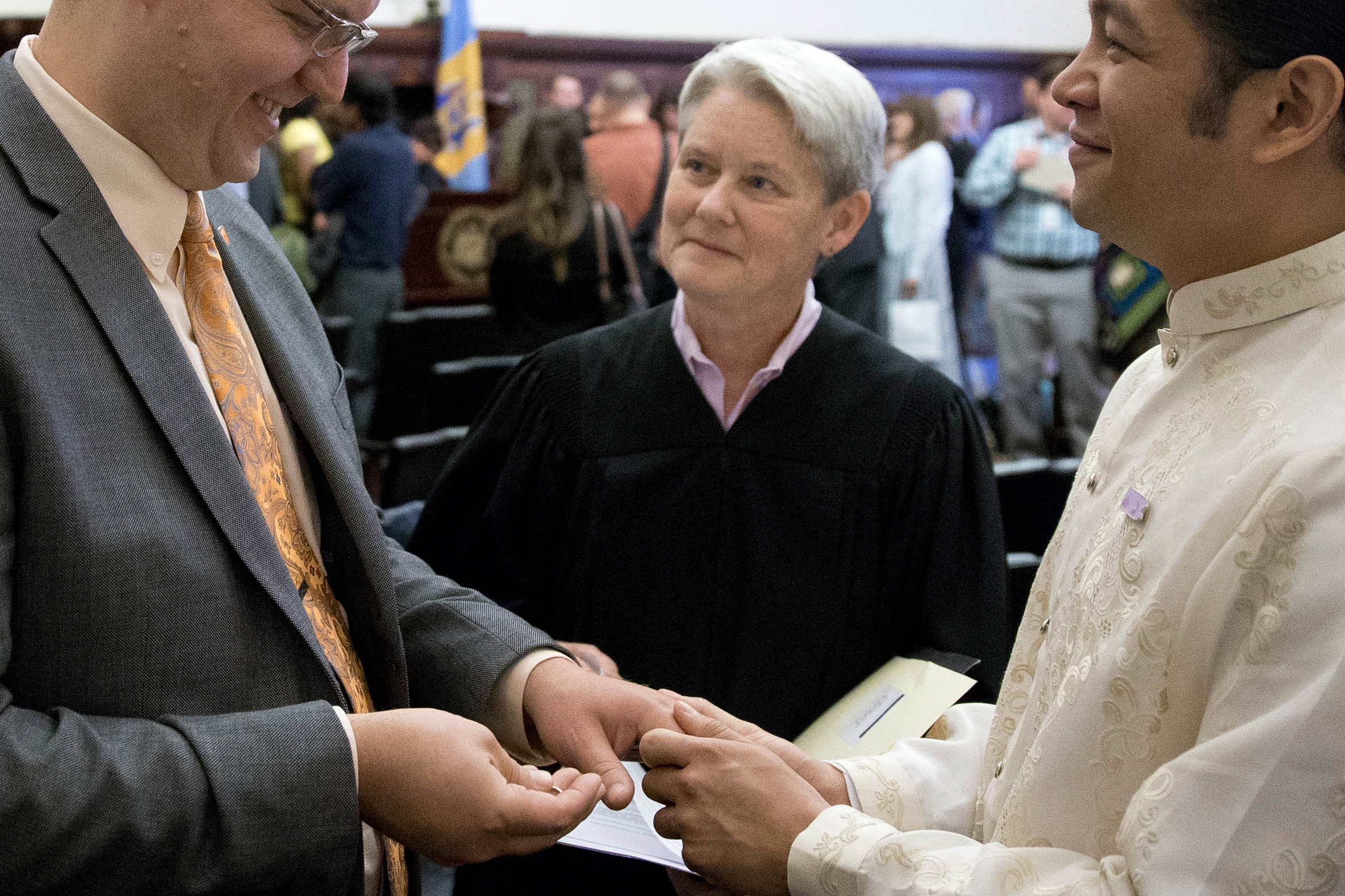
    Barbara Ann McDermott, 71, a former Philadelphia judge who, for 40 years, spent nearly every workday inside the city’s criminal courthouse defending, prosecuting, and later presiding over some of the city’s most serious criminal cases, died Tuesday, Aug. 11, following a yearslong battle with a rare form of uterine cancer.

    “Heaven will now be well-run and much more efficient,” her family wrote in an obituary shared online.

    Judge McDermott spent nearly 14 years in Philadelphia’s Common Pleas Court — the majority of that time presiding over homicide cases — before retiring earlier this year.

    She was known for running a tough and orderly courtroom, starting her day promptly and putting up with little fuss and few excuses from prosecutors, defense attorneys, police, and defendants alike.

    Born and raised in Aliquippa, in Western Pennsylvania, Judge McDermott said in an interview this spring that, growing up, she was a tomboy who pushed the boundaries of her small, steel mill town. She delivered the local paper even when supervisors said the work was only for boys. When leaders of her local Catholic school balked at her request to start a girls basketball team — saying young women “weren’t strong enough” to play full-court — she found a coach who would let her.

    She attended Seton Hill College, then an all-women’s university outside of Pittsburgh. There, she became passionate about pastoral theology and social justice, and led the student government association.

    She initially thought she would follow local tradition and become a teacher or establish a chain of daycares, but then, she said, “I realized … I’ve been gifted with a brain. I want to do something more than the tradition.”

    She took an interest in legal issues and attended Georgetown Law School. (She enjoyed pointing out that she was rejected by the University of Pennsylvania.)
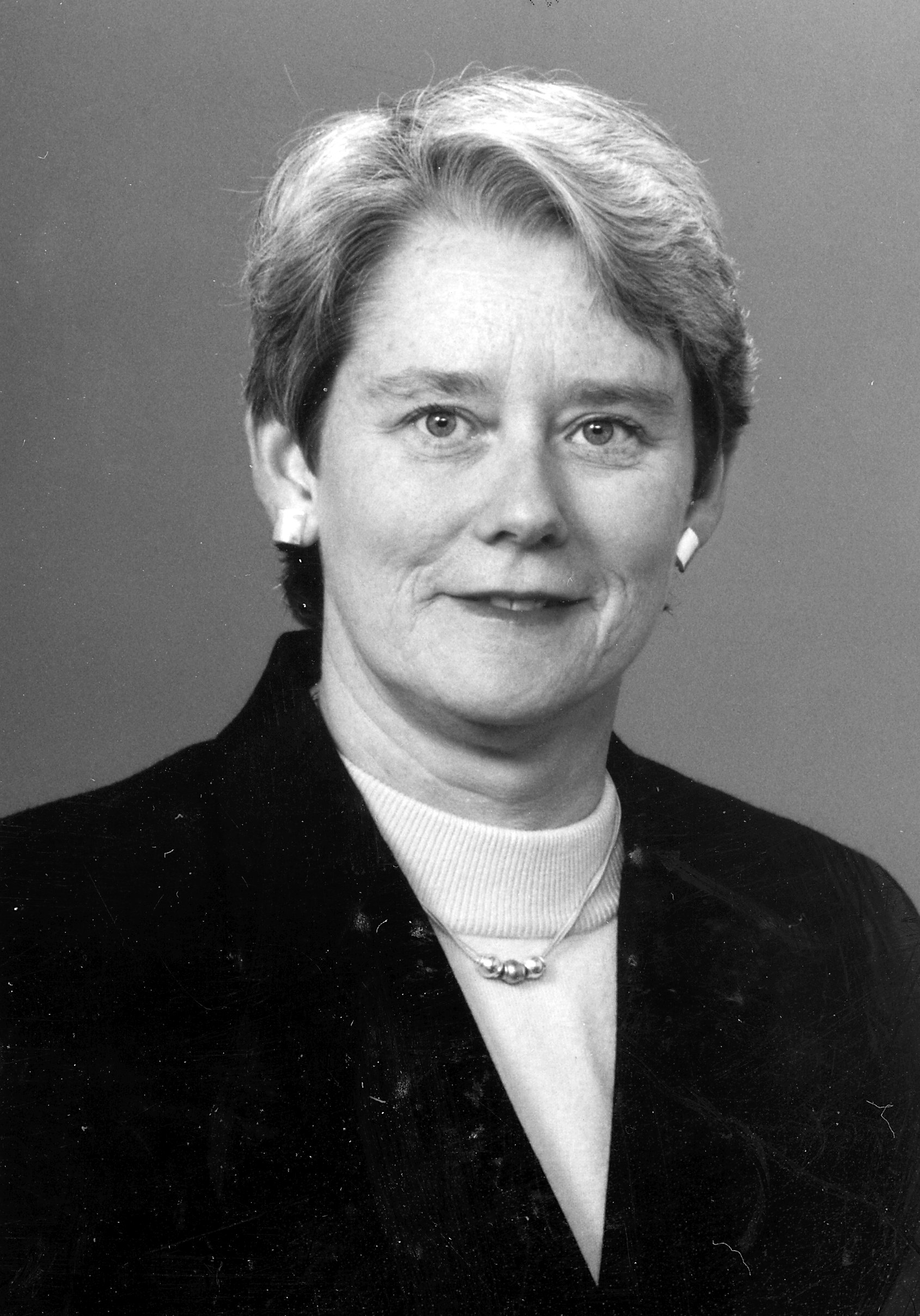
    Barbara McDermott in 2001.Courtesy of Barbara McDermott

    She first worked in the attorney general’s office, but longed to practice in Philly, where she said she was inspired by female judges like Lois Forer, Lisa Richette, and Juanita Kidd Stout.

    “I wanted to practice around lawyers that were better, and I wanted to practice around a diverse bench,” she said.

    She joined the Philly DA’s office in 1984 under Ron Castille’s leadership, but left after several years due to what she described as “disagreements,” including that she did not support the death penalty.

    She started her own practice as a criminal defense attorney, and adopted two daughters, Nicole and Colette, in the early 1990s. She raised them alongside her partner — and, later, wife — of 37 years, Jeanne Buckley.

    Buckley, in an interview with the Philadelphia Gay News, said she and Judge McDermott had been introduced by friends at St. Vincent de Paul Catholic Church in Germantown, a service-oriented congregation they remained a part of through their life.

    She told the outlet that, early in their relationship, they went to Rehoboth Beach, Del. There, Judge McDermott asked her to close her eyes and placed sparklers around her. This was what life would be like together, she said.

    As their life together went on, Judge McDermott was later elected to Common Pleas Court, joining the bench in 2012. Soon afterward, she started overseeing homicide cases.
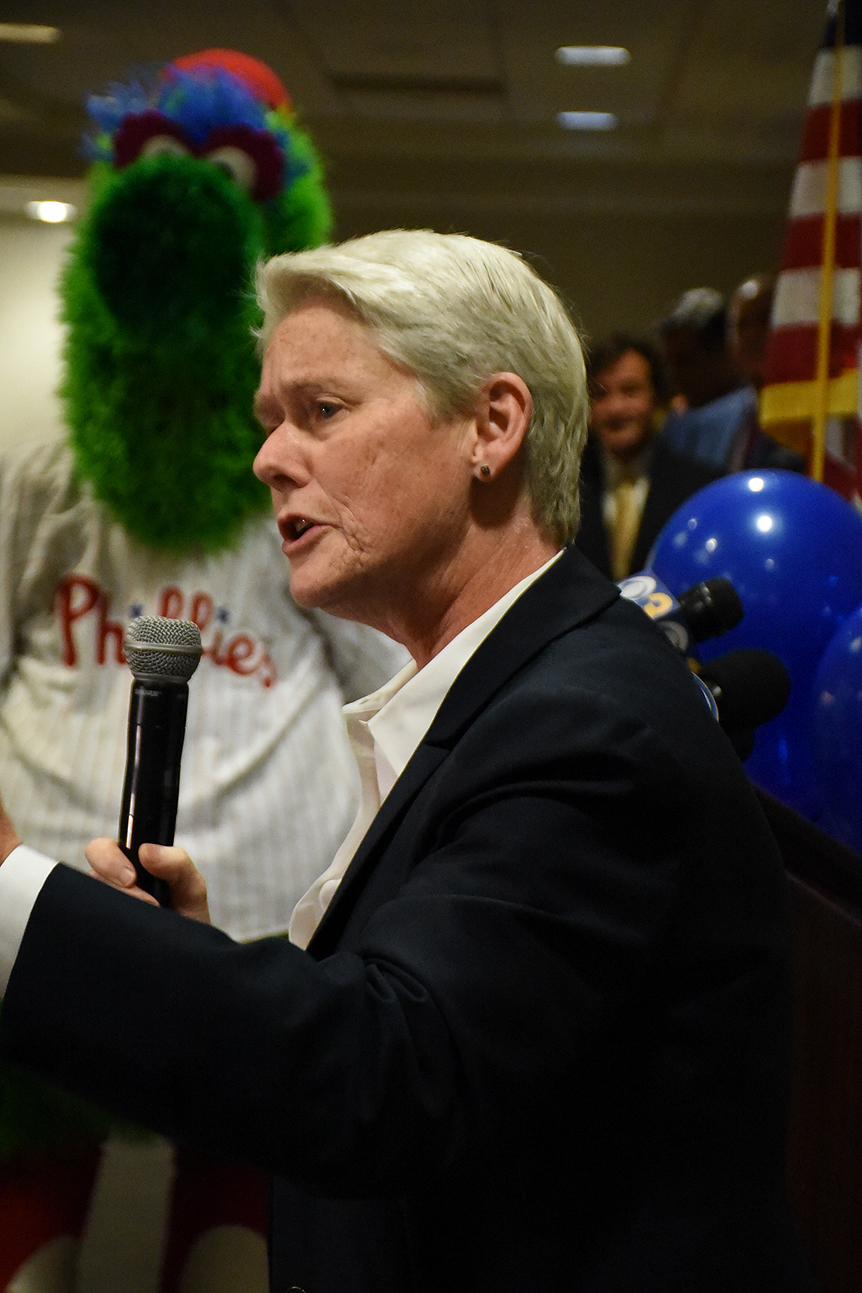
    Barbara McDermott speaks at an event with the Phillie Phanatic in the background.Courtesy of Barbara McDermott

    She presided over numerous resentencings of former juvenile lifers, in one case surprising both defense lawyers and prosecutors when she decided to exonerate one, Terrance Lewis, who had been found innocent by a federal magistrate judge but remained in prison on a procedural issue.

    She said that work, seeing how people changed over time, was some of the most fulfilling of her career.

    But she also drew criticism from some youth justice advocates who said she was unduly harsh in dealing with teenagers accused of violent crimes, denying requests to transfer their cases to juvenile court and imposing substantial state prison sentences.

    Judge McDermott could be exacting from the bench. But her concern for how people experienced the courthouse and the justice system extended beyond the parties before her.

    Colleagues called her a trailblazer for women and LGBTQ+ attorneys, and said she worked to get more female judges in leadership at the First Judicial District. She helped create a curriculum on how judges and court staff should treat transgender witnesses and victims. She also sought to improve conditions for jurors, and coordinated efforts to add a lactation booth to the criminal courthouse.
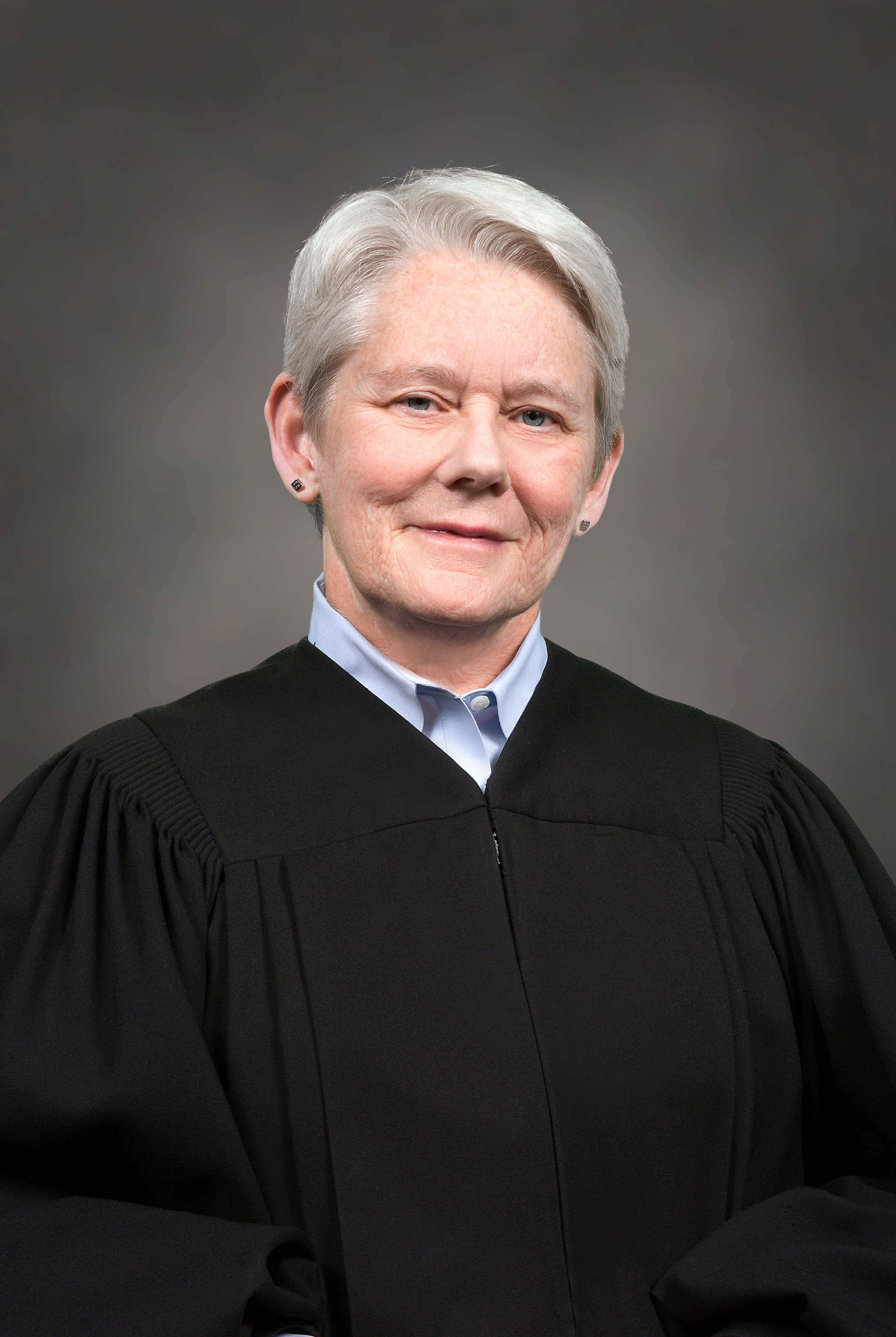
    Barbara McDermott joined Philadelphia’s Court of Common Pleas in 2012.Anthony Leonardo

    When she was fed up with how rundown the furniture was in the jury deliberation room, she brought in a sander and refinished the tables and chairs herself. A pungent smell took over her courtroom that “did linger longer than I thought,” she later joked.

    Jury Commissioner Pat Martin said their work with jurors led to an unexpected friendship.

    “I don’t know how or why,” he said. ”But I’m grateful.”

    He particularly enjoyed her dry sense of humor.

    “She took on people and didn’t care. She didn’t worry about the feathers that she ruffled,” he said.

    Outside of court, she enjoyed volunteering, biking, camping, hiking, traveling, and spending time with her family and grandchildren, her family wrote.

    Friend and retired Common Pleas Court Judge Ann Butchart recalled a time when she and her wife had plans to meet Judge McDermott and her wife for dinner. McDermott invited them to go on a walk beforehand — which quickly became a challenging, miles-long hike.

    “It’s getting darker and darker, and the hills are getting steeper and steeper,” she said. “We ended up at some hole in the wall in Roxborough.”

    That was Judge McDermott, she said: “This very intense, very, very funny, very, very smart, and very, very determined woman.”

    On the bench and in their friendship, she said, Judge McDermott was complex and honest, and rarely wavered in her positions.
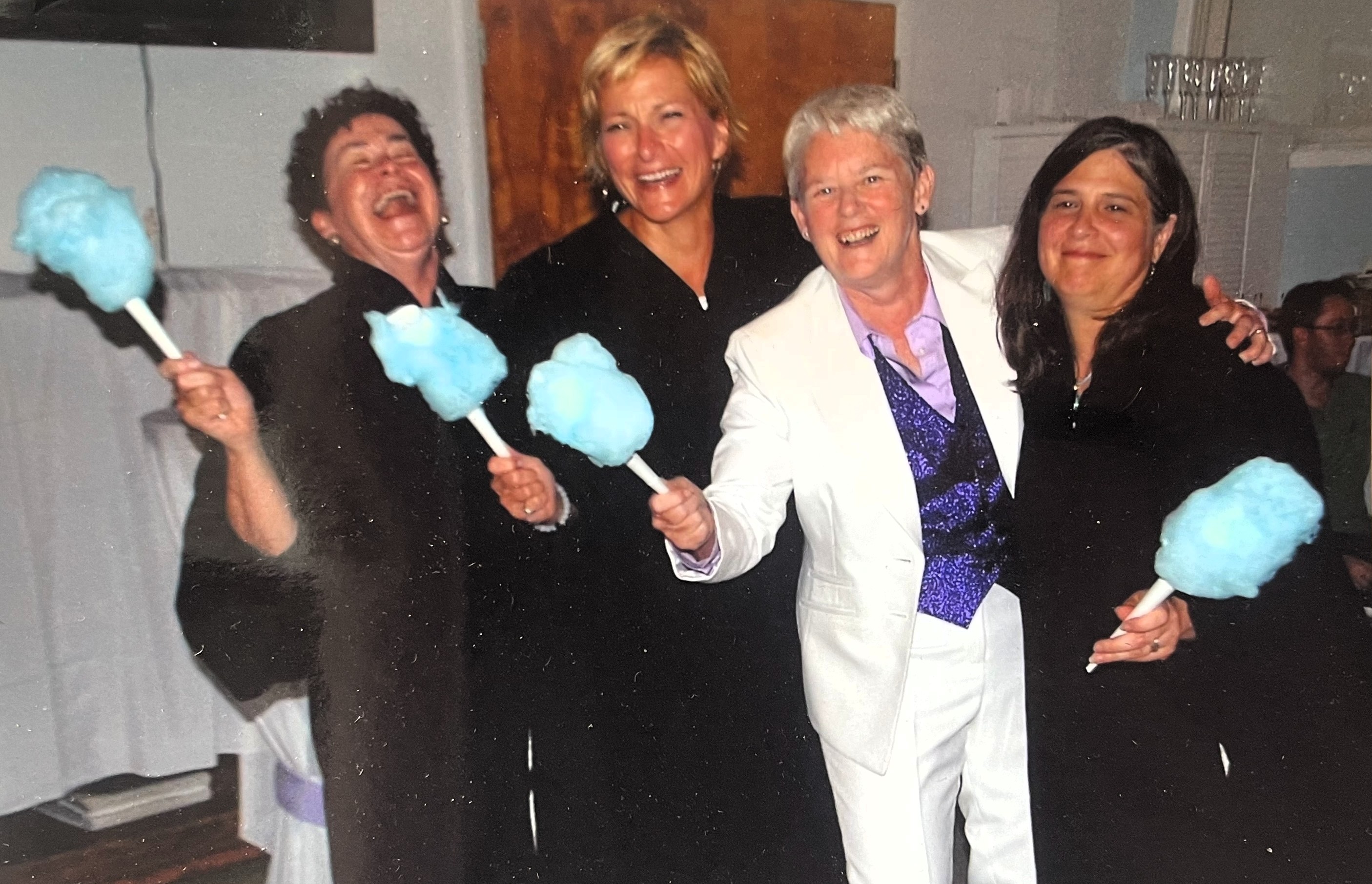
    Barbara McDermott, center right, with fellow judges at her wedding in 2014.Courtesy of Barbara McDermott

    She pointed to a Latin saying: “Sometimes wrong, but never in doubt.”

    “She was so fiercely certain of her decisions and her perspective and her positions on things,” she said. “It was challenging at times, but to see and live in that confidence is a pretty amazing place to be. She manifested that in every part of her life, including her approach to her illness.”

    When Judge McDermott was diagnosed with a rare form of cancer several years ago, Butchart said, there was little research on the illness and many doctors were unsure about the best course of treatment.

    “She challenged every doctor. She was certain that if an approach had been recommended, it wasn’t thorough enough, wasn’t complete enough, wasn’t the best,” she said. “I think personally it added a good year and a half to her life.”

    Martin and Butchart said they will never forget the unveiling of her judicial portrait at the criminal courthouse. A ceremony that is typically stale and sleepy became a celebration of her life.

    She asked her colleagues to perform a skit that featured “a day in the life” of her courtroom, 507.

    Butchart said she and other judges wore sparkly collars on their robes, waved little flags, and sang a personalized song to the tune of “Gloria” by Laura Branigan.

    When they finished, she said, Judge McDermott quipped that the song was not even original — they had sung that at her birthday.

    They could only shake their heads and laugh.

    “This was so vintage Barb,” Butchart said. “She never had an experience that she couldn’t have improved upon or found wanting in some way.”

    And then, naturally, she gifted them shirts donning her portrait.

    Judge McDermott, in the months before her death, said she embarked on a “World Tour” to see and thank the people who had touched her over the years. It reinforced, she said, that her life was a gift.

    “You’ve had 70 years,” she said she told herself. “You’ve had a life.”

    Judge McDermott is survived by her wife and daughters, three grandsons, six siblings, and 20 nieces and nephews.

    A celebration of her life is to be held in mid-September.
  • AmeriHealth Caritas to invest $15M in a company that serves people with intellectual and developmental disabilities

    AmeriHealth Caritas, a Medicaid insurer based in Delaware County, has agreed to invest $15 million in Deon Health, a Michigan start-up that works with states and insurers to improve care for people with intellectual and developmental disabilities, the two companies announced Friday.

    Deon was founded in 2024 to work with local providers to help people with intellectual and developmental disabilities (I/DD) overcome the silos that make it hard to coordinate primary care, specialty services, behavioral health, and long-term supports needed to allow individuals to live in community settings.

    “We built Deon Health to create a better way to organize care around people with I/DD, their families and the professionals who support them every day,” Sara Ratner, chief executive of Deon Health, said in a news release. “AmeriHealth Caritas brings deep Medicaid experience and shares our commitment to a model built around strong local relationships.”

    Other investors in Deon include Town Hall Ventures, First Trust Capital Partners, and Difference Partners.

    Independence Health Group, the parent company of Independence Blue Cross, is the majority owner of AmeriHealth Caritas. Independence’s partner in the business is Blue Cross Blue Shield of Michigan. Among the nation’s largest Medicaid insurers, AmeriHealth Caritas has contracts in 13 states and Washington D.C.

  • With 89 new cases in a week, Pa. reports the nation’s third-largest measles outbreak

    With 89 new cases in a week, Pa. reports the nation’s third-largest measles outbreak

    Pennsylvania health officials confirmed 89 new measles cases in the state in the last seven days, an escalation of a rapidly growing measles outbreak now impacting more than two dozen counties.

    As of Thursday, Pennsylvania had reported the third-highest number of measles cases in the country for 2026, behind Utah and South Carolina, according to data from the Centers for Disease Control and Prevention.

    Delaware has reported 22 cases this year, the first time in a decade that the highly contagious disease has been diagnosed in state residents. New Jersey has confirmed just one case.

    In Pennsylvania, children made up about one-third of the 379 patients diagnosed with measles in two separate outbreaks so far this year, state officials say. None of the patients diagnosed with measles this year has been fully vaccinated.

    In all of 2025, the state reported just 16 measles cases.

    Lancaster County, with some of the lowest measles vaccination rates in the state, has been at the center of both Pennsylvania outbreaks this year. As of Friday, the county has tallied 181 cases.

    State officials warned earlier this week that the public may have been exposed to the disease on Aug. 4 and 5 at a soccer camp at Millersville University and on Aug. 12 at a Whole Foods in Lancaster.

    Chester County has the second-highest number of cases in the state, at 41; it is the only Philadelphia-area county to report cases in the current outbreak, which began in April.

    And cases are climbing in central Pennsylvania, with Centre County reporting 13 cases and neighboring Mifflin County reporting 25.

    State health officials said that 70 people, including 22 children, have been hospitalized with measles this year. That’s about 18% of the total cases reported.

    In August alone, state officials have confirmed nearly 200 new cases in Pennsylvania.

    The true number of cases is likely much higher, physicians and health officials in Lancaster and Chester Counties say.

    In Chester County, some residents have refused to cooperate with health workers looking to trace their contacts to understand how measles is spreading in the county, officials there have said.

    Local officials also worry about the spreading outbreak as many children return to school next week. Overall, about 93% of kindergarteners in Pennsylvania were vaccinated against measles, mumps, and rubella (MMR) in the 2025-26 school year.

    That’s just below the 95% “herd immunity” threshold, the level at which scientists say a given population must be immunized to prevent the spread of measles, which can infect nine in 10 unvaccinated people exposed to it.

    Analyses earlier this year by The Inquirer and the Pittsburgh Post-Gazette show pockets of vulnerability across the state, with hundreds of kindergarten classes reporting vaccination rates below herd immunity, putting students and communities at risk for an outbreak.

    Still, most Pennsylvania students are fully vaccinated and schools “benefit from robust community immunity that serves as a powerful barrier against the virus,” state health officials said in a statement.

    The state hosted medical briefings for nearly 1,000 school nurses over the summer to provide guidance on preventing measles as they prepare for the upcoming school year, officials said.

    Most measles cases resolve in weeks with mild-to-moderate flulike symptoms, but the disease is particularly risky for young children and can result in severe complications, including death.

    This year, Pennsylvania hospitals have treated adults with brain swelling and pneumonia, and children with dehydration or damaged organs from measles.

    State officials have stepped up vaccination campaigns in response to the outbreak, with health department staff dispensing more than 4,000 vaccinations in the state this year — and more than 1,800 in August alone.

    The department has held 85 pop-up clinics in affected counties since April and has scheduled “dozens” of additional clinics for the coming weeks and months.

    The state has also hosted briefings for healthcare providers on how to recognize and treat measles, and is recommending that doctors offer early vaccinations for children as young as six months old in affected areas.

  • The Philly School District, with 70,000 empty seats, will spend $7M for a lease for a single school

    The Philly School District, with 70,000 empty seats, will spend $7M for a lease for a single school

    The Philadelphia school board voted Thursday night to spend up to $7 million on rental space to house a district high school in Center City.

    The four-year agreement — the district will pay $1.7 million annually for two years, then $1.8 million and $1.9 million in the final two years — covers classrooms and related spaces at 18 S. Seventh St., the longtime home of Constitution High School.

    The move comes months after the district voted to close 17 schools, in part because it has 70,000 empty seats in schools across the city. The school system will also merge some schools — like Overbrook High and the Workshop School — as part of its $3 billion facilities master plan, to be enacted over the next decade, but it opted not to move Constitution High into any school with empty space.

    Board members voted unanimously to pass the resolution, which noted the district “continues to work through the completion of the Facilities Master Plan to properly identify appropriate space for our students.”

    Officials will “review the opportunities that may exist in the coming years that would cause us to re-evaluate the current necessary decision to remain at this location, which accommodates the needs of the students within this program. If the opportunity arises for the school district to consider relocation, the community and stakeholders will become aware and involved in this process.”

    The facilities plan calls for Constitution to move in 2035-36 into the current Bodine High building in Northern Liberties. Bodine will eventually expand and move into the current Penn Treaty building, in Fishtown, and Constitution will then occupy the Bodine space.

    Constitution, a citywide admissions school, has been located at its current building since the school opened in 2006 as part of Philadelphia’s small-schools boom. The school was designed with a civics focus, and deliberately located near the National Constitution Center.

    The district has moved other schools out of rental properties. It relocated Science Leadership Academy, which had been in rental space near the Franklin Institute, into Benjamin Franklin High. District officials have pointed to that colocation as a model.

    Charter renewals, but no mention of missing PSSAs or Kensington asbestos relocation

    The board also voted Thursday night to renew two charters: YouthBuild Philadelphia Charter, on North Broad Street in North Philadelphia, and Inquiry Charter, on Belmont Avenue in West Philadelphia.

    Both schools received five-year renewals.

    YouthBuild’s renewal came with conditions: agreeing to submit a student attendance plan, tracking students’ daily attendance, and divulging supports offered; and promising to ensure the school’s suspension rate is at or below the district’s suspension rate.

    No district official addressed two brewing matters: either the asbestos-related relocation of Kensington High students to the former Meehan Middle School building in the Northeast, more than seven miles away, or the district’s missing PSSA scores.

    Earlier on Thursday, a Lincoln High parent and a Mayfair resident were attempting to block Kensington’s move to Meehan, a closed district school currently used as swing space to house school populations that need a temporary home.

    Meehan shares a campus with Lincoln and Northeast Community Propel Academy, both of which are overcrowded. Parent Harold Brown and Peter McDermott, a former Philadelphia teacher who’s active in Mayfair civic life and city Democratic politics, say moving Kensington onto the campus will harm students.

    They also say placing 400 Kensington students and 90 staff at Meehan violates a Community Benefits Agreement signed in 2019, when neighbors OK’d building Propel to ease overcrowding at other Northeast schools.

    No mention was made, either, of the lack of data around Philadelphia students’ PSSA and Keystone exams.

    District officials said they won’t release the scores of students’ spring tests — which district officials have access to — because of a delay in Harrisburg.

    Though the district did receive preliminary student-level scores, and released limited data to some teachers and administrators in order to correctly roster a limited number of students, they have walled off the data from the vast majority of educators.

    A district spokesperson said this week that they won’t be using PSSA scores for the school selection process that admits students to 37 magnet schools. Instead, students can take an alternate assessment the district declined to name or detail.

    The scores are consequential in a district where officials frequently state their goal to become the fastest-improving large urban school system in the country. Philadelphia has posted academic gains during Superintendent Tony B. Watlington Sr.’s tenure and earned national attention for its post-pandemic improvement, but its students still generally struggle.

    Citywide, 34% of students score at grade level in English and 23% in math, as judged by 2024-25 standardized tests.

    Administration of this year’s PSSAs, given to students in third through eighth grades, was snarled by some technical glitches. It was the first year Pennsylvania required students to take the exams online.

    Research shows that scores usually dip when tests move online.

    Kristin Luebbert, a retired district teacher, urged the board and the district to release the scores.

    “Obviously, the administration must have strong feelings about what they show,” Luebbert said of the scores. “At this point, we all know they’re out there, so you might as well release them.”

  • ICE begins deporting Haitians who lost TPS back to homeland

    ICE begins deporting Haitians who lost TPS back to homeland

    The first deportation flight to Haiti since the Trump administration ended humanitarian protections for 350,000 people living in the United States landed Thursday in the Caribbean nation, and activists say immigration arrests are beginning to ramp up.

    The flight carrying 170 people, ranging in age from 19 to 71, landed in Cap-Haitien, on the northern coast of Haiti. Commercial flights from the U.S. have been blocked from landing in the Caribbean nation’s primary airport in the capital of Port-au-Prince due to gang activity and reports of aircraft being struck by gunfire.

    The federal government has been sending deportees back to Haiti on monthly flights, but Thursday’s removal was among the largest that community leaders said they had seen during the second Trump administration.

    Many of the passengers had been detained by U.S. Immigration and Customs Enforcement in the last three weeks, and at least one had recently lost temporary protected status, according to Guerline Jozef of the Haitian Bridge Alliance.

    “People are losing TPS status and losing their asylum cases,” she said. “It’s become easier and easier to be taken and deported.”

    The Department of Homeland Security did not respond to questions about the deportation flight.

    For months, Haitians have been bracing for ICE to begin making arrests en masse, although the new enforcement push has unfolded slowly and quietly so far.

    DHS has placed ankle monitors on Haitians who have lost their protected status. Arrests have also been made in communities home to large numbers of people from the violence-ridden Caribbean nation.

    The U.S. Supreme Court cleared the way for the Trump administration to end humanitarian protections for Haitians in June, and in early August a federal judge took the final step in allowing the Trump administration to terminate the benefit for Haitians.

    On Thursday, community leaders in Springfield, Ohio, said ICE arrested a well-known Christian pastor, Joubert Adrien. He was driving home when officers boxed in his vehicle at a gas station, the activists said. He had recently lost TPS, according to Vilés Dorsainvil of the Haitian Support Center.

    The arrest has sent chills through Adrien’s congregation and the larger Haitian community, Dorsainvil added.

    ICE officers have also been spotted making arrests over the last week in Springfield outside grocery stores and after traffic stops. Local residents and clergy members have been protesting the arrests, and a legal advocacy organization has been trying to help those detained.

    Many Haitians in Springfield are now wondering if they will be the next to get arrested, community leaders said.

    Springfield became a focal point during President Donald Trump’s 2024 campaign after he falsely claimed that Haitian residents there were killing and eating their neighbors’ pets.

    The city includes a large number of the country’s middle class who worked as physicians, judges, and in other professions in Haiti, Dorsainvil said. They moved to Ohio after the country was plunged into chaos following the 2021 assassination of the country’s then-president, he said.

    “That’s why they left Haiti,” said Dorsainvil, himself a former TPS holder. “They were not looking for work. They left because they were at risk.”

    But in Springfield they have worked factory jobs, filled healthcare vacancies, continued their university studies, and started businesses. Now, instead of using their skills to benefit U.S. communities, Dorsainvil said, they face the possibility of being sent back to a place where they recently had urgent reasons to flee.

    Dorsainvil said he is fielding dozens of calls each day from terrified neighbors who tell of ICE visits to their homes. He heard from a woman on Thursday who couldn’t find her husband on ICE’s detainee locator website and was panicking, believing that he could be on the deportation flight.

    Deportees from the U.S. are especially vulnerable to kidnapping, extortion, and murder once they land in Haiti, Jozef said. Criminals think they have been given money by the Trump administration to self-deport or have savings from their time stateside, he said.

    U.S. military personnel who served in Haiti recently testified in Congress on the country’s gang crisis and characterized the nation as a conflict zone.

    Top Haitian government security officials have been kidnapped by armed groups. More than 1.4 million Haitians have been internally displaced and much of the population is going hungry.

    “This isn’t a country where anyone should be deported right now,” said Savi Arvey of Human Rights First, an advocacy group tracking deportation flights. “We are gravely concerned this administration seems poised to intentionally take legal status from people in service of its mass deportation campaign and intentionally and knowingly deporting people to danger.”

  • Sixers hiring assistant coach Phil Handy, a veteran with deep ties to LeBron James

    Sixers hiring assistant coach Phil Handy, a veteran with deep ties to LeBron James

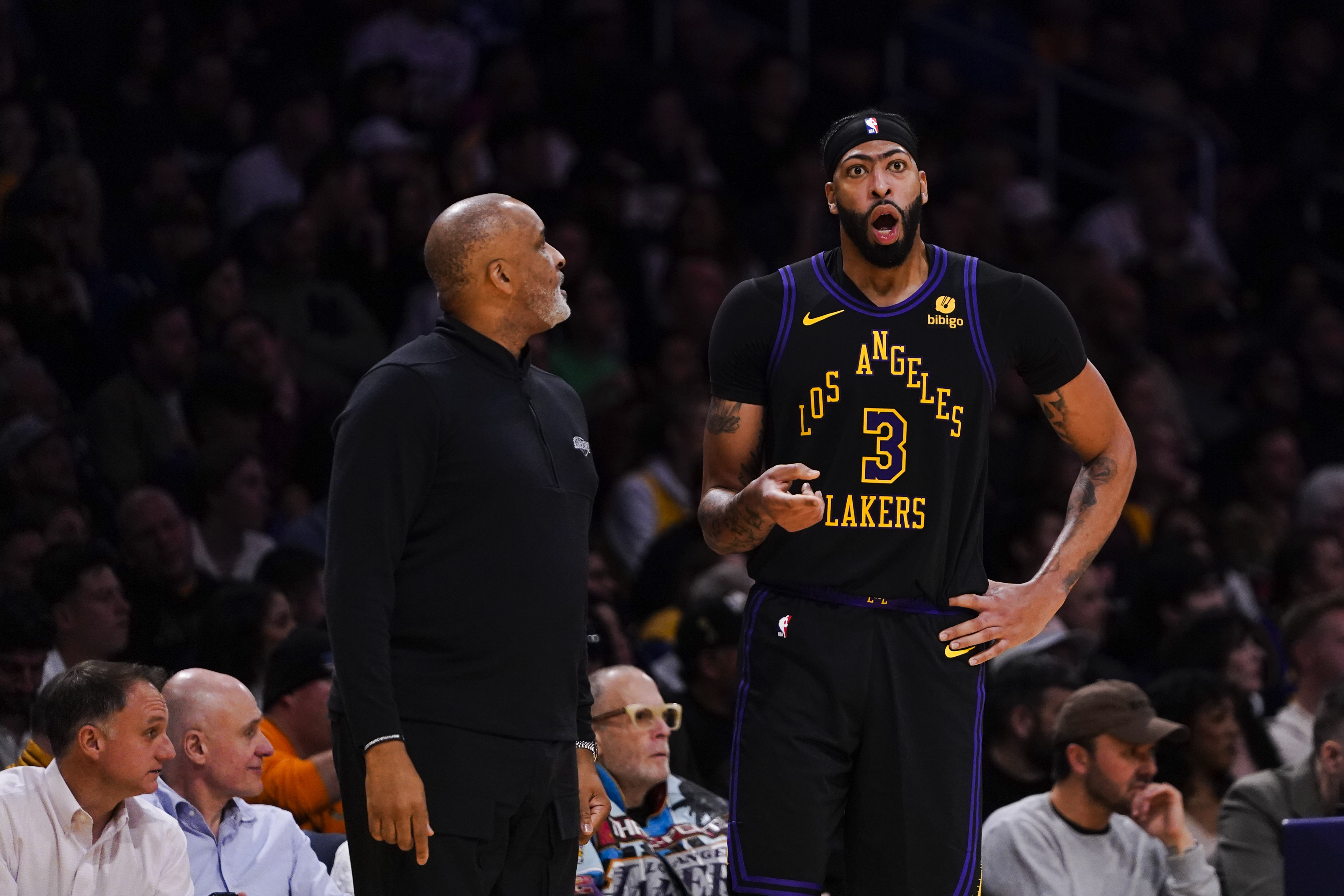
    The 76ers are adding a well-regarded assistant to their bench who is familiar with both LeBron James and head coach Nick Nurse.

    The Sixers are hiring Phil Handy, who was with the Dallas Mavericks last season, a source confirmed. Handy is regarded as one of the elite player development coaches in the league.

    But prior to the Mavericks, Handy had stops with the Cleveland Cavaliers (2013-18), Toronto Raptors (2018-19) and Los Angeles Lakers (2019-24). In Cleveland, Handy won a championship in 2016 along with James. He stayed in Cleveland until the 2018-19 season, when he joined Nurse’s staff in Toronto, where he also won a championship with the Raptors.

    The following season, Handy reunited with James in Los Angeles, where he stayed for the next five years. He was part of Frank Vogel’s staff that led the Lakers to a title in 2020 and stayed with the Lakers through multiple head coaching changes from Vogel to Darvin Ham and JJ Redick.

    He joined Jason Kidd’s staff in Dallas last season before Kidd and the Mavericks mutually parted ways this offseason. Handy made his reputation in the league in part because of his player development work with Kobe Bryant.

  • Meet the Philly drag king competing in Season 2 of ‘King of Drag’

    Meet the Philly drag king competing in Season 2 of ‘King of Drag’

    Philadelphia’s drag scene returns to the TV spotlight this fall in Season 2 of the reality competition show, King of Drag. For a second year in a row, the show has cast a Philly drag king: The new contestant is Cyrus K. Stratton.

    The West Philly performer, whose offstage name is Simone Lawrence, follows drag king Henlo Bullfrog, who competed in last year’s inaugural season and landed in third place.

    King of Drag premiered in 2025 on the LGBTQ+ streaming service Revry as the first show of its kind for drag kings, following the yearslong success of RuPaul’s Drag Race and its many spin-offs. (Drag Race has also turned its attention to drag queens representing Philly recently, like Sapphira Cristál and Mandy Mango.)

    The second season premieres Sept. 20 with actor-comedian Cameron Esposito serving as host and competition judges including Our Flag Means Death actor Vico Ortiz, Drag Race alum Gottmik, and King of Drag cocreator Damian Pelliccione. Ten contestants will face off in weekly challenges showcasing drag artistry, performance, and originality across eight episodes.

    By day, Lawrence is a painter and art therapist. Originally from California’s Bay Area, she began performing drag while attending graduate school for psychology in Madison, Wisc. Typically an introvert who shied away from the spotlight, Lawrence found that drag provided a chance to explore and embrace her queerness.

    “I’m a pretty quiet and shy person by nature, but stepping on stage, I felt empowered … just trying on a beard or a mustache gives you permission to play with gender, to wear what you want and look how you want,” said Lawrence, 35, who studied art therapy at Drexel University. “The stage was a space to feel liberated as a queer person. I think it gave me the opportunity to reclaim space or to take up space.”

    Philadelphia drag king Cyrus K. Stratton, aka Simone Lawrence, is a painter and art therapist.Courtesy of Cyrus K. Stratton

    She moved to Philadelphia about five years ago and has appeared on local stages with performances inspired by Black male artists like Prince, Stevie Wonder, and Barry White. She took the name Stratton in honor of the drag king who first inspired her in Wisconsin, Kingston Stratton.

    Cyrus K. Stratton has since become a fixture in the Philly drag community, working with Henlo Bullfrog to recruit and train amateur drag kings and producing all-drag king shows around the city. In an effort to build community with fellow Black drag kings in the city, Stratton combined his passion for painting and drag to create the 2024 exhibit “The Coronation” at Prism Arts Philadelphia; it featured portraits of local drag kings including Mister Right, Sir Suavey, and Mo Betta.

    “I have seen the king scene grow since I’ve been here — prominent kings in Philadelphia take bigger stages and are more respected, accepted, and celebrated by the wider community,” said Lawrence. “For example, Fabrika [the drag performance space in Fishtown] only ever had [Drag Race] girls or the most prominent queens, and [last year] I was the first drag king to perform on that stage and sort of infiltrate that space.”

    Appearing on King of Drag was an intense and stressful experience, but Lawrence believes the friendship she found while competing was worth it. She worked with a team of 10 designers from Philadelphia to prepare her outfits, songs, and choreography for the show.

    Cyrus K. Stratton in a promotional poster for Season 2 of “King of Drag.”Courtesy of Cyrus K. Stratton

    As the premiere date nears, Lawrence is a bit nervous for all the attention, but she recognizes the power in representing Black drag kings on a national platform. She’s also excited to have Philly’s drag community supporting the show: Center City’s Franky Bradley’s will host weekly watch parties as the season progresses, so fans can see Stratton on screen and in person.

    “People are still learning what it means to be a drag king and why people do kinging. It’s about challenging different stereotypes and archetypes of manhood and masculinity,” said Lawrence. “It’s just so important for so many of us [to have] an opportunity to maybe dismantle masculinity and dismantle the patriarchy, and give people sort of a new interpretation of what masculinity could be.”

    Season 2 of “King of Drag” premieres Sept. 20 on Revry.

  • Palestinian teenager killed after Israeli settlers enter West Bank village

    Palestinian teenager killed after Israeli settlers enter West Bank village

    TEL AVIV, Israel — A Palestinian teenager was killed Friday after Israeli settlers entered a village near the West Bank city of Hebron, local officials said, the latest in a surge of violence in the territory that has drawn international condemnation.

    The rising settler violence against Palestinians in recent weeks has presented a mounting challenge for Israel’s military. It is responsible for maintaining law and order in the territory but has been hesitant to take forceful action against settlers.

    The Health Ministry of the Palestinian Authority identified the victim as 17-year-old Kareem Shlaldeh. Palestinian and Israeli authorities offered differing accounts of events Friday.

    Saad Shlaldeh, the mayor of the village, called Sair, said a large group of settlers had attacked the village around 10 a.m., killing one person and setting fire to property.

    “These people are thugs and more,” he said in a phone interview, adding that his account was based on conversations with witnesses.

    The Israeli military said soldiers were sent to the area of Sair following a report of Palestinians throwing rocks at Israeli civilians. The military added that the Israelis “were present in the area without advanced authorization.”

    The statement said a “security official” had opened fire, causing “Palestinian casualties,” without clarifying whether the shooter was a soldier. Israeli civilians were also wounded in the incident, the statement added.

    The events that led up to the settlers entering the village also remain unclear. Shlaldeh said he had no knowledge of Palestinians throwing rocks when asked about the Israeli military’s account.

    Nabil Tharawa, 61, a resident of the area, said a second Palestinian was wounded and transferred to a hospital in Hebron. Khalid al-Sharif, an official at Ahli Hospital in Hebron, said a wounded person from Sair was brought to the emergency room.

    The violence Friday came as tensions in the West Bank were running high after the Israeli government published a tender for the construction of houses in a West Bank settlement near Jerusalem. The project is referred to as E1.

    Over the past day, 11 nations, including France, Canada, and Britain, issued a joined statement condemning Israel for the move. They said it “will undermine the prospect of the two-state solution by driving a wedge through the West Bank and harming the territorial contiguity of the Palestinian Territories.”

    Much of the international community regards the West Bank as being a core part of any future Palestinian state.

    For roughly two decades, the E1 plan wound its way through a bureaucratic Israeli zoning process. But intense international opposition, including from the Obama and Biden administrations, had mostly kept the project dormant.

    That changed under the current Israeli government, the most right-wing in Israel’s history.

    Ed Miliband, Britain’s foreign secretary, said the publication of the tender was “unacceptable and destructive” in a post on social media.

    Gideon Saar, Israel’s foreign minister, fired back at Miliband, asserting that “the Jewish people have the right to live throughout the Land of Israel,” an apparent reference to all the land between the Mediterranean Sea and the Jordan River.

    This article originally appeared in the New York Times.

  • Video shows altercation before off-duty Philadelphia officer was killed

    Video shows altercation before off-duty Philadelphia officer was killed

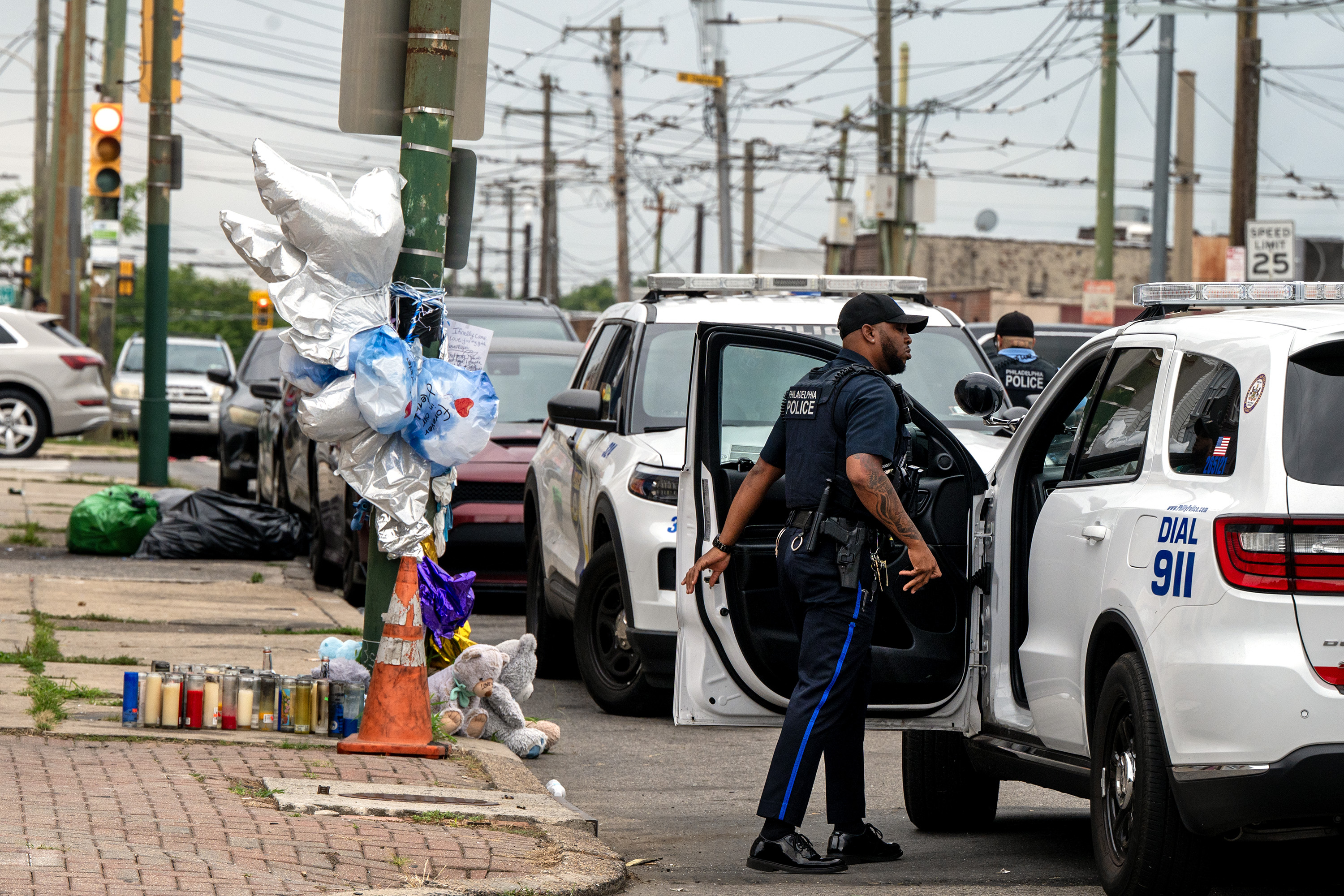
    Seconds before an off-duty Philadelphia police officer was shot and killed outside a Southwest Philadelphia nightclub, he was involved in a confrontation with the man who police believe fired the fatal shot, according to a surveillance video under review by department investigators.

    The video captures a previously unseen part of the encounter that preceded the Aug. 16 killing of Officer Alhassane Barry, 29. But it does not show the shooting itself, leaving critical questions unanswered.

    Police spokesperson Sgt. Eric Gripp confirmed Friday that the department is reviewing the video as part of its investigation. But he declined to comment further, citing an “active homicide investigation.”

    No charges had been filed against the alleged shooter as of Friday afternoon.

    The newly surfaced video footage, which was obtained and reviewed by The Inquirer, appears to show Barry leaving Nipsey’s Hookah Lounge with the man police have identified as a suspect in the killing and a third man who has not been publicly identified.

    Barry is seen in the video moving toward the alleged shooter, who is then struck twice in the head by the third man. The blows appear to knock him out of the camera’s view.

    Barry and the third man then run in the same direction, also disappearing off screen.

    A few seconds later, Barry comes back into view, falling onto the sidewalk outside the nightclub. He appears to be bleeding from a gunshot wound to his abdomen.

    Police had said they responded to a report of gunfire shortly before 4 a.m. Aug. 16 on the 7200 block of Elmwood Avenue. Officers found Barry and a 35-year-old man suffering from gunshot wounds.

    Both were taken to Penn Presbyterian Medical Center, where Barry was pronounced dead at about 8 a.m. The other man, who had been shot multiple times, was critically injured.

    It was unclear Friday whether the 35-year-old victim was one of the men in the surveillance camera footage.

    The footage comes as investigators try to determine what led to the shooting of the off-duty officer and whether the circumstances warrant criminal charges against the man police believe fired the fatal shot.

    Two law enforcement sources with knowledge of the investigation said Friday that self-defense had become part of the discussion about whether charges would be appropriate. The sources, who were not authorized to speak publicly about the case, said the investigation had also not yet been referred by police to the Philadelphia District Attorney’s Office for review.

    Police previously said that Barry, the other critically injured victim, and the suspected shooter had been inside the after-hours lounge before the shooting. The men exchanged words inside, Deputy Commissioner Frank Vanore said earlier this week, and the verbal confrontation continued after they went outside. Police said the altercation then became physical before the men were separated and the suspect opened fire.

    The newly surfaced video appears to capture at least part of that physical confrontation. The video does not show what happened before the men exited the club. And because the shooting occurs off camera, it does not show the moments in which the man fired his gun.

    Investigators recovered a firearm and eight spent 9mm shell casings at the scene.

    Barry had been a Philadelphia police officer for two years and was assigned to the 12th District in Southwest Philadelphia. Before joining the department, he served for a decade in the Pennsylvania National Guard, including a two-year deployment to Egypt’s Sinai Peninsula, and left the Army as a sergeant, according to an Army spokesperson.

    His killing prompted a funeral attended by more than 100 people at the Fouta Islamic Center of Philadelphia on Monday. Mourners and fellow officers remembered Barry as a young man devoted to public service.

  • Cuba says U.S. sanctions are blocking its efforts to open the economy to private investment

    Cuba says U.S. sanctions are blocking its efforts to open the economy to private investment

    UNITED NATIONS — The United States has demanded that Cuba open up to private investment, and Cuba has passed sweeping reforms to encourage just that. So Cuba’s U.N. ambassador says he wants to know why Washington keeps piling on sanctions that stymie the very economic opening it has sought for decades.

    Ambassador Ernesto Soberón Guzmán, in an interview this week with the Associated Press, directed his question to U.S. Secretary of State Marco Rubio, the main architect of the Trump administration’s Cuba policy:

    “What are you afraid of? If you are so convinced that the Cuban government is an incompetent government, why do you need to implement almost every two weeks new sanctions?”

    The U.S. State Department responded to a request for comment with a quote from Rubio saying new sanctions will continue to be announced every couple of weeks to close off “escape valves that they’re trying to create in every mechanism.”

    Then on Thursday, the U.S. imposed more economic penalties on Cuban industries, targeting state-owned mining, metal, and construction companies.

    Cuba has been pushed to the brink by an oil blockade imposed by the United States in January on top of a decades-old embargo, coupled with the escalating sanctions. The moves by President Donald Trump’s administration, meant to put pressure on the government by depriving it of funding, have worsened already debilitating blackouts, cut workers off from public transport, crippled infrastructure, and deepened shortages in medicine and food in the Caribbean island nation.

    Guzmán said the sanctions are the main obstacle to Cuba opening up its economy. He said the impact of the U.S. measures — specifically the shortage of electricity and lack of fuel to run a business or travel — has turned off investors and tourists, a major source of Cuba’s income.

    Some companies have pulled out of Cuba, including the Spanish hotel chain Meliá, which relied on tourist revenue and cited “significant operational, legal, economic, and financial difficulties” in explaining its decision to leave.

    ”Literally, the United States has done everything imaginable to try to prevent foreign investors,” said William LeoGrande, a professor at American University and a leading expert on U.S.-Cuba relations. ”When they say, `Well, we want to see Cuba open up to foreign investment,’ they’re being disingenuous. … It’s not possible for them to succeed without some kind of sanctions relief.”

    The goal of Trump’s Republican administration, he said, is “not just to open up Cuba economically but to overthrow the Cuban government — to change the nature of the Cuban political system.”

    Cuba announces major economic shift

    John Kavulich, president of the U.S.-Cuba Trade and Economic Council, said Cuba had to make changes when it lost its economic lifeline with the U.S. ouster in January of Venezuelan leader Nicolás Maduro.

    “The result is the Cuban government in the last eight months made more commercial, economic, and financial changes to the country than they have as a group since the revolution,” he said.

    Nonetheless, the Trump administration keeps ratcheting up sanctions, putting more pressure on Cuba, which is responding by making more changes, Kavulich said.

    “But from our standpoint, there are two parts missing: One is Cuba implementing by regulation everything that it’s announced, and secondly, the Trump administration allowing U.S. companies to have more access to the Cuban marketplace while these changes are underway,” he said.

    The changes announced by Cuban President Miguel Díaz-Canel in June aim to significantly shift Cuba’s economy and industry, which have been strictly controlled by the socialist government since the 1959 revolution.

    They include more space for private businesses, imports and exports without the state as an intermediary, free hiring of personnel, authorization for private banks, investment by Cubans abroad, and opportunities for fast-food chains to establish themselves on the island.

    Guzmán said there are opportunities for investments in real estate, solar farms, and energy to help ease the country’s electricity shortage, as well as in marinas and the tourism industry.

    Christopher Hernandez-Roy, acting director of the Americas program at the Center for Strategic and International Studies, recalled that the last economic opening under President Barack Obama’s Democratic administration “was later throttled by the Cubans themselves, who feared that the opening went too far and appeared to threaten political control.”

    Today, he said, it appears the Cubans really do want economic reforms and outside investment. Díaz-Canel’s economic reforms are not impossible, but U.S. sanctions “significantly constrain their prospects for success,” Hernandez-Roy said.

    He noted the irony that U.S. pressure ”is helping push the Cubans toward greater economic liberalization out of necessity, while simultaneously limiting the resources and access necessary for those reforms to actually improve the economy.”

    Rubio says Cuba’s leaders ‘don’t know what they’re doing’

    In late June, after the reforms were announced, the U.S. slapped sanctions on five state companies, three linked to a business conglomerate run by Cuba’s Revolutionary Armed Forces. Best known as GAESA, it is believed to command nearly 40% of Cuba’s gross domestic product.

    Rubio, a former U.S. senator from Florida whose parents were born in Cuba, did not appear to be impressed by the newly announced economic changes. He last month called Cuba “a failed state” with “a bad economic model.” He said Cuba’s leaders “don’t know what they’re doing” and “don’t know how to fix their economy.”

    “I think the challenge that Cuba has faced for the last 15 years is they want to somewhat improve their economy, but they’re afraid that if they improve it too much they’ll lose political control over people,” he said.

    The United States is prepared “to do what we can do to effectuate a positive change in Cuba because it directly impacts our national security” since it is only 90 miles from the U.S. mainland, Rubio said. “And we want Cuba to be prosperous. We want Cuba to be free.”

    The Cuban ambassador said implementing the economic changes would be far easier without the sanctions, if American companies were involved in Cuba and if trade between the two countries was possible.

    He said the good news is that talks are taking place between the United States and Cuba. He declined to give details of what he called “very sensitive conversations.”

    “But the point here is that even when Cuba is changing a lot,” Guzmán said, “the U.S. government keeps the same policy of aggression towards the Cuban people.”