Blog

  • Rubio tries to enlist other nations in antifa fight, but some allies recoil

    Rubio tries to enlist other nations in antifa fight, but some allies recoil

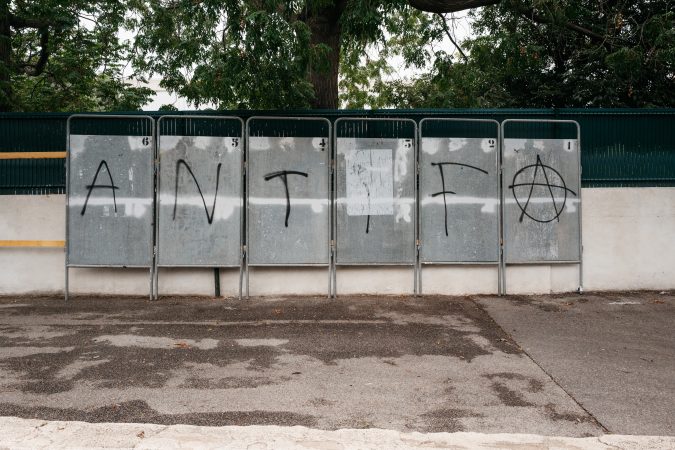
    Secretary of State Marco Rubio has invited senior ministers from more than 60 countries to a meeting next week about what the Trump administration views as a major peril: the “resurgence of transnational far-left terrorism,” according to documents reviewed by The Washington Post.

    The meeting has prompted consternation among career and political U.S. officials, some European allies, and independent analysts who do not see the threat in the same terms. Some U.S. officials told The Post that they worry it is part of a Trump administration effort to use powerful counterterrorism tools to crack down on U.S. activists they view as left-wing extremists.

    The administration’s counterterrorism czar, Sebastian Gorka, has had discussions with colleagues about using foreign terrorism labels for antifa to justify going after Americans with links to the movement, a loosely knit association of far-left activists who militantly oppose fascism and right-wing ideologies, three current and former U.S. officials said.

    A linkage to foreign terrorist groups “can unlock certain investigative tools,” such as surveillance, said one U.S. counterterrorism official, who like several other officials interviewed for this article spoke on the condition of anonymity to describe internal discussions and to avoid retribution.

    Gorka did not respond to a request for comment.

    State Department spokesman Tommy Pigott said the event was organized because far-left terrorism is “an old threat re-emerging with strong transnational links and new convergences.”

    “Because this threat has not been adequately addressed in the past, each engagement, designation, or security assistance program creates a compounding effect supporting countermeasures at home and abroad,” Pigott said in a statement.

    Some Trump administration officials fear that a future Democratic administration could use the tactic against conservative activists, one administration official said.

    “The idea is you’re setting a precedent for a future Gavin Newsom administration to turn these authorities on conservatives,” the official said, referring to the California governor who is widely expected to make a 2028 White House run.

    The use of these tactics has raised concerns among career and political officials inside the Justice Department and the White House Counsel’s Office, the administration official said, adding that some U.S. officials have decided not to attend the July 16 event at the State Department.

    Asked for comment, a White House official said that the characterization of such concerns does “not represent the prevailing feeling in the White House” and accused Democrats of having weaponized national security tools against their conservative political opponents.

    The White House official pointed to a passage in the Trump administration’s counterterrorism strategy‚ released in May, which states: “We will not permit the weaponization of America’s unparalleled CT capabilities for partisan purposes.”

    That document also states that “our counterterrorism powers will not be used to target our fellow Americans who simply disagree with us.”

    Like Gorka, White House Deputy Chief of Staff Stephen Miller is among those who have shown enthusiasm for taking a hard-line approach to left-wing extremists in the United States. During a White House roundtable last fall, he expressed support for designating antifa a foreign terrorist organization.

    “It’s true,” Miller said when the president asked for his opinion, “there are extensive foreign ties. I think that would be a very valid step to take.”

    But achieving that status for antifa would be a stretch, experts say.

    U.S. law requires a group be foreign to be designated. “If it has any significant domestic presence, it cannot be designated,” said Jason Blazakis, who ran the State Department’s designation process for 10 years before leaving in 2018.

    Elsewhere in the government, discomfort with the administration’s direction is such that at meetings of national security officials from various agencies, some intelligence analysts have declined to brief on antifa because they do not regard antifa as a serious counterterrorism threat, according to one person familiar with the matter.

    Officials from some foreign governments, speaking on the condition of anonymity to avoid being seen as criticizing the administration, expressed dismay about the Rubio invitation, citing what they call its vague aims and the short notice. The invitation, a copy of which was shown to The Post, was issued last week with RSVPs due this Friday, they said. Several told The Post that their country’s foreign minister or interior minister was unlikely to attend, citing the busy diplomatic schedule over summer, which includes an annual security conference next week in Aspen, Colo.

    Some said, too, they were unsure why they had been invited. “We don’t have antifa,” said one European diplomat.

    “I don’t think we can find any reason why we would be interested in attending such an event,” said another.

    “Our law enforcement authorities have not focused on left-wing terrorism because this is not considered a high priority threat in our country,” said a third.

    The invitation list, reviewed by The Post, included most European nations, larger Latin American countries and several Asian states, including India, Indonesia, and Singapore. The State Department did not respond to a request seeking to understand how the list of invitees was drawn up.

    President Donald Trump has made no secret of his disdain for antifa, going so far as to issue an executive order in the fall branding it a “domestic terrorist organization,” a rhetorical label that experts say carries no legal weight.

    Trump issued the order after the killing of conservative activist Charlie Kirk, whose mobilization of the youth vote helped propel Trump back to the White House. Legal proceedings began this week in the case of Kirk’s alleged killer.

    The order was followed by the issuance of National Security Presidential Memorandum 7, which directed the Justice Department to “investigate and disrupt networks, entities and organizations that foment political violence.” The document states that Kirk’s alleged killer engraved the bullets used in the killing with “so-called ‘anti-fascist’ rhetoric.”

    That led to a criminal investigation that culminated last month in lengthy prison sentences given to several members of what prosecutors called an “antifa cell” — one defendant received 100 years — for their roles last summer in a protest outside an Immigration and Customs Enforcement facility in Texas during which a police officer was shot. The person sentenced to 100 years was convicted of attempted murder. The others received prison terms of 30 to 70 years on charges such as rioting, providing support to terrorists and conspiracy to use and carry explosives.

    Defense attorneys called the prosecution politically motivated.

    Antifa, short for “anti-fascist,” is a decentralized movement without a clear command structure or leader, reflecting a range of ideologies mostly on the political left, from anarchism to communism and everything in between. Unlike left-wing extremist groups of the 1960s and 1970s, such as Weather Underground, antifa does not issue manifestos or claim responsibility for actions.

    Analysts say it can be difficult to categorize left-wing violence. (Is the killing of a healthcare executive over perceived corporate greed — as the suspect Luigi Mangione is alleged to have done — a “left wing” act?) And though there is some upswing of political violence in the United States, “to date left-wing violent extremism has typically been less lethal than other forms of terrorism,” said Bruce Hoffman, senior fellow for counterterrorism at the Council on Foreign Relations.

    A “concept note” sent to invitees and U.S. diplomats this week and reviewed by The Post characterizes next week’s event as a ministerial on the “resurgence of political terrorism.” But it makes clear that the focus is on “far-left terrorists” who, the note says, are “increasingly turning to organized, deadly violence to advance their political objectives.”

    The ministerial is an opportunity to strengthen cooperation in intelligence-sharing and law enforcement, the note says.

    But terrorism experts said that such framing inflates the threat posed by left-wing extremists and underestimates the true scope of the challenge in combating terrorism broadly.

    “This is the politicization of intelligence, and it’s dangerous because what they’re doing is basically playing partisan politics with counterterrorism, and only looking at a sliver of the overall threat,” said Colin P. Clarke, executive director of the Soufan Center, who has testified before Congress on numerous occasions as an expert witness on terrorism issues.

    Several current and former counterterrorism officials across Republican and Democratic administrations, as well as Europeans themselves, say the Trump administration’s emphasis is misapplied.

    “The Europeans were much more concerned about right-wing terrorism than left-wing terrorism” in the first Trump administration and the Biden administration, said one former official who worked in both.

    That is still where most Europeans are, according to U.S. and European officials.

    In late May, the State Department held a meeting in The Hague on antifa and left-wing terrorism, convening law enforcement and counterterrorism officials from mostly European countries, according to two people familiar with the event. The Dutch declined to co-host, so it took place at the U.S. Embassy there, one person said.

    The event, according to these people, fell flat. Many of the invitees’ view was “we don’t see it quite the way you do,” said one of the people.

    That was followed in early June by a gathering at the U.S. Institute of Peace to try to convince State Department personnel that “far-left political terrorists” were a growing threat to the country, but that event apparently was also a “dud,” according to Puck News. About an hour into the event, organizers sent out an email blast telling people they could still join, if they wanted, Puck reported.

    Undeterred, the State Department in mid-June sent a cable to more than 20 U.S. embassies — from Argentina and Mexico to Italy and Albania — seeking information on far-left extremist groups, according to two people familiar with the matter. Several have responded, but none has indicated they concur with the administration’s assessment of the threat, one person said.

    In November, the State Department announced the designations of four European groups as foreign terrorist organizations, including a militant group in Germany that calls itself antifa Ost. Two more were in Greece and one in Italy.

    Designation, which is done by the secretary of state, is based on criteria that include the assessment that the group poses a direct threat to U.S. national security interests.

    The designations of the four groups were met with skepticism among experts.

    “They’re very peculiar,” said Blazakis, who is now a professor at Middlebury Institute and teaches about violent extremism. “Those groups have carried out acts of vandalism. They’ve harmed individuals. But they don’t have a casualty to their name.”

    Authorities in Germany also did not see a significant threat. “The security authorities’ assessment is that the potential threat posed by the group has recently decreased significantly,” an Interior Ministry spokesperson told reporters in November, noting that antifa Ost leaders and particularly violent members were either in custody or already convicted.

    European governments have largely declined to label antifa as a terrorism organization, despite pressure from far-right parties. In the Netherlands, the center-right government rejected a parliamentary motion to designate antifa, with the country’s justice minister telling parliament in May that it did not meet the legal threshold because there was no evidence it was an organization rather than an amorphous movement.

    That month, a State Department official told reporters that the agency had taken “unprecedented steps to dismantle transnational far-left and anarchist terrorism, including antifa-aligned groups,” asserting that the number of incidents involving these groups had increased “sharply” over the past decade in the United States and Europe.

    The official, who spoke on the condition of anonymity under rules set by the department, said the administration had heard from foreign partners that they were seeing “different groups starting to converge.”

    The administration’s rhetoric is consistent with the language of its counterterrorism strategy, which calls for the “rapid identification and neutralization of violent secular political groups whose ideology is anti-American, radically pro-transgender, and anarchist.”

    The strategy directs the use of all tools “constitutionally available to us to map them at home, identify their membership, map their ties to international organizations like Antifa, and use law enforcement tools to cripple them operationally before they can maim or kill the innocent.”

    It does not, as did the 2018 counterterrorism strategy issued in Trump’s first term, mention nationalist neo-Nazi groups with “anti-Western views” that have attacked Muslims and left-wing groups.

    “We have to be objective about identifying threats, not politically selective,” Hoffman said.

    “If I were to rack and stack priorities, left-wing terrorists wouldn’t be in my top three,” Clarke said.

    Razzan Nakhlawi contributed to this article.

  • Future of Centre Square is uncertain again as rival developers question purchase

    Future of Centre Square is uncertain again as rival developers question purchase

    A New York-based developer that outbid real estate investor Dean Adler and Philadelphia’s PMC Property Group for control of the huge office complex at Centre Square has decided to walk away from the property.

    Centre Square, one of Philadelphia’s largest office buildings, saw soaring vacancy after the COVID-19 pandemic and went into foreclosure in 2023.

    In February, Adler announced that in partnership with PMC, he would buy the 1.76 million-square-foot office complex at 1500 Market St. for $70 million and transform it into a mixed-use mecca with hundreds of apartments and hotel space. The previous sale price in 2017 had been $328 million.

    Then in May, the Philadelphia Business Journal reported that Manhattan-based CSC Coliving had bid $80 million for the project. CSC, too, planned a mix of residential, hotel, and office space.

    “We were kicked out, and we didn’t fight it. We played by the rules,” Adler said. “We accepted when they were going to overbid us.”

    On Thursday, the managing partner of CSC said his company had decided against the project.

    “We backed out from 1500 Market,” said Salomon Smeke, managing partner and cofounder of CSC. “The tax abatement incentives in Philly were not enough to justify the conversion.”

    Smeke said that “it would help” if a 20-year property tax abatement, like the one Mayor Cherelle L. Parker has been considering, were in place.

    Asked for his reaction to CSC’s decision, Adler says that while he is still theoretically interested in the property, he will need to take another look to get a sense of why his competition backed out.

    “Are we still interested? We are always interested,” Adler said. But he also said he would need to do more research.

    “We are going to take our time,” Adler said. “I got to find out if there’s something we missed. Maybe they found something that we didn’t know, so we have to go back to do more homework.”

    Philadelphia developer Dean Adler at the Center City District’s State of Center City event in April.Alejandro A. Alvarez / Staff Photographer

    Adler has been on a roll of dramatic and ambitious adaptive reuse projects with his former company Lubert-Adler Real Estate Partners, transforming Philadelphia landmarks into mixed-use campuses, notably at the Bellevue Hotel on South Broad Street and the Battery on the Delaware River.

    In these projects, Adler has championed a mix of residential, hotel, office, restaurant, and wellness.

    Adler is also locked in a dispute with his former partner Keystone Property Group over the Bourse on Independence Mall, which he hoped to turn into another mixed-use hub.

    The Centre Square project would have been CSC’s largest project in Philadelphia. The developer is known in Philadelphia for its purchase of the former International House in University City, rebranded as the Mason. CSC then toyed with the idea of turning the 3701 Chestnut St. tower into a drug and alcohol rehabilitation center.

  • ICE killed Lorenzo Salgado Araujo. They want you to be apathetic. Don’t be.

    ICE killed Lorenzo Salgado Araujo. They want you to be apathetic. Don’t be.

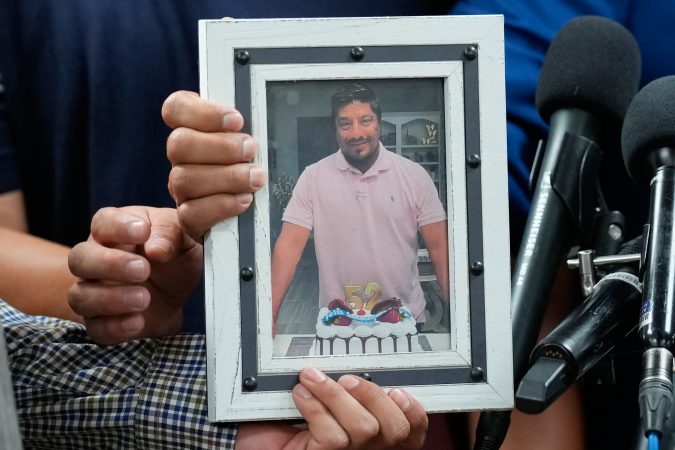
    Lorenzo Salgado Araujo woke up at 5 a.m. Tuesday and started his day like almost every other one for the last 35 years since he came to Houston from Mexico and built his own American dream brick by brick — sending his three sons to top universities on the foundation he’d constructed through years of backbreaking labor.

    His wife also got up to make him a hearty meal before he put on his work boots, fired up his van, and picked up three coworkers in Houston’s heavily Latino East End to build new homes on the city’s outskirts. But it proved to be Salgado’s last drive.

    Just a short time later, the 52-year-old Salgado was lying face down outside of his van on a city sidewalk, surrounded by agents from U.S. Immigration and Customs Enforcement as blood poured from a bullet wound on the right side of his stomach. He was recorded screaming in pain: “Help me! They shot me! … ¡Me están matando!”

    Translation: “They are killing me!”

    He died a short time later in a nearby hospital. ICE said the fatal shooting occurred after officers tried to arrest Salgado in what it called “a targeted enforcement operation” — even though Salgado apparently had no criminal record and for more than a year had been steadily making progress toward securing a work permit that would resolve his immigration status.

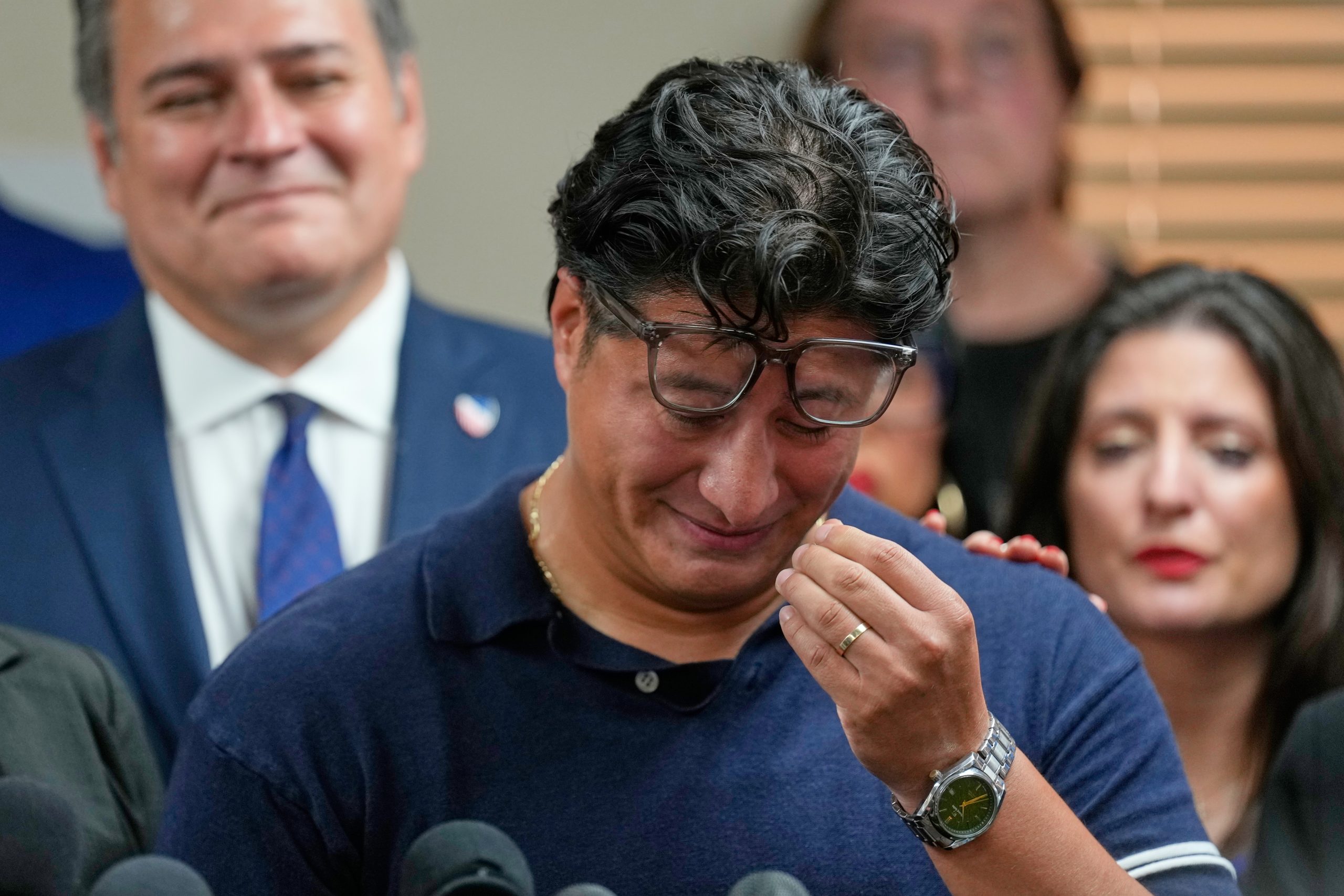
    “We dotted every ‘i,’ crossed every ‘t,’ filled every document, attended every appointment,” his tearful son, 29-year-old teacher Ronaldo Salgado, said in a news conference on Wednesday. Afterward, the younger Salgado told the Bulwark: “I love our dad; he worked hard. He always told us that we needed to do well in school so we don’t end up like him in the sun.”

    Ronaldo Salgado, son of Lorenzo Salgado Araujo, wipes away tears while speaking during a news conference Wednesday in Houston. David J. Phillip

    The killing of Salgado — family man, essential worker, and American dreamer who was doing everything the right way after joining the 1990s mass migration of undocumented Mexicans — is a crime against humanity that makes anyone who still has a functioning moral compass want to scream in outrage.

    Still, what happened after Salgado was gunned down is deeply troubling in a different way. America seemed to mostly shrug at a killing no less senseless than this winter’s Minneapolis ICE fatal shootings of Renee Good and Alex Pretti, let alone other law enforcement murders like George Floyd in 2020, which sparked days of nationwide protest.

    The implosion of now ex-Maine Democratic Senate candidate Graham Platner or Donald Trump’s inane prattle at a NATO summit took up most of the hour on cable-TV news, with reporting on yet another ICE killing squeezed in at the end. A fascist regime cutting down our law-abiding neighbors in the streets is becoming background noise.

    Just how they want it.

    To be sure, there are differences between what happened Tuesday in Texas and the Minneapolis killings that grabbed so much attention six months ago. A large activist community in the Twin Cities was out in the streets at the time of the Good and Pretti shootings, with whistles and cell phones, producing a flood of video evidence that exposed ICE’s lies and inspired massive demonstrations.

    In contrast, Salgado was killed in a low-income neighborhood, and while there is video of the wounded laborer on the ground, there’s not yet been definitive footage revealing how or why he was shot. That doesn’t alleviate the nagging concern that the media and some corners of the public and the body politic care more when the victims are white U.S. citizens — which, if true, is morally unconscionable.

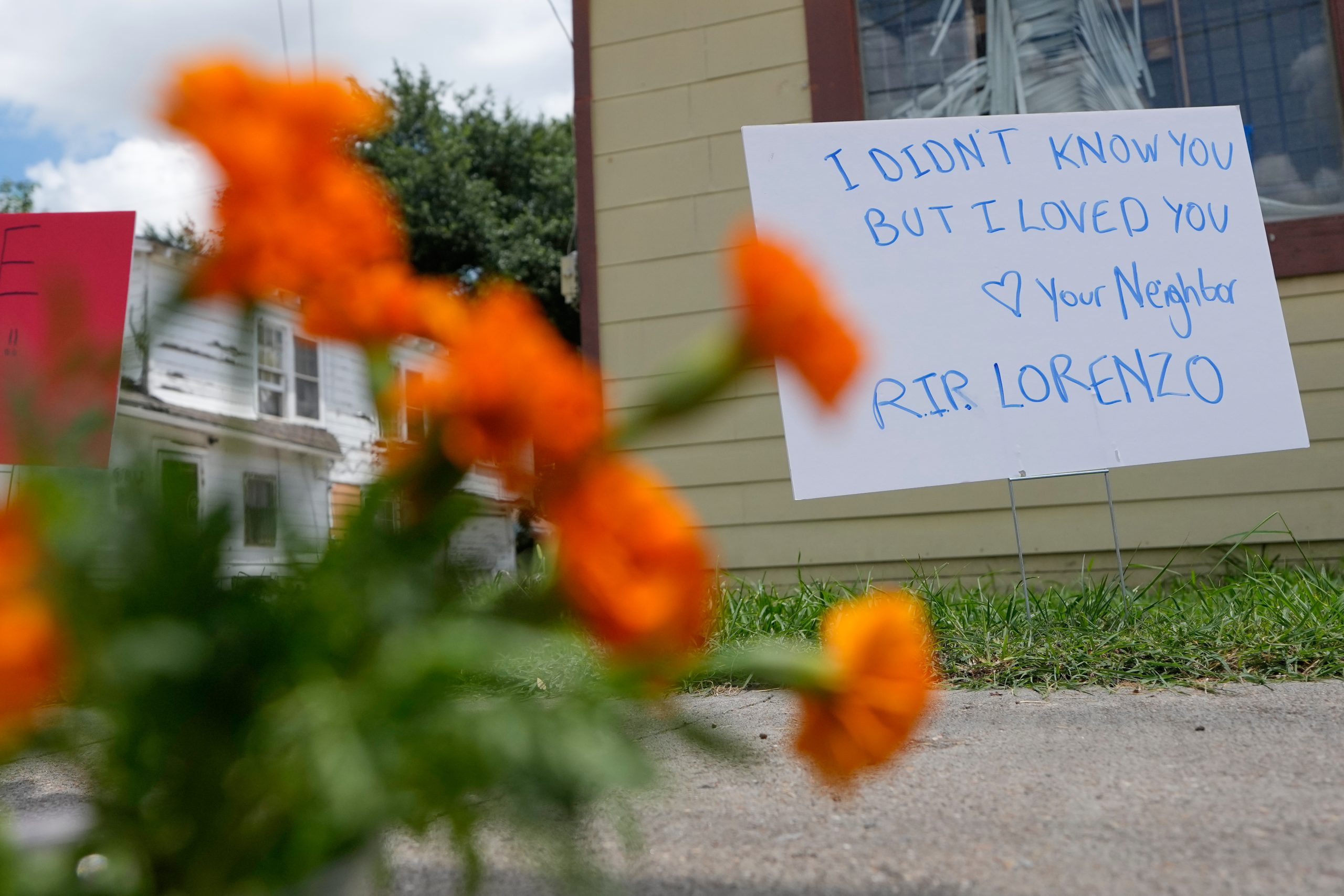
    A makeshift memorial for Lorenzo Salgado Araujo, who was shot and killed by an ICE officer Tuesday, is shown Wednesday in Houston. David J. Phillip

    Americans should be alarmed at the bigger picture that’s slowly unfolding before us. After briefly pressing the pause button in the furor over the Good and Pretti killings — pulling back from its federal assault on Minnesota, firing the flamboyant and infuriating Greg Bovino and Kristi Noem, and drastically scaling back its plan for warehouse concentration camps — ICE is back, and more dangerous than ever.

    After an era of waving a red flag before an activated, engaged, and angry citizenry it didn’t see coming, by naming operations like the “Catahoula Crunch” or “Charlotte’s Web,” and with Bovino mugging for the TV cameras, ICE has resumed working toward its inhumane target of one million deportations per year, but with a much lower profile.

    There are thousands of new immigration agents on the streets, fueled by Congress giving two massive funding infusions totaling about $240 billion, and with Homeland Security and ICE under new management, they are hoping to terrorize immigrant communities without generating headlines or protests. “ICE is making record arrests right now,” Trump’s immigration czar, Tom Homan, told Fox News. “We turned the heat up …”

    The New York Times reported last week that with no press releases or hoopla, daily immigration arrests had doubled over a five-day period to a total of roughly 10,000, or 2,000 per day, with immigrants arrested during required government check-ins, but also during traffic stops like the one in which Salgado was killed.

    This is a human rights nightmare in the making. The stepped-up arrests are all but certain to lead to more dangerous and potentially fatal encounters like the one that occurred on Houston’s Canal Street, but the other impacts are equally pernicious.

    Fear levels in big-city neighborhoods with large immigrant communities are spiking yet again — keeping countless kids home from school and essential workers off the job, crimping an already strained economy. The Trump regime’s squalid gulag archipelago of immigration detention centers — whose crisis of overcrowding had eased slightly with the spring enforcement slowdown — is seeing a surge again, and that will also lead to catastrophe.

    Detention deaths are soaring to record levels — more than 50 since Trump returned to office in January 2025. We are learning troubling details, for example, about the March death of an Afghan national who came to the United States after working with U.S. Special Forces and who died after just one day in ICE custody. Relatives of Mohammad Nazeer Paktiawal, 41, said he was not allowed to bring his asthma inhaler into detention; officials say he died of an “adverse drug reaction” that brought on an attack.

    In Houston, there’s no evidence to support ICE’s initial claim that Salgado was resisting arrest, but — given what we are learning about the horrors of detention — it’s not surprising that immigrants facing an arrest are terrified at what might happen next. Meanwhile, ICE and other agencies are going to extreme lengths to avoid accountability.

    In California, ICE — overflowing with our tax dollars — is spending an astronomical $1.5 billion to buy two large privately run immigration prisons from the corporation CoreCivic, for the purpose of preventing state and local inspectors from monitoring what happens there. WIRED recently reported that ICE’s internal watchdog agency is focusing its attention not on agent misconduct but on tracking down outside critics.

    What are they trying to hide?

    In the killing of Salgado, we don’t know the answer — yet. ICE claims Salgado, whom it dehumanized as an “illegal alien,” “weaponized his vehicle” and tried to run over the agent who was arresting him, and that the agent then fired the fatal bullet.

    We don’t know if there’s any truth here. But what we do know is that in every similar situation during the Trump regime — including Good and Pretti and others like Chicago nonfatal shooting victim Marimar Martinez — the initial ICE version of what happened proved to be a lie, and often a brazen one. It takes a willing moral blindness to automatically accept ICE’s story about what happened to Salgado.

    And yet, we are seeing that not only from the local FBI — which is not investigating the officer’s action, but the alleged crime of resisting arrest — but also from Houston Mayor John Whitmire, who said he trusts the federal government to do a thorough investigation, as if he’d been living in a cave these last 15 months.

    In their anguished news conference on Wednesday, family members and local Democratic officials called for the release of any ICE body-cam footage and an independent investigation into what really went down in Houston’s Magnolia Park section.

    They need our help, though. ICE’s new summer assault on immigrant communities, and its ability to get away with its many crimes, is counting on an exhausted or apathetic American public to not demand action as so many of us did with Pretti or Good or Floyd.

    Please say his name — Lorenzo Salgado Araujo — and take to the streets and demand justice. His death is just as deserving of our time and our moral outrage, if not more so.

    On Wednesday night, about 1,000 Houstonians came out to keep that flickering flame alive.

    “This is the exact spot that Lorenzo took his final breath,” Cesar Espinosa, executive director of the immigrant rights group FIEL Houston, told the protest marchers. “And in the spirit of solidarity, I don’t know about you, but I say, if they come for one of us, they come for all of us.”

  • Ukrainian drones batter Russian oil facilities and set more oil tankers ablaze

    Ukrainian drones batter Russian oil facilities and set more oil tankers ablaze

    KYIV, Ukraine — Ukrainian drones hit more Russian oil facilities and set two oil tankers ablaze in the Sea of Azov on Thursday, a day after President Donald Trump pledged to grant Kyiv a license to manufacture the Patriot air defense systems to protect its cities.

    A top Ukrainian official, meanwhile, cautioned that it could take a year or more for the country to produce Patriot interceptor missiles.

    The Kremlin said the license deal reflected what it called Washington’s “ambivalence” but noted it appreciated Trump’s efforts to help broker a peace deal to end the war, which Russia launched over four years ago.

    Ukraine’s drone strikes on oil refineries and other infrastructure across Russia have triggered a widespread fuel crisis with gasoline shortages and rationing in multiple regions and motorists waiting for hours to fill their tanks. Moscow has responded by intensifying its bombardment on Kyiv and other cities, exposing Ukraine’s vulnerability to ballistic missile strikes.

    Ukrainian President Volodymyr Zelensky described the latest strikes on Russia’s infrastructure as part of Kyiv’s campaign of “long-range sanctions” carried out in response to Moscow’s refusal to halt the fighting.

    “We have long proposed that Russia end this war, and every day of delay should bring the feeling of war to where it all began — to Russia,” Zelensky said.

    Ukraine hits oil depots in western Russia and tankers at sea

    A Ukrainian drone strike triggered a fire at an oil depot in the western Russian city of Tver, according to acting Gov. Vitaly Korolyov.

    Oil reservoirs also were set ablaze by drones in Vyazniki, in the southern Stavropol region, said Gov. Vladimir Vladimirov, forcing the evacuation of several apartment buildings near the facility.

    In the Sea of Azov, Ukrainian drones set two oil tankers on fire, according to Rostov Gov. Yuri Slusar, who said one of the ships was still burning and its crew evacuated.

    The attack was the latest in a series of strikes on oil tankers in the area in recent days, part of Ukraine efforts to cut fuel supplies to the Crimean Peninsula, which Russia illegally annexed in 2014.

    In addition to strikes on oil facilities in Stavropol and Tver, Zelensky said Ukrainian forces hit fuel infrastructure deep inside Russia, including one in Ufa, as well as an oil-loading terminal in the Rostov region closer to Ukraine.

    Russia’s Defense Ministry said its defenses downed 73 Ukrainian drones from late Wednesday into early Thursday.

    Ukraine’s air force said Russia fired 94 long-range strike drones and two ballistic missiles. While 72 drones were jammed or intercepted, 19 drones and both missiles damaged 13 locations, it said.

    Ukraine says Patriot production will take months

    During Wednesday’s meeting with Zelensky on the sidelines of the NATO summit in Turkey, Trump said the U.S. will meet a longstanding request from Ukraine and give it a license to make the Patriot air defense systems. He also praised Zelenskyy for doing “an amazing job” — a sharp change in tone from past criticisms of the Ukrainian leader.

    But setting up domestic production of the mobile, surface-to-air systems will take many months, said Serhii Beskrestnov, an adviser to Ukraine’s defense minister.

    A production license would typically come with technical process documentation, training for specialists, supplier contacts and foreign consultants to help launch manufacturing, Beskrestnov wrote on his Telegram messaging app.

    The main obstacle would be time, rather than Ukraine’s technical or organizational capacity, he added.

    Recent media reports pointed to two likely bottlenecks: the long production cycle for some subcontracted components, which could take 12 to 24 months, and limited global output of key parts, including components supplied by Boeing and L3Harris, Beskrestnov added.

    The Pentagon had signed contracts to expand production capacity, he said, but added that the timeline for those contracts to translate into increased output remained unclear.

    Germany also has a license to produce Patriot systems, and in 2022, Raytheon and MBDA Deutschland announced they planned to manufacture Patriot GEM-T missiles in the country, according to a news release at the time. The goal was to produce them in a German facility and ultimately provide them to other European allies.

    The facility is expected to open in September with its first missiles scheduled to be delivered next year, with Ukraine as the first recipient, according to Defense Express, an online Ukrainian military-oriented publication.

    Kremlin: Ukrainian strikes won’t hasten peace

    Commenting on Trump’s statement about the Patriot missile licenses, Kremlin spokesman Dmitry Peskov offered a vague response, saying Moscow is aware of the U.S. military support for Ukraine but appreciates Washington’s declared commitment to help achieve peace.

    “The U.S. position is somewhat ambivalent,” Peskov said in a call with reporters. “Still, unlike the Europeans, the United States maintains a desire to facilitate a move toward a peace process. They may be misguided or mistaken at times, but we see that desire as sincere. We welcome it, and we hope that once the Americans manage to resolve the situation regarding Iran despite the significant complications involved their efforts on the Ukrainian track will resume.”

    Asked about Trump’s comment that Ukrainian attacks deep inside Russia could hasten a peace settlement, Peskov reaffirmed that the more strikes Kyiv launches, the broader “security zone” Moscow will seek to carve out in Ukraine via what the Kremlin calls its “special military operation.”

    “It’s a mistake to think that escalation and military pressure could pave the way to a peaceful settlement,” Peskov said. “Further escalation may prolong the special military operation, we can’t say precisely to what extent, but it will force us to create a larger security zone, a larger buffer zone. Therefore, inciting tensions and taking escalatory action will in no way contribute to the peace process.”

    Ukraine has urged the U.S. and other allies to provide binding security guarantees as part of any prospective peace deal, including the deployment of NATO forces. Russia has strongly warned against the presence of any NATO troops in Ukraine, saying it would view them as legitimate targets.

    Asked Wednesday if he would be ready to enact a no-fly zone over Ukraine as part of security guarantees, Trump responded by saying “if it’s necessary, yeah,” but he argued that it might not be needed if a peace deal is reached.

    “When we have a deal, we’re going to have a deal, security guarantee or no security guarantee,” Trump said as he sat next to Zelensky.

    Commenting on the issue, Peskov warned that an attempt to establish a no-fly zone would amount to “NATO military forces being active on the territory of Ukraine — exactly what the special military operation is being waged against.”

    Peskov said President Vladimir Putin is “open to dialogue” and ready for another phone call with Trump.

  • Philly stores routinely violate the plastic and paper bag law, environmental group says

    Philly stores routinely violate the plastic and paper bag law, environmental group says

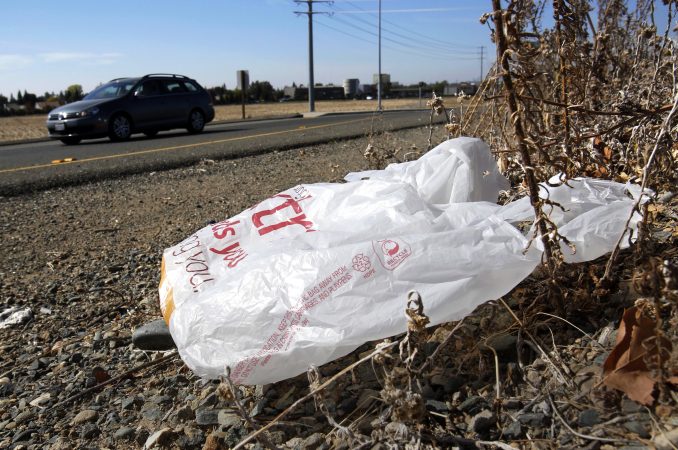
    A sampling of retailers, takeout businesses, pharmacies, convenience stores, and food stores shows half are violating Philadelphia’s ordinance that bans plastic bags and requires a fee on paper bags.

    That’s according to the PennEnvironment Research & Policy Center, which sent members to purchase items in 80 stores across the city and in neighborhoods with varying demographics.

    The nonprofit advocacy group’s survey found:

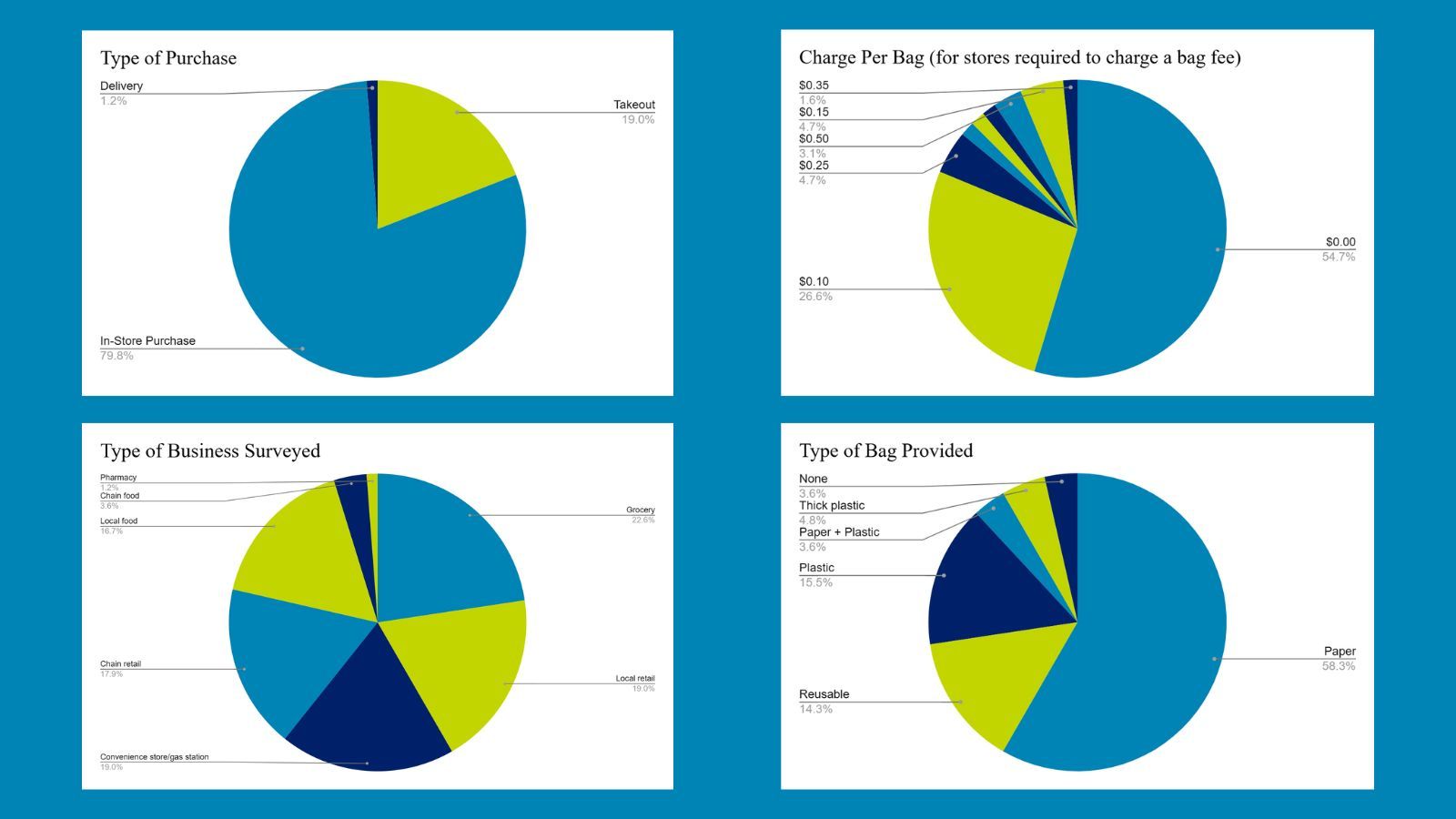
    • 55% of businesses violated at least one key provision of the law.
    • 50% of businesses failed to charge a 10-cent fee on paper or reusable bags.
    • 20% of businesses provided plastic bags that have been illegal for years. 

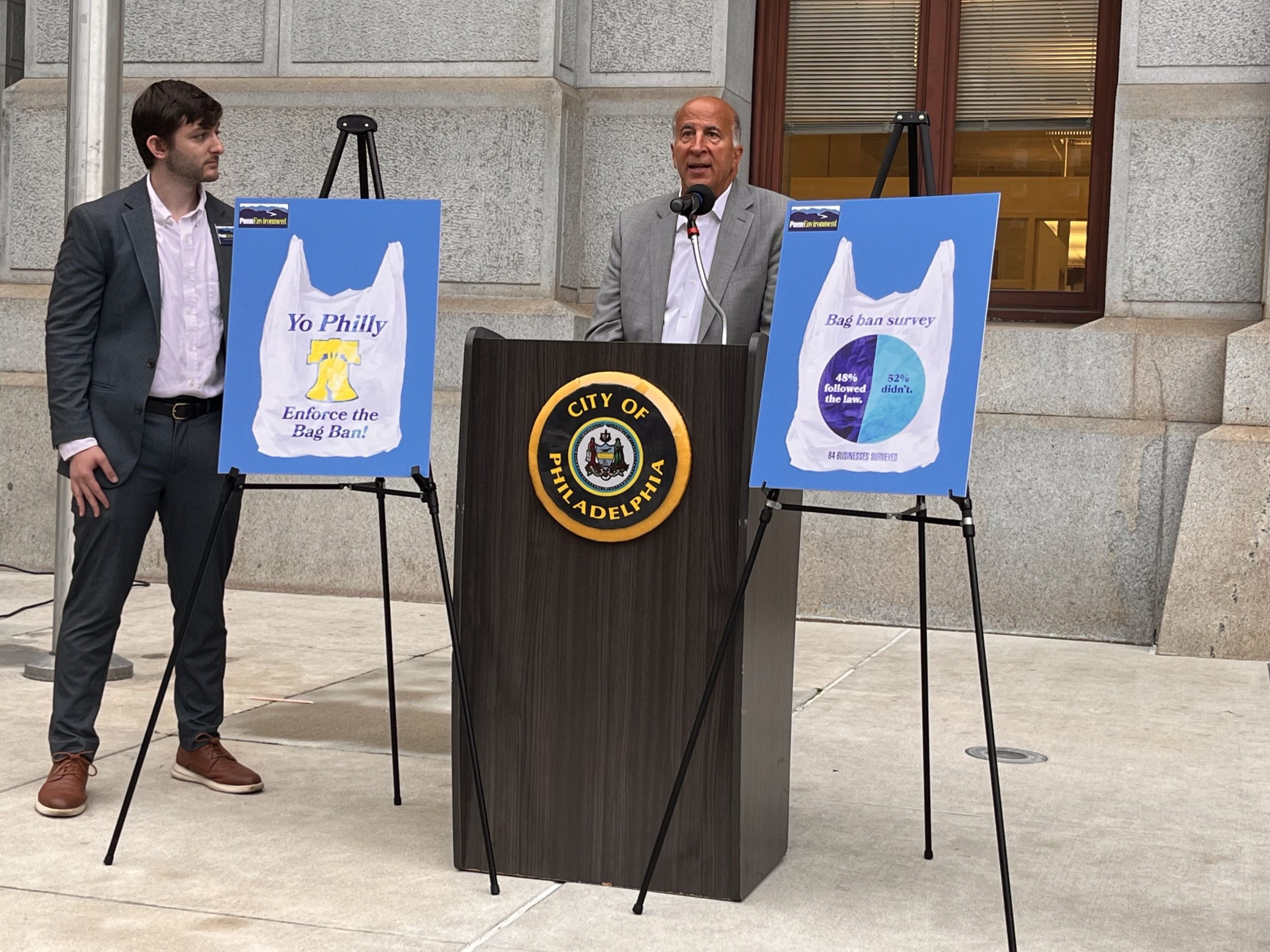
    Faran Savitz, a zero-waste advocate for PennEnvironment, said during a news conference Thursday outside City Hall that the group didn’t just scrutinize chain stores like Wawa, although those larger operations were generally compliant.

    He said the 80 stores surveyed were chosen to represent multiple types in all neighborhoods, although they amount to only a fraction of businesses in the city,

    “We wanted to look at as many different types of businesses and hit as many different neighborhoods in the city as possible, so we could get a sense of is this concentrated on one neighborhood or is it spread geographically everywhere,” Savitz said. “We found that this is a pretty widespread problem.”

    Charts from a survey of stores conducted by the nonprofit advocacy group PennEnvironment show what the report calls widespread noncompliance of Philadelphia’s revised plastic bag law that went into effect in January 2026.PennEnvironment

    Savitz said that chain stores tend to know the law and its requirements. Many small businesses remain unaware.

    However, the survey did highlight some positive momentum. Currently, three-quarters of surveyed businesses no longer distribute plastic bags. That’s a significant improvement from the group’s previous investigations that caught half of all stores providing them.

    The city’s updated bag ordinance

    Philadelphia’s original plastic bag law, introduced by Councilmember Mark Squilla, was passed in 2019 but was phased in slowly. It went into full effect in 2021.

    After that, paper bag usage skyrocketed, said Squilla, who represents the 1st District, including parts of South Philadelphia, Center City, and the River Wards. Although paper bags are biodegradable, they require more energy to produce and the cutting down of trees.

    Squilla introduced an updated bag ordinance last year, which was approved by City Council, and went into effect in January. It required a 10-cent fee on paper bags.

    The goal of the fee, Squilla said, is to change shoppers’ behavior and get them to bring reusable bags to the store.

    Squilla called the violations found by PennEnvironment “disappointing,” but said he knew compliance would be a challenge.

    “Our goal is to end single-use plastic bags in our waste stream and in the city of Philadelphia,” Squilla said.

    To close the compliance gap, PennEnvironment is urging Licenses and Inspections to improve education and enforcement, and asking residents to report noncompliant businesses to the city’s 311 system.

    Faran Savitz (left) of PennEnvironment Research & Policy Center and Philadelphia Councilmember Mark Squilla, at lectern, discuss PennEnvironment’s findings outside City Hall on July 9. Frank Kummer

    Plastic bags

    Ryan Rabenold, environmental program coordinator at the Pennsylvania Resources Council, said the city’s law is key to reducing waste, noting that most reusable plastic bags do not get recycled.

    Plastic bags contribute to litter, require fossil fuels to produce, and become microplastics in the environment when they break down.

    “They either get lost in the system, are contaminated with food or grease, which makes them unrecyclable, or they simply get blown away when we’re trying to collect them,” Rabenold said. “When they do end up in our recycling system … they contaminate materials that are recyclable and force them to be removed from the system.”

    Rabenold noted that microplastics have been detected in human blood and tissue.

    “We are feeling the impacts of something that we may not be able to see, Rabenold said.

    “It’s better for our health and the environment to use one thing 1,000 times,” Rabenold said of reusable bags, “rather than use 1,000 things once.”

  • ‘A substantial change’: Residents upset after developers of controversial Chesco data center project seek another alteration

    ‘A substantial change’: Residents upset after developers of controversial Chesco data center project seek another alteration

    The developer of a 1.5 million-square-foot data center project proposed for an East Whiteland Superfund site has again returned to the township requesting changes to the plan — even as they’ve already started preparing for construction.

    The newest request may look somewhat familiar: Developers Green Fig LLC and Sentinel Data Centers had gone through a monthslong process earlier this year, presenting an amended project to municipal leaders and residents, at first growing — and then offering to shrink — the overall footprint of the site. They argued that the plans first approved in 2024 were less desirable and less efficient, and that the updated plans would allay concerns about environmental impact. They scrapped those ambitions in May, and reverted back to the older concept.

    But on Wednesday, the developers asked for a “field change,” requesting permission to put into place some of the changes that would have been included in those amended plans.

    The changes — which include the ambitions they’ve had since January — would remove the cooling towers, eliminate water cooling for the computer equipment, and install air-chilled units on the building’s roofs. These changes are permitted under the Land Development Agreement, Township Manager Steve Brown told the community at the meeting. But they require the board’s approval.

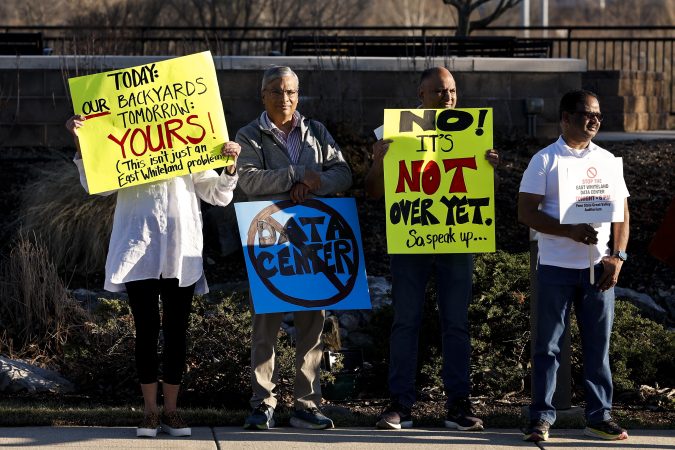
    The request drew ire from community members who have for months been opposed to the project, fearing the data center’s impact on health and the environment. They’ve also raised concerns that it will rest atop the former Foote Mineral Co., a contaminated industrial site that landed on the federal list of hazardous places.

    The query to the board of supervisors also comes as the developers agreed last week to temporarily halt work on the site that moves the soil while the township reviews soil and human safety plans.

    The board voted, 2-1, to table approval of the proposed changes; chairman Scott Lambert and supervisor Clinton Smith said there were still too many questions. Supervisor Peter Fixler cast the dissenting vote.

    “What’s been presented to us this week, as I said before, I think is a gift. … What’s in front of me now is a data center that’s a third the size of their original proposal,” Fixler said ahead of the vote. “It would, I feel, be environmentally irresponsible to not approve this plan. I know that doesn’t sound popular.”

    The developer said the reason for the change is water conservation, Brown said. The approved plan would use more than 3 million gallons of water a day, vs. the proposed plan, which would use air chillers.

    Separately, the developer proposed slashing the size of the buildings, down from a sprawling 1.5 million square feet total build-out — with two data center buildings roughly 772,000 square feet each — down to a total of 536,000 square feet. It would strike a basement in the current plans, and also reduce the height of the building. These changes don’t necessitate board approval, Brown said.

    In an email Thursday, Lou Colagreco, the attorney representing the developers, said they would respond to any of the board’s questions “that may still be outstanding.”

    “At the end of the day, this is a simple question: Will we use a cooling system that consumes millions of gallons of water a day, as approved, or not?” he said. “We believe this is a very easy decision. We are at a moment in the job where we have no choice but to move forward with whatever path provides us certainty of execution. If the Board wants us to build with evaporative water cooling, we will continue to do so.”

    As he discussed his decision, board chairman Lambert told residents that “we could get a call tomorrow from the developer, and he may say, ‘That 536,000 square foot offer we put out there to make it smaller, it’s gone.’”

    Residents weren’t cowed by that. When the developer first proposed shrinking the data center to address concerns, some said it wasn’t “an act of good will.”

    On Wednesday, the community called for the rejection of the plans, saying that it was too big a transformation to be considered a field change.

    “This isn’t moving a pipe from five feet away to have some mud moved on top of it. This is a half-a-million-square-foot change,” resident Tony Gianino said. “This is crazy. This is a completely new project. I’ve been saying this since the beginning. This is a substantial change. If not this, then what counts as substantial?”

    Jeff Katz, another resident, said that the plans looked like those initially presented to the township in the spring, which were ultimately withdrawn.

    “Bringing substantially the same changes back tonight … looks like an attempt to get through the back door of what could not be brought through the front,” he said.

    This suburban content is produced with support from the Leslie Miller and Richard Worley Foundation and The Lenfest Institute for Journalism. Editorial content is created independently of the project donors. Gifts to support The Inquirer’s high-impact journalism can be made at inquirer.com/donate. A list of Lenfest Institute donors can be found at lenfestinstitute.org/supporters.

  • Mount Laurel schools name longtime Cherry Hill educator Neil Burti as new superintendent

    Mount Laurel schools name longtime Cherry Hill educator Neil Burti as new superintendent

    Mount Laurel public schools will start the next academic year with a new leader at the helm.

    Neil Burti will take over as superintendent of schools starting Aug. 1, succeeding George Rafferty, who is retiring after leading the district for a decade.

    After an extensive search, “Dr. Burti distinguished himself as the candidate whose experience, leadership style, and vision best aligned with the needs of the Mount Laurel School District,” Danielle Stuffo, president of the Mount Laurel Board of Education, said in an email.

    Burti has more than 25 years of experience as an educator and administrator and is a longtime employee of the Cherry Hill Public Schools. While there, he served at all levels of leadership and was most recently the director of secondary education for the district.

    Earlier this year, Burti also stepped in to handle the principal responsibilities during the second half of the school year at Cherry Hill High School East following a period of administrative upheaval in the school district.

    The shake-up came after a lawsuit filed last September alleged that East’s former principal, alongside the Cherry Hill Board of Education and two other top administrators, subjected a former assistant principal to discrimination and retaliation.

    A new principal at East, John Cafagna, took over this month.

    “We are confident [Burti] will build upon the district’s many strengths, work collaboratively with our staff and community, and continue our focus on providing an exceptional educational experience for every student,” Stuffo said.

    Stuffo said the district’s goals will largely remain the same under new leadership.

    She acknowledged that the district will need to address increasing financial pressures, as Mount Laurel has not been spared from the budgetary challenges affecting school districts across New Jersey.

    Like other districts, Stuffo said, Mount Laurel will work to continuously improve student experience and outcomes while adapting to evolving educational needs — and doing so within an increasingly limited budget.

    “Fortunately, Mount Laurel is well positioned, with excellent staff and strong systems already in place. As Dr. Burti becomes familiar with the district, he will have the opportunity to evaluate our organizational structure and administrative leadership and, if appropriate, make recommendations to the Board for consideration,” she said in the email.

    Burti was named the 2024 New Jersey Secondary School Principal of the Year during his time leading Cherry Hill’s John A. Carusi Middle School.

    Burti holds a bachelor’s degree in movement studies and exercise science from East Stroudsburg University, a master’s degree in educational leadership from Temple University, and a doctorate in innovation and leadership from Wilmington University.

  • In its second season, HBO’s ‘Task’ will see a crossover with ‘Mare of Easttown’

    In its second season, HBO’s ‘Task’ will see a crossover with ‘Mare of Easttown’

    Big news for Philly TV fans: A crossover of Task and Mare of Easttown is in the works.

    Task, the crime thriller starring Mark Ruffalo that this week received six Emmy nominations for its debut season, has cast Julianne Nicholson to reprise her Mare of Easttown role as Lori Ross, Variety reported on Thursday.

    Playing the best friend to Kate Winslet’s titular Mare Sheehan character, Nicholson won an Emmy in 2021 for her heart-wrenching performance as the mother of (spoiler alert!) the young boy revealed as the killer Sheehan was investigating.

    More details about how her character will factor into Task are under wraps. But we know that the new season follows Ruffalo’s ex-priest-turned-FBI agent — a performance that earned him an Emmy nod — as he leads another task force that will clash with the DEA.

    Mark Ruffalo (left) plays FBI agent Tom Brandis in the HBO series “Task.”Warner Bros. Discovery

    It’s the first time that the worlds of Task and Mare have officially collided, though both shows were created by Berwyn writer Brad Ingelsby and filmed in the Philadelphia area. There’s also some overlap in their creative teams, from production and costume design to dialect coaching. (Ingelsby recognizes the importance of getting the signature Delco accent just right.)

    That connection, Ingelsby told The Inquirer last year, was intentional.

    “We weren’t trying to separate Task from Mare. In fact, we were actually going the other way and saying, ‘No, it’s OK to use the same streets,’” said Ingelsby, who received an Emmy nomination recognizing his writing for the Task finale. “If there’s something architecturally that can connect the two worlds, let’s wrap our arms around it.”

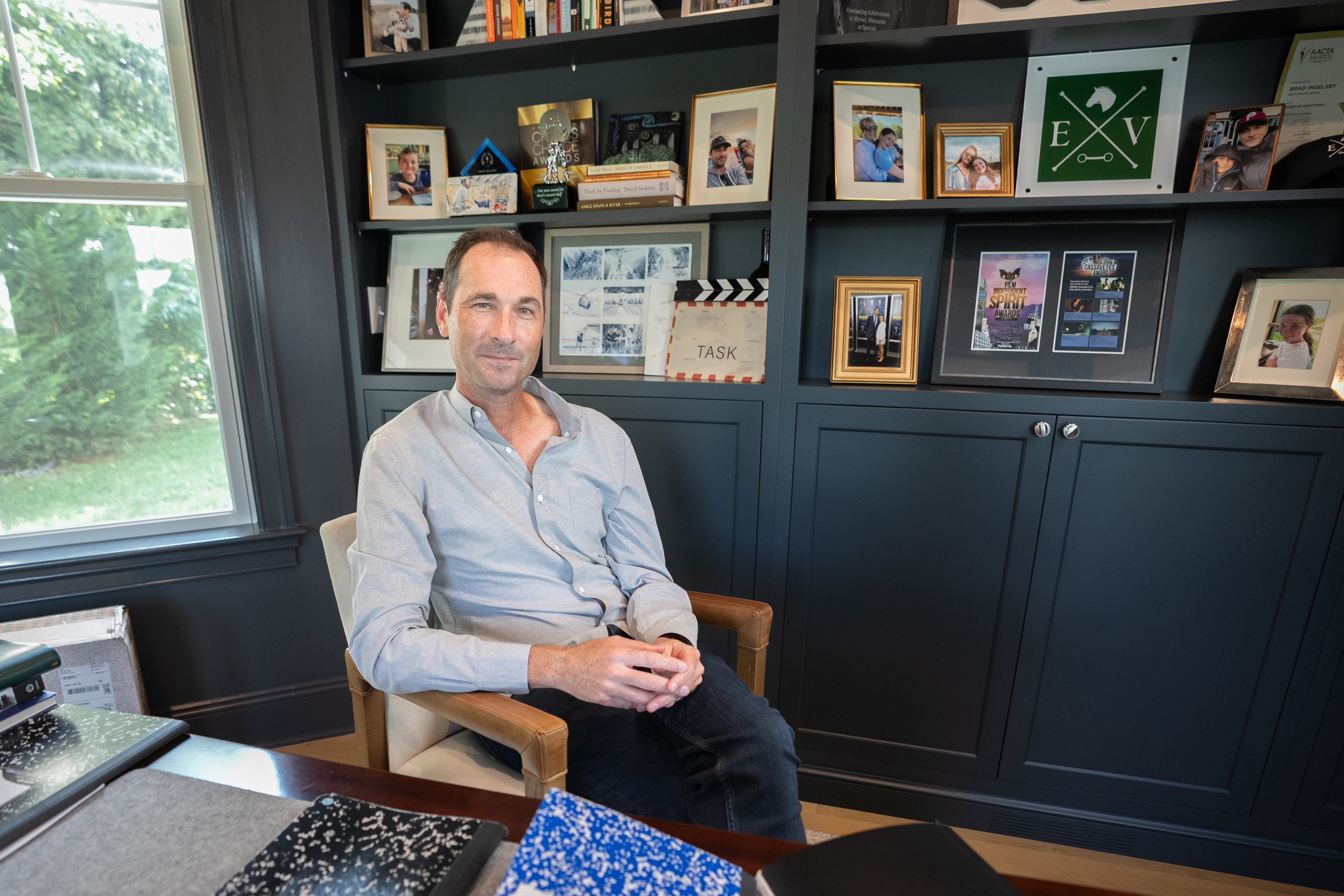
    “Task” and “Mare of Easttown” writer Brad Ingelsby in his office in Berwyn, Pa.. on July 17, 2025. Jessica Griffin / Staff Photographer

    Mare was developed as a limited series, but talk of a potential second season has persisted in the years since its release. Ingelsby has said the door is always open for a continuation of the show and earlier this year, Winslet reportedly said recent conversations with HBO were promising enough that she believes there’s a “strong likelihood” filming could begin in 2027.

    It’s not yet clear whether Winslet could make a cameo in Task when the two shows crossover.

    Task started shooting its second season in Manayunk this week with a largely new cast, including Oscar winner Mahershala Ali (playing the rival to Ruffalo’s character), Henry Melling, Edgar Ramirez, Aminah Nieves, and Adam Nagaitis.

    A premiere date is yet to be announced.

  • Penn State and Pitt to renew battle of Pennsylvania at the Palestra

    Penn State and Pitt to renew battle of Pennsylvania at the Palestra

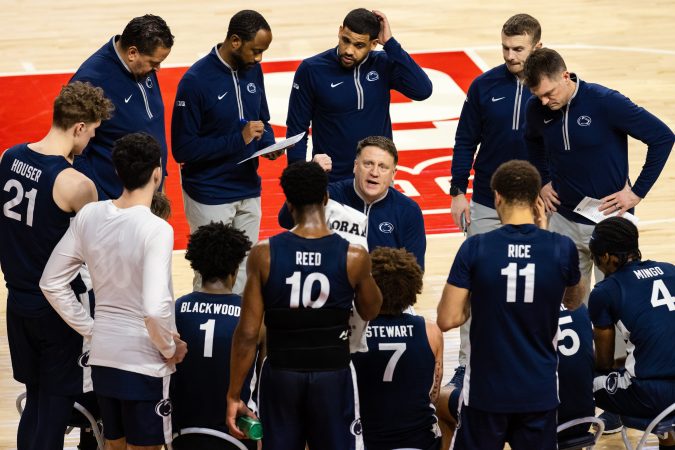
    For the Palestra’s 100th anniversary, Penn State is returning to the storied arena to face a Keystone State rival, Pittsburgh.

    The matchup will be Nov. 8, and it’s the second straight season in which the programs have played at a neutral site — they faced off at the Giant Center in Hershey on Dec. 21, 2025. Penn State holds an 76-73 advantage all-time over Pitt.

    This is also the fifth consecutive season in which the Nittany Lions will play at the Palestra.

    “Games like this are what college basketball is all about,” Penn State coach Mike Rhoades wrote in a release. “Great history, passionate fan bases, and high-level competition. The Palestra is one of the most iconic venues in college basketball, and the opportunity to celebrate its 100th anniversary while renewing an in-state rivalry for the 150th time makes this a special event for everyone connected to our program.

    Pitt coach Jeff Capel added: “Every basketball player and coach in this country understands the significance of playing at the Palestra. It’s one of the great venues in the history of the sport, and to play Penn State there in its 100th Anniversary year is a truly unique opportunity. Our players will be walking into a building with a century of history behind it, and after the atmosphere we saw in Hershey last year, I can’t wait to see the energy our fans bring to a place like the Palestra.”

    The matchup is the second major addition to the Palestra’s 100th anniversary slate announced this week. On Tuesday, Penn announced that its annual Cathedral Classic will expand from four to five teams, ditching its round-robin format. The event, which is Nov. 27-28, will feature host Penn, La Salle, Bucknell, Buffalo, and Towson.

    Penn announced in January that the Palestra’s anniversary celebration will begin in late August.

  • Deadmau5, All-American Rejects, Bebe Rexha, and more are headed to FIFA Fan Festival

    Deadmau5, All-American Rejects, Bebe Rexha, and more are headed to FIFA Fan Festival

    The World Cup may have moved on from Philadelphia, and the United States may have bowed out of the tournament, but the FIFA Fan Festival in Lemon Hill is bringing in events designed to keep the party going.

    As 10 days and eight nations remain in the World Cup, the Fan Festival’s commitment to remain open for the full 39 days of the tournament begins Sunday with four concerts, including pop star Bebe Rexha (July 17) and world-renowned electronic DJ Deadmau5 on July 16.

    Typically, a Deadmau5 ticket starts at $85, according to secondary market sites. His concert, and the others, are free; fans just need to register on FIFA’s Fan Festival website for a daily ticket. Access into the festival is on a first-come, first-served basis with a max capacity of 15,000 people.

    “Deadmau5 has shaped electronic music with his level of production and technicality. Bringing his unique live performance style to FIFA Fan Festival Philadelphia is something special,” Michael DelBene, executive producer of FIFA Fan Festival in Philadelphia, said. “We truly believe there is something in this lineup for everyone and we hope to see visitors and Philadelphians alike come out and join us at Lemon Hill for their favorite act.”

    In addition to Deadmau5 and Rexha, singer-songwriter Wisin performs on Sunday, followed by the return of the All-American Rejects, a pop-punk band that was one of the early acts at the Fan Festival on June 13.

    With the World Cup set to end July 19, DelBene and Philadelphia Soccer 2026 noted that there could be further acts to come in addition to local artists, “cultural organizations, and community groups.”

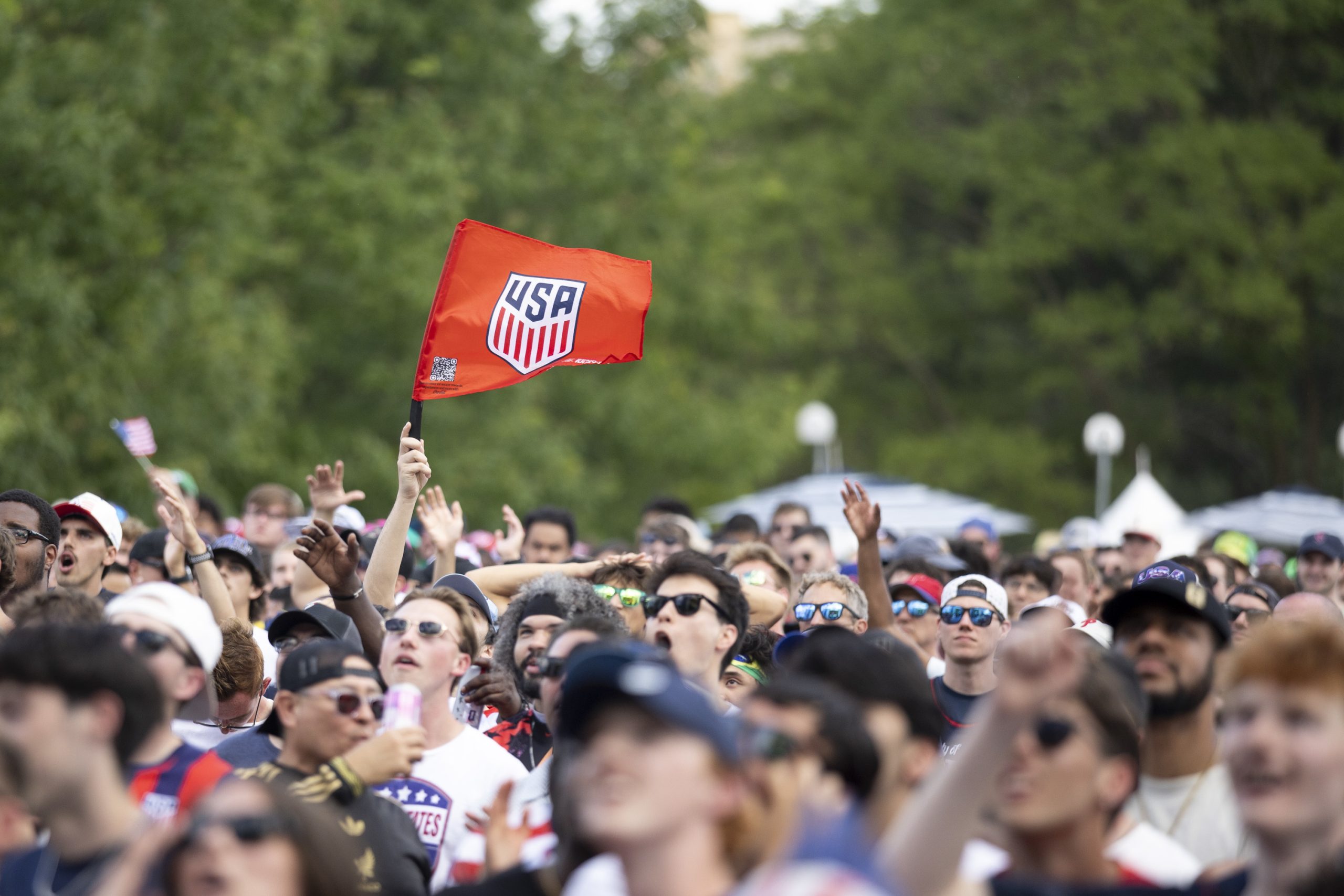
    FIFA Fan Festival at Lemon Hill Park as seen capacity crowds during the World Cup. They’re hoping that continues with a slate of free concerts next week. Tyger Williams / Staff Photographer

    FIFA Fan Festival free concert schedule

    • Sunday, July 12: Wisin, 2 p.m. (Festival gates open at noon and close at 4 p.m.)
    • Monday, July 13: All-American Rejects, 7 p.m. (Festival gates open at 5 p.m. and close at 9 p.m.)
    • Thursday, July 16: Deadmau5, 7 p.m. (Festival gates open at 5 p.m. and close at 9 p.m.)
    • Friday, July 17: Bebe Rexha, 7 p.m. (Festival gates open at 5 p.m. and close at 9 p.m.)