Blog

  • NBC Sports Philadelphia’s Tom McCarthy will miss most of Phillies-Angels series

    NBC Sports Philadelphia’s Tom McCarthy will miss most of Phillies-Angels series

    One familiar Phillies voice will replace another this weekend during the team’s series against the Los Angeles Angels.

    Tom McCarthy, in his 20th season as the TV voice of the Phillies, will call Friday night’s game on NBC Sports Philadelphia alongside Ben Davis. Scott Franzke, the team’s longtime radio announcer on 94.1 WIP and other stations throughout the Delaware Valley, will take over Saturday and Sunday alongside Davis, with Gregg Murphy calling the game on radio with Kevin Stocker.

    So where will McCarthy be? He’ll be on Peacock and NBCSN calling a noon matchup between the Washington Nationals and Miami Marlins, part of an NBC Sunday triple-header. Joining him in the booth is one-time Phillies radio announcer Kevin Frandsen and four-time World Series champion Jeff Nelson.

    But unlike John Kruk, McCarthy has no issues wearing a suit.

    McCarthy initially though he might call Saturday night’s Phillies game, then take an overnight flight to Miami. But the notorious workaholic thought better of trying to navigate such a narrow window.

    “It just wasn’t prudent to get in at 5:30 a.m. to do an early game,” McCarthy said. “I like to work. I like the opportunity. I like the adrenaline rush. But I also thought it was probably better for everybody if I didn’t do that.”
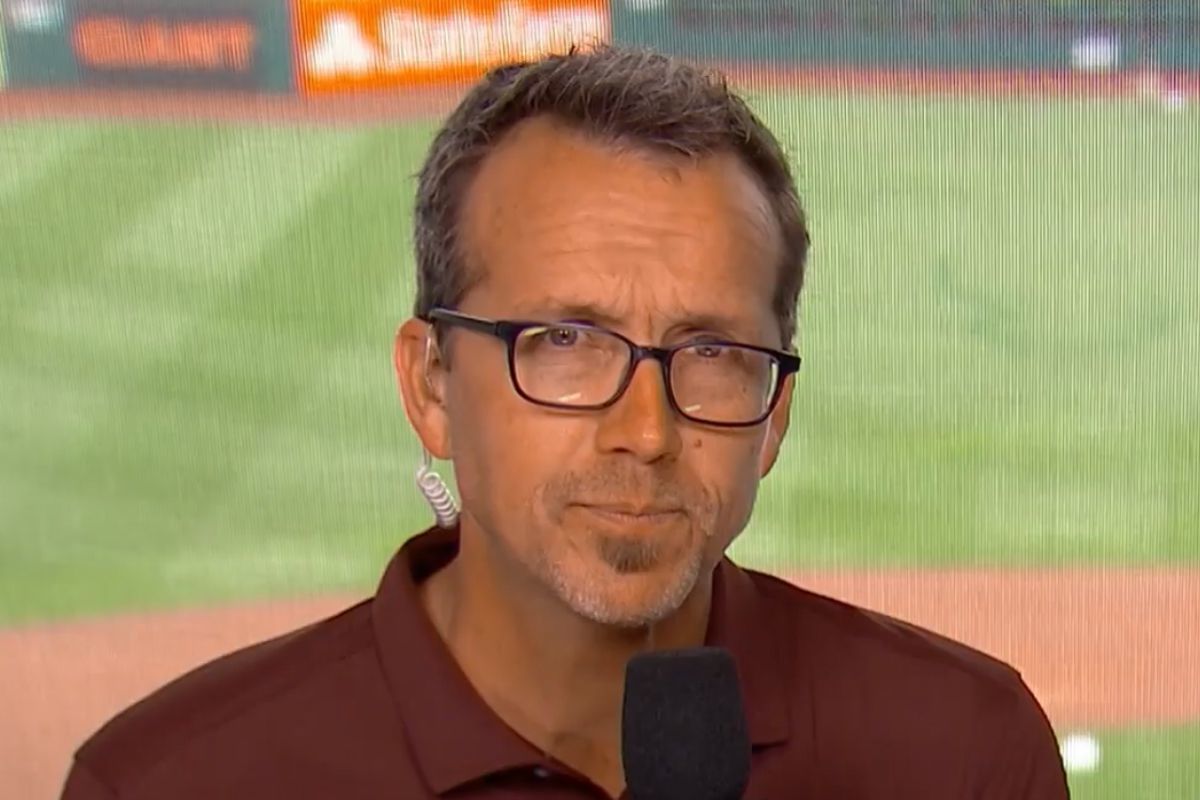
    Phillies radio announcer Scott Franzke will be on TV this weekend. NBC Sports Philadelphia

    The late-season shifting is nothing new for McCarthy or Philly fans. In addition to his role calling Phillies games, McCarthy is also entering his 13th NFL season as a play-by-play announcer with CBS. This year he expects to call around 10 games, but he won’t do it alongside Ross Tucker, who was promoted to the network’s No. 2 booth alongside Ian Eagle.

    “I’ve known him since he was 18 years old. I’m very proud of him,” McCarthy said of Tucker. “He’s one of the hardest workers I’ve ever been around.”

    Instead, McCarthy will call games with former Seattle Seahawks and Indianapolis Colts running back Robert Turbin in his first season as an NFL color analyst.

    Because the start of the NFL season was pushed back by a late Labor Day, McCarthy will actually end up missing fewer Phillies games this season.

    Last season, Tom McCarthy (left) called NFL games alongside Ross Tucker. CBS

    His first NFL game is the Week 1 matchup between the Cleveland Browns and Jacksonville Jaguars on Sept. 13, somewhat appropriate because he once called Browns preseason games. As a result, he’ll miss all three games of the Braves-Phillies series that weekend.

    He’ll also work Week 2 and Week 3 for CBS, though the network hasn’t publicly announced which games he’s calling. But thanks to national broadcasts, McCarthy will only miss a total of three Phillies games on NBC Sports Philadelphia those two weekends, though it does include the season finale against the Tampa Bay Rays on Sept. 27.

    “The Phillies are great about it,” McCarthy said. “I don’t miss any games during the regular season, kind of by design. Unless it’s my kid’s graduation. … I save it for football season.”

    The Eagles have two games scheduled to air on CBS, though the Birds’ Week 11 matchup against the Pittsburgh Steelers will be a national 4:25 p.m. game. The other is a Week 6 matchup against the Carolina Panthers.

    While McCarthy has called Eagles games on the radio for Westwood One, he’s never had the opportunity to broadcast the Birds on CBS. The streak will likely continue this season, since McCarthy isn’t assigned any games that weekend.

    “I would love to do an Eagles game. I think it’d be a hoot,” McCarthy said. “But I just roll with wherever they send me.”

    McCarthy’s absence is a Phillies tradition that goes back to the late, great Harry Kalas, who called Notre Dame football games in September and national radio games for Westwood One. He also missed games on Tuesdays and Wednesdays to do voice-over work for NFL Films.

    It was actually one of those absences where McCarthy got his first opportunities to call the Phillies on TV.

    While Sunday is McCarthy’s first-and-only regular season game for NBC, he’ll call a wild-card series next month for the network. That means for the first time, McCarthy has the chance to actually call some Phillies postseason games.

    “I don’t know if NBC would put me there or not, but I think there’s a possibility,” McCarthy said. “It would be awesome.”

    Phillies’ standings and NL playoff picture

    window.addEventListener(“message”,function(a){if(void 0!==a.data[“datawrapper-height”]){var e=document.querySelectorAll(“iframe”);for(var t in a.data[“datawrapper-height”])for(var r,i=0;r=e[i];i++)if(r.contentWindow===a.source){var d=a.data[“datawrapper-height”][t]+”px”;r.style.height=d}}});

    If the season were to end today, the Phillies would be the No. 2 wild card in the National League. That would currently mean a best-of-three series against the Chicago Cubs in Wrigley Field, with the winner advancing to the National League Divisional Series.

    Here’s how the wild-card race in the National League currently shakes out:

    window.addEventListener(“message”,function(a){if(void 0!==a.data[“datawrapper-height”]){var e=document.querySelectorAll(“iframe”);for(var t in a.data[“datawrapper-height”])for(var r,i=0;r=e[i];i++)if(r.contentWindow===a.source){var d=a.data[“datawrapper-height”][t]+”px”;r.style.height=d}}});

    Phillies news

    Bryce Harper has five homers this month and is hitting .338 and slugging .600. Elizabeth Robertson / Staff Photographer

    Remaining Phillies TV schedule

    • Phillies at Angels
    • Phillies at Diamondbacks
    • Braves at Phillies
    • Astros at Phillies
    • Phillies at Braves
    • Phillies at Nationals
    • Phillies at Mets
    • Brewers at Phillies
    • Rays at Phillies
  • Upper Darby may dole out ‘quick tickets’ for overgrown grass, improper trash disposal, and other property violations

    Upper Darby may dole out ‘quick tickets’ for overgrown grass, improper trash disposal, and other property violations

    Upper Darby may soon hand out tickets for more than a dozen property maintenance and “quality of life violations,” including improper waste disposal, overgrown grass, and illegal dumpster placement.

    Upper Darby’s council earlier this month advanced an ordinance that would allow the township’s licenses and inspections department to dole out “quick tickets” for 17 property-related violations. Tickets would range from $50 to $100 and would, according to officials, allow the township to enforce property-related infractions without engaging in a drawn-out compliance process each time.

    “This is something that we really need. Our inspectors really need it,” Amrinder Singh, Upper Darby’s director of licenses and inspections, said at an Aug. 19 meeting.

    Singh said the program would give inspectors “another practical tool to address routine violations more quickly and encourage prompt, corrective action” with the ultimate goal of “trying to change human behavior.”

    Council voted to advertise an ordinance establishing the property maintenance quick ticket program and is set to vote on the ordinance on Sept. 2.

    Upper Darby currently addresses property issues through a violation and compliance process, which Singh said can be lengthy and delay corrective action. Under the existing system, code enforcement officers conduct an inspection, either proactively or following complaints. If a violation is detected, the property owner receives written notice describing the infraction and required action with a deadline. After the compliance period, the property is reinspected, and, if the issue isn’t corrected, enforcement actions can be taken, including fines, citations, and criminal proceedings before a district judge.

    Ultimately, Singh said, many property owners just ignore the citations.

    The proposed program would send tickets straight to property owners after violations are documented, bypassing the existing, and sometimes protracted, process. Money collected through tickets would go into Upper Darby’s general fund. Property owners will be able to appeal tickets to the township, Singh said. The township’s existing violation process would still exist, Singh said, and would work in tandem with the quick tickets.

    Norristown and Reading have implemented similar programs.

    The township selected the 17 specific violations because they contribute to unsafe conditions, neighborhood blight, pests, and pedestrian obstructions, Singh said.

    Upper Darby’s licenses and inspection department has received over 7,000 complaints this year, according to Singh, with around 40% being for grass and trash violations.

    At recent council meetings, residents have complained of rat infestations and improper trash storage in their neighborhoods.

    If passed by council, the quick ticket program ordinance would go into effect immediately, but fees and penalties wouldn’t be collected until Jan. 1. Singh said the four-month wind-up would allow the department to train inspectors, establish payment procedures, and engage in education and outreach with residents.

    Council members at the Aug. 19 meeting seemed poised to approve the program. Council member Myron McNeely said it is “way overdue.”

    Here’s a full list of the violations proposed for enforcement under the quick ticket program:

    • Accumulation of rubbish, garbage, or debris
    • Improper dumping or disposal of waste
    • Failure to clean up animal waste
    • Improper storage of trash containers or recyclables
    • High weeds or overgrown grass
    • Overgrowth obstructing sidewalks or public rights of way
    • Outside placement of indoor furniture or appliances
    • Exterior accumulation of construction debris or materials
    • Improper storage of hazardous materials
    • Illegal placement or storage of dumpsters without authorization
    • Unregistered, uninspected, unsafe, immobilized, or inoperative motor vehicles
    • Unsafe or noncompliant swimming pools
    • Snow and ice removal violations
    • Graffiti defacement
    • Failure to obtain required permits
    • Failure to post required permit placards
    • Failure to secure vacant unoccupied structures

    This suburban content is produced with support from the Leslie Miller and Richard Worley Foundation and The Lenfest Institute for Journalism. Editorial content is created independently of the project donors. Gifts to support The Inquirer’s high-impact journalism can be made at inquirer.com/donate. A list of Lenfest Institute donors can be found at lenfestinstitute.org/supporters.

  • Judge once again bars Postal Service from restricting mail-in vote

    Judge once again bars Postal Service from restricting mail-in vote

    WASHINGTON — A federal judge Thursday once again temporarily prohibited the U.S. Postal Service from implementing a plan to restrict mail-in voting, put in place after a directive from President Donald Trump.

    U.S. District Judge Indira Talwani had cleared the way for the Postal Service to move forward just the day before, but Thursday, she issued a new order concluding that the agency’s plan, released late last week, appeared to overstep its legal mandate and could lead to chaos by changing rules fewer than 70 days before an election.

    She wrote that a group of Democratic-led states that had sued “face irreparable harm where they are required to comply with a likely unconstitutional regulation for which compliance is practically impossible as to the 2026 midterm elections, now little more than two months away.”

    “Most plaintiff states have already ordered their mail ballots, and some are required by state law to send them to eligible voters as early as next week,” she added.

    She wrote that while the Supreme Court had “admonished” her Monday that the Postal Service had not finalized any changes when the groups sued initially, making court action premature, the stakes had changed since then because of the step the agency took late last week to formalized its plan.

    Her ruling marked the third court decision on the issue in less than a week, a whipsaw of action that threatened to confuse voters. But each delay has reduced the administration’s chances of clearing the legal hurdles to execute its logistically complicated mail-in ballot plan before the November election. She blocked the rule from taking effect for 14 days, and she had previously scheduled a hearing to discuss the legality of the rule on Sept. 3.

    In her order, Talwani explained that the prospect of the new rule suddenly taking effect carried “significant risk of their members’ disenfranchisement” for voting rights organizations, which had also sued, along with the states.

    She ticked through a list of requirements that state election officials would be required to meet to ensure delivery of ballots, including receiving the agency’s approval for new envelope designs and submitting voters’ information into an online portal run by the Postal Service.

    “Where a state or local election official does not obtain envelope and return envelope design approval, or does not upload voter information, or does not include unique intelligent mail bar codes on ballot envelopes, the U.S.P.S. will not mail ballots to voters,” she concluded.

    In March, Trump issued an executive order that required the Department of Homeland Security to create and circulate state-by-state citizenship lists to state officials. It further urged states to provide the U.S. Postal Service with their own lists of voters eligible to cast ballots by mail.

    Multiple lawsuits were filed challenging the order, arguing that Congress and the states set rules for elections, not the executive branch. The challengers also argued that no federal law gives the Postal Service the power to make those kinds of election-related rules.

    On Monday, the Supreme Court ruled that one suit, brought by a group of Democratic-led states, was premature because the administration had not started implementing its plans.

    But late Friday, just before the court ruled, the Postal Service formally published a new plan to comply with the executive order. Under that plan, the service would not deliver mail ballots in states that do not share voter data with the agency and would only deliver ballots that meet certain criteria.

    Lawyers for the Trump administration and the groups challenging the rule continue to clash over a straightforward issue: Whether or not the Postal Service’s plan would mean the agency would be taking on a new role verifying voters and potentially rejecting ballots in the midterm election in November.

    In a filing Thursday, the Postal Service denied that its proposal left room for the service to second-guess states on which voters were eligible to cast a ballot.

    “U.S.P.S. will not scrutinize those decisions or alter that information in any way — instead leaving it entirely up to the states to accurately and lawfully identify its residents who are eligible to vote by mail,” the filing said. “The Postal Service will not determine voter eligibility, ballot content, mailing or receipt deadlines, or ballot-counting procedures.”

    Instead, it described the changes as minor logistical improvements and streamlining, such as requiring voters to submit their addresses ahead of time to improve processing. It said the changes were designed “as a matter of the Postal Service’s own judgment.” Lawyers for the service argued it is authorized to adopt mail rules under statutes adopted by Congress.

    The challengers argue that the Postal Service rule is an unconstitutional violation of the separation of powers, allowing the executive branch to intrude into elections. They say that no federal law permits such action by the agency, and they assert that the Trump administration’s actions are likely to sow confusion among voters and to lead to disenfranchisement.

    The agency has repeatedly said that it would not attempt to impose the new requirements, unless it was explicitly allowed to by the courts.

    A series of lawsuits in Massachusetts and the District of Columbia by different groups have challenged Trump’s effort to discredit and erect obstacles to mail-in voting. The lawsuits have challenged both Trump’s executive order and the Postal Service rule, focusing on their implementation this year and beyond.

    This article originally appeared in The New York Times.

  • Trump used to say he saw a quick end to his Iran war, but 6 months later he claims he’s in no hurry

    Trump used to say he saw a quick end to his Iran war, but 6 months later he claims he’s in no hurry

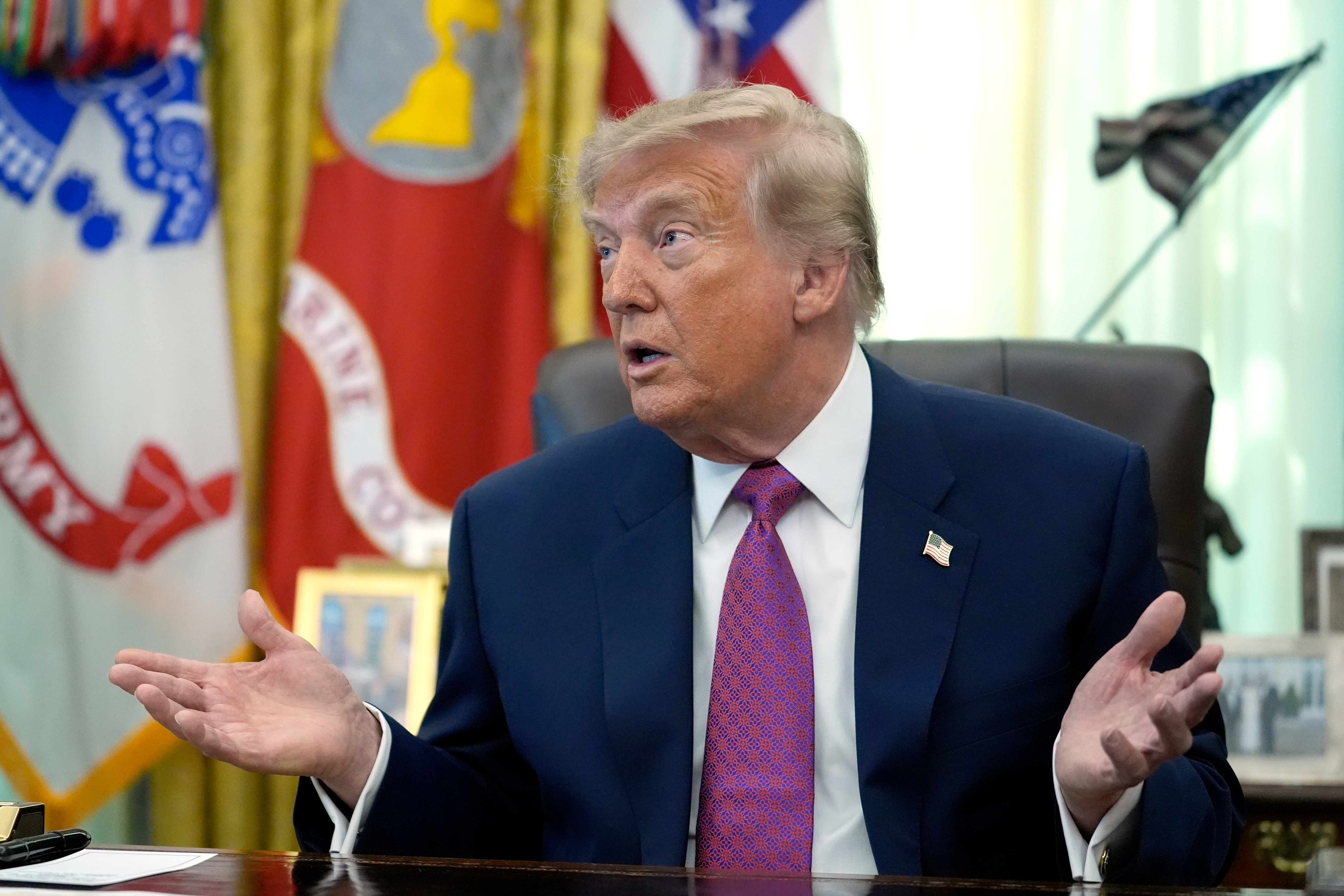
    WASHINGTON — President Donald Trump arrives at an awkward moment for his presidency on Friday as the U.S.-Israel war against Iran reaches the six-month mark, a notable milestone for a conflict that the Republican leader repeatedly assured Americans would be a “little excursion” lasting a matter of weeks.

    The war isn’t over, though Trump claims that through bombs and blockade, he has already devastated Iran’s leadership, military and economy.

    And this week his administration said it would turn its focus to increasing economic pressure — rather than military action — to try to finish off Iran. The shifting strategy centers on threats to punish any country or entity that continues to conduct business with Tehran.

    The turn to using sanctions as the cudgel of choice comes as the administration weighs diminished munitions stockpiles after months of war, sparking concerns that the prolonged conflict could undermine U.S. military readiness in other parts of the globe.

    As the conflict grinds on, Trump’s talk of finding a quick end to the war also appears to be fading. He stressed this week that he’s “not in a hurry” to get Iran back to the negotiating table, and he continues making the case that the Islamic Republic’s leadership is on the ropes.

    “They’re not paying their troops. They’re in deep trouble. They have very little capacity,” Trump told reporters Thursday. “We don’t want to speak to them. We’re not looking to meet or anything,” he said.

    It’s unclear how — or if — Trump will address the six-month anniversary of a conflict that has already cost the United States more than $37.5 billion and done damage to his popularity ahead of critical November elections for his party. The president is spending Friday in Houston, where he’ll honor the Artemis II NASA crew for their 10-day mission around the moon earlier this year.

    Trump is declaring ‘mission accomplished’ — a phrase that hurt a Republican predecessor

    On its face, the moment is complicated for the “America First” leader who fiercely criticized his White House predecessors for wasting American taxpayer money and U.S. troops’ lives in Middle East conflicts and vowed on the campaign trail to keep the military out of “endless wars.”

    But Trump has bristled at suggestions that this war — in which no American troops have deployed into Iran — can be compared with the yearslong wars in Iraq and Afghanistan in which more than 7,000 Americans were killed.

    His Republican predecessor, President George W. Bush, was widely mocked for a 2003 speech aboard the USS Abraham Lincoln beneath a White House-produced banner that read “Mission Accomplished.” It came to symbolize a premature declaration of victory for the Iraq War, which would go on for nearly nine more years. More than two decades later, there are still U.S. troops stationed in Iraq.

    Trump’s war has stretched on far longer than he told Americans it would. It didn’t stop him from sharing a social media post this week declaring “MISSION ACCOMPLISHED 2026.” The AI-generated image features Trump against a backdrop of U.S. fighter jets, a warship and American flags above smaller images of Bush and former Iranian Supreme Leader Ayatollah Ali Khamenei, who was killed in an Israeli strike in the opening salvos of the war.

    Trump has consistently emphasized that the U.S. and Israel campaign has been devastating for Iran’s navy and air force. Iranian officials have said the country has suffered $270 billion in direct and indirect damage. Israeli military strikes in the first weeks of the war wiped out much of the theocratic government’s leadership structure, including Khamenei.

    But Iran has found leverage through its own strikes in the critical Strait of Hormuz, where relatively few vessels carrying oil and liquefied natural gas are risking passage. Trump again declared Thursday that the “Strait of Hormuz is open,” saying 24 vessels passed through a day earlier. That’s a fraction of the roughly 130 vessels that passed through the vital waterway daily before the war began.

    Trump is showing little interest in talks

    Mediators Qatar and Pakistan continue to press for a diplomatic off-ramp from the two sides. Qatar’s prime minister, Sheikh Mohammed bin Abdulrahman Al Thani, was in Tehran on Thursday to discuss a proposed plan between Iran and Oman to boost traffic through the Strait of Hormuz.

    But in Washington, Trump has shown little interest in getting back to the preliminary deal reached in June that aimed to reopen the strait and launch talks about Iran’s nuclear program. That deal fell apart within weeks after Iran started attacking ships.

    At the same time, Trump says the U.S. effort to economically choke off Tehran is working, with a U.S. naval blockade preventing Iranian oil from making it to market as the trickle of vessels carrying oil from other Gulf nations pass through.

    “We have control and we have the blockade,” Trump said. “Iran is not getting anything. Nothing is going through.”

    Iran is badly battered, but has a history of showing resilience

    There’s no doubt that the strikes combined with decades of international sanctions have battered Iran, said Aarathi Krishnan, a geopolitical risk analyst at RAKSHA Intelligence Future.

    But as Trump tries to turn to a new chapter in the war, Krishnan argues the Republican may be misguided in concluding that more pressure on Tehran — which has spent decades adapting to international economic sanctions — will produce the political outcome he wants.

    Indeed, Iran’s economy in the run-up to the start of the war was mired in surging inflation, according to the International Monetary Fund. National income per person had fallen from about $8,000 in 2012 to $5,000 in 2024, according to World Bank data.

    But Tehran has also shown resilience, selling discounted oil and establishing opaque shipping and financial networks, Krishnan said.

    “This administration has completely underestimated the Iranian resolve,” Krishnan said. “This is not new to the Iranian regime.”

    Trump must decide how far he’s willing to go with sanctions

    Richard Goldberg, who served as a senior adviser on Iran at the National Security Council during Trump’s first White House term, argues that Iran now finds itself in “uncharted waters” if the administration follows through with a truly biting campaign to pressure Iranian trade partners.

    “What we should be seeing is an attempt to seal off every escape hatch the regime has left,” said Goldberg, who is now at the Foundation for Defense of Democracies, a hawkish Washington think tank. “Use the economic power of the United States to layer a naval blockade with an air and land embargo while dropping the hammer on anyone who gives the regime access to hard currency — whether that’s in the Middle East, China or even Europe.”

    But it remains to be seen how far the administration is willing to go.

    Treasury Secretary Scott Bessent this week unveiled a campaign the White House calls “Operation Economic Outcast,” but only issued warnings to nations to cut trade and has yet to announce any secondary sanctions. Bessent told reporters the administration wanted countries to have a chance to shift away from Iran before it was too late — and acknowledged there was economic risk to the U.S., too, in moving ahead.

    China, which is Iran’s biggest trade partner and oil buyer, responded by expressing its opposition to “illegal unilateral sanctions.”

    Pressed Thursday about why he wasn’t already sanctioning Chinese banks, Trump offered a cryptic response.

    “Who said I’m not? You don’t know if I’m doing it,” Trump said. “I don’t have to announce everything, do I?”

  • Death toll rises in Nepal-China border disaster as a lake poses new flood threat

    Death toll rises in Nepal-China border disaster as a lake poses new flood threat

    KATHMANDU, Nepal — Rescuers pulled out survivors caked in dark brown mud and helicopters lifted stranded people to safety Friday as Nepal and China raced to respond to catastrophic flash floods that killed more than 500 people and left more than 1,500 missing.

    Nepal’s disaster management authority said the death toll there rose to 538, and that more than 3,700 people have been rescued. Nepali police later put the number of deaths higher at 547.

    Meanwhile there was little information on survivors on the Chinese side, where the death toll rose to five Friday as state media showed evacuations of villages and leaders’ efforts to direct the relief response.

    China’s state media previously said 558 people were missing. Across the border, Nepal’s disaster management authority said Friday that 977 people were still unaccounted for. Hundreds of them were foreigners in the area to work, trek or make a pilgrimage to a sacred peak.

    Authorities warn of further flooding from a new lake

    Nepali police issued a fresh alert Friday after receiving information that a dam on the Tibet side has burst. Security personnel and rescue and relief workers were told to stay on high alert and immediately move to a safe location if necessary.

    It is unclear if the dam bursting is related to flooding concerns over a barrier lake that formed after the initial flash floods, high up in the Chinese side of the Himalayan mountains. Chinese broadcaster CCTV said the lake was at an elevation of 2,950 meters (9,680 feet.)

    Nepali and Chinese authorities earlier warned of further flooding from the barrier lake, which was already overflowing. They urged people in potentially affected areas to move to safer ground.

    Nepal police spokesperson Abi Narayan Kafle told The Associated Press that the rescue operation was continuing but with high alert. “It hasn’t stopped,” he said.

    Although the new lake is located more than 10 kilometers (6 miles) from Gyirong Port, the hard-hit border crossing with Nepal, rescue workers heading to the disaster zone were ordered to stop temporarily Friday morning owing to concern the lake would overflow.

    Some 680 rescuers eventually reached the hardest-hit area at Gyirong by foot and via rafts after much effort. Some were dropped down from drones flown to the area, CCTV footage showed.

    Thousands of people have been evacuated, others await rescue

    Nepali Army rescuers were working to help people trapped in a hydropower tunnel in Rasuwa, part of the Upper Trishuli-1 Hydropower Project.

    Video from the scene show rescuers helping the man, covered in dark brown mud, out of the tunnel by pulling and pushing. He was one of likely dozens trapped in the tunnel.

    Army spokesperson Brig. Gen. Raja Ram Basnet told the AP the focus was on survivors.

    “It is complicated to find the entry and exit points of the tunnel because everything has been covered by mud,” Basnet said. “Our first priority is rescuing the stranded people.”

    Nepal’s disaster management authority said 3,253 people had been airlifted by helicopter from the disaster area. Survivors, including injured people, were taken to Kathmandu and other locations.

    Some felt the ground shake, then saw a ‘black storm’

    Scientists who’ve studied satellite images said bedrock underneath a glacier high in the Himalayan region had collapsed, taking part of the glacier with it. The rockfall was so extreme that it reached a magnitude 5.2 seismic measurement. The rocks and melted water then swelled the rivers in the valleys below, causing a torrent of water that swept buildings, bridges and earth downstream in Tibet and Nepal.

    Customs officer Karbir Gaire was among some of the survivors in Timure, the closest Nepalese village to the border with China, where some 1,500 people had lived.

    Gaire reached his office around 8 a.m. Wednesday and was working on his computer when he first felt the ground shake.

    “Right after the shake, I noticed a black storm coming towards us,” he recalled from Kathmandu, where he is back with family. ”We all immediately started running out, and within a few seconds, we were climbing uphill on the opposite side of our office building. I think those 10 or so seconds saved some of us.”

    Gaire doesn’t remember exactly how many people were in the office when the disaster struck, but 15 colleagues have gone missing. “It was like a Hollywood movie scene. I don’t call it a flood, it was a tsunami.”

    Families around the world hope for news of loved ones

    Nepal’s tourism board has said that among the missing are more than 500 foreigners.

    About 90 Americans were unaccounted for. U.S. President Donald Trump said the flooding was terrible to see, and he told reporters in the Oval Office he offered to provide Nepalese leaders “anything they want.”

    Rajan Tamang, a restaurant owner in New York City, said he learned from family in Kathmandu that his mother and sister were among those who died, while many other relatives and friends remained missing.

    “My family was just waking up, and they didn’t even get any information, and suddenly this flood came. Some of them are missing, some of them lost their life and only a few is alive,” he told the AP after a vigil in New York.

    Some of the missing may have been on a pilgrimage to Mount Kailash in Tibet, a sacred site for Hindus, Buddhists and others.

    Vishnuram Ramaswamy, who works at a private company in the southern Indian city of Puducherry, said that he last spoke to his mother and two sisters who were on that pilgrimage Wednesday morning. It was a highly anticipated trip, something his mother had always wanted to do, he said.

    “My mother said they were on their way towards the border area and said they’ll reach their hotel and call us,” he said. While he’s in touch with government officials, and the travel agency, there’s been no news.

    “This was the last we spoke to them. They have been unreachable since.”

  • The 1960s blueprint for fighting against data centers

    The 1960s blueprint for fighting against data centers

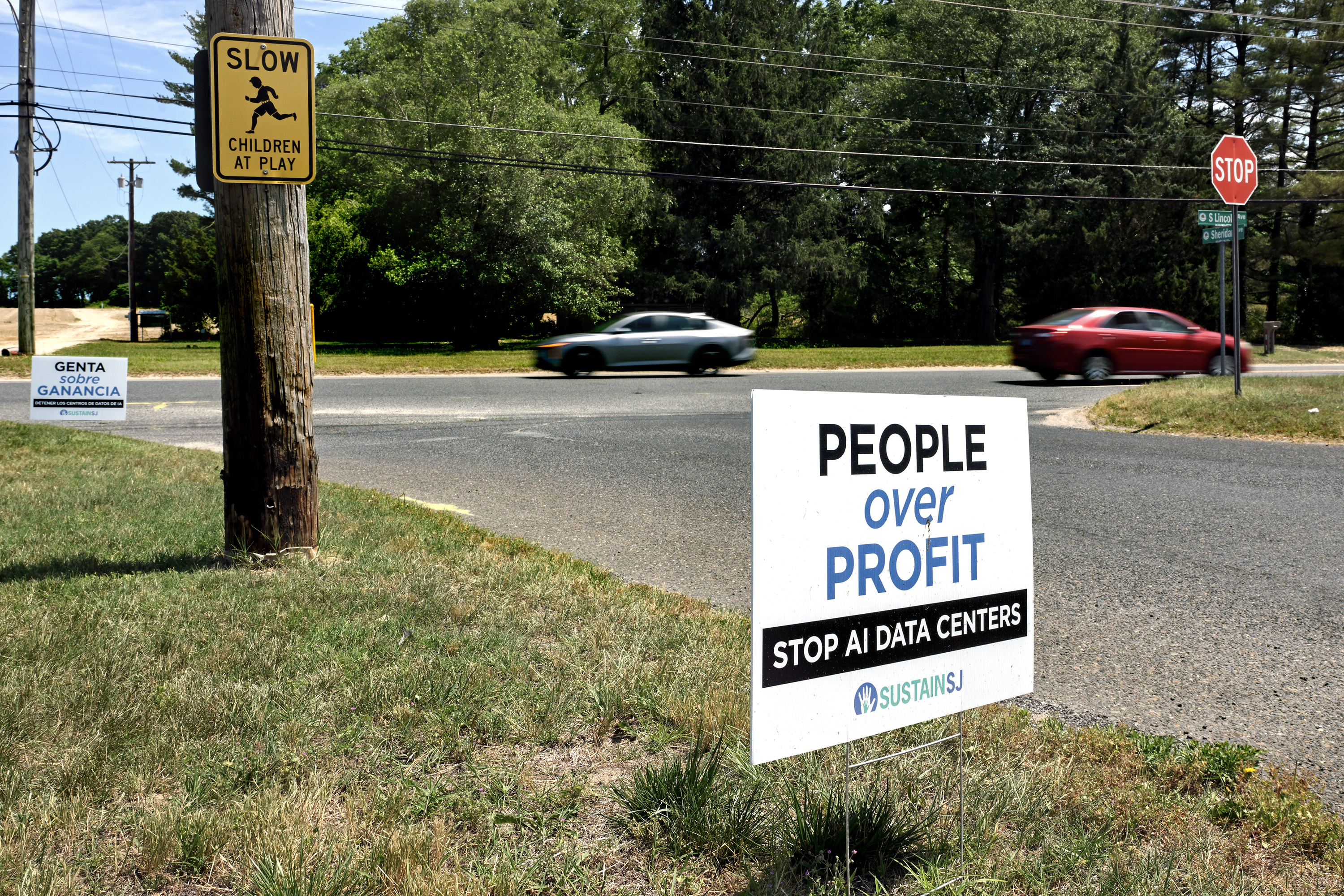
    When hundreds of Upper Merion residents came to a township planning meeting in the spring of 2026 to oppose construction of five proposed data centers in King of Prussia, they discovered that, according to the developer, they had little recourse. The plans were code compliant, Brian J. O’Neill of MLP Ventures claimed. They required no rezoning, no variances — and no vote from township officials.

    Yet, the residents didn’t just roll over. Instead, they set about organizing. A petition against the proposal garnered roughly 18,000 signatures — a majority of the township’s population. After an intense three-month campaign against the plans, the township Board of Supervisors rejected them in August. O’Neill vowed to appeal, and accused the board of violating state and local planning codes (which they denied), so the fight may not be over.

    The board’s action reflected how fierce blowback across the country has politicians across the ideological spectrum rushing to limit data center construction. Both Texas Republican Gov. Greg Abbott and Pennsylvania Democratic Gov. Josh Shapiro recently placed limits on data center construction.

    As the campaign against data centers proceeds, opponents can learn from the experiences of towns caught up in the high-tech manufacturing boom of the mid-20th century. That history shows what happens when residents disagree with politicians on these initiatives. And, while not every locality will succeed in stopping a data center, what residents build in these campaigns can outlast the fight itself.

    In the 1950s and 1960s, city councils throughout the San Francisco Bay Area eagerly courted technology industries to build campuses in their cities. Officials in these places saw high-tech as the future of American industrialization. They hoped that these new facilities would become an economic boon for their cities and sought to capture new tax dollars from businesses and new residents. Some places, like San José, went so far as to give land to companies like IBM without following the usual avenues for development.

    Cities weren’t the only ones that saw high-tech industry as the economy of the future. Stanford University, under the guidance of administrators who had worked in scientific research during World War II, saw high-tech research and development as an engine for economic growth for the university. They developed new programs around electrical engineering and electronics research, created industry-university worker programs that allowed employees to enroll in Stanford classes and encouraged students to found their own companies.

    In 1954, Stanford used a piece of its vast landholdings to create the Stanford Industrial Park (later, Stanford Research Park), which attracted the likes of Fairchild Semiconductor and Kodak, alongside companies founded by one-time Stanford students such as Varian Associates and Hewlett-Packard. Business developers at the university were right: within a decade, the new office park was generating millions of dollars of new revenue for the university.

    In 1960, the university and City of Palo Alto announced that the Ampex Corporation planned to build an office campus in the research park outside Los Altos Hills. The city council had already approved rezoning the land for light industry, and the plan appeared poised to proceed.

    Neighboring residents, however, were not so keen on the university’s plans. Stanford neglected to consider the impact of the development on the local communities. Residents expressed concern about increased traffic and smog, as well as the potential environmental degradation of the pastoral foothills. They were also irritated by Stanford’s seemingly smug attitude toward community relations.

    Through community and alumni networks, residents formed the Citizens Committee on Regional Planning (CCRP) to organize resistance to the Ampex plans. Within a month, CCRP organized community meetings, editorials and letter writing campaigns so forceful that Stanford University President Wallace Sterling referred to the event as the “Battle of the Hills.” One resident expressed dismay to Sterling, noting that “we now have smog, congestion, and acres of asphalt where we once had fresh air and freedom of movement in a beautiful countryside — one of the finest climates on earth!”

    Hundreds of letters in opposition to the planned construction poured into the Sterling’s office: within four months of announcing the plan, nearly 400 such letters had reached the university president. Meanwhile, residents flooded the letters-to-the-editor section of the Palo Alto Times with opposition to the plan.

    Made By History sponsors. FOR USE ON MADE BY HISTORY STORIES ONLY.Inquirer Staff

    In response, the university’s business manager, Alf Brandin, took to the pages of the newspaper to cast the university as a reluctant developer, writing that Stanford was “doing everything we possibly can to produce income” to support the university’s mission. Stanford also pushed back against criticism by reminding residents of the role the university had played in preserving open spaces — in the form of its campus lands — and in encouraging economic development that benefited the community.

    When the letter and editorial campaigns failed to budge Stanford, residents turned to their next tool: the referendum. In June, five months after Stanford announced its plans, organizers began circulating petitions throughout Palo Alto calling on the city council to rescind its decision to rezone the land for industry and allow residents to vote on the issue. Four days before the rezoning ordinance became official, organizers filed a petition with the city clerk with 2,000 signatures, double the amount required to force a vote.

    Placed on the ballot that November, the Stanford lands were now in the hands of residents. A “yes” vote would keep the city council’s rezoning in place and allow Ampex to proceed with construction, while a no vote would kill the development.

    The debate continued to play out in the pages of the Palo Alto Times. The newspaper’s editorial board came out in favor of Stanford’s plans, arguing that residents’ concerns over the loss of a foothill overlooked the way in which Stanford’s landholdings “constituted a free park” for Palo Alto and its surrounding communities.

    This sort of argument proved persuasive. In November, the referendum to stop the construction lost in a close vote. Stanford’s grassroots campaigning had helped to convince voters to bless the construction plans.

    Yet, this win proved to be a pyrrhic victory. The yearlong political campaign had spooked Ampex, which decided to build its new facilities elsewhere.

    Ultimately, the neighbors won in another way as well: their campaign against the Ampex development had created a durable organizing network. Those involved in the fight continued organizing against high-tech development plans, forming new conservation and environmental groups and galvanizing networks that successfully shaped future decisions and plans.

    Within five years, new waves of conservation-minded city council candidates displaced their more developer-friendly predecessors. High-tech developers now had to contend with the concerns of communities.

    The successors and offshoots of the high-tech entrepreneurs and companies who propelled the rise of high-tech industry in California in the 1950s and 1960s are now building data centers. Residents in Pennsylvania, California, Texas, Virginia, Nevada, Nebraska, Ohio and elsewhere have come out in heavy opposition to their plans, concerned over their footprint, water use, electricity needs and taxes. They see these downsides as outweighing the economic benefits and new jobs that boosters promise the data centers will bring to communities — O’Neill released an economic impact study claiming that building the King of Prussia data centers would have created 10,000 construction jobs and more than $55 million per year in local tax revenue.

    States and counties across the United States have passed moratoriums on data center construction while congressional and gubernatorial candidates find themselves taking a stand on the issue as well. Congress is also getting involved. Among the most forceful proposed efforts is California Rep. Ro Khanna’s Data Center Bill of Rights, which seeks to establish zoning restrictions, require independent environmental and economic impact statements for any project, and protect residents from higher utility bills.

    The history of the fight over high-tech industry in the 1950s and 1960s suggests that those crusading against data centers may not win the short-term fight. Residents and local governments might find the economic arguments of data center backers persuasive just as pro-development arguments won over the voters in Palo Alto decades ago. Yet, even when they fail in the short term, these campaigns might spook companies and can seed organizing networks that will shape local development for years to come.

    Jason A. Heppler is the senior developer at the Roy Rosenzweig Center for History and New Media and Adjunct Professor in the Department of History and Art History at George Mason University. He is the author of Silicon Valley and the Environmental Inequalities of High-Tech Urbanism

    Made by History takes readers beyond the headlines with articles written and edited by professional historians. Opinions expressed do not necessarily reflect the views of The Inquirer.

  • 🏁 Cycling Classic weekend is here | Outdoorsy Newsletter

    🏁 Cycling Classic weekend is here | Outdoorsy Newsletter

    August is nearly finished. Are you looking forward to the fall? I’d love to know what you like to do outside this season.

    In today’s edition:

    ☀️ Your weekend weather outlook: Splendid conditions. Light wind and little chance of rain.

    — Paola Pérez (outdoorsy@inquirer.com)

    If someone forwarded you this email, sign up for free here.

    On your marks

    It’s an all-day party. It’s considered one of the best summertime days in Philadelphia. And it’s finally back after a decade.

    The prestigious Cycling Class returns this weekend, attracting spectators and cycling enthusiasts from all over the city.

    ⏱️ The Classic kicks off Sunday and runs from 8:30 a.m. to around 4:45 p.m. The (free!) Fan Fest, located at the Iroquois Sculpture area by the Art Museum, will be open the entire weekend, from 10 a.m. to 5 p.m. Saturday and 8 a.m. to 5 p.m. Sunday.

    🚃 Consider public transportation to get to your spectating spot, as no parking is available and road closures and restrictions will be in effect. Don’t know where to go to watch the action unfold? We have you covered with our picks of the best spots, and information on nearby SEPTA stations.

    🚴 You could also bike to your spot. Organizers recommend riding to the course via the Schuylkill River Trail. Free bike valet parking is available at the Fan Fest and Lemon Hill.

    Use our guide to get ready for race day by taking a lap of the 14-mile course from start to finish, and to find all other important details about the race.

    News worth knowing

    🌳 Your outdoorsy experience

    Last week, Barbara B. showed us a massive mushroom sprouting from a cherry tree trunk. She followed up with more details:

    “I am not a forager but just appreciate odd and mysterious appearances in nature. Though from what I read about it, this fungus is probably in the process of destroying the tree from the inside.”

    Yikes. I recently noticed a similar fungus, brick reddish brown in color, growing at the base of a tree in my neighborhood. I wondered if the same thing might be happening there …

    📥 How about you, dear reader? What are you doing or seeing out there? I want to hear from you. Send me an email with any recent or past stories in nature (and pictures, if you have them). You may see it featured right here.

    An enduring mystery

    🎤 My colleague Jason Nark reports on rural communities far from city life. I’m passing him the mic for his latest dispatch out of Cumberland County, New Jersey.

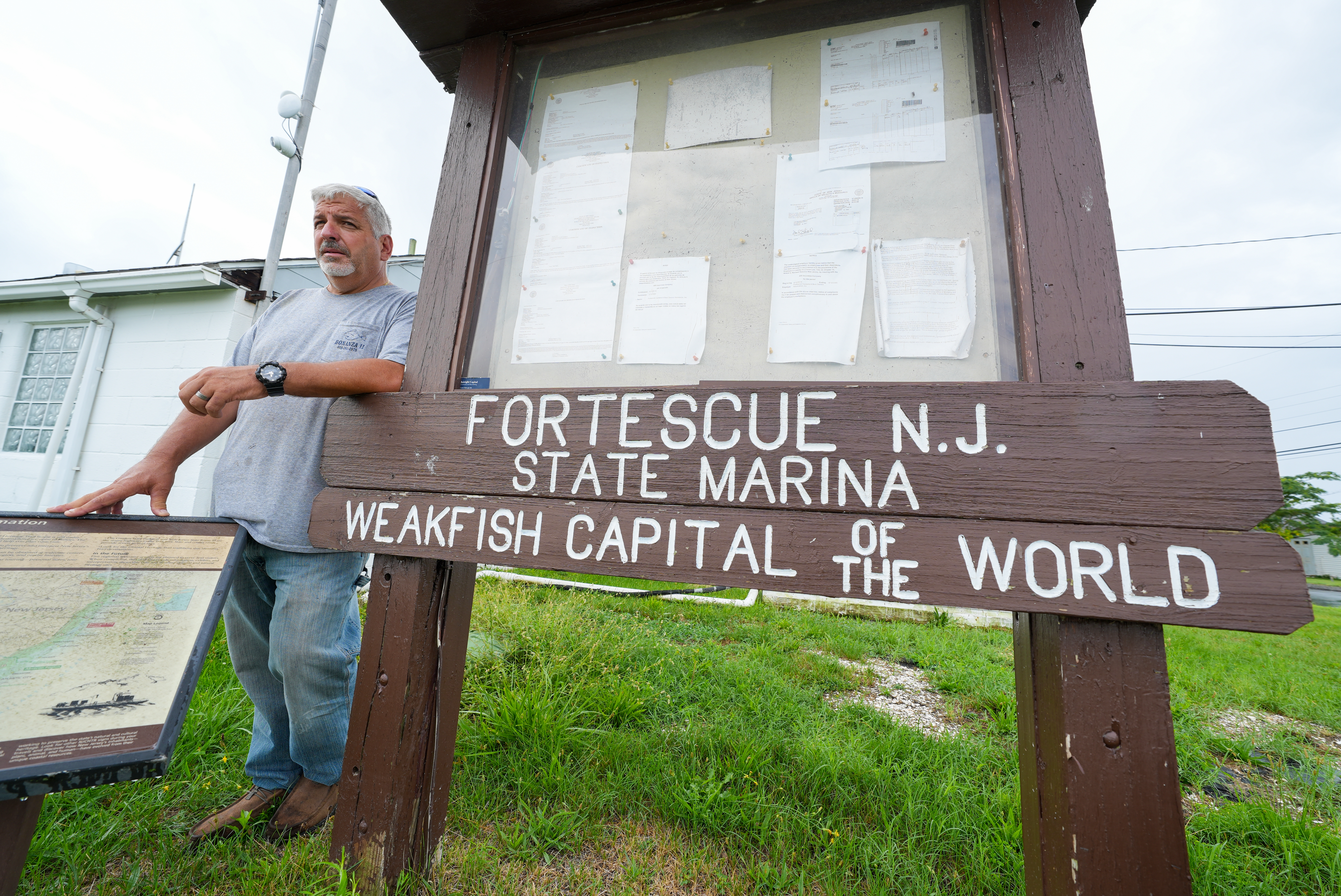
    Taxidermy and weathered photos line the walls at Higbee’s Bait and Tackle in Fortescue, artifacts from bygone days when the sleepy Delaware Bay town was truly the “weakfish capital of the world.”

    The taxidermy is a dusty, 12-pound “tide runner,” the nickname fishermen bestow on the biggest, trophy weakfish, a member of the drum family with a tan, often iridescent body and a reputation for fighting hard on a fishing line. The black-and-white photo shows a single fisherman standing beside his catch, about 30 weakfish of various sizes.

    Tide runners are unicorns today, a rarity on New Jersey coasts and across the bay, in Delaware. Catch limits enacted by state fisheries would prevent a single fisherman from catching dozens of fish today, though most would be happy with one legal keeper they could fry up in lemon and butter.

    Fishermen have plenty of theories about where all the weakfish have gone. They blame dolphins and dogfish for gobbling up the young; nuclear power plants; the rise of other popular game fish, like striped bass; and offshore seafood trawlers. — Jason Nark

    Keep reading on the peculiar decline of weakfish.

    Paola’s picks

    🌞 A song: “Summer Madness” by Kool and the Gang.

    💛 A sighting: A “superhero” Goldfinch that frequents Tom Pluck’s neighborhood.

    🎒 A cool human: Finn Fremstad, 18, biked roughly 2,000 miles from Colorado to Delco for his first day of school at Swarthmore.

    🦁 A moment of silence: May Makini the African lion rest in peace.

    🌃 An activity: Bring a picnic blanket and kick back at Philly’s Magic Gardens (Saturday, $30), and at Clark Park for the Ethiopian Day celebration (Sunday, free).

    A calming view

    Breathe in…and breathe out. I took this during a short hike on Monday.Paola Pérez

    Here’s the Wissahickon River, as seen from the Orange Trail portion of this loop that starts from Bells Mill Road East. (Turns out cast and crew of HBO’s Task were filming season two in the park that day, which explains why Bells Mill Road West was closed.)

    😊 Nature calls.

    Editor’s note: This has been updated to reflect

    By submitting your written, visual, and/or audio contributions, you agree to The Inquirer’s Terms of Use, including the grant of rights in Section 10.

  • ⛽ Freedom Fuel fines | Inquirer South Jersey

    Good morning, South Jersey. Parts of Gloucester County got more than 5 inches of rain in Thursday’s storms. More thunderstorms are possible today before the skies clear for the weekend. (Assuming the skies get the clearing-out memo.)

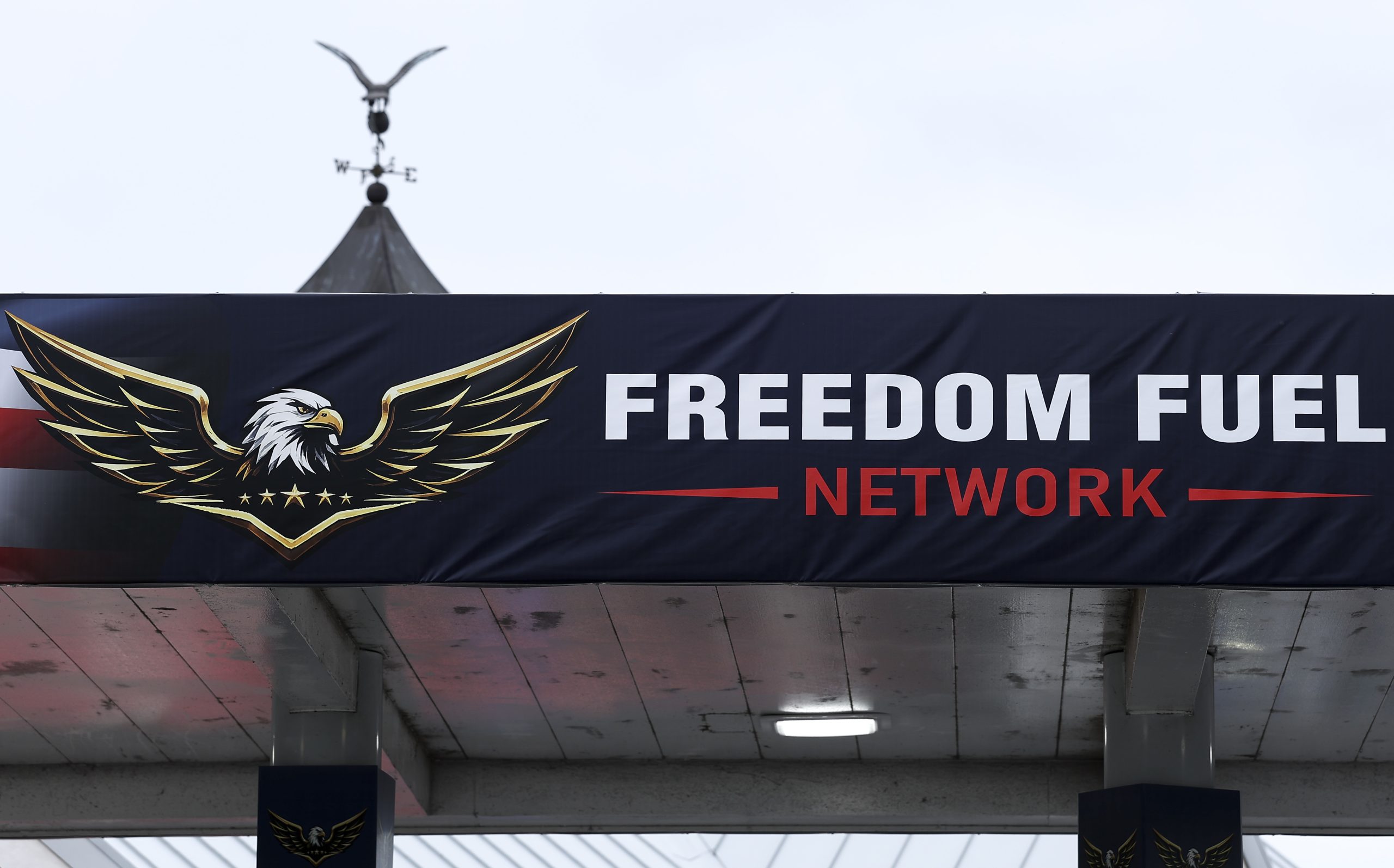
    Before Freedom Fuel stations were being touted by the White House, six South Jersey locations were fined over environmental transgressions.

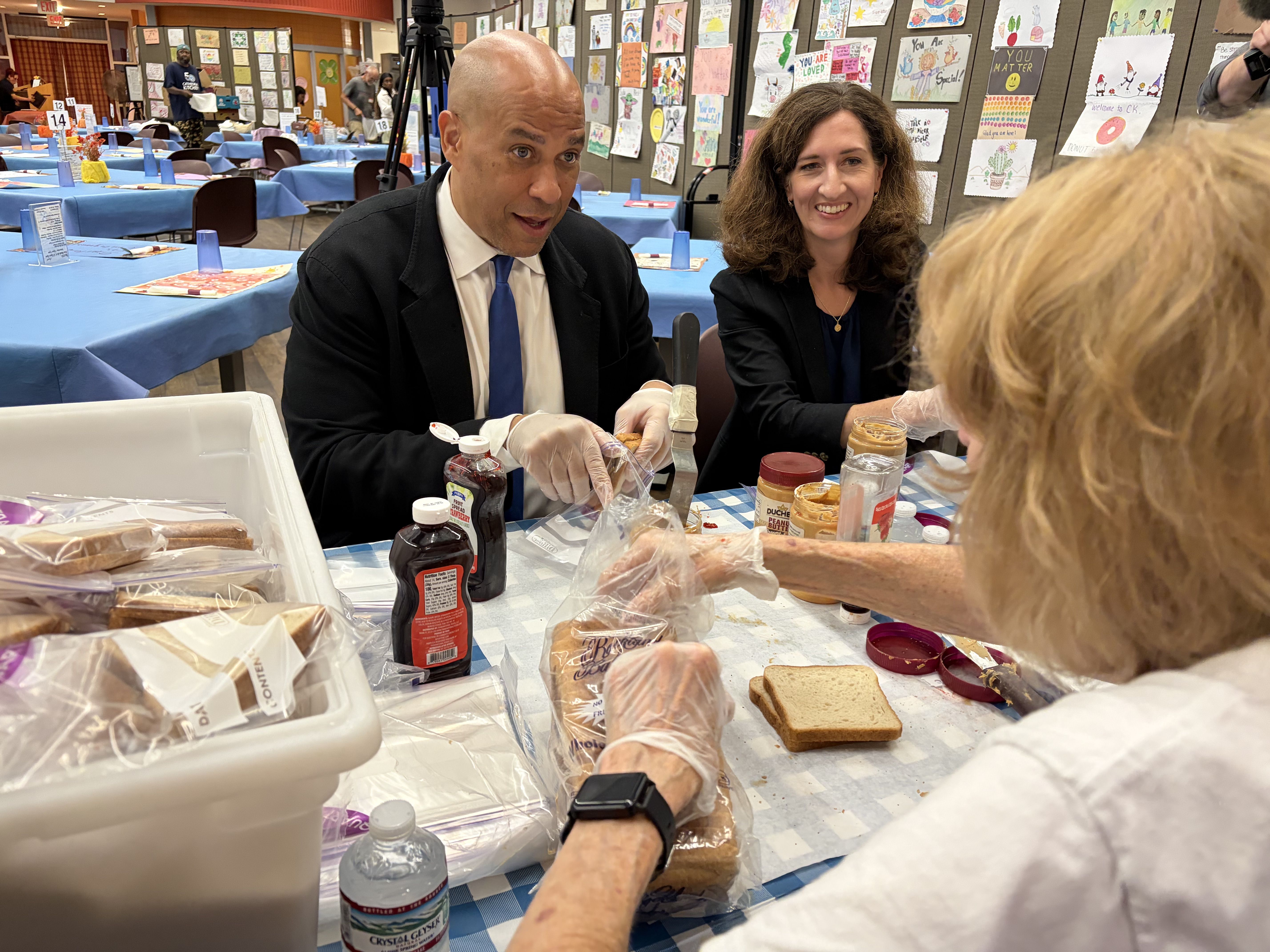
    Sen. Cory Booker talked healthcare and food during stops in Camden and Mount Laurel on Thursday.

    Plus, apple picking is back in South Jersey, and more news of the day.

    — Ellen Dunkel (southjersey@inquirer.com)

    If someone forwarded you this email, sign up for free here.

    N.J. Freedom Fuel stations racked up big fines

    Freedom Fuel stations quietly popped up in South Jersey earlier this summer — and then were less quietly touted by the White House for prices that were lower than other gas stations.

    In early July, gas at some Freedom Fuel stations was $3.47 a gallon. The 47 was a nod to President Donald Trump.

    But it turns out before the White House shouted them out, the owners of six South Jersey Freedom Fuel locations had been fined hundreds of thousands of dollars for a variety of environmental violations.

    Along with the six Freedom Fuel stations, those fined include 11 others, all owned by asset manager Blue Owl Capital and operated by a Cherry Hill developer and his brother.

    Reporters Ximena Conde and Rob Tornoe have the details.

    Healthcare should start with better food, Booker says

    The United States needs a “food revolution,” Sen. Cory Booker said during a swing through South Jersey Thursday.

    “What’s stupid is that we’re sitting here talking about the cost of healthcare and how to pay for it, but not why we need so much healthcare in the first place,” the New Jersey Democrat said during a speech for a Chamber of Commerce Southern New Jersey luncheon at the Westin Mount Laurel.

    The country should better support small farmers, Booker said, while he decried that the majority of agricultural subsidies go toward crops that are turned into ultra-processed foods, rather than fruits and vegetables.

    He also visited Cathedral Kitchen in Camden, where he packed sandwiches alongside the nonprofit community kitchen’s volunteers.

    The Inquirer’s Aliya Schneider has more on Booker’s visits.

    What to know today

    🧠 Trivia time

    Which Phillies player holds batting practices in hotel rooms?

    A) Luis Arraez

    B) Bryce Harper

    C) Trea Turner

    D) Kyle Schwarber

    Think you know? Check your answer.

    What we’re …

    🌊 Planning: A weekend trip to Ocean City.

    🍴 Sharing: A gluten-free guide of where to eat while you’re at the Shore.

    🍿 Rewatching: Hulu’s Deli Boys amid its recent cancellation.

    🏖️ Down the Shore

    This “Ask Down the Shore” feature appears as part of our weekly summertime series from Shore reporter Amy S. Rosenberg. Subscribe to her free Down the Shore newsletter here.

    Should Ocean City remain dry? We asked our Shore Line texters.

    Not many advocated bringing bars or liquor stores to Ocean City, but there was some sentiment for BYOB.

    The best case for remaining dry: For years I wanted BYOs but lately the old charm of this town seems to be drifting away. I have little doubt that the OC would lose its unique identity. It should remain a dry town.

    The best case for BYOB: I think it would be nice if Ocean City was at least a BYOB. So many wonderful restaurants, but we just don’t go for that exact reason.

    What do you think? Do you prefer it to stay as is or do you wish you could at least bring a bottle of wine to a restaurant? Let us know what you think by replying to Down the Shore.

    📸 Photo of the week

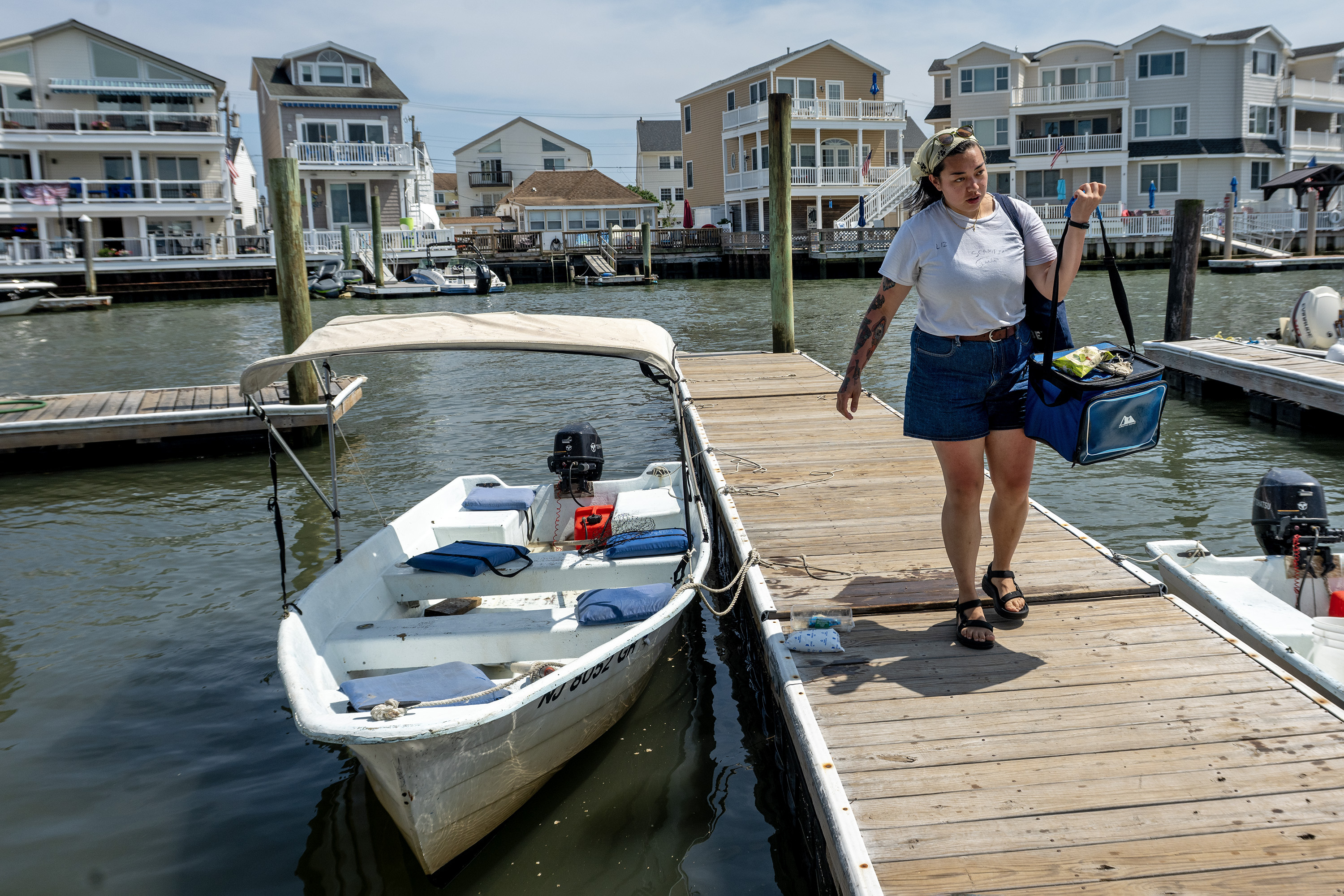
    Chef Liz Grothe of Scampi returns to the dock in Sea Isle City after an afternoon of crabbing at the Jersey Shore on Sunday, Aug. 2, 2026.Tom Gralish / Staff Photographer

    🦀 One last crabby thing: Philly chef Liz Grothe goes crabbing in Sea Isle City every year with family. “I’m in it for the love of the game, not the catch,” she says. Go behind the scenes of this summer’s trip, from skiff to kitchen to table.

    Hope the weekend brings beautiful weather. But any sort of weekend is nice. Enjoy yours!

    By submitting your written, visual, and/or audio contributions, you agree to The Inquirer’s Terms of Use, including the grant of rights in Section 10.

  • Krasner’s office in hot water | Morning Newsletter

    Happy Friday, Philly. There’s a chance of thunderstorms this afternoon, with highs in the mid-80s.

    Today, we’re starting with major news in a case that’s put District Attorney Larry Krasner’s leadership under a microscope. On Thursday, a judge suggested that his office may have broken the law as it sought to overturn an old murder conviction.

    And we explain why new Canadian tariffs could hit Pennsylvania businesses especially hard.

    Plus, local Freedom Fuel stations face thousands in fines, and more news of the day.

    — Laura Benshoff (morningnewsletter@inquirer.com)

    If someone forwarded you this email, sign up for free here.

    ‘Potential wrongdoing abounds’

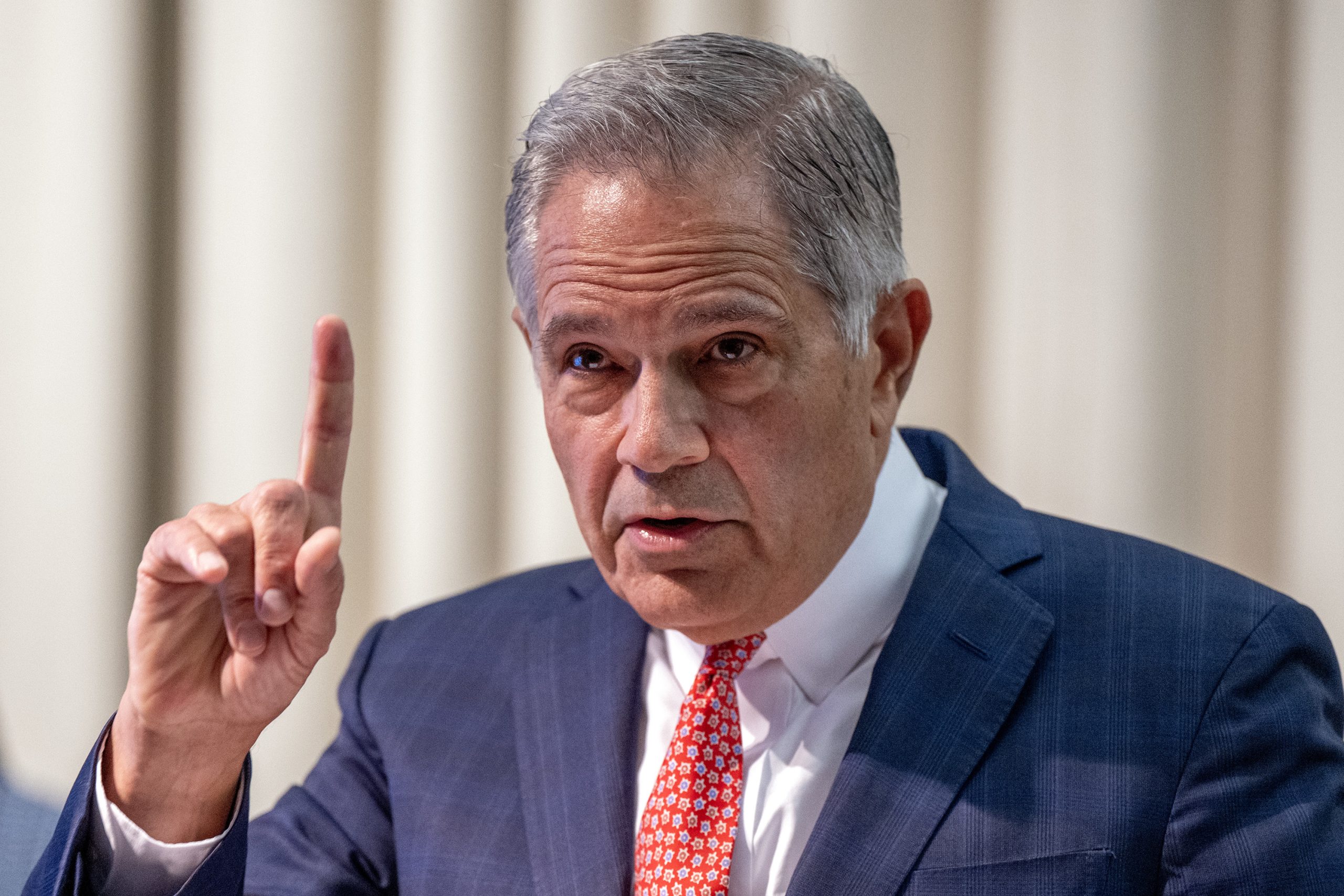
    A federal judge suggested Thursday that actions taken by District Attorney Larry Krasner’s office could amount to crimes.

    Those comments came during an explosive hearing over the office’s handling of a 2009 murder conviction.

    In 2022, attorneys in the DA’s office filed court documents saying they supported overturning the old murder charges.

    The attorney who submitted that recommendation on behalf of the DA’s office later testified that she did so only at the request of her supervisor, and that she had been encouraged to lie about aspects of the case.

    A different prosecutor, Assistant District Attorney Katherine Ernst, testified Thursday that after she petitioned the court to withdraw the earlier recommendation, she was pressured and threatened by Krasner.

    “If what they say is true,” U.S. District Judge Paul S. Diamond said during Ernst’s testimony, “potential wrongdoing abounds.”

    Reporter Chris Palmer has the full report.

    Tariffs incoming

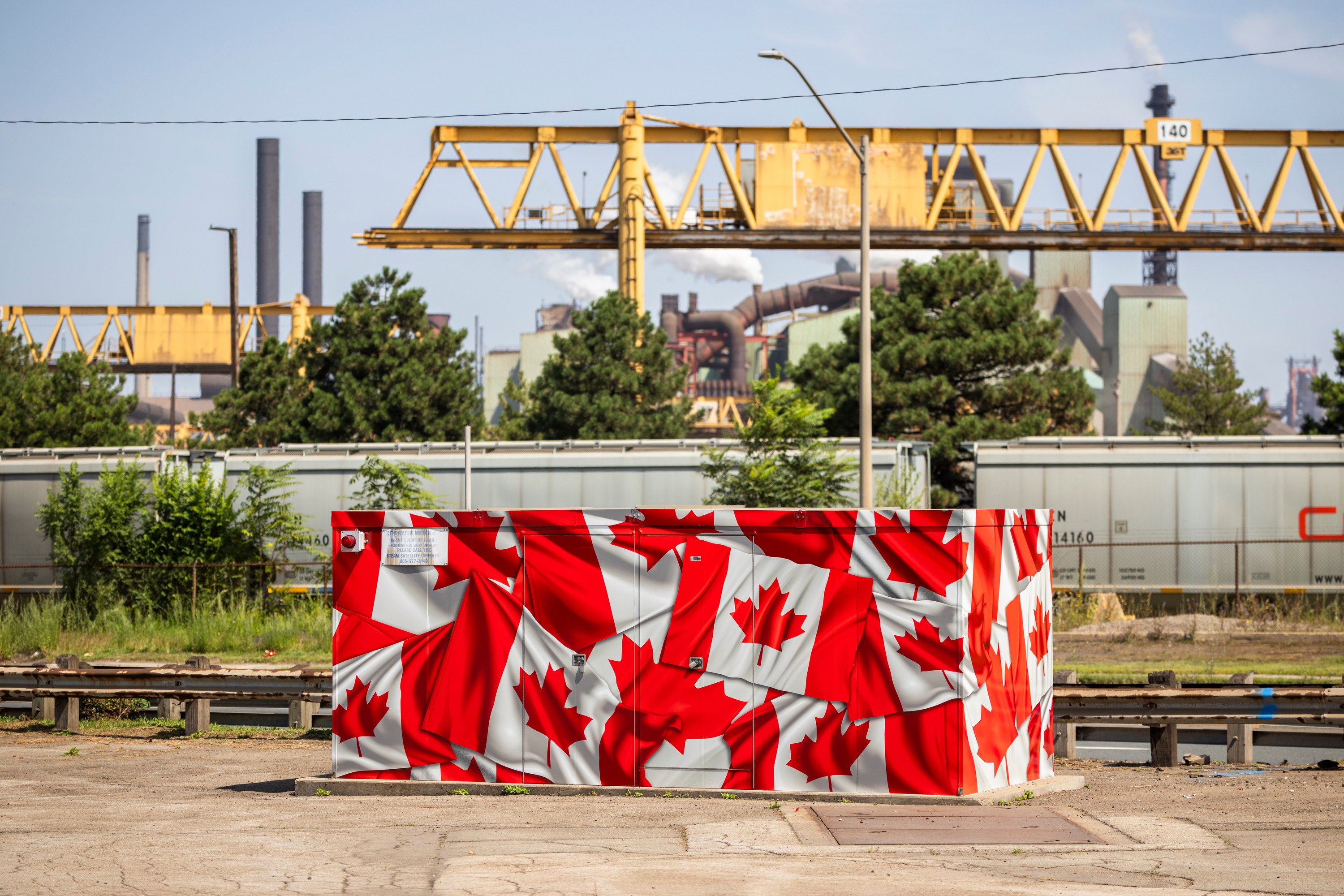
    Pennsylvania’s largest export market is Canada.

    That means new tariffs by our northern neighbor will hit some companies in the commonwealth particularly hard.

    Exports like raw aluminum, lumber, and passenger vehicles will all face tariff rates of 25% to 50% as the trade war between the two countries escalates.

    A few other key figures in this story:

    💵 $13.4 billion. The value of Pennsylvania goods exported to Canada last year.

    🛍️ 16%. The proportion of that total trade volume that will be subject to higher Canadian tariffs, according to an Inquirer analysis.

    📆 Sept. 8. The day the new tariffs take effect.

    The Inquirer’s Andrew Seidman and Lizzie Mulvey tallied the full impact.

    What you should know today

    Plus: Why do the lanes on the Manayunk Bridge switch in the middle?

    Welcome back to Curious Philly Friday, our forum for readers to ask about the city’s quirks and then we report the answers.

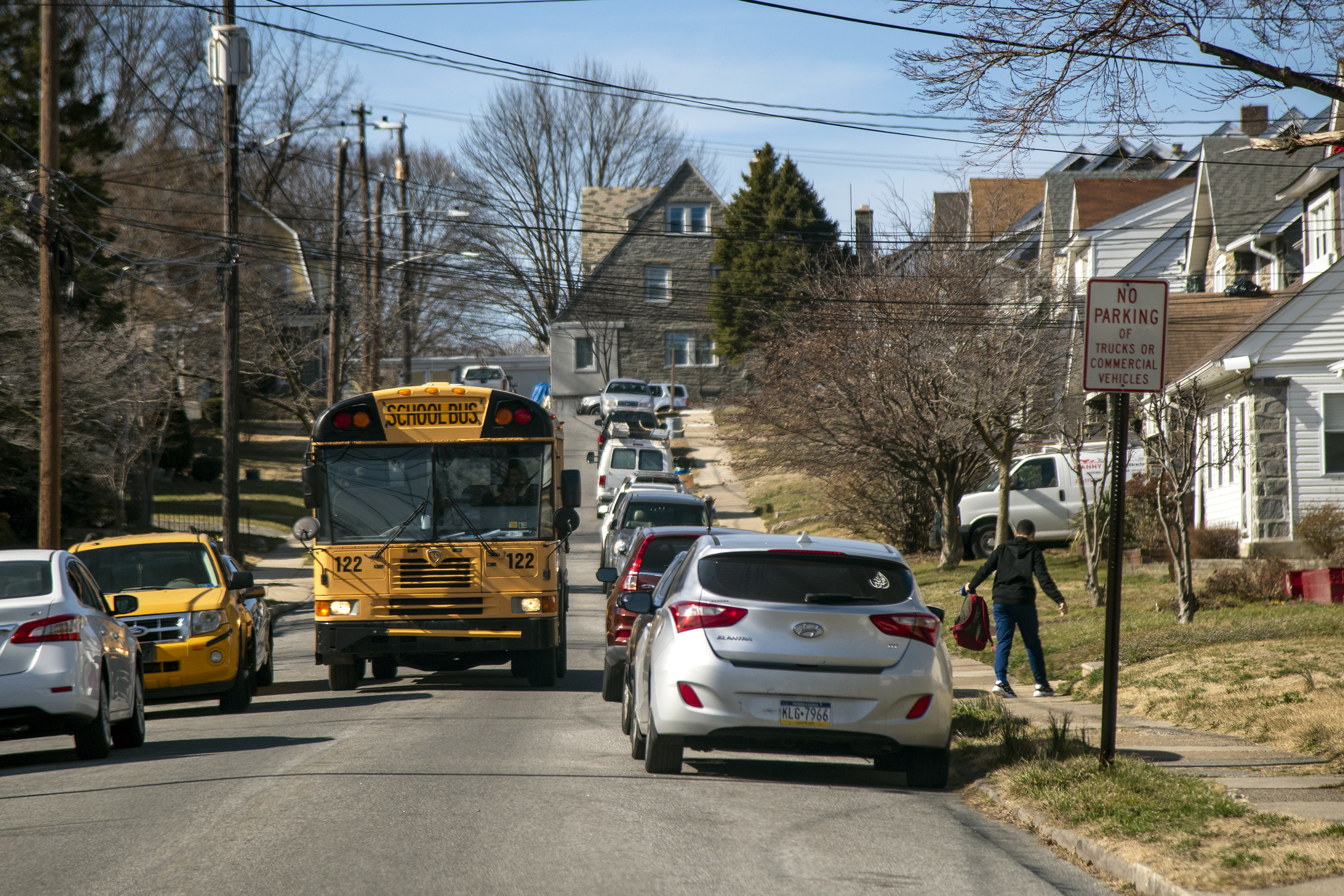
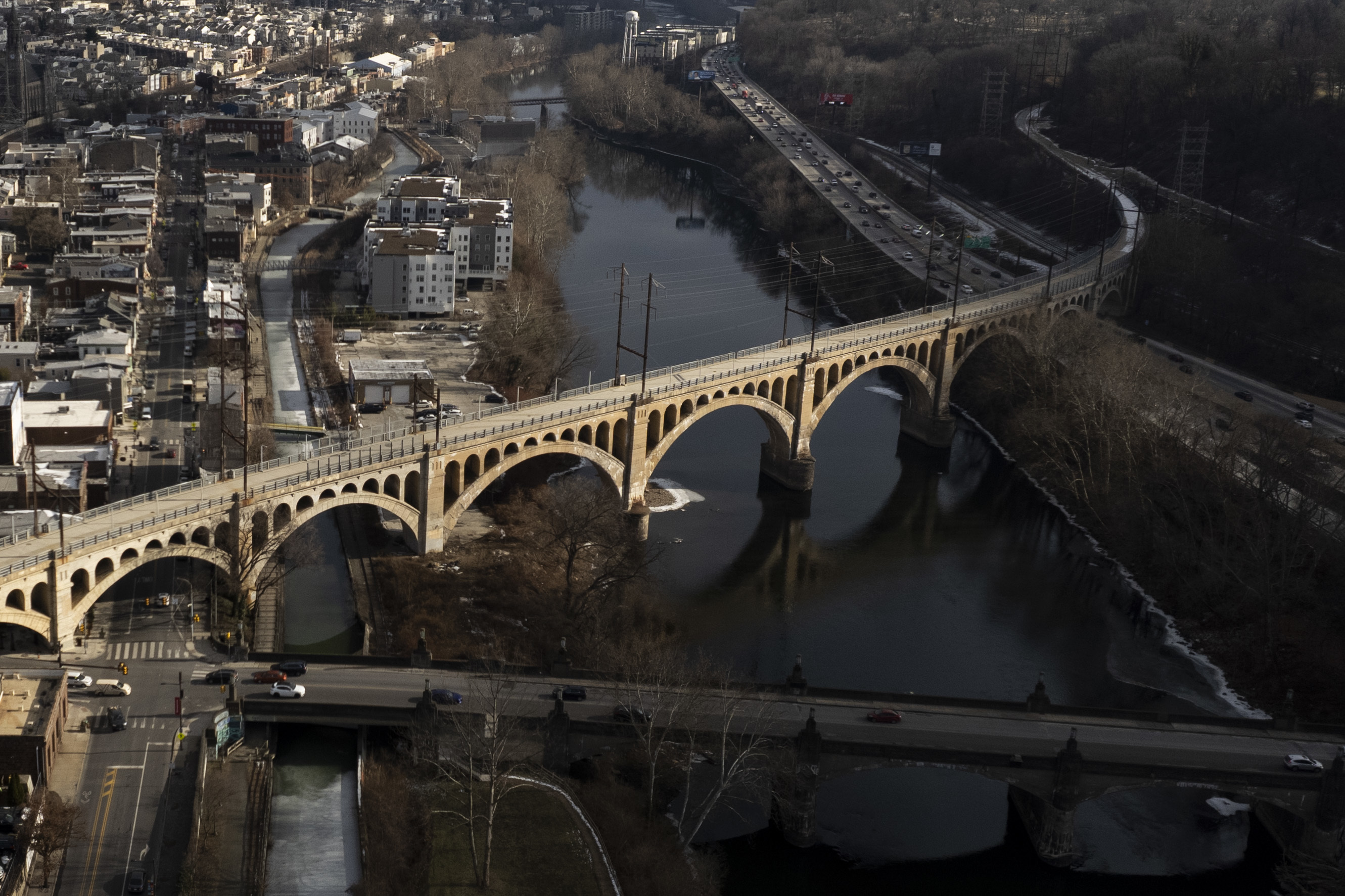
    This week, we answer a question from Penn Valley resident J.J. Cutuli about a “curious little” traffic pattern on the Manayunk Bridge.

    Halfway across the bridge, which connects Philadelphia to Lower Merion, the bicyclist side becomes the pedestrian side, and vice versa.

    On Reddit, one poster called this design decision “Looney Tunes.”

    Suburban reporter Denali Sagner talked to local officials about the reasoning behind the switcheroo.

    Have your own burning question about Philadelphia, its local oddities, or how the region works? Submit it here and you might find the answer featured in this space.

    🧠 Trivia time

    Earlier this month, National Treasure director Jon Turteltaub stopped by a Philly screening and celebration of the film. While there, Turteltaub revealed that a scene inside this venue was cut from the film’s final version:

    A) Pen & Pencil Club

    B) Reading Terminal Market

    C) Barnes Foundation

    D) Strip club

    Test your local news know-how and check your answer in our weekly quiz.

    What we’re …

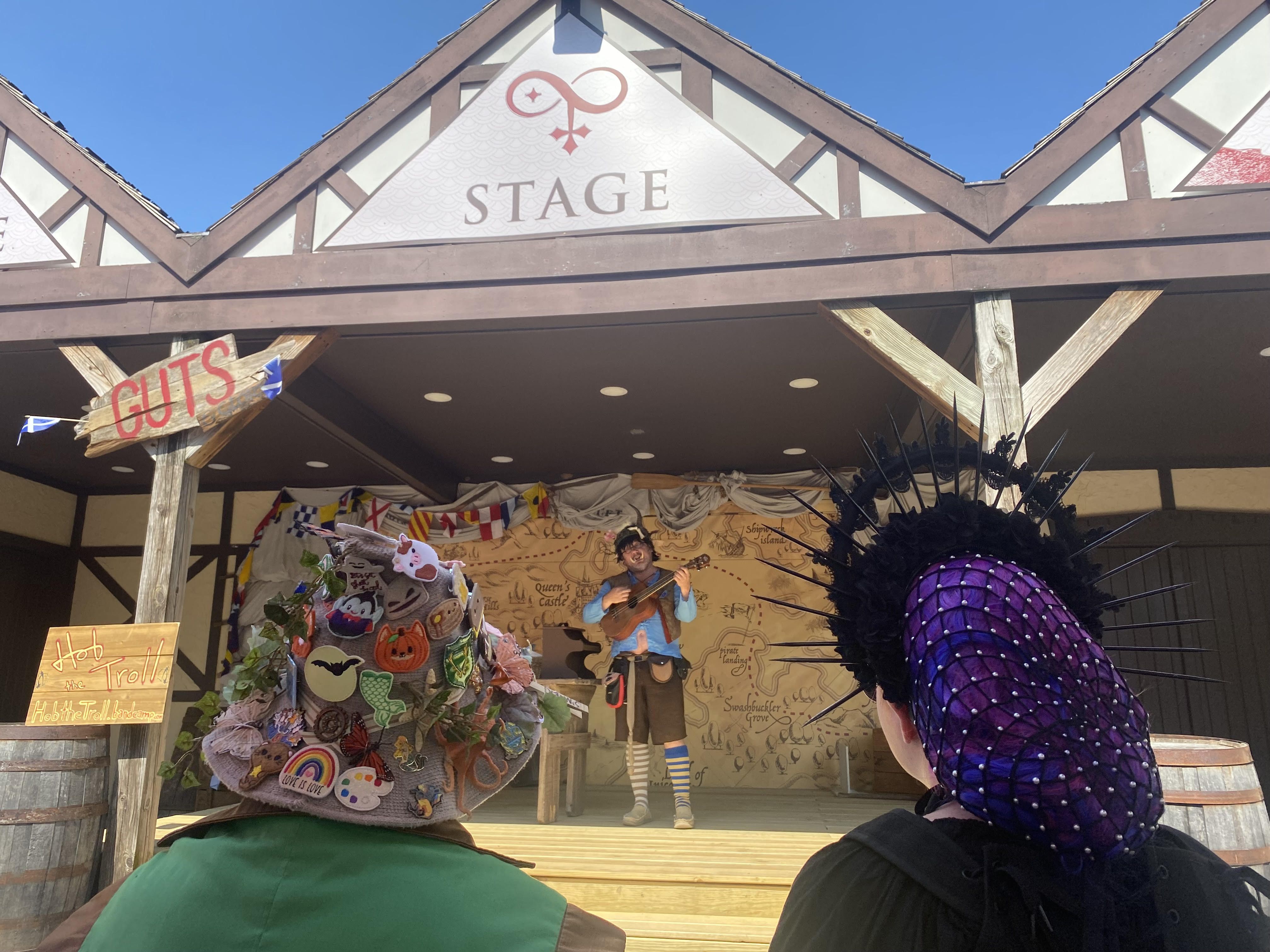
    🗡️ Dressing up for. Get your lances and chain mail ready — it’s time, once again, for the Pennsylvania Renaissance Faire.

    🛟 Boarding. For the first time in more than 15 years, cruise ships are departing from our area, heading for destinations in the Caribbean, New England, and Canada.

    🥖 Debating. Do sesame seeds belong on a cheesesteak roll? Some of the city’s biggest purveyors are split, The Inquirer’s Mike Klein writes.

    🧩 Unscramble the anagram

    Hint: This week, the HBO crime drama Task was reportedly spotted filming for its second season in this Philadelphia neighborhood.

    CRY ICE TENT

    Email us if you know the answer. We’ll select a reader at random to shout out here.

    Cheers to Stacey Meadows, who correctly guessed Thursday’s anagram: Imagination Library. Dolly Parton founded this literacy program, which has mailed thousands of free books to children in the Philadelphia area, back in 1995.

    Photo of the day

    Chimney cakes on display at Four Green Cats Cafe in Mount Laurel on Tuesday, Aug. 25, 2026.Monica Herndon / Staff Photographer

    Let’s end the week on a sweet note.

    Paola Pérez is your guide to the weekend. 👋 See ya Monday!

    By submitting your written, visual, and/or audio contributions, you agree to The Inquirer’s Terms of Use, including the grant of rights in Section 10.

  • Everything you need to know about the 2026 Pennsylvania Renaissance Faire

    Everything you need to know about the 2026 Pennsylvania Renaissance Faire

    Get your lances and chain mail ready — it’s time, once again, for the Pennsylvania Renaissance Faire.

    Spanning 35 acres of the Mount Hope Estate and Winery in Manheim, the faire draws around 200,000 guests annually and features dozens of costumed cast members, loads of era-specific food and drink, and enough drama to fill a scroll or two.

    The faire is open Saturdays and Sundays from through Oct. 25, with tickets on sale now.

    This year’s storyline centers on Queen Elizabeth, whose journey to Mount Hope has made waves in that it’s expected to conclude with a decision: Who will the queen take as a spouse?

    As the faire’s website teases, “candidates are put forward, choices are made, sides are taken, [and] conflicts, resolutions, and hijinks ensue.”

    Here’s everything you need to know before making the trek to Lancaster County:

    Dates & times for the 2026 Pennsylvania Renaissance Faire

    The faire is held Saturdays and Sundays through Oct. 25, rain or shine. Gates open at 11 a.m. and close at 8 p.m. — though merchants close at 7 p.m.

    • 📍 2775 Lebanon Road, Manheim, Pa. 17545
    • 🕒 Aug. 16–Oct. 26, Saturdays and Sundays, 11 a.m.–8 p.m.
    • 📞 717-665-7021
    • 🌐 parenfaire.com

    Schedules for the 2026 Pennsylvania Renaissance Faire

    “Daily Writs” — or individual weekend schedules — are available on the festival website.

    A series of special events — including a pub crawl, a “Bard’s Breakfast,” and a pair of escape rooms — are also scheduled, though additional tickets are required.

    Joe Penn portrays Sheriff Jacob Perry at a previous iteration of the annual Pennsylvania Renaissance Faire.Ron Fary

    Tickets to the 2026 Pennsylvania Renaissance Faire

    Tickets are available through the Renaissance Faire’s online ticket sale website, parenfaire.com. Prices vary by age and date.

    • Through Sept. 13: $38.95 for ages 12+; $21.95 for ages 5-11.
    • Sept. 19-Oct. 25: $42.95 for ages 12+; $23.95 for ages 5-11.
    • Children 4 and under are free.

    Discounted tickets are available for those in the military, law enforcement, fire and EMS, medical workers, government employees, and educators. Discounted “sunset tickets” — with admission after 4 p.m. — are also available.

    “Royal Hound” tickets, which admit dogs pending the approval of registration, are $8 per animal.

    Tickets can only be purchased through the event’s website.

    The Pennsylvania Renaissance Faire runs on Saturdays and Sundays from now until Oct. 25 in Lancaster County.

    Themed weekends at the Pennsylvania Renaissance Faire

    Each weekend features a different theme, a schedule is found here, with a activities ranging from costume contests to scavenger hunts to trick-or-treating.