Blog

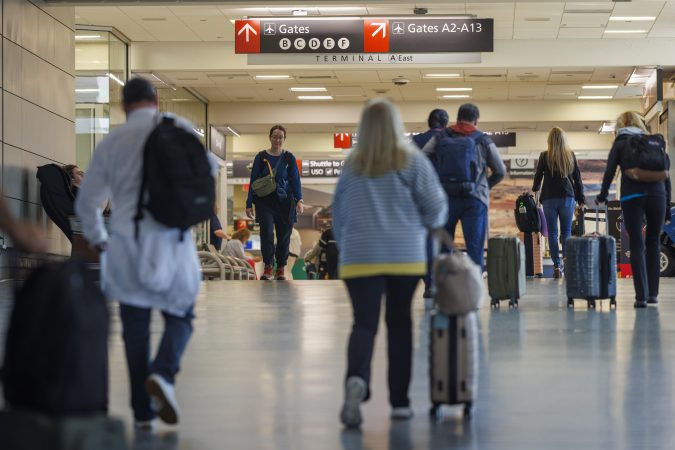
  • PHL and Newark airports experiencing delays after FAA equipment issue grounded planes

    PHL and Newark airports experiencing delays after FAA equipment issue grounded planes

    Philadelphia International Airport and Newark Liberty International Airport were still experiencing some delays and cancellations Tuesday after an air traffic control equipment issue had grounded all incoming flights the day prior.

    As of Tuesday afternoon, there were 90 delays and 30 cancellations in place at Philadelphia’s airport, out of more than 700 scheduled flights, said PHL spokesperson Heather Redfern.

    “We remind all passengers with plans to fly today to check with their airlines for the most up-to-date flight information,” Redfern said.

    Newark airport has experienced 137 delays and 61 cancellations as of Tuesday afternoon, according to FlightAware data.

    The Federal Aviation Administration ordered the ground stoppage Monday for all flights coming into Philadelphia after the region’s air traffic control center began experiencing issues with radio frequencies. The ground stop was lifted at about 5 p.m. Monday.

    The Philadelphia airport experienced 436 delays and 238 cancellations Monday, according to data from flight tracking website FlightAware. Newark saw a staggering 8,556 flights delayed and more than 2,000 canceled Monday. The FAA has no advisories out for PHL on Tuesday.

  • House of the week: A four-bedroom rowhouse in East Falls for $419,000

    House of the week: A four-bedroom rowhouse in East Falls for $419,000

    Homeowners whose jobs involve heavy tools and machinery may have to make a choice between getting a separate studio or a different home.

    For Joe Carlough and Katie Haegele, writers and musicians who also cut vinyl records, the second option made sense.

    So they are leaving their East Falls home for a larger one in Swarthmore.

    “We were very attached to that house,” Haegele said, but there just wasn’t enough room in East Falls.

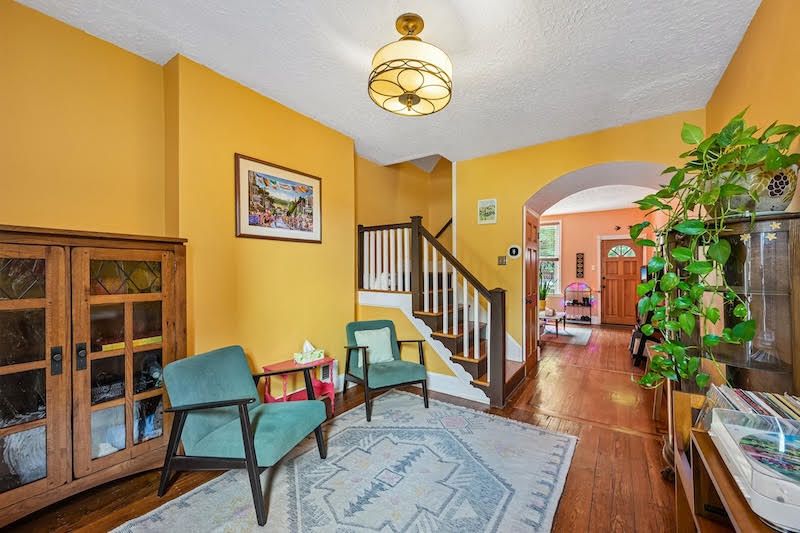
    The sitting room of Joe Carlough and Katie Haegele’s home in East Falls, Philadelphia, as shown in a for-sale listing in September 2026.Zillow Media Experts/Rich Walker

    The 1,752-square-foot house has four bedrooms and 2½ bathrooms.

    Recent maintenance updates include a gas-fired 40-gallon hot water heater, washer, and dryer in 2025; a Whirlpool dishwasher in 2024; basement waterproofing in 2023; re-rubbering and resealing the roof in 2021, and a new central air and heating system in 2020.

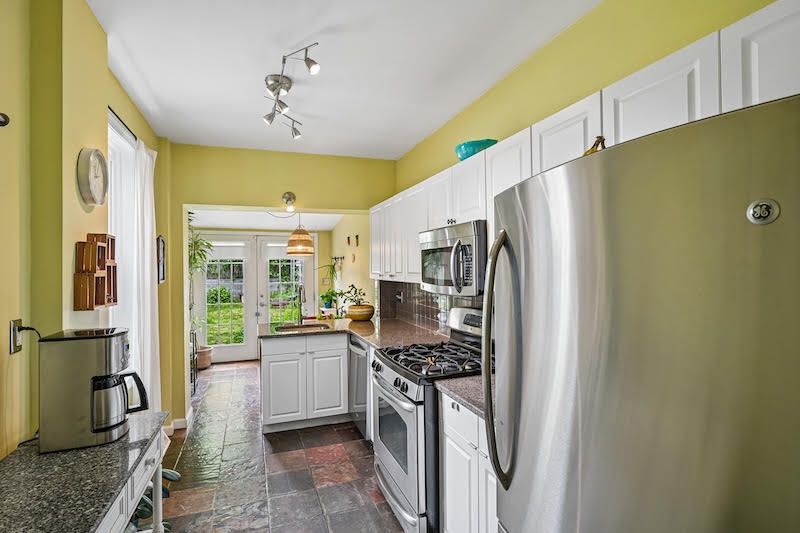
    The eat-in kitchen has slate floors and a deep sink.Zillow Media Experts/Rich Walker

    On the first floor, the living room has hardwood floors and 12-foot ceilings, with space that could be used for a dining area.

    The eat-in kitchen has a gas range, built-in microwave, granite counter space, slate floors, and a deep sink.

    French doors lead to the backyard and a separate back door leads to a locked alleyway. There are heated floors in a half bathroom.

    Carlough and Haegele used the middle room of their first floor as a sitting room, but it could also serve as a dining room.Zillow Media Experts/Rich Walker

    The second floor has the primary bedroom. An en suite bathroom has two vanities, an oversized tile surround shower, and privacy windows. A second room can be used as a bedroom or an office.

    The third floor has two more bedrooms, each with ample closet space, and a hall bathroom with tile flooring and shower over tub.

    There is storage space in the unfinished, sealed basement.

    The primary bedroom has an en suite bathroom with heated floors.Zillow Media Experts/Rich Walker

    The house is close to the East Falls Regional Rail station on the Norristown Line, Kelly Drive, the Schuylkill River Trail, and the East Falls campus of Thomas Jefferson University.

    It is listed by Jenn Flynn of BHHS Fox & Roach Chestnut Hill for $419,000.

  • From Phoebe Bridgers, to AC/DC, to Gorillaz, and Doja Cat, here are 30 pop music concerts you cannot miss this fall

    From Phoebe Bridgers, to AC/DC, to Gorillaz, and Doja Cat, here are 30 pop music concerts you cannot miss this fall

    Summer lingers as fall pop music season gets underway, with outdoor shows still happening in Camden, South Philly, and Fairmount Park into early October. And then the calendar quickly fills up with indoor nights in arenas, theaters, and small clubs in Philadelphia and throughout the region.

    Besides the Phoebe Bridgers, Johnny Blue Skies, Olivia Rodrigo, and Dojo Cat tours highlighted below, there are still more big names coming to Xfinity Mobile Arena: Jonas Brothers on Oct. 2, Teddy Swims on Oct. 10, and Sombr on Nov. 19.

    The Met has Beck on Oct. 18, Rawayana on Nov. 1, and Orville Peck on Nov. 11, and the Fillmore has Chief Keef on Oct. 6, Horsegirl on Oct. 23, Yebba on Oct. 30, and the Menzingers on Nov. 20. Penn Live Arts shows at the Annenberg Center include TM Krishna on Oct. 15 and Bela Fleck on Nov. 15.

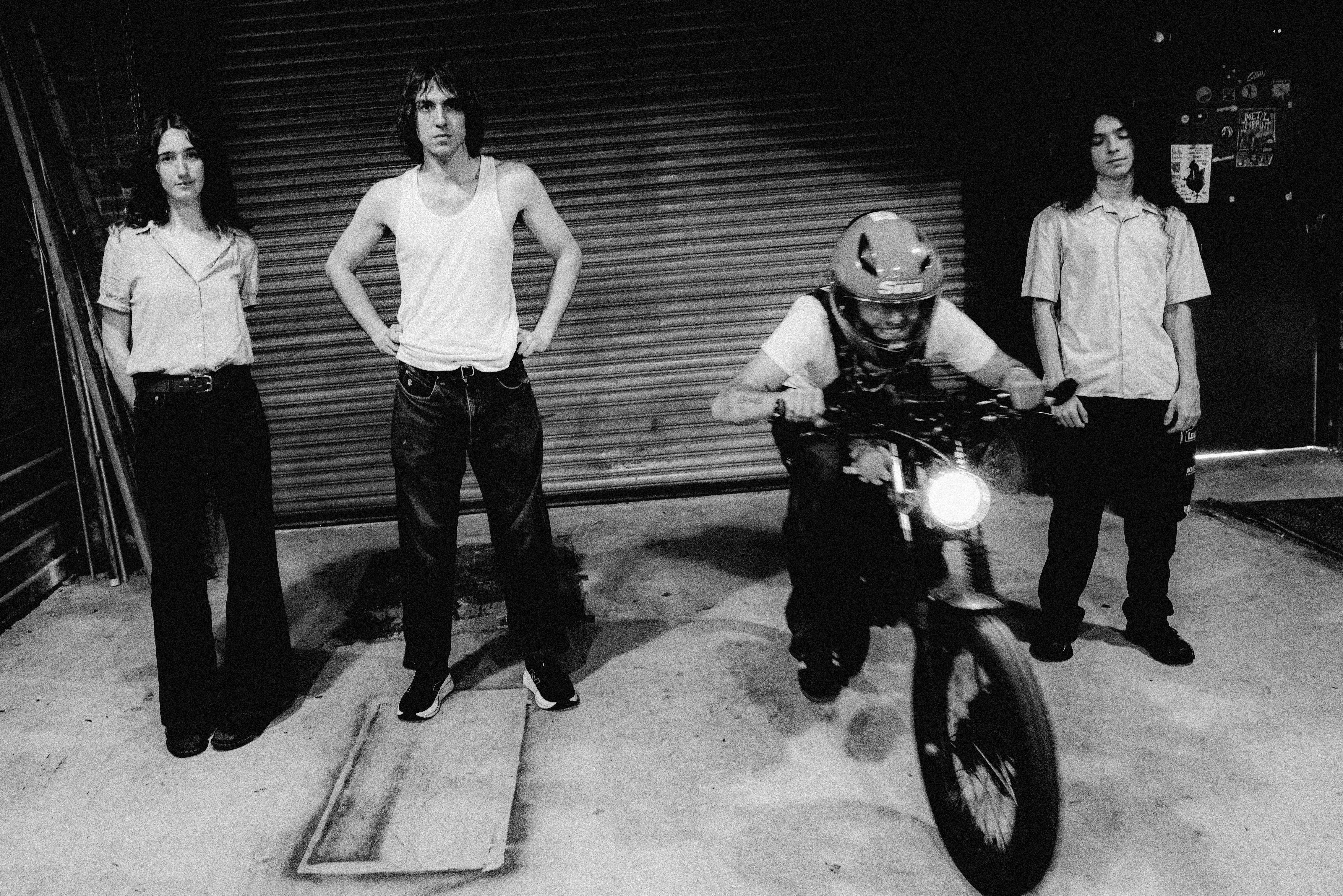
    There are lots of choice dates in cozier venues. Laura Veirs and Karl Blau are at Nikki Lopez on Oct. 9; Mirah, Evan Greer, and Sad13 play PhilaMoca on Oct. 10; and Mannequin Pussy plays First Unitarian Church Oct. 28.

    Laura Cantrell and Amy Rigby do Elkton Music Hall on Nov. 12, Marshall Crenshaw is with Sarah Borges and Eric Ambel at Sellersville Theater on Nov. 18, Strand of Oaks plays Johnny Brenda’s on Dec. 12 and 13, and Musiq Soulchild kicks off a four-night stand at City Winery on Dec. 17.

    That aside, here’s your list of 30 shows not to miss.

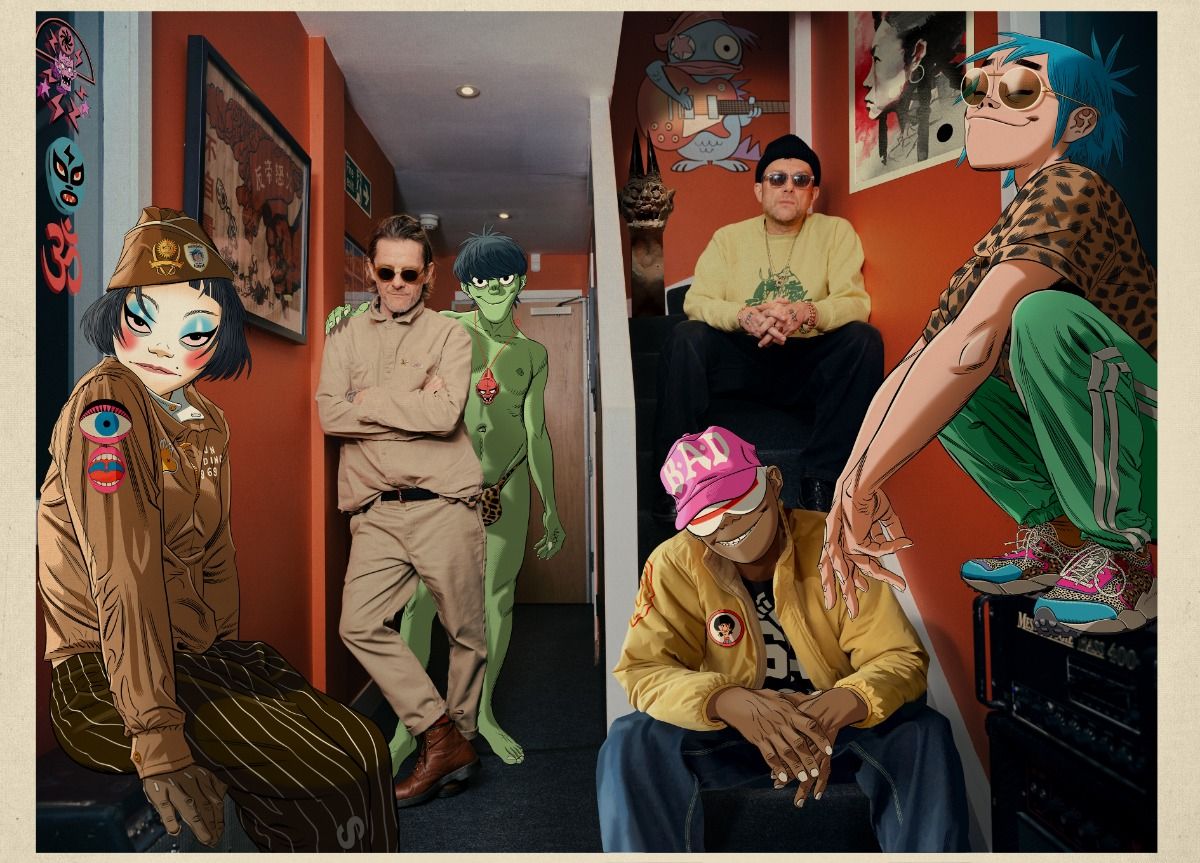
    Gorillaz play Freedom Mortgage Pavilion in Camden on Sept 27.Reuben Bastienne-Lewis

    Gorillaz

    Sept. 27, Freedom Mortgage Pavilion

    Gorillaz co-creators Damon Albarn and Jamie Hewlett’s plan to make an album shaped by experiences visiting India took grief-stricken shape when both men’s fathers died within a week of each other. On The Mountain, the virtual band as usual employs many guests, including Anoushka Shankar, Black Thought, Asha Puthli, and Johnny Marr. It also features collaborations from Dennis Hopper and Bobby Womack who collaborated with the Gorillaz before their deaths. freedomortgagepavilion.com

    Phoebe Bridgers

    Sept. 28, Xfinity Mobile Arena

    Three years after she sold out the Mann Center with her boygenius bandmates Lucy Dacus and Julien Baker, Phoebe Bridgers is bigger than ever. She stoked the ardor of her fan base with pop-up shows around the U.S. in the lead-up to the release of the moody, compelling, and intensely personal Lost Weekend, whose many guests include Havertown’s own Alex G. xfinitymobilearena.com

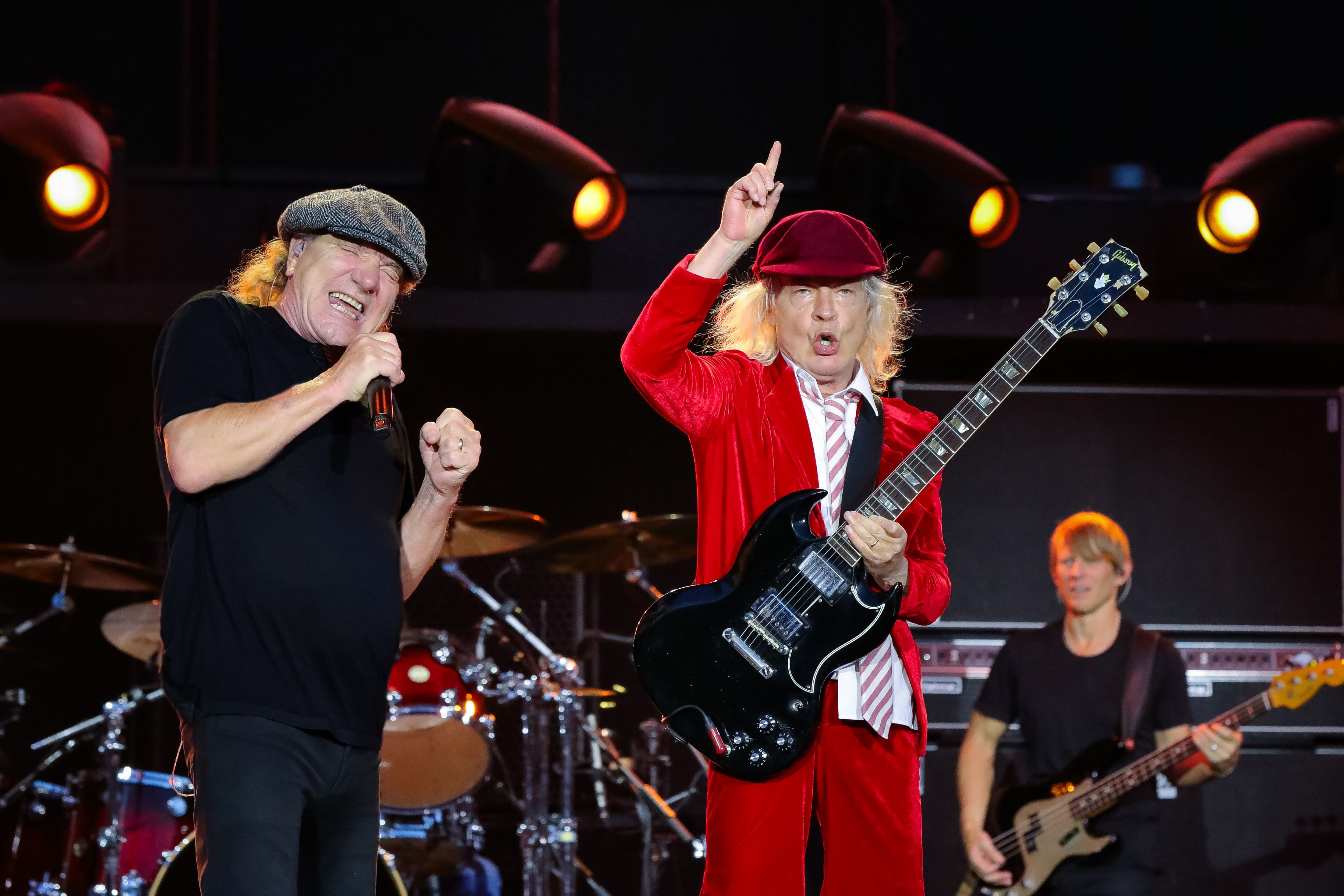
    AC/DC — with Brian Johnson on the left, and Angus Young on the right — will bring their Power Up tour to Lincoln Financial Field on Sept. 29.Courtesy of the Artist

    AC/DC

    Sept. 29, Lincoln Financial Field

    The last big blowout at the Linc this year — other than the Eagles putting a hurting on opponents — will be the final date on the Australian hard rock band’s “Power Up Tour.” The “Back in Black” band will be powering down after two and a half years on the road. Taylor Momsen’s the Pretty Reckless opens. lincolnfinancialfield.com

    Public Image Ltd

    Oct. 2, Union Transfer

    The Sex Pistols is touring with Frank Carter cosplaying as Johnny Rotten, so John Lydon couldn’t resist hitting the road again with his other band, whose “This Is Not the Final Tour” arrives a week after the Pistols play the Fillmore. utphilly.com

    Beabadoobee brings her Powerlines Tour to the Liacouras Center on Oct. 2.Erika Kamano

    beabadoobee

    Oct. 2, Liacouras Center

    Filipino and British songwriter Beatrice Lau’s “Powerlines Tour” is in support of her fourth album, Pylon, a bracing follow-up to 2024’s Rick Rubin-produced This Is How Tomorrow Moves. liacourascenter.com

    Phish will play three nights at Jim Whelan Boardwalk Hall in Atlantic City on Oct. 2-4.Courtesy of the Artist

    Phish

    Oct. 2-4, Boardwalk Hall

    Phish comes in threes. Last year, the jam band’s troika of shows were at the Mann; the year before the Trey Anastasio-fronted quartet’s Mondegreen fest was in Dover, Del. This year, the band returns for indoor shows in Atlantic City, where it was last seen on the beach in 2022. boardwalkhall.com

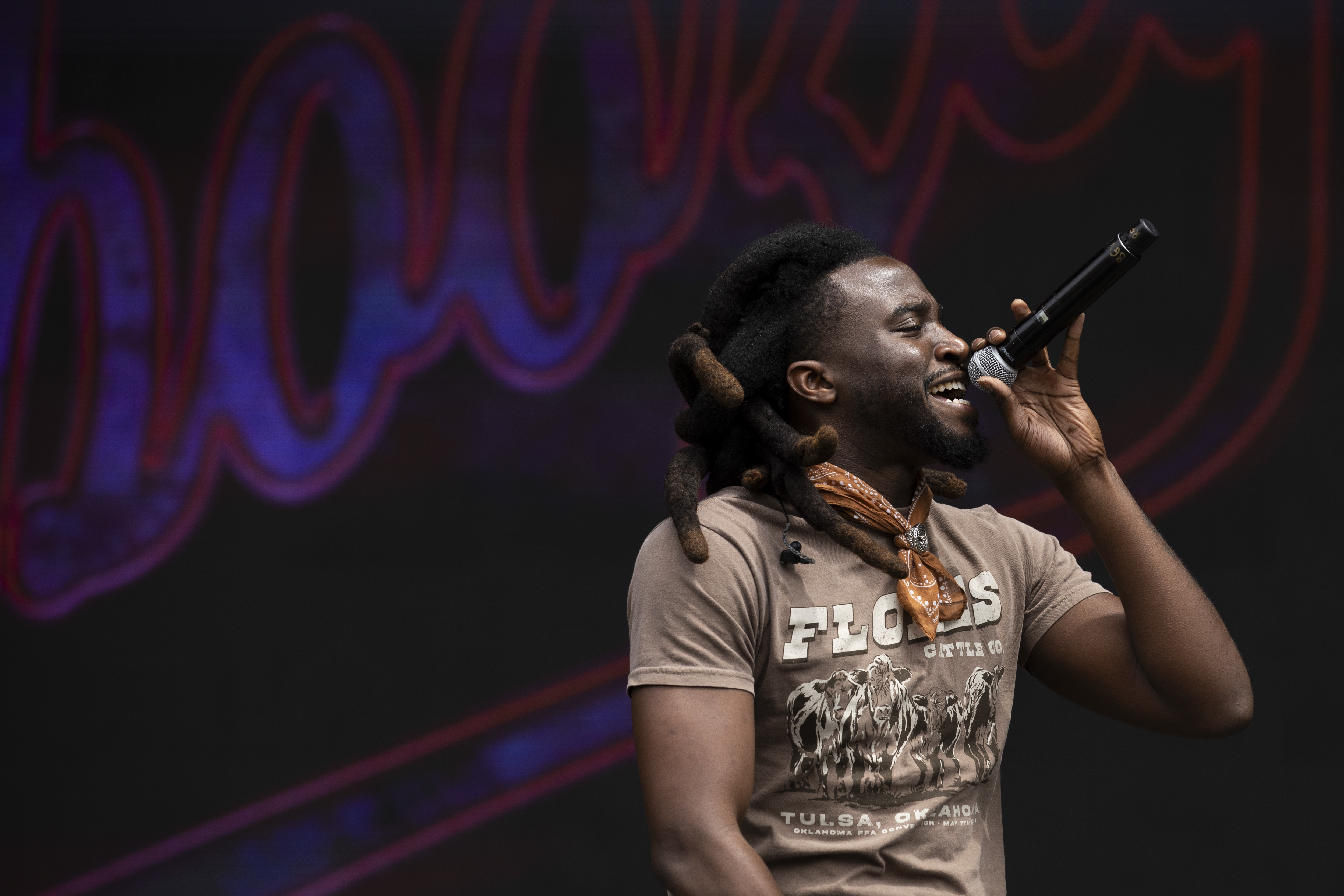
    Shaboozey performs during the Roots Picnic at the Mann Center in Philadelphia on June 2, 2024.Monica Herndon / Staff Photographer

    Shaboozey

    Oct. 6, Skyline Stage at Highmark Mann

    Shaboozey played the Mann at the Roots Picnic in 2024, just as “Tipsy (A Bar Song)” was turning him onto a star. Now he’s back, behind The Outlaw Cherie Lee & Other West Tales, his ambitious concept album that is also a comic book. highmarkmann.org

    The Chicks

    Oct. 7, Met Philly

    Texas country trio the Chicks — singer Natalie Maines and sisters Emily Strayer and Martie Maguire — is celebrating the 20th anniversary of Taking the Long Way. That 2006 album was the band’s first after it was essentially banned from country radio after Maines criticized then-President George W. Bush’s war in Iraq. themetphilly.com

    Sugar

    Oct. 12-13, Union Transfer

    Hüsker Dü cofounder Bob Mould has carried on a relentlessly rocking career with 14 uncompromising albums under his own name. But he hasn’t worked with Sugar, his power trio featuring bassist David Barber and drummer Malcolm Travis, since the mid-1990s. utphilly.com

    Philly band Sweet Pill will play the Philly Music Fest. Juliette Boulay

    Philly Music Fest

    Oct. 12-18, various venues

    The genre-spanning all-Philly showcase at independent venues kicks off with two nights of Gregory Alan Isakov at Ardmore Music Hall and concludes with Upper Darby-raised jazz sax star Immanuel Wilkins at Solar Myth. In between, attractions during the 10th anniversary of the fest include Sweet Pill, Owen Stewart, RJD2, Sug Daniels, Roberta Faceplant, and Mo Lowda & the Humble. phillymusicfest.com

    Brennan Wedl plays Johnny Brenda’s Oct. 13.Blaire Beamer

    Brennan Wedl

    Oct. 13, Johnny Brenda’s

    Minnesota-born singer Brennan Wedl — a former leader of queercore band Dazey & the Scouts — impressed as the opening act of the Waxahatchee and MJ Lenderman tour that played the Met this year. Now she’s playing her first Philly headlining gig, behind her self-titled debut album, which was produced by Waxahatchee’s Katie Crutchfield and Brad Cook. johnnybrendas.com

    Sturgill Simpson performs on Nov. 12, 2024, at the Met. Simpson is coming to the Xfinity Mobile Arena with his band Johnny Blue Skies.Jose F. Moreno / Staff Photographer

    Johnny Blue Skies & the Dark Clouds

    Oct. 15, Xfinity Mobile Center

    “I want to make America not suck again,” Sturgill Simpson sings on the frisky lead track of Mutiny For the Masses, the always-unpredictable maverick songwriter’s second album as Johnny Blue Skies that makes rebellious rock and roll, country-soul, and funk fun again. xfinitymobilearena.com

    Pinhead Gunpowder

    Oct. 16, First Unitarian Church

    Big-name rock star in a tiny space: Pinhead Gunpowder is a Green Day side project of sorts. Along with Billie Joe Armstrong, the current version of the band includes Green Day touring guitarist Jason White. r5productions.com

    Sienna Spiro plays the Fillmore on Oct. 17.Mathias Apap

    Sienna Spiro

    Oct. 17, the Fillmore

    Powerhouse vocalist Sienna Spiro’s name rhymes with “pyro.” Sam Smith has called her “the voice of a generation.” The stylish 20-year-old “Die on the Hill” singer, who displays the influence of fellow throwback soul Brits like Amy Winehouse and Duffy, played the Foundry in March. She has since won raves at Coachella and Lollapalooza. She’s back at the Fillmore in October, but in the big room this time. thefillmorephilly.com

    Mike D 5D

    Oct. 19, Union Transfer

    Beastie Boys’ Adam Horowitz and Mike Diamond have been largely inactive since the death of bandmate Adam Yauch in 2012. Now Diamond — aka Mike D — has returned with Thank You, a solo album of hip-hop electro punk. He’s touring backed by a band that includes his sons Skyler and Davis Diamond. utphilly.com

    L7

    Oct. 22, Brooklyn Bowl

    L7 was a key player in the alt-rock late 1980s and early 1990s, and the grunge-adjacent all-female band was also a precursor to the riot-grrrl movement. The “Pretend We’re Dead” and “S— list” band fronted by Donita Sparks and Suzi Gardner is carrying on with its “Last Hurrah Tour” despite the loss of bassist Jennifer Finch, who died of brain cancer this year. Finch’s memoir, Shooting Up and Making Out, is due in January. brooklynbowl.com/philadelphia

    Singer-songwriter Jesse Welles performs March 10 with members of his band in Detroit. He plays the Met on Oct. 23. Ted Anthony

    Jesse Welles

    Oct. 23, the Met

    Jesse Welles’ resistance songs like “Join ICE” and “United Health” — along with whimsical ones such as “At the Zoo” — have fueled a steady growth in popularity. The self-styled Dylanesque folk singer has collaborated with Joan Baez and Philly’s Mt. Joy, with whom he did a pop-up show in June at Race Street Pier. themetphilly.com.

    Ashley McBryde

    Oct. 24, Lansdowne Theater

    Arkansas country songwriter Ashley McBryde has always leaned into rock and roll going back to her 2018 debut Girl Going Nowhere. But she really turns up the volume on the new Wild, which is a song cycle about a journey toward sobriety. thelansdownetheater.com

    Allison Russell plays the Colonial Theatre on Oct. 28. Dana Trippe

    Allison Russell

    Oct. 28, Colonial Theatre

    Canadian-born and Nashville-based songwriter Allison Russell says her new album In The Hour Of Chaos, is about “connecting our hearts and voices in the same space in real time.” Its many guests include Brittany Spencer, Norah Jones, and Delco soul singer Devon Gilfillian. thecolonialtheatre.com

    Afro Cuban All Stars

    Oct. 30, Miller Theater

    Juan de Marcos Gonzalez is a vocalist, impresario, and musician whose specialty is the Spanish tres guitar. He has been a key player in the Buena Vista Social Club. This tour continues the ongoing work of bringing Cuban music to the world. ensembleartsphilly.org

    Vince Staples at Fiserv Forum in Milwaukee, on Feb. 24, 2022. The Long Beach, Calif., rapper plays Franklin Music Hall on Oct. 30. Daniel DeSlover / MCT

    Vince Staples

    Oct. 30, Franklin Music Hall

    Long Beach, Calif., rapper Vince Staples is back on top of this game on Cry Baby, his pointedly political album that blends rock riffage and soulful funk into the mix. franklinmusichall.com

    Built to Spill & Quasi

    Oct. 30-31, Ardmore Music Hall

    Doug Martsch is an indie rock guitar hero stretching back to Built to Spill’s 1993 debut Ultimate Alternative Wavers. These days, Martsch is joined by bassist Melanie Radford and drummer Teresa Esguera. Also on the bill is Quasi, the rollicking band of ex-spouses Sam Coomes and Janet Weiss, formerly the drummer of Sleater-Kinney. ardmoremusichall.com

    Geese play the Fillmore on Nov. 8 and 9.Lewis Evans

    Geese

    Nov. 8-9, Fillmore

    Incredibly brilliant indie art-pop band or nefarious industry plant that owes its success to TikTok payola? The debate around Geese’s breakthrough as (almost) universally praised critics’ darlings is silly. After the band led by Cameron Winter — the subject of a forthcoming Paul Thomas Anderson concert film — played a super sold-out Union Transfer last year, it’s back with two shows in a larger space. thefillmorephilly.com

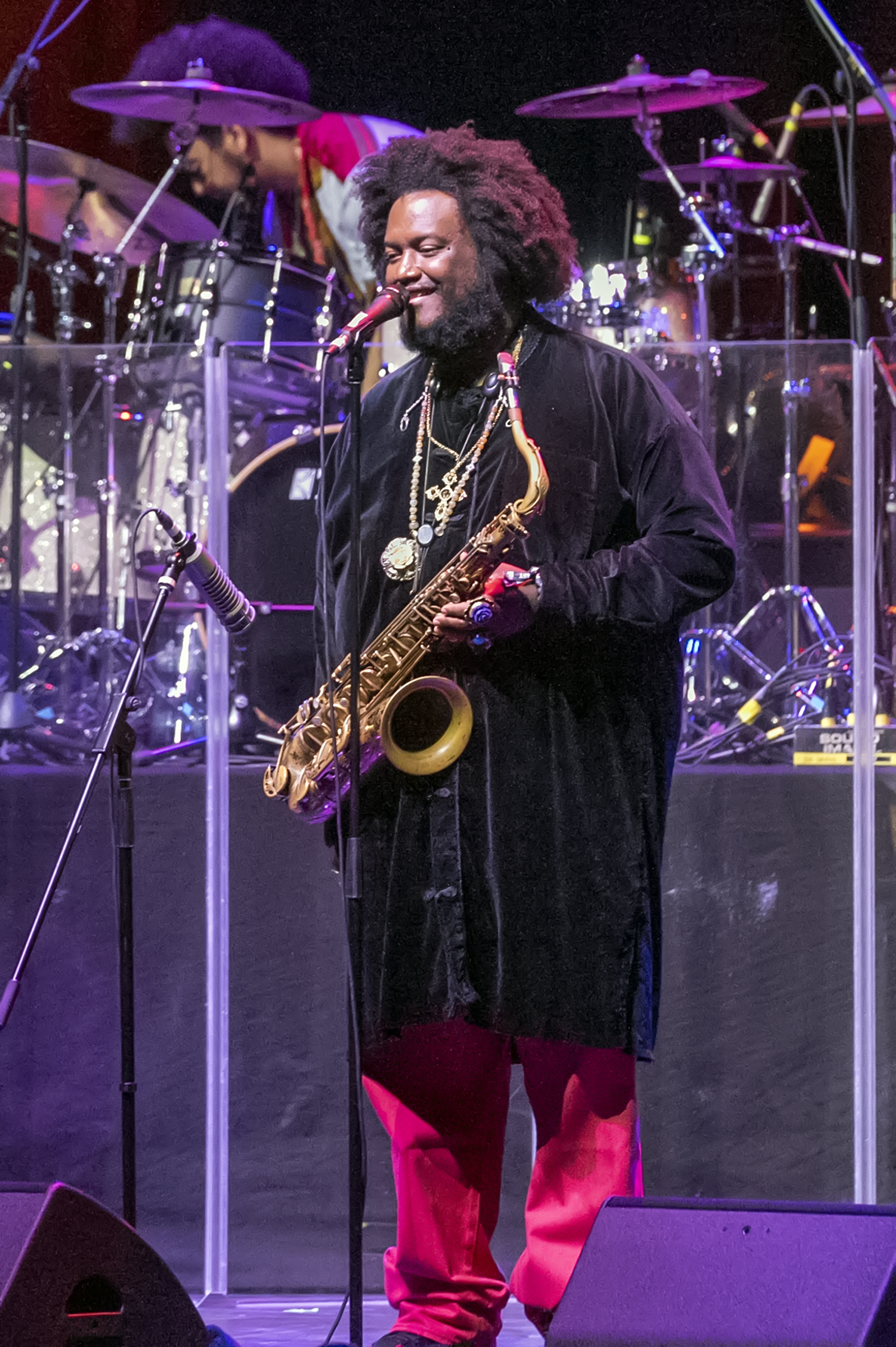
    Kamasi Washington at the Met Philly in 2019.

    Ami Taf Ra & Kamasi Washington

    Nov. 5, City Winery Philadelphia

    Moroccan vocalist Ami Taf Ra collaborated with maximalist jazzman Washington on The Prophet and The Madman, her 2025 spiritual jazz debut that bears the influence of Sun Ra and mixes Arabic music with gospel and jazz. citywinery.com/philadelphia

    The Hooters

    Nov. 5-6, Keswick Theatre

    Last year, the Hooters’ annual Keswick shows were introduced, as always, by Pierre Robert, the WMMR-FM (93.3) radio legend who died a few days later. This will be an emotional weekend for the longstanding Philly rock band and its fans. keswicktheatre.com

    Daniel Villarreal

    Nov. 6-7, Solar Myth

    Panama-born drummer Daniel Villarreal made his name on the Chicago music scene with a mixture of jazz and funk and a range of Latin music styles. The now-Philly-based synthesist will lead a five-piece band in a two-night residency. arsnovaworkshop.com

    Olivia Rodrigo performs at the Daisy Chain Fields Music Festival on Aug. 29 at Great Park in Irvine, Calif.Chris Pizzello

    Olivia Rodrigo

    Nov. 7, Xfinity Mobile Arena

    On “The Cure,” the second single from her third album You Seem Pretty Sad for a Girl So in Love, Olivia Rodrigo repeats the words “I’m unraveled,” as she reels from a breakup. That lyric leads us to “The Unraveled Tour,” the second arena trek from the former Disney star who hosted her own all-woman Daisy Chain Fields festival in August. xfinitymobilearena.com

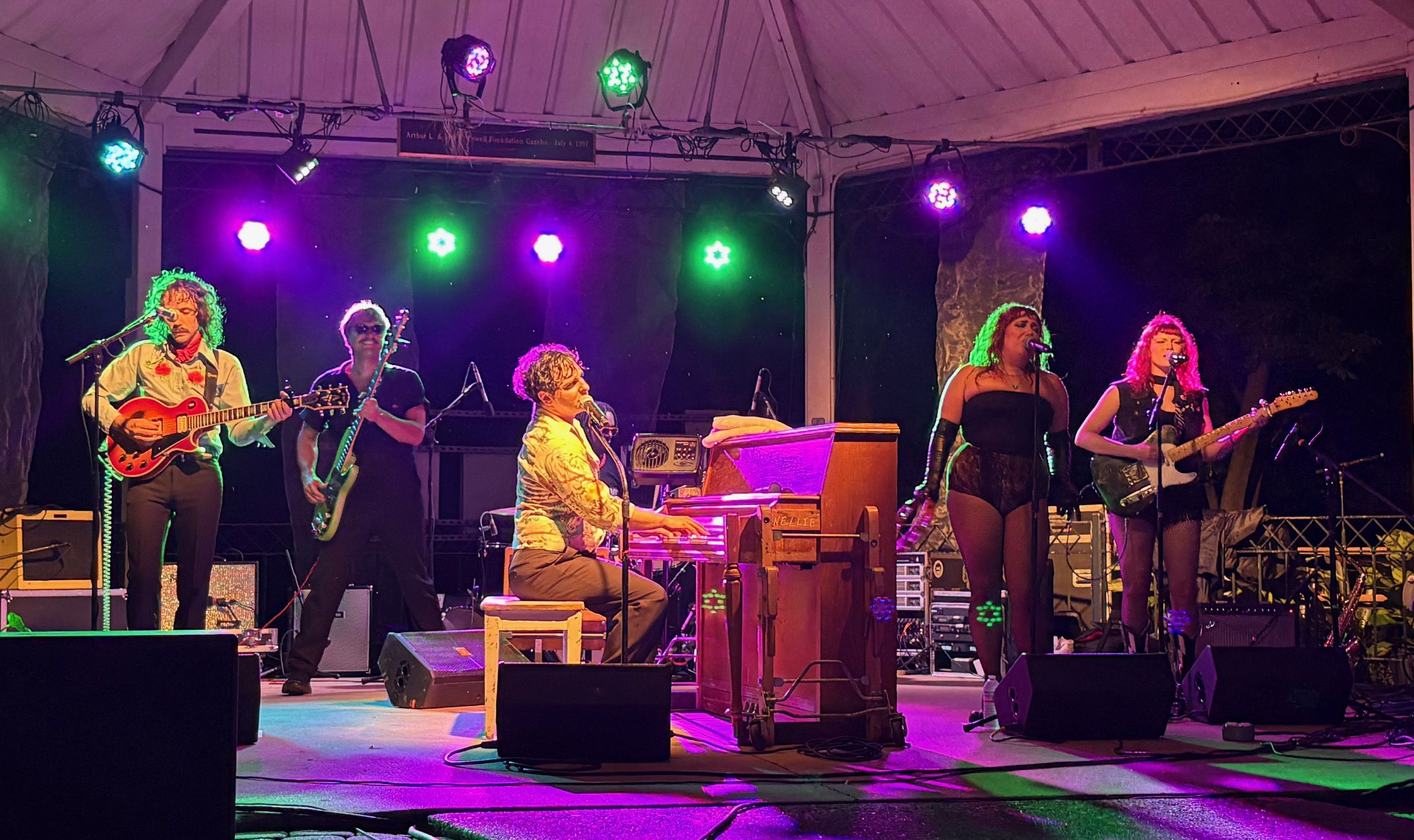
    Low Cut Connie at Concerts Under The Stars in King of Prussia on Aug. 1, 2025. Left to right: Rich Stanley, Nick Perri, Adam Weiner, Jarae Lewis (on drums, partially hidden), Amanda “Rocky” Bullwinkel, Kelsey Cork.Dan DeLuca

    Low Cut Connie & Ben Vaughn

    Nov. 20, Union Transfer

    Two generations of Philly rock and rollers team up on this bill, which finishes off a leg of the tour for Low Cut Connie’s party plus protest album Livin In the USA. LCC’s Adam Weiner is a sweaty, over the top showman, while radio host-producer Vaughn — who has a new album, Magnetic East: The Deer Tick Sessions due in October — prefers an understated, semi-ironic approach. WXPN-FM 24 Hour Song Challenge winners the Flying Vees open. utphilly.com

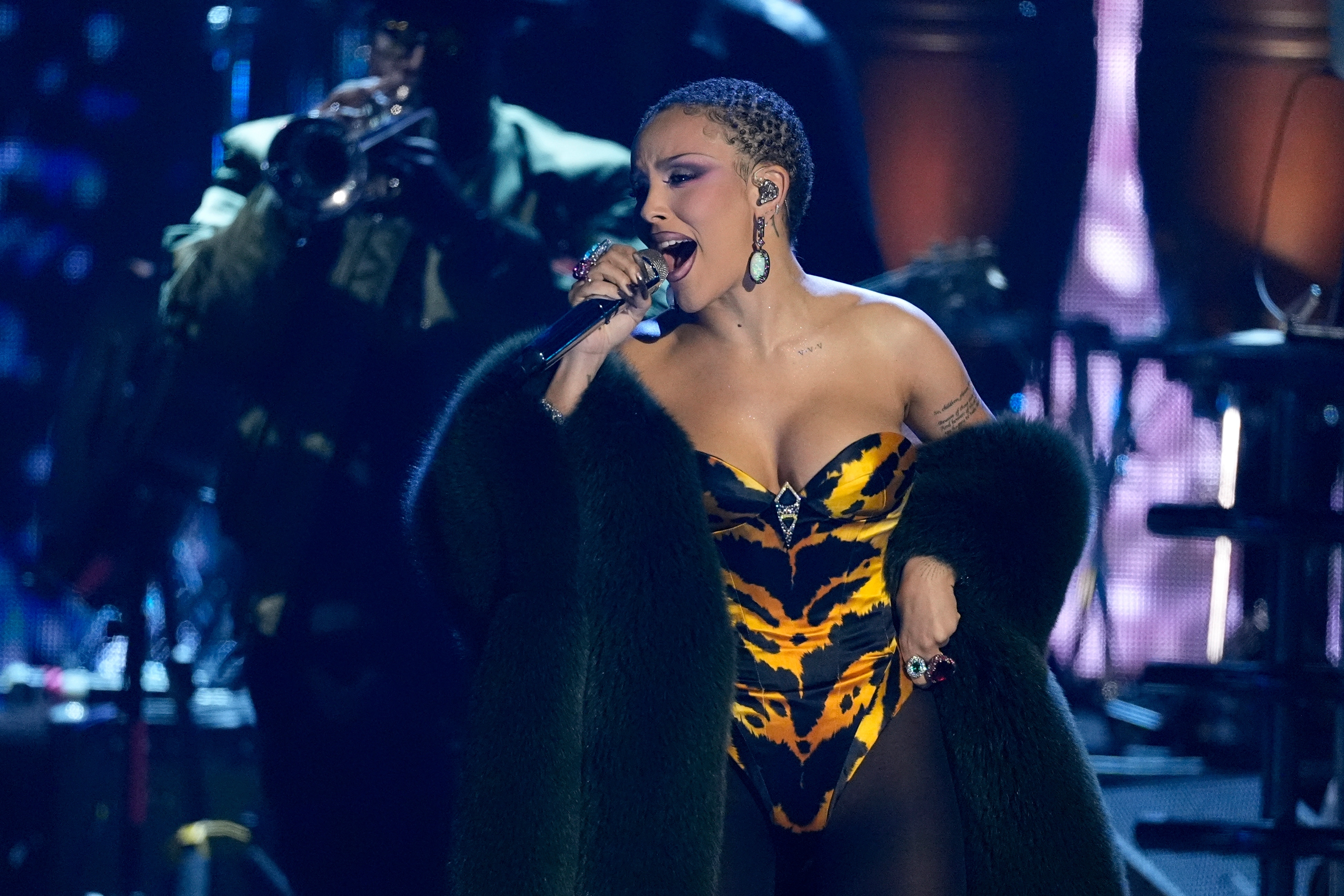
    Doja Cat performs during the 2025 Rock and Roll Hall of Fame Induction Ceremony on Nov. 8, 2025, at L.A. Live in Los Angeles. She plays Xfinity Mobile Arena on Nov. 29. Chris Pizzello

    Doja Cat

    Nov. 29, Xfinity Mobile Arena

    Rapper and singer Amala Ratna Zandile Dlamini — otherwise known as Doja Cat — plays the penultimate show of a world tour that began in New Zealand last year in support of her disco-pop fifth album, Ma Vie. “Big Energy” Atlanta rapper Latto opens. xfinitymobilearena.com

    Goosemas

    Dec. 12-13, Boardwalk Hall

    Every holiday season, the Connecticut-born yacht rock jam band throws a Christmas party. This year, it’s in Atlantic City. The show in support of the band’s new Big Modern! is a benefit for Western Sun Foundation, which supports grassroots nonprofit organizations. boardwalkhall.com

  • Fat Bear Week opens for Alaska’s heavyweight crown. Can Chunk, the 1,200-pound champ, win again?

    Fat Bear Week opens for Alaska’s heavyweight crown. Can Chunk, the 1,200-pound champ, win again?

    ANCHORAGE, Alaska — After a summer spent packing away sockeye salmon, Alaska’s heftiest brown bears are ready to throw their weight around.

    Online voting began Tuesday for Fat Bear Week, the annual contest that pits the rotund residents of Katmai National Park and Preserve against each other for the title of most oversized ursine.

    Last year’s winner, Chunk — known officially as Bear 32 — is hungry for a repeat. Chunk’s weight in 2025 was estimated at 1,200 pounds, which gave him a narrow victory. This year he’s back and facing corpulent competition like Gully — aka Bear 903 — the offspring of two-time champion Grazer.

    The contest, which is in its 12th year, celebrates the resilience of the 2,200 brown bears that live in the preserve on the Alaska Peninsula, which extends from the state’s southwest corner toward the Aleutian Islands. The animals gorge on the abundant salmon that return to the Brooks River, sometimes chomping the fish in midair as they make their way upstream to spawn.

    The event this year features 16 bears facing off in a single-elimination, bracket-style tournament. All voting is done online at www.fatbearweek.org, with the winner declared Sept. 29. The public can watch the bears on explore.org’s livestream cameras before deciding on their favorite.

    “Fat bears are successful bears,” the nonprofit’s website says. They gorge on salmon starting in late June in order to accumulate fat reserves to prepare for winter hibernation, when they do not eat or drink and lose one-third of their body weight.

    Adult male brown bears typically weigh 600 to 900 pounds (about 270 to 410 kilograms) in midsummer. By the time they are ready to hibernate after feasting on migrating and spawning salmon — each eats as many as 30 fish per day — large males can weigh well over 1,000 pounds (454 kilograms). Females are about one-third smaller.

    Voters in the online contest can review before-and-after photos of the bears, lean at the start of summer and fattened at the end. The bears are not actually weighed — imagine that process — and some fans choose their favorite based on their looks or backstory.

    To be featured in the contest, the bears must frequent the area around the river.

    The live cameras at Brooks Falls captured the moments in 2024 when mother bear 128 Grazer ‘s cub slipped over the waterfall and floated into the fishing spot occupied by Chunk, who attacked and injured the cub. Grazer fought Chunk, but the cub ultimately died. After the dramatic fight, voting fans handed Grazer a victory over Chunk. Then Chunk returned in 2025 to take the title.

    Fat Bear Week was started in 2014 as an interactive way to inform the public about brown bears, the coastal cousins of grizzlies.

  • Trump returns to UN at a moment of anxiety about Iran, AI and the future of world body itself

    Trump returns to UN at a moment of anxiety about Iran, AI and the future of world body itself

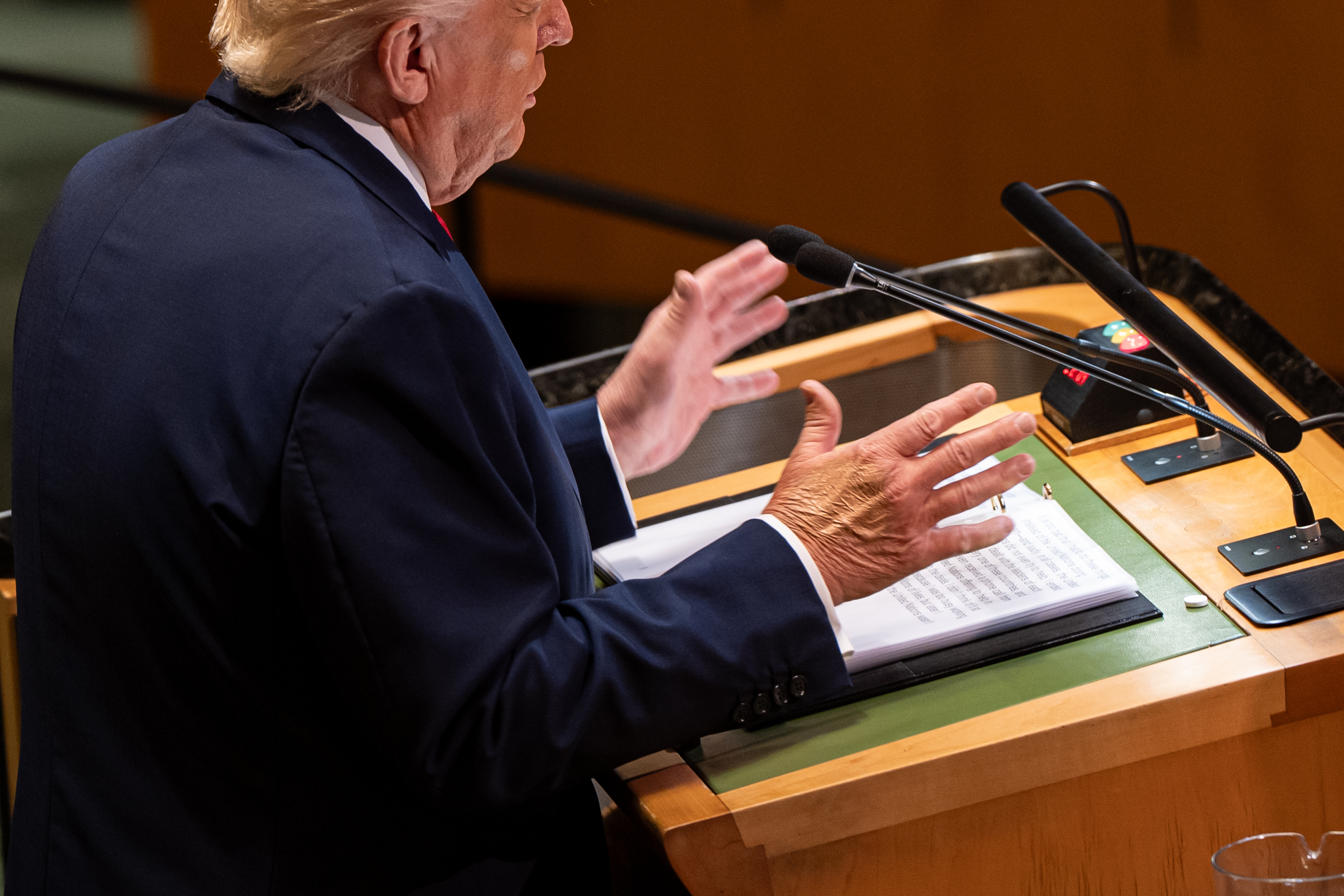
    NEW YORK — President Donald Trump is set to address the U.N. General Assembly on Tuesday at a tumultuous moment for the world — and for his presidency.

    The global economy has been shaken by his decision to launch a war against Iran. Anxiety about the social impact being wrought by artificial intelligence is surging. And questions linger about the future of the United Nations itself with Trump’s scaling back U.S. financial support for the United Nations.

    After his speech to the annual gathering of world leaders, Trump is expected to hold talks with new British Prime Minister Andy Burnham, Japanese Prime Minister Sanae Takaichi and a more informal meeting with Venezuela’s acting President Delcy Rodríguez, according to the White House.

    He’s also set to meet with leaders and senior officials from Gulf Cooperation Council nations — Bahrain, Kuwait, Oman, Qatar, Saudi Arabia, and United Arab Emirates — to discuss the way ahead with the war in Iran and growing concern about recent Iran-backed rebel attacks on Saudi Arabia.

    The visit to the U.N. comes when Trump’s foreign policy approach — particularly his decision to start a war with Iran — has become a drag on his fellow Republicans’ hopes of retaining control of both chambers of Congress during the coming midterm elections. Nevertheless, administration officials signaled Trump will make the case in his address that the world is better off for his leadership.

    “We expect the president will highlight how he has and his administration have confronted complex problems head-on around the world,” Ambassador Mike Waltz, Trump’s chief envoy to the international body, told reporters.

    Waltz also suggested that Trump might revisit some of his long-held criticism of the United Nations. The president has criticized the body as being ineffectual on issues of war and peace, has claimed the organization is perpetuating a “con job” by emphasizing the need to address global warming, and has asserted the U.N. has promoted the “invasion” of migrants into Europe.

    Iran war to loom large

    In last year’s address at the U.N., Trump claimed the U.S. had “demolished” Iran’s nuclear capabilities after he ordered the June 2025 bombardment of three key facilities.

    He returns to the General Assembly nearing the seven-month mark of a new war against Iran that he insists is necessary to address a nuclear threat posed by Iran.

    The war has grown more complicated even though strikes by the United States and Israel have killed much of Iran’s top leadership and destroyed its air force and navy, while a U.S. blockade of Iranian oil has left Tehran in economic shambles.

    The passage of oil from other Gulf countries through the Strait of Hormuz has improved in recent weeks with the help of the U.S. Navy helping guide commercial vessels through the narrow waterway. Still, the flow of oil is significantly below pre-war levels. And Brent crude continues to hover around $100 per barrel, up from about the $70 range in the weeks before the start of the war.

    But the energy market continues to be spooked. Saudi Arabia earlier this month shuttered a key pipeline that acted as a relief valve for oil blocked in the Gulf. The kingdom made the move after the pipeline came under attack by Iran-backed militants in Iraq.

    At the same time, territorial grabs by the Yemen-based Houthi rebels, another Iranian-backed group, near the Bab al-Mandab Strait has now made it treacherous for oil carriers to use that Red Sea shipping lane.

    Majed al-Ansari, chief spokesman for the Qatari Foreign Ministry, said Monday that Qatar and other mediators are trying to penetrate a “deep deficit of trust” between the U.S. and Iran and get the sides back to negotiations.

    “What we’re trying to say is that, ‘Listen, this will end at the negotiating table,” said al-Ansari, speaking at the Concordia Annual Summit, a global affairs forum taking place during the U.N.’s high-level week. “Either we sign a deal now or sign a deal 10 months away. The only difference is the number of dead and destruction that we see.”

    The administration will sign a Greenland deal

    At last year’s General Assembly, Trump touted his record as a peacemaker and claimed that “everyone says that I should get the Nobel Peace Prize” for his administration’s efforts mediating several conflicts around the globe.

    This year, his administration is set to sign an agreement on the sidelines of the General Assembly with Danish and Greenlandic leaders that aims to set the pathway for the expansion of the U.S. military’s footprint on Greenland.

    The deal, announced last week, came together after Trump repeatedly threatened to “take over” Greenland, a territory of NATO-ally Denmark, by military force if necessary.

    Under the deal, Greenland remains Denmark’s territory. “I’m looking forward to the meeting tomorrow. I think we have reached a good agreement,” Prime Minister Mette Frederiksen told Danish broadcaster TV2 Denmark.

    Trump’s frustration with Russia-Ukraine war mounts

    The president could also touch on Russia’s continuing war against Ukraine during the address — a conflict that during his 2024 campaign he predicted would be resolved on Day One of his second term.

    The president has routinely expressed frustration about the conflict. He hasn’t obscured that his patience is being tested by Ukraine’s targeting of Russia’s diesel refineries — an issue that’s added to oil markets’ volatility — and Russia’s targeting of Ukraine’s energy grid.

    Trump last week asserted that he got the two sides to agree to not target each other’s energy infrastructure. Ukrainian President Volodymyr Zelenskyy said he was willing to go along with Trump’s plan if Russia abided by it. Russia said it could only go along with Trump’s energy truce proposal if Western energy sanctions on Moscow were lifted first.

    The two sides have continued carrying out strikes on refineries and other energy infrastructure. Trump on Monday, before departing for New York, expressed his frustration with targeting of energy infrastructure.

    “Russia has unfortunately lost control of its Diesel Oil Industry due to its War with Ukraine,” Trump posted on social media. He added, “This ridiculous and never ending War with Ukraine must be ended.”

    Trump to hold critical talks with UK, Japan and Venezuela leaders

    The president is set to hold his first face-to-face meeting with Burnham, the center-left Labour Party leader who became prime minister in July.

    With elevated oil prices dragging the British economy, he may also be eager to discuss ways to fully reopen the Strait of Hormuz. He announced on Monday that he would send a Royal Air Force plane to the Mideast to help Saudi Arabia repel attacks from Houthi rebels. The plane will refuel Saudi planes during defensive missions.

    Trump’s meeting with Japan’s Takaichi comes as he prepares to welcome Chinese President Xi Jinping later this week to Washington for a state visit.

    The historically complicated Japan-China relationship became even more fraught after Takaichi said last year that Japan’s military could intervene if China were to take action against Taiwan, a semi-autonomous island democracy that Beijing considers its own territory. The tensions have spilled over into the China-Japan economic relationship.

    Trump’s engagement with Rodriguez, Venezuela’s interim president, will be the first meeting between the two leaders since Trump in January ordered a U.S. military operation to capture then-President Nicolás Maduro and swept him off to New York City to face federal narco-terrorism and drug trafficking charges. Maduro’s lawyers have objected to the U.S. military action that snatched him from power.

  • Lindsay Clancy’s attorney asks judge to investigate the lone juror who wanted to convict her

    Lindsay Clancy’s attorney asks judge to investigate the lone juror who wanted to convict her

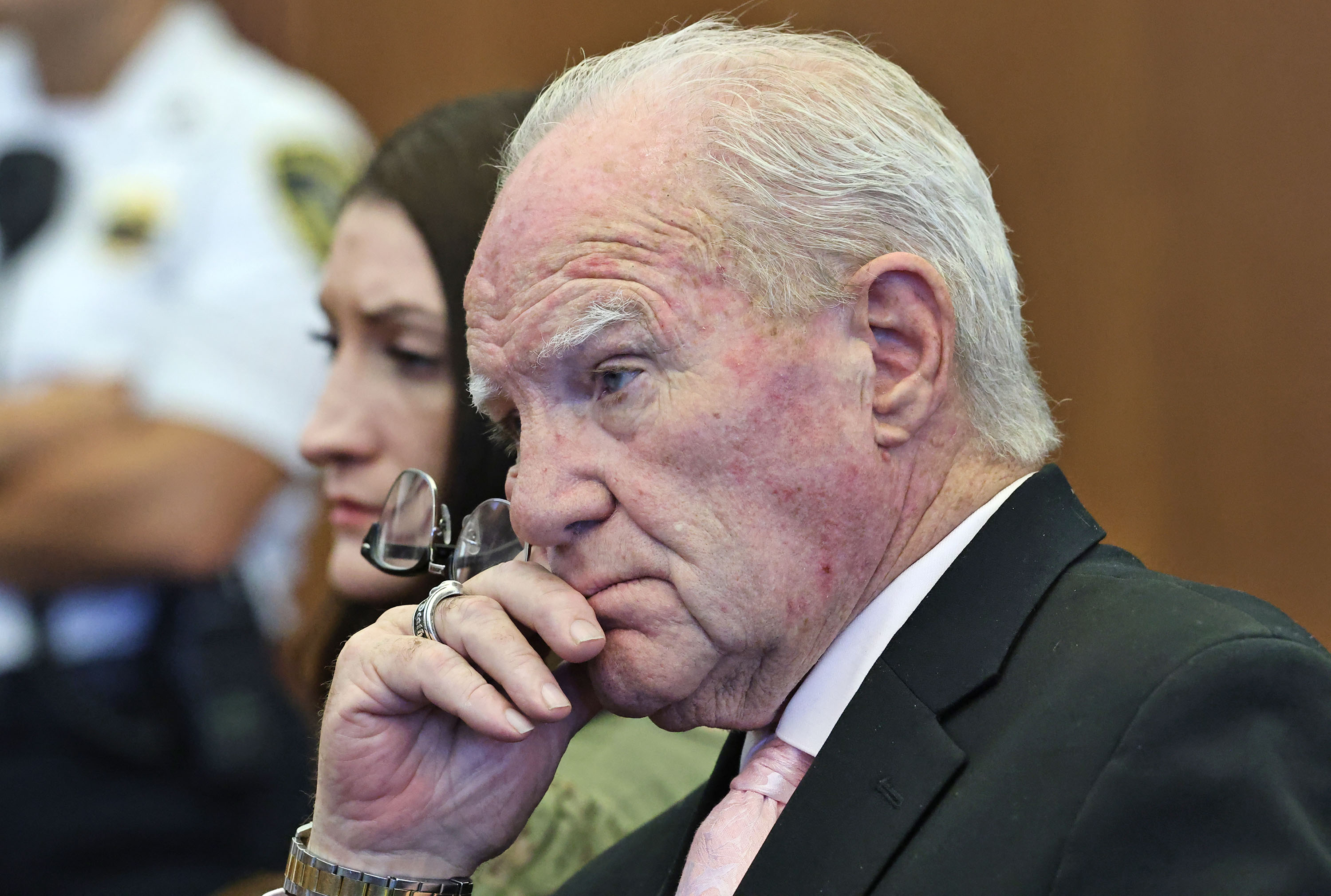
    BOSTON — A lawyer for Lindsay Clancy is asking a judge to investigate the conduct of the lone juror who wanted to convict the Massachusetts mother of murder in the deaths of her three young children.

    In a motion filed Friday but made public Monday, Clancy’s lawyer asked the court to question juror Michael Desronvil about his alleged use of a cellphone during deliberations, his truthfulness on a questionnaire that prospective jurors filled out before the trial began, and his truthfulness when jurors were questioned by the judge a day before the trial ended.

    Among other things, lawyer Kevin Reddington asked the court to obtain a record of any calls or texts Desronvil made between 8 a.m. and 4:30 p.m. on each day the jury deliberated. Phone use during deliberations is prohibited in the state.

    The judge declared a mistrial Sept. 4 after the jury insisted it couldn’t reach a unanimous verdict, despite days of trying. Eleven of 12 jurors were ready to clear Clancy of criminal responsibility, with the majority feeling that she was in the grip of a rare condition called postpartum psychosis when she strangled her kids.

    But Desronvil sided with the prosecutors, who had argued that Clancy knew what she was doing.

    Desronvil hasn’t been accused of any wrongdoing in connection with his service on the jury, though some other jurors complained that he was inflexible in his opinion that Clancy was guilty. In a statement released by his lawyer last week, Desronvil said he “didn’t have any doubts.”

    Prosecutors have yet to say whether they plan on putting Clancy on trial again. She remains charged with murder and is in a psychiatric hospital until her case is resolved.

    In another motion on Monday, another lawyer for Clancy, Martin Weinberg, asked the judge to take the unusual step of dismissing the criminal case, rather than putting on a new trial, on the grounds that a mistrial shouldn’t have been declared in the first place.

    Weinberg argued that the judge should have replaced Desronvil with an alternate during the deliberations after the jury foreperson complained he was refusing to listen to the law on reasonable doubt.

    “Contrary to the court’s stated belief at the time, it did have viable choices other than declaring a mistrial,” Weinberg wrote.

    A spokesperson for Plymouth County District Attorney Timothy Cruz would not comment on the motions.

    At the trial, jurors heard from psychologists and clinicians who treated Clancy for several months before the killings, when she was suffering from worsening mental health problems that emerged after the birth of her youngest child. She was released from a psychiatric hospital less than three weeks before she killed her children.

  • What to know about COVID vaccines — and whether you need one this fall

    What to know about COVID vaccines — and whether you need one this fall

    If you haven’t given much thought to COVID-19 lately, that’s understandable. The impact of the coronavirus has “substantially diminished” since the early pandemic years, said William Schaffner, a professor of infectious diseases at the Vanderbilt University Medical Center. As a result, “people are perhaps less attentive to COVID.”

    That’s probably due in part to the fact that most people have had some prior protective exposure to COVID-19, either through vaccination, infection or both. But COVID-19 “hasn’t gone away,” said Schaffner. “It’s still apt to produce serious illness.”

    Previous years have seen increases of COVID-19 activity in late summer as well as winter, and cases are starting to ramp up this year, especially in certain parts of the country, said Thomas Russo, chief of infectious disease in the department of medicine at the Jacobs School of Medicine and Biomedical Sciences at the University at Buffalo. “COVID-19 is certainly coming,” he said.

    Vaccination remains the best way to decrease the likelihood of severe outcomes from the virus, as well as protect those around you who might be at higher risk.

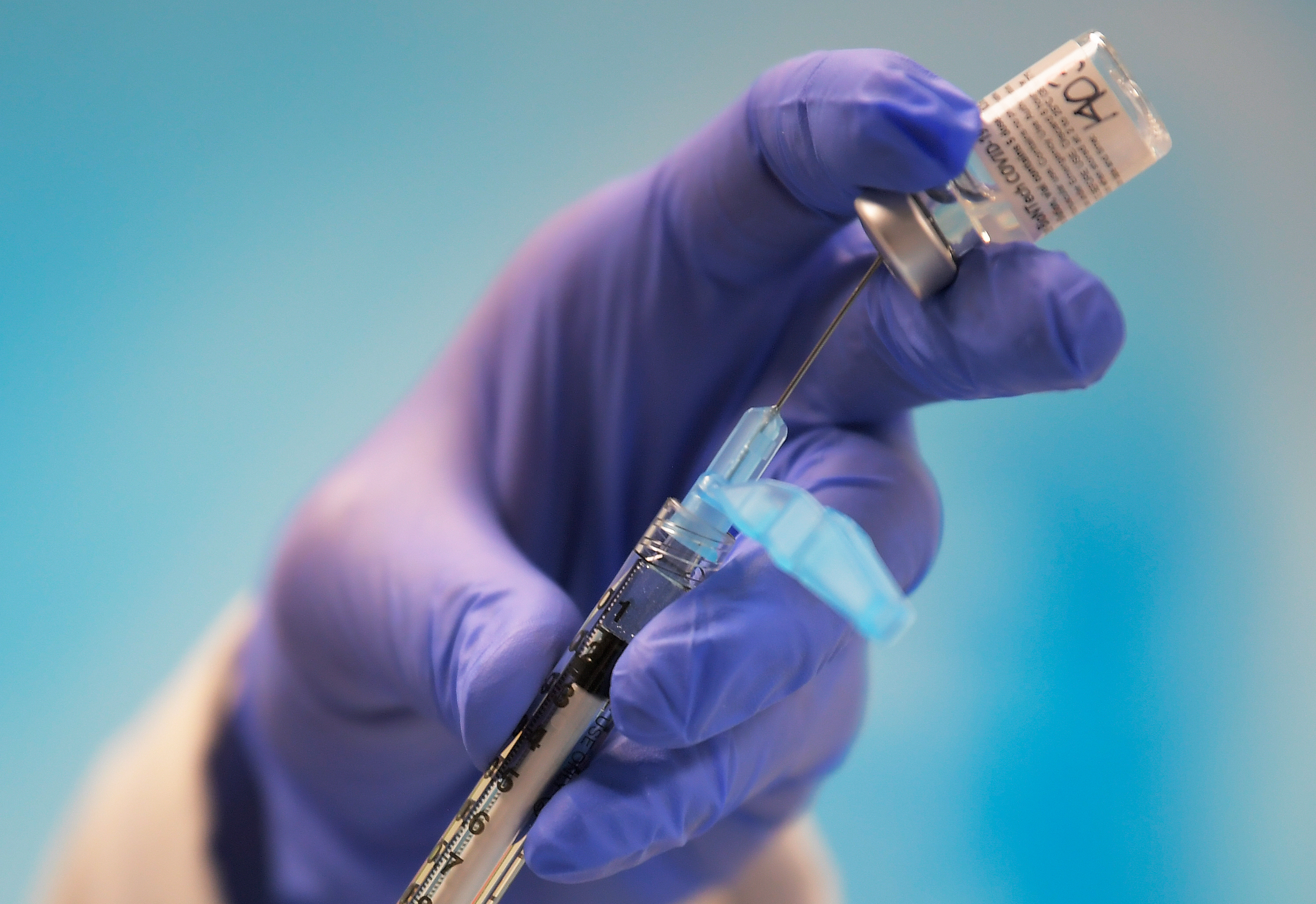
    In late August, the Food and Drug Administration approved updated COVID-19 vaccine formulations that target the variants currently circulating around the country. But there hasn’t been new federal guidance this year on who should get the vaccine. Last year’s recommendations have been thrown into legal limbo after a federal judge ruled that Health Secretary Robert F. Kennedy Jr. improperly reconstituted an influential advisory panel. Instead, major medical groups have banded together to release their own recommendations.

    Here, answers to questions you may have about getting the COVID-19 vaccine this year.

    Who should get a COVID shot

    The FDA approved the updated COVID-19 vaccines for people with at least one underlying condition placing them at higher risk for severe COVID-19 — such as people with cancer, a chronic disease (like diabetes or HIV) or a weakened immune system — as well as all adults age 65 and older.

    This differs from what major medical societies have said previously and are now recommending. The American Academy of Pediatrics, the American Academy of Family Physicians and the American College of Obstetricians and Gynecologists suggest the vaccines for most people, including healthy adults ages 18 to 64 and healthy children ages 2 to 18, if their parents want them to get one.

    While many experts stress that anyone can and should get a COVID-19 vaccine, “the risk of developing severe disease is variable depending on the individual,” said Russo, meaning vaccination is especially critical for higher risk groups. Those include people age 65 and older, children under 2 years old, children between the ages of 2 and 18 years in certain high-risk groups, people with underlying conditions and those who are immunocompromised, and pregnant women.

    What healthy people should know

    If you’re an adult under 65 and don’t have an underlying health condition, you may think you don’t need an updated COVID-19 vaccine. But healthy people can still be hospitalized because of COVID-19 or have severe outcomes. “The other thing that the vaccine does is it helps prevent long COVID, and that could be a devastating problem,” said John Swartzberg, a clinical professor emeritus in the division of infectious diseases and vaccinology at the University of California’s School of Public Health.

    A healthy person may also live, work or be around someone at high risk of severe disease. “Getting vaccination would be beneficial because you’re less likely to be infected, or if you do get infected, you’re going to shed lower levels of the virus,” said Russo, “so you’ll be indirectly protecting those individuals.”

    Schaffner added that medical professional societies will continue to recommend comprehensive COVID-19 vaccination for nearly everyone, including adults age 19 to 64 who are otherwise healthy. “Vaccine acceptance of both COVID and flu vaccines slipped last year, and we are hoping to reverse that trend this year.”

    How effective is the updated vaccine?

    The FDA recommended that the newest formulation target the XFG variant, which currently has the widest circulation.

    As for how effective this newest formulation will be? “We never really know how well it’s going to perform until it’s been used by millions and millions of people,” said Schaffner. However, preliminary data suggests it should be “very active” against this XFG strain, noted Swartzberg.

    Like the flu shot, COVID-19 vaccines are updated annually after monitoring of the circulating variants in the United States. While there’s no guarantee you won’t get sick at all, you can feel reassured that the vaccine helps prevent severe disease, said Schaffner.

    A study published in JAMA last year found that the 2024-2025 vaccine formulation offered 45.1% effectiveness against emergency department visits and 57.5% effectiveness against hospitalization or death.

    More recently, a study on the effectiveness of the 2025-2026 COVID-19 vaccines found that the Pfizer and Moderna vaccines provided between 48.3% and 59.3% protection against hospitalization for adults over age 65.

    In addition to reducing the severity of COVID-19 infection, the vaccine may prevent you from getting infected. That same 2025 JAMA study found that the 2024-2025 COVID-19 vaccine provided 44.7% protection against infection four weeks after vaccination. This was similar to the level of protection provided by the previous formulation, the authors said.

    The best time to get a COVID shot

    It takes a week or two to develop maximum antibody levels from a COVID-19 booster, said Russo, and a little longer if you’ve never been vaccinated before. “Ideally, you want to get that close to the winter respiratory virus season when we see a lot of cases and your likelihood of getting infected increases,” he said.

    Medical experts generally recommend COVID-19 vaccination toward the end of September and during October. “Then the protection will be sufficient to stretch out through most of the winter,” said Schaffner.

    It’s safe to get your annual flu vaccine at the same time as your COVID-19 shot.

    Where you can get a COVID-19 vaccine

    “Year in and year out, the substantial majority of COVID vaccines have been given out in pharmacies,” said Schaffner. Doctor’s offices or health clinics can also supply COVID-19 vaccines, though you might want to confirm that your provider has them in stock, he said.

    Children, however, are “somewhat of a unique case,” noted Russo, “because depending on the age of the child and the state, the pharmacist can’t vaccinate them.” Some states have age restrictions for COVID-19 vaccines: Maine, for example, allows pharmacists to vaccinate anyone ages 3 and up against COVID-19, while you must be at least 18 to get a COVID-19 vaccine from a pharmacist in Iowa.

    If your child can’t get vaccinated at a pharmacy, you may need to ask their pediatrician.

    Many insurers have indicated that they will continue to cover COVID-19 vaccinations, said Schaffner, though check with your insurance provider to be sure. You can also use the HHS.gov Health Center Finder to look up federally funded health centers near you that don’t require insurance and may offer sliding fees based on income. However, there have been questions about when COVID shots will be available that are typically offered through a federal program providing vaccines to children who are uninsured, underinsured or on Medicaid.

    Like last year, “there will be confusion about who ought to receive COVID vaccines this fall” and whether they will be covered by your health insurance company, said Schaffner. “That was the case last year, and we hope that it will work that way again this fall and winter.”

  • The painful, complicated roots of American mid-century design trace back to Japanese American concentration camps

    The painful, complicated roots of American mid-century design trace back to Japanese American concentration camps

    George Nakashima never intended to move his family to New Hope.

    The famous furniture maker became one of the most sought-after artists in modern American design, considered so impactful that his home and studio in Bucks County were named a National Historic Landmark.

    It was a significant recognition from the government that had previously incarcerated Nakashima, his wife, Marion, and their then newborn daughter, Mira, forcing them to relocate from their home in Seattle to the Minidoka concentration camp in Idaho in 1942.

    The family was among some 120,000 Japanese Americans — including about 80,000 U.S. citizens — imprisoned during World War II due to the unsubstantiated fear that they could be foreign spies.

    By that point in his late 30s, Nakashima was already a successful architect and woodworker who had earned a master’s degree from MIT and traveled the world. Incarceration shaped his artistic practice and changed his trajectory significantly. At the camp, he met a skilled carpenter who taught him traditional Japanese carpentry techniques that greatly influenced his burgeoning signature style.

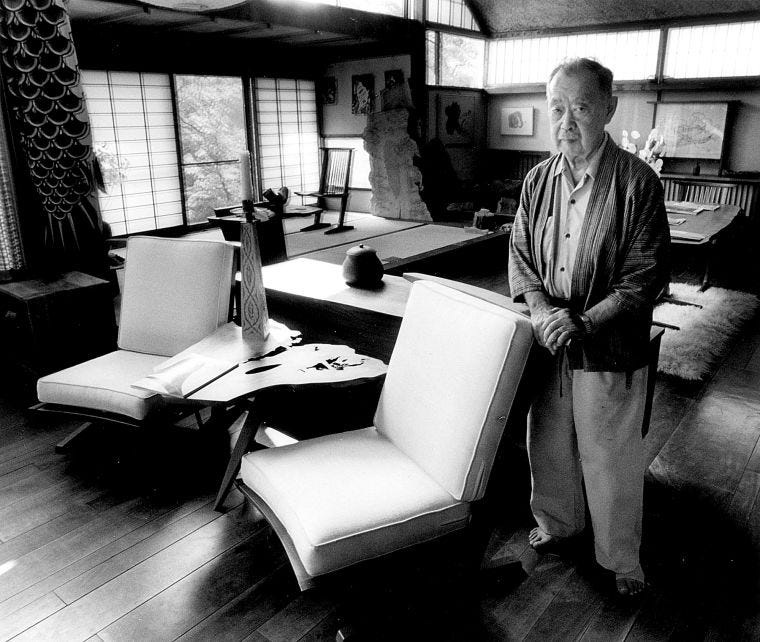
    Furniture designer and craftsman George Nakashima in his woodworking shop. In 2014, the U.S. Department of the Interior named his Solebury property a national landmark.The Intelligencer, file

    New Hope became a new home to the Nakashimas in 1943 when the War Relocation Authority released them under supervision, thanks to Nakashima’s old boss Antonin Raymond, who sponsored their freedom.

    (Ironically, the government respected the authority of the Czech immigrant Raymond, who was a naturalized citizen, over that of the Spokane-born Nakashima.)

    The conditions of the release prevented Nakashima from pursuing architecture projects with Raymond, so he worked as a farmhand by day while continuing to craft furniture by night. He transformed the farm’s milk house into a workshop and found inspiration in the woodlands surrounding him, where he would eventually establish himself as a giant of American design for decades to come.

    George Nakashima (1905–1990), Milk House Table, 1944, Teak and cypress, 17 1/4 × 37 1/4 × 33 1/2 in. (43.8 × 94.6 × 85.1 cm), Nakashima Foundation for Peace.Christian Giannelli

    One of his earliest pieces after incarceration served as a poetic callback to the home he was compelled to leave behind: a coffee table made of teak wood from Washington a friend shipped to him.

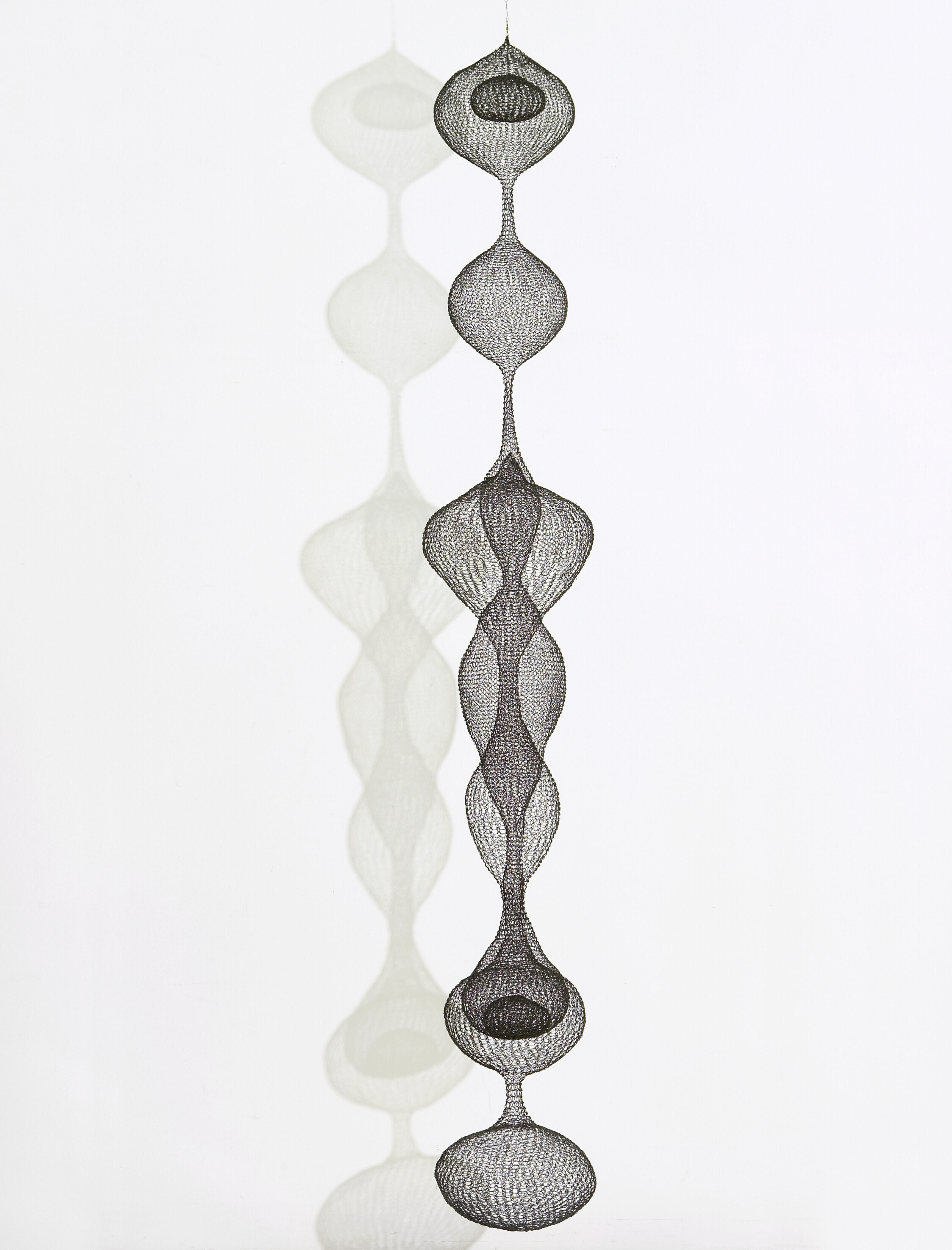
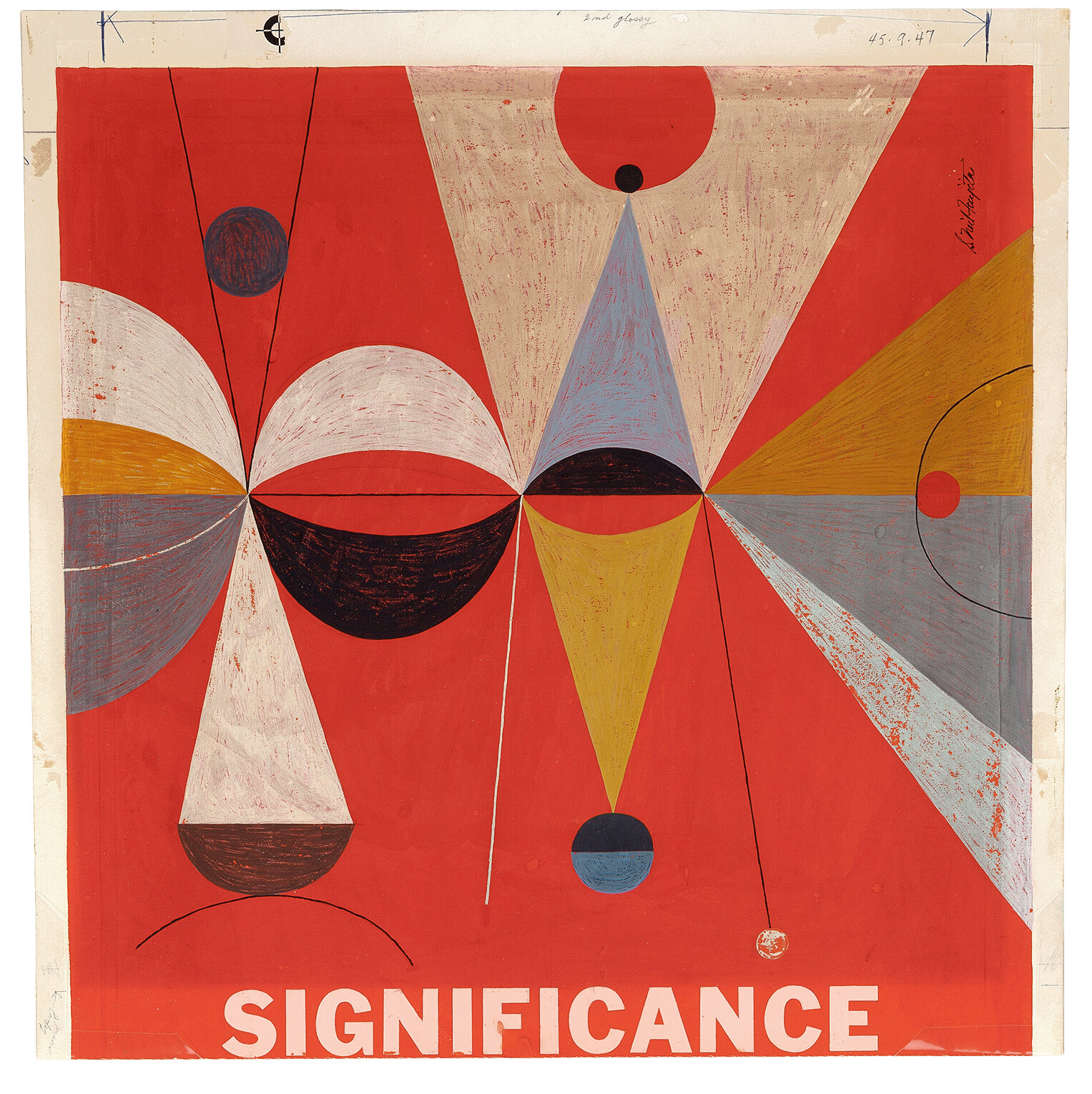
    Milk House Table (1944) is one of 10 Nakashima artworks on view at the Barnes Foundation this fall as part of its American art programming marking the 250th anniversary of the nation’s founding. The exhibit “Noguchi to Asawa: Designing Postwar America” examines six renowned Japanese American artists whose work defined modern American art and design in the mid to late 20th century — all of whom were severely impacted by mass incarceration.

    Kay Sekimachi (b. 1926), Ogawa II, 1969, Nylon monofilament, glass beads, and plastic tubing, 76 × 12 × 10 1/2 in. (193 × 30.5 × 26.7 cm), Forrest L. Merrill Collection, © 2026 Kay Sekimachi / Artists Rights Society (ARS), New York.M. Lee Fatherree

    “This project is focused on six pretty iconic Japanese American artists who very much collectively shaped the look and the feel of mid-century America. The idea was to really look at the collective impact of this pivotal moment of Japanese incarceration during World War II, not only in the lives and careers of these artists, but by extension, in American art and design,” said Barnes curator Cindy Kang, who spearheaded the exhibit. “The roots of American modernism actually do extend into the Japanese incarceration camps. Some of these artists received their first really important artistic experiences there because they were incarcerated with professional artists, and that very much shaped the direction of their future careers.”

    Two generations are represented in the show — those who were older, established artists before incarceration (Nakashima, sculptor/designer Isamu Noguchi, and sculptor Leo Amino) and a younger generation who had formative experiences learning from artists while incarcerated (graphic designer S. Neil Fujita, fiber artist Kay Sekimachi, and sculptor Ruth Asawa).

    Ruth Asawa (1926-2013), Untitled (S.272, Hanging Seven-Lobed Continuous Interlocking Form with Spheres in the First and Sixth Lobes), c. 1954, Copper and iron wire, 111 × 14 × 14 in. (281.9 × 35.6 × 35.6 cm), Private collection.Laurence Cuneo @ Studio 71, Inc

    Their works span media, from wood furniture to copper wire sculptures to jazz album covers. (Fujita got his start at a Philadelphia ad agency and taught at the Philadelphia Museum College of Art, which was later named University of the Arts, before becoming the design director at Columbia Records.) The final room in the exhibit evokes a typical postwar American living room with everything made by Japanese American artists that underscores how essential their artwork became to the aesthetics of modern design.

    “You may not have a Noguchi Akari lamp, but you may have the knockoffs from Target and Ikea,” said Kang.

    S. Neil Fujita (1921–2010), “Significance,” advertisement for the United Aircraft Corporation, 1959, Paper, 11 3/8 × 8 1/8 in. (28.9 × 20.6 cm), Private collection. © 2026 Estate of S. Neil Fujita. Heritage Auctions / HA.com.Courtesy of the Barnes Foundation

    In her research, Kang explored how wartime incarceration contributed to the complicated formation of an Asian American political identity following decades of anti-immigration policies and discrimination. She found that these artists’ assimilation into the legacy of American design often sidelined or erased their connections to these historic injustices.

    “Especially with Nakashima and Noguchi, their work has been so fully assimilated into American design that the fact that they have these histories is so buried … you don’t even connect American design with these histories,” Kang said.

    “That’s what I was trying to bring out [in this show]… You see a Noguchi or Nakashima chair or lamp or table and think, ‘Oh yeah that’s American design,’ and then not have any idea that it’s connected to Asian American history.”

    Leo Amino (1911 – 1989), Unyielding Defiant, 1940, Wood, 18 × 9 3/4 × 7 in. (45.7 × 24.8 × 17.8 cm), Private collection, Memphis, Tennessee. Works by Leo Amino © 2026 Leo Amino Estate. Courtesy of the Estate and David Zwirner.Stephen Arnold

    Who gets to be an “American”? That question weighed heavily on Kang as she developed the exhibit and studied the historic period when the U.S. government imprisoned thousands of immigrants, including American citizens and children. She had no idea just how timely her project would feel opening this year, as the U.S. government continues to imprison tens of thousands of immigrants under President Donald Trump’s second administration.

    “It really was not in our minds that this would be as relevant, or as on the nose as it is today, that’s really unfortunate,” said Kang. “We need to keep remembering we’ve been through this and we already know this is not a good direction. We need to learn this lesson again.”

    George Nakashima (1905 – 1990), Dried Bitterbrush collected by the Nakashimas in Minidoka, Idaho, c. 1942, Wood, 5 1/2 × 14 × 10 in. (14 × 35.6 × 25.4), Nakashima Foundation for Peace.Christian Giannelli

    For many of the featured artists, life after incarceration provided an opportunity to move past that traumatic time — they often did not discuss or share details about their imprisonment with their families or others. However, younger generations of Asian Americans, including the artists’ descendants, want to interrogate these histories further to understand how that trauma lingered on in the lives of these beloved artists.

    For his part, Nakashima told his daughter that “his wounds healed over and left no scars.”

    Still, he kept pieces of wood he collected from the Minidoka camp, which he used to create case furniture for their family home. In the exhibit, one of these remnants will be on display: a branch of dried bitterbrush.

    “Noguchi to Asawa: Designing Postwar America,” runs through Jan. 10, 2027 at The Barnes Foundation, 2025 Benjamin Franklin Pkwy., Philadelphia, 215-278-7000 or barnesfoundation.org

  • Ro Khanna is the left’s busiest midterm surrogate. Can he raise his own profile, too?

    Ro Khanna is the left’s busiest midterm surrogate. Can he raise his own profile, too?

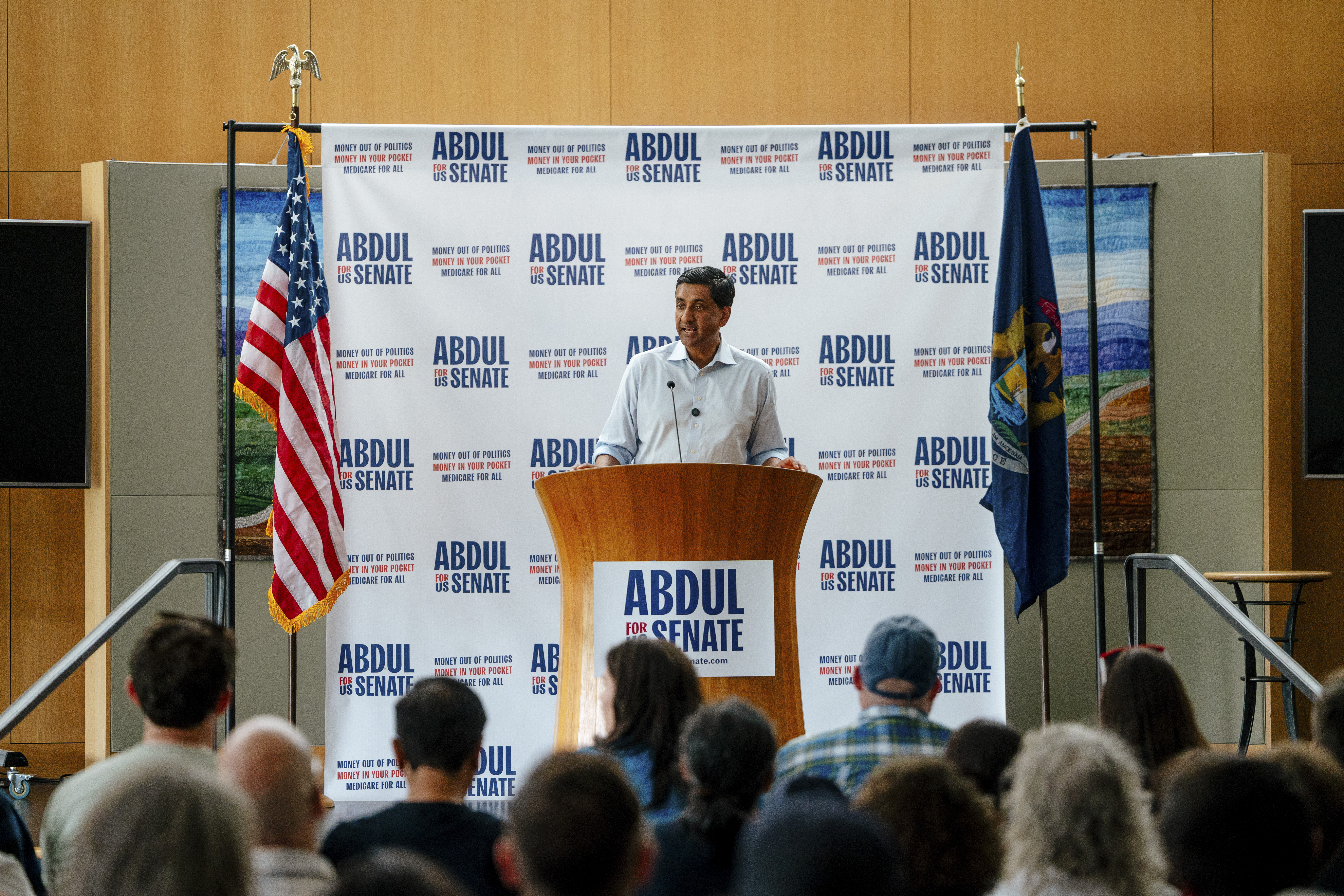
    Rep. Ro Khanna of California leaned forward in a patterned armchair as a rooster crowed outside, listening as a group of farmers in rural Sharpsville, Pennsylvania, told him that Democrats came across as inauthentic and insincere.

    “Don’t promise the farm and not come up with it,” said Joe McCann, who grows hay and raises pigs. “And don’t lie to people. I can take anything, but if someone’s standing there physically lying to me and blowing smoke up my butt, that’s not going to cut it.”

    Khanna agreed, fretting that his party had for too long “looked down” on blue-collar voters. Then he quipped: “How do you think I’m doing? Lying?” McCann, 78, said he didn’t think so.

    Khanna, D-Calif., has emerged as one of the most prolific surrogates of the 2026 cycle. He has endorsed more than 70 candidates for seats in the House, Senate and state legislatures, positioning himself on the front lines of a burgeoning progressive movement as discontent with the status quo has propelled a series of left-wing candidates to primary victories.

    But there was another reason for his vigorous political itinerary this campaign season: a possible presidential run in 2028. He wants to see the left’s power grow within the Democratic Party. He wants its policy prescriptions, such as universal healthcare and taxing the rich, to shape the conversation about who the party’s nominee for president should be.

    And he knows that none of that is likely to happen if the left bombs in November.

    A little 2026, and a little 2028

    Despite their major wins in primaries this season, progressives’ ability to sway the general electorate in competitive races remains untested. A new poll released by The New York Times and Siena University on Sept. 15 found that a slight majority of voters disliked socialism.

    In Khanna’s view, the only way the movement can change that perception is if it figures out how to talk to the working class.

    Khanna, born outside Philadelphia to immigrants from India, has been preparing for his political future out in the open. In the past two months, he has taken many of the steps of an early presidential candidate.

    He held a town hall with Latino voters in Nevada. He told the Democratic National Committee in a searing speech that the party needed to turn its back on corporate interests and military aid to Israel. He also ventured abroad, leading a congressional trip to the Vatican to discuss safeguards against artificial intelligence with Pope Leo XIV and visiting the West Bank, where he was detained by armed Israeli settlers.

    Icons of the progressive movement, such as Sen. Bernie Sanders of Vermont and Rep. Alexandria Ocasio-Cortez of New York, have been choosier with their high-profile endorsements this year. Khanna is lesser known, and has work to do to change that. The eagerness can occasionally backfire; he has expressed regret for his endorsement of Graham Platner, the Maine Democrat who withdrew his Senate bid in July after a woman accused him of rape.

    “He’s hustling,” said Bill Hyers, a progressive strategist who worked with two House candidates — Kat Abughazaleh in Illinois and Chris Rabb in Pennsylvania — whom Khanna endorsed in primaries this spring. Rabb won. Abughazaleh lost.

    Added Hyers: “He’s just been out there really working hard and he’s the only person on the left I have seen where there’s no doubt he’s running.”

    Over five days in Pennsylvania in July, Khanna, who grew up outside Philadelphia in suburban Bucks County, rallied for two House candidates whose primary victories in May stood out as early triumphs for the progressive movement. Their very different districts illustrated both the advantages and challenges facing the progressive left this fall.

    In Philadelphia, Khanna talked about liberal priorities like “Medicare for All” with Rabb, a democratic socialist who is virtually assured of victory in November in his deep-blue district. In a battleground district in Allentown, Khanna discussed tariffs and job losses with union factory workers to help the candidacy of Bob Brooks, a firefighter and labor leader who faces a more difficult path to victory in November against Rep. Ryan Mackenzie, a Republican.

    On behalf of both candidates, Khanna offered a similar pitch: The wealth and technological innovation of his high-income Silicon Valley district should be shared more widely. His agenda of “new economic patriotism,” he said, would spread technology jobs among Midwestern states and redistribute profits through a wealth tax.

    “If we just are running on centrist mush that is put out by ChatGPT, bland and inoffensive, we’re not going to win,” Khanna told a reporter in the SUV he was riding in for the Pennsylvania swing. “It has to be a transformative vision.”

    Khanna was generally well-received by an electorate in Pennsylvania that has soured on Republicans and seems increasingly willing to give Democrats another chance. But he also encountered the enduring skepticism of voters who see their leaders as having failed them.

    “He comes across very progressive with his plans, but I don’t know that he’ll be able to carry them through,” said McCann, after Khanna’s conversation in Sharpsville. “This area that I live in right now is a depressed area — and anybody that gives anybody around here a vision of hope is the person they’re leaning toward. They just have that vision of hope that this might happen, and it never does.”

    In an interview, Khanna said he planned to decide about 2028 between Thanksgiving and Christmas, after talking to his family and determining how viable he could be in battleground states.

    His trip across Pennsylvania was intended in part to assess that. A progressive contender for president, Khanna said, would have to “do well in the Black South” and “do well in states like Pennsylvania.”

    He said he was also forging bonds in southern states, including in South Carolina, where his partnership with Rep. Jim Clyburn and his daughter Jennifer Clyburn connects students at historically Black colleges and universities with scholarships from tech companies.

    Khanna has recruited alumni of both progressive and establishment campaigns. He is being advised by Ron Klain, the chief of staff to former President Joe Biden, and has enlisted longtime advisers to Sanders such as Julian Mulvey and Jeff Weaver, according to a person familiar with the partnerships who requested anonymity to describe internal staffing issues.

    The road ahead, plus AOC

    A dismal progressive showing in November could instantly set back Khanna’s fortunes. So could something else: Ocasio-Cortez. If Ocasio-Cortez, the breakout star of the left, runs for president, she would appeal to the same liberal constituency as Khanna but with an enormous head start in popularity.

    Khanna called Ocasio-Cortez an “extraordinary talent,” and dismissed the idea that she is a rival.

    “I have a tremendous amount of respect and admiration for her,” he said, adding, “I have genuinely never discussed what she wants to do in the future.”

    Khanna said he talked with Ocasio-Cortez occasionally in the halls of the Capitol. He communicates more frequently with Sanders, speaking with him on the phone about AI and answering the senator’s queries about the chances of California voters passing a tax on billionaires this fall.

    Khanna readily acknowledged that he lacked the political “star power” of his left-wing compatriots. “I’m not delusional,” he said.

    His speeches are also a little heavy on policy and light on the kind of soaring rhetoric that voters often look for in a president.

    That was the case in Pennsylvania, but he also tested catchphrases such as “economic patriotism,” and retail politicking seemed to come easily enough for him. One particular line, when he argued that President Donald Trump had not followed through on a simple promise — to replenish sand that had washed away along Lake Erie — got a good response from voters.

    “I’ve seen a lot of clips of him online — I thought he was much more charismatic in person,” said Gideon Tsoutsouris, a college student in Pittsburgh.

    Khanna portrayed his low profile as an asset, noting that other successful candidates — including former Presidents Jimmy Carter and Bill Clinton — began their bids as long shots. It’s an advantage, he said, “to go meet people and interact without the entourage.”

    Khanna, a multimillionaire, likewise dismissed potential criticism of his wealth, which largely stems from his wife’s father, the founder of an automotive company.

    “I tell people my own story of growing up middle-class in Bucks County, taking out loans for law school in my 20s, having forbearance and massive credit card debt,” Khanna said. “I think people will see that I had a middle-class life and even economic challenges.”

    Hyers, the progressive strategist, said Khanna would likely face criticism for his long-standing relationships with the tech industry.

    “The perception in a lot of the circles that I run in is, ‘How much money has he taken from the bad guys?’” Hyers said. (Khanna has since broken ties with many wealthy tech executives and called for taxing them more heavily.)

    When Khanna’s tour rolled into Pittsburgh, he hopped around town, chatting with union leaders who are faculty members at a local university, nurses fighting for a labor contract and a group of college students.

    Before addressing the students, he spoke with two groups protesting his visit on nearby street corners: the pro-Israel Beacon Coalition and the pro-business Americans for Prosperity, a creation of the conservative Koch family. One of the AFP protesters urged him to reject socialism.

    The moment illustrated another challenge that Khanna would face in a presidential primary. He may be too progressive for moderates, and not progressive enough for some on the fractious left.

    “I don’t believe the government should take over the means of production,” Khanna told the protesters. But, he added, many young people were turning to socialism “because they can’t afford rent, they don’t have a good job. They lost the American dream.”

    This article originally appeared in The New York Times.
  • Look up 100 top-paid employees at nonprofit health systems in the Philadelphia region in 2024

    Look up 100 top-paid employees at nonprofit health systems in the Philadelphia region in 2024

    Pay and benefits typically account for more than half the total costs in hospital systems at a time when healthcare costs are rising sharply in the Philadelphia region and nationally.

    Local nonprofit health systems reported compensation ranging from $1.2 million to $3.7 million in 2024 for the 100 highest-paid employees listed in their most recent federal nonprofit tax returns. The ranking excludes system CEOs.

    Meanwhile, employers are expecting insurance increases approaching 10% for the coming year, according to several national surveys by benefits consultants. Experts cite increased use of healthcare services, widespread use of expensive specialty drugs, and rising hospital prices as key factors leading to overall rising benefit costs.

    Clinicians accounted for 60 spots in The Inquirer’s top 100 ranking, which is based on compensation reported in dozens of 990 tax forms from Philadelphia-area hospitals, affiliated physician groups, and other related entities.
    Highly specialized neurosurgeons accounted for the highest number of top-paid clinicians, followed by cardiac and cardiothoracic surgeons and orthopedic surgeons.
    Chief financial officers and chief operating officers were well represented in the management ranks.

    The region’s largest health system also claimed its highest-paid non-CEO, Jefferson Health president and physician Baligh R. Yehia. His $3.7 million in compensation also topped that of all but two CEOs, as disclosed in a previous Inquirer analysis.

    Thomas Jefferson University, which is Jefferson Health’s parent entity, had 30 executives and physicians in The Inquirer’s top 100. The Jefferson group includes four executives who left during or before 2024, but not salaries reported through the Lehigh Valley Health Network, which Jefferson acquired in August of that year.

    Children’s Hospital of Philadelphia had the second-largest number of employees in the top 100, with 18, including surgeons and numerous top executives, such as CFO, general counsel, and head of human resources.

    Virtua was third, with nine employees, mainly surgeons.

    Across the region, 176 nonprofit health system employees received at least $1 million in total compensation in 2024. That amounts to one in five employees in The Inquirer’s database of more than 800 people.

    IRS rules require nonprofits to report compensation for officers, highest-paid employees, and employees with a certain level of responsibility.

    (function(){function e(){window.addEventListener(`message`,function(e){if(e.data[`datawrapper-height`]!==void 0){var t=document.querySelectorAll(`iframe`);for(var n in e.data[`datawrapper-height`])for(var r=0,i;i=t[r];r++)if(i.contentWindow===e.source){var a=e.data[`datawrapper-height`][n]+`px`;i.style.height=a}}})}e()})();