The Pentagon has added one death to its public database of U.S. military fatalities that have occurred amid the war with Iran, bringing the disclosed total to 19.
A U.S. defense official, speaking Tuesday on the condition of anonymity because the Pentagon has not publicly announced the death, said that a female Army officer experienced a fatal medical emergency Friday while flying to the Middle East.
The death was added to the Defense Department’s public casualty database sometime after Monday afternoon. The service member’s identity has not been disclosed.
Spokespeople for the Pentagon did not immediately return a request for comment.
The additional fatality was reported earlier by Task & Purpose.
The Trump administration’s casualty accounting practices have faced intense scrutiny since earlier this year, when the names of four U.S. troops who died as a result of the Iran war were briefly excluded from the Pentagon’s official tally.
On Friday, the Washington Post reported that more American service members have died in the Middle East during the Iran conflict than the Pentagon has disclosed publicly. Officials said that as many as five military fatalities are not reflected in the Defense Department’s public casualty database — a discrepancy that remained unresolved as of Tuesday.
As the Post reported last week, not all of the undisclosed fatalities are directly tied to the Iran conflict but involve U.S. personnel who were in the region amid the hostilities.
The Defense Casualty Analysis System, or DCAS, is supposed to serve as the Pentagon’s official record of all U.S. troops who have died or were wounded in wartime or other contingency operations.
On Monday afternoon, the database showed that 18 U.S. personnel had died because of hostile and nonhostile action, while more than 820 had been wounded.
Five U.S. officials who spoke to the Post last week said that at least 22 service members have died in the Middle East since the Trump administration initiated the Iran war on Feb. 28. A sixth official put the tally at 23.
Historically, nonhostile deaths documented in the DCAS database have encompassed those caused by accidents, sudden health crises, or self-inflicted wounds, including suicides. In past conflicts, those types of deaths were documented to provide the American public with an unvarnished accounting of the costs incurred by military personnel and their families.
Polls show that the Iran war is deeply unpopular with the American public and a potential political liability for President Donald Trump and the Republican Party heading into November’s midterm elections.
After the Post’s story published Friday, Defense Secretary Pete Hegseth claimed that the reporting was not accurate, but he did not address whether the Pentagon has tallied all military fatalities consistent with its long-standing practices.
“Even if we wanted to attempt to hide a combat death, we never would and we never could,” Hegseth told a reporter.
The proper accounting of military fatalities has implications beyond public transparency. Whenever a U.S. service member dies, the military conducts a “line of duty” investigation to determine whether the death occurred while performing official duties. Those findings affect the survivor benefits for which service members’ families are eligible.
As of Tuesday, 14 fatalities are listed in the database as having occurred during Operation Epic Fury, the Trump administration’s name for the Iran war. Four others, reflected in a separate category called Overseas Operations, date to a July ceasefire between Washington and Tehran that later collapsed, leading to the resumption of attacks. The most recent fatality was added to the Overseas Operations dataset.
Separately, since the start of hostilities, the Pentagon has issued news releases stating that two U.S. service members died in the Middle East while participating in missions unrelated to the Iran war. Their deaths, which occurred at bases that have been attacked by Iranian forces, are not reflected by name in the DCAS database.
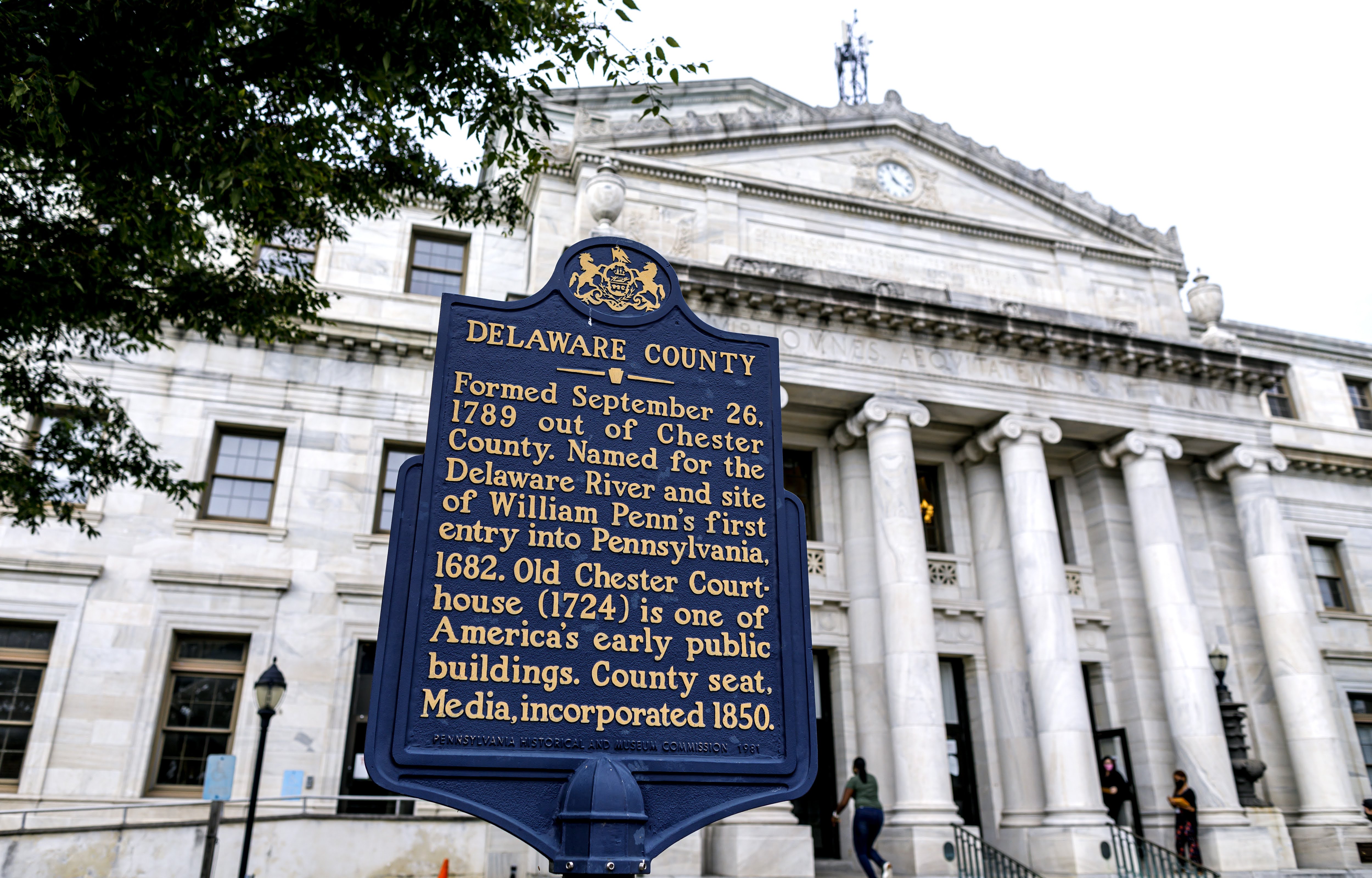
Delaware County District Attorney Tanner Rouse told a panel of jurors Tuesday that he needed to be “very, terrifyingly clear” with them about the killing of Michael Garr.
“There is no backstory. There is nothing that led to this,” Rouse said of the 15-year-old’s fatal stabbing.
“This is the type of random, terrifying, senseless act of violence that we need to pretend doesn’t happen,” he added. “But we know it does.”
Garr, a sophomore at Upper Darby High School, was killed in April 2023 by Marson Weh, a man to whom the teenager had “no earthly connection,” according to Rouse. After stalking Garr for more than a mile as the teen walked through Drexel Hill, Weh, 26, allegedly stabbed him 11 times, including once in the neck,according to prosecutors.
Weh, of Clifton Heights, is on trial this week on murder and related crimes. The motive, if Weh had one, is unclear, Rouse said.
Michael Garr was killed in April 2023 as he walked to his home in Upper Darby.Handout
His attorney, Ian McCurdy, urged jurors to withhold judgment until they see all of the evidence in the case.
“These allegations are horrific. They are heartbreaking. They are gut-wrenching; a 15-year-old boy is dead,” McCurdy said. “But at this time, they are only allegations.”
Extensive surveillance footage allowed investigators to track both Garr and Weh before, during, and after the stabbing, according to testimony Tuesday.
As the two approached Brunswick Avenue near Bridge Street in Drexel Hill, Weh attacked Garr with a knife, and then sprinted from the scene. Garr, mortally wounded, ran in the opposite direction, desperate for help.
Around that same time, Ian Coughlan was driving home from Philadelphia. As he paused to make a left turn, Garr ran up to him, clutching his neck tightly.
The teen was struggling to speak, Coughlan said Tuesday. When he lifted his hands from his neck, blood began to pour out.
“He couldn’t speak, but he was able to squeeze out three words,” Coughlan testified. “’He stabbed me.’”
A recording of Coughlan’s 911 call, played in court, captured the chaotic scene, with him begging for dispatchers to send medics as he urges Garr to stay with him.
Shortly after police arrived at the scene, Garr went into cardiac arrest and died.
“I have a son, and he’s 15 now. It’s just scary for something like this to happen,” Coughlan said outside the county courthouse after his testimony. ”I tried to help, but it didn’t turn out the way I wanted it to.
“I think about him every day.”
As Garr’s family wept inside the courtroom, some having to be excused as the 911 call was played, Weh sat with his eyes cast down, mumbling wordlessly to himself.
The same surveillance footage that recorded Weh pursuing Garr helped investigators identify him through facial recognition software, according to prosecutors. Officers then conducted surveillance on Weh’s home over the next few days and observed him at various times wearing clothing matching what was seen in the video.
Weeks later, officers stopped Weh as he left his home, taking him into custody in connection with an active arrest warrant out of Ohio for a carjacking.
Weh denied killing Garr. But a dried blood stain on thermal underwear he was wearing tested positive for the teen’s DNA — Rouse, the prosecutor, said it was in the exact location where the pocket of his pants would have been.
A knife found in Weh’s backpack had been wiped clean. But a detective separated the blade from its handle, revealing dried blood that had seeped underneath.
It was a match for Garr’s.
Weh’s trial is expected to last through Thursday before Judge G. Michael Green.
Later this year, he is scheduled to appear before Green in a separate trial for attempted murder for allegedly slashing a pregnant woman’s throat and stabbing her in the abdomen during a robbery that took place two months before Garr’s killing.
Vice President JD Vance and administration officials on Tuesday announced that they are removing about 760,000 enrollees from Affordable Care Act coverage, saying that they were fraudulently enrolled in the government health program.
Speaking at a White House press briefing, Vance said that officials would perform “additional verification” on about 419,000 people that they suspected to be fraudulently enrolled, too. The administration also is suspending some brokers found to have wrongly signed up enrollees for ACA coverage.
Officials said that the moves would collectively save $2.2 billion in federal spending. The White House anti-fraud task force, which is led by Vance, is working with the Department of Health and Human Services and the Centers for Medicare and Medicaid Services on the crackdown.
“This is what the fraud task force is all about,” Vance said, flanked by CMS Administrator Mehmet Oz and other senior officials. “Saving the American taxpayers money, and on the other hand, ensuring that these programs that are very important” are protected from waste and fraud.
Oz said that the fraudulent enrollees were identified based on their lack of healthcare use and other factors, and that officials concluded many were fictitious. He also announced a six-month moratorium on allowing new insurance brokers to sell ACA plans.
The cuts affect people who enrolled in coverage through healthcare.gov, the federally run ACA marketplace. The Affordable Care Act allowed states to create their own marketplace or use the federal marketplace, healthcare.gov.
Pennsylvania and New Jersey are among 21 states that operate their own marketplaces. The District of Columbia also operates its own ACA marketplace.
A spokesperson for Pennie said people who enroll in coverage through Pennsylvania’s ACA marketplace are not affected.
The Wall Street Journal first reported the administration’s push to remove the ACA enrollees and suspend some insurance brokers. Administration officials told the Washington Post earlier this year that the anti-fraud task force was examining the issue of ACA enrollment fraud.
About 19 million people are enrolled in health plans offered through the ACA’s exchanges, HHS officials said in June. Enrollment in the program, which shot up under President Joe Biden, has shrunk by more than 1 million people since President Donald Trump took office and is expected to fall by millions more this year.
Vance and the anti-fraud task force have targeted healthcare programs in their push to trim federal spending by billions of dollars. Vance and Trump have also long criticized the ACA, a sweeping health law established by then-President Barack Obama and Democrats in 2010. The law’s expansion of health coverage is credited with driving the nation’s uninsured rate to historic lows, and past GOP efforts to target the program helped Democrats win back seats in Congress.
Democrats and some health policy experts have argued that Trump’s polices, including ending pandemic-era subsidies that widely lowered the cost of ACA coverage, have forced people off the program and put them at risk of losing access to care.
Jason Levitis, who was a senior Treasury Department official in the Obama administration, during which he helped craft and implement ACA policies, credited Trump officials for taking steps to confront fraud in the program. But he criticized Tuesday’s announcement as “chaotic” and questioned whether some people would wrongly lose coverage as a result of the sweeping crackdown.
“Throwing three quarters of a million people into this bucket of ‘Your coverage is canceled’ and then having to figure it out later is a big concern,” said Levitis, who is now a senior fellow at the Urban Institute.
He said the administration could have adopted a more structured approach, such as taking lessons from states that run their own ACA insurance exchanges and have reported less fraud in their programs.
Some also called Vance’s announcement a distraction ahead of the midterm elections, comparing the administration’s fraud crackdown to its efforts to cut spending on Medicaid and other healthcare initiatives.
“Families need coverage they can afford and count on when they get sick,” Brad Woodhouse, president of Protect Our Care, a liberal-leaning advocacy group, said in a statement Tuesday. “Vance’s task force won’t accomplish that.”
Republicans contend that dwindling ACA enrollment is the result of necessary initiatives to cut waste and fraud after Democrats focused on growing the program but did too little to scrutinize who was signing up.
Some conservative lawmakers and policy experts had recently pushed for another crackdown, saying that fraudulent ACA enrollment had spiked after pandemic-era initiatives that made it easier to sign up for coverage — and created incentives for bad actors to take advantage of the program.
Brian Blase, the founder of the Paragon Health Institute, a conservative think tank that has driven attention on ACA enrollment fraud, welcomed the administration’s move.
The think tank estimated earlier this year that about 6 million ACA enrollees were fraudulent, a number that includes “phantom enrollees” either unaware they’d signed up or fabricated by brokers.
“The Trump administration actions to suspend brokers engaged in these activities and disenroll phantoms is welcome and will save taxpayers billions of dollars each year,” said Blase, who was an economic aide to Trump in his first administration.
Oz, who runs CMS, which oversees the ACA, has previously said that his agency believes perhaps one-third of ACA enrollment is improper.
“If you care about the ACA, then you’ll want us to take the fraud out,” Oz said at a White House news briefing in June.
At Tuesday’s event, Oz also singled out several convicted insurance executives who had wrongly enrolled tens of thousands of people into the ACA and used the profits to fund their lifestyles.
One fraudster has “a very punchable face,” Oz said, as Kim Brandt, a senior CMS official who is helping oversee the fraud crackdown, held up a photo.
Trump officials also have said that they have adjusted the government’s fraud-fighting tactics, shifting from a long-standing “pay and chase” approach — in which agencies would pay out claims before identifying fraud and then try to claw the money back — to a “stop and caught” model. That strategy has been powered by the use of AI analytics and pattern recognition to spot fraudsters, they added.
“We’ve learned something: Fraud doesn’t stand still,” Chris Klomp, a senior HHS official, said at Tuesday’s briefing.
Staff writer Sarah Gantz contributed to this article.
The wall under the decking of Wonderland Pier is caving in and showing signs of collapse, say owner Eustace Mita and Ocean City inspectors.
Ocean City has sent Mita a “Notice of Unsafe Structure,” along with a request for an engineer’s report and a plan of corrective action, city spokesperson Doug Bergen said.
“It’s an emergent condition,” Bergen said. The wall is toward the rear of the structure and is “not anywhere near where the public would walk by,” he said.
The decking is caving in on the landlocked Wonderland Pier in Ocean City, prompting Ocean City to issue a notice of unsafe structure. The city says the cinder-block wall below one of the decks toward the rear of the property is unstable.Courtesy Eustace Mita
“The city’s only involvement is with the cinderblock wall that’s caved in and falling over,” he said.
Mita, meanwhile, was sounding the alarm that the conditions of the pier and the iconic Ferris wheel were dire.
He said Monday that he was consulting engineers and that the Ferris wheel would need to be “literally torched” and cut into pieces to be taken down.
“It’s going to take a long time and a lot of engineering,” he said.
“The original plan was to dismantle the Ferris wheel and reassemble it,” Mita said.
Mita said “even the bolts that hold it together” are beyond dismantling, permanently welded in place, “because of the conditions of being oceanfront, and non-operable for so long.”
The Giant Wheel Ferris wheel and Raiders (right) interactive maze with tunnels, bridges, and slides.on the final day for the beloved Wonderland Pier in Ocean City Sunday, Oct. 13, 2024.Tom Gralish / Staff Photographer
Mita is negotiating with Ocean City to build a hotel on the site, which was declared “in need of rehabilitation,” in part because of the deterioration of the pier.
While Mita used the condition of the pier to justify a designation that would allow him to build the hotel without zoning changes, community members have contended that, as the owner, Mita was responsible for allowing the pier to deteriorate.
The amusement pier, owned for decades by the family of Mayor Jay Gillian, closed for good in October 2024. Despite community opposition, City Council approved the rehabilitation designation in June, triggering ongoing negotiations over Mita’s project.
A rendering of the proposed new Icona in Wonderland Resort, to be built on the site of the old Wonderland Pier. The proposal for a 252-room resort includes saving the iconic Ferris Wheel and carousel.Courtesy Icona Resorts
His original plan for a seven-story hotel included preserving the Ferris wheel and the historic carousel, in addition to several other kiddie rides. He said Monday he was still trying to save the carousel.
Mita said he would try to “limit the damage as best we can” to the pier.
“We can’t make repairs because it’s imploding,” he said.
Eustace Mita talks about the construction of this beachfront Achristavest home on 116th Street in Stone Harbor on Tuesday, August 18, 2026.Vernon Ogrodnek / For The Inquirer
Mita told the Ocean City Sentinel last week his latest design proposal called for the hotel to be set back from both the Plaza Place neighborhood at the rear of the property and the boardwalk in front.
He described a hotel that gets higher toward its center, with a public plaza in front, and a building that will be about 23 feet higher at the rear border than the 50-foot high log flume that is currently there. “It will have a beautiful plaza, which will be open to the public and will have firepits and the like,” he told the Sentinel. “That’s really where we’re at.”
The old Wonderland Pier site on the boardwalk in Ocean City, N.J. as seen from Wayne Avenue on Jan. 6, 2026. The beloved amusement pier shut down in October 2024. A developer wants to build a luxury hotel. A report put the cost of repairing the Ferris wheel, Carousel and log flume at as much as $6.5 million.Amy S. Rosenberg / staff
The Eagles are adding another veteran, this time to their secondary.
On the same day the team made its reunion with tight end Zach Ertz official, NFL Network reported that the Eagles were expected to sign former Indianapolis Colts cornerback Kenny Moore to a one-year, $3 million contract. The network reported Moore would work at both safety and nickel corner.
Moore, 31, spent nine seasons with the Colts (2017-25), with 111 starts in 132 career appearances and earned a Pro Bowl nod in 2021, when he recorded four of his 21 career interceptions.
Moore has worked sparingly at safety during his NFL career, but the transition could prolong his career and give him a chance to get on the field with the Eagles.
Starting safety Marcus Epps struggled in the Eagles’ Week 2 win over Tennessee on Sunday, including getting hurdled by Titans wide receiver Elic Ayomanor on a big fourth-quarter gain.
If he doesn’t play safety, Moore will join a deep Eagles cornerbacks room that features Cooper DeJean, Quinyon Mitchell, and Riq Woolen, among others.
Moore started seven games with the Colts in his final season, when he allowed 521 yards on 44 completions. He was released by Indianapolis in May.
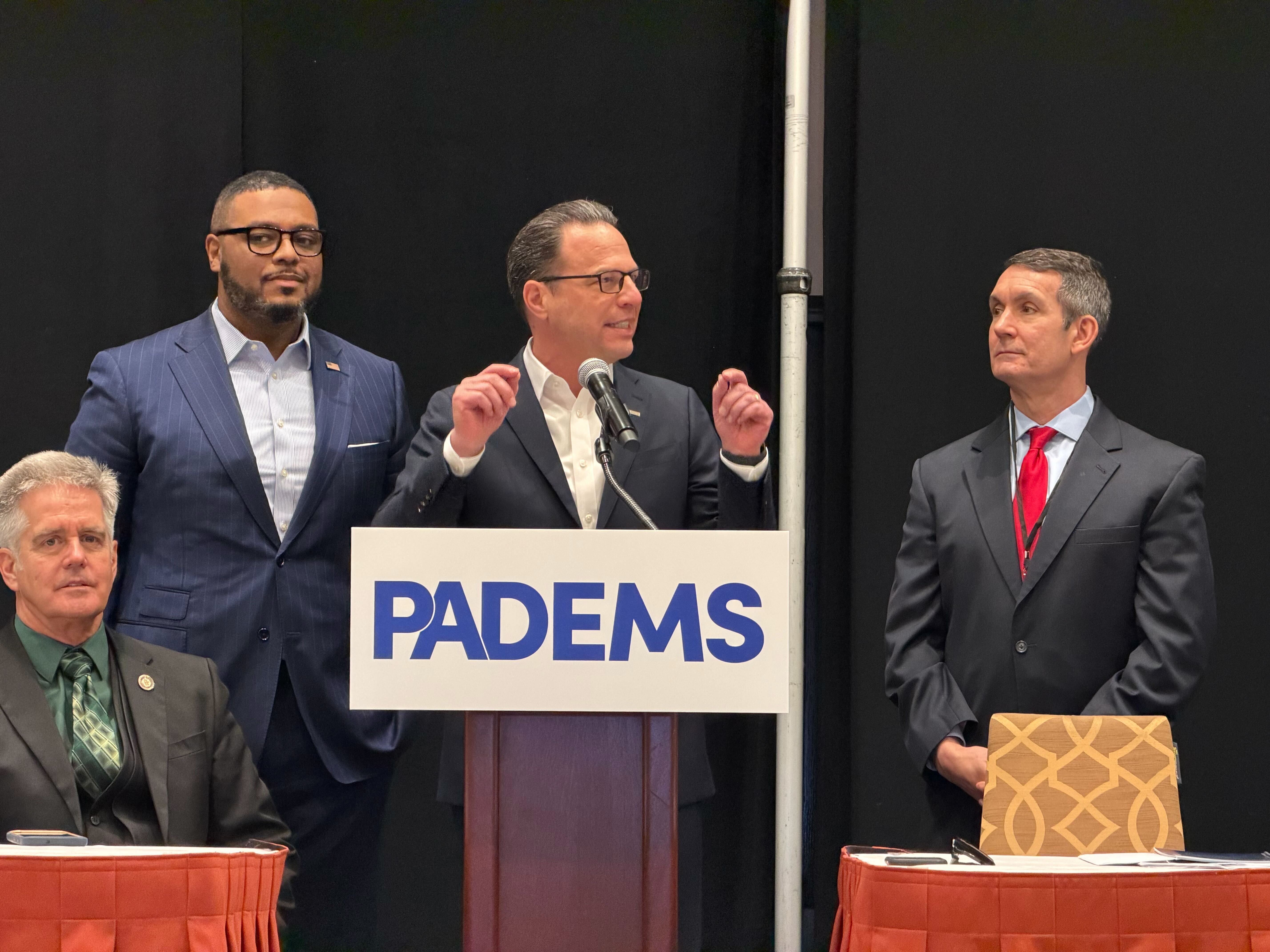
Gov. Josh Shapiro has raised more than $60 million toward his reelection effort since he took office, his campaign said Tuesday.
According to the campaign, those preliminary figures mean that the first-term Democratic governor has added $13.3 million to his war chest since June, as he maintains a significant fundraising edge over his Republican opponent Stacy Garrity.
Filings on Tuesday showed Garrity had raised around $1.8 million this cycle, with her campaign coffers nearing $3 million. After spending $1.5 million, she will enter October with roughly $1.4 million cash on hand.
So with a massive cash advantage, where will Shapiro’s campaign money go? And could anyone else benefit from his spending?
Even as he pulls ahead in polls, Shapiro has spent heavily on advertising. His campaign has promised he’s keeping his foot on the gas through Election Day in efforts to secure his own victory andelect Pennsylvania Democrats up and down the ballot in hopes of flipping the state Senate and electing Democrats in four battleground congressional districts. He’s donated roughly $5.7 million in total to the state party to fuel theeffort, an additional $2.5 million since June, according to his campaign.
Beyond the November election, he’s widely expected to launch another campaign as a 2028 presidential prospect. Although the law prevents him from transferring his gubernatorial campaign money into a political action committee that funds a run for president, that doesn’t mean he’ll spend all his fundraised money before this year’s election, experts said.
In the governor’s race, the first checks he owes are paying for campaign staff salaries, spending money on advertising, and renting leases for field offices, among other costs, according to campaign experts. As a careful politician, he’d likely also want to reserve a fair amount of cash for surprise developments in the race, they said.
But after all of Shapiro’s receipts are accounted for, experts said, a potentially large stock could remain available, presenting him with options for how to spend it — if at all.
Daniel Weiner, the director of elections and government at the Brennan Center for Justice, said Shapiro has several options available.
“It is incredibly common for candidates who are not facing an especially competitive race to still try to raise money hand over fist and amass a war chest,” Weiner said. “It can be used to fund a future run for office of one sort or another. It can also be used, increasingly in this era of very deregulated money in politics to just build a general political machine.”
Keeping it in the party
Shapiro, who has maintained high favorability among both Democrats and Republicans, has established himself as a formidable fundraiser, bringing in dollars from across the commonwealth and the nation. Donors can give him as much as they’d like, since there is no limit on political contributions in Pennsylvania, said Matthew Foster, a professor of political science at American University.
“There’s a lot of ways for politicians to use political cash to help their allies and to help their team,” said Michael Beckel, an expert on money in politics at Issue One, a Washington, D.C.-based bipartisan nonprofit. “They can spread that money around to help people who need it. And there’s certainly a lot of people who might potentially want help from a big name like Governor Shapiro.”
Pennsylvania law allows Shapiro to transfer endless amounts of money from his campaign account to other state candidates. His campaign said he had not given any money directly to state candidates,but that he has supported them in other ways.
He is also not allowed to transfer money from his gubernatorial campaign to any congressional candidates.
Instead, he has poured money into the state party.
Pennsylvania Gov. Josh Shapiro accepts the endorsement for a second term as governor at the state Democratic Party’s winter meeting in Harrisburg on Feb. 7, 2026.Gillian McGoldrick
Since last fall, Shapiro has given $5.7 million to the state Democratic Party and its election effort. That money is used to benefit Shapiro as well as state Senate and congressional candidates by pooling funds for their field offices, signage and volunteers.
“A donation to the state party historically has helped get the vote out statewide,” said Philadelphia-based Democratic strategist Adam Erickson.
Plus, donating to the state party versus national groups helps to ensure the money is spent on Pennsylvania races, Weiner added.
Pennsylvania Republicans have held on to the state Senate for more than 30 years, even as the House chamber and governor’s mansion have swapped partisan control and are currently both occupied by Democrats.
This year, Democrats have “a strong opportunity to flip the state Senate,” Erickson said, but that the effort will take “an unprecedented amount of spending” from Shapiro and the state party.
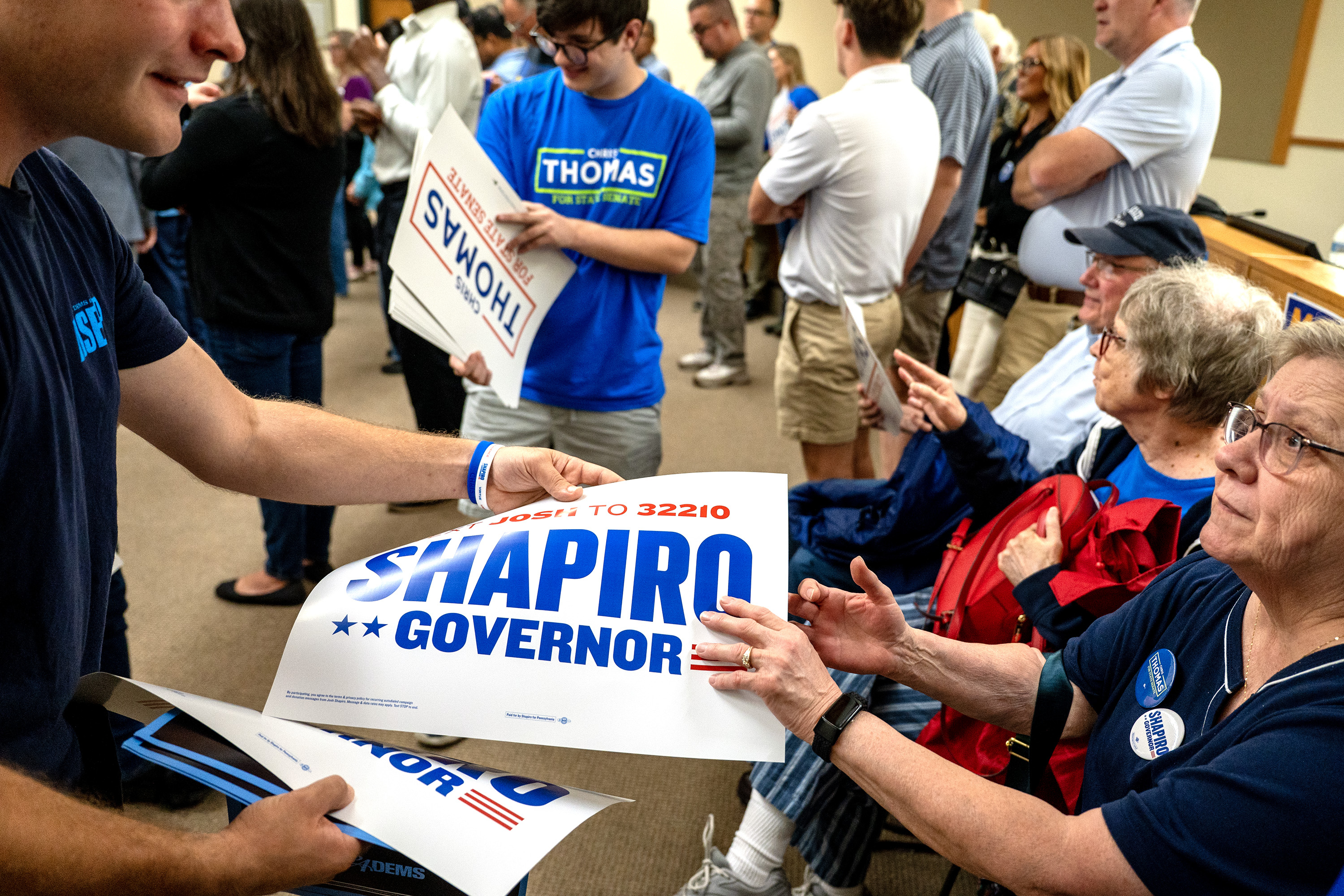
Often, Shapiro has appeared alongside candidates at campaign events, rather than donating to them. On Sunday, Shapiro joined Democrats in Chester and Montgomery Counties to kick off door-knocking and phone-banking efforts benefitting several legislative candidates, such as state House candidate Elizabeth Moro in Chadds Ford and state Senate candidate Chris Thomas in Harleysville.
“Under Governor Shapiro’s leadership, the Party is rallying support all across the Commonwealth and putting Democrats in a strong position to win everywhere this November,” said Manuel Bonder, a spokesperson for Shapiro’s campaign.
Campaign volunteers hand out sign to supporters of Gov. Josh Shapiro and Democratic Pa. Senate candidate Chris Thomas at a rally in Towamencin, Montgomery County before heading out to canvass Sunday, Sept. 29, 2026. Tom Gralish / Staff Photographer
Tim Ford, an attorney who handles legal concerns for Democratic campaigns in Pennsylvania, said Shapiro’s sizable bank account is “also a flex to show he’s capable of raising this kind of money,” and another clue that he may be eyeing a higher office.
If Shapiro does choose to run for president, he’s not allowed to legally transfer his state-level campaign fundraising to a federal political action committee associated with his campaign.
“One thing that I think people get wrong is they believe that he’s raising money for his next office,” Erickson said.
Governor Shapiro (left) and Democratic congressional candidate Bob Brooks (right) greet supporters during a campaign event at the United Steelworkers Union Hall in Bethlehem on July 26, 2026.David Maialetti / Staff Photographer
That would put him at a slight disadvantage compared to any sitting federal elected officials who can spend their campaign funds on a presidential run and who are also speculated 2028 presidential contenders, including U.S. Rep. Alexandria Ocasio-Cortez and U.S. Sens. Mark Kelly and Jon Ossoff, who has been the top fundraiser this midterm cycle.
Still, Shapiro’s cash stockpile “sends a message that he’s been a successful fundraiser,” Beckel said. “While past performance doesn’t guarantee future results, he certainly would try to [leverage] that to his advantage to say, ‘I’ve been a successful fundraiser in the past, I will be a successful fundraiser in the future’.”
Former staff or associates could create a federal super PAC, a type of political action committee that can take in and spend unlimited contributions but must do so independently of a candidate and without directly coordinating with the campaign. Shapiro could repurpose his state campaign account into that super PAC, Weiner said, but he would have no say on the messaging in ads or how money is spent.
While this practice of loose coordination skirts the spirit of the law, Weiner said it often goes unenforced.
“In theory, super PACs are supposed to be independent from candidates, but in practice, they work hand-in-glove with them,” he said.
Former staffers of Maryland Democratic Gov. Wes Moore, another potential 2028 contender, have established the Unity First PAC. Moore has headlined fundraisers for the group, but is not technically in control of the PAC.
California Democratic Gov. Gavin Newsom, who may also run for president, launched a super PAC called Campaign for Democracy. The PAC has poured $1.7 million into state party and legislative committee races, mostly in South Carolina, where Democrats will hold the first contest of the presidential primary race in 2028.
There are no official records that Shapiro, or those associated with him, have created a super PAC, according to FEC filings.
Super PACs have earned a negative reputation in some circles, particularly among Democrats who view them as a means to give wealthy donors outsized influence on elections. But in 2028, Shapiro and other Democrats will be under pressure to use all the tools available to them, Weiner said.
It’s a difficult bind, said Faith Williams, who works on anti-corruption and accountability efforts at Common Cause, a democracy-focused nonprofit.
“Our system is not good,” she said. “But at the moment everyone is playing in it, and that I think that makes it even harder to reform it because it’s hard to have the genuine desire to reform a system that currently benefits you.”
Shapiro could also develop a nonprofit organization with his campaign funds. The 501(c)(4) groups, which can spend on political ads but cannot make electoral activity their primary focus, are under no legal obligation to disclose their donors. In some cases, this opens the door to donations from so-called “dark money” groups, or those that obscure the role of their funders.
Experts pointed out that he could also use his leftover money for his second gubernatorial inauguration or donate it to charity. And, in an unlikely maneuver, Williams said Shapiro could refund his donors and ask everyone to donate again to a federal campaign.
But the best way to get from Pennsylvania to Pennsylvania Avenue, Erickson said, would be to ensure success in the statewide elections this year.
“Playing a large role in flipping the state Senate will put him in the best position going into 2027 and beyond for any larger aspirations,” he said.
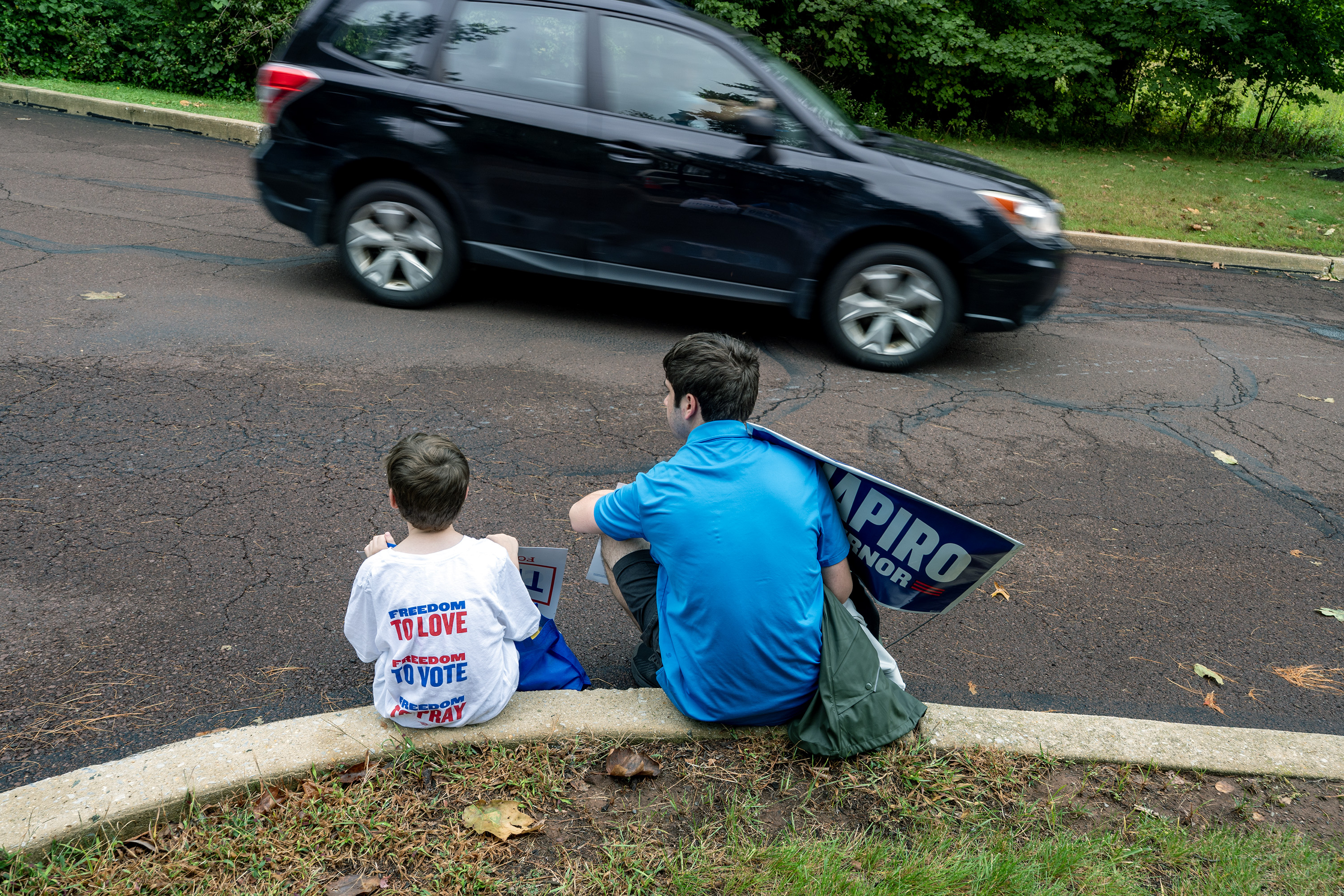
Brothers Desmond DeBaun, 5, and David Hayman, 16, after a rally with Gov. Shapiro and Democratic Pa. Senate candidate Chris Thomas in Montgomery County Sunday, Sept. 29, 2026. Tom Gralish / Staff Photographer
The University of Pennsylvania’s College of Arts and Sciences received a $22.5 million gift for an endowed scholarship for undergraduates and endowed professorships across history, political science, and economics, the university announced Tuesday.
The gift comes from Gabriel Gilinski, a 2008 graduate, and his wife,Stephanie Gilinski.
It will help more students afford a Penn education and advance academics, university officials said.
“Penn is at its best when we bring talented students together with outstanding faculty and give them the opportunity to learn from one another,” Penn president J. Larry Jameson said in a statement. “Gabriel and Stephanie’s generous commitment expands access to a Penn education while investing in the scholars whose outstanding teaching and research enrich our academic community.”
The gift specifically will support undergraduate students financially, including those educated in Latin America, and it will establish two professorships and a visiting professorship, the school said.
Gilinski, who obtained his degree in political science with a minor in economics, chairs the board of Grupo Nutresa, a Latin America food company with more than 50,000 employees and 45 factories in 17 countries. Gilinski and his wife live in Miami.
“Across Latin America, access to education creates lasting change for families, and I’ve seen the ripple effect it can have, shaping not just one life but an entire community,” Gilinski said in a statement. “Penn gives international scholars a place to bring their own perspectives and experiences, and they leave shaped by everything they’ve learned from the classmates around them. That’s part of what makes a Penn education so special to me.”
He also emphasized the importance of the liberal arts and critical thinking skills he acquired at Penn.
A new ordinance seeks to give Tredyffrin officials more power to address unruly student tenants, after quality-of-life issues have plagued a Chester County neighborhood for years.
In a unanimous vote Monday, the municipality’s seven elected officials voted to approve a new ordinance regarding student housing that changes the enforcement mechanism, allowing them to go after the landlords who rent to students — rather than the students themselves.
“I hope this makes a difference, and I hope that we can hold the landlords or the companies, whoever own the property, responsible for this,” said board member Carlotta Johnston-Pugh.
Residents have said previously that they have walked out in the morning to find vomit on their cars, beer cans strewn across the streets and yards, and students passed out on the porch. They’ve been kept up by loud parties, rideshare cars speeding down the street, or a lost drunk student trying to kick in the door.
With Villanova’s new 112-acre Cabrini campus off Upper Gulph Road, putting it now within walking distance to the houses and the parties, residents worry that the problems could intensify.
At least seven houses are rented to students, several along Mount Pleasant, and a few on nearby Henry Avenue, township officials said previously. Another house where students live isn’t zoned properly, which the township has been trying to address, officials said previously.
Board member Hans van Mol said it bothered him, when he first joined the board less than a year ago, that the Mount Pleasant community felt that the township wasn’t responding to their concerns.
“Our ordinance wasn’t suited to keep up with the issues that were going on that needed to be remedied,” he said. “I’m very glad that we finally got to this point here, if not even just for the potential that the township can actually promote a safer, stronger community, but that people can actually feel we’re working on it.”
Tredyffrin first adopted a student housing ordinance more than a decade ago in response to concerns. The measure limited household occupancy to three students and prohibited the houses from being too close together, though the properties along Mount Pleasant were grandfathered in. But its power was somewhat limited.
The new ordinance — a much more robust measure — notes that the owner of the student house will be “directly responsible” for the behavior of student tenants and their guests. It gives the township the ability to inspect the home, if there are suspicions that there are more than three students living in the house. It allows the township to direct the landlord to evict students if three violations occur within the same year. Landlords can be fined up to $1,000 for violations of the ordinance.
Residents should keep calling the police when issues arise, “so that they can properly document it to be used against the landlord enforcement of this ordinance,” said board vice chair Sharon Humble.
For some of the residents, it was a promising effort.
“Yes, I have been one of those that have come and … voiced my concern about what has been going on,” said Mount Pleasant resident Shawn Jackson. “I read through the ordinance, and it’s very comprehensive, and I’m very happy about that.”
Kevin Stroman, a longtime resident of the neighborhood who now runs a mentoring program at the historic Carr School/Mount Pleasant Chapel across the street from one of the student houses, has long tried to offset negative relationships with the students and the residents.
“I think the climate in Mount Pleasant is so bad right now because of certain students getting out of control,” he said. “I like the idea [of the ordinance] because no doubt the owners have to have something that will make them look at who they rent to.”
Others wished it went further. G. Hayward Simpson, a Mount Pleasant resident who lives in the Montgomery County portion, said that the students “have no need, want, will to be part of any community.” He wanted to see student housing entirely excluded from the neighborhood.
“I’m not saying this with any kind of malice, or I don’t want these kids to have a good time. I just don’t want them to live on the block. I want to see single families,” he said.
Jeff Hilliard, a landlord with a student rental on Mount Pleasant, said he “lay[s] down the law” with his tenants.
When he first purchased the house for rentals, Hilliard said he gave his number to the neighbors so they could call him if they ever had a problem with the students. They’ve never contacted him, he said, but he knows the police have been called and “literally driven away because there was no issue whatsoever.”
“So unfortunately, I think it’s just a couple bad tenants and a couple bad landlords that are causing this for these nice people of Mount Pleasant,” he said.
This suburban content is produced with support from the Leslie Miller and Richard Worley Foundation and The Lenfest Institute for Journalism. Editorial content is created independently of the project donors. Gifts to support The Inquirer’s high-impact journalism can be made at inquirer.com/donate. A list of Lenfest Institute donors can be found at lenfestinstitute.org/supporters.
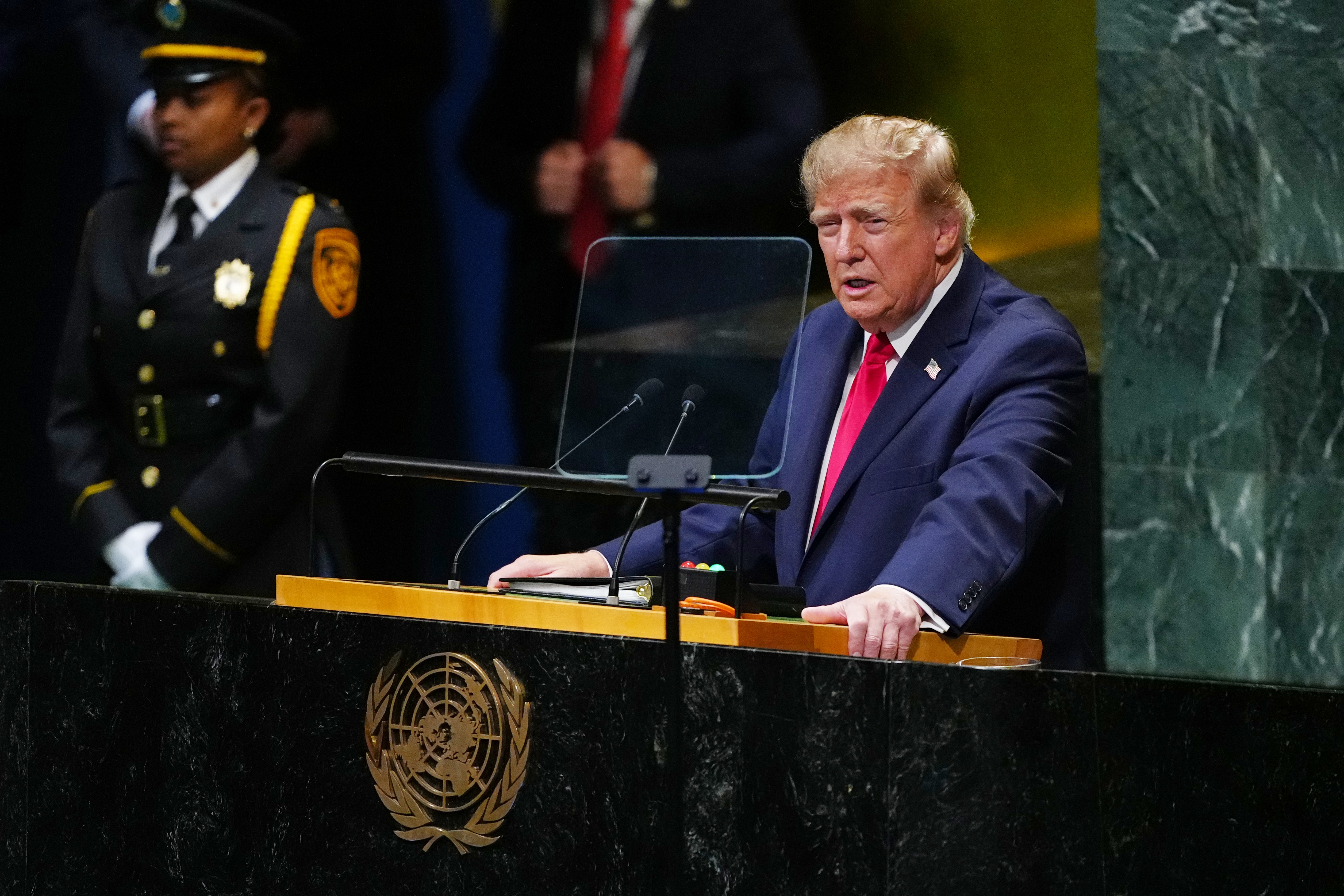
UNITED NATIONS — President Donald Trump said U.S. and Iranian officials met on Tuesday, an unexpected engagement that came even as he threatened in his address to the U.N. General Assembly that he may “annihilate” the Islamic Republic if a deal isn’t reached soon to end the nearly seven-month war.
Trump told reporters that his chief envoys, Steve Witkoff and Jared Kushner, met with the Iranian officials on the sidelines of the annual gathering of world leaders but he offered few details about how the discussions transpired or the substance of the exchange.
“It was a very good meeting,” Trump said. The president later added that the Iranian officials were “not the highest level, but it’s something.”
The engagement comes after months of U.S.-Iran communications languishing following the collapse of a short-lived ceasefire that was brokered in June. U.S. and Iranian negotiators met separately with Qatari and Pakistani mediators in Doha in early July for indirect talks.
Earlier Tuesday, Secretary of State Marco Rubio said that Trump is open to meeting with Iran’s president, Masoud Pezeshkian, while he’s in New York for the General Assembly.
“This is a president that will meet with anybody for the most part, because he believes that engaging with people is important if you’re going to solve problems,” Rubio said on NBC’s Today show. “It doesn’t mean you’re going to end up agreeing with them, but it’s important.”
Trump also met on Tuesday with leaders and senior officials from Gulf Cooperation Council nations — Bahrain, Kuwait, Oman, Qatar, Saudi Arabia, and United Arab Emirates — as well as Jordan to discuss the way ahead with the war in Iran.
In his address to the General Assembly, Trump made the case that he’s shown fortitude while other leaders have equivocated as he defended his decision to start a war with Iran.
But Trump also suggested that he could be at a crossroads in the conflict even as he called on the Islamic Republic to fully reopen the Strait of Hormuz and return to the negotiating table to find a settlement to end the conflict.
“I have a big decision to make,” Trump said. “Will a deal be made with Iran that lets them rebuild and create a far greater country than it ever was before, maybe one of the greatest in the Middle East or even the world? Or do I annihilate the Islamic Republic and do it quickly, never giving them a chance to kill and destroy people and countries again?”
But at the heart of the address was a fulsome defense of the war and pushback on the notion that Iran has shown a measure of resilience.
“The terrorist regime is behaving badly, not because they are strong and confident, but because they are weak and desperate,” Trump said.
Most of Iran’s delegation walked out of the chamber as Trump railed against the Islamic Republic.
Trump’s speech began a busy day of diplomacy
After his speech, Trump gathered with Danish Prime Minister Mette Frederiksen and Greenlandic Prime Minister Jens-Frederik Nielsen on the sidelines of the General Assembly to sign a new security agreement.
The deal, announced last week, came together after Trump repeatedly threatened to “take over” Greenland, a territory of NATO-ally Denmark, by military force if necessary. Trump said Tuesday the U.S. will immediately begin the process of developing a larger military presence in Greenland including “building two very major military bases.”
Under the deal, Greenland remains Denmark’s territory.
Trump also held talks with new British Prime Minister Andy Burnham, Japanese Prime Minister Sanae Takaichi, and Ukrainian President Volodymyr Zelensky. He was expected to hold a more informal meeting on Tuesday evening with Venezuela’s acting President Delcy Rodríguez, according to the White House.
Trump also took part in an event on the Shield of Americas, an initiative Trump launched with Latin American countries earlier this year focused on combatting violent cartels.
Iran war looms large at General Assembly
The visit to the U.N. comes as Trump’s foreign policy approach — particularly his decision to start a war with Iran — has become a drag on his fellow Republicans’ hopes of retaining control of both chambers of Congress during the coming midterm elections. Nevertheless, Trump made the case in his speech that the world is better off for his leadership.
“I have no interest in leaving dangers to grow for another day,” Trump said.
He returned to the General Assembly nearing the seven-month mark of a new war against Iran that he insists is necessary to address a nuclear threat posed by Iran.
The war has grown more complicated even though strikes by the United States and Israel have killed much of Iran’s top leadership and destroyed its air force and navy, while a U.S. blockade of Iranian oil has left Tehran in economic shambles.
The energy market continues to be spooked by the war and oil prices remain elevated. Saudi Arabia earlier this month shuttered a key pipeline that acted as a relief valve for oil blocked in the Gulf. The kingdom made the move after the pipeline came under attack by Iran-backed militants in Iraq.
At the same time, territorial grabs by the Yemen-based Houthi rebels, another Iranian-backed group, near the Bab al-Mandab Strait has now made it treacherous for oil carriers to use that Red Sea shipping lane.
Trump’s frustration with Russia-Ukraine war mounts
In his address, the president also touched on Russia’s continuing war against Ukraine — a conflict that during his 2024 campaign he predicted would be resolved on Day One of his second term. He once again expressed hope that the conflict will soon be resolved.
Trump hasn’t obscured that his patience is being tested by Ukraine’s targeting of Russia’s diesel refineries — an issue that’s added to the global oil markets’ volatility — and Russia’s targeting of Ukraine’s energy grid.
Trump last week asserted that he got the two sides to agree to not target each other’s energy infrastructure.
Zelensky had said he was willing to go along with Trump’s plan if Russia abided by it. Russia said it could only go along with Trump’s energy truce proposal if Western energy sanctions on Moscow were lifted first.
The two sides have continued carrying out strikes on refineries and other energy infrastructure.
Trump noted that last week he signed a new sanctions bill targeting Moscow. It empowers him to impose up to 100% tariffs on the top five importers of Russian oil or natural gas.
The legislation includes an exception for countries that import less than 15% of Russia’s natural gas exports and have taken significant steps to reduce those imports. Trump, however, has yet to enact the stiff penalties.
“If necessary, I will have to use them,” Trump said. “It’s time to stop the killing.”
Ajani Sheppard is taking all of Temple’s first-team quarterback reps ahead of Friday’s game against Army, and coach K.C. Keeler isn’t planning on rotating quarterbacks.
The decision comes as the Owls face a short week to prepare for Army’s triple-option offense and correct the missed assignments that contributed to their late collapse at Toledo.
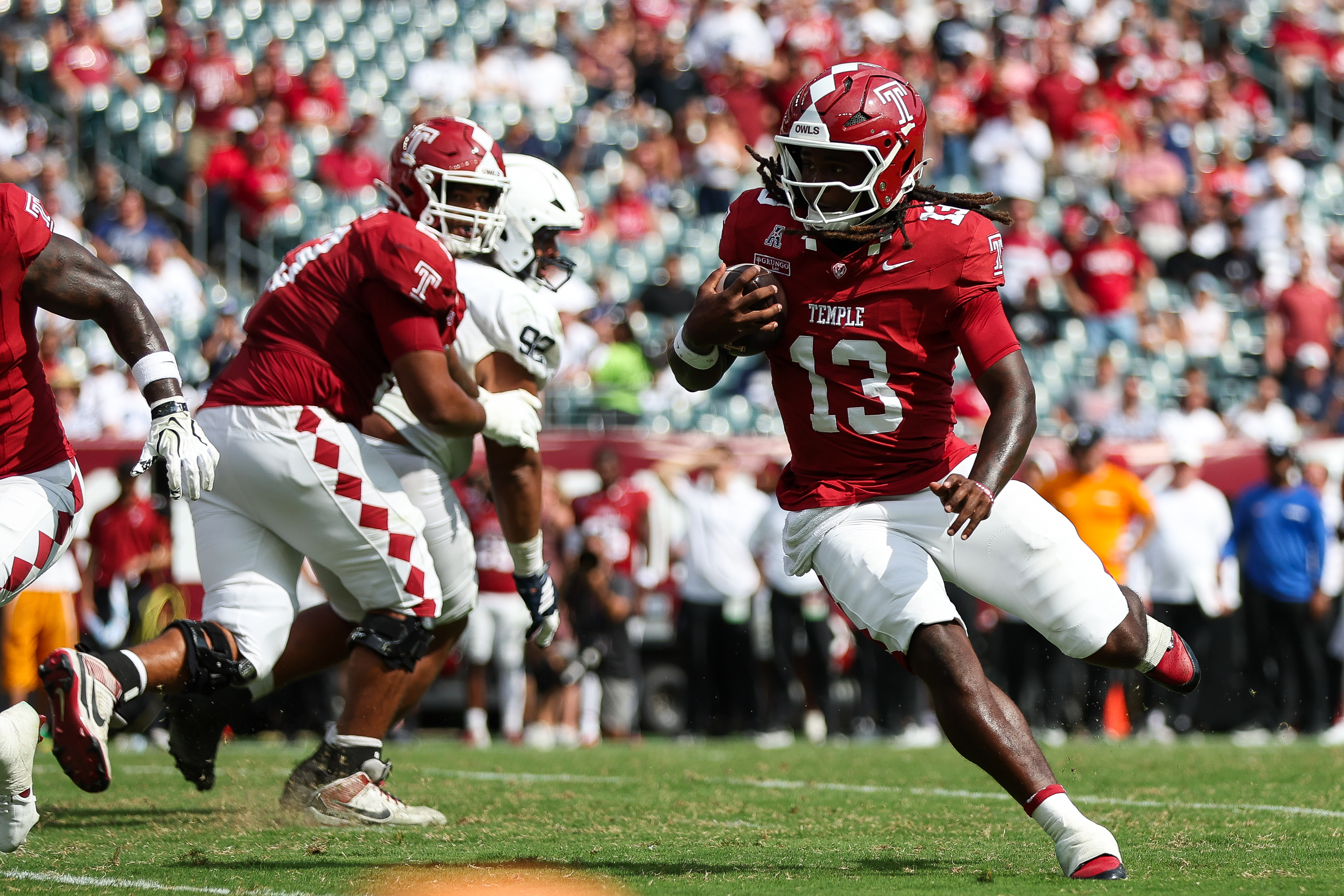
Sheppard replaced Jaxon Smolik after Temple’s opening possession in Saturday’s 49-48 overtime loss to Toledo and led three consecutive touchdown drives. Smolik, who left the game with a foot injury, moved around at Monday’s practice, but Keeler said he hopes the quarterback could do more Tuesday.
“Our mindset right now is to get Ajani ready to go,” Keeler said. “He’s getting all the first-team reps. Let’s get Jaxon back as soon as possible, and then we’ll figure it out.”
Sheppard’s next test
Sheppard passed for 164 yards and three touchdowns against Toledo, and added a score on the ground. But his two-point conversion pass in overtime sailed out of bounds, beyond Peter Clarke’s reach, and sealed the Owls’ loss.
Keeler said Sheppard needed to give the 6-foot-6 tight end a chance to make the catch. He also noted both quarterbacks will improve with game experience.
Colin Chase praised Sheppard’s performance. “He had that fire,” the receiver said Monday. “He went hard for the team every single play.”
Temple quarterback Ajani Sheppard threw three touchdowns against Toledo.Isaiah Vazquez / For The Inquirer
Sheppard will have a healthier backfield around him Friday. Sam Brown scored three touchdowns — two rushing and one receiving — in his season debut at Toledo after missing Temple’s first two games. Keeler said Brown grew more patient and explosive as the game went on, and Sheppard’s running ability gives defenses another threat to account for.
“The run game is going to be important for us the rest of the season,” Keeler said. “It gives our defense a chance to get off the field, catch its breath, and regroup.”
Preparing for Army
Temple has little time to process its second loss of the season. Keeler said the Owls began preparing for Army’s triple-option in the spring because they knew the game would come on a short week after a road trip. Army is coming off a bye week.
“We couldn’t be installing how they run their motion or block a scheme then,” Keeler said of Sunday’s walkthrough. “That stuff had to be in before Sunday’s walkthrough.”
Chase said Temple’s offense may have fewer chances with the ball against Army than it had at Toledo, so sustaining drives will be important.
“We just got to make the most of every opportunity when we have the ball,” Chase said.
Getting back to assignments
Temple’s defense faces a different test after allowing Toledo to erase a 14-point deficit late in regulation. Linebacker Eric Stuart said the problems went beyond the final minutes.
“You’ve got 10 guys doing something one way, and then you’ve got somebody doing something a different way — it’s not going to work,” Stuart said. “Everybody’s got to be on the same page.
“Army is a very physical team. We’re very physical up front, so I think we match up there. But mentally, knowing our assignments is probably our biggest thing this week.”
Keeler said Monday’s practice offered an encouraging response.
Temple linebacker Eric Stuart said “assignments is probably our biggest thing this week.” Isaiah Vazquez / For The Inquirer
“[Stuart] and [Curly Ordonez] were coaching the backup linebackers, helping them with their alignments and how to handle the motion,” he said. “They were getting mental reps themselves, reinforcing it for the other players, and bringing energy to practice.
“It was encouraging to see the kids bounce back and understand that every snap and every detail matters.”