Category: Outdoors Life

  • 🎉 Fall festivals to enjoy | Outdoorsy Newsletter

    🎉 Fall festivals to enjoy | Outdoorsy Newsletter

    Happy October, friends.

    How’s “false fall” treating you? If you pulled your sweaters out thinking summer was done and dusted, you’re not alone. Soon enough, it’ll start to feel like autumn (real autumn).

    As the clock ticks on, we’re losing roughly 2½ minutes of sunlight each day, The Inquirer’s weather whisperer Tony Wood reports. One sure way to combat the negative effects of shorter days? “Get outside and move your body daily,” an expert told Wood.

    You don’t have to tell me twice.

    Here’s today’s itinerary:

    ⛅ Your weekend weather outlook: A mix of sun and showers. Friday will be warm, but temps will cool off Saturday and Sunday.

    — Paola Pérez (outdoorsy@inquirer.com)

    If someone forwarded you this email, sign up for free here.

    From First Fridays to the Philly Bike Ride
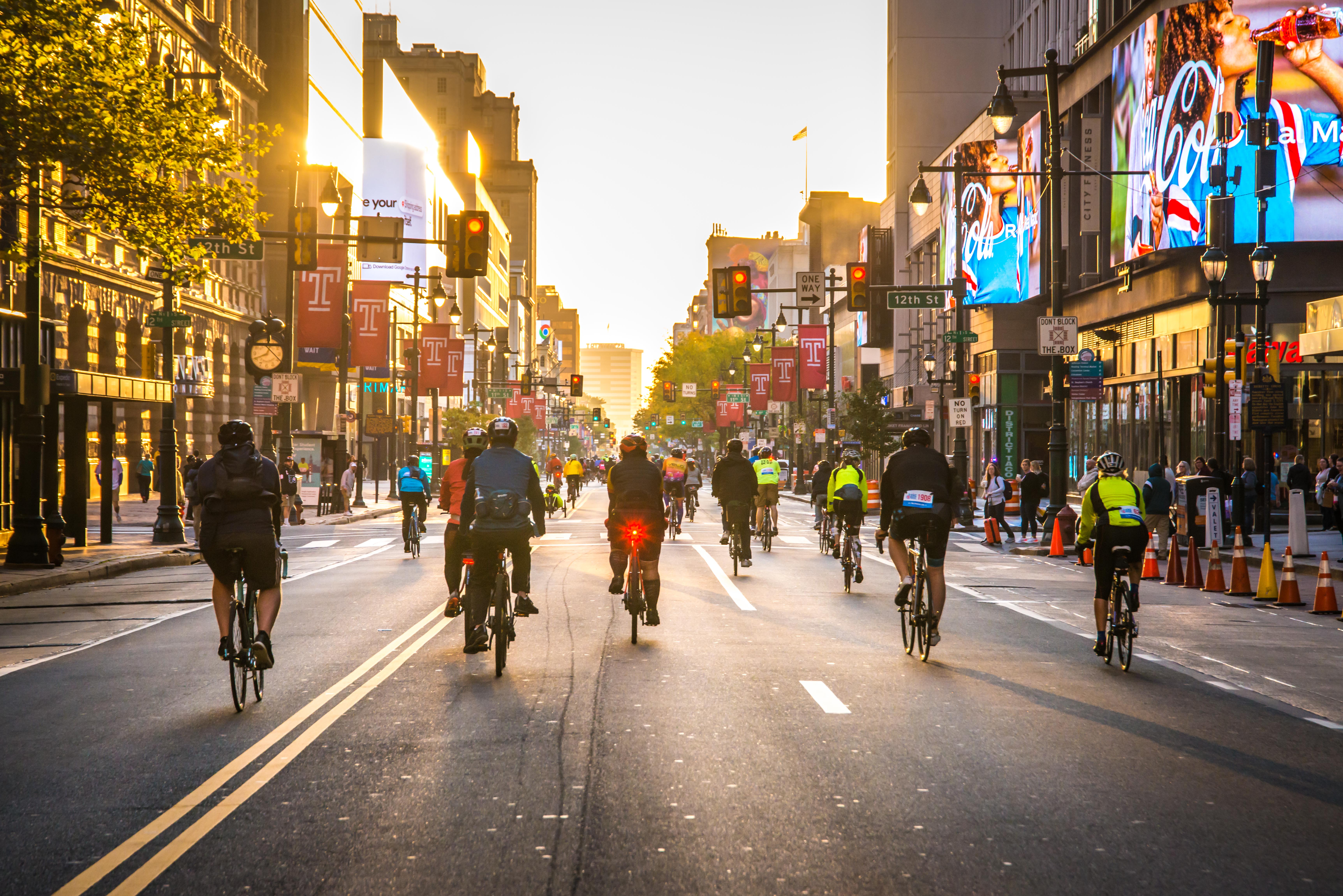
    In Philly and the surrounding region, we have a variety of fall festivals and markets to embrace the season in good company.

    Here’s a preview of some lively events to look forward to:

    🏺 Mt. Airy Arts Fest (Oct. 3) at Allens Lane Park will have stations for painting, printmaking, and ceramics to make art with your own hands, along with live performances and food to enjoy.

    🧀 Manayunk Fall Festival (Oct. 17) lets you mac-and-cheese-crawl your way through local vendors. Plus, just one neighborhood over, enjoy free pumpkin decorating and more fun for all ages at East FallsFest.

    🍁 Cherry Hill Harvest Festival (Oct. 18) at Croft Farm will host a beer garden, free pumpkins, and a petting zoo.

    See our full roundup.

    News worth knowing

    🌳 Your outdoorsy experience

    My colleague Sam Stewart recently spent a couple of days in the Poconos and was excited to share this with us:

    These pics are from the Little Falls Trail in Promised Land State Park! It was SO beautiful, lots of water along the trail (including a waterfall!), and it was a super easy, 1.5-mile loop. It was my first fall hike of the year, the weather was incredible and the sun was shining 🙂

    Such a spectacular sight! I’m already planning my own trip up there. Thanks, Sam.

    How about you, dear reader? What’s happening in your neck of the woods? Email me with your favorite adventures or special outdoor memories (and pictures, if you have them). You may see it featured here.

    Tapping into agritourism
    🎤 Here’s rural reporter Jason Nark.

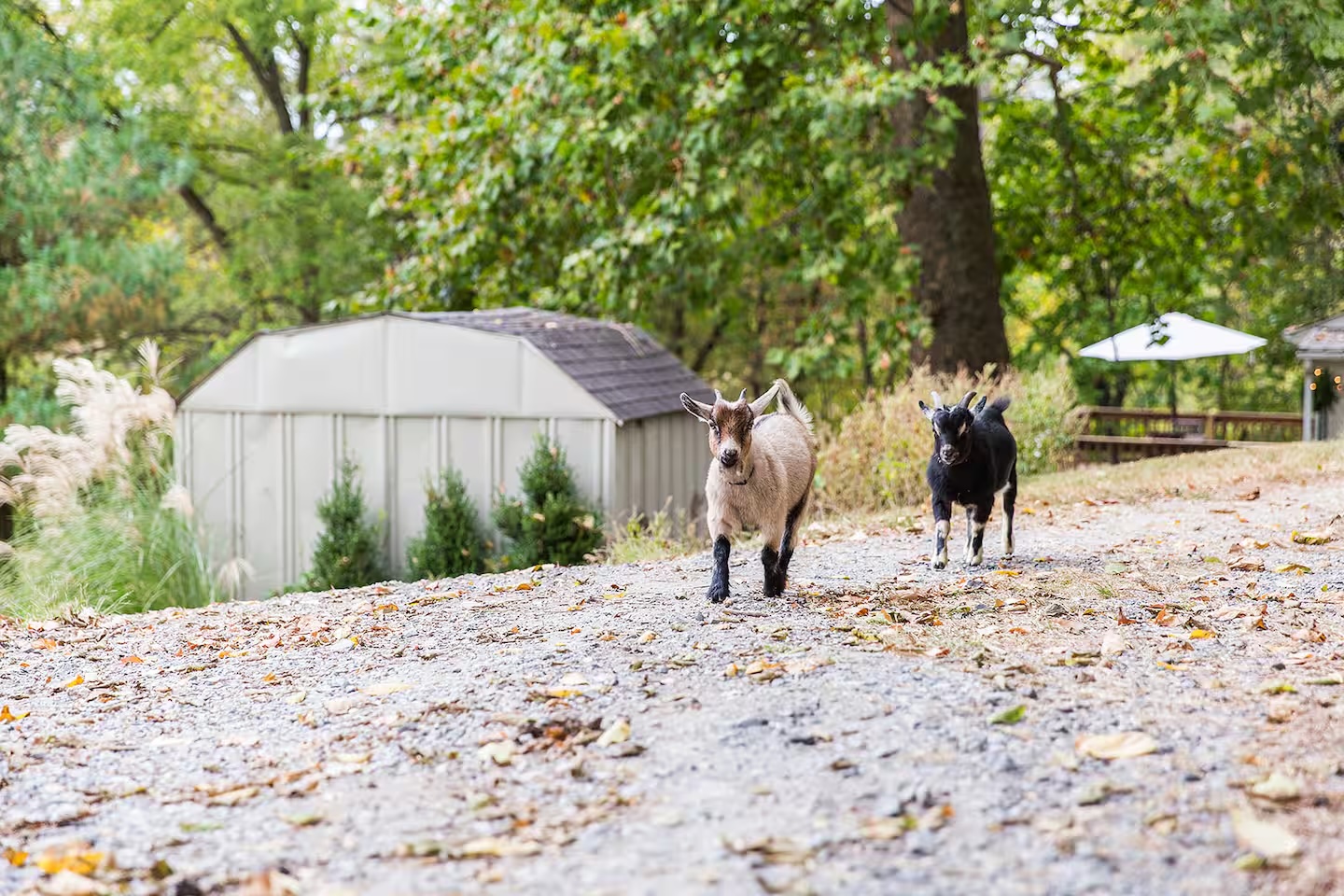
    Pennsylvania is home to tens of thousands of farms, and Airbnb wants you to stay on them.

    The short-term rental giant is partnering with the American Farmland Trust and recruiting Keystone State farmers — and even offering grants — to host guests and tap into the growing agritourism industry. The average farm stay listing on Airbnb, the company said, can make an extra $9,600 per year.

    Valerie and Jeff Fellenbaum said they’re making much more than that at Pleasant Pines Stables, their horse farm dating to the early 19th century in Lancaster County.

    “Once we started, we never looked back,” Valerie Fellenbaum said. “I would say, from March to about the end of October, we’re anywhere from 85% to 90% booked.” — Jason Nark

    Discover how farms in Pennsylvania and beyond are looking to agritourism to stay profitable and find alternate sources of revenue.

    Paola’s picks

    🚣 An activity: Find a good spot to watch sailboats hit the Delaware for the annual Philadelphia Regatta Cup.

    👟 A shoutout: Look out for these runners at the Delco 10 Miler.

    🐕 A fun pup-ortunity: Join “The Dogist” for a walk along the Schuylkill Banks and up the Rocky steps on Sunday.

    💡 A fall fact: According to Merriam-Webster, the term “autumn” entered English in the 1300s, and “fall” became the shortened version of “the fall of the leaves” in the 1600s.

    🎵 A song: “Fall in Philadelphia” by Daryl Hall & John Oates.

    An unassuming view
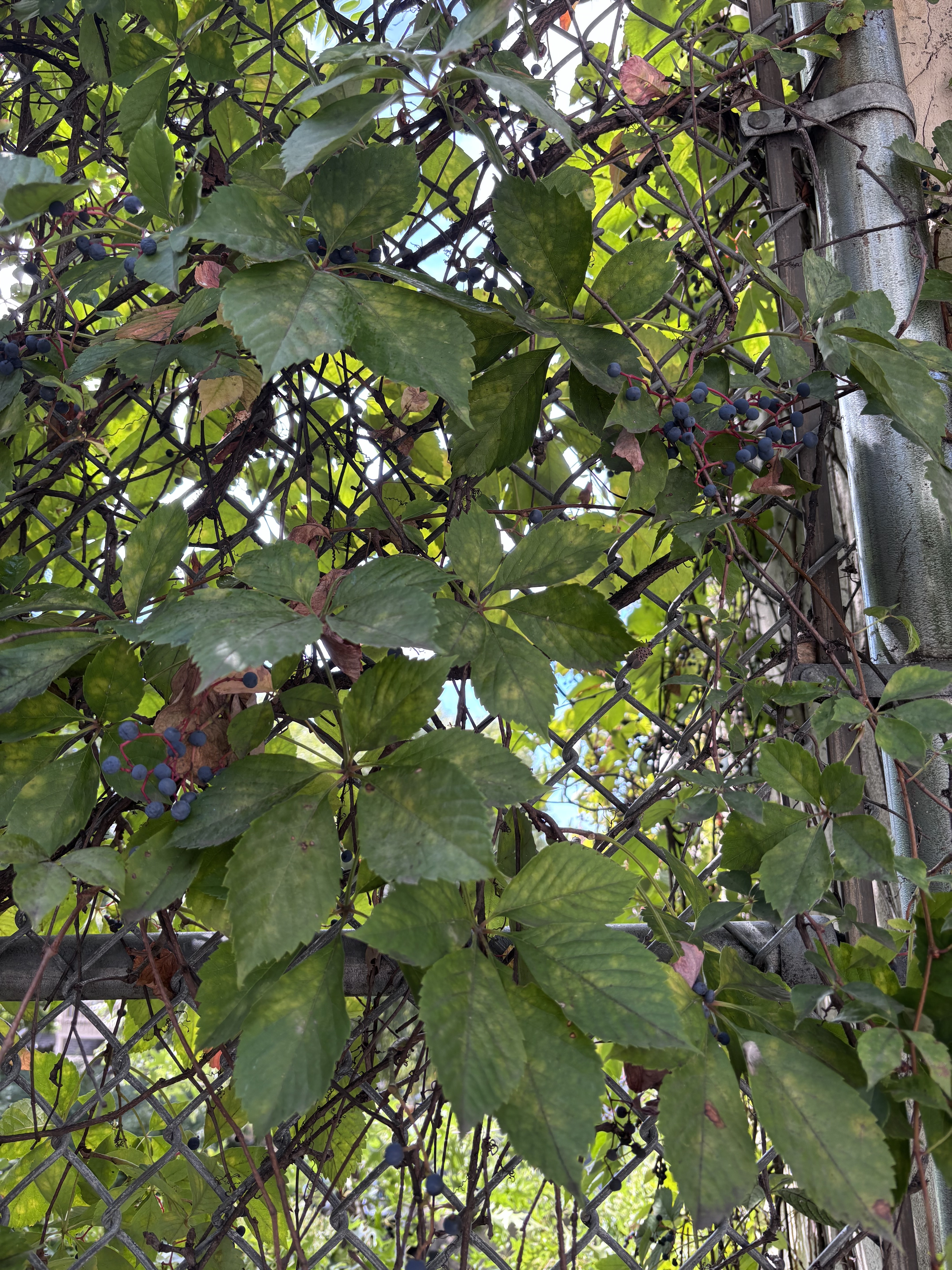
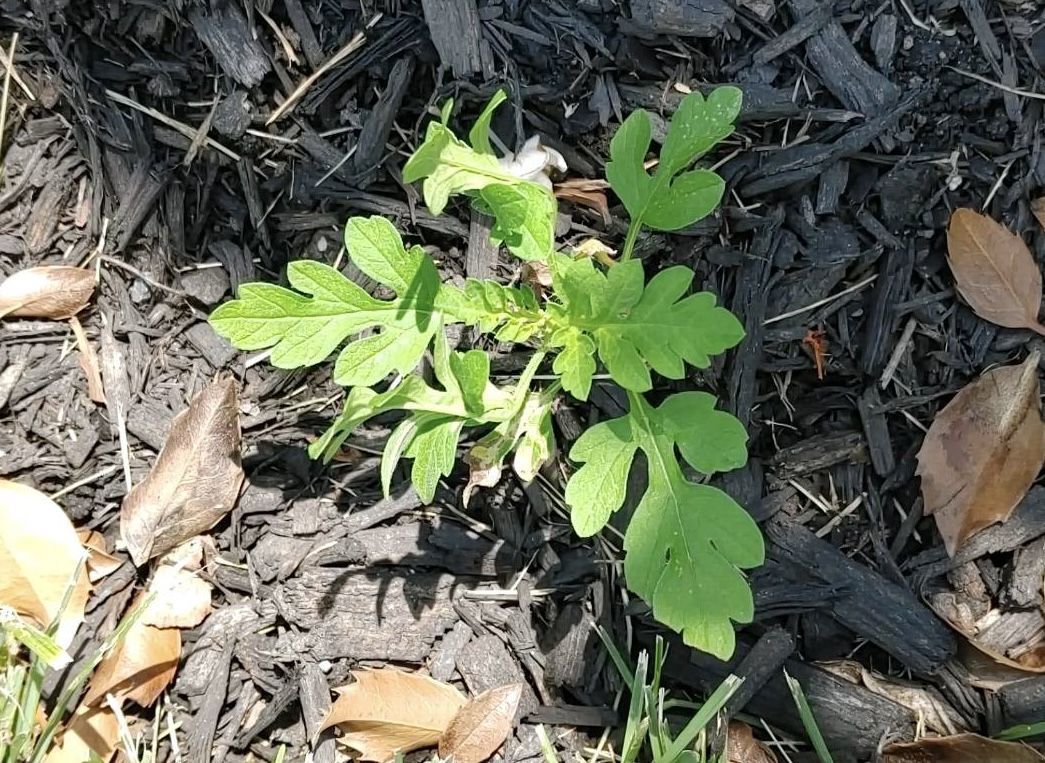
    There are spotted lanternflies hidden among these vines.Paola Pérez

    I believe this is a Virginia creeper plant, also known as woodbine. It also bears some resemblance to poison ivy. Avoid its berries, though — while wildlife can feed on them, they are toxic to humans.

    👀 Can you spot a spotted lanternfly among the leaves? By my count, I think there are at least two.

    Speaking of the invasive species, my colleague Nick Vadala reported this week about a man tricking at least 80 Pennsylvanians into paying for fake trainings and permits to contain the invasive species. Be wary of scams like that, folks.

    👋🏽 Our next adventure awaits!

    By submitting your written, visual, and/or audio contributions, you agree to The Inquirer’s Terms of Use, including the grant of rights in Section 10.
  • Looking for pawpaws | Outdoorsy Newsletter

    Looking for pawpaws | Outdoorsy Newsletter

    Welcome back and happy autumn equinox, nature lovers.

    Here’s what we’re up to today:

    • A rare, regional treat: It’s pawpaw season.
    • The fall must go on: South Jersey farmers get creative to stay afloat in the face of a shrunken apple-picking season.
    • Your outdoorsy experience: An adventure at a quiet oasis in Abington Township.

    ☀️ Your weekend weather outlook: Friday will be partly sunny, then showers are expected to douse the region thanks to an early-season nor’easter. Flood warnings are in effect for the Shore.

    — Paola Pérez (outdoorsy@inquirer.com)

    If someone forwarded you this email, sign up for free here.

    A novel delight

    September ushers in pawpaw season, but it won’t last for long. It’s delicate and highly perishable, so now is the time to act.

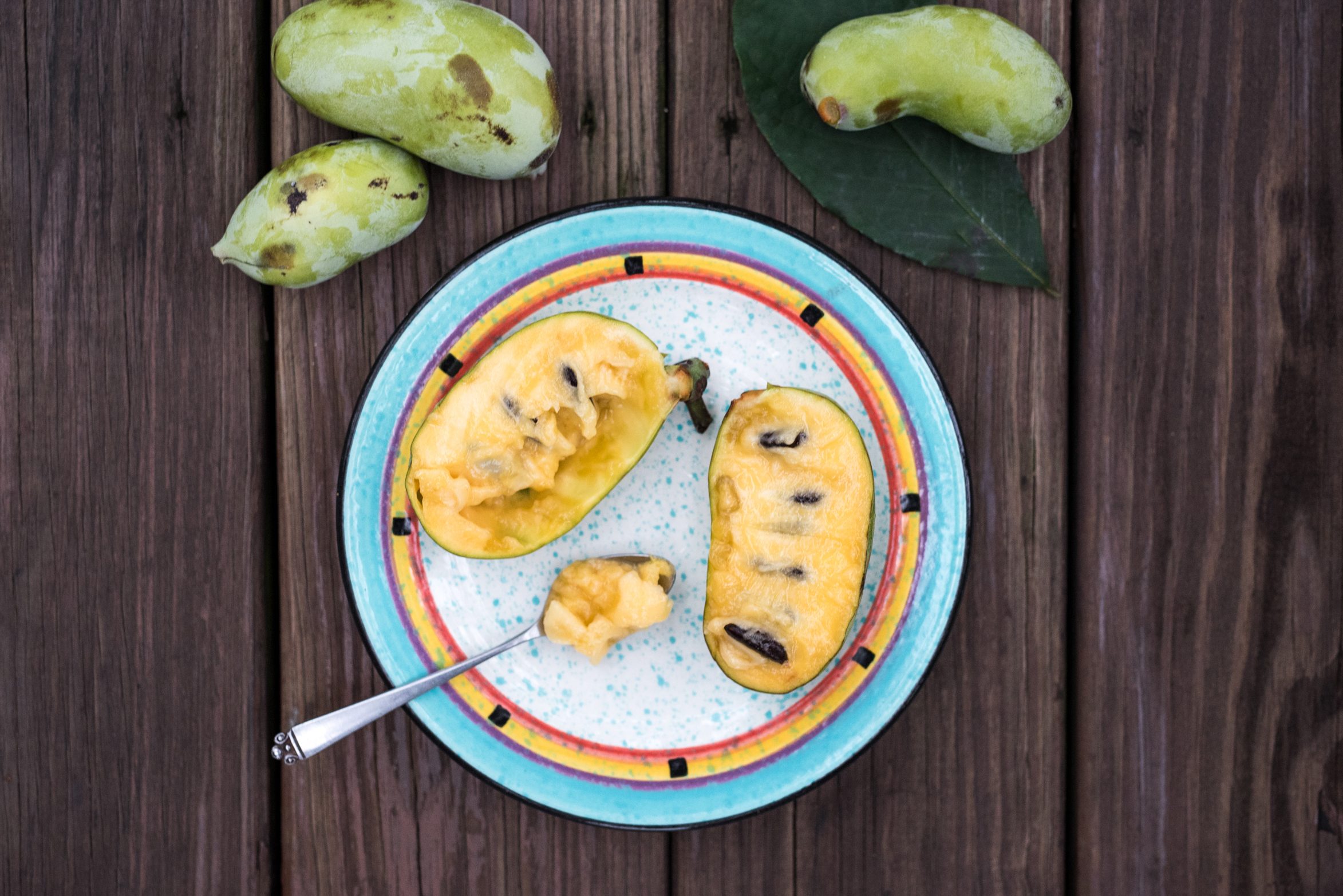
    🥭 The pawpaw is North America’s largest edible native fruit. It’s tropical-like in flavor, combining hints of papaya, mango, banana, and pineapple. My colleague Jenn Ladd said: “It tastes like a cross between a mango and a banana.”

    🧺 You can forage them around the region, but you may also get lucky at a local co-op or farmers market.

    😋 You can eat one straight, or use it as an ingredient. Think ice cream, jam, or pudding. No recipe needed. Just keep in mind that its shelf life is short.

    Keep reading to learn more about the unique sweetness of pawpaws, and send in tips about where you have found and enjoyed the rare fruit.

    News worth knowing

    🌳 Your outdoorsy experience

    My colleague Lisa Dukart, Inquirer Local newsletter writer, wants to take us to a lovely green space that’s well worth checking out:

    While it’s not a month that first comes to mind for visiting a garden, late September is an unexpectedly wonderful time to do so. Native flowers are still in bloom, the air’s a touch cooler, and the leaves are getting the first hints of autumn color. While I was prepared for a small dose of beauty, what I found on a recent visit to PHS Meadowbrook Farm was much more magical than I expected.

    This quiet, 21-acre oasis in Abington Township unfolded slowly thanks to its intentional design, giving me space to savor each moment as I meandered the grounds of the stately 1936 home once owned by the Pennock family.

    The beauty begins at the entryway, where the stone facade is surrounded by an array of plants and flowers in a rainbow of colors. Beyond the house, almost seemingly tucked away, are a jewel box of garden rooms — some featuring colorful pollinator flowers or herbs, others showy blooms like roses and dahlias, while others are grounded in architectural details like a fountain or pool. Whichever direction you step, each room feels like a well-kept secret meant to be taken in slowly.

    PHS Meadowbrook Farm is open Wednesdays to Saturdays from 10 a.m. to 6 p.m. through Oct. 17.

    Looks and sounds utterly gorgeous. Thank you, Lisa.

    What about you, dear reader? Got any favorite spots or special outdoor memories to share? Email me here (with pictures, if you have them). You may see your story featured here.

    The fight to make it through fall

    🎤 Let me pass the mic to Inquirer reporter Sarah Nicell.

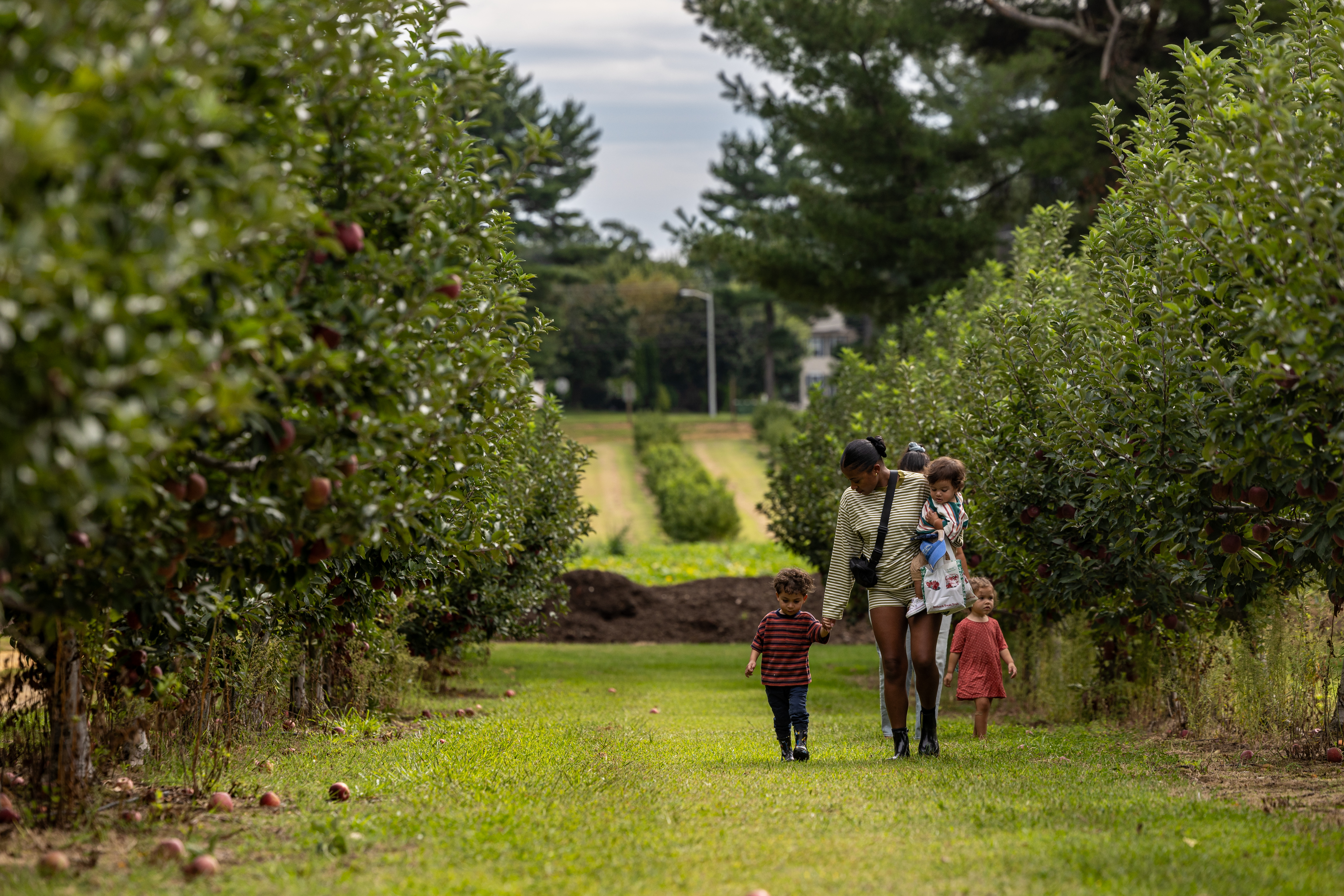
    For many, a quintessential South Jersey fall includes apple picking, a warm cider, and sugared doughnuts.

    But fall in the Garden State might look a little different this year after a spring freeze left farms across the region with damaged apple varieties and huge crop losses — at least $300 million worth, Gov. Mikie Sherrill said in May.

    With pumpkin spice and Halloween decorations already signaling fall’s arrival, farmers and produce sellers are trying their best to get by with fewer apples, or none at all. — Sarah Nicell

    Read on to learn how these farmers are getting creative under these difficult circumstances.

    Paola’s picks

    💭 A quote: “In all things of nature there is something of the marvelous.”

    🎃 A delightful portrait: A record-breaking pumpkin mosaic of Sir David Attenborough.

    🍅 A wicked find: Late-summer tomatoes at a Philly cemetery.

    🧠 A fascinating read: What a fruit fly can — and can’t — do with its 166,000 neurons.

    🏖️ A final score: The Inquirer’s Amy Rosenberg made 10 Shore predictions for 2026. Here’s how she did.

    A nurturing view

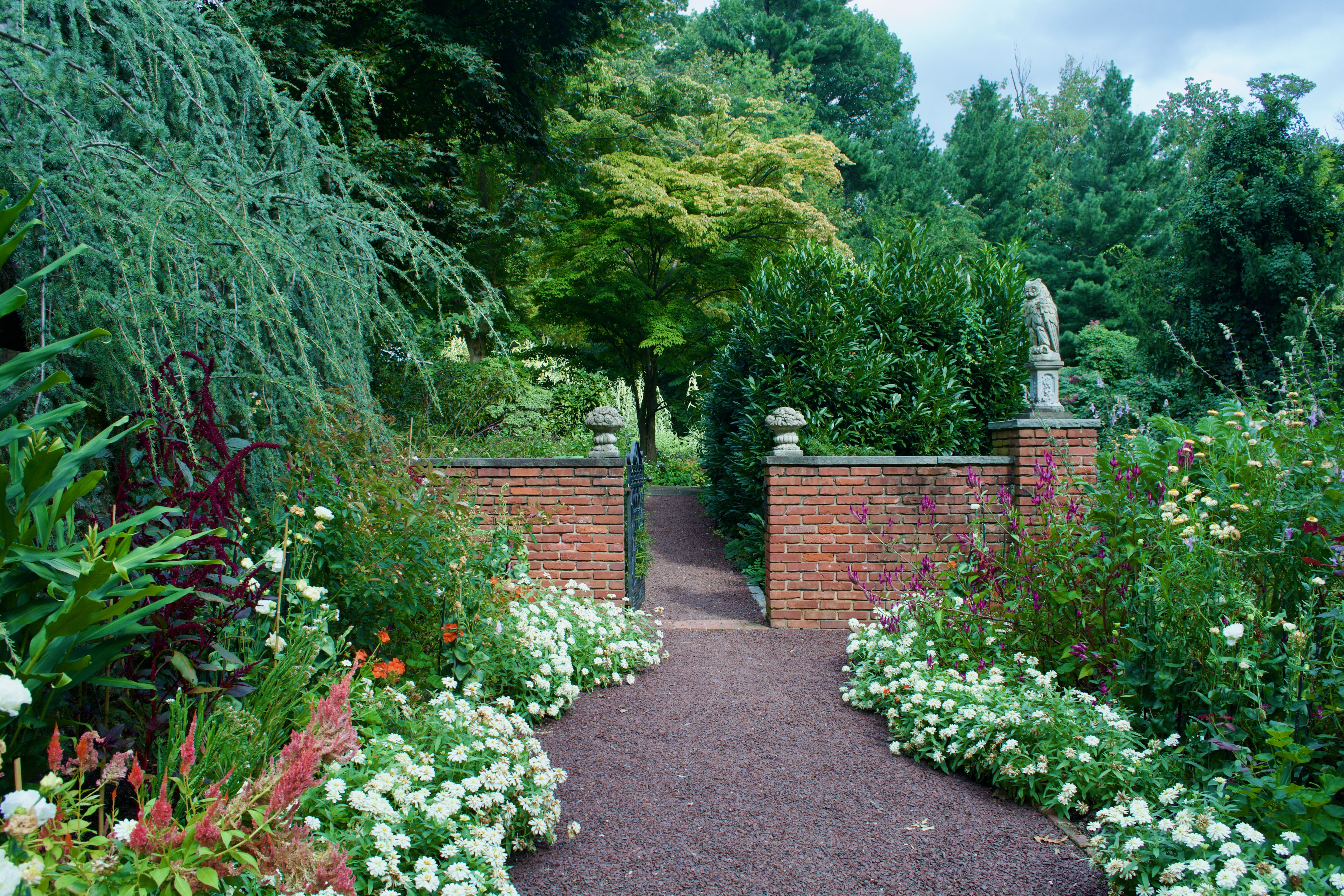
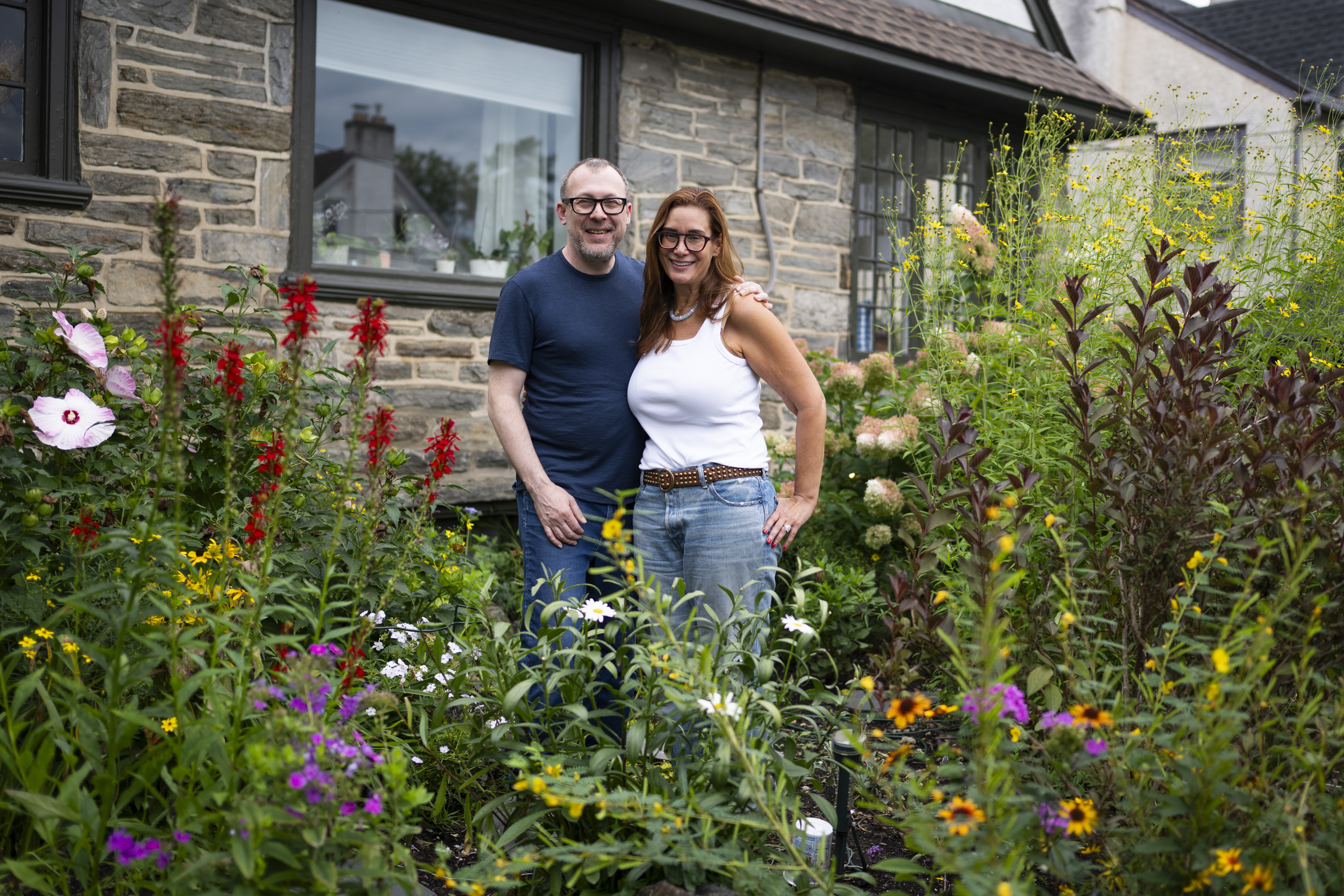
    Boots Levinson (left) and Laura White pose in the meadow at their home in Merion Station, Pa.Joe Lamberti / For The Inquirer

    Their Merion Station yard didn’t have much life. Now it’s filled with flowers. See all the colorful blooms and vegetation that adorn their Tudor-style home.

    👋🏽 Our next adventure awaits.

    By submitting your written, visual, and/or audio contributions, you agree to The Inquirer’s Terms of Use, including the grant of rights in Section 10.
  • The equinox arrives Tuesday in Philly, and it finally feels like fall

    The equinox arrives Tuesday in Philly, and it finally feels like fall

    Nature already is splashing its flecks of yellow on the trees, and soon the Technicolor waves of foliage will ripple toward Philadelphia in what the experts predict will be quite a spectacular season.

    Right on schedule, at 8:04 p.m. Philadelphia time Tuesday, the astronomical fall begins with the instant of the autumnal equinox, when the sun beams its direct light on the equator and nature continues to turn down the dimmer switch in the Northern Hemisphere. It is as though the trees brighten to compensate for our daily loss of 2½ minutes of daylight.

    It’s the season when the night skies are stunningly crowded with winged traffic, when a remarkable 2-inch-long, Halloween-hued creature has its days in the sun.

    And on the nation’s 251st autumnal equinox, we take a look at what nature might offer in the only season with two widely accepted names, “autumn” and “fall.” And we peek at the coming winter — for which a lot of people around here have other names.

    Another Red October?

    A beautiful view along Kelly Drive during a sunny day in the quite warm October of 2024.Jessica Griffin / Staff Photographer

    For the third time in the last four years, an equinoctial cooldown is due this week, with daytime highs in the 60s, as much as 10 degrees below normal.

    But the federal Climate Prediction Center on Thursday had the odds tilted toward above-normal temperatures in October in Philly.

    Monthly readings have been above normal in 15 of the last 16 Octobers. In 2024, it hit 84 degrees on Halloween. In that period, annual average temperatures at Philadelphia International Airport have been about 1.3 degrees above normal, but the Octobers have been a full 2 degrees above.

    A very early line on winter

    The intensifying El Niño in the equatorial Pacific is a major player in the center’s winter outlook, posted Thursday. It favors above-normal temperatures here and in most of the nation. The center eschews snow forecasts, but it does foresee a potentially active storm track along the East Coast.

    A cautionary note: This whole seasonal-forecast exercise remains quite the work in progress, and last winter was yet another victory for atmospheric chaos over science. No one foresaw the 30 inches of snow for Philly or a historic snow-and-ice cover.

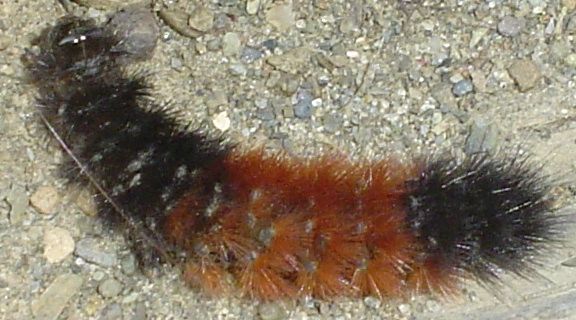
    The ‘woolly bears’ vs. science?

    A “woolly bear” caterpillar. Do those rings say anything about the coming winter?Wiki Commons

    The so-called woolly bear caterpillar had long held a legendary place nationally in weather folklore, but in 1948 the forecasting reputation of the incipient Isabella tiger moths took wings.

    That year a respected entomologist with the Natural History Museum in New York City ventured to a state park and announced that, based on his analysis of the caterpillars’ black-and-orange-ish rings, the subsequent winter would be mild in the New York region. His forecast was dutifully reported in a New York newspaper, and, indeed, the winter was quite mild.

    He continued reporting his annual analyses (however waggishly) that correctly foretold of several mild winters.

    As it happened, some of the winters in that period were so snow-deprived in the Northeast they became the impetus for the snow-making industry that has forever changed skiing.

    Don’t credit or blame the woolly bears, said Douglas S. Richmond, entomology professor at Purdue University. Their ubiquitous presence this time of year all over North America indicates little more than a 100% probability that it is autumn.

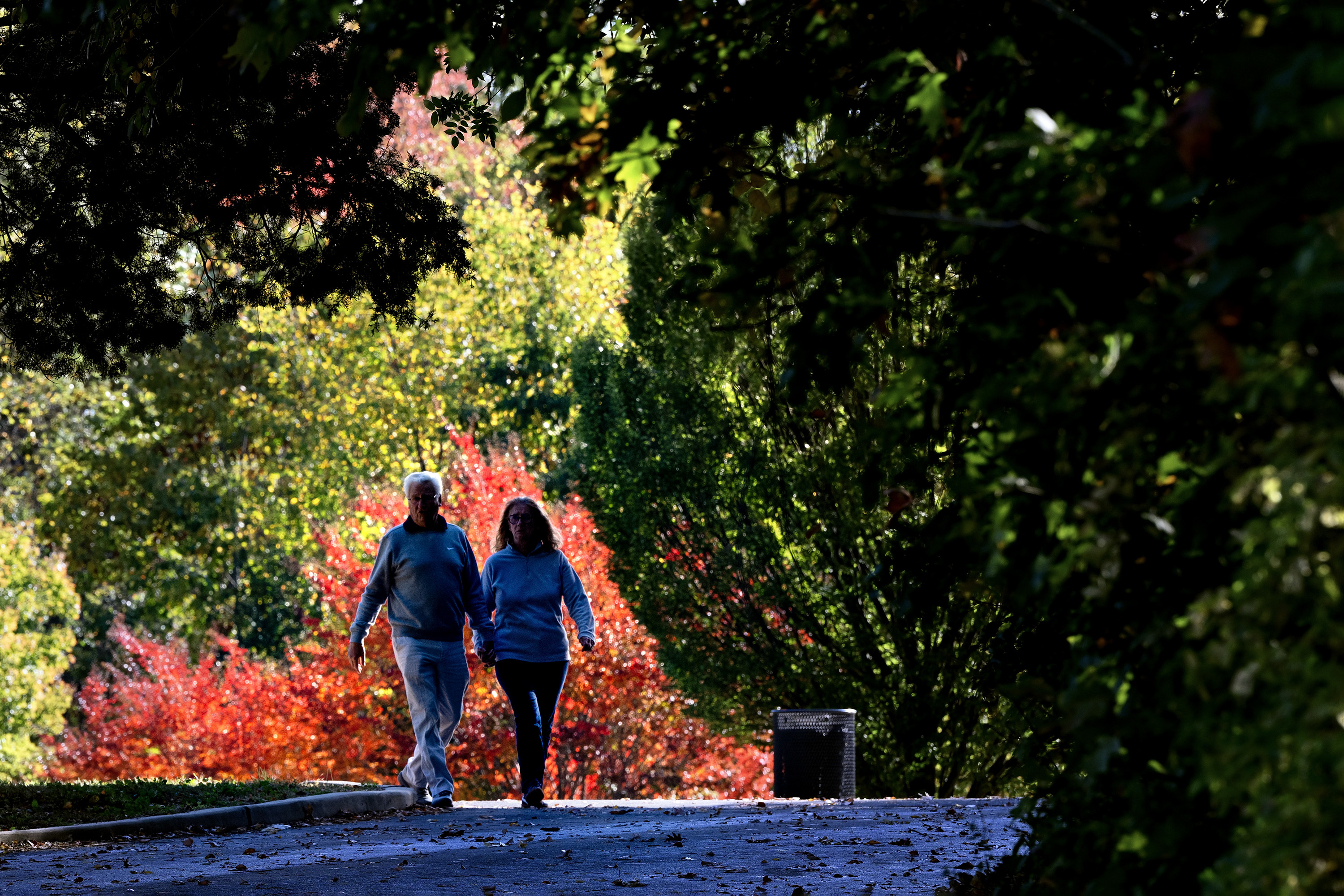
    A single crimson tree in Cherry Hill’s Wallworth Park greets Michel and Brigitte Mistler, from Normandy, France, as they take a morning walk while visiting their daughter in the township Oct. 22, 2025. Tom Gralish / Staff Photographer

    They are quite fascinating creatures, he notes, that survive winters by producing “body fluids that function as cryoprotectants — essentially biological antifreeze.”

    Their bodies actually may contain clues about the behavior of a previous season, according to Richmond.

    “It’s probably better to think about woolly bears as being much better equipped with a rearview mirror than a crystal ball,” he said.

    A natural place to look for clues

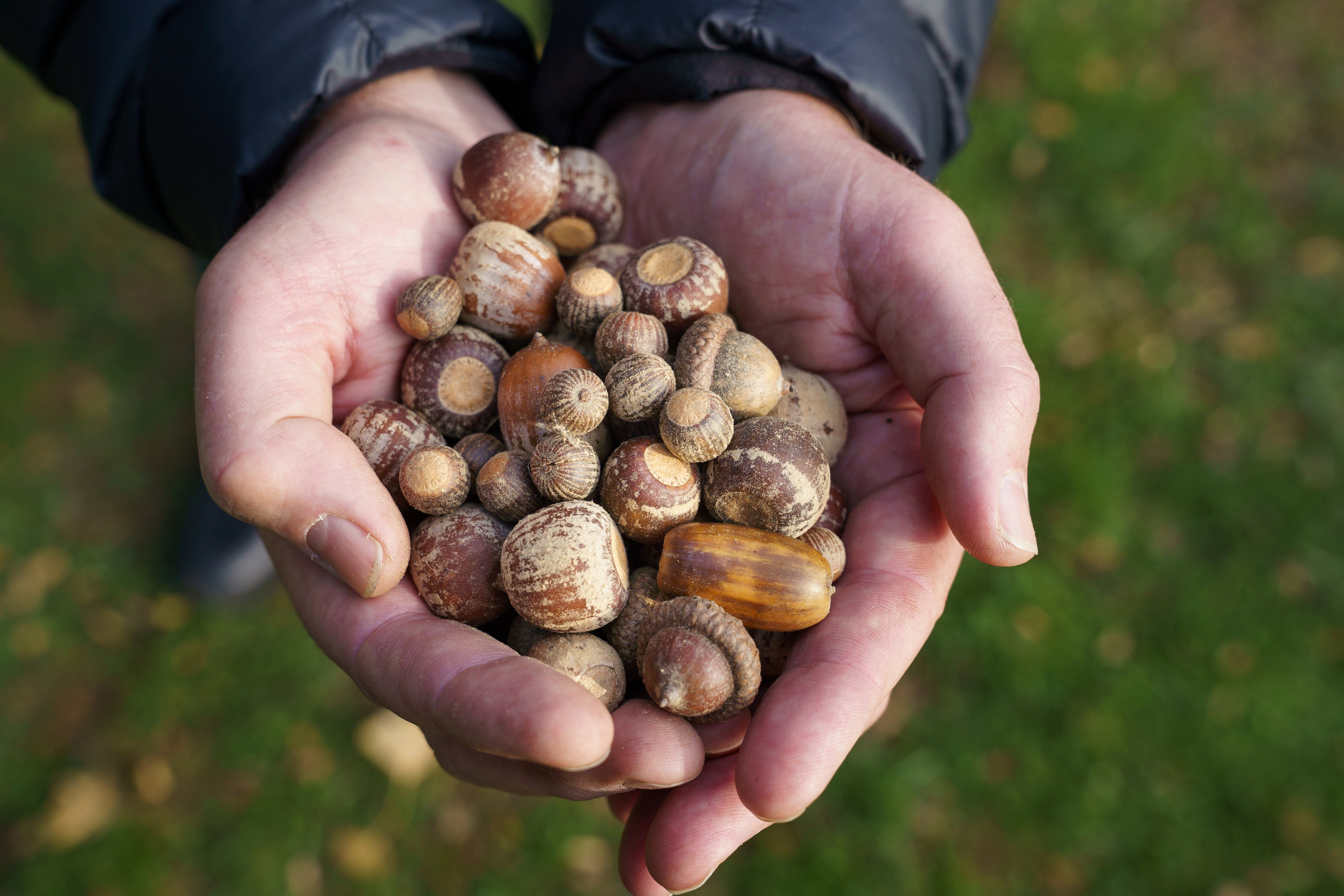
    Bill Cullina, executive director of the Morris Arboretum and Gardens of the University of Pennsylvania, holds a collection of acorns in November 2019. Regardless of what the acorns said, that winter was virtually snowless.Jessica Griffin / Staff Photographer

    Humans have had a long history of forgoing global forecast models and oscillation indexes in favor of consulting nature for winter clues.

    One popular myth cited by The Old Farmer’s Almanac holds that if the acorns keep raining down from the trees like hailstones, get ready for a big chill.

    Leaves would be another indicator: If they drop early, winter will be a breeze. If they linger late, those breezes might be cold.

    Among Native Americans, beavers were bellwethers. The thicker their autumnal coats and stronger their lodges, the harsher the winter.

    The natural world is where to look for clues about the season to come. The waning sun may dim human energy, but it is an ultra-busy time for a lot of other species. It is prime mating season for animals such as birds, bears, deer, moose — and porcupines. We won’t ask how they hug.

    And birds — billions of them — are on the move.

    An avian air force in the night sky

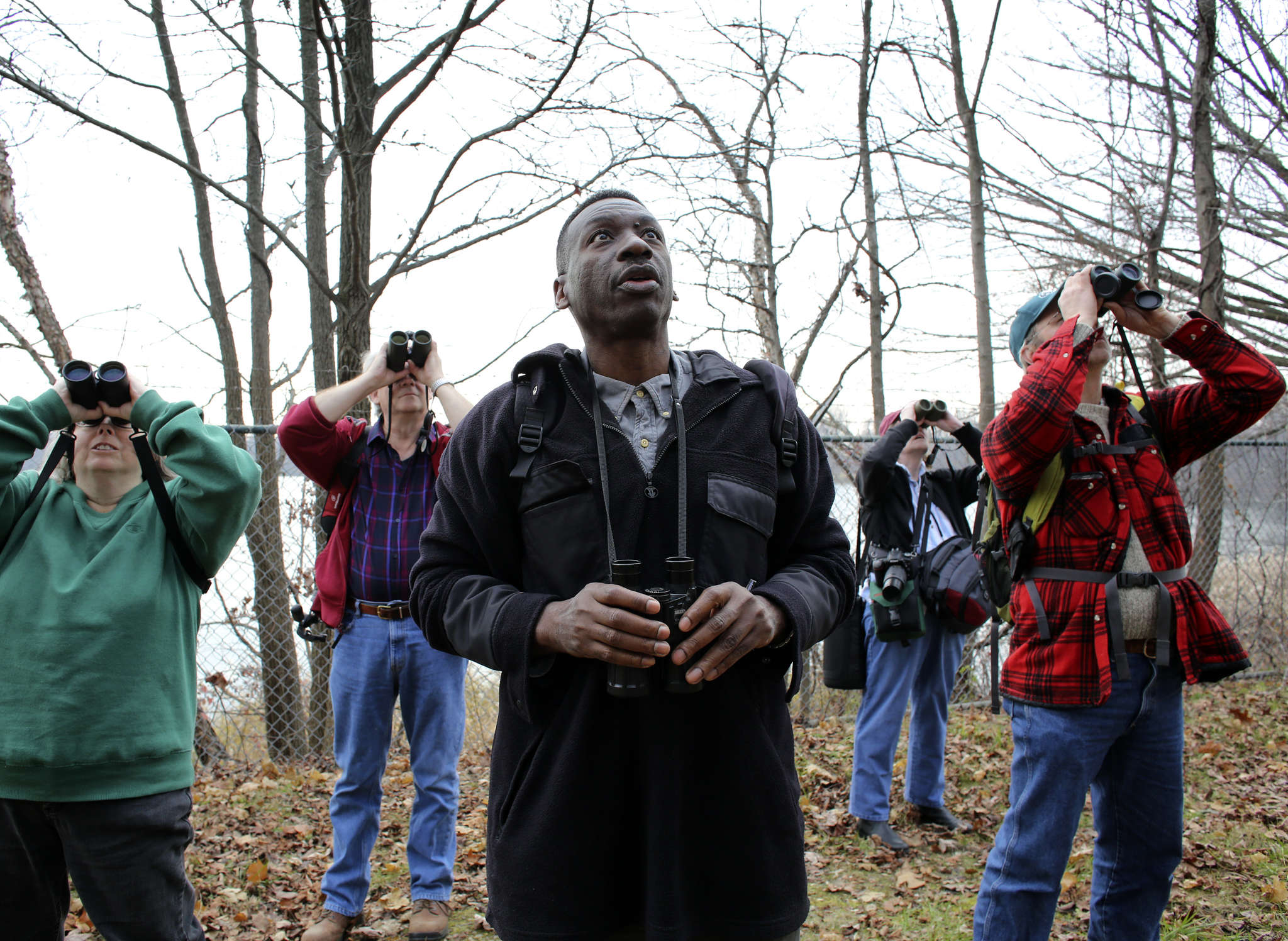
    Audubon’s Keith Russell looking to the skies over Strawberry Mansion while leading a tour.JOSEPH KACZMAREK

    The bird feeders and baths are getting ever emptier these days, but something quite amazing is happening after nightfall about 3,000 feet over our heads.

    An estimated 1.3 million birds flew across Philadelphia on Friday night and early Saturday. And Chester County was the regional hot spot, with 3.8 million heading south-southwest, according to the Cornell University Ornithology Lab’s radar-powered BirdCast dashboard, With a tail wind from the north, they were zipping along at 25 to 30 mph about 1,600 to 1,800 feet above our heads. On the site, you can track bird traffic live, county by county.

    This is the peak migration season, continuing into the first week of October, says Keith Russell, urban-conservation program manager for Audubon Mid-Atlantic, with about 300 species racing through the region, including ruby-crowned kinglets and black-throated green warblers.

    To travel thousands of miles, the birds evidently use a remarkable assortment of clues from the sun, the stars, the Earth’s magnetic field, and even landmarks, according to the Cornell lab.

    If anyone calls you a “bird brain,” be flattered.

    Be grateful for the Earth’s equinoxes

    A NASA/Johns Hopkins University Applied Physics Laboratory/Carnegie Institution of Washington image of Mercury in 2013. You probably don’t want to visit. It has lots of equinoxes but it’s mighty hot, mighty cold, and it has no atmosphere. AP

    Our planet is arguably in the solar system’s sweet spot for equinoxes, which occur twice a year.

    By contrast, Saturn gets one only every 15 Earth years, and Neptune every 82 years, says Harry J. Augensen, director of the Widener University Observatory and a physics and astronomy professor emeritus.

    Mercury has four a year, but temperatures range from 800 degrees Fahrenheit to 290 degrees below zero.

    Earth never looked so good.

  • 🍂 Best spots to peep leaves | Outdoorsy Newsletter

    🍂 Best spots to peep leaves | Outdoorsy Newsletter

    Autumn is knocking!

    This liminal space between summer and fall always feels like it has a little bit of everything for us. I’m enjoying the cooler conditions that have begun to blanket evenings in the region.

    Word to the wise, though: Mosquitoes are still lurking, so don’t forget bug spray. Sincerely, an itchy person who got carried away by the nicer weather and deeply regrets not applying repellent.

    Here’s what we’re up to today:

    ⛅ Your weekend weather outlook: Friday and Saturday should be mostly sunny, while Sunday may see showers.

    — Paola Pérez (outdoorsy@inquirer.com)

    If someone forwarded you this email, sign up for free here.

    Make your leaf-peeping plans

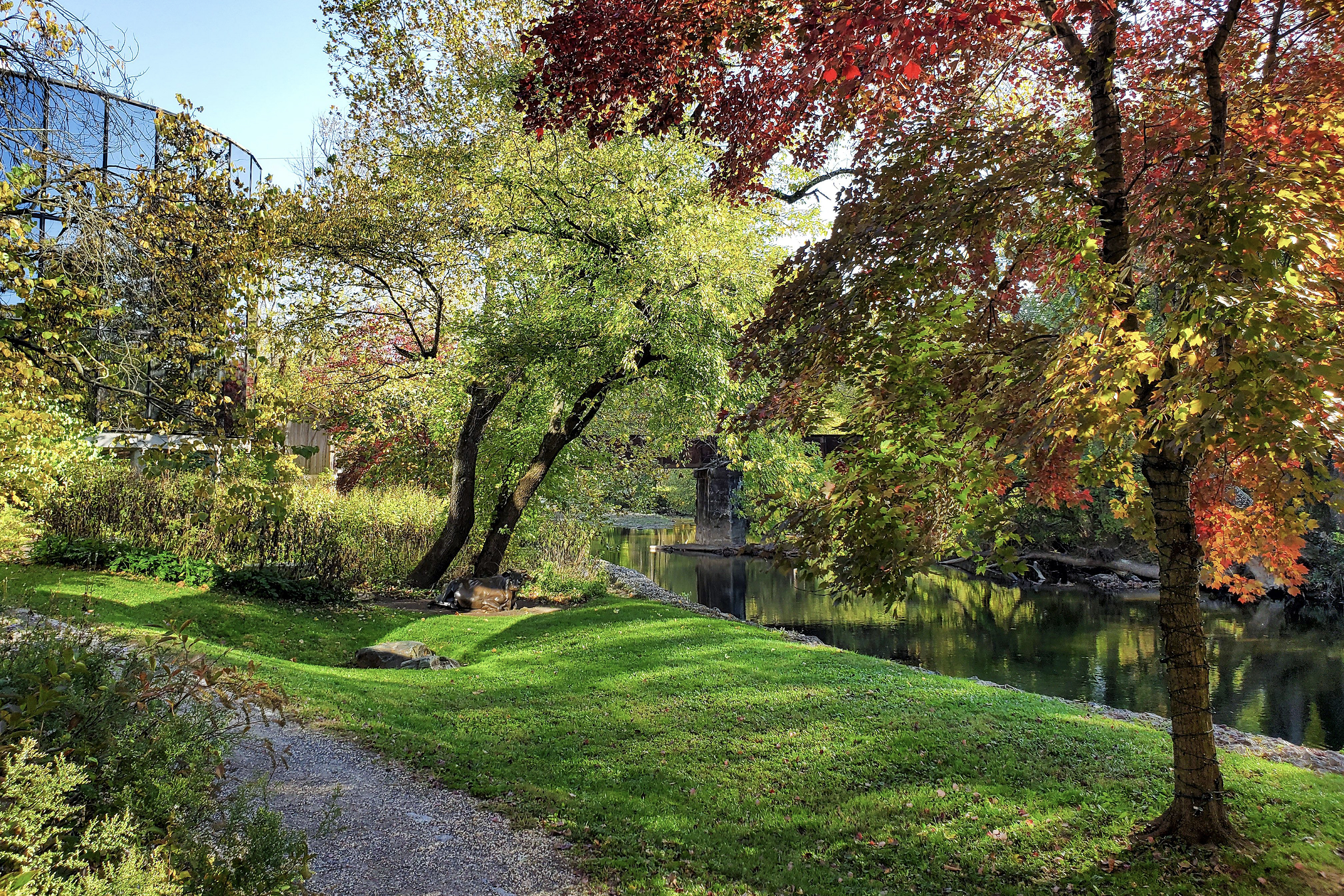
    Brandywine Conservancy & Museum of Art.Courtesy of Brandywine Conservancy & Museum of Art

    If the rest of September’s weather cooperates, we’re due for a vibrant foliage display this season. Peak viewing times are expected throughout October.

    In Philadelphia and beyond, there are several great vantage points from which you can get a good glimpse of the transforming leaves, including:

    West Fairmount Park. Don’t miss the views around the Skew Arch Bridge, and be sure to visit the Trolley Trail.

    Delaware Canal State Park. You can stroll, kayak, or canoe along the 58-mile towpath from sunrise to dusk to determine which way you best enjoy the fall scenery.

    See all of our favorite spots for leaf peeping around the region, ordered closest to farthest away from Philly.

    News worth knowing

    • This year’s El Niño has contributed to a historically quiet Atlantic hurricane season.
    • A Philly Parks and Rec leader said she approved renovations to FDR Park’s Ashburn Field without required state permitting because she wanted renovations to be complete by the MLB All-Star Game last July. The missing permit was designed to address erosion control and stormwater release at the site.
    • Supervisors in Willistown tabled a decision on a settlement that would limit the development of Rock Hill Farm. Officials are looking for more certainty in the preservation of the land.
    • Much of the Wetlands Institute site in Stone Harbor, N.J., sits in low marsh and has become increasingly at risk due to flooding. This week, nonprofit staff will pack up and move to a temporary headquarters.
    • The Trump administration has blocked more than 130 projects in national parks across the country worth at least $25 million without providing a reason, according to internal documents reviewed by the Washington Post.

    🌳 Your outdoorsy experience

    Yoo-hoo, is this thing on? I want to hear from you, dear reader. Whether you’re hitting your go-to trail or trying kayaking for the first time, this is your time to shine. What are you doing out in the wild?

    Write me an email to tell me about your unforgettable memories adventures or favorite moments outdoors. Pictures, if you have them, are more than welcome. You might see your adventures featured here.

    The perfect pick-me-up

    🎤 Let me pass the mic to my colleague Beatrice Forman with an adorable dispatch.

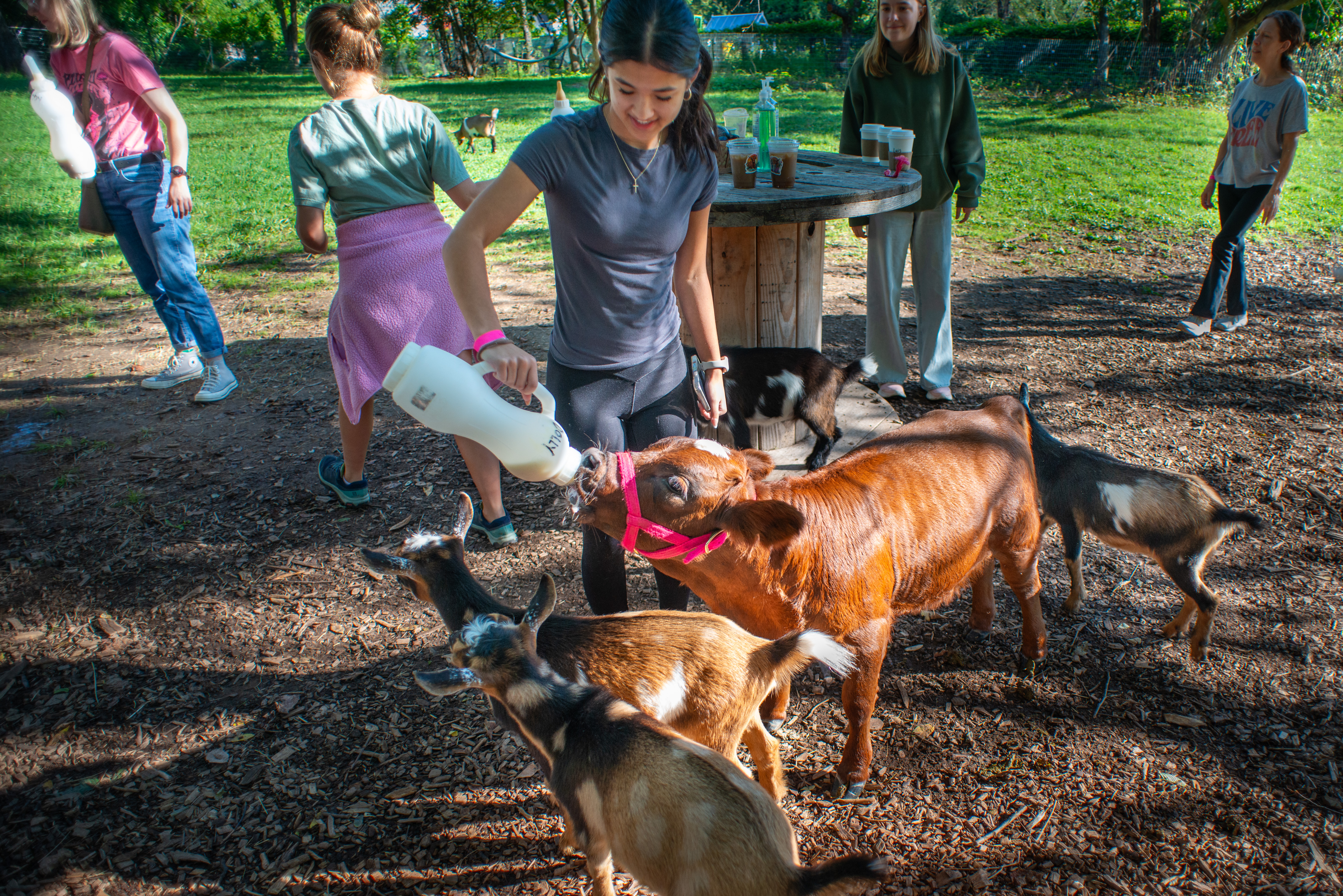
    Dolly is an Aries. She likes pink accessories, the feeling of freshly brushed hair, and morning coffee with friends. She also has to be the center of attention.

    No, Dolly is not a teenaged girl. She’s a three month-old Hereford calf with a job: To snuggle up with as many guests as possible at Rose Bridge Farm, a Montgomery County animal sanctuary.

    Rose Bridge Farm sits on almost 13 acres of land at 1314 Limekiln Pike in Dresher, once part of an estate owned by William Penn in the mid-1700s. When steward Kristen Sutch took over the property in 2013, she transformed it into a sanctuary for farm animals rescued from livestock auctions, dairy farms, and breeders. — Beatrice Forman

    Keep reading to learn more about the sanctuary and its cuddly animals.

    Paola’s picks

    🔎 An activity: Mix archaeology and history at Newlin Grist Mill’s annual Fall Festival with fun for all ages (Saturday, free).

    ♻️ A proud moment: Reading Terminal Market attracts attention for its food-waste-prevention efforts.

    🌕 A celestial treat: Philly’s most unique mooncakes.

    🍒 A song: “Return to Cherry” by Part Time: “Wishful thoughts of another chance, to make things right again.”

    🦉 A good read: Tom Pluck’s latest, “Owl Be Seeing You.”

    A fungal view

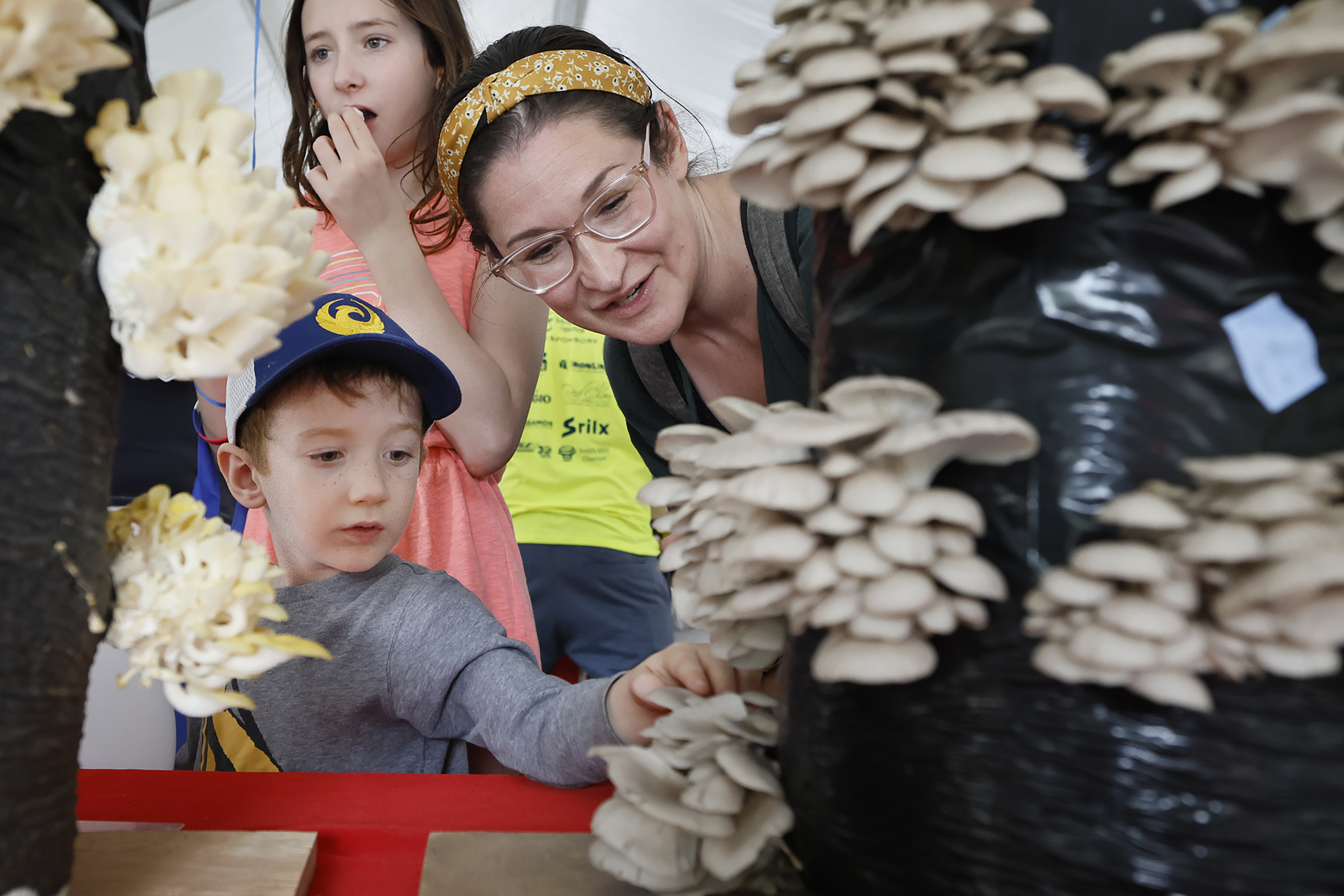
    Colleen Farnsworth of Ardmore and her son Ambrose Farnsworth, 4, touch the mushrooms in the mushroom exhibition.Elizabeth Robertson / Staff Photographer

    🍄‍🟫 Last weekend, Kennett Square’s 41st Mushroom Festival celebrated the family farms that have cultivated the crop for generations.

    👋🏽 I’ll catch you next time.

    By submitting your written, visual, and/or audio contributions, you agree to The Inquirer’s Terms of Use, including the grant of rights in Section 10.
  • The owners of Penn’s Cave want it to become a state park. Otherwise, they say it would be developed.

    The owners of Penn’s Cave want it to become a state park. Otherwise, they say it would be developed.

    In 1795, an Irish pastor went down a hole in Central Pennsylvania and discovered a vast underground cave full of stalactites, stalagmites, and frigid water.

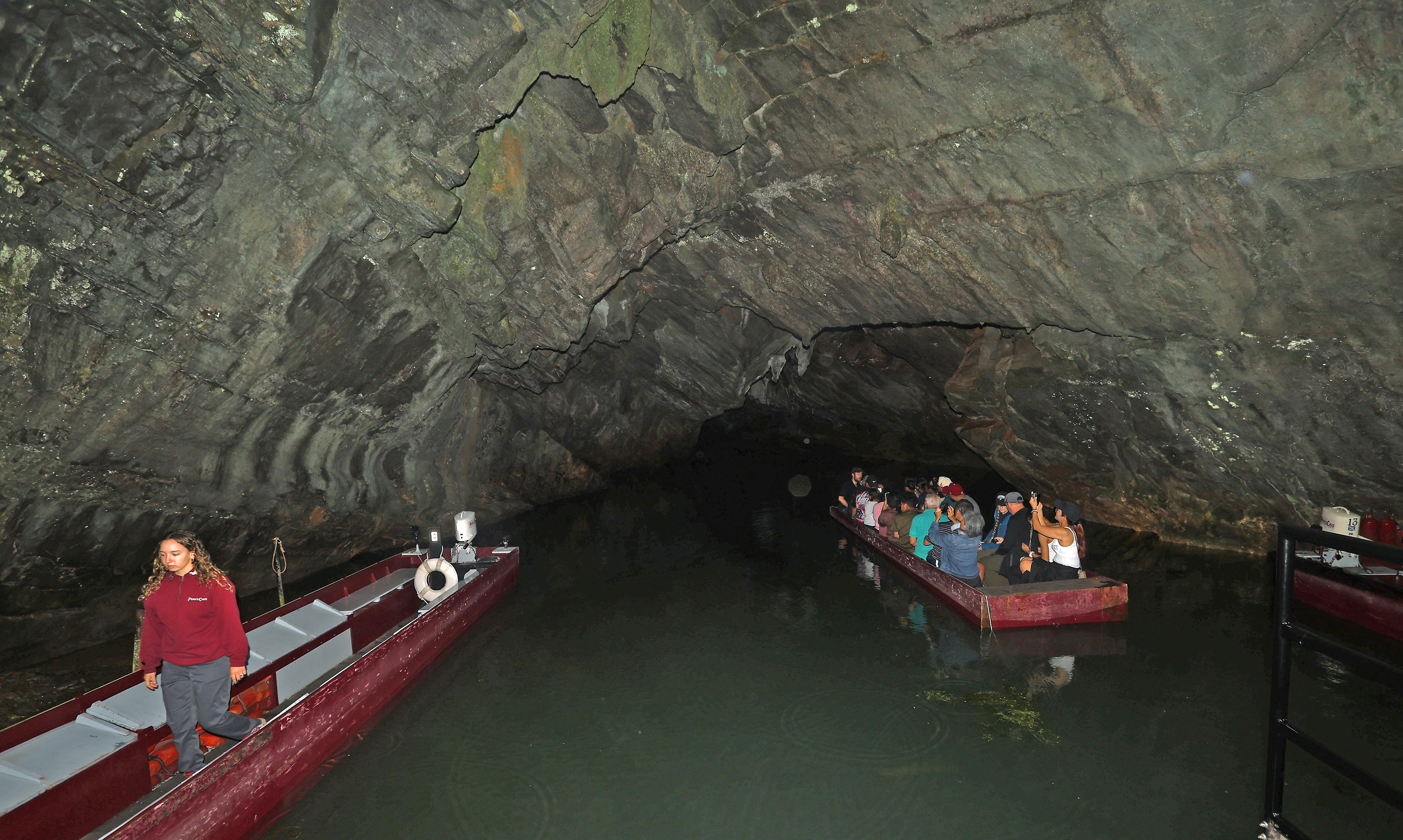
    On a recent Sunday morning in July, visitors simply had to go through the gift shop to visit Penn’s Cave, the only all-water cavern in the country. The boat tours in the cave and the adjoining 1,400-acre wildlife park full of bison, wolves, elk, and one very large black bear attract thousands of visitors per year just east of State College in Centre County.

    According to several published reports in recent months, Penn’s Cave and Wildlife Park, which opened in 1885 and has been run by the same family since 1908, is hoping to become Pennsylvania’s 126th state park by transferring the property to the state’s Department of Conservation and Natural Resources. Penn’s Cave ownership and management declined to comment during a recent visit, directing The Inquirer to public statements made earlier this summer.

    Penn’s Cave CEO Russ Schleiden, during a July 7 Centre County Commissioners meeting, said the decision was “difficult.”

    “But we feel that it’s a very important part of not only Centre County, but the Commonwealth of Pennsylvania, and that it should be preserved in perpetuity.”

    The Colored Lights Room during a boat tour of Penn’s Cave on Aug. 9.Craig Houtz / For The Inquirer

    Schleiden’s daughter, Jeanine Watson, was brought to tears when she spoke to the commissioners.

    “We want it to be preserved and to be taken care of,” Watson said. “We’ve always felt we were the stewards of that. We would hate to see this go into development and, unfortunately, that would be the alternative.”

    During the meeting, Watson said Penn’s Cave had been discussing the proposal with DCNR for several years. She did not say why development would be the only alternative.

    The proposal received the support of Centre County’s commissioners and State Rep. Kerry Benninghoff, (R., Bellefonte).

    “I can’t think of a better time in our country and our county’s history at the Semiquincentennial to make this reality,” Benninghoff said in July, according to statecollege.com. “If you want to look at Americana in its best, the park I think exemplifies that.”

    Benninghoff told The Inquirer that his proposed legislation did not make it into the state budget by July.

    “It just didn’t work out in this budget cycle. My ultimate goal is to preserve this property,” Benninghoff said. “You couldn’t ask for a better place to preserve.”

    Wesley Robinson, a DCNR spokesperson, said department staff has visited Penn’s Cave and engaged in discussions about “potentially taking over stewardship of this significant geoheritage site.”

    “Penn’s Cave’s natural and cultural resources could make it a strong addition to Pennsylvania’s state park system and provide expanded opportunities for the public to access and enjoy the site,” Robinson said in a statement.

    Robinson said acquiring Penn’s Cave may require legislation and that the agency would continue conversations with stakeholders.

    Penn’s Cave is an all-water cavern, a historic 1,300-foot limestone show cave with tours by boat.Craig Houtz / For The Inquirer

    Coincidentally, Pennsylvania’s 125th state park is a former privately owned cave. Laurel Caverns State Park, in Fayette County, opened in April and is the first cave system to become a state park.

    Laurel Caverns, the biggest cave system in Pennsylvania, opened as a tourist attraction in 1964. It’s also home to the biggest bat hibernaculum — where animals can hibernate in winter — in the Northeast.

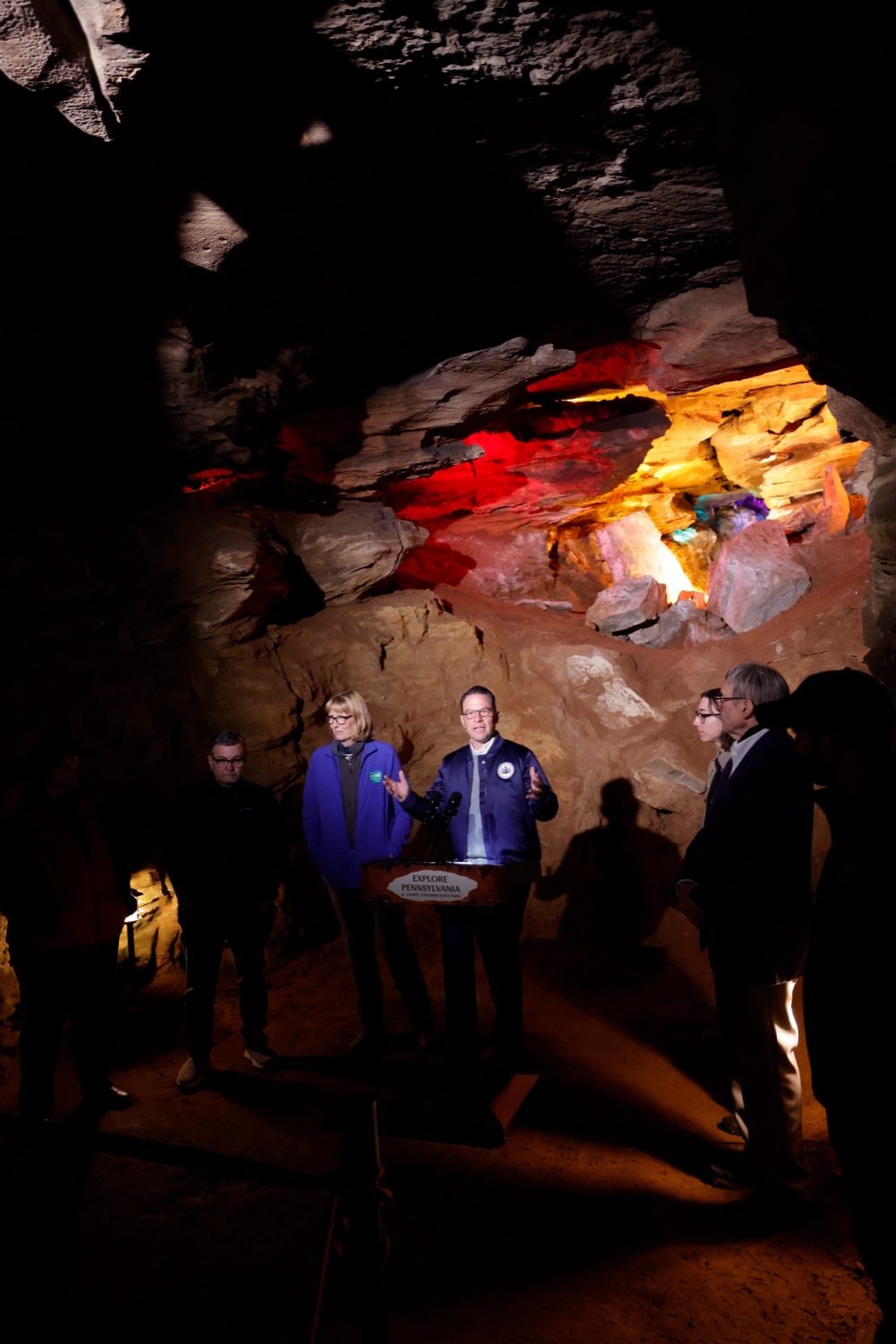
    “Parks like Laurel Caverns give our kids a new place to learn, our families a place to make memories, and all of us a chance to get away, take a breath, and just enjoy nature,” Gov. Josh Shapiro said in April during a press conference in the cave.

    Laurel Caverns was donated to the state. It’s unclear how DCNR would take ownership of Penn’s Cave if the process moved forward or what its operating costs would be. The attraction employs dozens of seasonal and full-time workers and includes a large gift shop and snack stand.

    Gov. Shapiro and DCNR Secretary Cindy Dunn open Laurel Caverns State Park, Pennsylvania’s first subterranean state park, in April.Provided

    On a tour of Penn’s Cave in July, a lone bat flapped around between the stalactites, but the experience is quite different from Laurel Caverns and would present a unique challenge to operate as a state park.

    For one, visitors to Laurel Caverns walk through the cave system. Tours of Penn’s Cave are conducted via boat with a guide, on a frigid, subterranean offshoot of Penns Creek that’s filled with large rainbow trout.

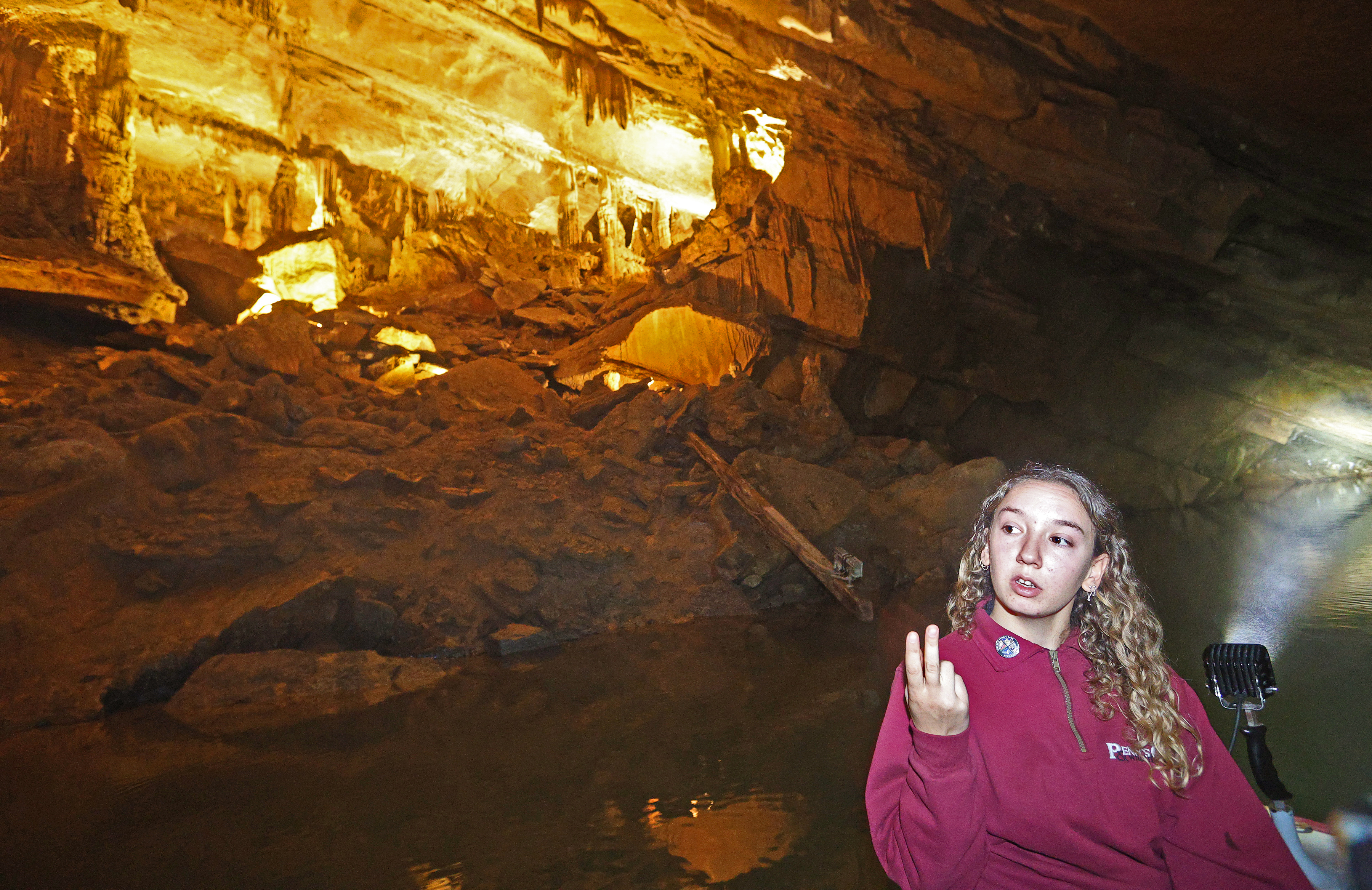
    “To the left here, we have our tallest stalagmite. We call this one our Statue of Liberty,” guide Kara Hoffman explained.

    Hoffman also discussed the cave’s geology, early attempts at tours with torches, and its earliest visitors, the Indigenous Seneca who used the cave for shelter.

    Kara Hoffman gives a boat tour of Penn’s Cave on Aug. 9.Craig Houtz / For The Inquirer

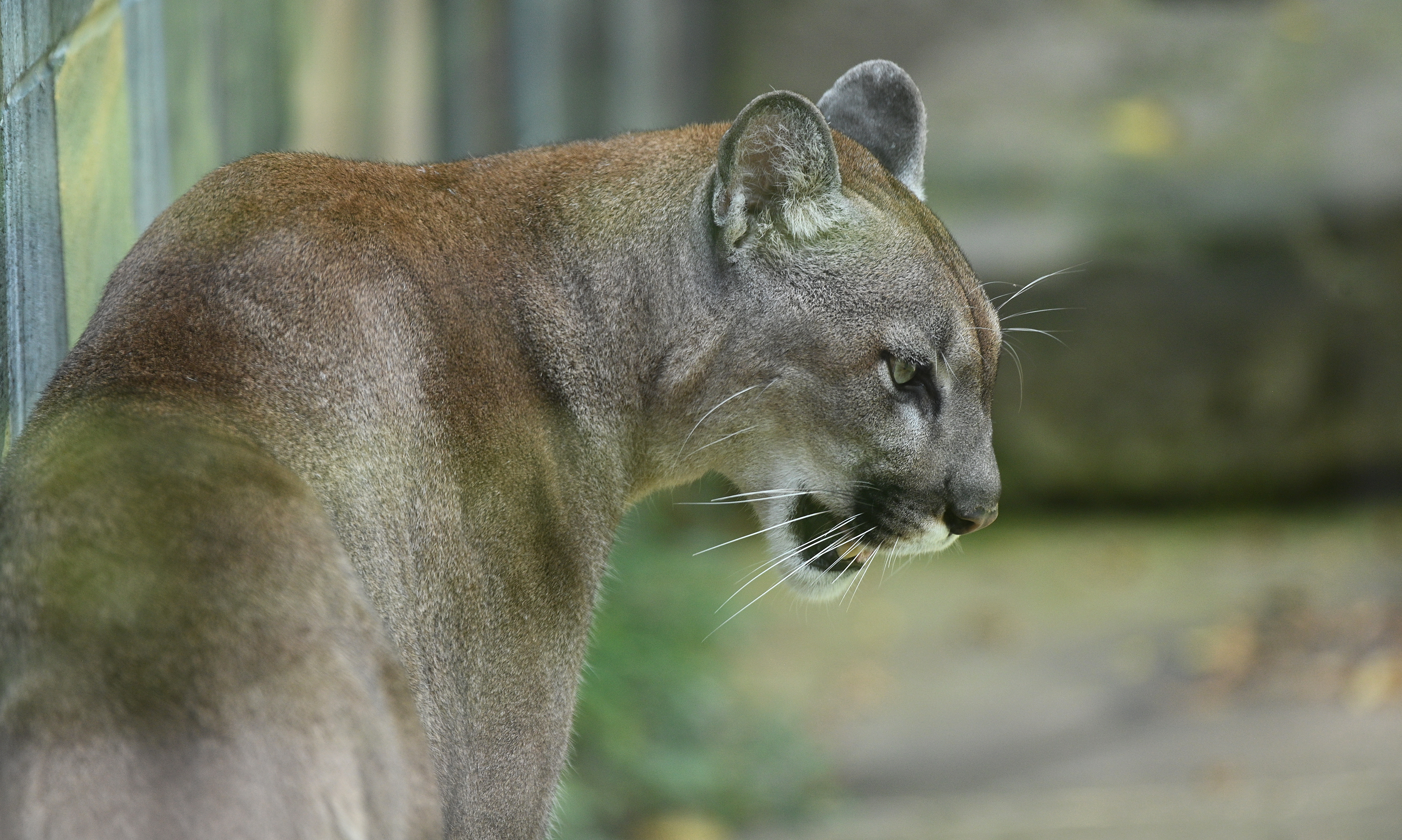
    Laurel Caverns, with 400 acres above ground, does not offer camping. The Penn’s Cave property is 1,500 acres, and consists of rolling farmland and animal enclosures. It’s unclear if the state would maintain the wildlife exhibits, which include large elk, Texas longhorns, and mountain lions, but Benninghoff said he believed camping would be part of the state park.

    In 2024, The Inquirer wrote about DCNR’s plan to build a campground in Chester County and the pushback it received from a vocal group of residents concerned about traffic and campers.

    Robinson said that the project is still in the works and currently in “cultural review.”

    Meanwhile, Penn’s Cave, about 190 miles northwest of Philadelphia, remains open for tours, and Benninghoff said he hoped to draft legislation for the next budget.

    Mountain lions are part of the farm-nature-wildlife tour at Penn’s Cave and Wildlife Park.Craig Houtz / For The Inquirer
  • 🍎 Let’s pick apples | Outdoorsy Newsletter

    The first day of fall is just around the corner.

    In this edition:

    ☂️ Your weekend weather outlook: Friday should be clear and sunny, but showers may put a damper on Saturday and Sunday.

    — Paola Pérez (outdoorsy@inquirer.com)

    If someone forwarded you this email, sign up for free here.

    Apples await

    Between freshly baked pies, warm apple cider, or pillowy soft doughnuts, you’re in for a treat at any of our favorite apple-picking spots.

    To ring in the season, we rounded up the top places to check out, in order from closest to farthest from Philly, including:

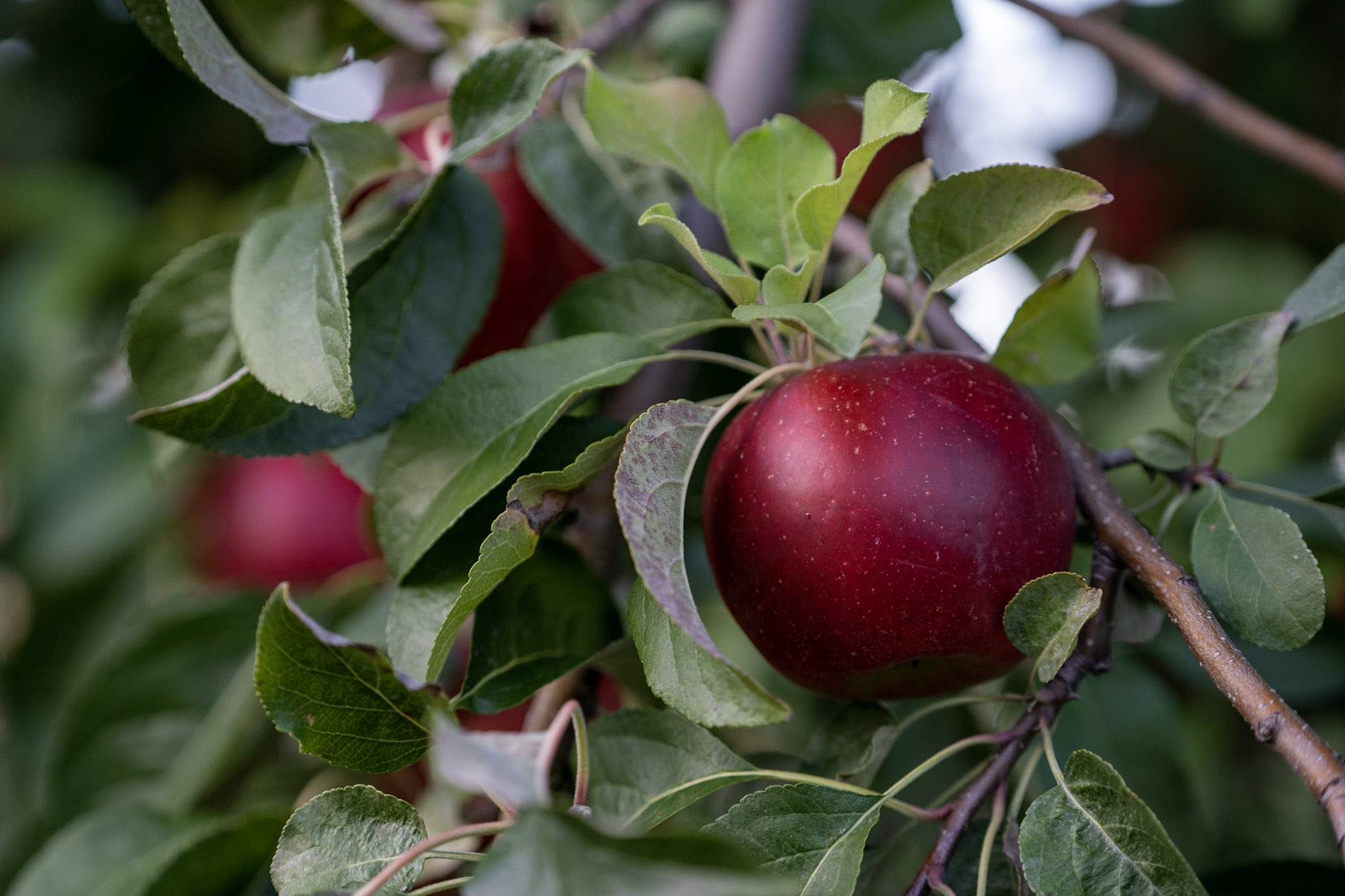
    🍏 Indian Orchards Farm, a century-year-old farm in Media growing about 25 apple varieties like honeycrisp and smokehouse.

    🍎 Linvilla Orchards, a must-visit orchard in Delco where you can fill a two-quart bag for $11 per person.

    🧺 Note: You may want to call ahead and confirm specific availability ahead of visiting. Some may be limited this year due to spring’s freezing temps.

    See our list of the best orchards for apple-picking in the region.

    News worth knowing

    🌳 Your outdoorsy experience

    I’m looking for new stories to highlight. This is your time to shine, dear reader. What are you doing or seeing outside?

    In 200 words, tell me about your favorite adventures or unforgettable moments outdoors. Pictures, if you have them, are awesome. You might see your memories featured here.

    🚣‍♂️ Racing on

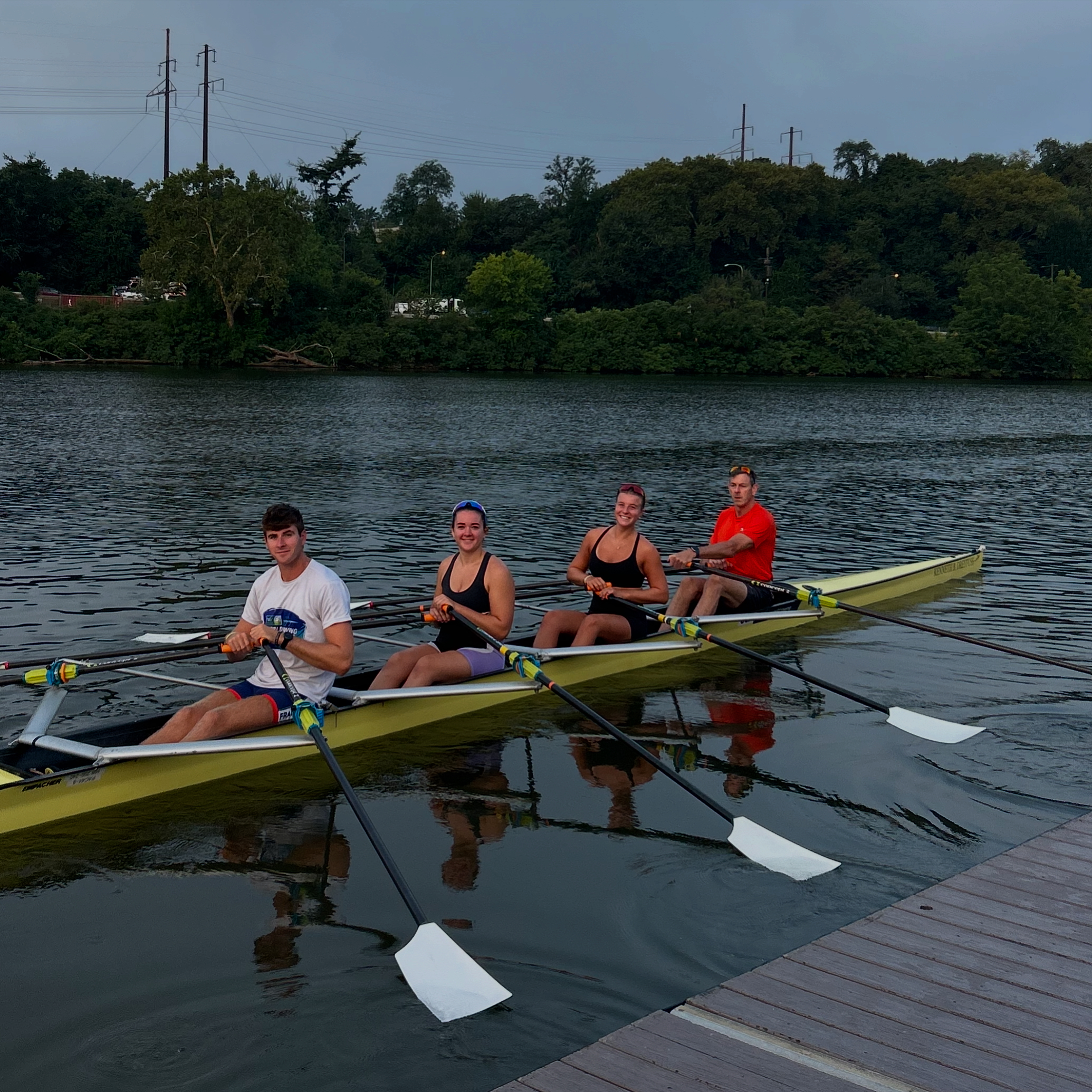
    Don and his three oldest kids rowing as a family, with Ava in the second position.Cour

    🎤 Here’s Becca O’Reilly with a story for The Inquirer on a rower’s “surreal” journey.

    On the other side of the Atlantic Ocean, Ava Smith crossed the finish line in Bulgaria as a proud member of an elite eight-person boat representing the U.S. Under-19 national women’s rowing team.

    “Crossing the finish line, it was a feeling of accomplishment,” said Smith, who took up the sport only four years earlier at Mount St. Joseph Academy in Flourtown, Montgomery County. “A sort of relief, in a way, just knowing it’s done. We put it all out there.”

    Smith picked up an oar for the first time as a freshman at Mount St. Joseph, but rowing runs in her blood. Her father, Don Smith, competed for the U.S. at the 1996 and 2000 Olympics; her older brother, Luke Smith, rows at Stanford and made the Under-19 national men’s team; and her sister, Addy Smith, now rows at Texas. Even the youngest Smith, Arden, plans to row as she starts her freshman year at Mount St. Joseph.

    This summer, that legacy came full circle. After years of sibling-fueled rivalry, Ava earned a spot in the women’s eight as the seven seat and traveled to Plovdiv, Bulgaria, to compete at the World Rowing Under-19 Championships, a spot secured after a whirlwind six weeks that took her from a selection camp in California to the start line across the world. And all of it just days before she leaves for her own next chapter: Rowing at the University of California, Berkeley. — Becca O’Reilly

    Read the full story of how Smith joined the women’s eight, and her next endeavors.

    Paola’s picks

    🌊 A track: “Water of Love” by Dire Straits.

    💡 A pro-tip: Halfway through walking or cycling the Manayunk Bridge, you might be surprised when the lane switches sides. It’s on purpose.

    🦈 A tale: How Cape Cod is learning to live with sharks.

    🥳 An amazing feat: At 91, Dale “Grey Beard” Sanders has reclaimed his record as the oldest hiker to complete the Appalachian Trail. His favorite days were spent in “Rocksylvania.”

    🎸 An activity: Bryn Mawr Twilight Concert series with Mdou Moctar (solo) and Tim Motzer (Friday; $26), and the third-annual Spring Garden Sunflower Fest (Saturday; free).

    A blissful view

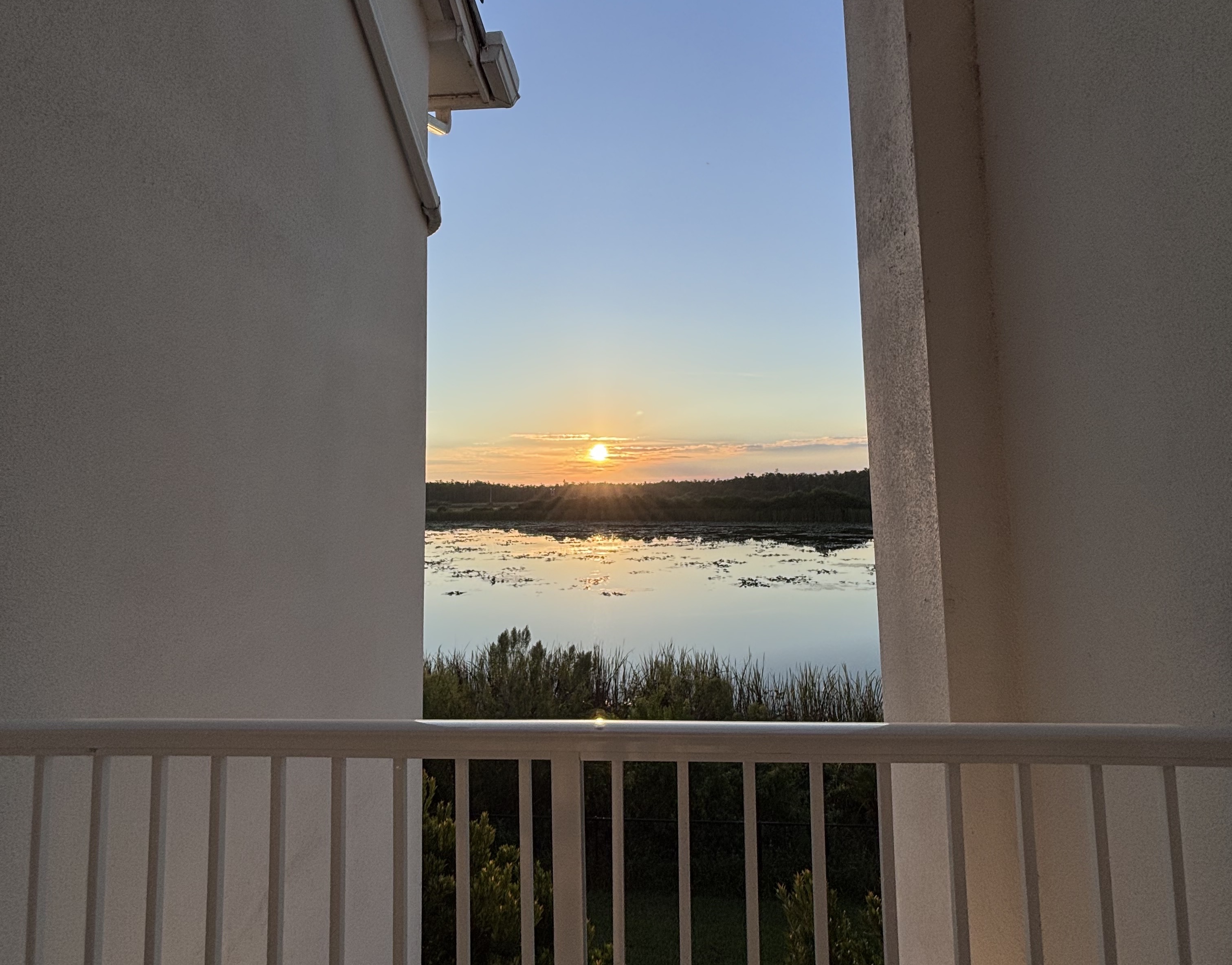
    Breathe in…and breathe out.Paola Pérez

    Take a moment to soak up this sunrise with me. I was blessed with it while visiting family in Florida.

    👋🏽 Have a good one out there.

    By submitting your written, visual, and/or audio contributions, you agree to The Inquirer’s Terms of Use, including the grant of rights in Section 10.
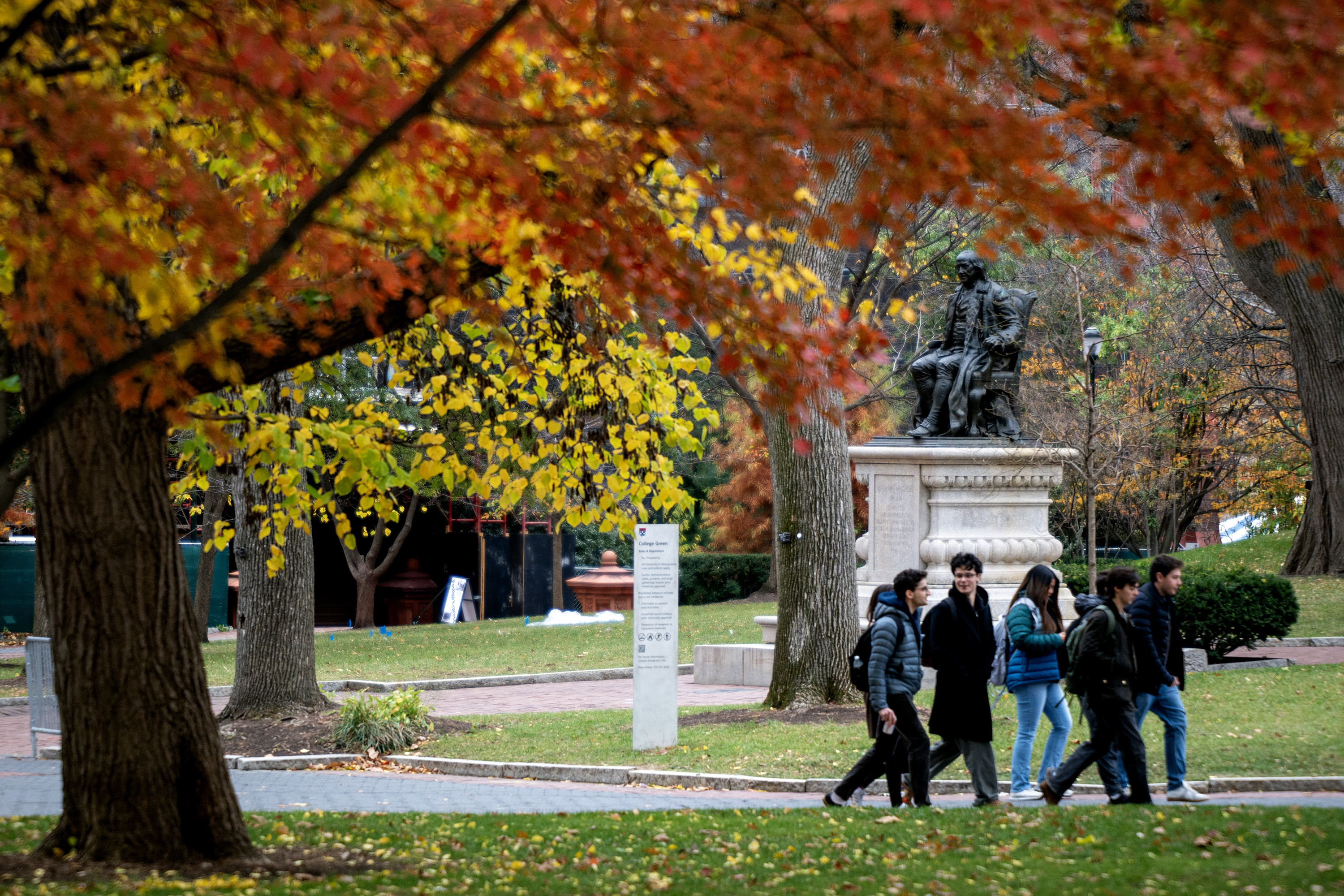
  • Philly’s fall foliage season is looking special, September weather permitting

    Philly’s fall foliage season is looking special, September weather permitting

    The sequences of steamy days and downpours in the Philly region and elsewhere won’t rank among the cherished memories of summer, but they may well end up having been a boon to the imminent fall foliage season.

    The consensus among the veteran experts who pay close attention to the behavior of the trees is that this is shaping up to be an excellent season for spectacular waves of fall colors that ripple from northern New England to North Carolina, cresting from early October into early November, with Pennsylvania and New Jersey in the middle of it all.

    As much as some folks may have been fed up with the humidity banquet, the trees — at least those that survived the storms — have been partying. Unlike last year, characterized by an early leaf fall, the players are remaining on the stage.

    “Despite a droughty start to the growing season and some frost damage, our trees are looking green and healthy now, overall,” said Ryan Reed, a forestry specialist with the Pennsylvania Department of Conservation and Natural Resources, who is “looking forward to a beautiful season.”

    What’s more, the snows and Arctic freezes of winter also may have made a significant contribution: The long-lasting snowpack patiently watered the foliage as it melted, neutralizing drought conditions. That was especially true in New England, meteorologist Jim Salge said in his Yankee Magazine foliage forecast.

    But the key to the foliage season would be what happens this month, said Howard Neufeld, a biologist with Appalachian State University, who analyzed weather-foliage patterns for the last several years around the campus area in the heart of the Blue Ridge Mountains and all but interrogated the trees to get at their myriad secrets, most of which they kept to themselves.

    He holds that the main driver in the drama of the season is the production of anthocyanins, the reddish tints that are the show-stealer, and provide the tasteful contrasts to the yellows and russets.

    Sunny days and cool nights are best, say the experts, but like everything else involving the atmosphere, this all gets very complicated.

    As for whether the weather will cooperate, the burgeoning El Niño aside, the scientists who assembled the federal Climate Prediction Center’s fall outlook saw odds slightly tilted toward above-normal temperatures in the fall.

    When to expect the onset and peak foliage

    The day-to-day weather is going to influence when the leaves begin to turn and when they will peak. Just what effect long-term warming is having on the seasons, which are primarily light-driven, is unclear, and “each year brings subtle differences,” says William Keeton, forestry professor at the University of Vermont. Typically, the leaves up his way take on serious color by the end of September and peak the first or second week in October. Where Neufeld, an emeritus professor of ecophysiology, works in the Blue Ridges, whose ultra-popular foliage season was wiped out two years ago by Hurricane Helene, the peak can extend into early November.

    On average, in the immediate Philly region, expect onset in mid-October, with peak around Halloween.

    The higher the September temperature, averaged for the month, the later the onset of color, Neufeld said. A single degree could mean a difference of two days, he added.

    Conversely, he found that higher daily maximum temperatures in September actually sped up the onset. (He didn’t know why, either.)

    The key period for the weather conditions begins right about now, he said. A run of sunny days into October would be ideal for color, but a warm and rainy period would take the blush out of the reds and make for a duller show.

    But that’s very much subject to variability: The trees have complex inner lives.

    What’s behind the fall foliage show

    Without getting too deeply into the weeds (or the leaf piles), here are the basics of the process.

    Along with the shorter days — Philly loses an hour and 15 minutes of sunrise-to-sunset time this month — the sun is losing some mojo. With the dimming of the light, green chlorophyll recedes from leaves, yielding to those carrot-colored carotenoids and flamboyantly reddish anthocyanins. And Neufeld holds the reds are the stars.

    “The oranges and yellows tend to be the same from year to year,” he said, “but the reds vary.” When it’s sunny and cool, sugars accumulate on the leaves and the reds can go to town. But if it’s cloudy and warm, the sugar factories shut down.

    Just why some leaves turn red, such as the maples, “is not completely understood,” Keeton said.

    Neufeld, a biologist, noted that it doesn’t happen in Europe, and holds the redness is related to a form of malnourishment — a function of a lack of nutrients in Eastern North American soils.

    Whatever the cause, the process has contributed to the health and well-being of spectacular falls in one of the world’s prime foliage viewing corridors.

    This year is shaping up to be another one, said Marc Abrams, a Penn State forestry professor emeritus, who has been tracking the woods for over 30 years. “At this point,” he said, “all systems go.”

    Where and when to go leaf-peeping

    For an overview of the likely onset and peak times across the country check out explorefall.com/fall-foliage-map. Its custodians say it’s the product of climatology and computer modeling.

    The show opens in northern New England, and the NewEngland.com site posts graphics that show average conditions for each day.

    Starting Oct. 1, the weekly Pennsylvania Department of Conservation and Natural Resources updates and forecasts, assembled by Reed from on-site reports from forestry officials, will be up and running.

    And check out The Inquirer’s guide on where to peep in the Philly region.

  • 🌿 Peak ragweed season | Outdoorsy Newsletter

    🌿 Peak ragweed season | Outdoorsy Newsletter

    How are we feeling out there, friends? This is it. We have just one more long weekend of “summer” to go, so let’s make it count.

    Here’s our itinerary:

    🌤️ Your long weekend weather outlook: Severe weather should be in our rearview mirror (for now). Friday may see a shower or two.

    — Paola Pérez (outdoorsy@inquirer.com)

    If someone forwarded you this email, sign up for free here.

    All about ragweed

    It appears harmless, but the stubborn ragweed can grow almost anywhere, and it relentlessly torments allergy sufferers every year.

    We’re in the midst of its peak season for high volume, and all that recent rain may have given it a boost, too. Just one single tooth-leaved plant can produce billions of pollen particles.

    🌿 Intensity can be tough to predict. In the Philly region, the season tends to spike in early and mid-September, but high pollen levels can last into the autumnal equinox. Our pollen-counting network has also shrunk, making it harder to know just how much is in the air.

    🤧 Sensitive to pollen? You are in the company of roughly several hundred thousand people in the region. To help the side effects, limit time outdoors on dry, windy days. When outside, wear a dust mask. When indoors, keep windows shut, and shower before going to bed.

    Learn more about the “indestructible” plants, why they make us sneeze, and how to deal with them.

    News worth knowing

    🐛 Your outdoorsy experience

    Reader Barbara B. sent in another snap from her adventures:

    A bug’s-eye view from a summer meadow. This was taken at Idlewild Farm Natural Lands Preserve in Gladwyne.

    Thanks for sharing.

    📥 I’d love to see your photos, too. What are you doing or seeing out there? Send me an email, and you may see your stories and/or pictures featured right here.

    A flood of floods

    🎤 Now we’re passing the microphone to Tony Wood, our resident weather expert.

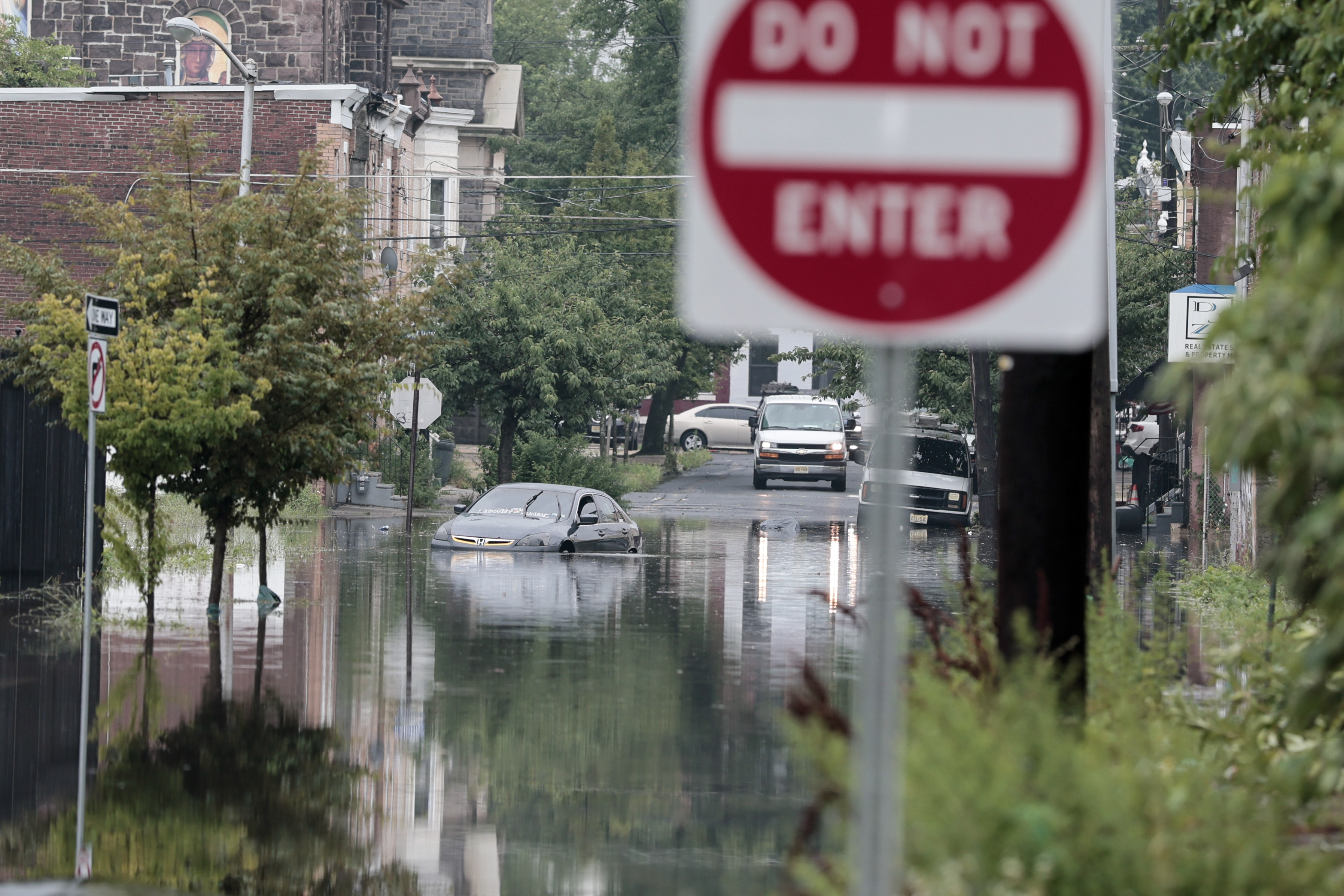
    If you perceive that the Philadelphia region has had an extraordinary number of flood events this summer, you are not hallucinating.

    The National Weather Service in Mount Holly has set a record for issuing flood warnings this year with 147 in its coverage area from Delaware to northern New Jersey, including 76 in the Philadelphia region, and monthly records in July and August. And an Inquirer analysis documented that among 2,200 U.S. counties, Philly and six of its neighboring counties rank in the top 25 for warnings issued this year, most of which have been followed by actual floods.

    In addition, with four months to go, The Inquirer analysis found, the region already has had nearly triple the annual average for flood warnings, during the 18 years in which it has been using its current methodology.

    All this without a whiff of a tropical-storm remnant, and the region still emerging from drought conditions. — Anthony R. Wood

    It’s all in Wood’s latest report. Read on here.

    Paola’s picks

    🎵 A song: “Batida do Sol” by Juls.

    🦀 A fun dispatch: We went crabbing in Sea Isle City with a Philly chef.

    🥬 A new report: Farmers have destroyed millions of heads of lettuce after demand dropped dramatically due to cyclospora outbreak fears.

    🦋 A photo: A painted lady butterfly.

    🇧🇷 An activity: Celebrate at the Brazilian Day festival on Sunday (Spruce Street Harbor Park; free).

    A calming view

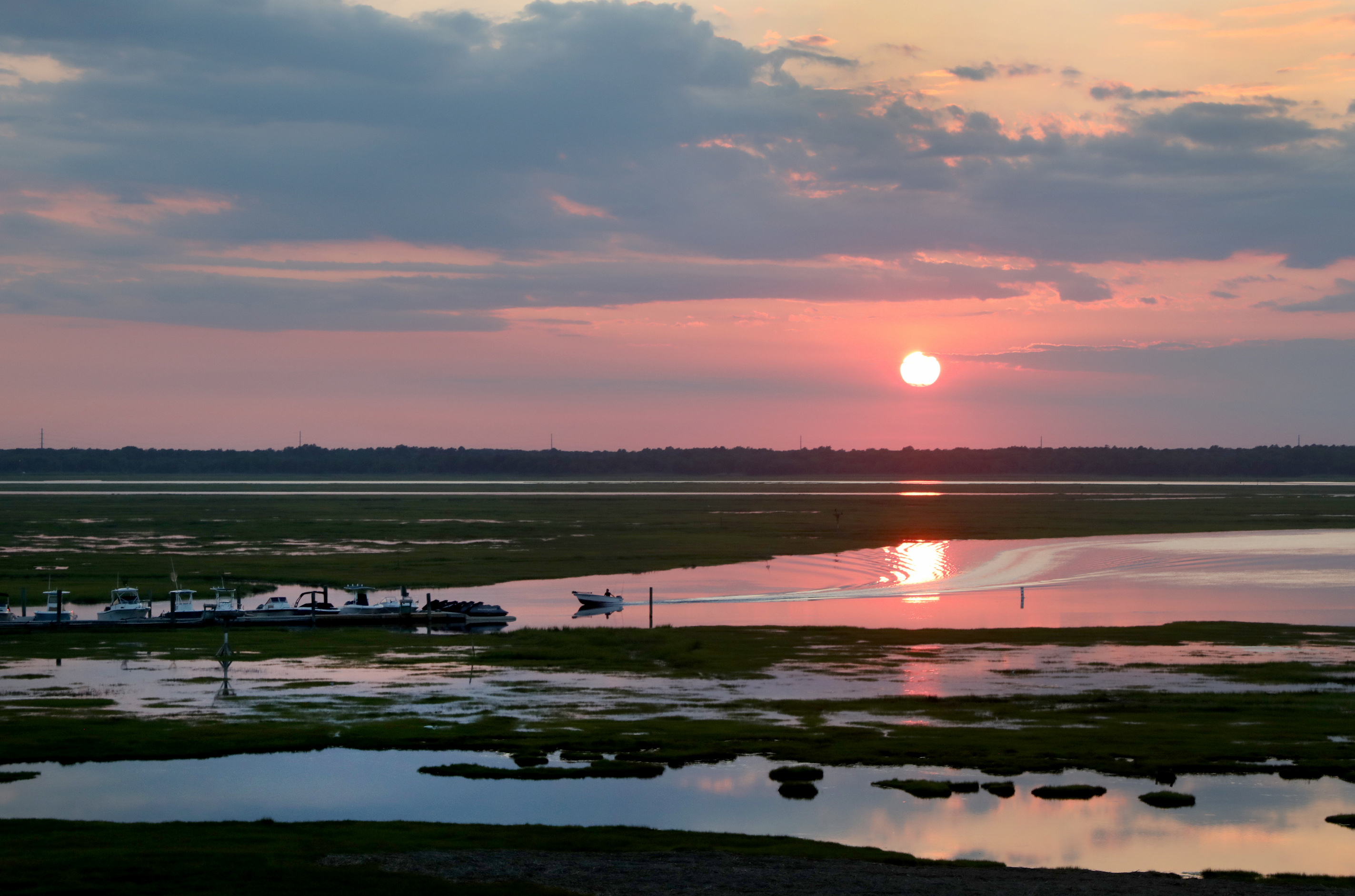
    Soak up this sunset over the inland waterway in Strathmere. Breathe in…and breathe out.Vernon Ogrodnek / For The Inquirer

    👋🏽 Catch you next time. Until then, have a safe and fun long weekend.

    By submitting your written, visual, and/or audio contributions, you agree to The Inquirer’s Terms of Use, including the grant of rights in Section 10.
  • Four pushers, one toilet, and a race through a rural Pa. town

    Four pushers, one toilet, and a race through a rural Pa. town

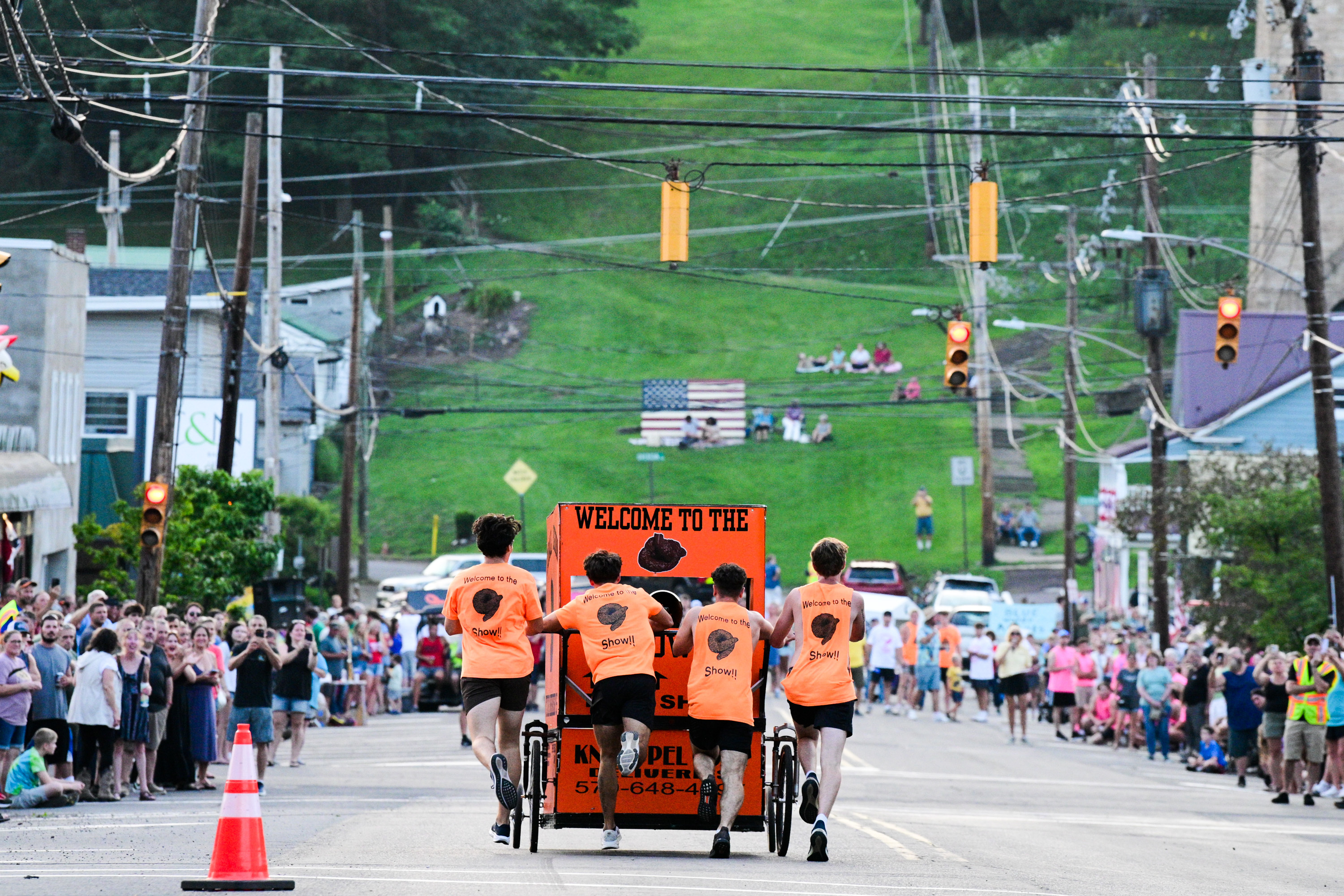
    DUSHORE, Pa. — The competitors were wiped, but they gathered at the starting line in this sleepy Sullivan County town for one last push on their custom-built toilets.

    “All right, this is it, folks,” emcee Gretchen Little announced. “Reputations are made. Legends are created. It’s all here, the drama, the triumph, the heartbreak. There’s nothing like the Dushore Outhouse Races.”

    A half-dozen or so teams began the Dushore Founder’s Day 26th Annual Outhouse Races earlier on this Saturday night in early August. One by one, they dropped, teams like the Blue Water Angels, Perfect Dump, and Royal Flush.

    The Coal Region Turd Herder’s team races down the hill on Main Street in Dushore, Pa.RALPH WILSON/For the Inquirer

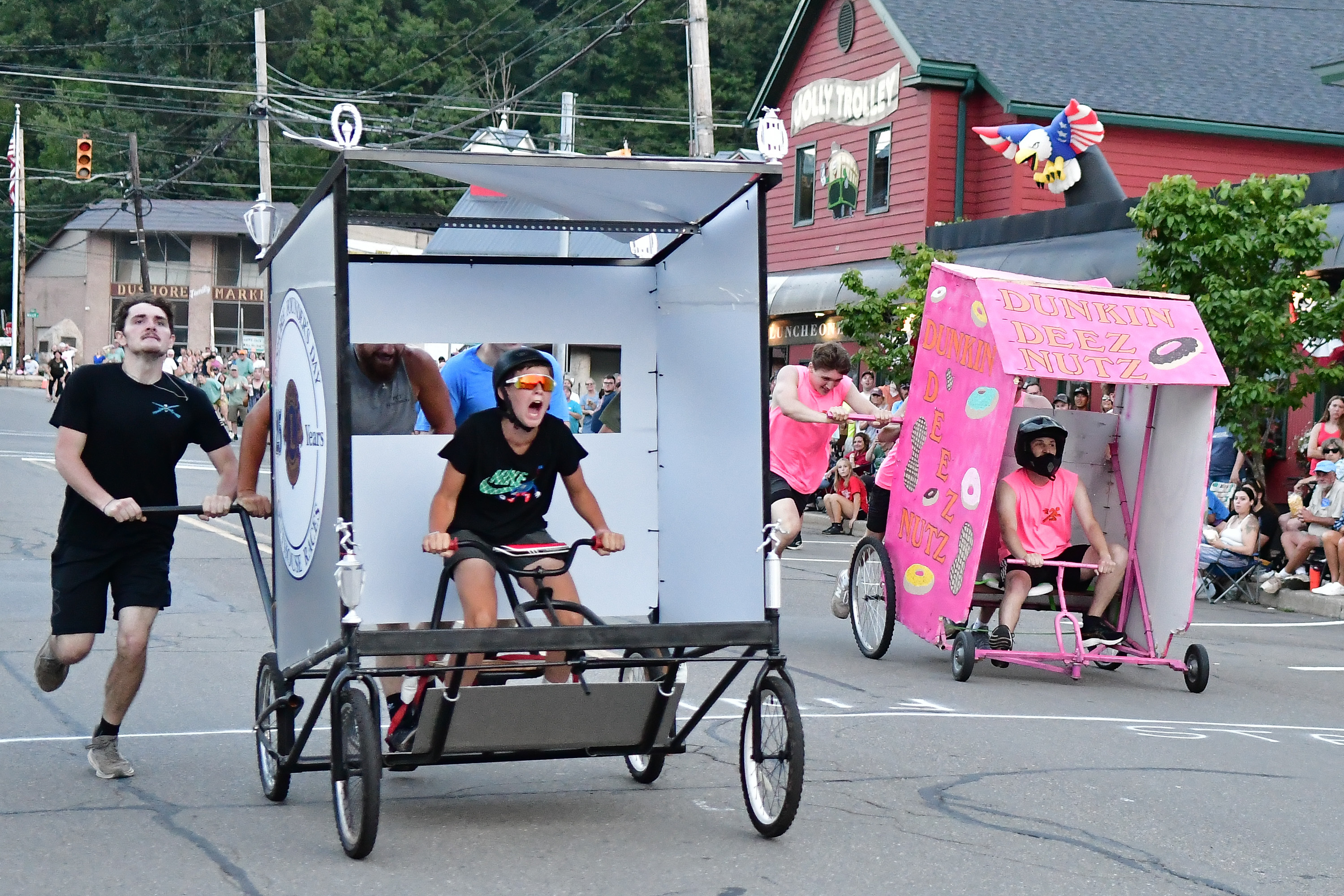
    Little let the crowd decide the best-looking outhouse before the final race. One of them was Steiny’s Heineys. Another team had a Dunkin’ Donuts theme with some unprintable potty humor.

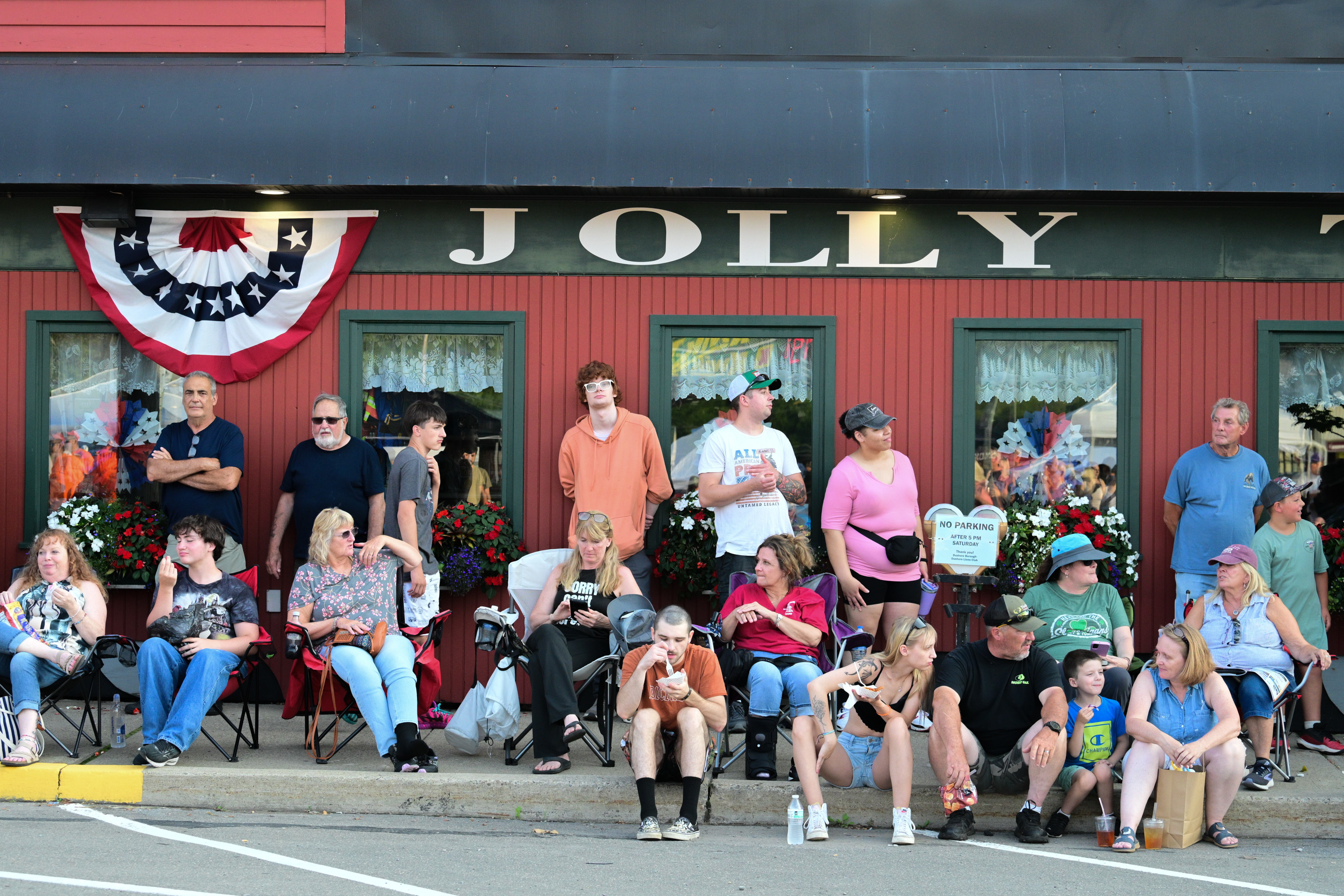
    The crowd itself was an anomaly in Dushore, easily four times bigger than its year-round population of about 450. Sullivan County, about 160 miles northwest of Philadelphia, is one of Pennsylvania’s most rural counties, and its population has been rapidly decreasing and aging for decades.
    “You come to this town tomorrow, you might not see a soul,” said Darryl Kashner, of Coal Township.

    The Lyons Club driver reacts as the team’s outhouse crosses the finish line in Dushore, Pa.RALPH WILSON/For the Inquirer

    Dushore’s Founder’s Day also included a 5k and a keg-rolling competition, but the crowds swelled on Main Street for the outhouses. Vendors included local wineries, coffee shops, and a Sullivan County artisanal broom maker that’s been in business for 100 years. Despite the crowd, many attendees said the turnout was smaller than usual.

    “It used to be much bigger,” said Greg DelBuono.

    The Steiny’s Heinys team races down the hill in Dushore, Pa., as part of the 2026 Founder’s Day festivities.RALPH WILSON/For the Inquirer

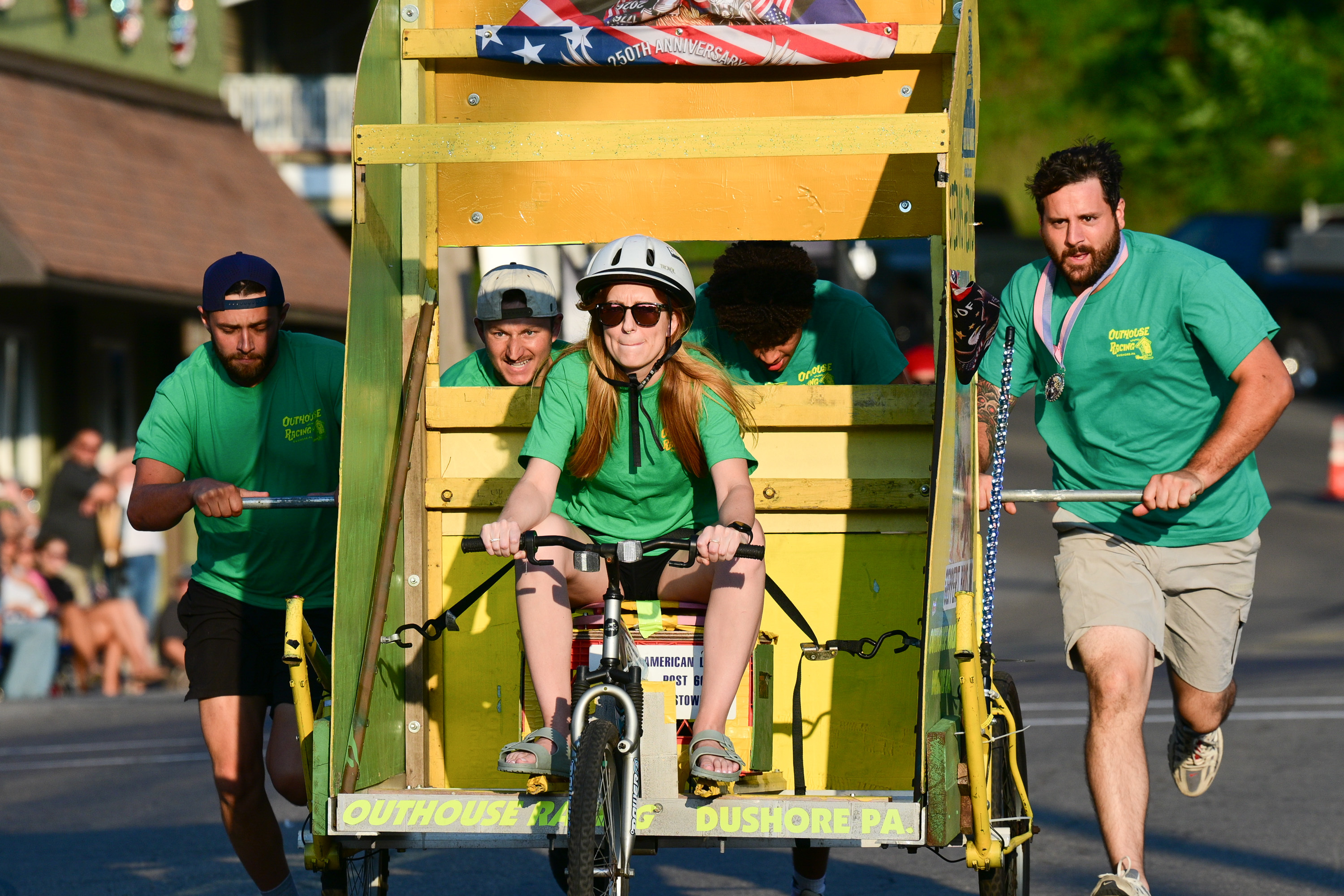
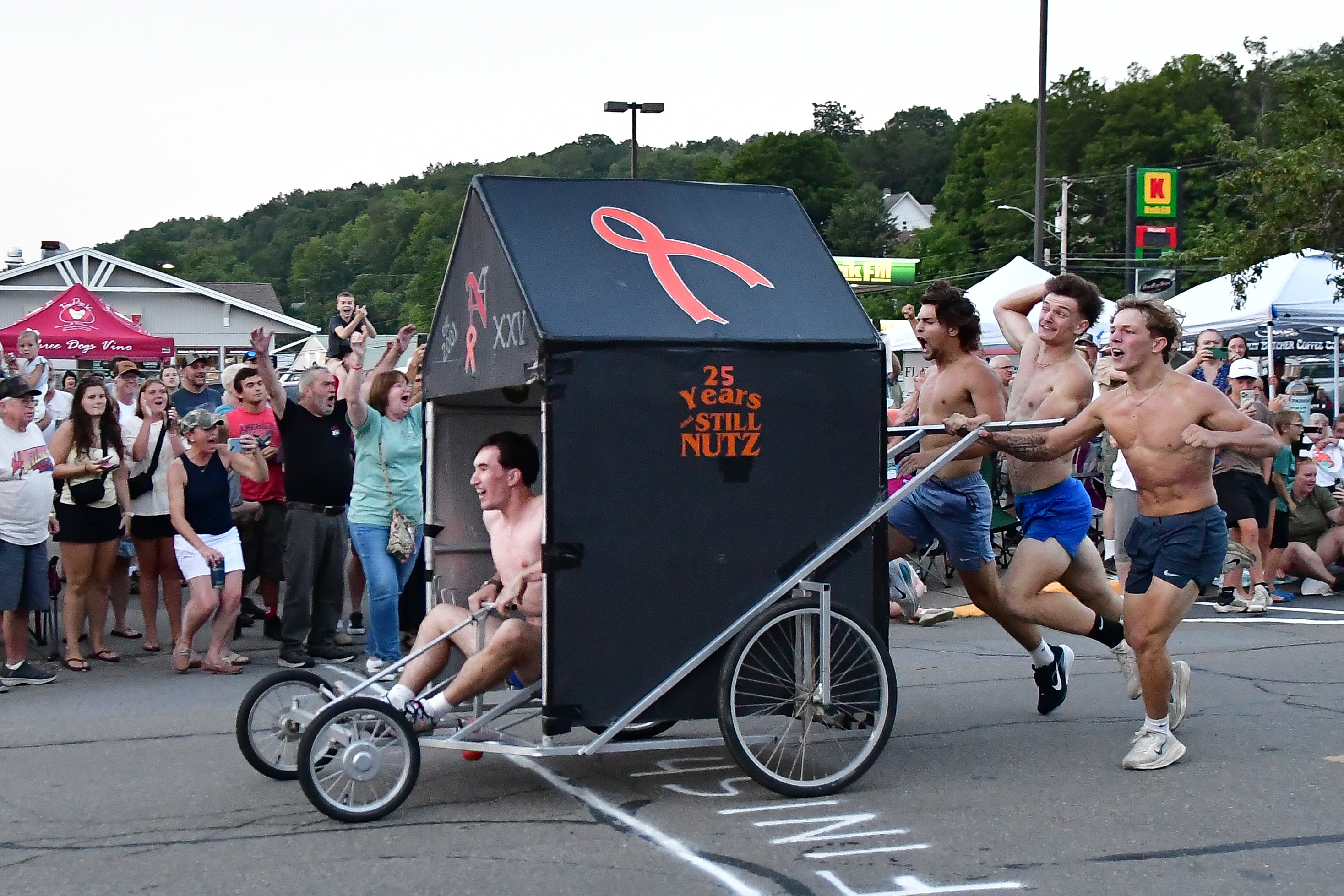
    Dushore’s outhouse races are essentially bobsledding on the street. The outhouse must have a real toilet seat, and most sit on simple aluminum frames with wheels.

    “Remember … this must look like an outhouse … be creative,” the rule book states.

    The Corkscrew Crew team races down the hill during the 2026 Dushore Founder’s Day festivities.RALPH WILSON/For the Inquirer

    The pilot sits on the throne, steering, while pushers line up outside. In Dushore, the best pushers were young and brawny, often sleeveless or shirtless. They came off the starting gun fast, racing uphill on Main Street. They passed through Sullivan County’s lone traffic light, swept around a memorial, and pushed back hard in the opposite direction, their legs burning.

    “It’s a young man’s game,” said Kyle Nolte, 39, of Forksville. “I did this about 25 years ago, but I hung it up.”

    The Coal Region Turd Herders were underdogs from the anthracite area south of Dushore, but they’d advanced to the finals by recruiting some real athletes — one of them was named “Speedy” — to do the pushing. Their outhouse was painted safety orange and featured a brown piece of, well you know, wearing sunglasses.

    Locals and visitors line Main Street to watch the 25th Annual Outhouse Races at the Dushore Founder’s Day.RALPH WILSON/For the Inquirer

    Like many people, Kashner discovered the races after he bought a hunting cabin in the area. Now, he pilots the Turd Herders’ outhouse.

    “We bought the camp, came down, and decided to build one,” Kashner said. “I’ve never seen anything like it.”

    Team Nutz, the local boys from Sullivan County, were perennial favorites at the races and faced off with the Turd Herders in the finals. The winners would come away with a trophy and a few hundred dollars, but the bragging rights were more important.

    The Dushore Lyons Club team race up the hill on Main Street during outhouse races at the Dushore Founder’s Day.RALPH WILSON/For the Inquirer

    When they rounded the memorial, the teams were neck and neck. The crowd was roaring. Cowbells were clanging.

    “This is close,” Little said. “This is real close.”

    Team Nutz, the locals, crossed first and dedicated their win to team founder Larry Kiess, who died at 36 in 2011.

    “We trained for this. We came down here this week and trained for this, and every dollar we win goes to a scholarship in Larry’s name at Sullivan County High School,” said team organizer Jeff Neary. “This is our 26th year racing outhouses.”

    Team Nutz celebrate their victory.RALPH WILSON/For the Inquirer
  • 🏁 Cycling Classic weekend is here | Outdoorsy Newsletter

    🏁 Cycling Classic weekend is here | Outdoorsy Newsletter

    August is nearly finished. Are you looking forward to the fall? I’d love to know what you like to do outside this season.

    In today’s edition:

    ☀️ Your weekend weather outlook: Splendid conditions. Light wind and little chance of rain.

    — Paola Pérez (outdoorsy@inquirer.com)

    If someone forwarded you this email, sign up for free here.

    On your marks

    It’s an all-day party. It’s considered one of the best summertime days in Philadelphia. And it’s finally back after a decade.

    The prestigious Cycling Class returns this weekend, attracting spectators and cycling enthusiasts from all over the city.

    ⏱️ The Classic kicks off Sunday and runs from 8:30 a.m. to around 4:45 p.m. The (free!) Fan Fest, located at the Iroquois Sculpture area by the Art Museum, will be open the entire weekend, from 10 a.m. to 5 p.m. Saturday and 8 a.m. to 5 p.m. Sunday.

    🚃 Consider public transportation to get to your spectating spot, as no parking is available and road closures and restrictions will be in effect. Don’t know where to go to watch the action unfold? We have you covered with our picks of the best spots, and information on nearby SEPTA stations.

    🚴 You could also bike to your spot. Organizers recommend riding to the course via the Schuylkill River Trail. Free bike valet parking is available at the Fan Fest and Lemon Hill.

    Use our guide to get ready for race day by taking a lap of the 14-mile course from start to finish, and to find all other important details about the race.

    News worth knowing

    🌳 Your outdoorsy experience

    Last week, Barbara B. showed us a massive mushroom sprouting from a cherry tree trunk. She followed up with more details:

    “I am not a forager but just appreciate odd and mysterious appearances in nature. Though from what I read about it, this fungus is probably in the process of destroying the tree from the inside.”

    Yikes. I recently noticed a similar fungus, brick reddish brown in color, growing at the base of a tree in my neighborhood. I wondered if the same thing might be happening there …

    📥 How about you, dear reader? What are you doing or seeing out there? I want to hear from you. Send me an email with any recent or past stories in nature (and pictures, if you have them). You may see it featured right here.

    An enduring mystery

    🎤 My colleague Jason Nark reports on rural communities far from city life. I’m passing him the mic for his latest dispatch out of Cumberland County, New Jersey.

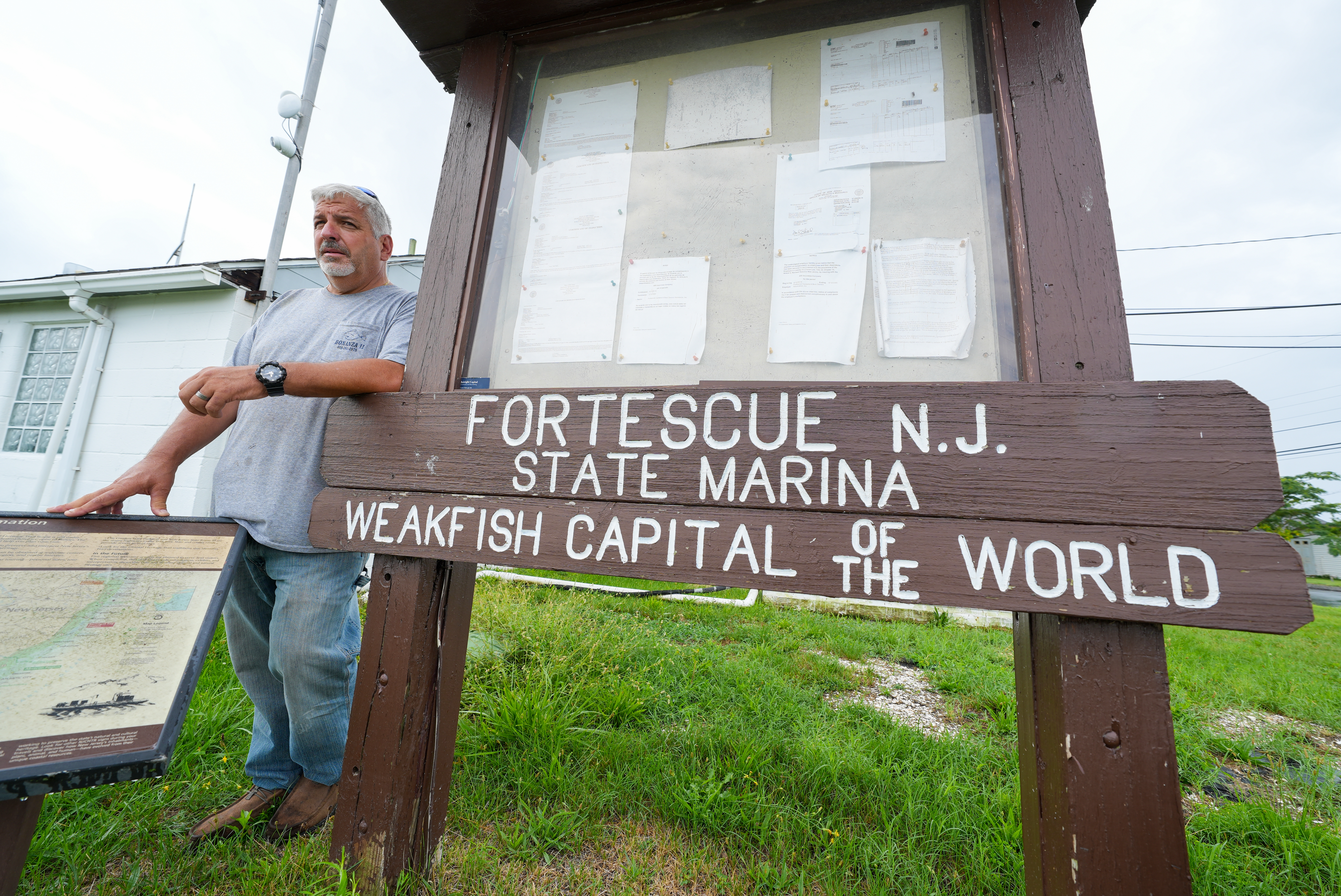
    Taxidermy and weathered photos line the walls at Higbee’s Bait and Tackle in Fortescue, artifacts from bygone days when the sleepy Delaware Bay town was truly the “weakfish capital of the world.”

    The taxidermy is a dusty, 12-pound “tide runner,” the nickname fishermen bestow on the biggest, trophy weakfish, a member of the drum family with a tan, often iridescent body and a reputation for fighting hard on a fishing line. The black-and-white photo shows a single fisherman standing beside his catch, about 30 weakfish of various sizes.

    Tide runners are unicorns today, a rarity on New Jersey coasts and across the bay, in Delaware. Catch limits enacted by state fisheries would prevent a single fisherman from catching dozens of fish today, though most would be happy with one legal keeper they could fry up in lemon and butter.

    Fishermen have plenty of theories about where all the weakfish have gone. They blame dolphins and dogfish for gobbling up the young; nuclear power plants; the rise of other popular game fish, like striped bass; and offshore seafood trawlers. — Jason Nark

    Keep reading on the peculiar decline of weakfish.

    Paola’s picks

    🌞 A song: “Summer Madness” by Kool and the Gang.

    💛 A sighting: A “superhero” Goldfinch that frequents Tom Pluck’s neighborhood.

    🎒 A cool human: Finn Fremstad, 18, biked roughly 2,000 miles from Colorado to Delco for his first day of school at Swarthmore.

    🦁 A moment of silence: May Makini the African lion rest in peace.

    🌃 An activity: Bring a picnic blanket and kick back at Philly’s Magic Gardens (Saturday, $30), and at Clark Park for the Ethiopian Day celebration (Sunday, free).

    A calming view

    Breathe in…and breathe out. I took this during a short hike on Monday.Paola Pérez

    Here’s the Wissahickon River, as seen from the Orange Trail portion of this loop that starts from Bells Mill Road East. (Turns out cast and crew of HBO’s Task were filming season two in the park that day, which explains why Bells Mill Road West was closed.)

    😊 Nature calls.

    Editor’s note: This has been updated to reflect

    By submitting your written, visual, and/or audio contributions, you agree to The Inquirer’s Terms of Use, including the grant of rights in Section 10.