Category: Wellness

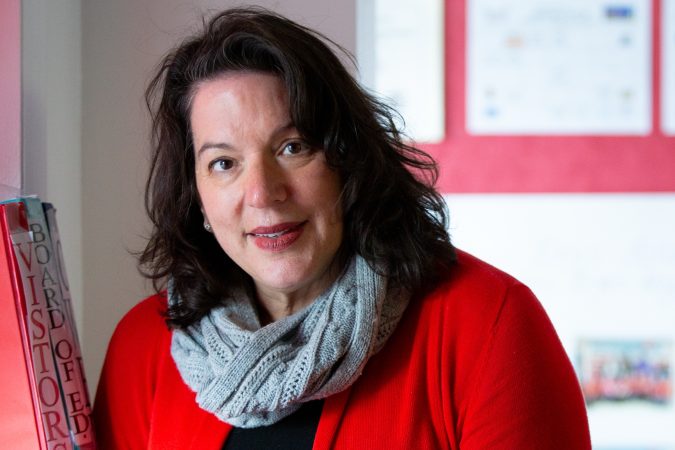
  • Robin Cogan, renowned Camden school nurse and national health and safety advocate, has died at 65

    Robin Cogan, renowned Camden school nurse and national health and safety advocate, has died at 65

    The letters that follow Robin Cogan’s name represent some of healthcare’s most impressive achievements. NCSN, nationally certified school nurse. FNASN, fellow of the National Academy of School Nursing. FAAN, fellow of the American Academy of Nursing. Also, RN and MEd.

    Then there are the awards. Two-time President’s Award winner from the National Association of School Nurses. The 2017 Population Health Hero Award from the New Jersey Department of Health. The Johnson & Johnson 2017 School Nurse of the Year. And many more.

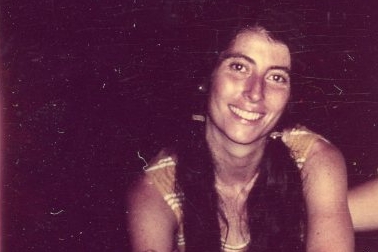
    Robin Cogan joined the Camden City School District as a school nurse in 2001 after training earlier as an art therapist and spending 14 years as a psychiatric clinical nurse and corporate health services manager. It was with the school district and its students, families, and staff where she really found her groove.

    For nearly three decades, Robin Cogan championed school safety and population healthcare, and advocated tirelessly for school nurses everywhere. Her website, blog, frequent podcast appearances, and wide-ranging institutional activism gave voice to school nursing stories, and combated gun violence and other pressing problems.

    She started blogging on RelentlessSchoolNurse.com in 2017 and cocreated the No More Empty Desks student art campaign in 2019 to memorialize students killed in gun violence. “Robin’s national reach and advocacy know no bounds,” a Camden colleague said on Facebook. “Robin Cogan is the embodiment of the school nursing profession.”

    On May 10, Robin Cogan blogged: “The profession is better, and so are countless children, because of the relentless, brilliant nurses who choose school nursing year after year.”
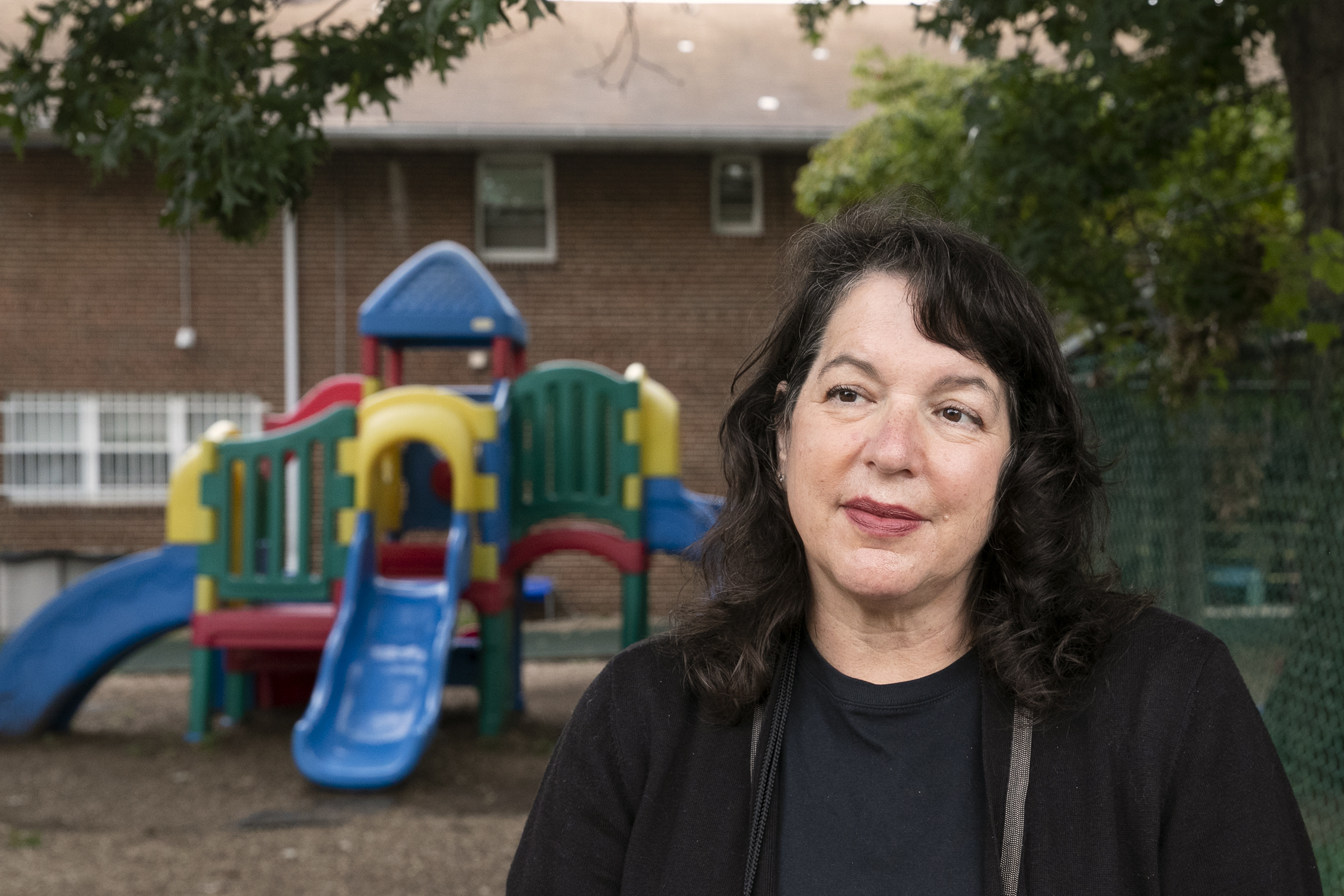
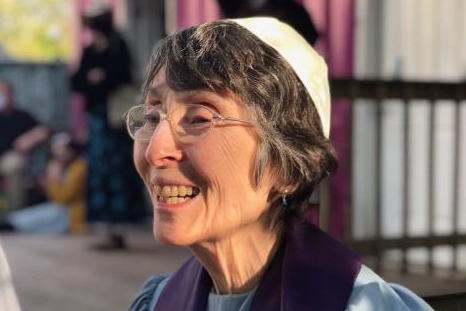
    Mrs. Cogan became a school nurse in Camden in 2001.Heather Khalifa / Staff Photographer

    On Thursday, June 11, Robin Cogan died of cancer at Cooper University Hospital in Camden. She was 65.

    “Robin dedicated her life to caring for others,” Pamela K. Clark, president of the Camden Education Association, said in a tribute. “Her work extended far beyond the walls of our schools, leaving a lasting impact on the profession she loved.”

    Born in Philadelphia, Mrs. Cogan graduated from Cherry Hill West High School in 1978 and earned a bachelor’s degree in art therapy and psychology in 1982 at what is now the College of New Jersey in Trenton. She gained her nursing credentials at the Helene Fuld College of Nursing in New York and Rowan University, and earned a master’s degree in clinical, counseling, and applied psychology at Wilmington University in Delaware in 2009.

    As a school nurse in Camden, she oversaw more than 900 students from preschool through eighth grade at Cooper’s Poynt School and, most recently, more than 400 students at three preschools. She took temperatures, counseled worried parents, and personally helped thousands of people weather the COVID-19 pandemic.

    “She influenced policy, championed health equity, elevated the role of school nurses,” a colleague said on Facebook, “and reminded us that one person truly can create ripples that become waves.”

    Mrs. Cogan was the New Jersey director for the National Association of School Nurses and taught in the school nurse certification program at Rutgers University-Camden. She earned grants, sat on boards, lectured around the country, wrote or cowrote dozens of columns, papers, and articles about health issues, and posted advice and information frequently on X, Bluesky, Facebook, and other online platforms.
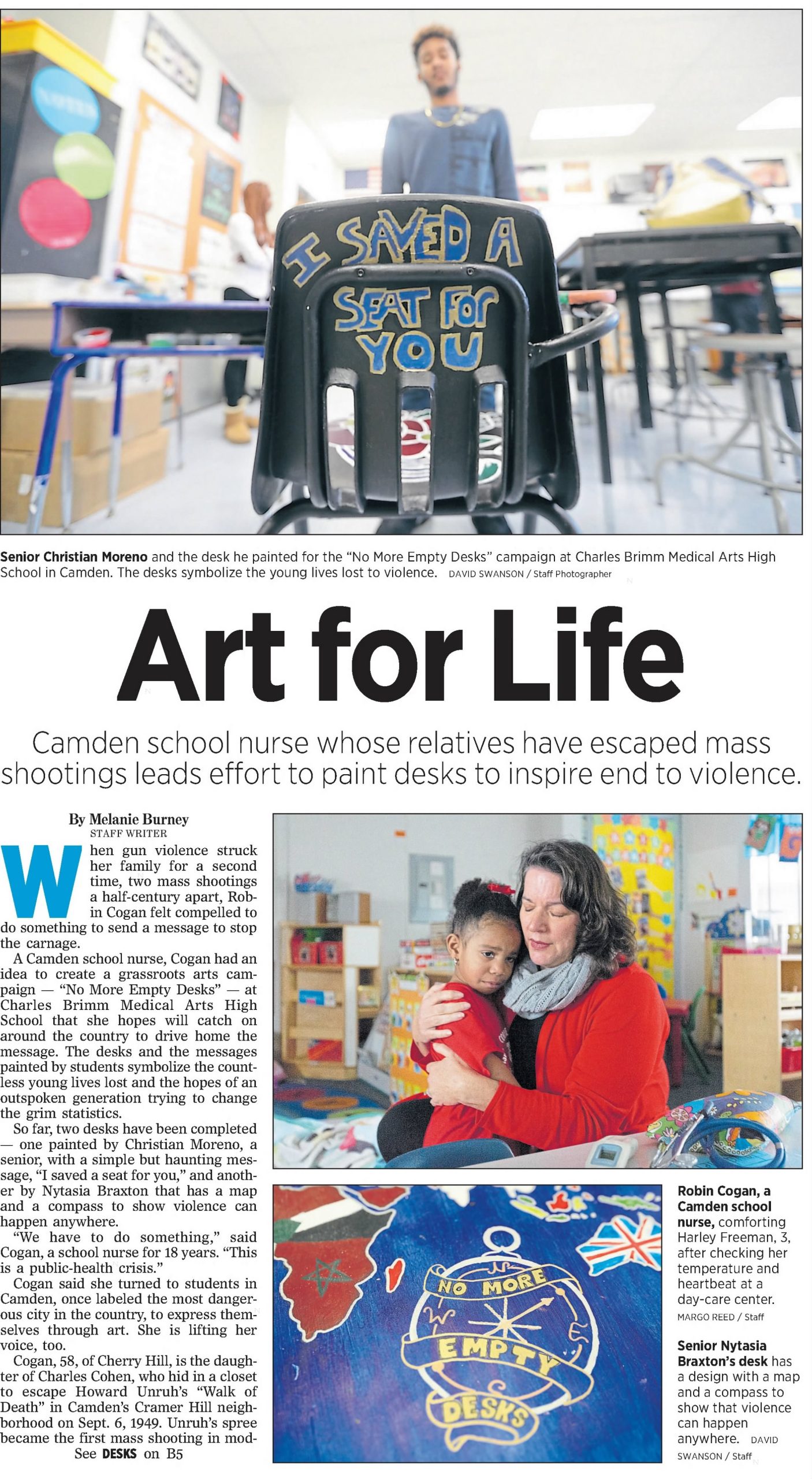
    The Inquirer published this story and photos about Mrs. Cogan’s art program in 2019.Newspapers.com

    She was featured in The Inquirer and other publications, and appeared on TV and radio programs and podcasts. She focused on “shared values” to connect people, she said often, and posted the motto for her Relentless Nurse website on the homepage: “Be relentless in your practice whatever it is.”

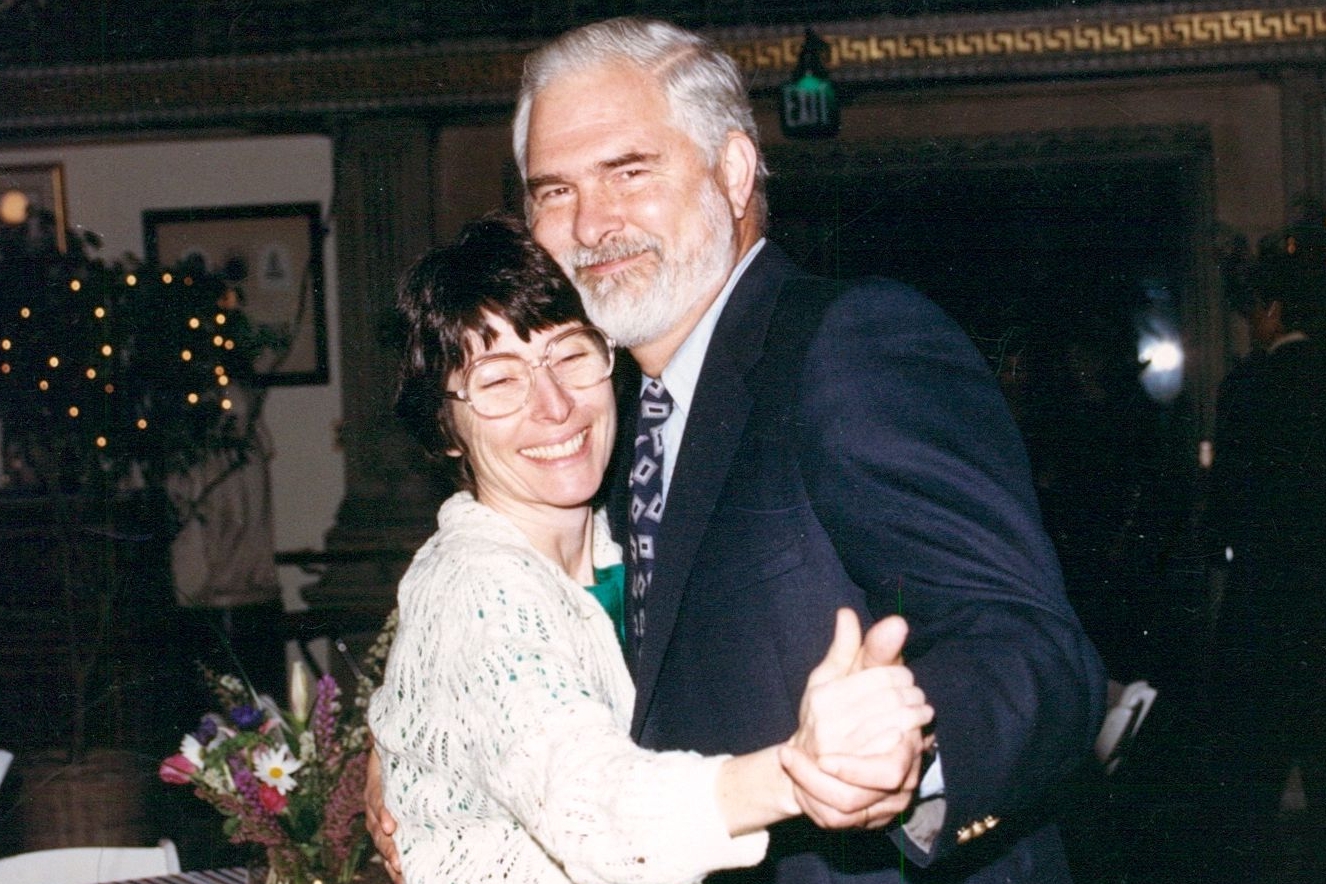
    Robin Michelle Cohen was born June 28, 1960. She met Ed Cogan in college, and they married in 1984, lived in Trenton and Cherry Hill, and had twin daughters Allie and Jill.

    Mrs. Cogan was driven to address gun violence, she said, after her father survived a mass murder in Camden in 1949, and her niece survived the 2018 mass shooting at Marjory Stoneman Douglas High School in Florida. “I hope my legacy is helping solve this crisis,” she told The Inquirer in 2022. “Don’t we owe that to our kids?”
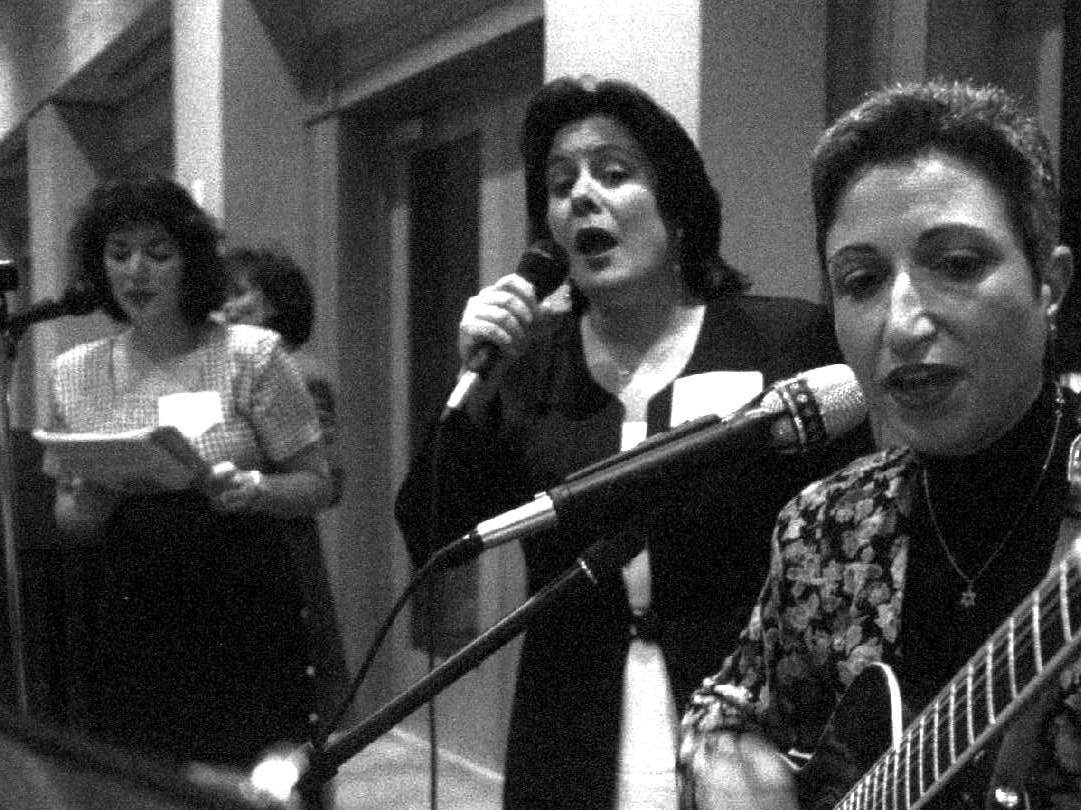
    This photo of Mrs. Cogan (left) and others at the old Temple Emanuel in Cherry Hill appeared in The Inquirer in 1996.Elizabeth Robertson / Staff Photographer

    She was a talented painter and designed a popular pin that she and a friend sold in a home-based spiritual jewelry and art business. She loved nature and 1970s folk music. She enjoyed hosting Thanksgiving dinners and visiting the Jersey Shore. She was one-time president of the old Temple Emanuel Sisterhood in Cherry Hill.

    “She was a helper,” said her daughter Allie. “She was good at relationships and never really turned off her working mind.”

    In addition to her husband and daughters, Mrs. Cogan is survived by a granddaughter, Nora, a nephew, Matthew, sisters Lori and Merri, and other relatives.

    Private services were held earlier. A celebration of her life is to be held later.

    Donations in her name may be made to Brady: United Against Gun Violence, 840 First Street N.E., Suite 400, Washington, D.C. 20002; and Grandparents for Vaccines.
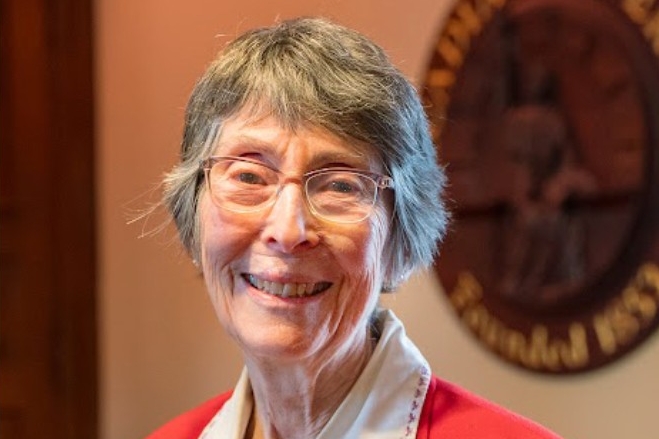
  • Phyllis Taylor, pioneering hospice nurse, celebrated prison chaplain, and renowned world peace activist, has died at 84

    Phyllis Taylor, pioneering hospice nurse, celebrated prison chaplain, and renowned world peace activist, has died at 84

    As a young nurse in Philadelphia, Phyllis Taylor met dying people desperate for hospice care. So she did it.

    She met people in prison desperate for a healthcare advocate and an empathetic chaplain. So she did that, too.

    In 1963, she met Sarah Baker and her family as they struggled to live as the first Black family in Folcroft, Delaware County. The Bakers were desperate for fearless allies to help fend off months of racism and violence. She also did that.

    For nearly her whole life, Phyllis Taylor championed peace, justice, and human rights, and helped people who were desperate. She got arrested for civil disobedience, cofounded and directed several nonprofit social service programs, and, with her husband, Richard, helped establish Witness for Peace in Nicaragua, and the Movement for a New Society in Philadelphia.

    She fed the hungry at St. Vincent de Paul Church, befriended immigrants and refugees with the New Sanctuary Movement, and comforted children and families at St. Christopher’s Hospital for Children. “Her entire life was about giving,” her son Dan said. “She refused to be someone who watched injustice and did nothing.”

    On Thursday, June 4, Phyllis Taylor died of endometrial cancer at KeystoneCare Hospice in Wyndmoor. She was 84.

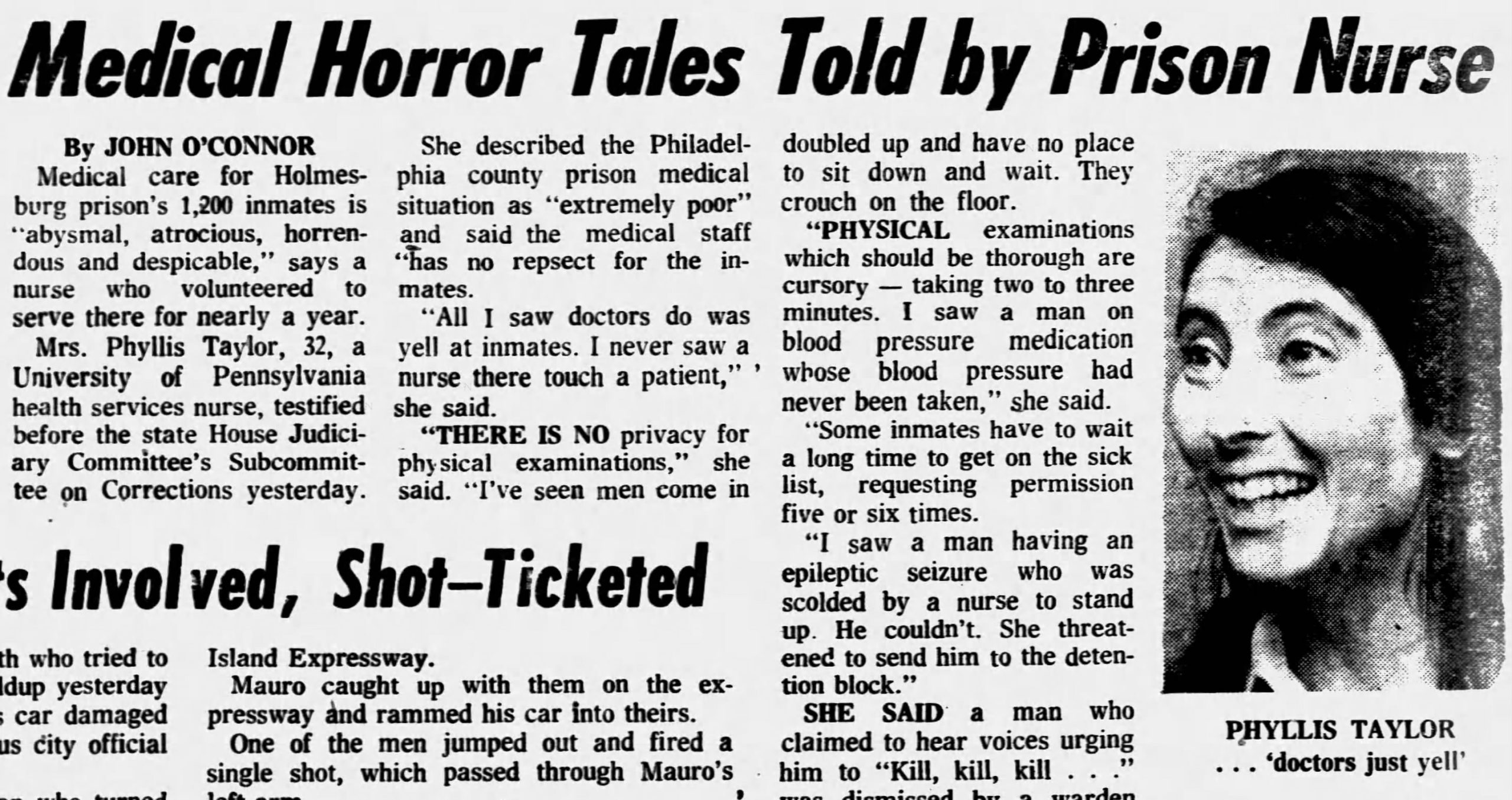
    The Daily News published this story about Mrs. Taylor in 1973.Newspapers.com

    “I really love what I do,” Mrs. Taylor told the Pennsylvania Prison Society in 2025. “I get the satisfaction of being able to journey with somebody, to let them know that they are not abandoned and alone.”

    Born in Brooklyn, N.Y., Mrs. Taylor earned a bachelor’s degree at what is now Arcadia University in 1963. After nursing school, she became a volunteer nurse and then a consultant for the University of Pennsylvania health services at Holmesburg Prison and elsewhere.

    She became senior counselor of hospice service for the new Death and Dying Program at Albert Einstein Medical Center’s Northern Division in 1978, and taught classes about death and grief, counseled parents whose babies had died, and comforted patients with terminal illnesses.

    Mrs. Taylor graduated from what was then known as Beaver College in 1963. It is Arcadia University now. Courtesy of the family

    She was featured in a 1980 story in the Sunday Inquirer called “The Gift of a Good Death” and said that her own health scares motivated her to embrace nursing. The horrors of the Holocaust, she said, compelled her to human rights activism, and the deaths of a friend, her brother, and her father moved her to hospice work.

    “It makes me happy to give someone the gift of a good death,” she told The Inquirer.

    Mrs. Taylor was also an enterostomal therapy nurse, head of the AIDS committee at the Philadelphia College of Osteopathic Medicine medical center, and director of education at the old Hospice of Delaware Valley. She wrote research articles for journals and letters to the editor, appeared on local TV and radio shows, and lectured often at conferences and seminars about death, grief, and medical and financial ethics. She never retired.

    Mrs. Taylor and her husband, Richard, traveled the world together fighting for peace, justice, and human rights. Courtesy of the family

    She went on Freedom Rides to integrate buses in the South and moved in temporarily with the Bakers as they sought to integrate Folcroft in the 1960s. In the 1970s, she demonstrated against the Vietnam War and America’s involvement in Iran and elsewhere.

    In the 1980s, she taught civil disobedience classes and protested violence at the border between Nicaragua and Honduras. In the 1990s and beyond, she volunteered to protect Muslims and Arabs from reprisals after the Sept. 11 attacks, traveled the world to decry pollution and unfair housing practices, and volunteered with Amnesty International and Planned Parenthood.

    She earned credentials as a chaplain and volunteered for decades with the Pennsylvania Prison Society to counsel and advocate for crime victims and prisoner rights. She was featured in the 2016 documentary Blockade, named the Prison Society’s Volunteer of the Year in 2022, and honored at Arcadia’s 2025 Women Who Lead Forum.

    As a chaplain, Mrs. Taylor officiated at weddings and funerals, and advocated for prison reform.Courtesy of the family

    “She felt a deep unwavering need to dedicate all her waking time to marginalized populations,” her son said. “Someone called her a merging of Ruth Bader Ginsburg and Mother Teresa.”

    Phyllis Claire Brody was born Aug. 10, 1941. She grew up Jewish in Lawrence, N.Y., and joined a Quaker meeting after she moved to Philadelphia.

    She met fellow peace activist Richard Taylor at a civil rights event in 1962, and they married in 1963 and lived in Germantown, Mount Airy, and West Philadelphia. They reared their son, Dan, and daughter, Deborah, and welcomed Blessing Mtshali and other children and families into their home for extended stays. Her husband died in 2024.

    Mrs. Taylor and her husband liked to hike and canoe. She lived with lupus and mailed handmade birthday cards to family and friends year after year.

    “What a life well lived,” her son said.

    In addition to her children, Mrs. Taylor is survived by her sisters, Margaret Noonan and Audrey Randolph, many grandchildren and great-grandchildren, and other relatives. A brother died earlier.

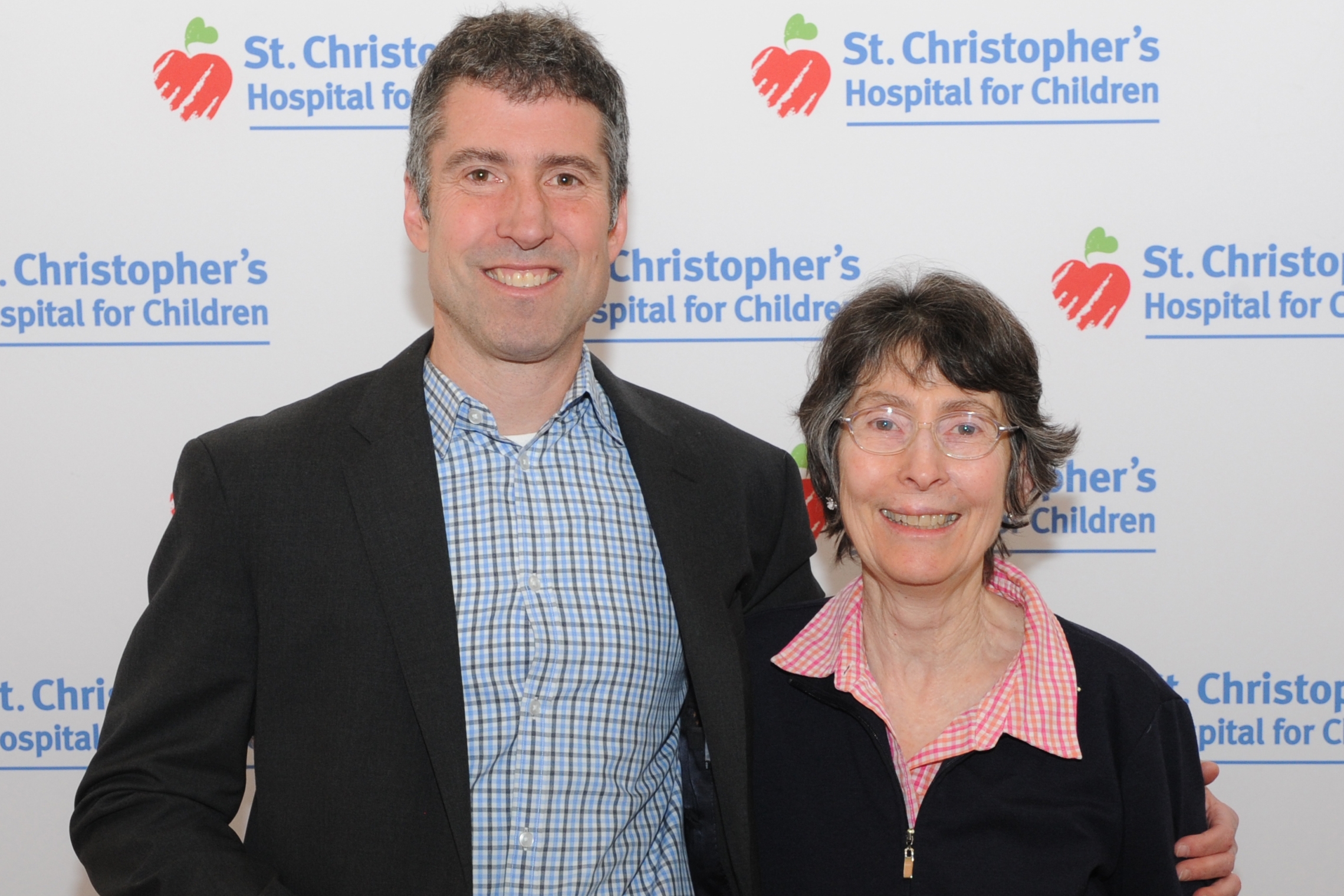
    Mrs. Taylor stands with her son Dan in 2017.Handout

    A celebration of her life is to be held at 2 p.m. Sunday, Sept. 20, at Germantown Monthly Meeting, 47 W. Coulter St., Philadelphia, Pa. 19144.

    Donations in her name may be made to the New Sanctuary Movement of Philadelphia, Box 46242, Philadelphia, Pa. 19160; and Face to Face, 123 E. Price St., Philadelphia, Pa. 19144.

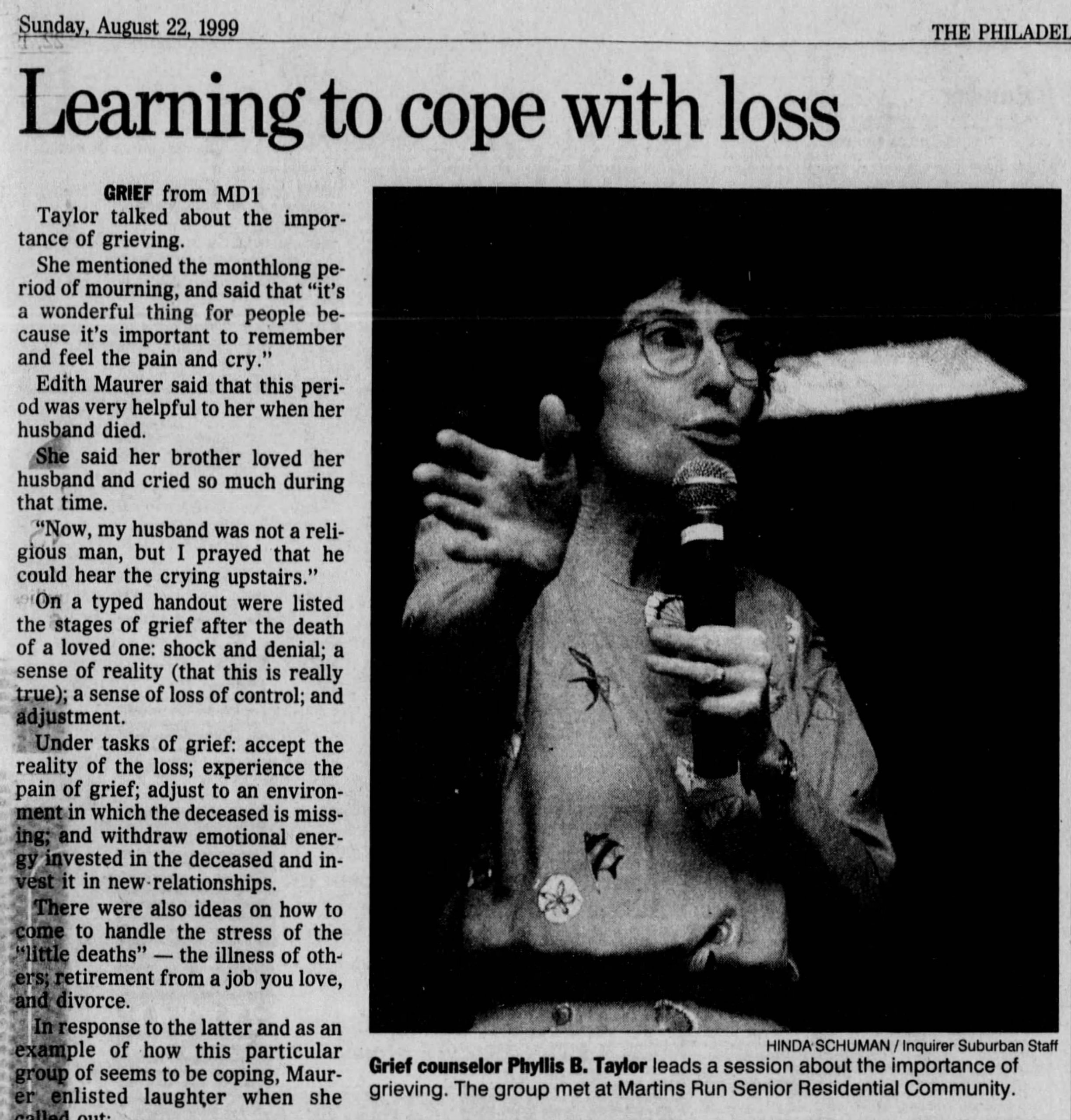
    Mrs. Taylor was featured in The Inquirer in 1999.Newspapers.com
  • The Delco 10 Miler is back with a new course and twice as many runners

    The Delco 10 Miler is back with a new course and twice as many runners

    The Delco 10 Miler race is back for what organizers hope will be a bigger and better second lap. Changes for 2026 include a revised course, more than twice the number of runners, and a faster pace requirement.

    The race will take place on Oct. 4. Registration is open. This year’s race will be capped at 2,500 runners, up from 1,200 last year. About 700 runners registered in the first 24 hours, race director Kevin Nolan said.

    While the inaugural race was largely seen as a success by race organizers and runners, Nolan said, there were still some issues to address, particularly along the route.

    Some residents and drivers passing through the area were unhappy with road closures, which cut a long swath across the county. The course‘s adjustments should mean fewer closures along main roads.

    “Logistically with all this traffic, it’s a tough race to manage,” Nolan said. “It’s tougher than the Philadelphia ones … because I’ve talked to all the race directors and they don’t have the issues that we have to deal with, with all this traffic.”

    Course changes

    The race will again start at Rose Tree Park in Upper Providence and end at Subaru Park in Chester. Last year, the race shut down parts of Route 252 and Route 320, as well as portions of Third, Fourth, and Fifth Streets in Chester, including a loop that took runners past Subaru Park before returning.

    (function() {
    var l2 = function() {
    new pym.Parent(‘delco_10_miler_2026’,
    ‘https://media.inquirer.com/storage/inquirer/projects/innovation/arcgis_iframe/delco_10_miler_2026.html’);
    };
    if (typeof(pym) === ‘undefined’) {
    var h = document.getElementsByTagName(‘head’)[0],
    s = document.createElement(‘script’);
    s.type = ‘text/javascript’;
    s.src = ‘https://pym.nprapps.org/pym.v1.min.js’;
    s.onload = l2;
    h.appendChild(s);
    } else {
    l2();
    }
    })();

    This year, runners will turn west on Rose Valley Road in Nether Providence and travel through residential streets before crossing Route 320 and heading into Chester and Widener University’s campus. The course crosses I-95 on the Melrose Avenue bridge again before heading south toward Subaru Park. The loop at the end has been eliminated.

    The new course:

    • Starts at Rose Tree Park South on Providence Road/Route 252 
    • Right on West Rose Valley Road 
    • Left on Bickmore Drive 
    • Left on Sheffield Drive 
    • Left on Georgetown Road (becomes Media Parkway) 
    • Left on Chestnut Parkway (becomes Chestnut Street) 
    • Right on East 18th Street 
    • Left on Walnut Street 
    • Left on East 14th Street 
    • Right on Melrose Avenue 
    • Right on Morton Avenue 
    • Right on East Fifth Street 
    • Left on Penn Street 
    • Right on West Third Street 
    • Right on Tillman Street 
    • Left on West Fourth Street 
    • Left on Rainey Street 
    • Ends at Union Yards at Subaru Park 

    Getting the word out

    Some residents complained to race organizers that they weren’t told ahead of time that their streets were being closed.

    “As much as you try to get the word out, there are people that don’t know,” Nolan said. “So you have to do more.”

    This year, volunteers will walk some sections of the route ahead of time to let residents know about the race and road closures, Nolan said.

    St. John Chrysostom Catholic Church in Nether Providence told the Delco Times last year that the parish was not consulted about the race, which took place on a Sunday and impacted their Mass schedule. This year’s route avoids St. John’s, as well as St. Katharine Drexel Catholic Church in Chester and some fire departments.

    Faster pace

    In another change this year, the race will have a faster pace requirement. Runners will have to maintain a minimum pace of 13 minutes, 30 seconds per mile. Last year’s minimum pace was 15 minutes per mile.

    “Police are after us to open the course up. They were pretty aggravated last year with all the walkers,” Nolan said. “You hate to kick someone off the course.”

    A few more quality-of-life improvements include more bathrooms at the start and at water stops. There will also be four staggered starts based on runner speeds.

    The race will benefit The HEADstrong Foundation, Elwyn, The Riddle HealthCare Foundation, and Delco Volunteers.

    This suburban content is produced with support from the Leslie Miller and Richard Worley Foundation and The Lenfest Institute for Journalism. Editorial content is created independently of the project donors. Gifts to support The Inquirer’s high-impact journalism can be made at inquirer.com/donate. A list of Lenfest Institute donors can be found at lenfestinstitute.org/supporters.