Category: Health Costs

  • Reed E. Pyeritz, pioneering medical geneticist and Penn professor emeritus, has died at 78

    Reed E. Pyeritz, pioneering medical geneticist and Penn professor emeritus, has died at 78

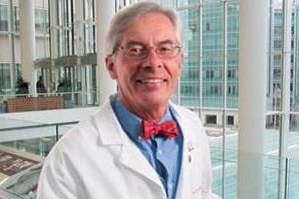
    Reed E. Pyeritz, 78, of Radnor, pioneering medical geneticist, cofounder of the Marfan Foundation and the American College of Medical Genetics and Genomics, professor emeritus of medicine and genetics at the University of Pennsylvania, author, mentor, veteran, and nationally ranked masters triathlete, died Monday, Aug. 10, of interstitial lung disease at Bryn Mawr Hospital.

    Dr. Pyeritz was a trailblazing expert on the diagnosis and treatment of Marfan syndrome and other inherited cardiovascular disorders. His 44 years of research and clinical work, from 1978 to 2022, advanced the understanding and management of the diseases, and extended the life expectancy of Marfan patients by 30 years.

    “So many of us in the community owe Reed so much,” Bert Medina, board chair of the Marfan Foundation, said in a tribute. “His legacy lives on in all of us, thanks to his dedication.”

    In an online tribute, a relative of former patients said: “Without this amazing doctor, I wouldn’t have my sister or dad. He changed the world for Marfan patients and their families.”

    Dr. Pyeritz joined the faculty at Penn in 2001 and spent more than 20 years treating patients, teaching students, doing landmark studies on the value and social implications of genetic testing, and championing patient-centered care. He was codirector of Penn’s research center on hereditary hemorrhagic telangiectasia, onetime chair of the faculty senate, and a fellow at the College of Physicians of Philadelphia and other medical associations.

    His “vision and scholarship fundamentally transformed the care of patients,” Nimesh D. Desai, director of the Penn Aorta Center, said on X.

    Before Penn, Dr. Pyeritz spent nine years in Pittsburgh with what is now the Allegheny Health Network and 17 years at the Johns Hopkins University School of Medicine in Baltimore. In 1991, his team at Hopkins discovered that mutations in the FBN1 gene cause Marfan syndrome and followed up with new regimens to treat it.

    He cofounded the Marfan Foundation in 1981 and the American College of Medical Genetics and Genomics in 1991. “It became clear that folks with Marfan syndrome could benefit by an organization that allowed them to communicate [and] to stimulate other physicians to become involved,” he said in a 2018 video interview.
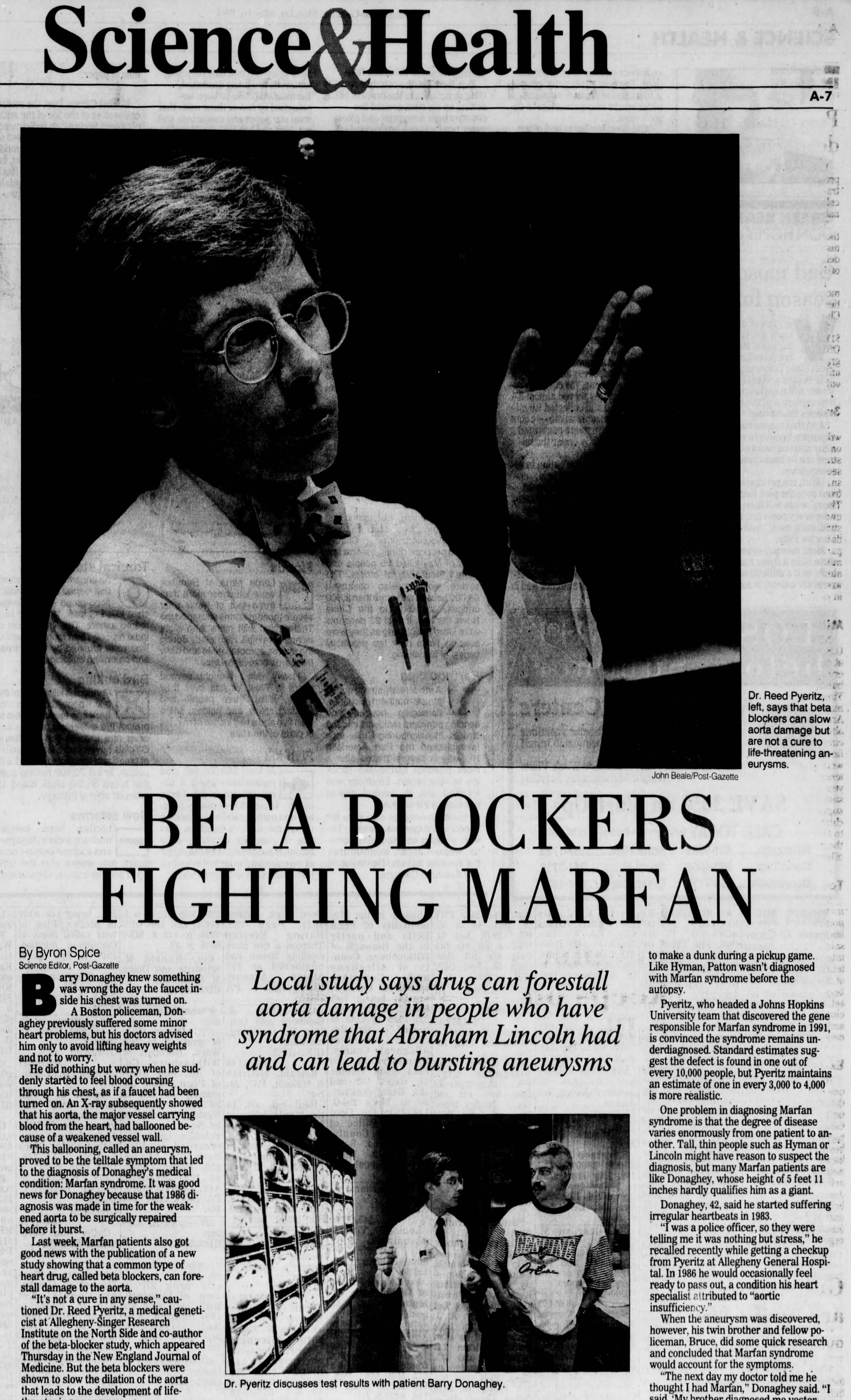
    This story and photos about Dr. Pyeritz appeared in the Pittsburgh Post-Gazette in 1994.Newspapers.com

    Colleagues, friends, and former patients called him “a phenomenal physician,” “a guiding light,” and “an extraordinarily reassuring presence” in online tributes. In 2018, he said: “The most gratifying thing is the fact that folks [with Marfan syndrome] are living their normal life expectancy.”

    Dianna Milewicz, chair of the John Ritter Foundation advisory board, noted his “excellence in clinical care, teaching, and research” on Facebook. Michael L. Weamer, president and CEO of the Marfan Foundation, called him “a true hero” and said his “impact on our community is immeasurable.”

    Dr. Pyeritz edited medical reference books and wrote The Marfan Syndrome and Uncertain Precision: Managing Health Care with Personalized Technologies. More than 700 of his research studies, reviews, and book chapters were published.

    He served 13 years in the Army Reserve Medical Corps and earned lifetime achievement awards from the Marfan Foundation, the American College of Medical Genetics and Genomics, and other groups.
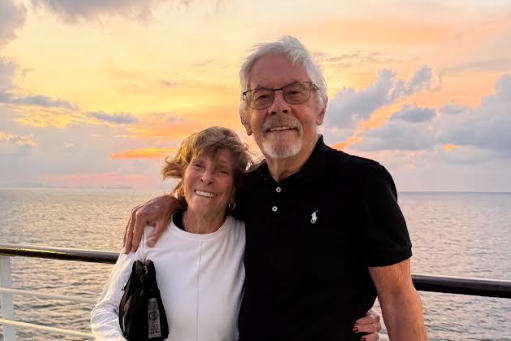
    Dr. Pyeritz and his wife, Jane Tumpson, married in 1972.Courtesy of the family

    On weekends, he did marathons and triathlons, and was part of a world record 100-man, 100-mile relay. His family said in a tribute: “He measured a successful life less by titles or awards than by what one gives, what one learns, whom one loves, and what one leaves behind in others.”

    Reed Edwin Pyeritz was born Nov. 2, 1947, in Pittsburgh. He was fascinated by science and space as a boy, and he built rockets in his backyard and performed scientific experiments in his bedroom.

    He earned a bachelor’s degree in chemistry at the University of Delaware in 1968, a master’s degree and doctorate in biological chemistry at Harvard University in 1972, and his medical degree at Harvard in 1975.

    He met Jane Tumpson in first grade, and they graduated together from Mount Lebanon High School near Pittsburgh in 1965. They reconnected on the tennis court a few years later, married in 1972, and had daughters Allyson and Abigail.

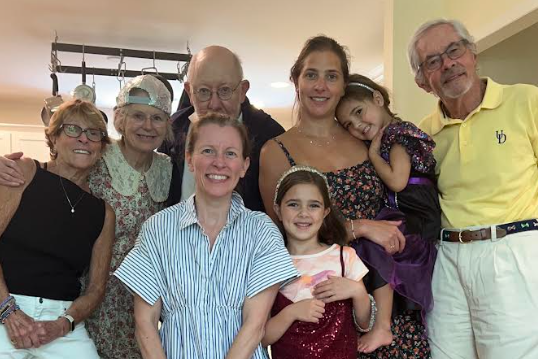
    Dr. Pyeritz, left in the top photo and right in the bottom photo, enjoyed time with his family.Courtesy of the family

    Dr. Pyeritz and his wife honeymooned on Mount Kilimanjaro in Africa and traveled the world together for years. In April, the whole family went to Spain.

    He liked to wear bow ties, build stone walls, watch the news, and spend time outside with his dogs. He followed the Pittsburgh pro sports teams closely and enjoyed Manhattans and chocolate milkshakes.

    “I will miss it all,” he told colleagues at Cure HHT when he retired a few years ago. “But I am certainly looking forward to spending time with my two granddaughters, Tallulah and Penelope.”

    His daughters said: “Ever an adventurer, he instilled in us the importance of making the most of every day, watching the sunrise or sunset, and cherishing the time you have.”

    His wife said: “He loved without exception and reservation.”

    In addition to his wife, daughters, and granddaughters, Dr. Pyeritz is survived by son-in-law Keith Hopkins and other relatives. A brother died earlier.

    A celebration of his life is to be held later.

    Donations in his name may be made to the Marfan Foundation, 22 Manhasset Ave., Port Washington, N.Y. 11050.
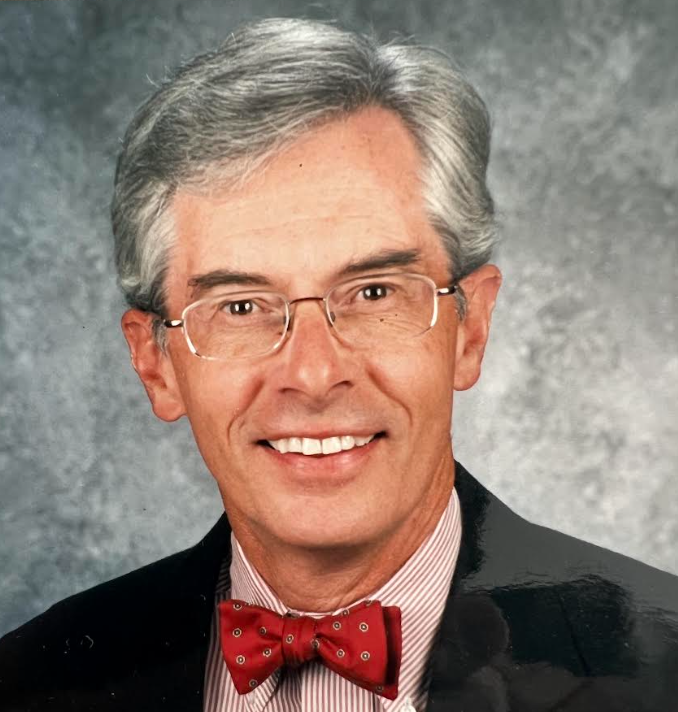
    Dr. Pyeritz “loved without exception and reservation,” his wife said.Courtesy of the family
  • Leonard Abramson, founder of U.S. Healthcare and prolific philanthropist, has died at 93

    Leonard Abramson, founder of U.S. Healthcare and prolific philanthropist, has died at 93

    Leonard Abramson, 93, of Jupiter, Fla., a former pharmacist, founder, chair, and chief executive officer of U.S. Healthcare Inc., author, trustee emeritus at Johns Hopkins University, and one of the world’s most generous cancer research and clinical care philanthropists, died Saturday, July 4, of age-associated decline at his home in Blue Bell, Montgomery County.

    Born and reared in the Strawberry Mansion section of Philadelphia, Mr. Abramson earned degrees at Pennsylvania State University and the old Philadelphia College of Pharmacy. He worked as a pharmaceutical salesperson, pharmacist, and hospital management executive in the 1960s, founded U.S. Healthcare in 1975, and nurtured the company into one of the country’s first and largest health maintenance organizations.

    “Abramson accurately predicted the need for prepaid medical plans to manage spiraling medical spending in the ’60s and ’70s and founded U.S. Healthcare to capitalize on this opportunity,” officials at Harvard Business School said when they named him one of their Great American Business Leaders of the 20th Century.

    Under Mr. Abramson, U.S. Healthcare was known for promoting childhood immunizations, mammograms for older women, reduced fees to specialists, and shorter hospital stays. He championed strict standards and accountability for medical professionals, and criticized those who abused a healthcare system then rife with loopholes.

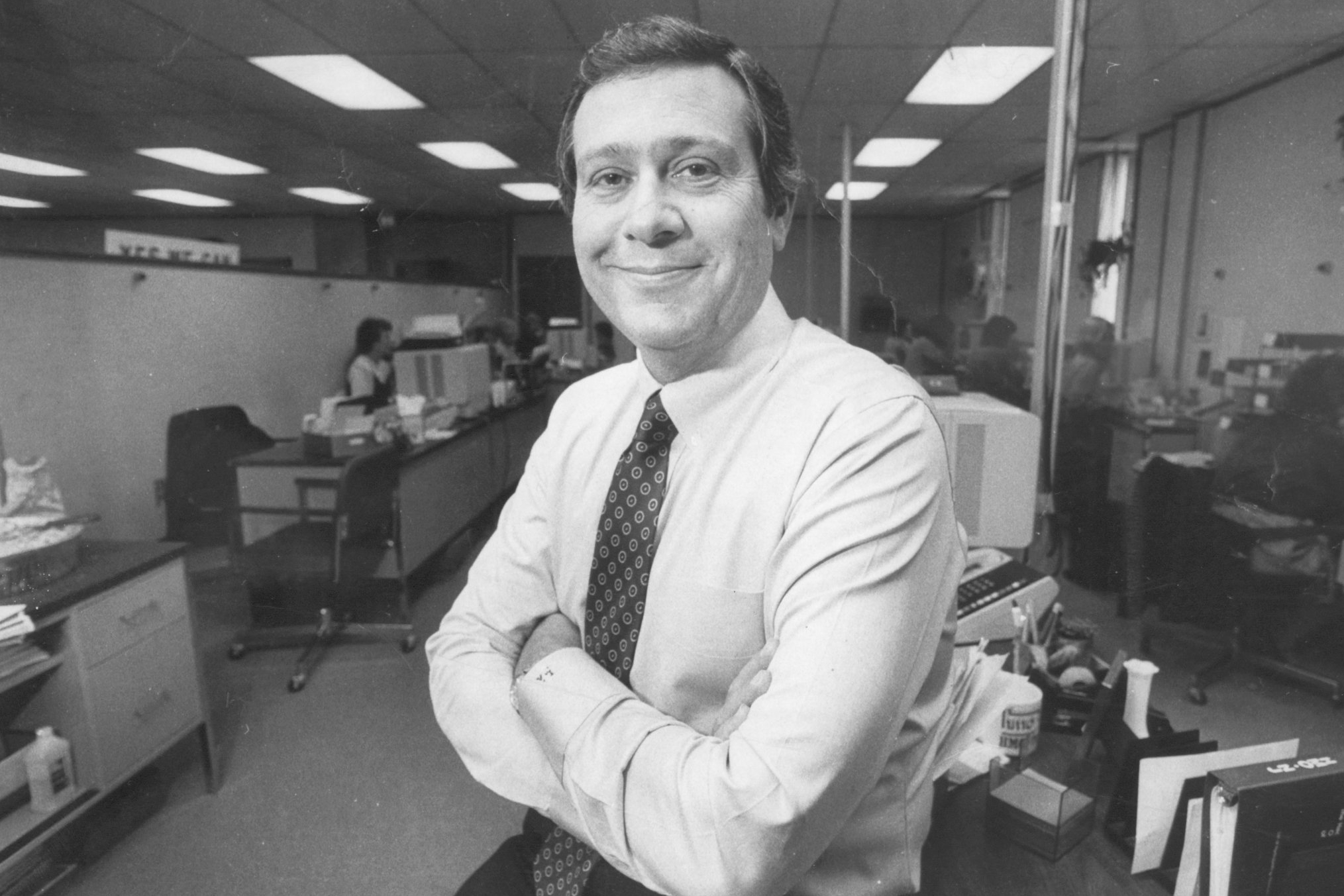
    Mr. Abramson “was a brilliant man whose leadership and vision made the company truly exceptional,” a former colleague at U.S. Healthcare said in a tribute.Larry Price / Staff Photographer

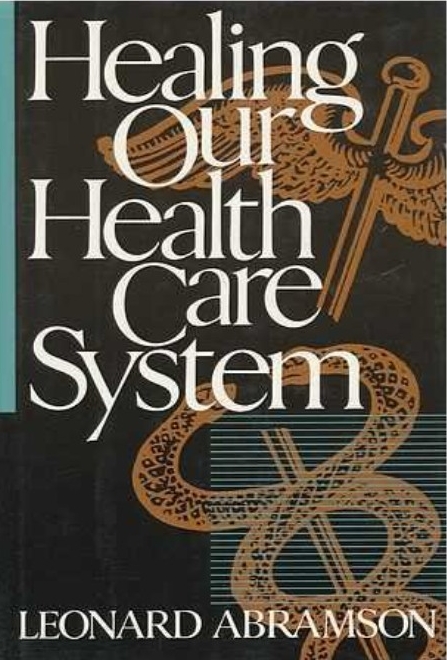
    He wrote Healing Our Health Care System in 1990, and told The Inquirer: “If industry leaders know there are solutions, they’re going to call for them. Innovation leads to emulation.” In 1996, he sold U.S. Healthcare to Aetna Life & Casualty Co. for $8.9 billion, established the Abramson Group, and consulted for Aetna and other companies.

    “He was a brilliant man whose leadership and vision made the company truly exceptional,” a former colleague at U.S. Healthcare said in a tribute. Another said: “He encouraged a commitment to customer service that stayed with me throughout my career.”

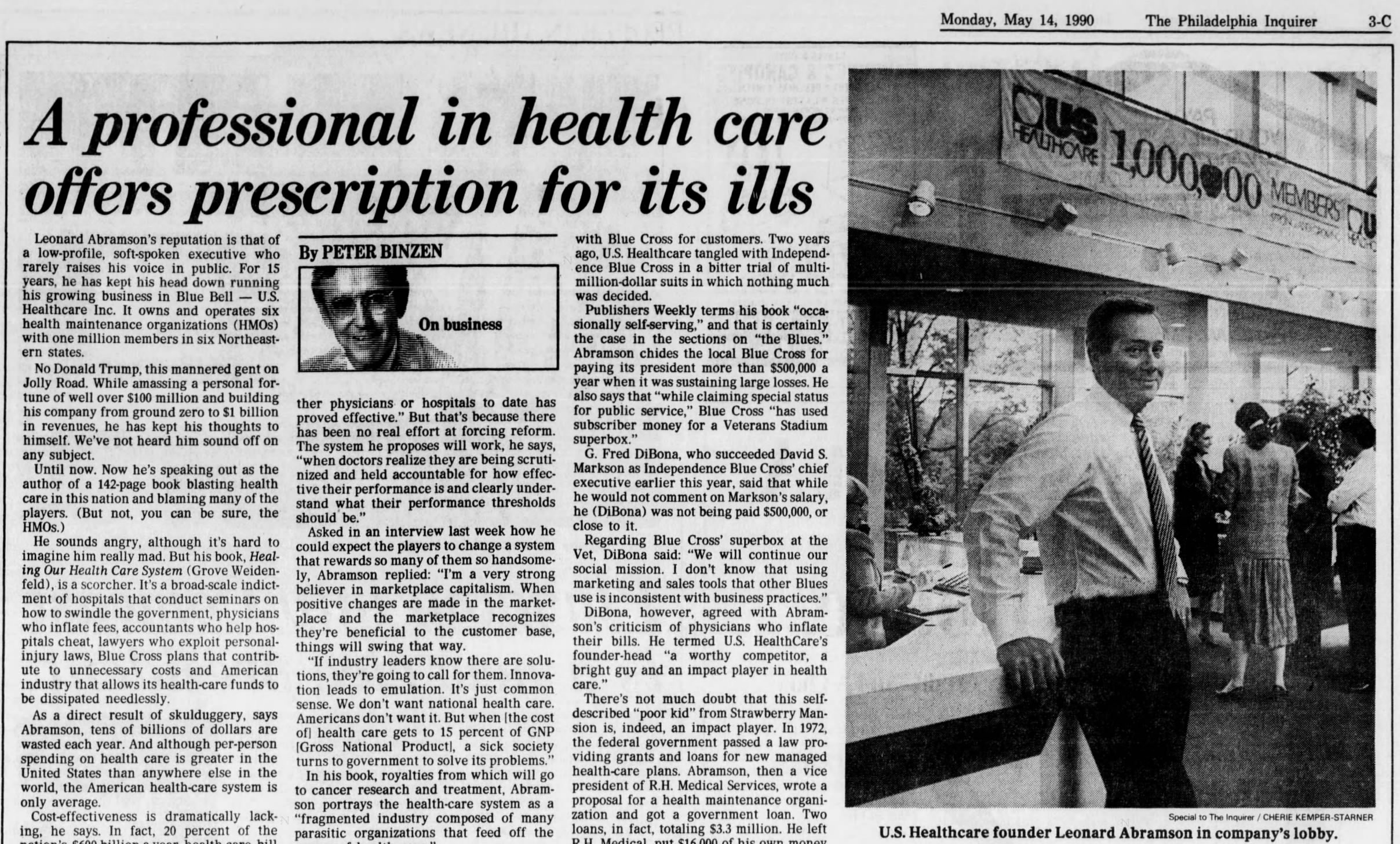
    Routinely one of the highest-paid CEOs in the Philadelphia region, Mr. Abramson was a “low-profile, soft-spoken executive who rarely raised his voice in public,” Inquirer business writer Peter Binzen said in 1990. A former colleague at U.S. Healthcare said: “I never worked for a better man.”

    As a philanthropist, Mr. Abramson and his wife, Madlyn, established the Leonard and Madlyn Abramson Family Foundation in 1996 and donated more than $140 million to the University of Pennsylvania’s Perelman School of Medicine and the Penn Medicine network. In 2002, Penn Medicine renamed its main cancer facility in University City the Abramson Cancer Center.

    This article and photo of Mr. Abramson appeared in The Inquirer in 1990.Newspapers.com

    In a tribute, officials at Penn said he “touched countless lives across the world through his generosity, compassion, and leadership.”

    Mr. Abramson and his wife also funded the Madlyn and Leonard Abramson Professorship in Clinical Oncology at Perelman, the Abramson Family Cancer Research Institute, the Abramson Family Professorship in Sarcoma Care Excellence, and the Abramson Family Professorship in Anesthesiology.

    At Children’s Hospital of Philadelphia, they supported the Leonard and Madlyn Abramson Pediatric Research Center and a pediatric emergency department at CHOP’s hospital in King of Prussia. In 2013, they donated $10 million to fund scholarships at the Temple University dental school.

    They also financed the Madlyn and Leonard Abramson Center for Jewish Life senior living center in North Wales, Abramson Senior Care in Jenkintown, the Abramson Senior Care Foundation, and other groups. At Johns Hopkins in Baltimore, they endowed a professorship in neurodegenerative diseases.

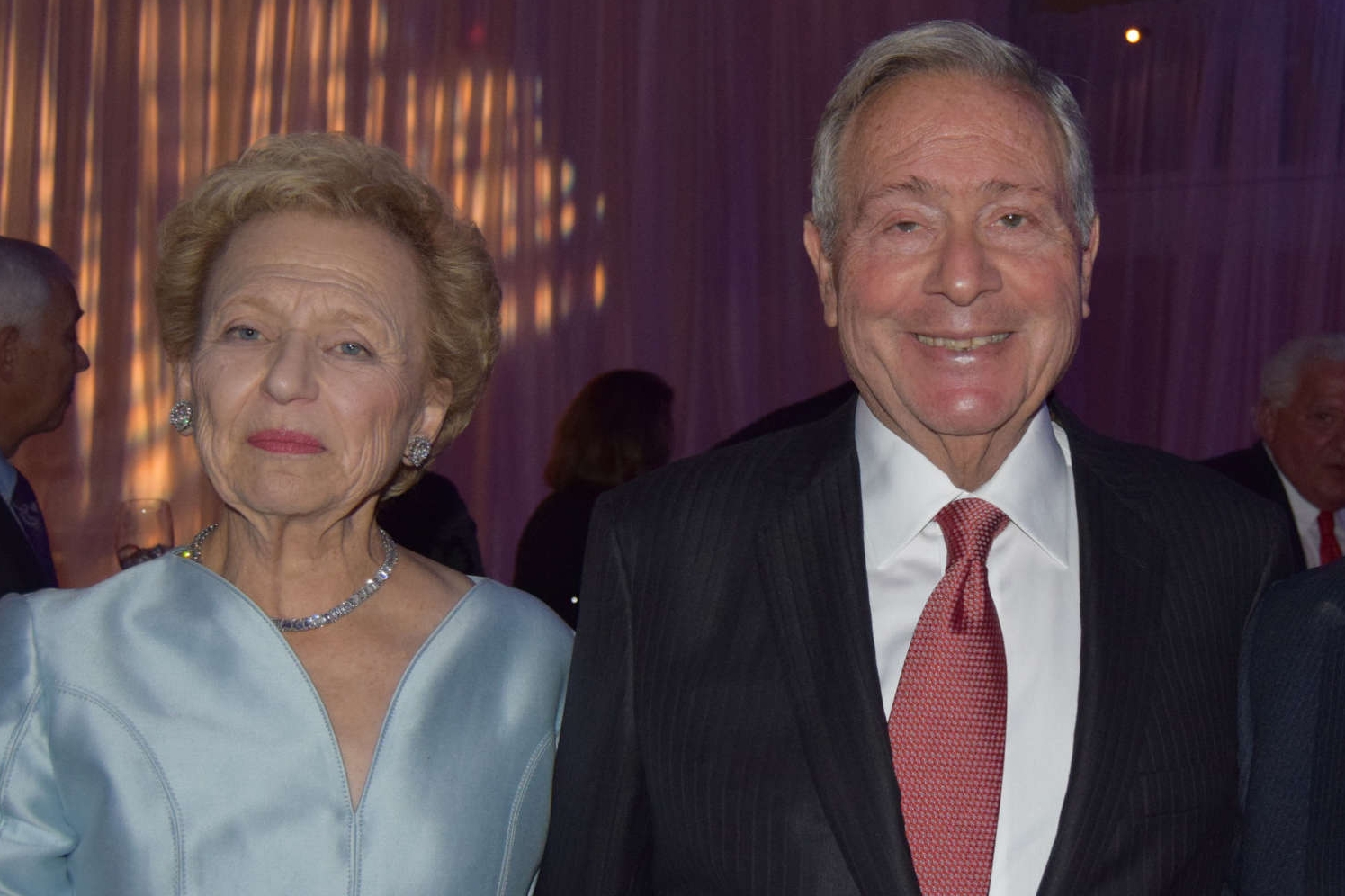
    Mr. Abramson and his wife, Madlyn, married in 1957.

    Mr. Abramson’s wife, a cancer survivor, died in 2020, and he donated $10 million in 2021 to establish an endowed chair of cardiac surgery in her honor at Jupiter Medical Center in Florida. He was an honorary trustee for the Brookings Institution, trustee emeritus for Johns Hopkins, board member for many organizations, and a supporter of Project HOME for affordable housing.

    Friends and former colleagues called him a “caring humanitarian,” “a class act,” and “a visionary” in online tributes. One longtime friend said: “Leonard’s kindness and generosity made a difference in the lives of countless individuals.”

    Leonard Abramson was born Nov. 12, 1932. He graduated from Northeast High School and drove a cab to help pay his way through pharmacy school.

    “Not too many people started off with less than I did,” he told Forbes magazine in 1994.

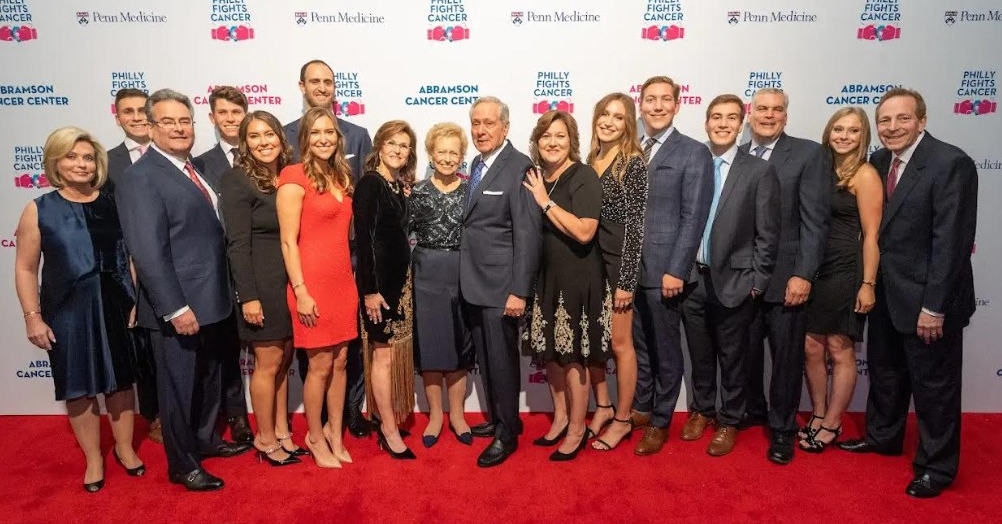
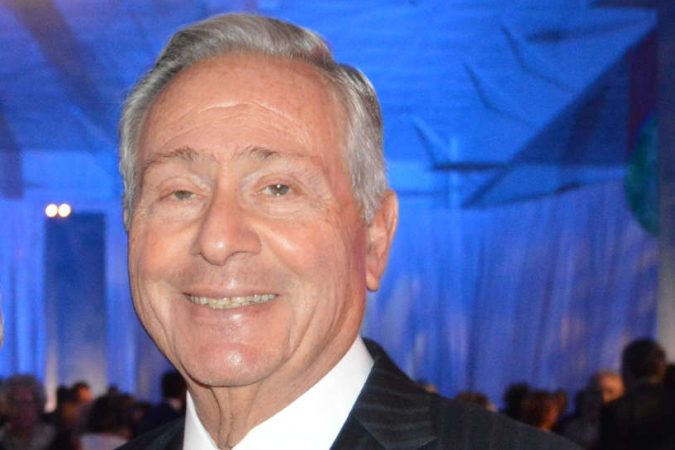
    Mr. Abramson (center) enjoyed time with family and friends. Courtesy of the family

    He met Madlyn Kornberg in college through a mutual friend, and they married in 1957. They had daughters Marcy, Nancy, and Judy, and lived in Blue Bell, Jupiter, Fla., and Camden, Maine.

    Mr. Abramson enjoyed boating, golf, and painting. “He was multifaceted,” his daughter Judy said. His daughter Nancy said: “He was extremely family oriented.”

    He told The Inquirer in 1990: “I’ll never retire.” He never really did.

    In addition to his daughters, Mr. Abramson is survived by nine grandchildren, two great-grandchildren, and other relatives.

    This book by Mr. Abramson was published in 1990.Leonard Abramson

    A memorial service is to be held later.

    Donations in his name may be made to the Abramson Cancer Center at the Hospital of the University of Pennsylvania, 3535 Market St., Suite 750, Philadelphia, Pa. 19104, and Philly Fights Cancer, Box 9, Wynnewood, Pa. 19096.