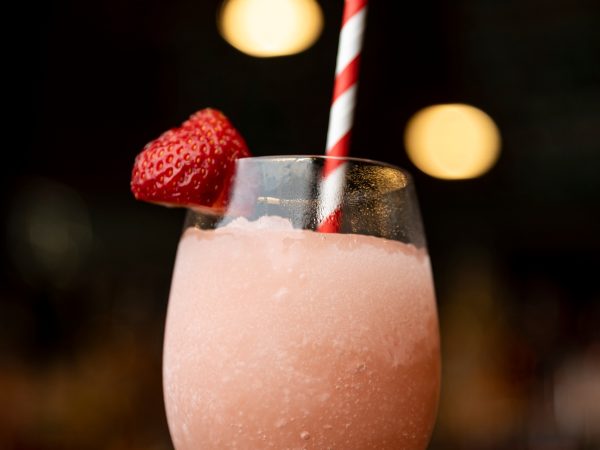
It’s the 250th anniversary of the signing of the Declaration of Independence in Philadelphia, and this week is packed with activities to celebrate. It’s also the 10th anniversary of another historic event: The 2016 frosé — or frozen rosé — frenzy that kicked off when New York City’s Bar Primi put the drink on their cocktail menu and nearly broke the internet.
Concocted in a slushie machine, the eye-catching frozen treat became an instant social media sensation, leading Bon Appétit magazine to publish a variation on the recipe that summer that topped their charts for months on end. Since July 4th weekend looks like it will be a scorcher, now is the perfect time to make frosé at home to celebrate both of these important contributions to the pursuit of happiness.
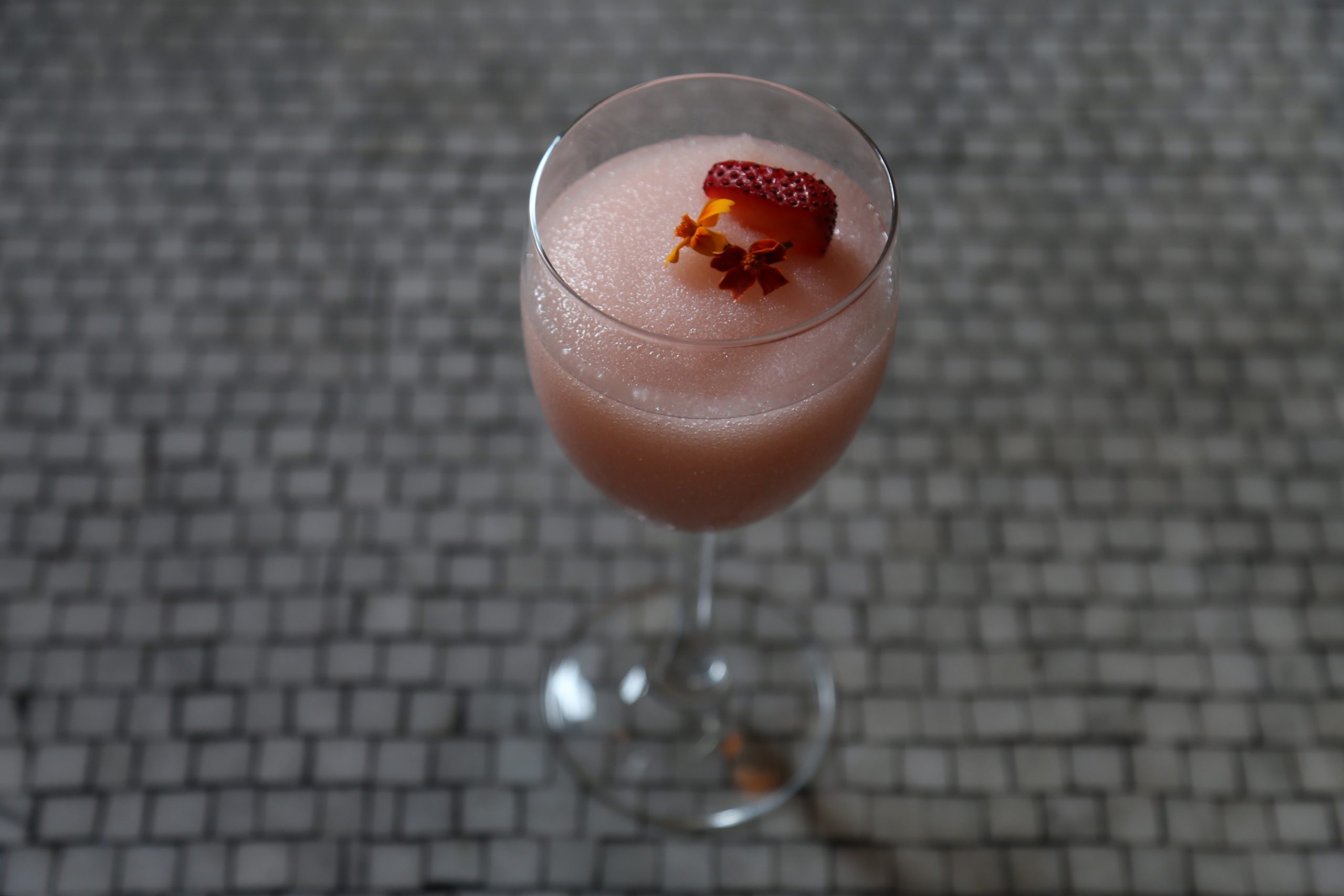
Frosé at Parc.DANIELLE DELRE
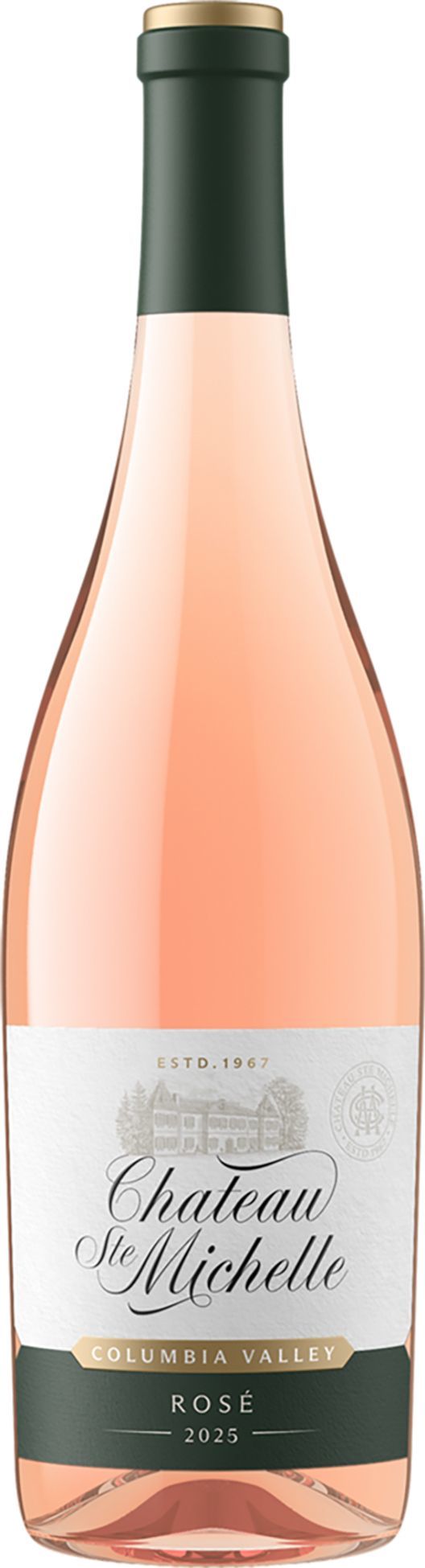
Frosé is not the place for pricy rosés, so save the pale, understated beauties of Provence in the south of France to be enjoyed on their own. The frozen cocktail needs wines with bolder flavors and deeper colors to overcome the dilution and serving temperature, so opt for one with a color that pops on the shelf, like this wine from Washington’s Columbia Valley. There, darker grape varieties like syrah and cabernet sauvignon dominate the blend.
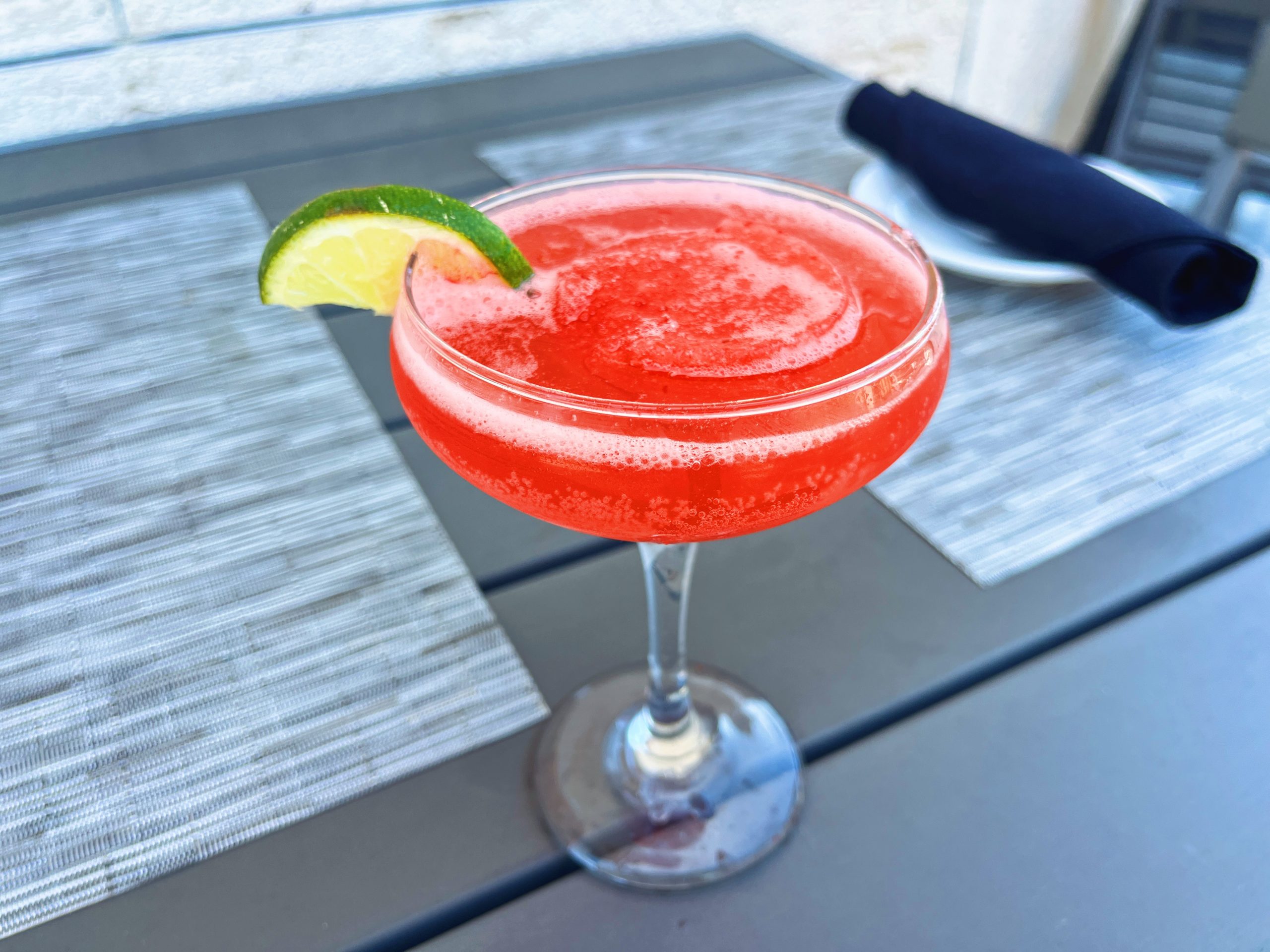
The simplest way to frosé at home is the smoothie method: Fill your blender with frozen strawberries or watermelon and pour in enough rosé wine to cover the fruit and blend, adding sugar to taste as needed. For a more sheer and polished texture, make the drink with ice in place of frozen fruit and stick to clear ingredients. You may also need to spike with vodka and sweeten with a fruit liqueur to overcome the dilution.
The original Bon Appétit recipe explains how to dissolve sugar in water with strawberries and lemon juice on the stovetop to make a simple strawberry syrup suitable for flavoring your frosé and deepening its color, which yields a refined and faithful variant on the Bar Primi classic. If you like your wines pure, undiluted, and dry, and you just happen to own an ice cream maker, your method is much easier. Pour this bottle in and churn about 20 minutes to get the perfect slushie machine texture you know and love.
Chateau Ste Michelle RoséCourtesy of Chateau Ste Michelle
Chateau Ste. Michelle Rosé
Columbia Valley, Wash.; 12.5% ABV
PLCB Item #98215 — $10.99 through July 5 (regularly $13.99)
Also available at: Moorestown Super Buy Rite in Moorestown ($10.99; moorestownbuyrite.com) and Hopewell Super Buy Rite in Pennington ($10.99; hopewellbuyrite.com).
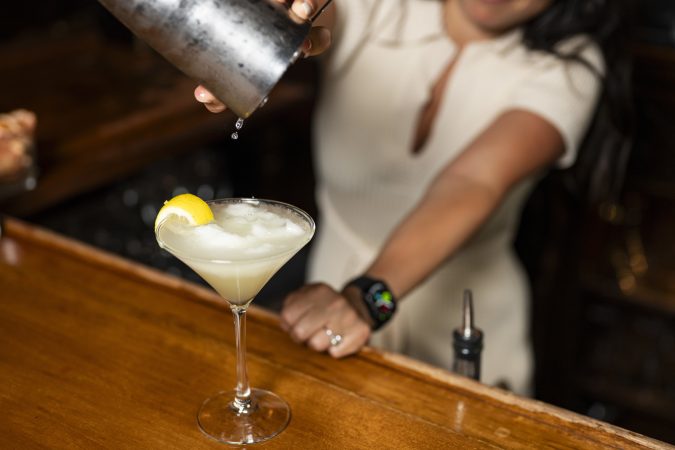
If you were to distill the energy of a South Philly summer into a cocktail, it might look like water ice shaken with vodka in a martini glass, garnished with a pretzel stick. It would taste like the syrupy-sweet melted ice left in the cup and be crushable enough to knock back on a hot afternoon.
That’s the water ice martini, a cocktail invented in the early 2000s at one of the neighborhood’s most famous red sauce joints. The drink was a hidden gem for decades, but has found new life this summer as copycats and riffs emerge at bars around Philly and down the Shore that are looking to stand out in a sea of Hugo spritzes, espresso ‘tinis, and soft serve margaritas.
“Anyone that’s grown up in South Philadelphia grew up on water ice with pretzel sticks and pumpkin seeds. Its been a thing in my family for three generations,” said Vera Masi, the sales manager at Popi’s Restaurant in Packer Park, where the cocktail recently went viral. “Pairing that with a martini is a guaranteed hit.”
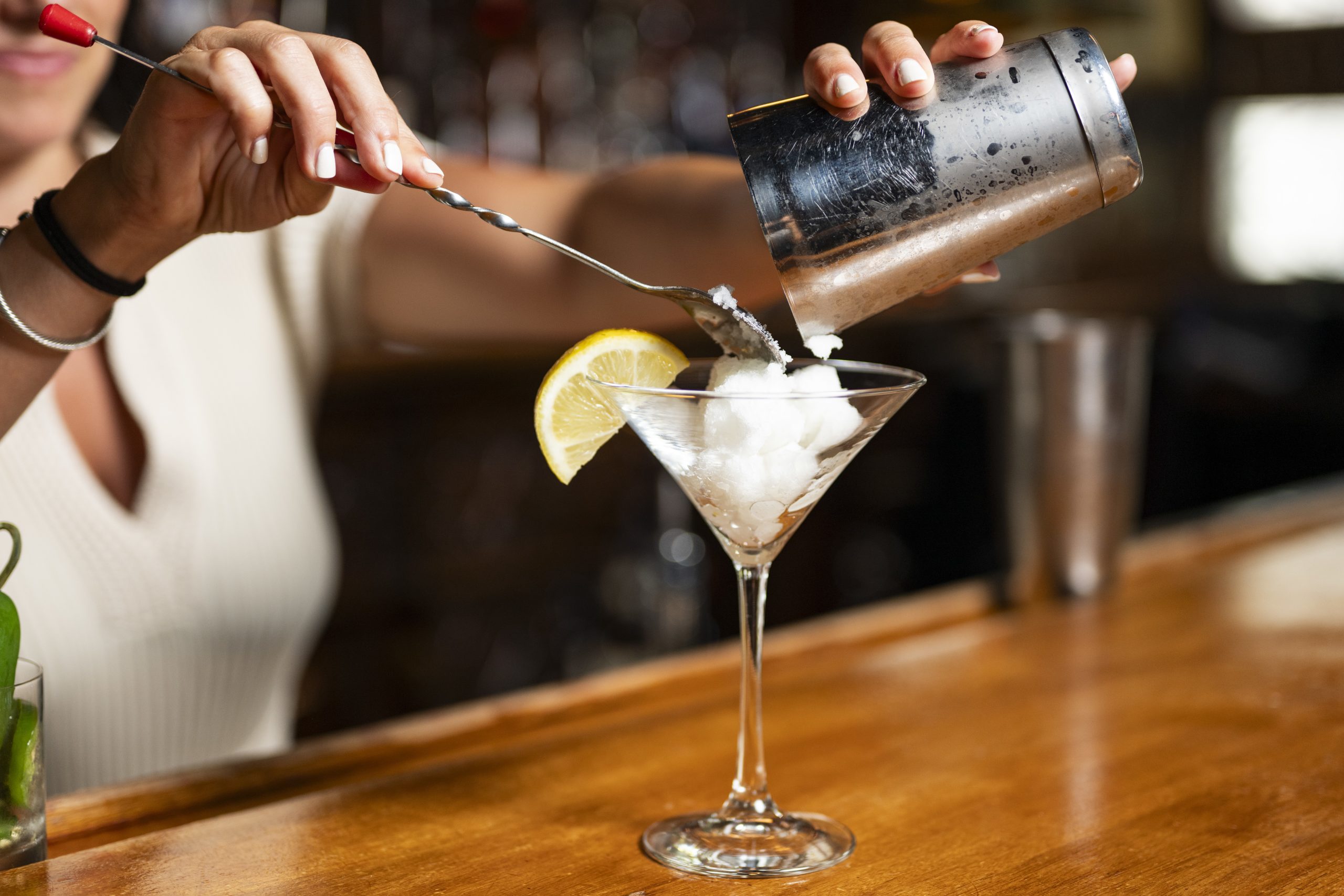
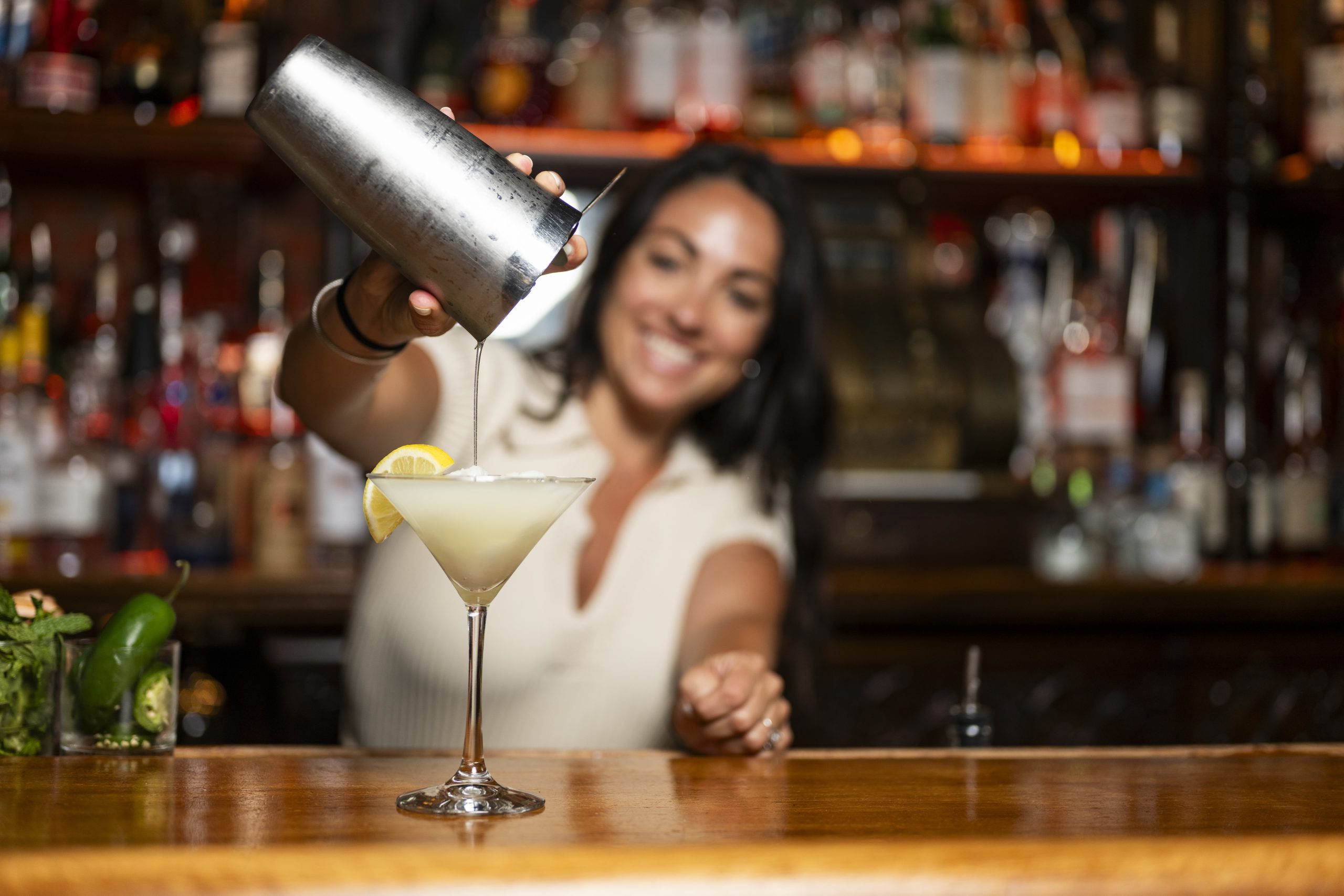
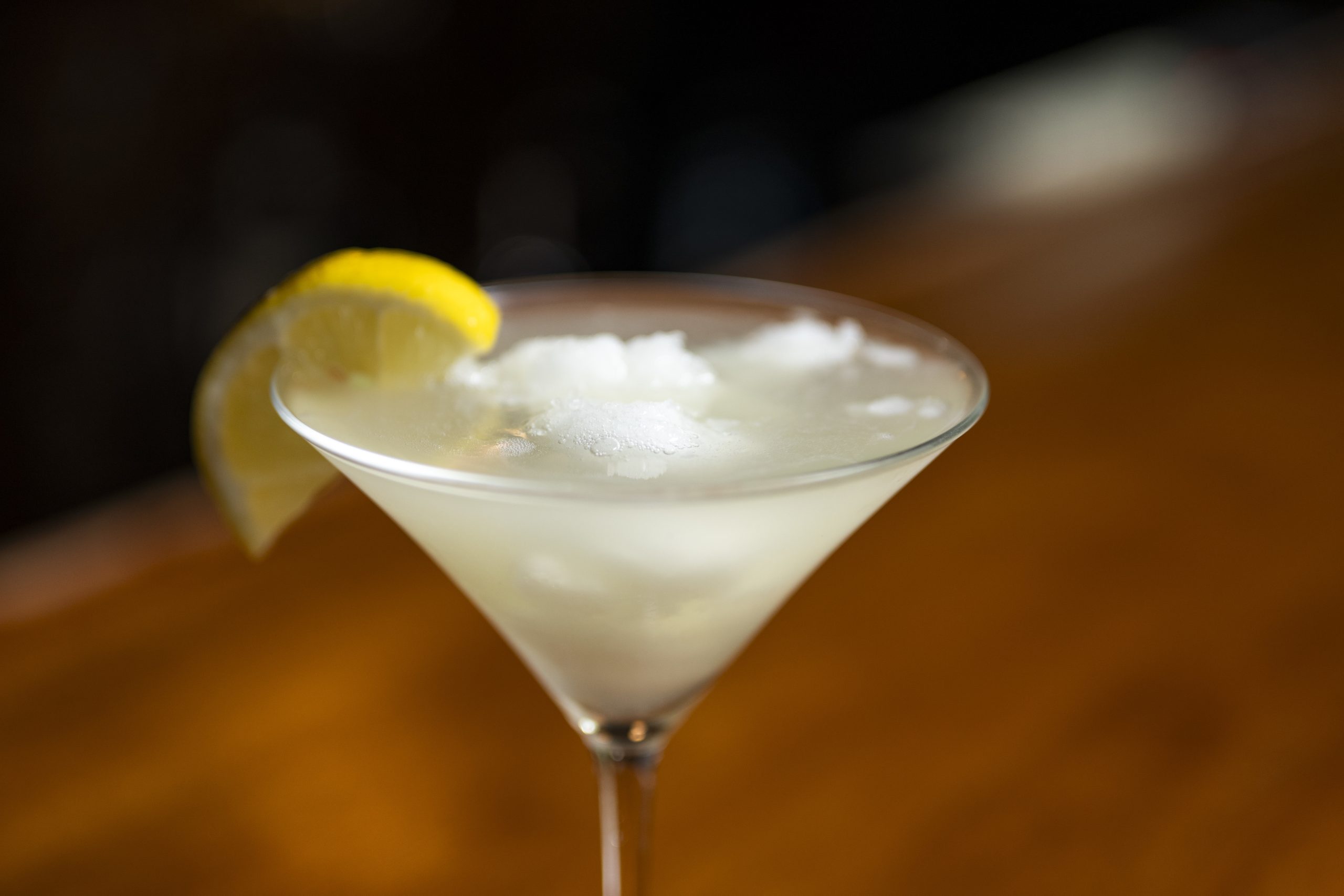
The first water ice martini on record was poured in 2002 at Saloon by Anthony Cardullo, the third-generation John’s Water Ice owner who was then just a bartender. Called the Iceberg, the drink involves adding a scoop of John’s lemon water ice to a shaker with limoncello and Ketel One Citreon vodka. It then gets poured over a second scoop of lemon water ice in a glass.
Gigi Bello, bar manager at Saloon, makes an Iceberg martini using lemon water from John’s. The cocktail has remained a bestseller since they started serving it in 2002.Allie Ippolito / For The Inquirer
It’s the restaurant’s most enduring cocktail hit, according to manager Frankie Santore. Saloon sells at least 150 Icebergs per week in the summer, he said, making it their bestseller. To keep up, Cardullo has to drop off gallons of fresh made water ice each week.
Other versions have cycled through Saloon — a pineapple ice painkiller and a melon ice midori sour, to name a few— but the Iceberg is the only one that has lasted, most recently inspiring a dupe that uses Cardullo’s recipe at the Ventnor Social in New Jersey. The restaurant has “never for a second” thought to use anything other than John’s water ice for its cocktails.
“It’s all fresh fruit,” Santore said. “Anthony’s squeezing the lemons himself.”
Gigi Bello, bar manager at Saloon, pours an Iceberg martini.Allie Ippolito / For The Inquirer
Popi’s started serving their own versions of the water ice martini last summer after getting the idea from Rowhome Magazine editors Dorette Jackson and Dawn Rhodes. The 33-year-old Italian restaurant sources its water ice from Pop’s for two reasons, owner Gina Rucci said: It’s down the street, and “our names went together.”
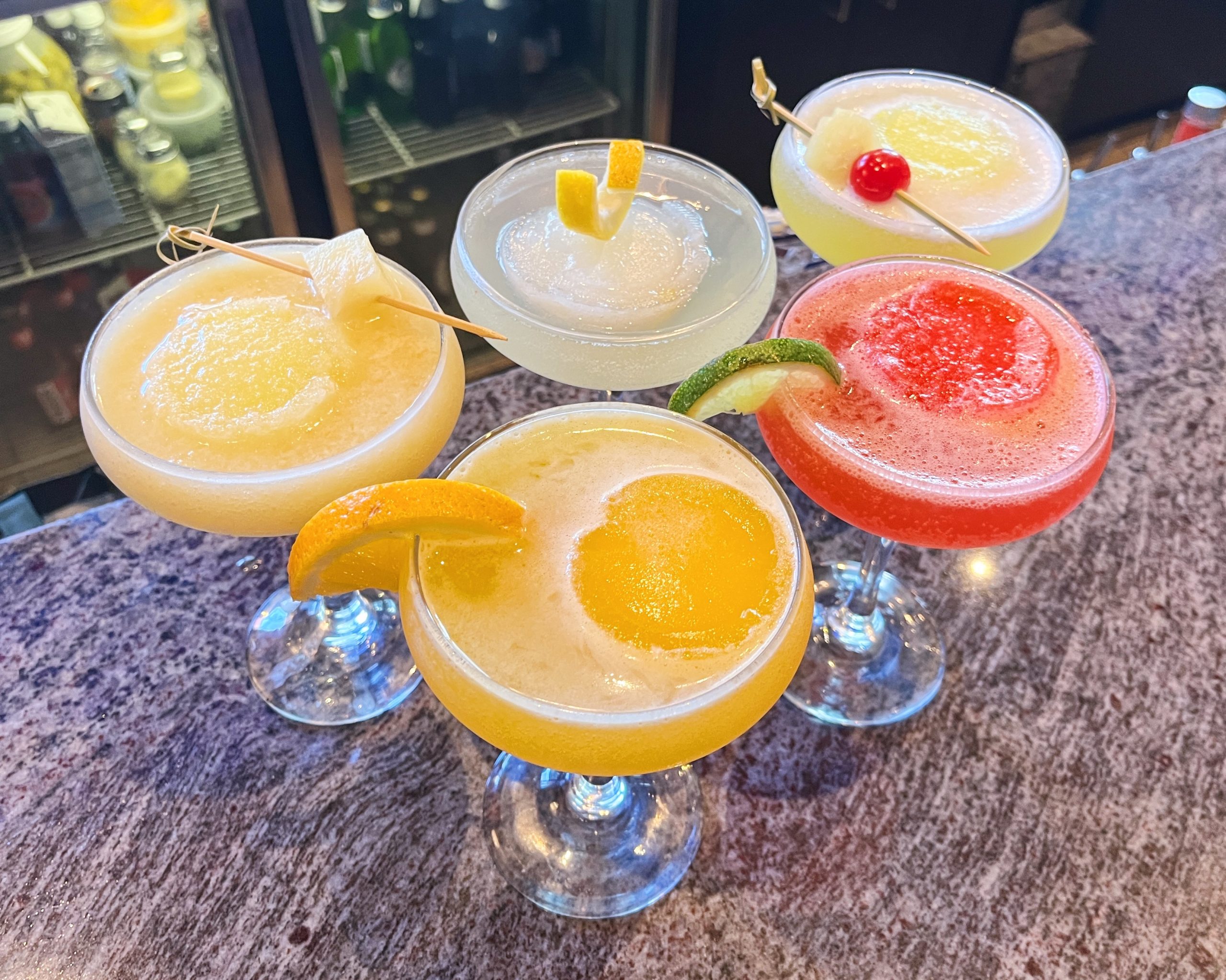
Popi’s has its own version of a lemon ice martini (aptly called the Limoncellotini), but its other offerings pull from the colors of the rainbow, like a neon orange mango water ice martini called the Gritty and a vibrant red strawberry water ice daiquiri. The restaurant used to sell about 20 a day last summer, said bar manager Laura Kreschollek. Now, they’re averaging 50.
“People were coming in just for these,” said Masi. “We kept running out of water ice and were sneaking out to Pop’s in the middle of the day.”
A strawberry daiquiri made with Pop’s Homemade Italian Ice at Popi’s Restaurant, 3120 S. 20th St.Beatrice Forman / Staff
Naturally, the evolution would continue with spiked gelati. Philly could get its first in the early fall, when James Beard Award-winning South Jersey bartender Danny Childs aims to open his bar Field Day in Northern Liberties.
Childs told The Inquirer he plans to serve the treat year round using his signature Slow Drinks approach. While the vanilla soft serve will come from 1-900-ICE-CREAM, Childs said, the boozy water ice will be made from scratch with local and foraged produce that change with the season. He’s envisioning a lineup of cherry, blueberry, and pawpaw (a fruit native to the Mid-Atlantic that tastes like a mango) to start.
The cocktail-dessert hybrid was driven by a mix of nostalgia and peer pressure. Childs wanted a nod to his childhood in Delaware County, where he grew up using a soft pretzel as a spoon to scoop up water ice. He also wanted to one-up the alcohol-infused ice creams already on the market.
“I was like, ‘Someone is going to do spiked gelati before us,’” Childs said. ”We have to hurry.”
The Iceberg martini from Saloon, which was created by current John’s Water Ice owner Anthony Cardullo.Allie Ippolito / For The Inquirer
Here are four places where you can find boozy water ice in all its forms, from vodka-infused scoops to martinis.
Where to find boozy water ice in Philly
Saloon
This classic Italian joint in Bella Vista has been serving its signature $18 Iceberg martini since 2002, when current John’s Water Ice owner Anthony Cardullo invented it while working at the restaurant’s bar. It does indeed look like icebergs disintegrating into the Arctic as it melts, but the drink goes down easy — sweet, icy, and citrusy without tasting artificial. Also be on the lookout for Cardullo’s nightly water ice cocktail specials.
A lineup of water ice martinis made with Pop’s homemade Italian ice at Popi’s Restaurant. Clockwise from left: The Pineapple Pizzaz, Limoncellotini, piña colada, strawberry daiquiri, and the Gritty.Beatrice Forman / Staff
Popi’s Restaurant
At Popi’s, the pours are heavy and the water ice is extra sweet. This 33-year-old Italian restaurant near the sports complex in Packer Park gained a new reputation in 2025 when it started serving brightly colored cocktails sweetened with Pop’s homemade Italian ice. Normally $16 and $20 during the World Cup, the cocktails run the gamut from the Gritty (a vodka martini with orange juice and mango water ice) and Pineapple Pizzaz (a pineapple vodka martini with pineapple water ice) to a strawberry daiquiri with a disk of — you guessed it — strawberry water ice floating in the middle. If you’re not susceptible to a sugar rush, it’s easy to have several in one sitting.
Best known for its excellent vegan wings and cheesesteaks, Triangle Tavern also serves scratch-made boozy water ice year round. Flavors rotate seasonally and range from mango and pomegranate in the summer to pumpkin spice in the fall and crisp peppermint in the winter. Spun in a slushie machine with a handle of vodka, the $12 cocktails are served in a pint glass garnished with a hard pretzel rod for an extra dose of South Philly flair.
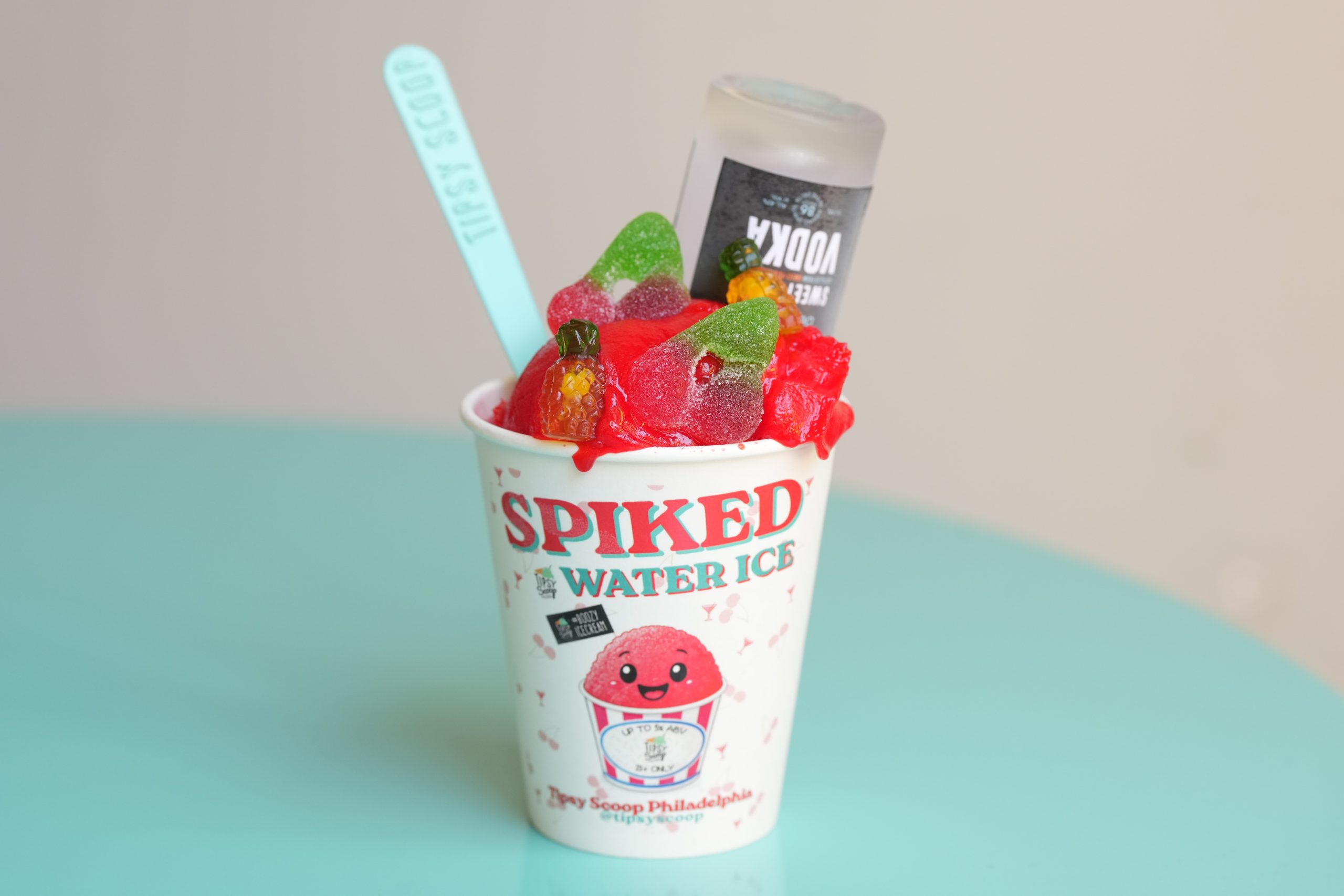
The Philly Phreeze sundae at Tipsy Scoop in Rittenhouse Square, which is comprised of vodka-infused cherry water ice topped with gummy candies.Jessica Griffin / Staff Photographer
Tipsy Scoop
This New York City-based ice cream chain has been infusing ice cream and sorbet with alcohol since 2013. After opening its first Philly outpost inside the Rittenhouse Square BOTLD location, the brand added a cherry water ice spiked with vodka to its menu. Our suggestion: Order the $14 sundae version — which comes topped with chewy cherry and pineapple gummies in a novelty cup — and consider springing for the chilled vodka shooter. It’s entirely too much in the best way possible, and the water ice is delightful despite being made by a New Yorker. Red enough to stain your tongue, it tastes like a handful of maraschino cherries.
Sparkling wines are having a moment, and it’s hard to beat Spain in this category when it comes to great value. The country may be most commonly associated with red wine, but sparkling, white, and even rosé wines from Spain are all seeing significant growth in total exports. While there are other sparkling wine appellations in Spain, the vast majority — including this example — are labeled as cava.
Where most wine appellations take their name from a place — think Champagne from France’s Champagne region — cava is different. The term means “cave” or “cellar,” referring to how it is made. Cava wines must, by law, follow the same traditional method of production as Champagne, which involves a second fermentation that takes place inside each bottle. The mechanism for adding the bubbles and letting the wine patiently age in a cellar is also central to its quality.
Cava’s appellation was first conceived as a means for wineries across Spain to be able to sell a high-quality sparkling wine regardless of their region. In practice, however, most cava is grown and produced in northeastern Catalonia, near Barcelona, using native Spanish grapes such as macabeo, parellada, and xarel-lo. That’s the case for this wine as well, which is labeled under the name of a Rioja-based brand better known for their reds. In Spain, it’s not uncommon for large wineries in one region to extend their range by sourcing wines from partners elsewhere.
Cava wines can be found at every level of ambition and price, from the cheap and cheerful to the ambitious and gastronomic. This wine falls at the simpler end of the continuum (as the price might suggest), with a delicate mouthfeel and refreshing flavors of apple, lemon, and blanched almond. It’s an ideal choice for relaxed day-drinking — mimosas highly recommended.
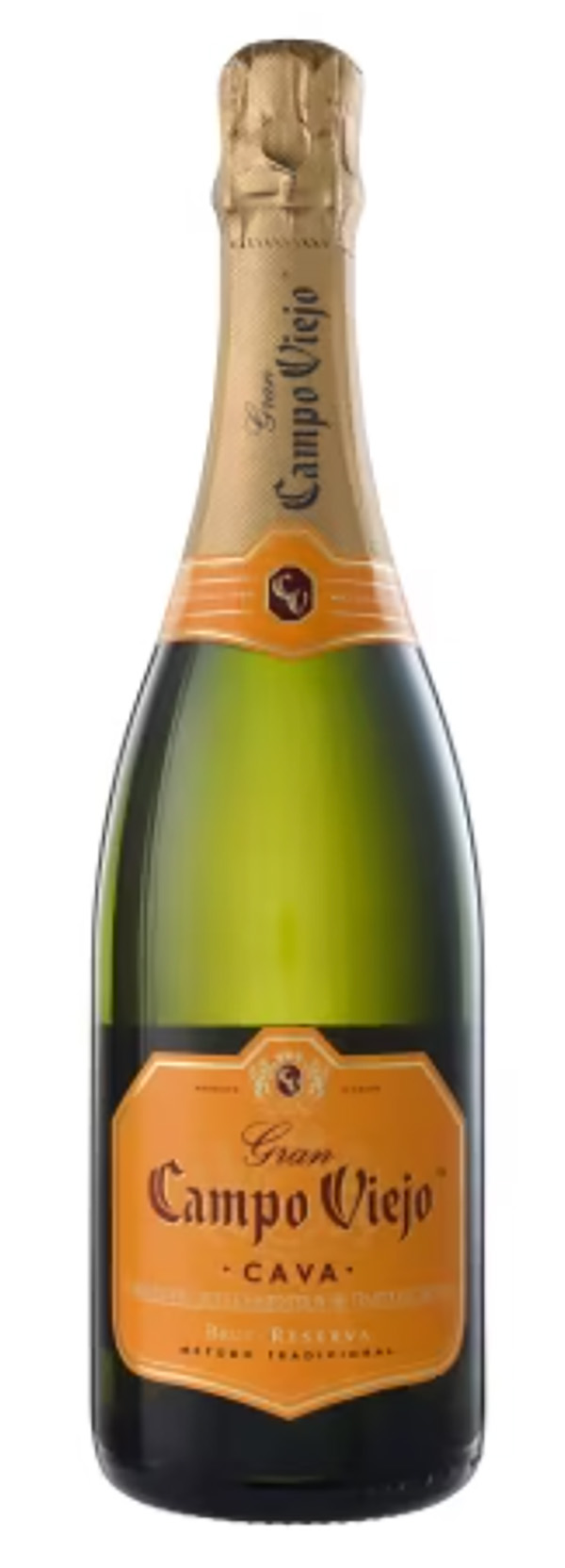
Gran Campo Viejo Cava Brut ReservaCampo Viejo
Gran Campo Viejo Cava Brut Reserva
Spain; 11.5% ABV
PLCB Item #6563 — $10.49 through July 5 (regularly $13.49)
A non-alcoholic Philly spirits brand is finding early success by doing everything — from blending to bottling — by hand.
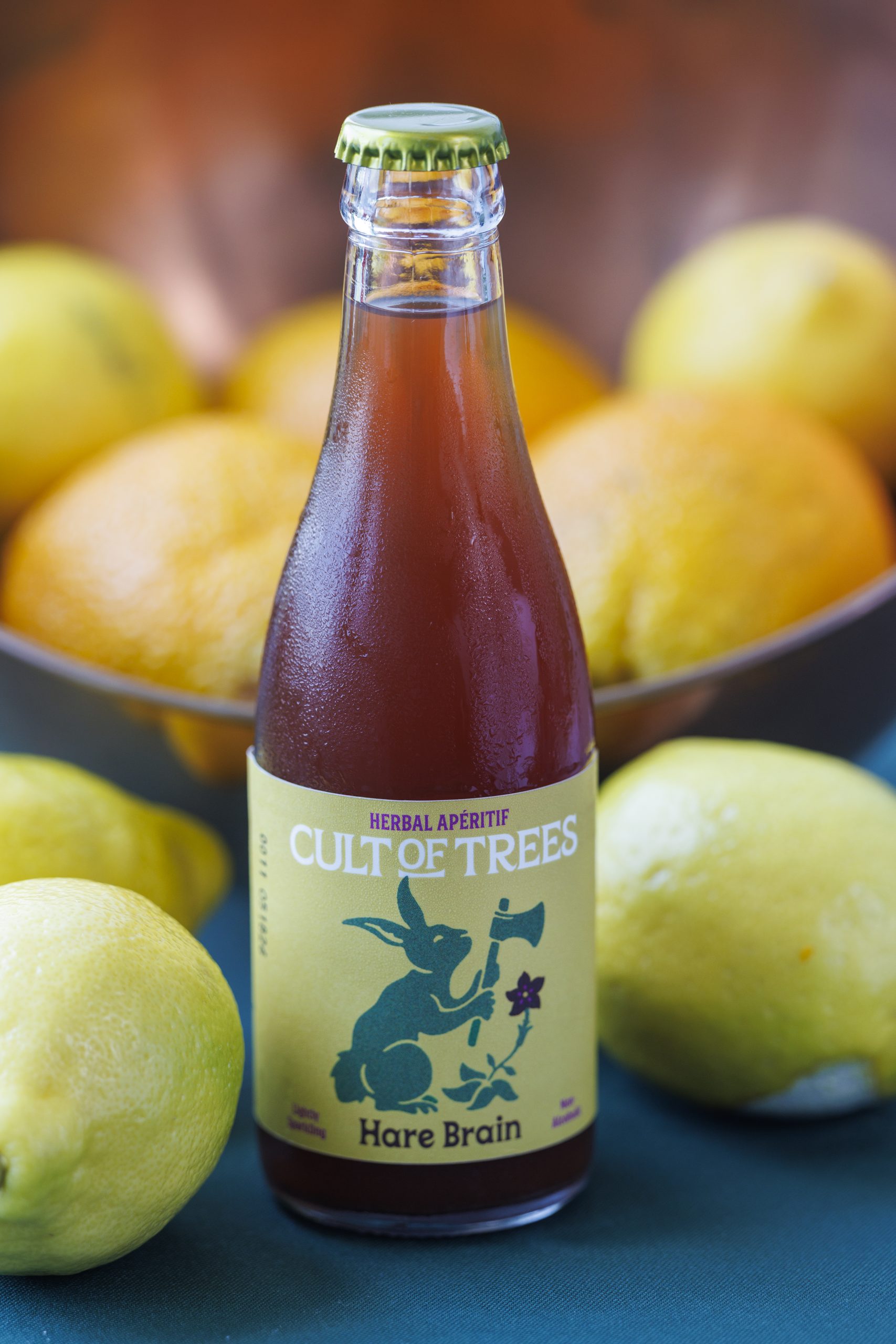
Cult of Trees is a new line of alcohol-free aperitifs produced at Maken Studios in Kensington. Inside the sunny production space, founder Meredith Sheehy spends hours each week distilling homemade herb blends into a line of zero-proof cocktails that taste like fizzy spritzes.
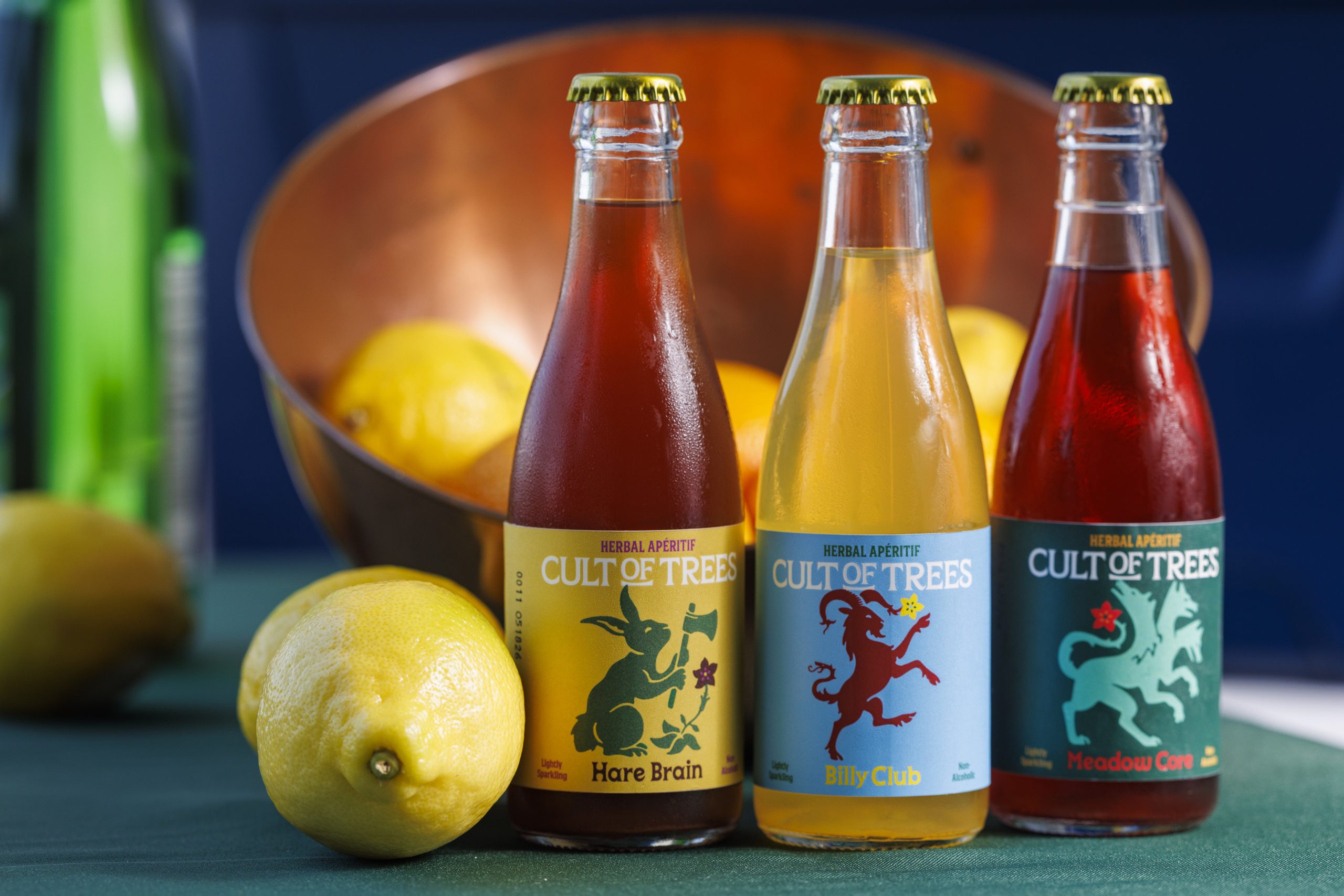
The brand’s three flavors include Hare Brain, which is akin to a cola-spiked negroni; Meadow Core, a citrusy and floral blend of red fruits; and Billy Goat, which tastes like rolling in a field of wildflowers thanks to a mixture of herbs, honey, and elderflower. Since sales began in January, Cult of Trees has been selling well at local grocery stores and bars, such as Solar Myth and Enswell, where the drinks are served straight or floated with sparkling water or cold brew.
For Sheehy, who moved to Philly in 2022, the city is as much an inspiration for the brand as the ingredients themselves. After closing her Brooklyn-based Mezcal bar La Loba Cantina due to the pandemic, Sheehy began bartending at Philadelphia Distilling. Philly, she said, had a refreshing scene.
“People will answer questions and pour tastes of curiosities on their back bars, with genuine excitement to share,” said Sheehy. “It’s a beautifully welcoming culture here.”
From left: Hare Brain, Billy Club, and Meadow Core, Cult of Trees’s three flavors of non-alcoholic aperitifs. Bottles are sold at Riverwards Produce in Old City and Herman’s Coffee in Pennsport.Alejandro A. Alvarez / Staff Photographer
Fascinated by distilling alcohol, yet increasingly conscious of her own dwindling consumption, Sheehy was inspired by the growing sober curious movement to start her own non-alcoholic cocktail brand.
Sheehy wanted to create something that wasn’t just about emulating the experience of drinking alcohol. Abstaining “shouldn’t mean that you need to take away flavor or an interesting story,” she said.
At Cult of Trees, each aperitif is made with ingredients sourced from Pennsylvania farms and requires a multiday routine of distillation, carbonation, and bottling. It’s an analog process that contrasts with that of large scale brands, which Sheehy said often rely on commercial flavor extracts — as opposed to dried botanicals or herbs — to quicken production and lower costs.
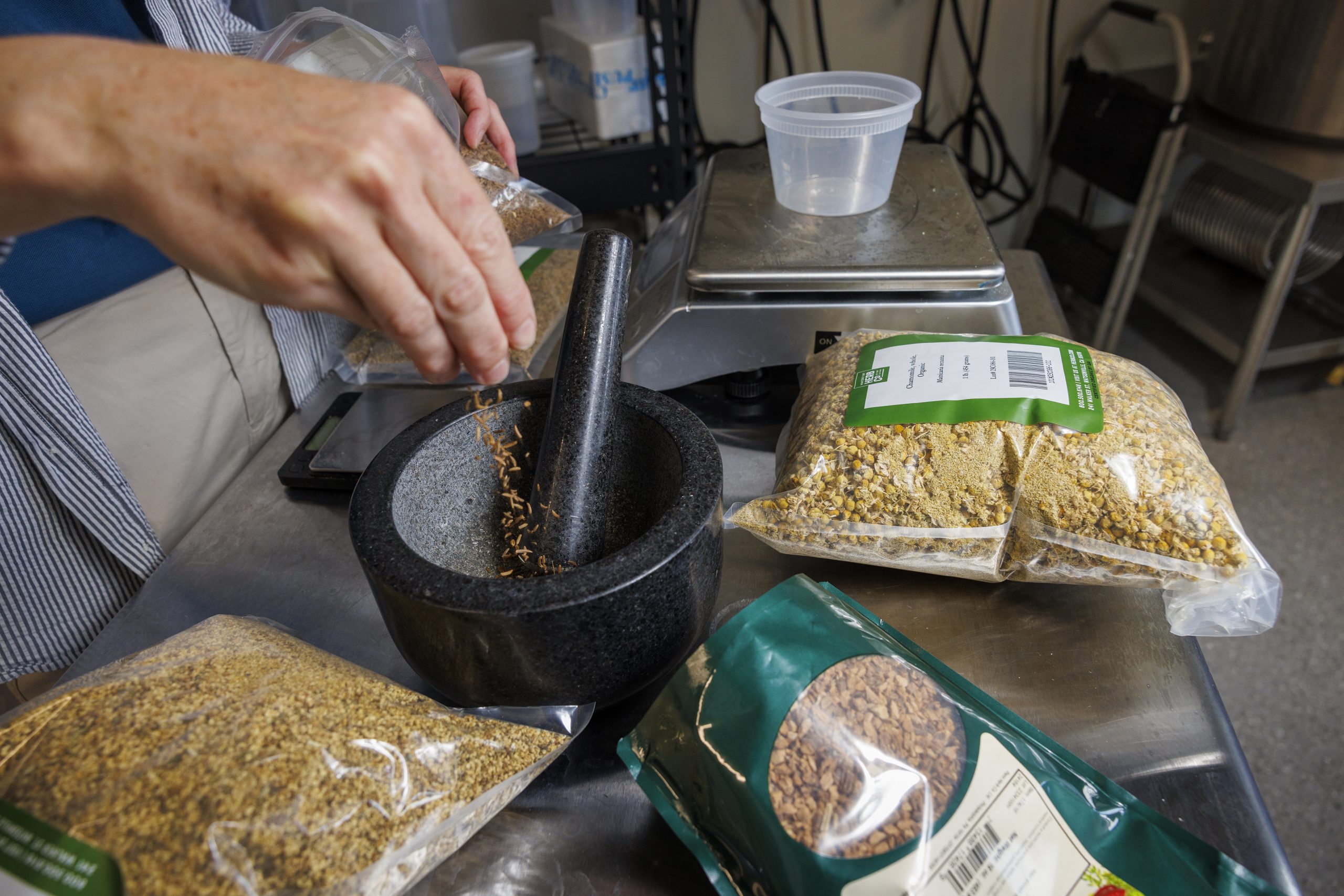
Meredith Sheehy, owner of Cult of Trees, sprinkles caraway seed into a mortar and pestle to make one of the herb blends for her line of zero-proof spirits. Alejandro A. Alvarez / Staff Photographer
Getting started, then getting set back
While at Philadelphia Distilling, Sheehy became close with Jack Falkenbach, the expert distiller and legendary Philly bartender that died last year at 44. Falkenbach, she said, was always “willing to explain specialized process details at the distillery. We both liked deep-diving on things like acid phosphate,” she said. “I deeply trusted his style of drink making and technical know-how.”
Falkenbach was among Cult of Tree’s earliest supporters, Sheehy said, and one of the first people she involved in building the company. Around this time last year, the pair was making test batches together; Falkenbach was focused on nailing the carbonation as Sheehy refined the packaging.
Then the first real workday arrived. Falkenbach did not.
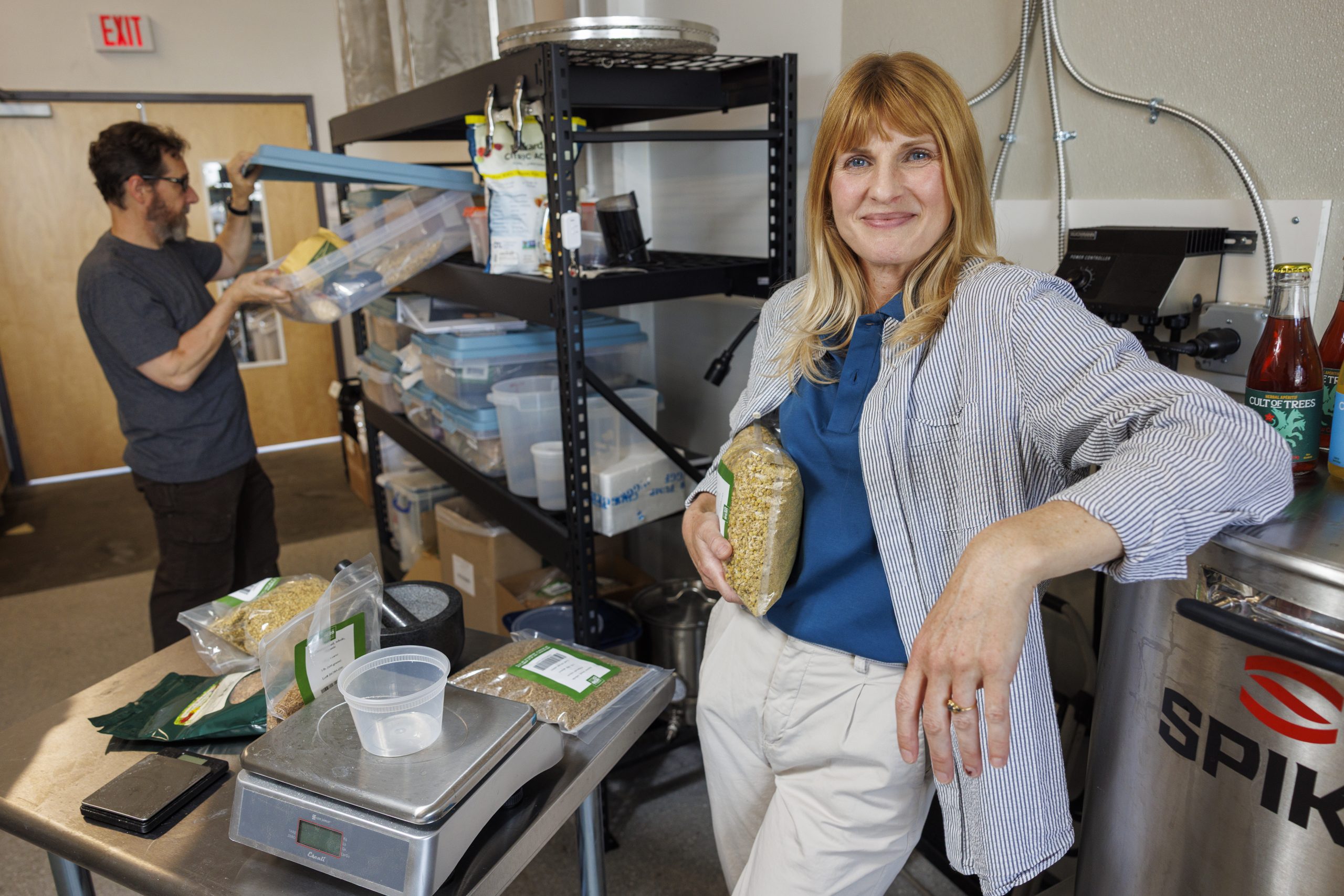
Meredith Sheehy, owner of Cult of Trees, poses for a photo while preparing one of the herb bases for her line of zero-proof spirts, which is based at Maken Studios in Kensington.Alejandro A. Alvarez / Staff Photographer
His passing, Sheehy said, was doubly “heartbreaking,” but launching Cult of Trees left little time to grieve. “I did what all business owners have to do,” she said. “You recover and pivot, or you don’t and you lose the idea.”
Sheehy went on to launch the business with a single employee: Gordon Grubb, a veteran brewer who had been put out of work by Iron Hill’s sudden closures. Together, they make each batch of aperitifs.
Hand-bottled and hand-carbonated
Zero-proof spirits still require distillation to get the right flavors and mouthfeel, which is why many come with a higher price tag.
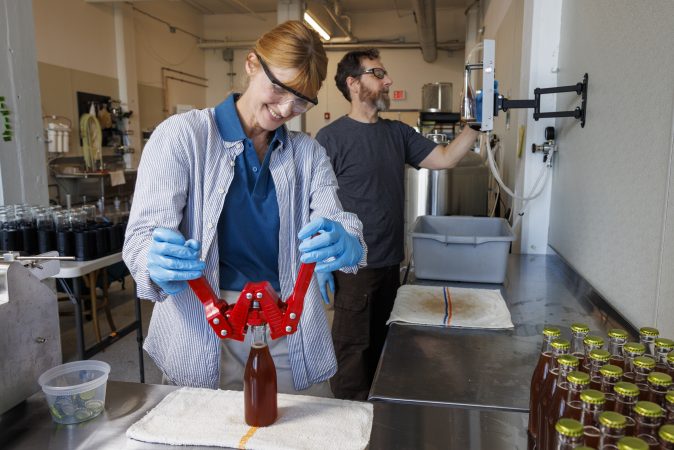
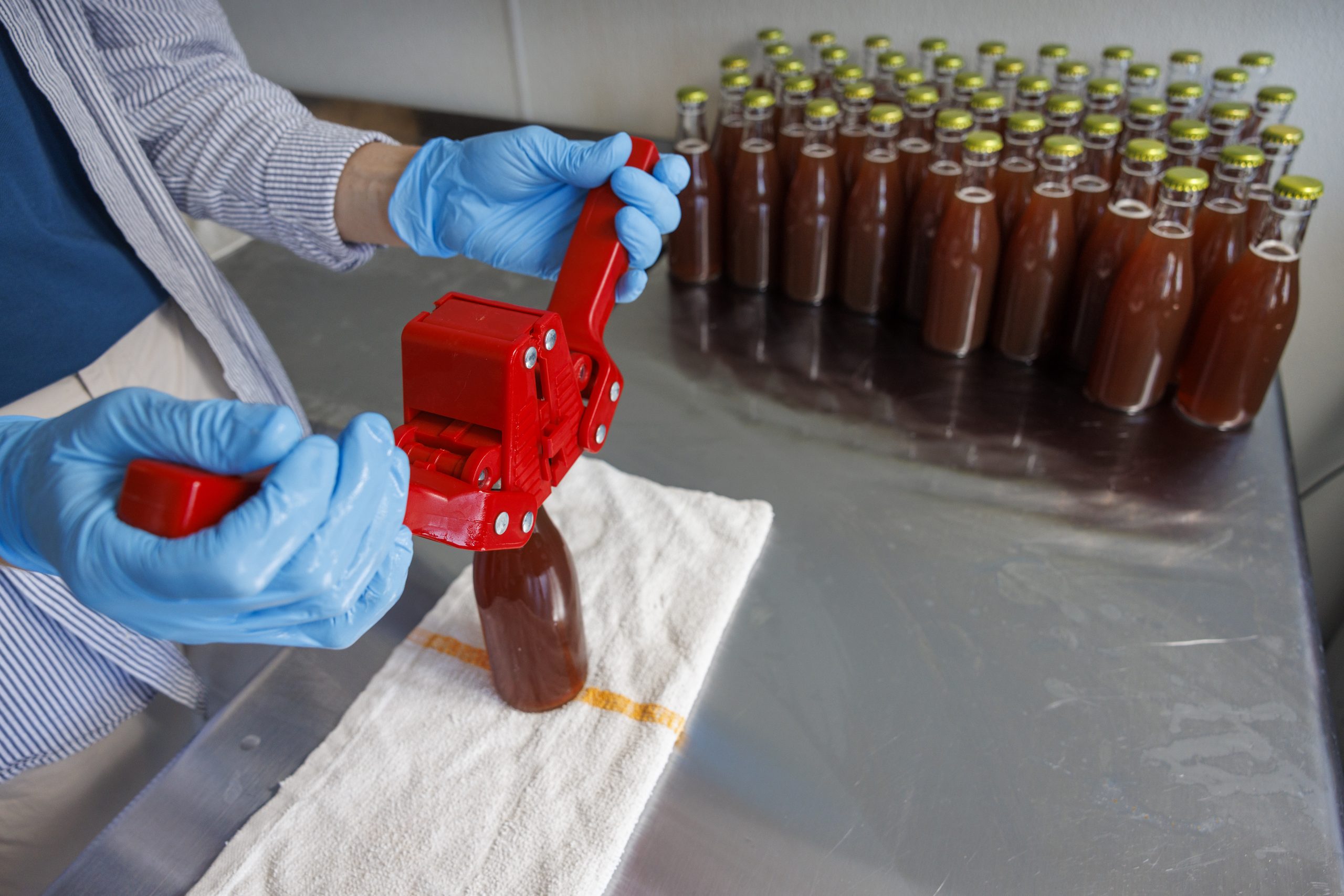
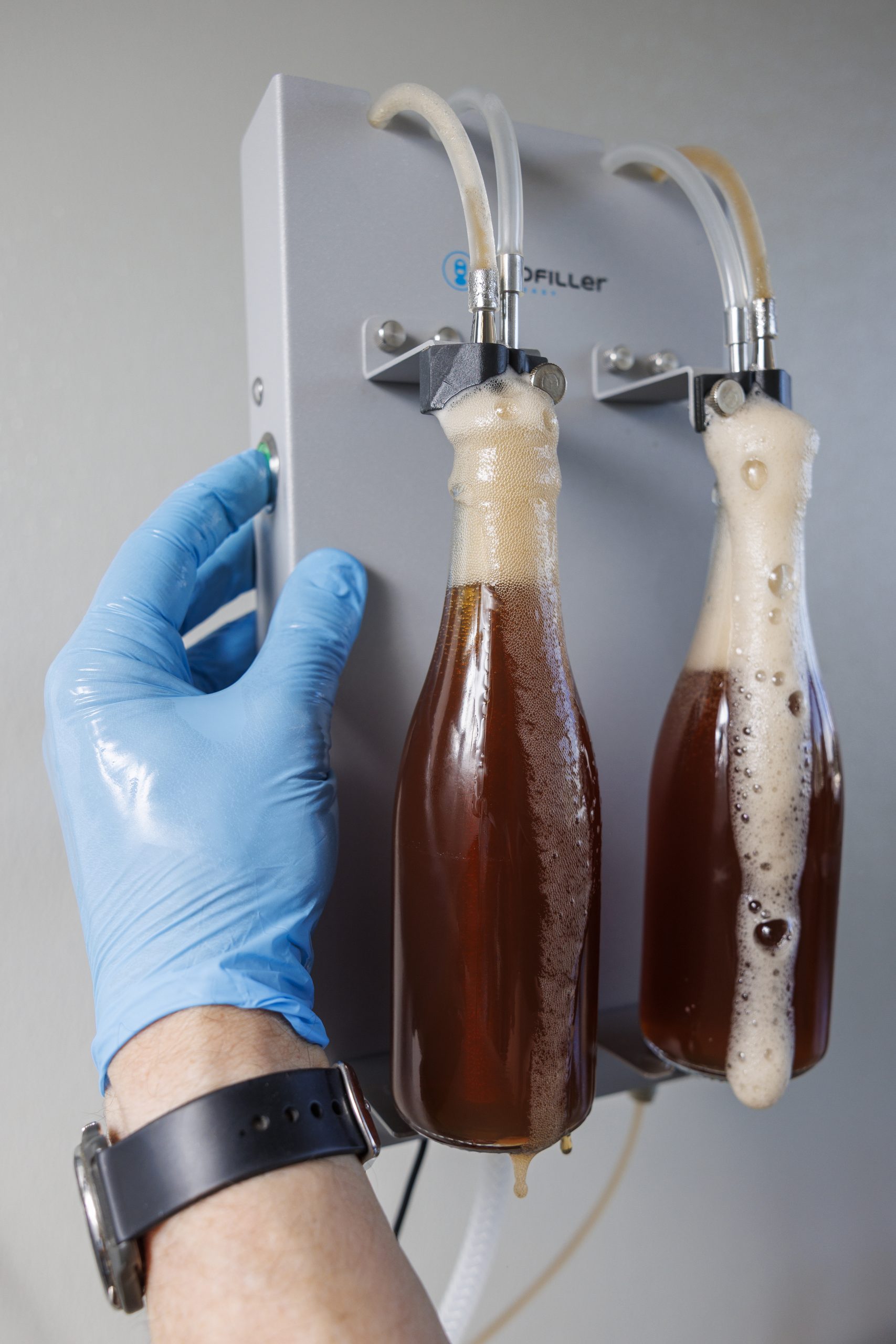
Each batch of aperitifs takes at least three days to produce, Sheehy said, and begins with her macerating and boiling the original herb blends that serve as the base for each beverage. Distillation is the longest part of the make process and can take upwards of several hours. After, Sheehy andGrubb carbonate and bottle each beverage by hand.
Hare Brain from Cult of Trees, a zero-proof aperitif that tastes like cola.Alejandro A. Alvarez / Staff Photographer
A single batch yields only 18 to 20 cases, according to Sheehy. “It’s labor intensive right now,” she said, “but will start to get more turnkey as we grow and are able to incorporate more equipment.”
“It’s a popular suggestion from our entire team when guests are looking for a unique and local NA option,” said Enswell manager Chelsea Boyer, who often pairs Hare Brain with Rival Bro’s Whistle & Cuss espresso. “The bitter nature and gentle carbonation of the Hare Brain pairs perfectly with the candied nuttiness of the espresso.”
Meredith Sheehy, owner of Cult of Trees, caps a bottle of Hare Brain at her Kensington production facility. Each bottle of the non-alcoholic spirit is packaged by hand.Alejandro A. Alvarez / Staff Photographer
The drinks have been selling well at Riverwards’ Old City location, said CEO Dan Morgan, buoyed by an April pop-up where Sheehy poured samples for guests. “I think their great flavors and beautiful packaging will really help them stand out,” Morgan said.
Cult of Trees production manager Gordon Grubb fills bottles of Hare Brain during the carbonation process at the brand’s Kensington studio.Alejandro A. Alvarez / Staff Photographer
Sheehy is betting on the same. “In my opinion, consumers increasingly want transparency, local sourcing, and a story behind what they drink,” she said. “That’s what we’re trying to do.”
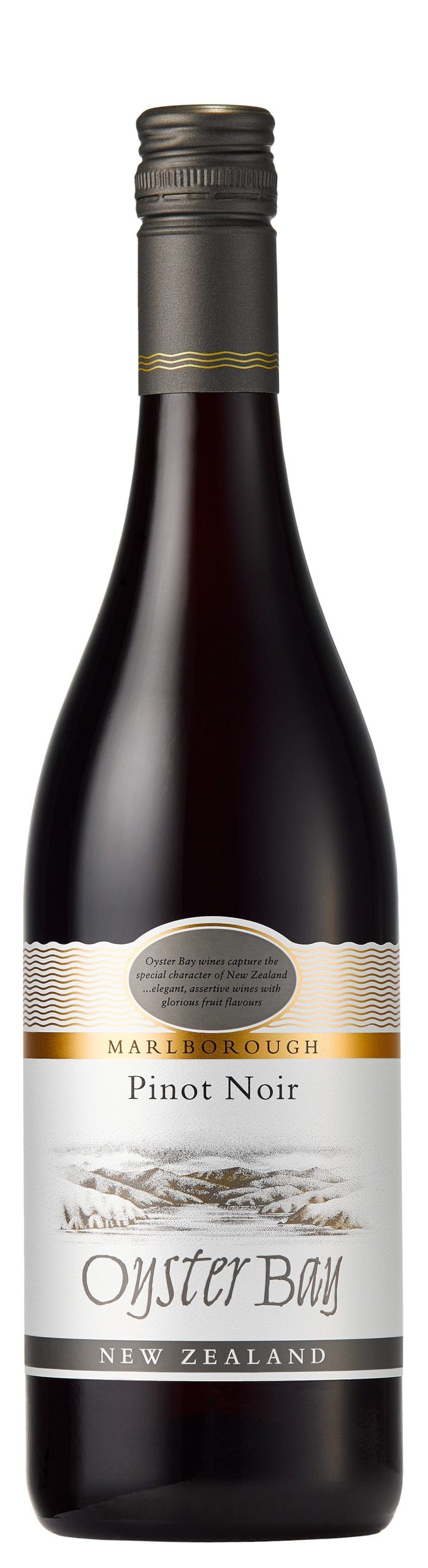
Pinot noir is known as the “heartbreak grape,” and not just because its wines can be achingly beautiful. It’s probably the hardest of all fine wine grapes to grow, thriving only in very narrow climate conditions that are neither too hot, nor too cool. Not much pinot noir is made in the southern hemisphere, but the most popular examples hail from the tiny South Pacific island nation of New Zealand.
Pinot noir is such an ancient grape variety (its roots trace back well over a thousand years to Burgundy) that it struggles under the demands of modern farming. Where most of the red grapes grown today yield bumper crops of thick-skinned berries that make dark and flavorful wines, pinot noir gives paltry crops of thin-skinned grapes with little natural resistance to rot or pests. They can break easily during harvest.
The wine industry’s recent global expansion has yielded new options for pinot noir devotees, as cool climate regions from around the world rise to meet the pinot noir challenge. Among these, New Zealand has proven itself to be a real contender. Surrounded by frigid ocean currents, drenched in sunshine, and sheltered from rain, regions such as Marlborough and Central Otago on the South Island are able to make charming pinot noirs at very fair prices.
This wine from Marlborough makes a perfect example. A midweight,it’s bracingly fresh in its strawberry and red cherry flavorsand designed to be enjoyed young. Most importantly, it has the subtle thread of earthy aromatics that gives pinot noir its je ne sais quoi thinka savory whiff of wild mushrooms or root vegetables. It’s a perfect partner for poultry, cheeses, and charcuterie.
Oyster Bay Pinot NoirCourtesy of Oyster Bay Wines
Oyster Bay Pinot Noir
Marlborough, New Zealand; 13.5% ABV
PLCB Item #100048815 — $17.99 through July 5 ( regularly $19.99)
Also available at: Canal’s in Mount Ephraim ($15.99; mycanals.com), WineWorks in Marlton ($16.98; wineworksonline.com), and Total Wines in Wilmington and Claymont, Del. ($14.99; totalwine.com).
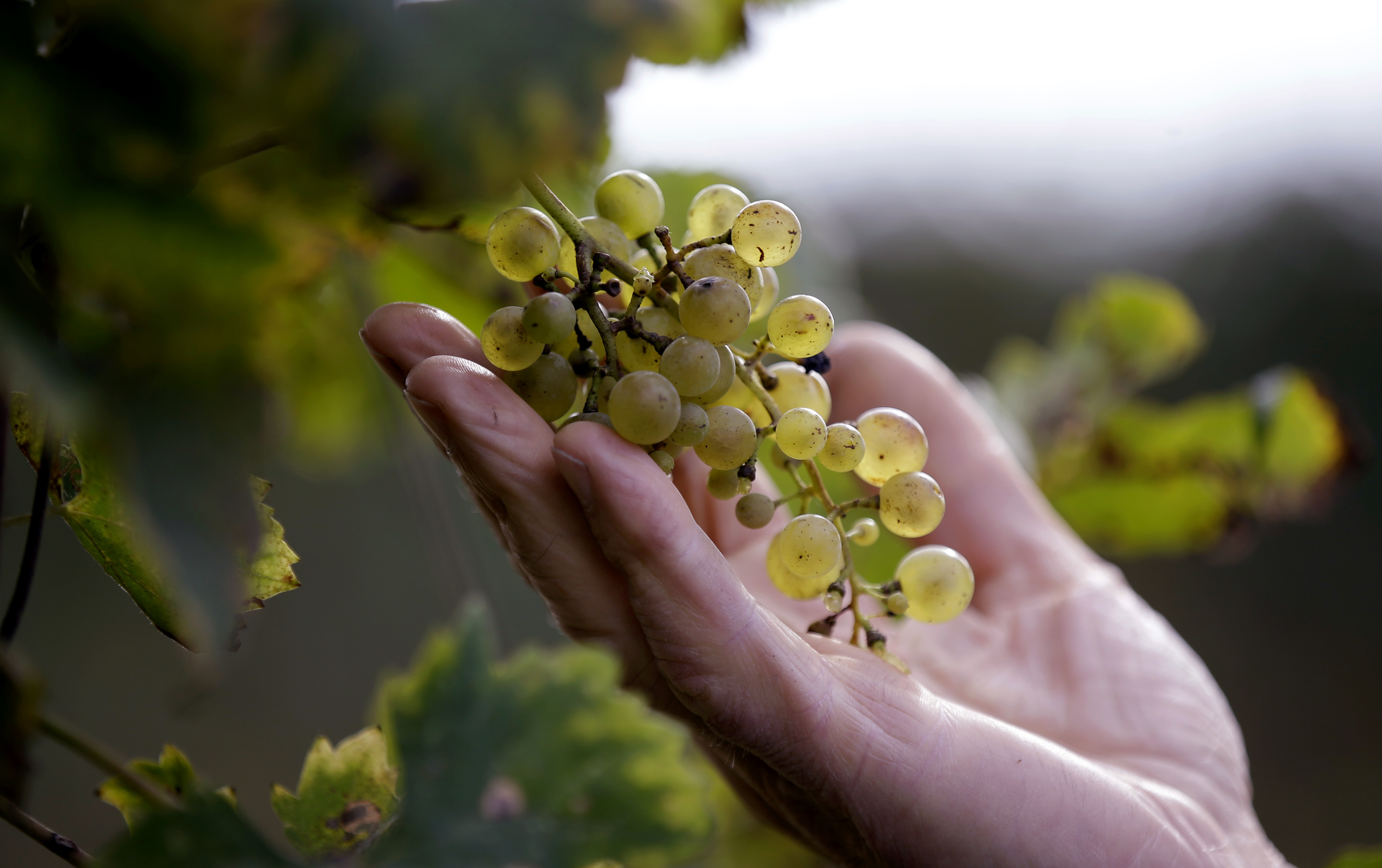
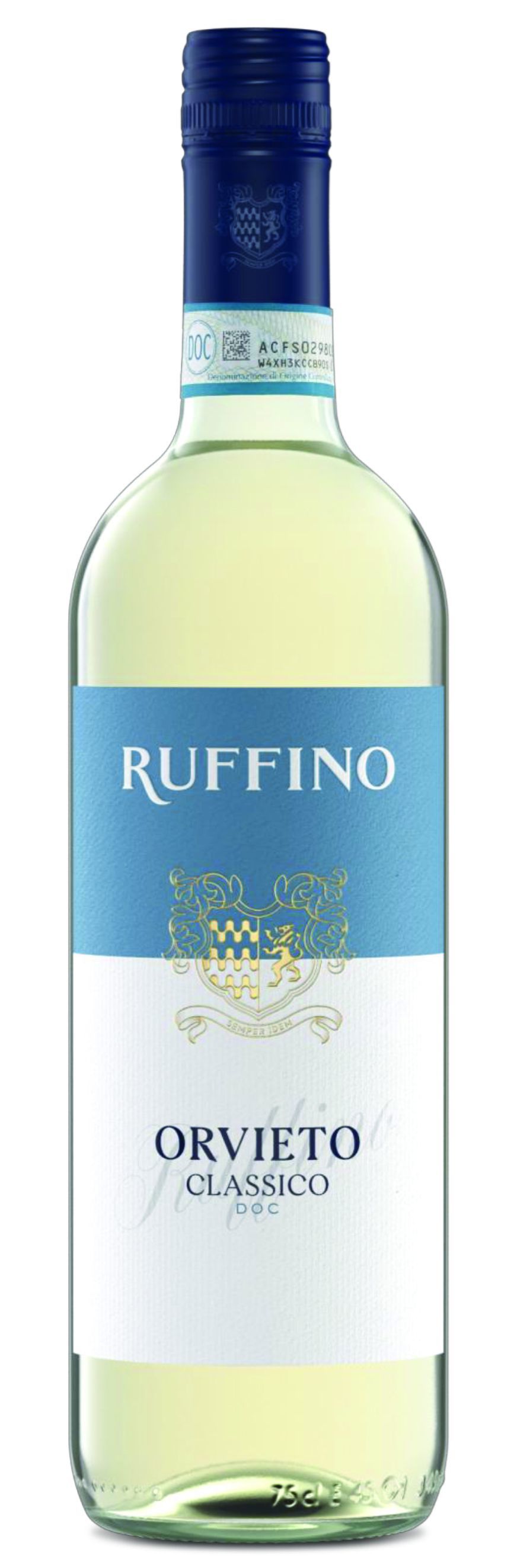
White wines with a subtle touch of sweetness do not get the respect they deserve. This delightfully fruity example from Umbria hovers on the boundary between fully dry and overtly sweet in a way that can be written off as unserious among Italian whites. It is seriously delicious though, with a succulent pearlike flavor profile that makes it an ideal partner for many of the acidic and bright delights from neighboring Tuscany, like panzanella or pappa al pomodoro.
Sweetness in white wines is often unfairly associated with the cheapest boxed wines, since a hint of sweetness can mask the weak flavors of low-quality grapes very effectively. However, there are some regions that have a longstanding tradition of making their wines taste faintly sweet simply because they like it. The Umbrian town of Orvieto, for example, has been known since the Middle Ages for a hyper-sweet dessert wine once prized by popes and kings. That historical association led the region to produce semi-sweet and faintly sweet versions using a similar mix of grapes, with the local grechetto and trebbiano varieties taking the lead in the blend.
This particular example of Umbrian wine is on the drier side. It tastes light, fresh, and just faintly sweet, at a similar level to that found in most Italian prosecco. This whisper of sweetness adds a dessertlike quality to its flavors of fresh-picked orchard fruits — think wine-poached pears with pistachio custard cream. Specific, but it works. This kiss of sugar also helps the wine partner brilliantly with foods that contain sugar or spice, from brunch classics to Asian sauces that have a kick.
Ruffino Orvieto ClassicoCourtesy of Ruffino
Ruffino Orvieto Classico
Umbria, Italy; 12.5% ABV
PLCB Item #5724 — $10.39 through July 5 (regularly $11.39)
Also available at: Canal’s in Mt. Ephraim ($11.99; mycanals.com), Moorestown Super Buy Rite in Moorestown ($11.49; moorestownbuyrite.com), and Total Wine & More in Wilmington and Claymont, Del. ($11.49; totalwine.com).