Category: Craig LaBan

  • Mr. Edison is flashy and ambitious. Too bad the cooking and service are dim.

    Mr. Edison is flashy and ambitious. Too bad the cooking and service are dim.

    There are ghosts rumbling through the rafters at Mr. Edison. And I’m not sure they’re happy.

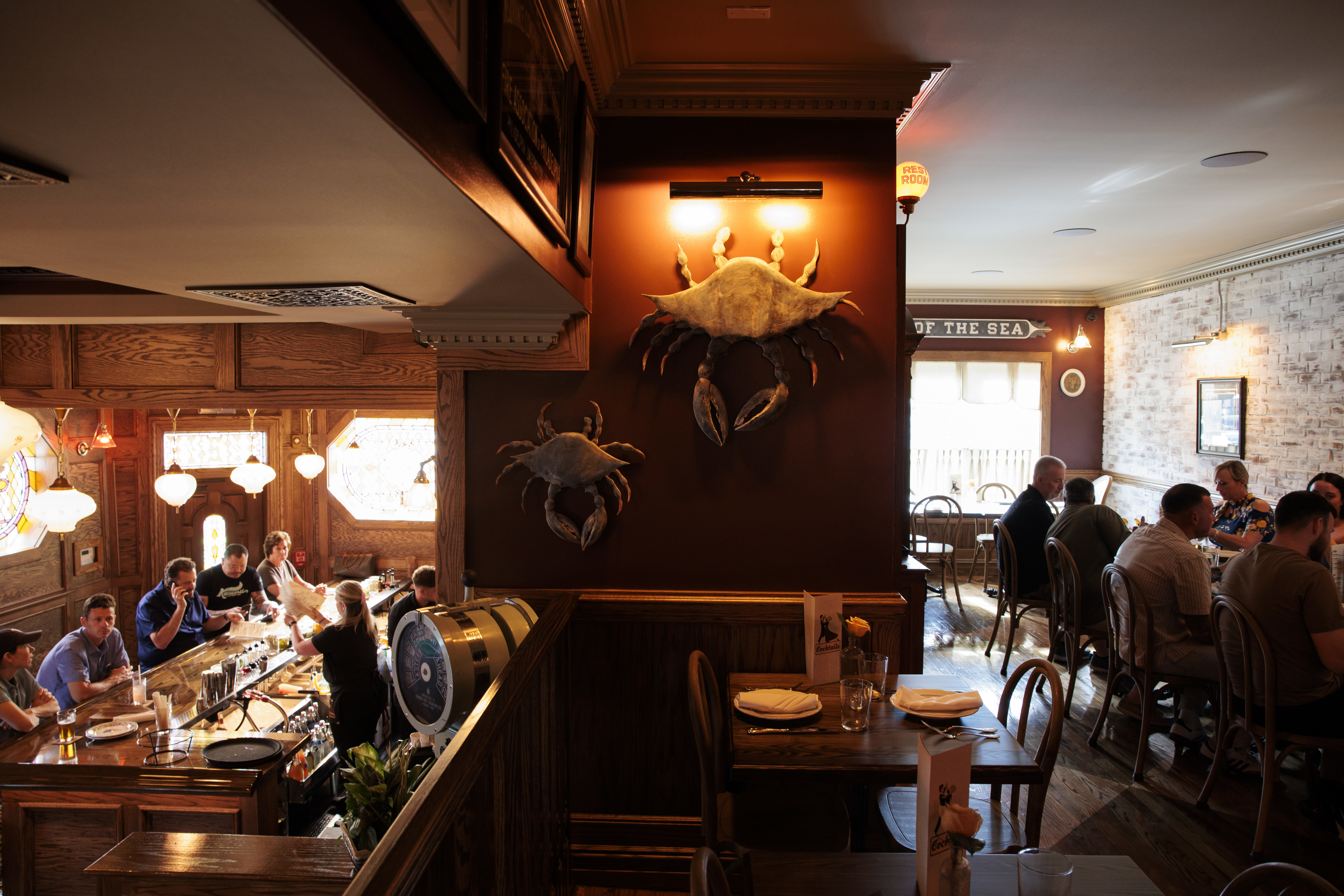
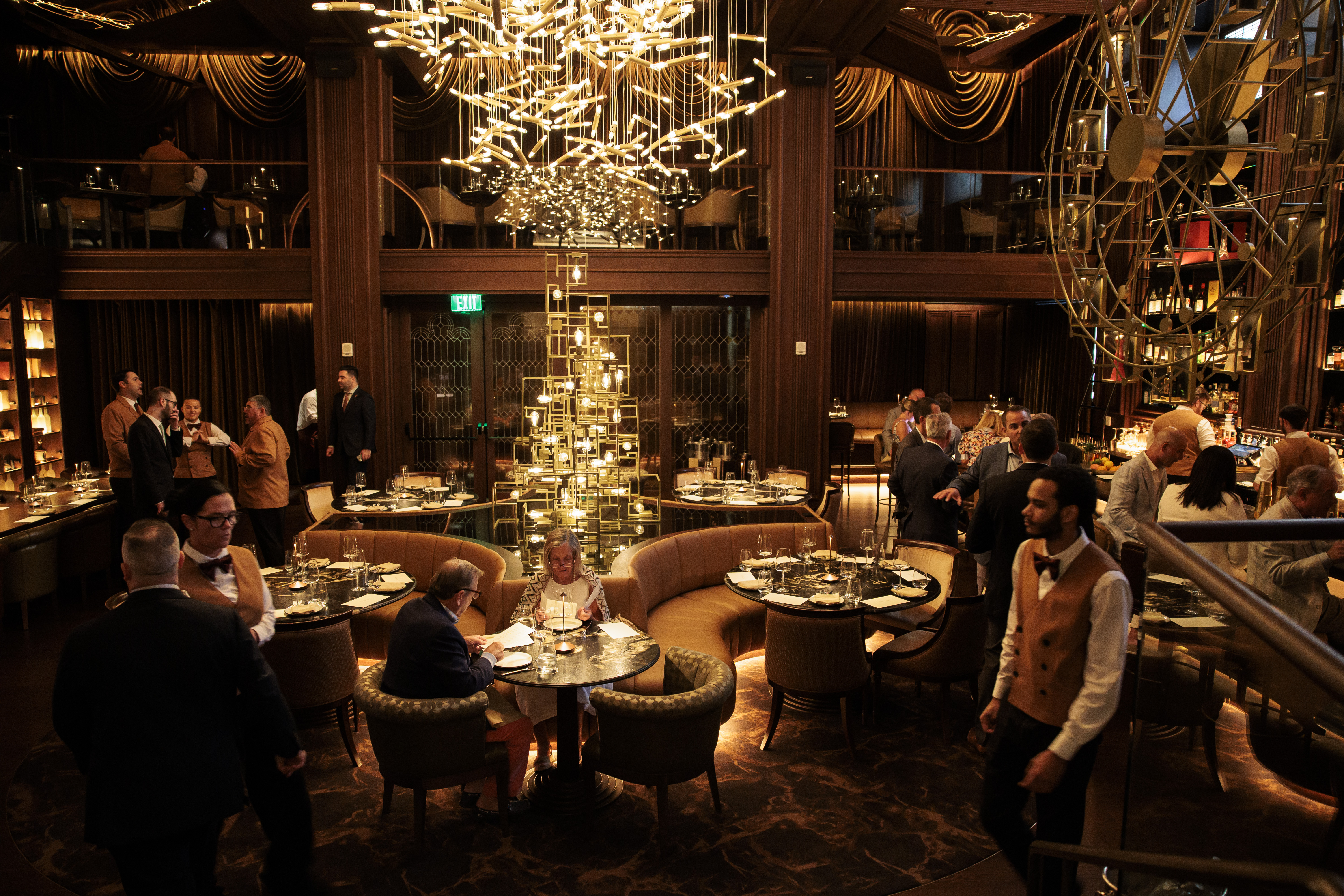
    So much energy — both living and remembered — pulses through this dramatic two-story restaurant inside the landmark Bellevue hotel that, as we follow a hostess in what looks like silk pajamas up the long staircase to our table on the mezzanine, the ceiling panels appear to explode with a mirrored tableau of reflected lightning bolts. A chandelier of suspended Edison bulbs showers the plush booths below in a cascade of frozen sparks while a 12-foot brass Ferris wheel nearby cycles slowly over the bar, dangling some of the world’s most extravagant bottles of booze in its hydraulic glass cages.

    Am I the target audience for a $350 pour of the Louis XIII “on rotation”? Definitely not. But Mr. Edison has obviously found them, given its guests supposedly go through a bottle a week of the famed cognac (which retails in Pennsylvania for $5,300).
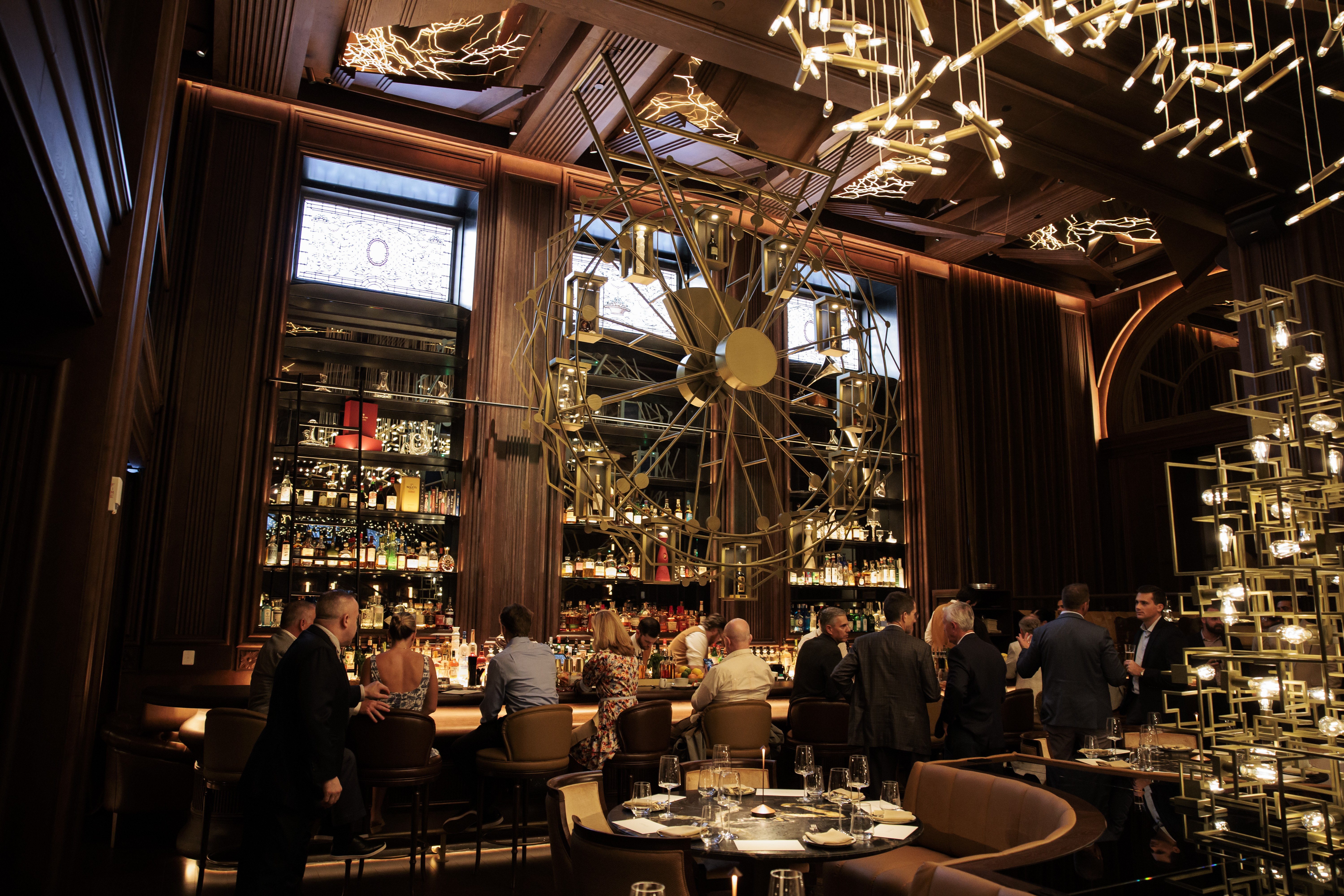
    The bar at Mr. Edison in the Bellevue Hotel on Tuesday, Aug. 18, 2026 in Philadelphia.Monica Herndon / Staff Photographer

    This carnival of pomp and perpetual motion is overwhelming to take in all at once, along with a live jazz band playing to a crowd tightly cinched into formalwear and glittering jewels. The spirit of Thomas Edison, who in 1904 helped electrify this grand old hotel, would no doubt be moved by this namesake tribute from owner Jeffrey Chodorow, the pioneering restaurateur with a hand in more 60 restaurants, including China Grill and Asia de Cuba.

    While those two stars of late 20th-century dining in New York (and Miami) were trendsetters for the eater-tainment fusion movement, Mr. Edison is a decidedly nostalgic throwback to a 1940s-style supper club. It’s built around updates to classic Philly foods, from fried oysters and chicken salad zapped with kimchi to more dutiful re-creations of cakes from Old Original Bookbinder’s and Frog.
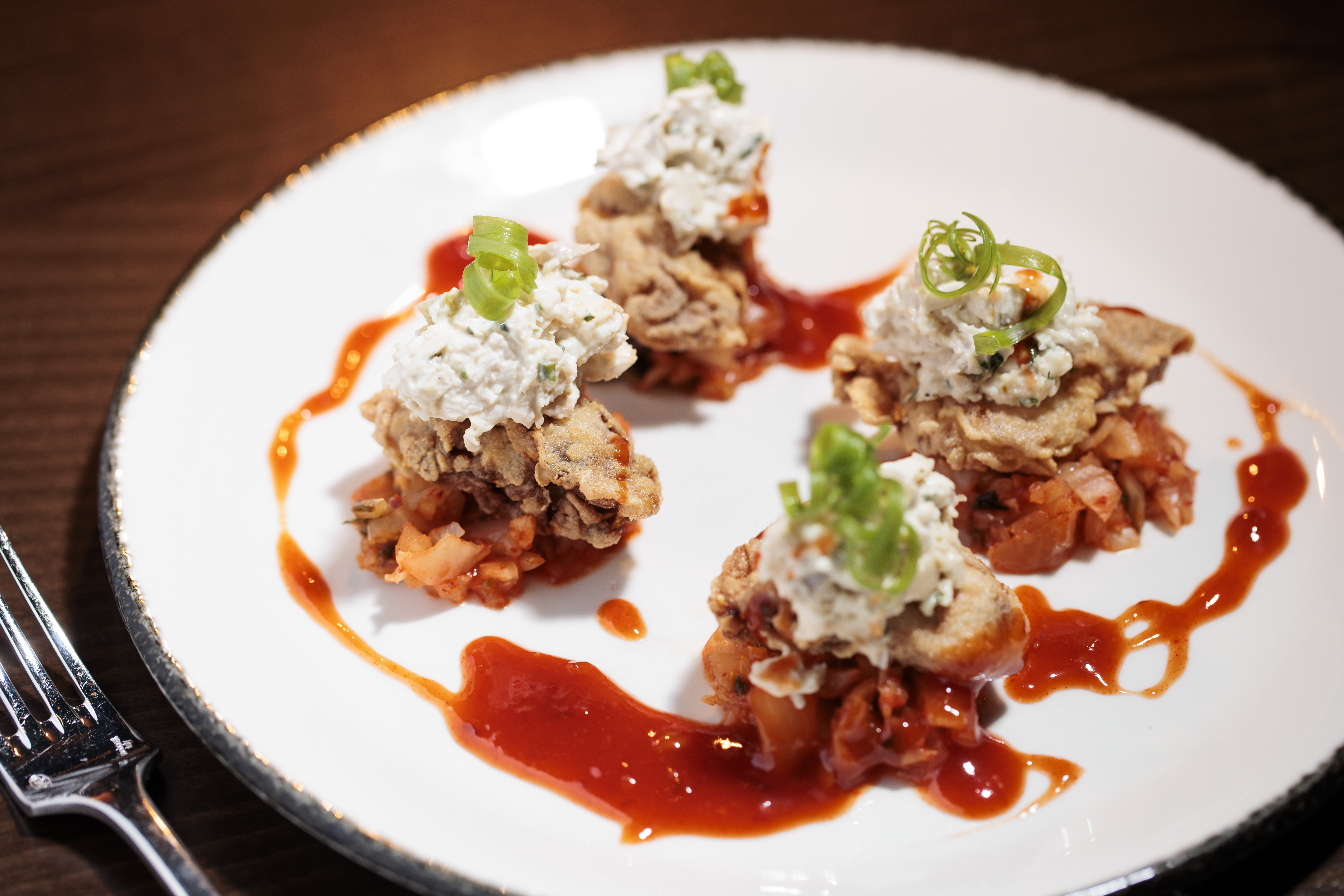
    The Korean fried oysters at Mr. Edison in the Bellevue Hotel on Tuesday, Aug. 18, 2026 in Philadelphia.Monica Herndon / Staff Photographer

    For Chodorow, 76, who studied at Wharton, Mr. Edison’s food is a love letter to legends of the 1970s restaurant renaissance, which he enjoyed while practicing law here in the early 1980s. Names like Le Bec-Fin, Le Panetière, and Jimmy’s Milan are invoked like wishful spells across the menus, which arrive tucked inside a souvenir envelope like wedding invitations. (Chodorow, not coincidentally, threw an elaborate engagement party for his wife at the Bellevue in 1982.)

    If the Ghosts of Philly Restaurants Past have indeed answered their summons, they might be frowning down on these plates with dismay. The galette de crabe “Le Bec-Fin,” known for its use of seafood mousse to produce a delicately puffy soufflé jeweled with sweet crab, arrived here so deflated and overcooked it tasted like a fishy frittata.

    “Chef [Georges Perrier] would probably lock the doors and burn the place down,” replied one of Le Bec’s longtime former chefs after I texted him a picture of my gruesome galette.
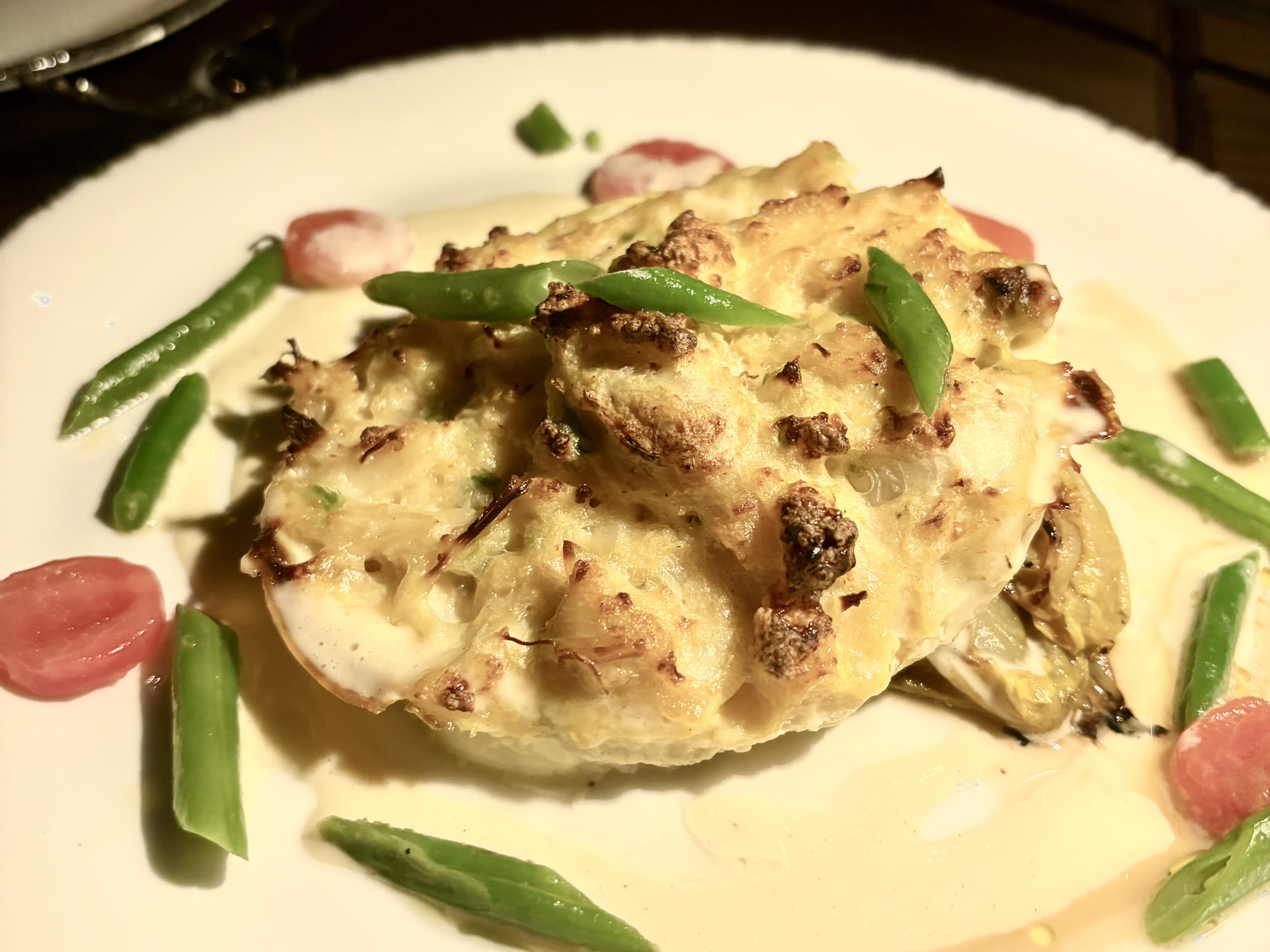
    Mr. Edison’s rendition of Le Bec-Fin’s crab galette is a far cry from the original.Craig LaBan / Staff

    In fact, Mr. Edison’s culinary director, Matt Levin, 53, also cooked at Le Bec-Fin early in his career, which subsequently saw him burst onto the scene in the early 2000s at New Hope’s Moonlight and Lacroix at the Rittenhouse before going solo with Adsum and Square Peg, then eventually landing in the catering world. Most recently, he cooked at the Pineville Tavern in central Bucks County. While his recipe might be the same, Levin’s decision to jettison Perrier’s ring mold for a shallow pan was a fateful miscue. The galette evolved by my second meal into a soggy sponge, still not ideal for $45.

    Fewer diners today recall Le Panetière, where Chodorow remembers first tasting Perrier’s food in the late 1960s. But anyone would realize upon one bite of this duck à l’orange tribute that the meaty breast, although still medium-rare, was inexplicably dry and as tough as a chew toy.
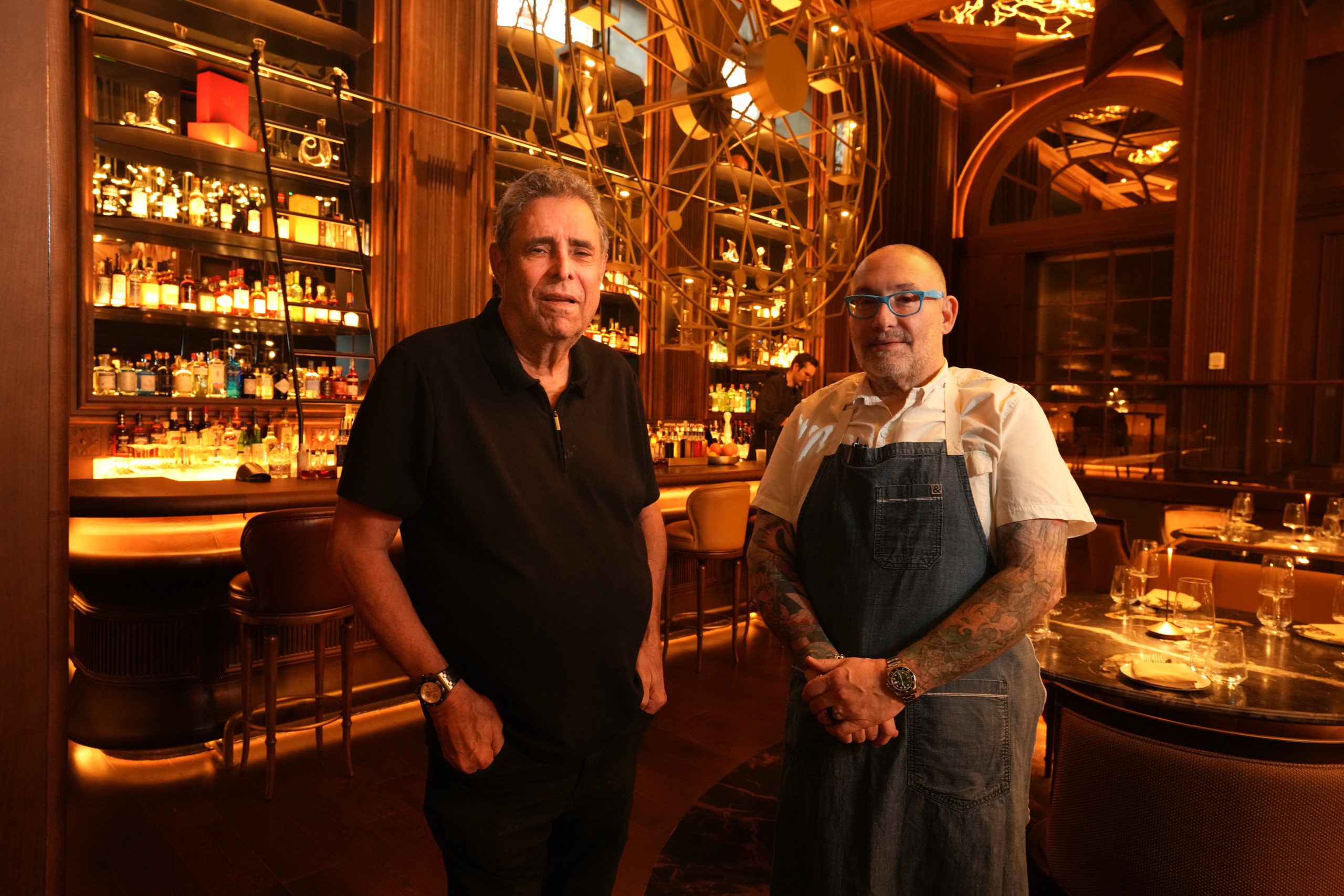
    Jeffrey Chodorow (left) and chef Matt Levin, at Mr. Edison, the new restaurant at the Bellevue, in Philadelphia, on June 23, 2026.

    If only I could have found the frequently absent captain overseeing our table on the mezzanine before the two-hour-plus mark of our glacially slow meal, when he finally asked us, too late and far too smugly, “Did that hit the spot?”

    “Not very well,” I replied honestly with a detailed report, noting we’d hardly eaten this $90 sharing splurge as a result. He shrugged a faint reply, then handed us our bill with not even the slightest gesture of apology, though I was not surprised. He’d also forgotten so much as a candle for our dessert after we told him upon arrival (after he asked) that we were celebrating a birthday.
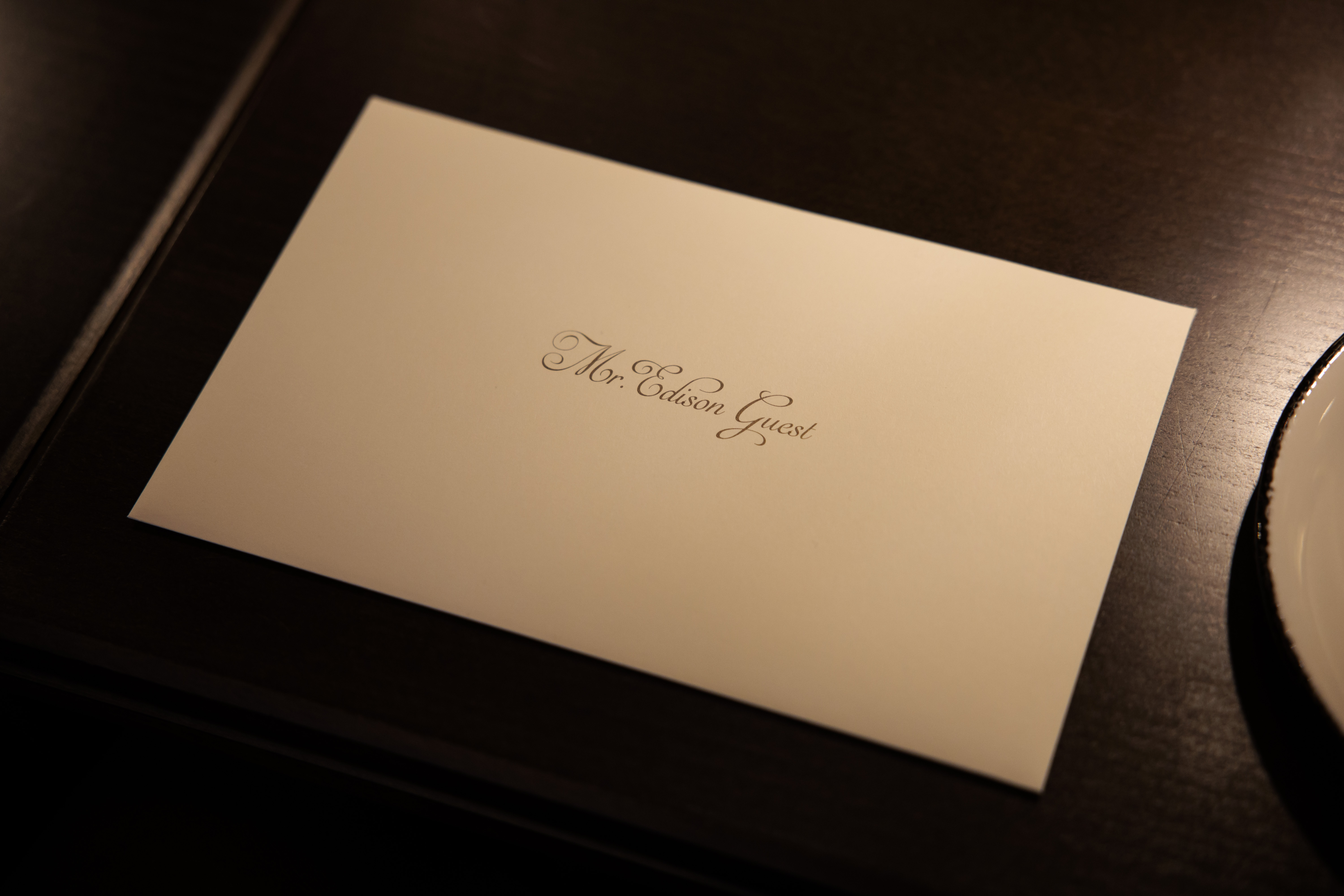
    An envelope at each seat holds the menus at Mr. Edison in the Bellevue Hotel on Tuesday, Aug. 18, 2026 in Philadelphia.Monica Herndon / Staff Photographer
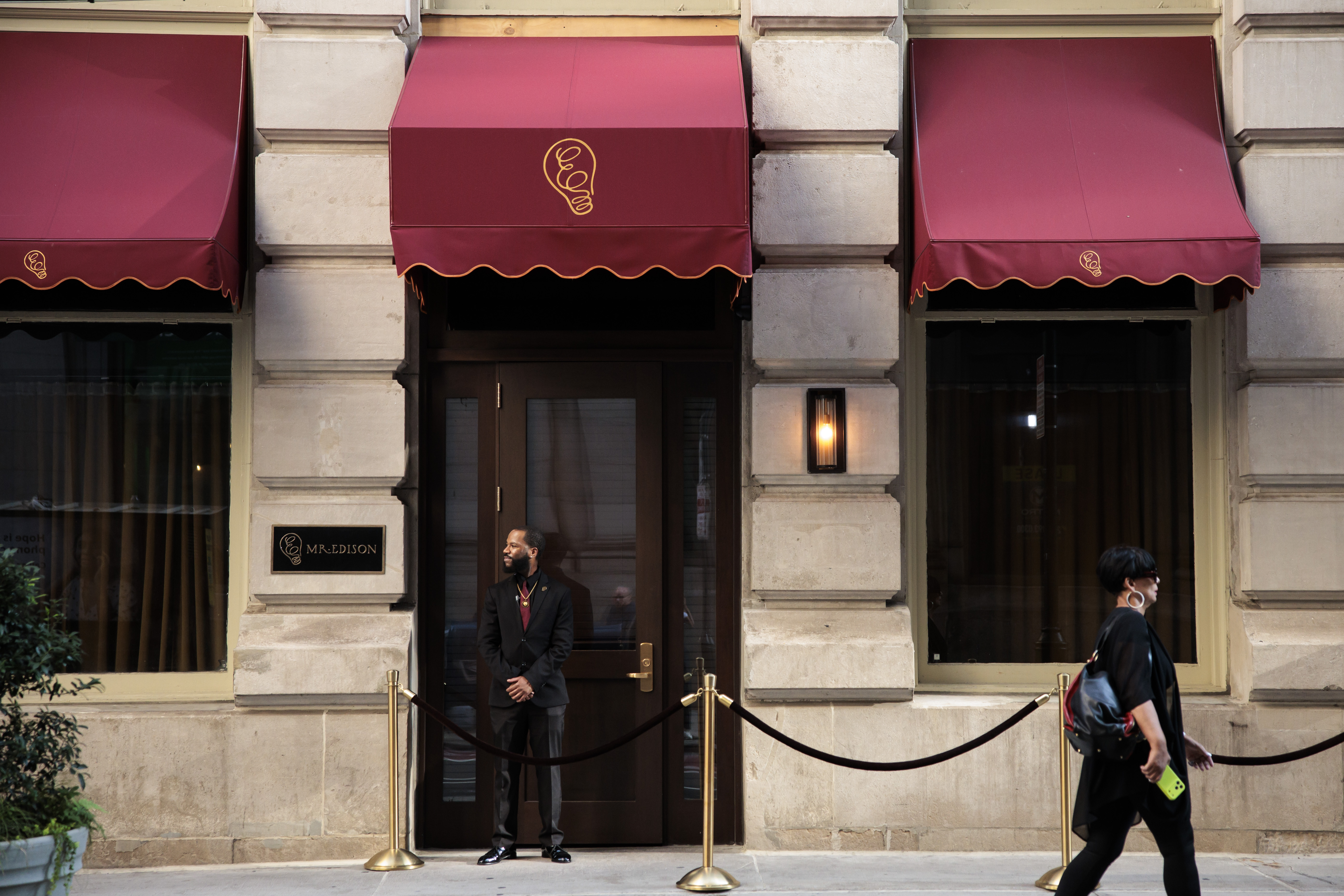
    The exterior of Mr. Edison in the Bellevue Hotel on Tuesday, Aug. 18, 2026 in Philadelphia.Monica Herndon / Staff Photographer

    As a restaurant romantic, I value grand ambitions such as those that shaped Mr. Edison, a $10 million makeover of the former Polo store that recalls the showplace splendor of Walnut Street’s Restaurant Row in the late 1990s (Striped Bass, Susanna Foo, Brasserie Perrier) more than the DIY quirkiness of the restaurant renaissance that preceded it. It’s far preferable to the cookie-cutter chains that otherwise populate South Broad Street. But executing that ideal in a 133-seat room in 2026 — when, as chef Levin noted, people can make more working for food-delivery apps than actually cooking the food — is a challenge. With check averages of $120 (before tip and tax), no customer wants to hear excuses.

    Improvement is within reach. We were seated at my following visit on the daisy wheel banquette that anchors the downstairs dining room, and the service there was much sharper. We had a perfect vantage to hear Drew Nugent & the Midnight Society swing onstage and to drink this bar’s outstanding cocktails, including the large carafe of a superb Negroni (this variation blending Cocchi di Torino and Punt e Mes) poured tableside over giant ice cubes. At $57 for the equivalent of three-plus cocktails, it’s one of Mr. Edison’s best values.
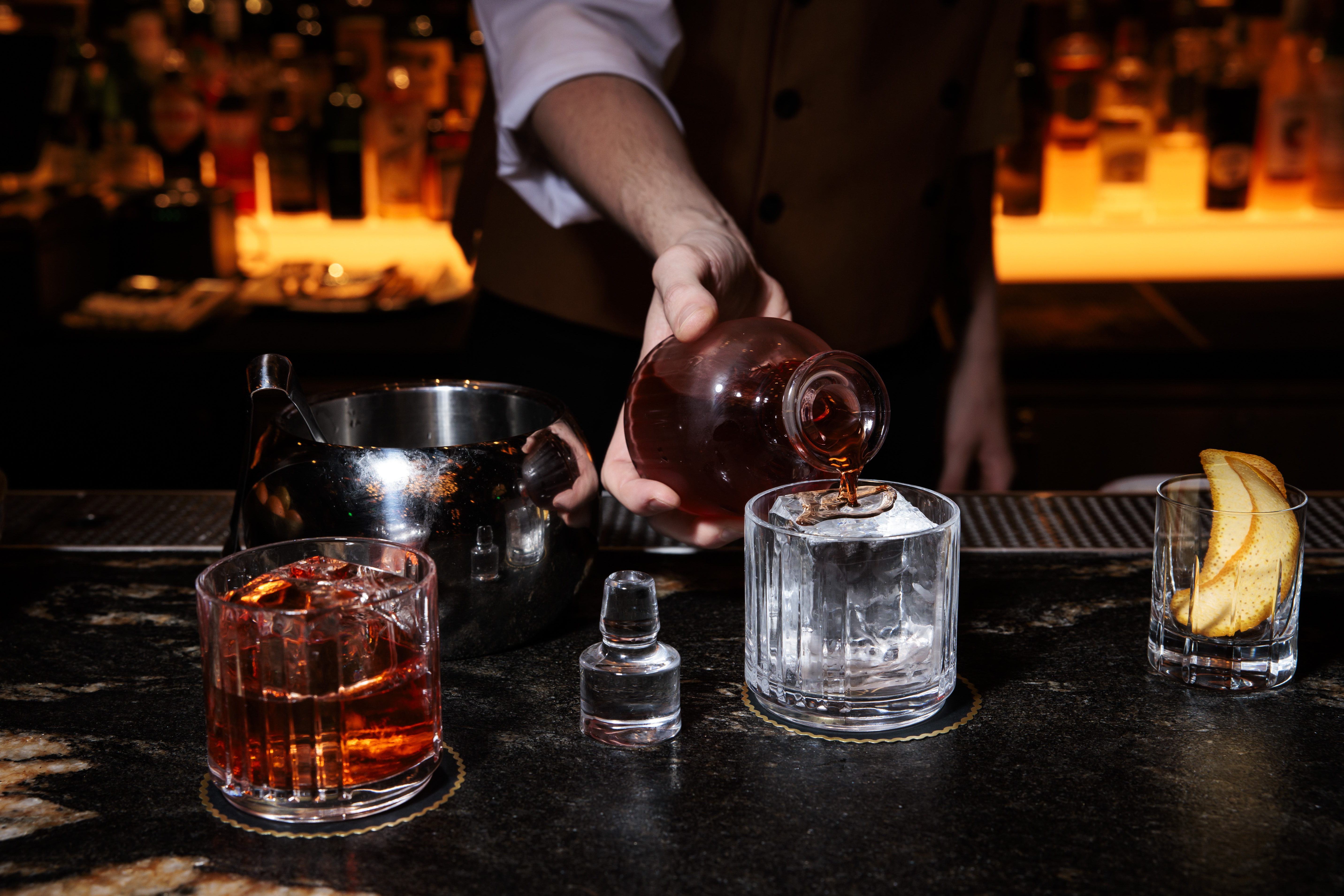
    Bartender Michael Chukinas pours the tableside house Negroni at Mr. Edison in the Bellevue Hotel on Tuesday, Aug. 18, 2026 in Philadelphia.Monica Herndon / Staff Photographer

    I’d definitely return for a seat at the titanium granite bar to enjoy the well-curated lineup of live music, sip other cocktail hits (the white coffee-infused Wizard or tropical 30 Minute Nap), and graze on some of the small plates.

    The Korean fried oysters with kimchi and chicken salad was an intriguing riff on one of my favorite historical Philly food oddities, the spice and fermented funk of the cabbage cutting through the clubby richness. Waffle chips to scoop paddlefish caviar from fancy French onion dip was an accessible alternative to the far pricier sturgeon caviar service. The quail yolk-dotted beef tartare ringed by fried beef tendon puffs was irresistible, while a petite portion of seared filet mignon fanned over a creamy au poivre sauce with morels tapped another red-meat craving without the steakhouse clichés.

    The Jimmy’s Milan salad — essentially crunchy lettuce tossed with bacon, big shrimp, hard-boiled eggs, and a zesty Russian-Italian hybrid dressing — is proof that some vintage pleasures don’t need to be reinvented to be appreciated. The restaurant’s $48 baked potato, stuffed with nearly half a pound of sweet lump crab au gratin, was the most memorable thing I ate at Mr. Edison, a super spud splurge that could hit yet another level with a $40 “blackout” addition of caviar.

    A couple of the small plates fell short. A meaty flap of tuna carpaccio was not pounded thin enough. The corn-encrusted soft-shell crabs over mole verde were not soft enough, leaving me with a mouthful of shells.

    Updating classics is a tricky prospect, and often Levin’s contemporary reworking drifted too far afield for its own good. The baked “Edison meets Rockefeller” oysters were so underdressed, with splashes of Mornay and fines herbes butter replacing the typically lush green puree, it lacked the indulgence to suit its name, even with a crispy nugget of guanciale. A $110 rendition of lobster Thermidor was not simply unrecognizable; without the full shell, into which it is typically stuffed and gratinéed, it was one-dimensional and boring.

    The grilled lamb chops spiced with vadouvan curry with Thumbelina carrots were the most satisfying of the “Grand Plates” for two, while the butterflied whole dorade over chimichurri and the buffalo milk ricotta ravioli were safe bets for the unadventurous.
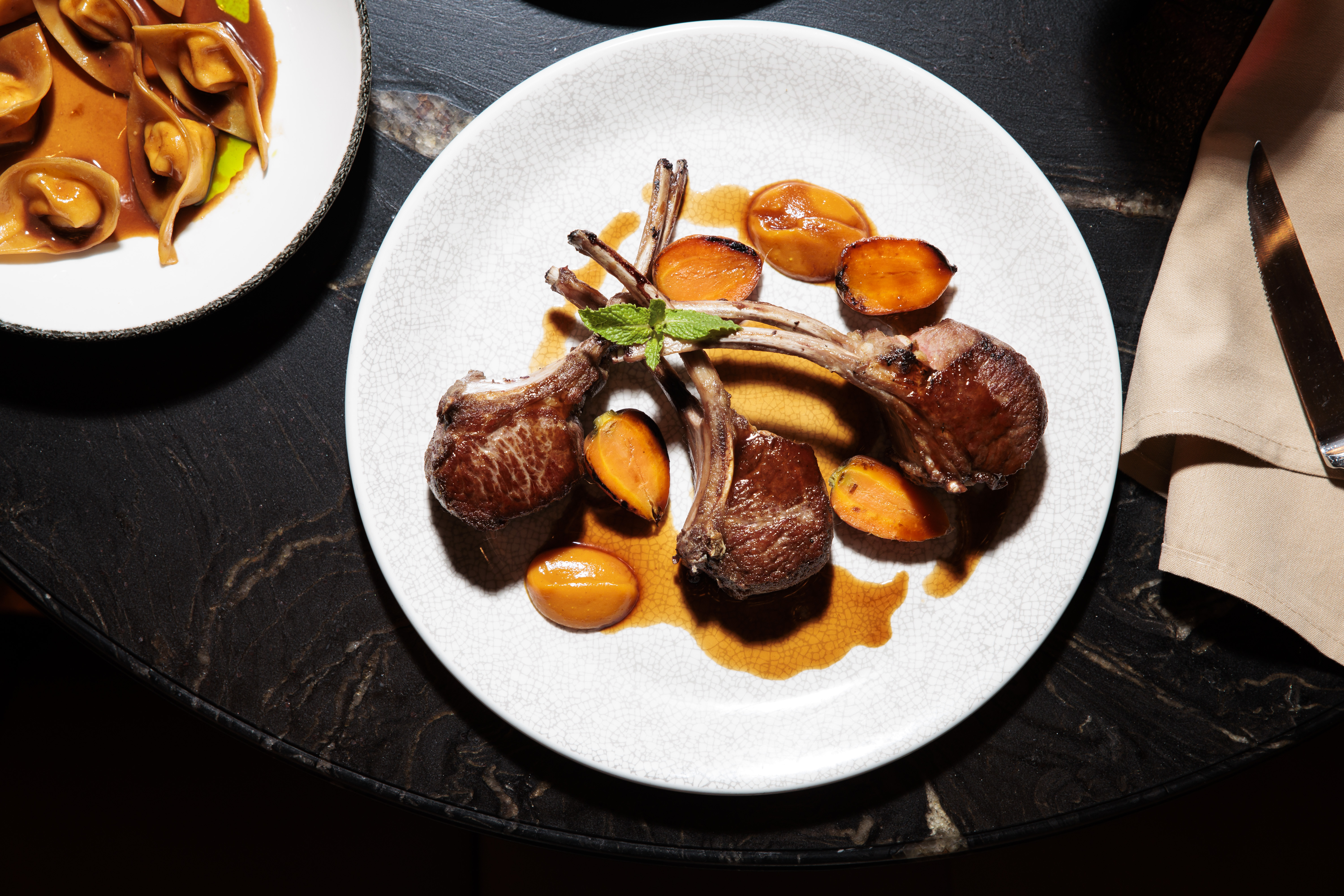
    The lamb chops at Mr. Edison in the Bellevue Hotel on Tuesday, Aug. 18, 2026 in Philadelphia.Monica Herndon / Staff Photographer

    Too many other big dishes stumbled over the basics of seasoning — like a veal chop Milanese that cradled a handful of flaky salt atop its breaded crust. The brick chicken was so salty that my gums ached until the end of the meal.

    Tucked into the stuffiest far corner of the mezzanine behind the bar for this final visit, I’d hoped an old-fashioned dessert would offer enough sweetness to counter that salty bird. I considered one of the winners I’d already enjoyed at previous visits: a re-creation of the coconut cake from Old Original Bookbinder’s, a tasty nod to Frog’s legendary carrot cake with butter pecan ice cream, or the dense chocolate-and-peanut-butter tart.

    I opted for the crème brûlée to keep it easy, only to find its caramel crust — ideally torched to order and still warm — was cold by the time it ascended to our second-floor perch beneath the lightning-bolt rafters. I looked down toward the bar’s Ferris wheel as it cycled up toward us and couldn’t help but imagine the Ghosts of Philly Restaurants Past riding along with those glass cages, so hopeful for their comeback moment. Rising then falling, again and again, they sent shrugs of disappointment in my direction as they rolled away.
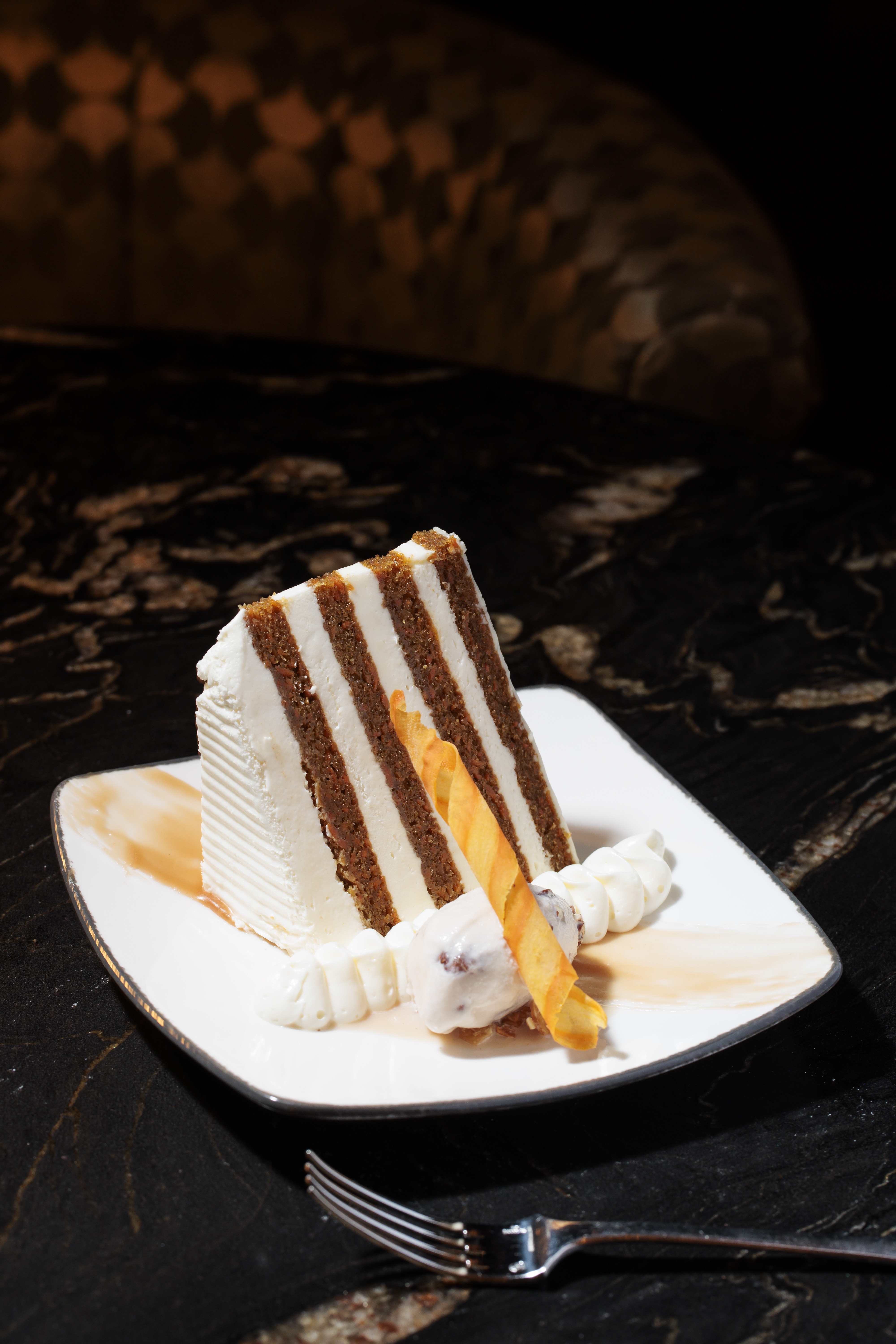
    The carrot cake at Mr. Edison at the Bellevue Hotel on Tuesday, Aug. 18, 2026 in Philadelphia.Monica Herndon / Staff Photographer

    Mr. Edison

    Dinner Sunday through Thursday, 5 to 11 p.m.; Friday and Saturday, until midnight.

    Small plates, $19-$45; Sharing plates for two, $58-$115.

    Fully wheelchair accessible to all parts of the restaurant, including two wheelchair accessible seats at the bar.

    Gluten-free: At least half the menu is either gluten-free or can be modified, including items cooked in a gluten-free fryer.

    Menu highlights: Caviar dip; Jimmy’s Milan salad; Korean fried oysters; filet au poivre; baked potato with crab gratin; buffalo ricotta ravioli; lamb chops; carrot cake.

    Beverage program: Don’t let the ostentatious bling bottles on the Ferris wheel fool you. The bar is Mr. Edison’s strong suit, with well-crafted and thoughtful updates to classic ideas using modern techniques and quality ingredients. The tableside Negroni towers are worth it, along with other cocktail highlights. The wine list is more predictable.
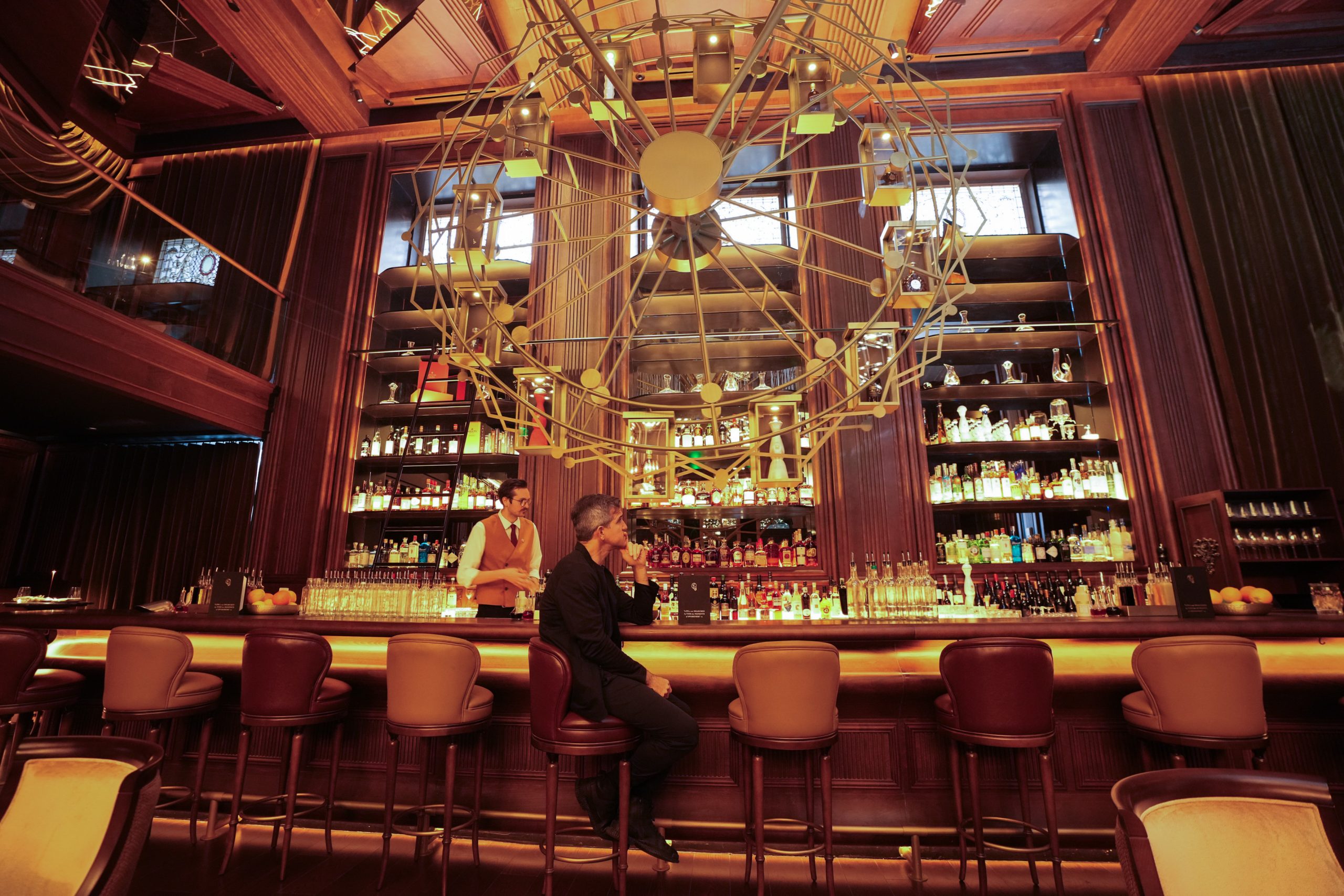
    Mr. Edison, the new restaurant at the Bellevue from Jeffrey Chodorow, in Philadelphia, June 23, 2026.
  • At tiny Lau Kee, Chinatown’s most experienced duck chef delivers reliable excellence

    At tiny Lau Kee, Chinatown’s most experienced duck chef delivers reliable excellence

    Chinatown’s Wizard of Ducks did not come from poultry royalty. Chuien Liu was born to a long line of Fujianese fishermen on a rural island beside the East China Sea.

    “Going out every day to catch fish, shrimp, and crabs? That was a necessity,” says his son, Kenneth Liu, translating for his father. “But making duck was his passion, mostly because he liked to eat it.”

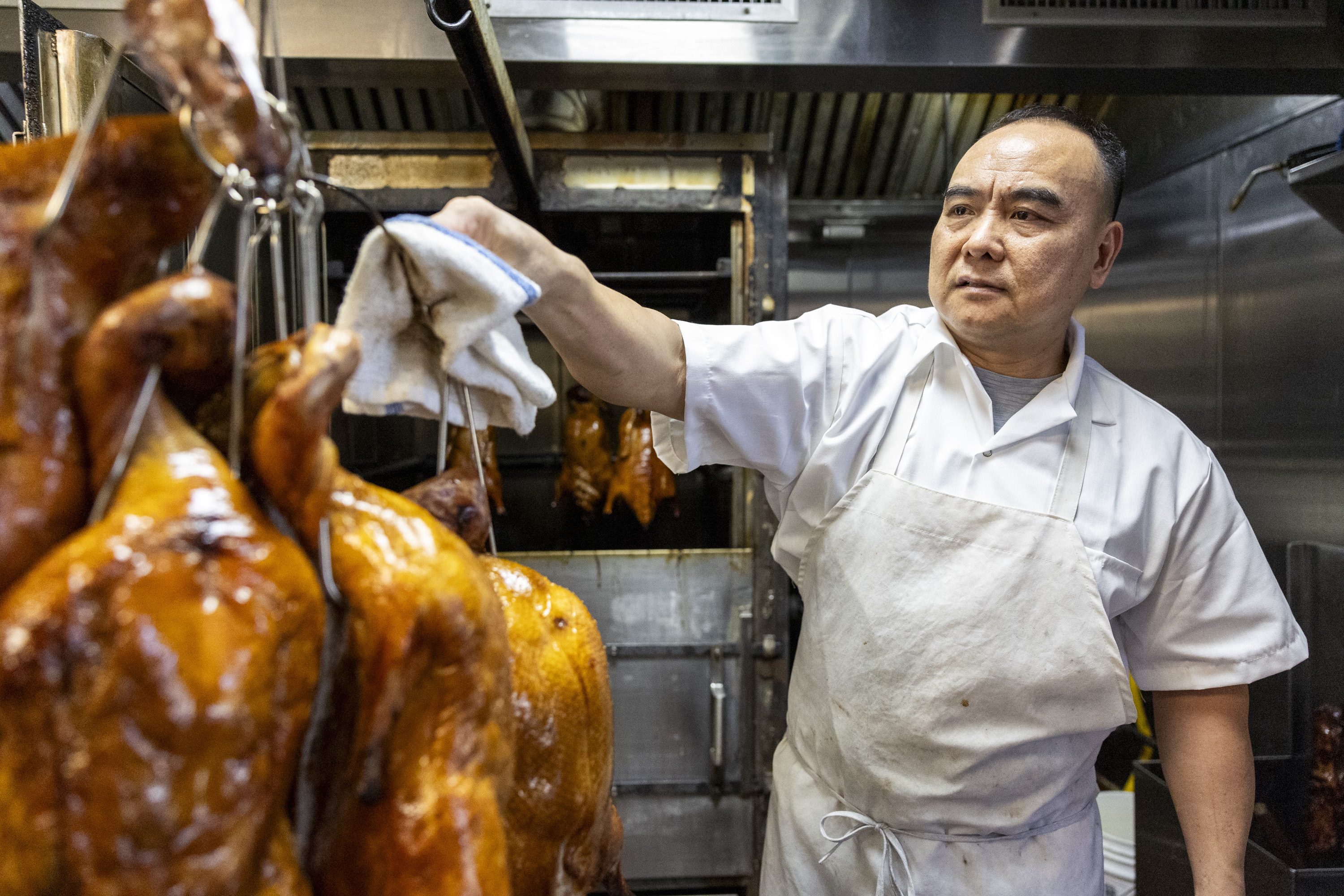
    In that respect, Chuien Liu scored big-time when he came to Philadelphia in the mid-1990s, following a wave of immigration from Fujian Province, on China’s southeastern coast, to the United States. He landed a spot beside the roasting oven at Chinatown’s iconic Sang Kee Peking Duck House, and he remained there as the master of ducks, soy sauce chicken, and crispy pig for 25 years.

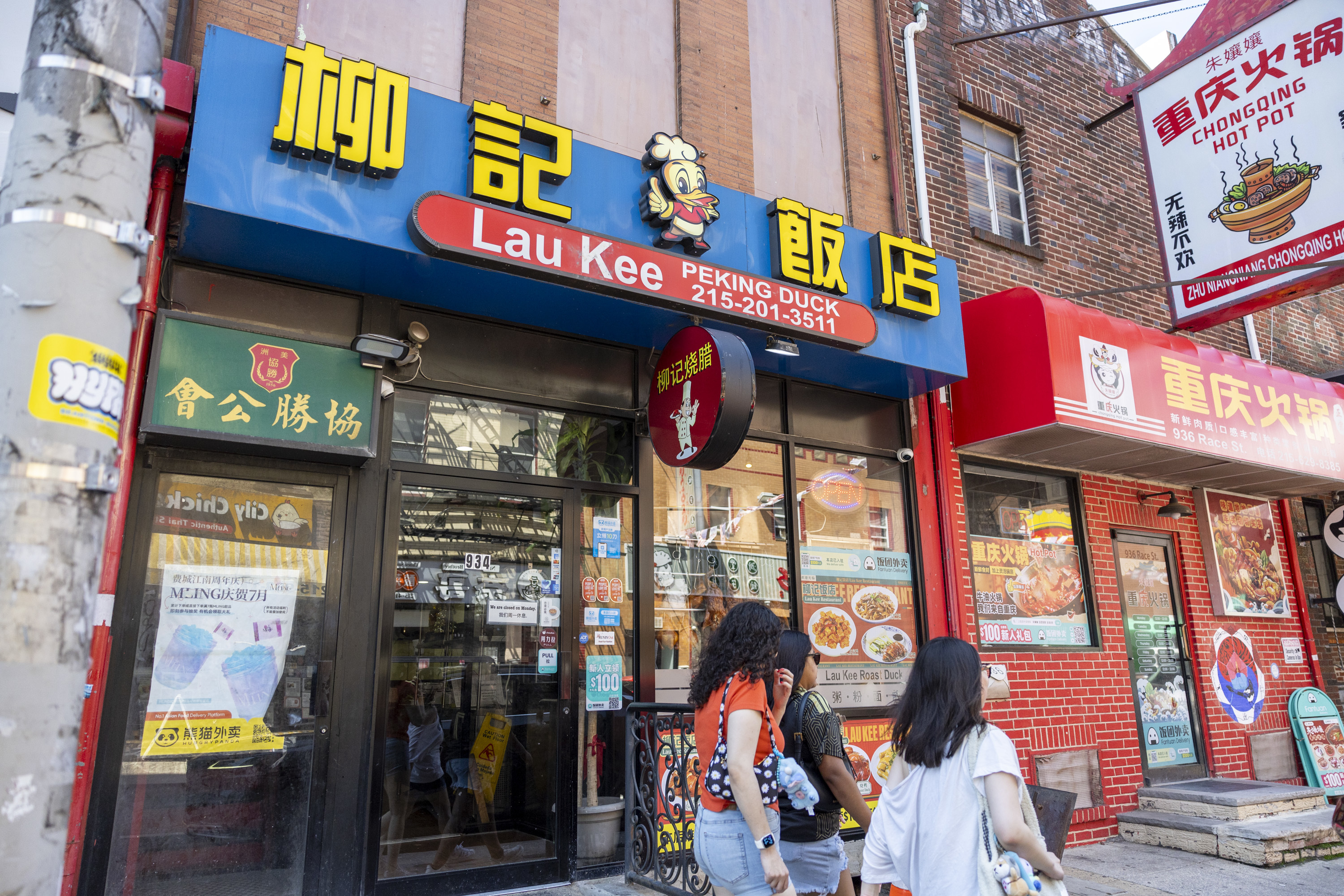
    And then we, the voracious duck eaters of Philadelphia, became the lucky ones. Liu and his family went independent in 2019 to claim their own little slice of Chinatown at Lau Kee, a cozy 20-seater with no decorations on the walls, but an absolute masterpiece display of Cantonese-style roasted meats hanging in the spotless front window.

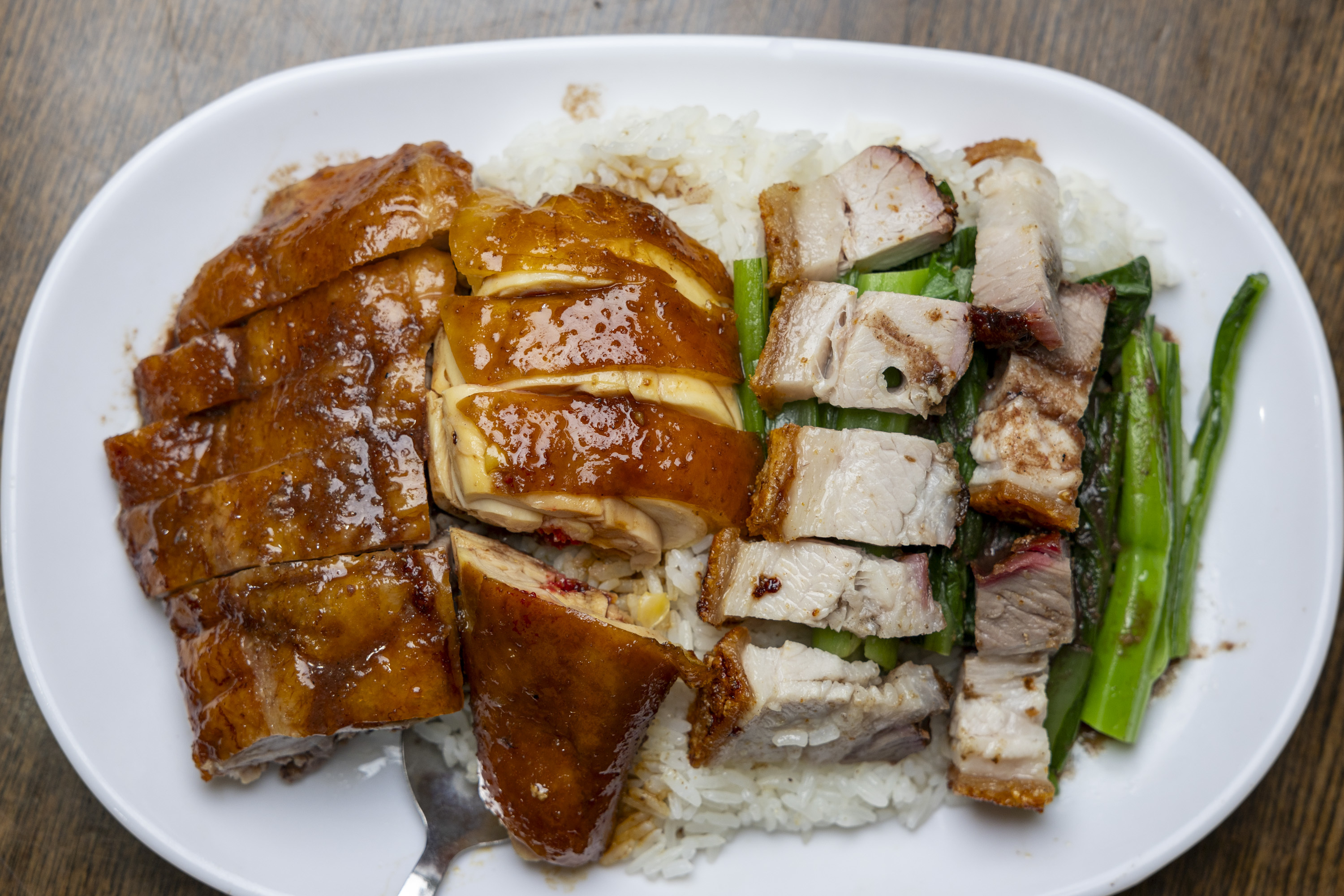
    Lacquered brown ducks dangle temptingly from hooks beside paper-wrapped bundles of whole chickens, pink-edged hunks of sweet char siu pork shoulder, and tawny sheets of pork belly, whose slow-rendered layers of pale meat, pearly fat, and cracker-crisp skin are simultaneously so moist, tender, and shatteringly crunchy, taking merely one bite is not an option.

    The three meat platter over rice at Lau Kee, in Philadelphia, Pa., on Friday, Aug. 7, 2026.Tyger Williams / Staff Photographer
    Outside street view of Lau Kee, in Philadelphia, Pa., on Friday, Aug. 7, 2026.Tyger Williams / Staff Photographer

    There are other, larger, better-known duck houses in Chinatown with long-established and devoted patrons, from Ting Wong to M Kee, takeout-only Siu Kee, and, of course, Liu’s alma mater, Sang Kee.

    But with more than 31 years of experience and nearly half a million birds beneath his cleaver, Liu, now 55, is currently Chinatown’s longest-tenured duck chef — and also my vote for Philly’s best. As one of the very few chef-owners in the neighborhood, there is also an exceptional consistency in his insistence on doing things right.

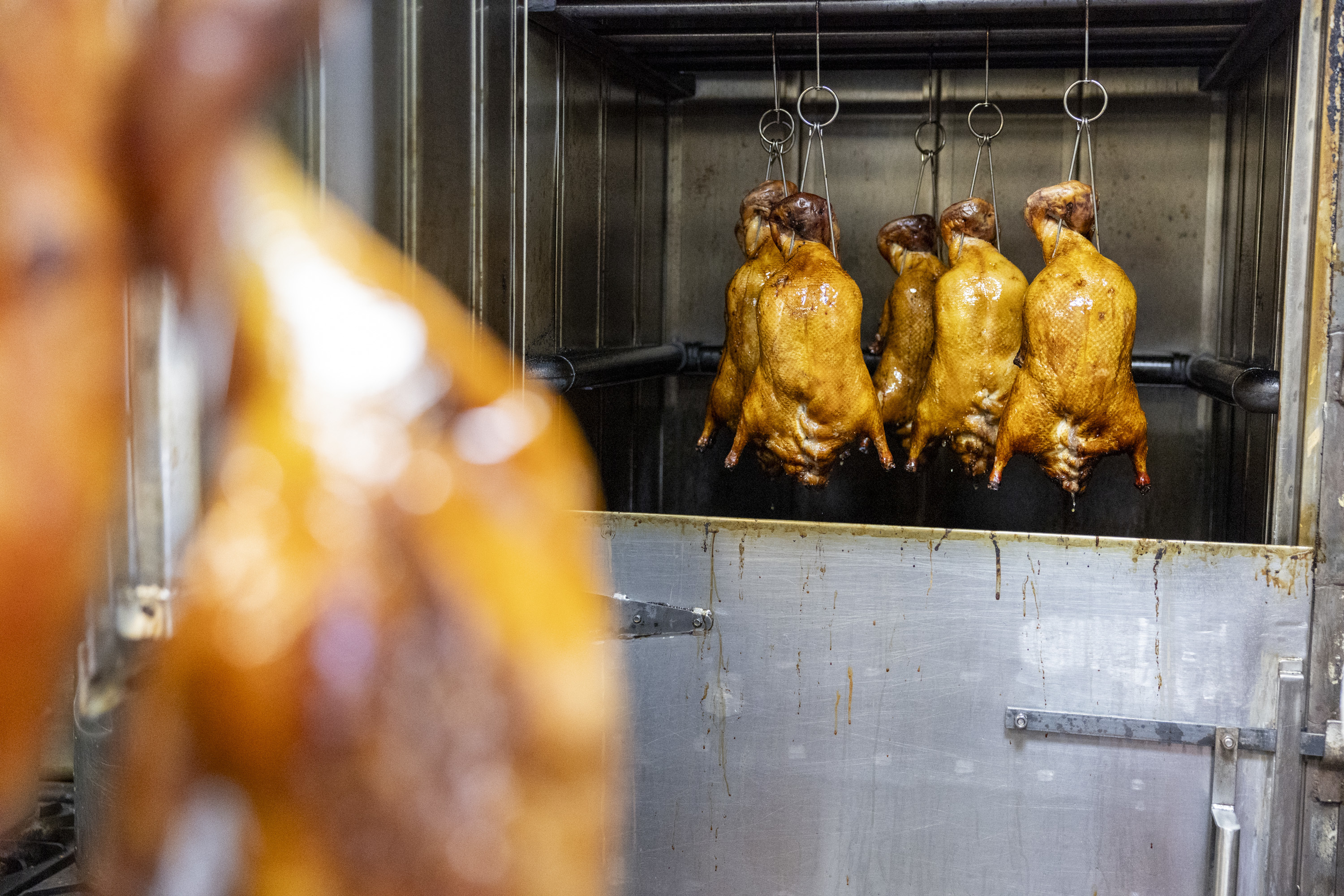
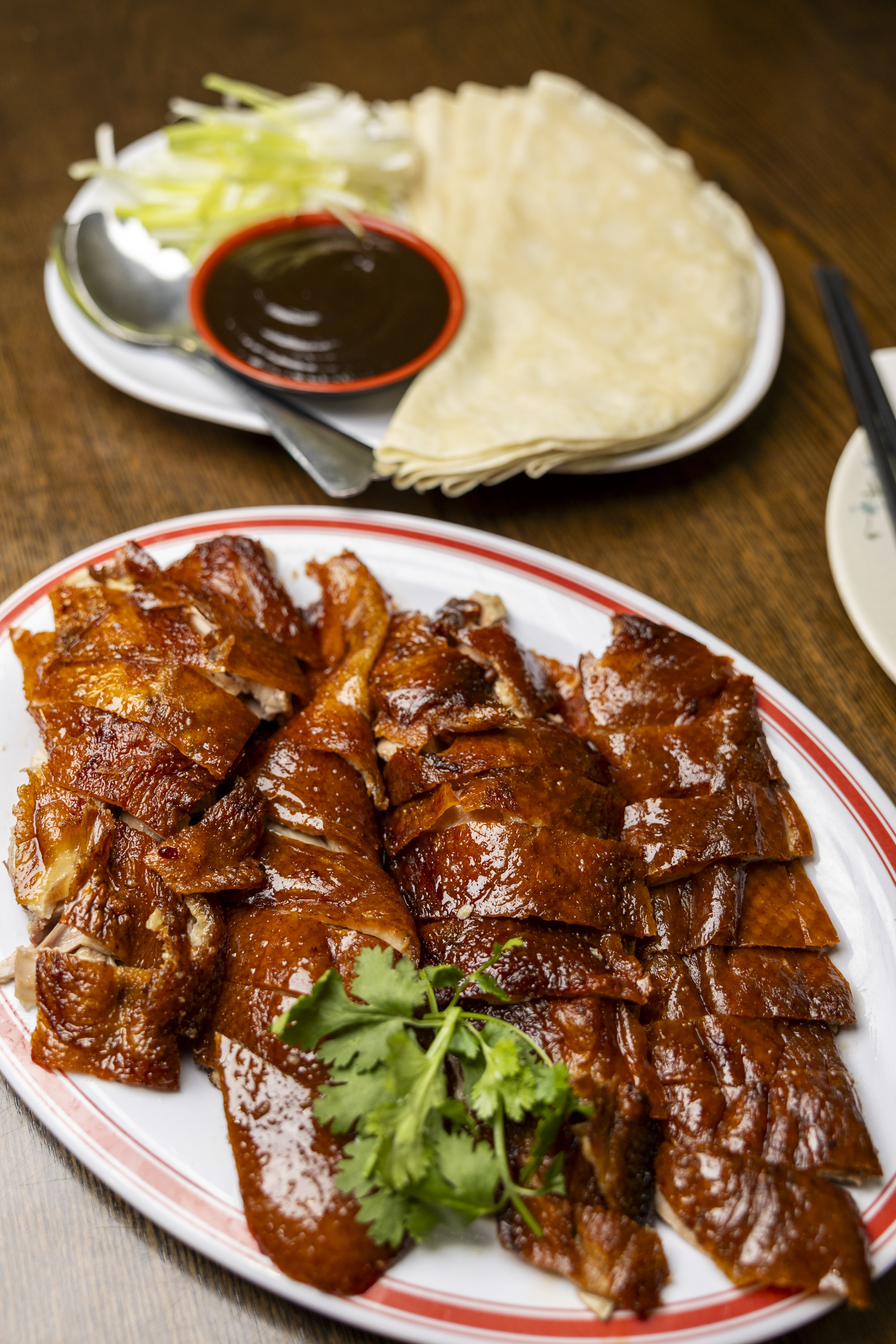
    Just preparing the ducks is a laborious, dayslong process, beginning with inflating them with air to separate the meat from the skin. A gingery marinade with chee hou sauce (a fermented bean paste that’s less sweet than hoisin) comes next, followed by a hot water bath to open the skin’s pores, then a dunk in a vinegar-sugar glaze that dries overnight. The following day, the ducks are hung in a vertical oven over an open flame to roast low and slow as juices collect below for a final basting. And that’s just for the Hong Kong-style roasted duck, which always comes chopped on the bone.

    Chuien Liu, Owner of Lau Kee, is taking out the cooked ducks from the oven in Philadelphia, Pa., on Friday, Aug. 7, 2026.Tyger Williams / Staff Photographer
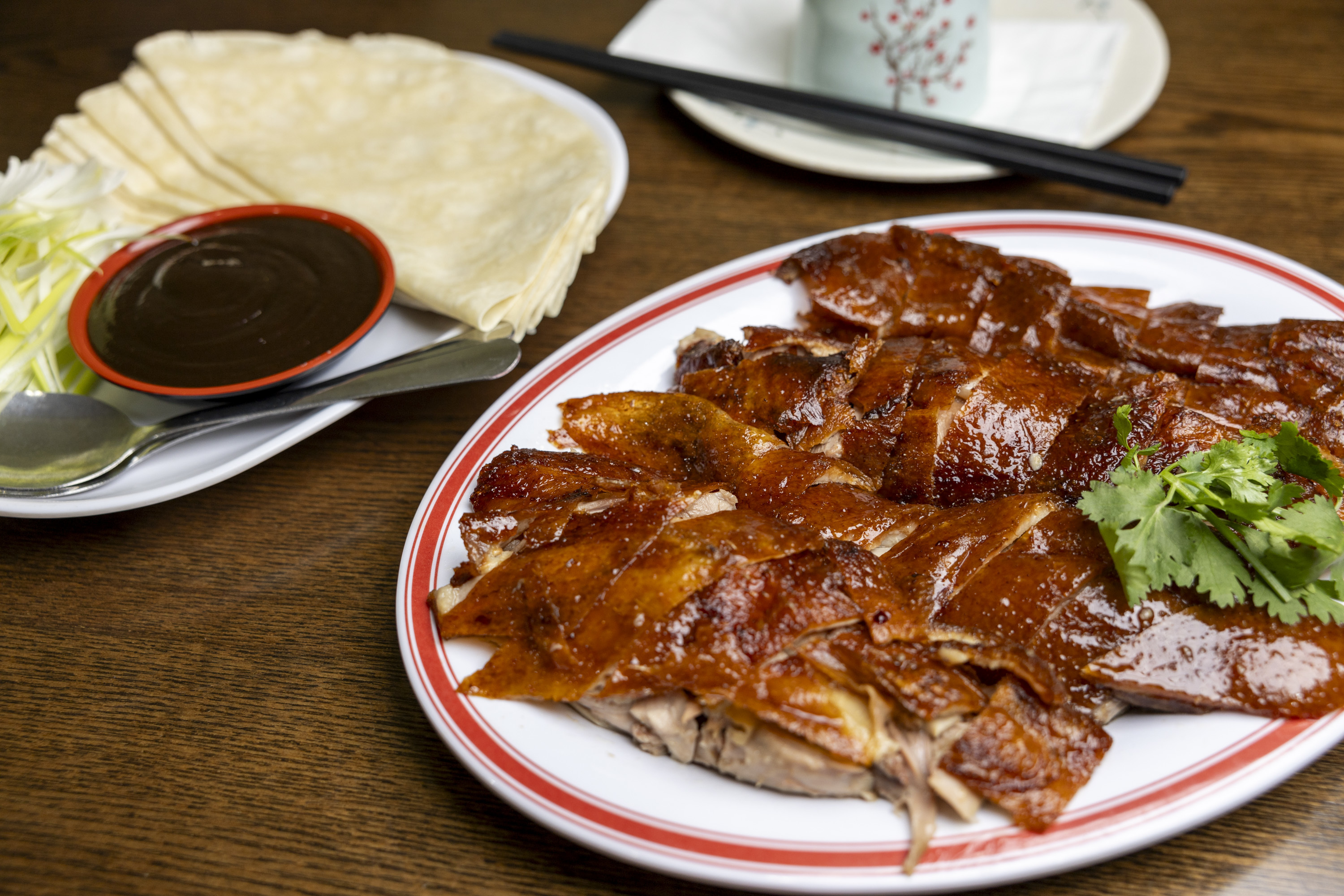
    A platter of Peking duck at Lau Kee, in Philadelphia, Pa., on Friday, Aug. 7, 2026.Tyger Williams / Staff Photographer

    The Peking-style duck is yet another process, involving a slightly sweeter marinade with a more pronounced five-spice savor plus a longer roast time to give that skin a delicate snap. At $30 for a half duck or $47 a whole bird, the sliced meat, served boneless alongside pancakes and scallions, is a delicious centerpiece for a sharing meal.

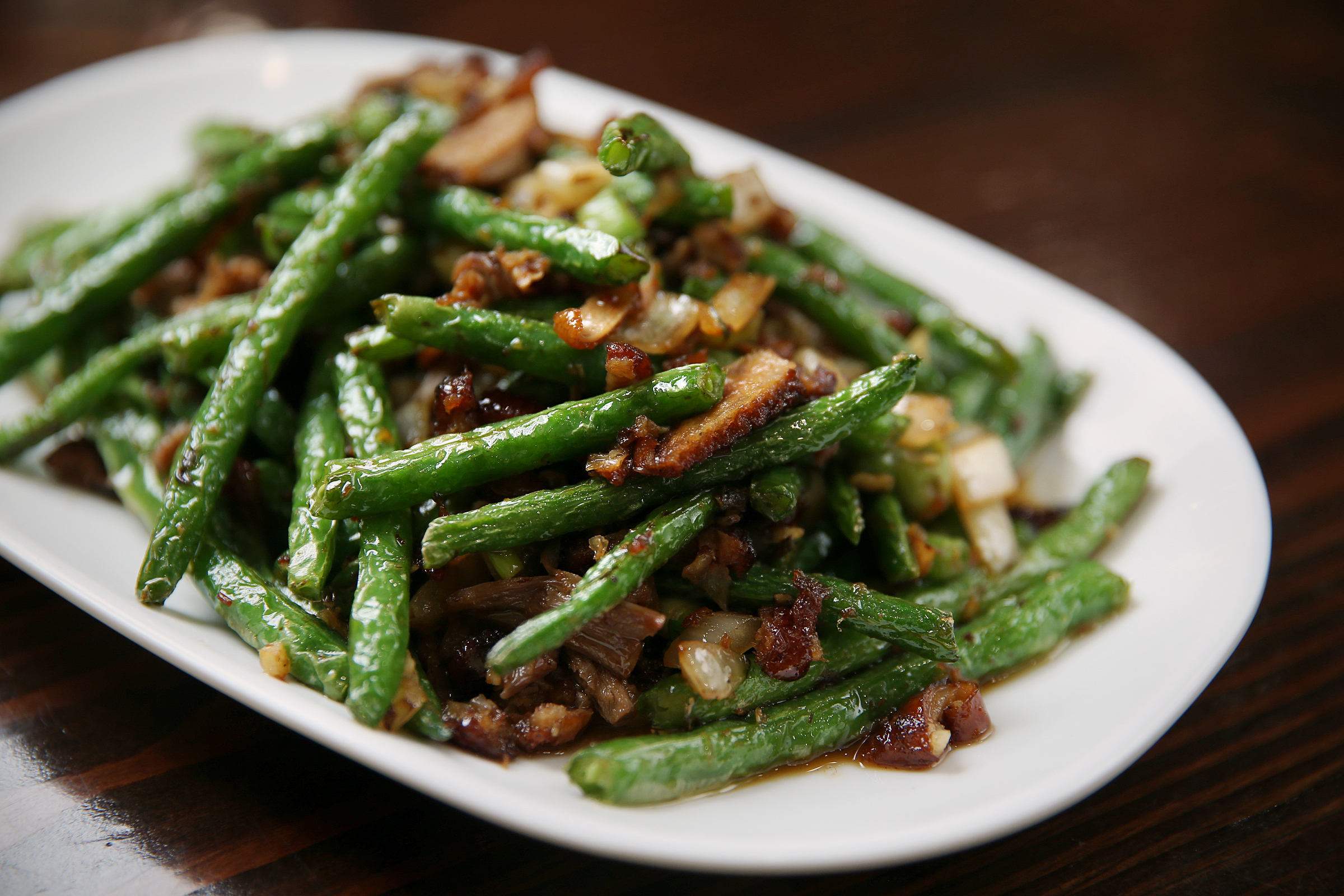
    If that’s too much of a commitment, Lau Kee makes appetizer-size duck rolls out of its copious duck trim — the perfect balance of tender meat, crunchy scallions, and dark hoisin — folded inside a soft pancake. A generous helping of shredded duck also stars in a stir-fry of snappy green beans tossed with ground pork and XO sauce. The earthiness of sliced duck and the roasted flavor of its skin also fully infuse the bowls of congee, whose rice porridge is regularly beaten to a snowy white mist and refreshed throughout the day so its texture remains airy and light. (“It’s almost fluffy,” opined my Inquirer colleague, Kiki Aranita, a noted congee scholar.)

    The shredded duck with string beans is pictured at Lau Kee in Philadelphia’s Chinatown on Thursday, April 1, 2021.TIM TAI / Staff Photographer
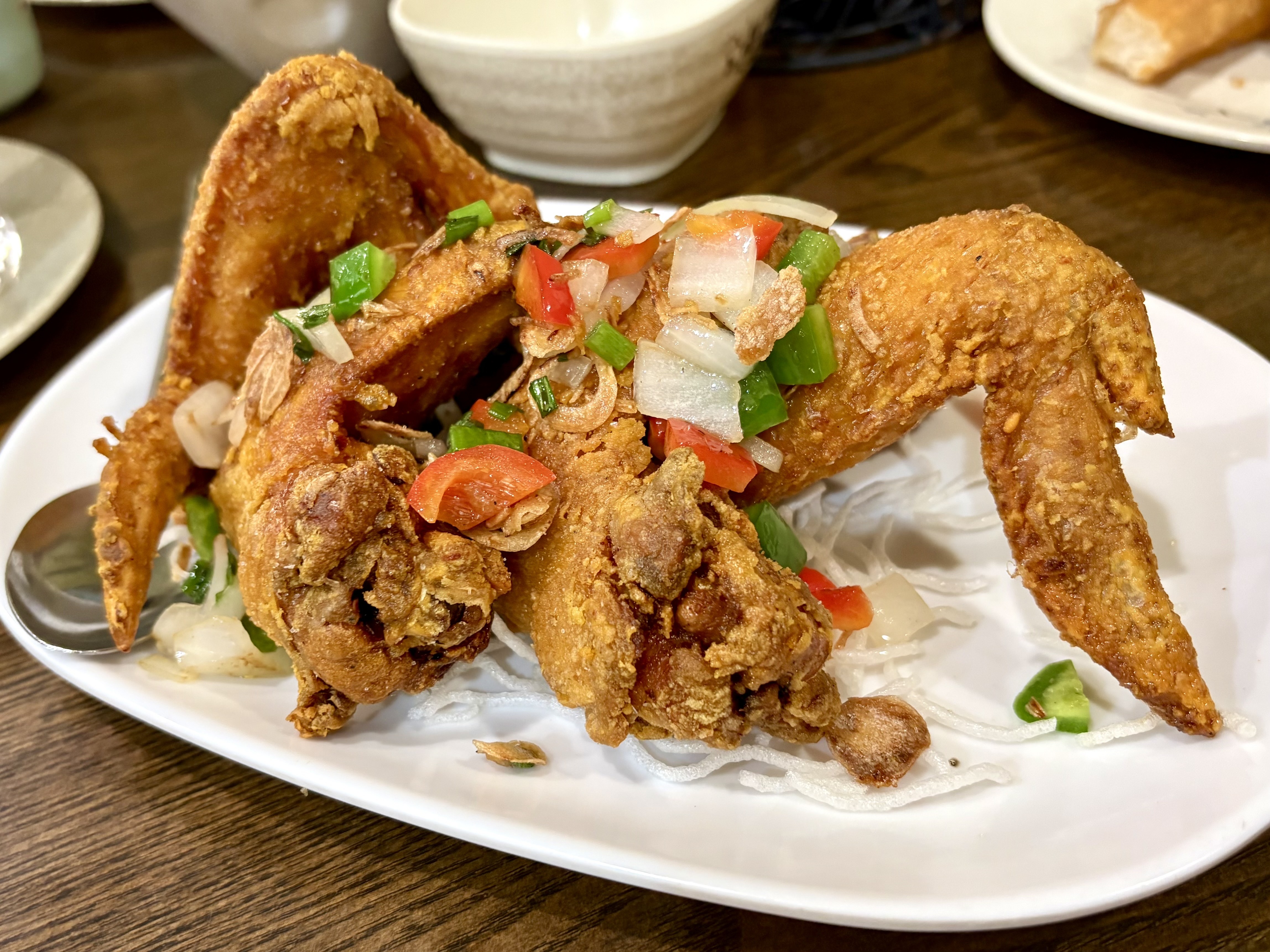
    The salt-baked chicken wings at Lau Kee are juicy, crisp and crackling with spice.Craig LaBan / Staff

    Other popular congee combinations contain thousand-year egg and pork, or sliced flounder mingled with ginger threads and scallion — options that are standard at a dozen other Cantonese kitchens across Chinatown.

    But it’s the subtle details of execution that make the difference in Lau Kee’s various soups, dumplings, stir-fries, and crispy delights. The battered crust on its salt-and-pepper shrimp in five-spice flavor might look heavy, but it’s as airy and crisp as tempura. Lau Kee’s juicy “salt-baked” chicken wings — which are actually perfectly fried — crackle with the spice of a crust infused with turmeric, cooking wine, and chili oil and easily rank among the city’s best.

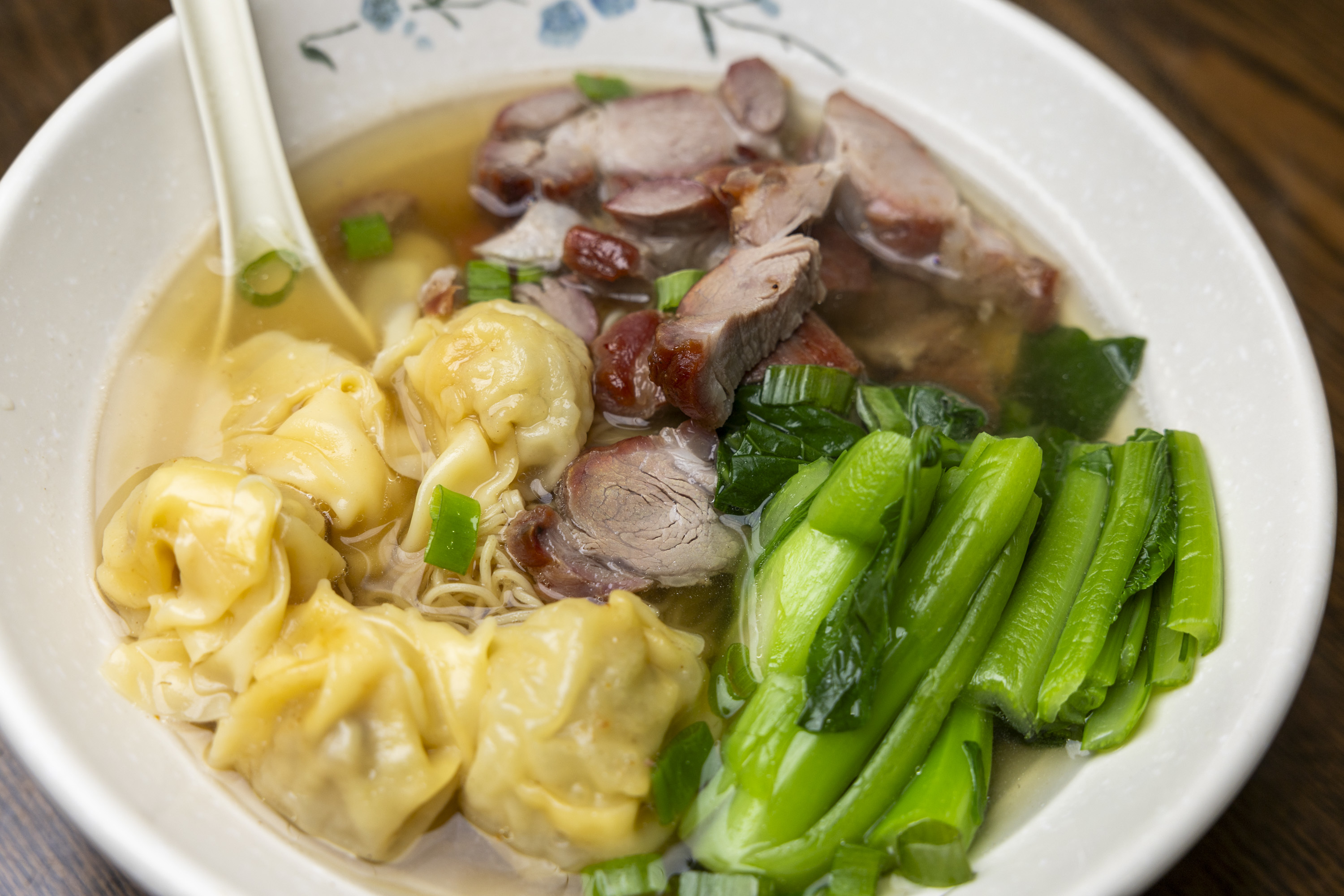
    The broth in Lau Kee’s wonton noodle soup is crystalline gold yet complex, drawing subtle smoky depth from a lightly charred salt fish that steeps for five hours with chicken bones. The poached yu choy greens that bolster the soup are snappy yet toothsome, and Lau Kee’s wontons, made by Liu’s wife, Fannie Qiu, are special. The addition of mushroom adds tenderness to a shrimp-and-pork stuffing that elsewhere can become overly bouncy. Top the soup with any of the meats, but char siu is my favorite, the star anise sweetness of the pork’s glaze adding even more layers to the brew.

    Wonton soup with greens and roast pork at Lau Kee.Tyger Williams / Staff Photographer

    Those wontons are also perfect splashed with the vibrant orange house chili oil, defined more by its fragrance of dried chilies than numbing Szechuan peppercorns.

    Lau Kee’s shrimp dumplings are memorable, reminiscent of Sang Kee’s but softer, thanks to the addition of bamboo, and more fragrant from a pinch of curry. The West Lake beef soup is also one of my favorites, its hearty pairing of ground beef and silky tofu batons bobbing in broth sparkling with white pepper, delicate egg drop ribbons, and crunchy cilantro greens.

    Lau Kee’s dry noodle dishes are solid, though less exciting. The minimalist scallion noodles, bright with shredded fresh ginger, is one of my two picks. The sesame oil-laced crispy noodle basket topped with morsels of flounder is another, notable for its delicacy and dual-textured noodles, both crunchy around the edges and soft in the middle from a velvety white gravy. Other noodle standbys were fine but forgettable: a serviceable Singapore noodles, and a beef chow fun that lacked the smoky singe of wok hei.

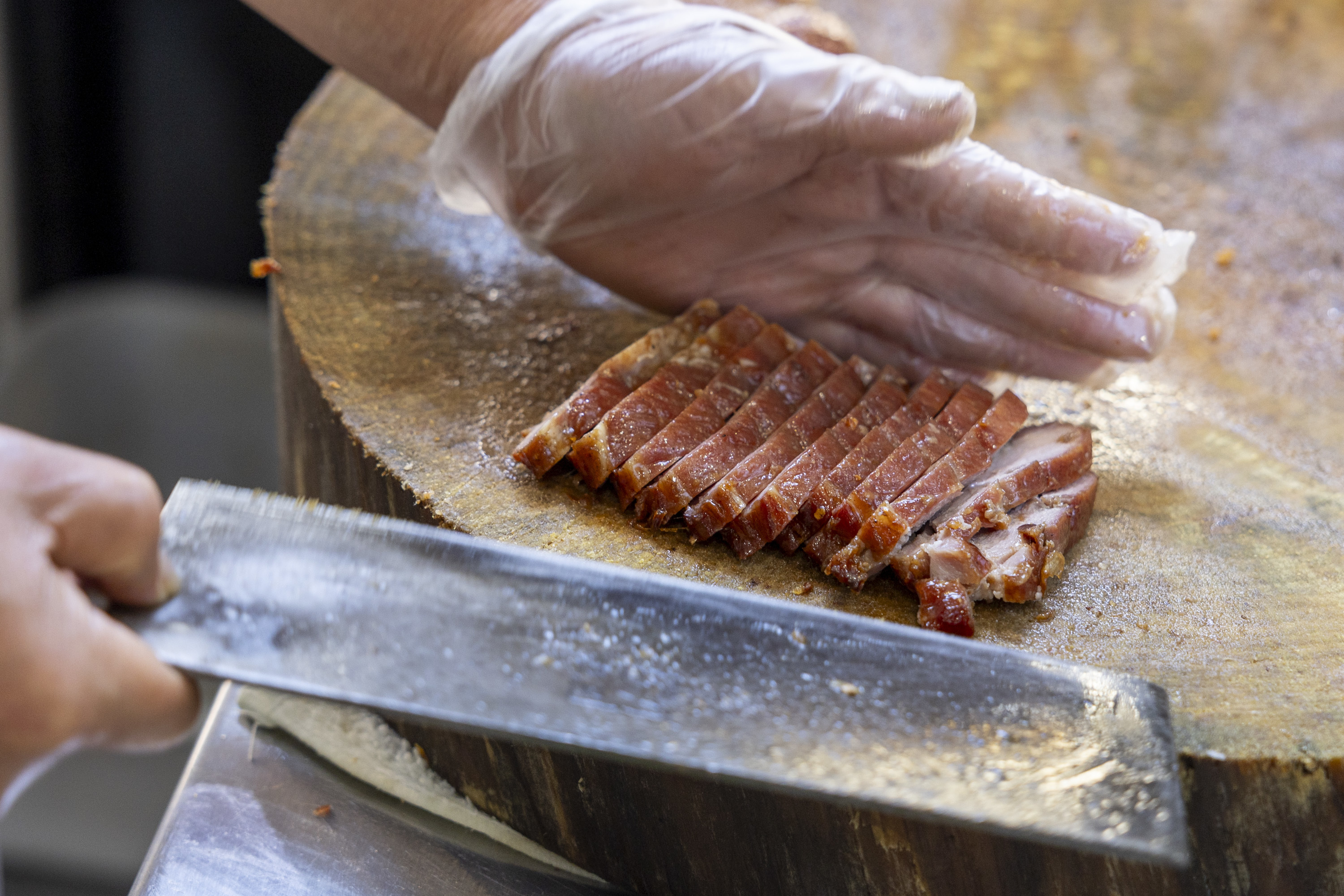
    Fresh cut char siu pork shoulder at Lau Kee, in Philadelphia, Pa., on Friday, Aug. 7, 2026.Tyger Williams / Staff Photographer
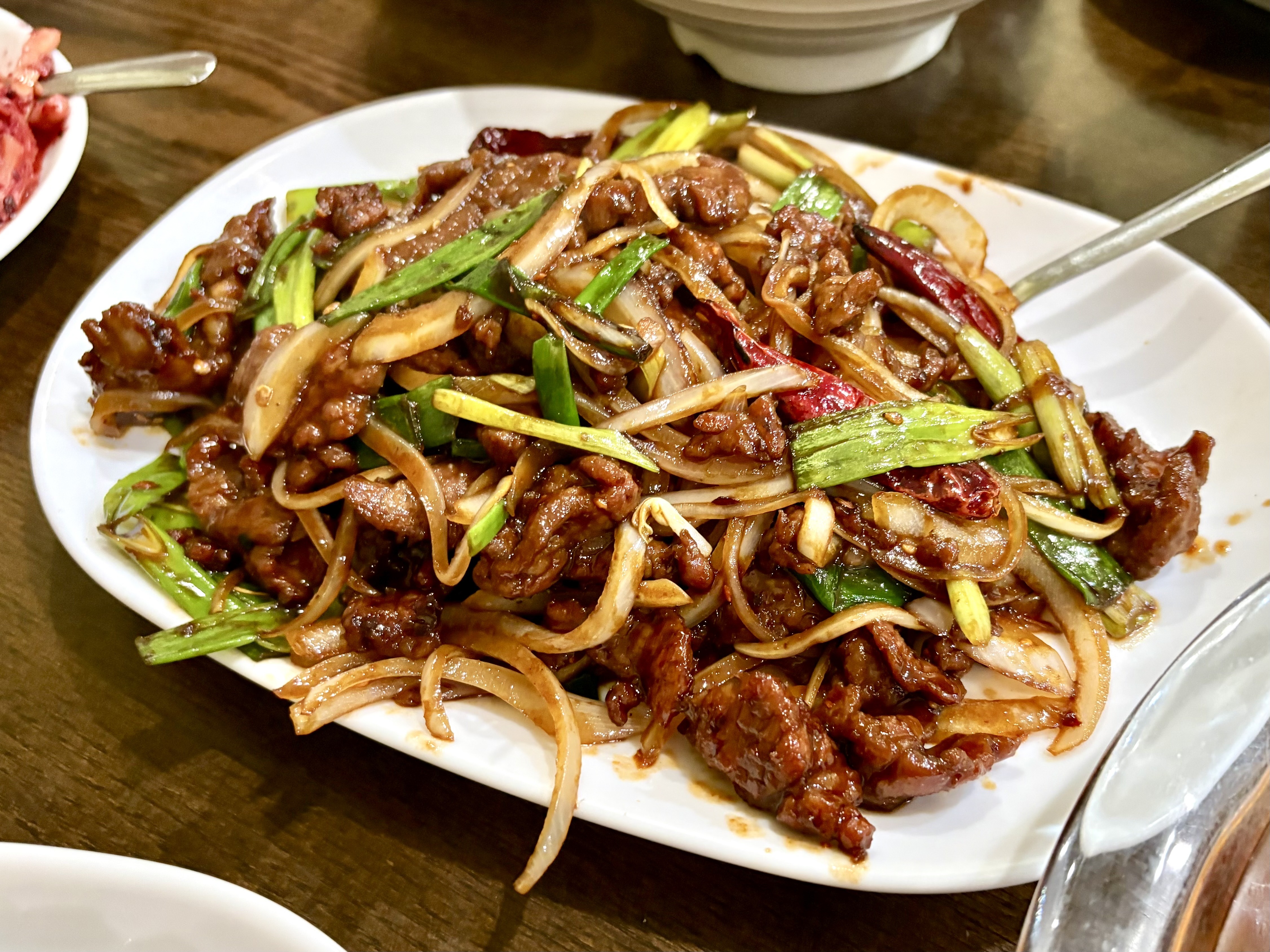
    The Mongolian beef from Lau Kee in Chinatown.Craig LaBan / Staff

    That whiff of caramelized char was absolutely present on the Mongolian beef, whose frizzled onion laces and dried chile heat added umami and sneaky spice to the sweet hoisin. It’s a specialty that traveled well by takeout, along with some good Americanized classics, including General Tso’s chicken, whose tender nuggets were glazed in a sweet sauce that also flickered with chili oil.

    As a small business that needs every order (beyond the 250 ducks Chuien Liu sells each week), Lau Kee caters to the demands of a broad audience, and, to my mind, does many familiar dishes better than most.

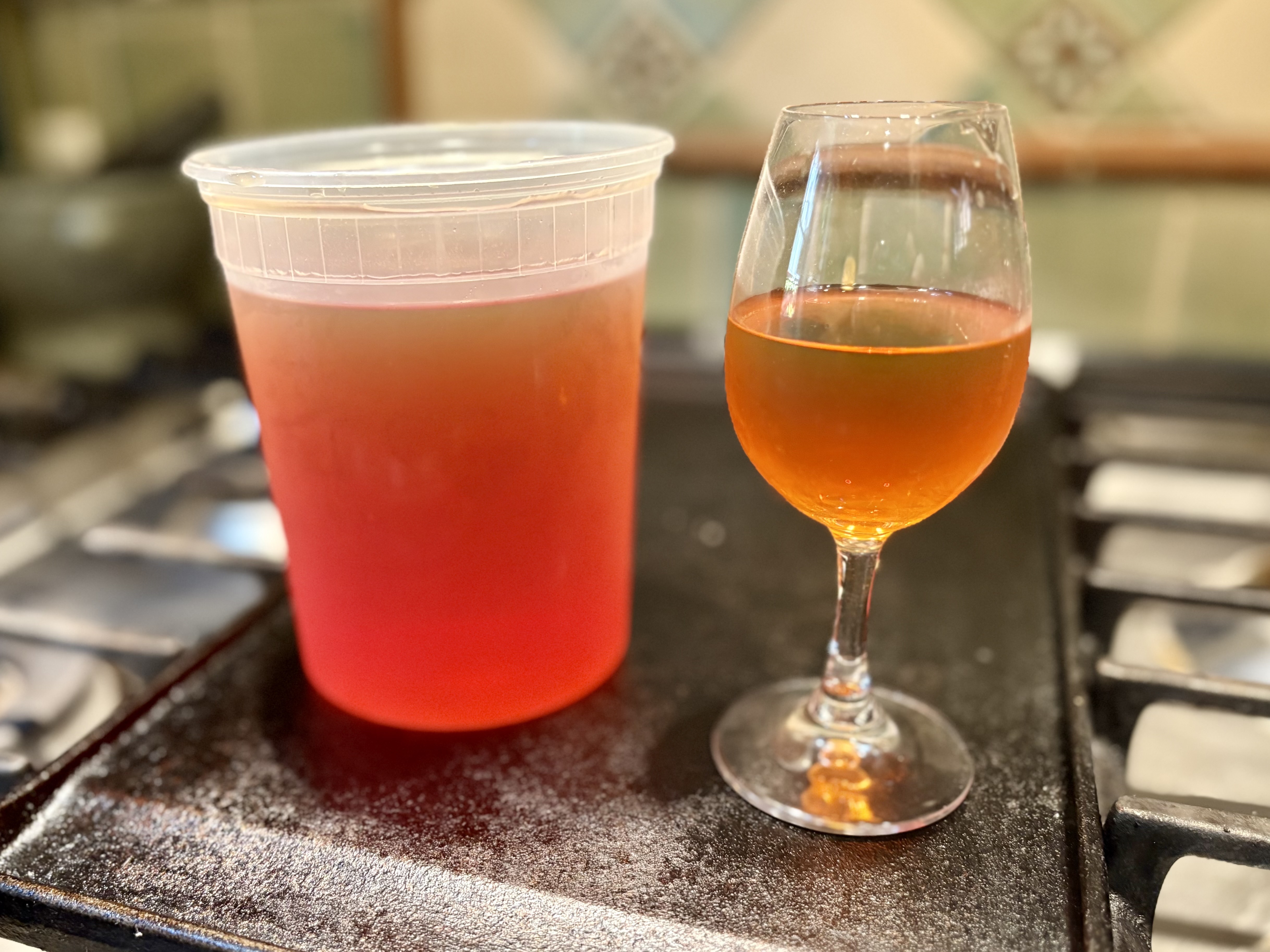
    But there’s an uncommon specialty on this vast menu that points to a niche of Fujianese specialties I wish Lau Kee would embrace more fully. Liu’s wife has mastered the Fujianese art of fermenting Qinghong, a wine made from sticky rice laced with red rice yeast.

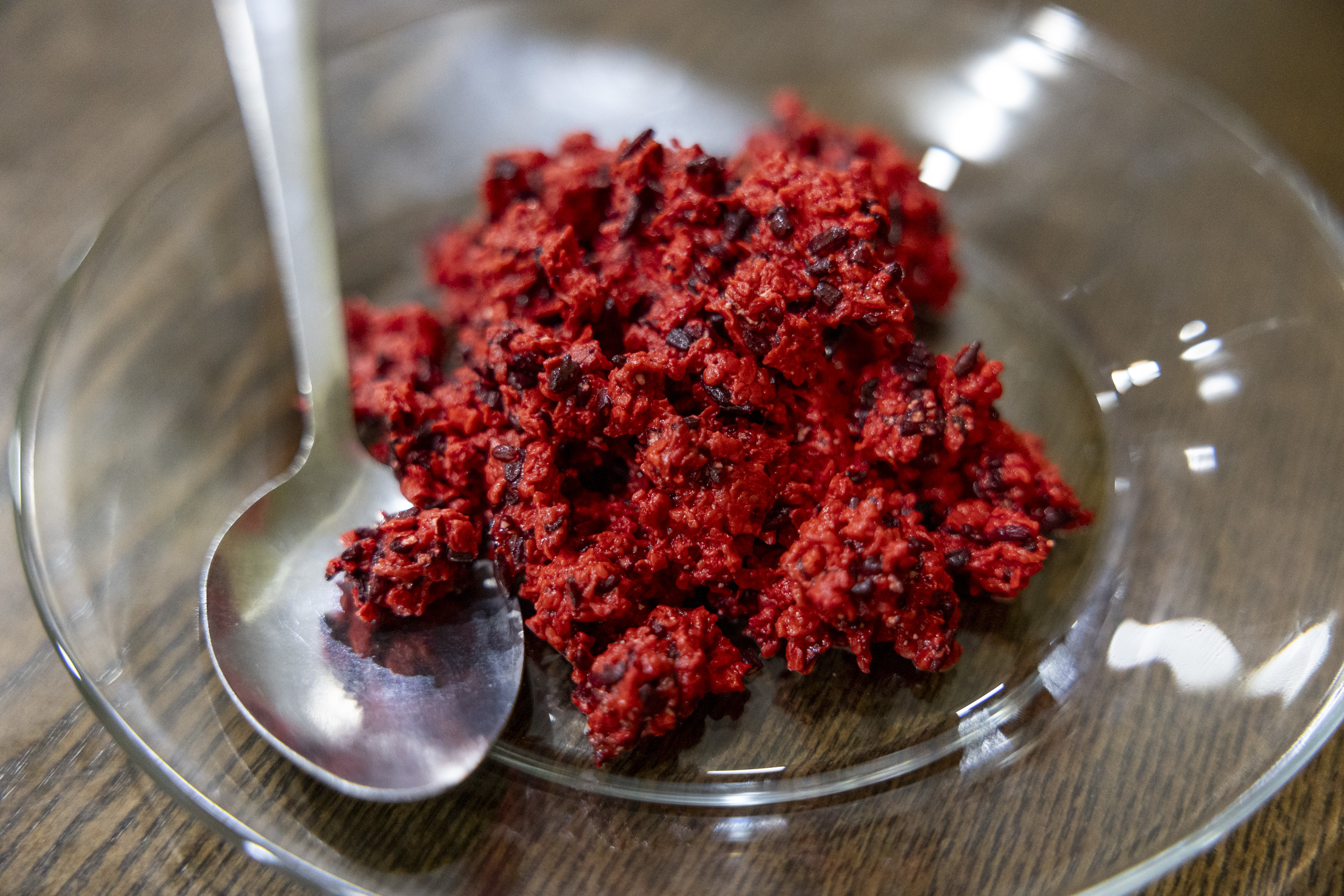
    The red vinasse before processing to turn it into sauce at Lau Kee, in Philadelphia, Pa., on Friday, Aug. 7, 2026.Tyger Williams / Staff Photographer

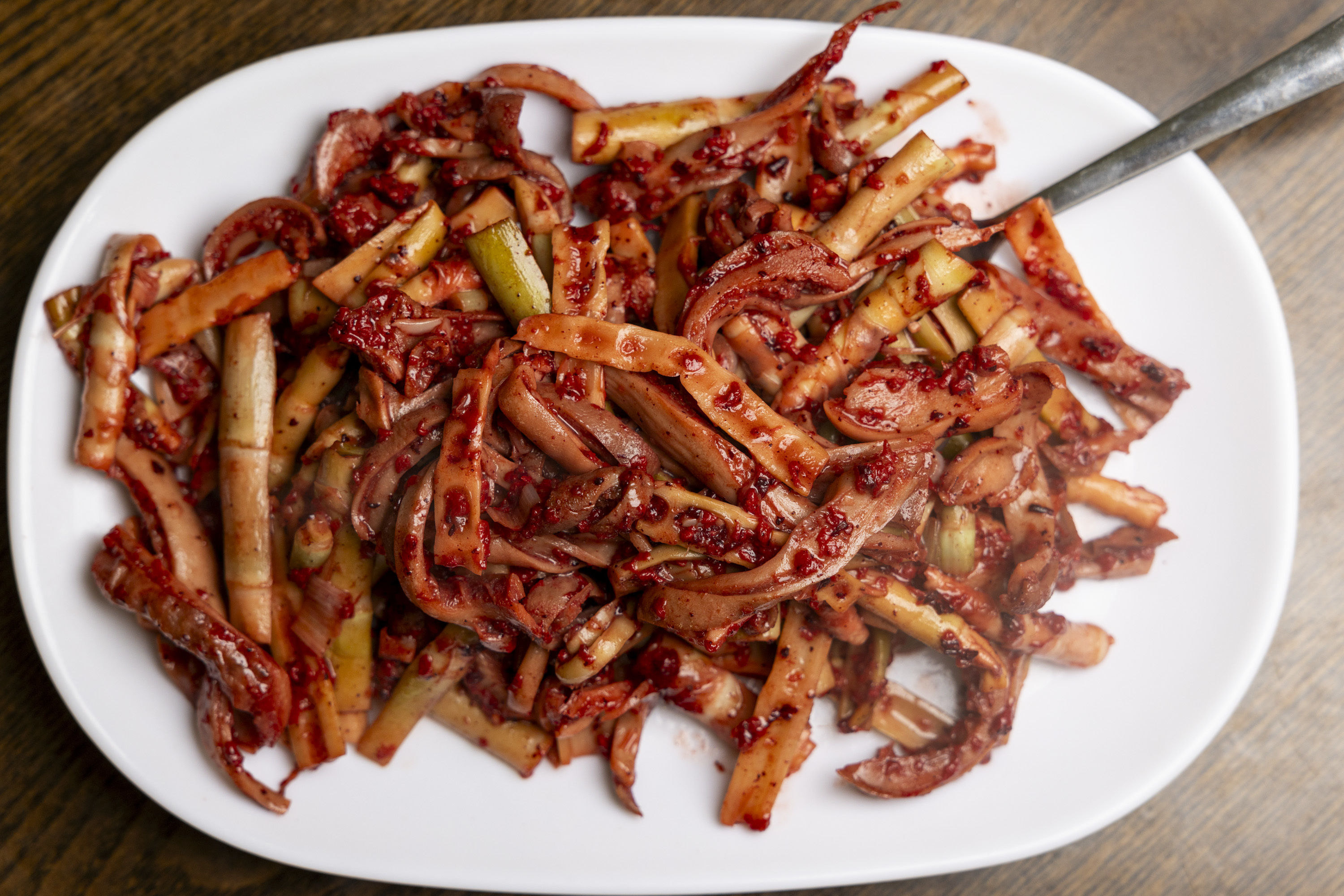
    As Kenneth Liu notes only half-jokingly, “My dad does not share his wine.” But the leftover lees, a crimson paste noted on the menu as “red vinasse,” is a valuable condiment that carries a fruity, fermented note and yeasty tang. It’s a transformative addition to Lau Kee’s stir-fry of chopped pig stomach with bamboo shoots. (The squeamish can order it instead with shredded pork meat.) There’s a toothy-yet-tender snap to the offal and an earthy undertone that harmonizes with the lightly boozy lees for a far more rewarding dish.

    The pig stomach with red vinasse at Lau Kee, in Philadelphia, Pa., on Friday, Aug. 7, 2026.Tyger Williams / Staff Photographer

    Considering the sizable community of Fujianese entrepreneurs who’ve moved to this region over the past two decades and opened everything from Americanized Chinese takeout windows to sushi restaurants and, yes, excellent Cantonese duck houses, there are precious few places showcasing traditional Fujianese food, an underrated regional cuisine. Since the closure of both Ming River Side Walk House and my other longtime 10th Street favorite, simply called “Chinese Restaurant” (aka Tai Jiang), I can no longer find delicate noodles in peanut sauce, fried taro cakes studded with pork, wok-fried baby oyster omelets, and Fujianese wonton soup with tiny dumplings no larger than a penny.

    Lau Kee doesn’t make them either, sadly, and even recently dropped another Fujianese specialty, drunken ribs, when Qiu’s brother retired from their kitchen. “[Fujianese cuisine] is not the fanciest food, and not everyone is willing to try,” says Kenneth Liu.

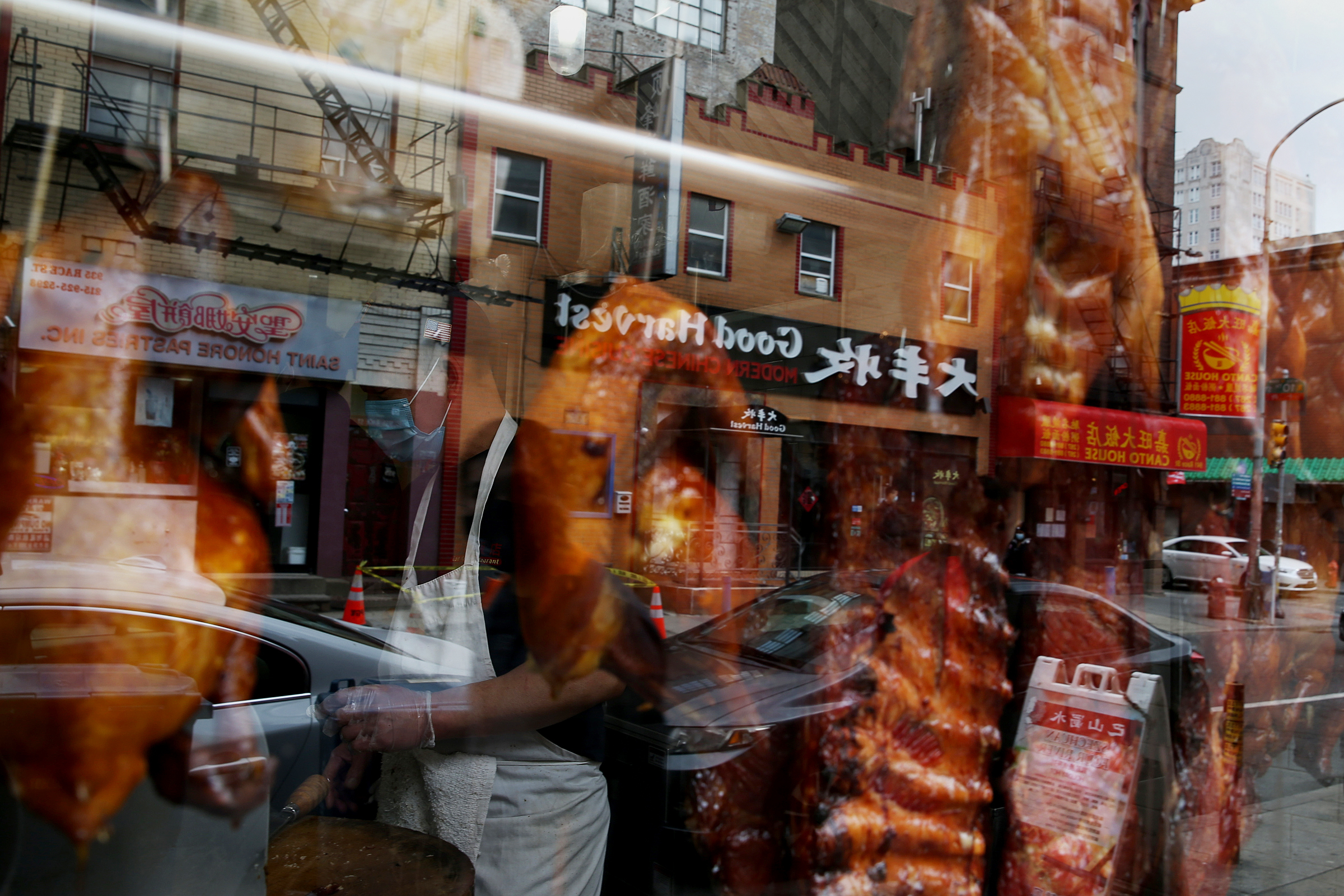
    Businesses are reflected in a window in front of roasted ducks at Lau Kee in Philadelphia’s Chinatown on Thursday, April 1, 2021.Tim Tai / Staff Photographer

    And yet, perhaps Philly’s diners would try if only they knew more of Lau Kee’s abilities to so beautifully represent their home region? My own enthusiasm was at least genuine enough to convince chef Liu to share a sample of his Qinghong wine stash.

    “Don’t drink it all at once — it’s strong!” he warned, showing me the small bowl from which he sips a chilled cup of Qinghong daily.

    I took a sniff. It was tart like crushed red berries. I took a taste: a fruity tang but also dry and pleasantly funky, not unlike a refreshing sherry. I took another sip, and one more. And I understood. No matter what Lau Kee’s menu says, or how many perfect ducks Chuien Liu roasts for his adopted hometown of Philadelphia, this descendant of Fujianese fishermen will never forget the taste of home.

    Qinghong, a Chinese wine made from fermented red rice, is made by Fannie Qiu for her husband, Chuien Liu, the chef-owner of Lau Kee in Chinatown, who used the leftover solids from the process to make Fujianese-style stir-fries.Craig LaBan / Staff

    Lau Kee

    934 Race St., 215-201-3511. Menu is posted on delivery apps.

    Open 9 a.m. to 8 p.m. Tuesday through Sunday for dine-in; until 9 p.m. for takeout.

    Wheelchair accessible via a small portable ramp.

    Not ideal for gluten-free diners. A small portion of the menu can be made gluten-free, but none of the roasted meats.

    BYOB

    Menu highlights: Roasted meats: Hong Kong-style roast duck, (boneless) Peking duck, char siu pork, crispy pig, soy sauce chicken; Peking duck rolls; sliced beef in scallion pancake roll; wonton noodle soup with roast pork; shrimp dumpling noodle soup; West Lake beef soup; congee with roast duck; ginger-scallion noodles; shredded duck with string beans and XO sauce; Mongolian beef; pig stomach with red vinasse; salt-baked chicken wings.

    The platter of Peking duck at Lau Kee, in Philadelphia, Pa., on Friday, Aug. 7, 2026.Tyger Williams / Staff Photographer
  • Waltz feels like an old haunt, but this polished Italian restaurant delivers new flavors to deep South Philly

    Waltz feels like an old haunt, but this polished Italian restaurant delivers new flavors to deep South Philly

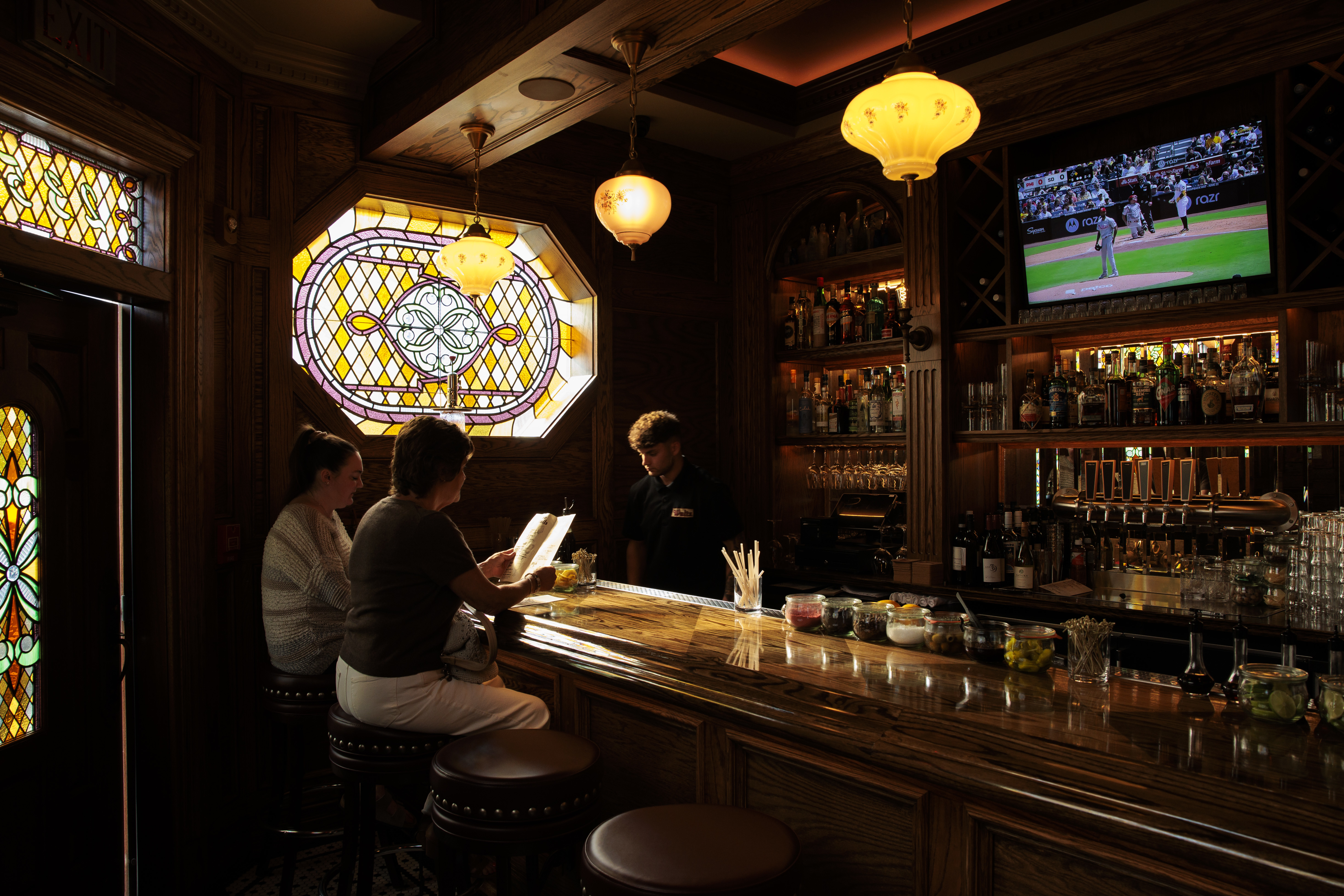
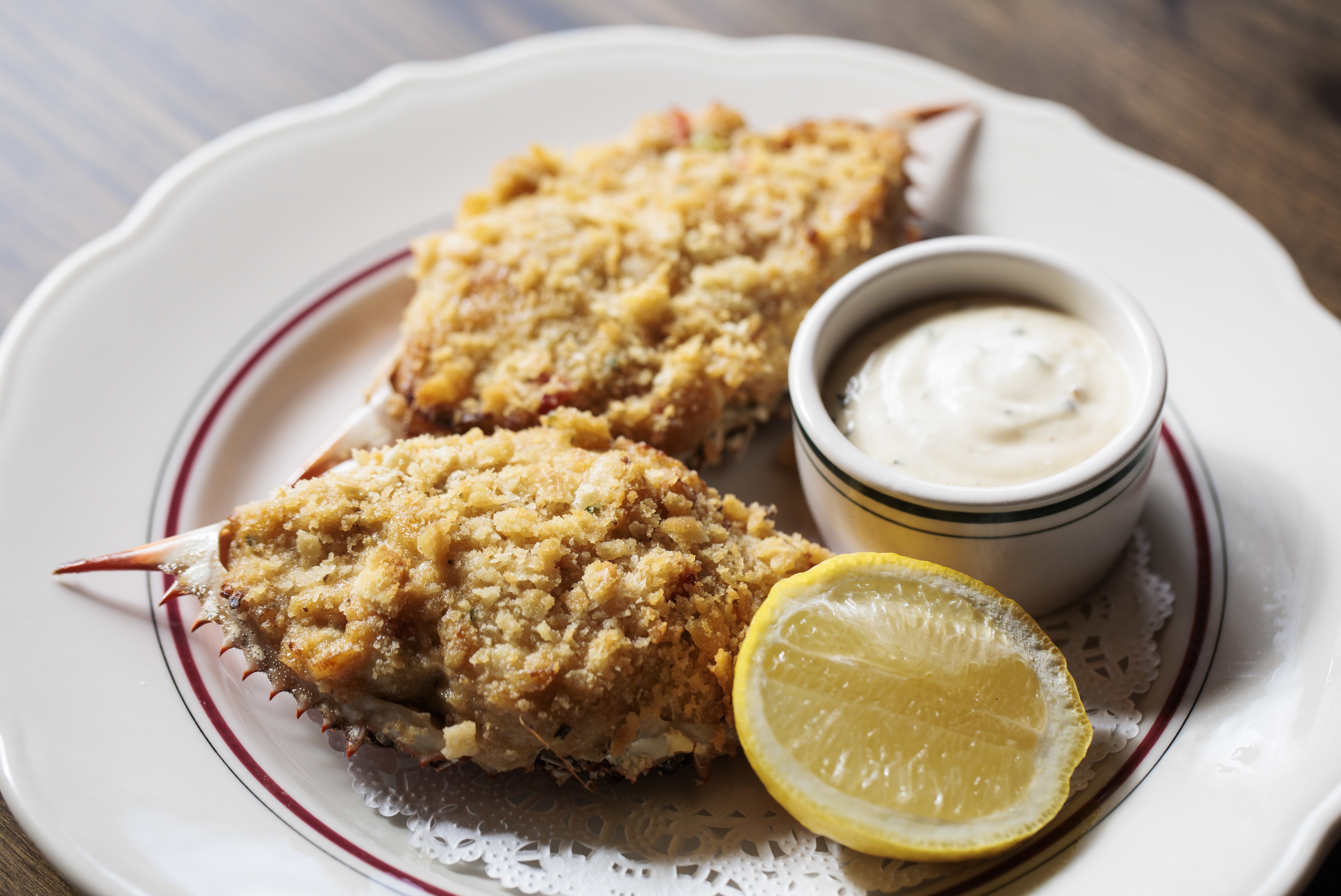
    If you didn’t know better, you could be convinced — as you slide a spoonful of lightly breaded crab cake out from its stuffed shell, gaze at the soft light pouring through stained glass windows, and sip a frosty martini — that Waltz, at Front and Ritner, has been dancing on this corner of deep South Philadelphia for decades.

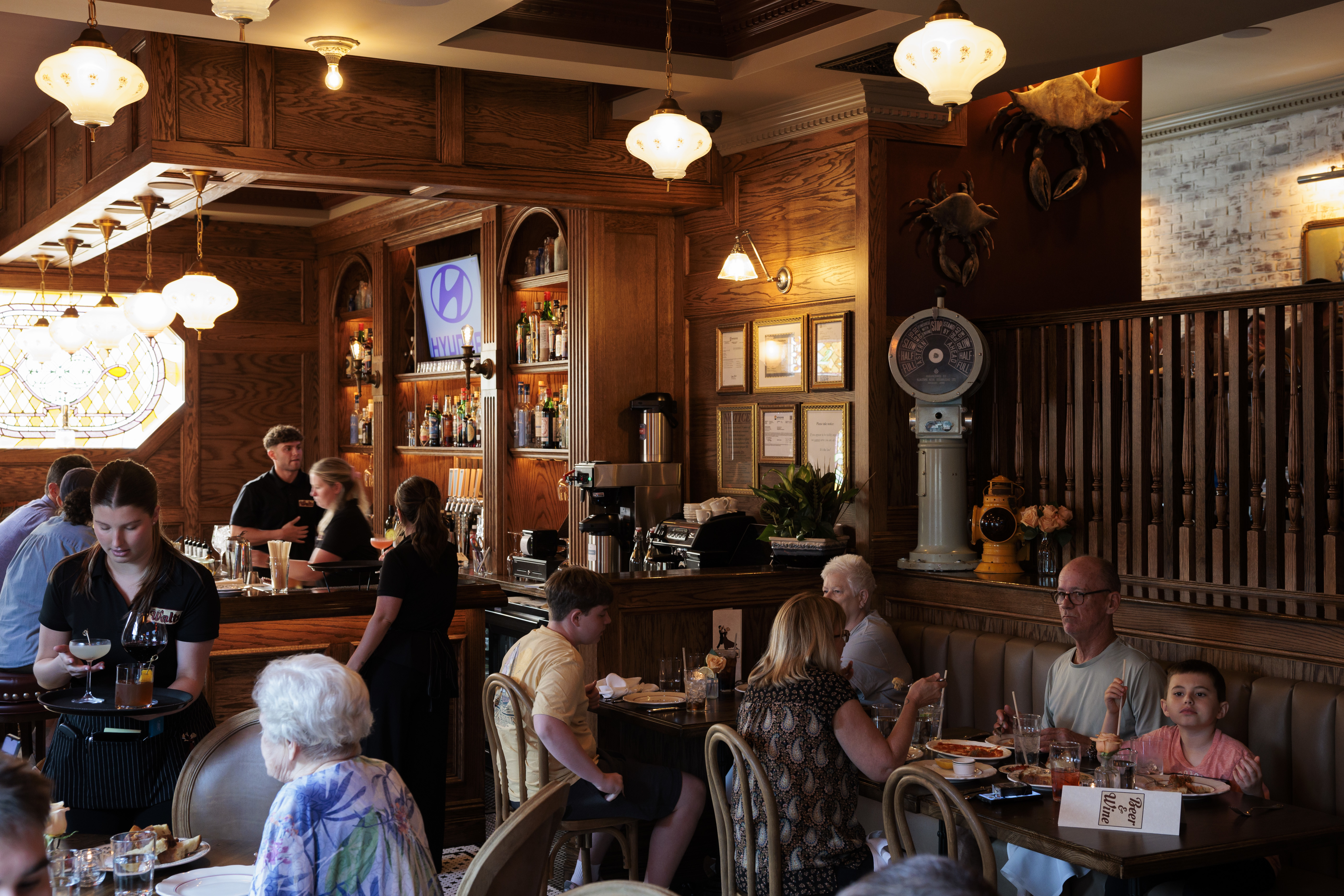
    Cue the crowds that reliably fill the bentwood chairs in its wood-paneled downstairs bar and the bustling upper dining room even on weekdays. Forks angle through heaping platters of spaghetti while the Delfonics, O’Jays, and other Philly soul greats croon in the background. The vintage vibes here are pristine — except for the fact that Waltz is not vintage at all, but a five-month-old passion project that unpretentiously delivers a style of polished Italian American dining that’s been on the slow fade for decades due to demographic shifts and changing tastes.

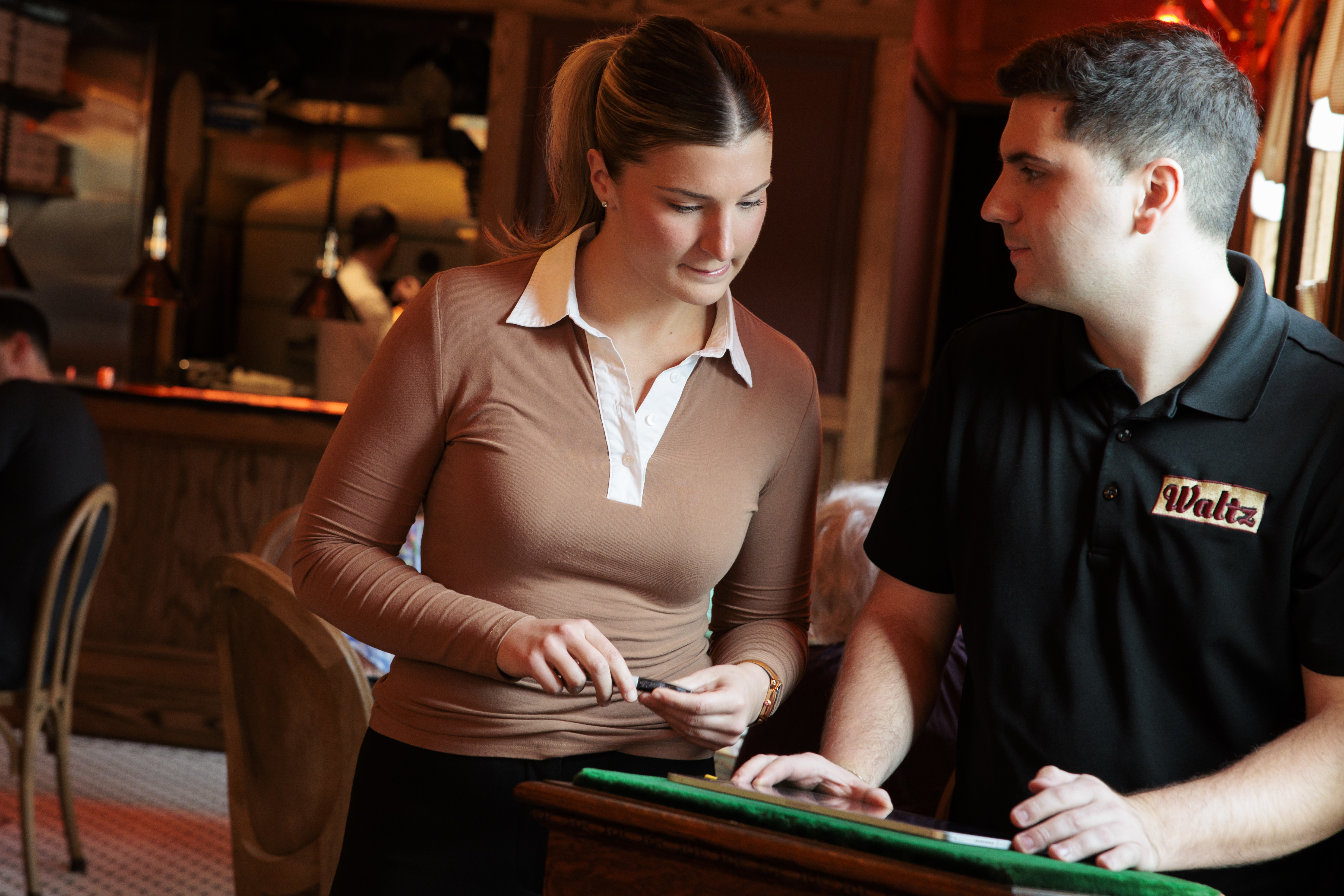
    Celine Tobin and Joey Dougherty work at Waltz on Wednesday, May 27, 2026 in Philadelphia.Monica Herndon / Staff Photographer
    The bar at Waltz on Wednesday, May 27, 2026 in Philadelphia.Monica Herndon / Staff Photographer

    This restaurant’s charm is more than just a wistful nod to “they don’t build ’em like that anymore” nostalgia. Waltz is anything but stale from the moment you’re greeted warmly at the maître d’ stand, most likely attended by manager Celine Tobin, who also happens to be co-owner Joey Dougherty’s girlfriend. A wood-fired oven beckons from just beyond in the partially open kitchen, where the 800-degree hearth fuels a menu built around pizzas, roasted meats, and house pastas.

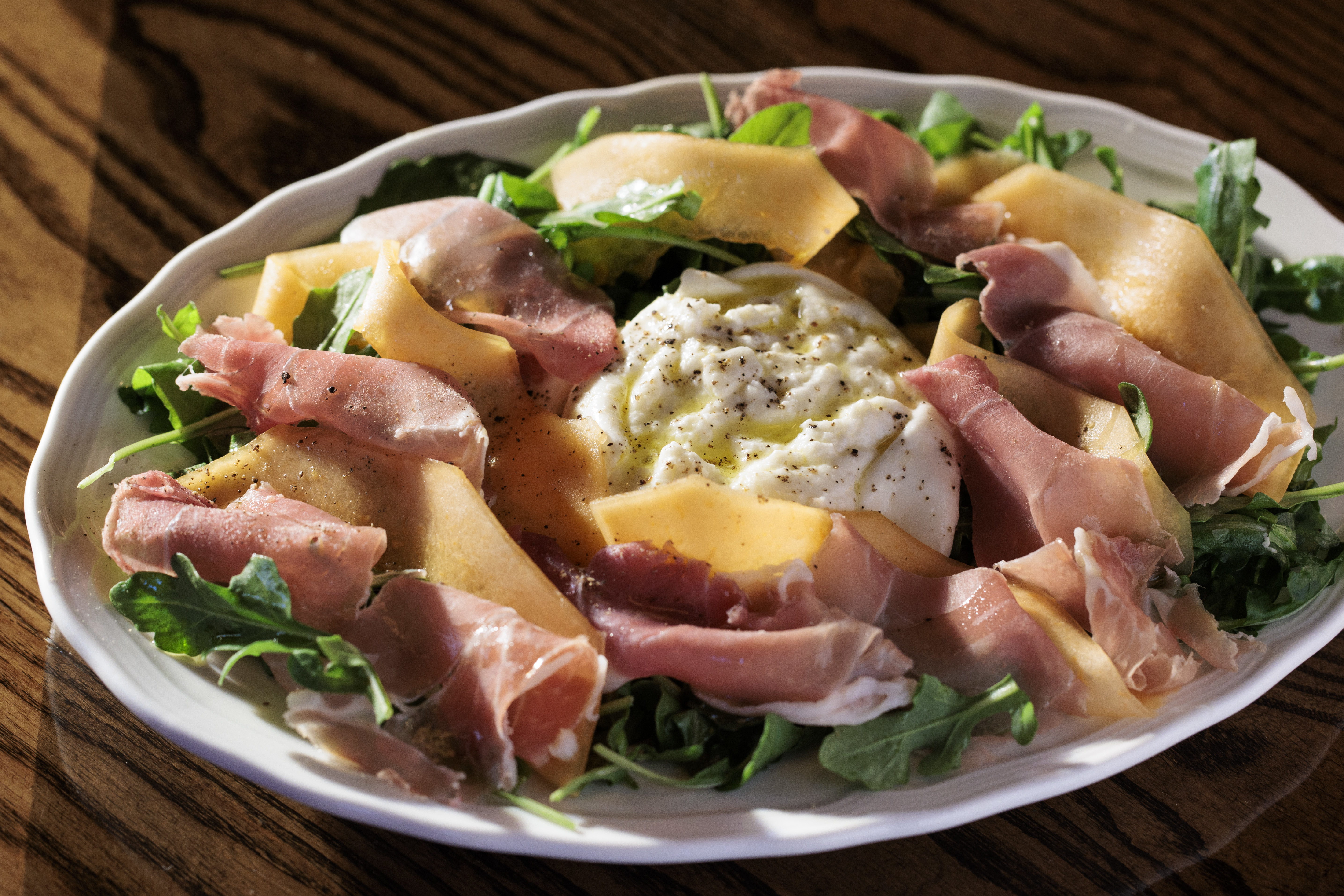
    The menu, conceived and implemented by consulting chef Eric Leveillee, formerly of Lacroix at the Rittenhouse, is key to Waltz’s allure, offering a familiar repertoire of popular dishes, then raising the bar with added elements of craft. The mozzarella is hand-pulled from Caputo Bros. Creamery curds just before service, so the milky white burrata — its core stuffed with rosemary-infused mascarpone — is extra sweet when draped with salty pink curls of prosciutto, juicy cantaloupe, and peppery green olive oil. The pizzas are made from sourdough, which lends their crusts an extra crackle, complexity, and tang.

    The burrata with prosciutto, melon, and olive oil at Waltz on Tuesday, Aug. 4, 2026, in Philadelphia.Monica Herndon / Staff Photographer

    The house-extruded pastas gain extra vibrance from their springy texture. There’s noticeable resilience in the wide lumache elbows, for example, whose bounce stands up to a spiced blush sauce that’s not simply rich with cream and fistfuls of crab, but boosted by the depth of a freshly steeped crab stock. That pasta, as well as the signature appetizer of crab cakes, is a nod to the hard-shell history of this address’ previous occupant, Anthony’s Crab House.

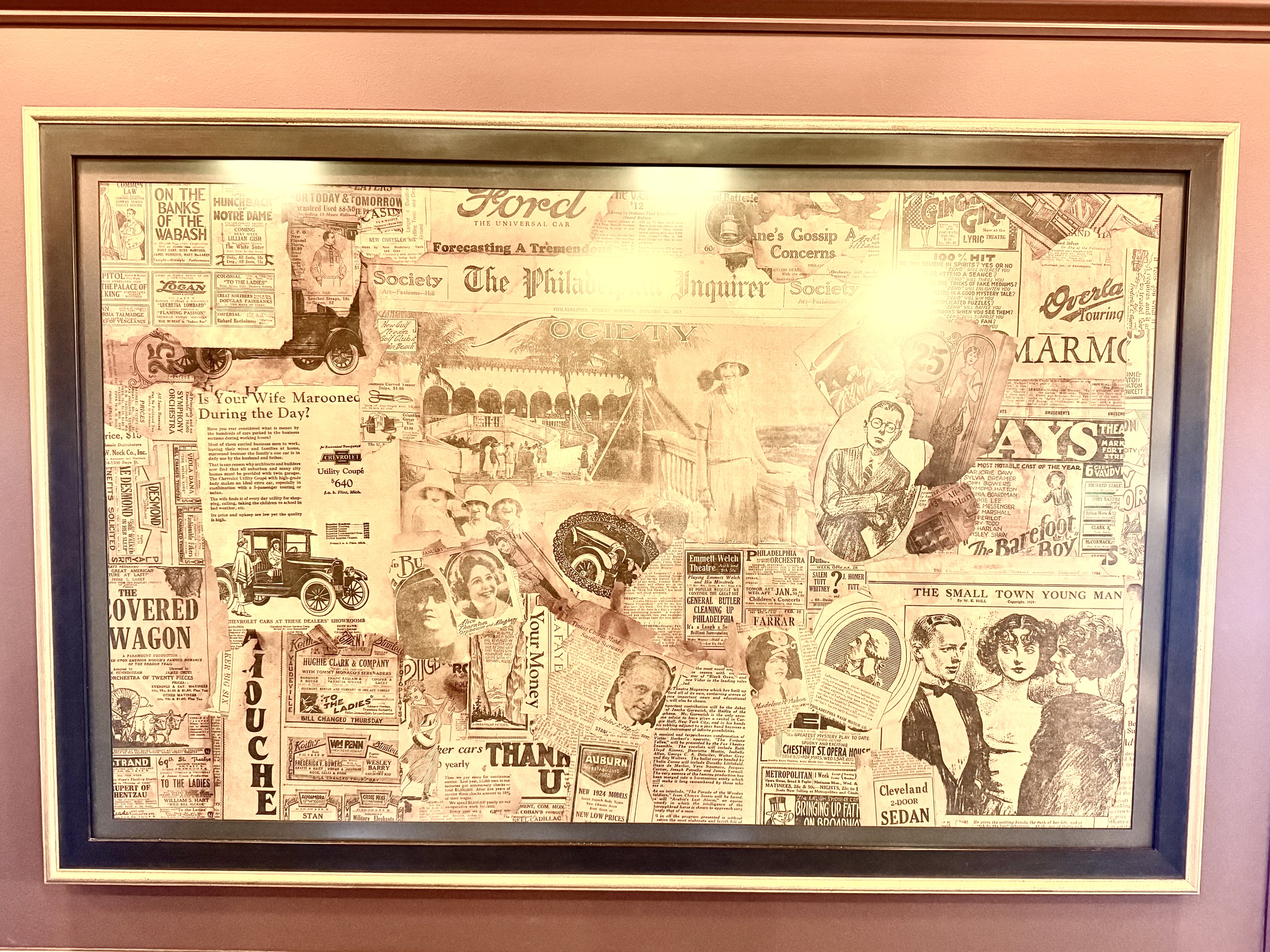
    Waltz is a wordplay tribute to the Whitman neighborhood at the city’s southeasternmost corner, an area near the port bordered by railyards and strip malls rich in casual dining options (John’s Roast Pork, Wolf Burger, Oregon Diner, and the newly opened Angelo’s location), but slim on date-night draws. Dougherty aimed to answer that need by rehabbing this corner haunt, which had fallen into disrepair a block from his family’s contracting business, Dougherty Electric. As such projects often go, an intended modest facelift turned into a major renovation: The Doughertys created a wider opening between the dining rooms in two adjoining properties, restored the exterior brick by brick, and completely rebuilt the interior, down to the framed collage of 1924 editions of The Inquirer that had been used inside the walls as insulation.

    The stuffed crabs at Waltz on Wednesday, May 27, 2026 in Philadelphia.Monica Herndon / Staff Photographer
    The interior of Waltz on Wednesday, May 27, 2026 in Philadelphia.Monica Herndon / Staff Photographer

    Based on the craftsmanship of the fixtures, from the millwork of the wood paneling to the barroom tiles, vintage pendant lights, and even the beautifully outfitted marble bathrooms downstairs, it’s clear the Doughertys used many of their professional contacts here.

    They might want a rebate, though, from their HVAC guy. The air-conditioning in the nautical-themed upper dining room cut out halfway through a meal with my boss on a 100-degree day, awkwardly leaving us sweaty over our peperoncini-spiked martinis and the crisply fried fritto misto.

    The interior of Waltz on Wednesday, May 27, 2026 in Philadelphia.Monica Herndon / Staff Photographer
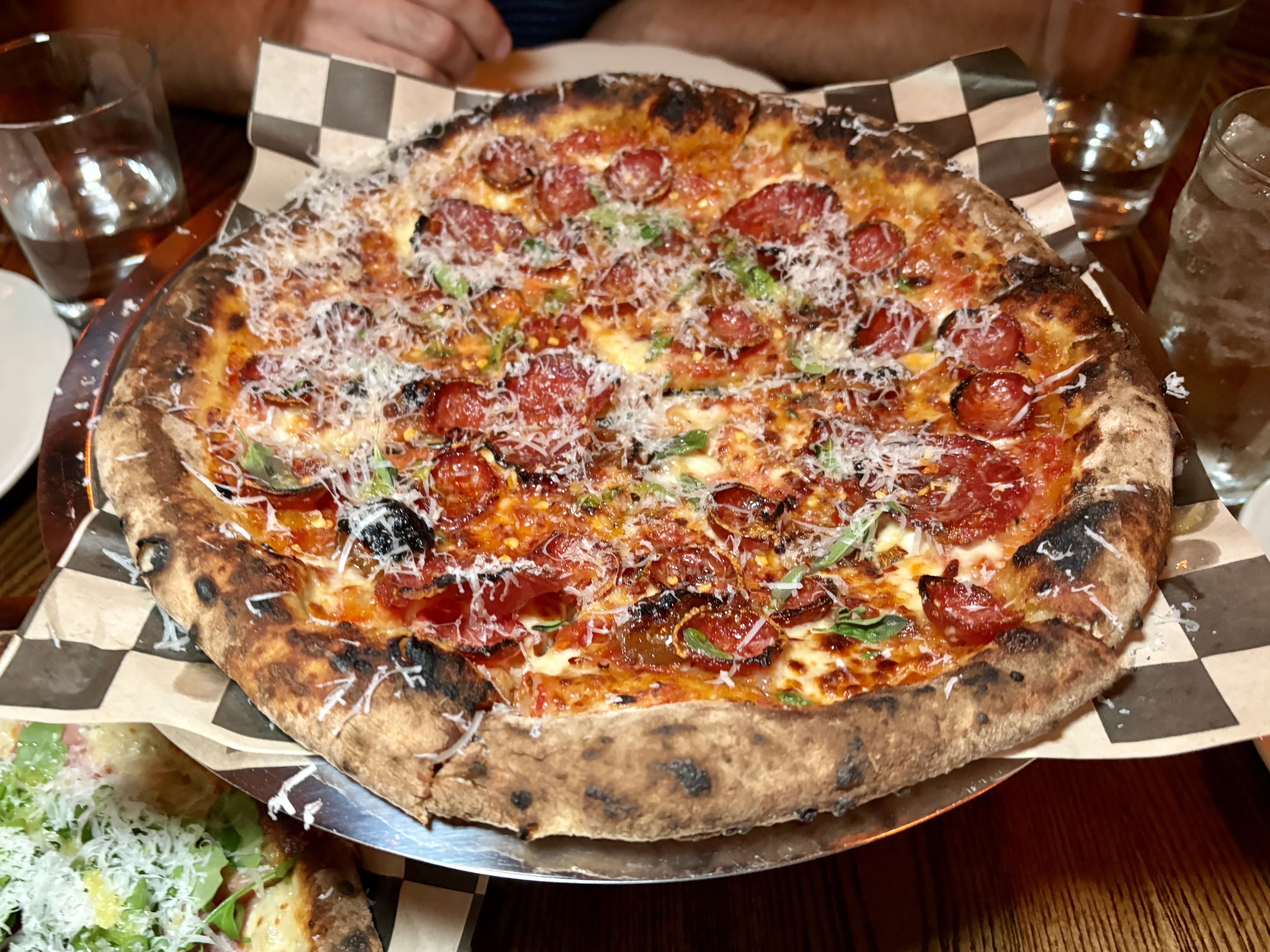
    The sourdough piccante pizza at Waltz includes pepperoni, soppressata, hot honey, and onion agrodolce.Craig LaBan / Staff

    It’s a tribute to the kitchen that our table remained upbeat despite the sticky heat. The carbonara pizza — a white pie with béchamel and fontina scattered with salty nuggets of guanciale and a golden glaze of egg yolk — was my favorite pizza of that first visit. The piccante — a red pie with pepperoni, soppressata, hot honey, and sweet-tart onion agrodolce — was my pick on a return meal when the AC, thankfully, was working again.

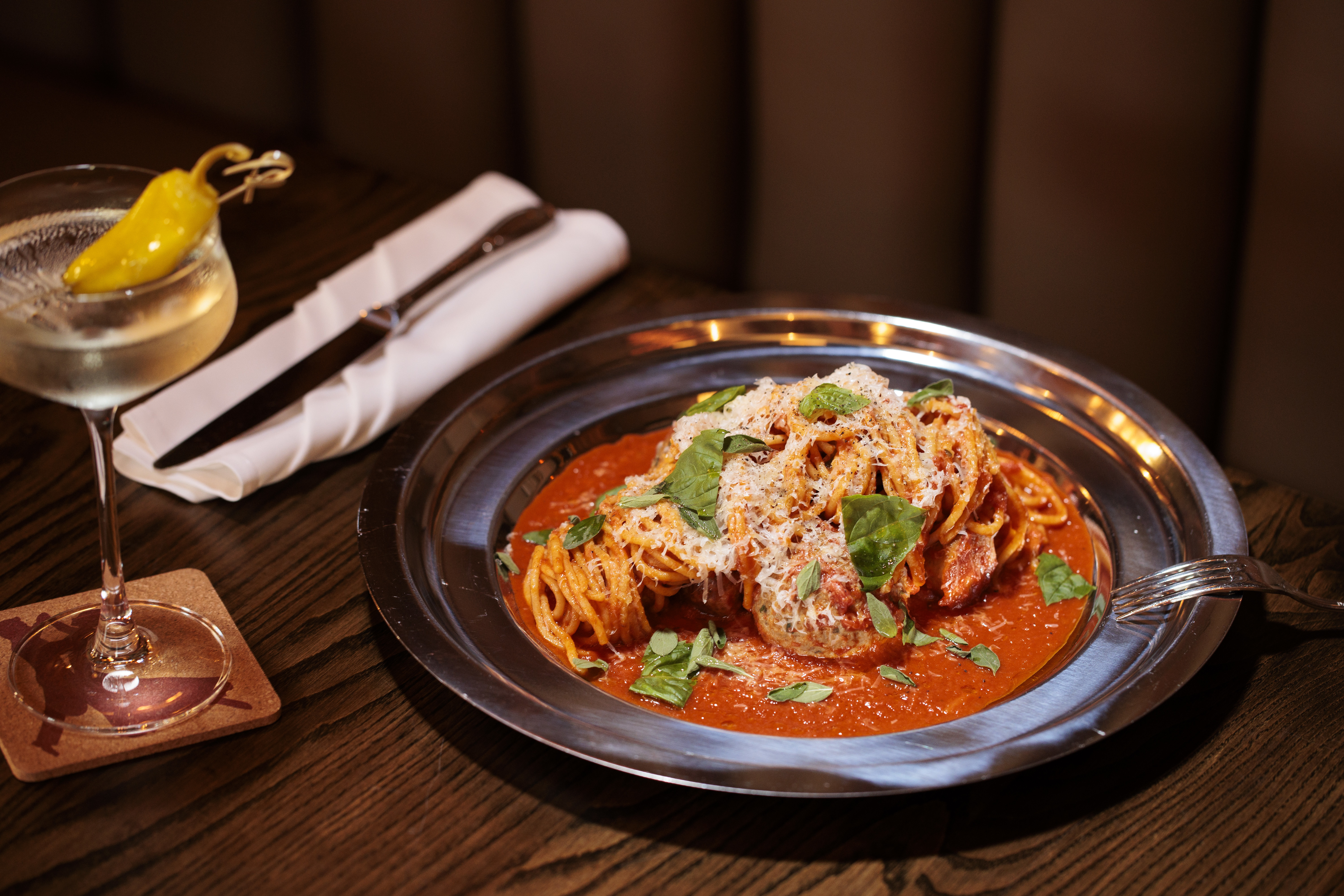
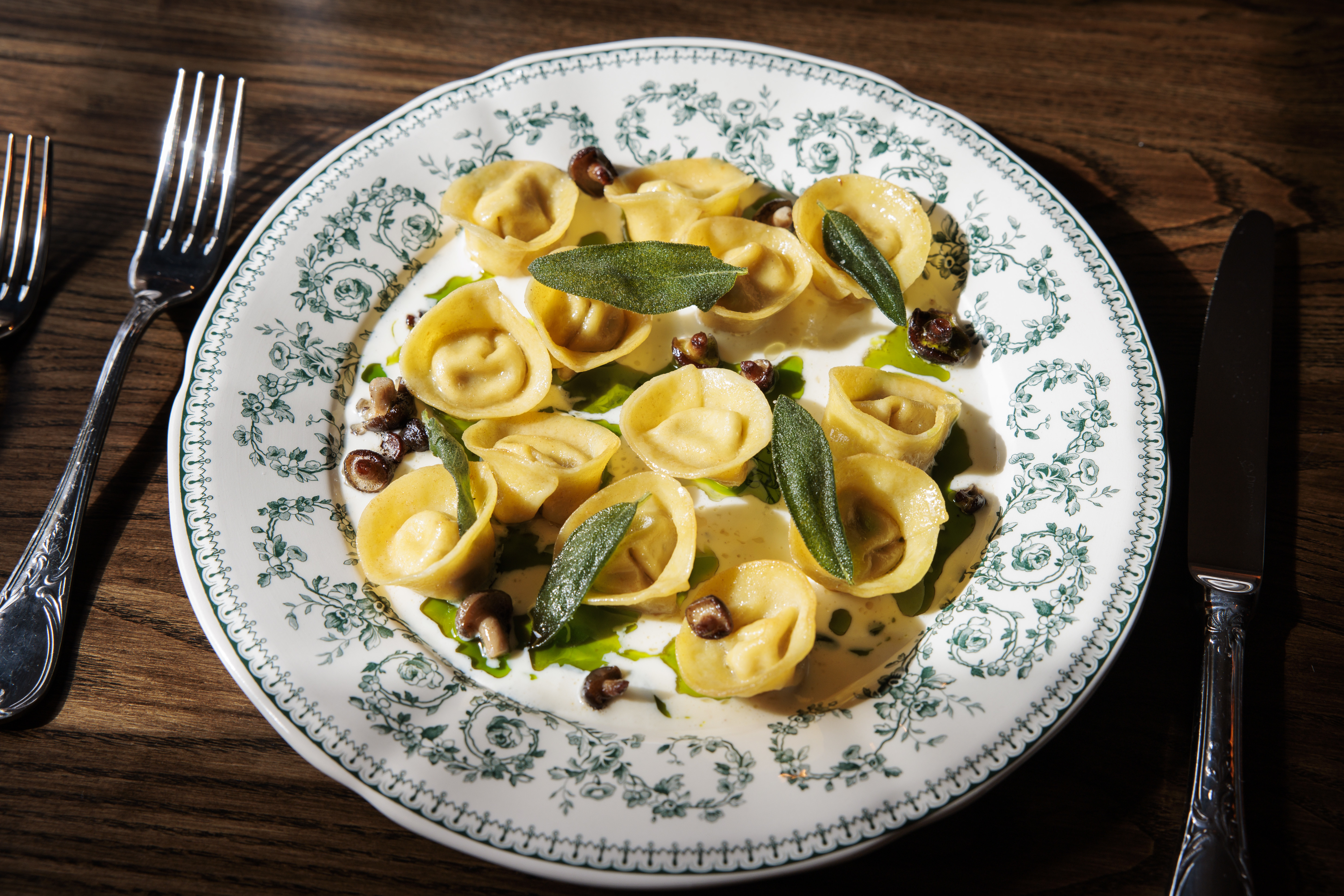
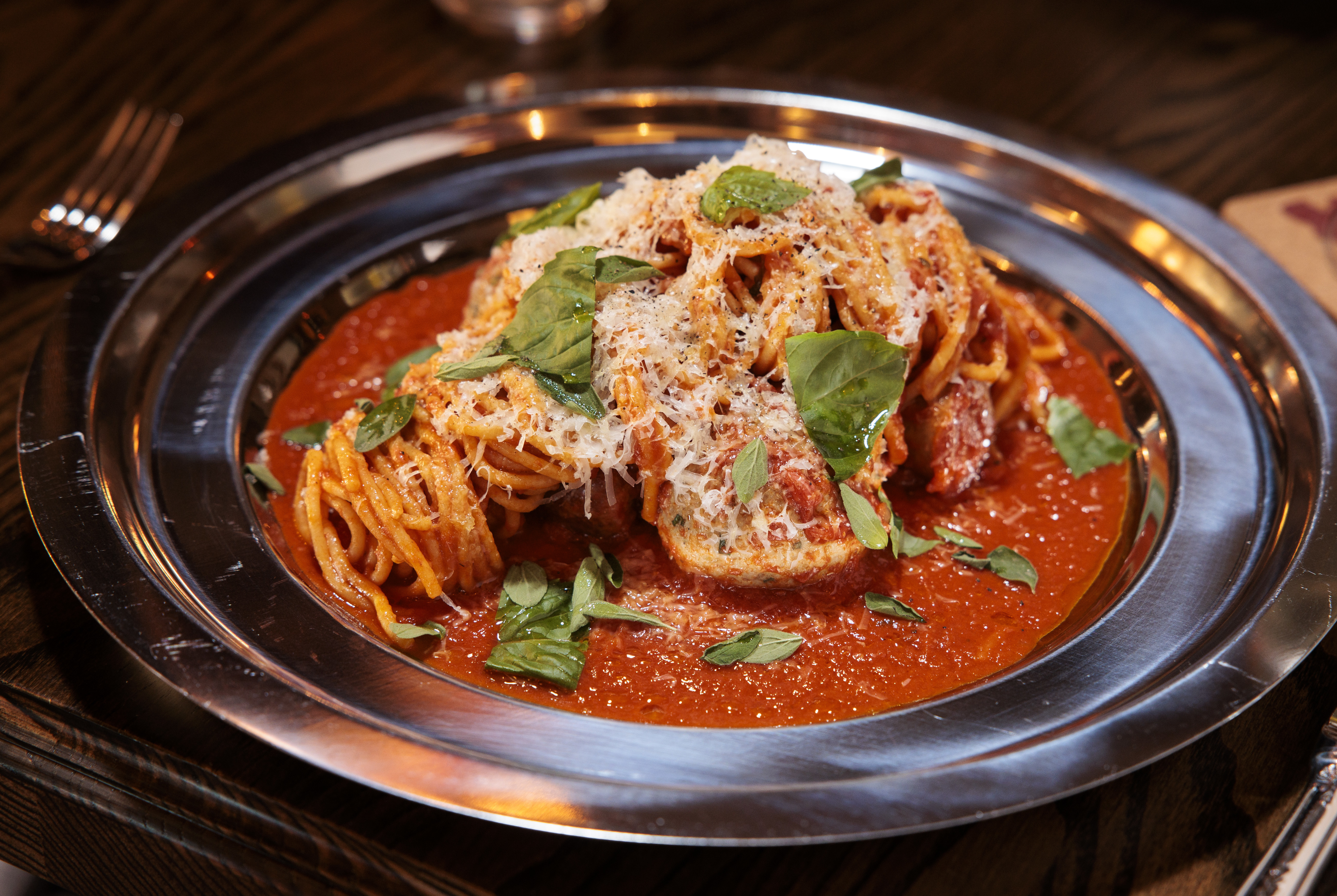
    The pastas at Waltz are also consistently excellent, including deftly folded tortellini stuffed with mushrooms in Parmesan cream sauce, and the ruffled-edge ribbons of pappardelle that cradled rustic duck ragù. The snap of fresh noodles lend the already irresistible silver platter of spaghetti with meatballs and sausage in red sauce extra oomph. It was so zesty, I couldn’t help but wonder how this Sunday gravy became a treasured tradition of the Dougherty family in this historically Irish enclave of South Philly.

    The tortellini at Waltz on Wednesday, May 27, 2026 in Philadelphia.Monica Herndon / Staff Photographer
    The spaghetti and meatballs at Waltz on Tuesday, Aug. 4, 2026 in Philadelphia.Monica Herndon / Staff Photographer

    “We call it ‘Gus’ gravy,’” says Dougherty, noting that his father, Donald “Gus” Dougherty, also a partner at Waltz, learned the recipe in 2008 from some Italian friends he met while he was serving 18 months in federal prison at Fort Dix for defrauding the IBEW Local 98 electricians union, formerly run by his close (but unrelated) associate, John “Johnny Doc” Dougherty. “He’s made it every Sunday since.”

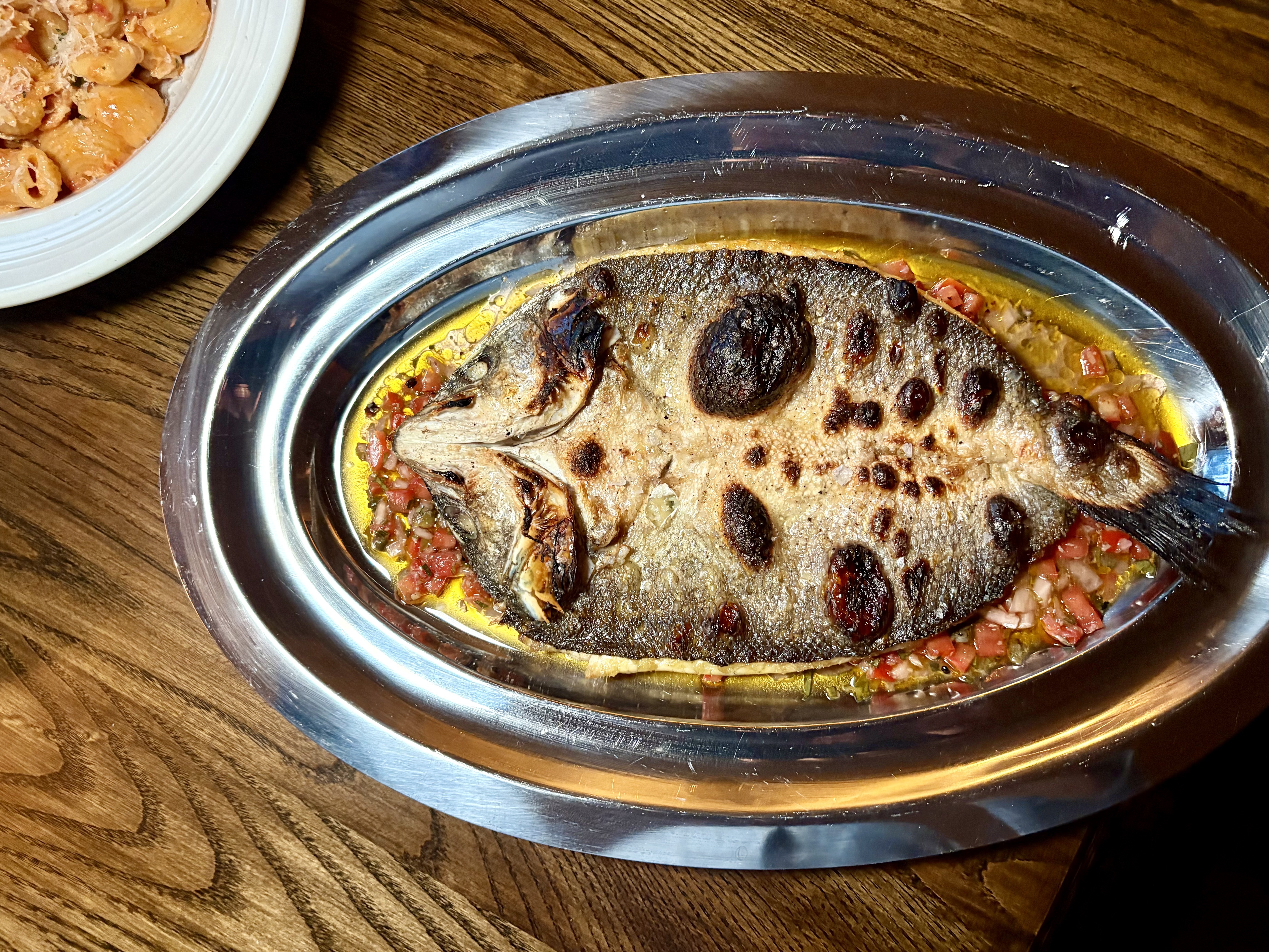
    That gravy also features prominently on the chicken Parm, although that is one dish here I found unexciting. Yes, the sharing portion is gigantic, which, at $30, is a reminder that prices here are very fair. But the breading had gone so soggy in all that red sauce the exterior was almost fluffy, leaving this Parm one-dimensional. Your best bets for the handful of large-format sharing dishes emerge from that wood hearth; the heat-blistered silver skin of a butterflied whole branzino, for example, is fantastic over the tangy vinaigrette — called sauce vierge — of fresh tomatoes, capers, and a splash of chili oil that makes it glow.

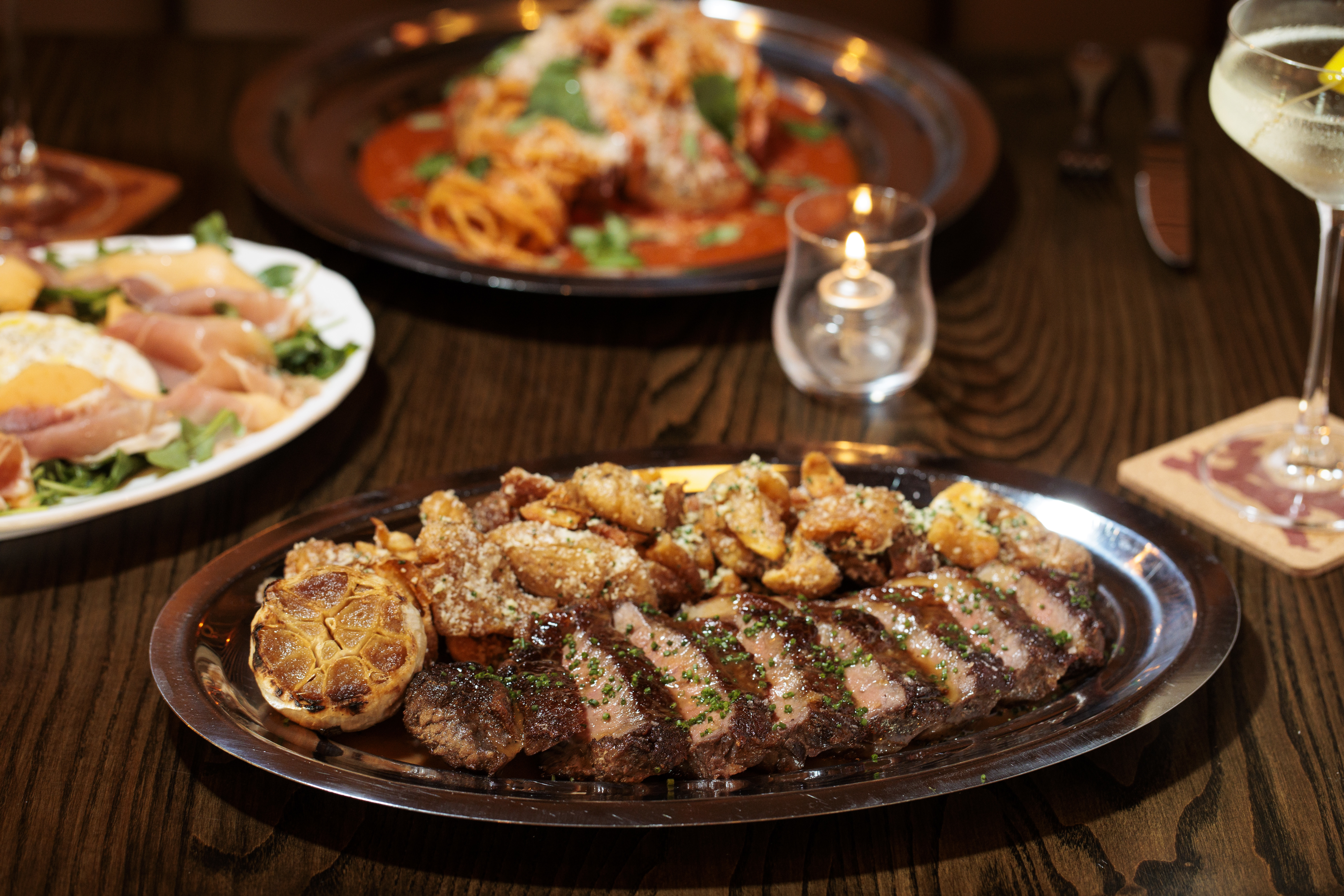
    The superbly tender 14-ounce strip steak, meanwhile, roasted to a perfect medium-rare in that pizza oven, was one of the more memorable cuts of beef I’ve eaten this year. It arrived fanned over a silver platter beside shatteringly crisp fried fingerling potatoes and a head of sweet roasted garlic glossed in a black peppercorn jus that’s a telltale perk from Leveillee’s years of sauce work in French kitchens.

    The 14-ounce New York strip steak with smashed fingerling potatoes, roasted garlic, and black pepper jus at Waltz on Tuesday, Aug. 4, 2026 in Philadelphia.Monica Herndon / Staff Photographer
    The whole branzino at Waltz is roasted in the wood-fired oven and paired with a tomato and caper vinaigrette.Craig LaBan / Staff

    Between that steak, the crab cakes, pastas, and the retro tavern vibe, I can see why some have likened Waltz to a combination of the Saloon and the newly revived Bomb Bomb Bar. Waltz’s still-evolving repertoire isn’t quite that proven or deep yet, even if I have little doubt executive chef Sergio Mateo — an alum of Ambra, Whetstone, and Lacroix who’ll be carrying the menu forward once Leveillee’s consultancy is finished — has the skills to get there.

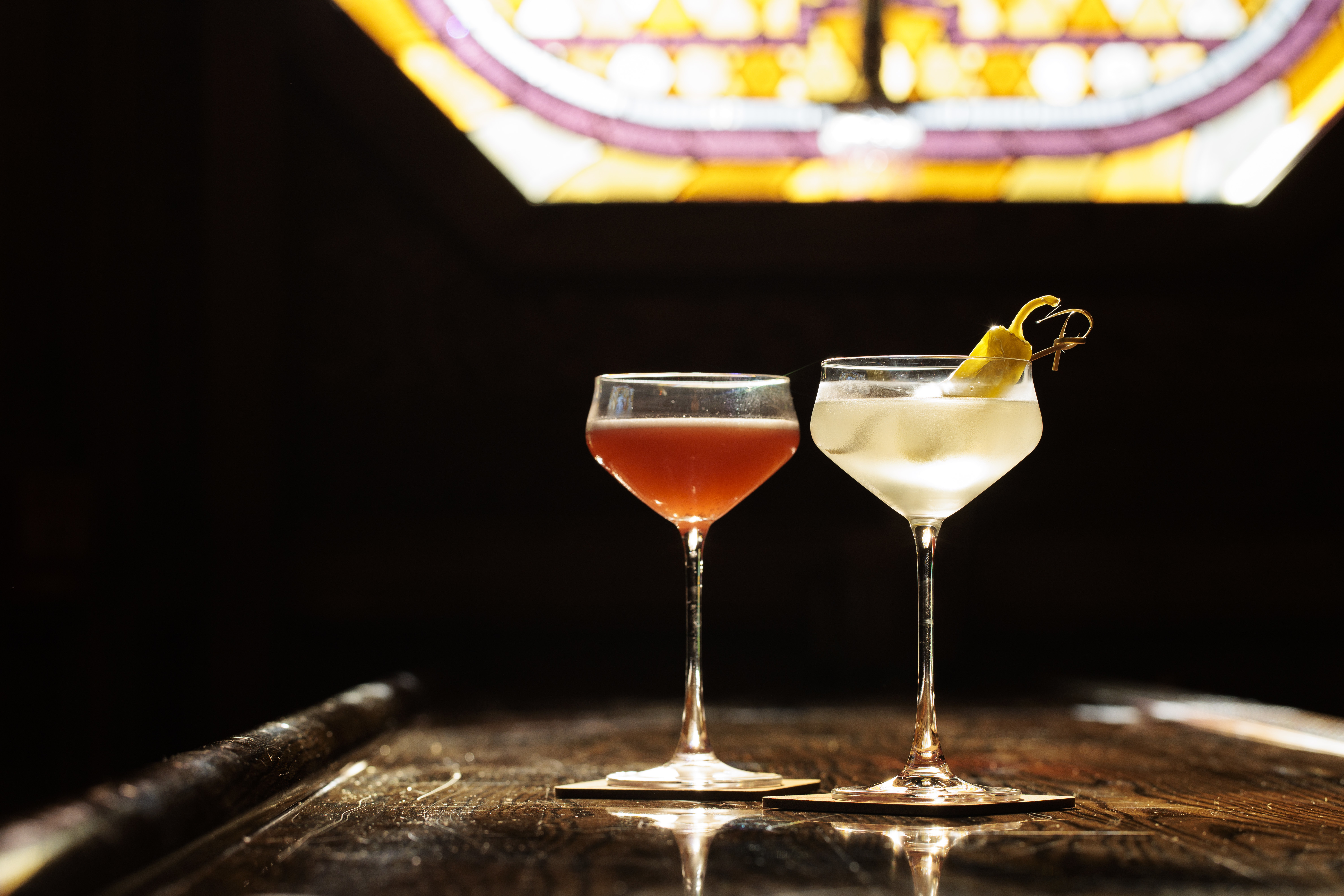
    Waltz’s drink program has a bit further to go. The cocktails offer some trendy twists to classics but occasionally landed shy of their promise (the weak foam on the Fluffy Negroni Sour, for example, had deflated by the time it arrived). The potentially clever concept of a cocktail list organized by glass shapes fumbled over its own format: The Centerbe-spiked Waltz Whit Me came in a large martini coupe instead of the Nick and Nora tulip touted on the menu.

    The Blush Sour and the Pepperoncini Tini at Waltz on Tuesday, Aug. 4, 2026 in Philadelphia.Monica Herndon / Staff Photographer

    At a very reasonable $15 or less a cocktail, however, it’s hard to complain loudly. Joey Dougherty is admirably determined not to overprice Waltz for a neighborhood that currently doesn’t have many upscale dining options. The small wine list is also full of basic Italian wine values for $13 a glass or less, and a tiny reserve bottle list for a Super Tuscan or Brunello di Montalcino. Dinner as a whole is fairly priced considering the quality, with check averages of $55 to $65 including beverage, before tax and tip.

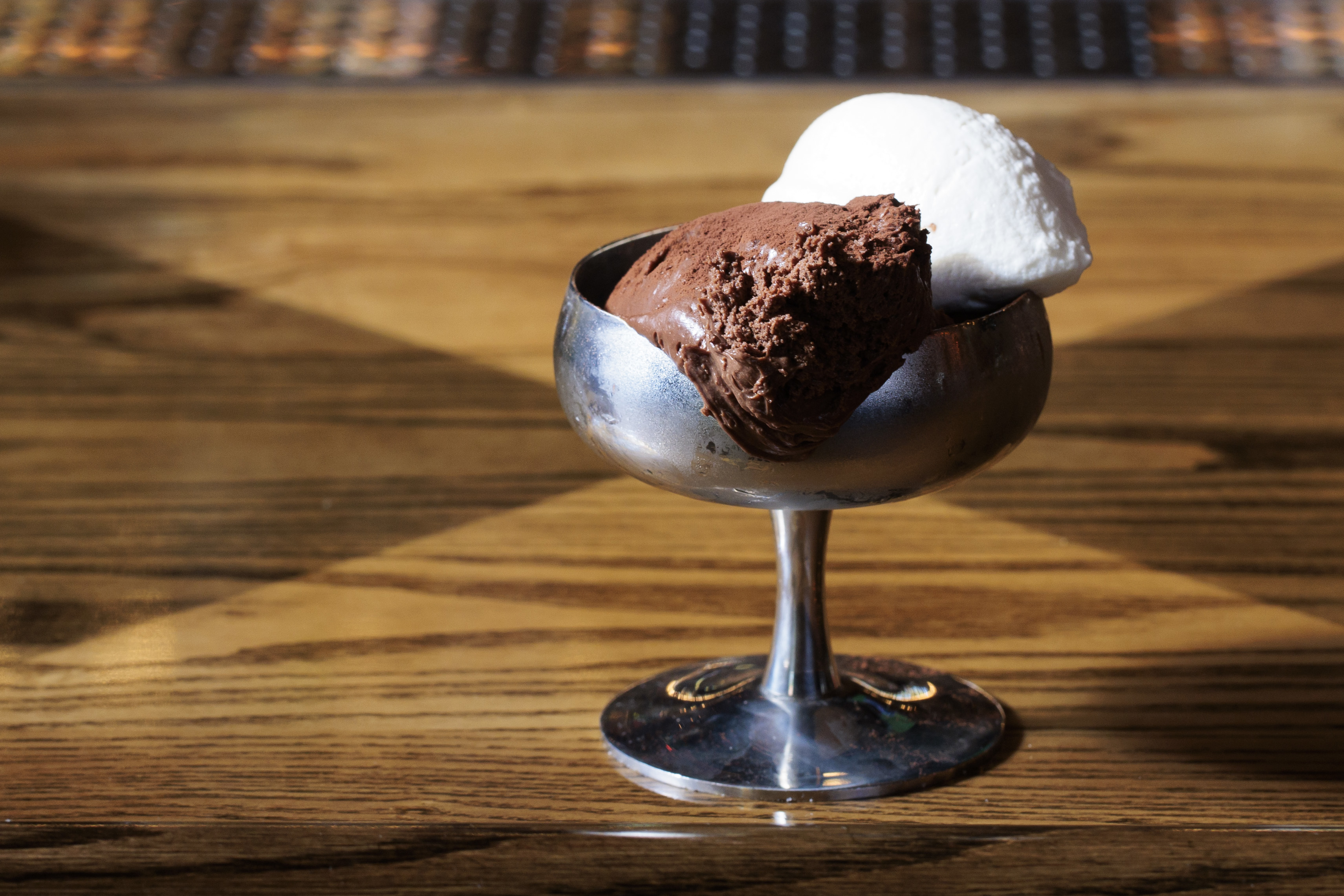
    Dinner finishes up strong with good scratch versions of common desserts. The made-to-order tiramisu, whose lady fingers are dunked to order in coffee then layered with sweet cheese, is somewhat controversial among traditionalists who expect it to be already fully saturated, but I enjoyed the faint crunch of those biscuits softening while we ate. There were no quibbles over the lusciously rich chocolate mousse, which is made with 70% Valrhona chocolate and served with raspberry compote and amaretto whipped cream.

    The lusciously rich chocolate mousse, made with 70% Valrhona chocolate and served with raspberry compote and amaretto whipped cream, at Waltz on Wednesday, May 27, 2026, in Philadelphia.Monica Herndon / Staff Photographer

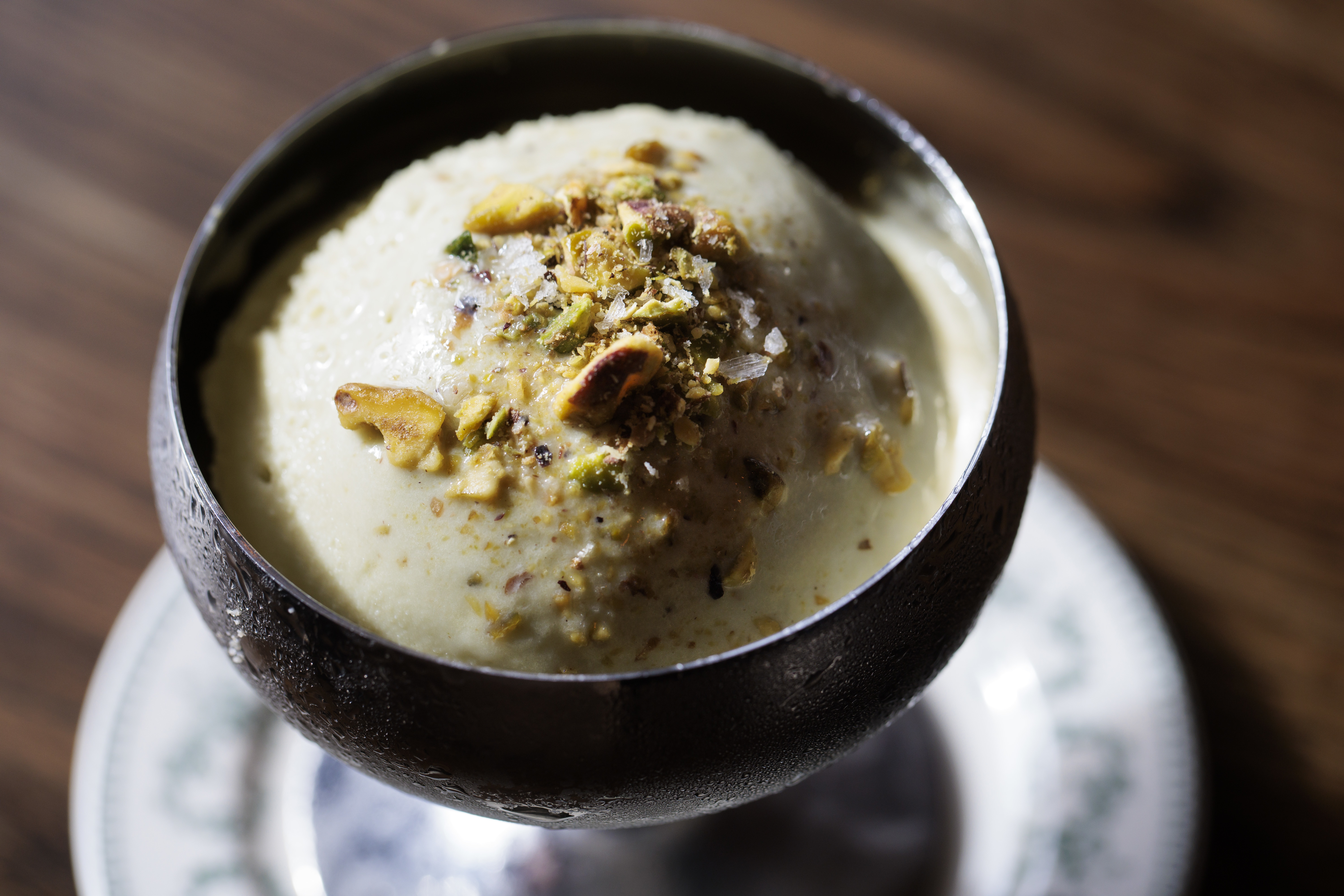
    Waltz’s finest finishing moves are the exceptional gelati, which are spun daily before service so the textures remain spoonably soft and vivid of flavor. The pistachio is always my go-to, and didn’t disappoint here, but I could also taste the real Tahitian beans (not extract) steeped into the vanilla. I was thoroughly charmed by the Andes Mint flavor topped with a dusting of the grated chocolate-and-crème de menthe candies. Even better was the strawberry sorbetto, which doubled down on berry flavor with a crimson glaze of strawberry compote.

    If you’re going to build a new restaurant that feels like an old soul inspired by another era, these are just the kinds of fresh touches required to appeal to diners today.

    Pistachio gelato at Waltz on Wednesday, May 27, 2026 in Philadelphia.Monica Herndon / Staff Photographer

    Waltz

    2351 S. Front St., 215-436-9293; waltzphilly.com

    Dinner: 5:30 to 9 p.m. Wednesday through Sunday.

    Pizzas and pastas: $16-$24; larger sharing plates, $30-$50.

    The bar dining room is wheelchair accessible through a side door, but the bathrooms, located in the basement, are not.

    About 50% of the menu is gluten-free or can be modified, including availability of gluten-free pastas.

    Menu highlights: House burrata with prosciutto and melon; stuffed crabs; fritto misto; pizzas (carbonara, piccante); lumache pasta with spicy crab vodka sauce; tortellini; pappardelle with duck ragù; spaghetti with meatballs and sausage; New York strip steak; branzino; house gelati (pistachio; Andes mint); strawberry sorbetto.

    Drinks: Classic cocktails with modern twists are categorized by glass shape (highball, coupe, Nick and Nora) but perplexingly not always served in the advertised glass. The drinks themselves are solid, not spectacular, but fairly priced at $15 or less. The small wine list offers affordable Italian basics, including a Pecorino white and a plush Piemonte Rosso I’d drink all night for $11 a pour.

    The owners of Waltz restaurant in South Philadelphia made a collage of articles from a 1924 Inquirer that was found during renovations in the walls of the building at Front and Ritner, where it was used for insulation.Courtesy Waltz restaurant / Joey Dougherty
  • Side Eye, an affordable bistro in Queen Village, has a great concept but so-so execution

    Side Eye, an affordable bistro in Queen Village, has a great concept but so-so execution

    I want to root for a restaurant like Side Eye. There’s the quirky name, of course; a tribute to the owners’ beloved late dog, Sheba, whose legacy lives on in the many pooch pictures posted around the space and which has fostered a strong pull from the city’s canine-centric crowd, my family included. What a perfect place to catch up with our dog Buttercup’s veterinarian over steak fries and a peppercorn burger! And was that the (human) mom of Buttercup’s playmates sipping a glass of wine at the long bar? Yes, it was. Philly’s dog lovers are an easy demographic for any new restaurant to target, especially one with a pet-friendly 10-seat patio outside its Queen Village storefront.

    But there are other reasons to wish for Side Eye‘s success, including its aim to be an affordable neighborhood bistro when soaring prices are on everyone’s mind. In an era when $35 chicken entrees and $20-plus cocktails are not uncommon in local restaurants, Side Eye’s half bird is selling for $25 and nearly every cocktail and glass of wine is $13 or less.

    Given that Side Eye’s co-owner, Hank Allingham, is a numbers guy, having previously spent his career in finance for large restaurant companies, including the Patina Group in New York and Nando’s Peri-Peri in D.C., it’s no surprise he’s using fair prices as a draw for this new venture, launched in February with his wife, Katherine Hanson.

    The exterior of Side Eye on Thursday, July 23, 2026 in Philadelphia.Monica Herndon / Staff Photographer
    Side Eye co-owner Hank Allingham inside the bistro at Sixth and Bainbridge on Friday, January 23, 2026.Yong Kim / Staff Photographer

    But value is a relative concept. What good are house-baked buns if the inexperienced kitchen frequently scorches them before sending a burger out to the dining room? Does it really matter that the roast chicken is relatively inexpensive if the skin on those commodity birds is underseasoned and flabby? (It’s also set over borlotti beans — a nice idea until the beans were overcooked to a sticky paste.) Also, does Side Eye make the worst cocktails in Philly? The drinks at our first visits ranged from watery and muddled to raggedly boozy, providing a reminder that you sometimes get exactly what you pay for.

    That is, until recently, when I’ve finally begun to detect some needed improvements on multiple fronts. One key has been a shift in the front house staff, essential to maintaining the warm neighborhood mojo at the Queen Village space that once housed beloved Bistrot La Minette, which called it quits in 2024.

    The service during my early visits ranged from chaotic — with more plates landing simultaneously at our little table than it could possibly hold (and the server impatiently waiting for us to play Tetris to somehow find space) — to borderline hostile.

    “OK, now who‘s ordering here?!” snapped the waiter at my second meal, scolding me for ordering fries for the table when it apparently wasn’t my turn to speak. He’s coincidentally no longer with the restaurant, Allingham said, before I could even mention it.

    The Lipstick Stain (left) and Bulldog Cooler at Side Eye on Thursday, July 23, 2026 in Philadelphia.Monica Herndon / Staff Photographer

    What a difference the calming presence of a pleasant server such as Tessa Draper can make, righting the mood as weekend sunshine poured through the windows into the cobalt blue room, and we settled into a lovely brunch. It was highlighted by a perfectly fluffy French omelet rolled around house-made fromage blanc, topped with roasted mushrooms, and finished with a dessert of crêpe Suzanne, sweetly named for the chef’s mom. The warm crêpes bundled around that same cheese, all topped with brandied warm caramel and juicy orange segments.

    The crêpe Suzanne at Side Eye on Thursday, July 23, 2026, in Philadelphia.Monica Herndon / Staff Photographer

    The meal was far from perfect. The cucumber-gin Breakfast Cup cocktail had too much bitterness from the lime peel. The avocado toast was not especially green. And this kitchen burned the slender toast “soldiers” served alongside its soft-boiled eggs. But we loved the poached shrimp and fresh-dressed cod rillettes salad that came on the side. The lemony hollandaise for the Parisian ham Benedict served over house-baked brioche was extremely tasty.

    It felt like Side Eye had finally found a comfortable groove, enough for me to return for one more dinner.

    With Draper once again tending to our table, the improvements continued, especially with new vegetable-forward dishes that turn out to be a strength for chef Finn Connors, 26, an alum of Osteria, Wilder, and Sally. He cooks a range of diverse ingredients but also concedes, “I mostly eat vegetables.”

    The tomato and honeydew salad makes the most of summer’s bounty.Monica Herndon / Staff Photographer

    His tomato and honeydew salad makes the most of summer’s bounty, winding luscious tomato chunks inside ribbons of shaved honeydew that added a textural snap and juicy burst of bright sweetness. Snappy batons of zucchini are roasted with just a touch of char, dressed with basil oil, and paired with a creamy dip of that ricotta-like house-strained cheese for another simple but memorable starter. A classic ratatouille, with separately stewed eggplant, red peppers, and zucchini finished with saucy tomatoes, sherry vinegar, and herbs, was one of the menu’s most confident nods to a French canon the chef had never previously cooked.

    Connors bakes a very respectable French baguette, a nice wink to the standby offering at La Minette. I just wish they offered more than a stubby little heel of it for $5. That bread may be at its best diced into croutons that give the delicious French onion soup a sturdy, spoonable body and an irresistible dome to be gratinéed; delicious even when they occasionally burn it.

    The French onion soup at Side Eye on Thursday, July 23, 2026 in Philadelphia.Monica Herndon / Staff Photographer

    When it comes to cooking proteins, Side Eye has work to do. They struggled to nail a medium-rare doneness on the burger (twice overcooked, once underdone) but also need some basic seasoning to boost the flavors of the Camembert and peppercorn aioli garnish. The coarse-chopped beef tartare was both unpleasantly chewy and overwhelmed by the sharp garnish of crumbled Gorgonzola cheese.

    An intriguing early menu item of stuffed cabbage filled with braised short rib suffered from some less-than-tender braised meat. This kitchen also got too clever with a usually no-brainer pot of mussels marinières, swapping out the shellfish’s natural liquor for a Miller High Life-infused dashi mixed with crab fat and a hunk of not-especially-tender pork belly. Not only was the dashi lacking focused flavor, there wasn’t nearly enough of it, leaving the bowl so dry that the high percentage of empty shells was obvious.

    A simple plate of flaky hake with chile-spiced piri-piri broth and herbed potatoes (reminiscent of the similar retro hit at Meetinghouse) offered minimalist satisfaction. The dish was recently updated to seared cod with a summery garnish of couscous in a tomato-tinted velouté Aurora sauce. I’ll order that next time.

    The lasagna at Side Eye on Thursday, July 23, 2026 in Philadelphia.Monica Herndon / Staff Photographer

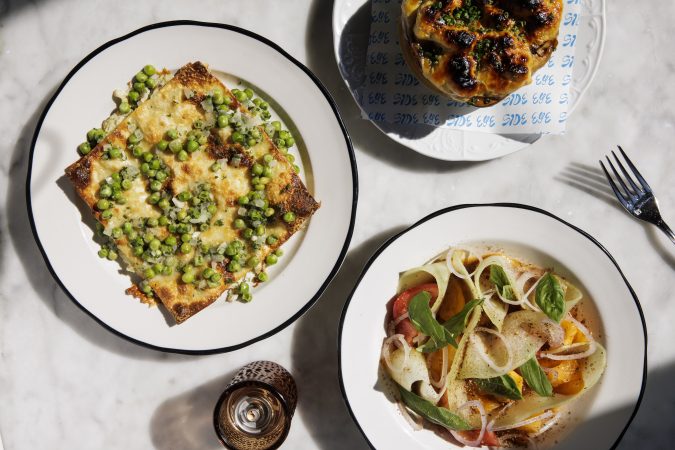
    Fresh pasta is consistently one of Side Eye’s better moves. I enjoyed the early menu’s tagliolini with Café de Paris butter and shaved Mimolette cheese. But this summer’s lasagna is one of the kitchen’s best dishes to date; a low rise double stack of fresh pasta sandwiching the fresh cheese with artichoke hearts, topped with a crispy pasta lid that gets gratinéed with Manchego cheese and scattered with a fistful of peas.

    As inconsistent as the drinks were at my early meals, something also clicked in the glass for our final visit. The refreshing tequila and Aperol-fueled Lipstick Stain and a solid old-fashioned hit the spot. For $12 to $14 a pour, an accessible wine list of independent French producers of picpoul de pinet, Anjou rouge, and a cinsault-syrah blend from Les Enfants Sauvage proved to be among the restaurant’s better values.

    The bar at Side Eye on Thursday, July 23, 2026 in Philadelphia.Monica Herndon / Staff Photographer

    When it comes to dessert, Side Eye serves up an olive oil cake trifle layered with lemon curd and a fluffy marshmallow crown torched for drama. But we couldn’t resist the low-key crème caramel, a fresh take on the standard that gives the silky sweet custard a modern update with a crunchy dusting of bittersweet cocoa nibs and flaky Maldon sea salt.

    The effect of those bold contrasting flavors and textures — when perfectly fine-tuned — compels your spoon to return for another scoop. It was an irresistible finale for a meal that finally gave a hint of what this restaurant can be. Side Eye still has plenty of wrinkles to iron out to reach its full potential, but I’ve seen enough signs of progress lately, and I’m hopeful that can continue.


    Side Eye

    623 S. Sixth St., Philadelphia, Pa. 19147, 267-807-1164, sideeyephilly.com

    Dinner Sunday through Thursday, 4 to 11 p.m.; Friday and Saturday, until 1 a.m.; brunch Saturday and Sunday, 11 a.m. to 3 p.m.

    Dinner entrees, $14-$25.

    Wheelchair accessible.

    About half the menu is gluten-free or can be modified.

    Menu highlights: Dinner: French onion soup; tomato-honeydew melon salad; roasted zucchini with fromage blanc; ratatouille; bread and butter; triple-cooked steak fries; artichoke-pea lasagna; cod. Brunch: French omelet; Benedict variations; crêpes Suzanne.

    Drinks: Cocktails and affordable French wines (all $14 or less a glass) drive the program. Reasonable prices are the draw, but craftsmanship on cocktails has been shaky. There are some thoughtful nonalcoholic options and the beer list has several worthy choices, from local Forest & Main and Monk’s Flemish sour to La Fin du Monde.

    The dining room at Side Eye on Thursday, July 23, 2026 in Philadelphia.Monica Herndon / Staff Photographer
  • Barclay Pies in Cherry Hill sets a new standard for gluten-free pizza in the Philly area

    Barclay Pies in Cherry Hill sets a new standard for gluten-free pizza in the Philly area

    It’s been a long time since Samantha and Mike Garbose have been able to truly enjoy the same pizza together. Ever since Mike discovered an intolerance to gluten in 2019, their pizza dates have resulted in this married couple ordering a “his” and “hers” situation with separate pies.

    Being relegated to the gluten-free alternative is not a fate Mike begrudges: “We both agree that each of us is totally entitled to the food that our diets and preferences warrant.” Then again, the contrast in quality between standard wheat-flour crusts and those made with gluten-free ingredients can be hard to ignore.

    “At places that have both gluten [-full] and gluten-free pizza,” says Samantha, “usually I get something that looks phenomenal and Mike gets something that looks like a cardboard circle — and then I feel guilty about that.”

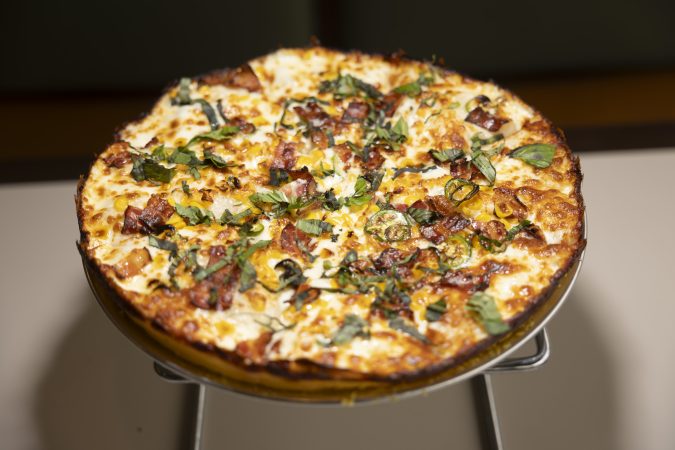
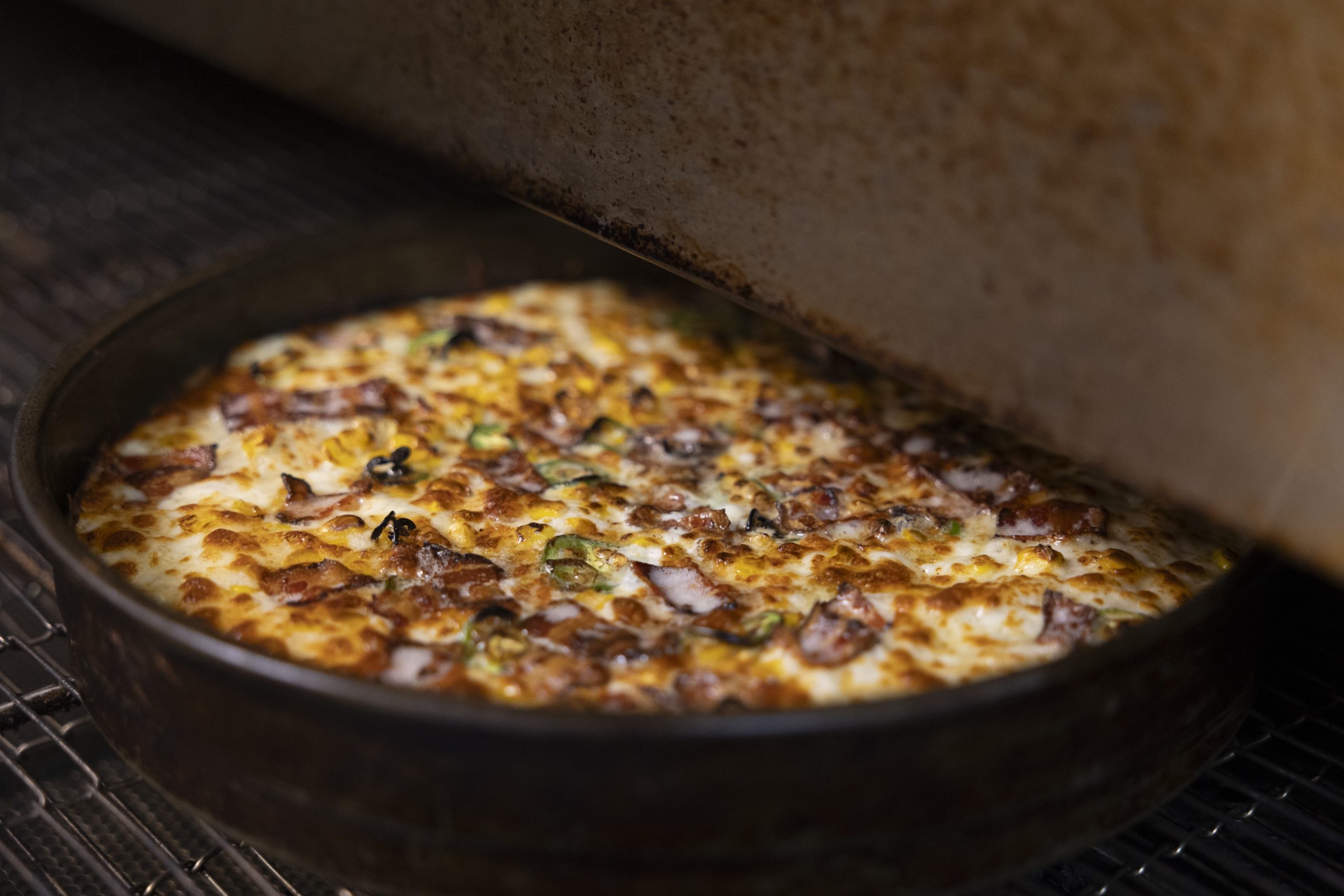
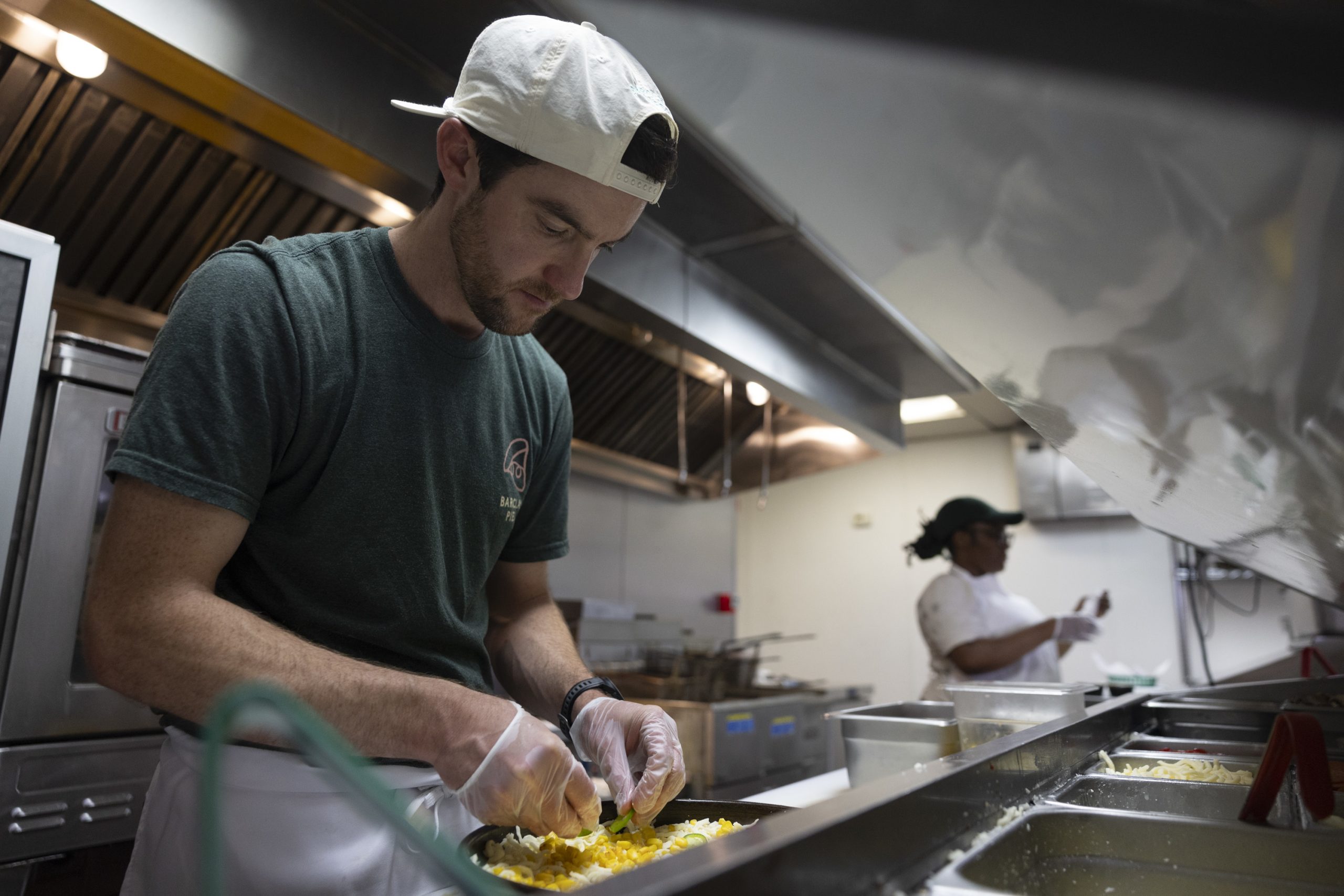
    Gluten-free pizza with summer corn at Barclay Pies in Cherry Hill.Tyger Williams / Staff Photographer

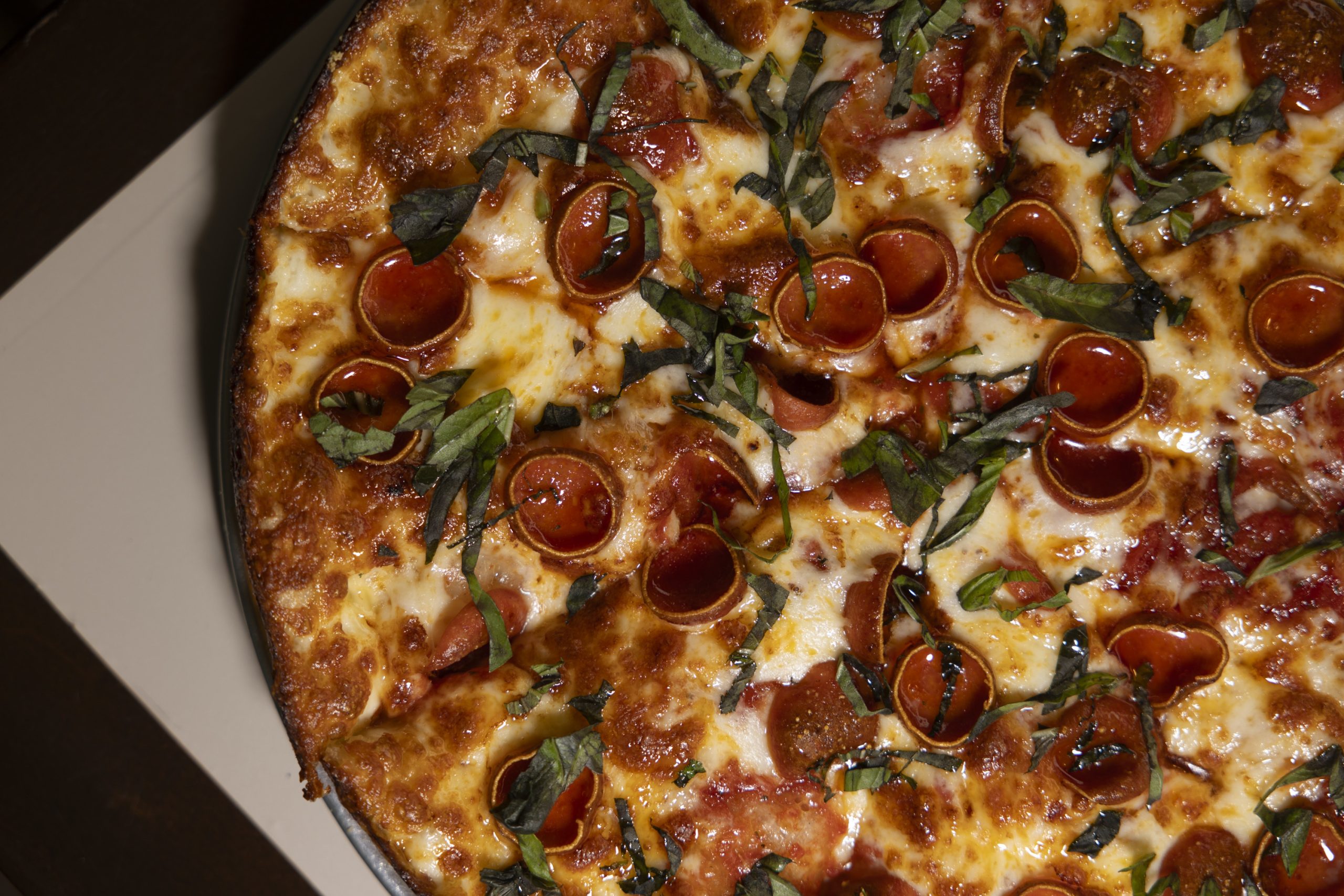
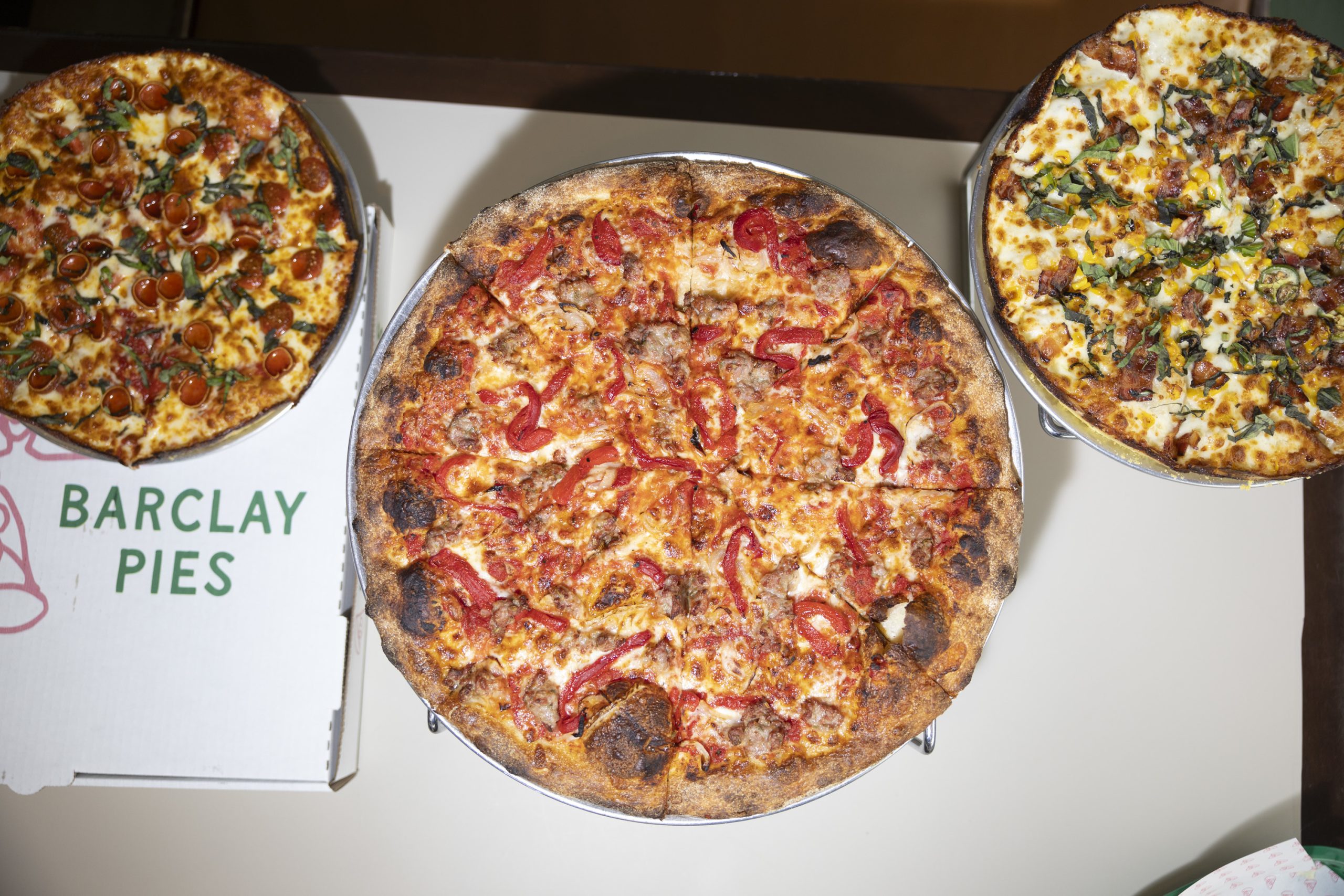
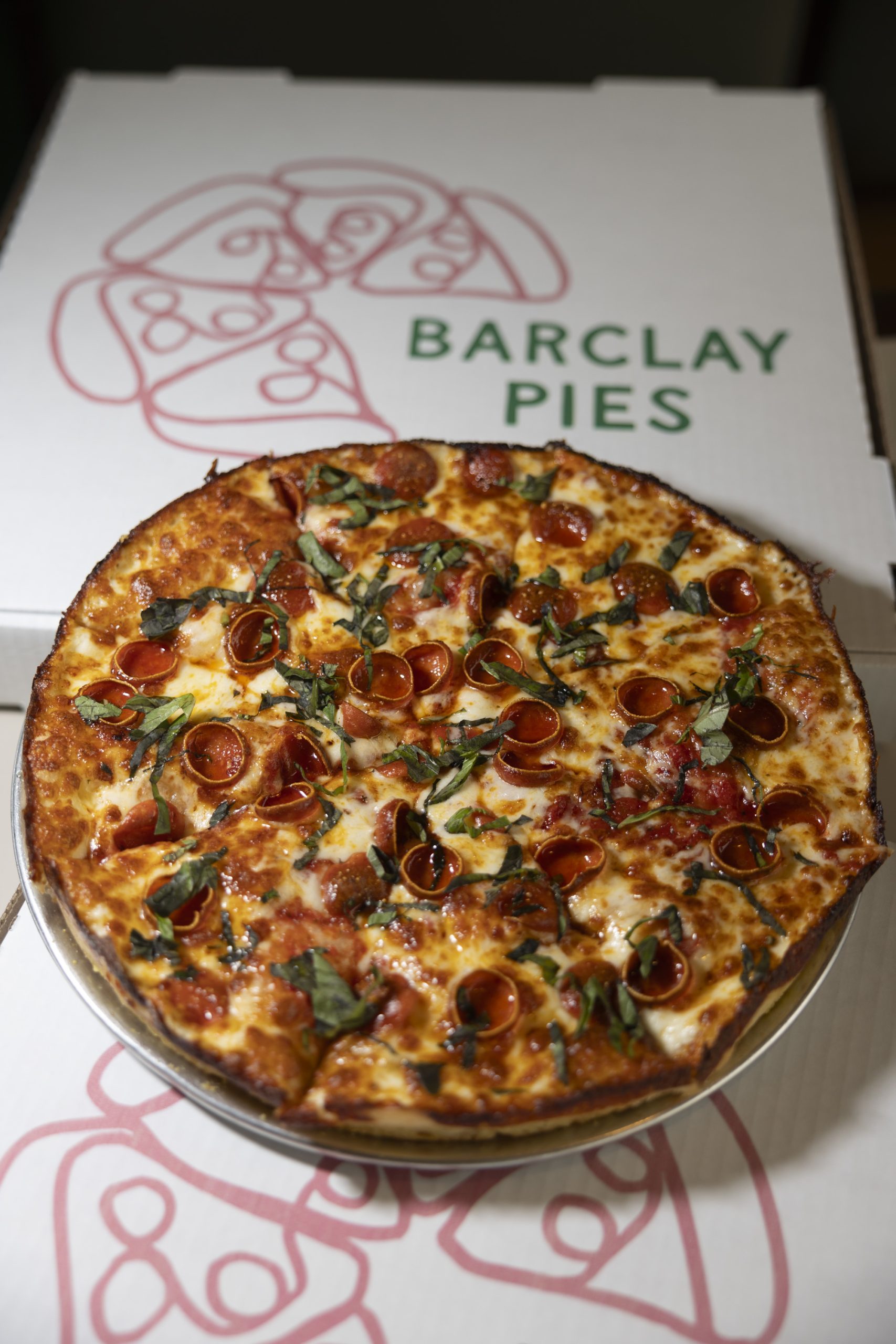
    But there would be no guilt tonight at Barclay Pies. Not once the first gluten-free pizza arrives at our table, its airy puff of a crust crisped around the edges to a tawny snap that beckons from under a crown of molten mozzarella topped with sweet summer corn, bacon, and chile peppers. Another pie arrives, this one zesty with a layer of red sauce bursting with bright California tomatoes and a whiff of oregano; fistfuls of cup-and-char pepperoni rounds are scattered over the top, then finished with honey and freshly ripped basil.

    “Oh wow, that does not even look gluten-free!” says Samantha.

    That’s been my exact reaction every time I’ve visited this pizzeria in Cherry Hill, initially with my daughter, Alice, who has celiac disease. Barclay also makes standard pizzas with glutinous flour, but it has generated a serious buzz within the gluten-free community over the course of its first year — for good reason.

    Gluten-free pizza with pepperoni at Barclay Pies in Cherry Hill.Tyger Williams / Staff Photographer
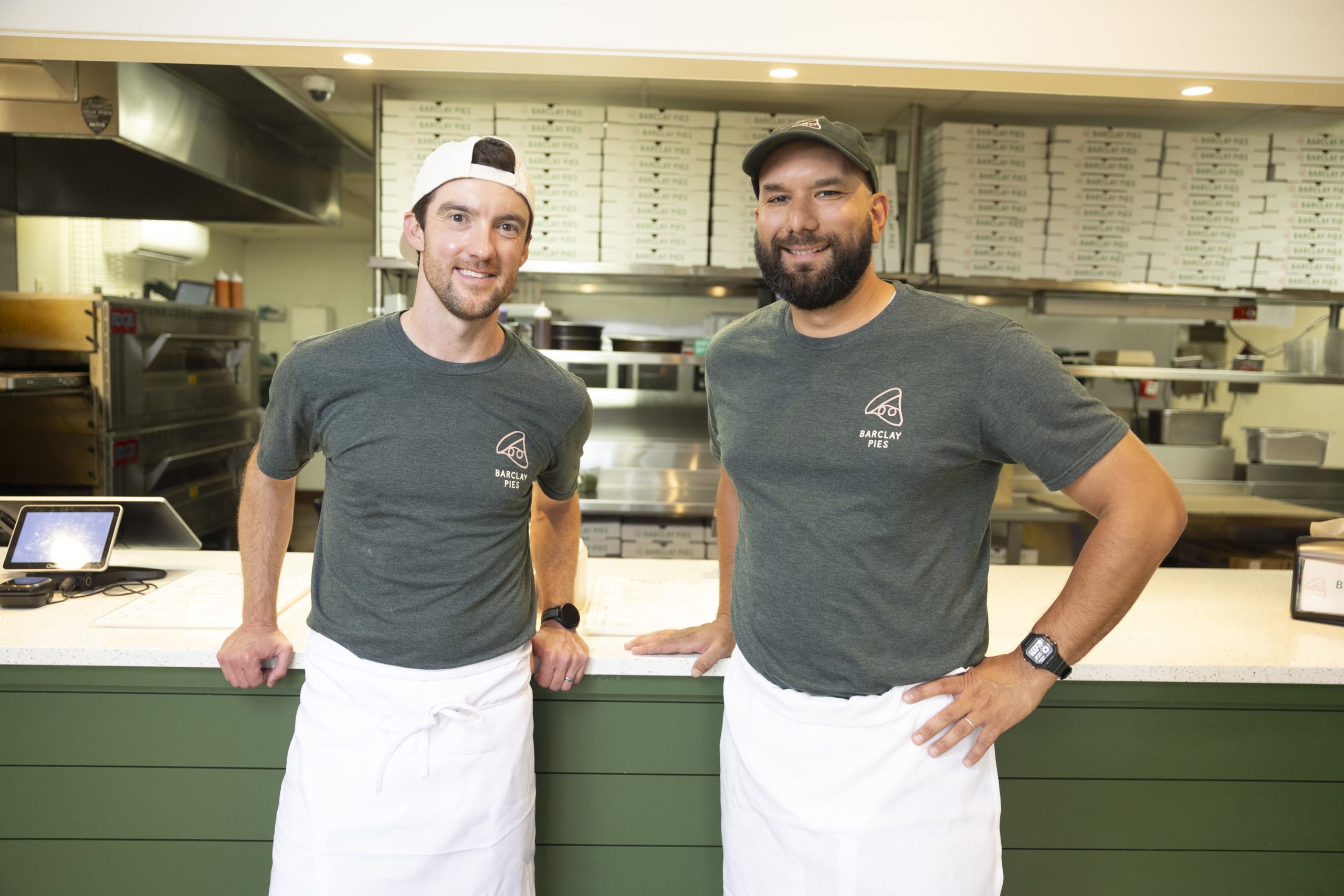
    Co-owners Thomas “TJ” Hunton (left) and Daniel Romero at Barclay Pies in Cherry Hill.Tyger Williams / Staff Photographer

    Barclay Pies was launched last summer by friends Thomas “TJ” Hunton, a regional director of operations for Shake Shack, and Daniel Romero, a vice president in engineering for Aramark. Its remarkably good pizzas, careful protocols to avoid cross contamination, and outgoing hospitality have helped change the narrative about what’s possible in a fast-casual setting with gluten-free options that go beyond just the pies.

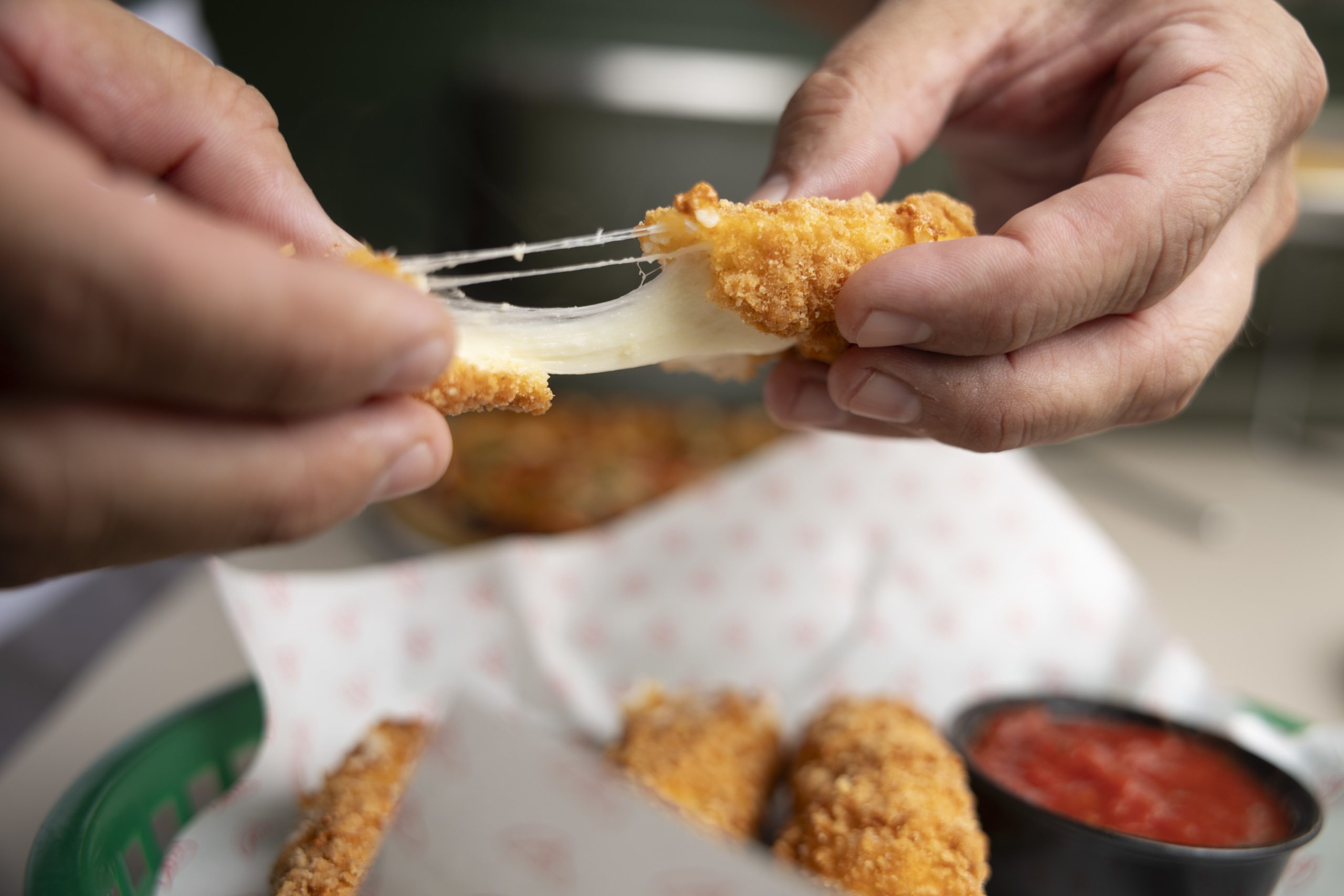
    Indeed, a mozzarella stick was the first bite to turn heads at our table. A safe-to-eat mozzarella stick is rare and coveted in the gluten-free community because deep fryers are common culprits for cross contamination. Not only are Barclay’s fryers completely gluten-free, these delicately hand-breaded sticks encrusted in potato starch, rice flour, and gluten-free panko crumbs are perfectly crisped. There is also a hunk of milky fresh mozzarella inside (another rarity: most use standard low-moisture varieties) that offered hot cheese-pull satisfaction from one side of the table to the next.

    Gluten-free mozzarella sticks at Barclay Pies in Cherry Hill.Tyger Williams / Staff Photographer

    The chicken wings were also superb, tender and juicy from a dry brine and par-bake, sealed inside a sheer crust of egg whites and rice flour, available in several good flavors, from punchy Buffalo sauce shaded with the richness of brown butter to lemon-pepper that sparkled in its craggy breading.

    My encounters on previous visits with boneless chicken tenders were far less inspired, including some overly brined meat so rubbery they gave me a refund. But I was heartened by a 360-degree turnaround on this latest visit. The team recently reworked their recipe, and the final results — expertly verified by Hunton’s 6-year-old daughter, Amelia — are stellar: a perfectly tender baton of meat in a flavorful crust ready for various house-made dips. The tangy ranch with buttermilk and fresh herbs was a favorite, though classic honey mustard also did the trick.

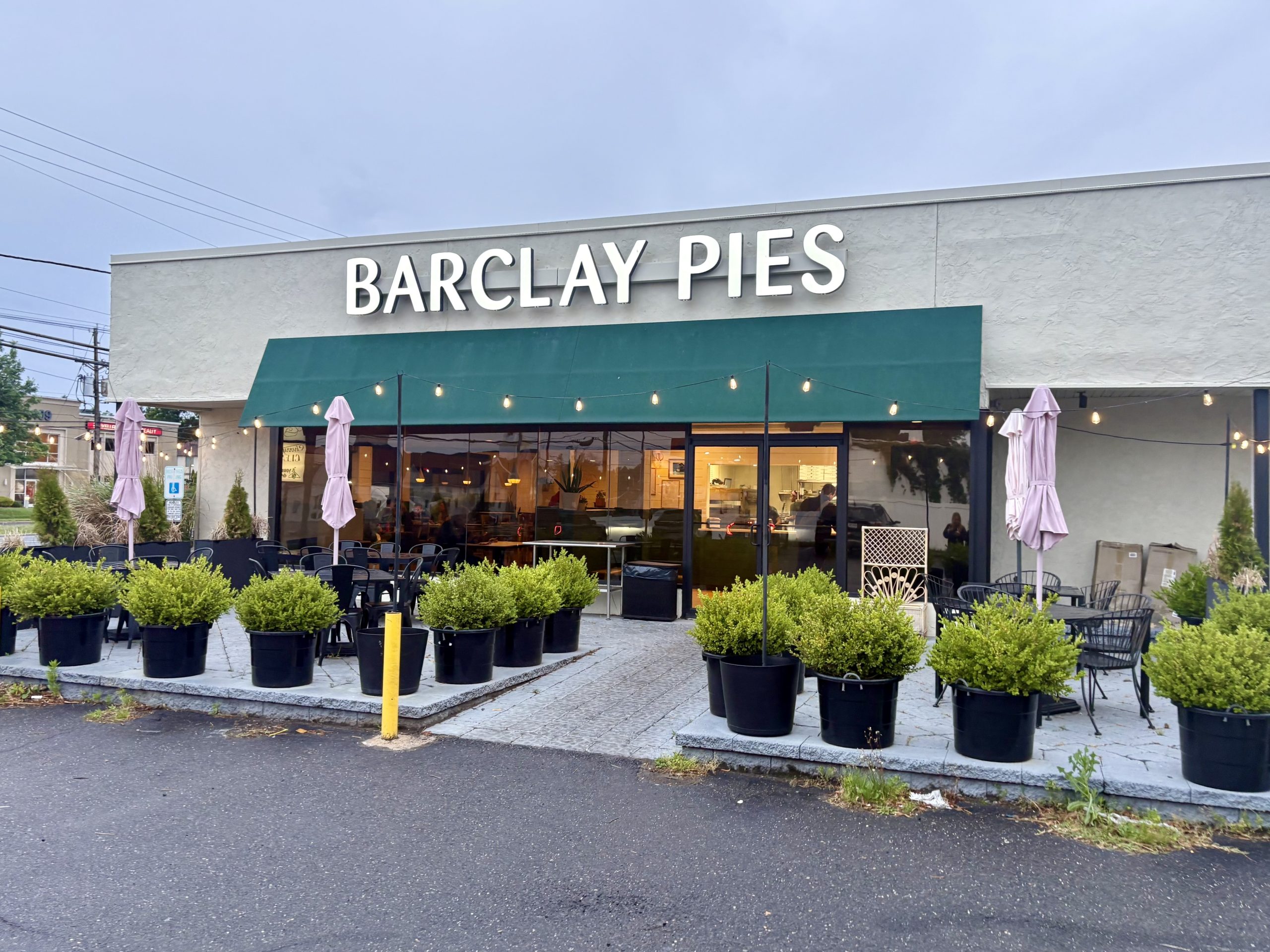
    Barclay Pies, located along Route 70 in Cherry Hill, has become known for its gluten-free pizzas.Craig LaBan / Staff
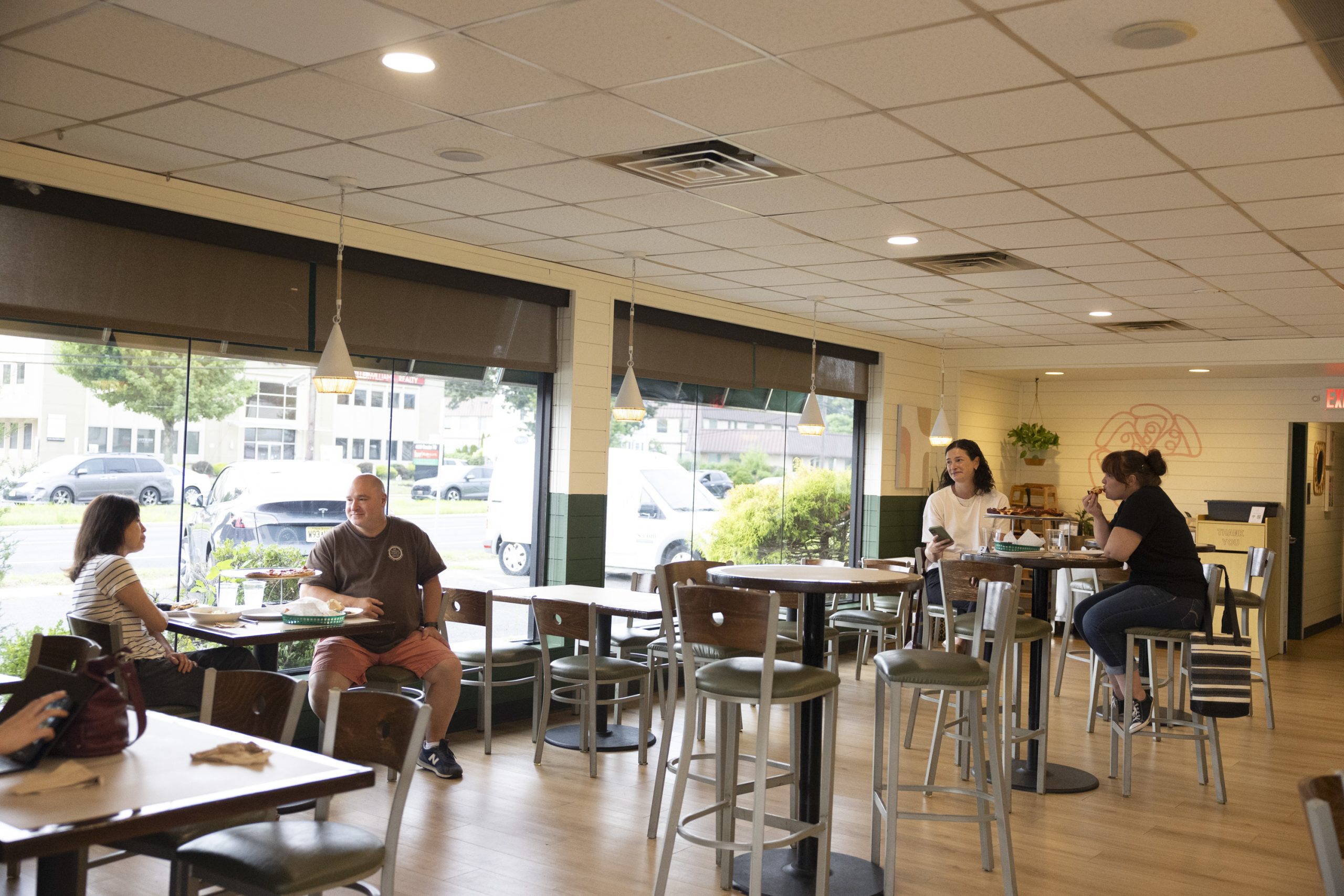
    Julie Romero (center right), of Cherry Hill, and Claire Ryder, of Collingswood, are enjoying some gluten-free pizza at Barclay Pies in Cherry Hill on July 21.Tyger Williams / Staff Photographer

    But pizza, of course, is the restaurant’s prime magnet. The duo decided to tackle the daunting gluten-free genre because Romero’s wife, Julie, has celiac disease. Making a gluten-free pizza worth the trouble is a major challenge. Gluten is a key protein found in certain grains — namely wheat, barley, and rye — that provides the structure to hold gas bubbles during fermentation and fosters a chewy, complex crust. Until recently, most GF versions of pizza I’ve tasted, whether made from alternative flours or cauliflower — and commonly outsourced in restaurants to avoid cross contamination — have been less than exciting, with textures ranging between pressboard and Styrofoam.

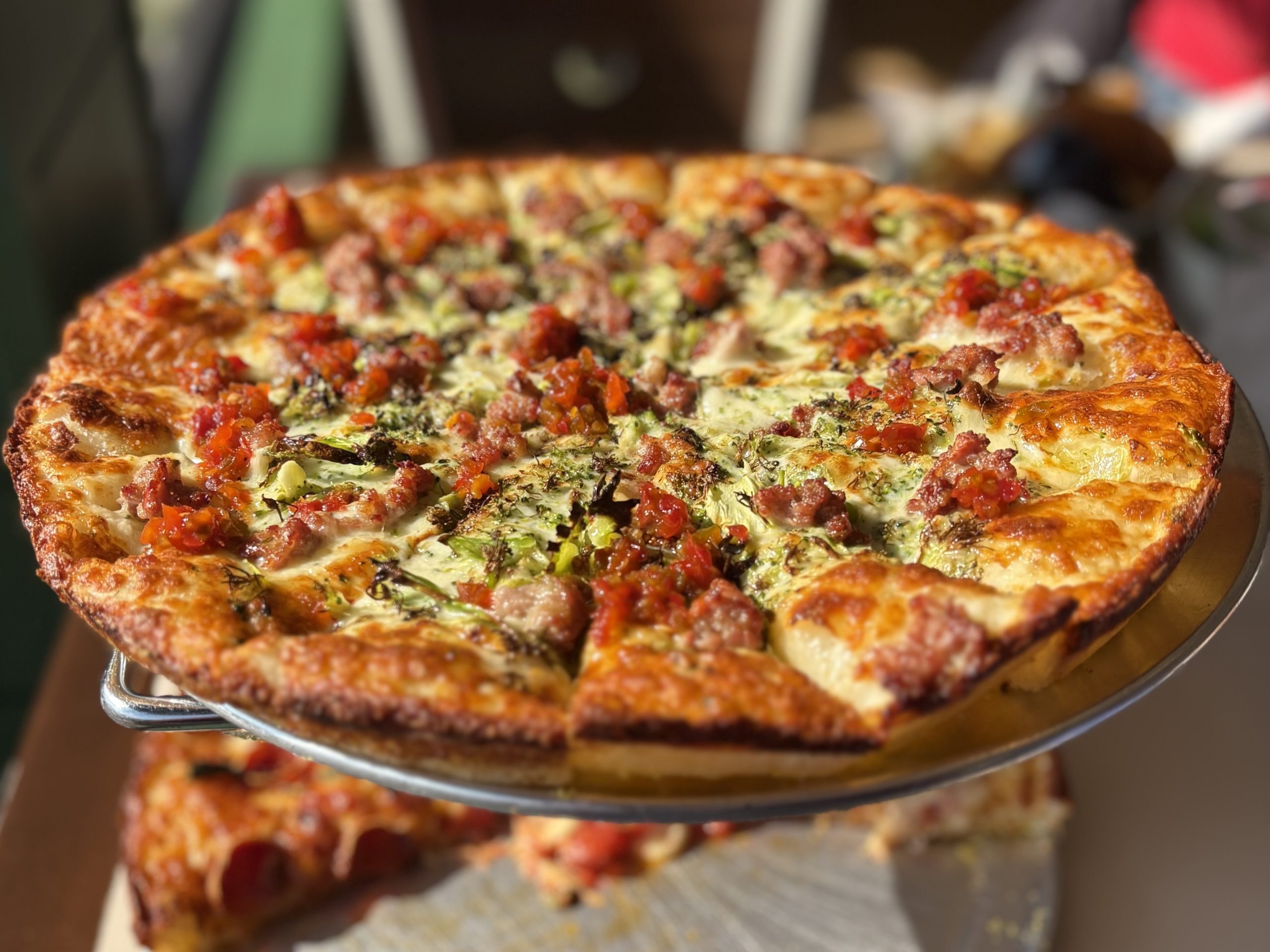
    Barclay’s gluten-free pies are not that. The Romeros worked for nine months to perfect a high-hydration crust that puffs like a supple focaccia. With a light dusting of cornmeal adding a delicate bottom crunch and the Detroit-style crispy frico cheese band around the edges, the pie achieves textural contrasts this gluten-free dough itself would not otherwise form. The pan-based format is helpful to prevent cross contamination, but having grown up in the Midwest, where deep-crusted pies are common, I found these to be completely satisfying platforms for Barclay’s toppings. I was impressed by the mushroom pie that blends thin-shaved creminis with caramelized onions over a white base of seasoned heavy cream and mozzarella. I also enjoyed the locally inspired combo of fennel sausage, broccoli, and zesty cherry pepper hoagie relish, the addition of Cooper Sharp lending the base of molten mozzarella some extra South Philly flow.

    The gluten-free broccoli and sausage pizza at Barclay Pies in Cherry Hill also comes topped with hoagie pepper relish.Craig LaBan / Staff

    I appreciate that Barclay is continuously tweaking its recipes, increasing the size of its fresh sausage chunks from the dried-out crumbles I found early on to the porky nuggets that dotted the roasted pepper-sausage pie we ordered on a traditional gluten-full round. That pizza had a perfectly fine, well-developed crust that was solid by neighborhood pizzeria standards. But the gluten-free pies are the draw, special enough to merit a regionwide pilgrimage.

    Samantha Garbose agreed: “Usually when we get gluten-free food together, I’m pretending it’s good, but I actually thought [Barclay’s] gluten-free pizza was better than the one that had gluten.”

    Standard gluten-full pizza with sausage and peppers at Barclay Pies in Cherry Hill.Tyger Williams / Staff Photographer

    Barclay’s sales numbers are starting to bear this out. Hunton says they initially anticipated selling only 10 gluten-free pies a day to supplement their traditional pizza sales. But gluten-free pies now account for a third of the pizzas they bake.

    “By the end of the first month we realized we’d really struck a chord,” says Hunton. “There’s a market need for a pizzeria that was truly inclusive.” Barclay also offers vegan pizzas with a cheese substitute made in-house from oat milk and tofu, deliberately avoiding nuts, an allergen ingredient commonly used in vegan cheese.

    There’s still a catch. One reason this dough is so good is because it uses Caputo Fioreglut, an Italian gluten-free flour blend that contains wheat starch whose gluten proteins have been removed. Fioreglut performs closer to wheat flour than most GF blends and is considered safe for most celiacs, but not for those who have an allergy to wheat.

    “We need to be pizza for everyone and we’re not fully there quite yet,” concedes Romero. “But that’s our North Star.”

    The gluten-free broccoli and sausage pizza at Barclay Pies in Cherry Hill also comes topped with hoagie pepper relish.Craig LaBan / Staff

    The past few years have been a vibrant era for local experimentation with better gluten-free pizza alternatives, though few compare to Barclay Pies’ crust. Emmy Squared has long made gluten-free versions of its standard Detroit pies in Queen Village. Corio in University City has been working on a potato-based dough for thin-crusted counterparts to its Neapolitan-style pizzas. Gluten-free pasta specialist Settantatré has mastered an airy gluten-free focaccia base for the tomato pies it sells at local farmers market stands and its Berwyn market-cafe. Perhaps the best gluten-free pizza I’ve ever eaten was created by 13th Street Cocktails caterer Aaron Gordon for the exceptional pan pies at his Agricola in Passyunk Square, but this quirky corner pizza atelier is not a reliable source for frequent orders, limited now to only private charity events (but perhaps reopening to the public this fall).

    Hunton and Romero have drawn on their professional experiences to quickly build Barclay Pies into the region’s most accessible hub for gluten-free pizza satisfaction. With its 50 indoor seats, 25 on its patio, and a bright pink-and-green makeover for the former Seasons Pizza, they’ve created a pleasant dining space with user-friendly systems for a cheerful and well-trained staff to operate efficiently while the owners, who are frequently there, also retain their day jobs. (Hunton, a Garces alum, still oversees operations at 70 Shake Shacks from New York to Virginia.)

    Most importantly, gluten-free customers can take comfort in knowing protocols have been put in place to minimize risks of cross contamination. The gluten-free dough is mixed first thing each morning in a separate GF-only mixer, prepped at a separate station, run through a dedicated conveyor belt oven, and finished at a separate station with color-coded cutters and spatulas. The gluten-free pies are also proofed and cooked in round pans to clearly distinguish them from the gluten-full Detroit pies that are cooked in square pans.

    Co-owner Thomas “TJ” Hunton making gluten-free pizza with summer corn at Barclay Pies in Cherry Hill.Tyger Williams / Staff Photographer

    While there will never be 0% risk as long as products with gluten are made in-house, and that may not suit those who are especially sensitive, my daughter ate there three times without incident. Hunton and Romero also strongly believe there is a broader community benefit to offering both options, as opposed to being entirely gluten-free. This way groups of diners with diverse needs and preferences can feel seen and safely served together without being singled out.

    This works especially well for the Garboses.

    “We’d prefer to go to a restaurant that has great options for both of us,” says Mike. “Life is too short for either of us to eat bad food.”

    But in the case of Barclay Pies, their “his and hers” pizza night had a different, guilt-free twist: “It’s been so long since Mike and I got to actually enjoy the same pizza,” says Samantha. “This was really a thrill.”

    Gluten-free pizza with pepperoni at Barclay Pies in Cherry Hill, N.J., on Tuesday, July 21, 2026.Tyger Williams / Staff Photographer

    Barclay Pies

    450 Marlton Pike, Cherry Hill Township, N.J. 856-712-1900; barclaypies.com

    Open Sunday to Thursday, 11 a.m. to 9 p.m.; Friday and Saturday, until 9:30 p.m.

    Pizzas, $19-$24 (plus $4 for gluten-free crust).

    Wheelchair accessible.

    Menu is almost entirely gluten-free. Standard pizzas with gluten-full flour are made in the same facility but extreme care and protocols are taken to prevent cross contamination.

    BYOB. There are several excellent liquor stores nearby. The restaurant also provides good-quality stemless plastic drinkware.

    Menu Highlights: Gluten-free pizzas; mozzarella sticks; wings; chicken tenders.

    Barclay Pies boxes in Cherry Hill.Tyger Williams / Staff Photographer