Category: Family

  • Here are the Thanksgiving Day parade road closures and parking restrictions in Philadelphia

    Here are the Thanksgiving Day parade road closures and parking restrictions in Philadelphia

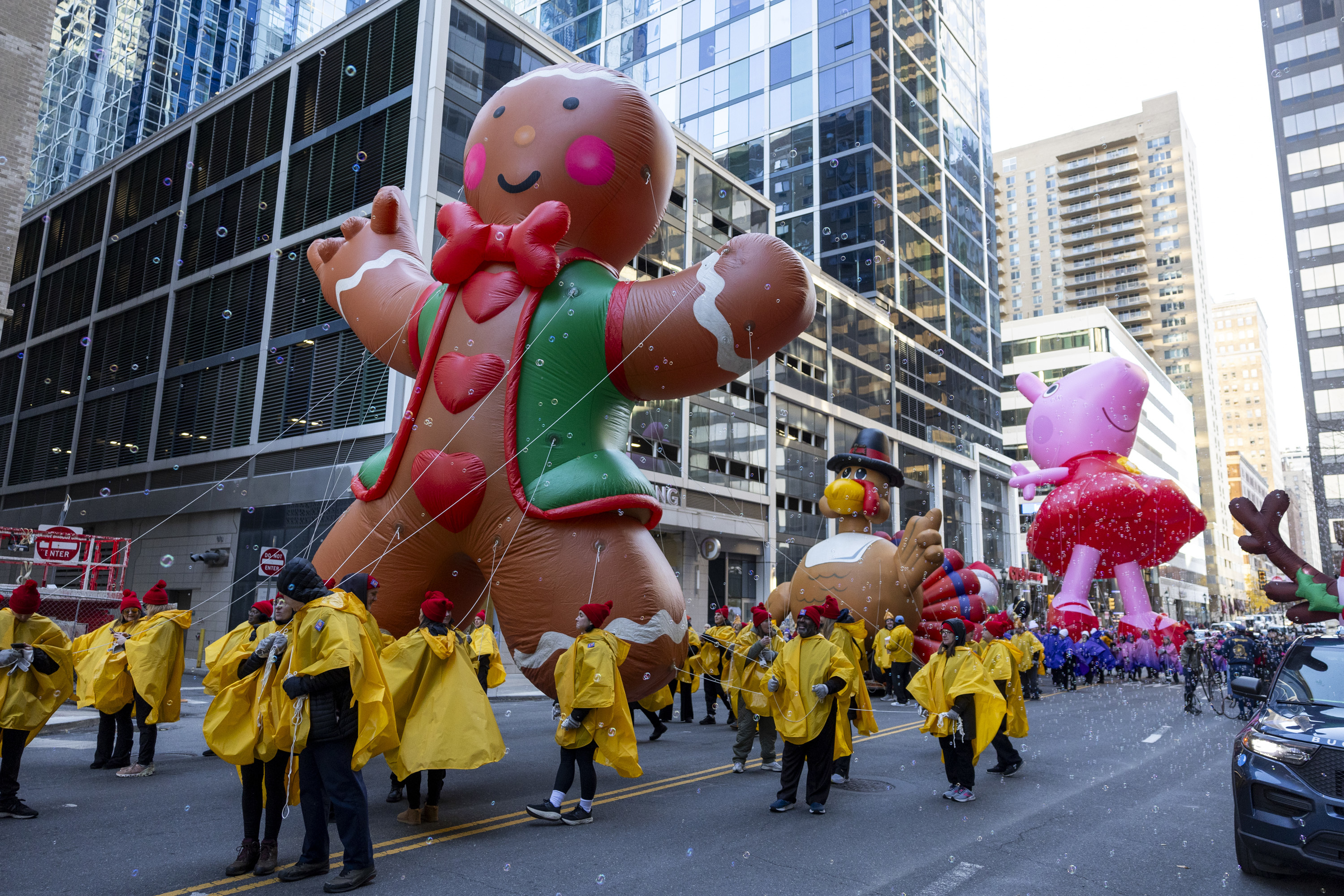
    Philadelphia’s annual Thanksgiving Day parade returns Thursday morning to start the holiday season, and major road closures in Center City are planned throughout this week.

    The 107th annual parade is scheduled to run from 8:30 a.m. to noon on Thursday, where dozens of festive floats and celebrities, such as cast members from Abbott Elementary and Jeopardy!’s Ken Jennings, will strut down The Parkway.

    The parade route starts at 20th Street and John F. Kennedy Boulevard, then proceeds eastbound on JFK, where it turns north onto 16th Street. From there, the parade will march along the Benjamin Franklin Parkway until it reaches Eakins Oval, where the parade ends.

    To prepare beforehand and break down the parade afterward, road closures will begin Monday and reopen by Thursday afternoon.

    Traffic delays can be expected during the event. Drivers are encouraged to avoid the area by using alternate routes and allow for extra driving time in areas near the event.
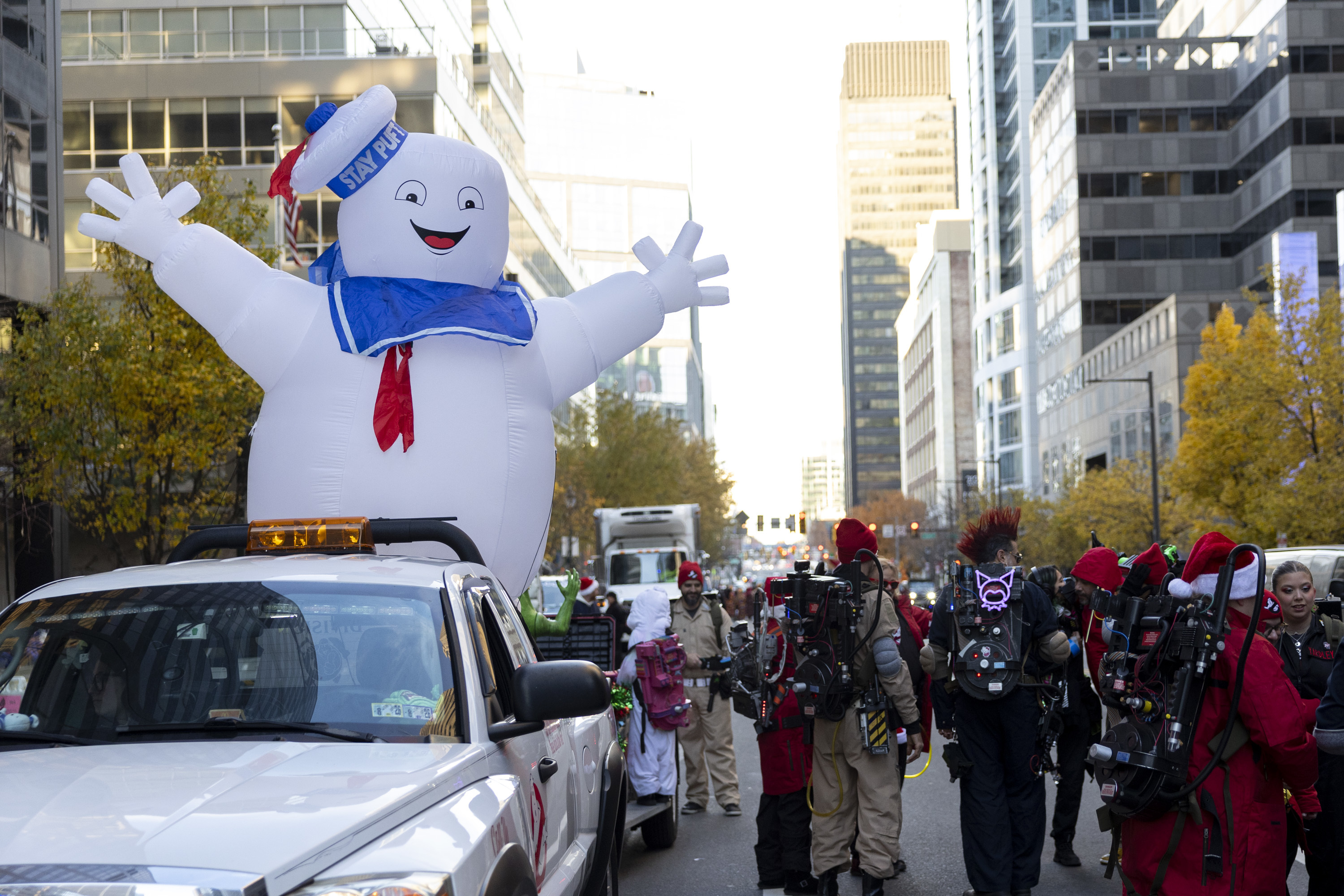
    The Philadelphia Ghostbusters getting ready for this years Thanksgiving Parade in Philadelphia, on Thursday, Nov. 27, 2025.Tyger Williams / Staff Photographer

    Road closures

    Monday, Nov. 23

    • Eakins Oval between Kelly Drive and Martin Luther King Jr. Drive will close from 6:30-11 p.m. for street rehearsals. 

    Tuesday, Nov. 24

    • Eakins Oval between Kelly Drive and Martin Luther King Jr. Drive will close from 6:30-11 p.m. for street rehearsals. 

    Wednesday, Nov. 25

    • Eakins Oval between Kelly Drive and Martin Luther King Jr. Drive closed from 9 a.m. to 3 p.m. for street rehearsals. 
    • Inner lanes of the Benjamin Franklin Parkway, from 21st to 20th Streets, closed starting at 4 p.m. for site build until the conclusion of the parade on Thursday. 
    • Eakins Oval closed starting at 6:30 p.m. for rehearsals and site build until the conclusion of the parade.
    • Inbound lanes of John F. Kennedy Boulevard, from 20th to 30th Streets, will be closed to vehicular traffic from 7 p.m. until the conclusion of the parade.
    • Outbound lanes of John F. Kennedy Boulevard, from 20th Street to 30th Street Station, will be closed to vehicular traffic from 8 p.m. until the conclusion of the parade.

    Thursday, Nov. 26

    • JFK Boulevard, from 30th to 16th Streets, will be closed to vehicular traffic from midnight until the parade concludes.
    • 20th Street, from Ben Franklin Parkway to Race Street, will be closed to vehicular traffic from 2 a.m. to 11 a.m. 
    • Market Street, from 19th to 20th Streets, will be closed to vehicular traffic from 2 a.m. until conclusion of parade. 
    • 20th Street from JFK Boulevard to Arch Street will be closed to vehicular traffic from 5 a.m. until conclusion of parade. 
    • 20th Street, from Market Street to Ben Franklin Parkway, will be closed to vehicular traffic from 6 a.m. until conclusion of parade. 
    • Market Street, from 19th to 22nd Streets, will be closed to vehicular traffic from 6 a.m. until conclusion of parade. 
    • Kelly Drive, from Sedgley Drive to Eakins Oval, will be closed to vehicular traffic from 7 a.m. until conclusion of parade. 
    • Parade route closed to vehicular traffic starting at 7 a.m.

    Roads will be opened as they are serviced and cleaned, with all event-related closures reopening by 3 p.m. on Thursday.
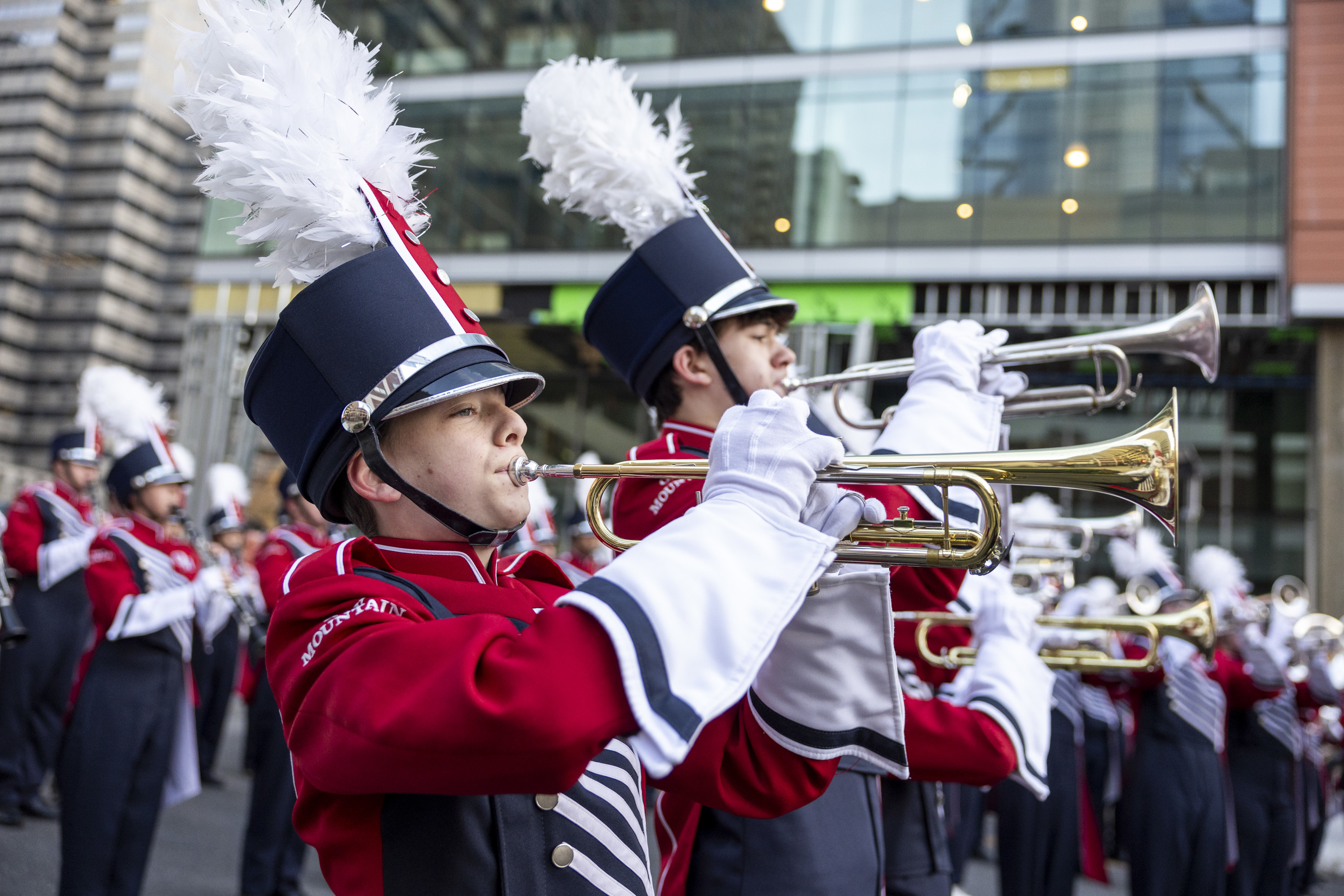
    Garrett Foster, a student at Oak Mountain High School in Alabama, is warming up with the band before the start of the 2025 Thanksgiving Parade in Philadelphia.Tyger Williams / Staff Photographer

    Parking Restrictions

    “Temporary No Parking” signs will be posted along roads on or near the parade route beginning on Wednesday, Nov. 25 at 6 p.m. Vehicles still parked in these locations during posted no-parking hours will be courtesy towed.

    No parking in these areas:

    • JFK Blvd. from 19th to 30th Streets (both sides).
    • 20th Street from Market Street to Ben Franklin Parkway (both sides).
    • Arch Street from 19th and 22nd Streets (both sides).
    • Race Street from 16th and 17th Streets (both sides).
    • 17th Street from Vine to Race Streets (both sides).
    • Vine Street from 15th to 17th Streets (eastbound lanes).
    • Market Street from 19th to 22nd Streets (both sides).
    • Paschal Avenue from 62nd to 63rd Streets (both sides).

    Police may close additional roads and enforce parking restrictions on roads not listed above, as needed.

    SEPTA

    SEPTA will operate on a Sunday schedule throughout Thanksgiving Day. Check SEPTA’s system status page and follow SEPTA on X for live updates.

    Routes without Sunday schedules will not operate on Thanksgiving Day.

    Detours

    SEPTA Bus Routes 2, 7, 17, 27, 31, 32, 33, 38, 43, 44, 48, 49, 124, and 125 and L1 OWL will be detoured from their normal routes beginning at 3 p.m. on Wednesday until 10 p.m. on Thursday.
  • Heather Kovich, pioneering rural physician and medical educator, has died at 49

    Heather Kovich, pioneering rural physician and medical educator, has died at 49

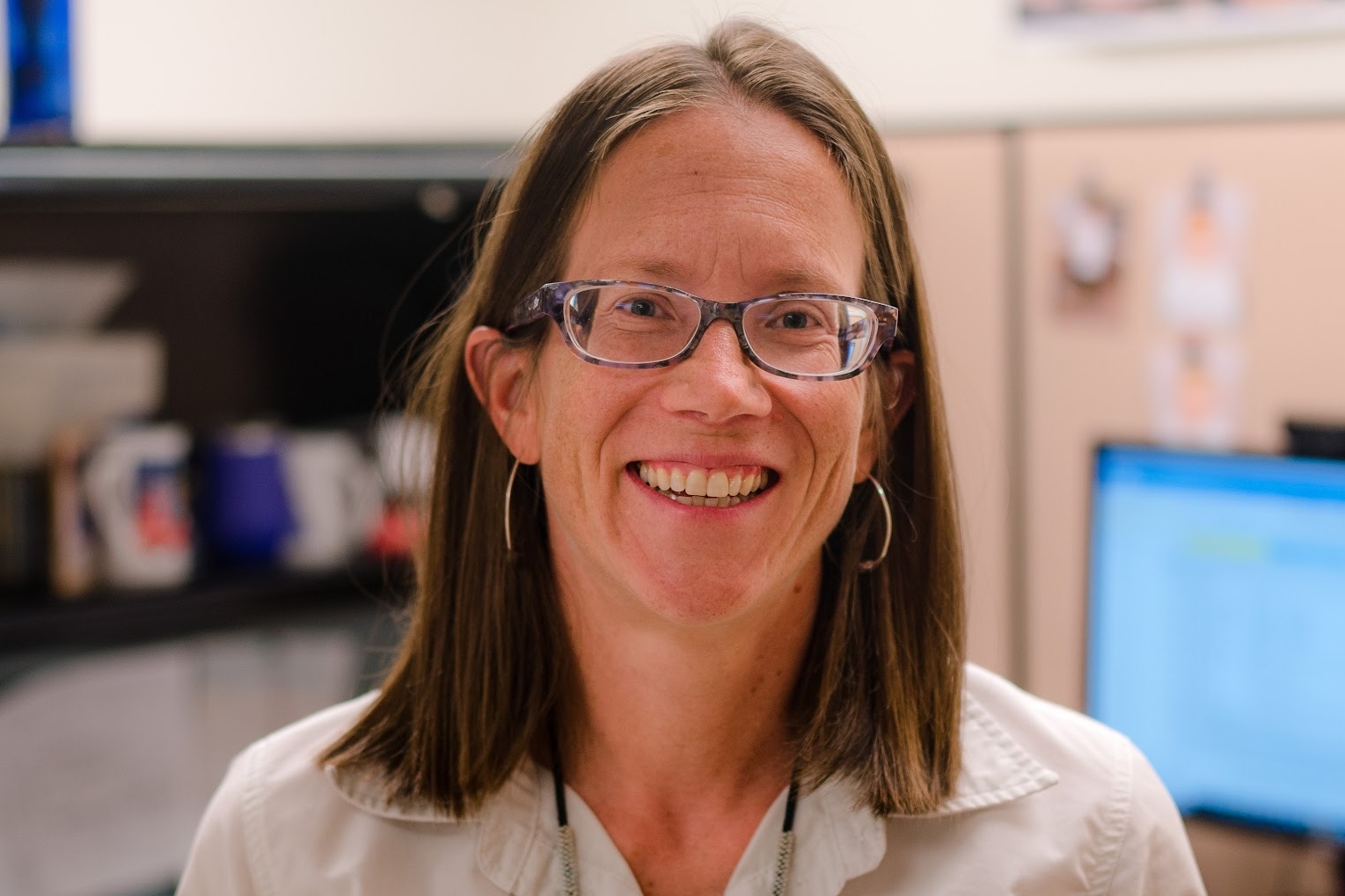
    Heather Kovich, 49, formerly of Philadelphia, pioneering physician in rural family medicine, founding director of the first family medicine residency for the federal Indian Health Service, clinical assistant professor of community and family medicine for Dartmouth College, writer, and athlete, died Saturday, Oct. 31, of injuries after an incident that occurred while she was running near her home in Shiprock, N.M. The incident is under investigation by the FBI and other law enforcement agencies.

    Reared in West Philadelphia and a graduate of Central High School and the Temple University Lewis Katz School of Medicine, Dr. Kovich joined the Northern Navajo Medical Center in Shiprock in 2009. She served as the center’s chief of staff for four years, mentored colleagues, treated patients, oversaw clinics and other service programs, and trained visiting residents from the University of New Mexico, Dartmouth, and elsewhere.

    She joined the New Mexico Primary Care Training Consortium Board in 2025 and said in a recent online interview with the Accreditation Council for Graduate Medical Education: “I wanted to work where I was needed and be part of the local community.”

    Dr. Kovich was an expert in population health, substance abuse treatment, musculoskeletal medicine, hospital procedures, and other topics. She raised funds and earned grants that benefited patient care, medical education, public health outreach, and other programs at Northern Navajo Medical Center.

    Colleagues praised her “unwavering stamina,” “compassionate care,” and “incredible dedication” in tributes. They said she “touched so many lives” and was “a caring, compassionate physician who was deeply committed to her Native patients.”

    Her patients called her “a very caring wonderful doctor” and “a great lady in every way” in tributes. A friend said: “She embraced our people, valued our culture, and became part of our family and our community.”

    In her Indian Health Service profile, Dr. Kovich said: “I work here because I can’t imagine living or working anywhere better.”

    In 2021, to improve medical care for the Navajo Nation in New Mexico, Dr. Kovich helped establish the Indian Health Service’s first family medicine residency program. Residents spend their first year working in Albuquerque with the University of New Mexico School of Medicine and the next two years at the Northern Navajo Medical Center in Shiprock.

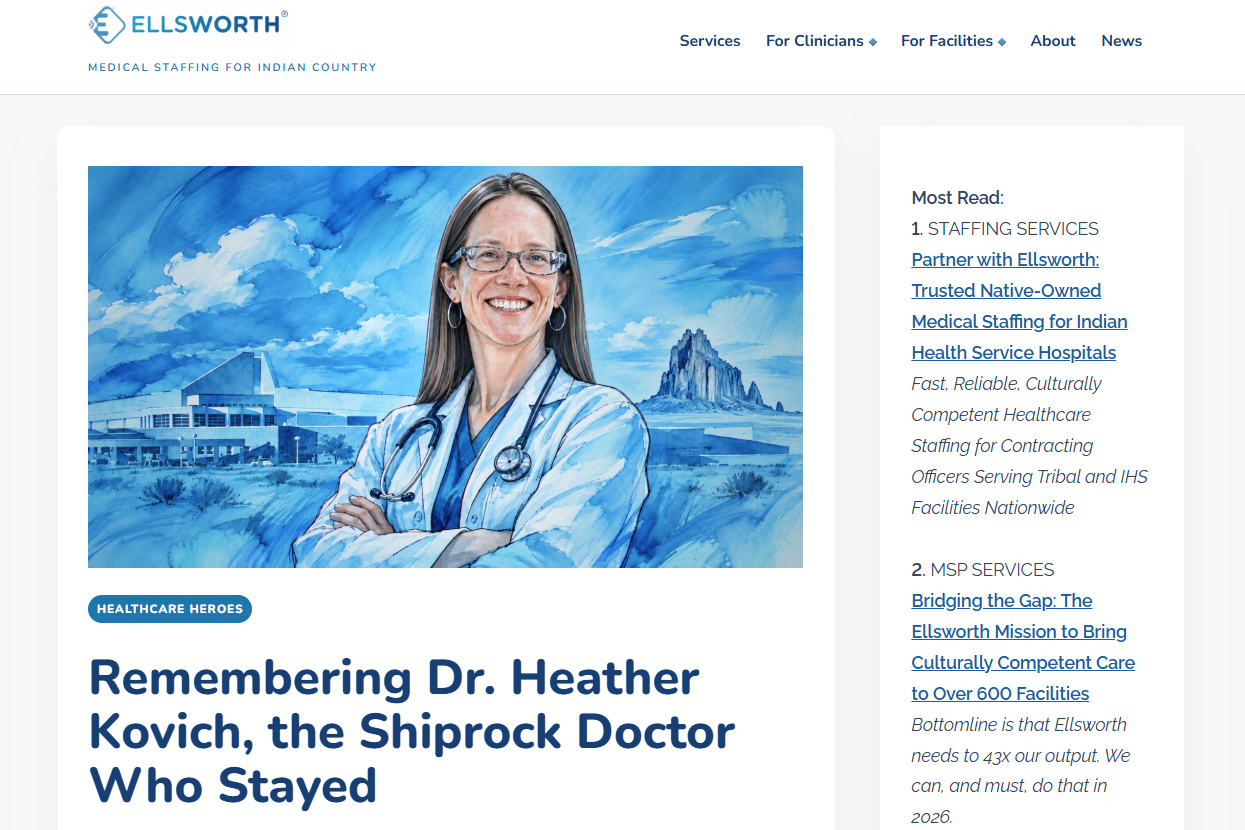
    Dr. Kovich was remembered by colleagues on the Ellsworth LLC website.Ellsworth LLC

    “Residents work in our inpatient and outpatient settings, and out in our community,” Dr. Kovich said in the ACGME interview. “The community teaches the residents how to be excellent physicians and also how to butcher a sheep.”

    Dr. Kovich earned a bachelor’s degree in religious studies at Williams College in Massachusetts in 1999 and her medical degree at Temple in 2005. She served a residency at the University of Washington in Seattle and was drawn to New Mexico, she said, for its natural wonders and healthcare needs.

    She sat on panels and spoke at conferences, and her articles about the Navajo Nation, population density, disease distribution, and other issues appeared in the New England Journal of Medicine, Family Practice, American Family Physician, and other publications.

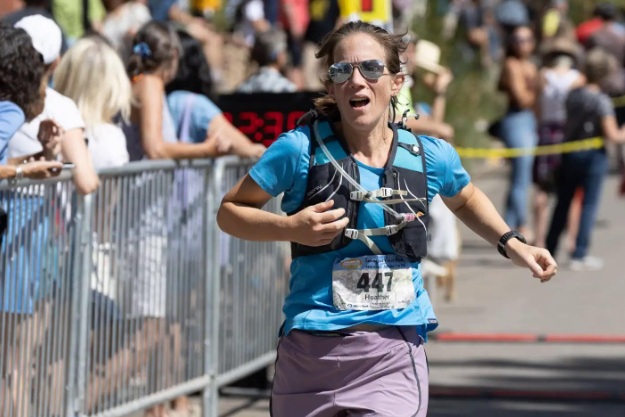
    Away from work, Dr. Kovich was an avid runner and bicyclist. She ran in the New York City and Boston Marathons, cycled with her family across Europe, and worked on the Appalachian Mountain Club trail crew.

    She rowed for the Williams crew team in college and coached University of Vermont teams at the Dad Vail Regatta on the Schuylkill. “She was determined and self-motivated,” her mother said. “She worked hard and played hard. She liked adventure.”

    Born March 7, 1977, Heather Clare Kovich grew up with her parents, Peggy and Todd, and younger sister Emily. She played bassoon in the Philadelphia Youth Orchestra and the school orchestra at Central, and the piano at home.

    She also played field hockey in high school and won science fair competitions. She even appeared on a quiz show when she was 10 and won a TV set. “She was all in on life,” her sister said.

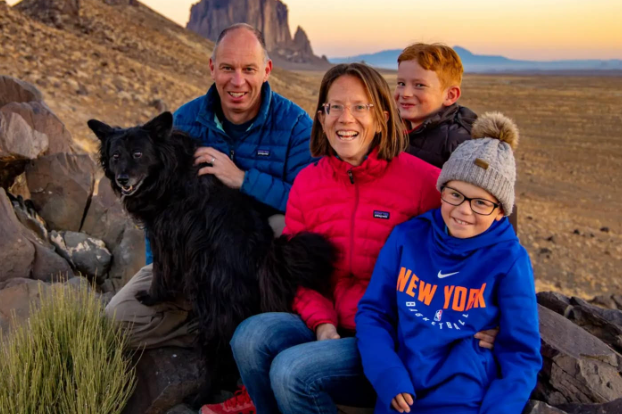
    She met writer Andrew Weber in Seattle, and they married in 2008 and had sons Bennett and Russell. Even in New Mexico, she continued to cheer for the Eagles and the Phillies.

    Dr. Kovich ran in many marathons and other races, and enjoyed time with her family.Courtesy of the family

    She liked to quote Taylor Swift song lyrics and often said: “I can do hard things.” Her father said: “She was intense. She wasn’t put off by whatever it took to get things done. She cared.”

    Her husband said: “Beyond her professional life, she was an amazing wife and mother to our family.”

    In addition to her husband, sons, parents, and sister, Dr. Kovich is survived by other relatives.

    A celebration of her life was held earlier and another is to be held later.

    Donations in her name may be made to the Heather Kovich Fund for the Shiprock Family Medicine Residency, c/o UNM Foundation, 700 Lomas Blvd. N.E., 2 Woodward Center, Albuquerque, N.M. 87102.

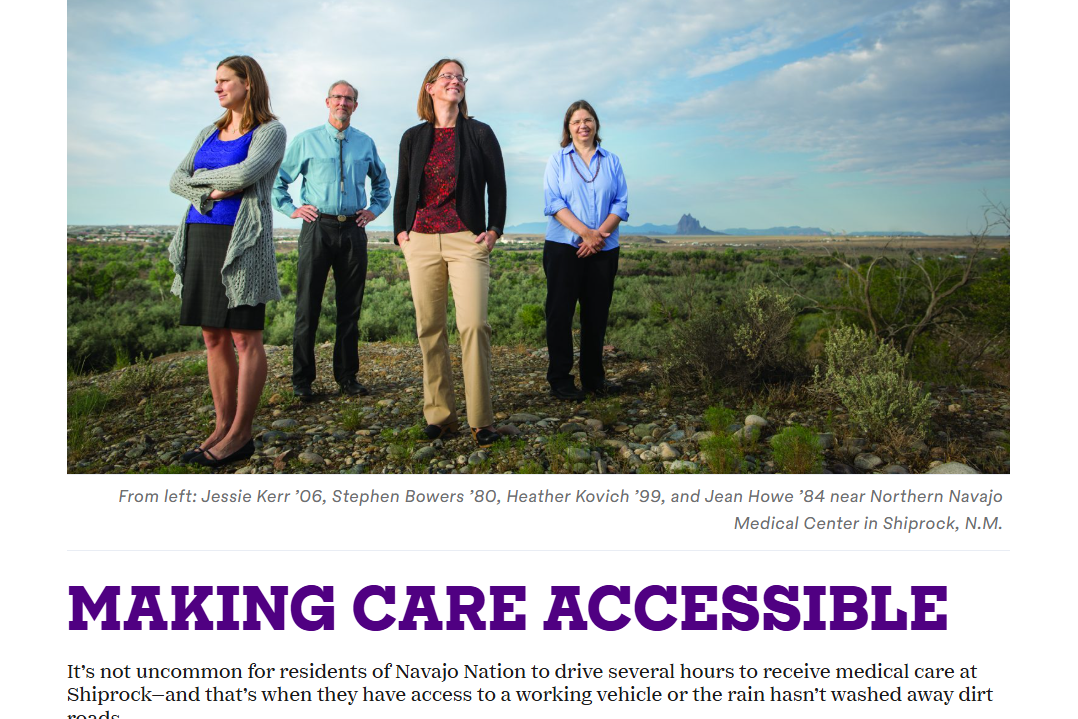
    Dr. Kovich (second from right) was featured in Williams College Magazine in 2016.Williams College
  • Everything you need to know about Christmas Village this year

    Everything you need to know about Christmas Village this year

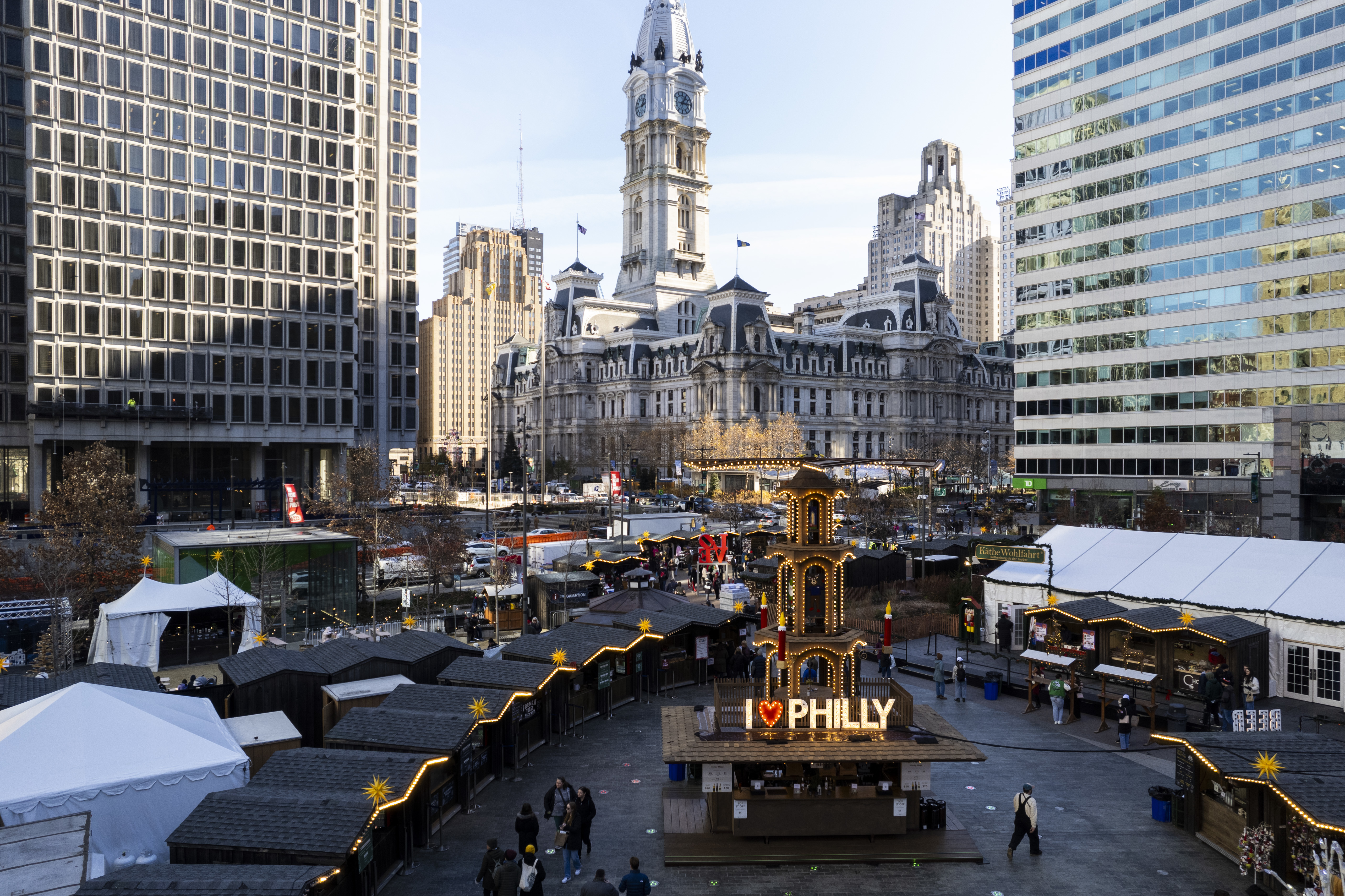
    Christmas Village, the authentic German-style holiday market with more than 120 vendors spanning across LOVE Park, City Hall, and Dilworth Plaza, runs from Nov. 26 to Dec. 27 this year, providing two additional shopping days after Christmas Day.

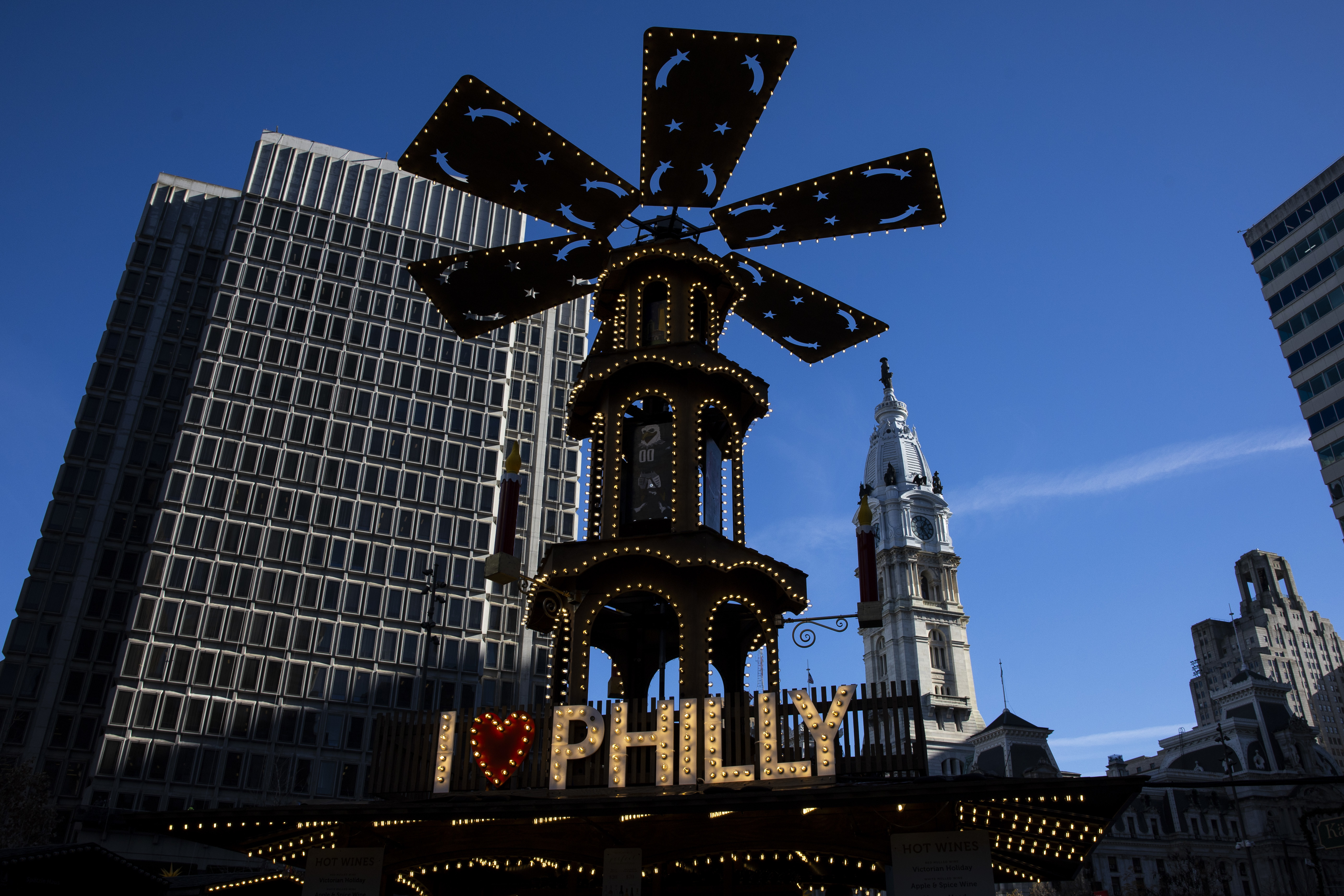
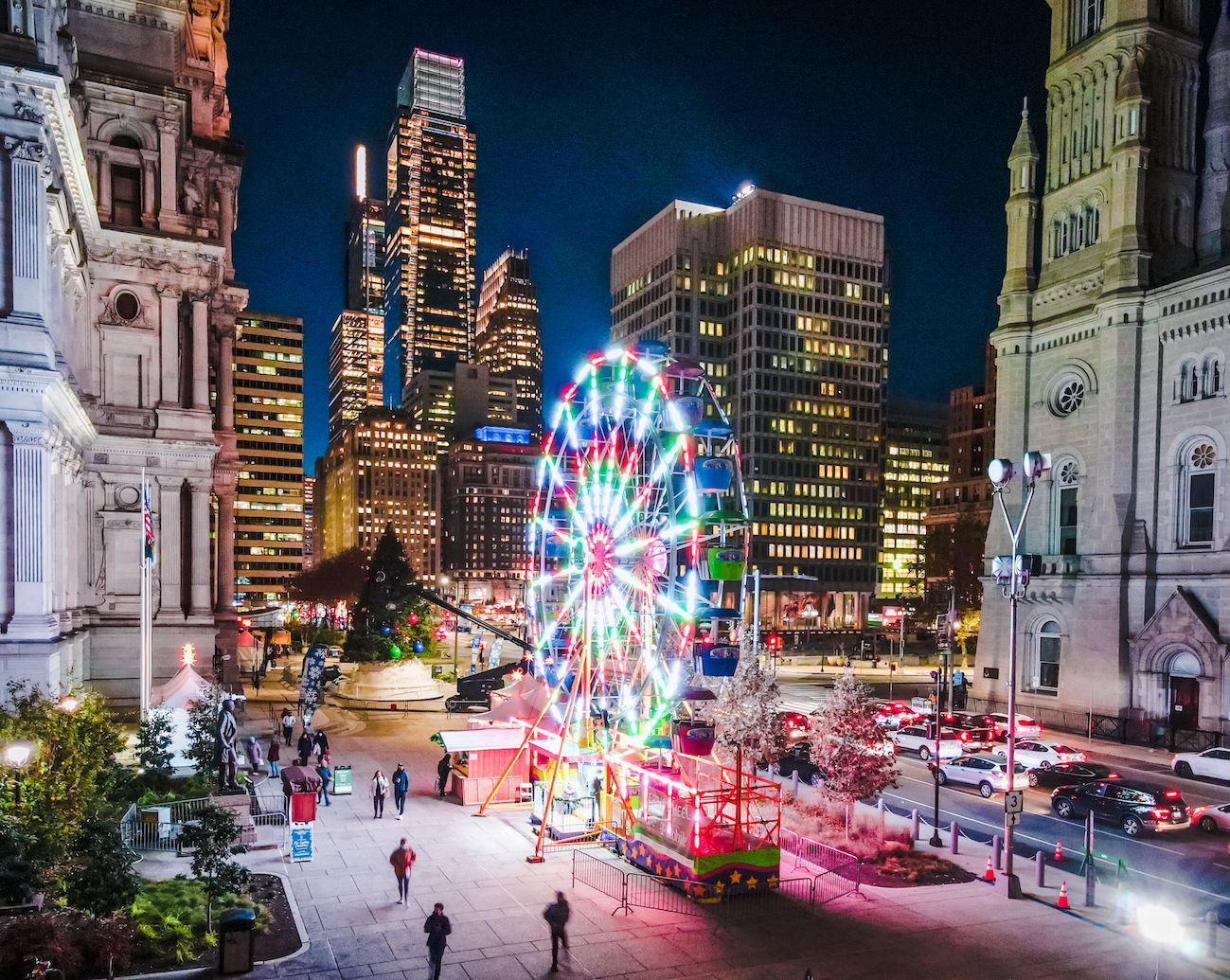
    German American Marketing, the market’s organizer, announced Tuesday that Center City’s holiday market will bring back the 30-foot German Christmas pyramid, illuminated by 3,000 sparkling lights, the 65-foot Ferris wheel, and the historic double-tier carousel.

    Christmas Village has grown into one of the region’s largest holiday attractions, drawing in nearly a million visitors to peruse the wares of artisans, makers, and chefs.

    But this year, shoppers won’t be able to walk into the majority of vendor booths as German American Marketing is converting them into “countertop configurations” in an attempt to comply with the Americans with Disabilities Act. Previously, the market’s solution of movable ramps at booths was not adequate, according to German American Marketing CEO Thomas Bauer.

    Christmas Village features a 30-foot “Christmas Pyramid” at LOVE Park on Dec. 3, 2025. Monica Herndon / Staff Photographer

    Instead, only a select few vendors will have enterable booths with a permanent ramp, but most will be walk-up kiosks — a move criticized by some vendors and local disability advocates.

    “Christmas Village has always been about bringing people together to experience the magic and traditions of the holiday season,” Bauer said. “Every year, we look forward to welcoming back longtime visitors, introducing new guests to the traditions that have made Christmas Village a Philadelphia holiday favorite, and creating new ways to celebrate together.”

    Christmas Village features a new 30 foot ‘Christmas Pyramid’ at LOVE Park on Wednesday, Dec. 3, 2025 in Philadelphia. Christmas Village is open until December 24.Monica Herndon / Staff Photographer

    When is Christmas Village?

    Christmas Village will officially open for daily shopping on Thanksgiving Day, Nov. 26, but the market will briefly open on Nov. 21 and Nov. 22 for a preview.

    The market runs Nov. 26 to Dec. 27, from Sunday to Thursday, noon to 8 p.m., and Fridays and Saturdays, from noon to 9 p.m.

    On Thanksgiving Day, the market is open 9 a.m. to 5 p.m., on Christmas Eve from noon to 5 p.m., and is closed on Christmas Day.

    Where is Christmas Village?

    Christmas Village booths are situated across LOVE Park, City Hall, and Dilworth Plaza near JFK Plaza at 1500 Arch St.

    The carousel on the North Broad Street side of City Hall, where an illuminated carousel sits during Center City’s annual Christmas Village celebrations.Courtesy of Christina Kalff)

    What to know about Christmas Village this year

    Besides adding two more shopping days compared to years past to ensure locals and tourists continue the holiday spirit, a new limited-edition heart-shaped mug will be on offer for this year’s market.

    New eats at the market include a Chesapeake crab loaded baked potato, a new mac-and-cheese booth, and a soft-serve churro ice cream split. A new “Snowflake Cocktail Bar” will debut next to the LOVE statue.

    Important dates

    • Preview weekend on Nov. 21 and Nov. 22 for early shopping.
    • Christkind Arrival and pyramid lighting on Sunday, Nov. 29.
    • German American Weekend on Dec. 5 and Dec. 6 with German dancers and the Beerstein Holding and Bratwurst Eating challenges.
    • Christmas Village family weekend on Dec. 12 and Dec. 13.

    Vendors have not been announced yet, but German American Marketing plans to release a vendor list and more information in mid-November.

  • Why Roxborough-Manayunk residents are obsessed with 300-pound concrete dinosaur statues

    Why Roxborough-Manayunk residents are obsessed with 300-pound concrete dinosaur statues

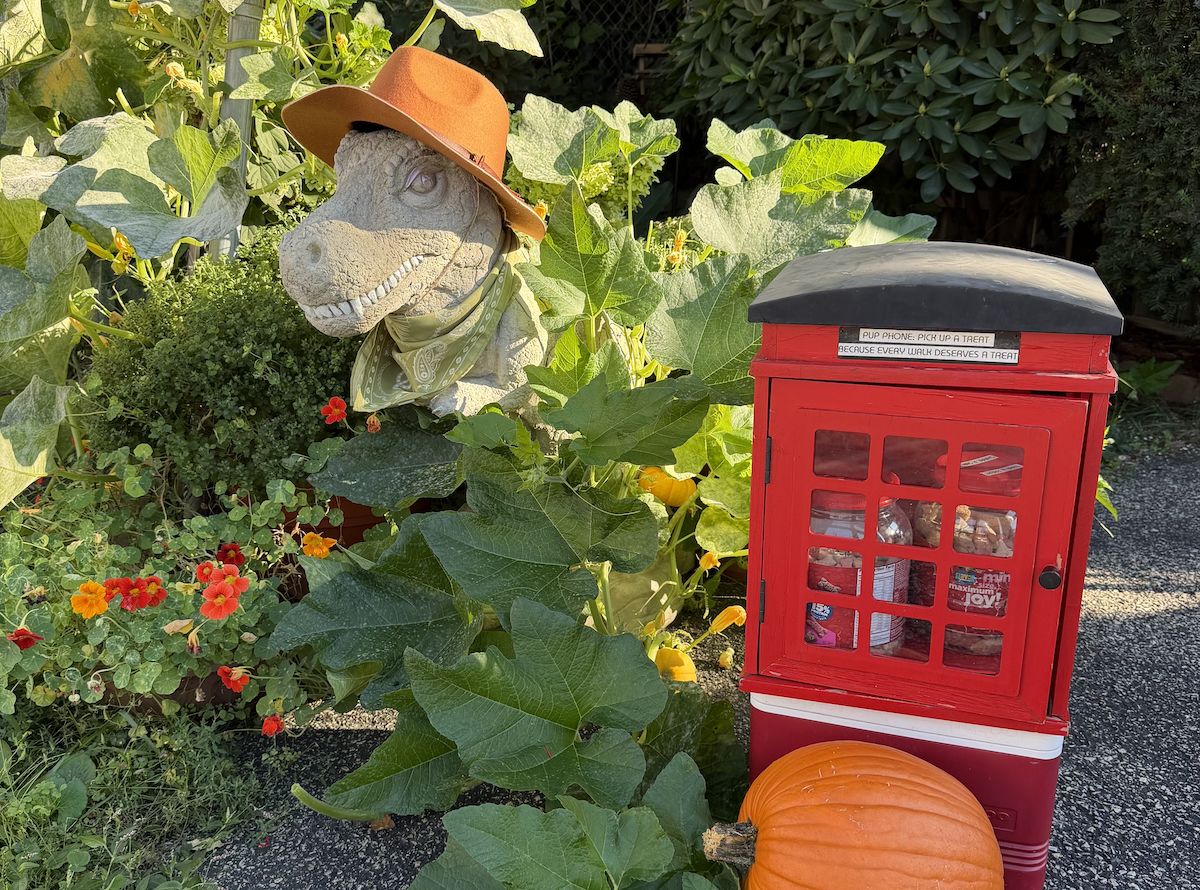
    Roxborough and Manayunk residents have ushered the latest tale into the Philadelphia canon with the proliferation of 3-foot-tall, 300-pound concrete Tyrannosaurus rexes on neighborhood lawns. Or “Tyrannosaurus Rox,” as some say.

    People outside the neighborhood may have heard of the lawn ornaments after the toppling and decapitation of “Bridget the Dino,” one of the community’s favored dinosaur statues, last year (a new dinosaur, Manny, soon took over Bridget’s watch of the Manayunk Bridge Garden).

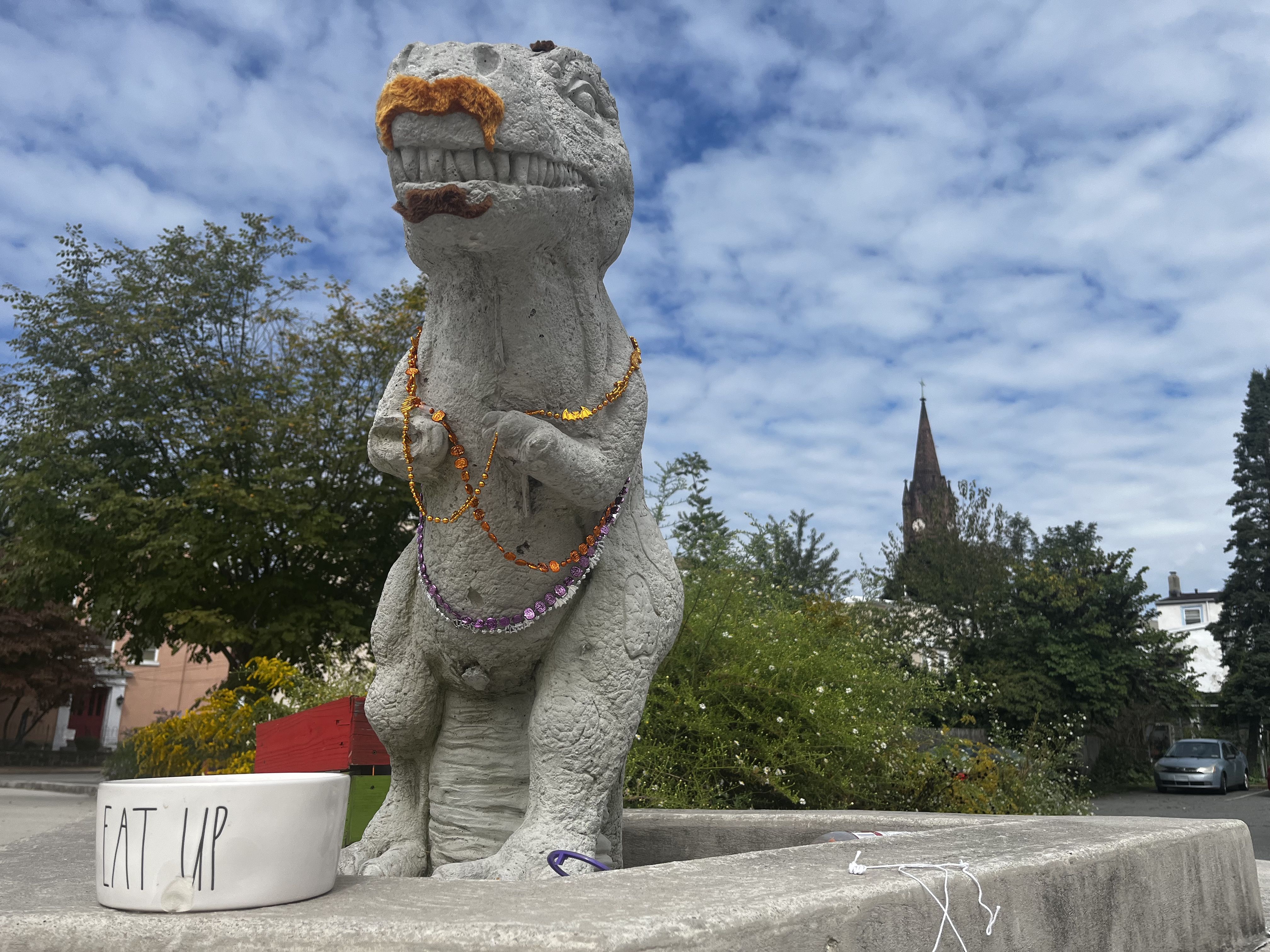
    Manny the dinosaur, wearing a mustache, goatee, and beaded necklaces, oversees the Manayunk Bridge Garden on Sept. 29. Manny is the successor of Bridget, who was toppled over in 2025, and oversees the garden as its protector and mascot.Henry Savage / Staff

    But questions remained about why the neighborhood is drawn to these toddler-sized lawn creatures, leading one Mount Airy resident, Liz Pride, to undertake an unofficial survey of dozens of dino statue owners in Northwest Philadelphia.

    “Going into this project, I was just really curious about the people who own the statues,” Pride said. “I think one of the things I was surprised by is that children were not a big factor in people deciding to get one.”

    Of the 40 dino statue owners who responded, 19 live in Roxborough and six in Manayunk, with a handful each from East Mount Airy, East Falls, Germantown, and the Philly collar counties, giving Pride a geographical range. Her survey also got responses from Pittsburgh, New Jersey, and even as far as Massachusetts.

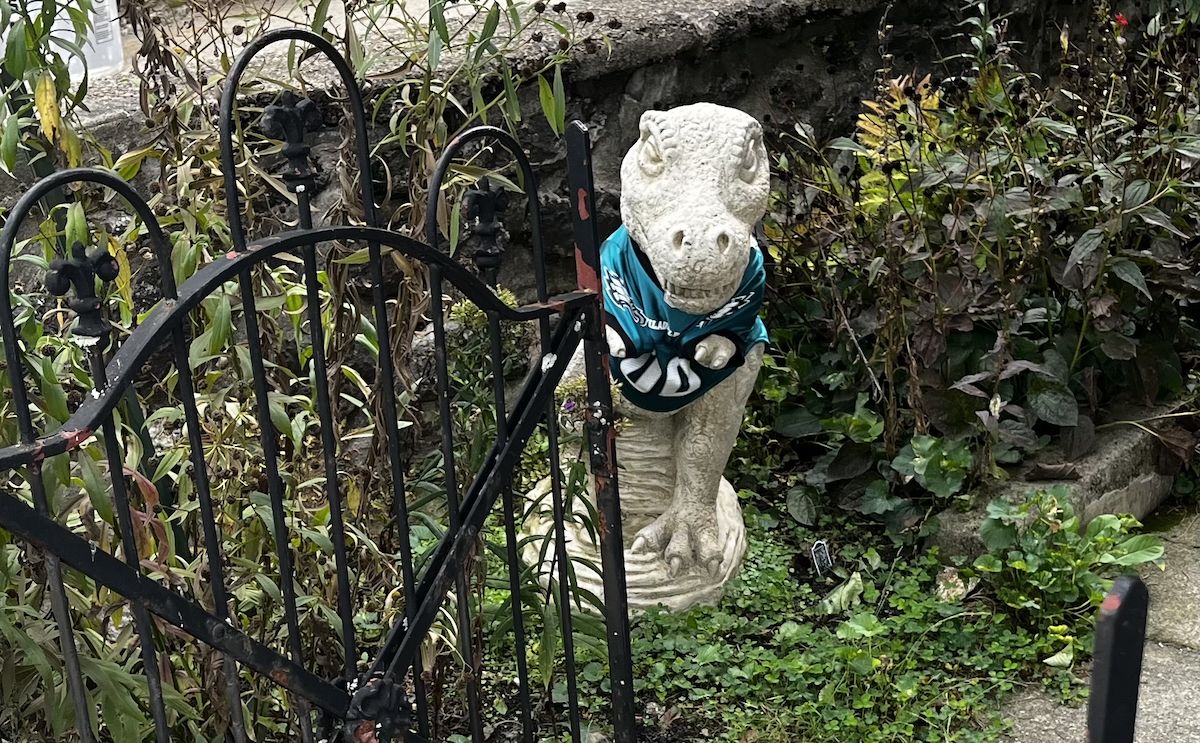
    A Holod’s dinosaur lawn statue wearing a Philadelphia Eagles jersey in Roxborough on Sept. 29. The Tyrannosaurus rex concrete statues are a fascination of the Roxborough/Manayunk community.Henry Savage / Staff

    Pride soon found that the dino statues connect neighbors through an inside joke shared on morning commutes and afternoon walks as they pass painted and costumed dinosaurs, whether it’s Hans and Roberta one day, or Steve and Sir Salvatore Rexington another (yes, those are real names of Roxborough dinos).

    Dinosaur owners are committed to the bit, since each statue costs roughly $200, depending on the model.

    “The statues seem to bring joy to everyone that comes across them to either snap a pic or make them a part of their daily walk. It’s kids, their parents, adults, and dogs alike, all love them,” said Melissa Hojnacki, who has a Roxborough-style dino at her Bridgeport home.

    Just over half of respondents said they knew someone else with a dino statue, and at least a third said they were pressured into it by a friend or gifted the statue, Pride found, which she detailed in her newsletter blog, “Ur Fictional Boyfriend” (a nod to her viral Tumblr post that garnered its own Wikipedia page covering the joke).

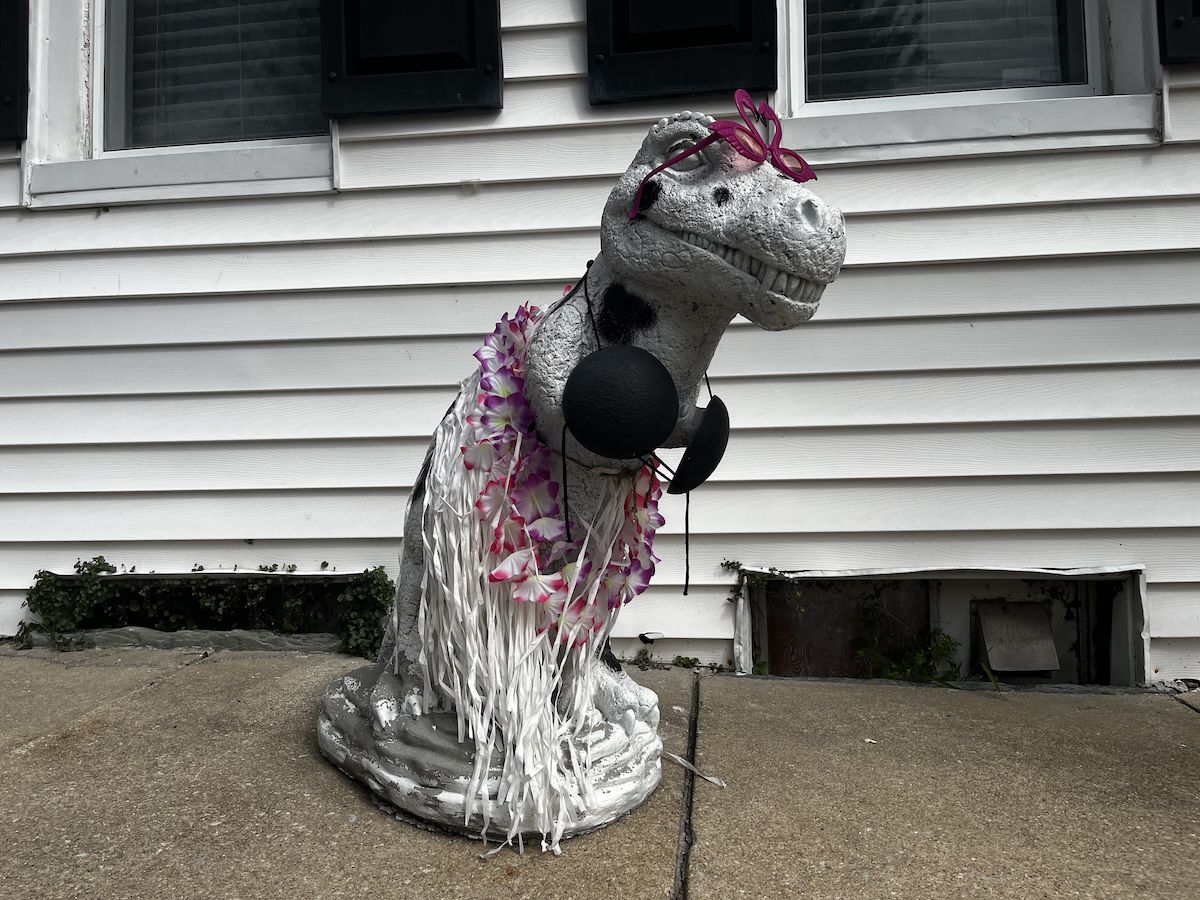
    Becca Didio, a Manayunk resident and parent to Roberta, a T. rex draped in a hula skirt, coconut bikini top, and flamingo sunglasses, said she got Roberta simply because she loves dinosaurs. In her kitchen sit a dinosaur cookie jar containing tea bags named “Tea-rex” and a salt-and-pepper shaker set with a bow tie-wearing T. rex.

    Roberta the dinosaur, dressed in a hula skirt, coconut bikini top, and flamingo sunglasses, in front of Becca Didio’s Roxborough home on Sept. 29. Didio often submits Roberta in Holod’s annual dinosaur costume contest around Halloween.Henry Savage / Staff

    “It’s just something fun and goofy,” Didio said. “It’s become a thing that Manayunk-Roxborough is known for, so much so that it’s a coveted thing now.”

    The dinosaur has grown to become a symbol of neighborhood gatherings, like the logo for Roxyunk Porchfest. During holidays, dinosaurs become draped in spooky Halloween costumes and Santa Claus outfits. But, most importantly for the support of Philly sports teams, the dinosaurs will often wear Eagles and Phillies jerseys, Didio said.

    A Holod’s dinosaur lawn statue wearing a Philadelphia Eagles jersey in Roxborough on Sept. 29. The Tyrannosaurus rex concrete statues are a fascination of the Roxborough/Manayunk community.Henry Savage / Staff

    But where do the dinosaur statues come from?

    These stubby-armed, toothy-grinned statues with a thousand-mile stare largely come from one place: Holod’s Garden Center on Ridge Pike in Lafayette Hill.

    Many of Pride’s survey takers recounted a commonly told myth of how Holod’s acquired these beauties: “Legend has it that Holod’s ordered birdbaths and got a whole stack of dinosaurs instead. They became popular because we’re a fun bunch here,” one respondent wrote.

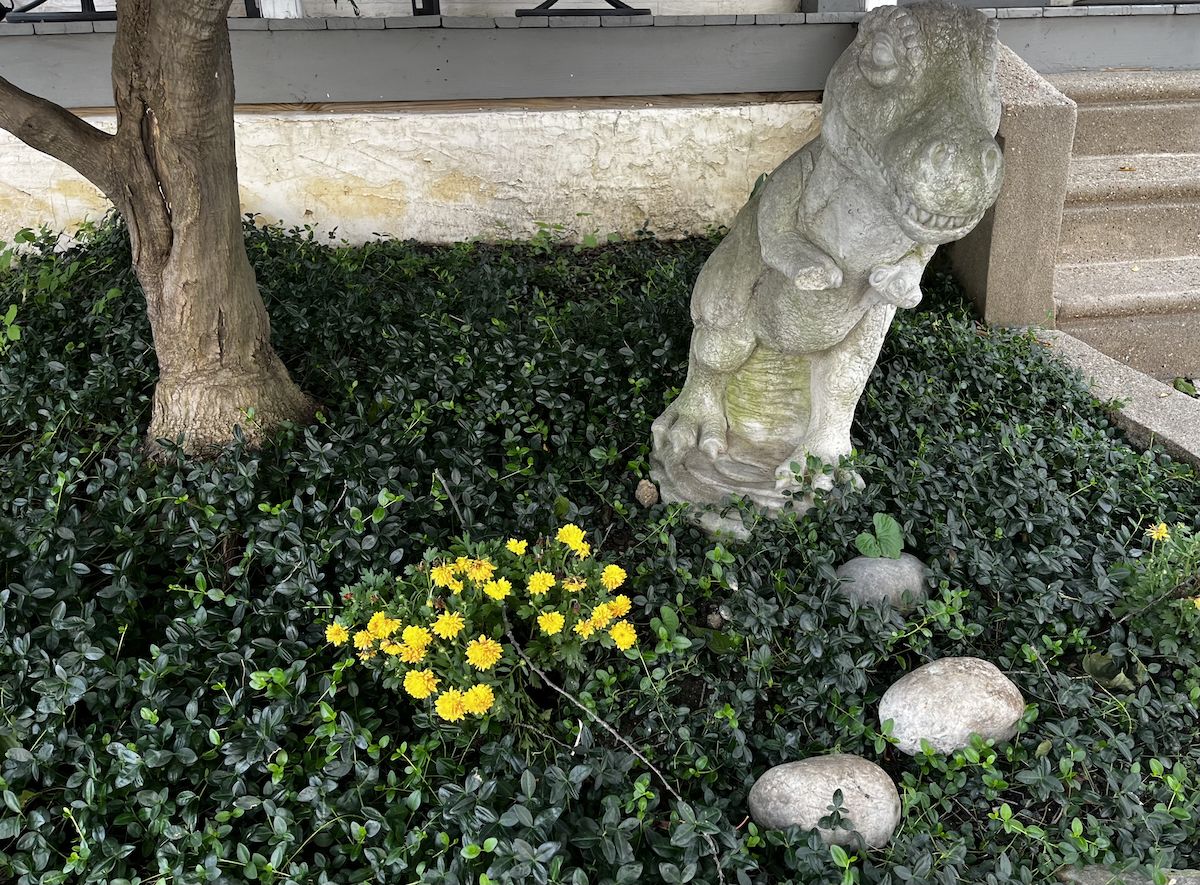
    A Holod’s dinosaur lawn statue overseeing a resident’s front lawn garden in Manayunk on Sept. 29. The Tyrannosaurus rex concrete statues have become a symbol for some of the Roxborough/Manayunk community.Henry Savage / Staff

    While Roxyunk residents are indeed a fun bunch, “That’s urban legend,” said owner Louis Holod, named after his father, Louis Holod Jr., and grandfather, Louis Holod Sr., who founded Holod’s in 1958 as a roadside gas station.

    However, the dinosaurs’ backstory is much simpler and dates further back than what most locals remember.

    In 2009, when the Holod family opened its gift shop, Louis Holod Jr. knew to trust the lawn ornament sales reps at trade shows better than his own tastes, his son said, and asked for their top sellers. The T. rex happened to be one of them.

    When the first shipment of lawn ornaments came in, two T. rex statues came with it. When those sold, they ordered four more, and so on, until today, 17 years later, when they order them by the hundred.

    Holod is happy to see the mythos grow with a neighborhood that embraces the dinosaurs as something more.

    Now the dinosaur statues — and the latest set of baby dinosaur statues, so lawns, Holod said, can have “a whole dino family” — are an integral part of the brand. And don’t miss out on the annual Halloween costume contest.

    “BB and Thooey” won last year for their Candy Corn Farm outfits.

  • Kelly N. Moore, award-winning clinical psychologist, Rutgers professor, and mental health activist, has died at 46

    Kelly N. Moore, award-winning clinical psychologist, Rutgers professor, and mental health activist, has died at 46

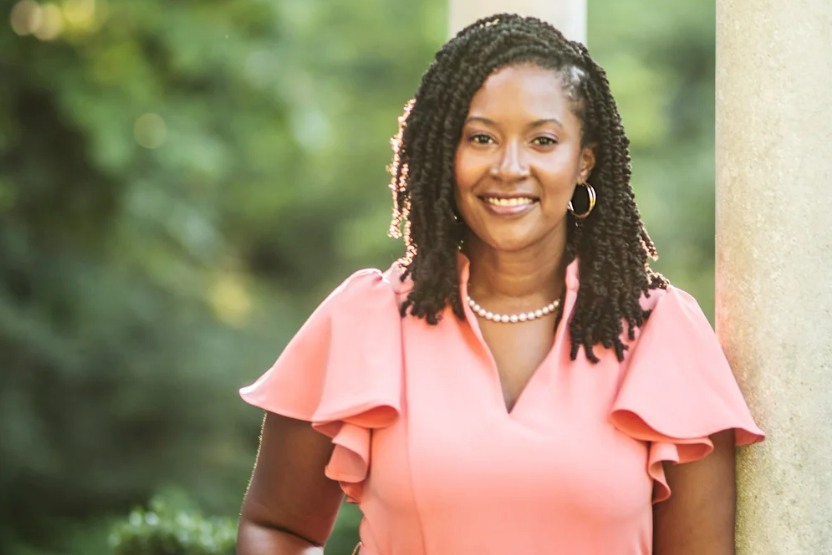
    Kelly N. Moore, 46, of Burlington Township, award-winning clinical psychologist, founder of Moore Wellness LLC, director of the Center for Psychological Services at Rutgers University, graduate school clinical associate professor, former fellow at the University of Pennsylvania’s Center for the Treatment and Study of Anxiety, mentor, author, mental health activist, volunteer, and 2026 Willingboro High School Hall of Fame inductee, died Thursday, Aug. 20, of kidney cancer at Virtua Voorhees Hospital.

    Adept at treating anxiety, depression, trauma, and perinatal disorders, Dr. Moore became director of the Rutgers Center for Psychological Services and a clinical associate professor in the Graduate School of Applied and Professional Psychology in 2020. As CPS director, she mentored hundreds of doctoral students regarding academic requirements and clinical procedures, and supervised the center’s community mental health clinic.

    She significantly expanded the center’s services and outreach, Rutgers colleagues said in a Facebook tribute, and forged important partnerships on campus and in the community. Colleagues said: “Her warm demeanor, melodic voice, vibrant spirit, and calming presence made all who met, and were fortunate enough to know her, feel seen, welcomed, and heard.”

    Earlier, Dr. Moore was program manager for the Rutgers Children’s Center for Resilience and Trauma Recovery. She also taught in the school’s juvenile justice and youth development programs.

    She spent two years as a fellow at Penn’s Center for the Treatment and Study of Anxiety after earning her doctorate in clinical psychology at Rutgers in 2011. During the COVID-19 pandemic, she founded Moore Wellness LLC and focused on helping women, children, and clients of color.

    “Wellness does not mean you will never experience challenges,” Dr. Moore said in an online profile for Psychology Today magazine. “Rather, it means having the tools to manage the challenges when faced with them.”

    Dr. Moore was an outspoken activist for mental health education and services. She spoke with groups often, organized workshops, and was featured in newspapers and magazines and on TV and podcasts. “Just trying to get people to understand as much as they can about the impact their mental health and well being have on their day-to-day lives,” she said in a 2026 podcast interview with the Multicultural Counseling Institute.

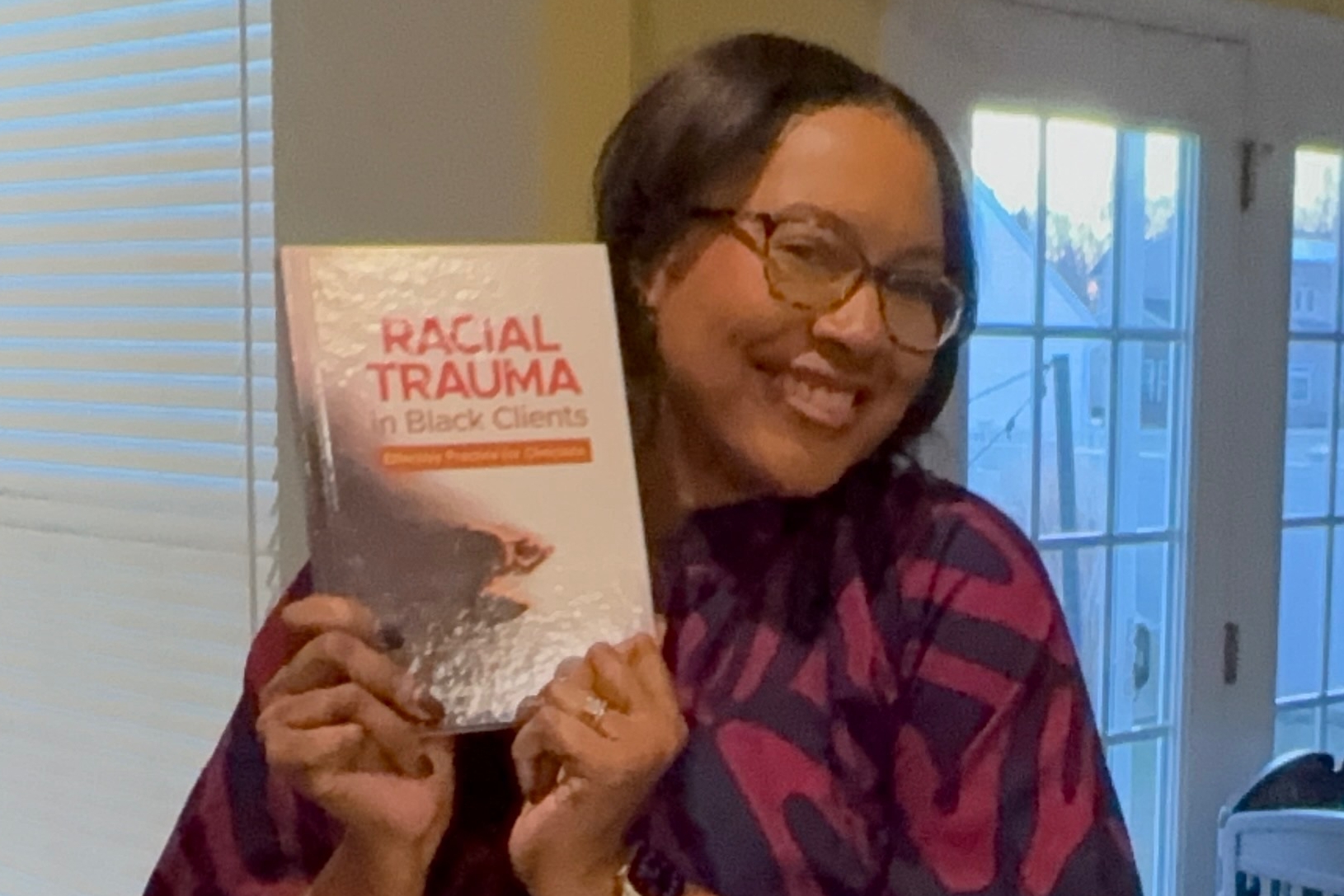
    She blogged about mental health on her website, moorewellnessllc.com, and contributed pages to academic texts. In 2025, she cowrote Racial Trauma in Black Clients: Effective Practice for Clinicians.

    She belonged to the American Psychological Association and the New Jersey chapter of the Association of Black Psychologists. She was active with the Therapy for Black Girls podcast and the Leadership Institute for Women in Psychology.

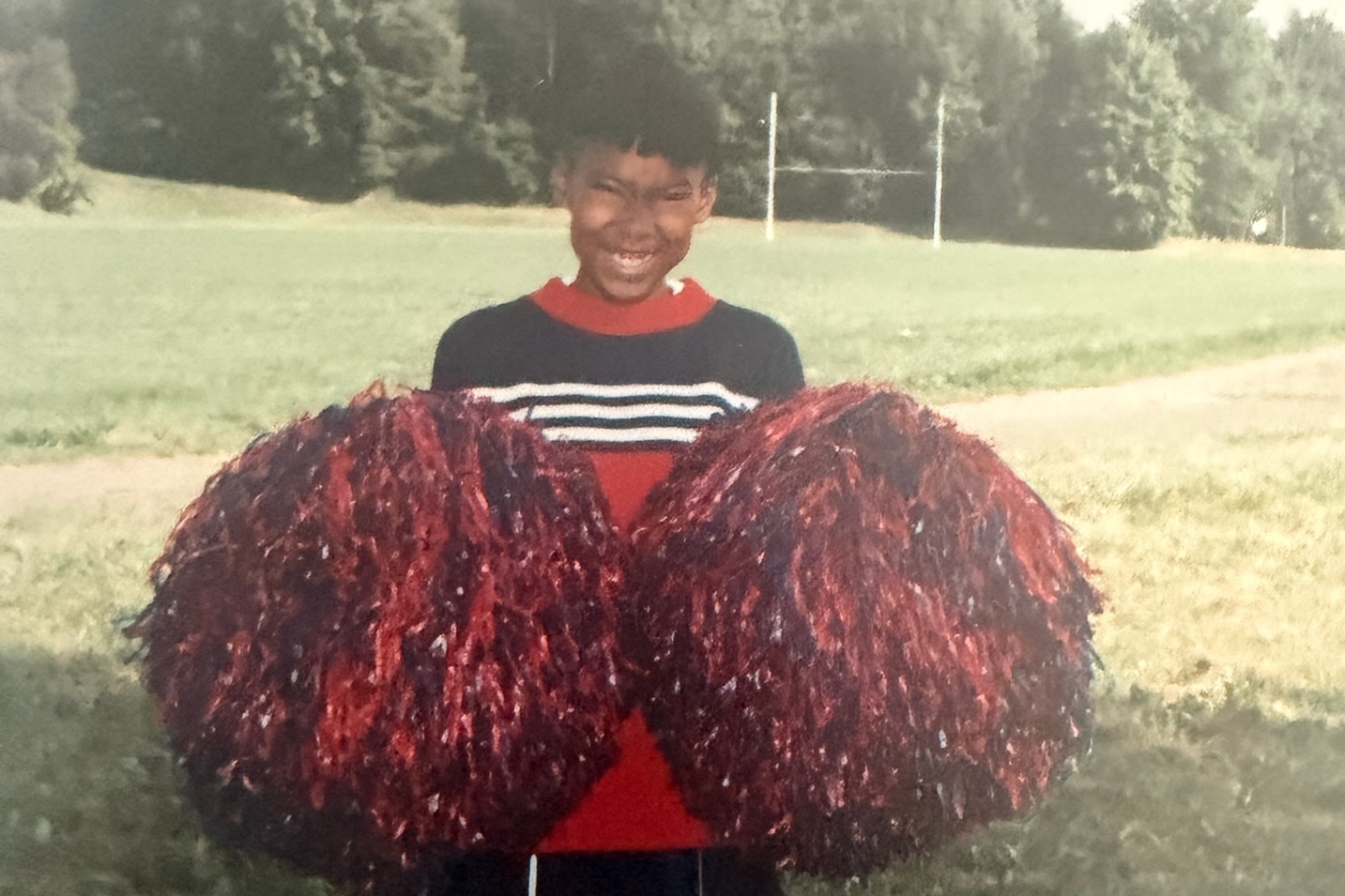
    Dr. Moore was a cheerleader and lacrosse player, and graduated from Cornell University in 2002.Courtesy of the family

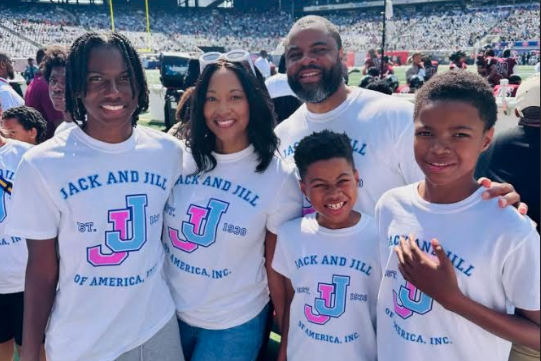
    She earned leadership and achievement awards from the New Jersey Psychological Association, the National Council of Schools and Programs of Professional Psychology, and other groups. She was president and a board member of the Burlington County chapter of Jack and Jill of America Inc. Colleagues there called her “a beautiful example of leadership, service, grace, and love.”

    Kelly Nicole Walker was born Aug. 20, 1980, in Philadelphia. Her family moved to Willingboro when she was 2, and she graduated from Willingboro High School in 1998.

    She was a cheerleader and played lacrosse and viola as a teenager. Her mother, Diana, was a social worker, and she showed Dr. Moore up close how one person could impact their community.

    “I was just fascinated by this concept,” Dr. Moore told the Multicultural Counseling Institute in the podcast interview. “It was already set at a young age that this was the kind of work I should be doing.”

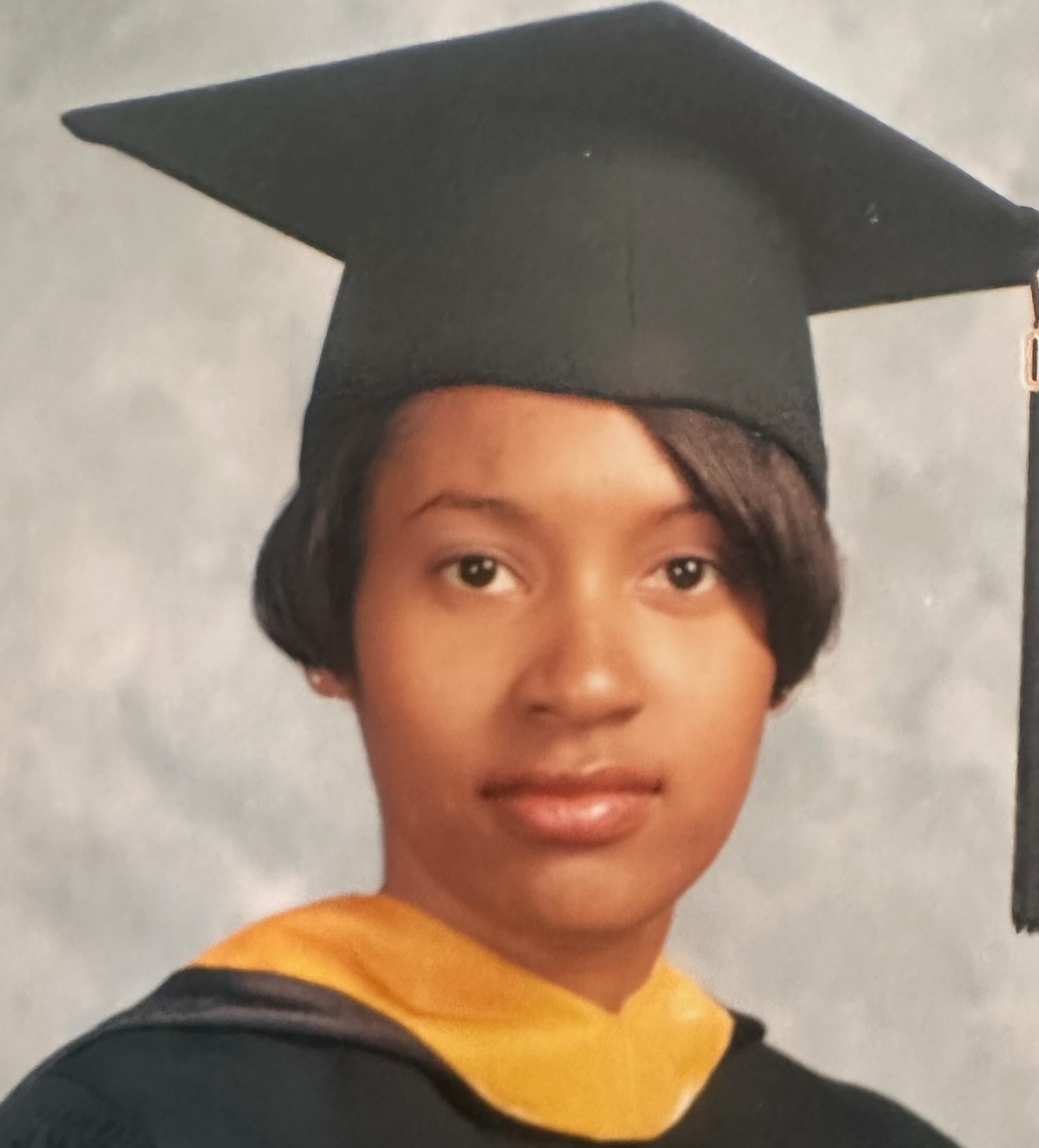
    She earned a bachelor’s degree in human development at Cornell University in 2002 and a master’s degree in education at Penn in 2003.

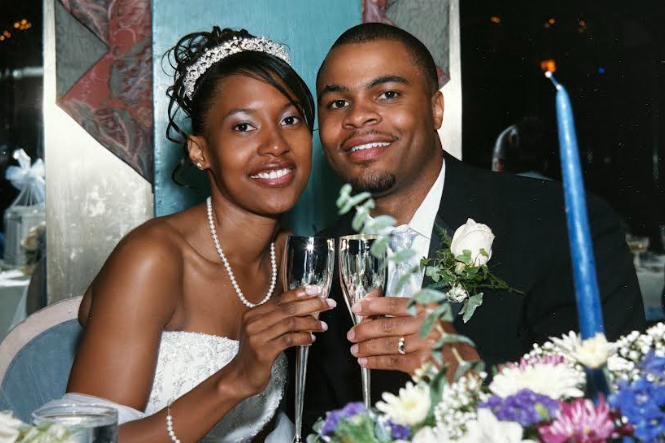
    She met Melvin Moore through friends, and they married in 2004 and had sons Miles, Mason, and Matthew. They lived in Marlton and Delanco, and, since 2015, in Burlington Township.

    Dr. Moore was a longtime member and dance choreographer at the Gospel Tabernacle Church. She joined Alpha Kappa Alpha Sorority Inc. at Cornell in 2000 and was on the executive board of its Pi Mu Omega chapter in Willingboro.

    Friends noted her “warmth, generosity, and kindness,” and called her “genuine” and “quietly brilliant” in online tributes. One friend said: “She sure made me proud to be from Willingboro.”

    Dr. Moore and her husband, Melvin, married in 2004 and had three sons. Courtesy of the family

    Dr. Moore doted on her sons and called them her “M & M’s.” She was an avid reader and led several book clubs.

    She liked to garden, play piano, take photos, cook, and crochet. She was diagnosed with renal medullary carcinoma about a year ago and was determined, her husband said, to reach her 46th birthday. She did it.

    “She always led with purpose and intention,” her sister, Kim Hayes, said. “She was such an amazing person.”

    Dr. Moore’s husband said: “Kelly exemplified unmatched strength in how she lived, how she loved, and how she led. She loved helping other people.”

    In addition to her husband, sons, and sister, Dr. Moore is survived by her father, Michael, her brother, Ahmeen, and other relatives.

    A celebration of her life was held earlier.

    Donations in her name may be made to the Chris “CJ” Johnson Foundation, Box 292, Sugar Land, Texas 77487.

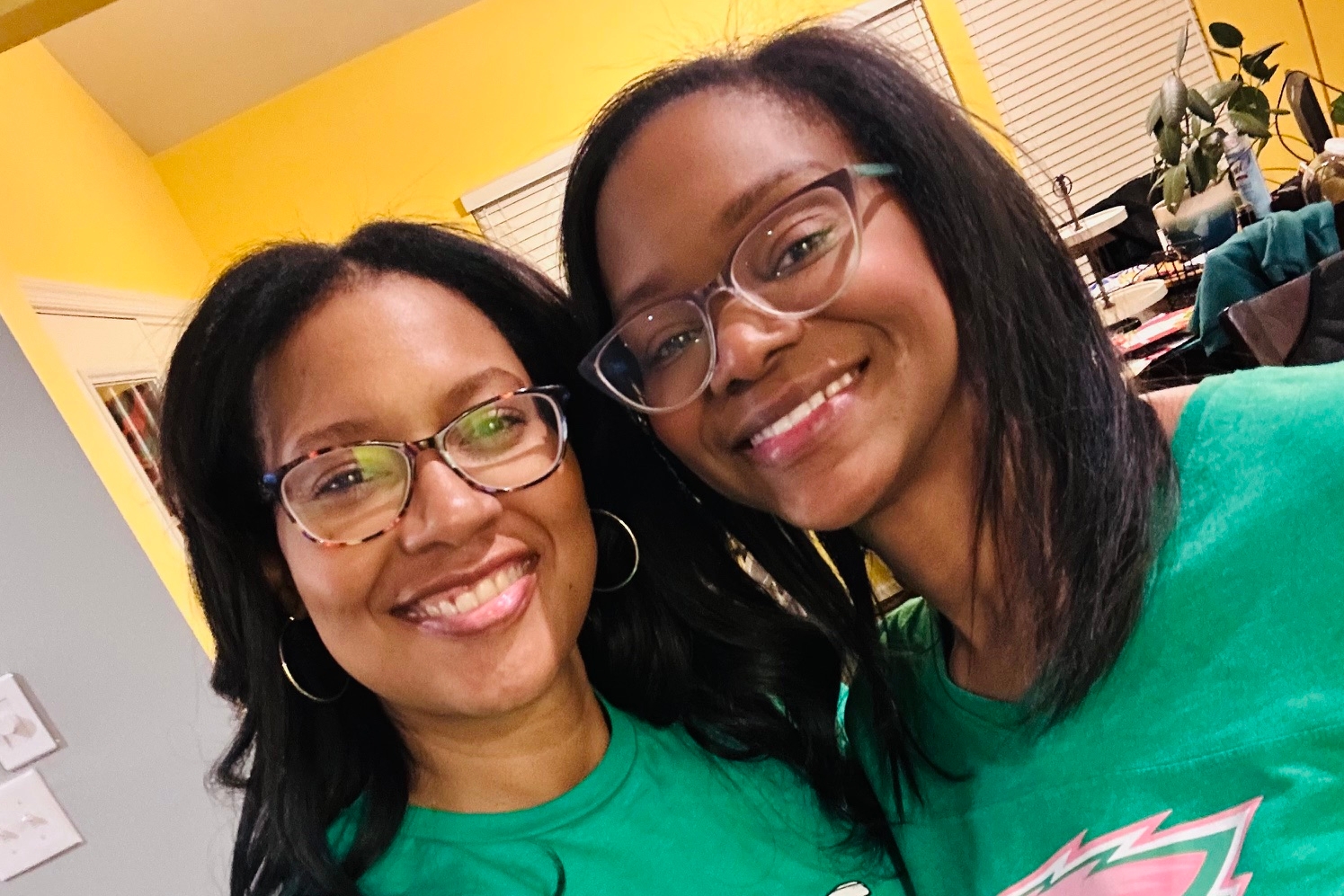
    Dr. Moore (left above) was close with her sister, Kim. Below, she celebrated when her book was published in 2025.Courtesy of the family
  • 10 affordable options for Philly families beyond the Academy of Natural Sciences

    10 affordable options for Philly families beyond the Academy of Natural Sciences

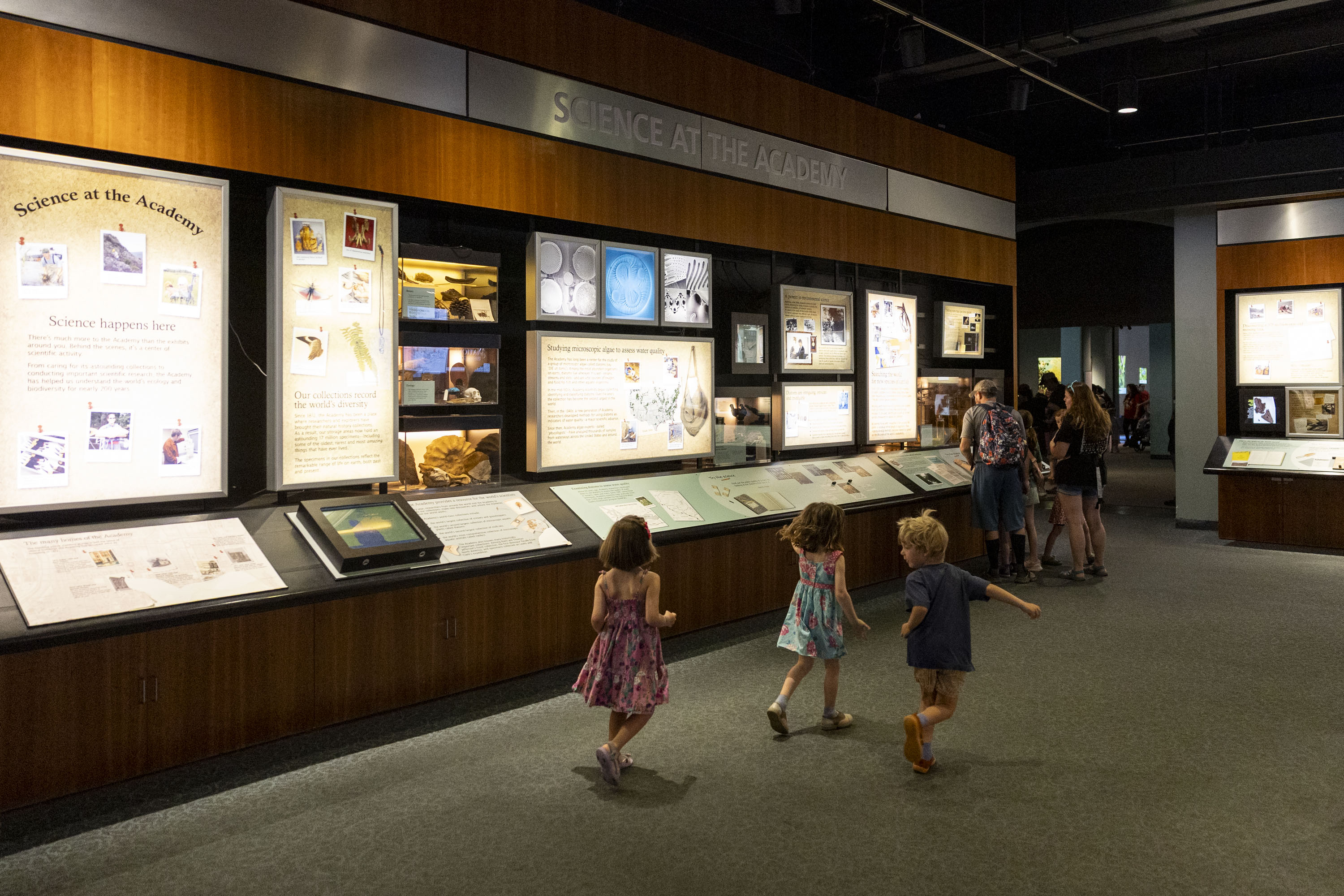
    For nearly two centuries, the Academy of Natural Sciences of Drexel University has stood as a monument to curious minds — and, at least for the last few decades, a respite for parents of restless children.

    So, when the museum closes its doors at the end of this month, Philadelphia families may be left with one less kid-friendly haven and dwindling options on where to spend a rainy afternoon at an accessible price.

    An adult ticket (ages 13 and up) to the Academy of Natural Sciences runs $22, while admission for children older than 2 cost $18 and those under 2 get in for free. That’s cheaper, across all age groups, than the Franklin Institute or the Please Touch Museum, for example. And unlike an outdoor experience, like the Philadelphia Zoo or any of the city’s many parks, an enjoyable afternoon at the Academy of Natural Sciences didn’t depend on the weather.

    There’s still time to see the full-scale dinosaurs, taxidermy, and live animals — the museum’s last day open to the public will be Sunday, Sept. 27. But here’s 10 post-Academy-era alternatives for families looking to spend an afternoon indoors at a similar price tag.

    Independence Seaport Museum

    The Independence Seaport Museum may float the nautical nerd’s boat.

    Located on the Delaware River waterfront, the museum tells the region’s history through its major river artery, with some 10,000 objects and a million documents chronicling the area’s long maritime history. The museum boasts one of the continent’s largest maritime art and artifact collections, which includes a chart from Benjamin Franklin, a sea chest from the Spanish-American War, and a passenger list from the Titanic.

    Visitors can also explore the USS Olympia, a historic World War I cruiser and the world’s oldest floating steel warship. Self-guided tours of the Olympia are included in the general admission package; guided tours of the Becuna, a World War II submarine, are also available for an additional $10.

    🕒 Daily, 10 a.m.-5 p.m. last entry at 4:30 p.m., 💵 $23+ for adults, $18+ ages 3-17,📍 211 S. Columbus Blvd., Philadelphia, Pa. 19106, 🌐 phillyseaport.org

    Fireman’s Hall Museum

    Got a kid that really loves firetrucks? The Fireman’s Hall Museum might spark some joy.

    The Hall, located in a renovated firehouse, is one of the nation’s premier fire museums. Visitors can see antique apparatuses, try on firefighter boots and coats, and steer a fire boat — all while learning about fire safety and important skills, like when to call 911.

    Pretty fire, right?

    🕒 Tuesdays through Sundays, 10 a.m.-4 p.m., 💵 Free,📍 147 N. Second St., Philadelphia, Pa. 19106, 🌐 firemanshallmuseum.org

    Penn Museum

    Worldly cultures converge in University City .

    The Penn Museum connects humanity across continents and millennia through archaeology and anthropology, cultivating “endless exploration,” according to its website.

    The Inquirer previously reported that the Penn Museum’s 2018 renovation made the space more interactive and kid-oriented.

    🕒 Tuesdays through Sundays, 10 a.m.-5 p.m., 💵 $23 for adults, $14 ages 6-17 and college students, free for children 5 and under,📍3260 South St., Philadelphia, Pa. 19104, 🌐 penn.museum

    Wagner Free Institute of Science

    For those looking for a dinosaur fix in the post-Academy era, Wagner Free Institute of Science in North Philadelphia has a collection of Camarasaurus bones. The Wagner is a rare surviving 19th-century natural history museum with rocks, fossils, taxidermy, and skeletons galore.

    Bone voyage!

    Check out what other dinos are on display throughout the Philly region, here.

    🕒 Tuesdays through Fridays, 9:30 a.m.-4:30 p.m., and select Saturdays, noon to 4 p.m., 💵 Free,📍 1700 W. Montgomery Ave., Philadelphia, Pa. 19121, 🌐 wagnerfreeinstitute.org

    Science History Institute

    An up-and-coming chemist might like learning all about the people behind the world’s most significant scientific achievements at the Science History Institute. On Saturdays, the institute hosts “Stories of Science,” an interactive family-geared program highlighting strange and surprising histories.

    Also, currently running is a special exhibition on fireworks — kaboom!

    🕒 Wednesdays through Saturdays, 10 a.m.-5 p.m., 💵 Free,📍 315 Chestnut St., Philadelphia, Pa. 19106, 🌐 sciencehistory.org

    Betsy Ross House

    A staple — or stitch — in the Philadelphia experience is the home of Betsy Ross, a colonial woman credited with sewing America’s first flag. Visitors can meet Betsy and explore artifacts throughout her home, including her sewing table. In the home’s basement kitchen there are interactive activities for kids, a spokesperson said.

    Outside the Betsy Ross House and around Old City, people can also visit Once Upon A Nation Storytelling Benches for short, free, delightful stories about Philly’s little-known history. The storytelling benches run throughout the summer and end this Labor Day weekend.

    🕒 Daily, hours vary by season 💵 $15+ for adults, $13+ ages 6-12, free for children 5 and under,📍 239 Arch St., Philadelphia, Pa. 19106, 🌐 historicphiladelphia.org/betsy-ross-house

    Museum of the American Revolution

    Budding history buffs can dive deeper into the birth of the nation and ongoing American experiment at the Museum of the American Revolution. The museum’s kid-friendly programming includes a replica parlor, privy, and privateer ship, living historical interpreters, and theatrical reenactments. Through these exhibits — including those apt for Philly’s “revolutionary” Semiquincentennial summer — visitors can learn about the diverse people who influenced early American history.

    The Museum of the American Revolution is also just a jaunt from Independence National Historic Park, where you can see historic iconography, like the Liberty Bell and exterior of Independence Hall, for free. (Tours of the interior of Independence Hall are ticketed.)

    🕒 Daily, 9:30 a.m.-5 p.m., 💵 $25 for adults, $14 ages 6-17, free for children 5 and under,📍 101 S. Third St., Philadelphia, Pa. 19106, 🌐 amrevmuseum.org

    African American Museum in Philadelphia

    The African American Museum chronicles the Black experience in America from pre-colonial times to the present. The museum explores themes like the African diaspora, prominent Black Philadelphians, and contemporary narratives. In addition to its exhibits, the museum also hosts holiday festivals and a monthly Family Fun Day.

    Of note: The museum will be closed to the public beginning Sept. 7, while new exhibitions are installed. Check with the museum for a reopening date.

    🕒 Wednesdays, noon-5 p.m., Thursdays through Sundays, 10 a.m.-5 p.m., 💵 $20 for adults, $10 ages 4-12 and students,📍 701 Arch St., Philadelphia, Pa. 19106, 🌐 aampmuseum.org

    Weitzman National Museum of American Jewish History

    Admission to the Weitzman’s core exhibition, which traces nearly four centuries of Jewish American history, is always free. But for a limited time (Sept. 9 through Oct. 4) a ticketed gallery, “Colors of Creation,” a color-soaked journey through the origins of the world, will be offered at no cost.

    “Colors of Creation” is a 26-minute interactive and immersive show, combining concert-style lighting, projections, and original music, as well as a time-unlimited playspace, a spokesperson said. The exhibit is geared toward young children, recommended for ages 3 and up, and their families.

    🕒 Wednesdays through Sundays, 10 a.m.-5 p.m., 💵 Free general admission, ticketed special exhibits,📍101 S. Independence Mall E., Philadelphia, Pa. 19106, 🌐 theweitzman.org

    American Swedish Historical Museum

    South Philly’s American Swedish Historical Museum — the oldest Swedish museum in the United States — is located on lands that were once part of the New Sweden Colony. The museum now houses exhibits that explore that early relationship between Swedish culture and Philadelphia, Swedish contributions to the United States, and craft arts.

    Monthly, the museum hosts “Toddler Time” for children ages 2 to 5. The hourlong programming includes “interactive stories, engaging hands-on activities and social interaction,” according to its website. The program is $5 for nonmembers.

    🕒 Tuesdays through Sundays, 10 a.m.- 4 p.m., 💵 $15 for adults, $5 ages 5-11, free for children 5 and under,📍 1900 Pattison Ave., Philadelphia, Pa. 19145, 🌐 americanswedish.org

  • What Philly got out of the World Cup, the nation’s 250th, and the MLB All-Star Game

    As the afterglow of the world’s largest sports tournament and the country’s formal 250th birthday party in Philadelphia fades, the city is returning to its regularly scheduled programming.

    But those months of celebrations came with significant investments into the city: building up the Benjamin Franklin Parkway, hosting Grammy Award-winning stars, renovating Lemon Hill to welcome half a million people, and, of course, the cleaning and maintenance work that made Philadelphia look fresher than it has in years.

    SEPTA and the city partnered to landscape and beautify major traffic intersections, sometimes with a new mural provided by Mural Arts Philadelphia. SEPTA stations also received a much-needed deep clean and graffiti removal, all before and during the summer celebrations.

    PHLASH buses got an extra stop to get to Lemon Hill; fans got free rides on the Broad Street Line after World Cup games. And, just as the international fans packed up their bags to head home, it’s time for many of those features to go, too.

    But Philadelphia has taken steps to keep things looking pretty for the long term, beginning with the city’s $11.5 million landscaping and anti-graffiti project focused on transportation “gateways” that it has pledged to continue and expand beyond the summer. The city also added 250 cherry blossom trees throughout Fairmount Park and elsewhere, in a project led by the Japan Society of Greater Philadelphia that honored the original 1,600 cherry blossoms Japan gifted Philly for the Sesquicentennial in 1926.

    But what about all the things staying in Philly? The city is not getting just generational memories and a summer party out of the deal. Here are some of the major legacy projects remaining in Philadelphia for years to come, perhaps even until the tercentennial celebration in 2076.

    (function(){function e(){window.addEventListener(`message`,function(e){if(e.data[`datawrapper-height`]!==void 0){var t=document.querySelectorAll(`iframe`);for(var n in e.data[`datawrapper-height`])for(var r=0,i;i=t[r];r++)if(i.contentWindow===e.source){var a=e.data[`datawrapper-height`][n]+`px`;i.style.height=a}}})}e()})();

    New mini soccer pitches across Pennsylvania

    Location: Throughout Pennsylvania.

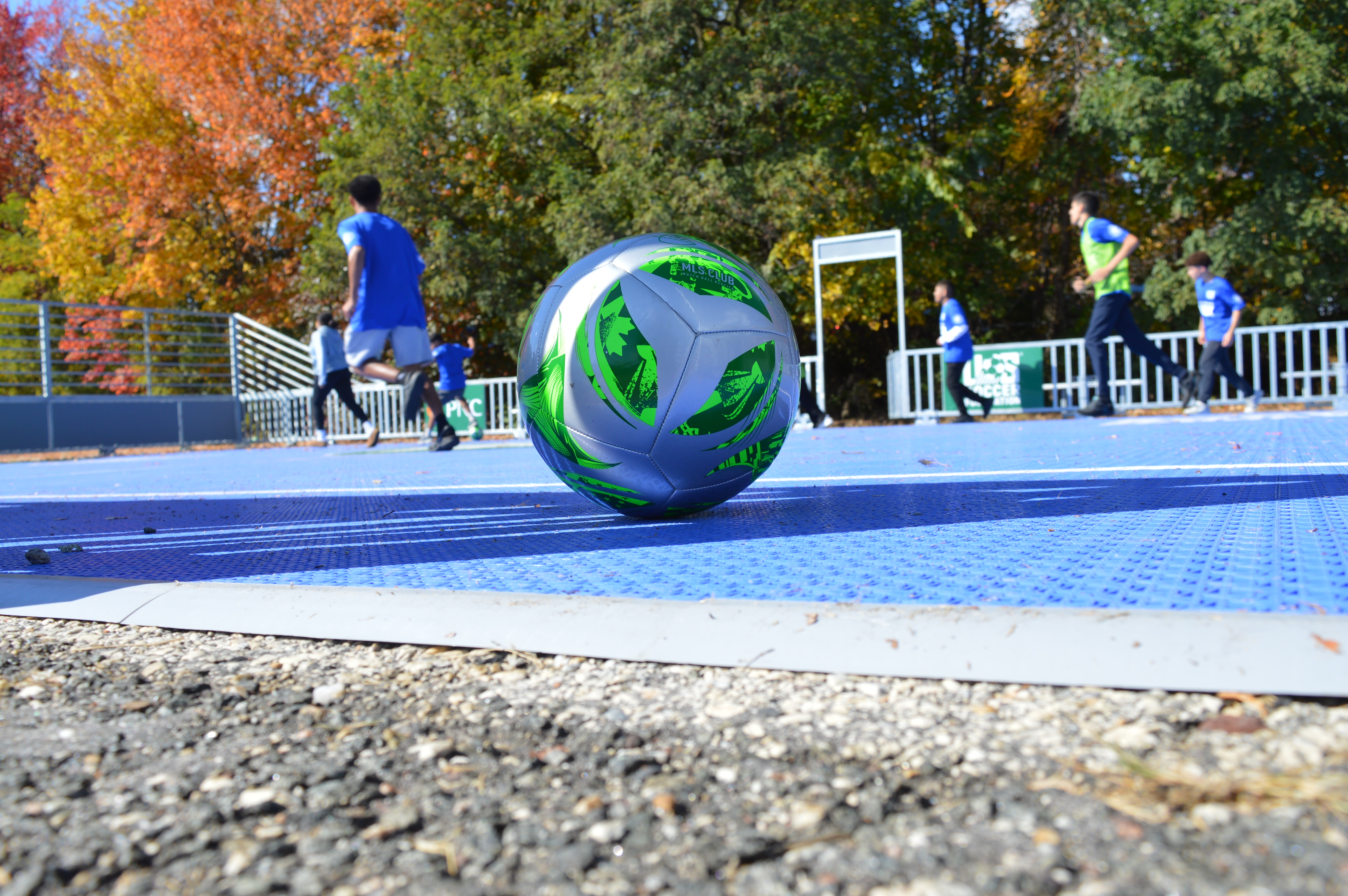
    The project: How does the United States grow the next crop of elite soccer players? By making it easier to play soccer starting at a young age. At least 13 mini soccer pitches are being installed at schools, recreation centers, and parks across Pennsylvania.

    The U.S. Soccer Foundation has committed $2 million to install mini-soccer fields like this one in Northeast Philadelphia ahead of the 2026 FIFA World Cup.Kerith Gabriel

    Who is behind it: The city and several nonprofits and private companies are backing this initiative, mostly through a $2 million investment from Philadelphia Soccer 2026, the city’s host committee for the 2026 men’s World Cup. Additional backers include the Philadelphia School District, Independence Blue Cross, and Comcast, among others. The U.S. Soccer Foundation is administering the funds and overseeing the installation of the pitches.

    Bank of America Visa Street Soccer Park

    Location: 1036 N. Front St.

    The project: The transformation of Fishtown’s TipTop Playground into two mini, enclosed turf soccer pitches, with additional event space and field lighting for night play. The pitches are now open for kids and adults.

    • Fishtown’s street soccer park will host leagues, free training clinics, and youth soccer programs. Casual pickup soccer is available outside of scheduled programming, led by Street Soccer USA, the organization that helps run such soccer parks across the country.
    • Keep up to date on programming at instagram.com/streetsoccerphila.

    Who is behind it: You guessed it: Bank of America and Visa. Street Soccer USA will run programming at the park in collaboration with local groups.

    Lemon Hill Park

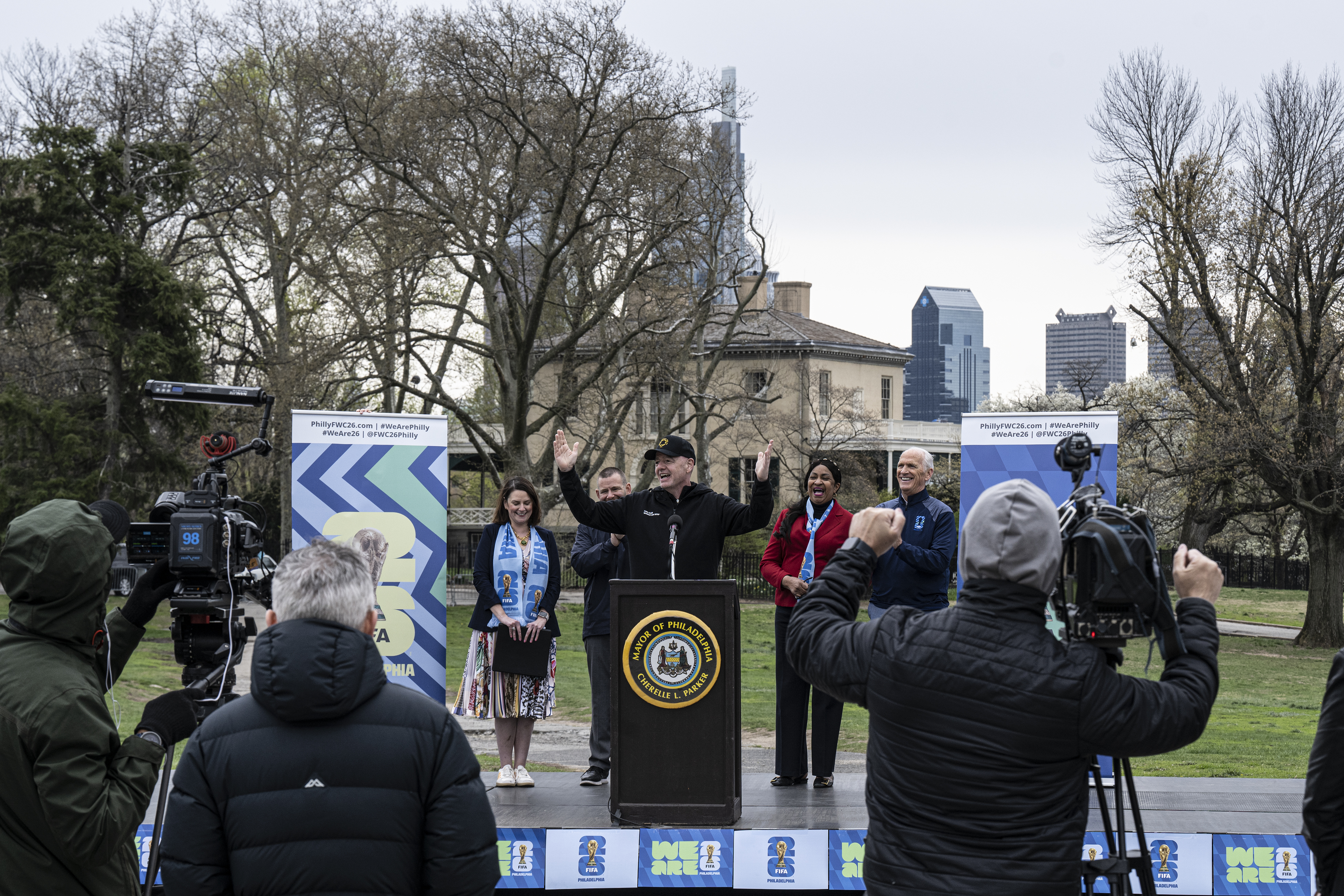
    FIFA President Gianni Infantino, center, will visit Lemon Hill Park on Thursday, April 10 for an operational planning tour of Philadelphia Soccer 2026’s FIFA Fan Festival siteJose F. Moreno / Staff Photographer

    Location: Sedgley Drive and North Lemon Hill Drive.

    The project: Lemon Hill Park received some updates ahead of hosting the official FIFA Fan Festival, and is now getting a much-needed makeover after 39 days of World Cup festivities. The restoration of the grass is underway, with more permanent amenities soon to be constructed.

    • Some upgrades are complete:
    • Other upgrades are coming soon:

    Who is behind it: Philadelphia Soccer 2026 is committing $4 million to park upgrades, with help from the city, to repair the grass fields, bring new modern amenities to parts of the park, and outfit the space with new electrical service, provided by Peco, to prepare for future large events.

    FDR Park’s Ashburn Field

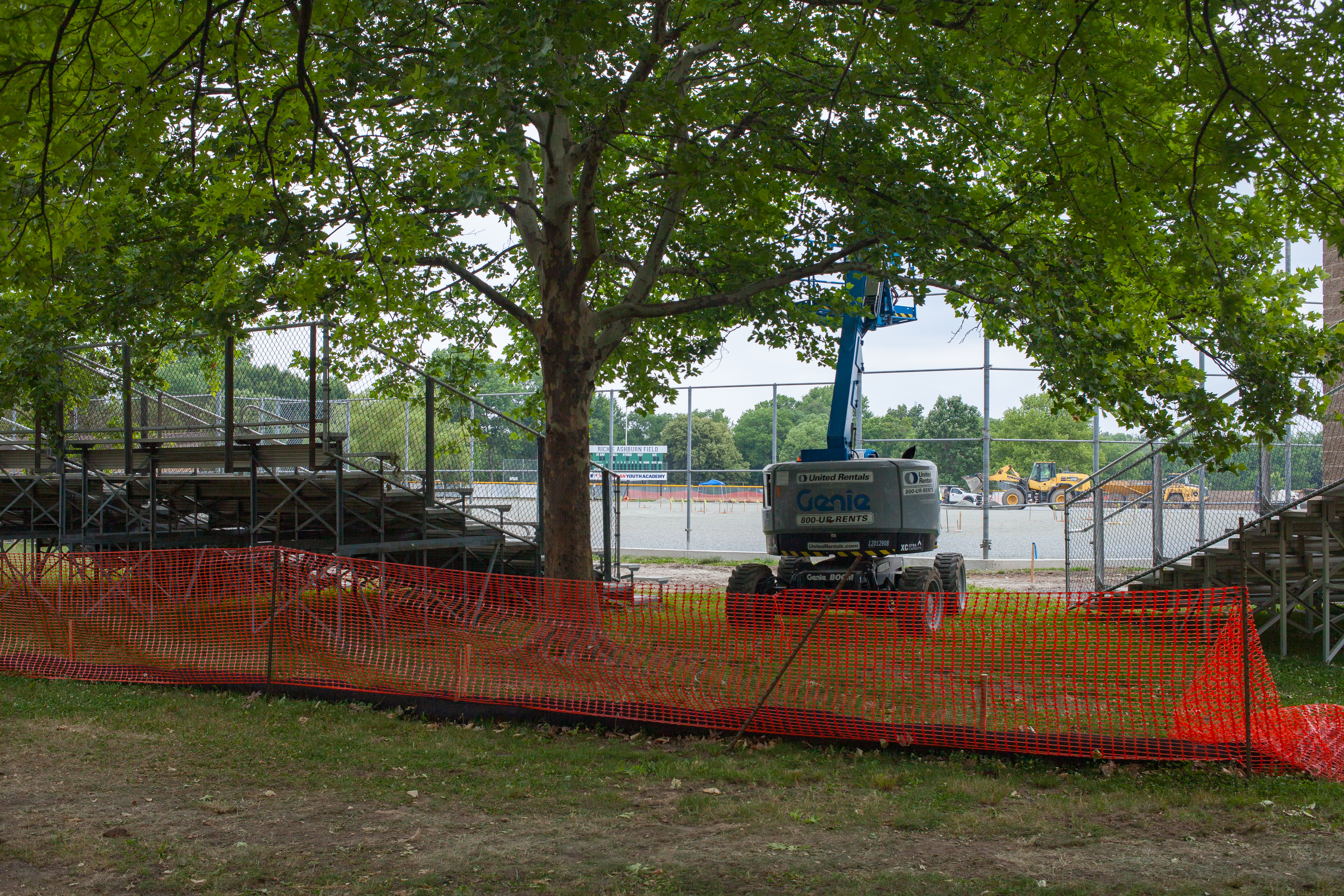
    The MLB is renovating Ashburn Field in FDR Park, a city field managed and maintained by the Phillies that hosts a variety of youth baseball programs.

    Location: 1500 Pattison Ave.

    The project: Ashburn Field at FDR Park has been resurfaced with a new turf field, meant to better handle wet weather conditions. The 135,000-square-foot field was built in 1998, using funds generated from the 1996 MLB All-Star Game in Philadelphia.

    Who is behind it: Major League Baseball and the Phillies, as part of a combined investment of more than $5 million in various projects tied to the 2026 MLB All-Star Game, including revitalizing the Negro Leagues Memorial Park and mural at 44th Street and Parkside Avenue in West Philly.

    Independence National Historical Park

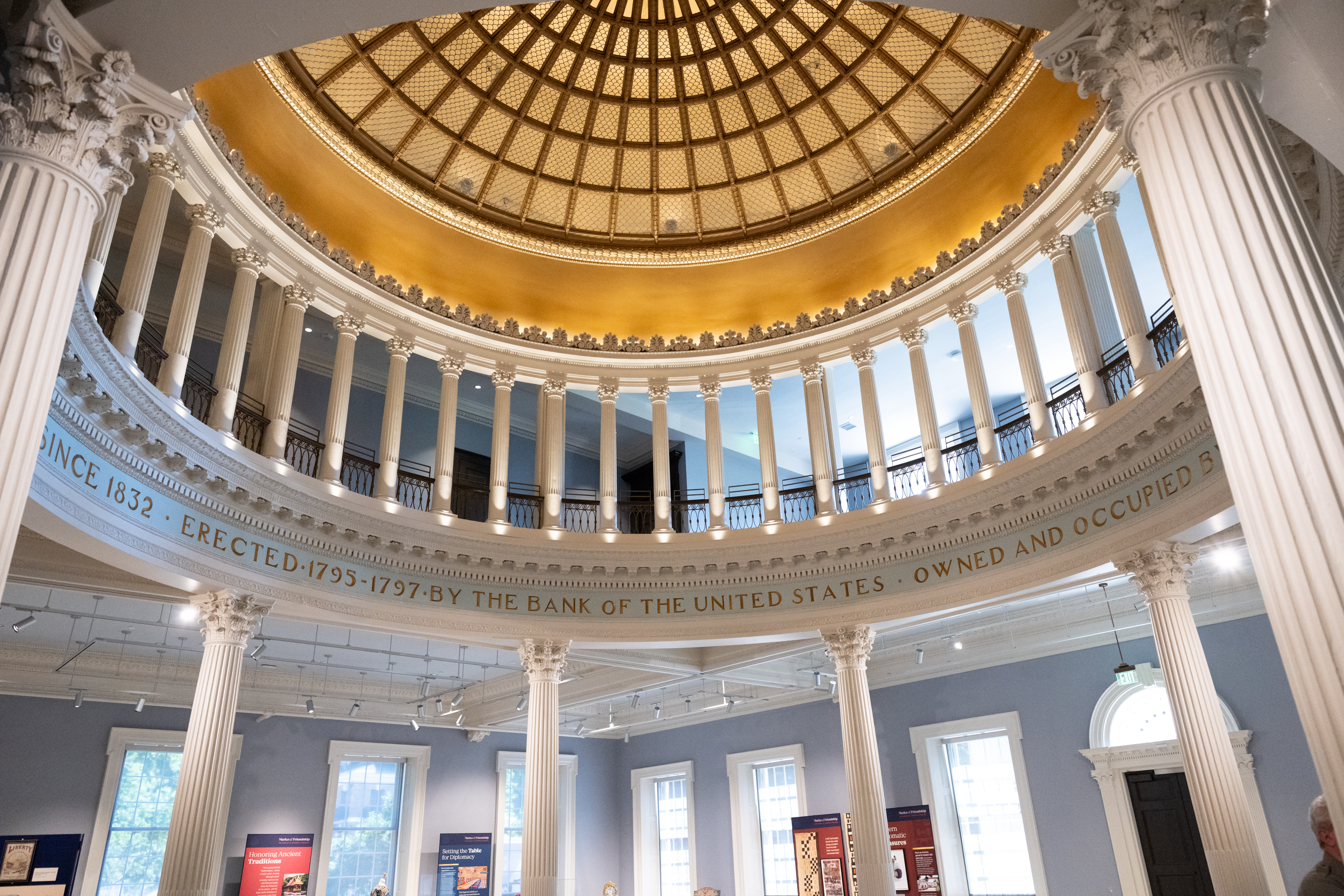
    The rotunda inside the First Bank of the United States is pictured on Monday, June 29, 2026 in Philadelphia.Erin Blewett / For The Inquirer

    Location: 599 Market St.

    The project: Several improvements have already come to Independence National Historical Park and Independence Mall to commemorate the nation’s Semiquincentennial, and more are on the way. They include:

    • A $3.9 million “Join or Die” sculpture on Independence Mall, inspired by the truncated snake in Benjamin Franklin’s cartoon of the same name. The 46-foot-long granite work is expected to be unveiled this fall.
    • Beautification and horticultural work. This includes work at the Benjamin Rush Garden at Third and Walnut Streets, which showcases the 1976 Bicentennial Bell, a 10-ton Liberty Bell replica gifted by Queen Elizabeth II.
    • The reopening of the First Bank of the United States, on Third Street between Walnut and Chestnut Streets. The bank had been closed for 50 years but is now open for visitors thanks to a $43 million renovation.

    Who is behind it: Independence Historical Trust, the city, the state, private foundations, philanthropists, and legacy groups.

    Germantown Historical Society Visitor Center

    Location: 5501 Germantown Ave.

    Tuomi Forrest, executive director at the Germantown Historical Society, and Kaila Temple, curator of collections at GHS, at the Germantown Historical Society building located at 5501 Germantown Ave. in Philadelphia, July 21, 2026.Jessica Griffin / Staff Photographer

    The project: The Germantown Historical Society has its first visitors center, thanks to a $100,000 renovation of a section of its headquarters. It is modest but will host rotating exhibits, maps and pamphlets, and a gift shop.

    Historic Germantown consists of various landmarks and attractions in Northwest Philly, including the Aces Veterans Museum, Awbury Arboretum, and the Germantown White House, where George Washington once lived.

    Who is behind it: The Funder Collaborative for the Semiquincentennial, a philanthropic group organized by the Connelly Foundation that donated to many initiatives and projects related to the 250th anniversary celebration.