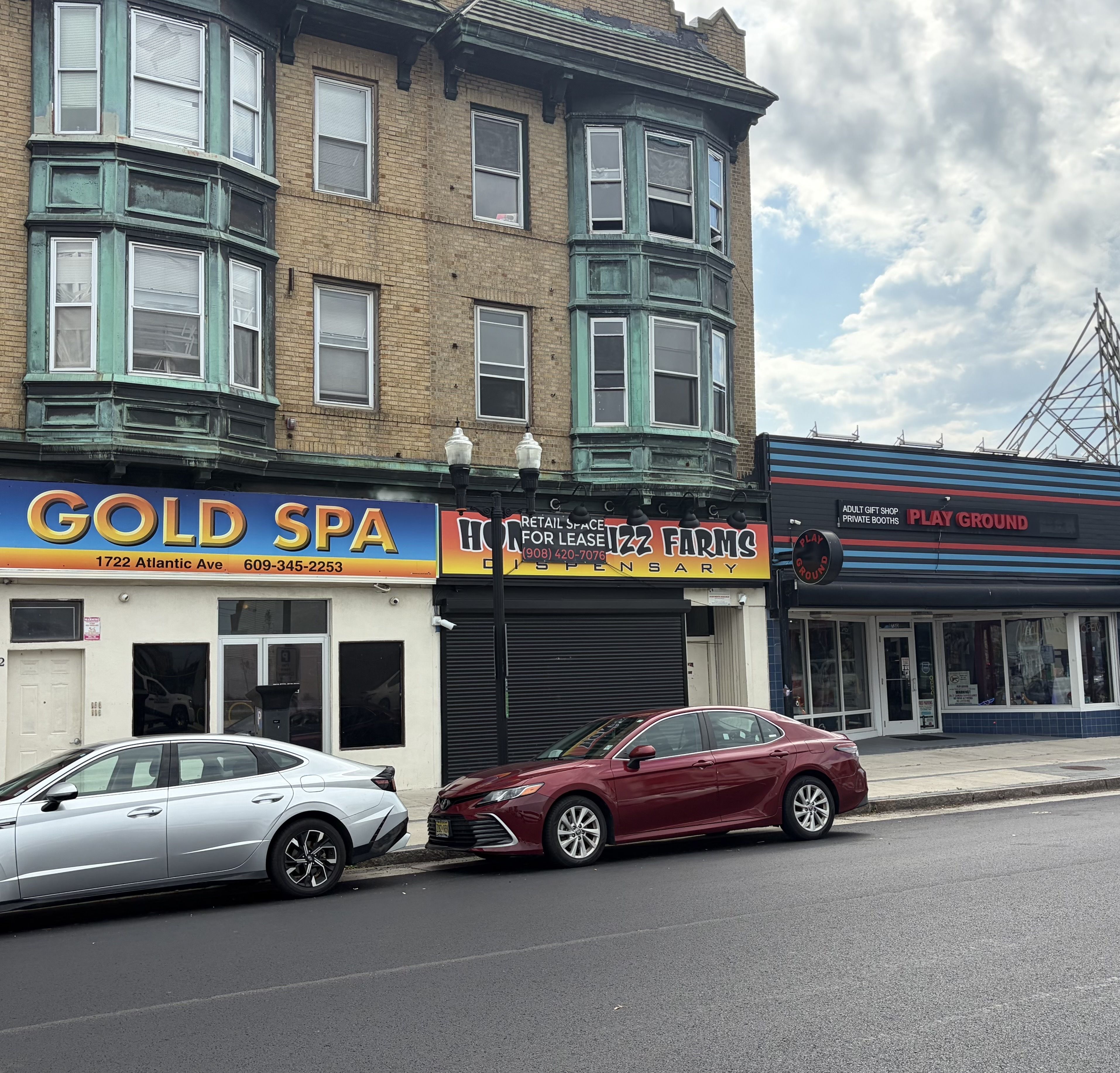
ATLANTIC CITY — In the 1700 block of Atlantic Avenue, the only cannabis for sale, once again, is from street dealers.
Two legal dispensaries that opened on the block in 2024 have now closed: Honey Buzz Farms, which aspired to bring art and community events to the block, and, on the corner, the THC Shop.
Both now have for-rent signs.
In all, 18 dispensaries have opened their doors in A.C., out of 42 total that have received approvals from the New Jersey Casino Reinvestment Development Authority since 2021, when the state legalized, and regulated, the sale of cannabis.
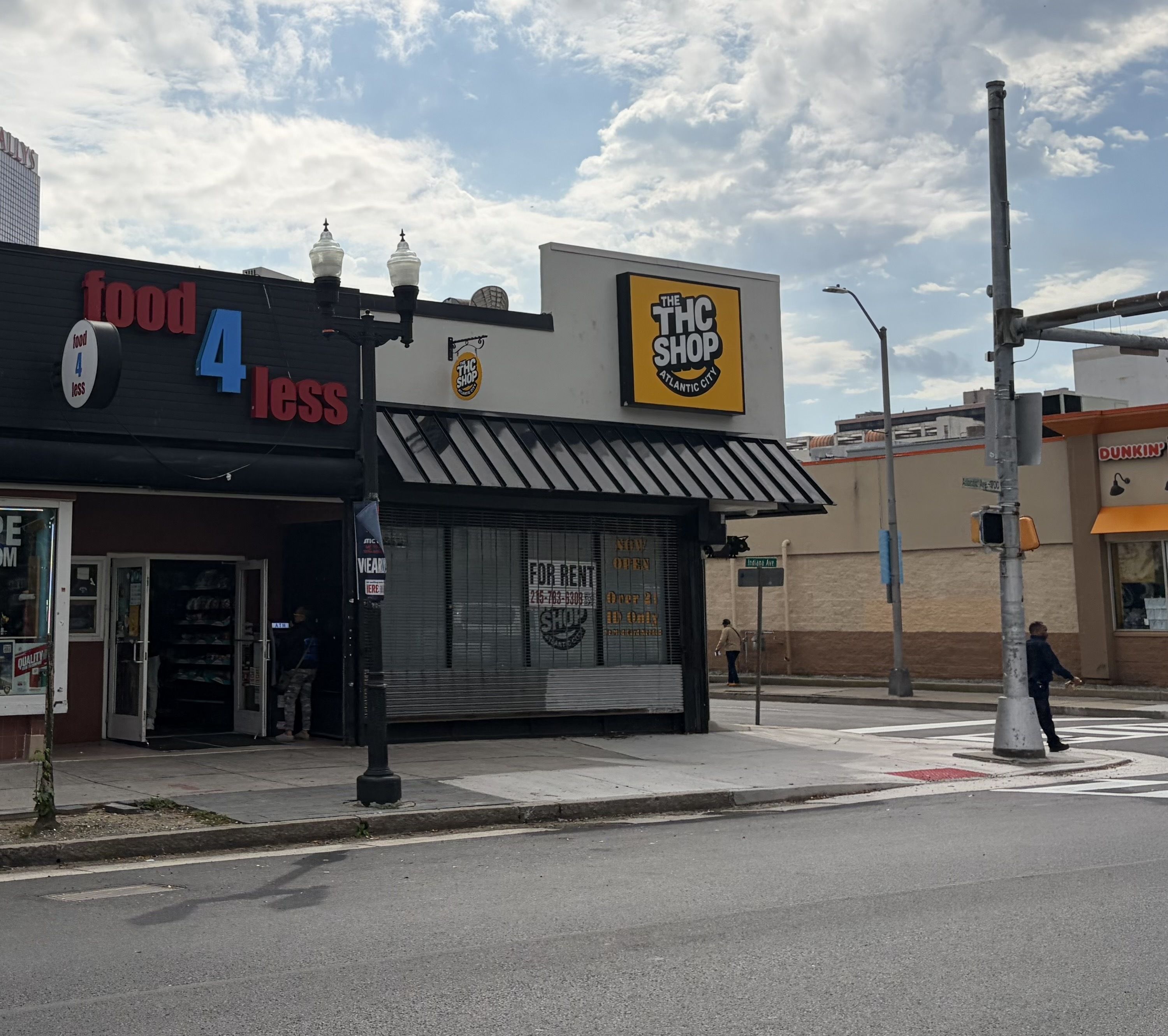
At least five are no longer in business, leaving vacant storefronts on blocks they were supposed to invigorate. Andrew Kramer, a spokesperson for the city, said 13 had paid for their mercantile licenses for 2026.
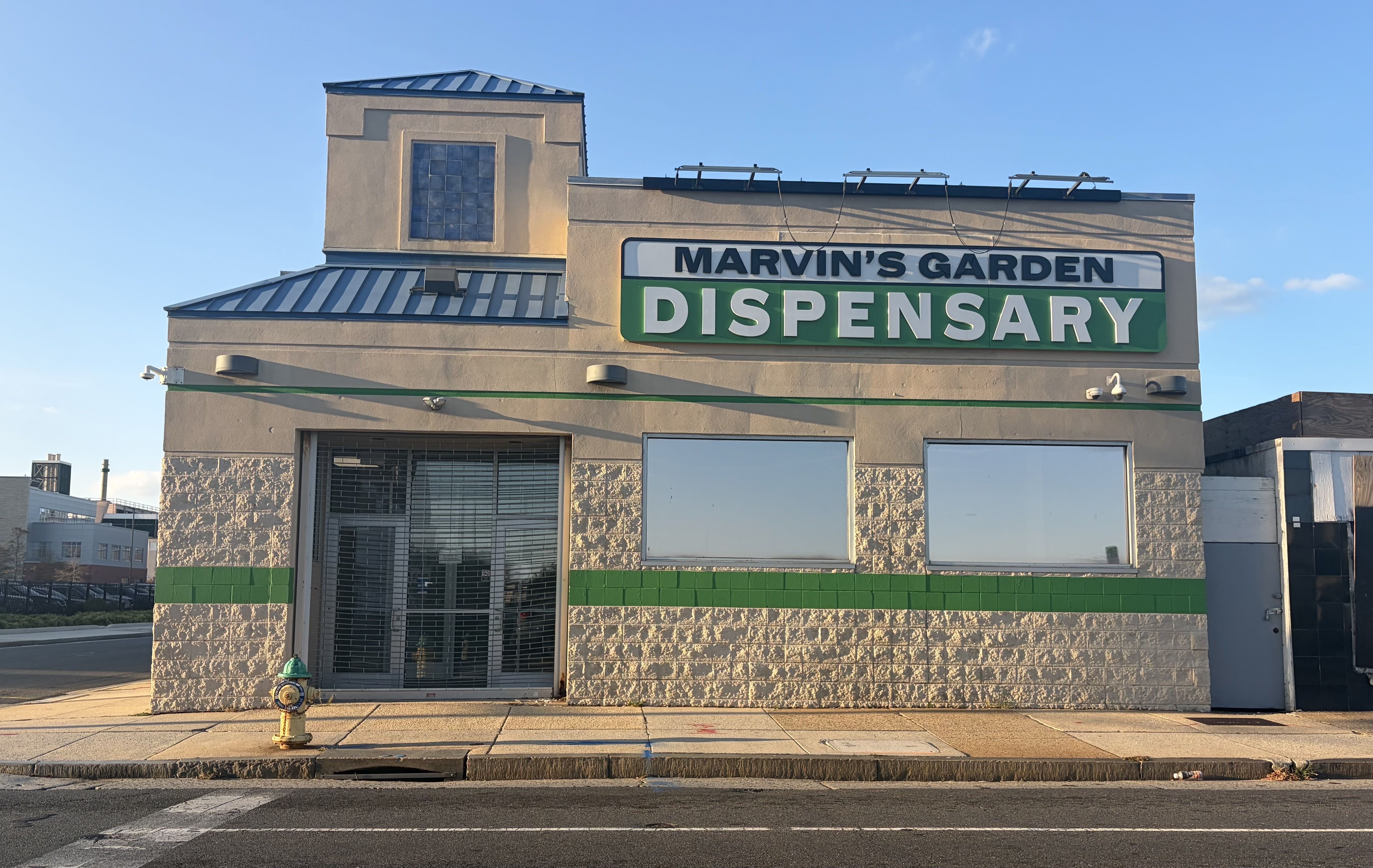
Some with ambitious plans, including one company that tore down the historic First Presbyterian Church on Pacific Avenue, donating its sandstones to the Smithsonian, have stagnated. Marvin’s Garden, a dispensary in a standalone building on Pacific Avenue, continues to post on social media but has never opened.
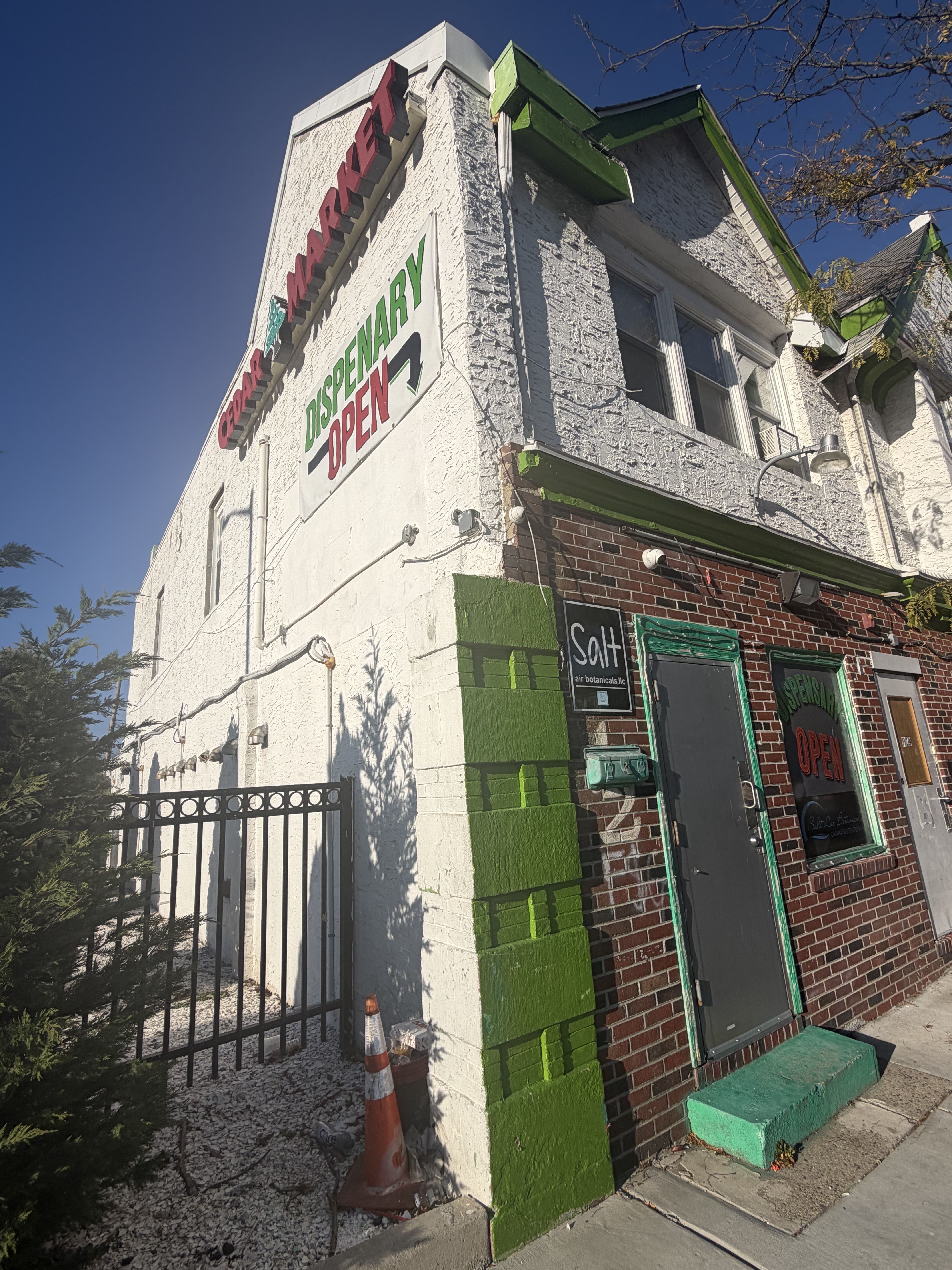
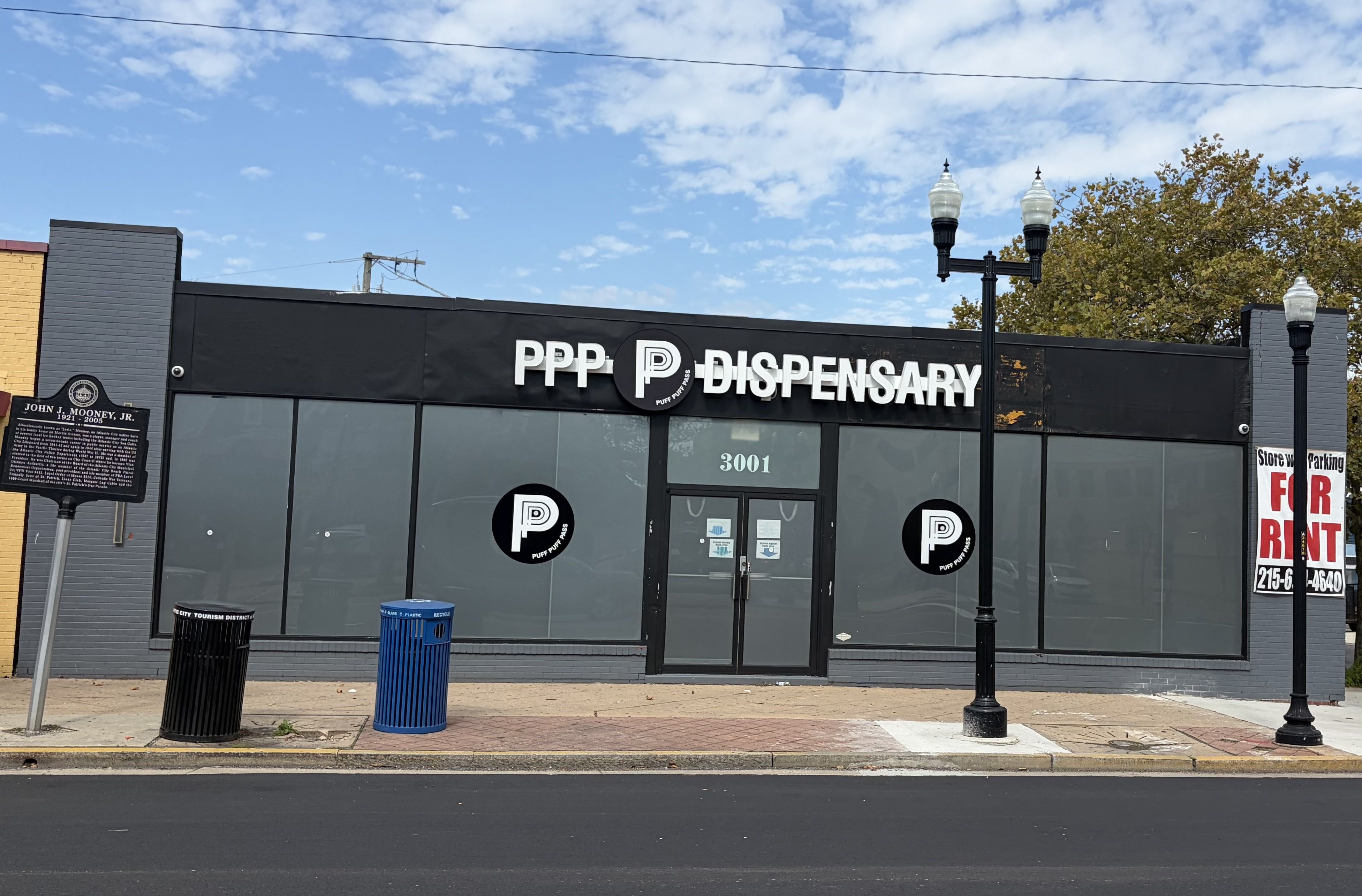
Sweet Leaf on Tennessee Avenue, PPP Dispensary at 3001 Atlantic, and the Healing Side on Pacific Avenue, behind Boardwalk Hall, are no longer open. Salt Air Botanicals on Arctic Avenue appears, at best, temporarily closed.
In September, Kashawn “Kash” McKinley, the city’s cannabis czar and director of constituent services, who said he aspired to make Atlantic City the premier East Coast cannabis hub, was charged by the U.S. Attorney’s Office with soliciting bribes. He has been suspended without pay by the city.
The FBI, meanwhile, is continuing its investigation, issuing subpoenas of financial records of some dispensaries as recently as Nov. 10, according to owners.
With McKinley sidelined, and prominent locations now vacant, some dispensaries are struggling to thrive in a mostly disappointing market, even as others work to get their businesses open.
‘Nobody’s crushing it’
Even before the feds made their presence known, Atlantic City’s high hopes for its cannabis future had yet to materialize.
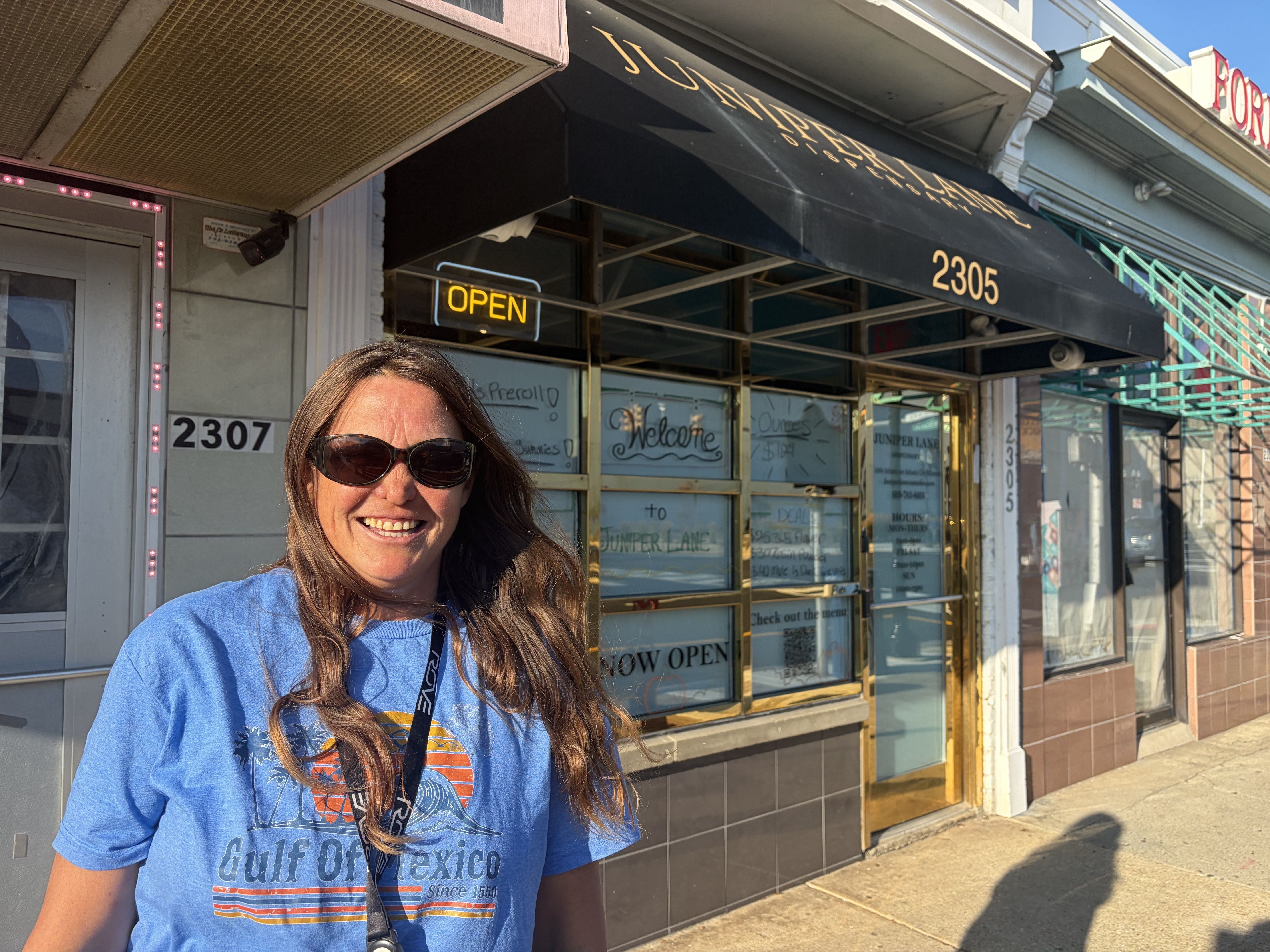
“Nobody’s crushing it,” said Colleen Begley, owner of Juniper Lane Dispensary, which opened in December 2025, boosted by a $150,000 grant from the New Jersey Economic Development Authority.
Amid complaints by businesses that the market was oversaturated, the city passed a cap at 16 in October 2025, which prompted complaints by approved businesses that had yet to open.
But the number of dispensaries currently open still remains under the cap. And the dozen open dispensaries mostly continue to struggle.
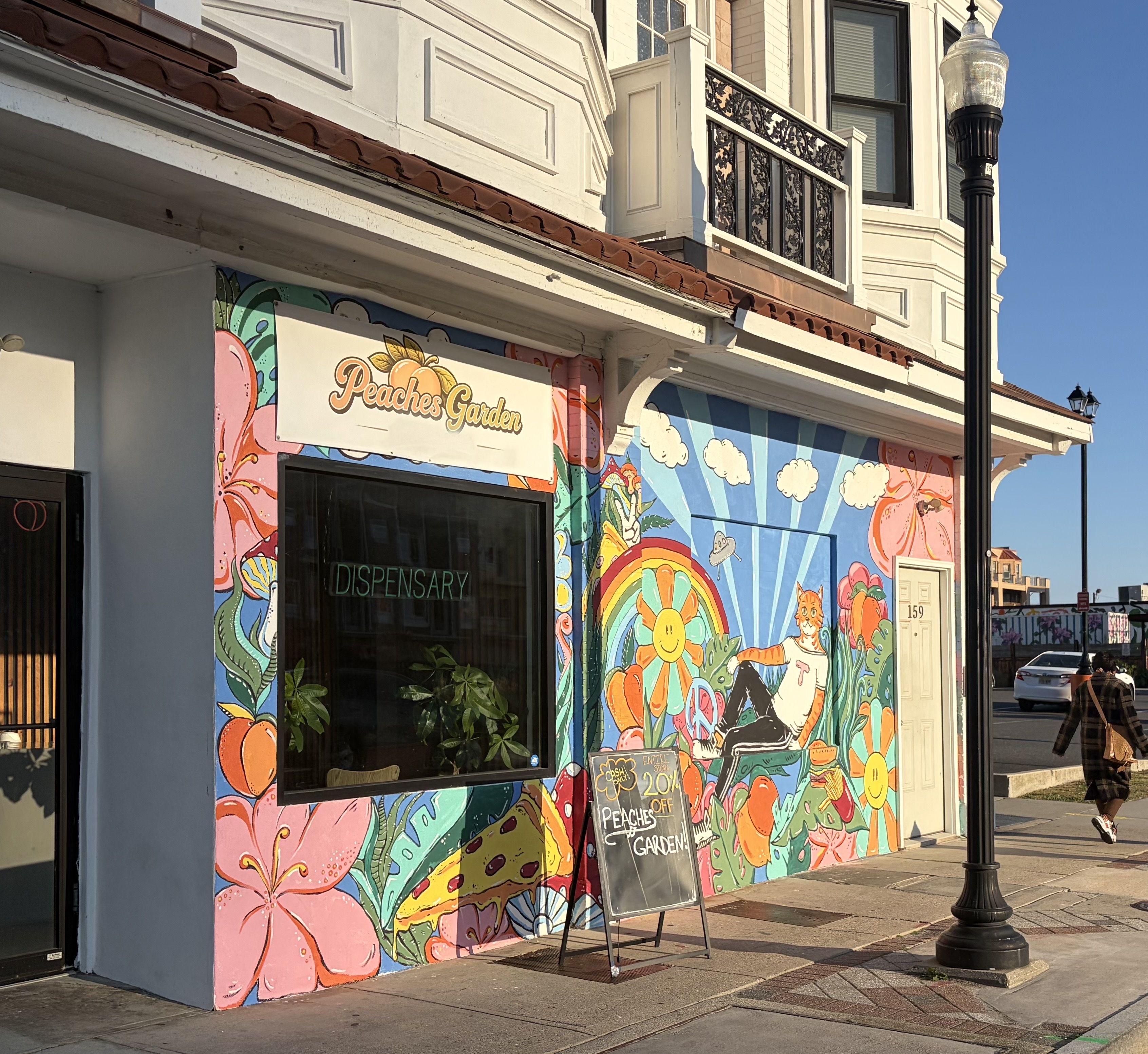
The current mix of dispensaries stretches from Legal Distribution on the Ventnor end of Atlantic Avenue to Everest, the Tibetan-themed dispensary at 1226 Atlantic, toward the inlet.
(function(){function e(){window.addEventListener(`message`,function(e){if(e.data[`datawrapper-height`]!==void 0){var t=document.querySelectorAll(`iframe`);for(var n in e.data[`datawrapper-height`])for(var r=0,i;i=t[r];r++)if(i.contentWindow===e.source){var a=e.data[`datawrapper-height`][n]+`px`;i.style.height=a}}})}e()})();
Having spent nine months in the Atlantic County jail on cannabis distribution charges, Begley argued for a pathway for people such as herself to enter the market legally. And so she did.
Juniper Lane landed on a pleasant block of Atlantic Avenue, paying $3,500 a month for rent, next to Rosita’s Bakery, down the street from the local favorite Pho Sydney. In the next block is the venerable Dock’s Oyster House. But the city won’t let her put a sandwich board out to advertise her wares, saying it would violate regulations.
Standing outside Juniper Lane the other day, Begley said the experience has been surreal, and not that lucrative.
Between 2021 and 2025, the city has collected $531,791.85 through a 2% tax on all dispensary revenue, which translates to about $26 million in total revenue. Nearly half is attributable to the first dispensary to open, MPX, on New York Avenue in the city’s Orange Loop district.
“We’re just kind of barely getting by,” she said.
‘You don’t have to worry about nothing’
McKinley was charged on Sept. 24 by the U.S. Attorney’s Office in New Jersey with soliciting bribes from a dispensary owner, later identified as Victor Diaz of Sweet Leaf.
“You want to think Atlantic City is doing it right, but I also feel like I stepped into Boardwalk Empire immediately within my first year of opening,” said Begley of Juniper Lane. “The guy’s indicted, like it was so predictable.”
Diaz has filed a claim indicating his intent to sue the city for $5 million, saying McKinley’s behavior sank his business on Tennessee Avenue.
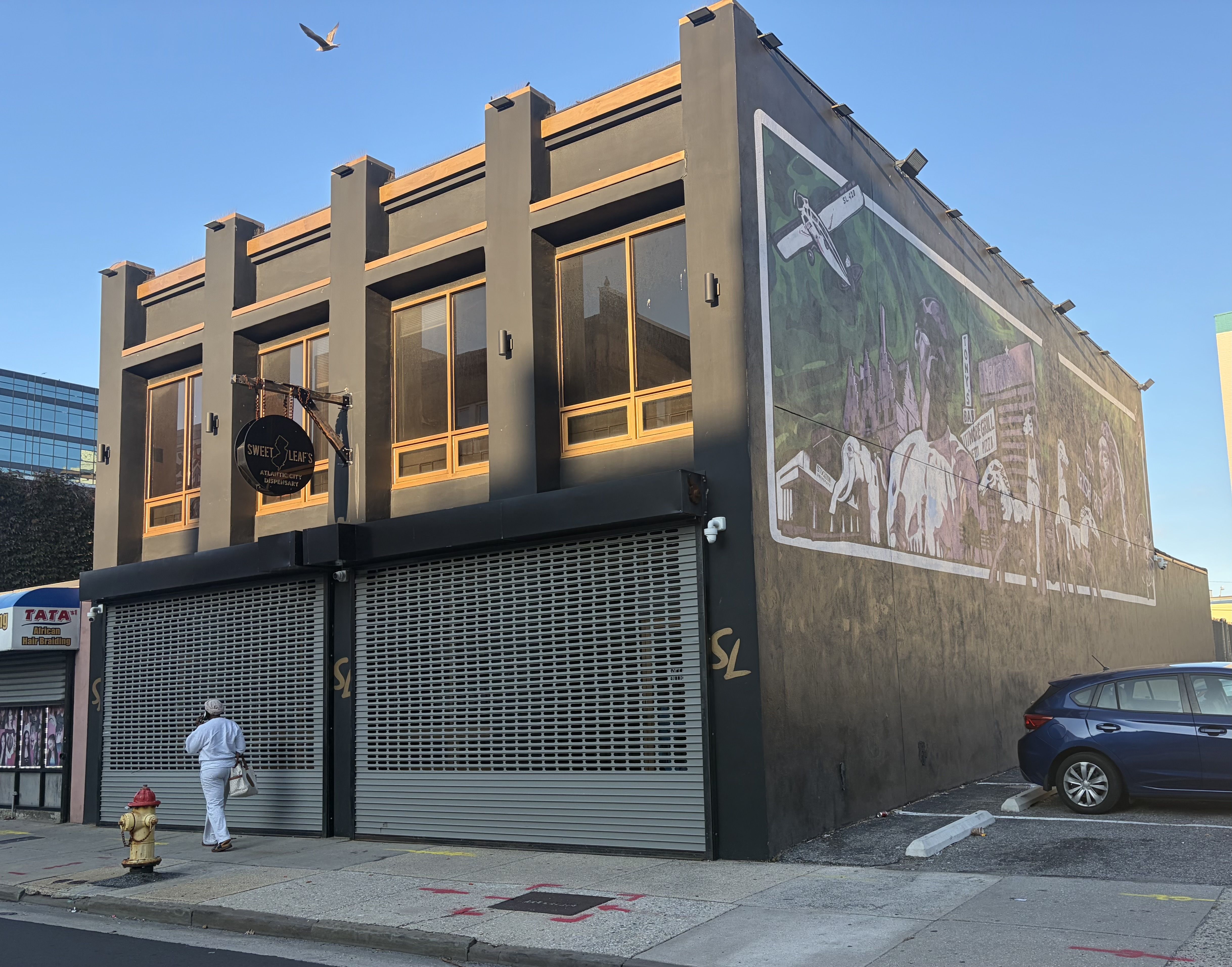
The charges paint a sordid series of events, in which McKinley offered to help classify the dispensary as a micro business, which would reduce the city’s annual mercantile fee from $25,000 to $2,500, in exchange for about $20,000 in cash and some cannabis.
McKinley also oversaw the “community host agreements” the city asked dispensaries to sign. MPX, for instance, agreed to make good-faith efforts to hire A.C. residents and make payments to the city above the 2% tax, totaling $750,000 over a 10-year period.
In the Sweet Leaf case, the charges say as part of the bribe, McKinley allegedly asked the owner to arrange for a critic of the city to be assaulted, and to be shown a photo as proof, so that he could show an unidentified “Public Official 1.”
After being shown “what appeared to be a photograph of the injured victim,” the U.S. Attorney’s Office said in a news release announcing the charges, McKinley expressed pleasure and assured the cannabis business owner that when it came to the fee disputes with Atlantic City, “You don’t have to worry about nothing.”
Cannabis for sale, but no cannabis culture
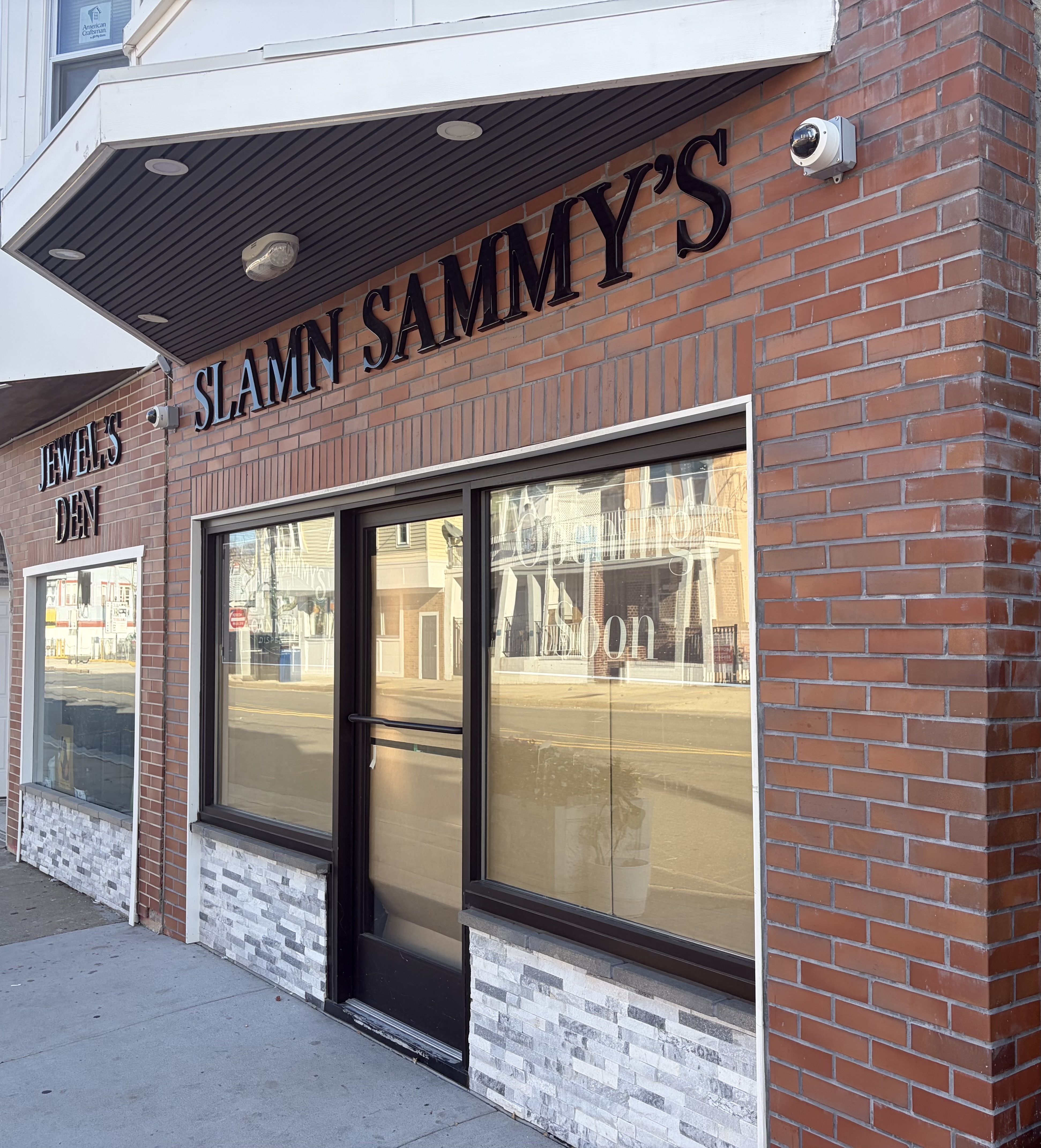
Slamn Sammy’s took over a tattoo shop on Pacific Avenue but, despite an “opening soon” sign in the window, has yet to open.
Stephen Weiss, a consultant who hopes to help Sammy’s with events and marketing, says the business is working its way through the cumbersome approval process.
He says the lackluster cannabis business experienced by most in A.C. so far reflects the limited way New Jersey has allowed the legal businesses to set up.
He wants the state to allow places like A.C. to nurture a true cannabis culture, with pre-rolls and other products for sale at concerts, food venues, and other entertainment events.
“Nobody needed a place to buy marijuana,” Weiss said. “We need a place to go enjoy marijuana. We need concert venues, movie halls, restaurants. We don’t have things to do with the cannabis. There’s no cannabis culture.”
Currently, even the cannabis consumption lounges at High Rollers and SunnyTien are not allowed to sell any food or drinks.
Spencer Belz, general manager of SunnyTien, says the half-dozen closures reflect a market correcting itself, though that has not stopped the new businesses from coming in.
“If they wanted to make Atlantic City the East Coast cannabis hub like they’ve flaunted so many times, they could have done more than just get our doors open,” Belz said.
A study by Stockton University conducted in June 2025, when there were 15 open dispensaries, described the market as “among the most densely licensed municipalities in the state,” despite its population of 38,500, and warned of oversaturation. Jersey City and Newark, with a balance of caps and “equity carve-outs,” were better positioned for long-term market health, the study said.
It estimated A.C.’s top-performing dispensaries generated between $4 million and $6 million, while the lower-performing ones generated less than $1 million. Rents were between $5,000 and $15,000 and mercantile fees were typically $25,000 a year. Winter months saw declines of about 35%, putting seasonal pressure on the businesses and “threatening the viability of small and independent operators,” the report said.
The study noted that if all licensed businesses became operational, Atlantic City’s cannabis density would exceed all other legally regulated locations in the country. The study recommended the current cap of 16 and noted other jurisdictions, like Oregon and Oklahoma, where a lack of a cap had led to “severe market saturation and price collapse.”
Operators like Belz say A.C.’s market should be able to flourish.
“At the end of the day, there’s still 25 million people who come to Atlantic City every year,” Belz said. “There’s plenty of opportunity for dispensaries to thrive.”
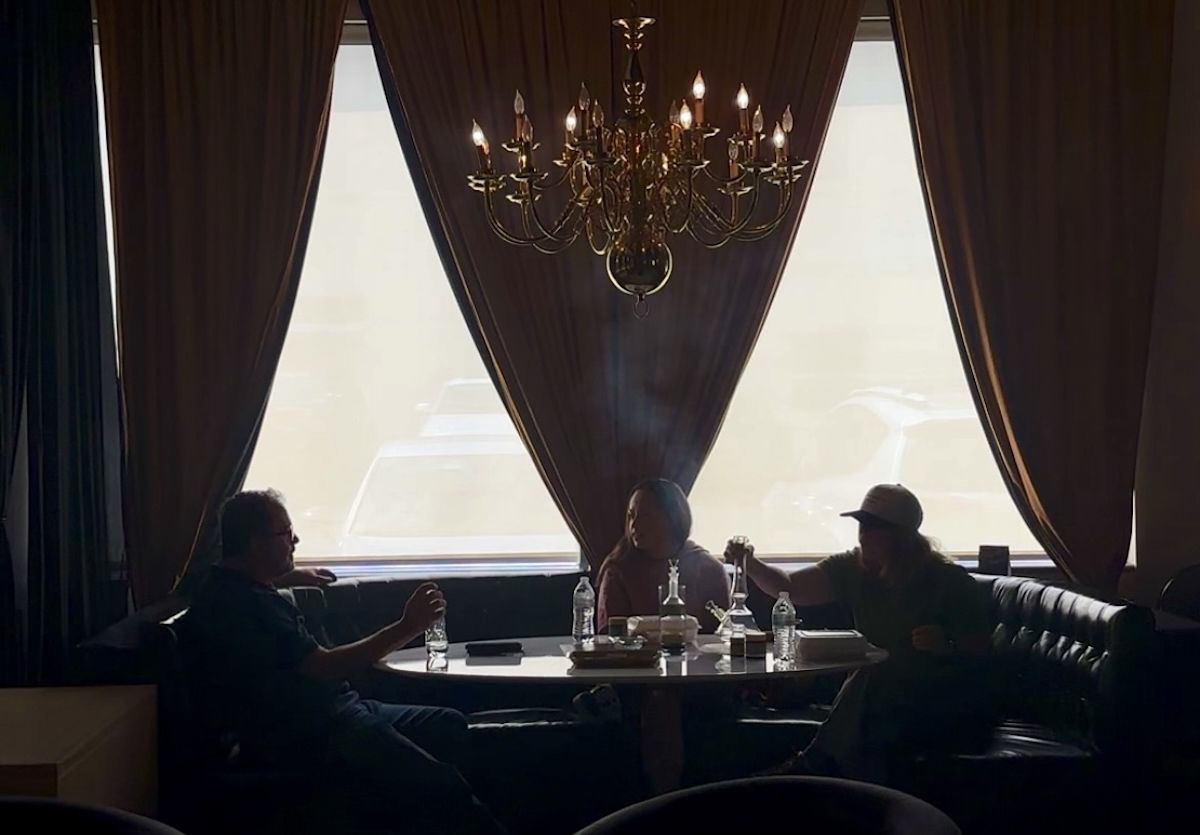
Belz, Weiss, and other owners are working with the state commission to ease certain restrictions on food and beverage in the cannabis lounges, on advertising, on the need to obscure windows. Las Vegas has seen some success with its cannabis lounges and nightclub-like cannabis “experiences.”
The ban on billboard advertising is why drivers see dispensaries advertised only on the Pennsylvania side of Delaware River bridges, where cannabis sales are not legal.
The effort recalls the cycle of casino legislation that led to a first generation of casinos whose exteriors offered little visual appeal to passersby, with designs that were more giant box than tourist attraction. This was tough to correct, even when design restrictions were eased.
The highs and the lows
Belz says some of the businesses were unprepared for the “roller coaster of this business.”
“They weren’t prepared for the highs or the lows,” he said. “Coming into Atlantic City, they were supposed to utilize old storefronts in a beautification effort. We’ve done a full 360 back to the beginning of empty storefronts.”
And FBI investigations.
Reached on Nov. 10, Lou Freedman, owner of Legal Distribution on Atlantic Avenue, said the business had just received an FBI subpoena for its records that morning.
“They want all my records from the beginning of time,” he said.
He defended McKinley and said, “He actually was a pretty good guy, never asked me for a penny.”
But as for business, he said, “we’re just as bad as everybody else.”