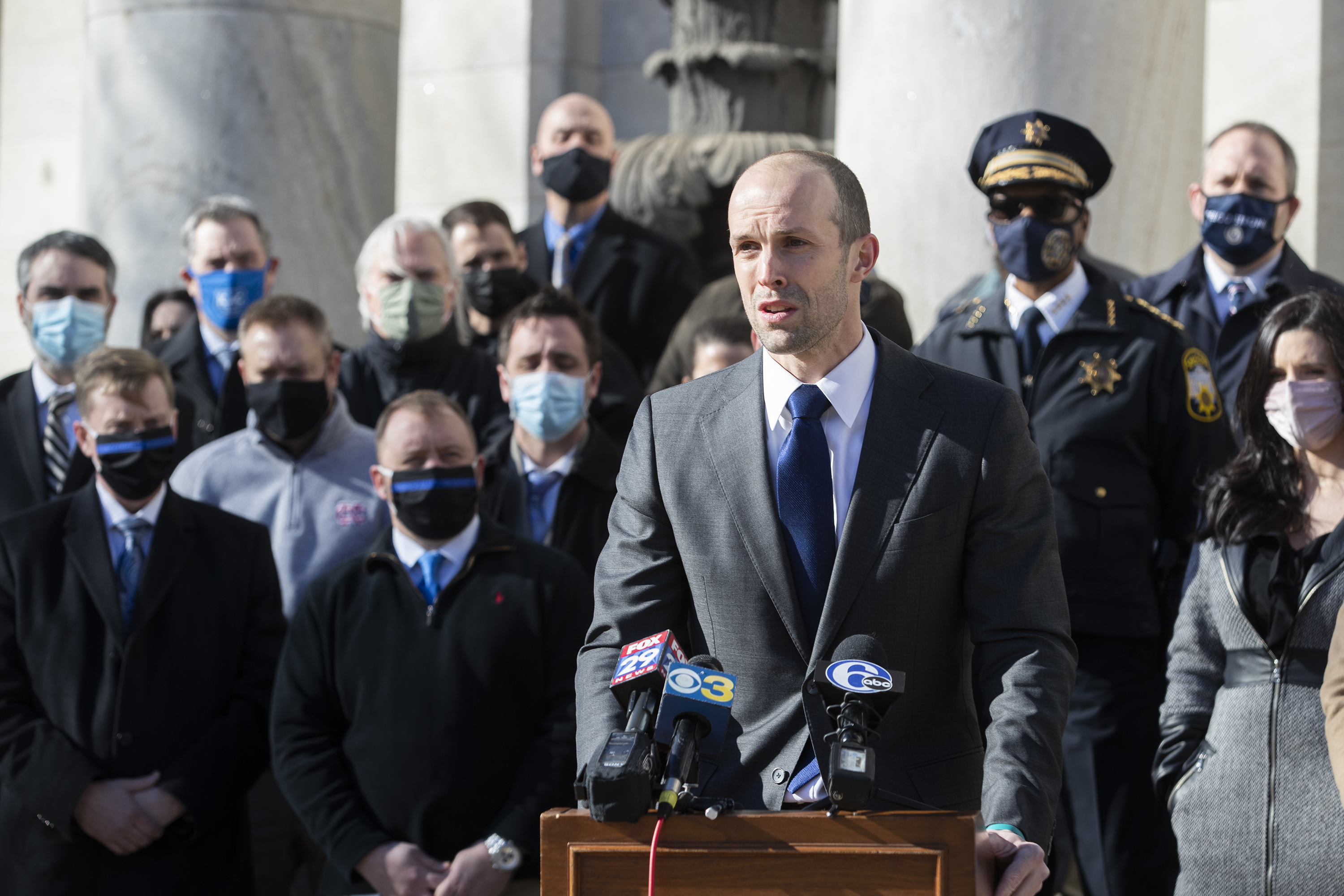
A former employee at a Hatboro daycare injured a child with special needs by slamming him, hard, into a chair and, later, onto the floor, Montgomery County prosecutors said Wednesday.
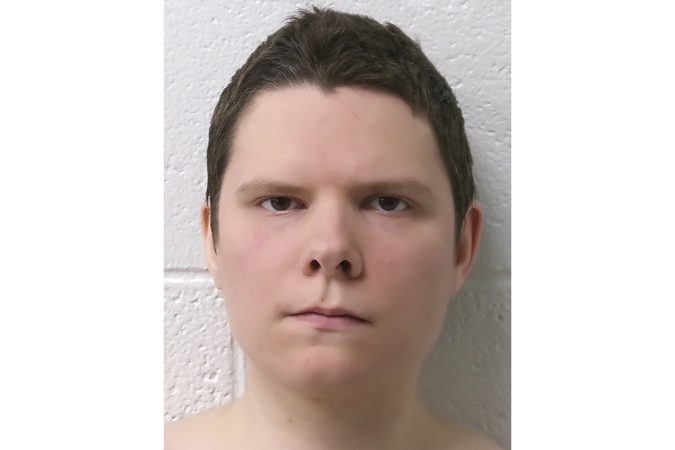
Thomas Coleman, 42, of Holland, Bucks County, has been charged with endangering the welfare of a child and simple assault in connection with the March 23 incident involving a 4-year-old boy at KinderCare on Warminster Road.
Coleman remained in custody Wednesday with bail set at $25,000. His attorney, Stephen Jones, did not return a request for comment.
Coleman had been the subject of two previous investigations of his conduct toward children at KinderCare, according to the affidavit of probable cause for his arrest. Those incidents involved him “putting a kid down on a mat too hard and yelling at students,” the affidavit said.
Administrators at KinderCare placed Coleman on leave after the earlier incidents, the affidavit said, but they allowed him to return to work after completing training.
After the latest incident, however, he was fired, the affidavit said.
KinderCare’s director, Ashley Ross, did not return a request for comment Wednesday.
Hatboro police learned of the alleged assault when the boy’s parents contacted them in March, the affidavit said.
The mother said another parent had seen Coleman pick up her son, who is autistic, by his arms and roughly place him in a chair, hitting the boy’s neck on the back of the chair, and then forcefully push the chair into a nearby desk, the affidavit said.
The boy then got out of his seat and walked to a carpeted area of the room, according to the parent who witnessed the assault. Coleman, appearing frustrated, than grabbed the boy by his chin and slammed him down onto the floor, the parent said.
When the boy’s mother picked him up from daycare, she said, she noticed scratches and marks on his neck. Coleman told her the injuries were self-inflicted but would not provide more details, the affidavit said.
Later, the woman had her son examined by a chiropractor, who told her the boy’s hips were out of alignment.
Coleman is scheduled to appear before a district judge for a preliminary hearing on July 2.
A former Delaware County woman tied to an extremist group known as the Zizians has been charged with killing her parents, execution-style, inside their Chester Heights home in December 2022.
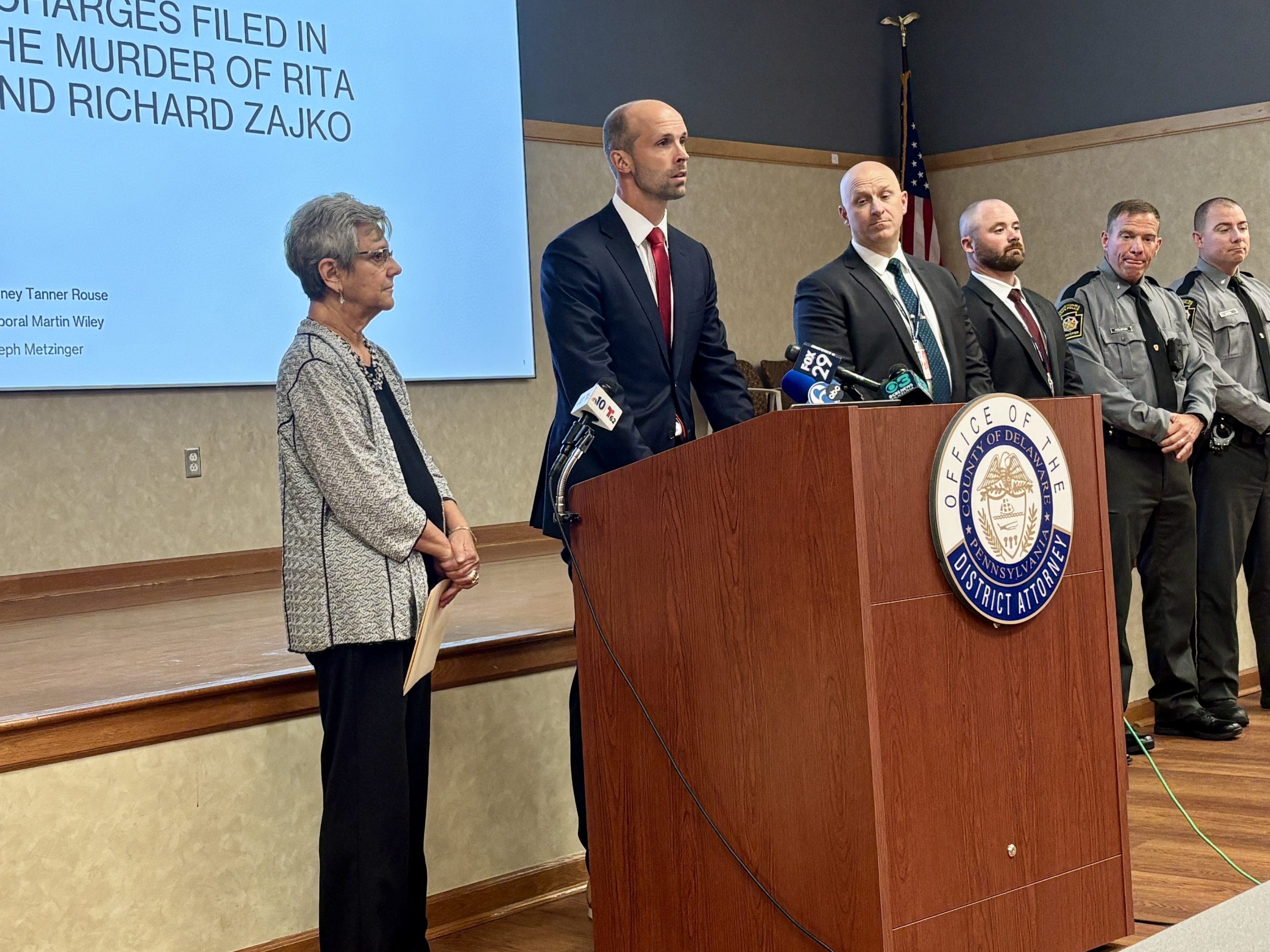
Michelle Zajko, 33, has long been a person of interest in the slayings of her parents, Richard and Rita Zajko. After years of investigation, Delaware County District Attorney Tanner Rouse filed first-degree murder charges Wednesday and accused her of shooting the couple on her 30th birthday.
New information obtained in the last few months, including ballistics evidence and an extensive download of text messages and other data from Zajko’s cell phone, allowed prosecutors to piece together the case against her, according to the affidavit of probable cause for her arrest.
Rouse, in announcing the charges Wednesday, said he believes that while Zajko planned and carried out the killings, she likely did not act alone. The investigation is continuing, he said.
Building the case against her, he said, took years of skilled and disciplined police work as investigators interviewed dozens of people and connected threads of information in several states.
“I want to emphasize — I cannot stress this enough — this is just about as exhaustive of an investigation that I’ve been a part of in my 16 years as an attorney,” Rouse said. “We don’t have a smoking gun. It is piece after piece after piece of evidence that has been collected painstakingly over many years.”
Investigators say Zajko, an alumna of Cardinal O’Hara High School and Cabrini University, drove to her childhood home on Highland Circle in Chester Heights with a plan to kill her parents. She shot them both in the head, leaving their bodies for police to find days later, after a concerned friend reported they had missed an appointment to care for Rita Zajko’s elderly mother.
The motive for the killings remains unclear.
Rita and Richard Zajko, seen here in a 1993 family portrait.Courtesy Rosanne Zajko
Zajko told friends she had a difficult relationship with her mother, and accused her of years of emotional abuse. In online writings, Zajko said her mother criticized her constantly, arguing with her over religion and her desire to be vegan.
That strained relationship was detailed in the final text messages Zajko sent her father days before authorities say she killed him, according to the affidavit.
“Every time I interact with mom in a nonsuperficial way she spends the time insulting a life she knows nothing about, makes assumptions that imdoing nothing, etc,” Zajko wrote, the document said. “Itsuncalled for. I don’t want to speak to someone who treats me like that.”
But Rita Zajko, just nine hours before she was killed, attempted to reconcile with her daughter, sending her a happy birthday text and apologizing for whatever she had done to alienate her, according to the affidavit.
On Wednesday, Rosanne Zajko, the wife of Richard Zajko’s brother, stood alongside the prosecutor as he announced the charges against her niece. Losing her brother- and sister-in-law, she said, was “like the lights going out of our lives.”
“We don’t know yet if the trial will begin to heal the void in our lives and the ache in our hearts,” she said. “But we do know that the detectives, the DA’s office, and we, the family, have done everything possible to achieve justice for Rick and Rita.”
Delaware County District Attorney Tanner Rouse announces murder charges Wednesday against Michelle Zajko. Zajko’s aunt, Rosanne (left) spoke briefly about the impact the killings has had on her family.Vinny Vella / Staff
Michelle Zajko, for her part, has said she had been unjustly accused.
In a sprawling, handwritten letter sent to The Inquirer and other news outlets last year, Zajko insisted she did not kill her parents. Rosanne Zajko said Michelle Zajko told her at the couple’s funeral in January 2023 that she had not killed her parents, but said she knew who did. She would not name the killer, her aunt said.
“I’m viscerally reminded of the witch hunts, of the Satanic Panic, of the mob that burned Joan of Arc at the stake, and of the mob that ripped apart Hippolyta,” Michelle Zajko said in the letter, written in a jail cell in Maryland, where she is awaiting trial on trespassing, gun, and drug charges. “The papers are lying. … I did not murder my parents.”
Sources familiar with the investigation say it is possible that, as an only child, Zajko may have expected to inherit her parents’ substantial estate. The value of the estate has not been made public, but the sources, who spoke on the condition of anonymity to discuss an ongoing case, say it is worth several million dollars.
A person close to Zajko said she had contacted an attorney in the weeks after her parents were killed to discuss how she could access her parents’ estate.
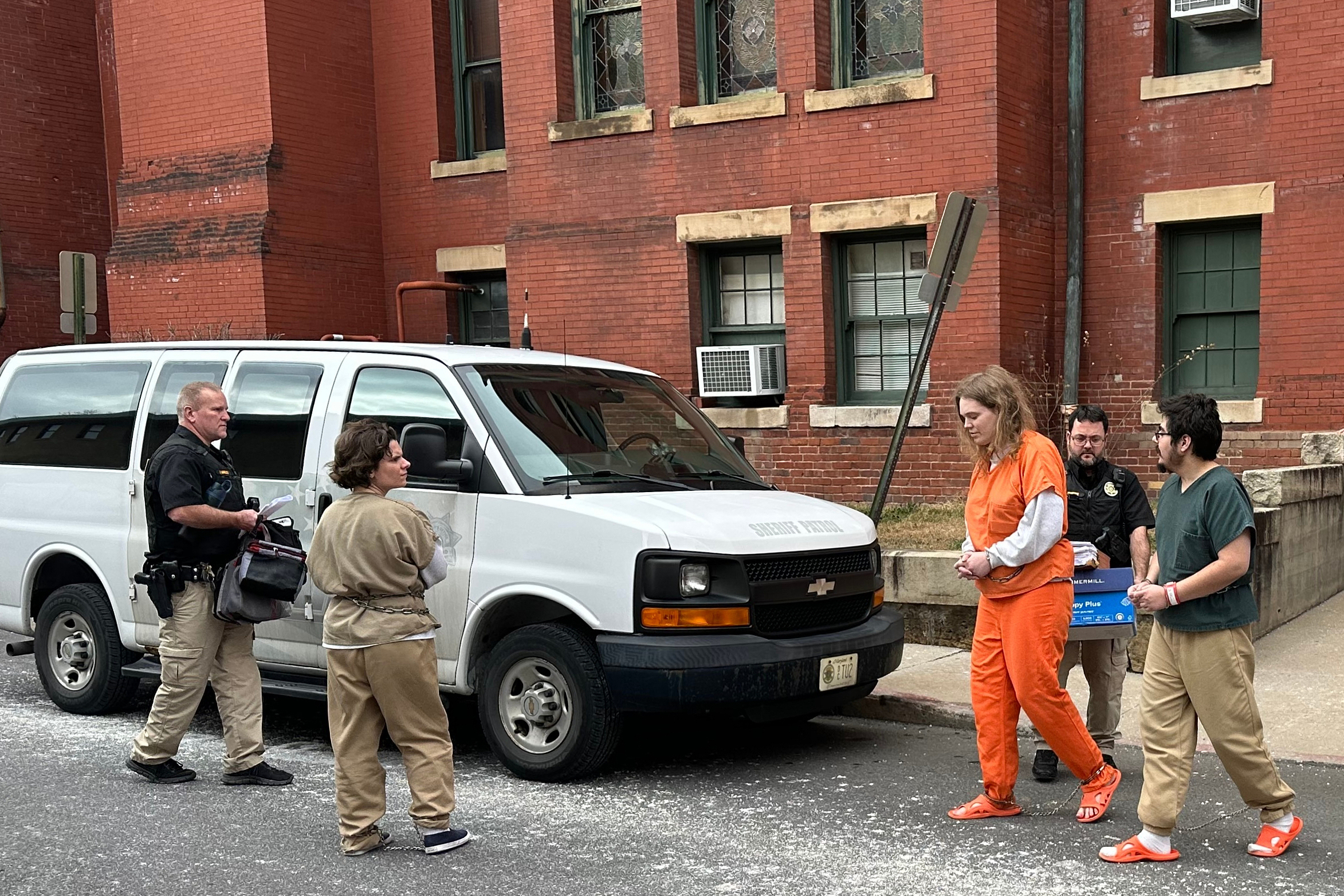
Zajko remains in custody in western Maryland with two other members of the Zizians, including the cultlike group’s leader, Jack “Ziz” LaSota, who identifies as female.
Zajko is also charged with illegally supplying the guns used by other members of the Zizians in a fatal shootout with a U.S. Border Patrol agent weeks before her arrest in Maryland.
In her letter from jail, Zajko said she and her friends were innocent of all criminal charges they face. She said they were being targeted by other members of the Bay Area tech community seeking to discredit them.
Members of the Zizians — a group whose philosophy encourages making decisions through reason and logic, rather than emotion — are connected to six killings across the country, authorities say. Prosecutors have denounced the group as extremists and accused them of using violence when their worldview is challenged.
For years, the deaths of Richard and Rita Zajko remained the only ones tied to the Zizians that remained unsolved.
Deputies escort Michelle Zajko, left, Daniel Blank, right, and Jack LaSota, in orange, from the Allegany County Courthouse in Cumberland, Md. in January.Mark Scolforo
Almost immediately after the killings, investigators in Delaware County learned that Zajko had been at her parents’ home on the night they were shot — a neighbor’s Ring security camera recorded someone screaming “Mom!” shortly before police believe the fatal shots were fired.
The couple were found in their daughter’s childhood bedroom, which had remained virtually unchanged since she had moved out of the house decades earlier, the affidavit said.
The gun used to kill the couple was the same caliber as, and a similar model to, one Zajko had purchased in Vermont weeks earlier, investigators said. She was labeled a person of interest in the case as a consequence. But authorities said there was not enough evidence to prove she had committed the crime.
That changed this week, prosecutors said.
When investigators spoke with Zajko at her home in Vermont after her parents’ killings, she showed them a different type of ammunition from the kind found at the Chester Heights home, the affidavit said. However, while serving a subsequent search warrant there, detectives found cartridges that were an exact match — and that they said Zajko had hidden from them.
Initially, forensic investigators said they were unable to determine if the shell casings found near Rita and Richard Zajko’s bodies had been fired from their daughter’s gun. But late last fall, other casings found near trees behind Michelle Zajko’s home in Vermont, which she had used for target practice, had been fired by the same gun that killed her parents, authorities said.
Another crucial piece of evidence, investigators said, was a list found on Zajko’s cell phone titled “There are so many things we f— up” that detailed missteps, including not taking shell casings from the homicide scene, according to the affidavit.
The murder charges mark an unexpected turn for Zajko, whom friends and loved ones described as an ambitious, accomplished young woman with a keen interest in science. In her early 20s, Zajko pursued a career in bioinformatics and conducted research at Children’s Hospital of Philadelphia with colleagues from the University of Pennsylvania.
At the same time, Zajko became immersed in the Zizianmovement through online message boards, and met some of the group’s members while interning with NASA in California.
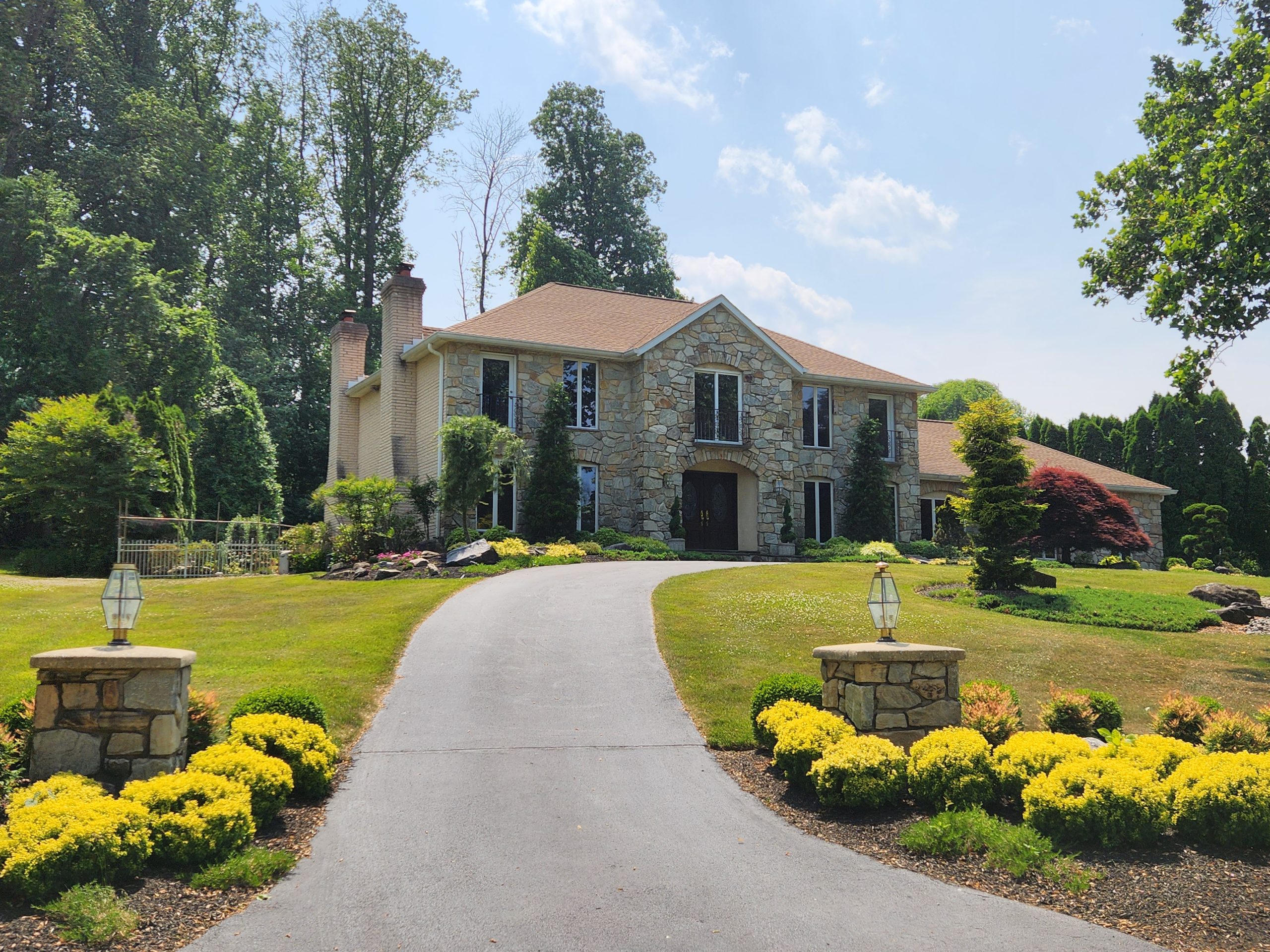
The Chester Heights, Delaware County home where Richard and Rita Zajko were murdered on New Years Eve 2022.Jesse Bunch / Staff
In 2021, partly in reaction to the COVID-19 pandemic, Zajko abandoned her scientific research and moved to rural Vermont, where she lived with other Zizians and grew close to LaSota, the group’s leader.
Zajko, in her prison letter, said that she rejects the characterization of LaSota as her “leader” and that the group does not refer to themselves as Zizians. Instead, she said that she and LaSota are close friends, and that she loves LaSota “infinitely more than I could ever express.”
Investigators now believe that Zajko, LaSota, and Daniel Blank, another Zizian, traveled to Chester Heights together on the day Zajko’s parents were killed, and intentionally left their cell phones in Vermont to prevent authorities from tracking their movements, according to the affidavit.
The three made that trip a second time weeks later, in January 2023, so Zajko could attend her parents’ funeral in Marple Township. Pennsylvania State Police troopers investigating her parents’ killings briefly detained Zajko and Blank at a hotel where they were staying in Chester.
LaSota, however, refused to answer the troopers’ questions, was charged with obstruction of justice, and remained in custody in Delaware County for months before being released on unsecured bail.
LaSota did not show up for subsequent hearings, and a bench warrant for her arrest was still active when Maryland State Police took her into custody last year alongside Zajko and Blank.
As Zajko awaits trial in both cases, Rouse, the prosecutor, said her crimes “go beyond comprehension and circumstance.”
“This is a child who killed her parents, who walked into her childhood home, took her mother to her childhood playroom, and executed her,” Rouse said. “There aren’t words or emotions that can capture it.”
Judge Dominic Pileggi ruled that prosecutors had presented sufficient evidence for the case to proceed to trial and allow a jury to decide whether the so-called Swarthmore 9 had trespassed.
Of the nine people arrested, only one, Jace Boland, is a student at the college. Another, Brendan Cook, is a former student who was suspended for participating in an earlier protest in 2024, but the rest are not affiliated with Swarthmore, according to school officials.
Members of the group — Boland, Cook, Jonathan Britt, Mara Helen Cahill, Daria C. Dressler, Thomas Falcone, Colin Buckley Malcarney, Riley J. McManus, and Andrew Thomas — have all been charged with trespassing, a third-degree misdemeanor.
District Attorney Tanner Rouse has said his office offered each member of the group a plea deal that would see those charges reduced to summary offenses, similar to traffic citations, that could be resolved by paying a fine.
The group has refused, saying pleading guilty would set a precedent on how colleges across the country could curtail students’ protest rights.
During Monday’s hearing, the group’s attorney, Marni Jo Snyder, argued that Swarthmore and county prosecutors violated the protestors’ constitutional rights by arresting them.
She noted that Swarthmore changed its policy allowing protests on its campus to explicitly outlaw encampments after a similar, monthlong demonstration in the same location in 2024.
Policing a specific type of expressive speech, she said, is illegal.
“The policy is wrong, the repeated orders to leave are wrong,” she said. “These are improper responses to constitutionally protected speech.”
Snyder said that, though Swarthmore’s campus is private property, administrators have allowed previous demonstrations to be held there, as well as other quasi-private events. The arrests in this case, she said, showed that prosecutors were specifically targeting demonstrators protesting the war in Gaza.
Samantha Door, who represented the district attorney’s office at the hearing, disputed that, saying the protestors’ conduct, and not the purpose of the encampment, was the reason criminal charges were filed.
Swarthmore issued multiple warnings to the group to disperse over the course of three days, Door said, including one final warning 10 minutes before the encampment was dismantled.
Other protestors who left the encampment and continued to chant and hold protest signs were not arrested, she said.
Also, Door said administrators raised concerns about public safety, since many of the protestors wore masks and refused to identify themselves, vandalized campus property with graffiti, and used pallets and other materials to create barricades around the encampment.
The trial in the case is scheduled to begin with jury selection on June 30.
Over a perceived debt of $8,000, a New York man stole an urn containing the ashes of his former employer’s daughter and attempted to hold the remains for ransom, according to Montgomery County prosecutors.
Nuo Chen, 30, told the victim that if she did not pay him, he would dump the ashesand flee back to his home in Flushing, Queens, according to the affidavit of probable cause for his arrest.
Chen happened to call the victim while she was being interviewed by Bensalem police about the theft, authorities said, and they were able to set up a meeting at the nail salon she owns under the guise of her paying him the money.
Officers took Chen into custody June 12, and he was charged with burglary, theft, and related crimes. He remained in custody Thursday with bail set at $50,000.
Montgomery County Deputy Chief Public Defender Michael Drossner, whose office is representing Chen, declined to comment on the case.
The victim also declined to comment on the case or speak about her daughter when contacted by a reporter Thursday.
Investigators say the woman told them Chen broke into her home June 12, using keys he had previously taken while staying there with her.
Earlier that day, Chen had visited her at the nail salon, arguing with her about money he said she owed him, the affidavit said. During the argument, Chen threatened to “smash things in the store” and pushed the woman.
She had fired Chen weeks earlier, police said, due to his erratic behavior.
After the argument at the nail salon, Chen drove to the woman’s home in Willow Grove and was seen on surveillance footage carrying the urn containing her daughter’s ashes, according to the affidavit.
He called the woman, telling her not to contact the police or she would never see the urn again, the affidavit said.
Later, after Bensalem arrested Chen outside the nail salon, he admitted that he had entered her home without her permission, using the key he had previously taken, authorities said.
Chen is scheduled to appear for a preliminary hearing on June 26.
Hunter Hawa would have turned 11 in April, his aunt, Jennifer Back, told a Chester County judge Wednesday.
But the boy known for his smile and laugh died three years ago on the filthy carpet in his parents’ Coatesville apartment. Prosecutors say he had fentanyl and cocaine in his system, powerful narcotics that his parents used and sold that ended his life before it had been given a chance to begin.
Mousa Hawa and Holly Back failed in their ultimate duty as parents to protect Hunter, according to Judge Analisa Sondergaard, who sentenced them both to decades in prison for their son’s murder.
“This was the culmination of many bad days and bad choices,” a visibly angry Sondergaard said. “You chose drugs over Hunter everysingle day. You put your wants and desires before your son every single day.
“You loved drugs more than your son.”
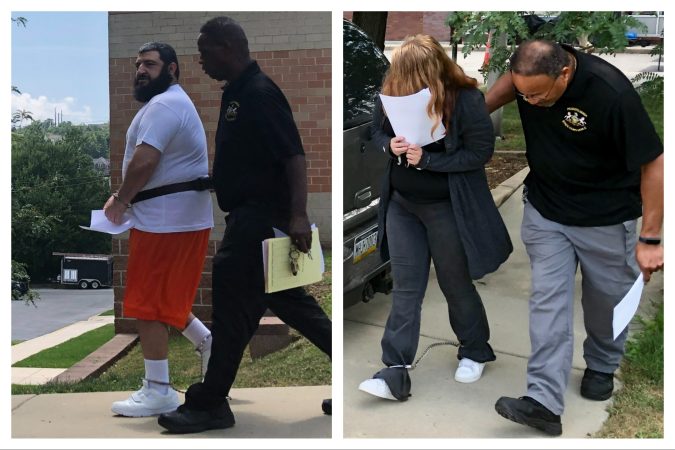
The couple was convicted of third-degree murder, aggravated assault, and endangering the welfare of a child after a trial in February.
Back was sentenced Wednesday to 20 to 40 years in prison, while Hawa was sentenced to 22½ to 45 years. Their sentences included a mandatory minimum of 15 years for third-degree murder of a victim under 13.
District Attorney Chris de Barrena-Sarobe said Wednesday that Sondergaard’s sentences were “justice for a child that deserved so much more.”
“This was a case about parents who continually disregarded every basic parental responsibility and allowed their child to ingest fentanyl and cocaine,” he said. “Because they chose to put themselves above their child, we prosecuted them to the fullest extent of the law.”
Their attorneys said both had been in the throes of drug addiction since their teenage years, and suffered from previously undiagnosed mental health conditions. Hunter’s death, they said, was a horrible accident.
In a tearful statement, Back said the images of her son, lying dead in her living room, are forever burned into her mind.
“I never meant to fail him,” the 42-year-old woman said. “I did not murder my son. The last thing I wanted to do was harm him.”
First Assistant District Attorney Erin O’Brien, who prosecuted the case, rebuked Back’s statement, saying the couple showed extreme indifference to their son and his health.
The two had kept their son in squalor in a home where drugs were “ubiquitous” — Hunter, she said, was surrounded by narcotics and the materials Hawa used to package them. Their attempts to prevent him from touching the toxic substances, she said, were half-hearted at best.
“Hunter didn’t get to make plans for his future; he didn’t even make it to the third grade,” she said. “I could attempt to go through everything he missed out in life, but that list is endless. His life mattered.”
Hawa had called police to his home on July 26, 2023, just before 2:30 a.m., after Back awakened him in a panic, prosecutors said. She had found Hunter “folded like a sandwich,” pinned between the recliner he had fallen asleep on hours earlier and the wall behind it.
When Coatesville Police Officer Jennifer Schreiber arrived at the home, Hawa was performing CPR on his son, who had ashen skin and blue lips. He showed no signs of life, Schreiber said.
Clear signs of drug abuse were found feet from the boy’s body: small glassine bags filled with heroin, cocaine, and methamphetamine, as well as a scale and a syringe.
Doses of Narcan sat unopened on a coffee table, and, O’Brien noted, might have saved the boy if used.
An autopsy later concluded that Hunter died of an overdose of fentanyl, morphine, and cocaine. Exactly how the boy ingested the drugs remains unclear. But samples of his hair showed that he had previously been exposed to those narcotics, according to O’Brien.
Hawa and Back initially lied about their drug use when interviewed by police, but confessed to being regular users weeks later when confronted with their son’s autopsy report, investigators said.
Hawa, 43, told detectives he did not believe his son had overdosed, saying the amount of the drugs found in his blood was too small to be fatal. He said he and Back had repeatedly warned the child not to touch the drugs in their home, telling him that it was their “medicine” and that he could get sick from it.
The fentanyl that killed Hunter was stamped with the same distinctive logo, “Bad Bunny,” as the kind that killed Tyler Stout in Phoenixvillein March 2023.
Prosecutors also deemed Hawa responsible for Stout’s death, charging him with drug delivery resulting in death and related crimes. His trial in that case is pending.
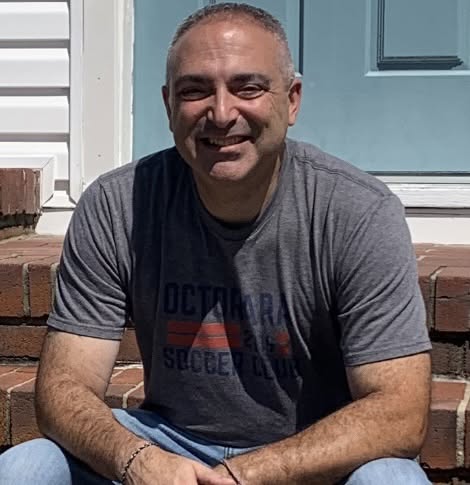
For nearly 30 years, Anthony Falgiatore Sr. served his community in Chester County in two roles: as an East Whiteland Township police sergeant and a member of the Octorara Area Board of School Directors.
But Falgiatore lost both of those positions, resigning after Pennsylvania State Police charged him in January with illegally recording a closed executive session of the school board, a felony offense.
Last month, Falgiatore, 57, of Atglen, enrolled in an advanced rehabilitative disposition program for first-time offenders that will see his charges dismissed and expunged upon completion.
In a statement, Falgiatore’s attorney, Vince DiFabio, said neither he nor his client wished to comment on the case.
Members of the school board that served with Falgiatore before he resigned after a decade said they were frustrated that someone who swore to uphold the law would violate it so blatantly.
Brian Fox, who served as the board’s president when the 32-minute recording was made, said Falgiatore’s actions were a “betrayal of trust.”
“The thing that made it egregious was his role as a police officer,” Fox said in an interview. “These meetings are closed for a reason. We vote publicly, but we need to meet beforehand to discuss sensitive topics like personnel and legal matters.”
Fox said the April 17, 2023, executive session Falgiatore recorded was one in which they discussed a federal civil-rights lawsuit filed by John Ryan Miller, a local activist. Falgiatore, according to Fox, argued that the Octorara Area School District should not be paying the legal expenses for board members named in the lawsuit.
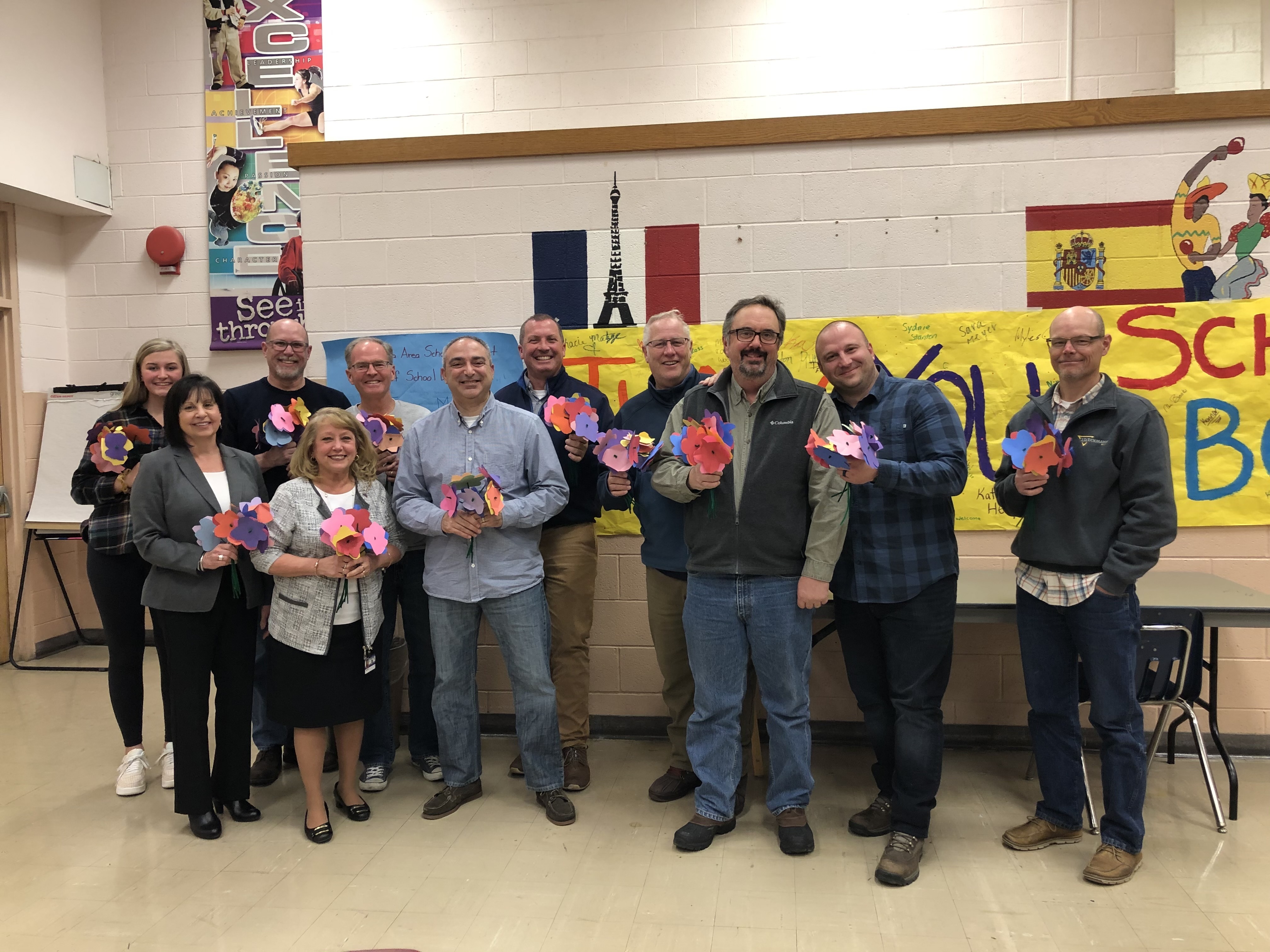
Anthony Falgiatore Sr. (center, in blue shirt), seen here in January 2020 with other board members, served on the Octorara Area School Board from 2015 until his resignation last year.Handout
Miller filed the suit against nearly 80 public officials in the county, including all of the Octorara Area school board except Falgiatore, asserting that his constitutional rights were violated when he was barred from speaking at a public meeting in 2022 and later arrested for trespassing when trying to speak at another meeting.
U.S. District Judge Karen S. Marston dismissed Miller’s suit in March 2024, court records show, saying he had failed to demonstrate that his First Amendment rights were violated by the school board.
A week after he recorded the meeting, Falgiatore wrote in a post on his public Facebook page that he opposed paying legal billsrelated to Miller’s lawsuit because it “is a private legal matter against the balance of the board members and other district staff in their private person capacity.”
“I am the only board member not named in the lawsuit because I honored my oath of office to protect and defend the US Constitution and the Pa State Constitution and persons rights,” he wrote. “The board denied a citizen the right to speak for 3 minutes during the public comments portion of a board meeting because the citizen would not follow a policy that requires a speaker to identify who they are.”
He said the board’s policy “does not supersede the constitution” and said the issue was one he was fighting on behalf of the constituents who elected him.
It was unclear how much Miller’s lawsuit cost the school board.
Falgiatore was elected to the Octorara Area school board in 2015, and served on it until his resignation in March 2025, days after state police began investigating the recording.
In a letter sent to the board, Falgiatore said he was resigning “so as not to be a distraction to the business of the board.”
East Whiteland Township Police Chief G. Christian Yeager confirmed to a reporter that Falgiatore is no longer employed by the department but declined to comment further.
What motivated Falgiatore to make the illegal recording of the Octorara Area school board’s executive session remained unclear.
Investigators wrote in the affidavit of probable cause for Falgiatore’s arrest that an East Whiteland Township lieutenant discovered the audio file on his department-issued cell phone in March 2025. Falgiatore had named the file “OSB private meeting.”
Investigators did not say what prompted the East Whiteland lieutenant to search Falgiatore’s phone.
State police troopers played the recording for school board members, including Fox, who confirmed that it was made without their knowledge, the affidavit said.
Investigators also found Falgiatore exchanged texts with someone in December 2024, months after making the illegal recording.
The person, whom police did not name in court filings, instructed Falgliatore to make another recording like he did with the “Curtis blowup,” an apparent reference to the April 2024 executive session, which included then-Octorara Area School District business manager Jeff Curtis, the affidavit said.
(In an interview with state police, Curtis listened to the recording and said he recognized it as being a meeting at which he had “blown up” at Falgliatore, according to the affidavit.)
Two months after making the recording, in an interview with the Lancaster Patriot, a conservative news website, Falgiatore said he was the victim of a harassment campaign because of his support of Miller. He told the site that someone had sent anonymous, threatening letters to his home and began contacting the East Whiteland Township police after he “spoke up on behalf of Miller.”
Despite his stated support, Falgliatore said he was not part of the lawsuit — he was not named as a plaintiff — and was supporting Miller because he believed his rights were violated.
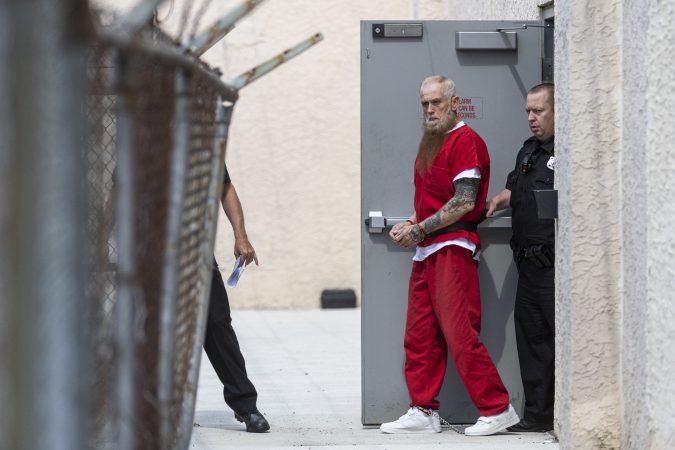
Two years after a Chester man stormed into his workplace with a gun and opened fire in a shooting that left two people dead, he is on trial for murder before a Delaware County judge.
Wilbert Rosado-Ruiz screamed he was “tired of people f— with” him as he fired shots at nearly 50 of his coworkers at Delaware County Linen, injuring five of them, according to the affidavit of probable cause for his arrest.
Rosado-Ruiz, 63, is charged with two counts of murder for killing brothers Leovanny Peña Peña, 30, and Giguenson Peña Peña, 26, after reporting for his early-morning shift at the industrial-laundry business.
Three other people were shot during what prosecutors described as a rampage.
Rosado-Ruiz’s attorney, Kevin O’Neill, has said his client fired the shots after feeling threatened during a confrontation with a group of his coworkers. His actions that day, O’Neill said, did not constitute murder.
Polites rested her case Thursday, but the trial is not over: O’Neill will present his defense in July. The delay, he said Thursday, was to accommodate members of Rosado-Ruiz’s family, who need to travel to Delaware County from Puerto Rico to testify on his behalf.
Prosecutors have said Rosado-Ruiz intended to kill more people on the day of the shooting, and would have done so had the 9mm Remington R51 handgun he was carrying not jammed. Investigators recovered the weapon and traced it to Rosado-Ruiz after his DNA was found on it, according to testimony this week.
Rosado-Ruiz’s coworkers told investigators he had a history of abusive, bullying behavior, including threatening people with his gun, in the 10 years he worked at Delaware County Linen before the shooting, according to court filings.
Chester Police search for evidence after a shooting Delaware County Linen on May 22, 2024. Five people were shot in the incident, two of them fatally, according to prosecutors. Alejandro A. Alvarez / Staff Photographer
On the day of the shooting, Rosado-Ruiz got into a verbal dispute with a coworker, Nilamarie Valdivieso.
Valdivieso testified that Rosado-Ruiz “looked very mad” when he arrived at work, and exploded at her when she asked him what was bothering him.
Later, after Valdivieso returned with two supervisors, along with Leovanny Peña Peña, she said, the conversation escalated, and Rosado-Ruiz pulled the 9mm handgun from his waistband.
He shot Valdivieso once in the chest before chasing down and firing at the other victims as they ran and dived for cover, she said. The Peña Peña brothers were both shot multiple times trying to flee Rosado Ruiz, and were pronounced dead at the scene by medics.
Another victim, Charles Doyle, testified that he was fixing an industrial washing machine when he heard several shots ring out in quick succession.
He said he saw Rosado-Ruiz pull a second magazine from his pocket and reload his handgun. Doyle said he yelled out to distract the gunman so that his father, who also worked there, had time to flee.
When Doyle turned to leave, he said, Rosado-Ruiz shot him three times in the back, shattering his right arm and causing severe internal damage to his organs.
Doyle said he is unable to work because of nerve damage in his arms — he said moving his hands feels similar to trying to wiggle his ears.
He testified that he did not see or hear anyone threatening Rosado-Ruiz before the gunfire rang out.
Rosado-Ruiz fled after the shooting, which led police from surrounding departments to lock down streets around the business.
He was taken into custody by an officer from Trainer, pulled over on the edge of Chester as he attempted to drive home. Inside the car, investigators found a backpack with a smaller bag containing additional 9mm bullets, authorities said.
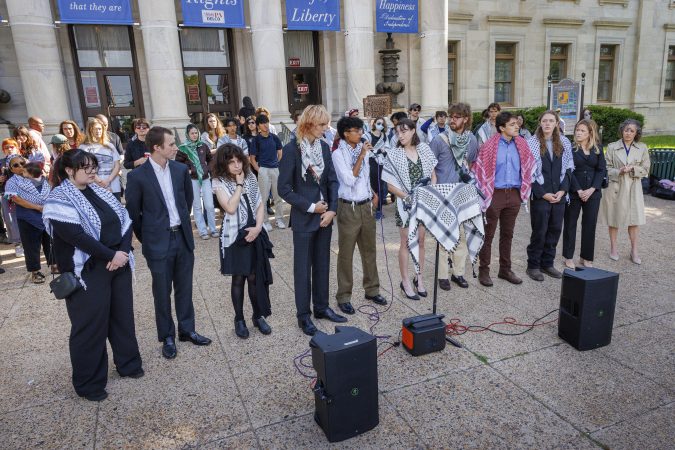
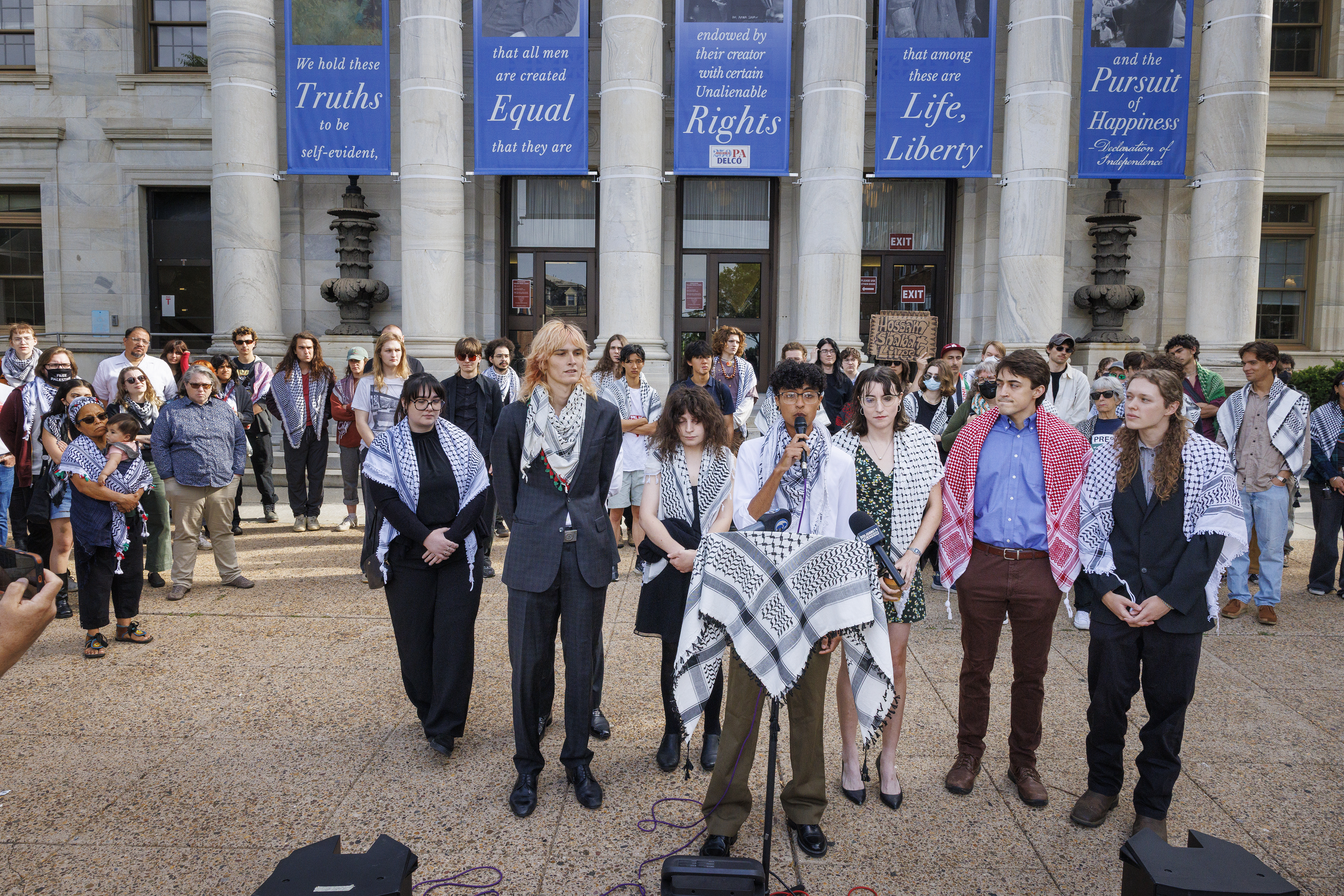
Nine protesters arrested last year at a pro-Palestinian encampment at Swarthmore College said Tuesday that they had done nothing wrong and have no intention of pleading guilty to the trespassing charges they face.
“We affirm that we are guilty of nothing because it is always right to rebel against genocide,” Jace Boland, a junior at the college, said at a news conference on the steps of the Delaware County Courthouse.
Boland was joined by his eight codefendants and a small crowd of supporters in urging prosecutors to drop what they described as “absurd criminal charges.”
The so-called Swarthmore 9 were arrested and briefly detained on the college’s campus in May 2025 when officers from surrounding police departments dismantled their encampment protesting the war in Gaza and Swarthmore’s contract with a company that does business with the Israeli government.
Of the nine people arrested, only Boland is a student at the college. Another, Brendan Cook, is a former student who was suspended for participating in an earlier protest in 2024, but the rest are not affiliated with Swarthmore, according to school officials.
Members of the group — Boland, Cook, Jonathan Britt, Mara Helen Cahill, Daria C. Dressler, Thomas Falcone, Colin Buckley Malcarney, Riley J. McManus, and Andrew Thomas — have all been charged with trespassing, a third-degree misdemeanor.
Their attorney, Marni Jo Snyder, has filed a motion to dismiss the case that will be argued before Delaware County Court Judge Dominic Pileggi on June 22, a week before the group’s scheduled trial.
District Attorney Tanner Rouse said Tuesday that prosecutors had offered the group the chance to plead to a lesser, summary offense, which Rouse described as “akin to an ‘open container’ or noise violation ticket.”
“That they want to proceed to trial as charged is absolutely their right, but so is it the commonwealth’s right to protect the interests of private citizens and institutions that do not have to abide every random person who has an issue parking on their front lawn,” Rouse said. “Private property owners have a right to say ‘please leave’ when the time comes.
“If their concern is a criminal charge or exposure to judicial punishment, there is and always has been an easy off-ramp available to them,” he added. “They have chosen not to take it.”
Jace Boland said Tuesday that he and his co-defendants “are guilty of nothing because it is always right to rebel against genocide.”Alejandro A. Alvarez / Staff Photographer
At Tuesday’s news conference, Swarthmore professor Mark Wallace said he supports the protesters and believes the college betrayed the ideals on which it was founded by having them arrested.
“How can students who live and work on a campus be charged with trespassing there while applying what they’re learning in the real world?” he asked. “Colleges should be places where large, uncomfortable questions are asked and struggled over.”
A spokesperson for Swarthmore did not immediately respond to a request for comment Tuesday.
Previously, the college, in a statement, echoed what Rouse said Tuesday — that county prosecutors had offered to reduce the charges in the case to a summary offense if the defendants pleaded guilty, but they declined.
Boland said he and the others charged would not plead guilty, fearful that doing so would discourage future activism.
“If the college can deploy state violence to protect its interests without consequence, there is no telling what levels of repression future generations of student activists will face,” Boland said. “Swarthmore College cannot continue to benefit from its reputation as a liberal arts institution that encourages activism while simultaneously crushing dissent.”
Swarthmore Borough police arrested the group in May 2025 after issuing multiple warnings to members of an encampment that had formed outside Swarthmore’s Trotter Hall.
The encampment, which protesters referred to as the Hossam Shabat Liberation Zone in honor of a journalist killed in an Israeli drone strike, was formed to demanded that Swarthmore end its IT support contract with Cisco, which also holds contracts with the Israeli government.
Swarthmore College professor Mark Wallace spoke at Tuesday’s news conference in support of the nine protesters arrested at the school last year.Alejandro A. Alvarez / Staff Photographer
Swarthmore College president Valerie Smith wrote in a letter last year that members of the Liberation Zone created their enclosure using campus property and had vandalized other parts of campus with incendiary graffiti.
Smith wrote that she “unequivocally condemn[ed]” the group’s actions and said that law enforcement officials, including the FBI, told her to dismantle the encampment as soon as possible.
“I urge these protesters to pursue a less divisive approach to expressing their views — one that aligns with not just the College’s policies, but with the mutual respect, compassion, and care that all in our community deserve,” Smith wrote in the letter.
Days before the protesters were arrested, campus police forcibly took back some of the items they had taken to build the encampment, and issued disbandment orders to people they found within it.
On the day police came to clear out the encampment, they gave protesters a 10-minute warning to vacate the property.
The protesters refused to leave, sitting with their arms interlocked, according to video of the arrests posted by the Swarthmore chapter of Students for Justice in Palestine.
All nine of the protesters charged in the case were detained briefly and released on unsecured bail.
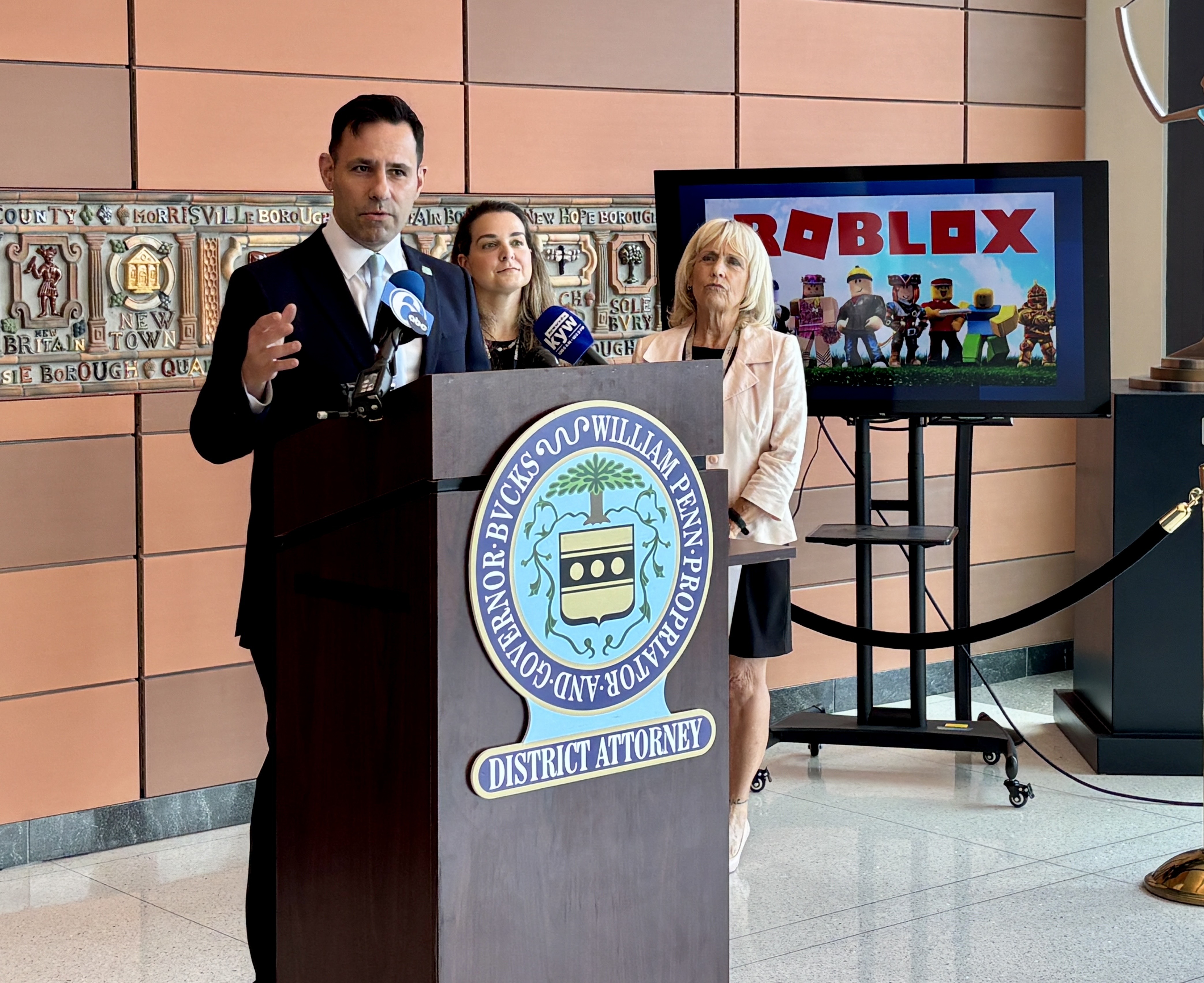
Bucks County District Attorney Joe Khan, saying parents are “outmatched” by social media companies in the fight for the online safety of their children, has filed a federal lawsuit against the makers of a popular online video game that he said had allowed sexual predators to exploit children.
Khan announced Monday that his office is taking legal action against the creators of Roblox, a game that he said 75% of American children between the ages of 9 and 12 play regularly and one that he said has led to crimes against them.
“Today we are sending a clear message to social media companies,” Khan said. “If you put our children in harm’s way, we’re coming for you.”
A spokesperson for Roblox did not immediately respond to a request for comment.
In underscoring the necessity of the lawsuit, Kahn cited the recent conviction of a child predator who used the game to find victims. Alec Magill, of Southampton, posed as a teenage boy on Roblox and persuaded two teenage girls to send him sexually explicit photos and videos. On Friday, he was sentenced to up to two years minus one day in county jail.
“Roblox gave Magill the tools to hide in plain sight and then target and exploit children from behind his phone and computer screen here in Bucks County,” Khan said, adding that Magill, 32, used the game’s “completely lax parental notification,” and lack of age-verification features to seek out his victims.
Khan filed the suit in federal court in California as an amended version of a lawsuit he began in 2023 while serving as Bucks County’s solicitor. The suit contends that the companies behind TikTok, Instagram, Facebook, Snapchat, and YouTube have worsened anxiety and depression among young people through their apps, particularly in Bucks County schools.
The amended complaint adds Roblox, as well as Elon Musk’s X and Discord, an online messaging platform, alleging that they have allowed underage users to be exposed to “an endless barrage of pornography, hate speech, cyberbullying.”
The gaming platform Roblox, seen here on a tablet in 2021, is played by 75% of American children between the ages of 9 and 12, according to Bucks County prosecutors.Leon Keith
Bucks County Commissioner Diane Marseglia said Monday that she and her colleagues support Khan’s efforts, saying the social media companies “have ignored both science and the law.”
“If you are 21 years or younger, you have had social media in your life the entire time,” she said. “In fact, an entire generation has now reached maturity with social media and without the protections they deserve, and, looking back, it seems we should have known the risks, but we didn’t.”
Khan filed the suit under the state’s Unfair Trade Practices and Consumer Protection Law, which gives county prosecutors the authority to pursue cases such as this to prevent a danger to the communities they serve.
Earlier this year, he filed another civil action against Richard and Ronald Goetter, who own a rental property in Dublin. Khan characterized the two as “slumlords” who forced their low-income tenants to live in hazardous conditions.
The district attorney says the risk Roblox poses to children is just as dangerous.
“As a parent of two young kids in Bucks County, I believe that social media companies can and should do more to ensure their products are not used as a back door for predators to access them,” he said. “It is time that we hold these global corporations responsible for the harm that they caused.”
Tanner Rouse will be Delaware County’s new top law enforcement officer, but he’snot new to the work.
Rouse will be sworn in on Jan. 5 as district attorney after his predecessor, Jack Stollsteimer, steps down to assume the county judgeship he won in November. Rouse, 42, will finish out the final two years of Stollsteimer’s term after working as his first assistant since 2020.
In a recent interview, Rouse discussed the strides in reducing violent crime he and his colleagues have made under Stollsteimer — the first-ever Democrat to serve as district attorney in Delaware County — as well as how he plans to continue those advances.
The short answer: Keeping the same playbook, but “putting a personal stamp on it,” as an offensive coordinator does when he takes over as head coach, said Rouse, an avid Eagles fan and ambitious Little League coach.
A former Philadelphia prosecutor under Seth Williams, Rouse credited the lessons he learned from investigating gun violence in the city, along with the recruitment of several former colleagues he brought over the county line, withimproving the way crime is prosecuted in Delaware County.
“We have demonstrated you can reform the criminal justice system and that it doesn’t have to come at the expense of stopping violent crime,” Rouse said. “They’re not mutually exclusive.”
Who is Tanner Rouse?
Rouse, a Phoenixville-area native, is the son of the late Willard Rouse III, the prominent Philadelphia developer behind One and Two Liberty Place. After graduating from the University of Wisconsin and Fordham Law School, Rouse spent seven years in the Philadelphia District Attorney’s Office, prosecuting crimes in Center City and North Philadelphia.
Rouse left the office in 2017, months before Larry Krasner took over. He practiced civil law for a time and ran an ultimately failed campaign to unseat then-State Sen. Tom McGarrigle before Stollsteimer called and offered him the first assistant job.
At the time, Rouse said, the offer was unexpected. But, looking back, he now considers it one of the greatest opportunities of his career.
What is Rouse most proud of from his tenure as first assistant?
The most notable achievement of his tenure to date in the district attorney’s office, Rouse said, is the steep reduction of gun violence in Chester.Shootings are down 75% since 2020. Rouse credits community outreach efforts for that, especially through the Chester Partnership for Safe Neighborhoods program, overseen by veteran homicide prosecutor Matt Krouse, whom Rouse worked with in Philadelphia and recruited to join him in Delaware County.
The partnership’s fundamental philosophy is a combination of focused deterrence programs Rouse helped oversee in Philadelphia that target repeat offenders, as well as community outreach efforts run by trusted neighborhood figures.
Rouse said he never wanted to be a faceless presence in the county and made it his priority to get out and form relationships in all of the municipalities he served, visiting community meetings, block parties, and even a few pickup basketball games.
“I don’t do this job from behind a desk,” he said, speaking in his county courthouse office. “And I think demonstrating that commitment and that care by being more present in those communities, and not just being kind of the big, scary law enforcement agency on a hill is incredibly important.”
Rouse said he is proud of other reforms including creating a diversionary unit in the office, revamping its drug court and instituting a special “child’s court,” created by Kristen Kemp — Rouse’s chosen first assistant and an expert in special-victims’ cases — that allows young victims to testify against adult offenders in a more comfortable environment.
The county’s jail population is down 50% as well, something Rouse says is a result of approaching prosecuting crimes in a humane, logical way.
What are his priorities as district attorney?
Rouse said he plans to create a similar community outreach program in Upper Darby, a community he said is “on the verge of some big things.”
“It’s not as if we’re saying, ‘We’re coming in here to take on Upper Darby and what goes on there,’ but more of, ‘Guys, look, we’re not just the people you pick up and call when there’s a crime.’”
He also expressed interest in creating reciprocity agreements with his counterparts in the other collar counties around Philadelphia, specifically when it comes to handling drug cases and providing treatment to the people caught up in them.
How has his time in Philadelphia influenced his work in Delco?
Rouse said he cut his teeth in the city working alongside veteran prosecutors, and he’s worked to bring that environment of mentorship to Delaware County.
He said he and his more senior deputies often sit in on trials, giving feedback to younger staff members just as his mentors did for him nearly two decades ago.
“That’s how I got better, and that’s one of the roles I most cherish here,” he said.