Author: Vinny Vella

  • An Uber driver who raped a Villanova student he drove back to campus was sentenced to state prison

    An Uber driver who raped a Villanova student he drove back to campus was sentenced to state prison

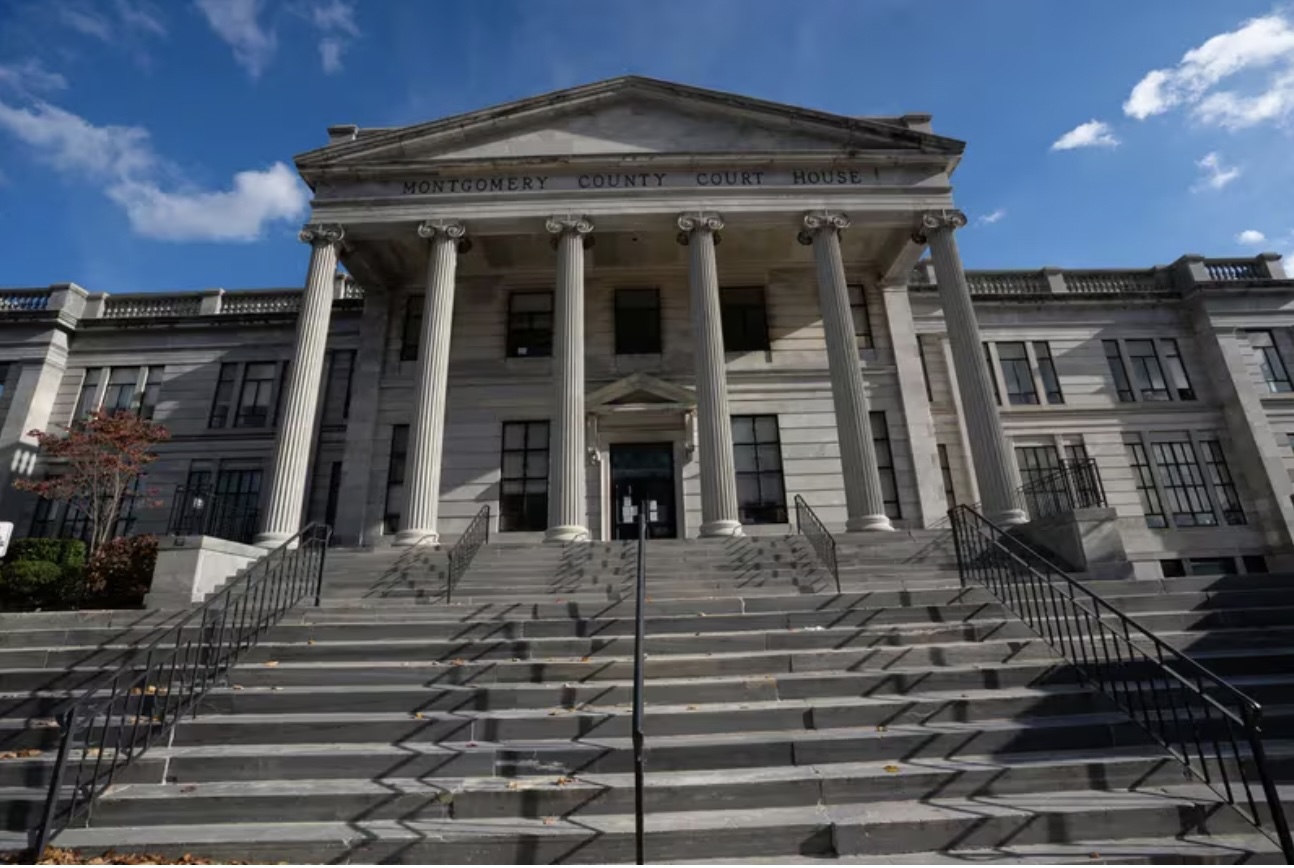
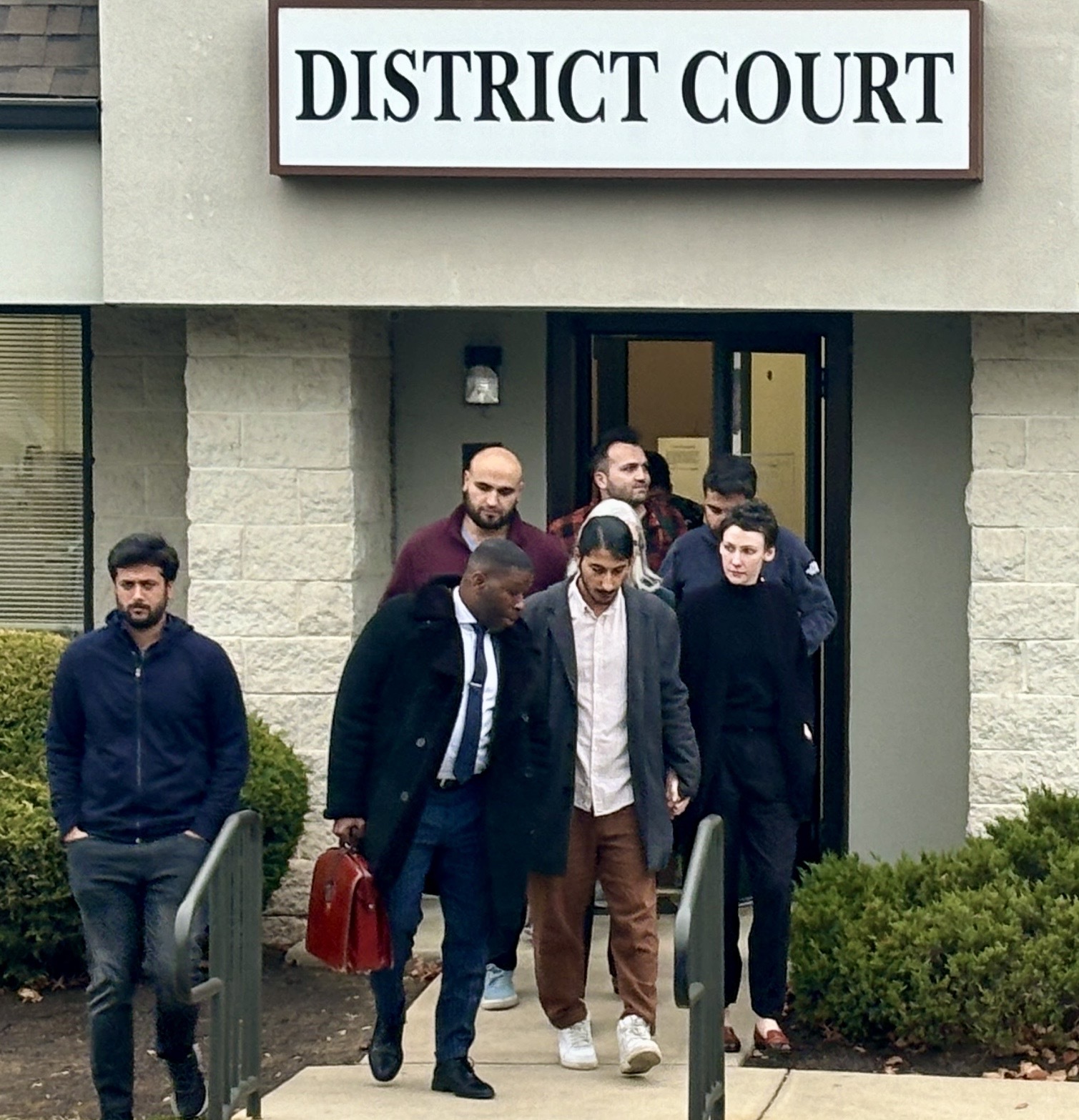
    An Uber driver who raped a drunk Villanova University student in September 2024 after driving her back to her dorm was sentenced Monday to three to six years in state prison.

    Mirvan Dinler must also register as a sex offender for the rest of his life, and he faces deportation to his native Turkey as a result of his conviction. Delaware County Court Judge Mary Alice Brennan barred him from working for rideshare services and from visiting Villanova’s campus.

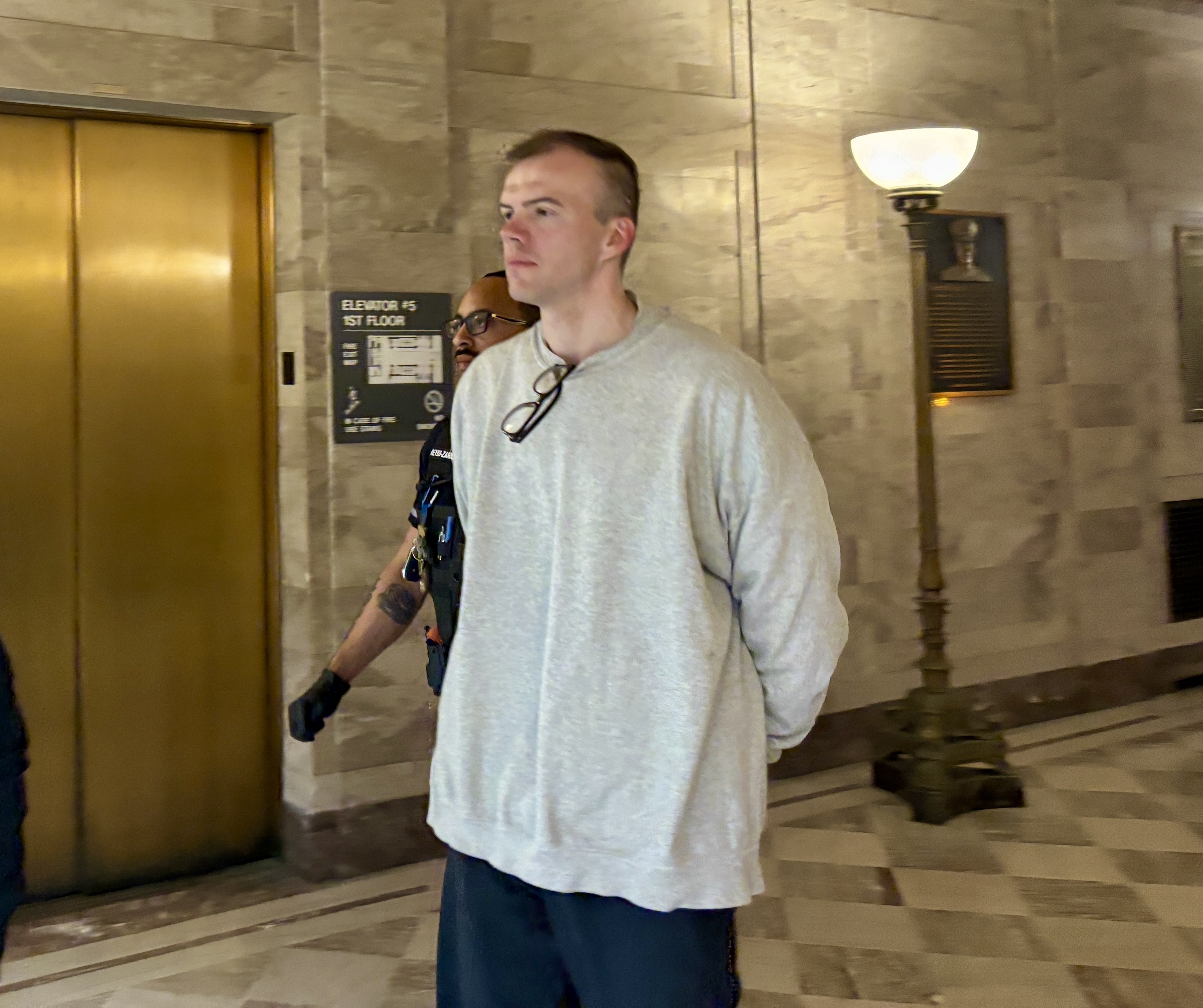
    Dinler, 28, of Trappe, pleaded no contest to rape of an unconscious person in June for the incident, which Assistant District Attorney Danielle Gallaher said Monday demonstrated extreme callousness and lack of respect for human life.

    Gallaher said Dinler has not shown remorse and told prosecutors that the woman had initiated their sexual encounter, which she said is patently false.

    “This is inherently antisocial risk-taking behavior: He was in a position of trust, and he decided to rape a stranger,” she said. “He saw a woman in a vulnerable state, and rather than help her, he decided to become every woman’s worst nightmare.”

    Dinler’s attorney, Shaka Johnson, asked the judge for leniency, saying his client was deeply sorry for the events of that evening in 2024. The incident, Johnson said, was the result of “a series of bad decisions, back to back.”

    Dinler, according to Johnson, had been molested as a child, and was in the United States on a student visa, pursuing a degree in computer science at West Chester University.

    By entering the no-contest plea, Dinler did not admit guilt but did not dispute the prosecution’s statement of the facts in the case.

    The woman, who was a senior at Villanova at the time, testified Monday that she woke up, disoriented, as Dinler was raping her. She said she was too terrified to fight back or call out for help — her only concern, she said, was to survive the assault.

    She told Dinler he had acted like a monster, and in turn had treated her “like a discarded tissue.”

    “You decided your desperation for satisfaction, for power, whatever your motivation, was more important than my life,” she said.

    Earlier that evening, she said, she had been drinking with friends on campus before the group headed to Warehouse on Watts, a bar in North Philadelphia, to celebrate a friend’s birthday.

    The woman said she did not drink regularly, but on that night had three glasses of wine and two shots of liquor. After arriving at the bar in the city, she said, she felt dizzy and ill, and decided to return home.

    The woman ordered an Uber, and Dinler arrived in his Toyota Prius to pick her up, she said.

    Surveillance footage from Villanova’s Commons residence hall complex showed Dinler escorting her inside, arm-in-arm, because she was too intoxicated to walk on her own

    Prosecutors said Dinler’s DNA was a match to semen found on a towel and comforter taken from the woman’s dorm room.

    In a tearful statement, Dinler apologized to the woman, saying he “shut down” after entering the woman’s dorm room and did not know what to do.

    “I know the decisions I made were horrible as I look at it today,” he said. “I wanted to leave the room. I didn’t and I regret it.”

    The woman said her life was completely derailed by that night. Her plans for her career, and her active social life on Villanova’s campus, were placed on hold.

    Struggling with complications from the preventive, antiviral medication she was prescribed after the rape, as well as bouts of serious depression, the woman said, she moved into her childhood bedroom to finish her senior year.

    Through her tears, she told Brennan, the judge, that those four walls became her prison cell, while Dinler remained free. Even now, two years later, she struggles with spending time among strangers, she said, and has worked hard to overcome an aversion to physical touch.

    “I survived. I regained control,” she said. “I proved I’m a real person, not a piece of meat for slimy low-lives.”
  • Lansdowne Police are searching for the gunman they believe killed a Penn Wood High senior earlier this year

    Lansdowne Police are searching for the gunman they believe killed a Penn Wood High senior earlier this year

    Lansdowne Police have identified the man they say gunned down a Penn Wood High School senior earlier this year, and they’re urging him to turn himself in.

    An arrest warrant has been issued for Amir Eskridge, 21, for murder, robbery, conspiracy, and related crimes in the Sept. 8 death of Richard DeShield Jr., according to Lansdowne Police Chief Ken Rutherford Sr.

    DeShield was shot multiple times just days after his 18th birthday as he sat in his car near the corner of North Wycombe and Blackburn Avenues, according to police.

    An officer patrolling the area saw two men standing near DeShield’s car moments before the gunshots rang out, and chased the suspects into the nearby Marshall House Apartments.

    One of those men was Eskridge, Rutherford said and officers found him hiding the apartment building’s basement utility room.

    Eskridge was briefly detained for questioning, but was ultimately released — there was not enough evidence, at the time, to charge him with a crime.

    But that changed after months of investigation, Rutherford said, and police say forensic and cell phone evidence now link him to DeShield’s death.

    “This investigation is far from over. We have made significant progress, but we are not finished,” Rutherford said in a statement. “The detectives have worked tirelessly to follow the evidence, and we remain committed to identifying and holding everyone involved in this senseless killing accountable.”

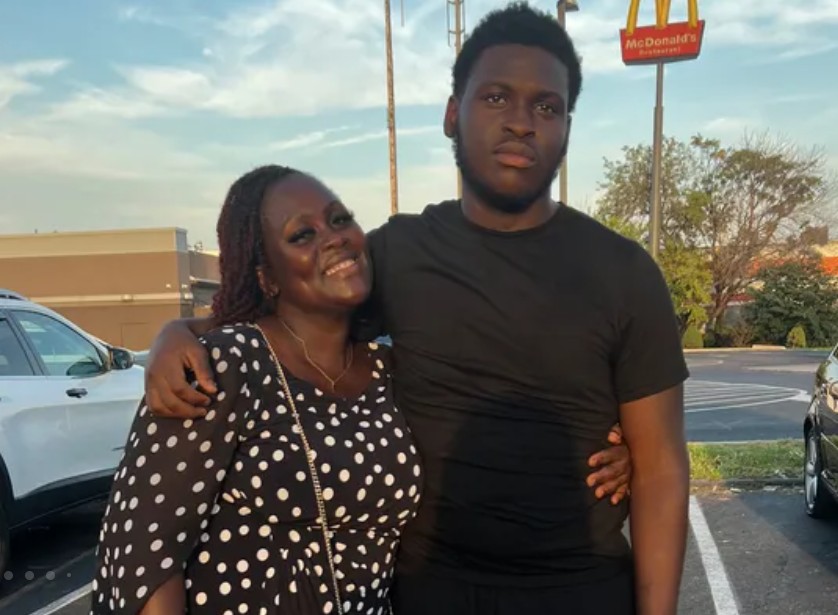
    DeShield, a linebacker for Penn Wood’s football team, was one of four siblings, and had plans to enlist in the Army after he graduated in the spring, his sister Christine Brown told The Inquirer.

    “He was a good friend, good student, good son,” Brown said.

    Rutherford said his officers have “not forgotten Richard DeShield Jr. or his family.”

    “We will not allow this investigation to lose momentum,” he said. “If you had any involvement in this crime, understand that we are continuing to pursue every lead, and we are coming for you.”

    Anyone with information about Eskridge is asked to call Lansdowne Police at 610-623-0700 or email Sgt. Michael Miller at mmiller@lansdowneborough.com.

  • A Montco man was convicted of robbing a cyclist at gunpoint, shooting at cops during a two-hour chase

    A Montco man was convicted of robbing a cyclist at gunpoint, shooting at cops during a two-hour chase

    A Pennsburg man was convicted Thursday of robbery, assault of a law enforcement officer, aggravated assault, and related crimes for shooting at police officers during a two-hour pursuit last year.

    Charles Bowne III, 37, fired a .44 Magnum revolver multiple times at officers from several jurisdictions in Bucks and Montgomery Counties during the 10-mile pursuit in June 2025.

    That pursuit began, prosecutors said, when officers tracked Bowne down after reports that he had robbed a cyclist at gunpoint minutes earlier and fired at least five shots at him.

    Montgomery County Court Judge William Carpenter delivered the verdict after a brief bench trial Thursday.

    Bowne will be sentenced in the coming months. His attorney, Andrew Levin, declined to comment after the proceeding.

    During the trial, Levin said that his client never intended to hurt anyone that afternoon, and that, while he did fire his gun, he shot it with the barrel pointed to the sky.

    Prosecutors, led by Assistant District Attorney Kathleen McLaughlin, withdrew an attempted murder charge against Bowne shortly before the trial began.

    On the day of the shooting, Bowne pulled up alongside a cyclist in his Ford Mustang as the man was riding on Swamp Creek Road in Marlborough Township. He yelled at him to “go home to [his] family,” according to evidence presented Thursday.

    Bowne then pointed a revolver at the man, demanding his bike and cell phone. The man complied, and told officers he ran away as Bowne fired the gun in the air.

    Not long after, a Marlborough Township police officer responding to the 911 call saw Bowne’s Mustang parked on the side of Swamp Creek Road and parked his police car to speak with him.

    Before the officer could get out of his vehicle, Bowne fired his revolver at him and sped away.

    During the chase that followed, Bowne continued to fire at the officers, according to the affidavit of probable cause for his arrest.

    He was later taken into custody in West Rockhill Township after speaking on the phone with a crisis negotiator.

  • Former Pa. State Police trooper sentenced to prison for possessing child porn, using AI to make deepfake pornography

    Former Pa. State Police trooper sentenced to prison for possessing child porn, using AI to make deepfake pornography

    Stephen Kamnik not only traumatized two dozen women by creating deepfake pornography of them, he also tarnished the reputation of the entire Pennsylvania State Police force, a Montgomery County judge said Monday.

    “What I find most troubling is that you were the police, you were a state trooper. People looked at you to keep them safe,” Judge Todd Eisenberg told Kamnik, a former corporal stationed at the Skippack barracks. “People need to be able to trust police. You used your job to find people.”

    Eisenberg called Kamnik and his thousands of pornographic images, some depicting a 12-year-old girl, “extremely troubling,” and sentenced him to five to 10 years in state prison.

    The judge also ruled that Kamnik, 40, is a sexually violent predator and will have to register as a sex offender for the rest of his life. He is also barred from working in law enforcement, security, or information technology.

    In April, Kamnik, 40, pleaded guilty to sexual abuse of children, unlawful use of a computer, official oppression, and related crimes for using AI to create the pornographic images of his coworkers, as well as women he encountered while working as a state trooper.

    He generated the pornography through photos and videos he recorded without the victims’ consent, as well as photos from official state databases he had access to, prosecutors said Monday.

    Investigators also found a cache of child pornography amid the thousands of images he had created, a collection that prosecutors say he attempted to delete portions of after he was caught.

    Kamnik, of Havertown, apologized for his actions in a tearful statement, saying he had lost his career, his wife, and his children.

    “I took all I had for granted, and I have no one to blame but myself,” Kamnik said.

    His attorney, Fortunato “Fred” Perri Jr., asked the judge for leniency, noting that Kamnik had accepted responsibility from the outset of the case: His plea spared the victims from the embarrassment and trauma of a trial, he said.

    “We’ve got two options here. Treat him like someone who can never be fixed and warehouse him somewhere,” Perri said, “or give him a long tail of supervision that would leave him available to have the treatment necessary to fix what’s going on in there.”

    But Deputy Attorney General Kimberly Moraski said protecting the public from Kamnik required keeping him in custody.

    “He knew the difference between right and wrong, and he chose to do wrong,” she said. “This isn’t a man who just has some urges that can be fixed. He isn’t living a double life. He’s a criminal with bouts of normalcy.”

  • A 15-year-old was killed in a Halloween shooting at a gas station in Port Richmond, police say

    A 15-year-old was killed in a Halloween shooting at a gas station in Port Richmond, police say

    A 15-year-old boy was killed Saturday night after being shot at a gas station in Port Richmond, police said.

    The teen, whom police did not name, was shot once in the back just before 7 p.m. at a Sunoco station on Richmond Street near Castor Avenue.

    Responding officers found the boy about a block away, where he had apparently run after the shooting. He was transported to St. Christopher’s Children’s Hospital, and later pronounced dead there.

    The alleged shooter was taken into custody not far from the scene, and the gun believed to have been used in the shooting was recovered by officers, police said.

    Investigators did not identify the suspect, nor say what the potential motive for the shooting was.

    Anyone with information about the shooting is asked to call the Philadelphia Police Department’s Homicide Unit at 215-686-3334.

  • Philly police have warned residents that Hondas are a top target for car thieves

    Philly police have warned residents that Hondas are a top target for car thieves

    Of the 12,000 cars stolen from Philadelphia this year, about a quarter of them were Hondas, and police are warning city residents to take action.

    Auto thieves, exploiting a computer port on 2023 or newer CRVs and Accords, among other models, are able to quickly reprogram target cars to work with other keys, according to Philadelphia Police Major Crimes Unit Capt. Robert McKeever.

    McKeever’s advice, he said in a recent interview, is to combine new and old technology: Honda dealerships are now offering a cover for cars’ on-board diagnostic ports, and, when paired with a steering wheel club lock, can help keep cars protected.

    “The most important thing is that they’re deterrents,” he said. “And when thieves see that, they’ll move onto vehicles they can access more easily.”

    McKeever’s unit has been engaging in a public-information campaign this year, in light of high-profile investigations into aggressive car thieves.

    In September, investigators broke up an auto-theft ring operating out of an auto-body shop on 9th and Ontario Streets in Fairhill. The group was stealing Hondas to strip for parts they then shipped to the Dominican Republic.

    Six stolen CRVs were recovered from that business, McKeever said.

    Months earlier, Philadelphia police assisted investigators from the state Attorney General’s Office in dismantling a title-washing scheme that stole and resold 50 vehicles under fraudulent vehicle identification numbers, including multiple Hondas, McKeever said.

    The ringleader of that group, Reginald Manson Jr., is facing trial in Montgomery County on racketeering, forgery, and related crimes.

    Hondas are desirable, McKeever said, because their parts can be interchanged with those used on Acuras. Many of the stolen cars the department recovers are found abandoned on secluded roads, stripped of bumpers, rims, or other pieces.

    He also said thieves are becoming more brazen, with some stealing cars out of dealership lots.

    Others have threatened owners who intervene in the thefts with guns.

    In one recent case, a Croydon man was shot at while going to confront thieves who attempted to steal his SUV out of his driveway.

    “It’s still the second-biggest purchase you’ll make in your lifetime, after your house, but it’s not worth your life,” McKeever said.

  • Ex-Sharon Hill cop sentenced to probation for feeding information to drug dealer in exchange for cocaine

    Ex-Sharon Hill cop sentenced to probation for feeding information to drug dealer in exchange for cocaine

    A former Sharon Hill police detective who befriended a prolific cocaine dealer and helped him evade arrest to fuel his own drug habit was sentenced Friday to two years of restrictive probation.

    Vincent Procopio, 34, explained to a Delaware County judge how he built, and ultimately lost, his law enforcement career.

    He said his reputation as a thorough detective who handled murder and high-level drug investigations was irrevocably destroyed by substance abuse, which he said he used to self-medicate PTSD.

    He told Judge Deborah A. Krull that his shame for what he had done motivated him to plead guilty in August to drug possession, unlawful use of a computer, criminal use of a communication facility, hindering apprehension, and related crimes.

    “I betrayed my fellow officers, my friends in the district attorney’s office and the entire law enforcement community, and, most of all, the public,” Procopio wrote in a statement read in court by his attorney, Meaghan Wagner.

    “This was something I should never have engaged in as a police officer,” he said. “I disgraced the badge and the oath I took.”

    Procopio made specific references to the fatal shooting of 8-year-old Fanta Bility by three of his fellow Sharon Hill officers in 2021. He said he was present at Academy Park High School when the shooting took place, helped transport Fanta to Mercy Fitzgerald Medical Center, and performed CPR on her there before she was pronounced dead.

    That experience permanently damaged his mental health, he said. He didn’t seek help, and begun a pattern of self-destructive behavior that led him to befriend the dealer at the center of his criminal prosecution.

    Krull, in handing down her sentence, credited Procopio for taking accountability for his actions, and for his prior years of public service. And she said she understood that Fanta’s death had a profound impact on everyone in the county.

    “I say that not to excuse your behavior, but to say I certainly understand the path you chose,” she said.

    Procopio and the dealer, whom investigators did not identify, met through mutual friends in 2025, according to court filings. The dealer told police Procopio approached him, saying he “wanted in” on his drug-smuggling operation.

    Over the course of the next year, the dealer would give Procopio $100 baggies of cocaine in exchange for information from police databases, including whether undercover officers planned to make drug busts in the area where he was operating and whether there were any warrants for his arrest.

    The narcotics, prosecutors said, were for Procopio’s personal use and “wholly unrelated to his law enforcement duties.”

    The scheme unraveled when the dealer was pulled over in Chester in December with 63 grams of cocaine in his car. He called Procopio for help, and Procopio made calls on his behalf, telling officers in Chester the man was a friend and was in the process of signing up to become a confidential informant.

    Procopio later told investigators he knew the man had sold drugs, but said he had recently stopped. He said he never saw the dealer sell cocaine and had never bought cocaine from him.

    Prosecutors said that Procopio’s statement was a lie, and that Procopio had deleted text messages between him and the dealer that made that clear.

    Procopio and the dealer had developed a jocular relationship, they said. On the day they met, the detective snorted a line of cocaine with the dealer inside his truck. He later went to the man’s home, where they “stayed up all night doing cocaine,” according to the affidavit of probable cause for Procopio’s arrest.

    Assistant Attorney General John Hamme, who prosecuted the case, acknowledged Friday that Procopio had been cooperative with the investigation, and credited the former officer for his ongoing treatment — Procopio will be nine months sober in November.

    But Hamme said his actions still required punishment.

    “Cases such as this one make it difficult in the future for Delaware County law enforcement to handle and manage the population, as trust has essentially been broken,” Hamme said.

    Wagner, Procopio’s attorney, said after the hearing she was pleased that the sentence “took into account all of the tremendously positive steps [Procopio] has taken to move forward and build what is now his new life.”

  • Three members of a Norristown gang were convicted of murder for executing a rival over an Instagram beef

    Three members of a Norristown gang were convicted of murder for executing a rival over an Instagram beef

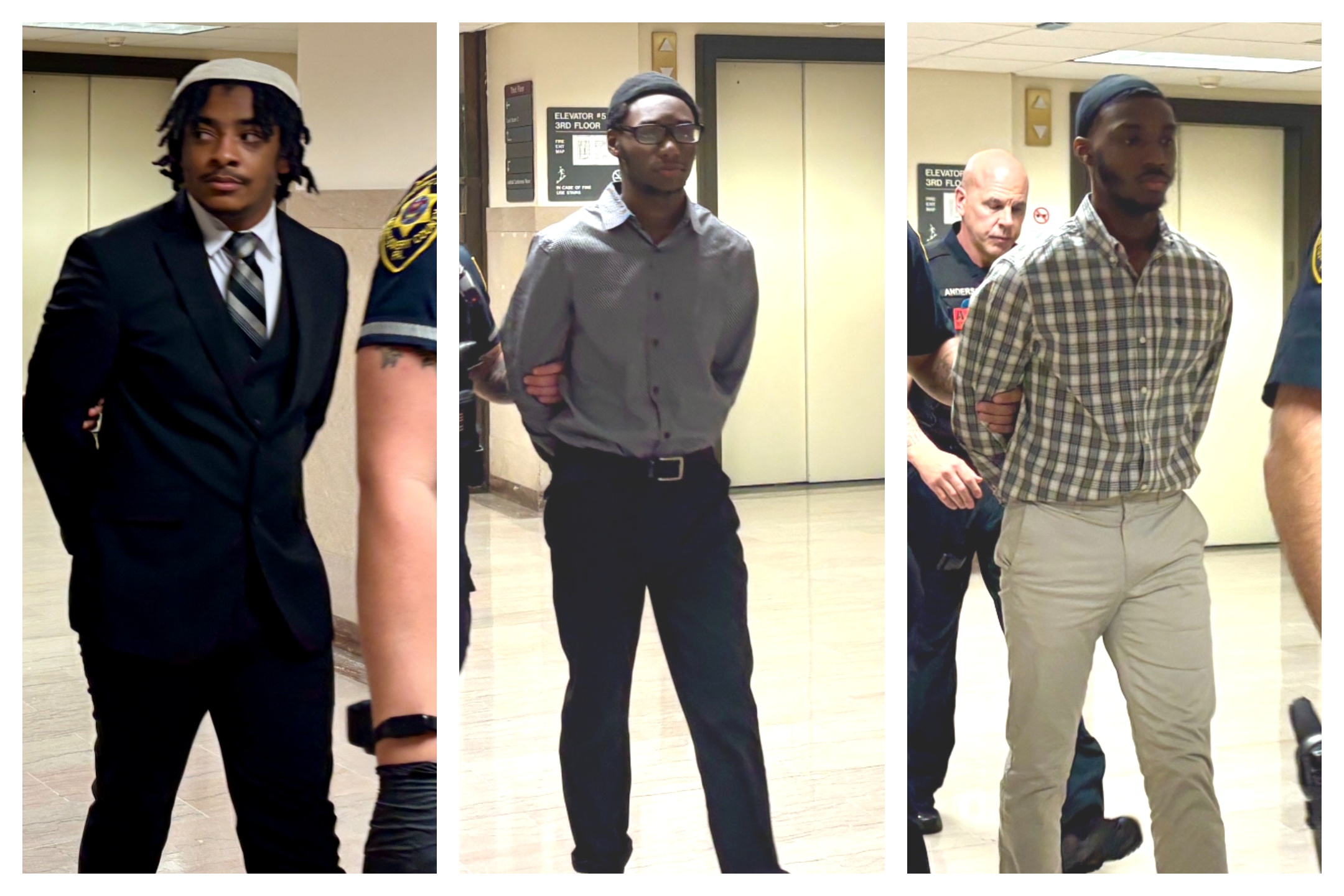
    Three members of a Norristown street gang were convicted of first-degree murder Wednesday for killing a rival in an execution fueled by revenge.

    Jabriil Morgan-Cook, 20, Naseem Worrell, 19, and Kaleem Roland, 17, were also convicted of conspiracy to commit murder, third-degree murder, and gun charges in the May 2025 death of Tahaj “Pooh” Harrison.

    Harrison, according to evidence presented during the trial, made an Instagram post that insulted the trio’s friend, Seth “Pop” Marshall, who was shot dead in West Philadelphia two days before Harrison was killed.

    Harrison, 20, said Marshall “died like a [expletive]” and repeated that insult in a private message to Worrell.

    Seeking retribution, the group sought to ambush Harrison, filming an Instagram Live video in which they promised to “go hunting,” and Morgan-Cook said he was ready to kill for his friend.

    The group did just that, evidence showed, shooting Harrison an hour later as he stood outside his home on Corson Street.

    Assistant District Attorney Tanner Beck, who prosecuted the case, said he was grateful for the jurors’ attentiveness during the two-week trial, and for the thorough investigation by detectives who pieced together the three defendants’ activities before, during, and after Harrison’s murder.

    “They hunted down Tahaj Harrison like prey in response to something that he wrote on Instagram about their dead friend,” Beck said. “And they made sure that he paid the price for that.”

    Morgan-Cook faces a mandatory sentence of life in prison. Worrell and Roland, who were 17 and 15, respectively, when the shooting took place, will be sentenced in the coming weeks by Montgomery County Court Judge Steven T. O’Neill.

    Attorneys for the three did not comment after the verdict. During the trial, the attorneys attempted to discredit the prosecution’s case, saying the Instagram video was little more than boasting.

    And they told jurors that surveillance footage, including a video that captured the fatal shooting, was too blurry and grainy to properly identify the shooters.

    Jurors were not swayed, and delivered their verdict after about three hours of deliberation.

    Morgan-Cook and Worrell showed little reaction to the verdict. But Roland, the youngest, sobbed softly as he was led out of the courtroom in handcuffs.

    The trial offered an inside look into the gang culture that prosecutors say has been a scourge in Norristown since the 1990s. Morgan-Cook, Worrell, and Roland are all self-professed members of the 300s/All Black Bandits, while Harrison claimed allegiance to the 6/Grimy Boys.

    Both factions deal in gun violence, and have been behind a rash of fatal shootings in the borough.

    “I hope that this [verdict] serves as a deterrent to others that might be considering doing this in the future,” Beck, the prosecutor, said. “That if you’re going to do this, we’re on it, and we’re going to hold you accountable for it.”

  • A Montgomery County man was sentenced to state prison for murder after admitting he killed his father

    A Montgomery County man was sentenced to state prison for murder after admitting he killed his father

    A Trappe man who admitted he killed his father, after initially claiming he had shot himself, was sentenced to 17½ to 35 years in state prison.

    Justin Wilson, 24, entered a guilty plea to third-degree murder in the February shooting of his father, Kevin, before Montgomery County Court Judge William Carpenter on Monday.

    Wilson’s attorney, Danton Moyer, said his client wanted to express his “deep and profound remorse for his actions, including lying about the murder and not immediately taking responsibility for his actions.”

    “Justin loved his father, and he wishes more than anything that he could take back what he’s done and bring back his father,” Moyer said. “He wishes the rest of Kevin’s family and his loved ones peace and healing as they and he continue to grieve.”

    Deputy District Attorney Samantha Cauffman, who prosecuted the case, said Wilson’s family was left doubly hurt by the case: Wilson misled them about their loved one’s violent death, and then doubled down on the lie he told police.

    “The victim’s niece described how this defendant planned the funeral down to the paying the extra money to have the enhanced sound system, picking out the songs and what pieces from the Bible would be read, and then he gave a speech at the celebration of life ceremony,” she said. “All of this stuff, all the while telling all the friends and family of his father that his father killed himself.”

    Troopers responding to Wilson’s 911 call on Feb. 1 found his father, 61, shot once in the head inside his second-floor bedroom at their home on Dewes Place, according to the affidavit of probable cause for his arrest. The home’s first floor showed signs of a struggle, with broken furniture and other damage.

    In an interview with police after the shooting, Wilson said he and his father had gotten into an argument after watching a UFC mixed martial arts match together, according to the affidavit. During the argument, he said, he goaded his father into killing himself, calling him a “bum and a [expletive] loser.”

    He denied that their argument had turned physical, despite the damage in the home, the affidavit said.

    Later, Justin Wilson said, as he was playing the video game Fortnite, he heard a gunshot and found his father dead in his room.

    A Taurus handgun that Wilson had purchased weeks earlier was found in his father’s left hand, though investigators noted in their report that his fingers were loosely gripping the handgun.

    A forensic pathologist later determined that Kevin Wilson’s gunshot wound could not have been self-inflicted, based on the angle and other factors, the affidavit said.

    And as troopers continued to investigate, members of Wilson’s extended family said he had been acting strangely. They said Wilson was a pathological liar who was obsessed with money, and had begun asking about inheriting his father’s investment accounts and their home almost immediately after the shooting, according to the affidavit.

    Kevin Wilson’s siblings told police that he had often called them in a panic, unsure of how to handle his son’s violent behavior. The younger Wilson would allegedly kick open doors in their home, as well as punch holes in the home’s walls.

    They said Justin Wilson also repeatedly berated his father, calling him a “fat slob” and lamenting that he was not as wealthy as his siblings.

    Wilson’s cousin also told officers he made bizarre statements to her at his funeral, telling her that his father tried to shoot himself with his own gun, but that it jammed, prompting him to use the Taurus found in his hand.

  • A Montco jury will decide the fate of three men in a murder rooted in a Norristown gang feud

    A Montco jury will decide the fate of three men in a murder rooted in a Norristown gang feud

    The killing of a Norristown man last year was a retaliatory shooting rooted in a bitter gang feud splitting the Montgomery County seat, prosecutors said Tuesday as the murder trial for Tahaj Harrison’s three alleged killers ended.

    Now, the fate of Jabriil Morgan-Cook, 20, Naseem Worrell, 19, and Kaleem Roland, 17, is in the hands of a jury, set to deliberate Wednesday morning.

    Assistant District Attorney Tanner Beck said in his closing arguments that the three were self-proclaimed members of the 300s/All Black Bandits and set out in May 2025 to “hunt” Harrison.

    Harrison, according to prosecutors, belonged to the 6s/Grimy Boys, a rival group, and had mocked the murder of Seth “Pop” Marshall, a 15-year-old 300s member who was killed in a West Philadelphia corner store two days before Harrison’s death.

    In a message sent on Instagram hours before his death, Harrison, 20, told Worrell that Marshall “died like a [expletive],” an insult that, given the code of the streets, the three suspects could not ignore, according to Beck.

    “The second Harrison sent that message to Worrell, everything changed,” Beck said. “The second he sent that message about his homie, his fate was sealed and his casket was as good as closed.”

    The three traveled across Norristown to Harrison’s home on Corson Street and then “fanned out” when they saw him, Beck said. Each carried handguns, and each fired two shots, Beck said, in what he described as an ambush.

    Harrison, shot once in his chest, later died at the scene.

    Defense attorneys for the three suspects disputed Beck’s theory of the case, saying the investigation was rife with reasonable doubt and urging jurors to acquit their clients.

    Surveillance footage of the shooting and from the area around Corson Street was grainy and difficult to view, according to the three defense attorneys. Alone, they said, it was not enough to identify who fired the fatal shots.

    And there was no physical or DNA evidence taken from the crime scene that concretely identified them as the gunmen, aside from traces of Worrell’s found on a gun magazine left behind.

    Morgan-Cook’s attorney, George Yacoubian Jr., said in his closing argument that the prosecution was “hanging its hat” on an Instagram live video featuring the three teens filmed an hour before Harrison’s death.

    In that video, Morgan-Cook, brandishing a gun, talks about “dropping some shots” in the territory of the gang Harrison allegedly belongs to and saying he was “killing for [his] dead homie.”

    Roland also wields a gun, and the trio perform a profanity-laced rap about gang violence.

    But Yacoubian dismissed the video, saying it was nothing more than vulgar bragging.

    “It’s puffing,” he said. “And it doesn’t equate to murder and conspiracy to commit murder.”

    Worrell’s attorney, Richard Giuliani, told jurors they could not rely on key witnesses for the prosecution, including a longtime friend of Harrison’s who claimed Morgan-Cook threatened her by showing her a picture of her home when she accused him of killing Harrison.

    That woman, according to text messages displayed in court, claimed to be afraid of Morgan-Cook, but then invited him into her home to bring her food from McDonald’s shortly afterward.

    Three other witnesses who claimed to have been with the suspects before and after the shooting, and who identified to police the distinct clothing each wore, recanted their testimony during the trial.

    They testified they were pressured into speaking with police and told them whatever they could to get out of custody. Beck later dismissed that, saying the real reason for their recanting was pressure from their friends and fellow gang members, seated across from them in the courtroom

    Yacoubian, Giuliani, and Roland’s attorney, Thomas Egan, told jurors that if the prosecution’s theory about gang culture pervading Norristown was true, there would be a “wide net” of people upset at Harrison for mocking Seth Marshall’s death.

    “You can’t shine a spotlight on just three guys when there’s a large group of people who’d take umbrage with saying [Marshall] ‘died like a [expletive],’” Egan said.

    But Beck said it would stretch credulity to believe that all the circumstantial evidence, including the Instagram video and threats exchanged with Harrison online, was purely coincidental.

    “They almost got away with it,” Beck told jurors. “Now, it’s up to you to make sure they don’t.”