Author: Morgan Ritter

  • ‘It was like we had won the Super Bowl’: 20 years ago, Philadelphians raised $68 million in 45 days to keep an iconic painting from being sold

    ‘It was like we had won the Super Bowl’: 20 years ago, Philadelphians raised $68 million in 45 days to keep an iconic painting from being sold

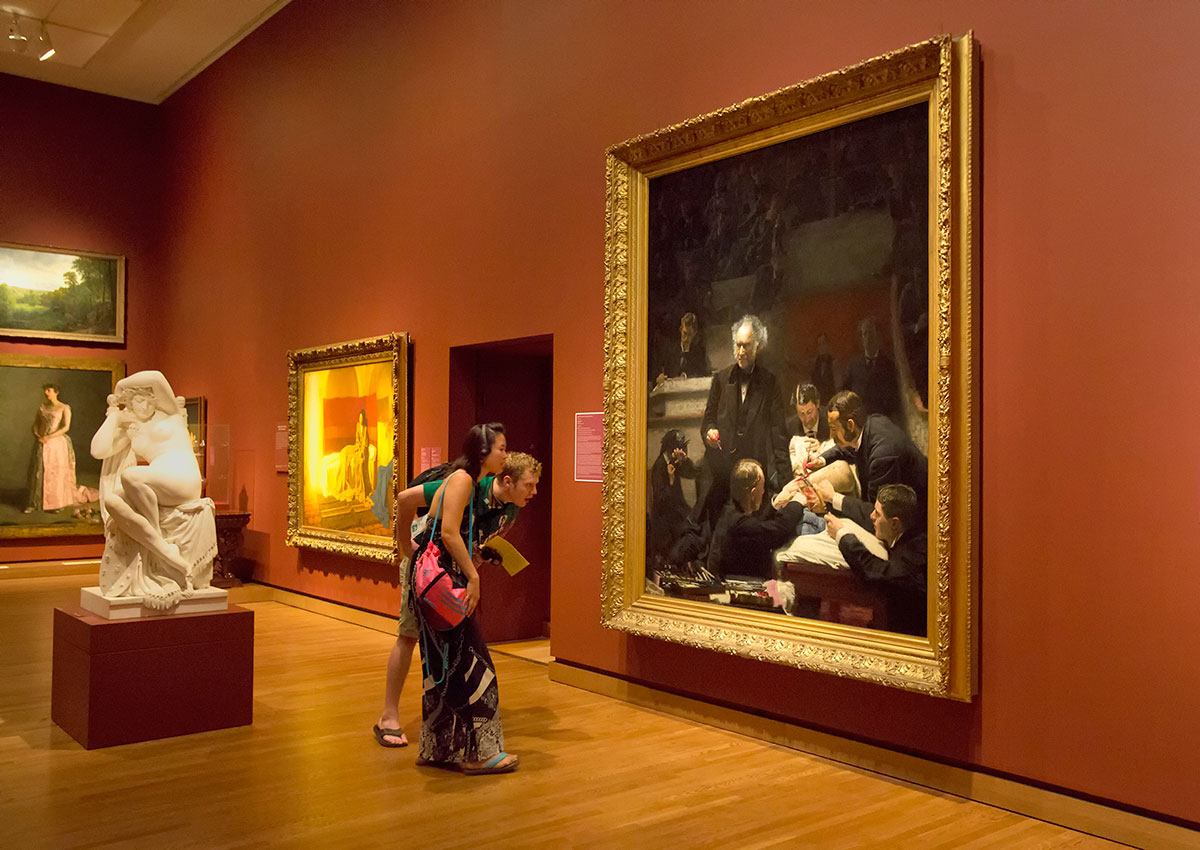
    One painting stands out among the stately portraits, vast landscapes, and elaborate tableaux of figures in the Philadelphia Museum of Art’s early American art galleries.

    And not just for its size.

    In the 8-by-6.5-foot oil painting, a stern-looking man with fluffy gray hair stands next to an operating table. A crowded amphitheater watches him and a group of doctors operate on a boy’s leg. The wound, their hands, and their scalpels are covered in bright red blood.
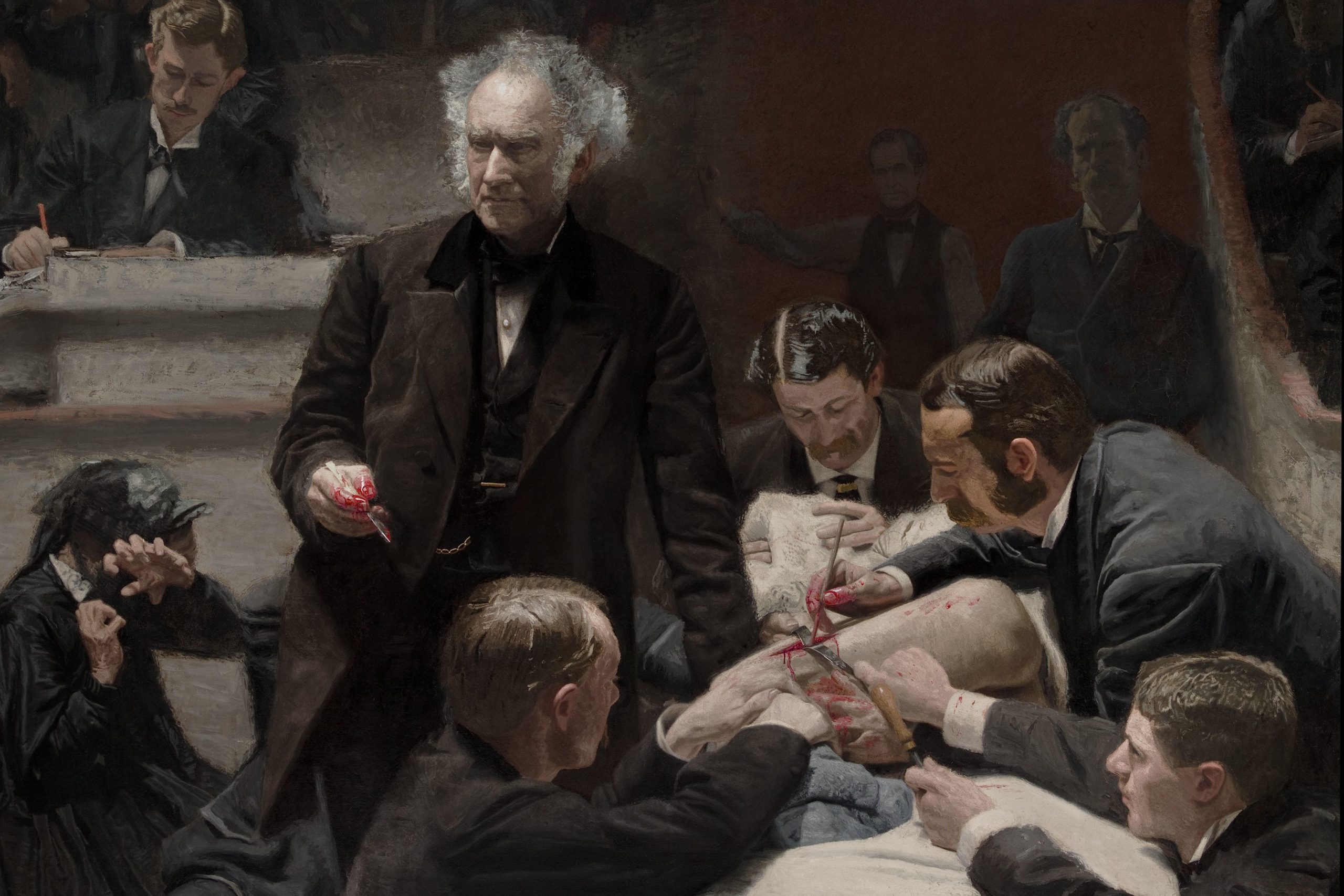
    A detail from “The Gross Clinic.” Courtesy the Philadelphia Museum of Art and the Pennsylvania Academy of the Fine Arts

    This is Philadelphia native Thomas Eakins’ The Gross Clinic, painted in 1875 and depicting Samuel D. Gross teaching surgery at Jefferson Medical College at Thomas Jefferson University.

    The painting is currently owned jointly by the PMA and the Pennsylvania Academy of the Fine Arts (PAFA), where Eakins studied.

    But the story of the journey to that ownership is not a simple one.

    In 2006, after 128 years of displaying the painting at Jefferson, the university sold it in a surprise deal. Local institutions had 45 days to match the price: $68 million.

    PMA and PAFA started a public fundraiser, and Philadelphians took swift action — no one was going to take their painting away from them.

    Twenty years ago, Philadelphia almost lost The Gross Clinic forever. Almost.
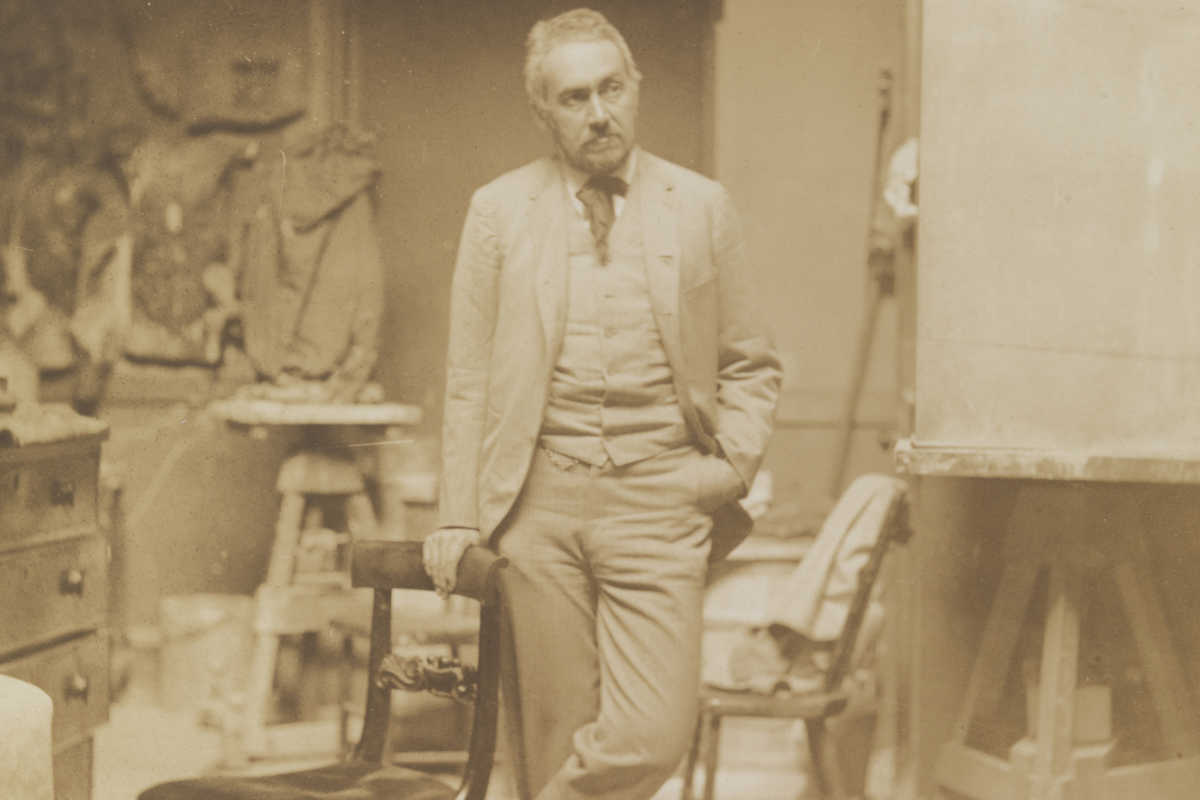
    Thomas Eakins in his Chestnut Street studio.Photo taken by Samuel Murray.

    The slow burn of ‘The Gross Clinic’

    Eakins was incredibly passionate about the medical profession. So much so that while studying at PAFA, he also enrolled in anatomy and dissection courses at Jefferson, where Gross was teaching.

    “He was very obsessed with the accuracy of the body because as a painter, knowing the human body and depicting it is the highest skill level to attain,” said Reisa Mukamal, a PMA museum guide.

    In The Gross Clinic, Gross is operating on an adolescent boy with osteomyelitis, a bone infection that had previously been treated with amputation. The painting depicts the doctors performing a newer procedure for the disease involving removing the damaged bone tissue rather than cutting off the limb — a stunning medical advancement.
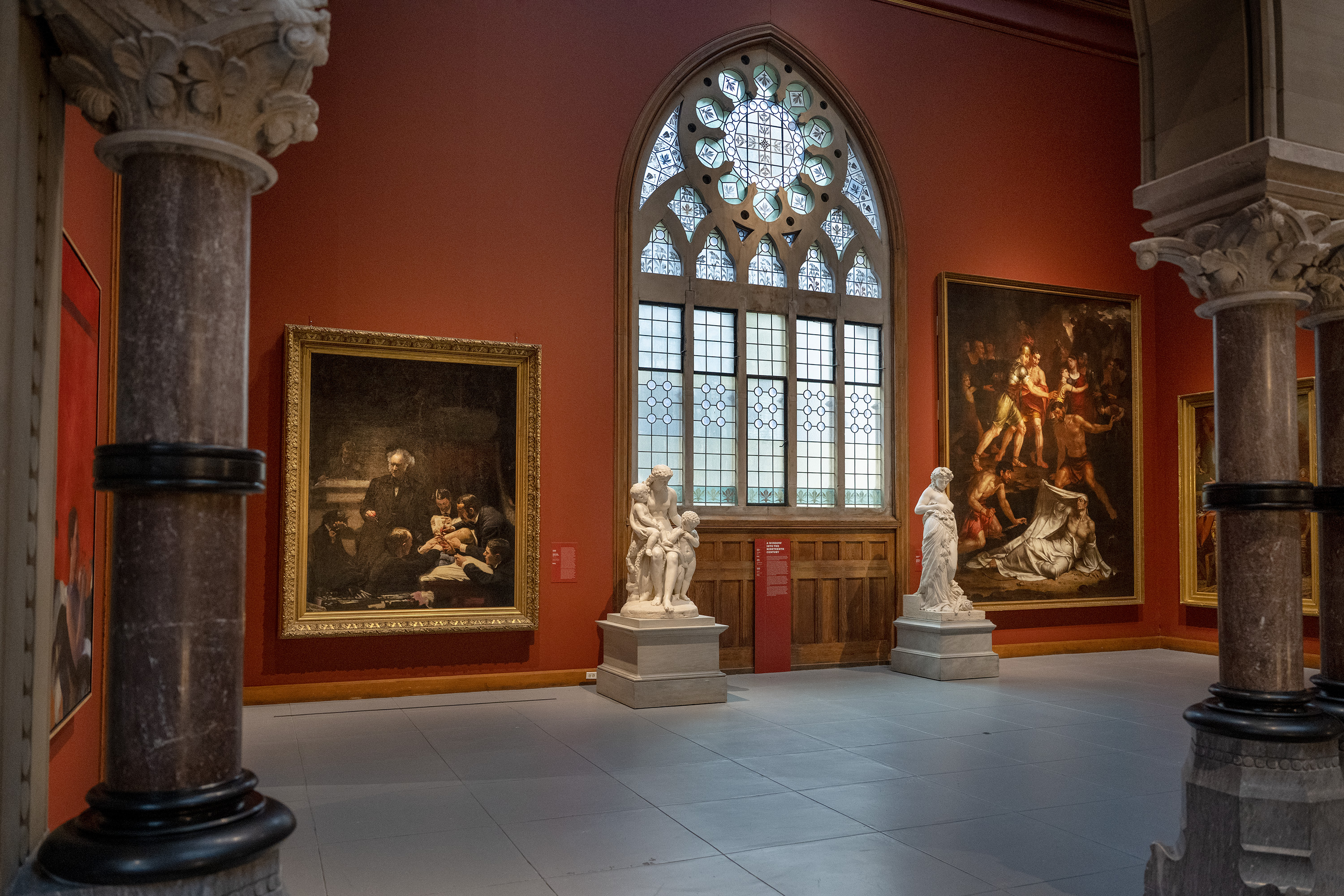
    Works in the newly renovated Furness and Hewitt building at the Pennsylvania Academy of the Fine Arts, including “Portrait of Dr. Samuel D. Gross (The Gross Clinic)” by Thomas Eakins.Tom Gralish / Staff Photographer

    “The light is shining off Dr. Gross’ head and it’s almost like your eye goes there. It’s a dark painting, and then your eye goes to his forehead, sort of symbolizing his intellect. … This is a live surgery, which was a brand new thing to paint,” said Mukamal.

    Eakins was excited to show off The Gross Clinic at the 1876 World’s Fair in Fairmount Park, which doubled as a Centennial celebration and exhibition.
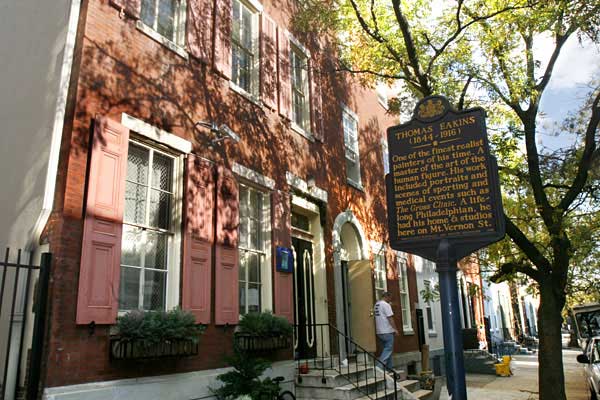
    Thomas Eakins lived virtually his entire life in Philadelphia, including at 1729 Mount Vernon St. He was a student and later a teacher at the Pennsylvania Academy of the Fine Arts.Gerald S. Williams / Staff Photographer

    Unfortunately for the young artist, it was perceived as too disturbing for the art jury. The painting was moved to the fair’s U.S. Army field hospital exhibition due to its medical nature. Jefferson alumni gifted it to the university two years later.

    ‘It belonged here’

    But 128 years after receiving that gift, Jefferson made a shocking announcement. On Nov. 11, 2006, university officials said The Gross Clinic was to be sold to a museum partnership between the National Gallery in Washington and the Crystal Bridges Museum of American Art in Arkansas, for $68 million.

    The money from the sale would help finance an ambitious expansion plan for the medical school.

    “This is a big undertaking, a transformational undertaking, and it requires a redirection of our assets,” said Robert L. Barchi, Jefferson’s president, in a November 2006 interview with The Inquirer’s Stephan Salisbury.
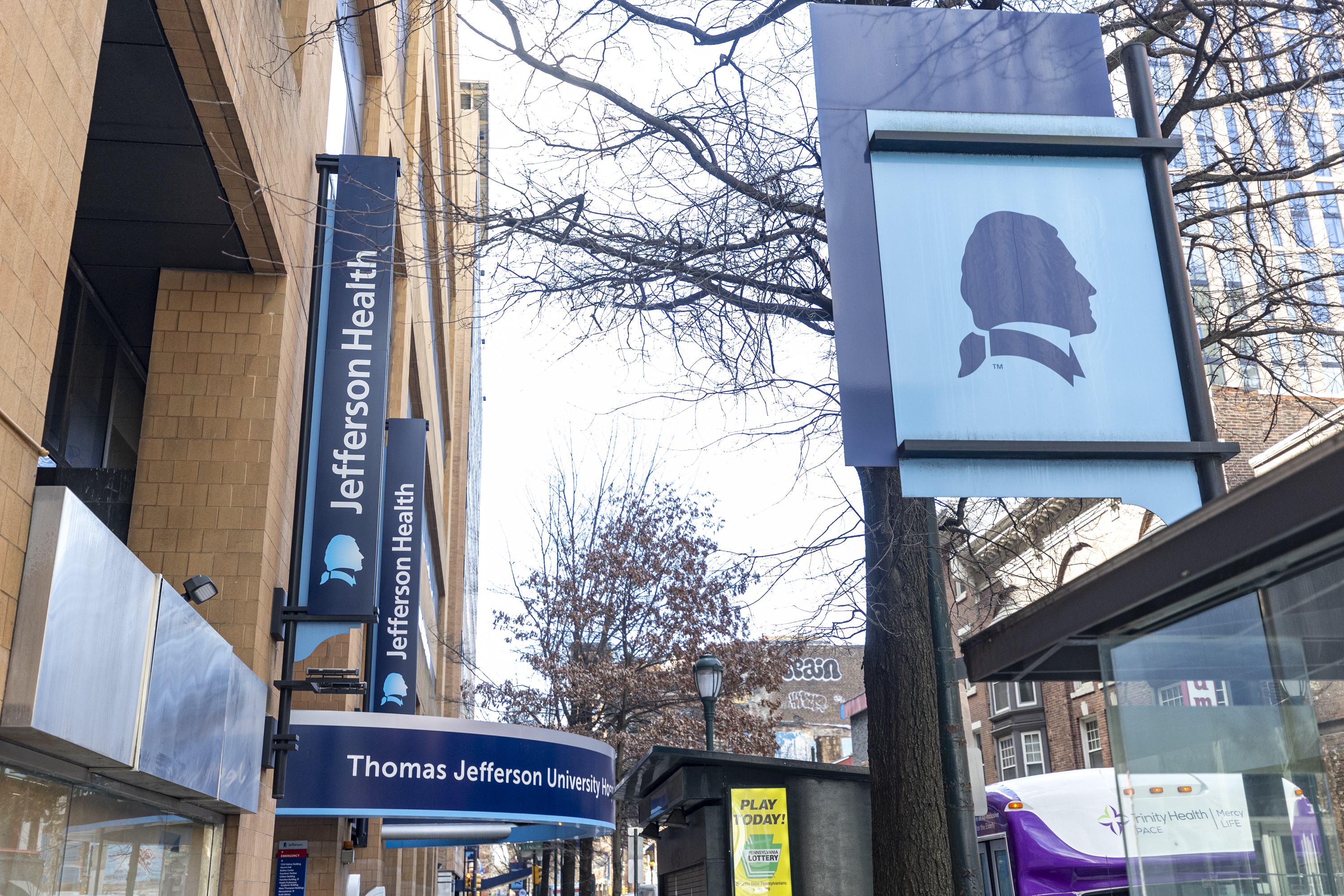
    Thomas Jefferson University Hospital entrance at 11th Street in Philadelphia.Tyger Williams / Staff Photographer

    “We’re not a museum. We’re not in the business of art education,” he added.

    Jefferson’s chairman of the board, Brian Harrison, said, “Our first obligation as trustees of the university, if we are going to release an asset like this, is to maximize value.” He acknowledged the “importance of the painting” to Philadelphia and noted that “the [Jefferson] alumni revered” it.

    Once the deal brokered by the auction house Christie’s was struck, an additional clause was added to the agreement. It allowed Philadelphia to keep the painting if it could match the sale price. Jefferson gave the city 45 days to do so — a month and a half to raise the largest amount ever paid for a pre-World War II American painting up until that point.

    “There’s no museum, in fact I can think of no nonprofit in the U.S., that can raise $68 million in 45 days,” said Kathleen Foster, senior curator and director of the Center for American Art at the Philadelphia Museum of Art. “There wasn’t really time to twiddle our thumbs, we had to just dive in.”
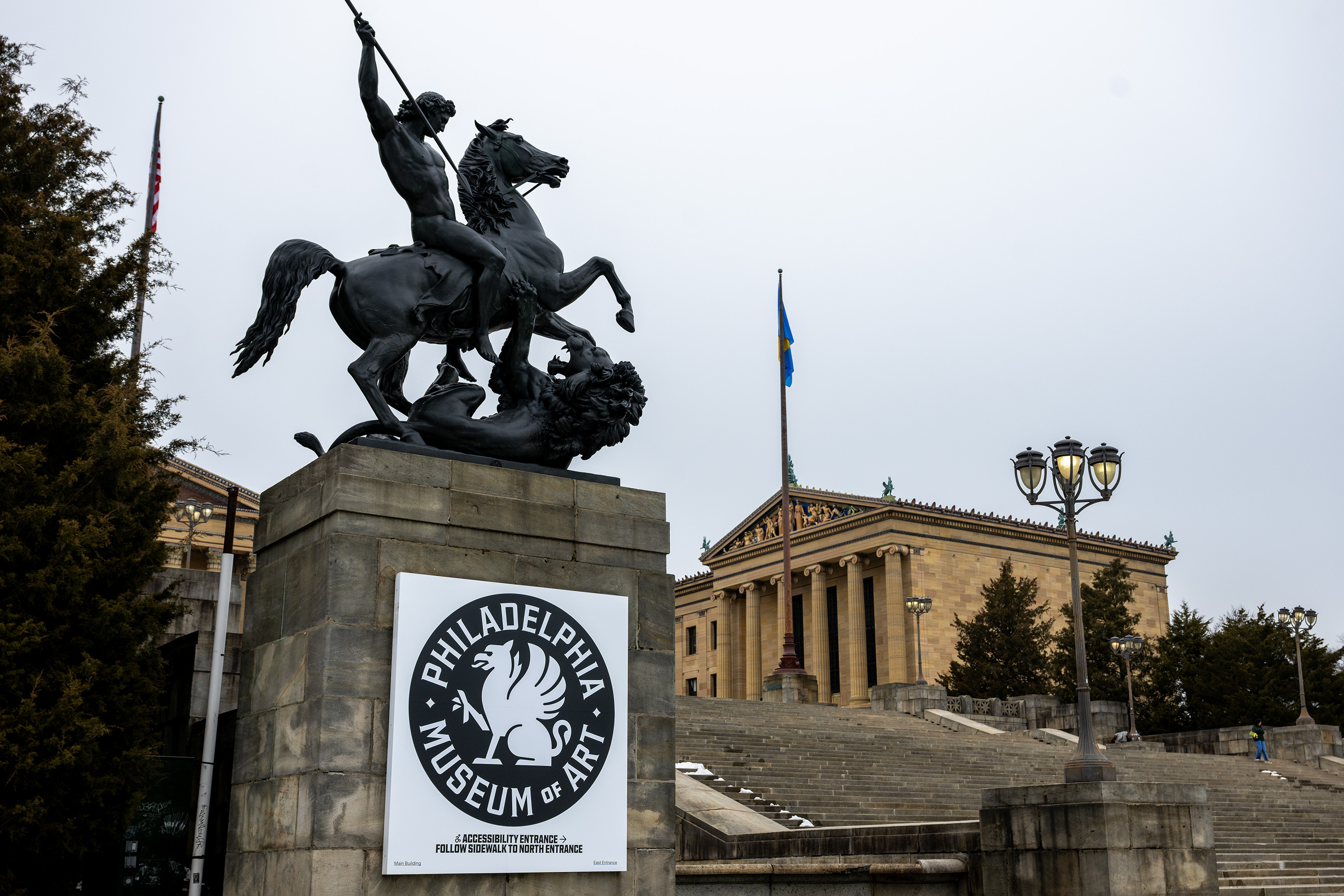
    One of the newly installed signs at the Philadelphia Museum of Art.Tom Gralish / Staff Photographer

    Anne d’Harnoncourt, the director and CEO of PMA at the time, “was never ever dissuaded,” Foster said. She started a fundraising campaign and immediately put the museum staff on phones calling government officials. She had them giving talks to the public, updating them on the campaign, and she suggested partnering with PAFA.

    The museums met with bankers and coordinated to receive donations from Philadelphia-based philanthropists. The Annenberg Foundation, Gerry Lenfest, Pew Charitable Trusts, Nicholas and Athena Karabots, and Joe Neubauer all pledged donations in the millions, making up about a third of the funds raised.
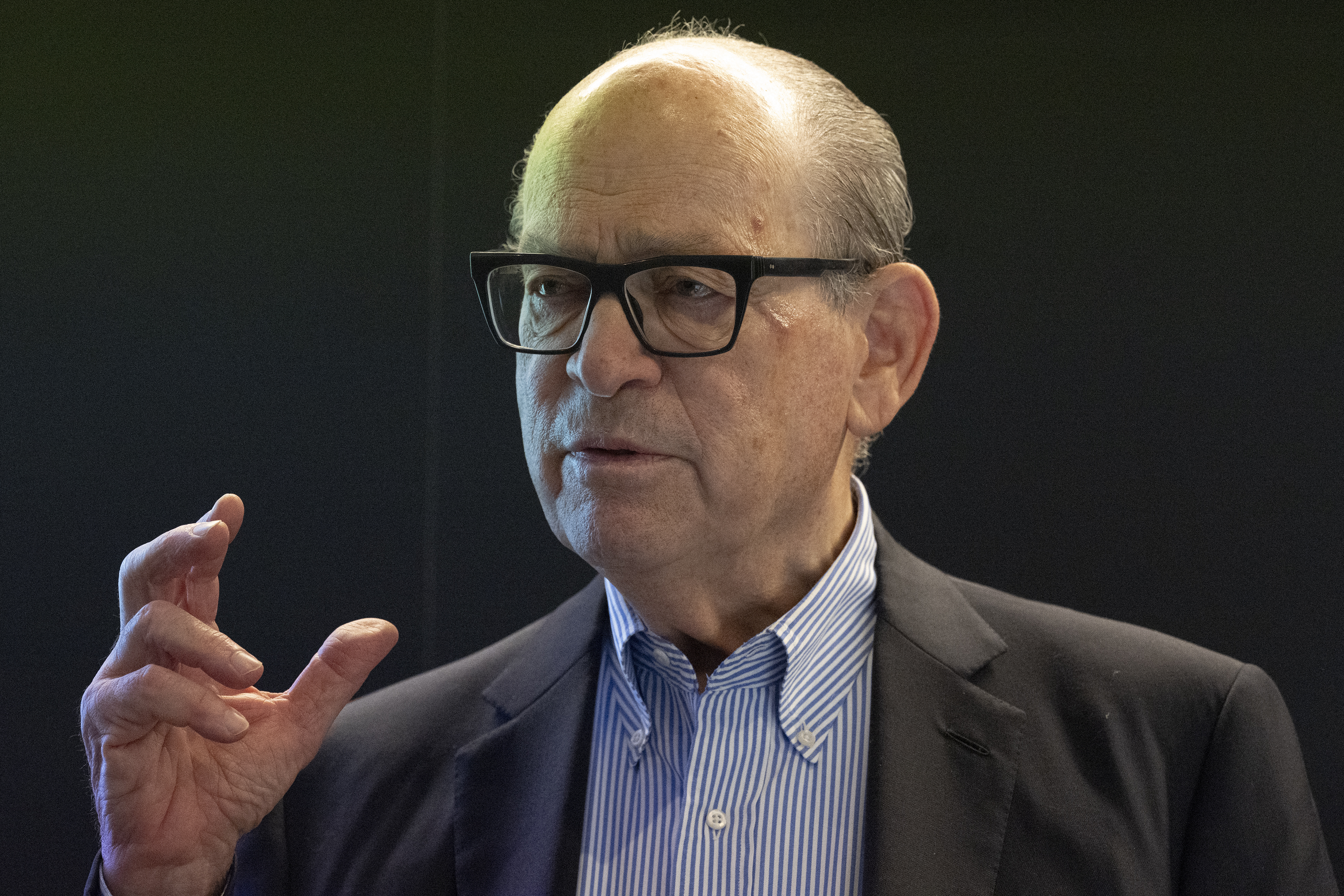
    Joe Neubauer, chair of the Neubauer Family Foundation.Jose F. Moreno / Staff Photographer

    Neubauer, formerly CEO of Aramark, has supported several institutions through his family foundation, including the Pew Research Center, Brandeis University, the Jewish Theological Seminary, and Calder Gardens.

    “I like challenges. This seemed to me to be in the essence of Philadelphia,” said Neubauer, who donated $3 million to the cause. “An artist, who was the greatest artist in Philadelphia in his period, this was his greatest piece that he had ever done. It’s been in Philadelphia from the beginning. He lived in Philadelphia, worked in Philadelphia, went to art school in Philadelphia, went to Central High School. It belonged here and to take it out seemed to be just not fair.”

    A few Eakinses for an Eakins

    Both the PMA and PAFA parted ways with several of Eakins’ other paintings they owned via a process called deaccessioning — selling work from the collection and using those funds to keep The Gross Clinic.

    Among Eakins’ paintings that the PMA sold was one of a cowboy playing the banjo. Several Dakota landscape paintings went to a Western art collection in Denver. PAFA had to sell a more beloved Eakins piece, called The Cello Player, to a private collector.
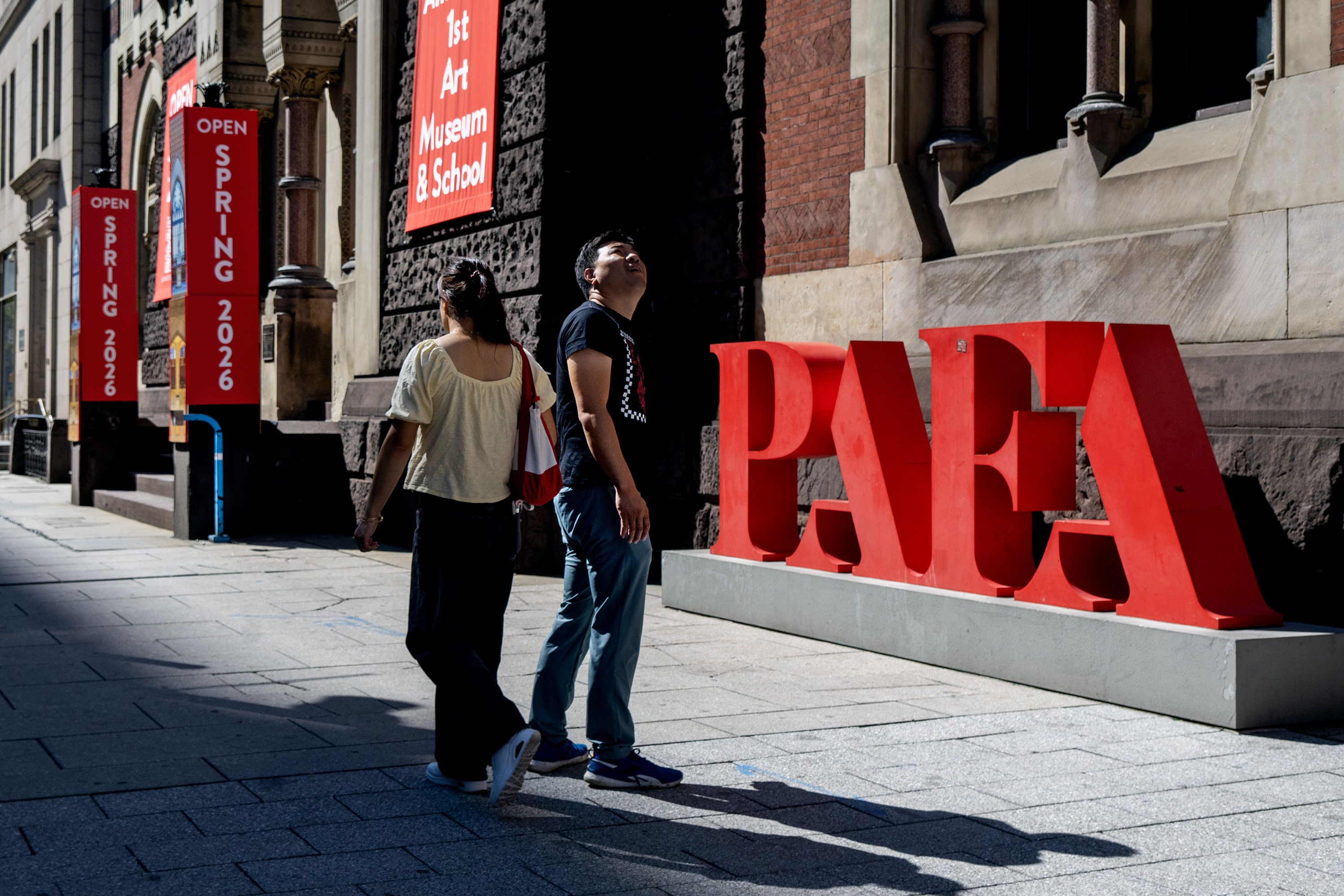
    The Pennsylvania Academy of the Fine Arts’ Frank Furness-designed building on North Broad Street.Tom Gralish / Staff Photographer

    “That was sort of a necessary tragedy. Because it’s a private collector, they could come up with money fast, and the academy could get the money quickly,” said Foster. “For the museum it was a happier ending because the paintings [it deaccessioned] went on view to the public. For the academy it was sadder because the painting has basically disappeared, gone underground.”

    As PMA and PAFA acquired big-name donors and sold beloved artwork, the story of the campaign reached the public. Civic outrage ensued.

    ‘Hopping mad’ Philadelphians

    Steven Conn, a history professor at Miami University of Ohio, was invited to discuss the matter on a local AM talk radio show, then known as The Big Talker, after he criticized the sale of the painting on NPR.

    “I had expected to defend the idea that we should care at all about the sale of this painting and was caught off-guard when I realized that not only the host but several of the callers were hopping mad about it too,” Conn wrote in the 2012 essay “Local Hero: The Gross Clinic and Our Sense of Civic Identity.”
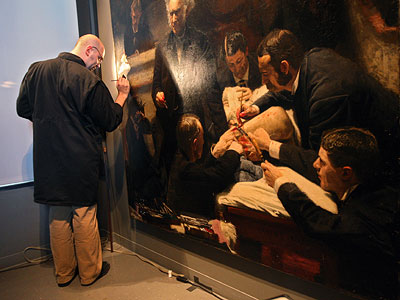
    Allen Kosanovich, a Mellon Fellow in Conservation, works on restoring the part of the “Gross Clinic” painting where the gallery is watching the surgery.Michael Bryant / Staff Photographer

    Kathleen Foster recalls that even Conn’s taxi driver, who picked him up at the airport, became “incensed” when Conn brought up the possible sale of The Gross Clinic. The public was angry, and so were public officials.

    “I had to give this talk and in the front row, there was Ed Rendell leaning forward in his chair, drinking up every word I was saying. Who knows whether he had any idea who Thomas Eakins was before he got this pep talk,” said Foster.

    Rendell was governor of Pennsylvania at the time, and had previously served as the mayor of Philadelphia.
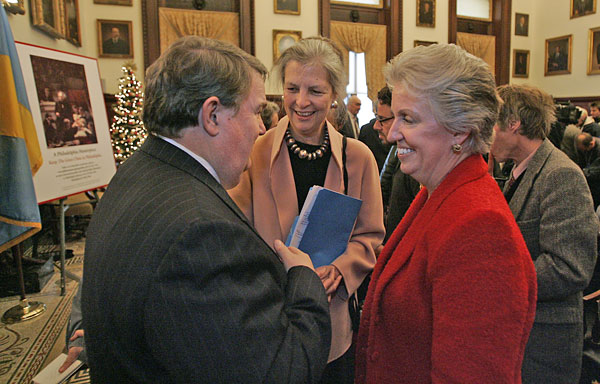
    Hugh C. Long of Wachovia’s MidAtlantic Banking Group, with Art Museum director Anne d’Harnoncourt (center) and Rebecca Rimel, president and CEO of the Pew Charitable Trusts. (MICHAEL BRYANT / Inquirer Staff Photographer)

    “He called up the director of the National Gallery and screamed at him,” said Foster. “He just said, ‘How dare you take this away from Pennsylvania? For shame!’ I heard the director had to hold the phone away because he was being yelled at by the governor of Pennsylvania. That kind of energy I think is pride that this is a gem for our city and for the state.”

    But more important than how angry they were was how willing people were to donate. Before Reisa Mukamal was a PMA guide, she was living in Swarthmore, raising four children and working as a synagogue teacher and writing tutor. When she heard about the campaign, she knew she had to donate.

    “I must’ve read about it in the news,” she said. “I didn’t contribute a lot, it was a modest amount of money. But there was no way I was going pass that up and it seemed like a once-in-a-lifetime story.”
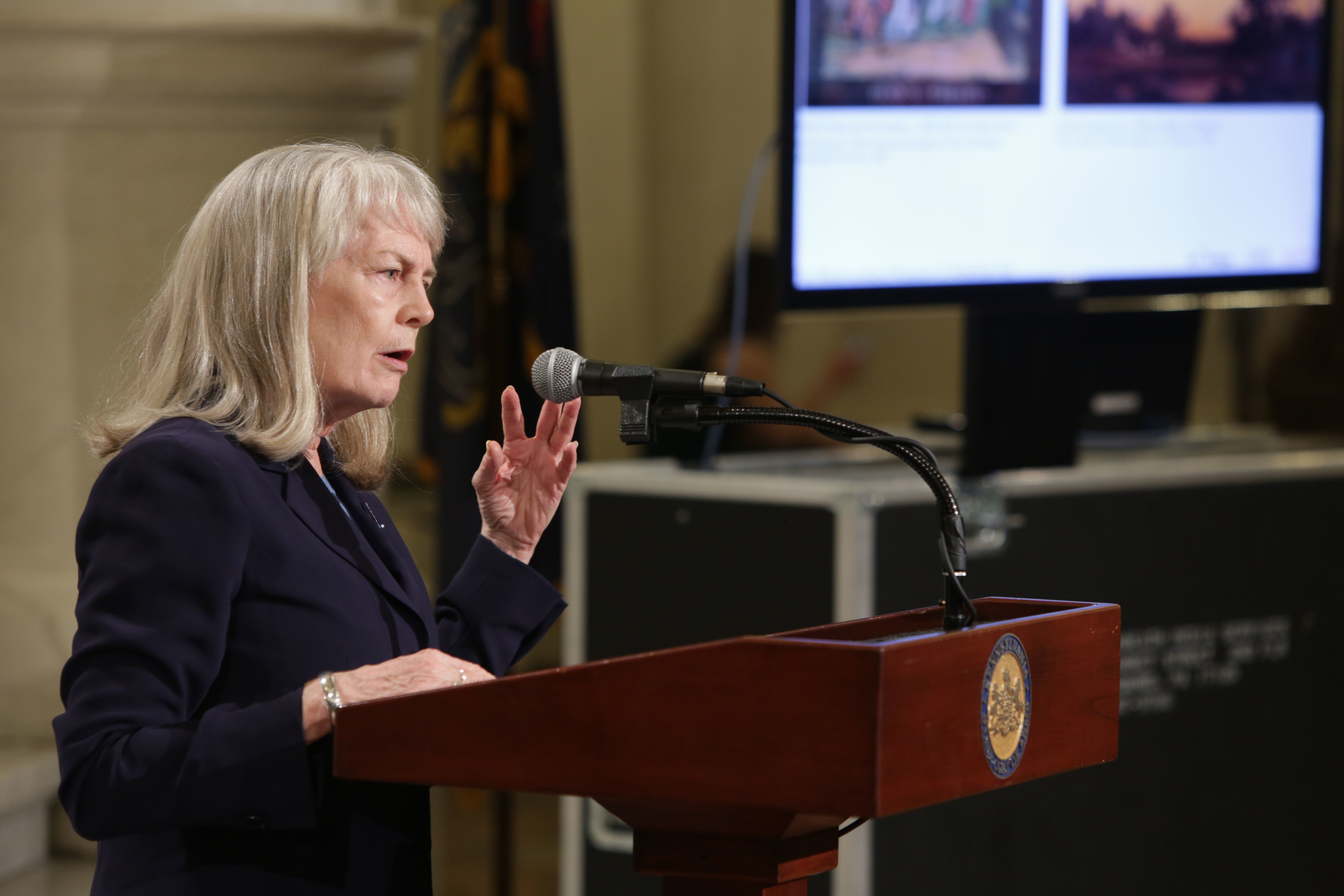
    Kathleen Foster, senior curator and director of the Center for American Art at the Philadelphia Museum of Art, discusses the art-sharing initiative during a press conference at the Pennsylvania Capitol, on April 29, 2019.GK Visual

    ‘Why would we want to let a cherished piece of art leave the community?’

    Foster’s favorite story is of a little boy who donated $2.46 (his piggy bank savings) to the cause after watching his grandfather become infuriated after hearing about the story on television.

    “It’s that kind of anecdote that just was so heartwarming that we just had Philadelphians at home in their living rooms listening to the television, maybe reading stuff from Stephan Salisbury in The Inquirer, and being outraged. We had this torrent of small gifts that were so adorable. Students, people with no money, and then there were the Annenbergs of the world giving a million dollars. We had this amazing spectrum of people.”

    In Salisbury’s original coverage in The Inquirer, he reported that “a woman in Wyoming sent in $25 because her daughter, who lives in Philadelphia, said she wanted a ‘donation to this fund’ as a Christmas present” and “a woman from Philadelphia sent in $100 and noted that she had taken her whole family to see The Gross Clinic over the Thanksgiving holiday.”

    Faculty members at PAFA started selling buttons at the foot of the Rocky steps for a dollar; they said “Keep ‘Gross’ in Philadelphia.” From time to time, they’d bring their jar of dollars into the PMA to donate toward the fundraiser.
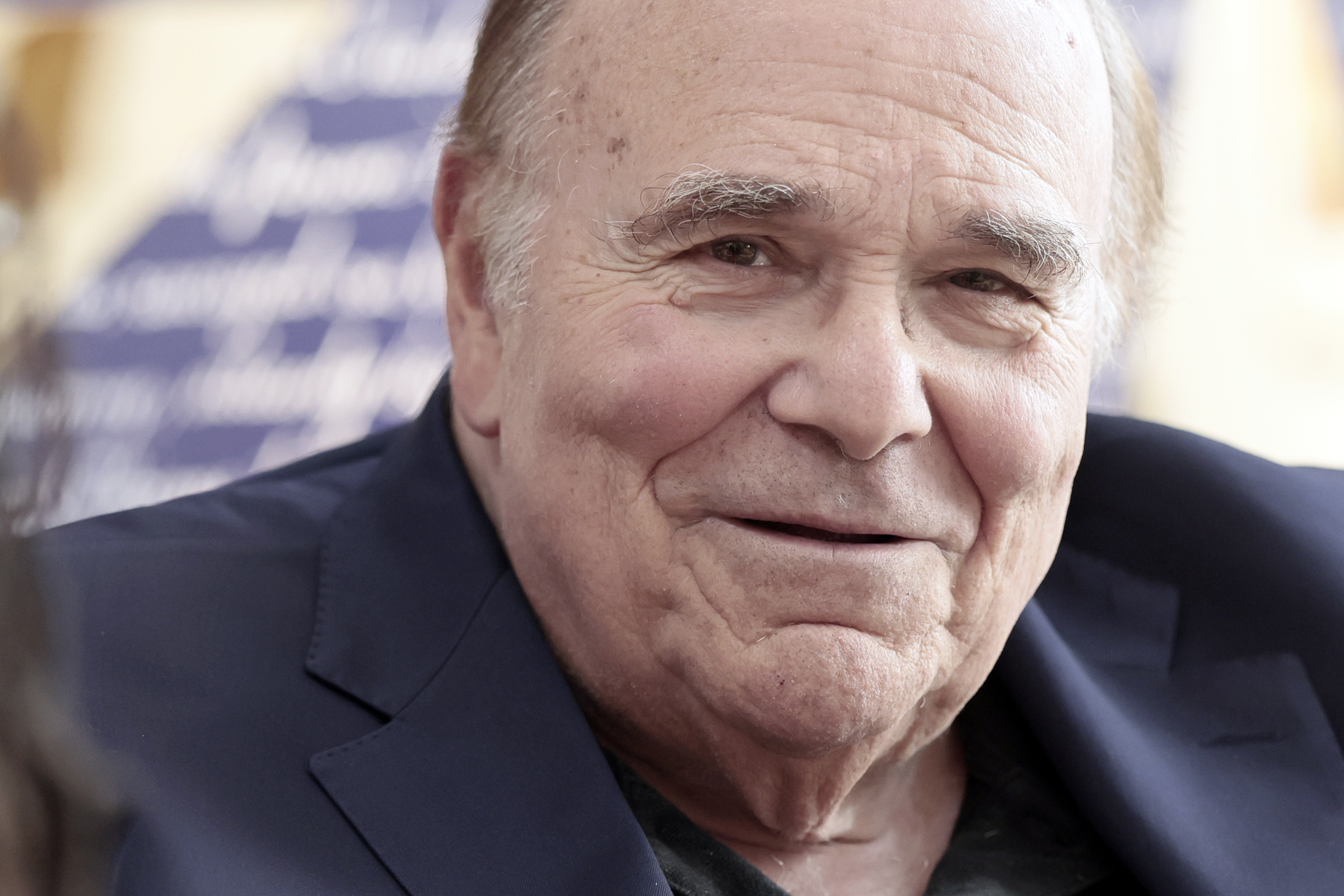
    Former Mayor Ed Rendell during opening night of 1776: The Musical at the Philadelphia High School for Creative and Performing Arts on Wednesday, June 24, 2026.Elizabeth Robertson / Staff Photographer

    “It’s amazing to me that people hear about things in the news, whether they read it or watch it somewhere, and all of a sudden, $10, $15 dollars, $5, $1,” said Neubauer. “Contributions now are much more easily made than writing a check and putting it in an envelope and putting a stamp on it. It caught the spirit of the people. Philadelphians are proud of their city, and this was a pride in the city. Why would we want to let a cherished piece of art leave the community?”

    The PMA and PAFA say the campaign received money from between 3,400 and 3,600 donors from across the nation.
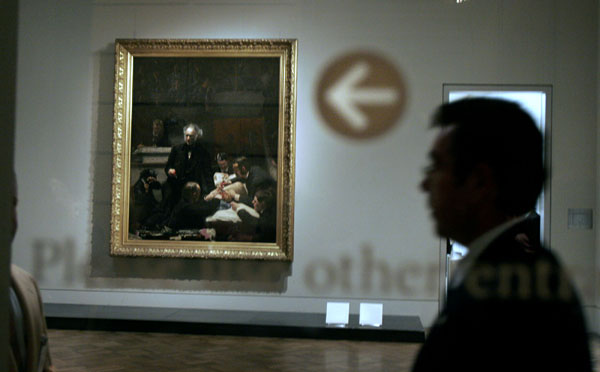
    A last-minute fundraising drive kept “The Gross Clinic” in Philadelphia and staved off its sale to two out-of-town museums.Eric Mencher / Staff Photographer

    “I hope people appreciate that it’s not contemporary art, it’s 19th-century art. When I was younger I always marveled at cave drawings. Why did people draw in the caves? Because it was important to them to show what nature was,” said Neubauer.

    The PMA and PAFA raised enough money by the Dec. 26 deadline to keep The Gross Clinic at their institutions indefinitely.

    “I think it’s very important for people in Philadelphia to go see it and understand that it was done in Philadelphia by Philadelphians for Philadelphia,” said Neubauer.

    Supporters packed into the PMA’s Great Stair Hall to cheer on this victory for the Philadelphia art world.
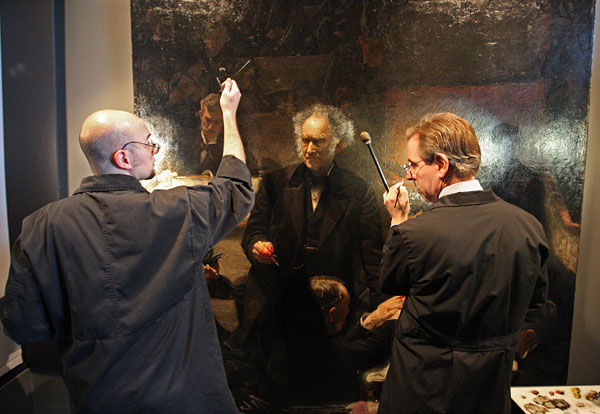
    Conservators Allen Kosanovich (left) and Mark S. Tucker work on Thomas Eakins’ “The Gross Clinic.”Michael Bryant / Staff Photographer

    “Ed Rendell came to the microphone, put his arms up like Rocky, and just bellowed in triumph over the acquisition of this painting,” said Foster. “This cheer goes up from the room, I thought the roof was going to lift. It was like we had won the Super Bowl.”


    “The Gross Clinic” is currently on display in the Historic Landmark Building at the Pennsylvania Academy of the Fine Arts, 118-128 N. Broad St., Philadelphia, Pa. 19102.

    [Editor’s note: Morgan Ritter is The Inquirer’s first recipient of the Stephan Salisbury Internship for Arts Journalism. Salisbury died in 2024, after a long career as an arts and culture reporter for The Inquirer — including his reporting on the proposed sale of “The Gross Clinic.” ]
  • Wayne’s Annabelle Dinda was working as a nanny last summer. Now she’s on tour with Noah Kahan.

    Wayne’s Annabelle Dinda was working as a nanny last summer. Now she’s on tour with Noah Kahan.

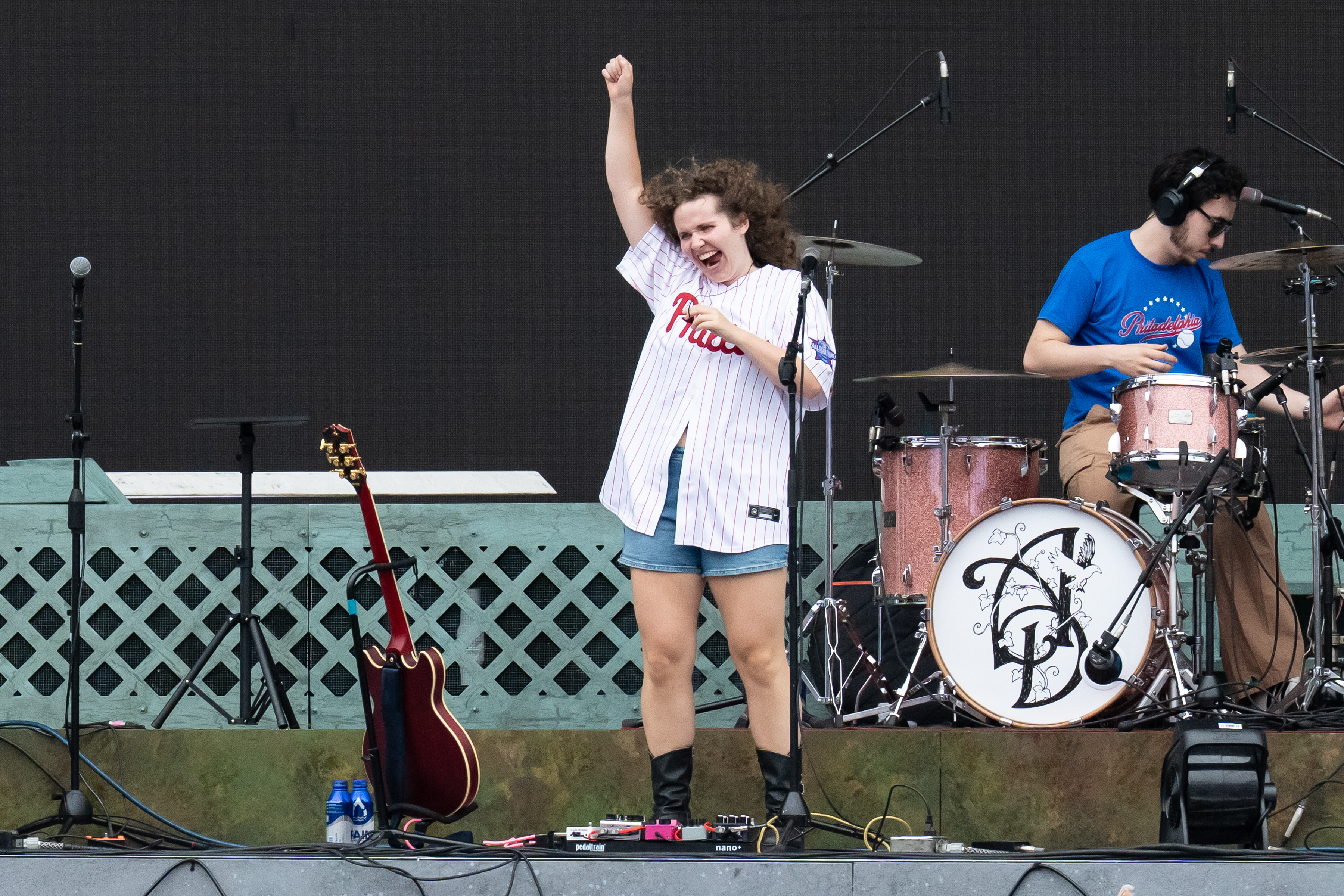
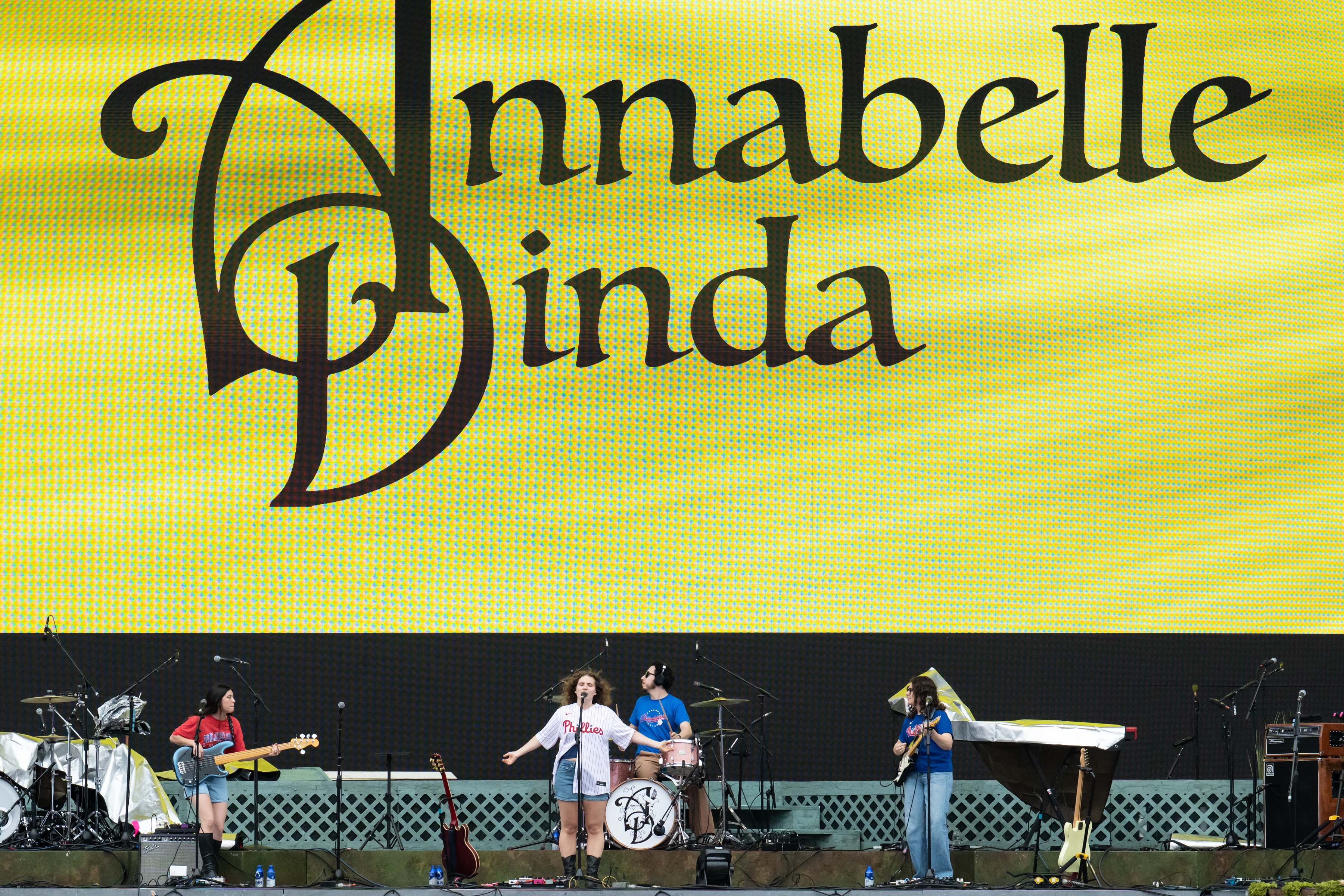
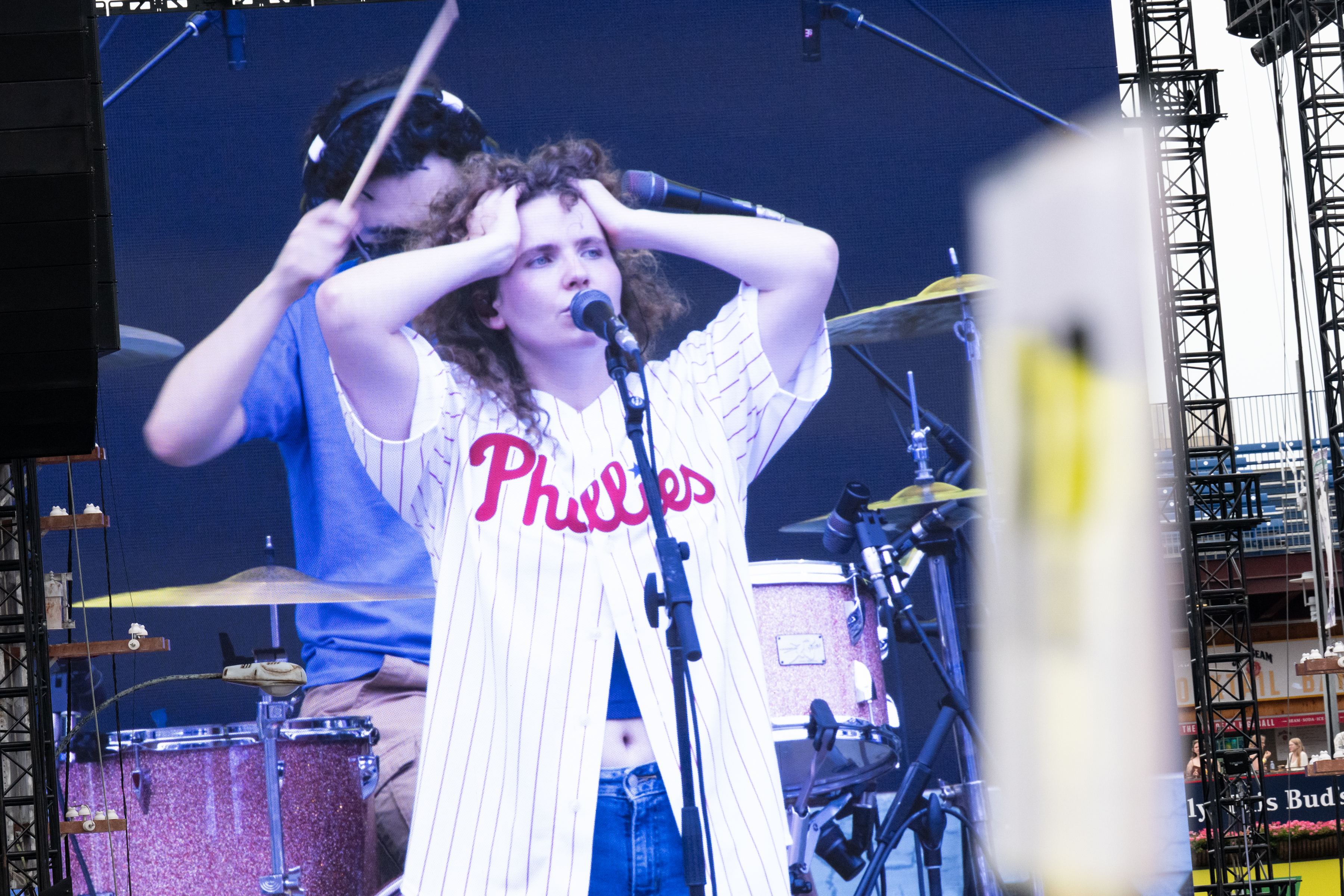
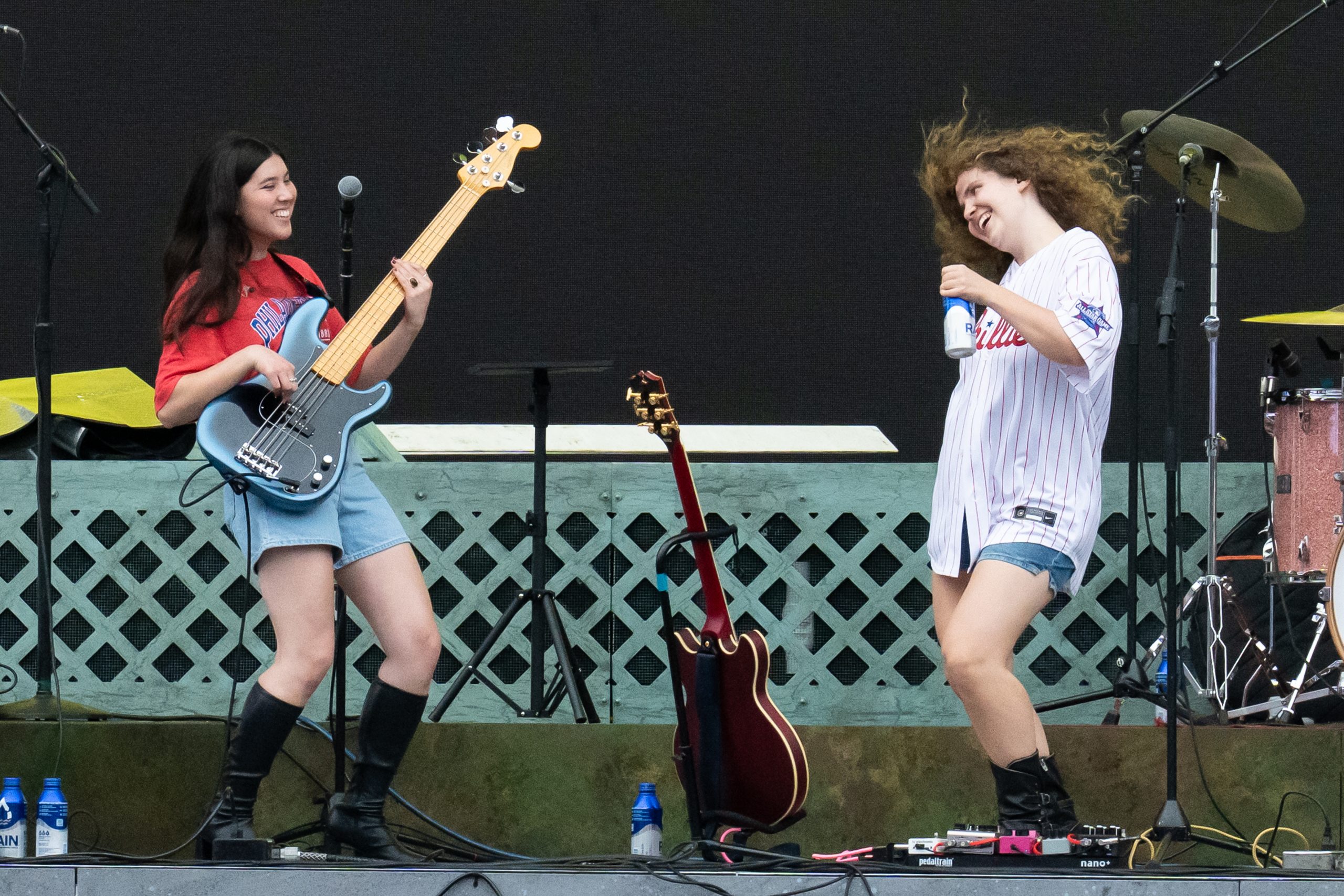
    On a warm summer evening in June, Wayne native Annabelle Dinda was gearing up to take the stage. It was her first time opening for folk sensation Noah Kahan on his “The Great Divide” tour, and it was in Citizens Bank Park, the home of her beloved Phillies.

    The last time she had performed on home turf was a month earlier at the Lounge at World Stage for around 200 people. This time, she was about to sing in front of a sold-out crowd of around 45,000.

    The 25-year-old singer-songwriter was very excited, as she recalled.

    Annabelle Dinda performs an opening set during the Philadelphia stop of Noah Kahan’s “The Great Divide Tour” at Citizens Bank Park on June 26.Erin Blewett / For The Inquirer

    “I’m not a huge sports girl, but I do love baseball. I was [like a kid] in the park out there,” said Dinda, 25, on looking around Citizens Bank Park during rehearsals. “[My band and I] walked through the dugouts, I stood on home base, I cried. It was so cool. I could’ve just done that and been done.”
    That performance coincided with the first anniversary of her starting to post her music on TikTok. In October of last year, just four months after starting an account, Dinda posted a video of her playing her then unreleased song “The Hand.” It currently sits at 16.7 million views and 2.2 million likes, with praise from popular indie artists like FINNEAS and Gigi Perez.

    The song, about the oppressive societal perceptions of women, is now part of her latest album Some Things Never Leave, and is her most popular song by far, with over 55 million streams on Spotify.

    @annabellesays

    this song is called ‘the hand.’ Yes I’m putting it on streaming. this is a run through of the whole thing and it proves that I have to practice like 80 times before I find the breath control and this is only my third run thru ok peace n luv bye

    ♬ original sound – Annabelle Dinda

    “There were periods of time where I didn’t talk to people, not in an ignoring sense, but because I couldn’t even begin to describe the fabric change of my life,” said Dinda over Zoom from a hotel room in Raleigh, N.C., last month, having been on tour with Kahan for a month at the time of being interviewed.

    “It was a huge shift. I was a nanny and I had to quit. The idea of making money from doing music was so alien to me. I’m very grateful for it, but I think I’m maybe about 40% done processing it.”

    Springsteen, Sinatra, Demi Lovato

    Dinda’s folk rock, Cranberries-esque style of singing captivated TikTok viewers — but she didn’t always have or even want that sound. When she was growing up, her parents would play her Sinatra and Springsteen, while Dinda had a burning desire to sing like the stars she listened to on Disney radio.

    “I was absolutely despondent that I couldn’t sing like Demi Lovato. It was one of the worst things that I ever had to come to terms with,” joked Dinda. “I would never sing if I couldn’t belt something, because I thought that’s what good singing was.”

    But at a certain point, she said, “you realize your own limits, and then a style comes from singing within those limits.”

    Annabelle Dinda performs an opening set during the Philadelphia stop of Noah Kahan’s “The Great Divide Tour” at Citizens Bank Park on June 26.Erin Blewett / For The Inquirer

    Citing influences like Sara Bareilles and Ingrid Michaelson, whom she heard while hanging out with her older cousins, Dinda was inspired to start writing music. She was 10. Her fans love her in-depth, poetic lyrics, but she always starts a song with a melody.

    “I always approach songwriting melody first … I didn’t give a s— about what the lyrics sounded like or what they meant, and that went on for years. Eventually, I thought it might actually matter what I say.”

    After graduating from Radnor High School, Dinda made her way to New York City to attend NYU. She took two music classes and quickly “despised it.”

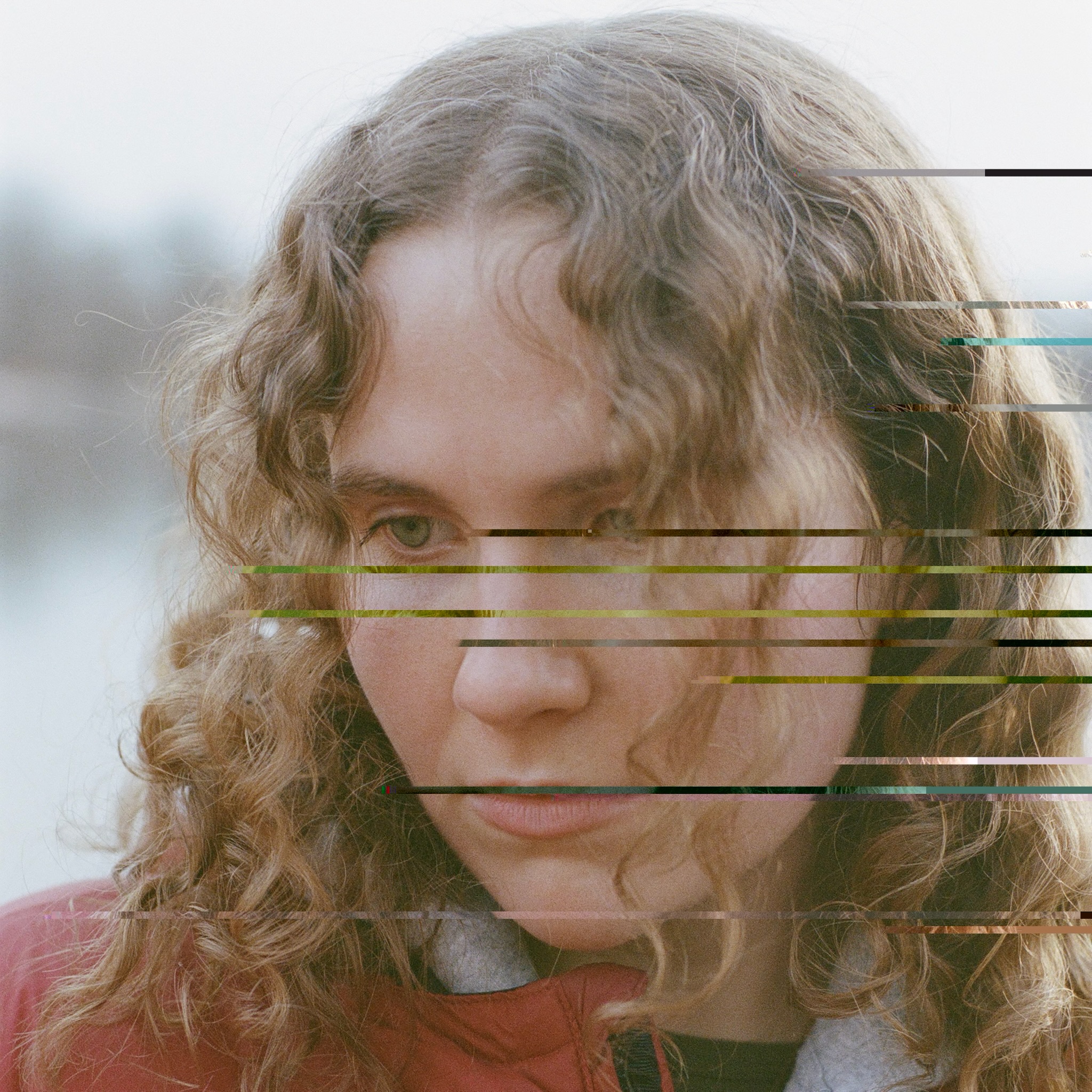
    A headshot of Annabelle Dinda as part of the photoshoot for her latest album “Some Things Never Leave.”Lia Whitman

    “I’ve met many friends now who did these kinds of music classes, but when I was 18 and meaner and more insecure, I thought those people sucked.”

    So she pivoted to crafting her own major in the Gallatin School of Individualized Study, studying poetry and philosophy for the rest of college.

    “My final concentration was basically the power of poetic language, the philosophy behind it, and how it can reach this ineffable part of being alive that music, too, can play into.”

    It was at this time that she started releasing her music independently. Starting out on SoundCloud, Dinda put out six singles in 2019, followed by her first album Nostalgion in 2020. She would go on to release eight singles, three EPs, and two albums before Some Things Never Leave dropped last January.

    Her already extensive catalog tends to be unified by two themes: time and grief.

    “I think there’s a natural thematic pairing of time and grief, because time runs out and then that’s grief,” said Dinda. “When I was making the first three [albums] from ages 17 to 22, I had so much anxiety. I was going through so much self-transformation and I did a lot of insular work. In general, but even more so then, I mourned many versions of myself.”

    In 2024, she released her third album, Sixth Sense, which dealt with a more acute sense of grief after her brother John passed away earlier that year unexpectedly.

    “I think all the songs in that, maybe besides two, I wrote in a three-month period after he passed,” said Dinda. “It was interesting because the muscles that I had built talking about the idea of grief and the idea of time for many years, it became that this theme was all I think about now. It became very tangible.”

    Forever rooted in Philly

    Dinda is based in New York; the album cover for Some Things Never Leave was shot in Prospect Park. But she hasn’t forgotten about her hometown.

    “London Plane Trees Grow in Philly,” the six-minute album closer on Some Things Never Leave, delivers a nostalgic, bittersweet love note to her life and family, with lyrics dedicated to her mom and other brother, Henry.

    The cover for Annabelle Dinda’s newest album “Some Things Never Leave” shot in Prospect Park in Brooklyn.Lia Whitman

    “Henry studied horticulture and he is a landscaper now. I remember being a teenager and loving [London Plane trees], asking him what that tree was, and him explaining that tree to me,” said Dinda. “I’m really happy with the metaphor of an old-rooted thing being in both [New York and Philly]. They’re city trees, too, so they’re everywhere. There’s something kind of bland about them. The most common things can be the most inspiring because they’re so overlooked and utilitarian.”

    In May, Dinda played a “Free at Noon” concert at WXPN before embarking on the tour with Kahan. Her family was in the crowd loudly cheering her on throughout the show.

    She was selected as the radio station’s “Artist to Watch” for the month of May by WXPN music director Dan Reed, who was introduced to her songs by his son.

    “If you’re gonna write these confessional deep lyrics, that’s great, but they’re not going to have a whole lot of staying power if they don’t have a great song behind them,” said Reed. “She’s able to put those two things together, which is really rare.”

    @annabellesays

    release dayyyy 🙂

    ♬ original sound – Annabelle Dinda

    Coming off the melancholic, nostalgic themes of Some Things Never Leave, Dinda released her upbeat single “Whatever You Wanna” in June. This song feels more like holding your hands outside the window of a car on a road trip, with lyrics telling the romantic, but possibly naive tale of Dinda feeling compelled to do whatever crazy thing her lover wants her to do.

    Does this more high-spirited track reflect the tone of Dinda’s next album? She says it’ll be more of a “mixture.”

    “I’m always wary of people getting too solid an idea of me,” said Dinda, who has been performing unreleased songs “Fill the Gap” and “Learn Something, Baby!” at smaller shows in between Kahan tour dates.

    “This last album we recorded so quickly that there were some elements that were left raw that I’m going to try to thicken and expand. I will always want to experiment more than I am currently. I think if you don’t do that, then what the hell are you doing?”

    Annabelle Dinda performs an opening set during the Philadelphia stop of Noah Kahan’s “The Great Divide Tour” at Citizens Bank Park on June 26.Erin Blewett / For The Inquirer

    Dinda will continue to perform with Kahan through August.

    After that? She wants to seek more growth, but also a sense of normalcy.

    “I’m really interested in, and this is the grandma in me, a slow and steady growth and seeing how that feels,” she said. She wants to record her next album, release it, and tour again next year, and then compare next year with this year to see what she can do differently.

    “I was so deeply overwhelmed this year that I was focused on releasing and getting my face and literal body on stages out in the world. I’ll be happy to have a little more time to do music videos and pay real attention to pictures we take,” said Dinda, who wants to focus more on the creative aspects behind the next album’s rollout. “Incrementally growing I’m really excited about, because I don’t want to feel insane, is my goal.”

  • A ‘Join or Die’ sculpture on Independence Mall is slithering its way into completion

    A ‘Join or Die’ sculpture on Independence Mall is slithering its way into completion

    In a historic addition, Independence Mall will soon be home to a sculpture derived from an iconic political cartoon.

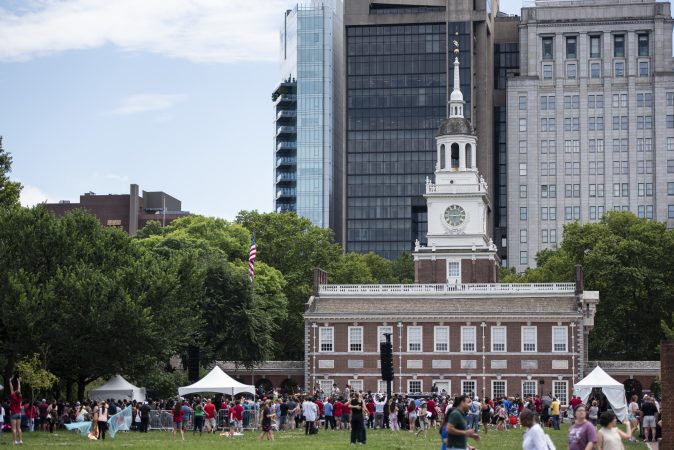
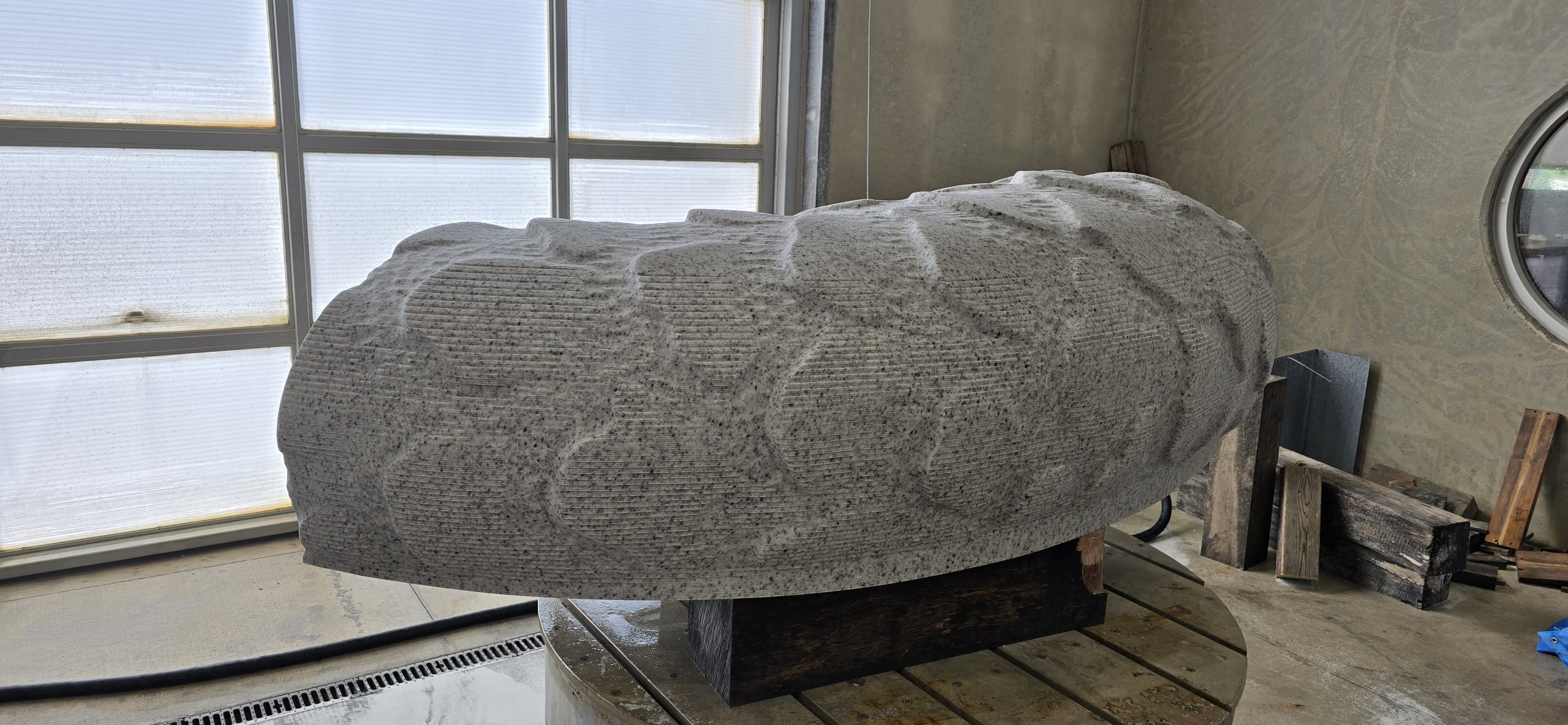
    A 46-foot-long sculpture of Benjamin Franklin’s “Join or Die” snake is set to be unveiled this fall on the Liberty Bell Center block of the Independence Mall, near the corner of Fifth and Chestnut Streets. The sculpture will feature eight pieces that represent segments of the snake’s body. These will be carved out of granite, each marked with the initials of the respective colony it’s meant to represent.

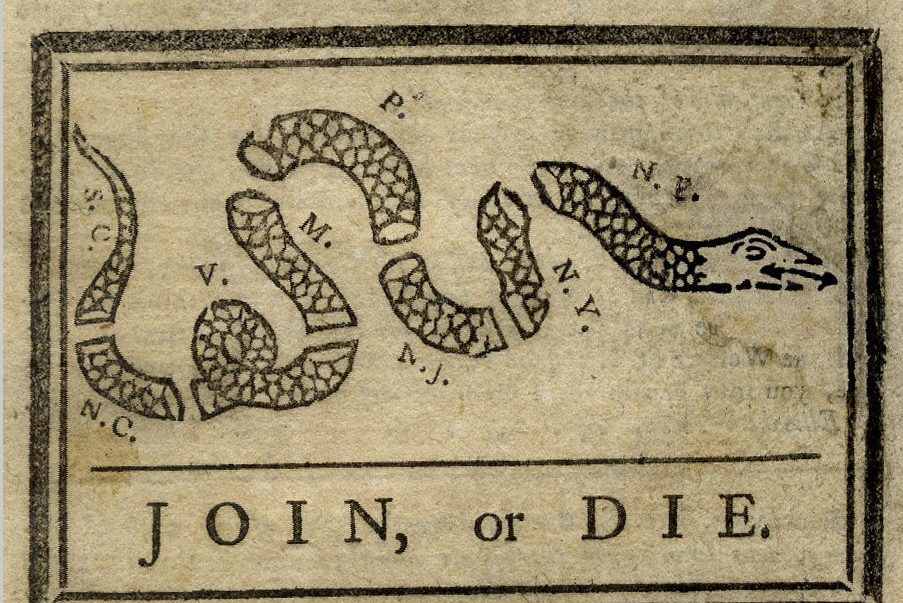
    The political cartoon created by Franklin in 1754 was first published in his newspaper, the Pennsylvania Gazette. Each piece of the snake is meant to represent one of the 13 original colonies, except for the snake’s head which represents the six colonies of New England.

    The cartoon called for unity among the colonies, particularly during the French and Indian War.

    This political cartoon, long said to be the work of Ben Franklin, appeared in the May 9, 1754, edition of Franklin’s Pennsylvania Gazette,Nate D. Sanders Auction

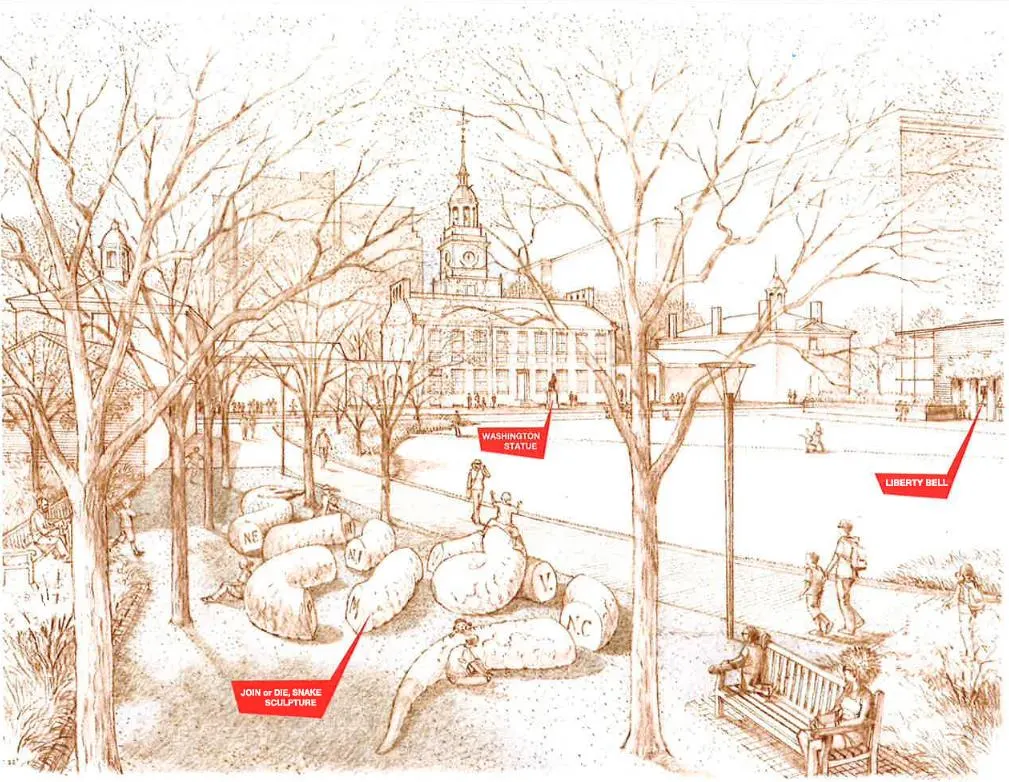
    The Independence Mall sculpture will be installed on the ground, allowing visitors to interact directly with the sculpture.

    “I thought it was a great idea to have that on the mall because it’s considered the first political cartoon in the country before we were a country in 1754,” said John Collins, the artist behind the sculpture. “I thought interpreting that into a large sculptural work that still has a playful element to it, that the mall is really lacking in, would be a great addition.”

    Collins, who was an architect for 15 years after graduating from Penn State, had first heard of the project in the 2000s while working at landscape architecture and urban design firm OLIN. Founder Laurie Olin had proposed the snake sculpture to be included in an interpretive art program for Independence Mall in 1997, but that part never came to fruition.

    An aerial-view rendering of the “Join or Die” sculpture, set to be displayed near the corner of Fifth and Chestnut Streets on Independence Mall.Courtesy of Independence Historical Trust

    “During the pandemic I sent an email to Laurie asking if we could try to resuscitate the snake project and he responded within a couple hours,” said Collins, who left OLIN in 2009. “He said if I put together a proposal with a team and some costs and graphics, we could then shop it around to private donors and try to raise money for it and treat it essentially as a gift to the Park Service.”

    This “gift” has come to a total of approximately $3.9 million, with funds raised by Independence Historical Trust, the park’s nonprofit fundraising organization.

    The sculpture was originally one of several other improvements to the park proposed in 2025 to be completed before this year’s Semiquincentennial. An America250 time capsule was buried at that same corner at Fifth and Chestnut Streets — just a few feet south of where the snake’s head will be.

    A rendering of the “Join or Die” sculpture, which is set to be installed this fall near the corner of Fifth and Chestnut Streets on Independence Mall.Courtesy of National Park Service

    In July of 2025, the Inquirer reported that the project was short the $1.6 million needed to complete the project by this summer.

    Severe budget cuts to the National Park Service and other federal funding gaps forced the trust to turn to public fundraising for their improvement efforts. They were able to secure funding for this project from the state, the city, private foundations, legacy groups, and individual philanthropists.

    Despite the delay, Jonathan Burton, the trust’s director of development, maintains that the fundraising was “intentionally phased.”

    “Early commitments allowed the project to advance through design and engineering while additional support was secured for fabrication,” he said. “We are now working on installation fundraising.”

    A piece of the “Join or Die” snake sculpture carved out of granite stone.Courtesy of John Collins

    The installation of the sculpture still requires an additional $800,000. The trust has set up a public donation page for fundraising.

    “The sculpture will create a new civic destination in the heart of Historic Philadelphia, inviting residents and visitors alike to engage with one of America’s most enduring symbols,” said Burton. “It will strengthen Philadelphia’s reputation as a city where history is not simply preserved but experienced, inspiring new conversations about the values that continue to shape our nation.”

    No official unveiling date for the sculpture has been announced.

    The article has been updated to reflect accurate numbers for the funding shortfall received from the Independence Historical Trust, and details about the America 250 time capsule.

  • Times Square will be surrounded by a West Philly artist’s work all August

    Times Square will be surrounded by a West Philly artist’s work all August

    Times Square is getting a touch of Philly artistry.

    West Philly-based Maia Chao has been Times Square’s Public Artist-in-Residence since 2023, having been invited to examine the behind-the-scenes experience of what is one of the busiest tourist areas in the world.

    A photo installation and “Midnight Moment” presentation from her work will be on display through the month of August. The art will draw from her studies on the cleaning and beautification processes, and human behavior at the plaza.

    “I’ve always been interested in infrastructure, the management of public space, and the sociality of different places,” Chao said. “Times Square itself was a funny place to be presented with because it’s what a lot of New Yorkers avoid passing through. I was coming to it looking at what the space has become as it became corporatized.”

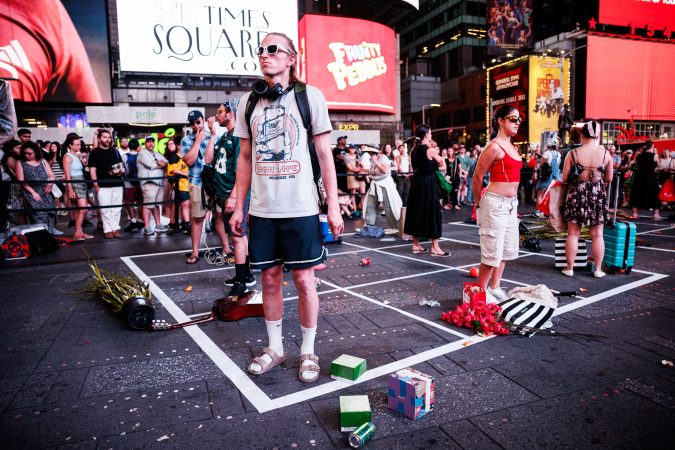
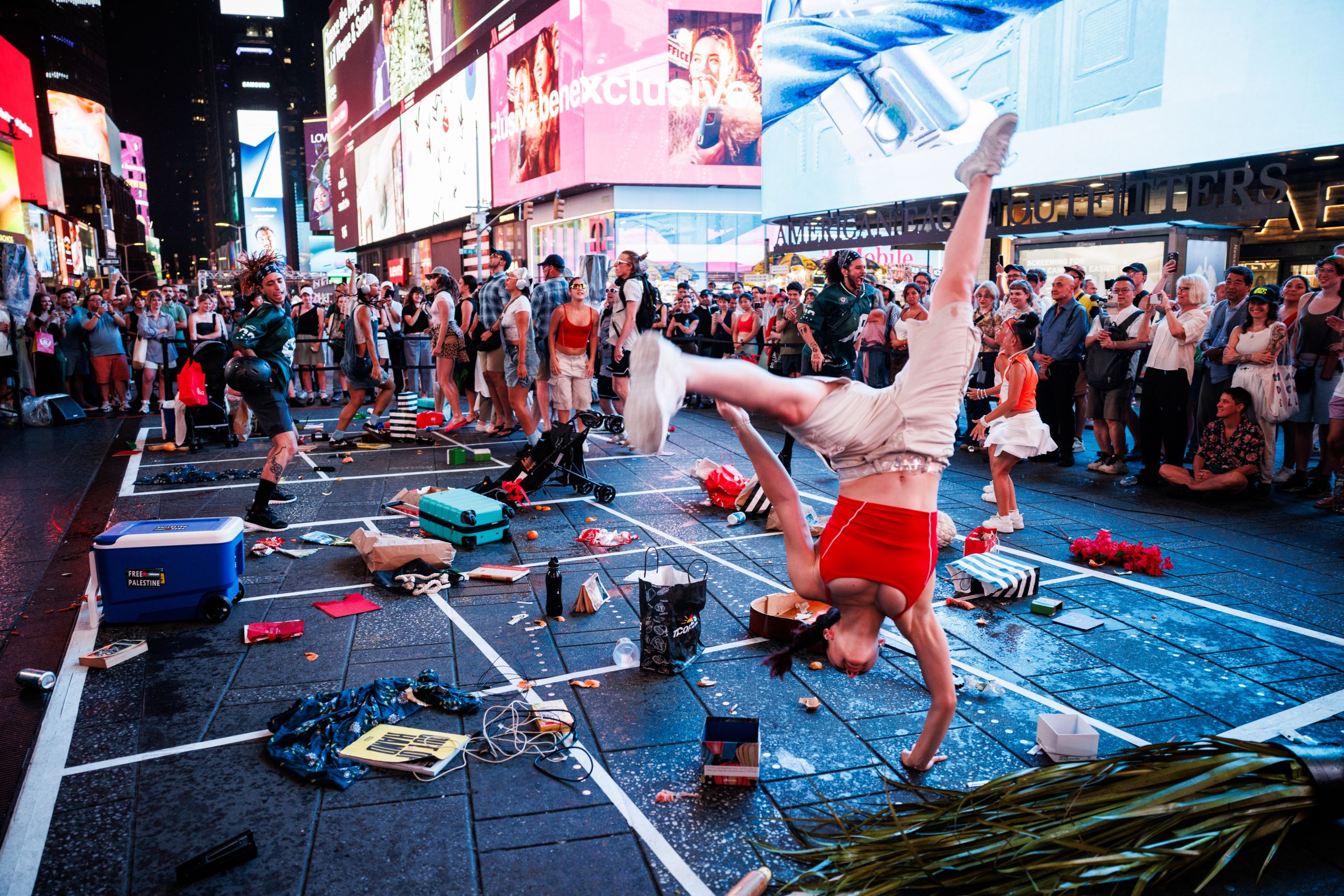
    Actors performing in Philly artist Maia Chao’s show “American Idle” in Times Square. The performance is being restaged August 14, 2026.Maria Baranova-Suzuki

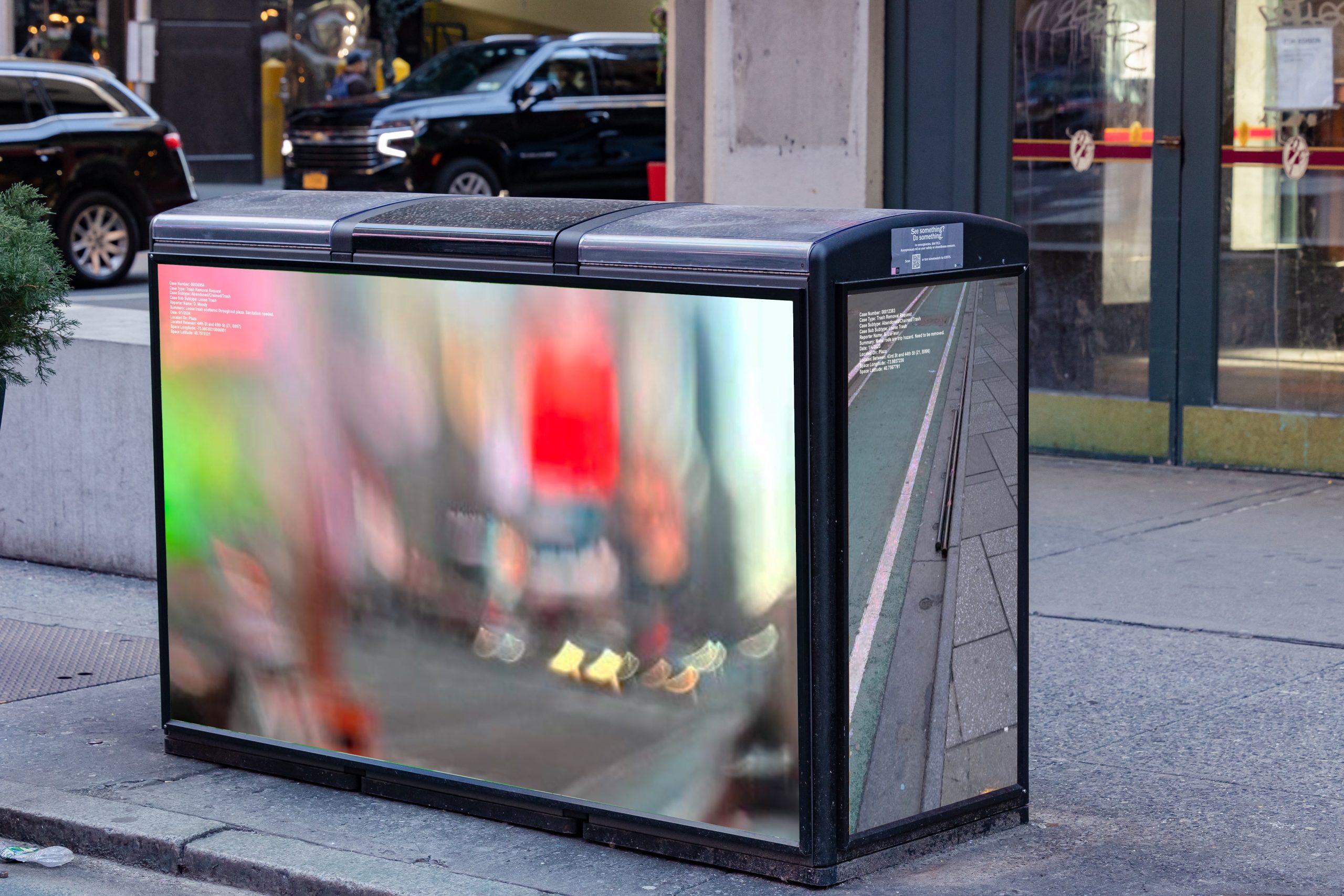
    Chao’s photo project “Case Subtype: Damaged/Nonfunctional” will present 30 photographs displayed on Bigbelly trash cans across Times Square. The photographs were taken by actual sanitation workers, who already document potholes, graffiti, and other abandoned objects as a part of their job.

    “A lot of the work of the Times Square Alliance is to improve the reputation of Times Square from its history of being ‘seedy’ or ‘dangerous’ in the 1980s and 1990s,” said Chao. “A lot of that effort is about maintaining its appearance as clean and safe to visit. I came to that with a critical lens on what and who is deemed clean and safe.”

    The title of her project references how workers mark found objects as “damaged/nonfunctional” when they upload the photos to their system. Details like the location and photographer are seen in small text in the corner of each photograph.

    A mockup of one of the photo installations from Philly artist Maia Chao’s upcoming project “Case Subtype: Damaged/Nonfunctional.” The photos are to be displayed on Bigbelly trashcans in Times Square.Liz Ligon

    “People are used to seeing advertising [on trash cans] and [the art] might catch their eye when they’re putting something in the trash can,” said Anna Starling, director of Times Square Arts. “I’m hoping that people will understand or at least think about what is this, why it is there, and recognize the beauty in the everyday objects that you see.”

    Some of the images on display include photographs of an abandoned bike chained to a pole, a rolling office chair next to a trash can, a spill of light blue paint on the sidewalk, and a pothole with a cone coming out of it.

    “There was something appealing to me about thinking about the people making these strange narratives,” said Chao. “When you see a huge microwave on the street or an abandoned stroller, they feel poetic and narrative, and kind of like traces of people’s lives.”

    Actors perform in Philly artist Maia Chao’s 2025 work “American Idle” in Times Square. The performance will be restaged August 14, 2026.Maria Baranova-Suzuki

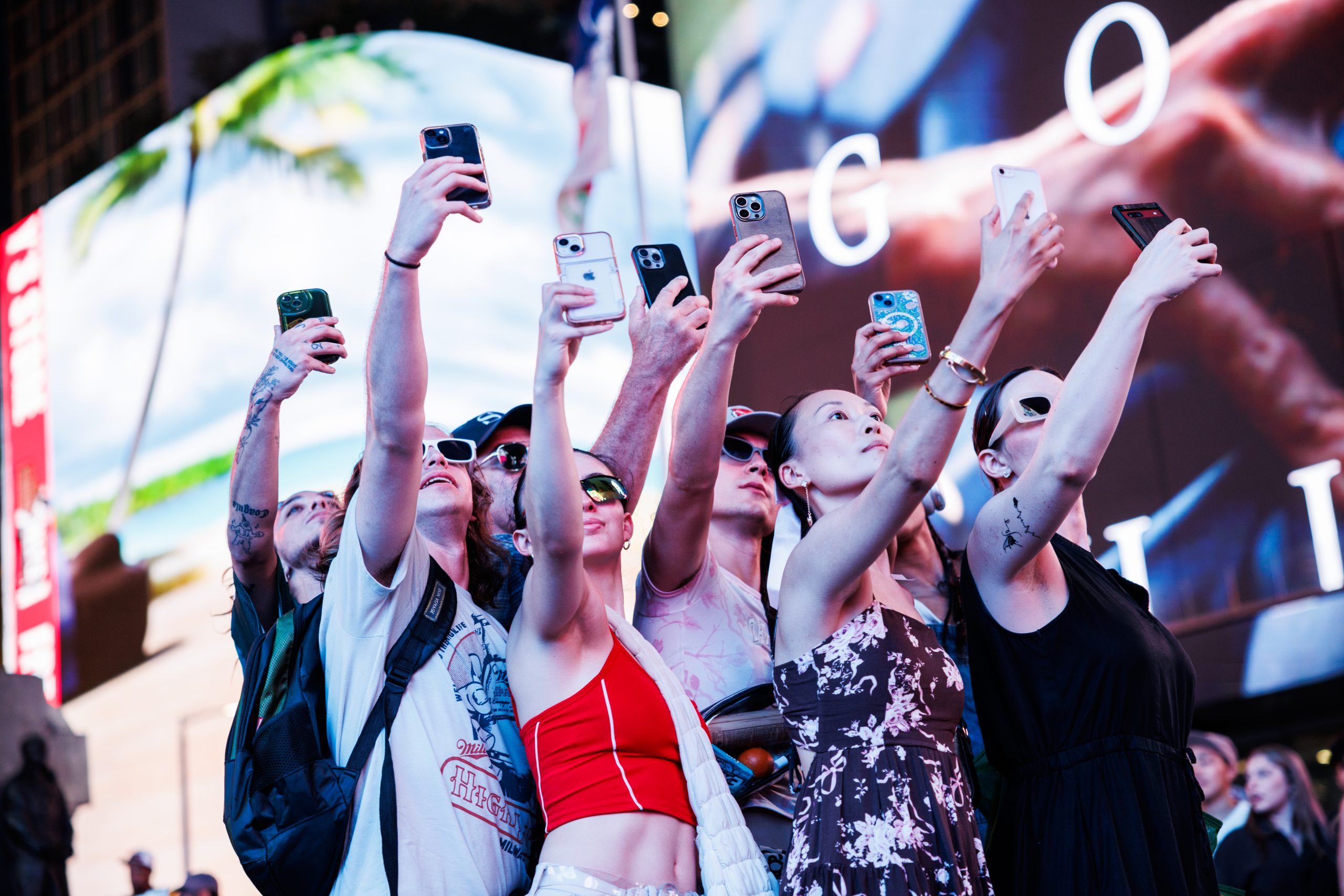
    In addition to the photo installation, there will be a restaging of Chao’s 2025 performance piece American Idle on Aug. 14. The show comprises a group of actors playing Times Square archetypes, like tired kids, lost tourists, and influencers, all acting out their typical behavior. At the same time, identically dressed body doubles of each character mimic the other’s actions.

    “Initially, the idea was for the pedestrians of Times Square to be able to watch themselves, so it would be a crowd watching a crowd,” said Chao. “Something that may seem spontaneous when one person is doing it, is all of a sudden seen as learned and programmed when two people are doing it in unison.”

    Chao, who has a bachelor’s degree in cultural anthropology from Brown University, drew inspiration from the human behavioral patterns she noticed in real life and the 3D modeling program Crowds Pro. Typically used to simulate crowds for TV and movies, the system has a collection of characters being “idle,” shifting their weight and/or looking around, and making common gestures like clapping or scrolling on their phone.

    Actors perform in Philly artist Maia Chao’s 2025 work “American Idle” in Times Square. The performance will be restaged August 14, 2026.Maria Baranova-Suzuki

    “It’s a way of showing we’re all scrolling and taking pictures, and there’s definitely a pessimism to the ways we’re all becoming these robots or our attention is being conditioned to become increasingly fractured,” said Chao, a Rhode Island native. “But we also need to bring an observational, loving, and compassionate lens on the beauty of people as they are in their everyday selves.”

    A three-minute video with portions of choreography from American Idle will be playing every night in Times Square throughout the month. This will be August’s “Midnight Moment,” a long-running program that displays digital art across all the billboards in Times Square, daily, for three minutes before midnight.

    “Part of having public art in such large public spaces is having to be accessible to audiences. Maia’s project makes art and its concepts accessible, which draws people in,” said Starling. “The repetitiveness and duplicative aspects of the performance are eye-catching. Then with the art on the everyday receptacles that people pass by, having those two together we felt would engage audiences in new ways.”

    Actors performing in Philly artist Maia Chao’s show “American Idle” in Times Square. The performance is being restaged August 14, 2026.Maria Baranova-Suzuki

    Chao has plans for her own home city, too. This fall, she will be showing Waste Scenes, a video installation, at the ICA Philadelphia. She will also be curating the multimedia exhibit “An Endless Meeting,” organized by Philadelphia arts collective Vox Populi, of which Chao is a former member.

    “I’ve been making live performances for the past few years and I think often there are flows and cycles to my practice,” said Chao. “In the next few years, I might be working in a different way, using one project to escape another, or to exercise a different muscle. I don’t know what medium I’ll be working in next, it could be sculpture. I’m excited to see what the ecosystem of my practice needs or calls for next.”

  • A Queen Village show is drawing big crowds with postage stamp-size art

    A Queen Village show is drawing big crowds with postage stamp-size art

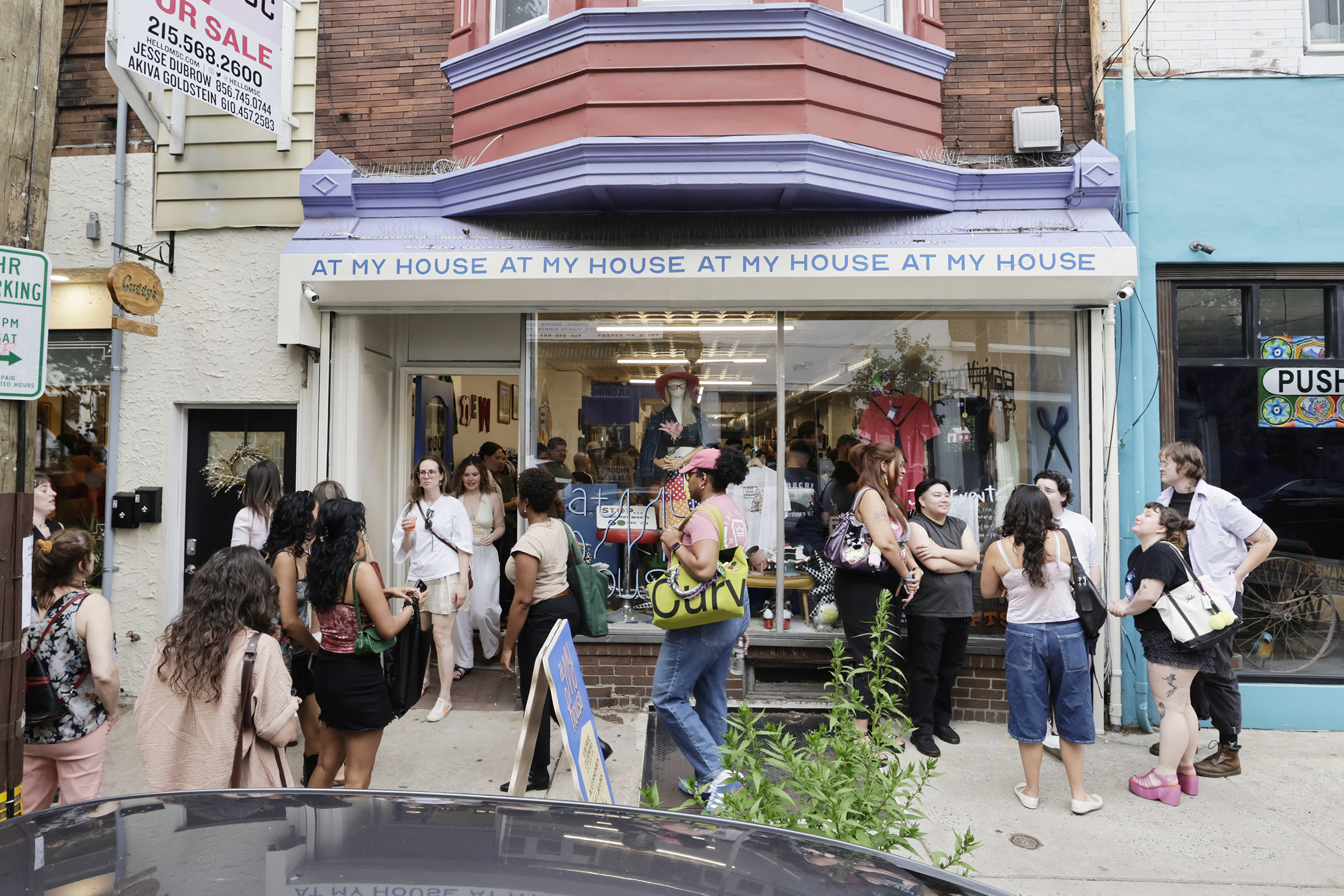
    It’s a warm Friday evening in July, and the Queen Village neighborhood is abuzz. Philadelphians are grabbing dinner and perusing the many shops. One shop, particularly, has attracted a crowd that it can barely contain.

    Inside the vintage store At My House, people are immediately amazed by the knickknacks that surround them. They grab a cocktail and line up for the main event, waiting their turn to view a wall at the front of the store displaying a range of art pieces — all of which you can hold in the palm of your hand.

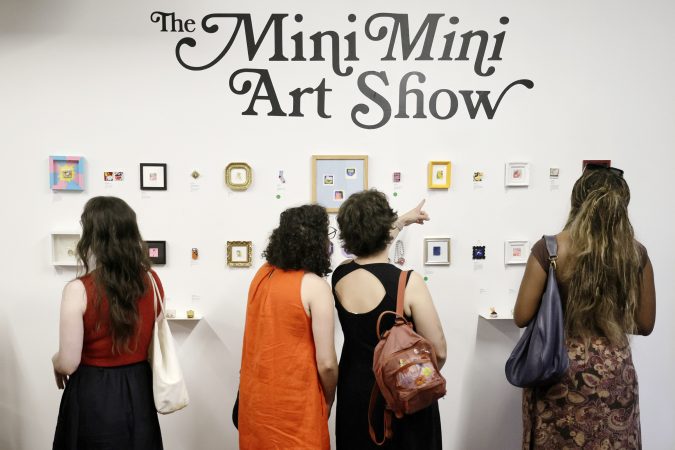
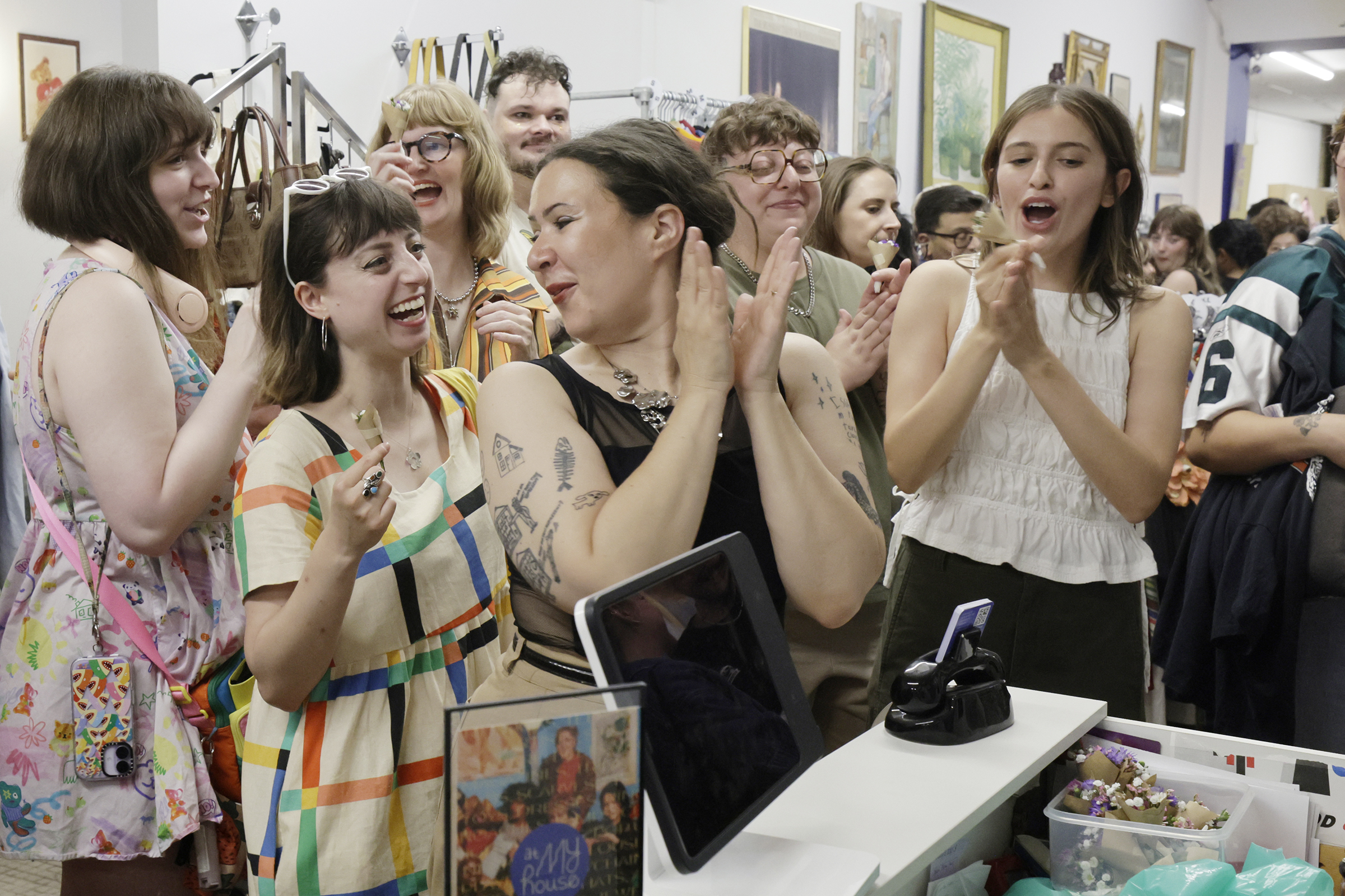
    A large crowd gathers at the opening / public reception of “The Mini Mini Art Show” at At My House on July 24, 2026. Every artwork in the exhibition measures 1.5 inches by 1.5 inches — about the size of a postage stamp.Elizabeth Robertson / Staff Photographer

    On Friday, Kelly Braun, founder and owner of At My House, hosted the second annual mini-art show, dubbed the “Mini Mini Art Show.” Last year, the show invited artists to make art that was 3 inches by 3 inches.

    Braun upped the ante this year.

    “This year, we realized we needed to go mini-er,” she said. “It needed to be more extreme, more silly, more ridiculous. So we cut it in half.”

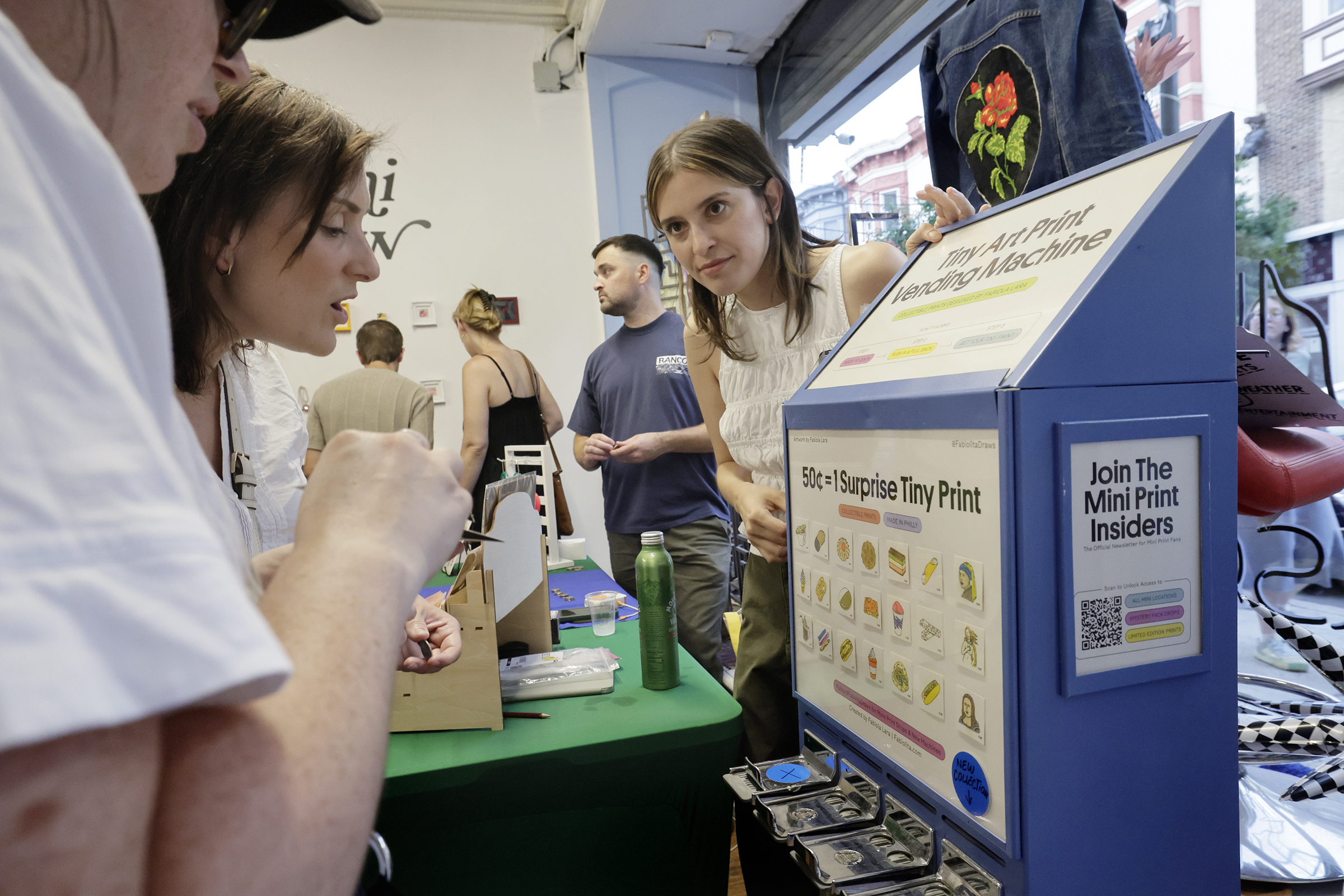
    Artist Fabiola Lara (right) explains her tiny art print vending machine during the opening reception of “The Mini Mini Art Show” at At My House on Fourth Street in Philadelphia on July 24, 2026. Elizabeth Robertson / Staff Photographer

    All of the art on display at “Mini Mini” is about 1.5 inches by 1.5 inches — about the size of a postage stamp. While last year’s artists were invite-only, this year’s show is a mix of submissions and invited artists.

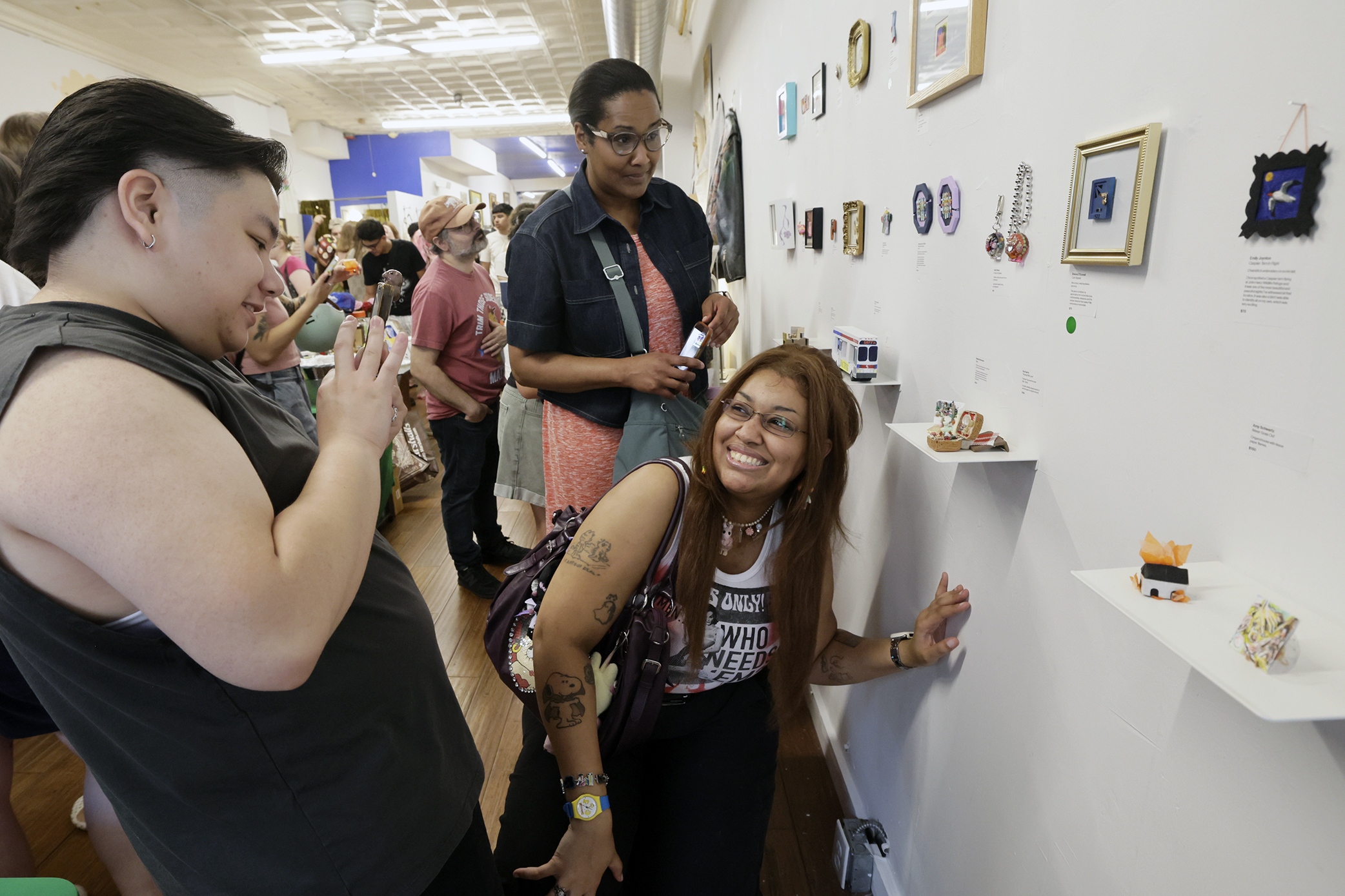
    On the wall are displays of tiny clothing items, makeshift houses and rooms, and some original drawings. All of the artwork is for sale, with items ranging from $60 to $300.

    There are even miniature illustrations of classic art, like Vermeer’s Girl With a Pearl Earring and Botticelli’s The Birth of Venus, created by the event’s cohost, Fabiola Lara.

    “I draw from everyday life, which is why a lot of my prints are Philadelphia-themed. Today, I wanted to take a break from Philadelphia-themed stuff, and literally take the theme of mini art and take the opportunity to do something different,” Lara said. “I’ve always loved to draw, it’s my favorite way to be creative.”

    Crysral Nguyen (left) takes a photo of clay artist Marley Richardson in front her polymer clay art on display at the opening / public reception of “The Mini Mini Art Show” at At My House on Fourth Street in Philadelphia on July 24, 2026. Both ladies are from Philadelphia.Elizabeth Robertson / Staff Photographer

    Lara, a Chilean American artist, has been making mini art since 2024, when she started her mini art vending machines, of which there are now 13 across the city. Anyone can insert four quarters to get a business card-sized piece of original art by Lara, or two quarters for a roughly stamp-sized one.

    “I think fine art in museums is so focused on large-scale, which is great,” said Lara, “but also you have to have the studio space for it, and it’s expensive. I love that people still turn out for this tiny stuff, which is actually really hard to make.”

    Exhibition hosts Kelly Braun (middle) and Fabiola Lara (right), celebrate at “The Mini Mini Art Show” at At My House on July 24, 2026. Elizabeth Robertson / Staff Photographer

    At My House opened its doors in January of last year, and has since become a thriving vintage clothing and homewares shop and event space. When it’s not hosting a mini art show, it hosts collage nights, book clubs, photography pop-ups, platonic speed dating, and even lamp-making workshops.

    “The Mini Mini Art Show” is on display through Aug. 2 at At My House, 760 S. Fourth St., Philadelphia. atmyhou.se

  • Penn professor Emily Wilson compares Nolan’s ‘The Odyssey’ to water ice — ‘mostly sugar,’ ‘makes no nutritional sense’

    Penn professor Emily Wilson compares Nolan’s ‘The Odyssey’ to water ice — ‘mostly sugar,’ ‘makes no nutritional sense’

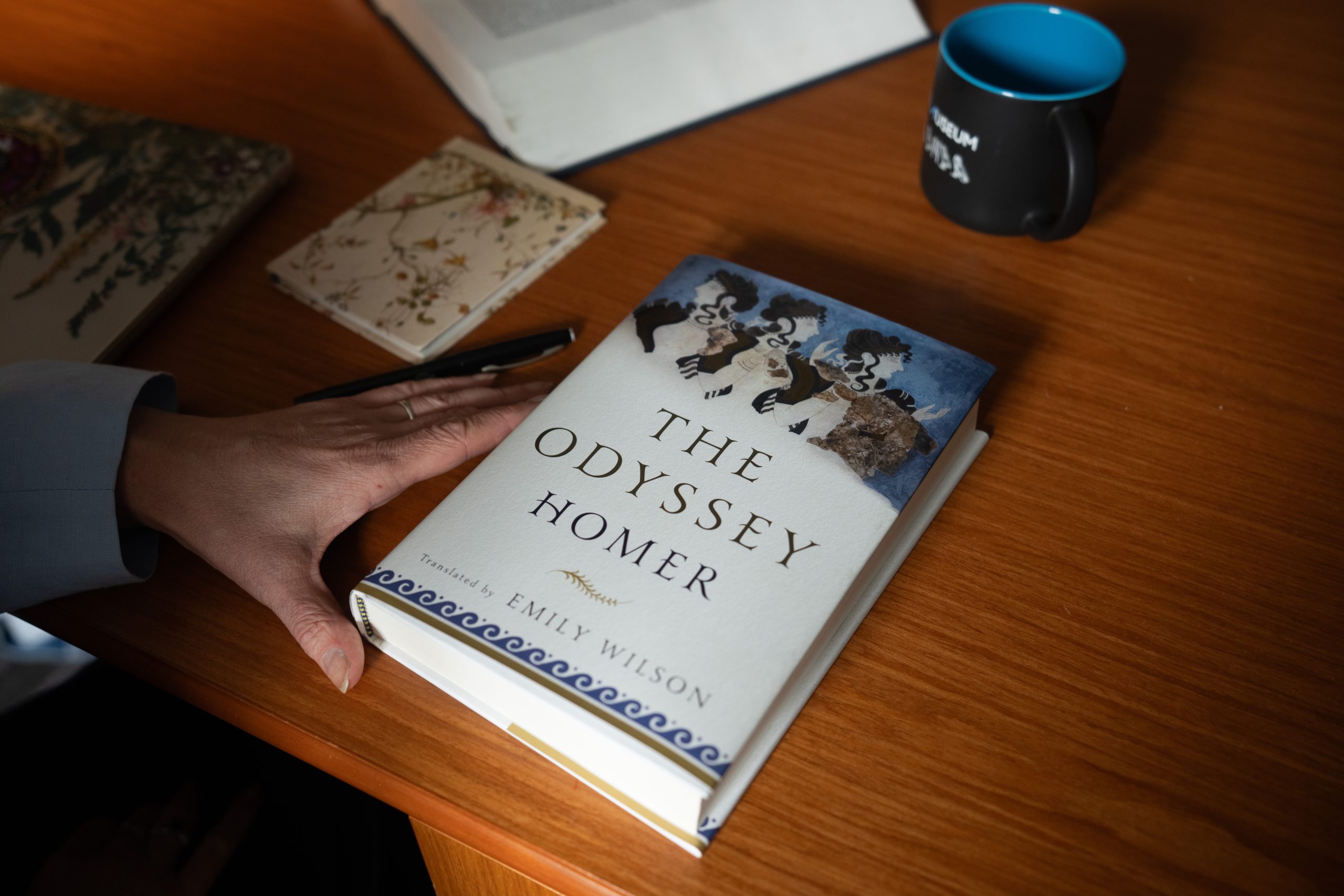
    Classics scholar Emily Wilson’s widely acclaimed translation of Homer’s The Odyssey was cited as a reference for Christoper Nolan in his recent film adaptation of the epic. It helped her book to sell over a million copies.

    Now she’s written another talker: Wilson, a professor at the University of Pennsylvania and the first woman to publish an English translation of The Odyssey, penned a review of Nolan’s film for the London Review of Books this weekend, and her reaction was less than favorable.

    Professor Emily Wilson, in her office at the University of Pennsylvania, in Philadelphia, July 4, 2026.Jessica Griffin / Staff Photographer

    Her main critique was that the adaptation lacked depth, stating: “It has nothing convincing to say about time, memory, history, war, or about the relationship between one warrior’s glorious return and the lives of his family, adversaries, comrades, friends and neighbors.”

    “Its narrative structure is gimmicky,” she wrote. “The writing is abysmal. None of the characters has convincing motivation for their actions or words.”

    With the essay being lengthy, she also took to Bluesky to summarize her main points.

    “This Odyssey is not a rich, satisfying Homeric banquet, but sometimes in the heat, an ice-cold Philly water ice is all you want — even it’s mostly sugar and food coloring, and makes no nutritional sense,” she wrote on the social media site. It’s a line Wilson says summarizes her feelings but was cut from the essay.

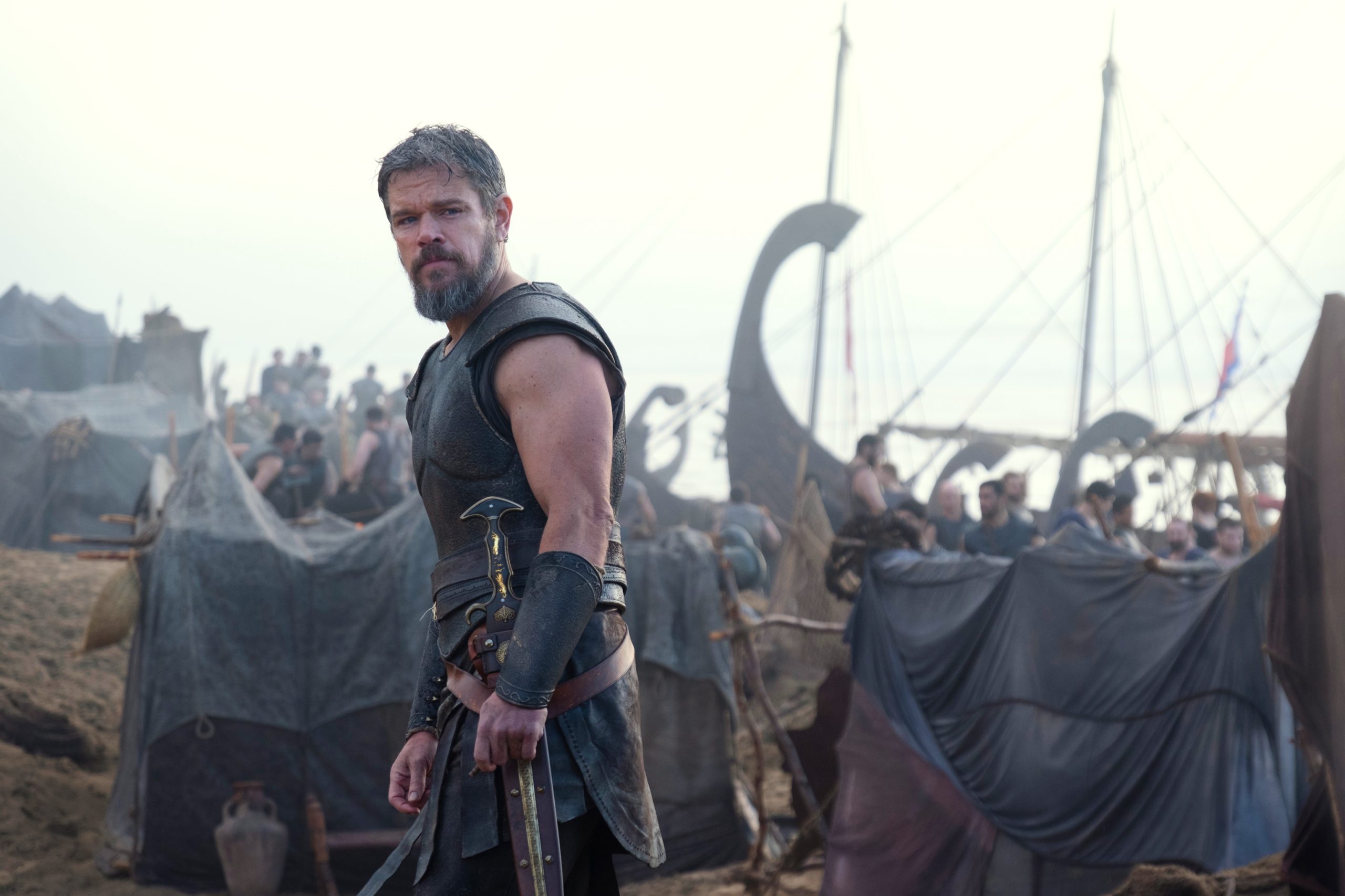
    This image released by Universal Pictures shows Matt Damon as Odysseus in a scene from “The Odyssey.” (Melinda Sue Gordon/Universal Pictures via AP)Melinda Sue Gordon

    She had particular criticisms over the film’s female and nonwhite characters, finding them to be “underwritten.” Wilson states, “Most of the nonwhite actors — Zendaya, Lupita Nyong’o, Himesh Patel, Corey Antonio Hawkins, Travis Scott — play versions of the Black best friend, whose only role in the drama is to provide aid to the white protagonist.”

    A uniquely progressive aspect of Wilson’s translation of The Odyssey is her devotion to fighting back against gendered biases from previous translations. For example, she replaced the terms “sluts” and “whores” used to describe the Ithaca servant women with “slaves” and “house girls.”

    Wilson continues, “Charlize Theron’s Calypso looks gorgeous, but she is never angry, never funny, not skilled in rhetoric, and never consumed by lust for her scraggly mortal victim. She’s an unpaid therapist, soothing the soul of the bedraggled, PTSD-ridden Odysseus with drugs, and graciously listening to his disjointed tale of woe.”

    This image released by Universal Pictures shows a scene from “The Odyssey.” (Melinda Sue Gordon/Universal Pictures via AP)Melinda Sue Gordon

    Online discourse has naturally erupted, with people both defending her literary merit and others (largely hard-core Nolan fans) attacking her review.

    One Nolan fan account expressed their disappointment, theorizing that she was simply “frustrated that she didn’t get the adaptation she had imagined.” A reply, one of hundreds, comes to her defense, stating “[Nolan]’s scripts are usually garbage this one is no different.”

    There is also discourse surrounding her take on the nonwhite characters, specifically. One X user writes that Wilson’s paragraph discussing the “Black best friend” trope “lacks refinement and is racist in the way she reduces these actors to what they’re clearly not. If she sees them as that, then that’s a reflection of her.”

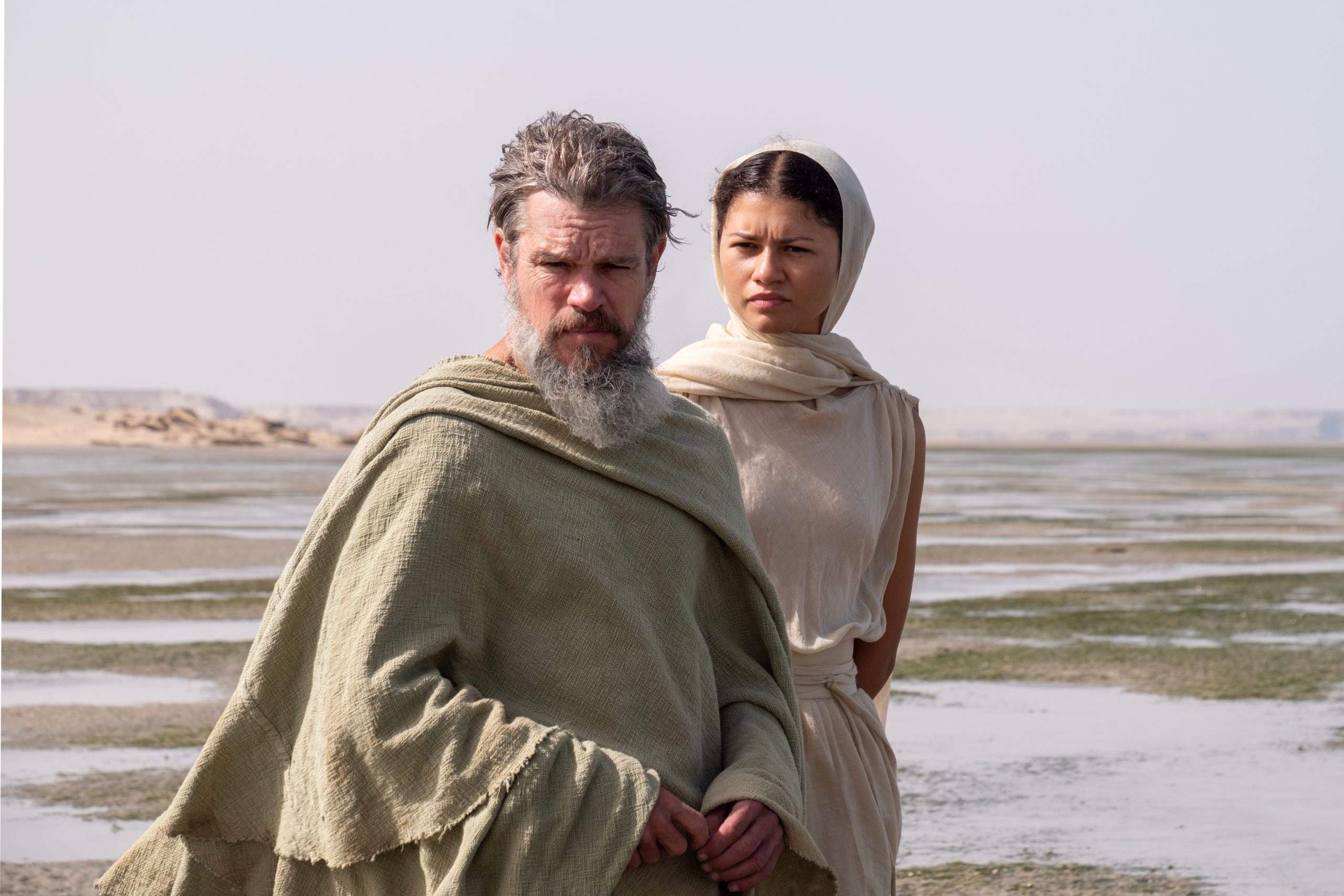
    This image released by Universal Pictures shows Matt Damon as Odysseus, left, and Zendaya as Athen, in a scene from “The Odyssey.” (Melinda Sue Gordon/Universal Pictures via AP)Melinda Sue Gordon

    Despite her critiques, Wilson maintains that “the release of The Odyssey is still an event to celebrate.” Ultimately, she argues, the success of this film adaptation is encouraging people to buy translations of the book, which is a win for literature and the humanities.

  • Colman Domingo has taken over ‘Jimmy Kimmel Live!’ and a surprise makeover is his first order of business

    Colman Domingo has taken over ‘Jimmy Kimmel Live!’ and a surprise makeover is his first order of business

    Every year television host and comedian Jimmy Kimmel takes time off over the summer, and every year audiences wonder who is going to fill in his place.

    This week, it’s West Philly’s own Colman Domingo.

    The Disclosure Day actor made quite an entrance in his first show on Monday night, wearing a suit with a bow tie and a white robe-like jacket adorned with a pattern of playing card suits.

    Domingo dived right into current events in his monologue.

    The Four Seasons star talked about Trump getting booed at the World Cup, right-wing anger over The Odyssey casting Lupita Nyong’o as Helen of Troy and Clytemnestra, and the United Kingdom’s new prime minister, Andy Burnham.

    He also called attention to the number of projects he’s been involved in recently, having starred in five films and three television series in the past year alone. Domingo’s busy season corresponds with, as Variety reports, a massive uptick in box office attendance. “Why are movies doing so much better this summer?” the actor asked in his monologue.

    “Three words: Colman. F—. Domingo.”

    The monologue concluded in a skit where he gave comedian Guillermo Rodriguez, Kimmel’s sidekick and mock security guard, a makeover, very Project Runway style. Rodriguez walked out in a suit with a velvet jacket and flared pants, looking like a mini version of Domingo.

    Later in the show, Domingo proceeded to interview Euphoria costar Jacob Elordi and Michael costar Jaafar Jackson. Domingo starred in Euphoria as a recovering addict and sponsor for Zendaya’s character, Rue, and plays Jackson family patriarch Joe Jackson in Michael.

    The Temple alum has no plans of slowing down in the next year. His upcoming projects include thriller film An Innocent Girl, Nat King Cole biopic Unforgettable, satirical drama True-ish, and sci-fi romance Strange Arrivals.

    The article has been updated to reflect that Colman Domingo will host “Jimmy Kimmel Live!” for a week.

  • Garrett Brown, who made Rocky’s run up the Philadelphia Museum of Art steps possible, is the subject of a new documentary

    Garrett Brown, who made Rocky’s run up the Philadelphia Museum of Art steps possible, is the subject of a new documentary

    What is common to the Rocky run sequence up the Philadelphia Museum of Art steps, the hedge maze scene in The Shining, aerial shots of football games, and underwater footage of Olympic swimmers?

    They were all made possible thanks to the same Philadelphia-area inventor.

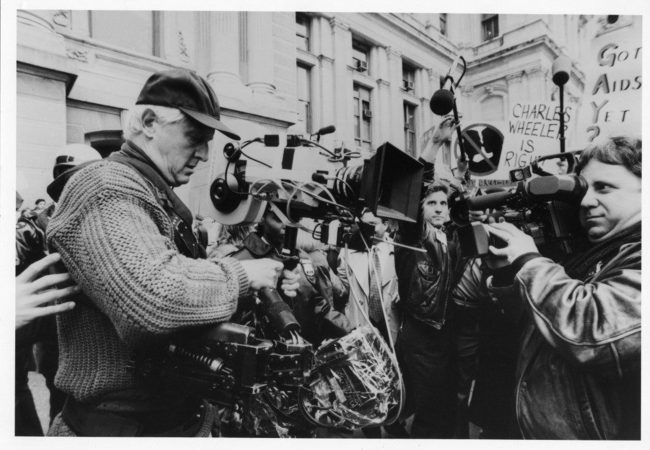
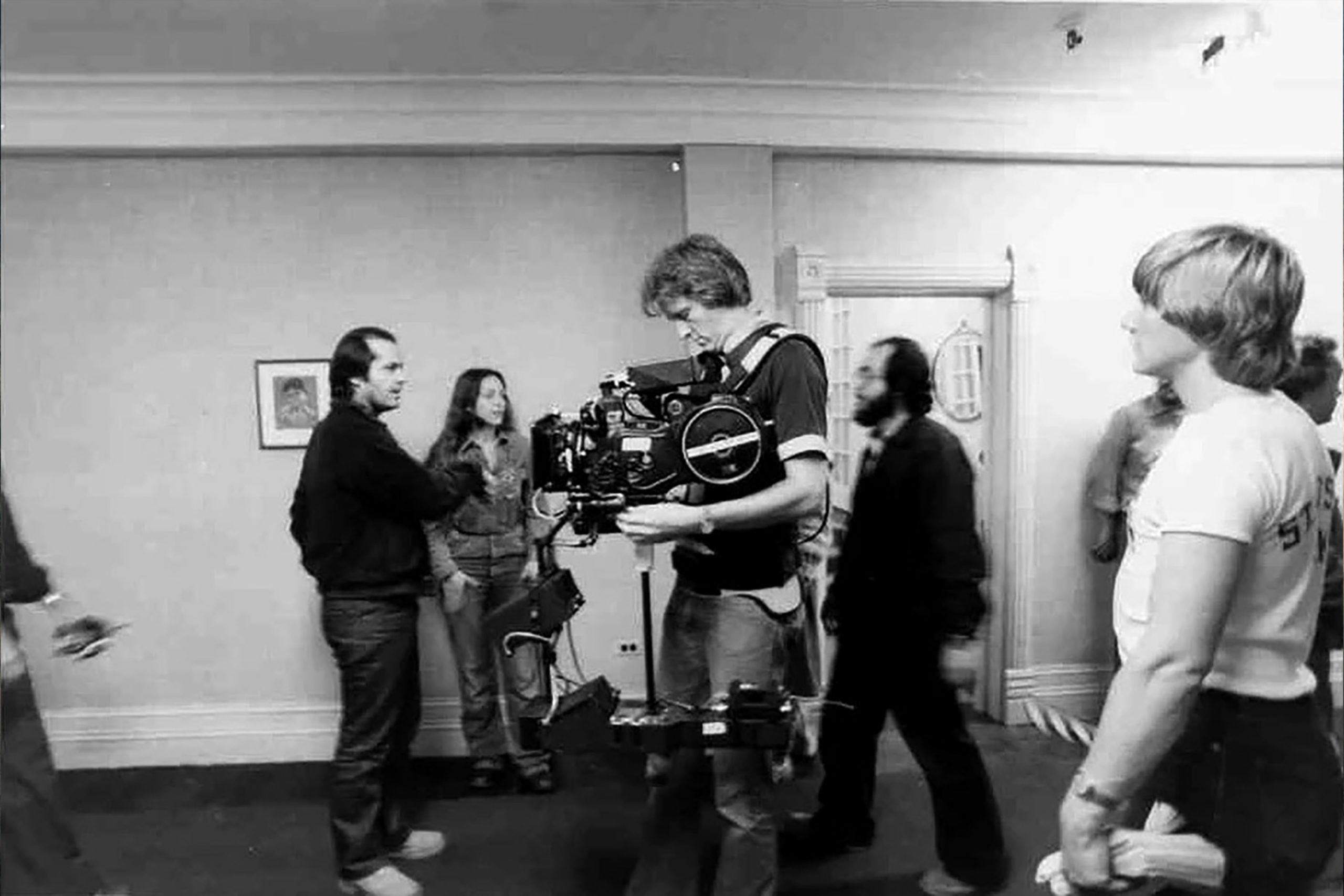
    Oscar-winning cinematographer Garrett Brown invented several camera systems, most notably the Steadicam, a wearable camera rig that allows for stable running shots without any shakiness. That creation, introduced in 1975, revolutionized filmmaking, and now the Philadelphia native’s story is the subject of a documentary Thank You, Mr. Brown.

    “He’s a really smart, wise individual, but also just a very humble down-to-earth guy who is very open about daring things and making sure he’s a part of the community,” said director Andrew Schwartz, a longtime friend of Brown’s.

    Garrett Brown on set of “The Shining” (1980).Courtesy of Garrett Brown

    The two met when Schwartz started teaching at Steadicam workshops around two decades ago in Yellow Springs in Chester County. Brown was always present, he said.

    The documentary, currently being filmed in Philadelphia and produced by EBE Productions, includes interviews with Brown and other filmmakers, actors, sports broadcasters, and camera operators.

    This includes cinematographer Larry McConkey, best known for shooting the three-minute single shot of the Copacabana in Goodfellas. Francis Ford Coppola, who worked with Brown on One From the Heart, serves as an executive producer.

    “[Coppola] doesn’t normally do that for a lot of people and I think it just goes to demonstrate the type of relationship Garrett has fostered in the film industry and with people he worked with,” Schwartz said. “Knowing Francis’ career, this is another guy who’s really paved his own path in his own way and has demonstrated that same daringness and persistence toward his ideas with a somewhat relentless nature.”

    Brown, 84, was born in Long Branch, N.J., grew up in Haverford, and lives in the Philadelphia area. He was a folk singer until a friend gifted him a Bolex camera. Before long, Brown decided he wanted to work in the movie business and create something that had never been made before.

    “He basically locked himself in a motel room trying to figure out how to get a camera to be steady,” said William Forbes, one of the film’s producers. After creating a multitude of prototypes, Brown finally landed on something special.

    And that’s how the Steadicam was born.

    One of the earliest Steadicam shots is a demo reel of Brown’s wife, Ellen Shire, running up and down the steps of the Philadelphia Museum of Art, which convinced Rocky filmmaker, John G. Avildsen, to use Brown’s new contraption. The Shining followed, and Brown’s career got its jump start.

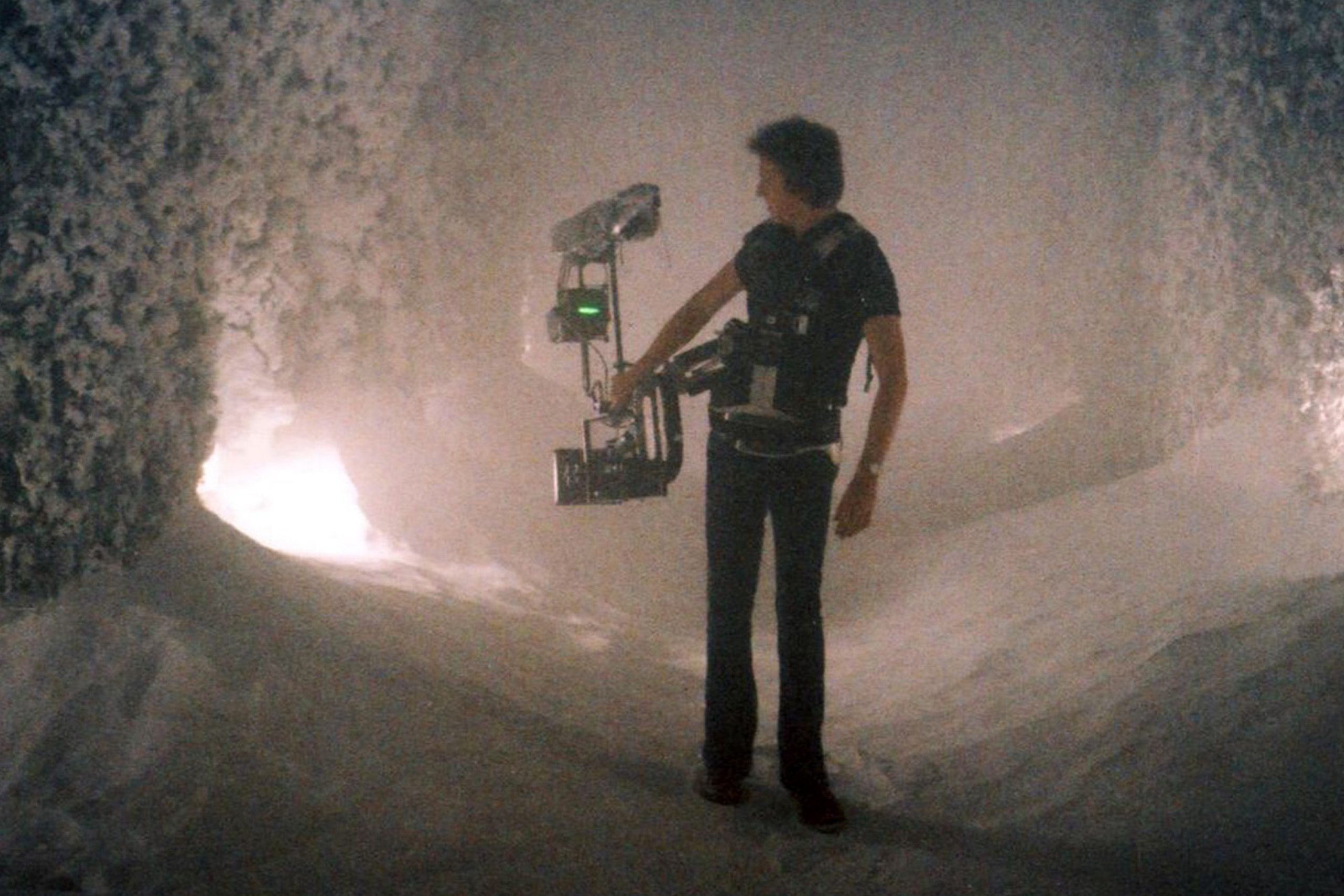
    Garrett Brown filming the hedge maze chase scene in “The Shining” (1980).Courtesy of Garrett Brown

    The Steadicam stabilizes a shot through three main components: the vest, the arm, and the sled. The vest is what the camera operator wears and the arm is what is attached to the vest. It allows the operator to move the camera around. The camera sits atop the pole-like “sled” and all of these come together to absorb the shock as the camera operator runs.

    “Everyone we talk to echoes the same sentiment, which is that there’s a before-Steadicam and an after-Steadicam when it comes to filmmaking and sports broadcasting,” said Forbes. “You can see the imprint of [Brown’s inventions] on all these new technologies that come out, from legacy movies like Avatar or smaller things like the GoPro, and all these little things that people are trying to be able to have new visual language in film.”

    Brown has patented several key camera systems that have been revolutionary in the world of sports broadcasting. The SkyCam, for example, shoots football games from above; the DiveCam tracks divers; and the MobyCam tracks Olympic swimmers underwater as they move across the pool.

    Michael Phelps, Forbes said, wouldn’t have won his gold medals if it weren’t for the MobyCam. The camera tracking “was able to show his fingertips touching just before another guy, which gave him his eight gold medals,” referring to Phelps’ historic sweep at the 2008 Beijing Olympic Games.

    Brown founded the Steadicam Operators Association in 1988, through which he and other camera operators teach workshops on using the machinery, working with new operators, and finding ways to alter the technology.

    More than 50 years after introducing the Steadicam, Brown is still not done tinkering with it.

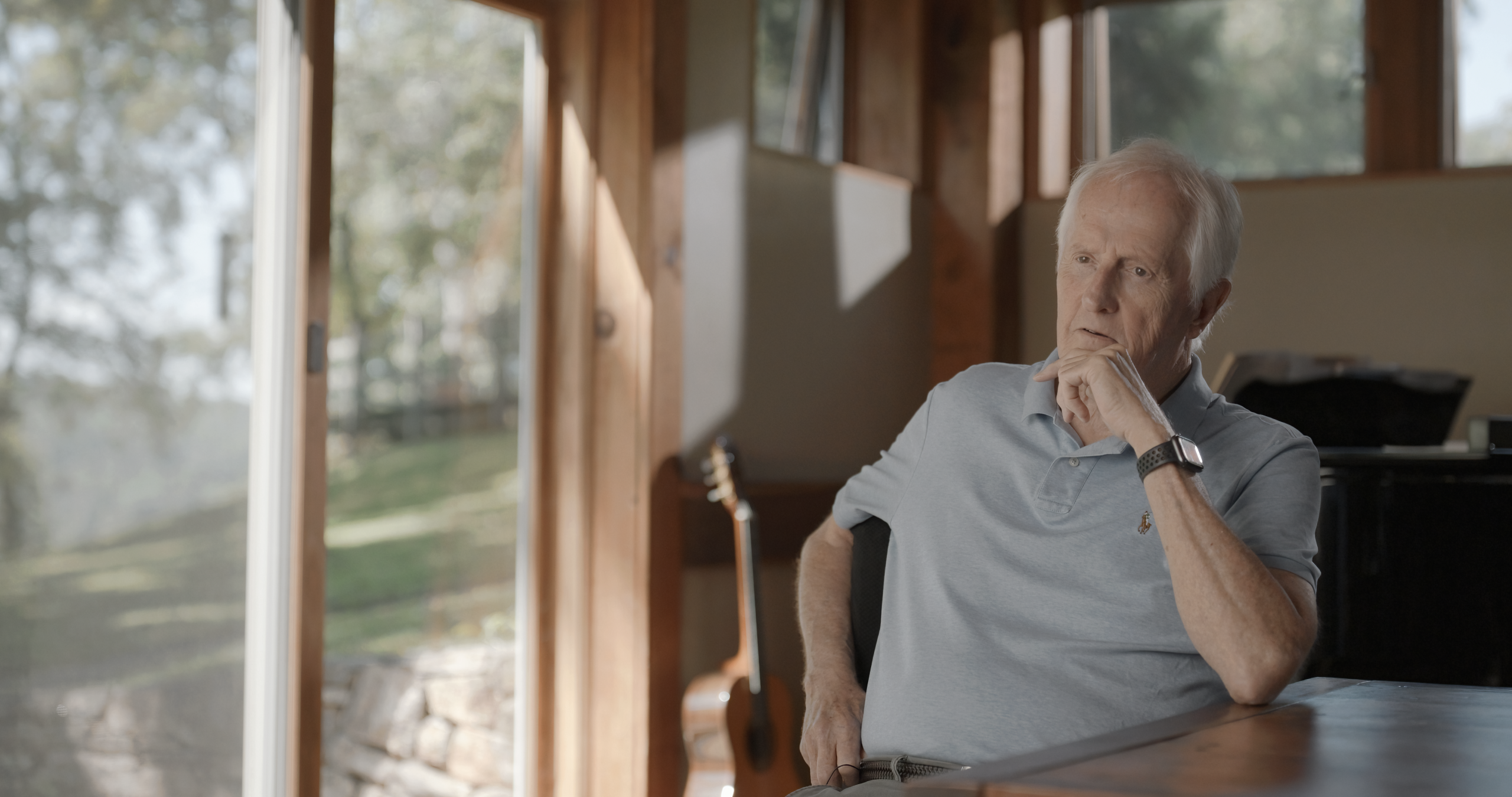
    Garrett Brown being interviewed for “Thank You, Mr. Brown.”Courtesy of EBE Productions

    “We’ve made incredible movies that we tell each other on screen even through sports that we watch,” said Schwartz. “Garrett very much brought us closer to communicating that way with the tools he made.”

    A lot of Brown’s story, he said, “is one thing to the next and an evolution that was somewhat accidental at times because he was just going on an adventure. I hope people are inspired by his story as much as they are educated by it.”

    A release date for Thank You, Mr. Brown is yet to be announced.

  • ‘Geaux Birds!’: Two French creators fell hard for Philly — and its brutally honest charm

    ‘Geaux Birds!’: Two French creators fell hard for Philly — and its brutally honest charm

    Paris natives Alex Durand and Tom Carles met as 12-year-olds in the Parisian suburb of Boulogne-Billancourt, sharing a love for playing soccer. In 2016, as teenagers, they attended soccer camp at Eastern University in Delaware County, marking their first trip to the U.S. together.

    Two years later, they moved back to the U.S. after earning scholarships to play college soccer — Durand at Malone University in Ohio and Carles at Mississippi College. But that dream was put on pause when the COVID-19 pandemic hit in 2020. Unable to travel back to Paris, they moved to South Carolina and started making social media content about their experience of being Parisians living in America.

    They first went viral on TikTok for their series trying to pronounce English words.

    Durand, 25, and Carles, 26, are the creators behind the Instagram account AT Frenchies. With more than 2 million followers, their pandemic pastime has become a hub for learning French.

    Over the years, the pair have traveled to California, Louisiana, South Carolina, and New York.

    Then, they came to Philadelphia. It was unlike any other stop.

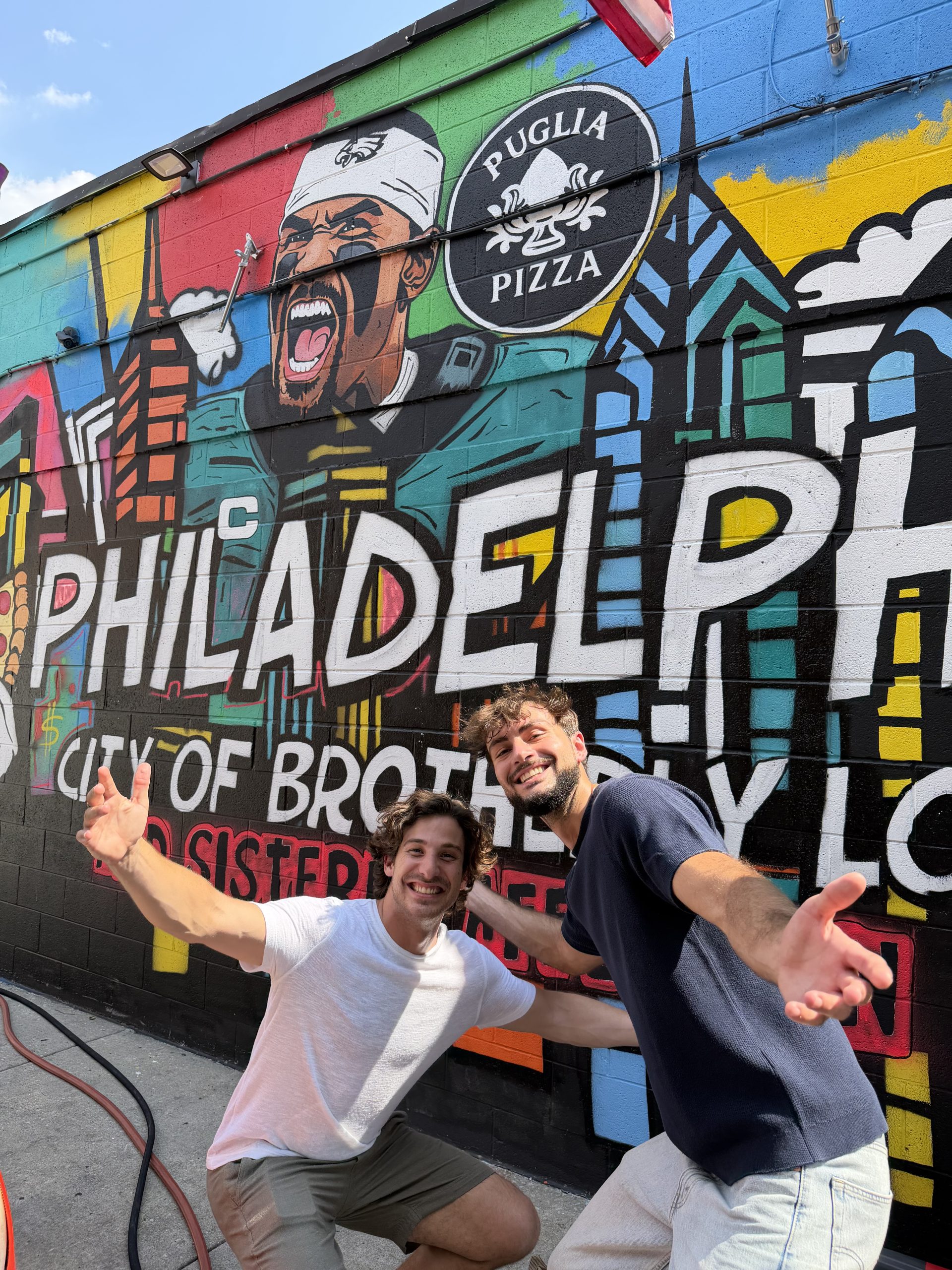
    Alex Durand (left) and Tom Carles pose in front of a Jalen Hurts mural outside of Puglia Pizza on South Street.AT Frenchies

    “We think most people don’t actually know how great Philly is,” said Carles. “When we came, we didn’t know much about Philly. We just had some friends living there saying it’s the best city, but we had no idea because nobody else talks about it.”

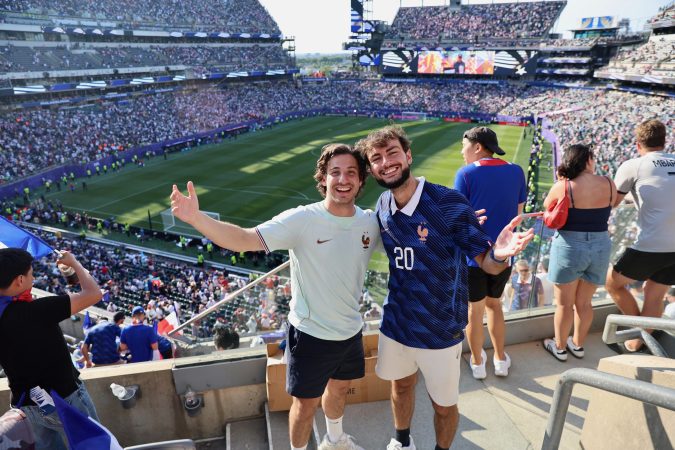
    The pair partnered with the French national soccer team this year and has been following them on its World Cup journey. The June 22 France-Iraq match brought the City of Love natives to the City of Brotherly Love, so they could watch some soccer and make their usual content around visiting an American city.

    Then, Philly happened to them: from cheesesteaks to water ice to being unable to stop saying “Go Birds!” or, as they pronounce it, “Gwo Beards!” or, as they write it, “Geaux Birds!”

    The pair posted reels guessing the meaning behind Philly slang and celebrating French wins with the crowds in the city. Their most-viewed reel from their trip is titled “POV: Us after spending 24 hours in Philly,” in which Carles referenced Philly slang like “jawn” and “jeet,” with Durand interjecting with frequent “Go Birds!”

    “I proclaim y’all as official Philly citizens,” a comment reads. “This jawn nails it. Y’all get it. You’re officially locals now,” reads another uncharacteristically positive Philadelphian’s reply.

    The two stayed in Philly for about 10 days, attending France’s games against Iraq and Paraguay on June 22 and July 4, respectively. In that time, they checked out the Rodin Museum, City Hall, Reading Terminal Market, Stateside Live!, Independence Hall, the Rocky statue, and even found their way to Philly’s crown jewel: Wawa.

    “Wawa is the absolute best brunch place on earth. I think we’ve tried every single thing on the menu,” said Durand, whose order is a chicken wrap and an iced latte with caramel drizzle. Carles opts for a mini hoagie with chicken and bacon.

    The pair even admitted to preferring the chain to the French convenience store equivalent, Franprix.

    “[Reading Terminal Market] was a little part of the city that you don’t see that often in other cities,” said Carles, who lives in New Orleans. “You can have any type of food and everybody’s so nice and wants you to try some food here and there. It’s a nice atmosphere, and you have people around that always smile and are super nice, but also if they have a bad day, they don’t hide it. It’s very brutal and honest.”

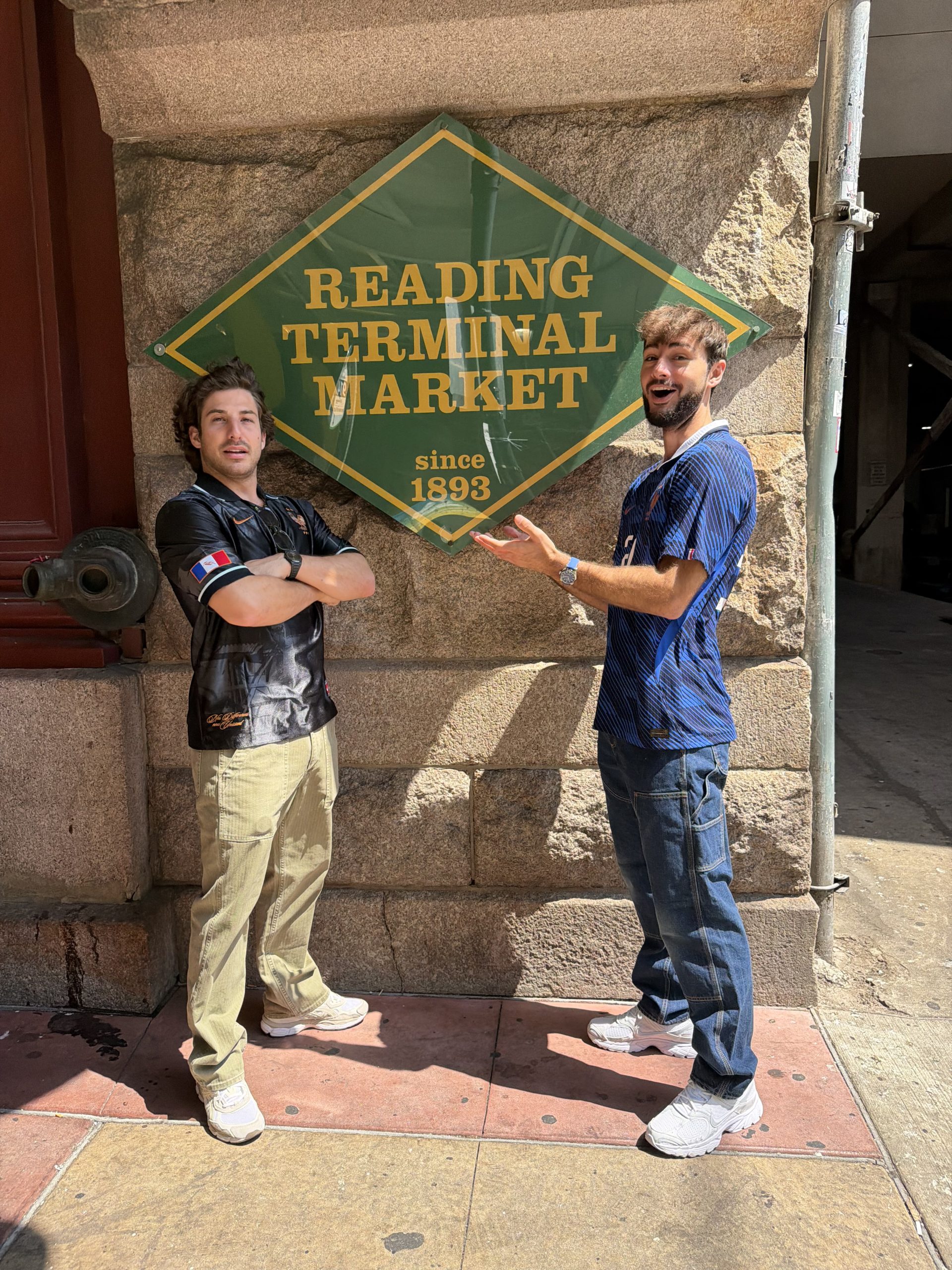
    Alex Durand (left) and Tom Carles stand outside Reading Terminal Market in Center City, Philadelphia.AT Frenchies

    Philadelphia’s unpolished authenticity is what made the pair fall in love with the city, they said.

    “People in Philly didn’t feel like they were trying too hard to impress people,” said Durand. “I live in LA and people care so much about the outside perspective of how they look and behave. But in Philly, it’s the Philly way or no way, and we loved it.”

    After France beat Paraguay 1-0 and the duo headed out of Philadelphia, they posted a heartfelt thank-you message to Philadelphians on their Instagram, something they had never done for any other American city.

    “Every bar we walked into during the games, every person who smiled at us wearing our jersey, every random ‘allez les bleus’ from someone we’d never met, it added up to something we didn’t expect to feel this strongly,” the post read.

    “We felt like we needed to say something because we had such a good time that we wanted to thank the city for having us,” Carles said. “We wanted to show our appreciation for everything that we’ve seen of the city.”

    Comments begged them to come back for an Eagles game. The Sixers official account commented, “we gotta get you back for a basketball game.”

    “Stay the same,” Durand said. “Stay proud of your city. You have every reason to be proud of where you’re from.”

    When they’re not following their national soccer team around and singing praises to hoagies, the two use AT Frenchies, whose social media accounts have more than 6 million followers combined, as an online center to teach French.

    “We do [French classes] three or four times a week, on Zoom and in-person, and we also have teachers with us,” Carles said. The AT Frenchies French club is 3 years old and has 500 members from over 60 countries.

    “It’s something that has made us super happy because we’re able to give back to our followers who want to learn French,” Carles said. “It’s been one of the most rewarding things that we’ve done in our business side of AT Frenchies.”

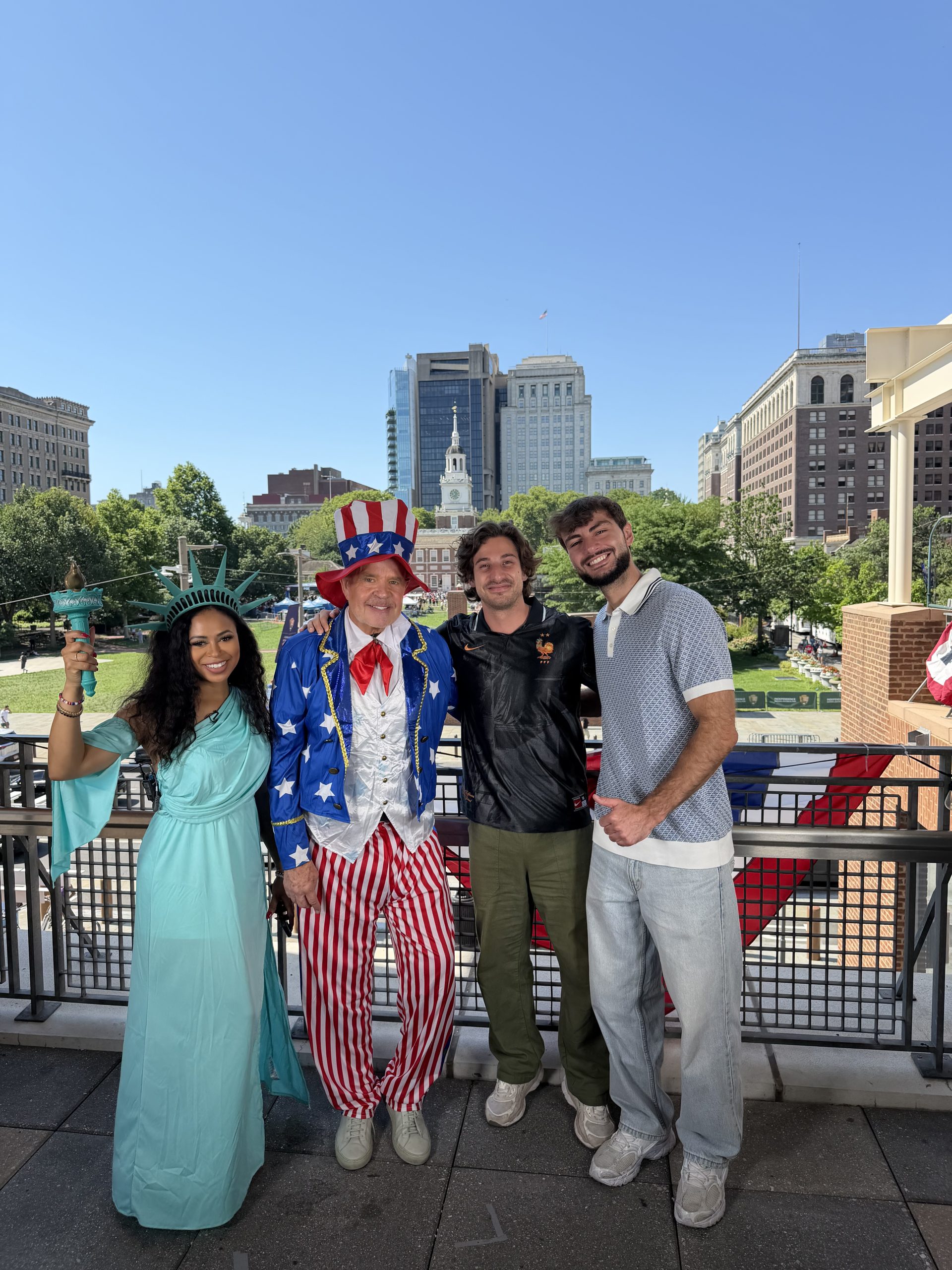
    Alex Durand (center right) and Tom Carles (far right) pose with Alex Holley (far left) and Mike Jerrick, hosts of Fox 29’s “Good Day Philadelphia,” after filming an interview with them.AT Frenchies

    Philadelphia’s World Cup journey is over, but it’s certainly not the last Philly sees of Durand and Carles.

    They plan to return when they tour for their upcoming book Pardon Our French, which releases Sept. 8 from Penguin Life Press. It’s a guide to embracing a minimalist, do-what-you-love Parisian lifestyle — one they think Philadelphians have already mastered.

    “In Philly, you don’t really hear French but it feels French,” said Carles. “[The French mindset] is more about doing whatever makes you happy without thinking about what other people think, and that’s what Philly’s all about.”

    “We were going to do one date in Philly, but now I want to try to do more than one,” Durand said. “We’ve been living in the U.S. since 2018, and no other city has made us feel this way. It’s incredible how much people have impacted our lives in 10 days.”

    Their to-do for when they return? Go to an Eagles game. And a Sixers game … and maybe even a Flyers game if they can find a way to do a three-way collaboration with all the teams.

    “In Paris, when [Paris-Saint Germain FC] plays, everybody’s on the streets. We’re very passionate about our teams. Tom and I have traveled to almost every big city in America, and in every city people are passionate about sports, but here?” Durand said rhetorically with an added gasp for dramatic effect.

    He has even set himself a goal for his next visit: “To make Saquon Barkley pronounce ‘Go Birds!’ in the Frenchest way possible.”

  • See it, hear it, feel it: All the Philly art we loved this week

    See it, hear it, feel it: All the Philly art we loved this week

    A different kind of bookstore opens on Pine St.

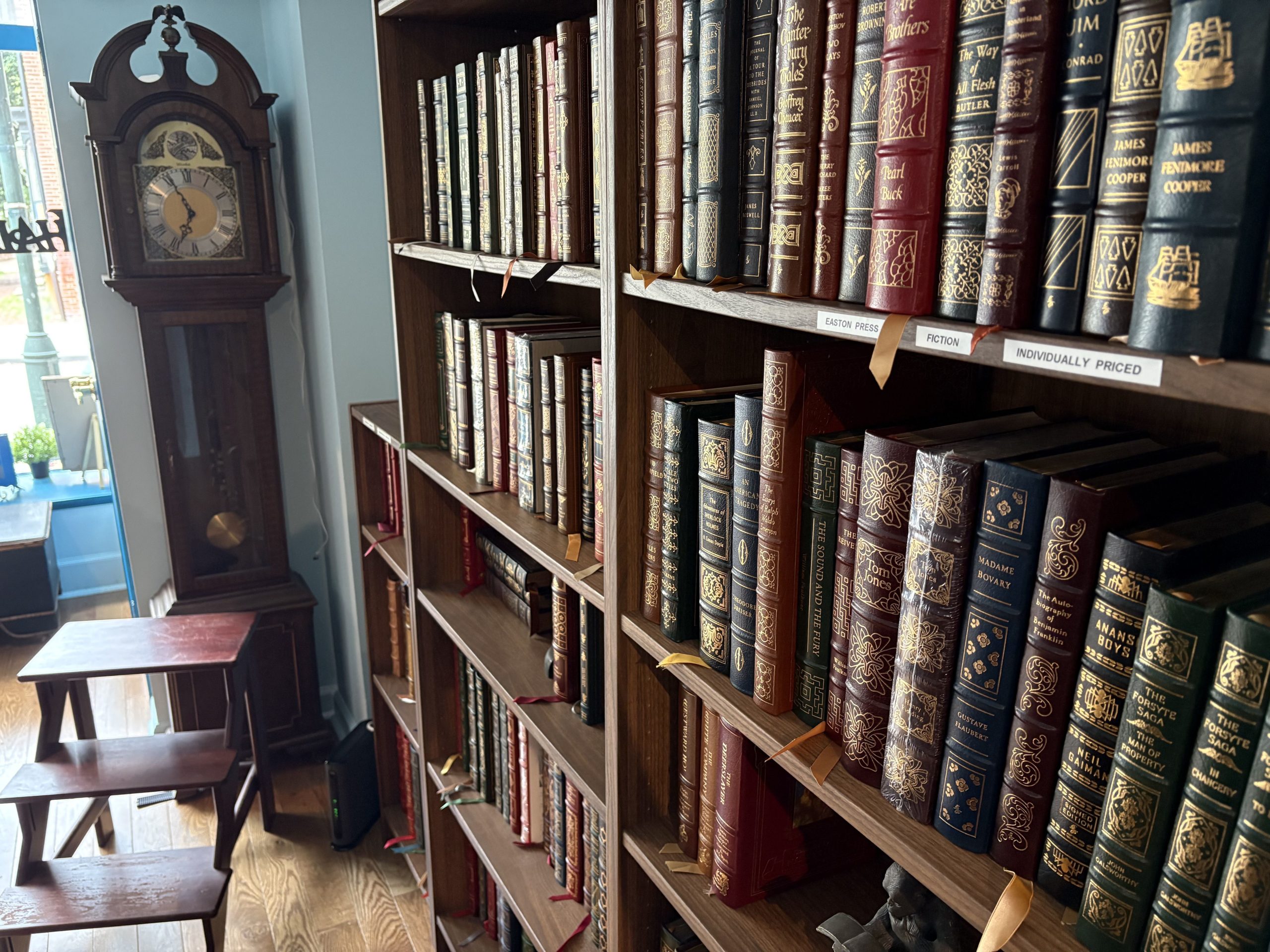
    It looks like the antiquarian bookstore of your dreams: a cozy corner storefront, the shelves lined with leather-bound and gilt-edged books. A poetic name is painted on the front window in retro gold letters: Whales & Windmills.

    But this new shop in the 1200 block of Pine Street isn’t quite what it seems. The books are old, and surely beautiful. Owner Yaoguang Jiang, however, was aiming for something more specific when she opened the doors in May.

    While the volumes in the front room look decidedly 19th century, many in fact are reprints from the middle or late 20th century — books like The Scarlet Letter or The Great Gatsby in handsome Franklin Library editions, or an Easton Press reprint of The Canterbury Tales.

    Inside of Whales & Windmills, the bookstore at 1220 Pine St.Peter Dobrin

    “What I’m really trying to be is something between a rare bookstore and a used bookstore,” says Jiang.

    Antiquarian book dealers may charge hundreds or thousands of dollars for first or early editions of certain titles. But these later editions at Whales & Windmills, while often beautifully bound and embellished with illustrations, might go for $15 to $30 (sometimes more, sometimes less).

    “I don’t want to sell super-rare books because it’s counter to my purpose, which is to get people to read books,” says Jiang, a former Penn neuroscience research associate.

    Among the many authors currently represented in the shop’s fancy-binding front room are John Galsworthy, James Fenimore Cooper, Pearl Buck, and Louisa May Alcott.

    In another room there are traditional used-bookstore paperbacks and hardcovers by Alice Munro, Jane Austen, Saul Bellow, and many others, some for $2 or $3 each.

    “We want to be on the one hand curative, selective, but on the other hand approachable. So we want books that are pretty and have another 50 years of shelf life, but not cost-prohibitive,” says Jiang.

    Her own favorites?

    “Shakespeare is pretty high on the list.”

    On her Instagram, she admits to an N. C. Wyeth obsession.

    About the bookstore’s name, Jiang says the idea came from a joke her husband made involving Moby-Dick and Don Quixote.

    “In the beginning when I started the online business and had zero followers, those were the only two books I could reliably sell.”

    The name Whales & Windmills carries another kind of literary resonance.

    “It’s in the theme of Pride and Prejudice, Sense and Sensibility — but whimsical.”

    It sends the message that the shop deals in classic literature, “but we don’t take ourselves too seriously.”

    Whales & Windmills, 1220 Pine St., is open Friday through Monday, 11 a.m. to 7 p.m. instagram.com/whalesandwindmills

    — Peter Dobrin

    An artifact from a little known colonial-era massacre

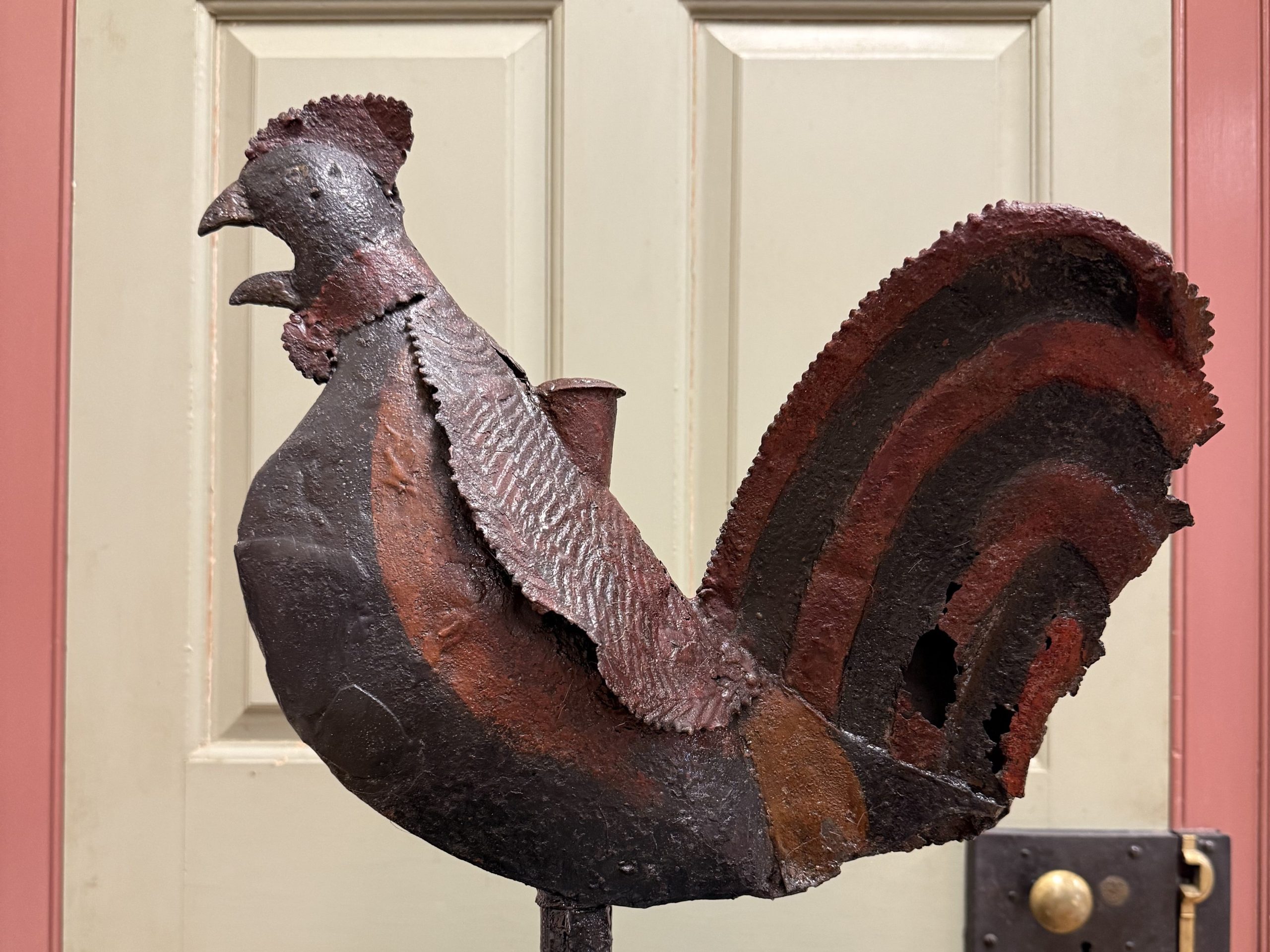
    A centuries-old rooster-shaped weather vane greets visitors at the Historic Germantown Visitor Center’s new rotating exhibit, “Rebellion and Remembrance in Freedom’s Backyard.” Its metallic feathers are worn from age. Just below the bird’s comb is a scratch that Historic Germantown’s executive director Tuomi Forrest surmises has been repaired.

    It’s how the scratch came to be that I find chilling.

    The weather vane was once on top of Germantown Presbyterian Church. It was damaged during the Paxton Boys’ Massacres in 1763 amid the turmoil of the French and Indian War. It is a part of Historic Germantown exhibit honoring America’s 250th birthday.Kaila Temple

    Historians suggest it came from rocks, stones, or perhaps even gunshots lobbed at the Germantown Reform Church on Market Square by the Paxton Boys, a violent group of revolutionaries who wanted to wipe Indigenous people from Pennsylvania.

    In December 1763, a mob of settlers from Paxtang Township, about 100 miles northwest of Philadelphia, murdered 20 unarmed Susquehannock Indians in Lancaster County. A month later, hundreds of these “Paxton Boys” marched toward Philadelphia to harass and kill more Indigenous peoples. Ben Franklin halted the march just outside of Germantown.

    The weather vane is part of a rotating exhibit examining Germantown’s place in the Revolutionary War. But it’s also a visceral reminder that when hate goes unchecked and is allowed to linger, it can be explosive.

    The Historic Germantown Visitor Center is located at 5501 Germantown Ave. “Rebellion and Remembrance in Freedom’s Backyard” runs through December.

    — Elizabeth Wellington

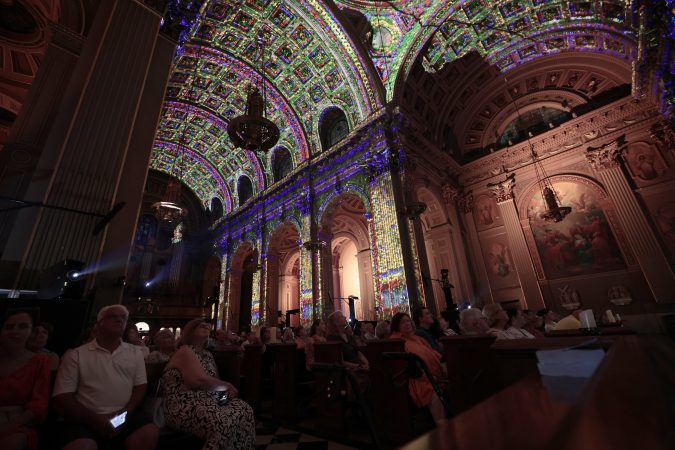
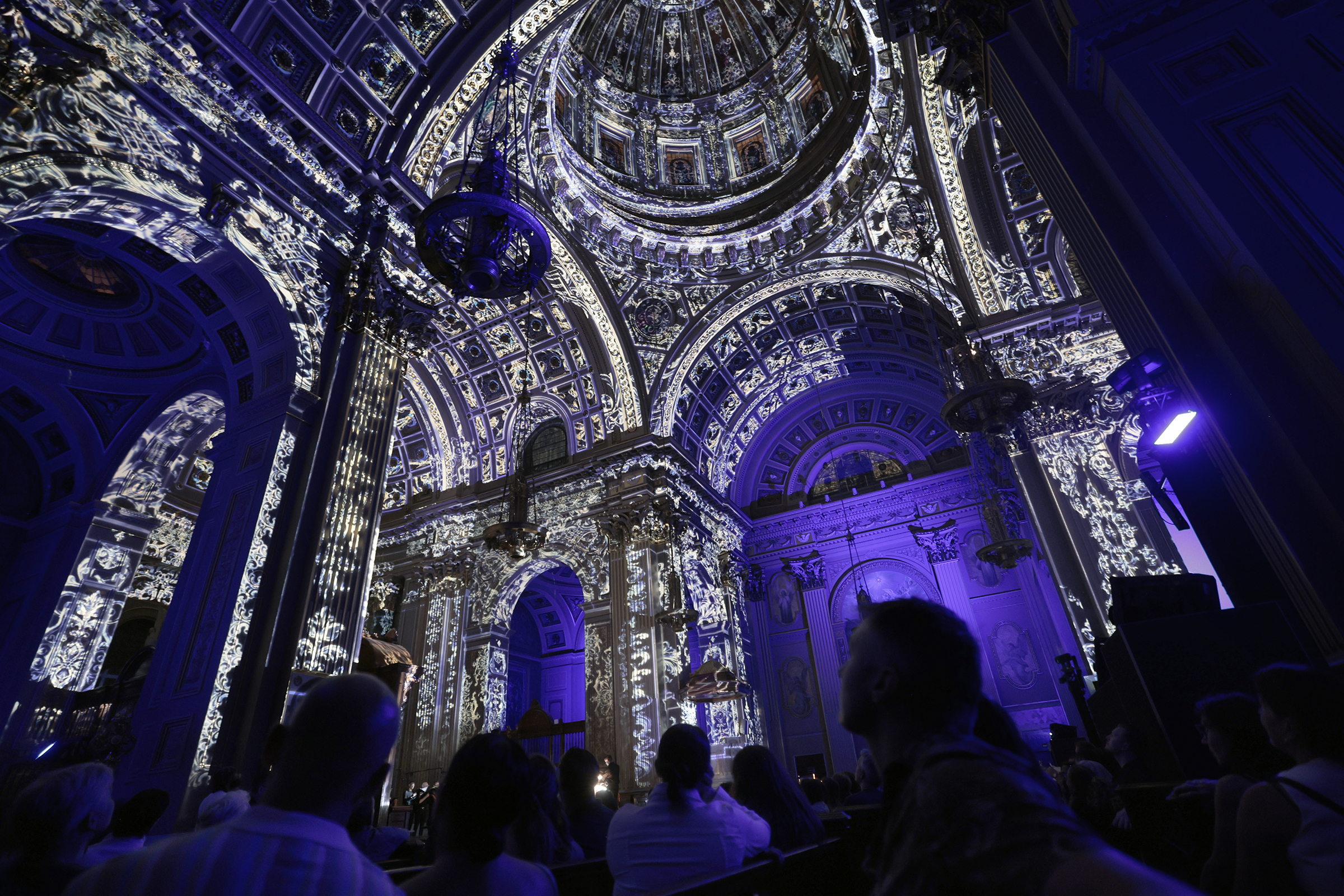
    The opening night performance of “Luminiscence Philadelphia: An Immersive Celebration of Light, Music and Story” lights up the interior of the Cathedral Basilica of SS. Peter and Paul in Philadelphia on June 11, 2026.Elizabeth Robertson / Staff Photographer

    Step inside Philly’s dazzling ‘Luminiscence’ experience

    At “Luminiscence Philadelphia,” time, history, and music converge inside the Cathedral Basilica of SS. Peter and Paul.

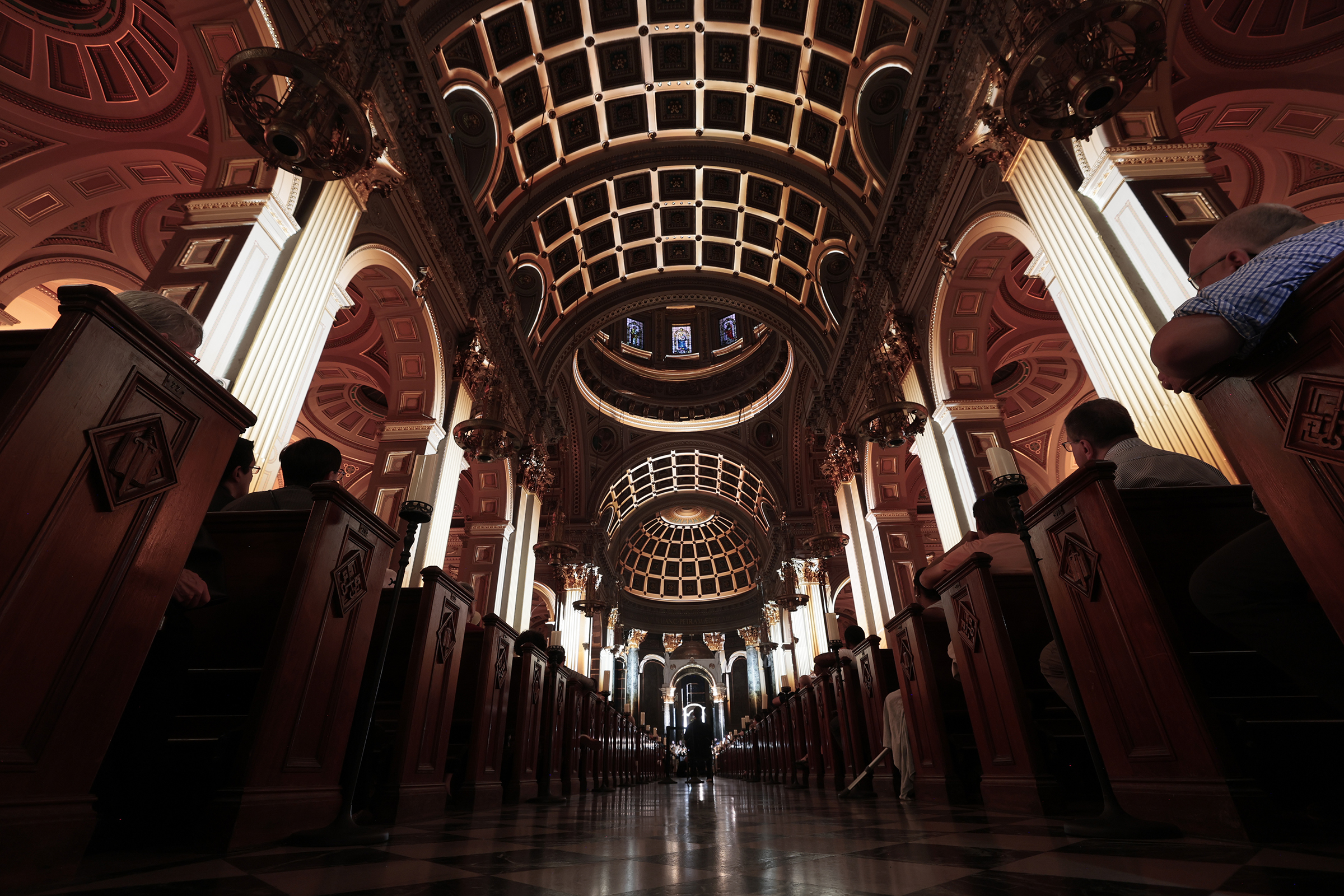
    The church’s barrel arches, Corinthian columns, and copper dome are bathed in atmospheric hues and kaleidoscope imagery. Its walls transform into a singular canvas, filled with dreamscapes that stretch from the altar to its entrance doors.

    Across the 45-minute show, produced by Banijay Americas Live, there are scenes of a glimmering palace, a starlit sky, a garden of falling blossoms, and angels resting in the heavens — all reminiscent of Italian Renaissance paintings.

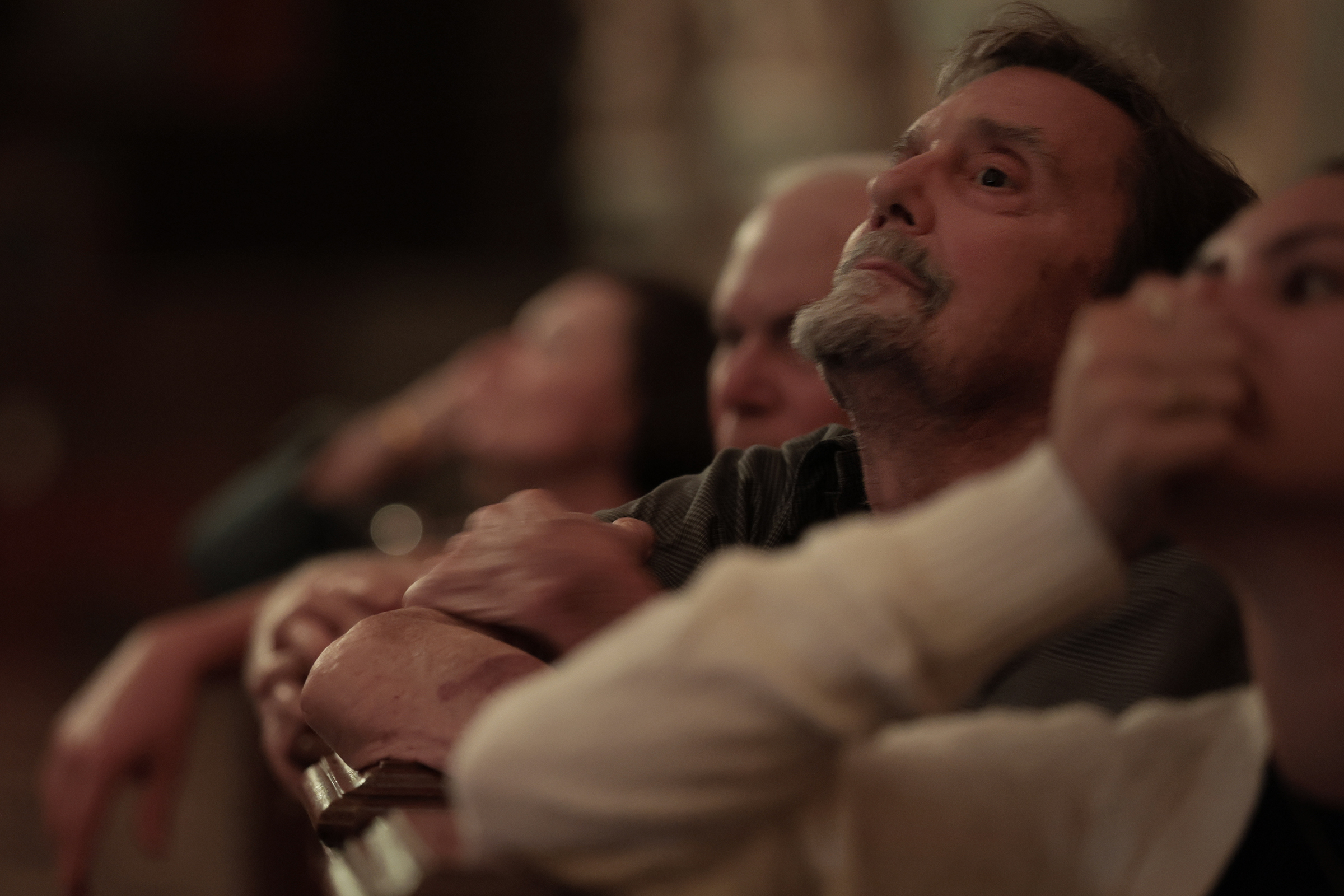
    Joseph Blanch of Havertown watches the opening night performance of “Luminiscence Philadelphia: An Immersive Celebration of Light, Music and Story” at the Cathedral Basilica of SS. Peter and Paul in Philadelphia on Thursday, June 11, 2026.Elizabeth Robertson / Staff Photographer

    Each vista is shaped by 25 high-definition projectors and 360-degree video mapping. As viewers lift their heads from the church’s pews, they are struck by a full panorama of colors, elevated by a blend of orchestral works.

    Beethoven’s “Ode to Joy” and Claude Debussy’s “The Sunken Cathedral” blare from the church’s sound system, while human silhouettes walk along the walls. Their shadowy presence adds to the show’s visual depth.

    The opening night performance of “Luminiscence Philadelphia: An Immersive Celebration of Light, Music and Story” lights up the interior of the Cathedral Basilica of SS. Peter and Paul in Philadelphia on June 11, 2026.Elizabeth Robertson / Staff Photographer

    On select nights, there are live choir and orchestra performances. Yet, even with prerecorded music, the experience is still deeply immersive. The narration, however, can be distracting. It’s difficult to make out what’s being said, other than references to the church’s formation and the nation’s 250th celebration.

    But what’s clear is Luminiscence’s allure. It’s an audio-visual experience that aims to enliven basilicas and cathedrals, with respect to their religious significance and architectural wonder. And with its unfurling inside the mother church of the Archdiocese of Philadelphia, it successfully melds these distinct worlds – the sacred and the luminary.

    “Luminiscence,” the Cathedral Basilica of SS. Peter and Paul on 1723 Race St., is open most Wednesday to Sunday nights into August. luminiscence.com/philadelphia

    — Earl Hopkins

    What is the true value of a dollar?

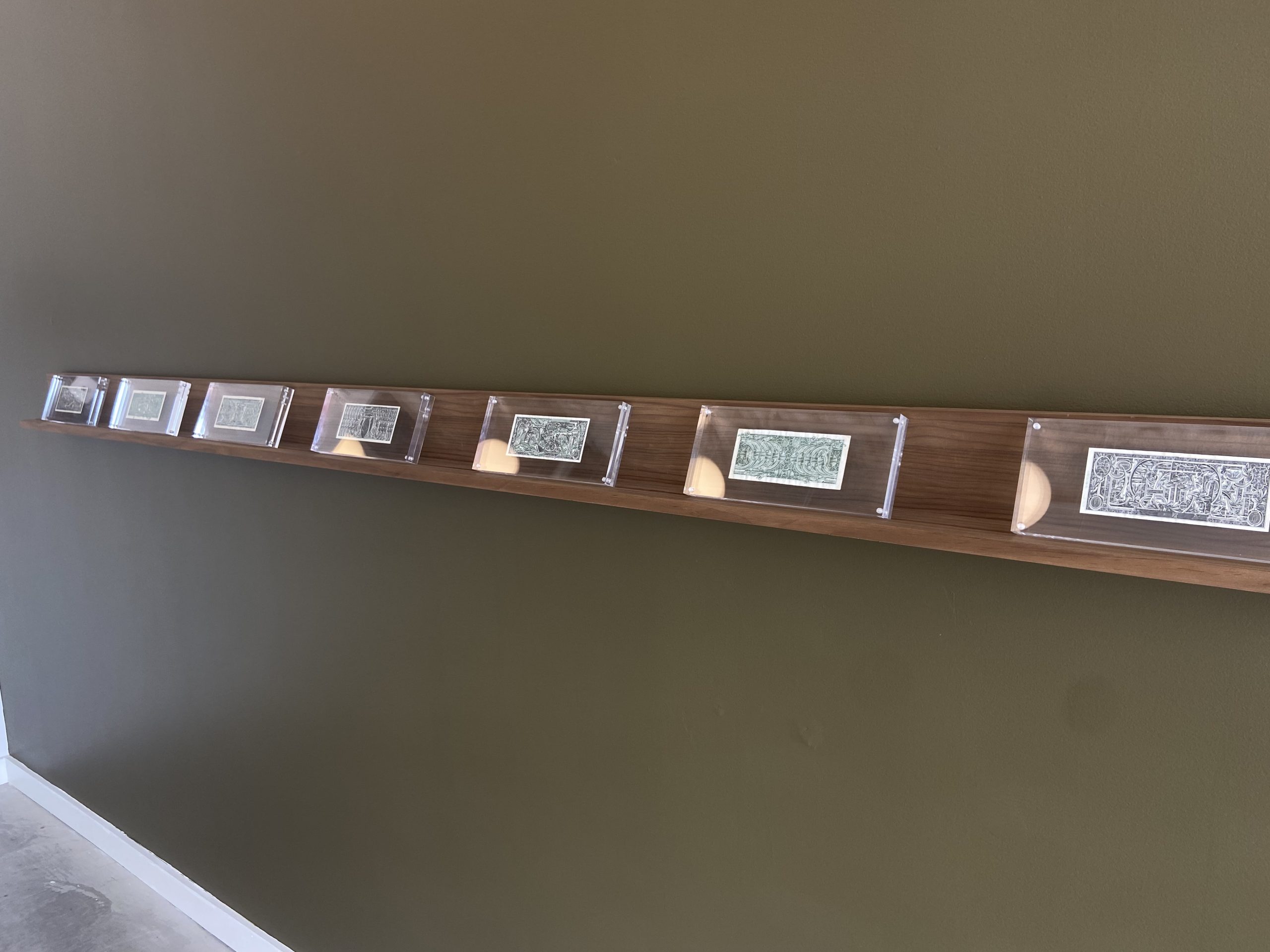
    A wall of artist Kaitlin Pomerantz’s “Rewilded Dollars,” featuring reworked collage designs.Morgan Ritter

    A U.S. dollar today doesn’t just represent currency. Artist Kaitlin Pomerantz shows that it also represents centuries of capitalism overriding the importance of the planet.

    Pomerantz’s new exhibit “(de)growth” in Studio 105 at Ray Philly exhibits the dollar bill in a more ecological fashion. On one wall of the exhibit hang several dollar bills that look normal from afar, but up close, are completely reworked.

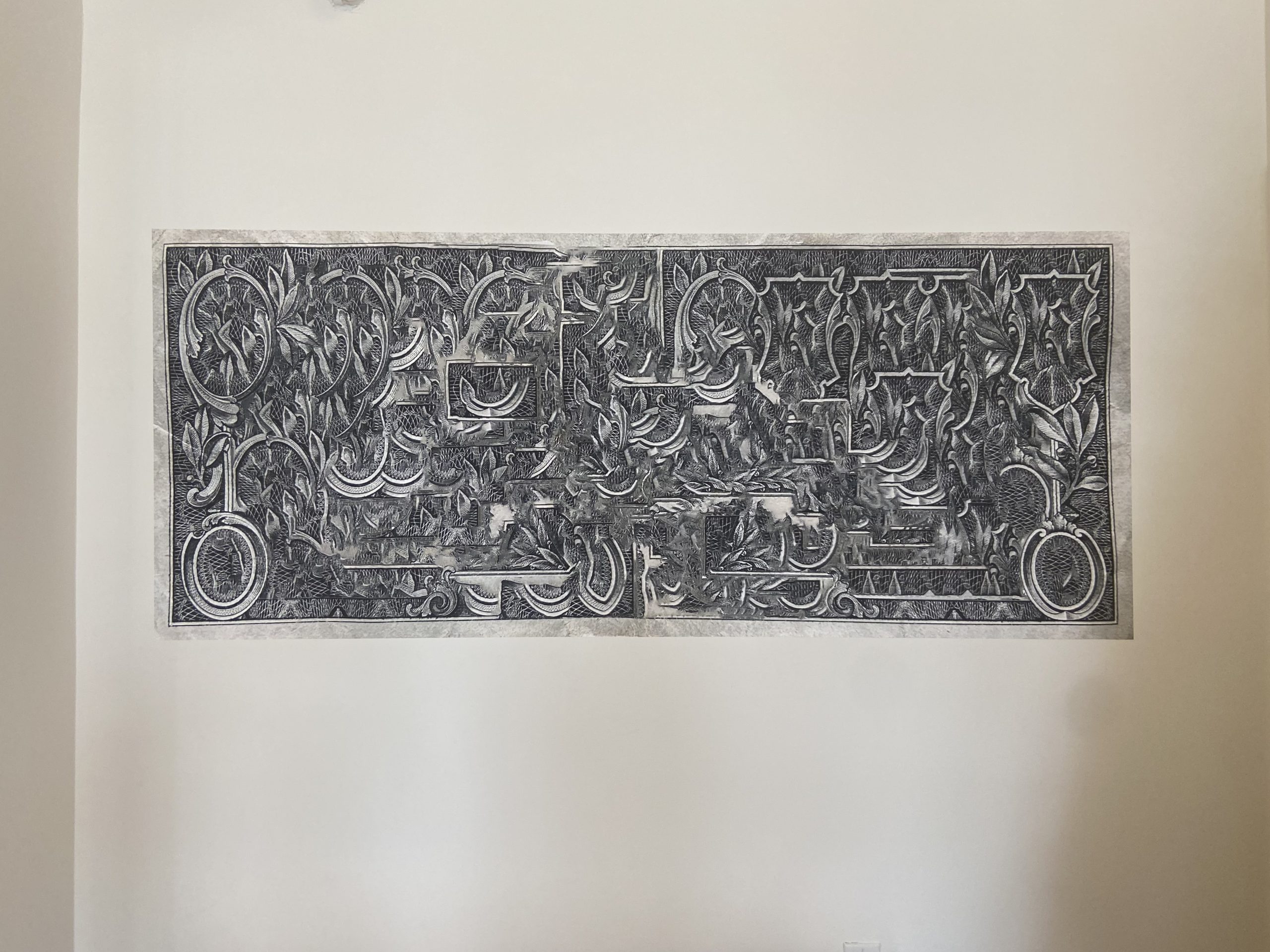
    A large prototype of artist Kaitlin Pomerantz’s “Rewilded Dollar” hangs at the entrance of the exhibit. It is a digital collage on adhesive vinyl.Morgan Ritter

    Pomerantz eliminated any symbols of political power from the dollar bill, cutting them up and collaging them to highlight the environmental aspects that exist on the dollar bill. Rather than the ecosystem being taken over by capitalism, “(de)growth“ imagines a world where nature reclaims itself.

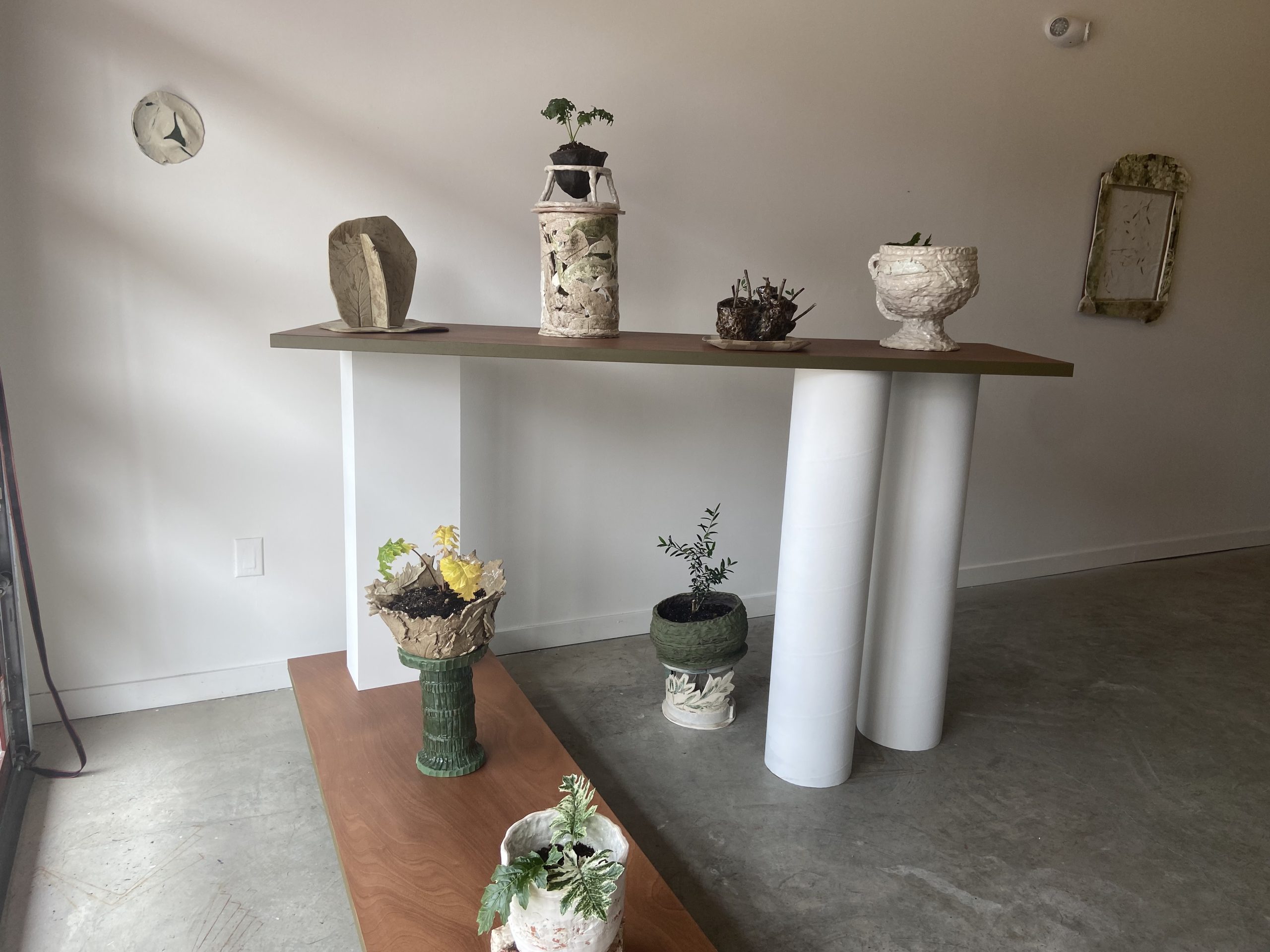
    Included in the exhibit are living plant installations placed in deliberately fractured ceramic pots, showing the damage we have already done to the environment, but that it can still regrow.

    A collection of ceramics and living plant installations, representing artist Kaitlin Pomerantz’s emphasis on the importance of ecological growth.Morgan Ritter

    It was nice to walk around the exhibit, imagining a world where the U.S. government places emphasis on protecting the environment and valuing the natural world around us. That being said, feelings of melancholy soon followed, remembering how damaging the ecological impact from capitalism has been.

    Pomerantz powerfully calls out how political domination has caused government powers to lose sight of what’s really important.

    It’s easy not to think about the meaning behind the design of the dollar bill. Pomerantz’s vision of changing it to be centered around the planet offers an almost optimistic perspective of what could be valued someday if oppressive systems are dismantled.

    “(de)growth” by Kaitlin Pomerantz, is on view through Aug. 2 at Studio 105 at Ray Philly, open Wednesday through Sunday from noon-6 p.m.

    — Morgan Ritter

    An earlier version of the article had an incorrect name of the exhibition at Ray Philly. It is called “(de)growth.”