You probablyknow Abigail Covington, my colleague who regularly helms the How I Bought This House column. In the year since she joined the team, she’s become one of The Inquirer’s home-buying experts.
So I couldn’t believe it when she told me that she’d opted for an information-only inspection when she bought her first home a few weeks ago.
I wanted to shake her by the shoulders and say: Haven’t you learned anything from all the real estate stories you’ve written?!
But in a new essay, Abigail explains why. Keep scrolling for that story and more in this week’s edition:
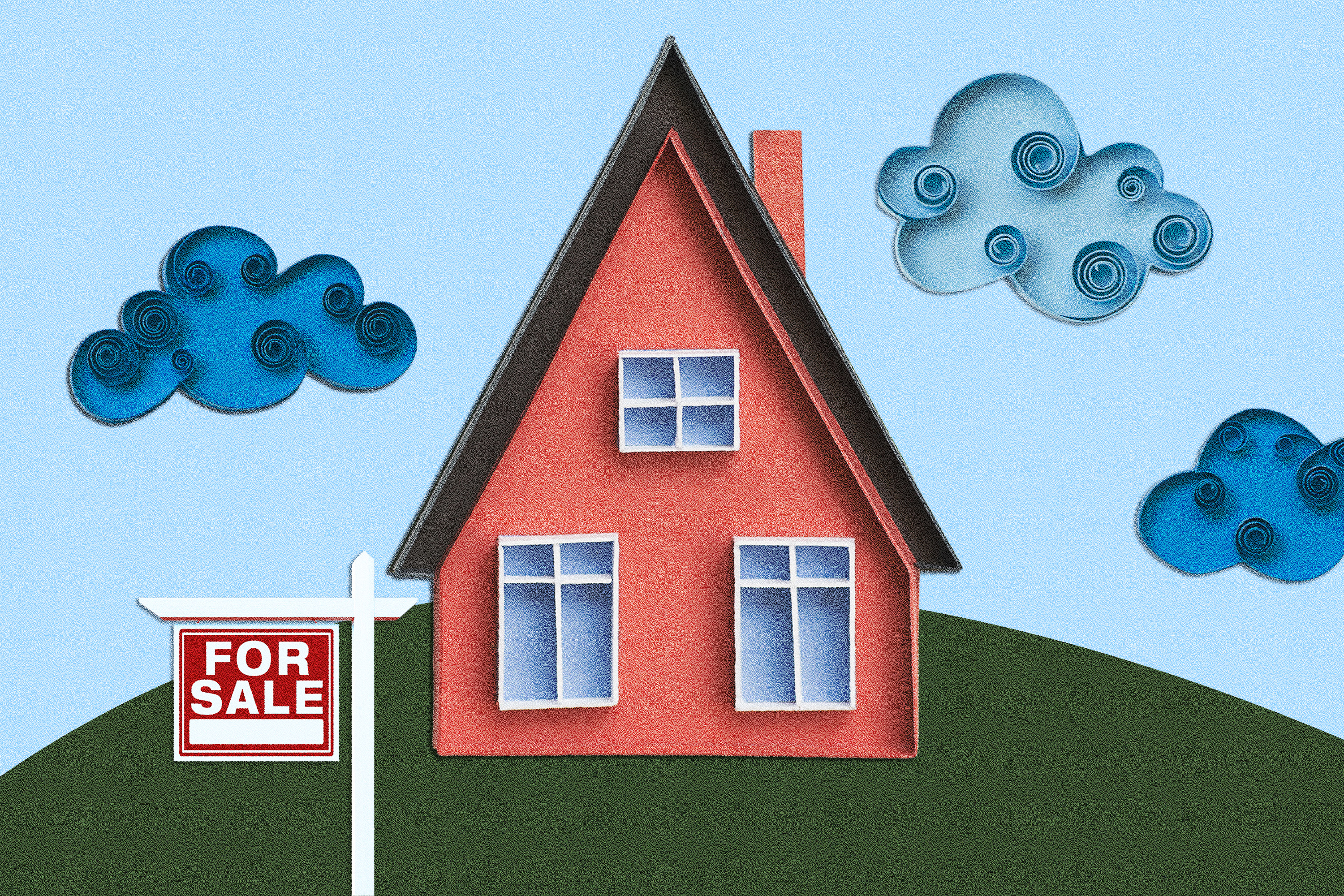
Buying a home is a huge financial decision — and an emotional one. Balancing the two can be tricky when your head knows what to do but your heart is pulling you in the opposite direction.
After a year writing about real estate, my colleague Abigail Covington felt prepared to stand up to sellers and get a great deal. But when her dream house came along, she ditched her careful plans to make sure she got it.
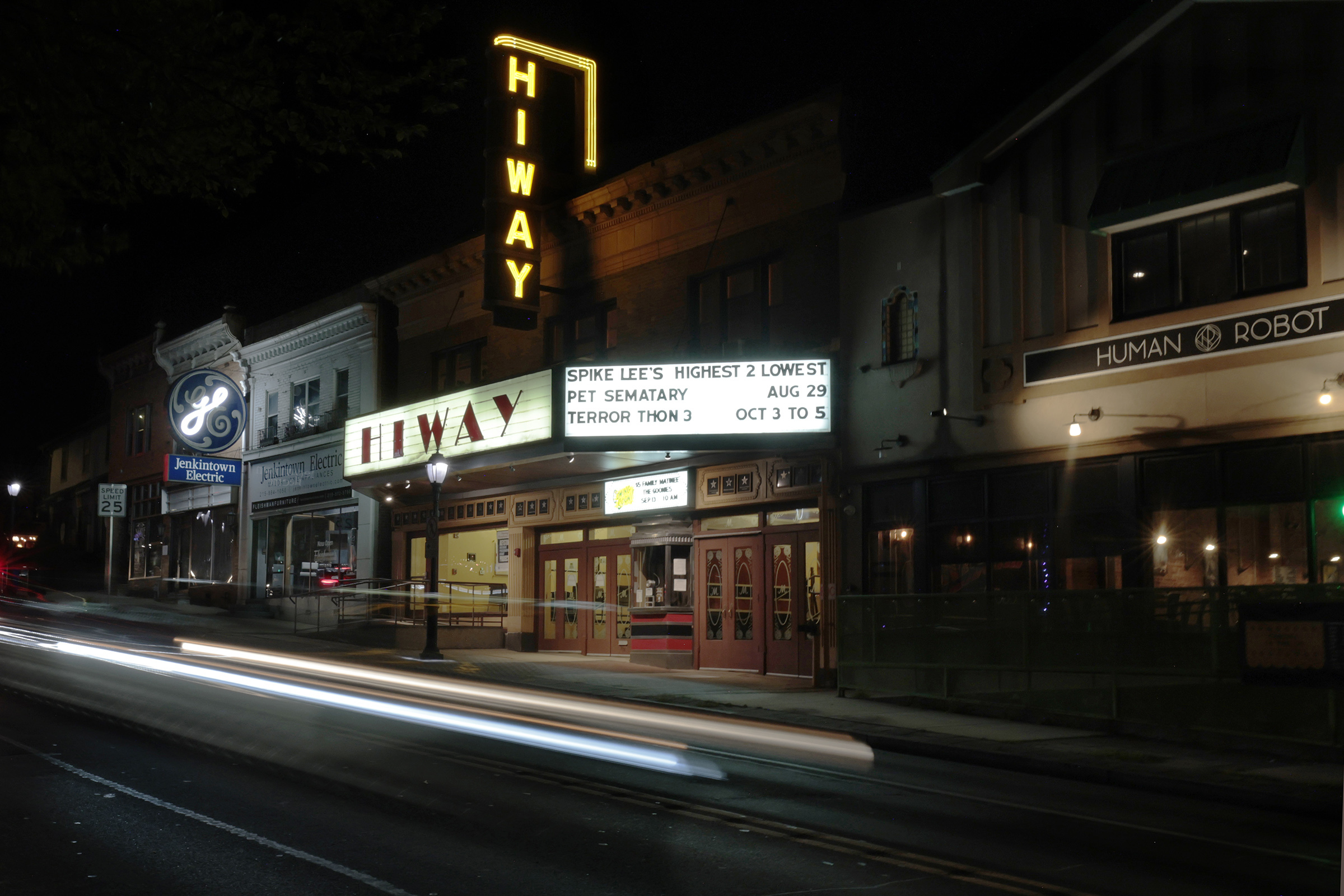
In Jenkintown, neighbors are disagreeing over Airbnbs. The town’s zoning board denied its first short-term rental request last week after residents complained about noise and unexpected visitors.
It made me wonder how I’d feel if my next-door neighbor was a rotating cast of visitors. On the one hand, I’ve stayed in dozens of Airbnbs and had memorable, comfortable travel experiences. On the other, I understand being worried about safety.
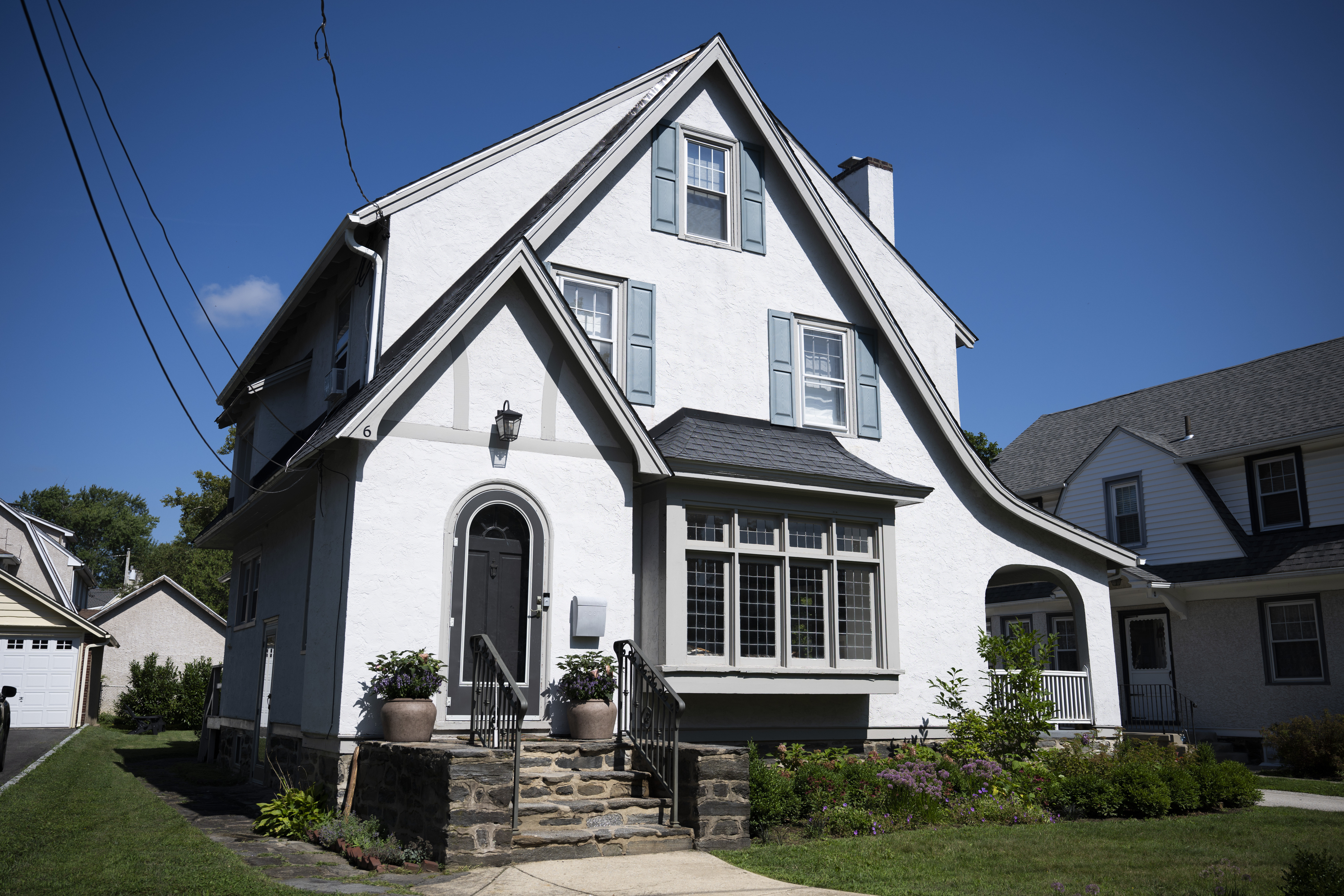
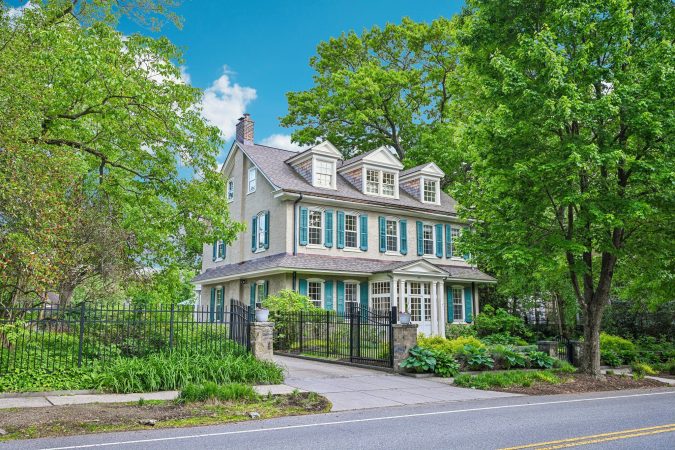
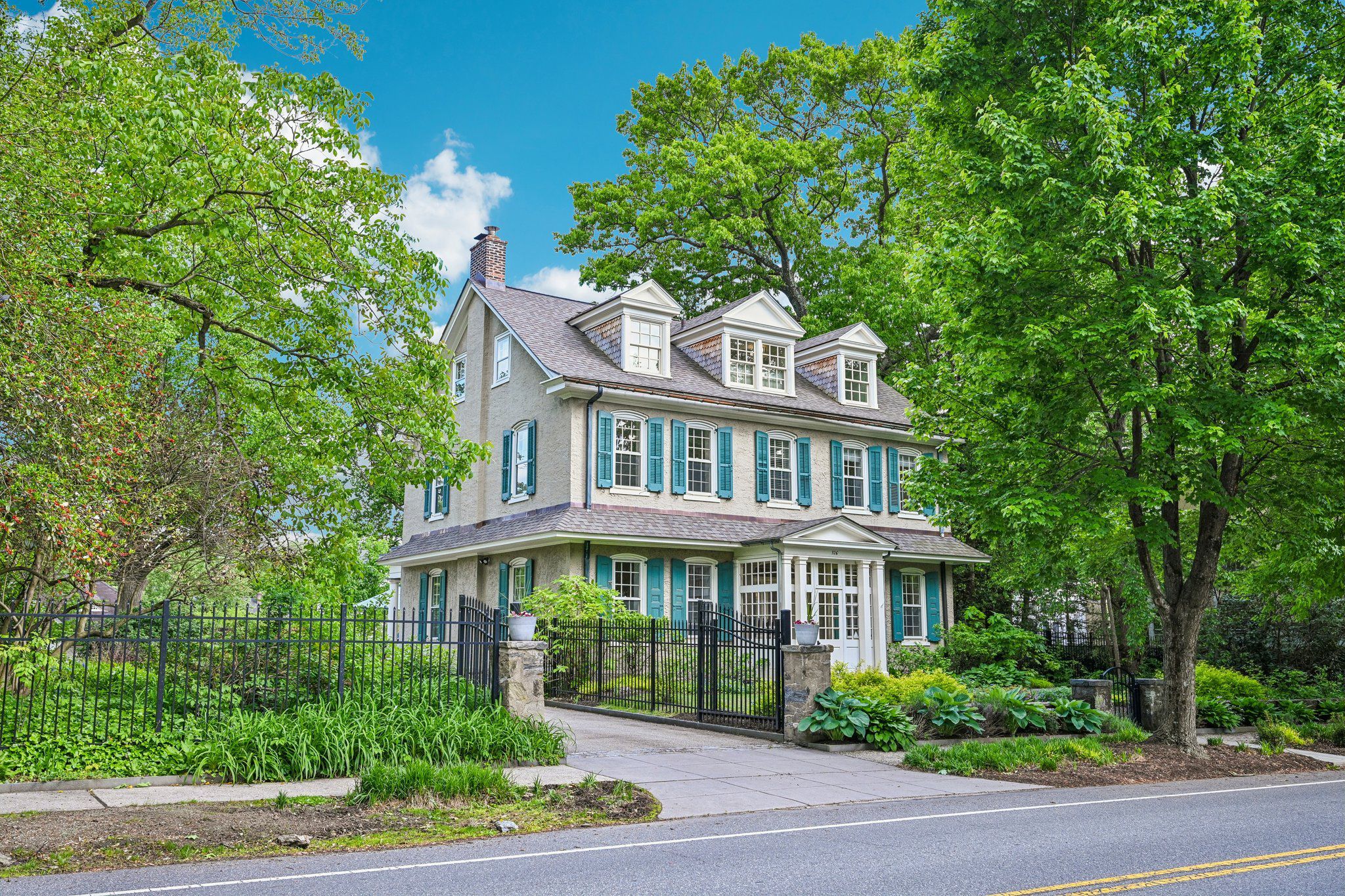
There is just something about a Tudor-style home that feels so cozy — the steeply pitched roofs, the storybook arches, the tall windows. Talk about curb appeal.
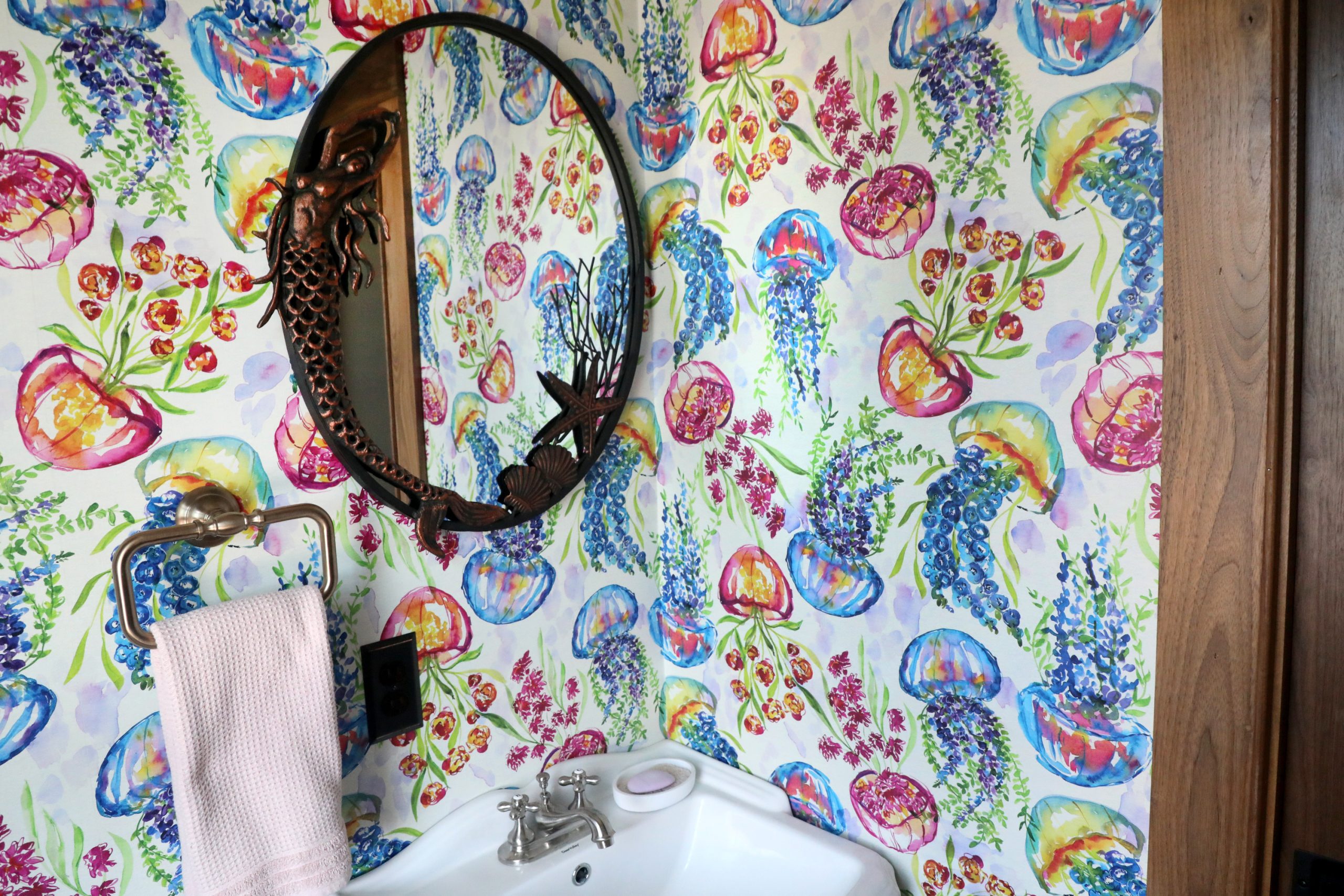
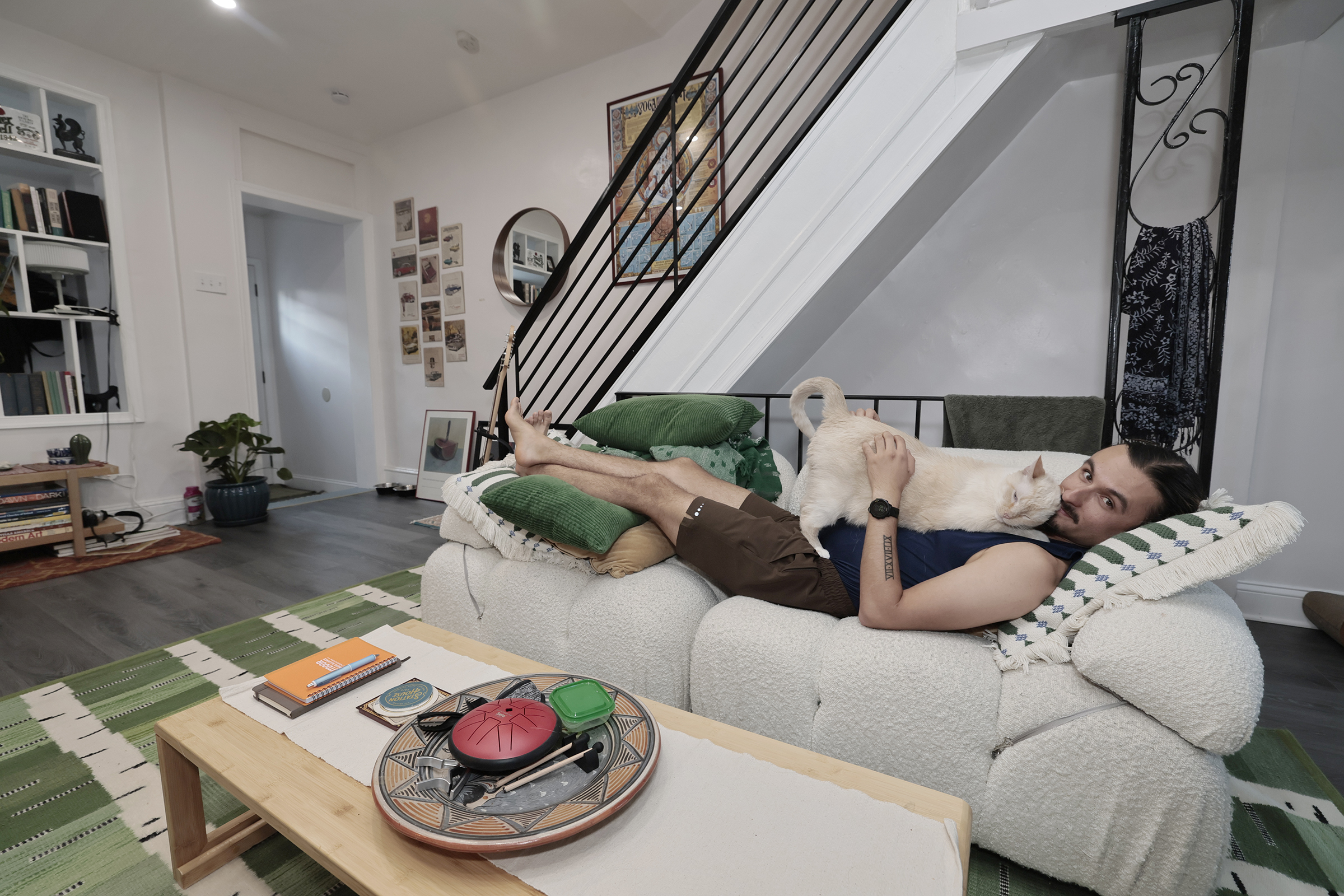
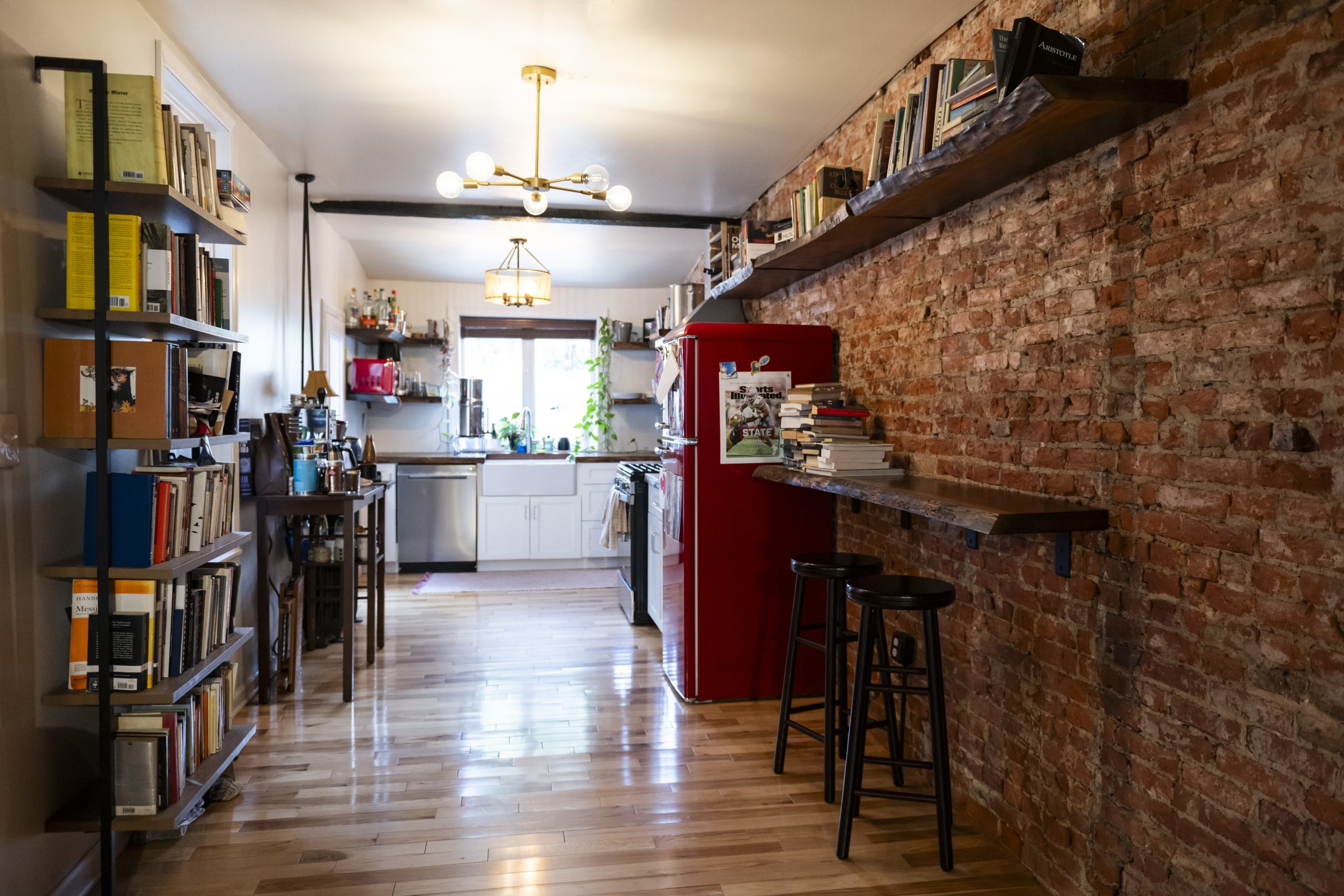
The interior of this Havertown home is just as warm and comfy with unexpected color combinations, a grandfather clock, and a lot of floral wall paper.
The Finnegan family moved in five years ago and have spent that time redesigning their home to be a haven. Take a peek inside.
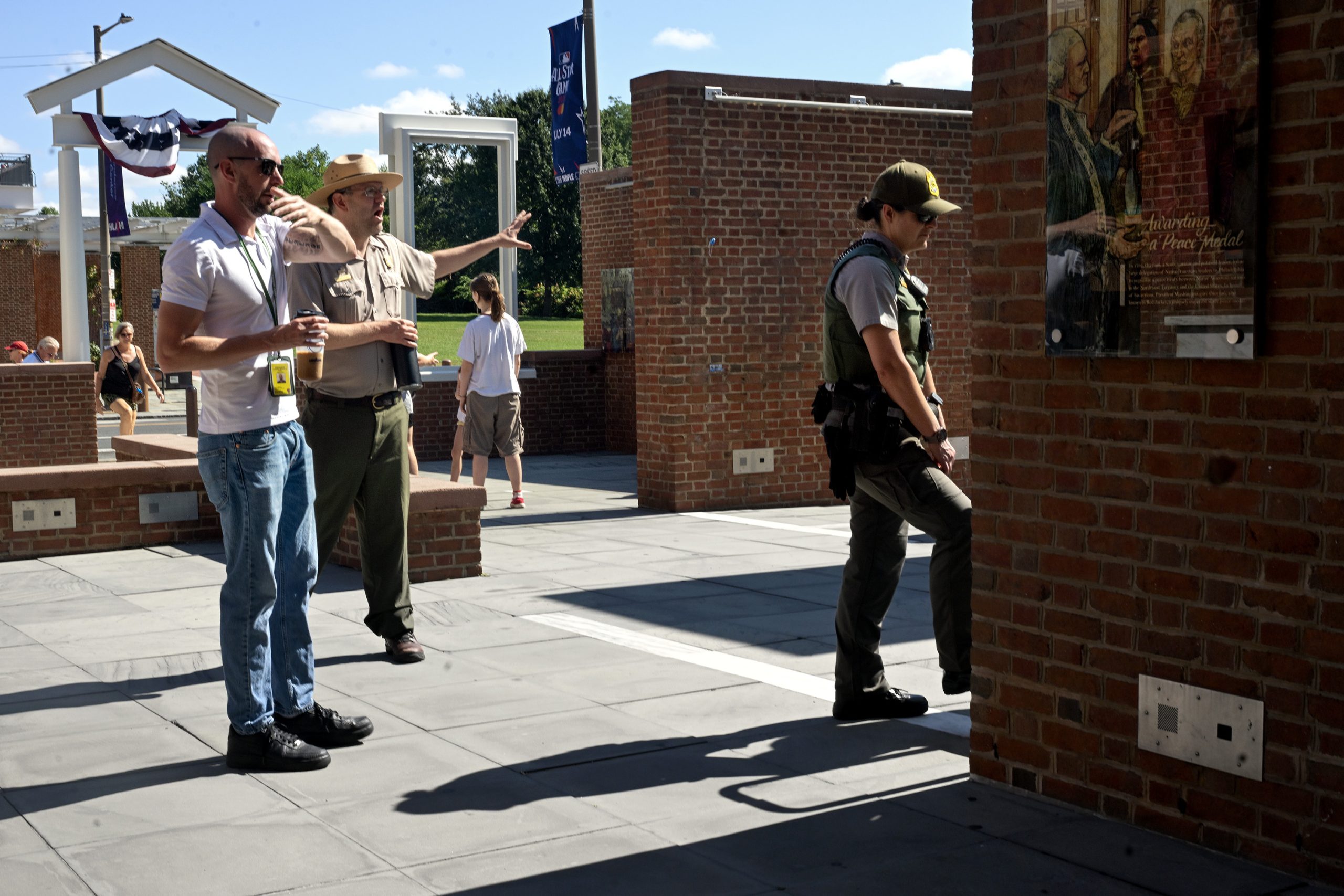
📷 Photo quiz
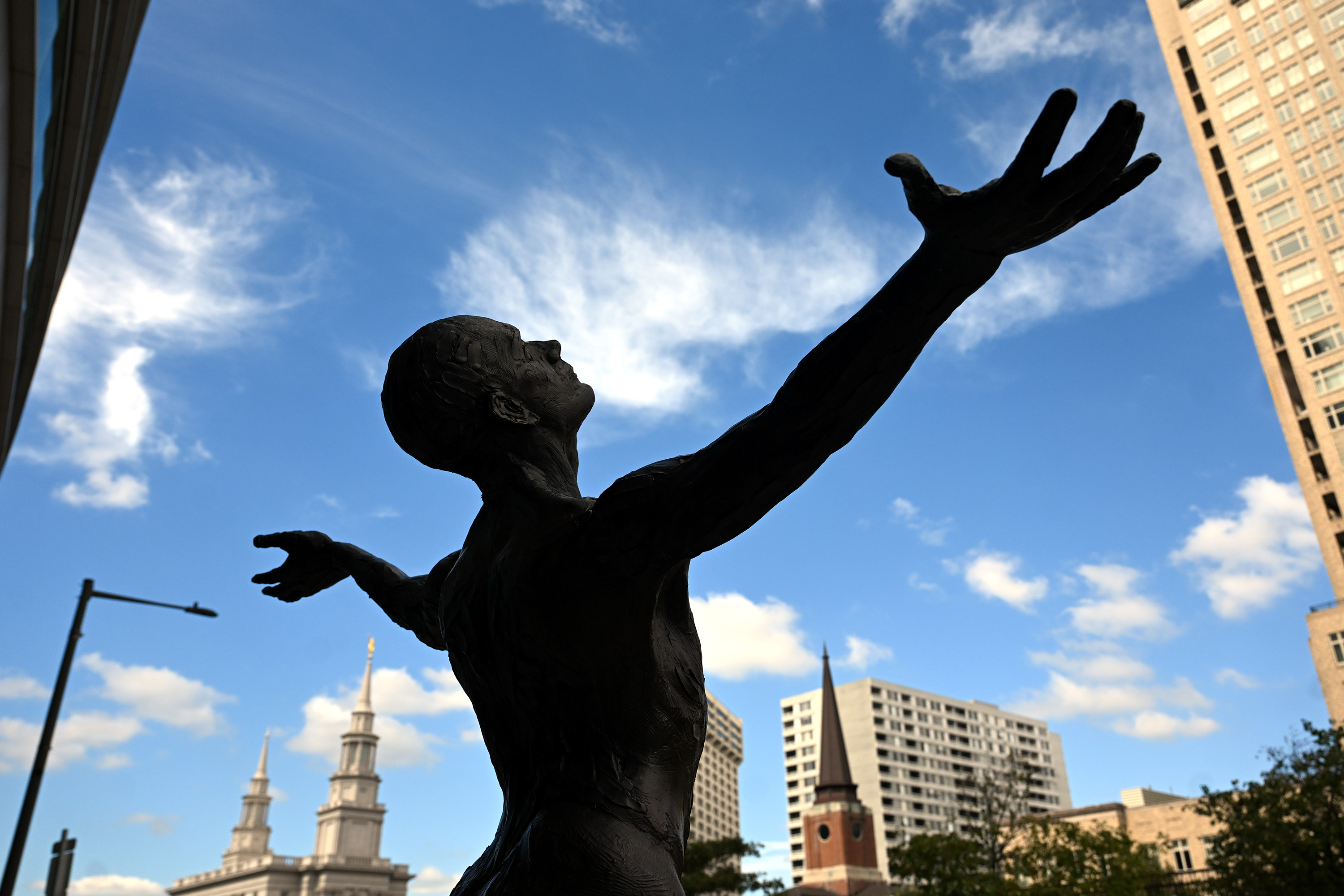
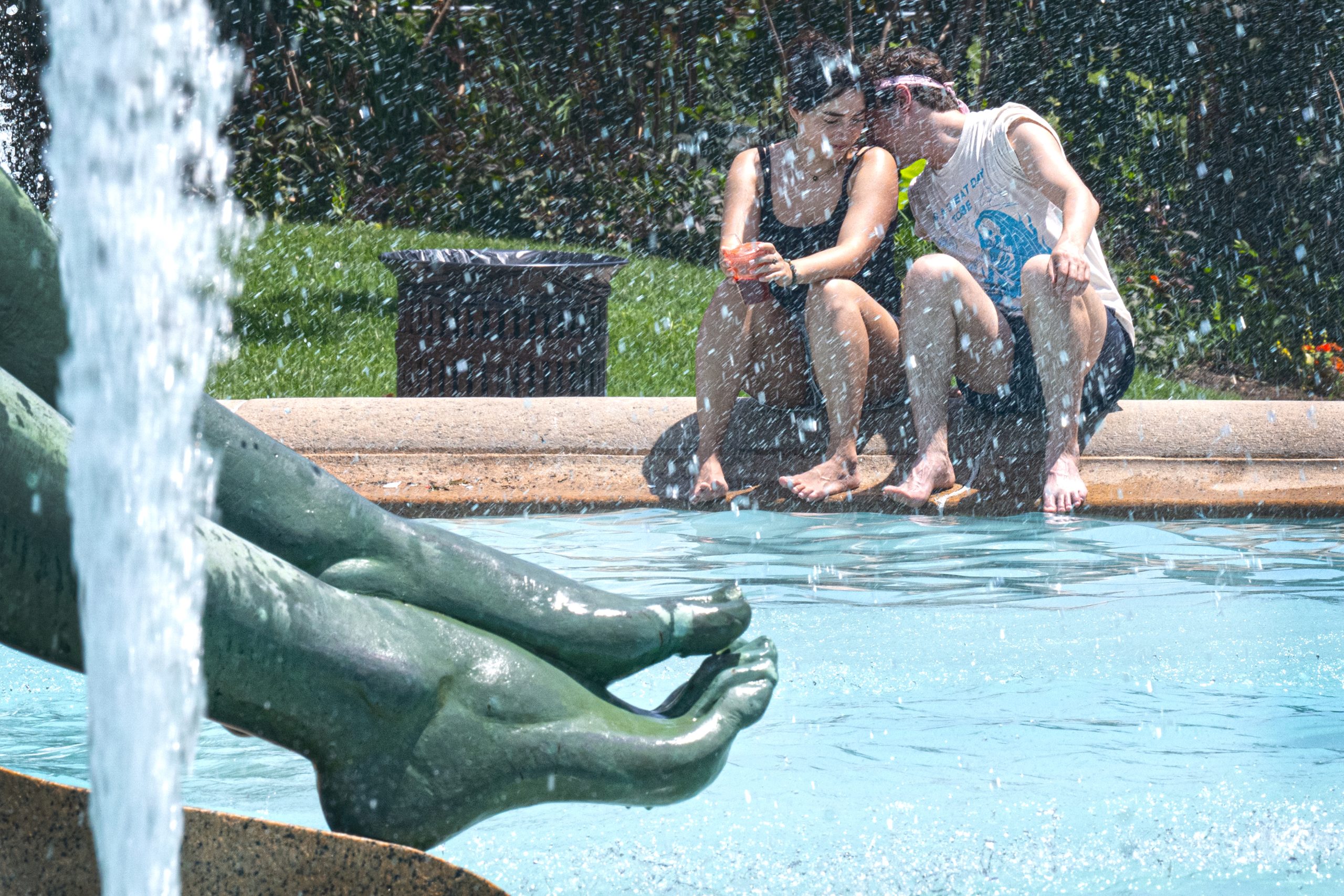
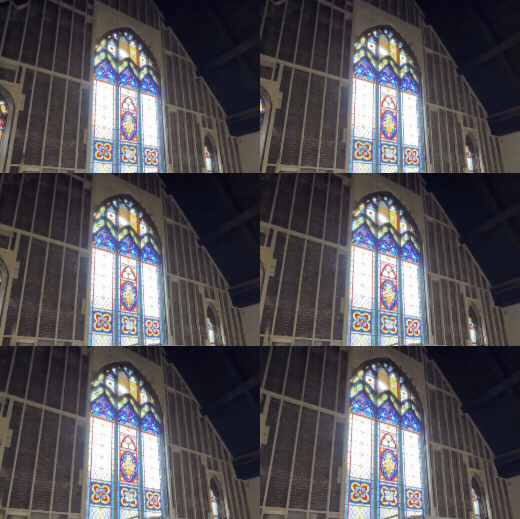
Do you know the location this photo shows?
📮 If you do, email me back. You and your memories of visiting this spot might be featured next week.
Shout out toDon L. who correctly guessed that last week’s image depicted workers cleaning the glass pavilions over the subway stairs at Dilworth Park.
++
Have a great week. Michaelle will be back next Thursday.
By submitting your written, visual, and/or audio contributions, you agree to The Inquirer’s Terms of Use, including the grant of rights in Section 10.
Neither Philly’s Mint nor the website has single coins for sale, so early buyers can get no fewer than 25 coins in a roll for $61. A bag of 100 coins for $154.50 is also available. Households are limited to two orders until Thursday at 2 p.m. when the cap will lift.
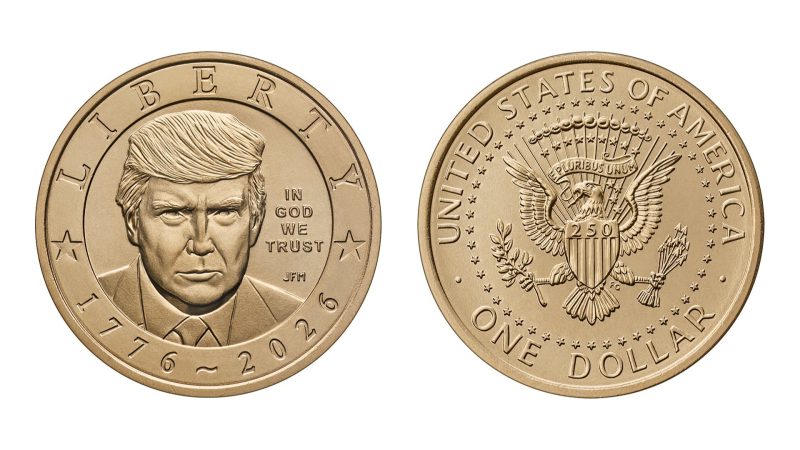
The commemorative coins, printed in Philadelphia to mark the 250th anniversary of the signing of the Declaration of Independence, may be used as legal tender.
Early buyers may also find unique coins with their purchases: 250,000 Trump coins with a special-issue “July 4” mark, minted on Independence Day, have been randomly hidden in some rolls and bags, Willy Wonka-style.
First announced in July by U.S. Treasury Secretary Scott Bessent, the coins bear Trump’s face on one side with the words Liberty, In God We Trust, and 1776 ~ 2026. The other side features the presidential seal, with “250″ inscribed on the eagle’s shield.
The coins faced hurdles in production with critics arguing that they violate U.S. code that says “only the portrait of a deceased individual may appear on United States currency.” In response, Bessent cited historical precedent: In 1926, the U.S. minted a commemorative half-dollar featuring living President Calvin Coolidge.
Although the coins are gold-colored, they are composed mostly of nonprecious metals, including copper, zinc, manganese, and nickel. No actual gold is used in the coins.
In November, the mint stopped producing pennies due to rising costs. According to the mint, it cost up to 3.69 cents to create one penny.
Philadelphia is home to the nation’s oldest mint, built in 1792. Visitors can tour the facility on weekdays. It is the world’s largest coin-making factory, according to the Guinness Book of World Records.
That’s what real estate lawyer Mark Kaplin told The Inquirer’s Chester County reporter Brooke Schultz this week when she asked about pushback to development projects.
It made me laugh out loud. After years of editing real estate stories, I’ve learned that he is so right.
Kaplin talks about his latest work with Exton Square Mall and how it’s becoming harder to to get stuff done in the city and the burbs.
Keep scrolling for that story and more in this week’s edition:
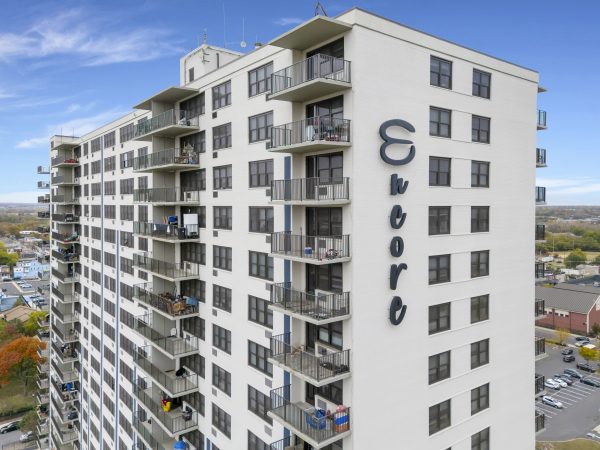
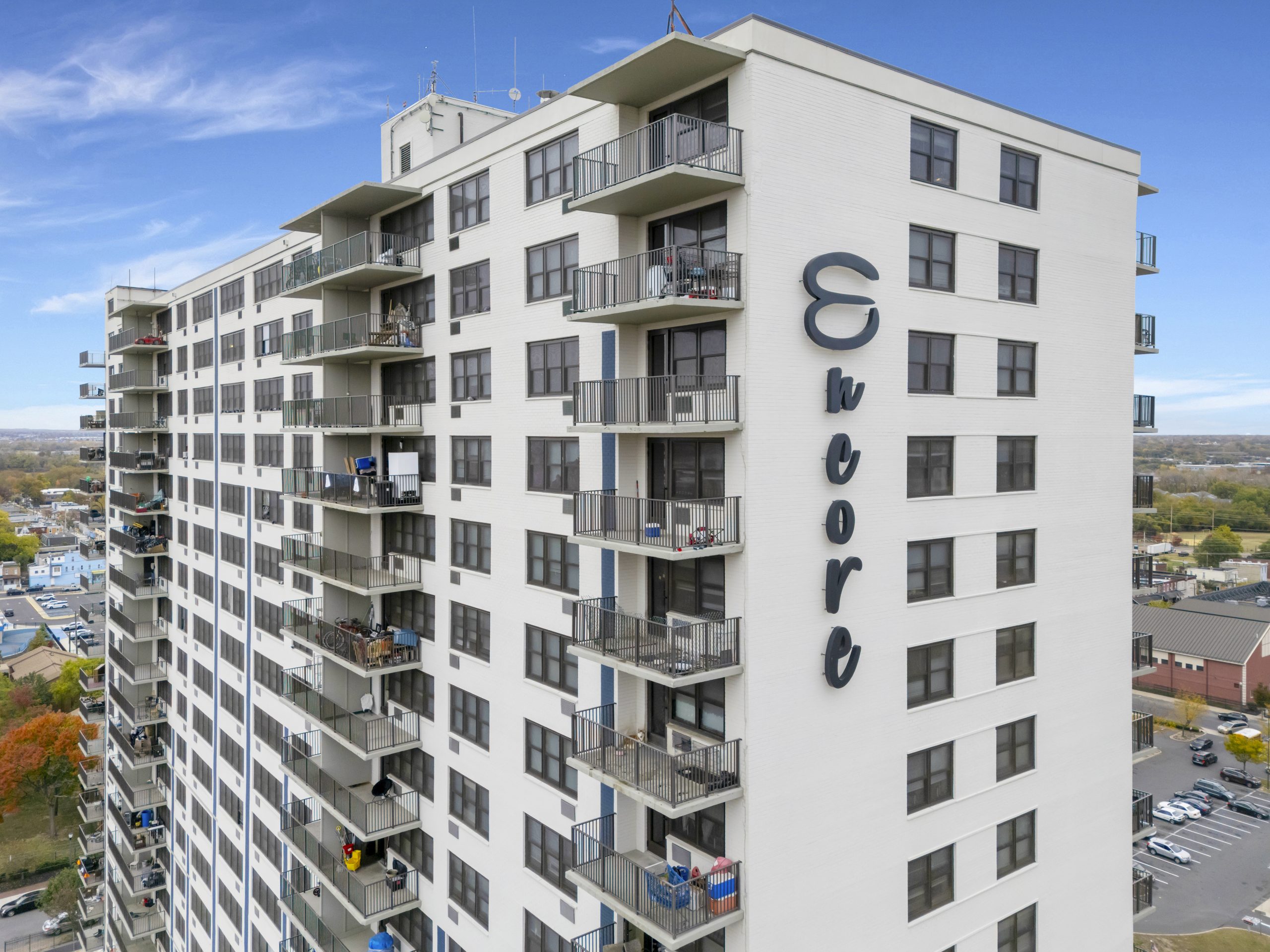
Encore’s encore: A Camden apartment building comes back for a second act.
Karen Merricks, a nearly 30-year resident of a Camden apartment building once known as Northgate 1, is finally feeling safer in her home.
After years of poor conditions, a new owner purchased the building in 2024. Renamed the Encore and given a complete overhaul, the building now offers tenants:
👚 a working laundry room for the first time in years
🛜 free internet access for 15 years
🥕 an urban farm where residents get first dibs at veggies
🛝 an indoor playground and children’s room
🔍 increased security
The building’s future as affordable housing has also been secured for the next 20 years.
Read more about how the property, originally planned as a luxury residence, fell into disrepair and then came back from the brink.
Is there anything more heartwarming than a dream realized? One thing I enjoy about real estate stories is that people often talk about how hard they worked to buy their homes. It reminds me that we can do tough things.
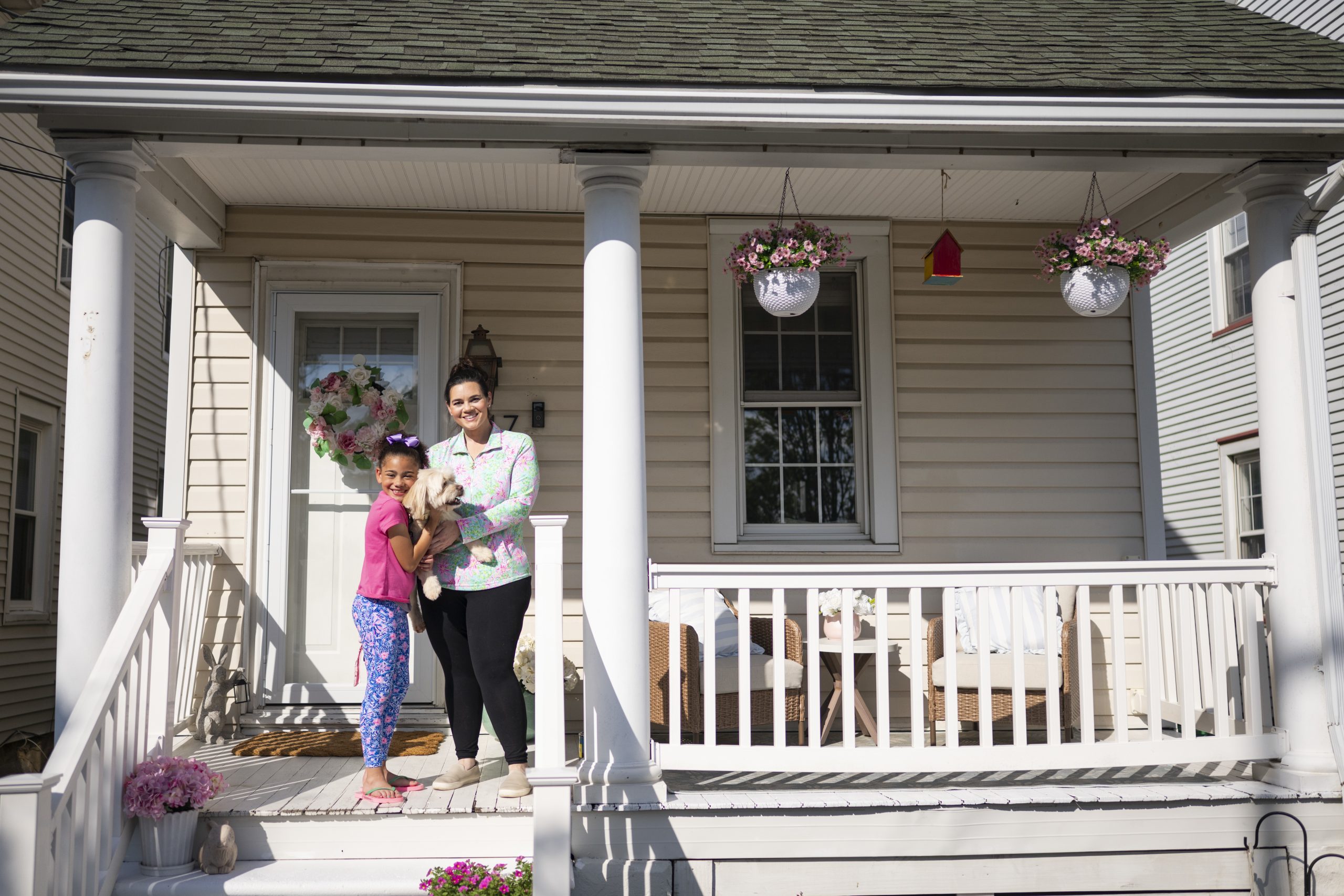
Amanda Caroccio, a single mom in South Jersey, is a perfect example. “For a long time I didn’t think it was going to happen,” she said of homeownership. But little by little, she saved, sometimes working a whole month without a day off, and last year, she was able to purchase her dream home in Haddonfield.
She calls it “one of the greatest accomplishments of my life.”
📮 Did you recently buy a home in the Philadelphia area or South Jersey? Share the story of how you did it. Email Inquirer real estate reporters at properties@inquirer.com.
‘Tis the season to fantasize about owning a Shore house. In my dreams, I have an outdoor shower, a covered porch, and a dining table big enough for my whole family to sit comfortably.
This week’s homeowners took that last point seriously and had two kitchens put into their house when they rebuilt it.
That’s just one of the special details in this spacious abode. There’s also a secret wine cave, custom book cases, stained glass transoms, whimsical light fixtures, and two bedrooms with decks.
📮 If you think you do, email me back. You and your memories of visiting this spot might be featured in the newsletter.
And congrats to Diane B. and Michele G. for correctly guessing last week’s photo location: the fountain at Logan Square. Lars W. gets bonus points for knowing its proper name: Swann Memorial Fountain.
–
I pride myself on knowing a lot of Philly trivia, but I learned something new in choosing last week’s photo.
The fountain was designed by Alexander Stirling Calder (no, not the same Calder as the new Parkway museum; that’s his son). Tuck that one away for your next Quizzo night.
By submitting your written, visual, and/or audio contributions, you agree to The Inquirer’s Terms of Use, including the grant of rights in Section 10.
Michaelle is off this week, so I’m here to talk real estate with you. And we’ve got good stuff to get into this week.
First up: our weird real estate market. That’s not my word choice. It’s what real estate agents told Michaelle when she asked them how things are going.
They told her that market has become much less seasonally predictable than it used to be and they shared what it could mean for homebuyers.
Keep scrolling for that story and more in this week’s edition:
The real estate market used to follow typical seasonal patterns: slower in the summer and winter, busier in the spring and fall. The pandemic shook that up a few years ago and according to some agents, it still hasn’t quite come back.
Weird is the word that two separate real estate agents used to describe the current market. They said Philadelphia homes that sat on the market for months last fall suddenly went under contract in the winter.
There areseveral reasons why this is happening.One is the ripple effect of the “golden handcuffs” created by pandemic-era low interest rates that have left some homeowners hesitant get back into the market.
Short-term pain, long-term gain? That’s the philosophy that programmer Dylan Foglesong took when it came to purchasing his first home.
The 28-year-old renter was paying $2,600 a month for his apartment when he decided he wanted to buy. So he moved into a shared house with friends for $600 a month. Before long, he was ready to live alone again — in a home he owned.
That wouldn’t work for everyone, but Foglesong said it was worth it: “You take that little compromise for a couple of months and all of a sudden you have $11,000 in your bank account.”
📮 Did you recently buy a home in the Philadelphia area or South Jersey? Share the story of how you did it. Email Inquirer real estate reporters at properties@inquirer.com or just reply to this newsletter.
Everything about Caleb Zimmerman’s story makes me anxious. He bought his home off Craigslist for $82,500 in one day. The place needed a full remodel. And he was planning to do it all himself.
But he pulled it off — and the results are impressive.
Zimmerman installed hardwood floors throughout and a custom staircase. He upgraded the bathroom.
And he added some pizazz: The home’s centerpiece is a trap door that conceals the basement and opens with a pulley system and remote-controlled actuator.
The quiz featured a photo taken at the Olney Transportation Center and reader Chantele A. was the first to correctly get it right.
📹 On the street
Point Breeze Church GIFErin Reynolds
The former church at 1800 Tasker St. is on its way to becoming a brewery, an unusual transition for a historic property in Philadelphia. (Though it’s happened before. I love grabbing pizza at the Church Brew Works in Pittsburgh when I visit my Yinzer in-laws.)
A few weeks ago, The Inquirer reported that a South Philly home with an acclaimed Keith Haring mural was available for rent. Now, the mural is up for historic designation, which has some preservationists antsy about the precedent it could set. It’s making me think deep thoughts about what should get protected and why.
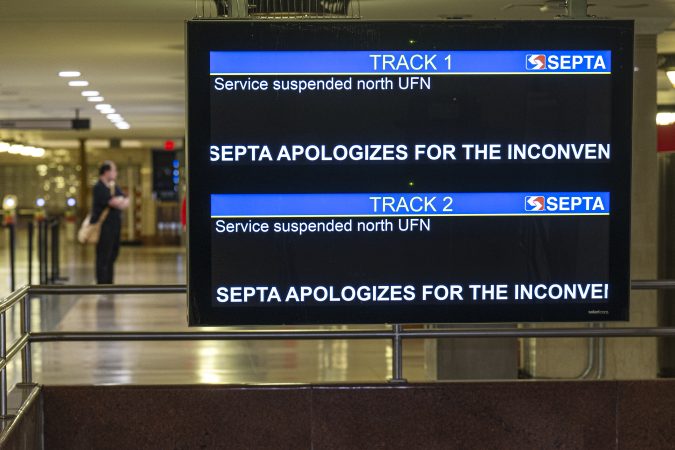
SEPTA restored Regional Rail service at 3 p.m. Wednesday after major disruptions caused by the midnight derailment of a Manayunk/Norristown train in North Philadelphia.
Residual delays were expected as the system recovered.
No injuries were reported when the outbound train went off the rails at the 16th Street Interlocking shortly after midnight, according to SEPTA.
The incident is under investigation. Crews repaired track damaged in the incident, transit agency spokesperson Andrew Busch said.
Three suspended lines reopened: Manayunk/Norristown, with 7,779 average daily riders; Fox Chase (2,473 riders) and Chestnut Hill East (3,042 riders).
On other lines where service was reduced, trains resumed serving all stations, Busch said.
The accident
The four-car train was traveling less than 15 mph and carrying 47 passengers and three crew members when the rear axle of the third car derailedjust after midnight. Busch said the people aboard declined medical treatment.
A nearby train brought the passengers to Wayne Junction Station. A shuttle bus pulled out shortly after 1 a.m. and completed the rest of the stops along the Manayunk/Norristown line, Busch said.
SEPTA crews got the train back on the track and moved around 7 a.m.
Rail workers also were checking the components of the interlocking, a linked system of signals and switches that allows trains to move from one set of rails to another at a junction.
Given that the derailment happened in the overnight hours, officials so far do not think that heat was a factor, Busch said. Extreme heat can warp railroad tracks.
McDonald’s golden arches. The Nike swoop. Apple’s apple.
Take a look around you right now. Even if you’re sitting alone in your home, you can probably spot logos for businesses in every corner.
The best logos serve as a visual shorthand for a company. They are simple and bold, recognizable and enduring.
But even the most well-established logos sometimes get refreshed to signal a brand’s evolving mission or products.
story continues after advertisement
The Philadelphia area is home to some classic business logos that have evolved over time. Can you choose the current logo for these popular local companies?
Question 1 of 6
CorrectIncorrect. XX% of other readers got this question right.
0% voted
0% voted
0% voted
0% voted
Wawa takes its name from the Native American word meaning "wild goose.” The goose has remained a part of the convenience store’s logo since 1974 when a Villanova University student and part-time worker at a Delaware County Wawa won a design contest.
Question 2 of 6
CorrectIncorrect. XX% of other readers got this question right.
0% voted
0% voted
0% voted
0% voted
Acme, which began in South Philadelphia as a neighborhood grocery store, started with a retro cursive logo. As the store expanded into a regional chain and was later acquired by Albertson’s, the logo evolved to feature bold red typography.
story continues after advertisement
Question 3 of 6
CorrectIncorrect. XX% of other readers got this question right.
CorrectIncorrect. XX% of other readers got this question right.
0% voted
0% voted
0% voted
0% voted
Tastykake cofounder Herbert Morris, formerly an egg salesman, designed the company’s first logo. No one knows why he chose to use two letter Ks, but the spelling stuck.
Question 5 of 6
CorrectIncorrect. XX% of other readers got this question right.
0% voted
0% voted
0% voted
0% voted
Beginning in the 1920s, Pep Boys’ logo featured caricatures of the three owners: Manny, Moe, and Jack. It included a fat cigar dangling from the corner of Manny’s mouth, an homage to co-owner and devout smoker Emanuel (Manny) Rosenfeld. But in 1990, as smoking fell out of favor, the company nixed the cigar to promote healthier lifestyles for consumers and employees.
story continues after advertisement
Question 6 of 6
CorrectIncorrect. XX% of other readers got this question right.
0% voted
0% voted
0% voted
0% voted
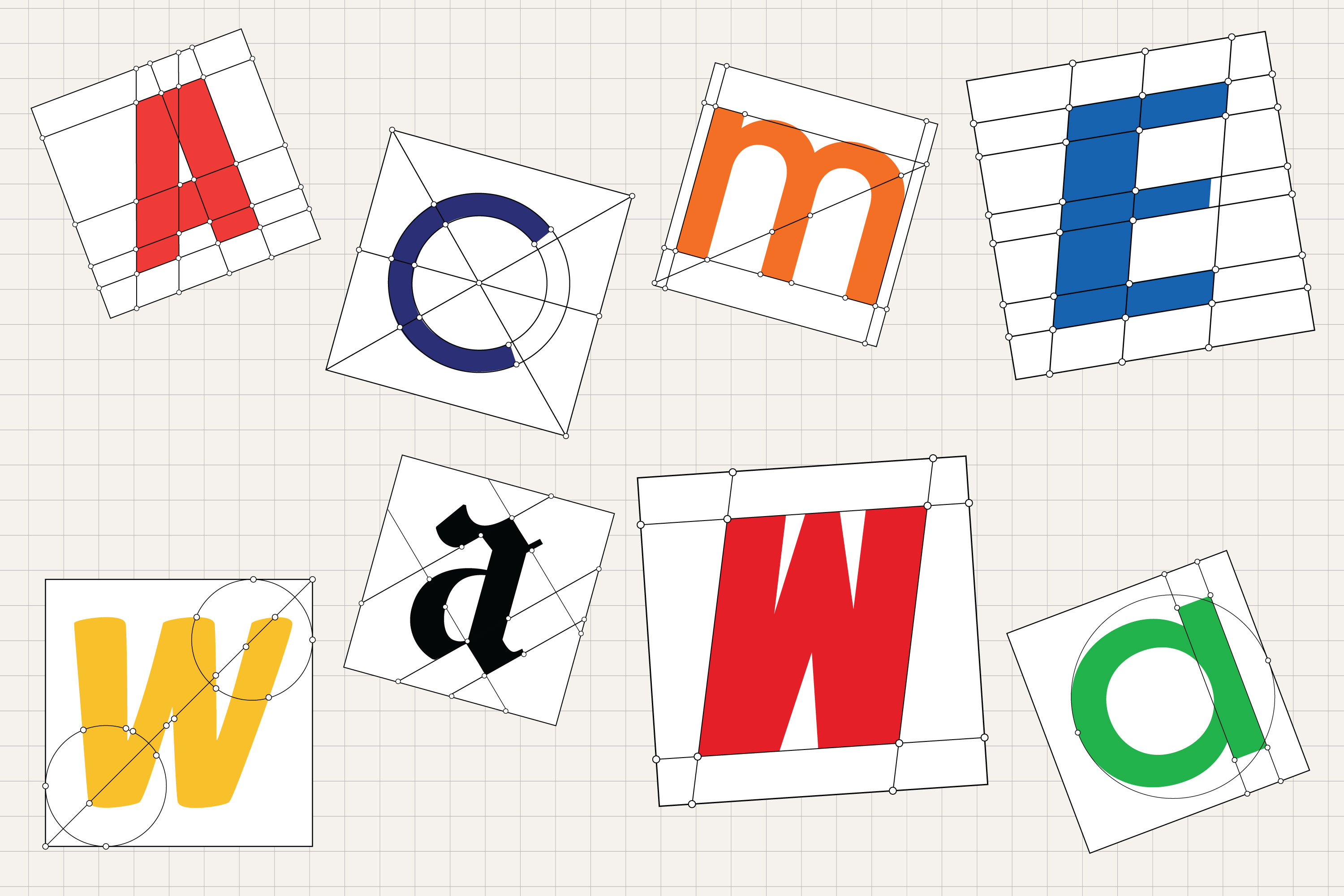
In 2022, The Inquirer redesigned its nameplate with a new font called Philadelphia Inquirer Clarendon — based on a Clarendon slab font seen in The Inquirer from the 1860s to the 1920s. The change included tweaking the official logo so the “d” in Philadelphia once again tipped to the left — The Inquirer’s style for more than 100 years until a brief change in 2019.
story continues after advertisement
Your Results
You have skipped .
You scored XX out of 6.
The average reader scored XX out of 6
Yikes! You need to brush up on your Philly-area businesses. Read inquirer.com/business to learn more about companies in our region.
You know something about Philly-area businesses, but read inquirer.com/business to take your knowledge to the next level.
Nice! You really know your Philly-area businesses. Keep reading inquirer.com/business to learn even more about companies in our region.
Staff Contributors
Design and development: Garland Fordice
Reporting: Erica Palan
Editing: Lizzy McLellan Ravitch
Copy Editing: Scott Sturgis
Subscribe to The Philadelphia Inquirer
Our reporting is directly supported by reader subscriptions. If you want more journalism like this story, please subscribe today.