Author: Isabel Maney

  • South Philly will soon have a new path to the Delaware with the Washington Avenue Connector

    South Philly will soon have a new path to the Delaware with the Washington Avenue Connector

    A new pedestrian and bicycle route connecting Jefferson Square Park to the Delaware River is expected to be completed this month, with the asphalt median largely in place and other construction continuing.

    Along portions of the unfinished route, new plantings soften the expanse of pavement, offering an early glimpse of the connection planners hope to create: a path that makes the river feel less like the far side of a highway and more like part of the neighborhood.

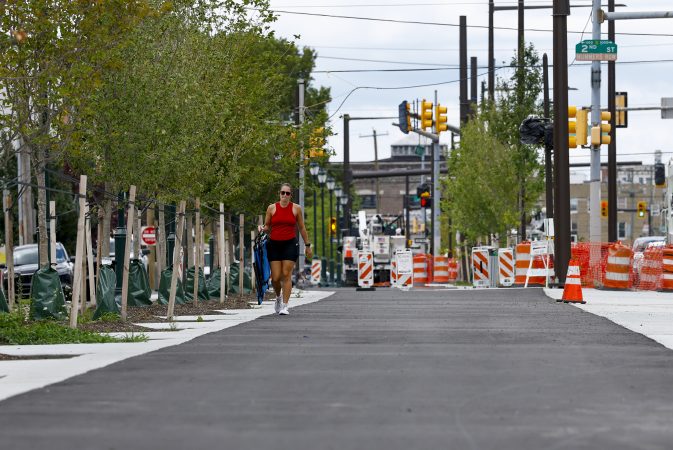
    For now, the stretch of Washington Avenue between the South Philadelphia neighborhood park and Columbus Boulevard remains an overwhelming landscape of asphalt and concrete, with a multilane roadway separating pedestrians from the riverfront trail to the east.

    The Washington Avenue Connector is intended to change that. Plans from the Delaware River Waterfront Corp. and the City of Philadelphia call for a tree-lined route planted with seasonal flowers, a curb-separated shared-use path, and safer crossings to guide pedestrians and cyclists from Fourth Street to the Delaware River Trail. The $9.5 million project — funded by the city, the state, and grants provided to the waterfront corporation — is one piece of an ambitious plan to revitalize Philadelphia’s riverfront by making it more accessible to pedestrians and cyclists and encouraging investment by nearby businesses.
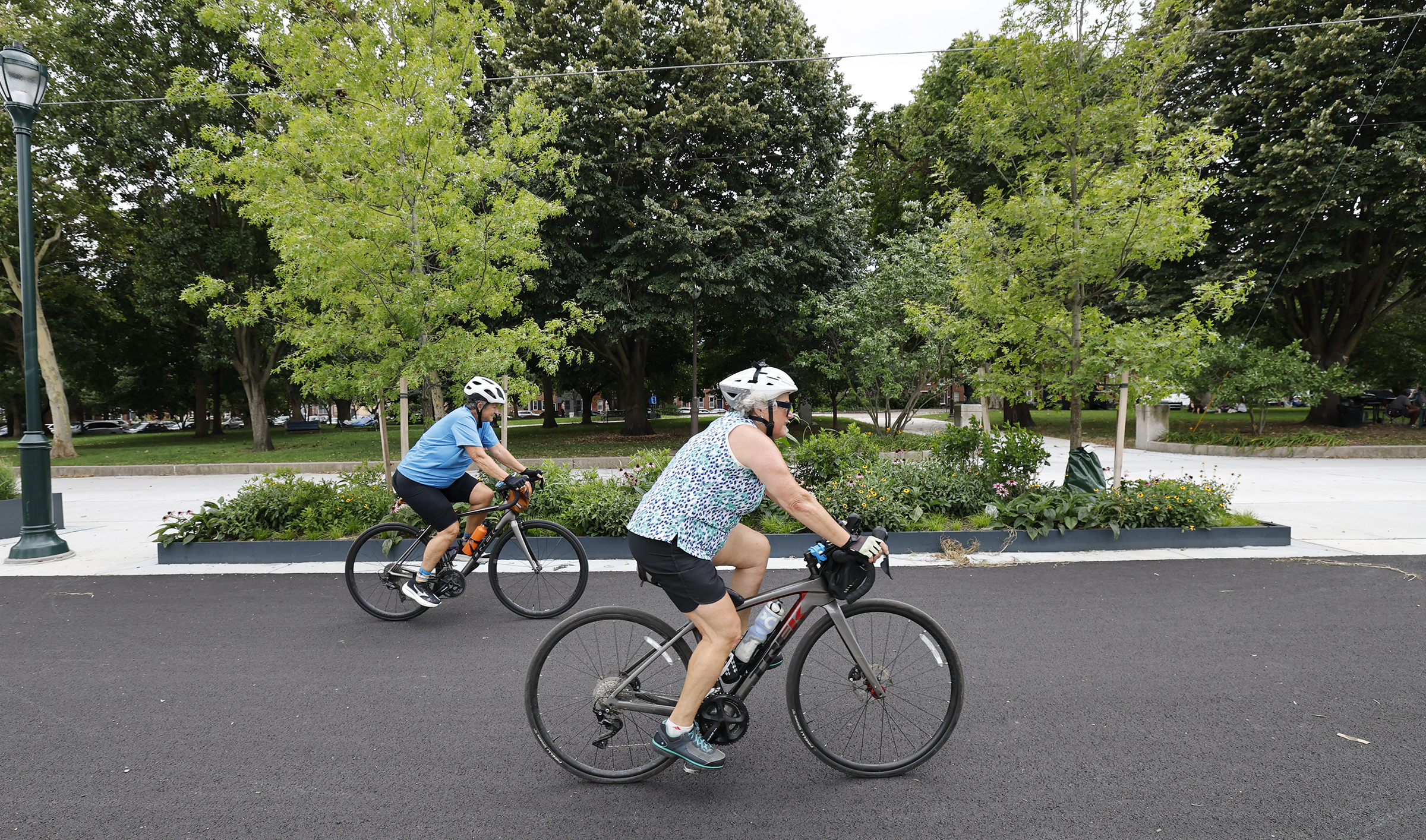
    Bicyclists ride along the Washington Avenue Connector heading westbound near Jefferson Square Park in South Philadelphia on Thursday, July 30, 2026.Yong Kim / Staff Photographer

    The connector is “meant to bridge this gap of the physical and psychological connection that I-95 created when it was built and sort of cut off certain neighborhoods from the waterfront,” said Joe Forkin, president and CEO of the Delaware River Waterfront Corp.

    Although waterfront connector projects often extend only about a block, the Washington Avenue Connector will reach four blocks inland, extending to Jefferson Square Park and connecting the waterfront with nearby South Philadelphia homes and businesses.

    The project is designed to transform the area not only aesthetically, but also by making it safer and easier to navigate on foot or by bicycle, said Lizzie Woods, senior vice president for strategic planning and real estate development at the Delaware River Waterfront Corp.

    Designers had to contend with what Forkin described as “a crazy tangle of transportation infrastructure.”

    From Race Street to Walnut Street, the highway creates a physical divide between the waterfront and Old City. Farther south, the barrier is less absolute but still discourages people from approaching the river.

    “That’s where there’s more of a psychological barrier,” Forkin said. “You can get through it, you can approach the neighborhood and you can approach the waterfront, but it’s not always very welcoming to do so.”

    Forkin pointed to the Race Street Connector, completed in 2016, as an example of how a redesigned route can change the way people move between a neighborhood and the river. He said he once rarely saw people turn to walk to the river. Today, he said, there is a steady flow of pedestrians between Old City and the waterfront.
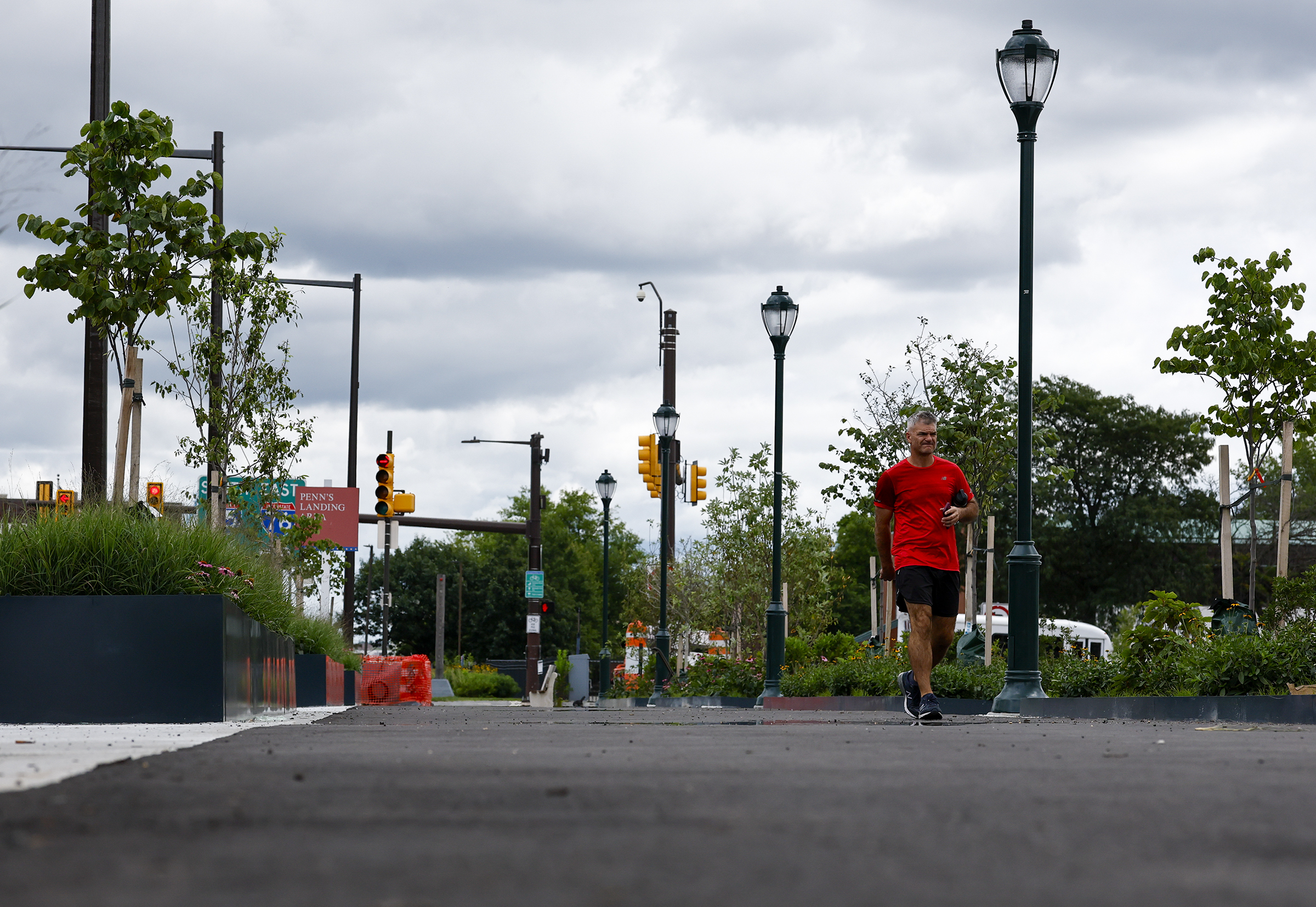
    A walker strolls westbound using the Washington Avenue Connector in South Philadelphia on Thursday, July 30, 2026.Yong Kim / Staff Photographer

    The Washington Avenue project will create a curb-separated path along the south side of the road, running from Fourth Street to Columbus Boulevard and connecting directly with the Delaware River Trail. On the north side, a parking-protected bicycle lane will carry cyclists westbound and connect with improvements the city previously installed west of Fourth Street.

    At Jefferson Square Park, the slip lane between Third and Fourth Streets will be closed and converted into a plaza intended to function as a “front porch” for the park. The project also includes curb extensions and pedestrian islands designed to shorten street crossings and give people a protected place to pause. By forcing turning vehicles to travel more slowly and make wider turns, planners say, the changes should improve pedestrian safety.

    New traffic signals have been installed but are not yet operational between Fourth Street and Columbus Boulevard on Washington Avenue. The improvements are intended to make crossings clearer and safer while keeping vehicle traffic moving at a more consistent speed. A dedicated left-turn lane at Front Street and Washington Avenue will also address a longstanding request from the Pennsport community.

    At Washington Avenue and Columbus Boulevard, another under-construction plaza will mark the entrance to the waterfront. Trees, flowers, and other plantings are meant to signal the transition from the city street to the river’s network of parks and trails.
  • A refugee family found a new home and ‘the first step of hope’ in Philly. Now, fewer may get that chance.

    A refugee family found a new home and ‘the first step of hope’ in Philly. Now, fewer may get that chance.

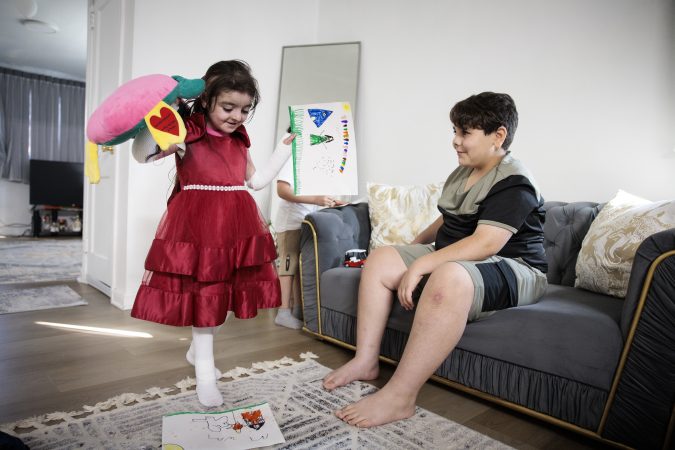
    A small garden stands outside the two-story Northeast Philadelphia home where Fatima Alsalih Alti Keli and Waled Keli live with their three children. Inside, their 8-year-old daughter, Abeer Janna Keli, sits on the couch drawing pictures with her two brothers, her small arms carefully wrapped in bandages to protect her fragile skin. The ordinary domestic scene would have seemed nearly impossible before the family immigrated to the United States from Turkey, after the civil war in Syria had prompted both parents to flee.

    Over the last two years, the family’s future has been radically transformed in Philadelphia with the help of specialized treatment for Abeer. And yet, the resettlement process by which they were granted visas is threatened: When the family applied for resettlement in the United States around 2020, the annual refugee admission cap was set to 18,000. The cap this year is set to 7,500, the lowest in U.S. history.

    Alti Keli, 28, and Keli, 30, had known each other through their families in Syria, but they married after both had fled to Turkey and started their family there. Once in Turkey, they applied to move to seek medical treatment for Abeer, a process that took about five years.

    Abeer was born with epidermolysis bullosa, a rare genetic disorder that causes the skin to blister and tear from minor friction. Children with the condition are often described as having “butterfly skin.” Before the family came to the United States, Abeer had little access to specialized medical care. She struggled to eat because of sores in her mouth, relied on a wheelchair, and spent much of her time asleep.

    “She was like a ghost,” her mother said in Arabic through a translator.

    The family applied to immigrate through the United Nations High Commissioner for Refugees in 2020 on the basis of receiving treatment for Abeer’s disease and were connected with Children’s Hospital of Philadelphia, where Abeer still receives treatment. When they arrived in Philadelphia in July 2024, they went directly to CHOP, where Abeer stayed for 12 days before she could go home. Two years after the move, the Kelis have settled into their lives in Philadelphia.

    “Now that she is here, she is talking, walking, and is happy going to school,” Alti Keli said, smiling through tears. “Her doctors saved her life.”

    They moved to their predominantly Arab neighborhood after first living in Southwest Philadelphia. Struggling with the language barrier and the job search, they were feeling isolated there. The friction of daily life was a real struggle as the family balanced learning English, taking their daughter to medical appointments, finding employment, and coordinating schooling for Abeer and her brothers — Abdul Rahman, now 10, and Mahmoud, now 6.

    For example, they were flabbergasted when their water bill spiked from $50 to $500 a month. Realizing their toilet was leaking, they struggled to communicate with their landlord. Those struggles have eased. In their new neighborhood, their children can easily walk to school and have made friends who share their Arab heritage. With the help of English classes, phone translators, and a refugee-support organization, the family has been able to build a comfortable life.

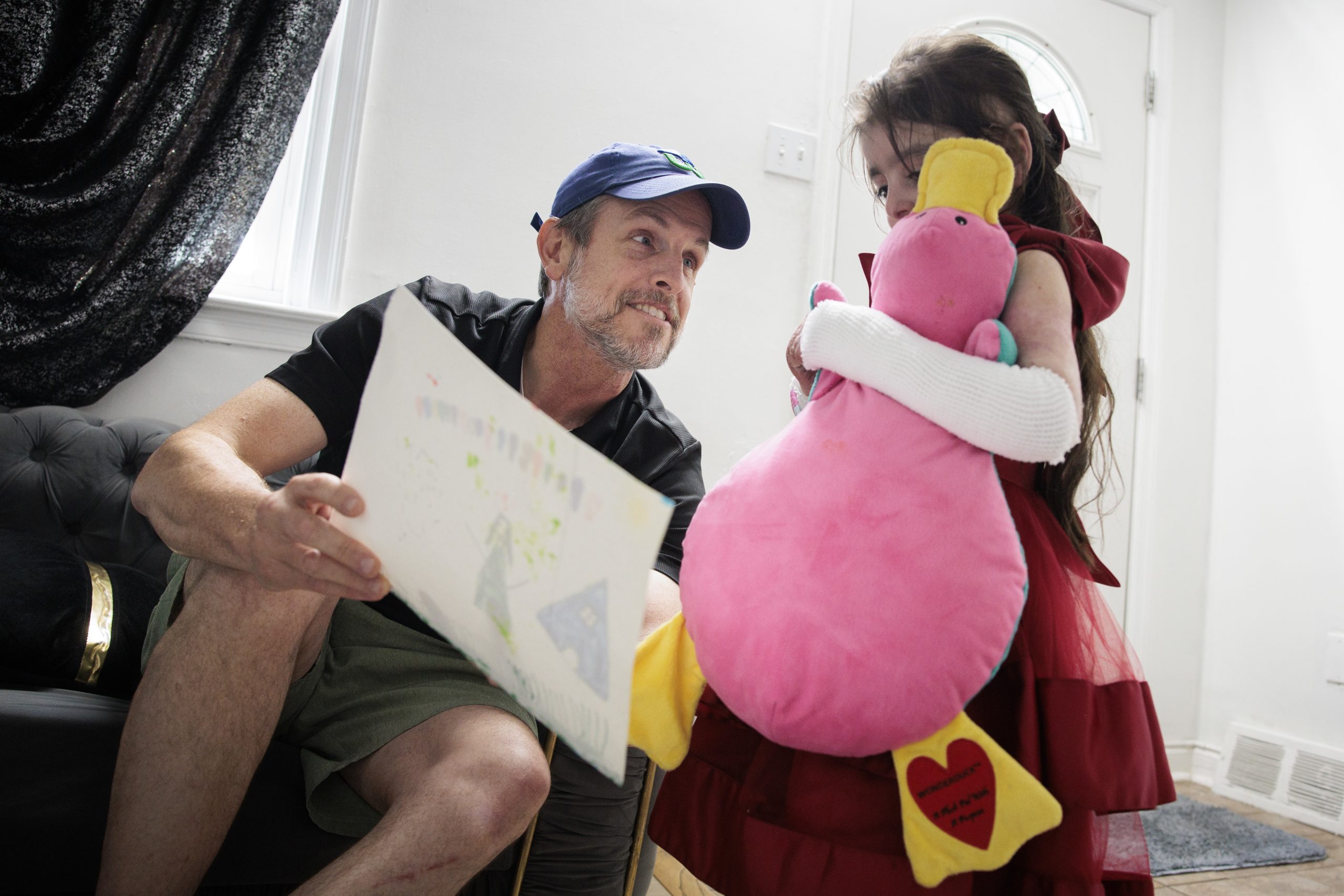
    Volunteer Dan McVay talks with Abeer Keli, 8, about her drawing at her home on Wednesday, July 22, 2026 in Philadelphia. The Refugee Empowerment Support Team (REST) works with refugee families in Philly.Monica Herndon / Staff Photographer

    The Refugee Empowerment Support Team (REST) helped the family confront the logistical challenges of moving to a new country. Efforts by President Donald Trump’s administration to curb immigration have affected not only the number of refugees allowed into the country, but also the kind of help they receive while they are here. After the administration threatened to close resettlement offices in 2025 and froze federal funding, many of the offices shut down and laid off employees. Provisions in the One Big Beautiful Bill Act limited refugees’ access to government services like Medicaid, Medicare, and SNAP benefits.

    REST has filled in those gaps by helping to connect refugees with employers, assisting with transportation to medical appointments, and dealing with other logistical challenges. Dan McVay, a leader with REST, said more refugees are now contacting the organization directly through Facebook, asking for help finding jobs and accessing services.

    “There is no money for refugees already in the country,” McVay said.

    Alti Keli, however, is “very happy with the challenge” of adjusting to life in a new country. While she takes care of the children, her husband works in landscaping at a golf course. He also loves to garden at home and has filled the front of the house with potted plants and flowers.

    McVay describes the family as very welcoming, often serving guests tea or coffee and homemade sweets.

    Before the family moved to the United States, the Kelis fled to Turkey from Syria in 2014, where they married and had their three children. Alti Keli’s face contorts while describing her life in Syria, where she lost her father and four siblings, during the civil war: “It was like a nightmare.”

    The family had to keep moving and did not have access to shelter, food, or even potable water.

    “We had to drink dirty water,” Alti Keli said. In Turkey, life was better, but Abeer could not get the specialized care she needed.

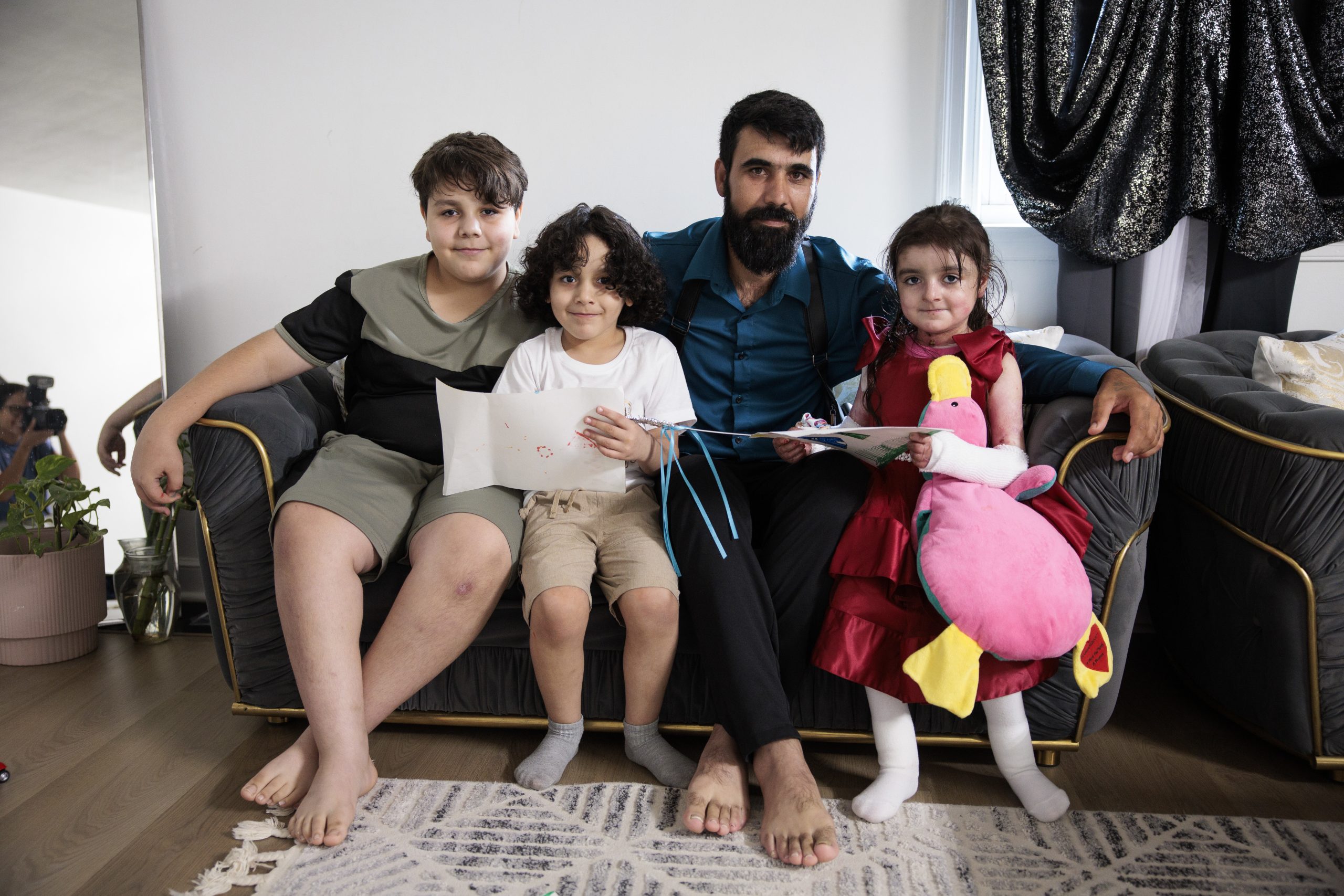
    (left to right) Abdul Rahman Keli, 10, Mahmoud Keli, 6, Walid Keli, and Abeer Keli, 8, posed for a portrait at their home on Wednesday, July 22, 2026 in Philadelphia. The Refugee Empowerment Support Team (REST) works with refugee families in Philly.Monica Herndon / Staff Photographer

    A United Nations spokesperson described the situation in Syria during 2013 as “a complete meltdown of humanity,” as Bashar Assad’s Russian-backed regime tried to recapture rebel-held territory. During the war, civilians were subject to chemical warfare, indiscriminate bombing attacks, and systematic torture and execution by the Assad regime.

    Moving to Philadelphia was “the first step of hope,” Alti Keli said, a step that has been realized now that her daughter is doing well. “I came here for hope,” she says. “What else can I ask for?”

  • Germantown’s new visitor center aims to connect residents and others to the neighborhood’s history

    Germantown’s new visitor center aims to connect residents and others to the neighborhood’s history

    A new visitor center aims to root Germantown more firmly in its own history, showcasing it as the site of a major Revolutionary War battle and a place with important ties to religious freedom, abolition, and the Civil Rights Movement.

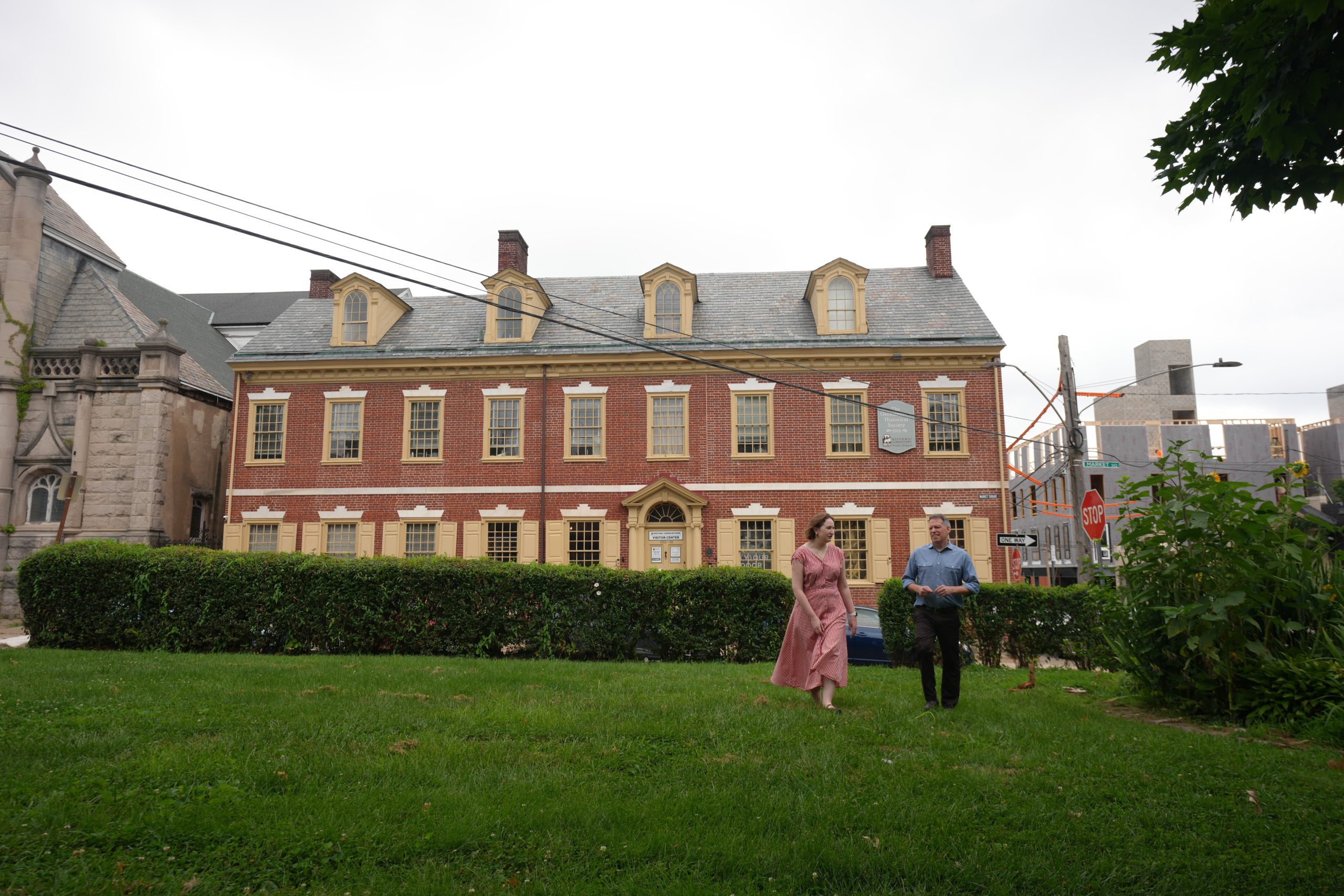
    The center opened in a two-story redbrick building at 5501 Germantown Ave. earlier this month. Owned by the Germantown Historical Society, it is intended to serve as a starting point for visitors and residents alike.

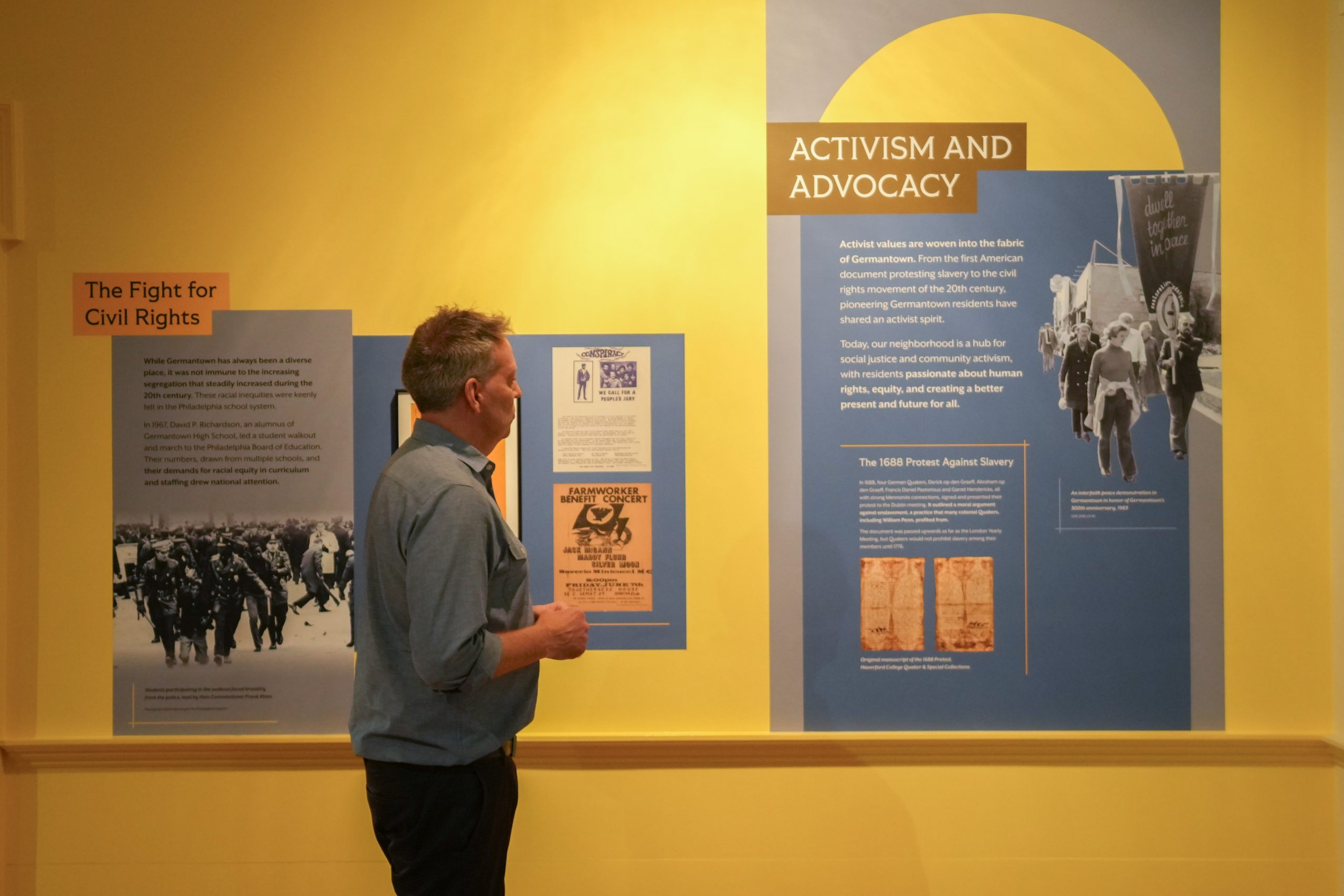
    The exhibitions were curated using a process of community conversations in which neighborhood residents shared what was important to them, said curator Kaila Temple. The main exhibit highlights major themes in Germantown’s history. Sections like “Activism and Advocacy” focus not only on the 1688 Germantown Quaker Petition Against Slavery, but also on a student protest in 1967 that was met with violent police opposition.

    Tuomi Forrest, executive director at the Germantown Historical, in the new exhibit.Jessica Griffin / Staff Photographer

    German immigrants first settled in Germantown in the late 16th century, fleeing Europe in search of religious freedom. Germantown played a central role in the American Revolution and later became the site of strong abolitionist advocacy, and robust student youth activism during the Civil Rights Movement.

    The visitor center hopes to both connect residents of Germantown with their local history and draw visitors from elsewhere. Visitors will be directed to visit the many historical sights in the area with maps available for walking tours. Director Tuomi Forrest hopes the visitor center can be a resource for neighbors and bring in more visitors from outside Philadelphia, citing those as “twin” goals.

    The visitor center received about 200 people the first week it opened and hopes for more. It recently collaborated with Neighborhood Jawnts Tour Series, a Philadelphia-based tourism effort, to bring in visitors from around the city.

    It has also worked closely with neighbors who want to learn more about their own homes and their ancestors. One neighbor found a wedding invitation from 1912 during home renovations and wrote to the center to ask for documents that would shine more light on who used to live in the home; another wanted more information of how his mid-1800s home came to be an institution for orphans; others ask to come to the center to do research on their ancestors.

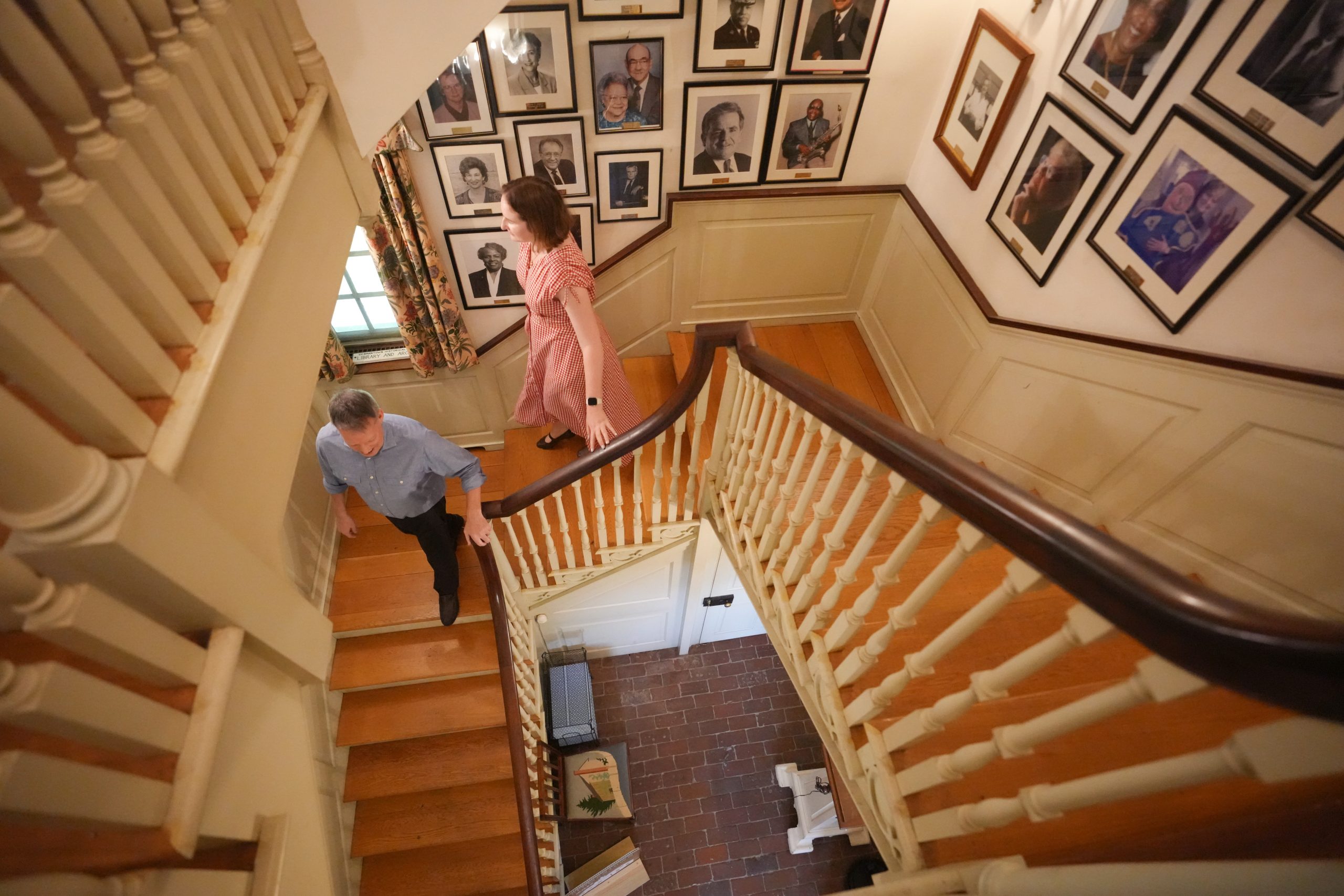
    Tuomi Forrest, executive director, and Kaila Temple, curator, at the Germantown Historical Society building.Jessica Griffin / Staff Photographer

    The square where the visitor center sits dates to 1703. George Washington lived across the street from it in 1793, and when Philadelphians wanted the federal government to stay locally, they touted the square as an asset.

    The Colonial Revival building where the visitor center is now housed was constructed in the 1790s and restored around the 1940s and ’50s.

    Visual markers of the Colonial Revival style, a result of the 1876 Centennial Exhibition’s reawakening of Americans’ desire to connect architecturally to their colonial past, still dominate the historical section of Germantown. Along Germantown Avenue, gray stone churches stand beside pale yellow, redbrick, and coral-colored houses.

    But the visual character of the historic section of Germantown that houses the new center is not uniform, especially as new developments begin to populate empty lots.

    A neighborhood ‘at an upswing’

    As the local visitor center leans into Germantown’s past, some nearby residents and businesses — many of whom were not aware of the new center — said they were concerned with the direction of their neighborhood’s future.

    Van Brooks, operations manager of a coffee shop kitty-corner from the visitor center, worries about development just down the street — a four-story apartment building that is visible from the window of a visitor center gallery. “A lot of folks in this neighborhood don’t want this space to exist here,” he said. He worries the modern, flat apartment complex will begin to gentrify the neighborhood.

    Nicholas Thaete, who has lived in Germantown for 46 years and runs an antique repair shop, says the neighborhood has gone through different periods. “It goes up and down. Right now, it is at an upswing,” he said.

    And yet, as Debbie Curry, who works in a nearby fabric store, remembered, Germantown used to have more commercial activity: “There was a time when there were a lot of department stores. … You didn’t have to go to Center City to do your shopping.” Curry, 66, grew up in Germantown but moved from the neighborhood when she married. She is happy something is finally being done about empty lots.

    “A lot of people thought for years that Germantown would see new development, but now it has,” Forrest said, standing in front of the visitor center.

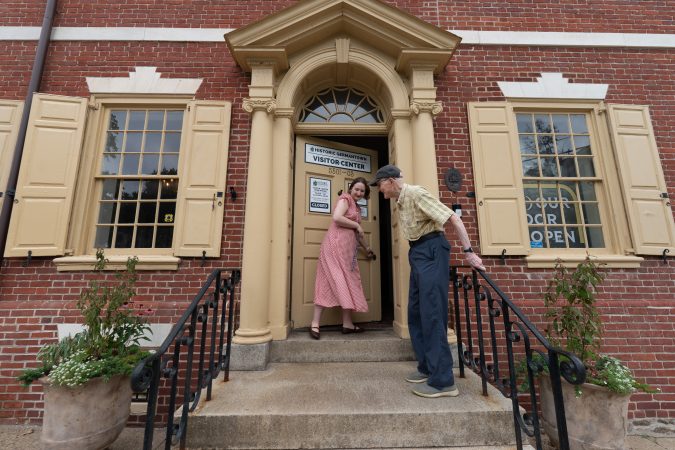
    Kaila Temple, curator of Collections at the Germantown Historical Society and Tuomi Forrest, executive director at GHS, outside the new Historic Germantown Visitor Center.Jessica Griffin / Staff Photographer

  • Bike and pedestrian advocates rallied for a safer Market Street in University City

    Bike and pedestrian advocates rallied for a safer Market Street in University City

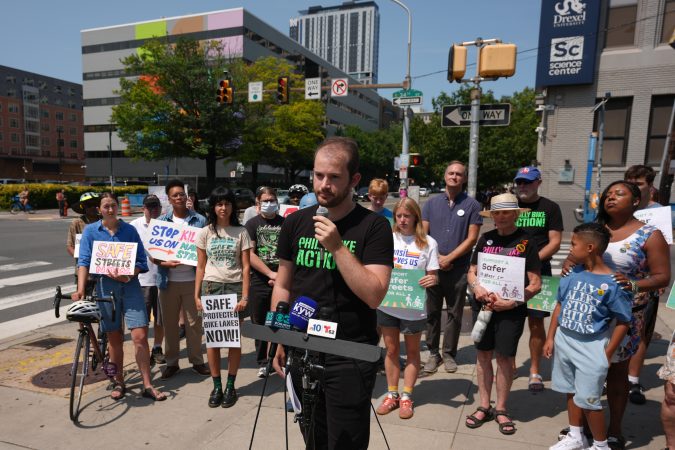
    Advocates gathered at 34th and Market Streets on Friday to demand the Pennsylvania Department of Transportation improve pedestrian and cyclist safety along the busy stretch of Market in University City.

    Market Street is among the 12% of Philadelphia roads that account for 80% of traffic deaths and serious injuries in the city, according to city statistics. Just in November, two pedestrians, Meaza Brown and Rosa Mar Espinosa Rodas, were killed in hit-and-run crashes near Market’s intersection with 34th a week apart.

    Philly Bike Action is asking PennDot to take five steps to improve safety on Market Street, particularly between 38th Street and the Schuylkill: install speed cushions, adjust traffic-signal timing to give pedestrians a head start before vehicles begin moving, place physical barriers along the median, and reduce the speed limit from 30 mph to 25 mph. These measures, they say, are proven to improve pedestrian and cyclist safety.

    Gabriel Straus, an organizer with Philly Bike Action, said each measure could be implemented within 60 days and should form part of a longer-term plan to make Market Street safer for pedestrians and cyclists.

    The advocacy group’s longer-term proposal calls for implementing a road diet, building concrete medians filled with greenery, and constructing a two-way concrete protected cycle-path.

    “Potential safety enhancements on Market Street West will be reviewed through the department’s continued collaboration with the City,” a PennDot spokesperson said. “A substantial reconstruction or reconfiguration of Market Street West would require a comprehensive analysis, as well as coordination among PennDot, the City of Philadelphia, the Delaware Valley Regional Planning Commission, SEPTA, and other affected stakeholders.”

    David Brindley, 57, a volunteer with the urbanist advocacy group 5th Square, lives in West Philadelphia with his family. When his children started fifth grade at Science Leadership Academy and walked from their home in West Philadelphia, he and his wife would sheepishly call the school each morning to make sure they had arrived safely.

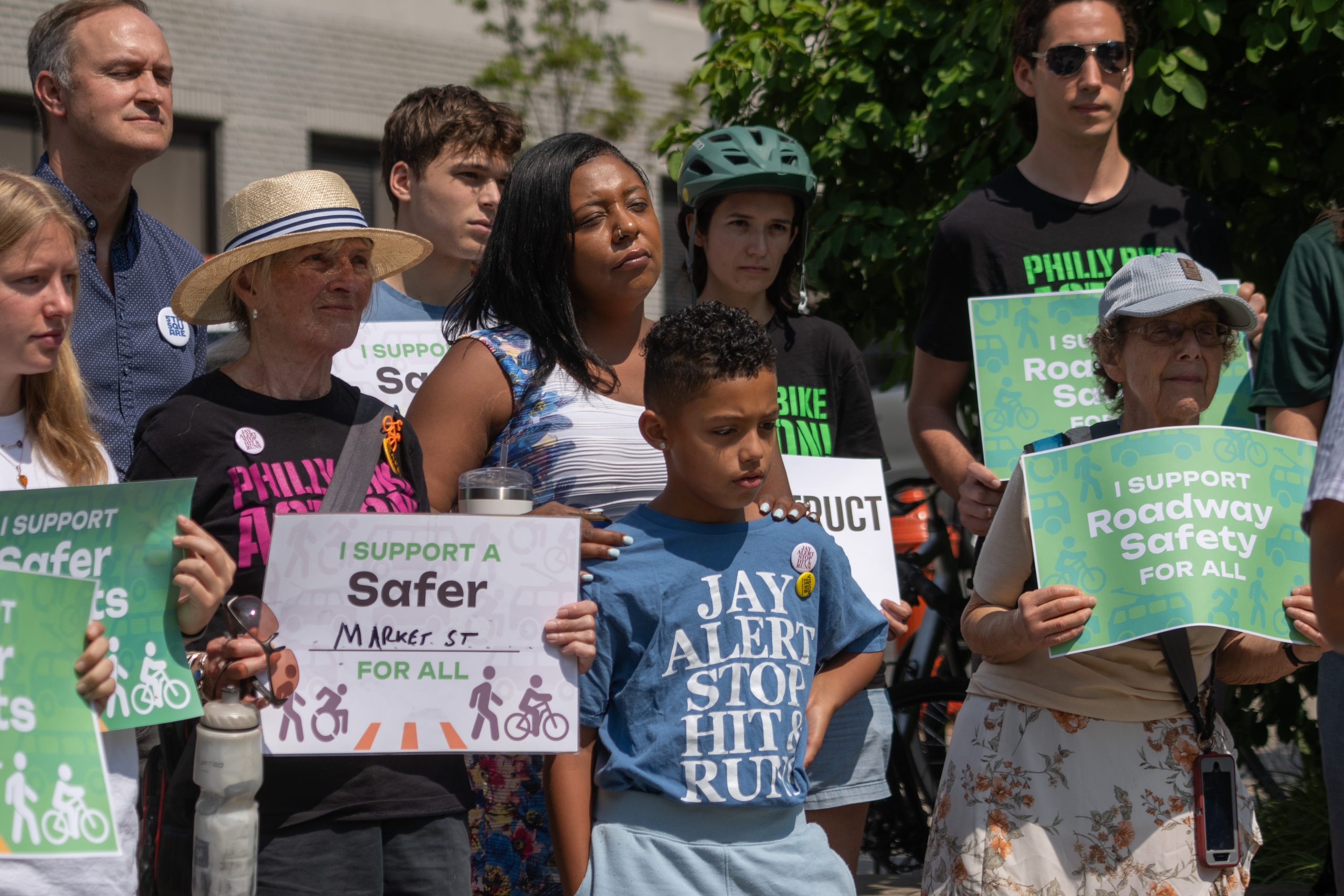
    Jasmine Hoffman, and Eshad Hoffman, center, attend a rally to advocate for safer traffic infrastructure, in honor of their young relative, Jayanna Powell.Jessica Griffin / Staff Photographer

    His fears are well-founded.

    Jasmine Hoffman is among those whose families have lost children to traffic violence. Hoffman’s 8-year-old niece, Jayanna Powell, was killed in a hit-and-run crash in 2016 while walking home from the Lewis C. Cassidy Academics Plus School.

    Two of Jayanna’s siblings were also hit, but the impact threw the girl 20 feet into the air, according to Hoffman. The driver took the car to a Chester County auto shop for repairs and told employees he had struck a deer. The shop’s owner became suspicious after seeing a news report and contacted authorities.

    Hoffman has been a proponent for the Jay Alert bill, proposed legislation that would send notifications about hit-and-run crashes to auto repair shops and impose fines on shops that fail to report suspicious damage. She also hopes the safety measures proposed for Market Street could eventually be extended to the area around 63rd Street and Lansdowne Avenue, where her niece was killed and where three schools are located.

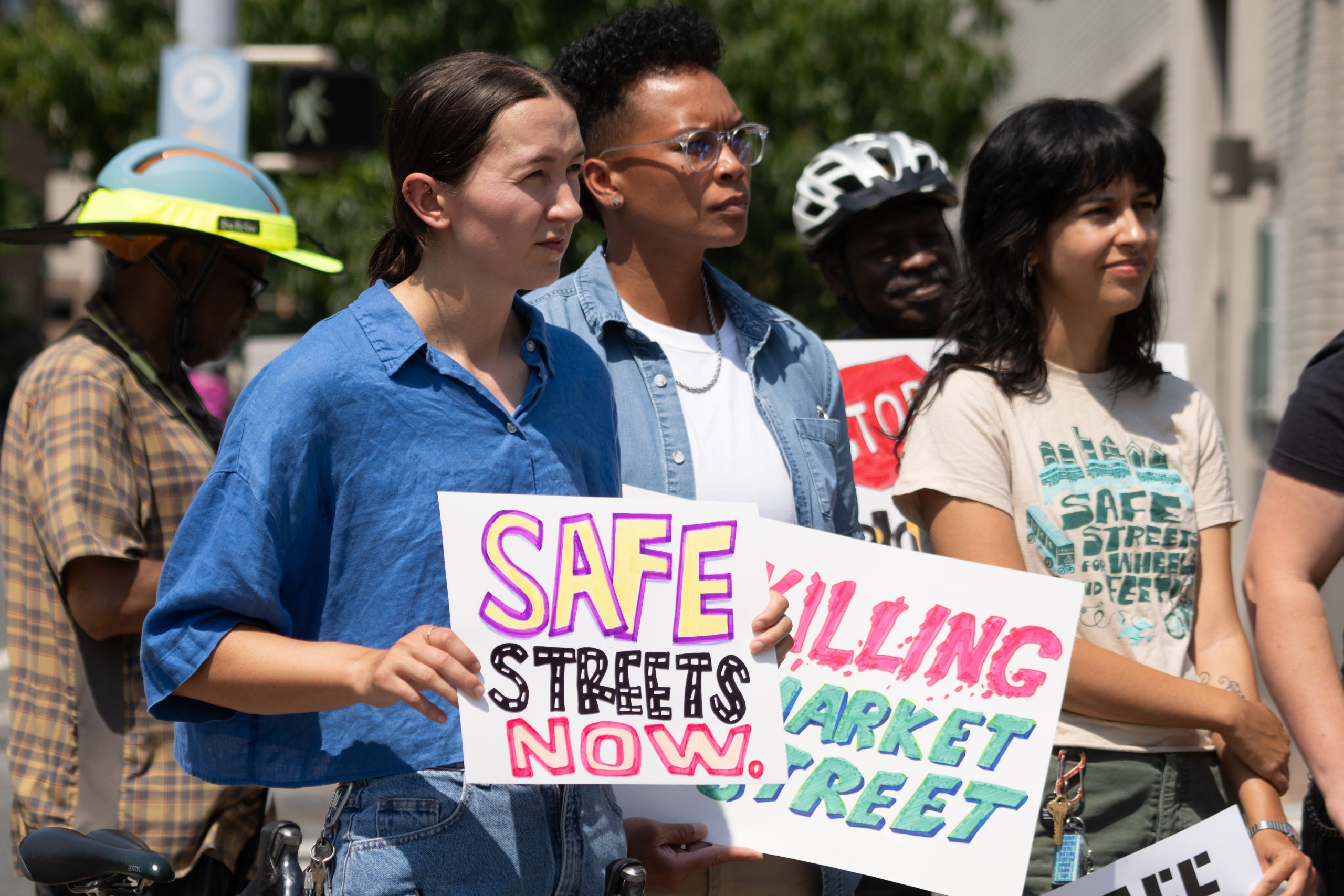
    (Left to Right) Lana Harshaw, executive director for the Bicycle Coalition of Greater Philadelphia; Elise Dudley of Philly Bike Action; and Uma McGuire of the bicycle coalition attend a rally to advocate for safer bike infrastructure at 34th and Market Streets.Jessica Griffin / Staff Photographer

    Organizers described street safety as an issue of sustainability, particularly as Philadelphia‘s population continues to grow. Walking and biking to work should be safe and viable options, said Will Tung, a volunteer for 5th Square.

    Jason Das, 49, regularly commutes by bicycle from the area of 50th Street and Baltimore Avenue, sometimes with a cello strapped to his back.

    “My bike is my main means of transportation in the city. It’s more reliable than SEPTA. I don’t have a car, and I don’t want a car,” the musician and artist said.

    Das paused as horns sounded across the street.

    “I just saw someone almost get hit by a car while I said that,” he said.

    Among the energetic and friendly group of roughly two dozen activists and cyclists, there were heavy moments of grief as organizers remembered Brown, Espinosa Rodas, and Jayanna Powell, among others who have died on West Philadelphia’s roads.

    “Traffic violence is preventable violence,” remarked Andrew Goodman, who works for City Councilmember Jamie Gauthier.

  • D.C. probation officers learned from a Philly youth organization about connecting with kids

    Probation officers from Washington traveled to Philadelphia to learn from a Philly youth organization that works with young people impacted by violence.

    The officers met with YEAH Philly, a group that works with Philadelphia youths charged with crimes, in an effort to incorporate some of their community-based practices into their own work.

    The tour, which took place Wednesday and Thursday, brought about 100 officers to Philadelphia’s Family Court and introduced them to public defenders. The trip was part of a larger project from the D.C. court system to learn from other youth programs to adapt their services.

    Probation officers can mimic some things YEAH Philly is doing, said Robert Bacon, D.C.’s assistant deputy director of court social services. What really struck him about the program is how it seemed to be able to connect with kids while making them feel safe.

    “We are trying to find a way to reach kids differently,” he said.

    But as a nongovernmental organization, YEAH Philly is not subject to the same restrictions that probation officers, as law-enforcement officers, are, Bacon noted.

    “They do a lot of the function that probation does without the weight of the court system,” Malcolm Woodland, the director of court social services said about YEAH Philly. Nonetheless, he noted that “the cloth that binds us is that we want to help young people.”

    In a town-hall-like dialogue, probation officers and leadership from YEAH Philly discussed how the organization was able to successfully build relationships with young people. James Aye, the founder of the organization, shared how they were able to help young people avoid violating their probation by providing them with food, arranging for and paying for repairs to their homes, and giving them skills on how to interact with their parole officers.

    A goal of the dialogue with YEAH Philly, Bacon suggested, would be to mimic its role as a community-based organization but in a more official capacity of a law-enforcement agency. YEAH Philly acts as a kind of probation-system model for them.

    In Pennsylvania, a probation office can represent an outsized part of a youth’s time in the justice system. Youths spent an average of 121 days under supervision between the initial charge and final disposition, according to the Pennsylvania Juvenile Court 2024 report. And just over 16% of youths found delinquent in Pennsylvania are put on probation, the report said.

    Some attempts have been made to reform the probation system locally. The Philadelphia’s District Attorney’s Office noted in a 2019 report that 72% of children sent to juvenile placement were there because they were not complying with their probation and not because they had committed another crime. As a result, the office committed to asking children to meet only three conditions as part of their probation. Conditions can range from drug testing, educational requirements, curfew, and regular meetings with probation officers.

    This was the experience of Haafith Collins, who spoke to the D.C. probation officers of his experience. Collins, now 19, had previously been on probation for four years.

    “I was only recharged when I was forced to live in a house that was uninhabitable, and I felt like I had no choice but to run away even though I was on house arrest,” he said.

  • To celebrate the nation’s 250th birthday, of course Philadelphia brought out the Ben Franklins for a look-alike contest

    To celebrate the nation’s 250th birthday, of course Philadelphia brought out the Ben Franklins for a look-alike contest

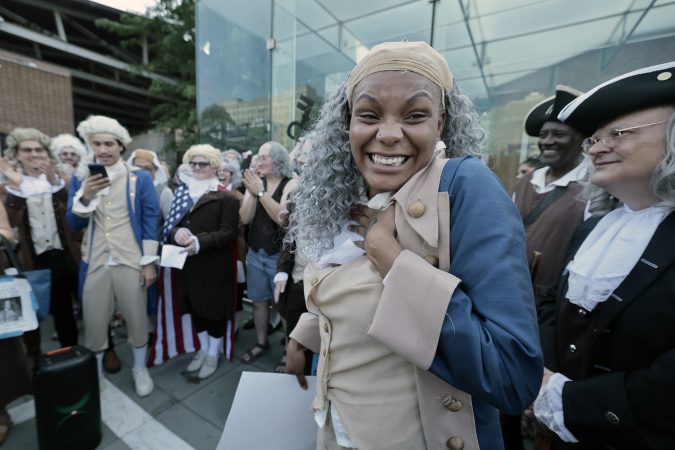
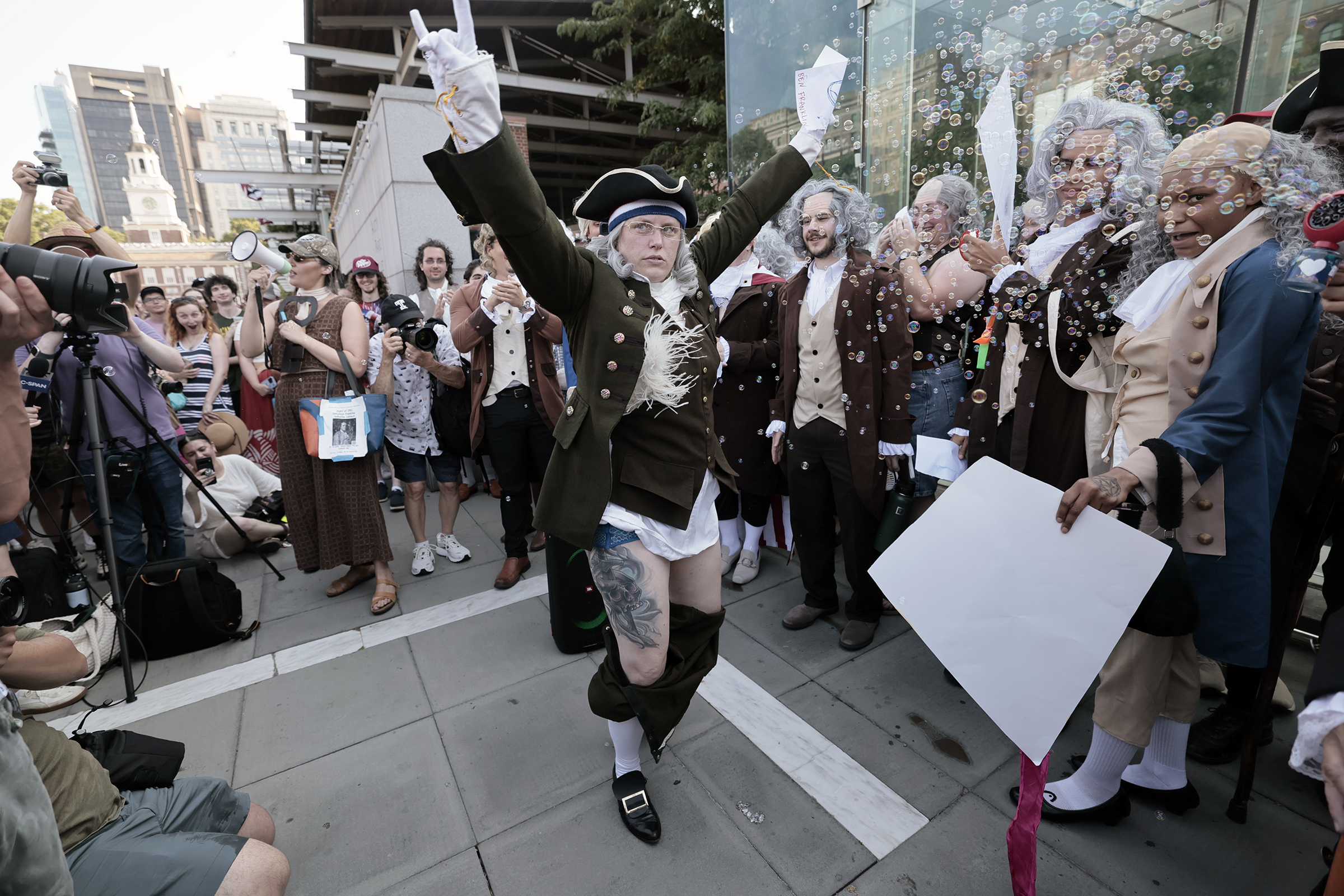
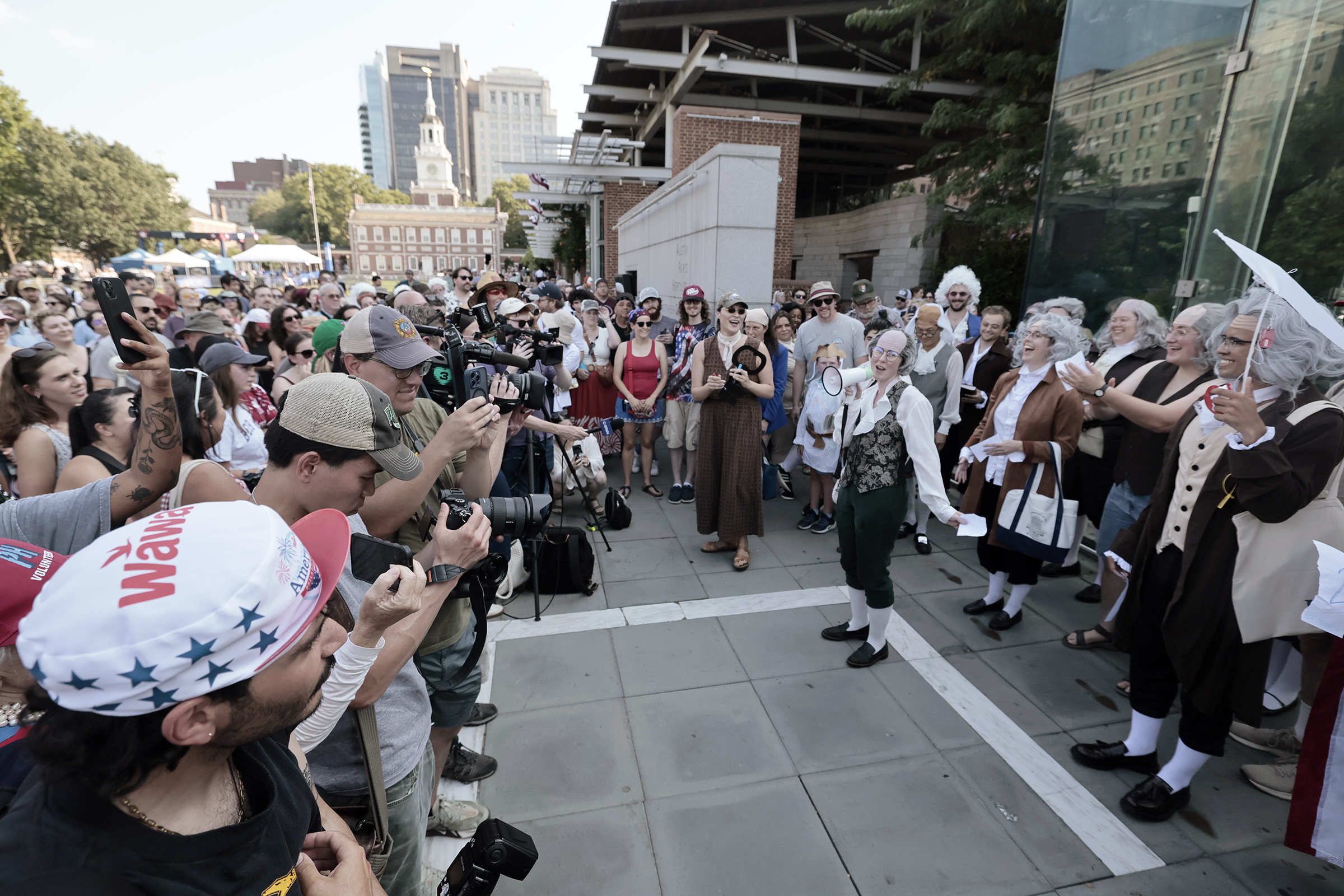
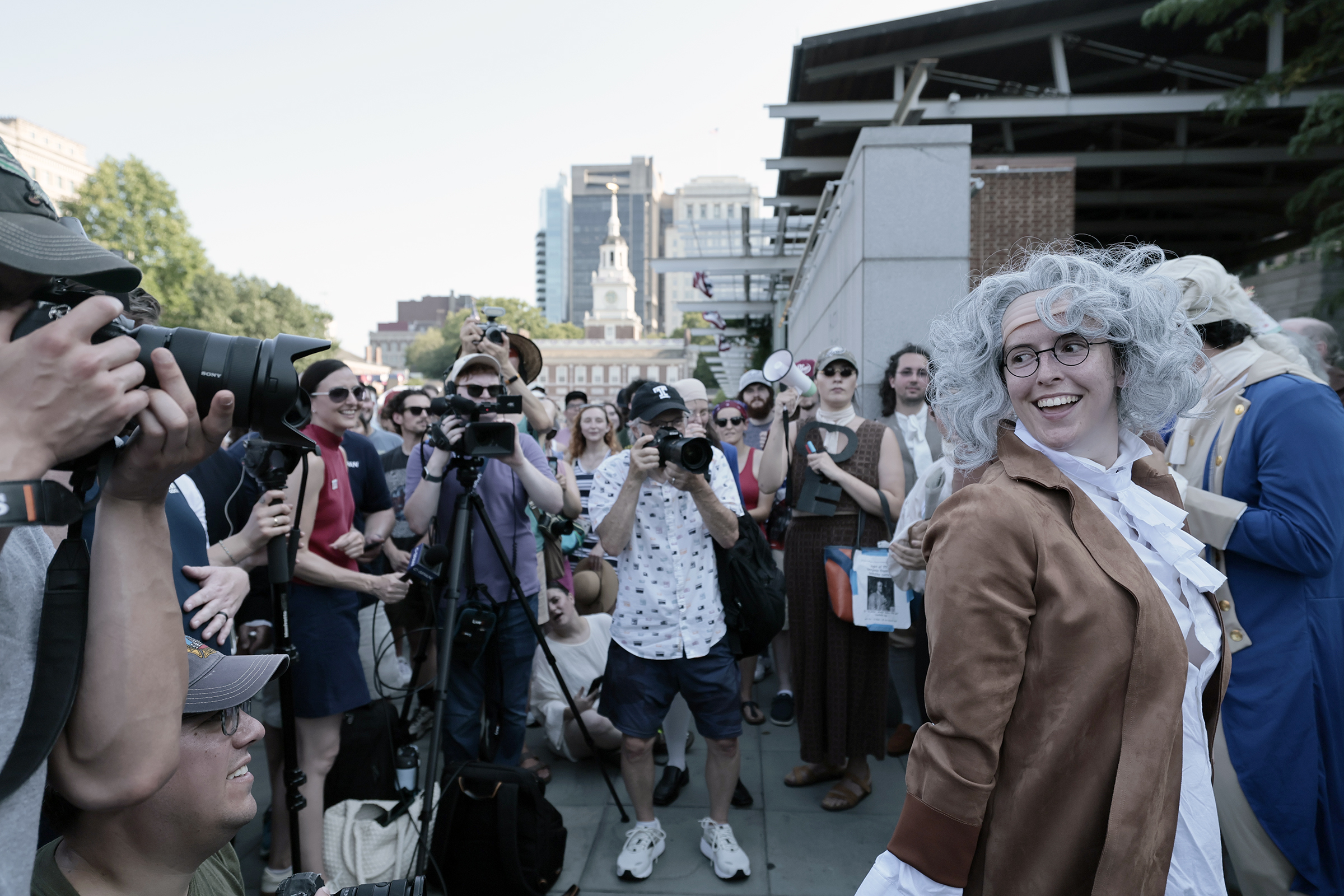
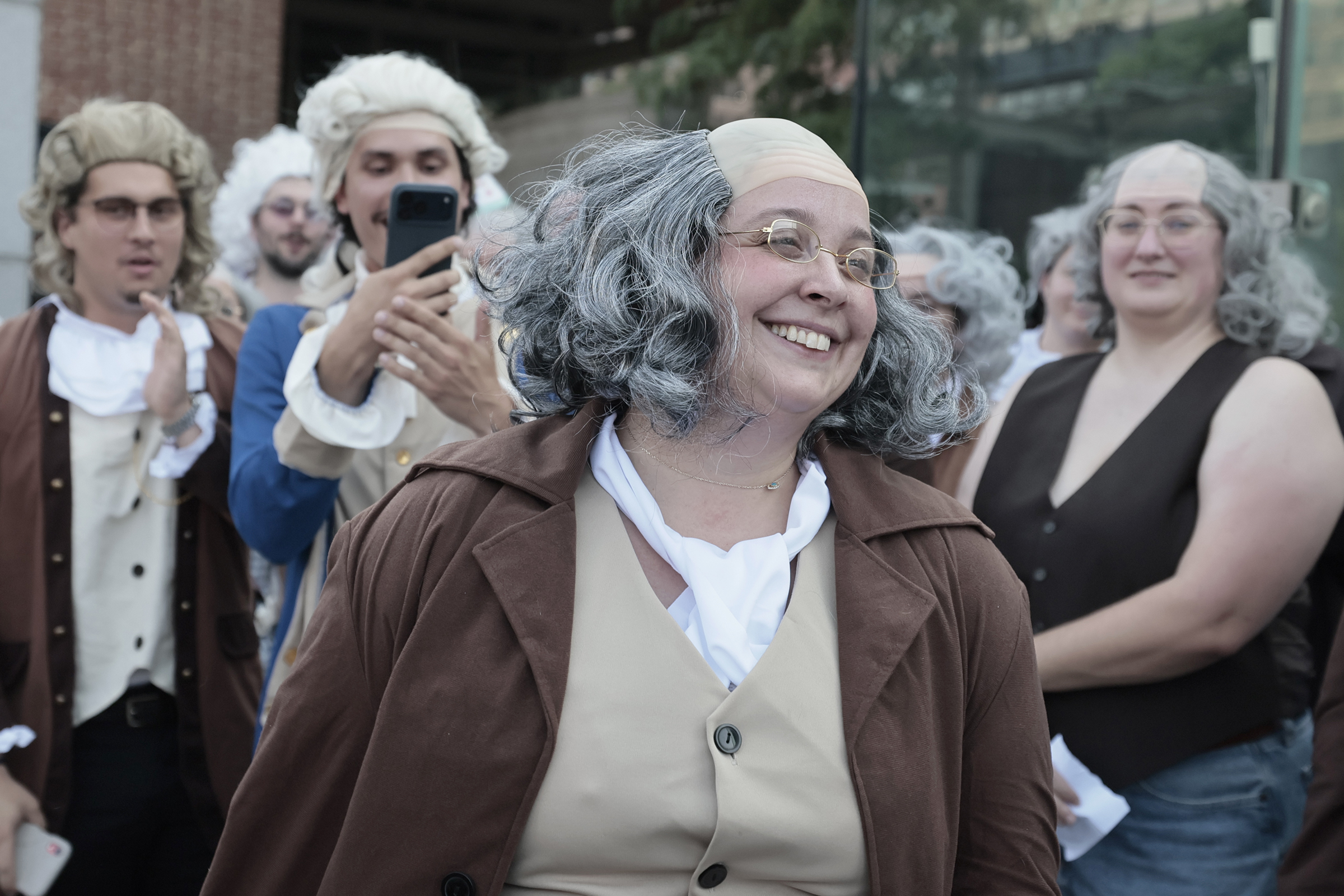
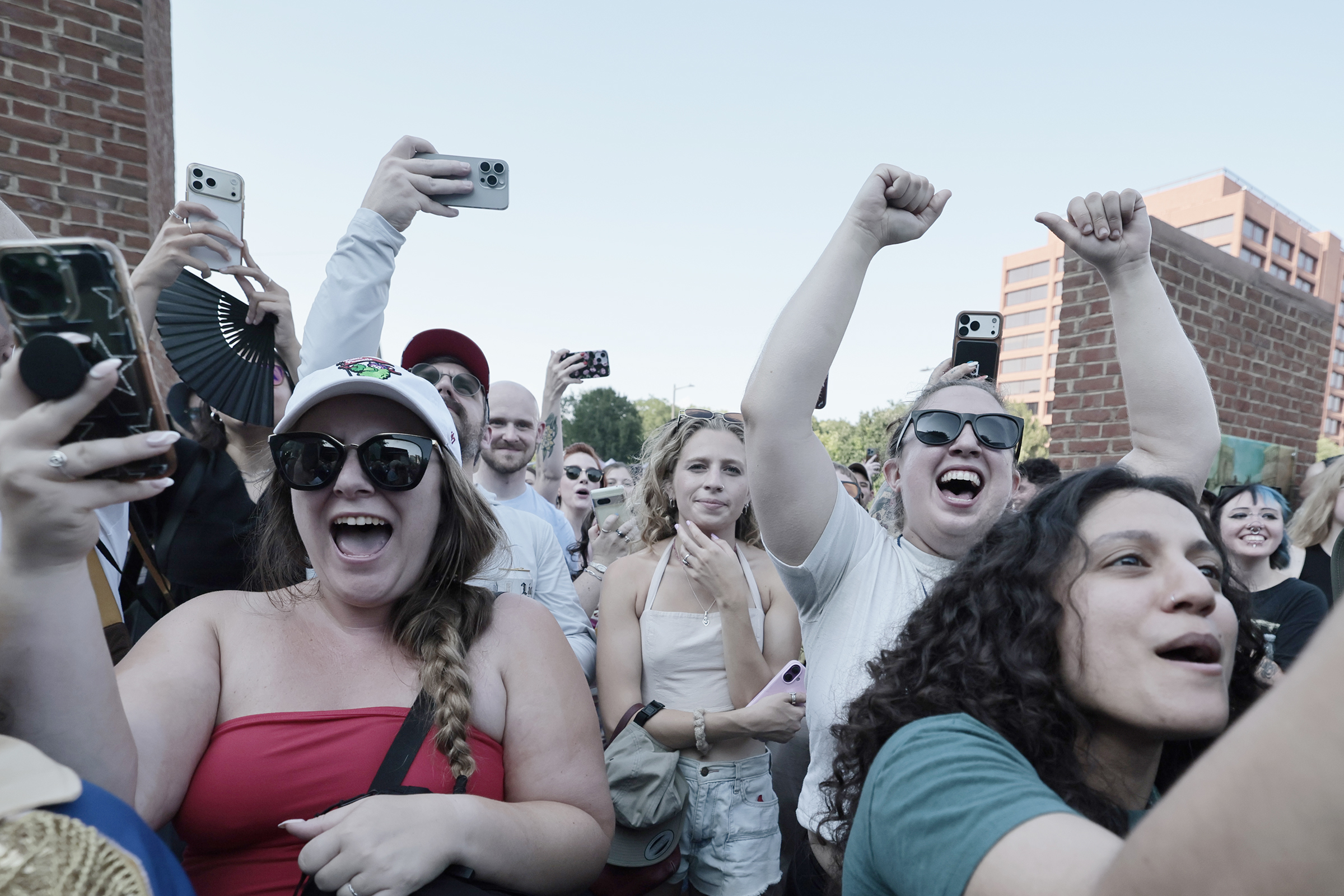
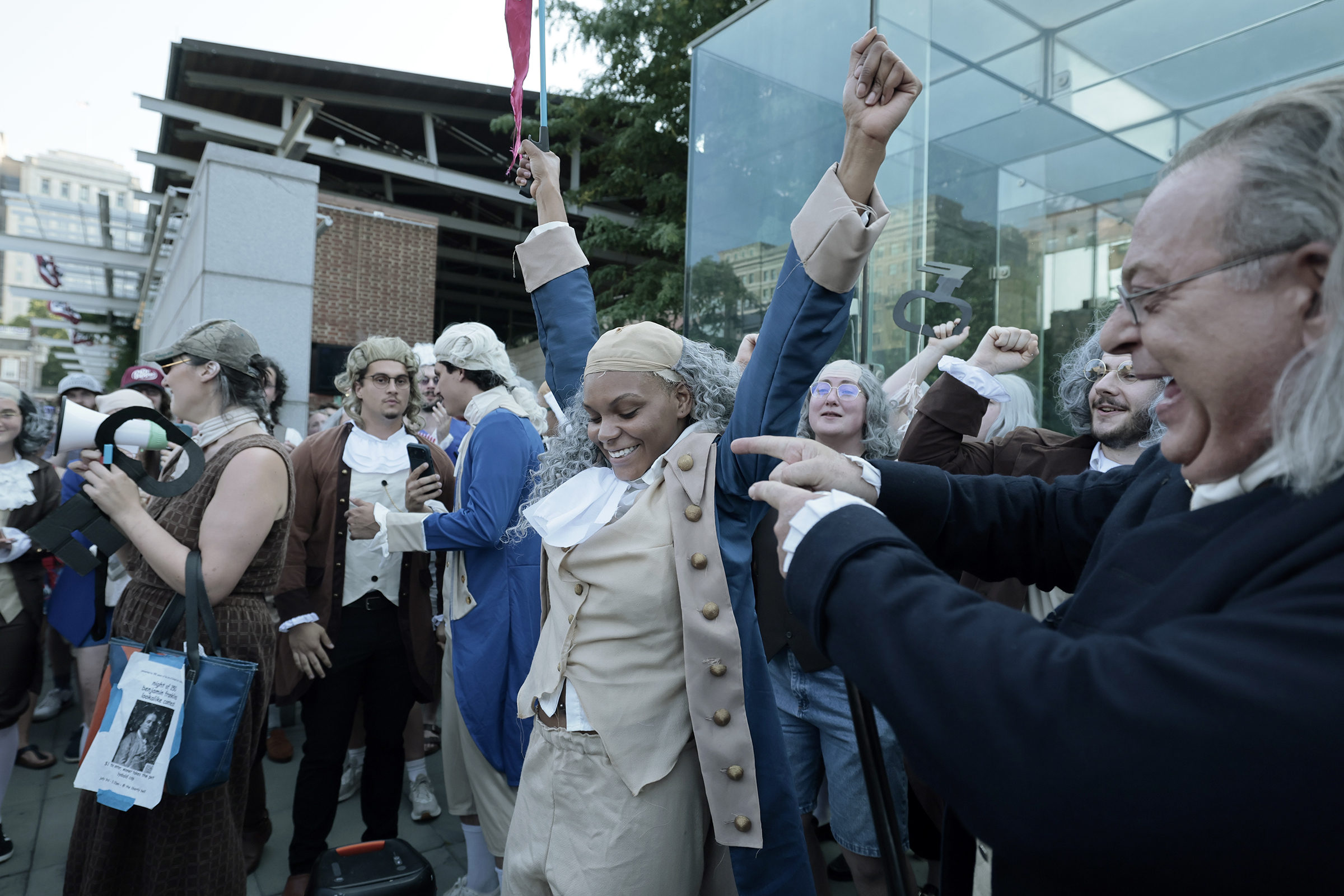
    At the Benjamin Franklin look-alike contest at Independence Hall, which was supposed to end early, the crowd enthusiastically shouted, “One more Ben, one more Ben.” Latecomers — men and women dressed like the famed Founding Father — walked through the crowd to the front.

    It wasn’t a catwalk, per se, but the Franklin stroll.

    Kiya Burgess, 25, was crowned the victor of the Franklin free-for-all.

    Elena Jackendoff, 32, a student at Johns Hopkins University studying public health, organized the event.

    “You have to make the event you want to see in the world,” she said.

    She organized the lookalike on a lark, making the flyers after her last final exam and pasting them across the city. She expected to see a few of her friends, not hundreds of people.

    Many of the Franklins — like Kara Peterschmidt, 25; Kyra Feinauer, 25; and Lauren Zwetzig, 24 — didn’t even have to go out to buy a costume. The friend group had hosted a Constitution-themed housewarming a while back and came dressed in the same white wigs and tops.

    Asked about the truest Ben Franklin expression, Peterschmidt said, “It’s definitely a mog.”

    One of the contestants shows off their legs.Elizabeth Robertson / Staff Photographer
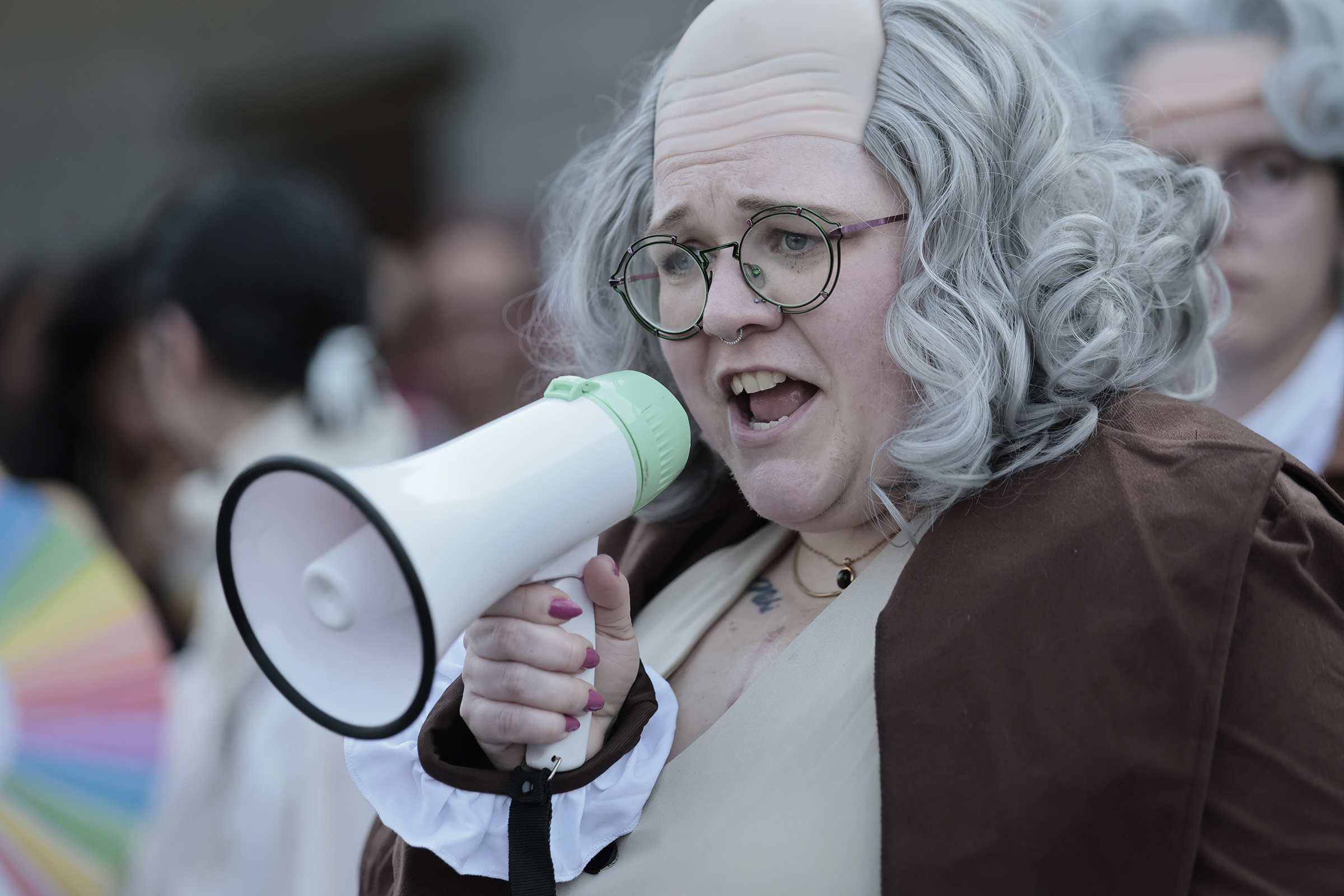
    Each contestant had to say why they were the best Ben Franklin.Elizabeth Robertson / Staff Photographer
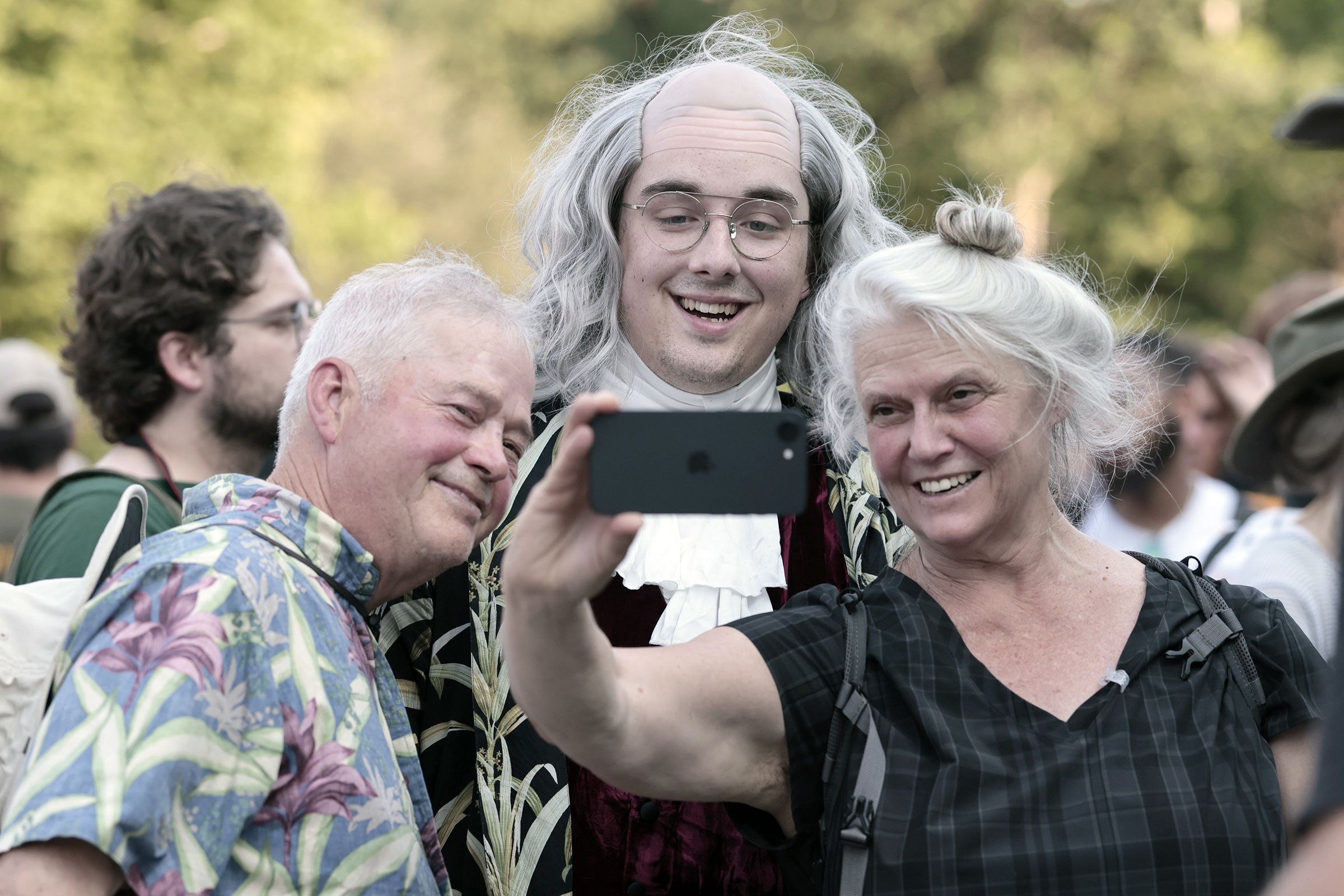
    Gene Backus (left) and Maria D’Agostino (right) of Anchorage, Alaska take a selfie with Ben Franklin (Gabriel Meyer) of Levittown.Elizabeth Robertson / Staff Photographer
    Contestants pose for the cameras. Elizabeth Robertson / Staff Photographer
    Contestants are all smiles in the Ben Franklin lookalike contest.Elizabeth Robertson / Staff Photographer
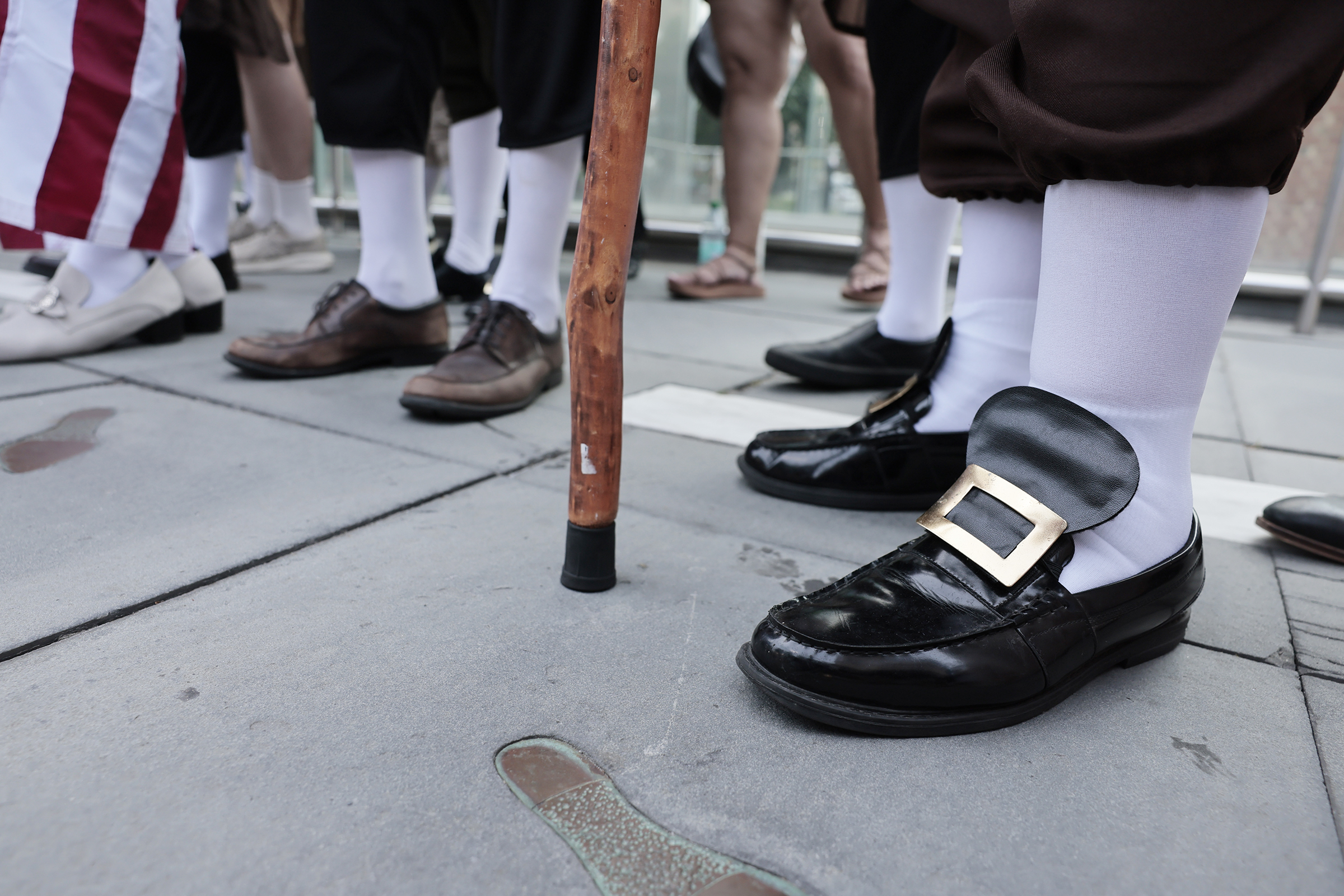
    Footwear worn by some of the contestants.Elizabeth Robertson / Staff Photographer
    Contestants explain why they were the best Ben Franklin.Elizabeth Robertson / Staff Photographer
    The crowd cheers for the contestants.Elizabeth Robertson / Staff Photographer
    Mitchell Kramer holds up the arm of contest winner Kiya Burgess of Philadelphia.Elizabeth Robertson / Staff Photographer
  • Independence (the eagle) is coming to Philadelphia

    Independence (the eagle) is coming to Philadelphia

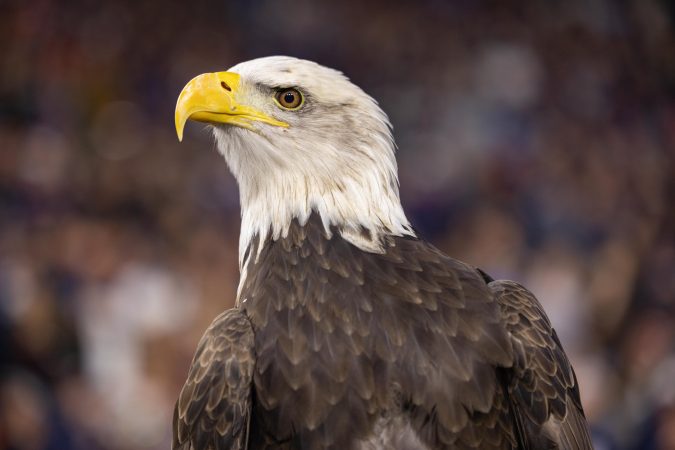
    In Philadelphia, the Independence Day spectacle will include a bald eagle named Independence at Independence Hall.

    The eagle, known as Indy, is scheduled to appear at the burial of America’s Time Capsule, part of the country’s 250th anniversary celebration. Visitors will be able to meet and take pictures with her.

    Since 1782, when the bald eagle was placed on the Great Seal of the United States, the bird has stood for American sovereignty and power, holding arrows in one talon and an olive branch in the other. Long before that, eagles had been used as symbols of empire, authority and military strength, including in ancient Rome.

    What merits does the bird have to have been attributed such strong symbolism — with appeal at events from Saturday’s time-capsule burial to flights at Lincoln Financial Field?

    From a distance, the eagle looks formidable, with a six-foot wingspan. Indy is sometimes released to fly freely during Auburn football games, said Robyn Miller, Indy’s handler and the director of the Auburn University Raptor Center.

    On the rare occasion that one sees eye-level with the bird — such as in Indy’s various TV appearances — the eagle has an intense and almost disconcerting gaze. Her feet are bound or shackled to contain her but she occasionally gives out a squawk and shuffles around. The bird squawks as humans might laugh; they tilt their head back and can either let out a loud cry or many chirps, as Indy tends to do when she is inside.

    The bird will travel to Philly from Auburn on a Delta flight with Miller and three other handlers. Her carrier will be strapped into two coach seats. Miller expects that she will be comfortable in her carrier but notes that she may let out the occasional squawk.

    Indy, now 10, came to the Auburn University Raptor Center in 2018 after suffering a wing injury as a young bird. Although the injury healed, she had imprinted on humans during rehabilitation, meaning she could not be released into the wild. Now, she serves as an ambassador bird, teaching people about raptors, conservation, and the ecosystems that sustain them. Her appearances have included a flight at the Linc for an Eagles’ game.

    Miller makes a distinction between captivity and care. “All of our raptors come to us with life-threatening disabilities,” Miller said.

    The eagle is now used to human socialization and depends on human care. And yet the irony is hard to avoid. What draws people to Indy is precisely the quality that cannot be caged: the wildness she can embody, even if she can no longer live it.

    “Folks can’t help but be fond of her when they meet her,” Robyn said. “Be fond of her wildness.” She added, “We wish these birds could still remain in the wild.”

  • At Hoagie Day, visitors embrace free sandwiches — and the crowds

    At Hoagie Day, visitors embrace free sandwiches — and the crowds

    The hoagie, it seems, not only can be a meal but a civic instrument: pretext and reason to bring huge crowds of people together ahead of July 4th during Wawa Welcome America festivities.

    Organizers said 30,000 turkey hoagies were distributed in front of the National Constitution Center Wednesday for the annual event. The promise of a free sandwich prompted that particular American phenomenon — one of the physical vestiges of the public commons — the manifestation of the free-food zeitgeist.

    Dion Clark said, succinctly, what many in line seemed to be saying in one form or another: “I want to be with the people.”

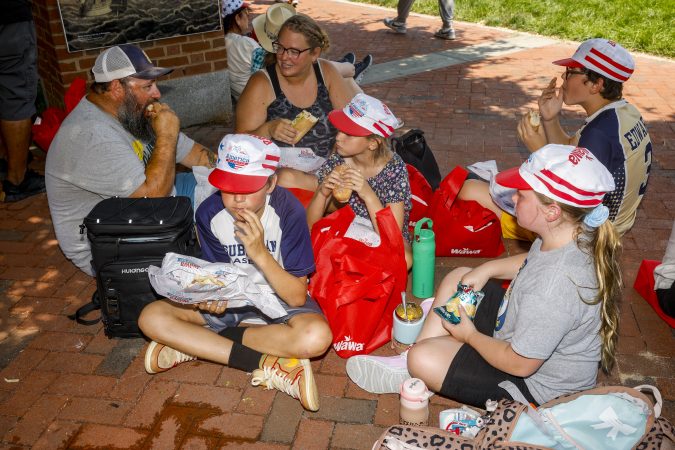
    Attendees relax and enjoy their free hoagies at Independence Mall during the Wawa Hoagie Day.Aidan T. Gallo / Staff Photographer

    Clark and her husband, who is vegetarian — Wawa was offering only turkey hoagies — had traveled from North Carolina to spend July Fourth in Philadelphia. Asked why they had come, Clark gestured around her: the National Constitution Center in front of her, the Liberty Bell nearby, the city’s founding monuments all around.

    For others, like Jim Elliott, the answer was simpler. He lives nearby, and had come for the free hoagies, although, he added, “the hoagies are not the best.”

    Sheylin Walker has been coming to Wawa Hoagie Day for seven years. Every year, she said, she makes sure to wake up by 9 a.m. so she can arrive by 10 before the noon hoagie distribution. “I love the crowd,” she said. “I love the sight — all of these people that are here.”

    For some recent transplants to Philadelphia, the festival seemed to promise not just a free sandwich, but a kind of initiation. Getza Solana, who is 19, and recently moved from Houston to study at Thomas Jefferson University, said that to know Philadelphia, she felt she had to know the hoagie.

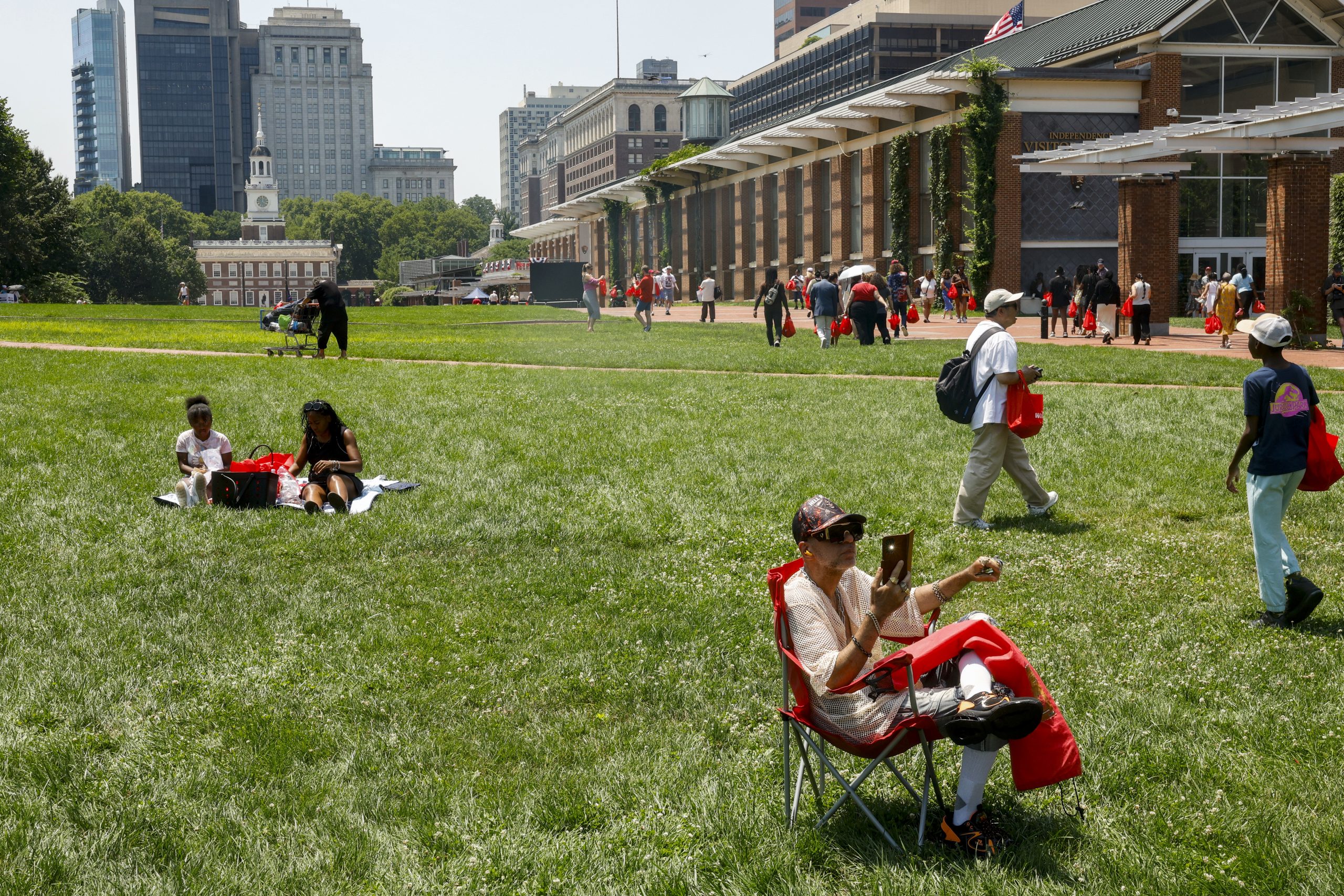
    Outside the National Constitution Center, where lines of hoagie tents had been set-up, there is a contained but lush stretch of field: bunches of summer flowers, vines climbing the Visitor Center, a little green relief from the asphalt and the July heat.

    There, people opened their red Wawa bags; some put on the red, white, and blue baseball hats and ate their hoagies. Pop music played from the speakers. The heat felt more bearable. And away from the crush of the line, it became clearer what many had come for: not only the sandwich, but an American picnic of sorts — friends, family, strangers, and the brief pleasure of being among fellow hoagie-eaters.

  • How to see the world’s largest steam locomotive, called Big Boy, in Philly

    How to see the world’s largest steam locomotive, called Big Boy, in Philly

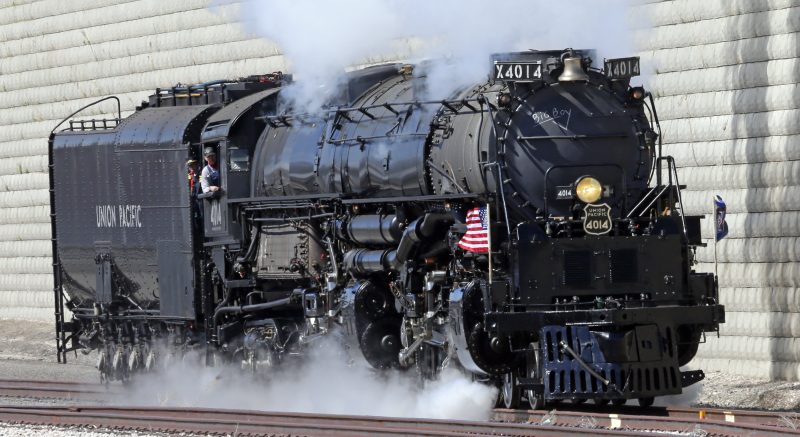
    Union Pacific’s Big Boy No. 4014 will arrive in Philadelphia in time for Fourth of July celebrations, completing its journey from the West Coast. The legendary locomotive has already drawn thousands to tracks across Pennsylvania, according to the railroad.

    The Big Boy is scheduled to arrive in Philadelphia for a Fourth of July display at Intrepid Avenue and League Island Boulevard in the Navy Yard, where the Port of Philadelphia will host a public viewing from 8 a.m. to 2 p.m. Saturday and again on Sunday from 9 a.m. to 3 p.m. before heading west. Admission is free.

    The stop is part of Union Pacific’s coast-to-coast tour marking the nation’s 250th anniversary, a commemoration neatly suited to the locomotive itself: enormous, industrial in purpose, and now preserved as national memory.

    On Thursday, the locomotive is scheduled to stop shortly in Reading (1:30 to 2:15 p.m.) and Pottstown (3:30 to 3:45 pm.) for public viewing before traveling to King of Prussia, from where it will depart at 9 a.m. Friday for Philadelphia. It will leave Philly at 9 a.m. Monday.

      (function() {
        var l2 = function() {
          new pym.Parent(‘BIGBOY2.html’,
                         ‘https://media.inquirer.com/storage/inquirer/projects/innovation/arcgis_iframe/BIGBOY2.html’);
        };
        if (typeof(pym) === ‘undefined’) {
          var h = document.getElementsByTagName(‘head’)[0],
            s = document.createElement(‘script’);
          s.type = ‘text/javascript’;
          s.src = ‘https://pym.nprapps.org/pym.v1.min.js’;
          s.onload = l2;
          h.appendChild(s);
        } else {
          l2();
        }
      })();

    The Big Boys — 133 feet long and weighing 1.2 million pounds — are the world’s-largest steam locomotives. Big Boy No. 4014 was part of a fleet of 25 locomotives designed to haul heavy freight over the mountains between Ogden, Utah, and Cheyenne, Wyo., as rail traffic surged around World War II.

    “There is something romantic about it,” said Robynn Tysver, a spokesperson for Union Pacific. “It echoes back to a time that you and I do not remember. Maybe it’s just the size of it.”

    The restoration project that put Big Boy 4014 back on the track has been called one of the most significant locomotive restoration projects in recent memory by railroad experts. The restoration began in 2013. The locomotive was taken down to its bolts and rebuilt using graphics from 1941, according to Union Pacific.

    Union Pacific’s history reaches back to the Pacific Railway Act of 1862, when President Abraham Lincoln chartered the railroad to help build the eastern portion of the first transcontinental line. Built largely by immigrant labor, the railroads that followed connected markets and cities, transformed the West, and made the country feel physically continuous.

    Big Boy No. 4014 carries some of that history with it. It is both machine and symbol: of movement, expansion, industry, memory, and the complicated national faith that bigger could mean better.

    Union Pacific reports that crowd sizes have increased as the locomotive has traveled from California to the East Coast. Though modern locomotives are more durable and have enhanced safety features — for example, AI software to scan tracks for debris — something inarticulable draws people to the Big Boy.

    “You just have to see it to understand what captivates people,” Tysver said. “When you see it, you’ll understand what captivates people. It’s a living, breathing piece of history.”

  • The Delco jail chief resigned after just months on the job

    The Delco jail chief resigned after just months on the job

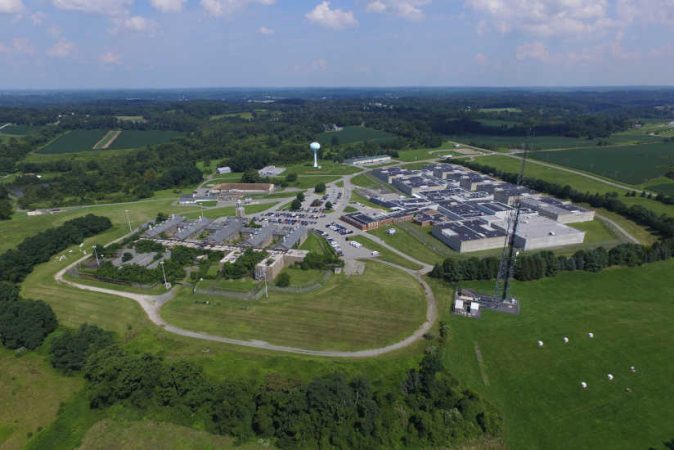
    The chief warden of the George W. Hill Correctional Facility in Delaware County has resigned after less than six months on the job, according to a statement released by the county government.

    Willie Bonds’ decision was motivated by family considerations and the opportunity to pursue other interests, according to the Delco officials. Bonds will continue to serve as the chief of the facility until an interim warden is appointed.

    The George W. Hill facility has been mired by scandal in recent years. The last chief to run the facility was ousted following a no-confidence vote by the labor union representing the prison’s guards. In the last two years, guards have been charged with smuggling fentanyl and K2 into the facility; inmates were accidentally released; and an inmate was killed by his cellmate, who was considered high-risk and supposed to be placed alone.

    Bonds was appointed to his position as chief of the facility in February. Last year, he served as the interim warden of the facility and he has worked in the facility since 2024, starting as deputy warden of security and training. He began his career in the New Jersey Department of Corrections in 1998.

    During his time as deputy warden, a federal lawsuit alleged that county officials fired guards without due process.

    After the Pennsylvania Prison Society conducted a walk-through of the facility and interviewed inmates in 2025, Bonds responded to the facility’s detailed shortcomings in a letter. The nonprofit advocacy group characterized his response, which added details about the prison’s conditions, as candid.

    The group said in a report that the facility had made significant improvements with a $50 million commitment from the county in 2025, but noted that the prison did not have enough staff for the number of inmates in the facility. At the time that the report was researched, there were 1,125 inmates, according to a response sent by Bonds. The total staff number was not reported.

    The Prison Society‘s report noted “the fundamentally unsafe conditions that Bonds now has the responsibility for fixing — conditions will not be fixed with building repairs alone but will require major shifts in organizational culture.”

    Delaware County hopes to continue efforts to improve the facility, the county’s statement said.