Author: Solomon Jones

  • Mississippi’s hard history, a search for justice, and the strange death of Nolan Wells

    Mississippi’s hard history, a search for justice, and the strange death of Nolan Wells

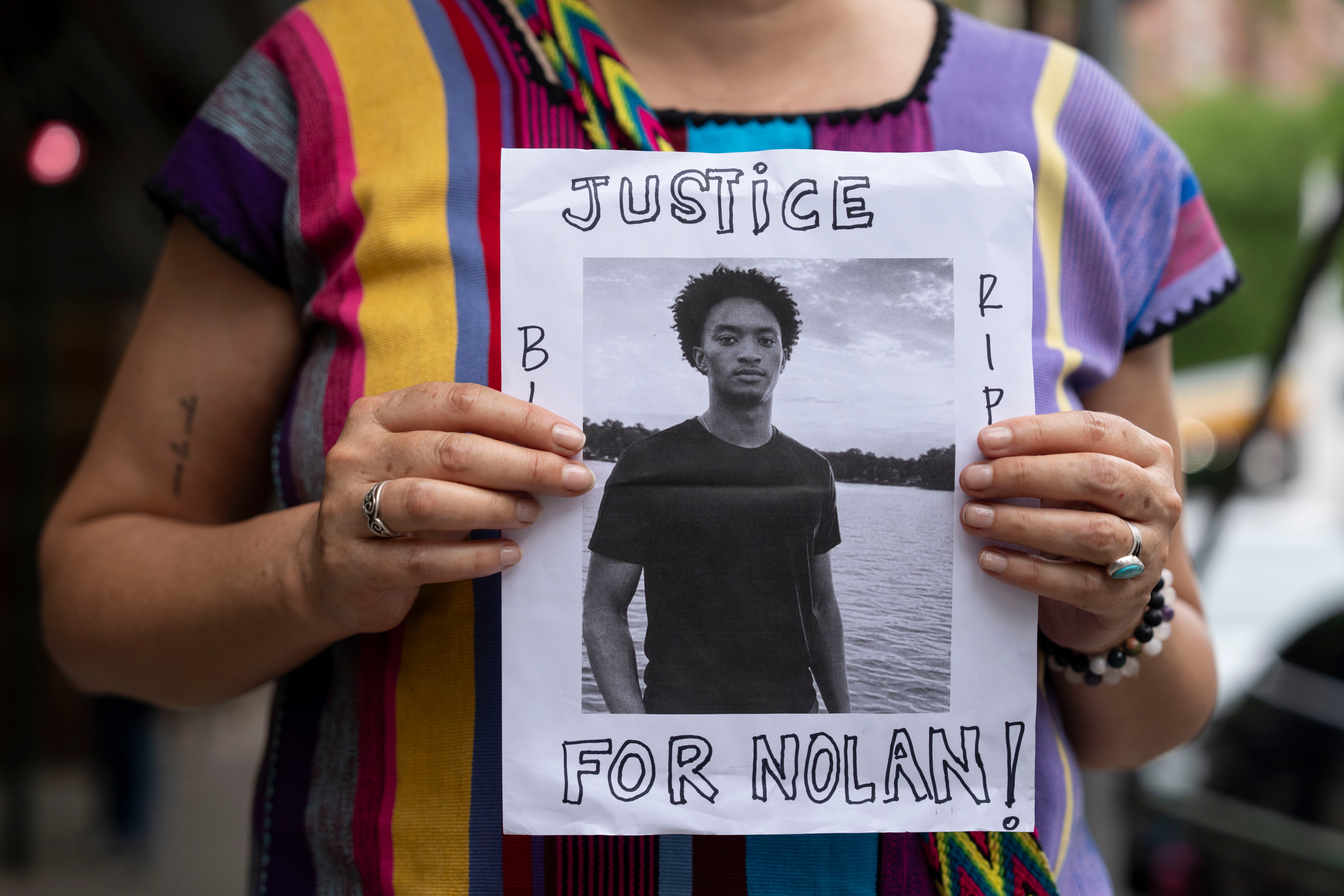
    I was angry when I learned that a grand jury found no cause for criminal charges in the death of Nolan Wells, a Black teenager who died after a July 4 boat trip to an island in Mississippi with a group of white friends.

    The facts surrounding the case were strange from the time Wells went missing. His friends said the 18-year-old wanted to stay on Horn Island to talk to a girl, so they left without him, and Wells left his phone on the boat. Days later, when Wells’ body was found floating in the waters off the island, Jackson County sheriff officials declared that no foul play was suspected.

    Then, just days after the grand jury concluded Wells’ death was “consistent with drowning,” Wells’ family released details from the official autopsy report from the Mississippi medical examiner. The autopsy indicated that there was no water in the lungs, stomach, or throat of Wells, which begs the question: How does one drown without ingesting water?

    That troubling question, along with a history that includes countless lynchings, the murder of Emmett Till, and the murder of voting rights activist Medgar Evers, demands a deeper investigation. Yet I know, in that secret place where my ancestral memory lives, that the investigation might never take place.

    Wells’ family did all they could to find the truth. They hired attorney Benjamin Crump, sued social media companies for cell phone records, and hired an independent pathologist to conduct a second autopsy after the Mississippi medical examiner performed the initial postmortem. Wells’ friends were mostly silent, but the internet was not. Observers retreated to their familiar corners — left and right, progressive and conservative, bigoted and anti-racist. Our opinions of the case tended to be shaped by our long-held views and lived experience.

    Perhaps that’s why, when Jackson County District Attorney Angel Myers McIlrath promised to conduct a fair and thorough investigation, I was skeptical. Then, when she announced that she would convene a grand jury, I was hopeless.

    I had already watched police officers walk away unscathed after a conservative attorney general in Kentucky convened a grand jury in the shooting death of Breonna Taylor. I remembered a grand jury refusing to indict Officer Darren Wilson after he killed unarmed teen Michael Brown in Ferguson, Mo.

    Because grand juries operate in secret and only view the evidence presented to them by the prosecutor, the outcome is heavily influenced by the prosecutor. I believe that’s why we don’t see criminal charges in cases like the tragic death of Nolan Wells.

    Just as my ancestral memory calls out to me and screams for racial justice, the history of Mississippi calls out to the current power structure and demands white supremacy.

    That’s why, after closed-door proceedings and a state autopsy report that was never fully released, after unexplained blunt force trauma to the back of Wells’ head and body, after the family received the body without the neck structures, the grand jury could conclude Wells likely drowned.

    It’s why the district attorney could release a redacted grand jury report, never share all the evidence, and scold the public for questioning whether race played a role in Wells’ death.

    “What I cannot accept, what I cannot ignore, is that false narratives that Nolan’s death was somehow racially motivated, and that this is a case of another young Black man denied justice by a racist, corrupt system, were perpetuated and allowed to spread,” McIlrath said in a video explaining the grand jury’s decision. “There is not a shred of evidence to support these narratives.”

    Perhaps the DA can’t accept what she framed as false narratives, but how can we know they’re false? The grand jury operated in secret, then released a report with some of the details blacked out. There was no preliminary hearing, no public airing of evidence, and no real attempt to answer the family’s ongoing questions about what happened to their son.

    There is only one thing that I know to be true in the death of Nolan Wells, and his mother, Christine Wonsley, gave voice to it in the wake of the grand jury’s findings.

    “Last night was a reminder that our son’s life does not matter to those who hold positions that are supposed to serve and protect the public,” Wonsley said.

    It breaks my heart that she’s right.

    Editor’s note: An earlier version of this column misstated the location of the island that had been visited by Nolan Wells; it was Horn Island. It also incorrectly noted that Wells’ organs were removed before his body was released to his family; the organs were included with the rest of his remains.
  • A memo to my fellow Black men: Here’s why we have a duty to stand up for Black women

    A memo to my fellow Black men: Here’s why we have a duty to stand up for Black women

    Less than 24 hours before legendary feminist Gloria Steinem died, my Instagram post about defending Black women crossed the million-view threshold.

    For me, the two moments melded into one because it underlined that two things can be true at once.

    In this case, it’s true that Steinem was a fierce hero for the feminist movement.

    It’s also true that American feminism has too often minimized the unique needs of Black women.

    And while I don’t pretend to comprehend the various intricacies of Black womanhood, I do understand that among the duties of Black manhood, one of them looms larger than most.

    We must stand up for our women.

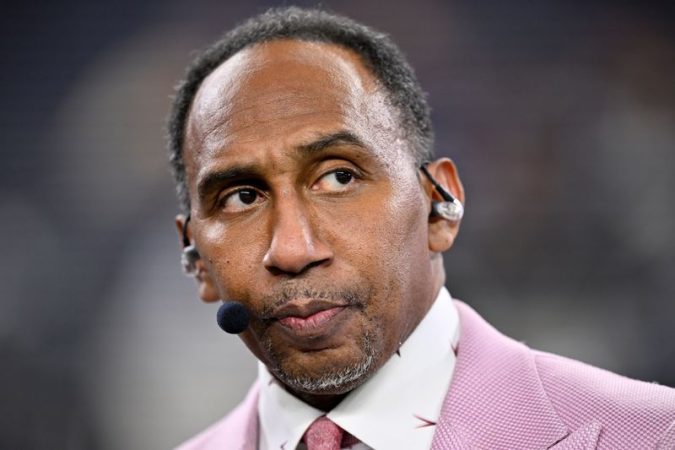
    In recent months, it’s become increasingly clear that some of our most prominent men have spent far too much time doing anything but that. In fact, national figures like ESPN analyst Stephen A. Smith have been rightly castigated for their inordinate criticism of Black women, including former Vice President Kamala Harris, U.S. Rep. Jasmine Crockett, and journalist Joy-Ann Reid.

    In fact, the National Association of Black Journalists, of which I am a member, gave Smith a thumbs-down award for precisely that reason. In protest, Smith appeared on Fox News and complained to right-wing journalist Sean Hannity. In my view, that made things worse. He has since circled back and debated the issue with journalists Jemelle Hill and Cari Champion — two Black women. The results of that remain to be seen.

    But the call to protect and defend Black women is not just about Smith and his cutting criticism of national figures. It is also about the Black men I have watched cast boulders at the first female mayor of Philadelphia.

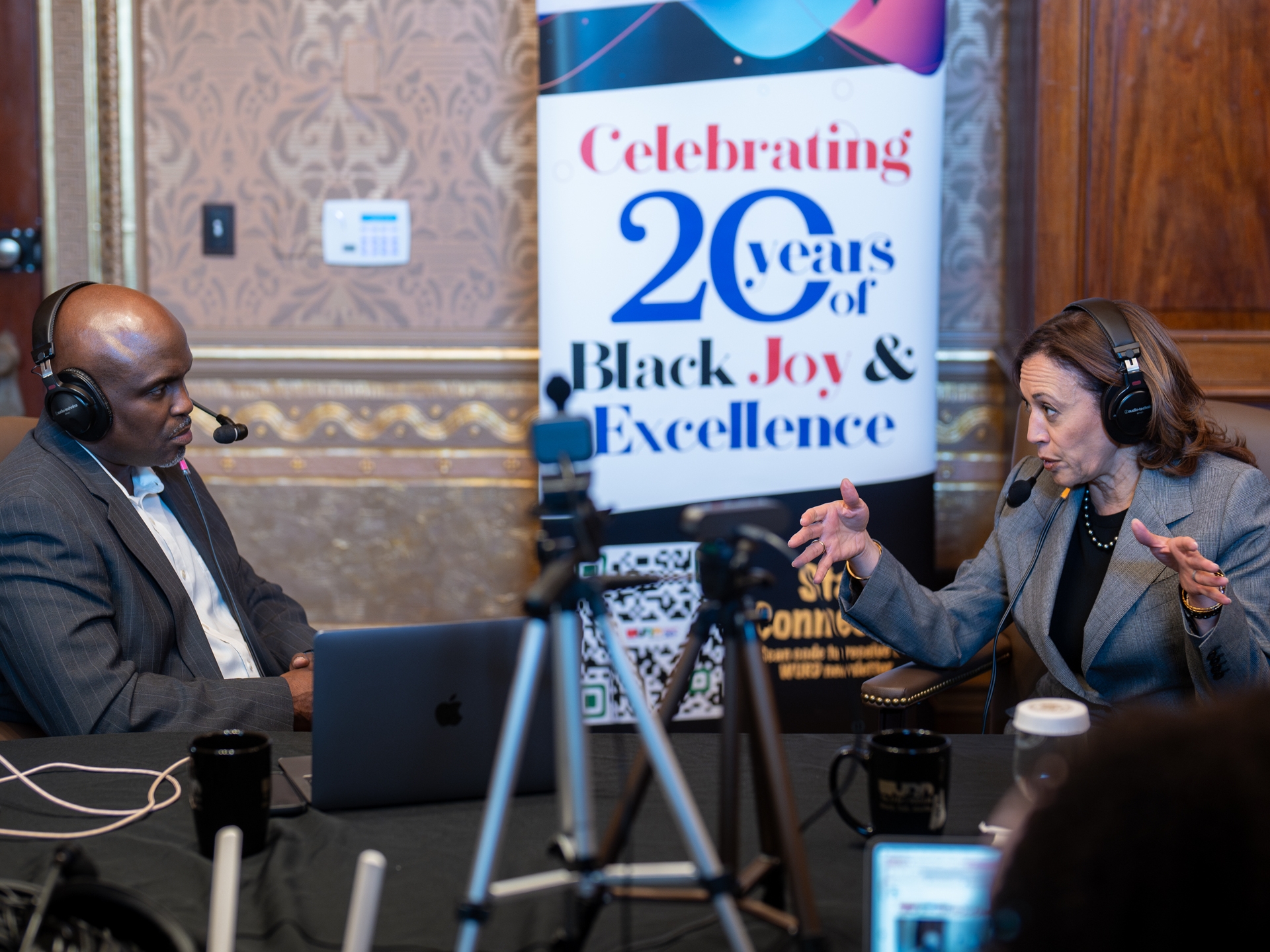
    Solomon Jones interviews Vice President Kamala Harris during his radio show on WURD in February 2024. Harris has been a target of Stephen A. Smith’s barbs.Lawrence Jackson

    As a matter of full disclosure, I have known Cherelle L. Parker for more than 20 years. As neighbors, we’ve watched each other’s children grow up. And while I don’t agree with her on every policy or political priority, I respect her because she has always been the same steady person, the same tenacious fighter, the same Black woman I met so many years ago.

    On this point, I will not waver, whether the Black woman in question is Michelle Obama, or Parker, or Miss Dot from 25th and Oxford.

    This does not mean there will never be disagreements between us. It does not mean arguments will never happen.

    In truth, disagreement is a normal and healthy aspect of any functioning relationship. It is when those disagreements spin into hateful diatribes and rhetorical violence that we lose ourselves in the chaos.

    This is not the time for abject pettiness, for a crabs-in-the-barrel mentality, or for fomenting discord under the guise of holding leaders accountable.

    The racists who say Obama “is a man” do not need our help.

    The bigots who call Crockett “ghetto” are not in need of our assistance.

    The misogynists who question the intelligence of Harvard graduates like Reid can do that all by themselves.

    To put it plainly, there is no circumstance under which Black men should help our enemies to disparage and disrespect our women.

    After watching 300,000 Black women lose their jobs in just a few months after the Trump administration’s cuts in the federal workforce, we have to know that sisters are under attack, and we must act accordingly.

    That means standing beside them as they lead in communities.

    It means standing in front of them when they are under attack.

    It means standing behind them when they need someone to push them forward.

    Black men understand, in ways others simply don’t, that Black women are stronger than they look, more vulnerable than they seem, and more beautiful than they know.

    When they present all that to the world, the totality of their power can be intimidating — especially for those who harbor insecurities of their own.

    But as the husbands, brothers, and sons of these strong women, we cannot afford to see them as competitors.

    We must see them as partners, because in these uncertain times, when racism removes its hood and stands boldly in America’s streets, Black men and women can ill afford to turn on one another.

    We must instead turn toward one another, and face the slings and arrows of this world together.

  • Trump’s putting his thumb on the mail-in ballot scale. The Supreme Court is letting him.

    Trump’s putting his thumb on the mail-in ballot scale. The Supreme Court is letting him.

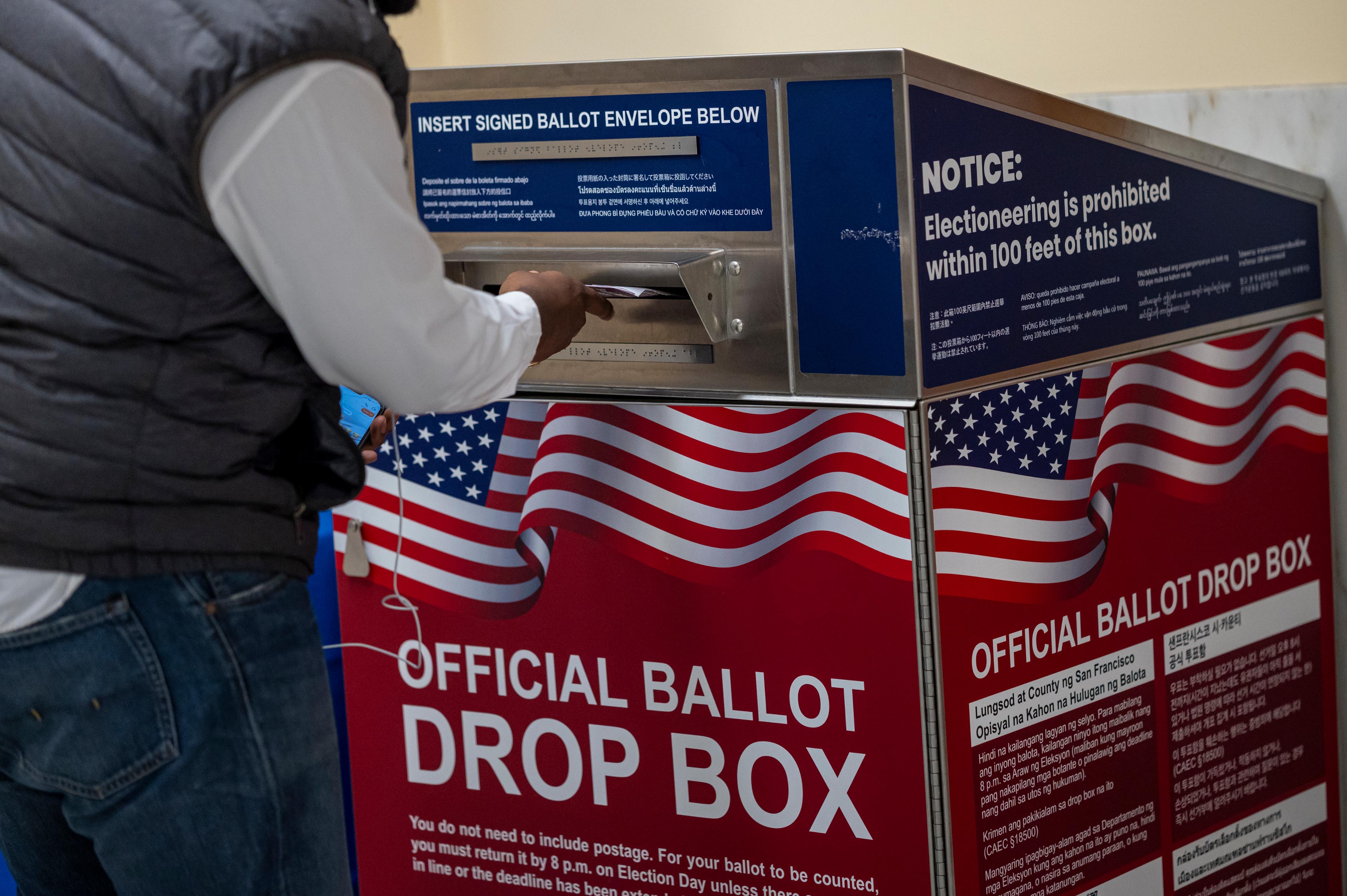
    There are those who would argue that Donald Trump poses the greatest threat to American democracy we’ve ever seen from a sitting president. However, with its decision to allow Trump’s executive order on limiting the use of mail-in ballots to move forward, the U.S. Supreme Court has surpassed him.

    The Constitution clearly gives states, and not the president, the primary authority to administer elections. Congress has secondary authority, but only under emergency conditions. That means the president’s executive order, which directs various federal departments to impose rules on mail-in balloting if it is “feasible” and “lawful,” is more than a cynical attempt to save Republicans from losing congressional seats. His executive order is blatantly unconstitutional.

    Yet, in a ruling that seems bizarre on its face, the Supreme Court has decided, with a crucial midterm election just weeks away, that Trump’s executive order does not interfere with the states’ authority “‘to create and enforce a legal code’ for elections.”

    That’s nonsense. In my view, and in the opinion of 56 former judges who submitted an amicus brief to the Supreme Court, Trump’s order is all about interference. Changing rules just weeks before mail-in ballots are set to be sent to voters is an exercise in chaos. It is designed to hamper voting in blue states whose cities are filled with African American voters and others who tend to cast ballots for Democrats.

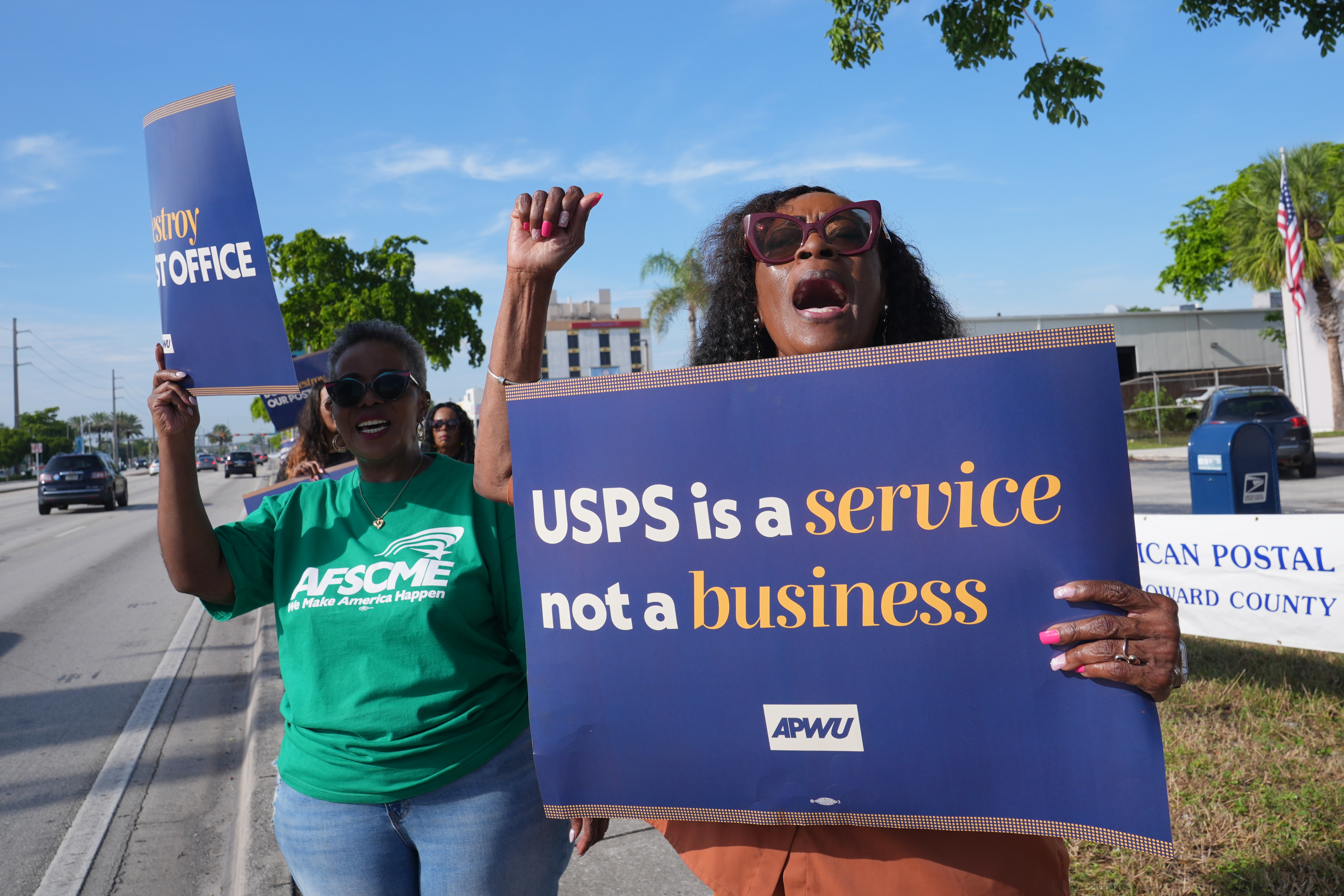
    Joy L. Jackson (right) and Ketha Otis demonstrate against proposed changes to the U.S. Postal Service and President Donald Trump’s executive order regarding mail-in ballots in Miami Gardens, Fla., last month.Marta Lavandier

    Voter suppression is the apparent goal, and the Supreme Court has played an outsized role in helping the Trump administration to get there. Even now, as the U.S. Department of Justice petitions U.S. District Judge Indira Talwani to reverse her nationwide injunction on Trump’s executive order, the Supreme Court looms in the background, ready to further erode democracy.

    Of course, the threat posed by the court is about more than just one ruling. It is about the justices’ pattern of acceding to the whims of a president who seems to view the Constitution as a suggestion, rather than the law.

    In 2024, the court shocked legal observers by ruling in Trump v. the United States that presidents have broad immunity from criminal prosecution for official actions they take while in office. And just a week ago, the court allowed construction of the president’s legally dubious $400 million ballroom to continue while lower court appeals play out, knowing the ballroom will likely be near completion by the time the courts catch up.

    Still, the Supreme Court, whose 6-3 conservative majority includes three justices Trump nominated to the bench, does not have the last word on his policies. In America, the people have the final say. That’s why this latest gambit to cripple mail-in voting is so dangerous, and it is why the Supreme Court must be held accountable.

    The people must sit in judgment of a president who starts a war that results in skyrocketing gas prices and American loss of life. The people must sit in judgment of a president who demolishes half of the White House without congressional approval. The people must sit in judgment of a president who wrecks the economy with illegal tariffs, and the people must sit in judgment of a president whose immigration crackdown costs American citizens their lives.

    Polling has already indicated that Trump, whose 33% approval rating represents his all-time low, could drag his party down in the upcoming midterm elections. But as a seasoned politician once told me, the only poll that matters is the one that takes place on Election Day. Trump understands this truth, and he is trying to put his thumb on the scales. That’s to be expected, but he should not have the Supreme Court’s help.

    At its best, America’s highest court should be apolitical, driven both by the letter and the spirit of the law. It should serve as a check on the worst instincts of politicians, and as a guardrail against tyranny. This court has failed on all those fronts, and has instead allowed itself to be driven and shaped by conservative ideology. It has fallen so far that it has seemingly been co-opted by those who would stop Americans from exercising their most basic freedom — the vote.

  • As a Black voter, Graham Platner’s ethics don’t bother me — my people can’t afford to wait for a perfect candidate

    As a Black voter, Graham Platner’s ethics don’t bother me — my people can’t afford to wait for a perfect candidate

    As a lifelong Democrat, I’m often exhausted by my party’s hand-wringing when it comes to the question of ethics.

    I certainly believe moral clarity is important. We should all seek to embrace a firm set of values. However, when it comes to politics, morality is often a mirage, and Democrats spend far too much time pretending it’s not.

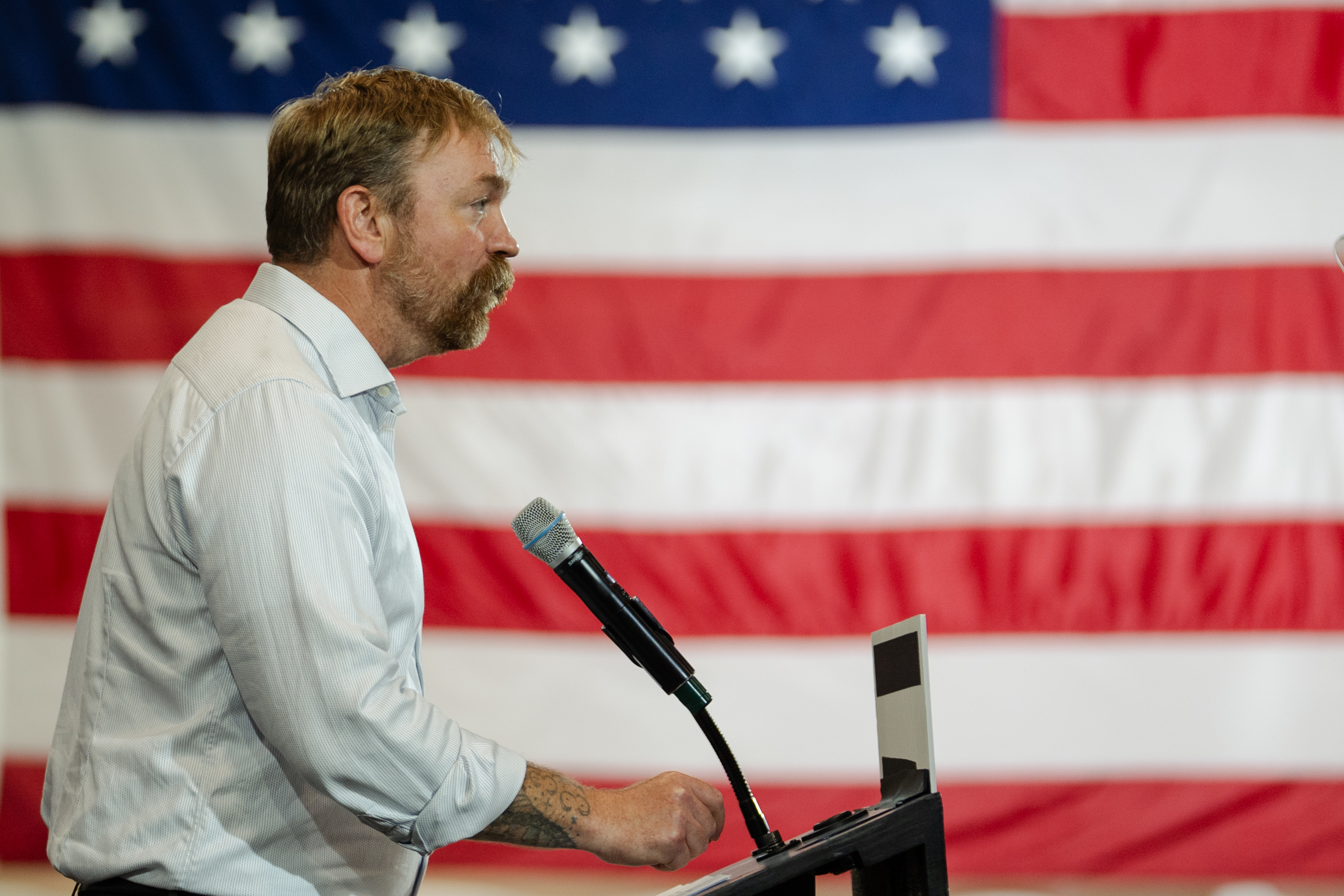
    Perhaps that’s why I was encouraged by Graham Platner’s win in the Maine Democratic Senate primary. Platner presented himself as a rugged everyman who happened to be a progressive. However, a series of disclosures exposed Platner’s dark side.

    He wore a tattoo that resembled a Nazi death’s head symbol, but claimed he didn’t know what it represented.

    He sent sexually charged text messages to women, a fact his campaign confirmed.

    Several ex-girlfriends accused him of disturbing behavior, including one who said he forcefully grabbed her more than once. In response, Platner described himself as a “bad boyfriend,” but denied physically abusing women.

    These allegations, along with old Reddit posts that some described as racist and sexist, were not enough to cost him the election, and in my view, that’s a good thing.

    As a Black man in Trump’s America, I can’t afford to wait for the perfect candidate. Nor can I expect politicians to live on a higher moral plane. My people are being targeted by an administration that seems hell-bent on returning us to the age of Jim Crow, and at a time like this, we cannot waste a second playing holier than thou.

    We are literally watching a president with 34 criminal convictions treat the U.S. Constitution as a suggestion, so we don’t need choirboys. We need U.S. senators and representatives who will stand up to Donald Trump.

    For that reason, Platner’s background is less important to me than his ability to fight against racist policies. Could he turn out to be a John Fetterman — pretending to support Democrats while voting with Trump on important issues? Yes, he could, but while Platner might target Black people, Republicans are already doing so.

    With Trump in the White House and GOP majorities in the House, the Senate, and the U.S. Supreme Court, anti-diversity efforts are raging. Black congressional districts are being eliminated, and the Trump administration is using antidiscrimination laws against the very people they were meant to protect.

    In my view, MAGA was never solely about stopping undocumented immigrants from entering the country, because, contrary to right-wing conspiracy theories, undocumented people cannot vote.

    African Americans, however, are among the Democratic Party’s most loyal demographics. We have the power to sway national elections, and we tend to use that power against Trump.

    In 2016, 94% of Black voters cast ballots against Trump, according to the Pew Research Center. In 2020, 92% voted against him. In 2024, 83% voted against him.

    Some pundits say the shift means Trump is making inroads with Black voters. I believe the opposite is true. Democrats are losing us.

    When Black people come face-to-face with bread-and-butter issues like food insecurity and unaffordable healthcare, we don’t want to hear about studies by Ivy League scholars. We don’t want a doctoral thesis on poverty. We want solutions, and Democrats spend far too much time explaining problems rather than solving them.

    Even worse, my party is frequently consumed with constructing ethical obstacle courses that few candidates can navigate. Maybe that was cute back in the day, when you could lose the election and still count on guardrails to restrain the other side. Those guardrails are gone now, and while my party’s white elites can afford to theorize about the link between government and racism, I can’t.

    Racism is not a theory for Black people. It is a daily reality, and it plays out through systems that flourish when conservatives take power.

    Therefore, we must not bind ourselves by seeking perfect candidates. Instead, we must seek to free ourselves by uniting and fighting to win.