Author: Isabella DiAmore

  • Hiring youth sports officials in N.J. has become challenging, and new rules could exacerbate the problem

    Hiring youth sports officials in N.J. has become challenging, and new rules could exacerbate the problem

    Michael Beirao, the athletic director for Cherry Hill Public Schools, manages about 1,800 athletic events each academic year — with about $130,000 to pay referees for all of them.

    The cost of hiring a ref has increased, while the number of officials participating has declined.

    In Cherry Hill, Beirao oversees two large high schools, East and West, which have 63 varsity teams, plus another 60 or so junior varsity and freshman groups. The middle schools — Beck, Rosa, and Carusi — each offer 17 sports programs.

    His $130,000 — with $100,000 for the high school level and $30,000 for middle school — for officials is considered “a large budget,” Beirao noted.

    The change of officiating classification could be slow and gradual. However, it could mean eventual higher property taxes and cutting athletic programs from public schools if they can’t afford the cost, say South Jersey athletic directors.

    “It would be devastating, because I’ll use Cherry Hill Public Schools as an example; this year we had to cut our budget by $14 million,” Beirao said. “How do you make a decision between keeping a teacher during the day and having an official after school?”

    Meanwhile, Beirao noted, school sports programs face competition from clubs and private-equity-owned programs. Requiring schools to hire referees as employees would be an added “burden,” he said.

    “It wouldn’t be feasible, and it wouldn’t be a tenable situation,” Beirao said.

    Ken Schoudt, athletic director for the Delsea Regional School District, asked an umpire association how much it would charge for an official classified as an employee instead of an independent contractor. The cost tripled.

    “For one umpire at the varsity level, is $110. For them to break even and make the same amount of money, they would have to charge us close to $350,” Schoudt said.

    But a proposed bill could help. If passed, it would classify all officials as independent contractors under state law.

    What is New Jersey’s ABC test?

    The New Jersey’s Department of Labor and Workforce Development presumes all workers who make compensation in the state are employees, unless they satisfy all three prongs of the ABC test to be classified as an independent contractor. Some changes to the rule are set to take effect Oct. 1.

    New Jersey Sen. Kristin M. Corrado (R-District 40) said the system’s new regulations make it even more difficult to be classified as an independent contractor.

    Umpires, referees, and other officials are generally paid on a per-game basis and employed primarily in other occupations and supplement their income by officiating part time, according to the U.S. Bureau of Labor Statistics data.

    Most officials work through agencies for each sport. The high school and youth programs go to those agencies for assigning games.

    New Jersey Gov. Mikie Sherrill’s administration is instructing some agencies to classify their workers as employees. But for “100 years we’ve always been independent contractors,” said John Gallante, president of the New Jersey Umpire Alliance.

    The state’s labor department said it’s not targeting sports officials, but “whether a worker is an employee or an independent contractor depends on the specific facts of each individual’s working relationship, under New Jersey’s ABC test.”
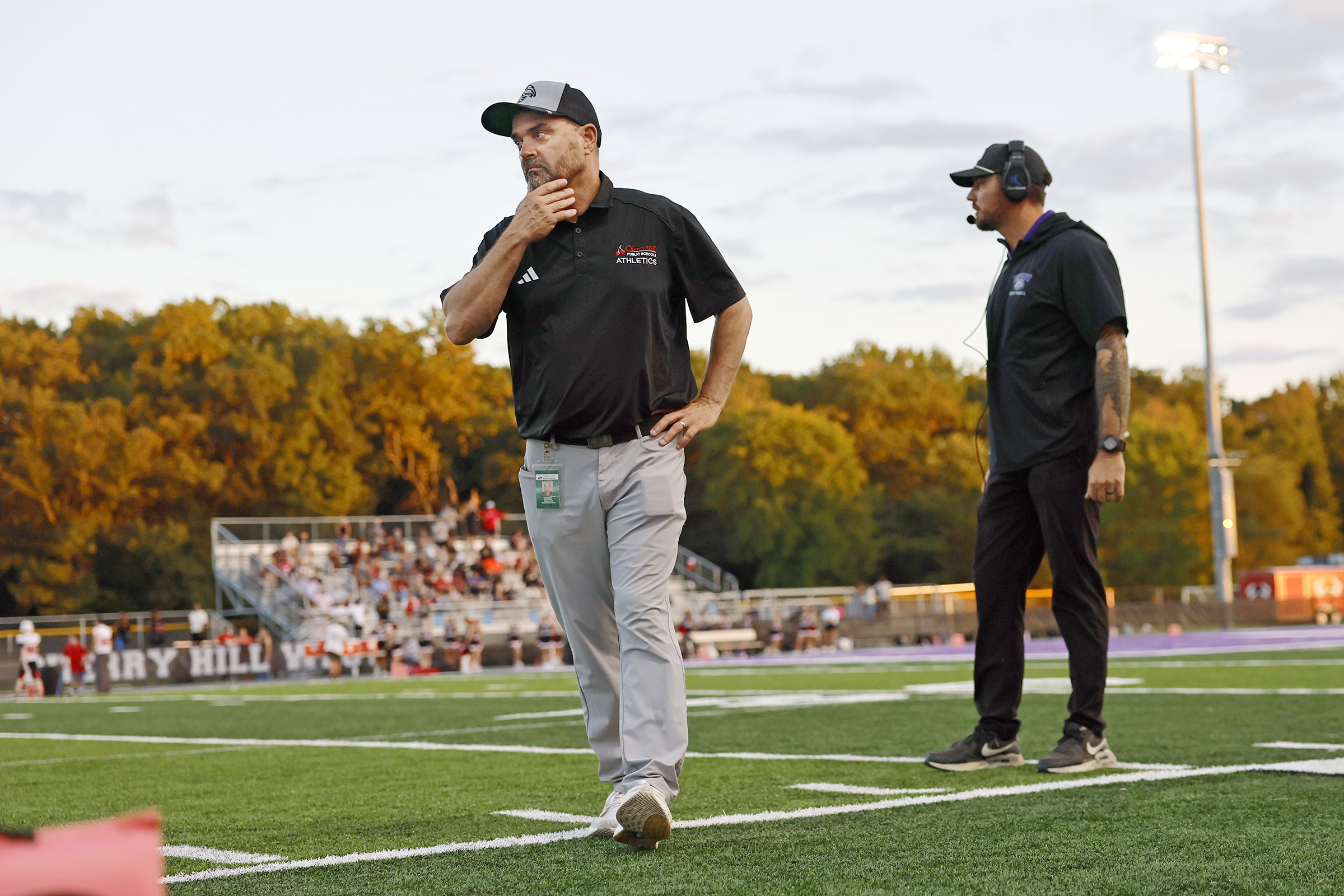
    Michael Beirao is the athletic director for Cherry Hill Public Schools.

    New Jersey adopted the ABC test in 1936 under the state’s Unemployment Compensation Law.

    Thirty-three states use some version of the ABC test to determine worker classification. In New Jersey, paid workers are presumed to be employees unless they meet all three of the following:

    • Prong A: individual has been and will continue to be free from control or direction over the performance of services, both under the contract and in fact.
    • Prong B: the services are either outside the usual course of the employer’s business or are performed outside of all the employer’s places of business.
    • Prong C: the individual is engaged in an independently established trade, occupation, profession or business.

    The test is used to enforce wages, benefits, and labor protections. Misclassification can result in significant financial penalties for employers, according to the NJDOL.

    What are the new regulations?

    In May, the state labor department clarified the test’s rules with new regulations in response to court cases in recent years involving worker classifications.

    It is set to go in effect Oct. 1.

    The clarifications, according to New Jersey law firm Cole Schotz, include:

    • The business must prove it does not exercise control over the worker and has not “reserved the right to control the individual’s performance.”
    • Work is not outside the usual course of business if it is “integrated into the hiring entity’s business,” even if the work is done off premises.
    • The worker must have proof of their independent business, that would keep running even if they lost this specific contracted job.

    Corrado said the new regulations put further and narrower definitions on each of the prongs, making it more difficult to be an independent contractor in New Jersey.

    “The ABC test itself is not new and neither are the problems that come with it,” Corrado wrote in an email. “These regulations would exacerbate those problems.”

    How are amateur officials being impacted?

    Gallante, of the New Jersey Umpire Alliance, recalled that two years ago an amateur official incorrectly filed for unemployment.

    “The officiating association responded and said they don’t have any employees,” said Gallante, whose organization represents 13 certified baseball and softball officiating associations. “So that claim was denied. But then it prompted an unemployment audit of that association.”

    The department determined from its audit that all officials in the association should be classified as employees, Gallante said, and that the association should backpay unemployment dating back to 2020. That “would in essence put them out of business. They would no longer be able to function,” he said.

    Gallante added, “the Department of Labor has told us that in ‘fairness,’ they would examine all the other officiating associations in the state as well.”
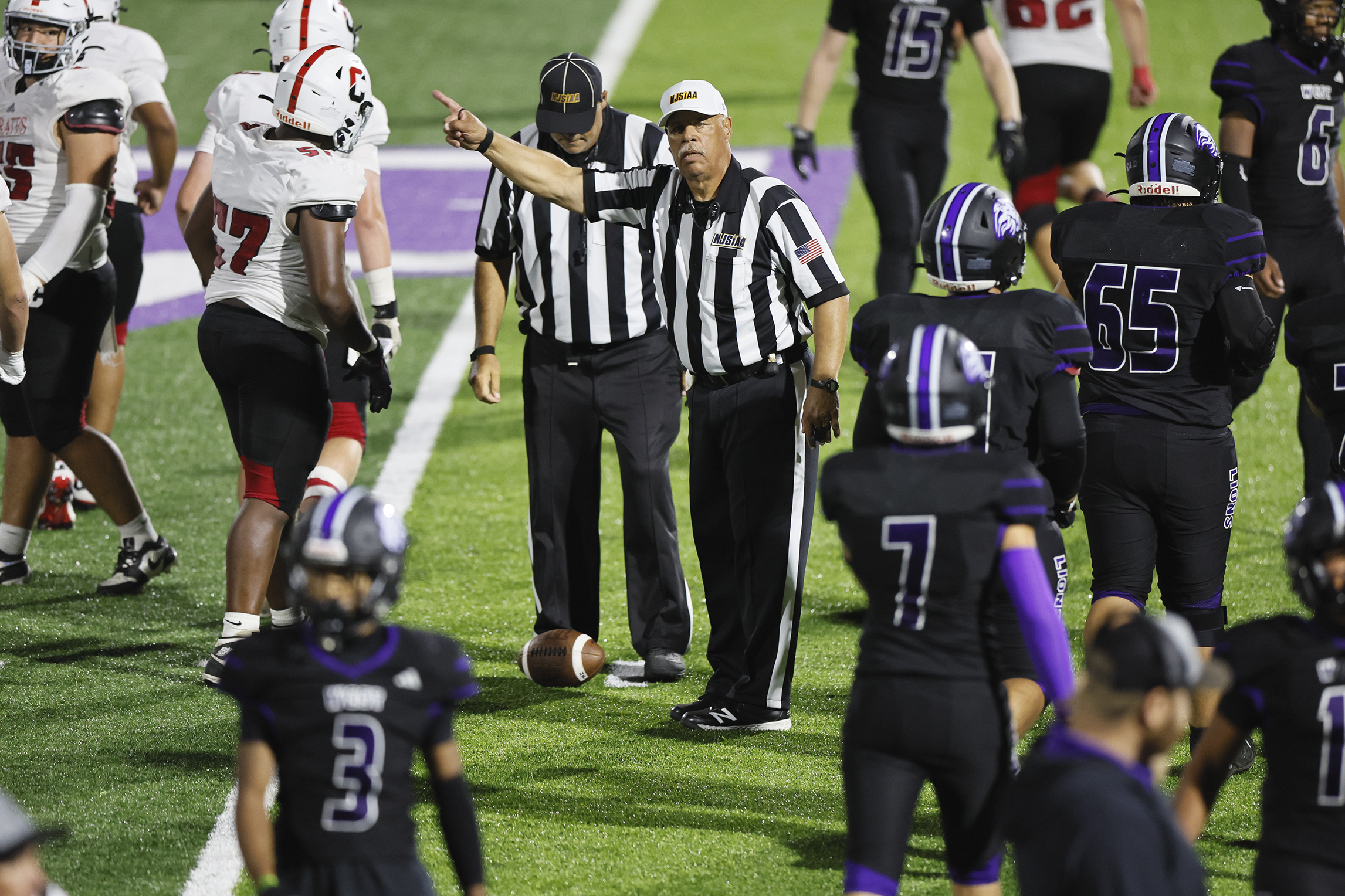
    NJSIAA officials John Lovenduski spots the football while Bruce Carter signals a first down during the Cinnaminson and Cherry Hill West game on Sept. 18.Elizabeth Robertson / Staff Photographer

    The state labor department said it “does not comment on ongoing legal or administrative proceedings.” And labor commissioner Kevin Jarvis said he could not give examples of what differentiates an employer from an independent contractor.

    Corrado said the Sherrill administration levied a fine that could put that association out of business, which would impact thousands of youth baseball and softball games.

    “Thankfully, the organization is standing strong against the Department of Labor and fighting this determination,” Corrado added.

    An organization with employees must account for payroll, unemployment, disability, workers’ compensation, wage and hour requirements, and other employment laws — all of which comes with a cost.

    Corrado emphasized the uncertainty is problematic: “A Little League, travel tournament, high school, or other organization should not need lawyers and accountants to determine whether classifying someone who officiates a few games qualifies as an independent contractor.”

    Who is trying to change this?

    Corrado introduced bill S4045 in March, along with Sen. Paul A. Sarlo (D-District 36) and Sen. Latham Tiver (R-District 8).

    If passed into law, it would specify that amateur sports officials are not employees under state employment laws.

    “It would ensure that youth sports officials are able to work when they want, where they want, and how much they want,” Corrado said. “It would also allow youth sports organizations and high schools to continue to pay the officials at the rates they are accustomed to, not needing to worry about the burden of payroll taxes or workers’ compensation insurance.”
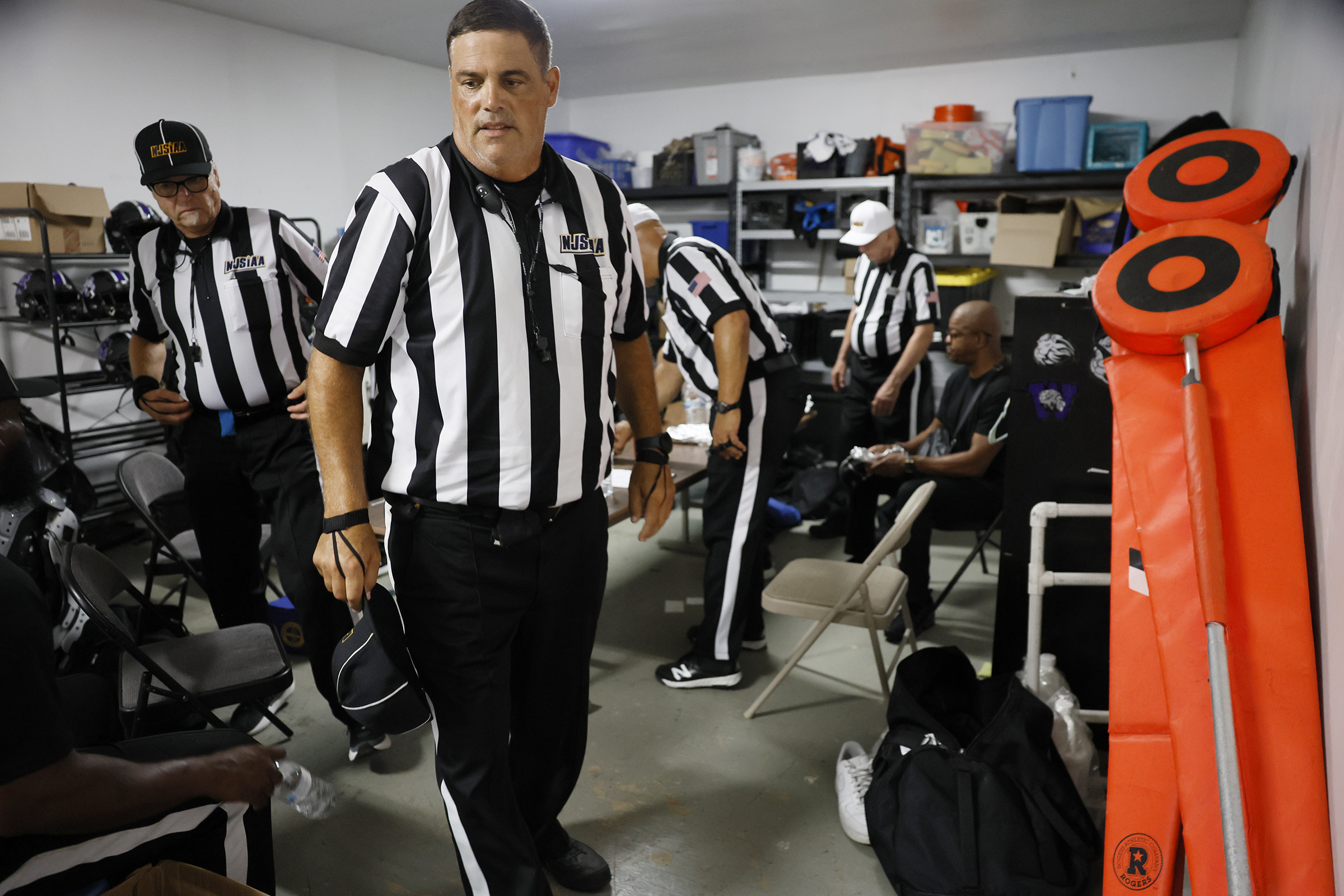
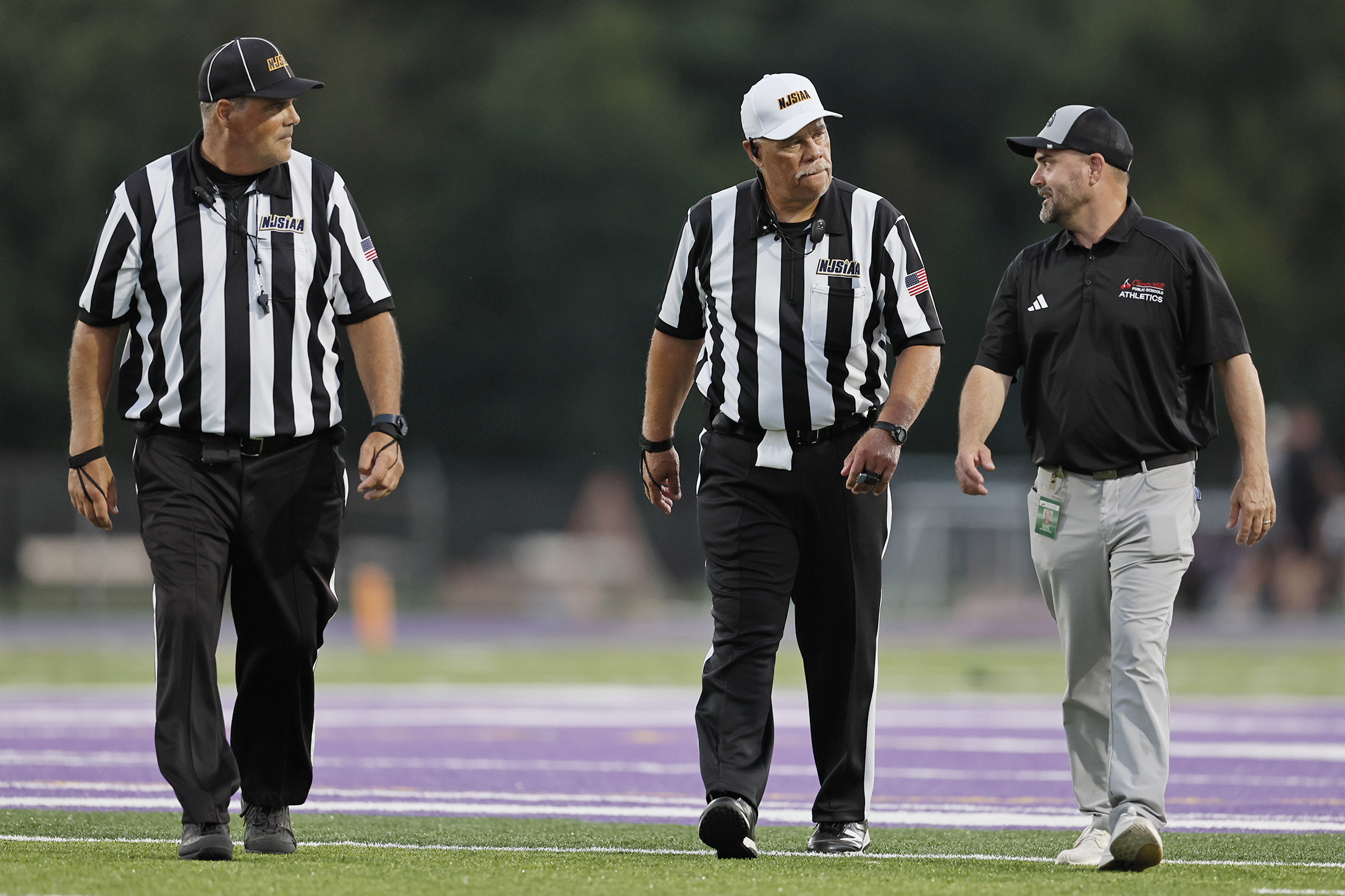
    NJSIAA official John Lovenduski (front) and the rest of the officiating crew head back to the field after a meeting at halftime during a game between Cinnaminson and Cherry Hill West on Sept. 18.Elizabeth Robertson / Staff Photographer

    The bill is pending in the Senate and Assembly labor committees.

    The New Jersey State Interscholastic Athletic Association (NJSIAA), which oversees and registers high school sports officials in the state, said in an email to The Inquirer that it is monitoring the issue and has been in conversations with lawmakers and regulators.

    “We recognize the potentially significant impact this could have on interscholastic athletics and continue to make sure policymakers understand the critical role officials play,” a spokesperson wrote. “Our position is clear: high school sports officials are independent contractors and should continue to be treated as such.”

  • Phillies move up start time of Sunday’s game vs. Rays due to rain

    Phillies move up start time of Sunday’s game vs. Rays due to rain

    The Phillies are moving up their start time for Sunday’s game against the Tampa Bay Rays from 3:05 p.m. to 2:30 p.m. due to inclement weather, the team announced.

    The nor’easter howling through the East Coast has left the Philadelphia region with heavy rainfall, which is expected to continue throughout Sunday afternoon and evening.

    The Phillies said the earlier start time should provide the best opportunity to play Sunday’s regular-season finale without interruption.

    And the stakes couldn’t be higher.

    After the Phillies fell 12-1 to the Rays on Saturday, it marked their fourth consecutive loss and one more opportunity to decide their playoff fate.

    If the Phillies win Sunday, they will clinch the third and final NL wild-card spot. If they lose and the Diamondbacks win, Arizona will get in.

    The Diamondbacks play the Padres at 3:10 p.m. ET in San Diego

  • Q&A: Temple coach K.C. Keeler’s second-year expectations, his Delaware foundation, and more

    Q&A: Temple coach K.C. Keeler’s second-year expectations, his Delaware foundation, and more

    K.C. Keeler is a family man who has built his coaching foundation on the lessons and influence of those he played and coached under.

    He has, what some would say, an old-school approach when it comes to running a football program: Juniors and seniors deserve the opportunity to play, academics and community service are just as important, and building a locker room starts with relationships.

    As the winningest active head coach across all divisions of college football, Keeler’s philosophy has certainly worked. The second-year Temple coach surpassed 275 career wins (currently at 276) last season and is turning around a program that before last season finished 3-9 for four consecutive years.

    In 2025, Temple posted a 5-7 record — one game short of reaching a bowl game, which it hasn’t made since 2019 — and had one-point losses to Navy and Army.

    So, where does the program go from here? Well, for the first time in a long time, this program has a real sense of cohesion.

    Before Temple’s season opener on Saturday against Rhode Island (2 p.m., ESPN+), Keeler sat down with The Inquirer, where he expressed his commitment to the Owls. He purchased a home in Wilmington, becoming the first Temple coach since Bruce Arians in the mid-1980s to do so. Keeler, who turned 67 in July (and is the third-oldest active FBS coach), wants to finish his college football coaching career on North Broad. But first, his focus is bringing back greatness to Temple.

    K.C. Keeler enters his second year as Temple’s head coach. In his first season, the longtime college football coach led the Owls to within one win of bowl eligibility.Isaiah Vazquez / For The Inquirer
    Q: [Throughout] your coaching career [at] Rowan, Delaware, and Sam Houston State, you’ve established a track record of building winning programs. How have you shifted or changed as a coach to stay competitive?

    A: One of the things that I’ve always done a really good job of is problem-solving. The other thing I’ve always done a really good job of is recognizing talent, not just on the field, but also coaches I’ve worked with. When I got to Rowan, and I got an opportunity at 34 years of age to be a head coach, I had some really good players I had recruited when I was an assistant there. … I learned from my former coach Tubby Raymond [at Delaware], a lot about building a culture, understanding that when you play for, at the time Rowan University, you play for the people who played before you, you play for the people you’re with in that locker room right now, you’re also playing for the people who are going to come after you. You try to develop this sense of belonging, so everywhere I’ve coached, I’ve always tried to emphasize this is a family. It’s its own unique family, but it’s a family, and this family ranges beyond just the guys in this locker room.

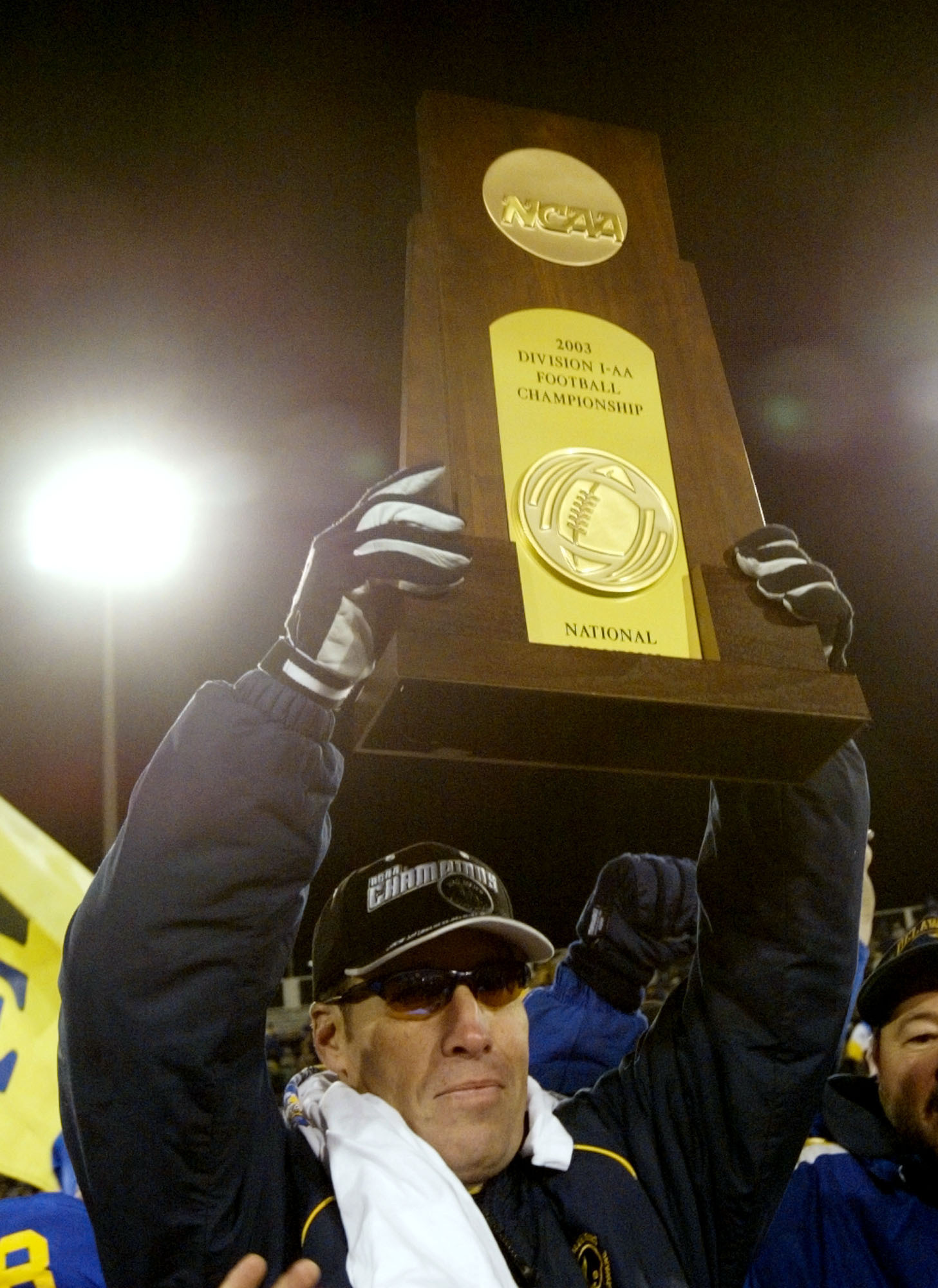
    K.C. Keeler after Delaware defeated Colgate for the NCAA Division 1-AA Championship in 2003.AP Photo/Wade Payne
    Q: You spent more than a decade at Delaware. How special was it to coach at the school you once played for?

    A: Well, nowadays there’s no way that Delaware would hire a Division III coach, just with the headhunters and all the things that people go through now to figure out what coach they’re going to hire. But I was blessed that I had a president and an athletic director. The athletic director — Edgar Johnson, didn’t believe that. … For 11 years, when I pulled up to that stadium, in my office, I pinched myself. I probably had black-and-blue marks for 11 straight years. People always wondered who was going to follow Tubby. I mean, they have his name on the field. He had 300 wins, three national championships, and a guy that I respected in terms of creating that culture. I always say that his 300 wins or him inventing the Wing-T with Ted Kempski, those weren’t his greatest accomplishments. His greatest accomplishment was the culture that he developed.

    Q: You’ve also dealt with adversity and losing seasons during your time at Delaware before you were let go in 2012. What was that departure like?

    A: Me being fired had nothing to do with wins and losses. It was really more I had become a bit like Tubby did in that small state. Everyone knew what car I drove. Walking in a restaurant, my wife and children would go to the back for dinner, and I would have to stop at all the booths. There was a sense that maybe the administration, the people who were running the place at the time — they didn’t stay much longer after they fired me — they didn’t embrace the fact that I had developed a legacy there. It was hard. It was hard being fired, and I remember very vividly my daughter coming home after me being fired, and she said to my wife and I, ‘You guys are in your uniform, huh?’ Still had our pajamas on. … Then when we were out and we ran into an acquaintance on the street, and I went into my woes of being fired, and I said, ‘How are you doing?’ [They replied], ‘I’m battling cancer right now.’ My wife and I were like, let’s put this in perspective. We got fired from a job. We need to move on.

    Q: What was your biggest lesson learned from Year 1 at Temple?

    A: I told the guys when I first took over, I don’t want you to be realistic. [Temple] winning whatever it was, 13 games in five years, no one thinks we’re going to do much because we weren’t changing the roster much. It wasn’t like we came in, gutted the roster, brought new players in. We just felt there were so many upperclassmen that wanted to get their Temple degrees and that wasn’t the right thing to do. I still believe in education, and I believe that even though I wasn’t the coach that signed their scholarship papers when they came to Temple, I still represent Temple, I’m not going to cut you and try to get a player who’s that much better. So 5-7 was very disappointing, because we were so close to being a 7-5 team. But at the same time, I do know that there were some limitations because of how much we could change the roster. Those limitations actually led to us keeping all of our starters [this year].

    Q: Your team was one of the few Group of Five schools to keep their starters from entering the portal. What does that say about what you’re building here?

    A: We believe that our program is built on love and trust. I always explain that you can’t love somebody, you can’t trust somebody, until you know somebody. We work really hard at knowing each other. We’ll do the three H’s: Who’s your hero? What’s your hardship? What’s your history? We’ll do a trivia night where the guys are all mixed up with different positions and different players and coaches, and Clayton [Barnes, Temple’s general manager] leads it. It’s a lot of fun, and it’s a way to be together. … We work really hard in these four walls to develop relationships with our players. The great thing about us going into this year is that the whole strength staff is together, whole coaching staff stayed. … This building has a lot of cohesion.

    Q: With the rising power of Name, Image, and Likeness, how have you managed the new landscape of college sports?

    A: I wouldn’t have taken this job unless [Barnes] came with me. I know my skill set. I am a problem solver, but I’m not going to be the guy who’s going to be dealing with the agents. I’m not the guy who’s going to figure out the charts in terms of how much money we should allocate to each position and what starters are making at different positions. … That’s not my skill set. That’s [Barnes’] skill set.

    I don’t call the offense anymore. I don’t run the defense anymore. I was an offensive coordinator, scored a ton of points — I got too many other things going on. … I’ve turned those things over; same thing with Clayton and the roster. Now we talk about it every day. It’s not like I’m not making final decisions, but I have enough trust.

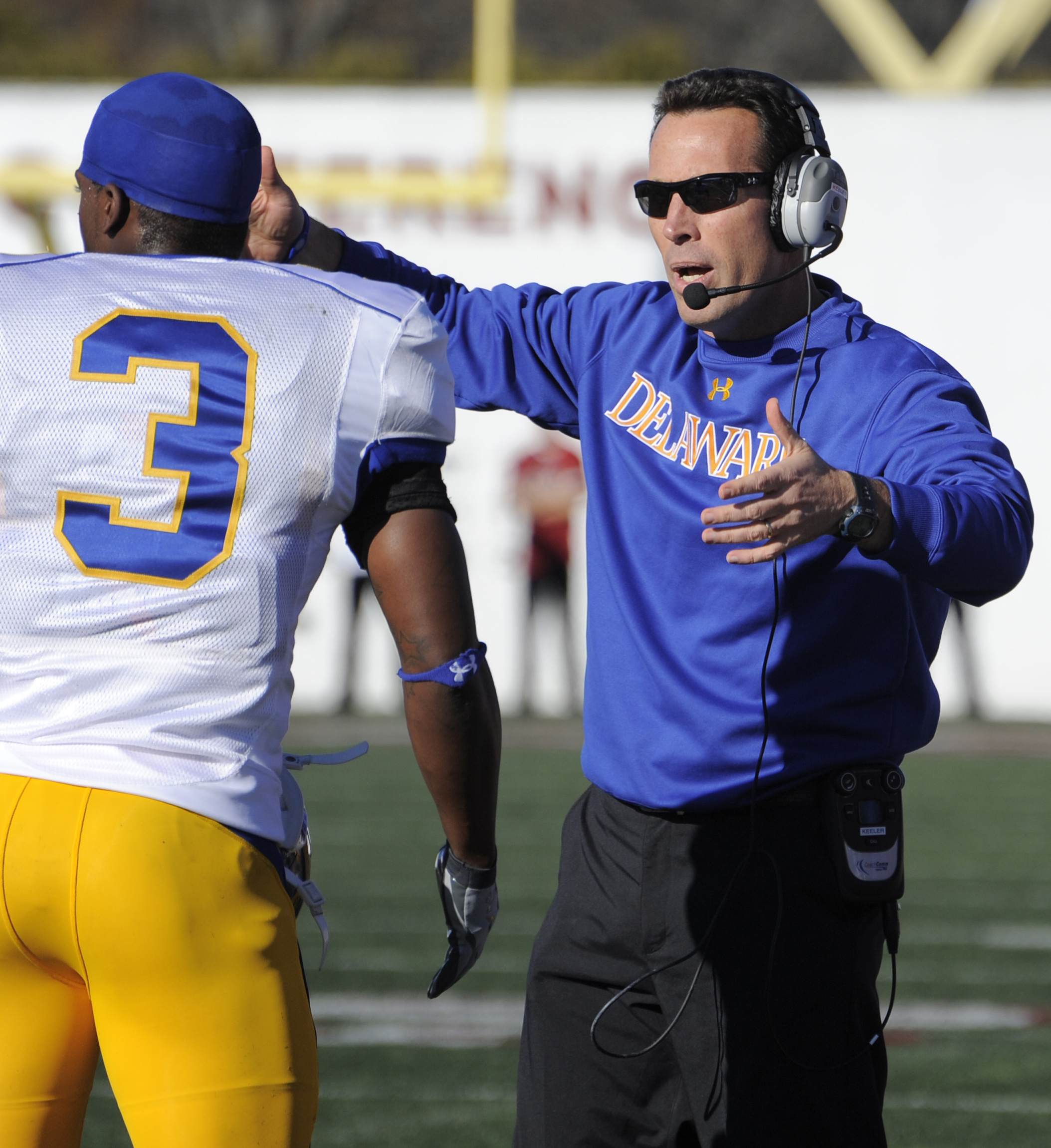
    Q: Your sunglass look became a trademark at Delaware. What is the backstory about the sunglasses?

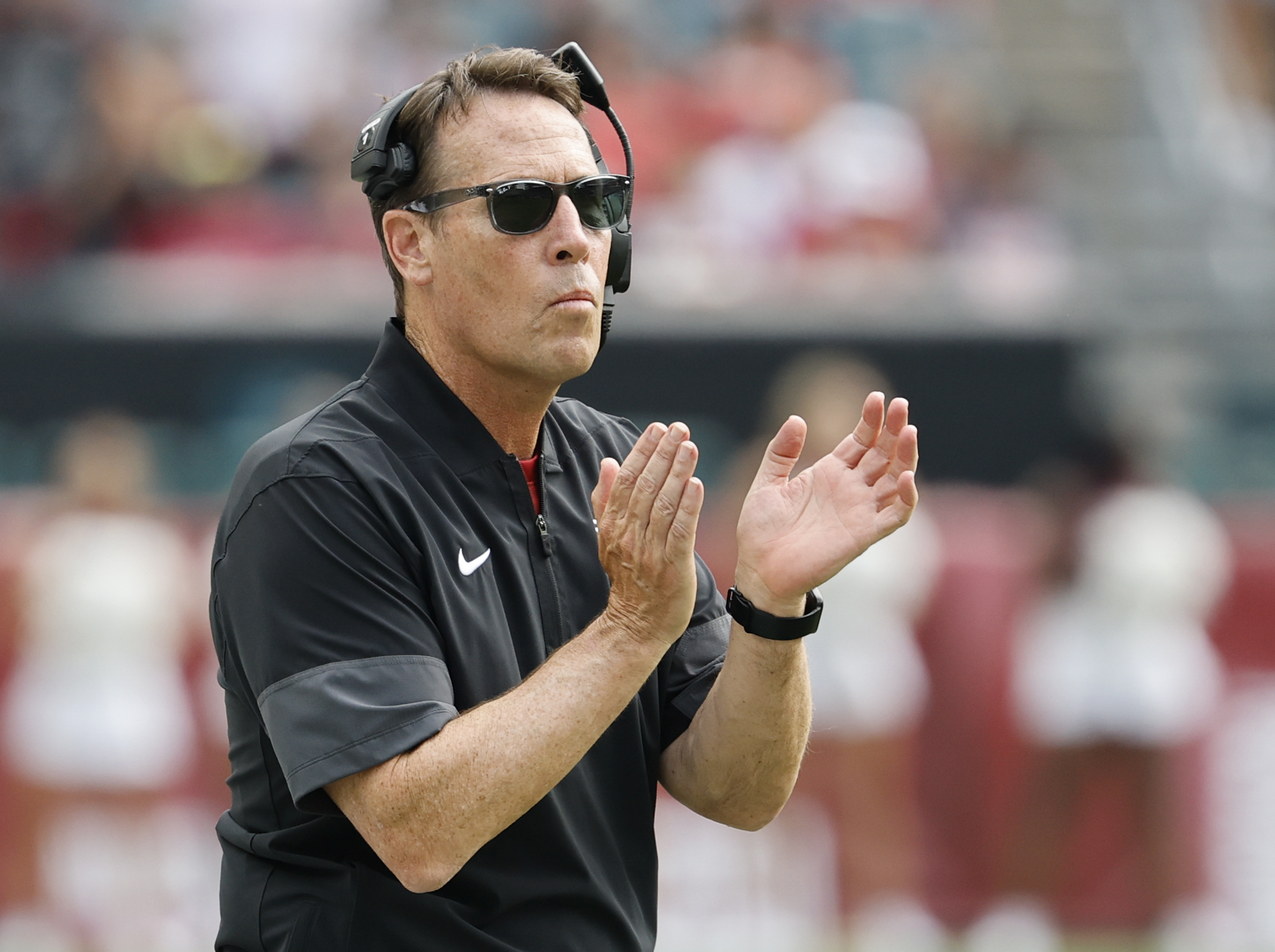
    A: I have very sensitive eyes, so the lights really bother me — and I like sunglasses. I have six pairs of Ray-Bans in my backpack right now, so I like to change them up a little bit too. They have a bobblehead of me with my sunglasses on. I’ve been known to support the sunglasses. It’s a little bit of a trademark, but also the sensitive eyes go along with it.

    K.C. Keeler spent 11 seasons as the head coach at Delaware.AP Photo/Nancy Palmieri
    Q: As someone who grew up in Lehigh County and spent the bulk of your coaching career out East, what does it mean to come back after 11 years at Sam Houston State?

    A: My wife’s a Penn grad, we met in the city. I was with the Eagles as a last cut [under] Dick Vermeil, and so we met in the city, fell in love in the city. … We have three grandchildren, and my wife and son-in-law are in Wilmington — this is home. I always tell the story that when the deal was finally done, we had just beaten Liberty Friday night to clinch a 9-3 season and a good bowl game. It was [my wife’s] birthday. I get the call from my agent that the deal’s done. I come back in and tell her, “Hey, listen, we are going back East,’ and she cried for an hour. I’m trying to explain to everybody in the restaurant, these are happy tears.

    Q: There’s a lot of anticipation around this team. What would you say to fans about the direction of where this program is heading?

    A: There’s been greatness here before. It’s not like I’m trying to reinvent anything. … One of my most vivid memories of any situation in my entire career was a locker room after we played Temple. We [Delaware] were the No. 1 team in the country in 1978 — don’t do the math — going to play Temple at the old Veterans Stadium, and they just embarrassed us. It was a different, physical brand of football that we weren’t used to, and they also just had this tremendous talent. Then the next year, that team I played on at Delaware, we won the national championship. We went 13-1. Our loss? To Temple. I have a pretty good perspective of where this place has been — and Temple can do it again. We had the No. 1 recruiting class in the conference. I don’t remember Temple doing that recently.

    K.C. Keeler led the Owls to a 5-7 record in 2025.Yong Kim / Staff Photographer
    Q: This year will mark 10 years since Temple last won an American championship. What stands at the forefront when you think about goals this season?

    A: We want them to think about winning enough games to go to a bowl, winning a bowl, and maybe we can win enough [games] to get [to] that conference championship game. That’s kind of where I’m trying to set their sights. … If you’re realistic, don’t play for me. I want you to be unrealistic. I want you to dream dreams that are bigger than you possibly could imagine, because life is short. When I was at the FCS level in my first press conference at Delaware and Sam Houston, I talked about winning a national championship. … Our goal here at Temple is to be the best football program in the country. … I do believe we can become a team that can be playing in that conference championship game, and there’s a good chance that team plays in the big tournament.

    The reality is that everyone knows we play Penn State the second week. I know it because that’s all I got asked when I was at media day. … But we got to worry about playing Rhode Island.

  • Can La Salle’s Brett Gordon — now with his son Luke at starting QB — return the Explorers to Catholic League glory?

    Can La Salle’s Brett Gordon — now with his son Luke at starting QB — return the Explorers to Catholic League glory?

    Running a Catholic League football powerhouse is day and night, says La Salle College High School coach Brett Gordon, and nowadays, it’s become even more challenging.

    Gordon, who is entering his third season, values preparation and the philosophical approach that no individual is bigger than the team. Those were the lessons he learned from watching his father, Drew, a famed football coach who died on Sept. 4, 2023.

    “I often find myself thinking back when I have decisions to make, saying, ‘What would either my dad have done here or what would he tell me to do in this situation?’” Gordon said.

    It’s a different world than it was 20 years ago, when Brett came back to La Salle, his alma mater, as an offensive coordinator on his father’s staff.

    There’s another layer to being a coach at a school that’s considered to have one of the best football programs in Pennsylvania, and coming off Catholic League and PIAA Class 6A titles in 2025. College coaches are calling to recruit, several players want to be the next stars, and the outside attention can weigh on the players.

    But then Gordon is reminded of the things that haven’t changed since he starred here as quarterback in the mid-’90s. It’s those players who show up to every game, and it’s why they wear “protect the brand” on the back of their practice shirts.

    “I tell our players how lucky they are to be part of not just La Salle’s football program, but the La Salle community,” Gordon said. “The La Salle environment, both on gamedays, the following and support we feel here from our alumni base, the student body, so many people that pay so much attention to the success of our school. That was on full display the last couple years since I’ve been back involved as a coach.”

    Gordon is aware that this year’s Explorers aren’t going to look like last year’s 13-1 state championship squad, which featured a star-studded senior class including Joey O’Brien (Notre Dame), Gavin Sidwar (Missouri), Grayson McKeogh (Notre Dame), John-Patrick Oates (Virginia Tech), and Desmond Ortiz (Brown), among others.

    With at least seven seniors starting, there’s going to be a mix of sophomores and juniors getting more opportunities on the field this season, which officially kicks off against Paramus (N.J.) Catholic on Friday at Ocean City High School.

    One of the new faces in a starting role will be quarterback Luke Gordon, Brett’s son, who is entering his junior year.

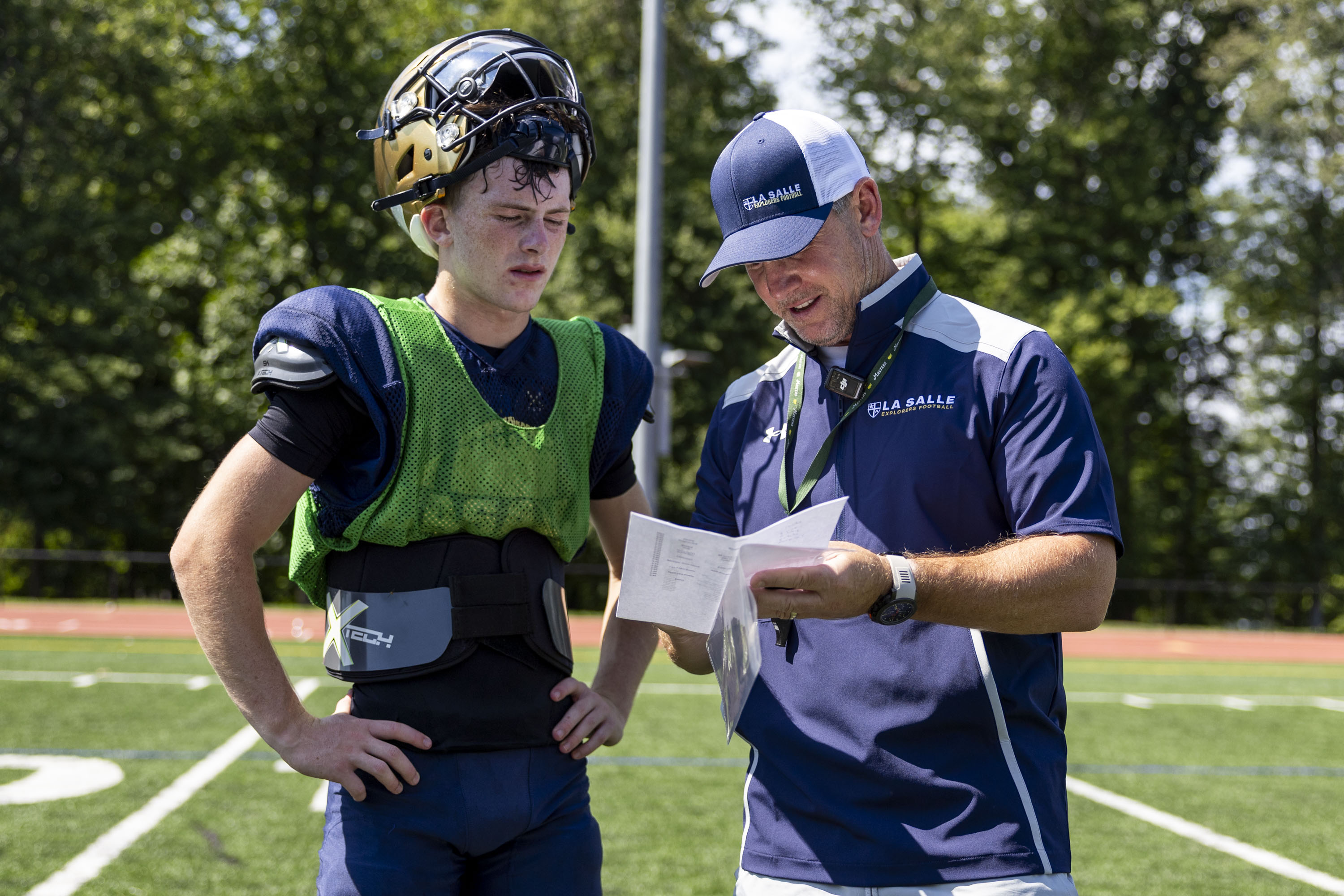
    La Salle coach Brett Gordon chats with his son, Luke Gordon, the team’s quarterback, during practice on Wednesday, Aug. 19.Tyger Williams / Staff Photographer

    “He’s put in the work,” Gordon said. “The way the timing and transition has taken place for him, having an opportunity to come to La Salle, get his feet under him. He works hard in the classroom. He’s waited his turn, had some opportunities to get in a little bit last year. He’s chomping at the bit to get out and prove what he can do.”

    Playing with the last name Gordon carries some weight at La Salle. But if there’s anyone who understands what it’s like to have a father as a coach, it’s Brett. Drew was an offensive coordinator while his son played.

    “The coach and player dynamic, it’s certainly not easy,” he said. “I’m going to make my share of mistakes. I try to be as open as I can with him and communicate and do the best I can to separate, ‘Hey, I’m talking to you right now as coach,’ and then also making sure that I’m talking to him as dad. It’s certainly easier said than done. Something that I think about often, and I’m going to do the best I can to support him.”

    Football has bonded the Gordon family. It may not always be about La Salle, but there isn’t a day they don’t talk about football.

    Luke appreciates his family’s legacy. Growing up around Villanova football, where both Brett and Drew had successful playing careers at quarterback, or watching college and NFL games together has connected them.

    His hope is “to be maybe as good as [his dad] one day. I would love to have an opportunity to go play at some of the schools I could play at,” Luke said. “His legacy to me is something that I really cherish, and I want to keep carrying the name.”

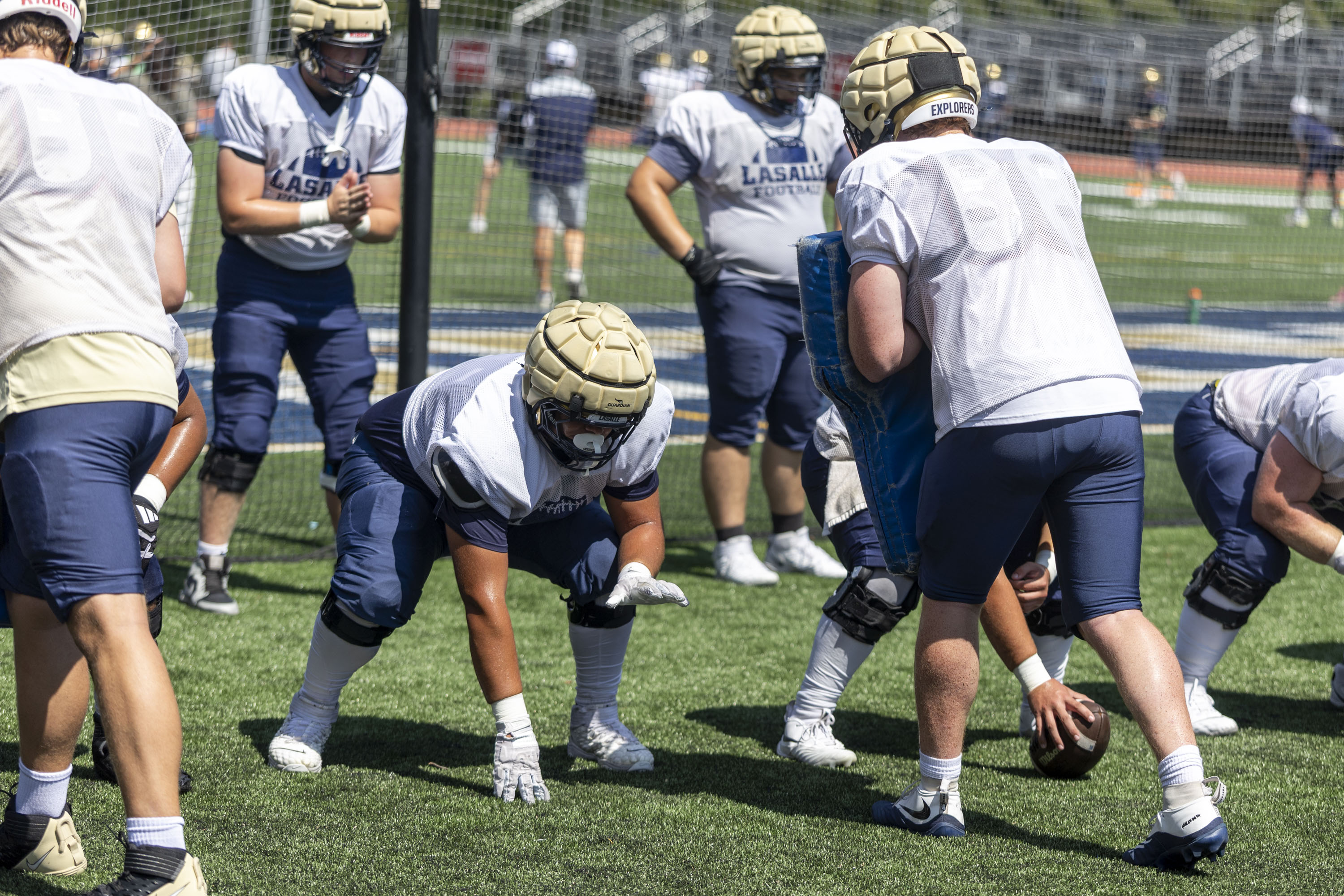
    La Salle offensive guard Andrew Sorge lines up during practice as the team prepares for its season opener against Paramus Catholic on Friday, Aug. 28.Tyger Williams / Staff Photographer

    First, his focus is on showcasing what he and this team can do. There are a lot of doubters out there, he said, after the Explorers graduated the bulk of their starters.

    But that doesn’t mean they aren’t just as talented. Guard Andrew Sorge, one of the team’s senior leaders, says the other schools “don’t know what’s coming.”

    “We have a lot of young guys that are very talented and have gotten a lot better over the offseason, including guys that have played for us last year,” said Sorge, who is committed to Lafayette. “People have taken big steps, and I’m excited to see what we can do.”

    There’s a wave of newcomers looking to carry this team back to Cumberland Valley High School in Mechanicsburg to defend its 6A crown, but it’s a long road where La Salle will have to get through St. Joseph’s Prep and defending 5A champion Roman Catholic.

    So what will be “this team’s rallying cry?” Gordon asks himself. He doesn’t know the answer, but for now, he tells his locker room to keep this in mind: “What is going to be the legacy of the 2026 team?

    “In 30 years from now, when people think back, fans and yourselves, [who] were watching us play, and when the season ends, what are you going to be remembered for?” Gordon said. “Ultimately, the players are going to decide that, not me.”

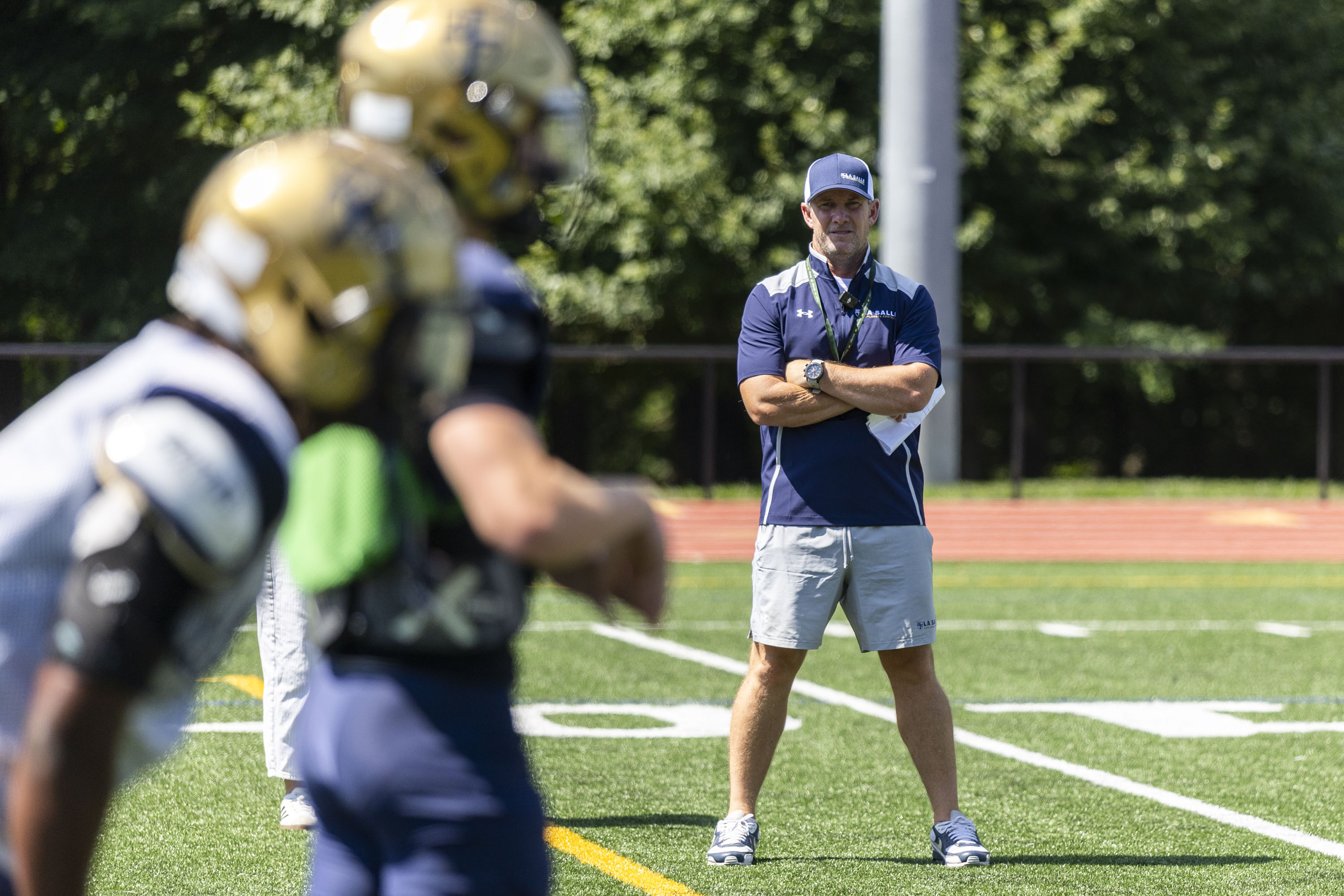
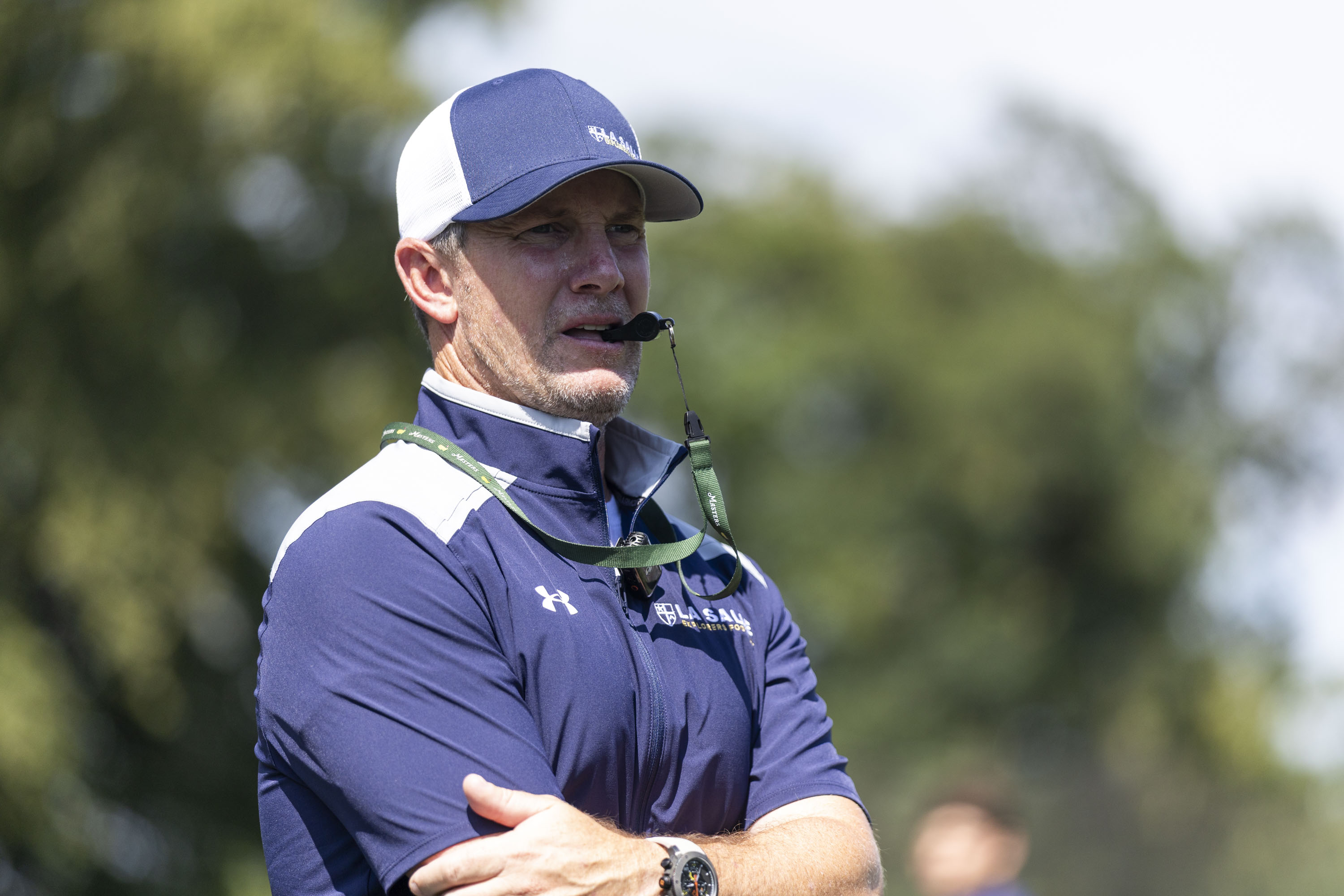
    “I tell our players how lucky they are to be part of not just La Salle’s football program, but the La Salle community,” said Brett Gordon, the La Salle coach.Tyger Williams / Staff Photographer
  • From Jalen Carter to Jett Harrison, these athletes just missed the cut for our 25 under 25 list

    From Jalen Carter to Jett Harrison, these athletes just missed the cut for our 25 under 25 list

    Find yourself debating our 25 under 25 list? Well, maybe this list will help explain some of our reasoning — or give you something else to talk about.

    Several athletes, ranging from high school to professional, just missed the cut. Some turned 25 earlier this year, while others were considered but didn’t quite crack the final list.

    However, this gives you a glimpse into the name’s to look out for in next year’s 25 under 25. With that being said, here’s our top Philly athletes who missed the list.

    Just aged out …

    Tyrese Maxey

    Since Maxey’s rookie season in 2020-21, he has been on an upward trajectory to becoming the focal point of the 76ers. The point guard was named NBA Most Improved Player and earned his first All-Star selection in 2023-24.

    Maxey’s stellar fourth year led to a five-year, $204 million max contract. Lingering injuries derailed his 2024-25 season, but he made up for it last season, when he became the franchise all-time leader in three-pointers, surpassing Allen Iverson.

    He also earned his second All-Star nod and was named a starter for the Eastern Conference. Let’s also not forget his highlight moment when he recorded a career-high 54 points to become the second player in Sixers’ history to record at least 50 points and nine assists in a game.

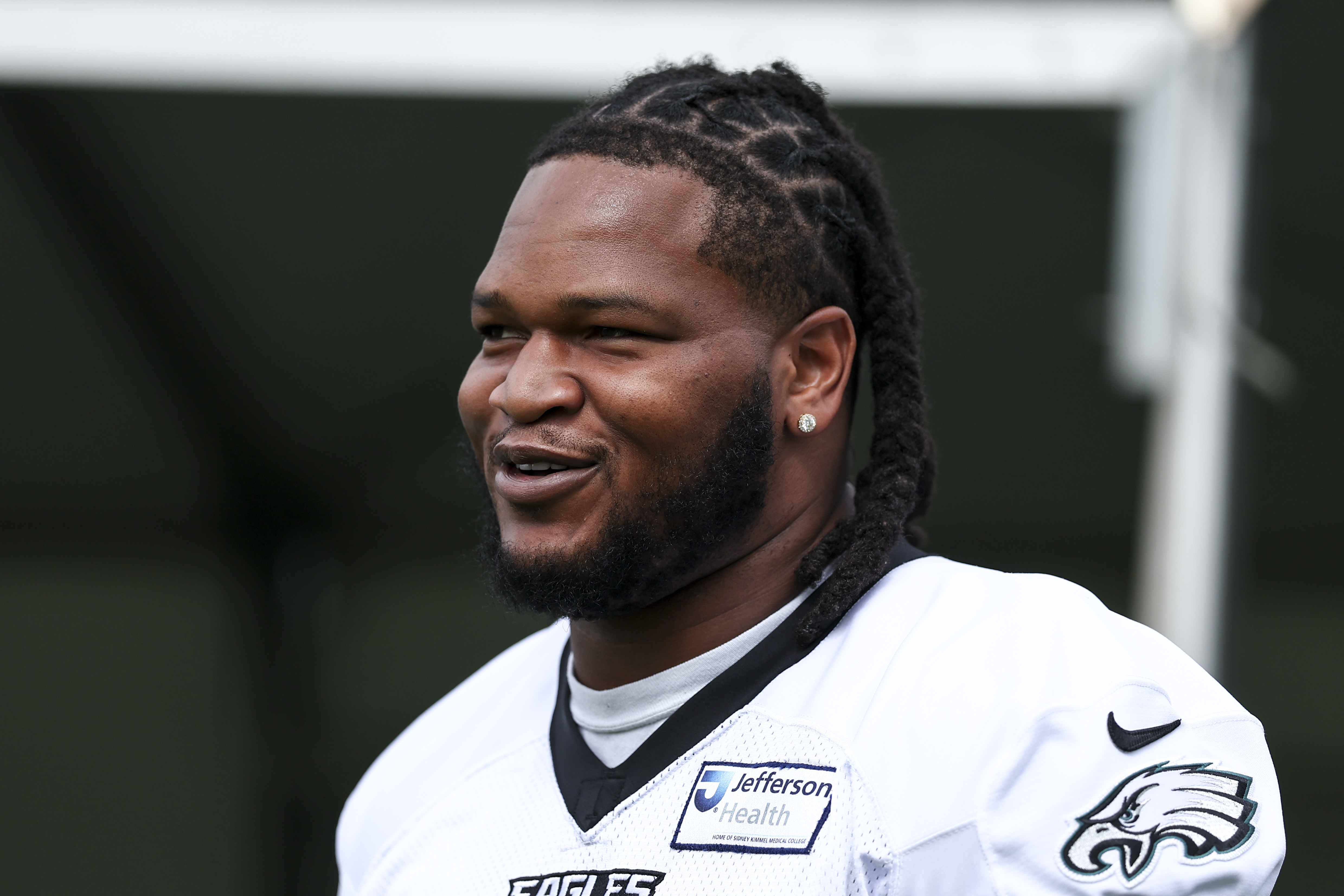
    Eagles defensive tackle Jalen Carter, 25, is the highest-paid defensive tackle in NFL history.Monica Herndon / Staff Photographer

    Jalen Carter

    Carter still has some time to claim the title as best defensive tackle in the NFL, but he has established himself as one of the top players in his position in just four seasons in the league.

    And the Eagles believe so as well. Carter signed a contract extension this offseason through 2031 that’s worth $152 million, with $106 million guaranteed, making the 25-year-old the highest paid defensive tackle in league history.

    Carter received back-to-back Pro Bowl nods in 2024 and 2025, despite missing time while recovering from shoulder injuries last season. His 2024 season might have been his most productive, as he played 79.4% of the defensive snaps.

    Jalyx Hunt

    There’s high expectations for Hunt after a record-setting 2025 season, where the edge rusher became the first player in Eagles history to lead the team in sacks (6½) and interceptions (three) in the same season.

    As a rookie, he played 23% of defensive snaps, had 21 tackles, and recorded a half-sack in Super Bowl LIX.

    Last season, he took quite a leap. He more than doubled his tackles (52) and is now preparing for his third NFL season.

    Trevor Zegras

    Zegras, another Philly star now on a big contract, signed a four-year, $36.5 million extension, carrying an average annual value of $9.125 million, which made him the highest-paid Flyer in annual average value.

    The center quickly became a fan favorite last season, his first with the Flyers. Zegras had a career high in goals (26) and was a key contributor in the Flyers’ postseason run.

    Flyers stars Jamie Drysdale (right) and Trevor Zegras didn’t quite make The Inquirer’s 25 Under 25.Yong Kim / Staff Photographer

    Next up …

    Jamie Drysdale

    In two seasons with the Flyers, Drysdale, 24, developed greatly on the defensive side of the puck and was awarded the team’s most improved player for 2025-26.

    He’s dealt with numerous injuries throughout his NHL career, and, despite struggling early on in Philadelphia, the defenseman skated in 78 games while averaging 21 minutes, 33 seconds and a career-high eight goals this past season.

    He earned a four-year, $26 million extension this offseason. The deal made him the highest-paid defenseman on the Flyers in AAV.

    Dominick Barlow

    Barlow joined the Sixers last season on a two-way contract, but later had it converted to a standard two-year deal. He jumped right into the action and even became a part-time starter.

    Before free agency began, the Sixers picked up his $3.4 million team option for the 2026-27 season. The 23-year-old is coming off the best season of his career four-year career, in which he averaged 7.7 points, 4.8 rebounds, and 1.2 assists. He made 59 starts in 71 games.

    While his role certainly will change this season, the forward has shown he can be a valuable resource.

    Neil Pierre

    The 18-year-old homegrown talent signed a professional contract in 2023 with Union II, the club’s reserve team. In 2025, the 6-foot-5 defender signed a first-team contract through the 2028 season, with an option for 2029.

    He was named MLS Next Pro Defender of the Year that season, and in January was loaned to Danish first-division side Lyngby Boldklub. He returned to the Union in July and quickly stepped in at centerback. He even scored his first goal in his second career game for the first team.

    Aidan Miller is one of the Phillies’ top prospects.Jose F. Moreno / Staff Photographer

    Aidan Miller

    Miller is ranked as the Phillies No. 2 prospect and 61st in the MLB. However, the infielder has missed the entire season with recurring lower-back issues.

    Last year, however, he was on a tear. Miller had 14 home runs, 42 RBIs, 59 stolen bases, a .264 average, and an .825 OPS across 116 games between double A and triple A.

    In June, Miller underwent a radiofrequency ablation of the facet joints in his spine. The Phillies said in July that they expect the 22-year-old to play this season, though he likely won’t reach the majors.

    The future …

    Jasmine Jackson

    Jackson has become one of the nation’s fastest hurdlers at 16 years old. The Winslow Township High junior set several records this spring. She won the New Jersey Meet of Champions with a personal-best 13.28 seconds.

    Her time ranks third in state history, No. 3 all-time on the wind-legal list for sophomores, and No. 3 in the nation for the 2026 season. When she was 14 years old, Jackson broke the national record for the 100-meter hurdles in her age group with a time of 13.72 seconds.

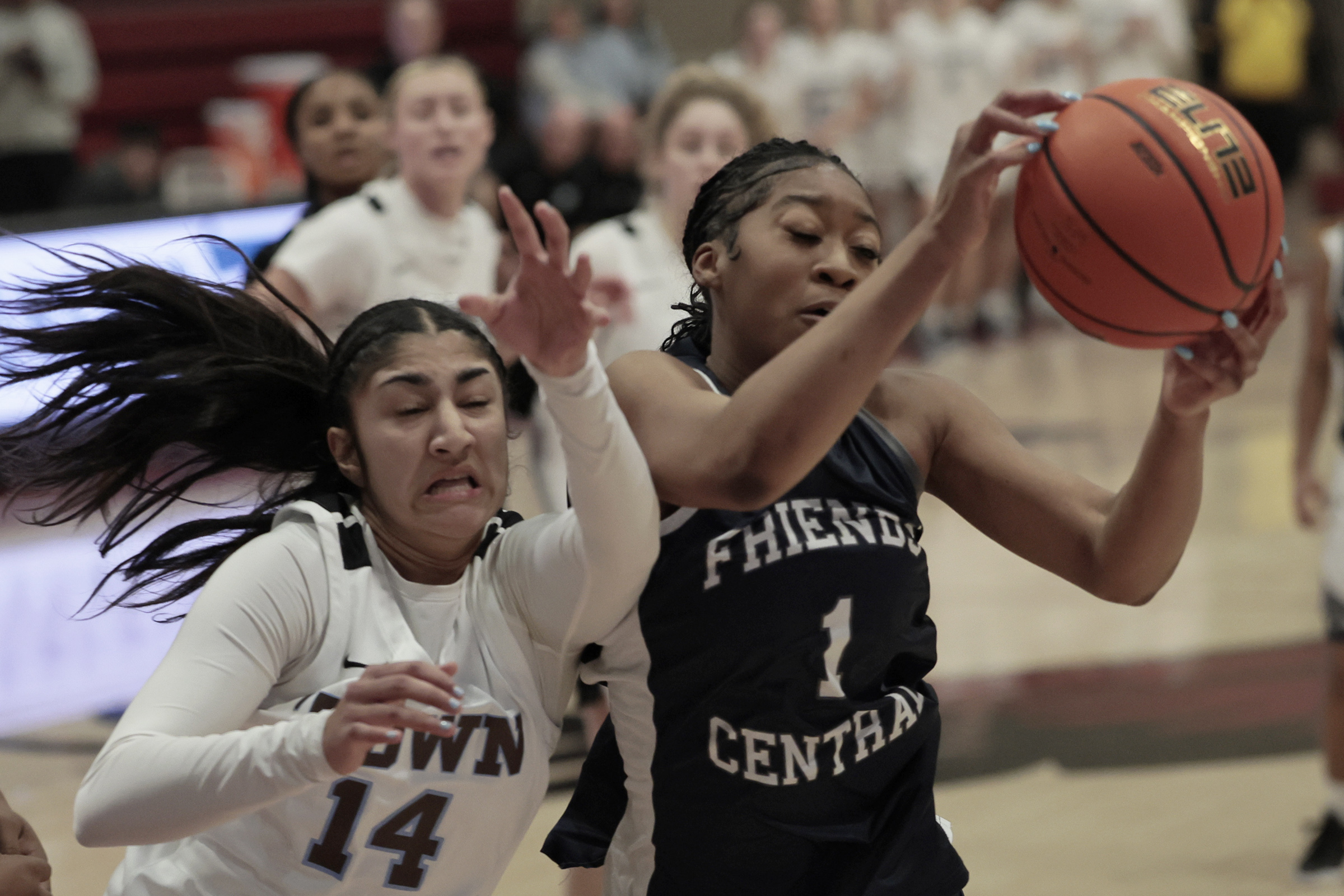
    Friends Central’s Ryan Carter (right) has been getting Division I scholarship offers since she was in eighth grade.Elizabeth Robertson / Staff Photographer

    Ryan Carter

    Since eighth grade, Carter has been getting looks by Division I schools and even received several scholarship offers. Now entering her senior year at Friends’ Central, the 6-foot guard is ranked nationally by ESPN as the No. 12 girls’ basketball player in her class.

    She spent two years at Penn Charter, playing varsity as an eighth grader, then played a season at Archbishop Wood, where she won a state championship, and will finish her high school career with the Phoenix. She averaged 17.1 points, 7.4 rebounds, 5.6 assists, and 1.8 steals last season.

    Carter recently won a gold medal with the United States under-18 national team and has more than 30 college scholarship offers, including from LSU, Duke, and Notre Dame.

    Jett Harrison

    Harrison, the younger brother of Marvin Harrison Jr. and son of NFL Hall of Famer Marvin Harrison Sr., is considered ESPN’s No. 6 overall player in the class of 2028. He had 15 receiving touchdowns as a sophomore for St. Joseph’s Prep.

    He announced his commitment to Ohio State in July, following in his brother’s footsteps. Recently during Arizona Cardinals’ training camp, Marvin Jr. said, “he’s definitely more talented than I was ever at that age.”

  • Former Eagle James Bradberry is joining the Camden Catholic High School football staff

    Former Eagle James Bradberry is joining the Camden Catholic High School football staff

    Wondering what James Bradberry is up to?

    Since the 33-year-old cornerback was released from the Eagles in March 2025, Bradberry hasn’t played with another NFL team. Over the last couple of months, Bradberry posted on his Instagram account about taking part in golf charity events and hosting an event through the James Bradberry IV Foundation.

    Now, he’s taking on a different football role.

    On Wednesday, Camden Catholic High School announced that the former defensive back, who spent nine seasons in the league, will serve as an assistant football coach.

    Bradberry played for three teams during his NFL career. He was drafted in the second round by the Panthers in 2016, joined the Giants in 2020, and spent three seasons with the Eagles, which included winning Super Bowl LIX.

    He was a second-team All-Pro in 2022. However, he spent the entire 2024-25 season on injured reserve after suffering an Achilles tendon injury in August.

    Bradberry didn’t express hard feelings after the Eagles released him. Instead, he said he was grateful for being part of it. Maybe that’s what led him back to the area.

    “I’m glad I got to experience, one, I would say, the Philadelphia Eagles fan base,” Bradberry said after the Eagles won the Super Bowl in February 2025. “Greatest fan base in the world. I’m glad I got to experience the highs and the lows of being a part of the Philadelphia Eagles.

    The Camden Catholic Fighting Irish are led by second-year coach John Martino and finished 2-9 last season.

  • How Philly hoops shaped D.J. Rivera and his son, Derrick Morton-Rivera, to do ‘what you love’

    How Philly hoops shaped D.J. Rivera and his son, Derrick Morton-Rivera, to do ‘what you love’

    It was easy for Derrick Morton-Rivera to “fall in love” with basketball. He was always around it.

    His father, D.J. Rivera, had his son while he was a sophomore at St. Joseph’s. Even after he transferred to Binghamton University in New York then University of Montevallo in Alabama, his son traveled to games and watched.

    “His little eyes would be going up and down the court,” said D.J. Rivera, who grew up in Lawncrest and played nine years professionally overseas. “I gave him a basketball, and he never put it down.”

    The Riveras also have deep roots in the sport. D.J.’s dad played, as did his late uncle, Hank Gathers, who starred at Loyola Marymount and was the NCAA’s scoring champion and rebounding leader in 1989.

    For the Riveras, basketball serves as a reminder that nothing in life is guaranteed. On March 4, 1990, Gathers collapsed on a court in Southern California while playing in the West Coast Conference tournament semifinals. He suffered cardiac arrest and died at 23 years old.

    “With my uncle and his heart condition, you never know when you could play your last game or your last time people seeing you — death is real,” D.J. Rivera said. “It’s the only thing that’s guaranteed in life, so I think while we’re here, you should do what you love.”

    It’s why Rivera brought his son to the Danny Rumph Classic for years.

    The five-day tournament, which begins Thursday at Drexel, honors Rumph, who died in a pickup basketball game at the Mallery Recreation Center on May 8, 2005.

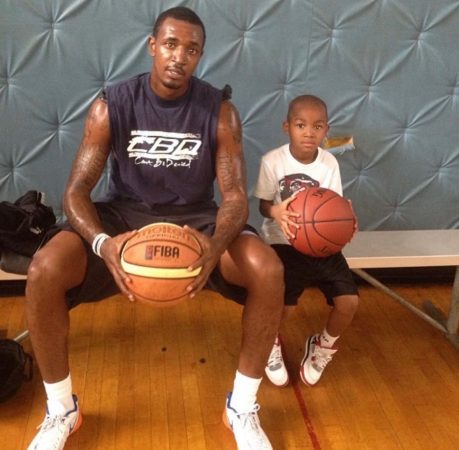
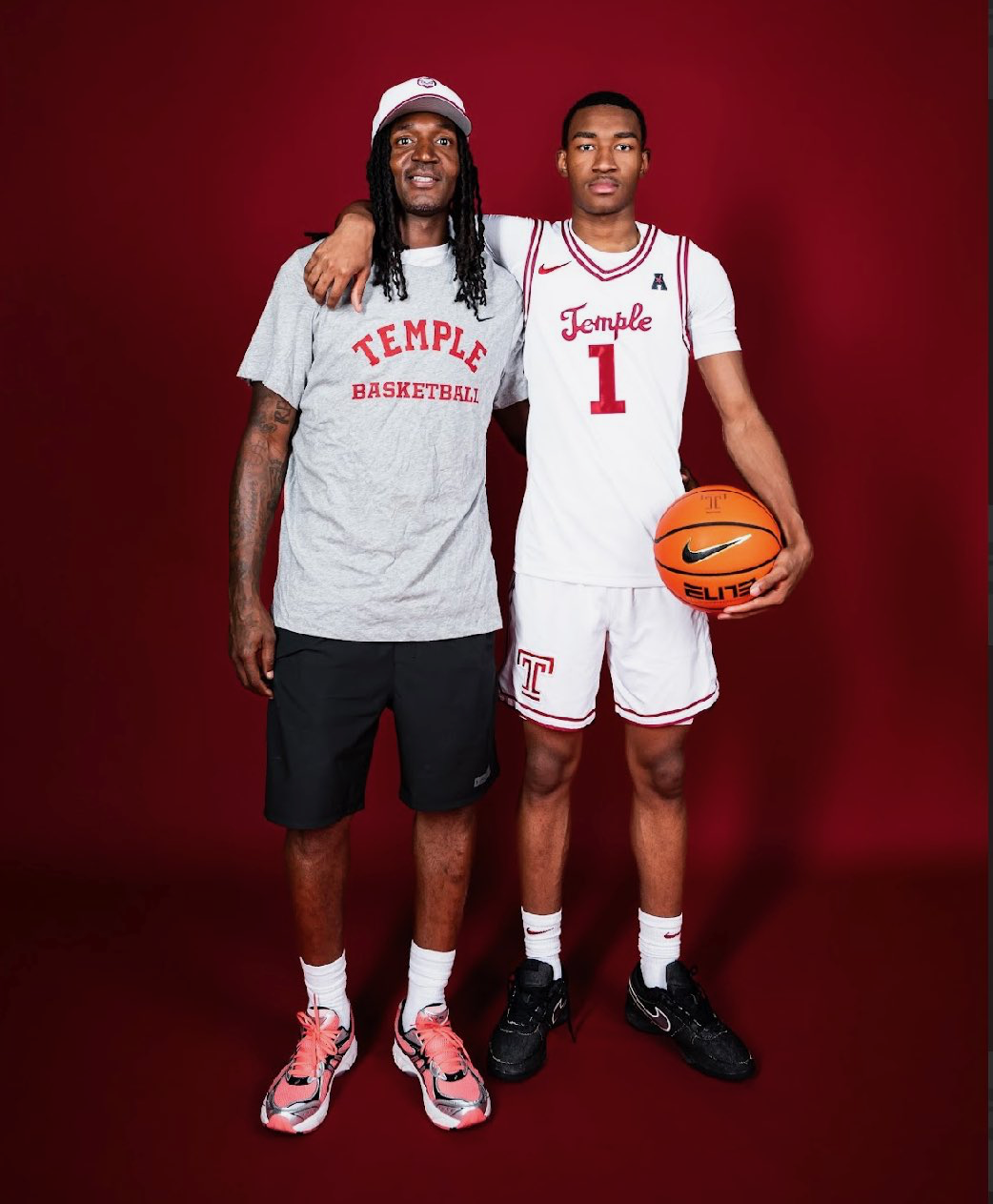
    D.J. Rivera with his son, Derrick Morton-Rivera, who will play college basketball at Temple this fall.D.J. Rivera

    Rumph died from an undiagnosed heart condition, known as hypertrophic cardiomyopathy, which caused him to go into sudden cardiac arrest. He was 21.

    Giving back to a cause that similarly impacted his family was important to Rivera. He played in the tournament in 2012 and did it consecutively for about 10 years. Even Morton-Rivera participated in a youth halftime game during the tournament in 2016, where he recalled winning a $50 Nike gift card and James Harden showing up to play in the final.

    The two have made an effort to check out the event each year and plan to attend a game this week.

    “I love the Danny Rumph tournament,” Rivera said. “You get to play against pros, NBA players, be highly competitive, get to talk trash, and the crowd’s great. It’s just a great weekend in the city that you look forward to end the summer on.”

    Being exposed to an event like the Rumph Classic has also played a factor in Morton-Rivera, a 6-foot-4 guard, continuing his basketball legacy in Philadelphia. The Father Judge graduate will play at Temple this fall.

    “Back in the day, a lot of people used to stay home,” he said. “That’s not normal now. I feel like that should be a normal thing because that brings the community out even more. Like if a lot of hometown kids are staying, a lot of people from Philadelphia are going to the games. It’s just better for the city, it brings everybody together.”

    At a young age, Morton-Rivera didn’t fully grasp what happened to Gathers, but as he got older, he had a better understanding.

    He took a family trip to California before 2020 and visited LMU, where he saw Hank Gathers’ statue outside of the arena. He also met with a program who detects heart problems and had a screening done.

    D.J. Rivera played high school basketball at Neumann Goretti, his son competed at Father Judge.D.J. Rivera

    The trip, Morton-Rivera said, brought his family together.

    “Even though I didn’t know much about it at a young age, just me hearing about it and knowing what they did inspired me to do what I do,” he added.

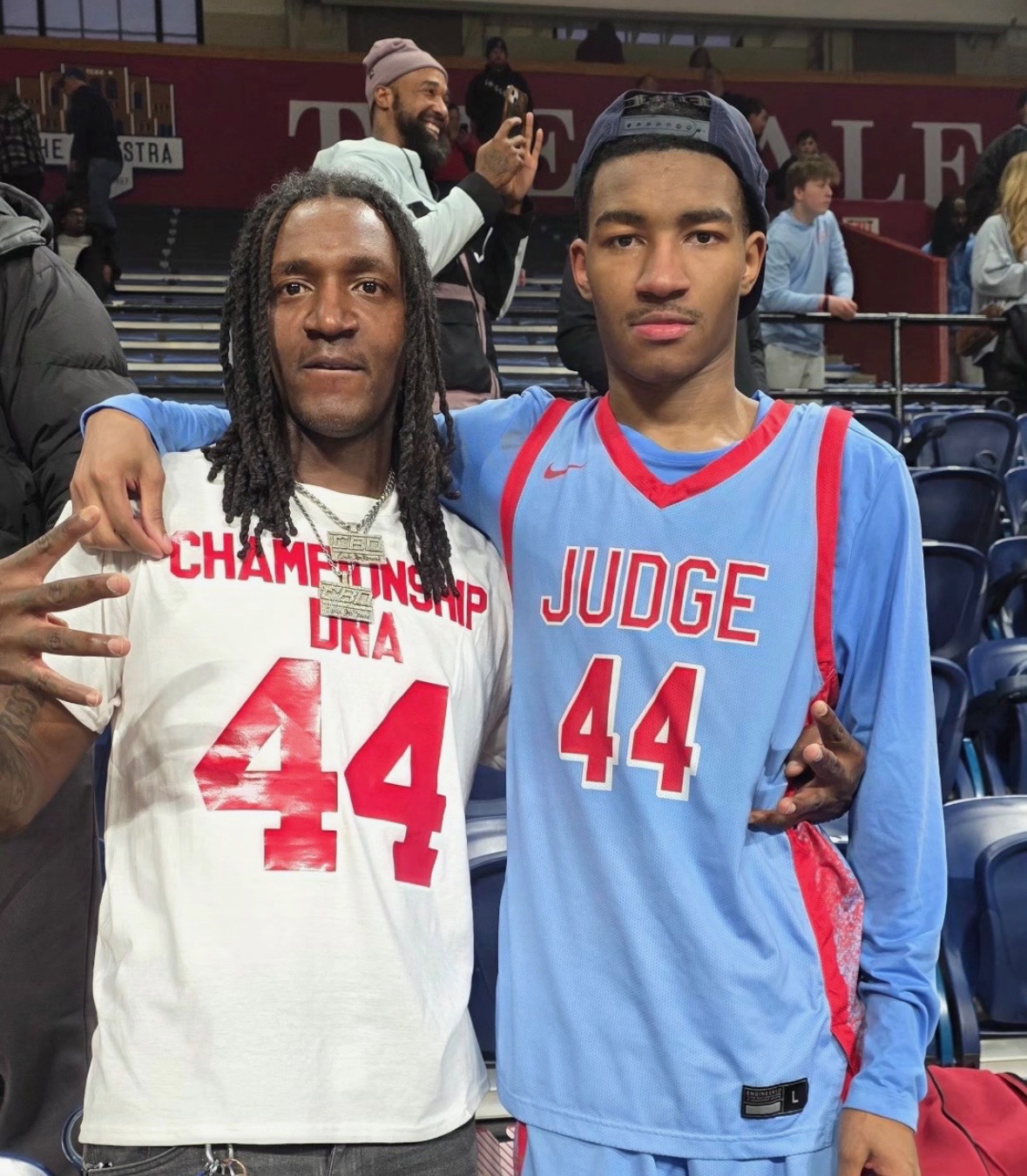
    Basketball has also been the focal point of him and his dad’s relationship. This past year, D.J. Rivera got to watch his son win back-to-back Catholic League championships with Father Judge, a feat he once achieved 20 years ago with Neumann Goretti.

    Both father and son left their respective high schools as the program’s all-time leading scorer.

    After Judge won the crown inside a packed Palestra this past February, Rivera surprised his son with a shirt that read on the back, “20 years apart same heart.”

    “When my career came to an end, I got to watch his, so it’s like the game never left,” said Rivera, who will graduate from the Philadelphia Fire Academy in three weeks. “That’s something that brings me and him together. … It’s something we can enjoy together because I both know we love the sport.

    “Basketball has done a lot for us. It’s just a great feeling to be able to continue that and watch his time be here now. Soon enough, he’ll be playing in the Rumph as a professional.”

  • Yardley’s Aiden Robbins and Moorestown’s Ryan Lynch selected in third round of MLB draft

    Yardley’s Aiden Robbins and Moorestown’s Ryan Lynch selected in third round of MLB draft

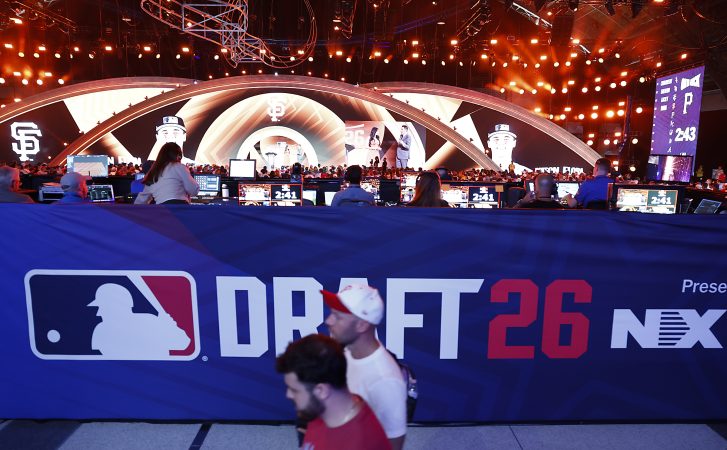
    The All-Star festivities continued this weekend as the MLB draft was held at the Pennsylvania Convention Center, marking the first time that Philadelphia has hosted the event.

    However, for the second consecutive year, there wasn’t a single draftee in attendance. Spectators certainly showed out. Fans repping jerseys from across the league filled the space to celebrate future MLB talent.

    MLB Network’s Siera Santos and Robert Flores, along with Eliza Andrus served as the draft hosts, and fans were treated to a parade of mascots, karaoke, and Home Run Derby prize tickets while teams were on the clock. The West Powelton Steppers, also known as the Phillies Bassline, also contributed to energizing the crowd.

    League commissioner Rob Manfred was met with a chorus of boos as he offered his opening remarks, where he highlighted the city and America’s 250th.

    “There’s no place more fitting to celebrate the games future than a city that has helped define its past,” Manfred said.

    Fans cheer during the 2026 MLB draft at the Pennsylvania Convention Center on Saturday.Yong Kim / Staff Photographer

    “From Hall of Fame legends Dick Allen, Richie Ashburn, Steve Carlton, and Mike Schmidt, to World Series champions Cole Hamels, Ryan Howard, Jimmy Rollins, and Chase Utley, generations of Phillies greats have inspired the passionate fans in this city. [On Saturday], that historic spotlight turns to a new wave of players who may one day evoke the same type of admiration for these young men and their families. Today marks a life-changing milestone on their journey.”

    Rollins was in attendance and made an appearance on stage with Greg Luzinski. Hamels was also present as one of the analysts for the draft coverage, alongside Mark DeRosa, Harold Reynolds, and Dan O’Dowd. MLB Network’s Greg Amsinger was the broadcast’s host.

    Saturday consisted of the first four rounds and Sunday will conclude the remaining 16. Here’s a look at the locals who were selected on Day 1.

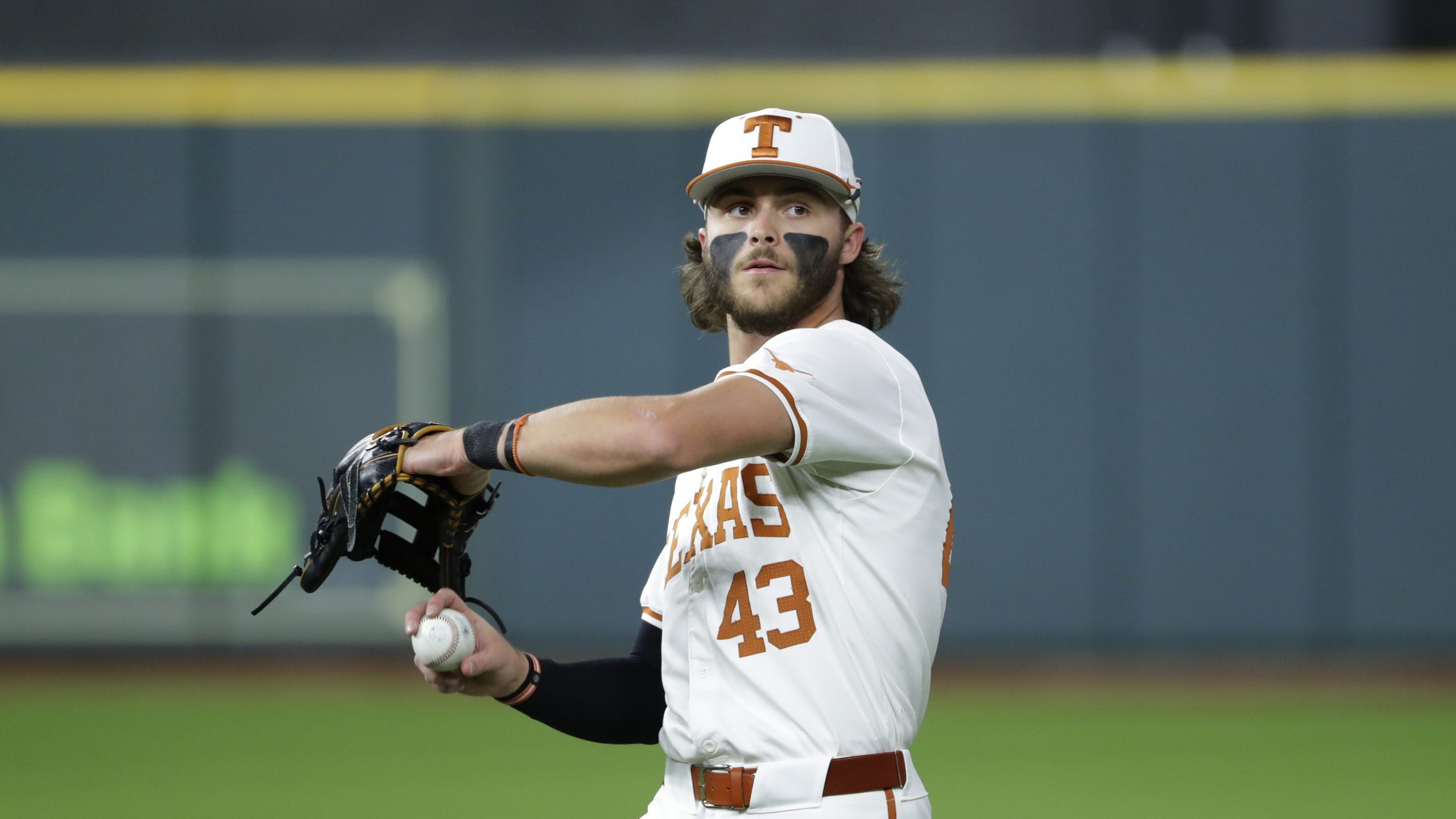
    Texas outfielder Aiden Robbins during an NCAA baseball game against Coastal Carolina on Friday, Feb. 27, 2026, in Houston. (AP Photo/Michael Wyke).Michael Wyke

    Third round

    The first area player off the board was Holy Ghost Prep graduate Aiden Robbins, a Yardley native, who was selected by the New York Mets with the 92nd overall pick.

    The 6-foot-2 outfielder transferred to Texas this past season after spending his first two years of college at Seton Hall, where he led the Big East with a .422 batting average.

    With the Longhorns, Robbins was among the team leaders in average (.333), OPS (1.122), runs (68), hits (79), total bases (165), and slugging percentage (.696). He also was a key contributor to Texas’ run to the College World Series. The Longhorns were eliminated by Georgia and finished fifth nationally. Robbins capped his junior season with 24 homers and was named SEC Newcomer of the Year.

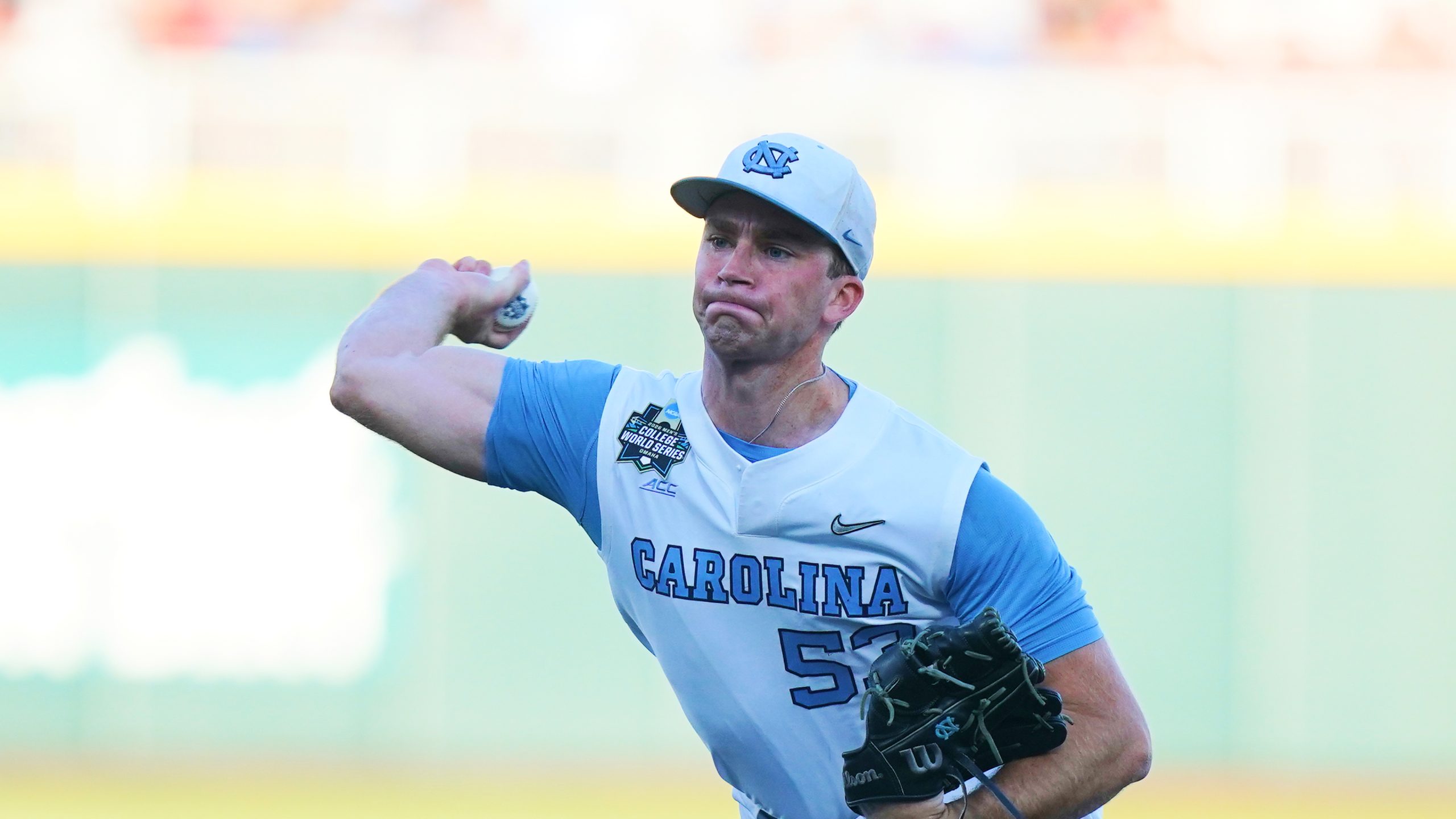
    Moorestown High product Ryan Lynch was drafted 97th to the San Diego Padres.

    Lynch, a 6-3 right-handed pitcher, spent most of his freshman year with North Carolina in a reliever role, before earning starts in the postseason. Following his freshman season, Lynch earned freshman second team All-American honors by D1Baseball and Baseball America, along with a spot on the 2025 USA Baseball Collegiate National Team.

    As a sophomore, Moorestown native Ryan Lynch started in 18 of his 19 appearances, finishing the season with a 4.21 ERA and 89 strikeouts in 98⅓ innings pitched.Vera Nieuwenhuis

    This year, as a sophomore, he started in 18 of his 19 appearances, finishing the season with a 4.21 ERA and 89 strikeouts in 98⅓ innings pitched. He finished his two years with a 10-5 record, 161 career strikeouts, 61 walks, and a 3.72 ERA.

    During the Tar Heels’ run in the College World Series, Lynch pitched in North Carolina’s first win over West Virginia, throwing 4⅔ innings, giving up two runs. In Game 2 of the final series against Oklahoma, Lynch left the game in the fourth inning with an oblique injury after recording five strikeouts and giving up two earned runs.

  • La Salle names Jarett Gerald as its new director of athletics

    La Salle names Jarett Gerald as its new director of athletics

    La Salle has found its new athletic director after Ash Puri departed from 20th and Olney for the same job at St. Joseph’s.

    The university announced Monday that Jarett Gerald will take over as vice president of athletics & recreation and director of athletics, starting in August. He’ll oversee the school’s 23 Division I programs, while managing a recreation department that serves nearly 3,500 students.

    “We are building tremendous momentum across our university, and I believe Jarett is exactly the kind of leader who will accelerate that momentum within Explorer Athletics,” wrote La Salle President Daniel J. Allen. “He understands that athletics is about far more than competition. It is about developing young people, strengthening our university, inspiring alumni and donors, and elevating the La Salle experience for our student-athletes and our entire campus community.”

    Gerald, who has spent 15 years in college athletics, previously served as assistant athletics director for major gifts at the University of Missouri, where he developed a naming rights and an endowment strategy, and secured six- and seven-figure commitments from donors.

    “Great institutions are built by people who believe deeply in a purpose greater than themselves,” Gerald wrote. “Throughout this process, I came to appreciate the strong foundation of faith, hope, and service that defines La Salle, along with the shared belief that the university’s best days are still ahead.”

    Prior to Mizzou, the Columbia, S.C. native spent about four years at Duke, where he moved roles from director of revenue strategy and associate director of administrative operations to the major gifts officer. He was credited for landing $11 million in athletic commitments, including multiple seven-figure gifts.

  • Breast cancer survivors from Whitemarsh Boat Club are rowing like ‘an athlete’

    Breast cancer survivors from Whitemarsh Boat Club are rowing like ‘an athlete’

    It was Valentine’s Day 2022 when Shannan McConnell found a rash near her neck that felt like a lump. Then, everything went awry. She was diagnosed with breast cancer and quickly began her treatment.

    There wasn’t much time to process what was happening to her, she says.

    “A lot of people say that when you’re going through the treatment, you’re just doing what you’re told and you just keep going,” said McConnell, age 46, from Media. “Then when you’re left alone, you’re like, someone has to tell me that really happened, it was so far out. … Will I ever be the same, will I ever be strong, will I ever have adventures?

    “We have 10 years of medication that changes your whole life, monthly injections, it’s ongoing. It kind of feels a little more daunting afterward.”

    McConnell is no longer in active treatment, and even though her doctors have told her, “you’re cancer free — you can put this behind you,” she can’t. Many cancer survivors can’t, she says. However, for the past three years, McConnell has found an outlet that has given her strength and community. It’s paddling in a boat with a group of women.

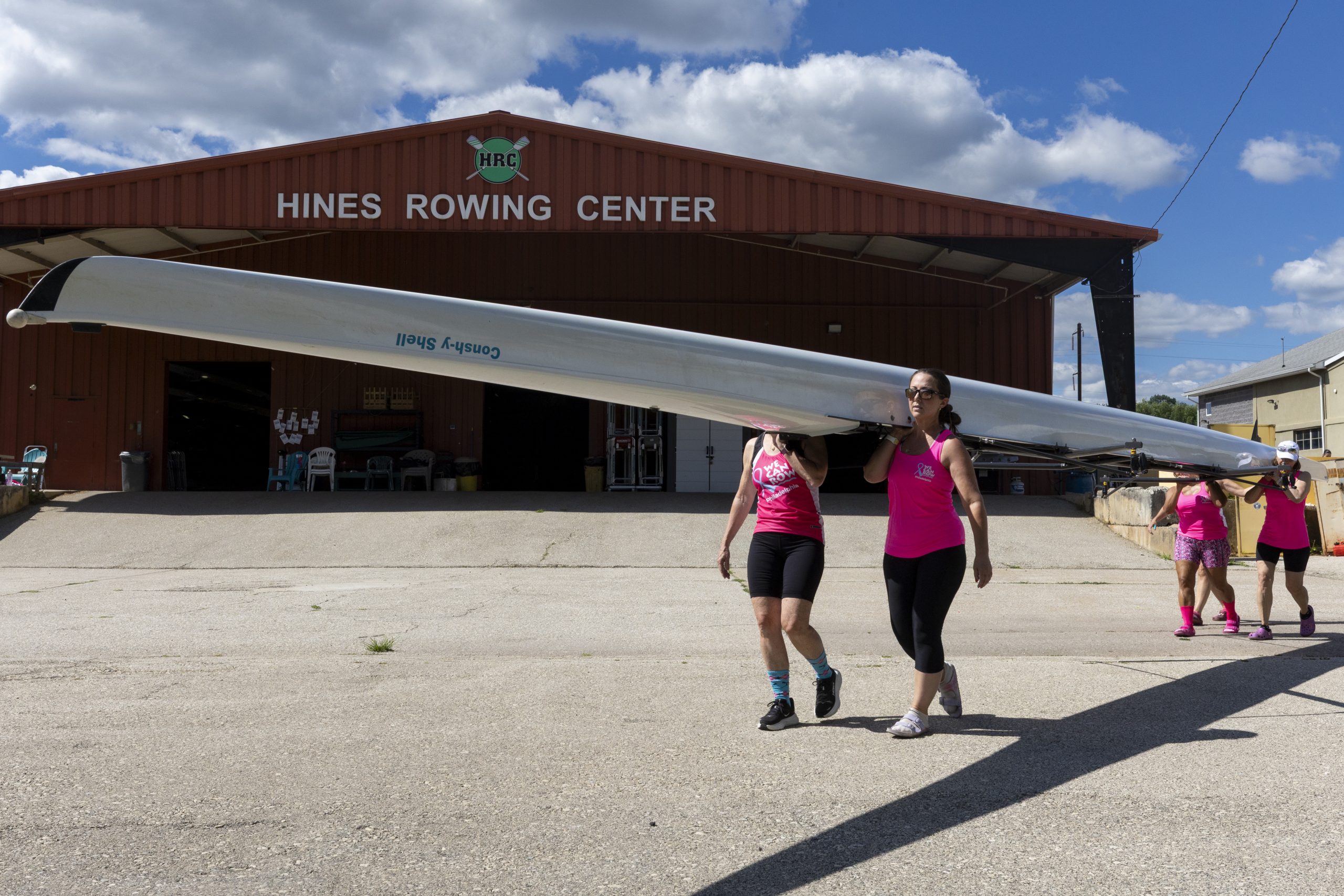
    WeCanRow-Philadelphia, a rowing program through Whitemarsh Boat Club for breast cancer survivors, came to Philly in 2018 and currently has 46 members.Aidan T. Gallo / Staff Photographer

    WeCanRow-Philadelphia is a rowing program through Whitemarsh Boat Club for breast cancer survivors. The Philly chapter is supported through the Survivor Rowing Network, which has more than 30 participating programs around the nation. It came to Philly in 2018 and currently has 46 members.

    “WeCanRow is everything about community, about mentoring, about encouraging, about connection, about hope,” said Susan Ryan, 61, of Eagleville. “It’s the on-water support group that isn’t.”

    While the program focuses on mental and physical healing for those treated for breast cancer, the participants are competitors, too. They’ve raced twice at the Head of the Charles Regatta in Boston and won both exhibition survivor events in 2024 and 2025.

    Now, they’re taking their oars across seas.

    From July 10 to 12, Whitemarsh Boat Club will have three boats compete at the Henley Masters Regatta in Henley-on-Thames, England. Members of WeCanRow-Philly will take part in an exhibition women’s coxed four. McConnell, Ryan, Jill Hunt, Bonnie Martin, and coxswain Marie Leonard will fill the exhibition boat.

    This will be the regatta’s first dedicated cancer survivor rowing event and marks a significant milestone as the first major event in the United Kingdom to welcome cancer survivor crews. It will run as a trial, with the hopes of becoming a permanent fixture.

    “When we meet these other survivors, there’s a connection,” said Martin, 61, of Lumberton, Burlington County. “It’s just great to have these connection points really all over the world, all over the country.

    “If someone would have told me six and a half years ago, when I was in treatment, that I’d be rowing like this, I would have never believed it. I feel like I’m an athlete, which I was never part of any organized sports before. It’s just been amazing.”

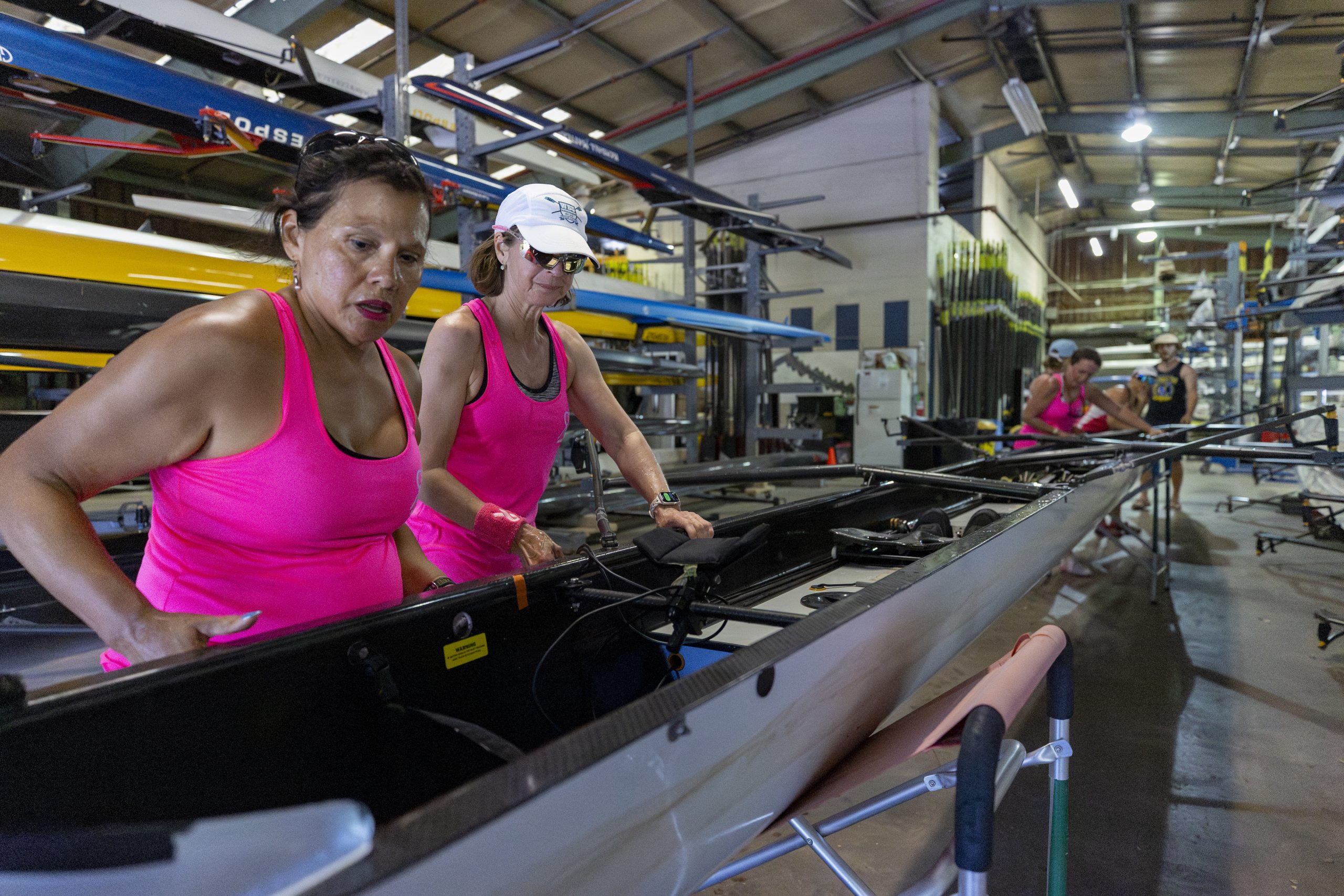
    WeCanRow-Philly is one of more than 30 participating programs around the nation through the Survivor Rowing Network.Aidan T. Gallo / Staff Photographer

    The two other boats are men’s and women’s quad. Both will race in the Master’s E class.

    The women’s quad is made up of all cancer survivors, featuring Emily Nelson, Karen Pinkstone, Kathy Reape, and Rebecca Choo Quan, while the men’s includes two cancer survivors from Whitemarsh, Jason Beck and Jim Nice.

    The program, which runs out of Hines Rowing Center in Conshohocken, runs from April till September, every Monday evening. Then in October, practices are held on Saturday mornings.

    Since finding out in May that they would be rowing at Henley, the crew bumped those practices to three times a week. Volunteer coach Matt Sidlowski, who’s a senior studying graphic design at West Chester, has been preparing the group for the upcoming regatta. He’s been involved with WeCanRow-Philly for the past three years.

    “They are so eager to row, so eager to get out there and spend their time working toward improvement,” Sidlowski said. “It makes it easy to show up. I have the power as a coach to give them access to a practice plan, training schedules, equipment, water time, feedback. … It really is motivating for me to see them achieve things they never thought they could.”

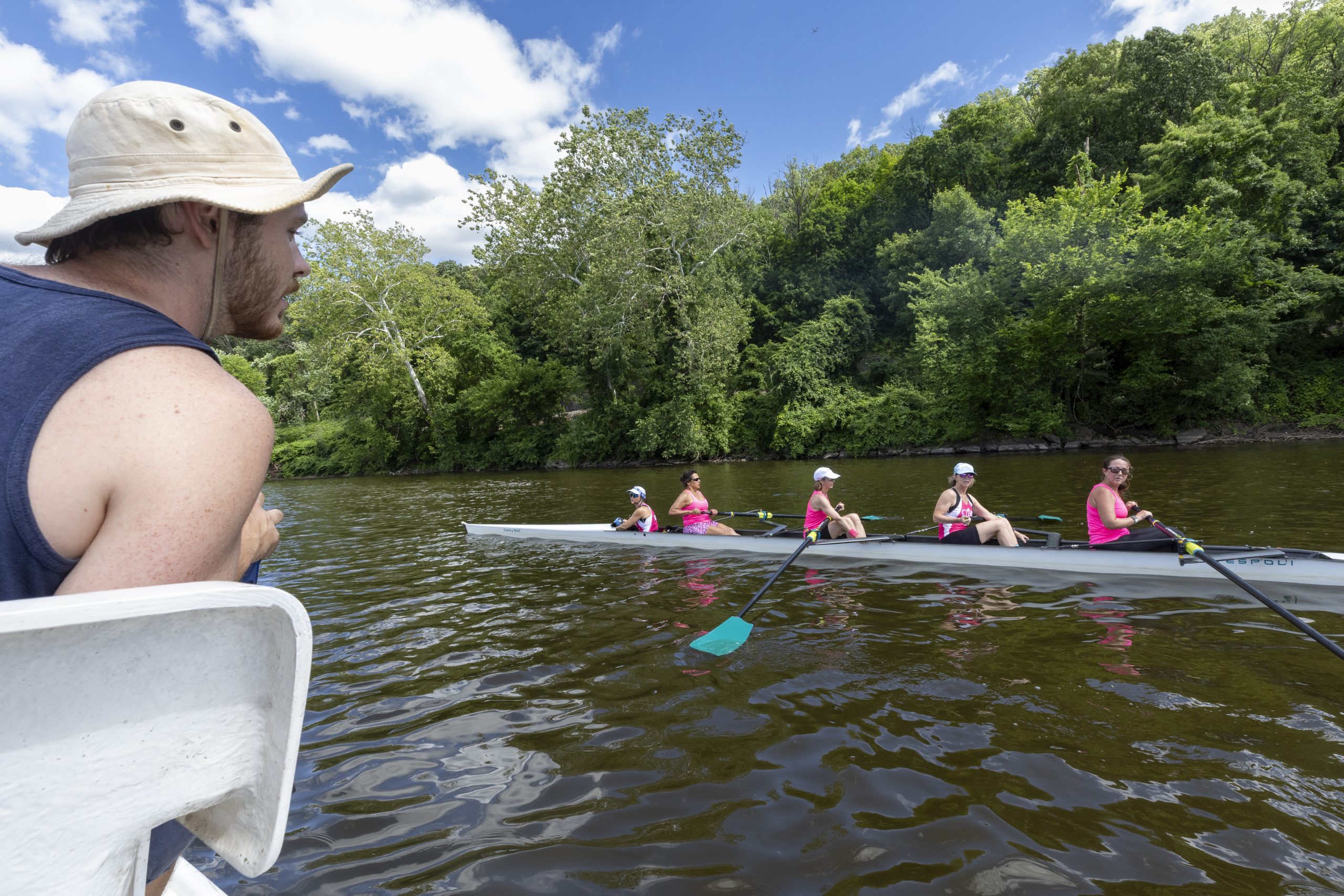
    Matt Sidlowski (left), a senior at West Chester, is a volunteer coach for WeCanRow-Philly.Aidan T. Gallo / Staff Photographer

    WeCanRow-Philly has brought together women from all over the area since Whitemarsh Boat Club is the only local boathouse offering cancer survivor rowing.

    Pinkstone, 56, travels about an hour from her home in Yardley to Montgomery County to row. But the drive is well worth it, she says.

    “It’s an entire evening,” she added. “You’re working all day and then you’re going to practice. My family is supportive because they see how happy this makes me and how important it is to me. … I’m a better teacher, a better mom, a better wife, a better person, because I’m taking care of myself, and this is a big part of it.”

    The group hopes to see more survivor rowing programs and events. To participate at such a prestigious regatta, though, is a start.

    Beyond the sisterhood, rowing is about working together to be in sync — even when the odds feel against you.

    “You can still pull hard in an unset boat, it doesn’t have to be perfect,” said Nelson, 56, of Villanova. “You can still put in 1,000 percent effort, even though the conditions are terrible, and I think about that a lot in the boat.

    “It’s not set, that’s not a reason to stop rowing, it’s not a reason to make excuses. Just go out there, do your best, no matter what’s going on. And that’s true on land, too.”

    WeCanRow-Philly has brought together women from all over the area since Whitemarsh Boat Club is the only local boathouse offering cancer survivor rowing.Aidan T. Gallo / Staff Photographer