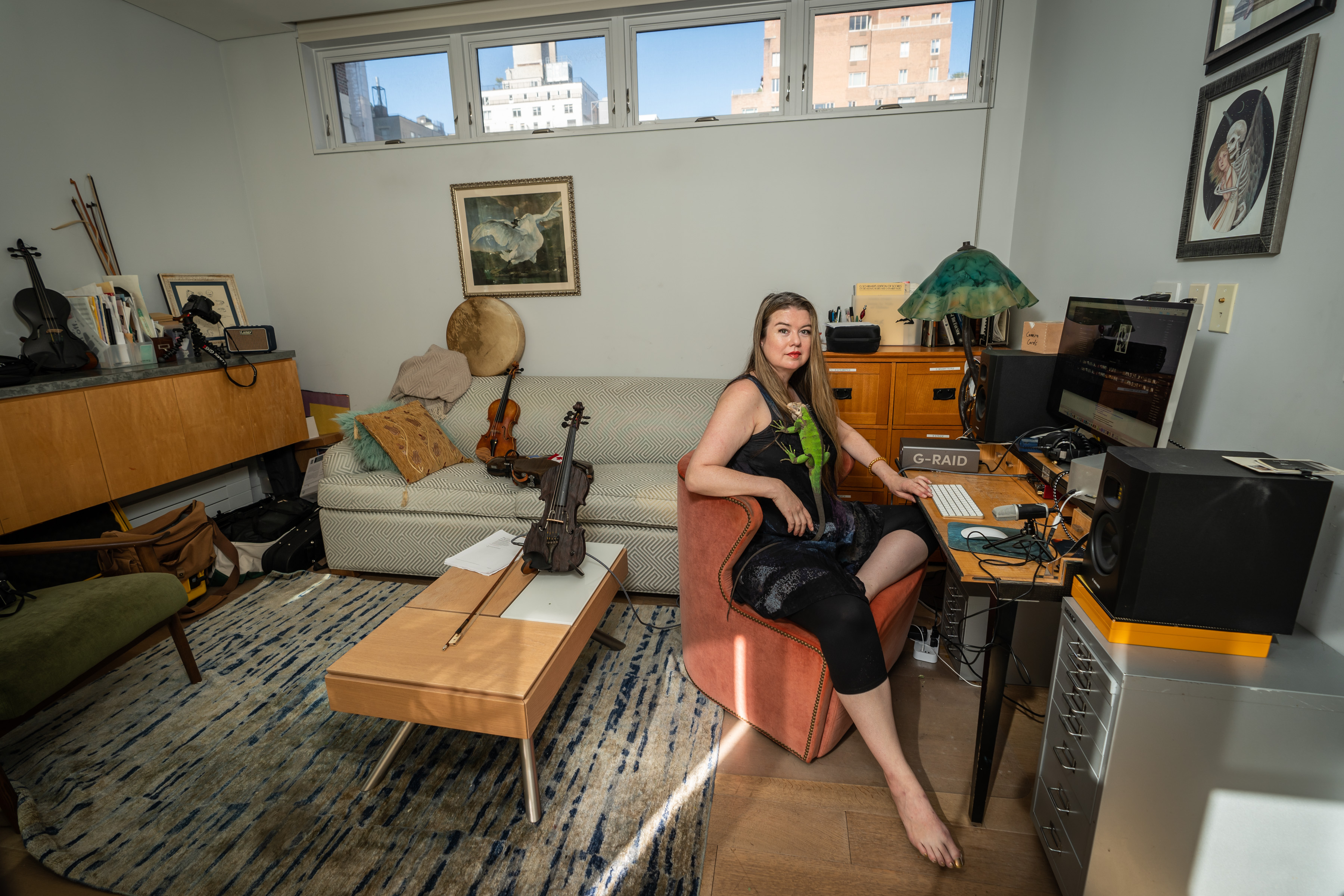
Author: Rosa Cartagena

  • In ‘Dear Lara,’ violinist Lara St. John confronts rampant sex abuse in classical music in Philadelphia and beyond

    In ‘Dear Lara,’ violinist Lara St. John confronts rampant sex abuse in classical music in Philadelphia and beyond

    When famed violinist Lara St. John thought about the soundtrack for her new documentary, Dear Lara, she already had a classic composition in mind: Franz Schubert’s Death and the Maiden.

    It’s a story about death coming for a young girl who begs him to stay away, but he tells her there’s nothing to fear, his touch won’t hurt. The perilous interaction has long fascinated composers, musicians, and artists who frequently sexualized the relationship in the retelling over some 200 years.

    For St. John, the parallels felt strikingly relevant to her film as she completed interview after interview with survivors of sexual assault, most of whom were raped and abused as children by their classical music teachers in conservatories around the world.

    It’s her story too.

    In 2019, St. John came forward publicly with her experience from her time studying at Philadelphia’s Curtis Institute of Music, alleging in a Philadelphia Inquirer investigation that her violin teacher, Jascha Brodsky, assaulted and raped her.

    At the time, Brodsky was 79 years old and she was 14.

    Brodsky died in 1997 before accusations of his misconduct from St. John and other students came to light. His family said the alleged behavior was “completely inconsistent with the man we knew and loved.”

    After speaking out, the Canadian violinist received a deluge of letters and calls from fellow survivors in the classical music world, primarily from women who were abused as girls by older, powerful men considered too talented to be stopped.

    Hundreds of “Maidens” came forward to share their harrowing and haunting encounters with “Death.”
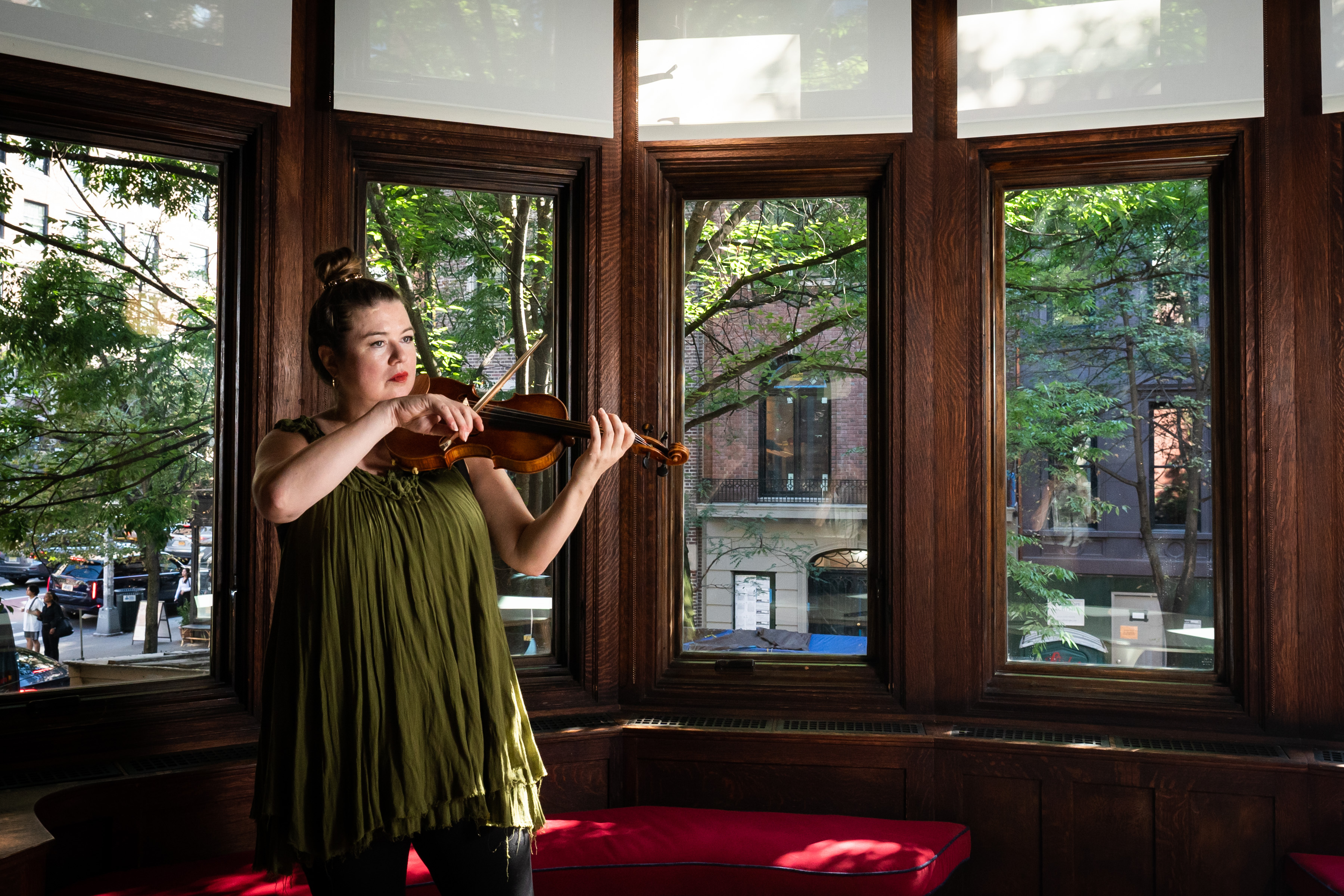
    Lara St. John at her home in New York City on Sept. 10, 2024.Jessica Griffin / Staff Photographer

    Their stories followed a familiar pattern, painting a horrific picture of systemic abuse and institutional complicity. Bright and skilled young girls enrolled in prestigious, competitive institutions to learn from world-renowned maestros treated with godlike reverence. In private lessons, those men forced themselves onto their students repeatedly, brazenly, and without consequence. They threatened their victims with expulsion or other punishments to keep the children quiet. If a girl did come forward to report her assault, school leadership rarely took disciplinary action against the abuser.

    The men continued teaching, founded music programs of their own, racked up awards, and secured illustrious titles. The girls faced ridicule and retaliation, struggled to recover as their lives were derailed, and some stopped playing music entirely. Many attempted suicide. A few died that way.

    Rewind, replay.

    “It’s a small world, and I knew I wasn’t alone in this, obviously, but I didn’t realize the breadth of it — how global it was and just how endemic it was,” said St. John, 55, who now lives in Manhattan. “Once they knew about me, everybody had their own story that they wanted to share.”

    St. John felt a profound responsibility to take action.

    Three months after she went public with her own story, she picked up two cameras and began interviewing fellow survivors, starting a seven-year-long filmmaking process.

    Dear Lara, which premiered earlier this year at the Santa Barbara Film Festival, features accounts of eight survivors of sexual abuse at the hands of teachers, concertmasters, and once-renowned classical music stars: Pianist Lusiana Lukman, violinist Lisamarie Vana, violinist Mascha van Sloten, double bassist Heather Bird, violinist Zeneba Bowers, oboist Katherine Needleman, opera singer Samuel Shultz, and the late cellist Robie Brown (as told through her widower, Frank Powdermaker).

    Their stories are intertwined with archival footage and images as well as interviews with legal experts and journalists (including The Inquirer’s classical music critic, Peter Dobrin) who investigated assaults at various schools and orchestras. The film will have its Pennsylvania premiere on Monday, Oct. 5, with two screenings at the Free Library of Philadelphia on the Parkway.

    It arrives amid renewed conversations about women’s safety on school campuses and criticism of educational institutions who shield perpetrators of sexual assault from accountability following the alleged rape of a Cornell University student by members of a fraternity house.
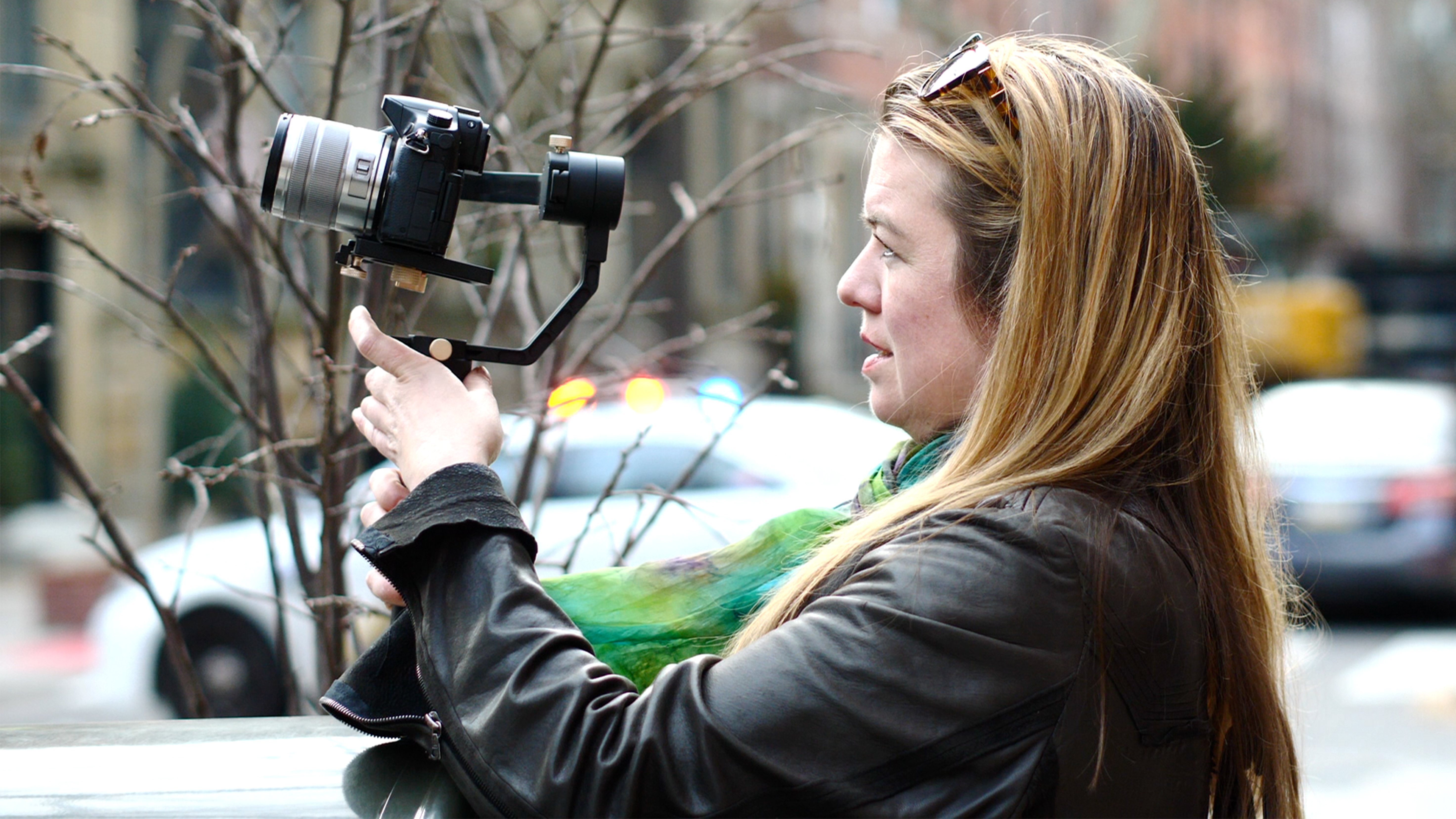
    Lara St. John shooting in Philadelphia for her 2026 documentary “Dear Lara.”Courtesy of Lara St. John

    “I certainly never set out to be a filmmaker … It was an ambitious undertaking. I made a lot of rookie mistakes [at first],” said St. John, whose previous film experience consisted of editing her own music videos. “I’m really glad that I set out on my own as early as October 2019 because various situations have changed, and I wouldn’t have gotten some of those stories if I had waited until I had a team together.”

    The heart-wrenching film follows St. John on her interview trips to Toronto, Amsterdam, Winston-Salem, N.C., and Philadelphia. In some Zoom interviews, St. John’s pet iguana, Cain, made a cameo. (He died in 2021 but during our interview, St. John introduced her new baby iguana, Octavius.)

    Shooting in Philadelphia was especially difficult. While standing in Rittenhouse Square, across the street from Curtis, she felt physically sick as she recounted attempting suicide during her third year. In the aftermath of her allegations, Curtis commissioned a report from law firm Morgan Lewis that concluded St. John was credible.

    The school eventually apologized in a statement acknowledging that leadership “failed to provide her with a safe learning environment, failed to carefully investigate her claims, failed to communicate our grave disappointment in how she was treated by Curtis, and repeatedly failed to communicate the steps that were taken to prevent such abuse from occurring in the future.”

    Curtis has since implemented policy changes, like disallowing private lessons at teachers’ homes, hired a Title IX coordinator, and established a trauma fund for free counseling for victims of sexual abuse within the Curtis community. In a 2024 statement to The Inquirer, the school said these efforts, among other changes, “have made Curtis an incredibly safe and nurturing place.”
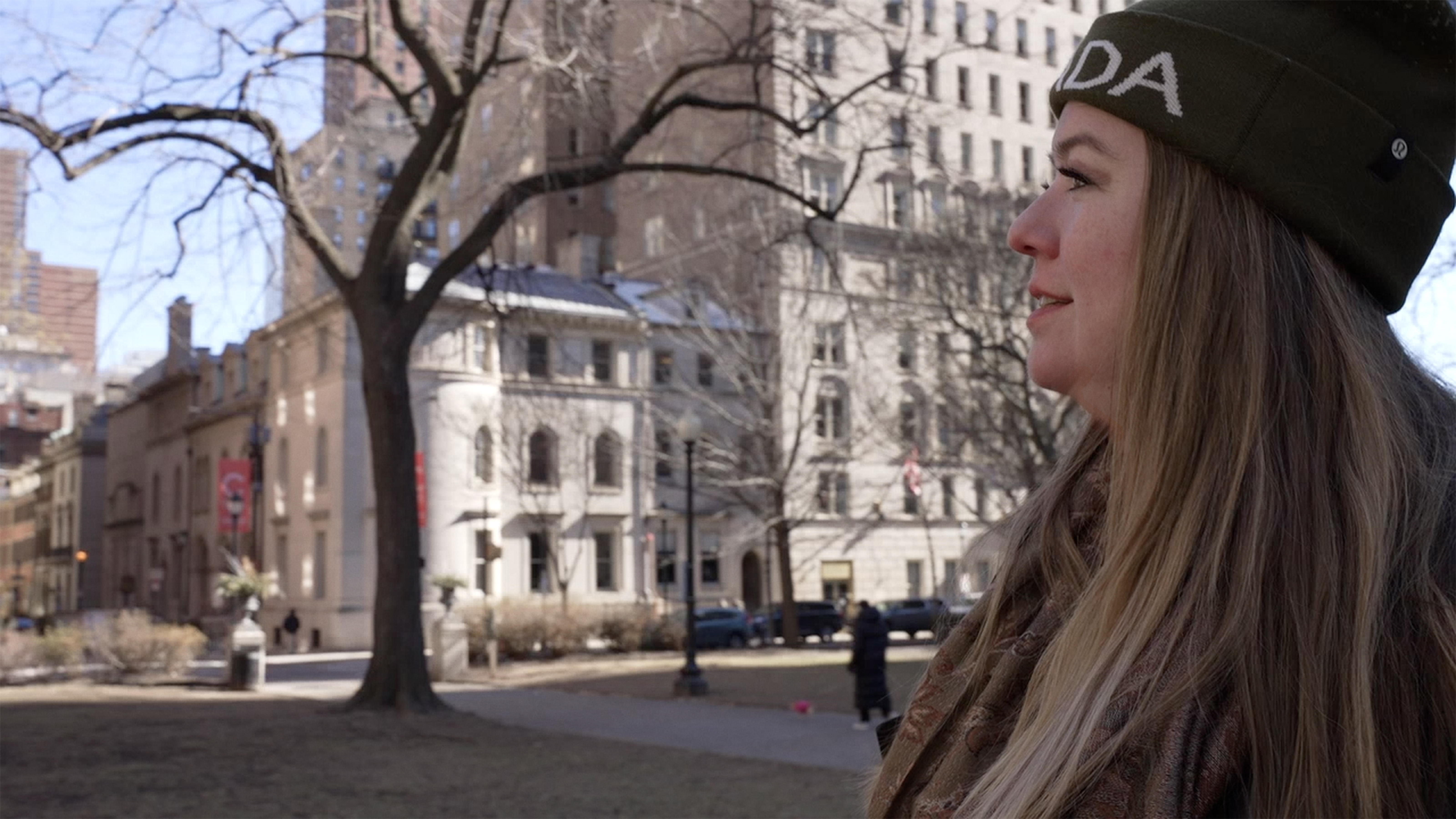
    A still from the documentary “Dear Lara,” picturing violinist Lara St. John in Rittenhouse Square discussing the abuse she experienced as a teenage student at Curtis Institute of Music.Courtesy of Lara St. John

    Since the release of Dear Lara, another school was pressured to conduct an investigation.

    In the documentary, Lukman, a pianist who left home in Indonesia at 14 to pursue music, detailed allegations of sexual assault by her teacher Boris Berlin at the Royal Conservatory of Music in Toronto in the 1980s. After the documentary screened in Canada, Lukman created a petition demanding an independent investigation into sexual abuse at the institution that earned thousands of signatures; the conservatory has since hired a law firm to investigate. Berlin died in 2001.

    “I felt devalued and betrayed, because if anything is worse than being molested, is coming forward about these things and being betrayed by the people that supposedly protect children,” Lukman says in Dear Lara.

    Lukman and St. John are continuing to pressure the school to make the report public when it’s completed. Their efforts are part of St. John’s relentless advocacy work beyond the documentary to support survivors and denounce music schools worldwide that have fostered what she calls a culture of silence and abuse.

    “We’re trying to create a movement, really, to get rid of this ridiculous — well, honestly, it’s overused now, but — patriarchy in classical music. I believe many, many women have just been abused out of the field, and some men, obviously, as children as well,” said St. John.

    The violinist is now deeply familiar with Pennsylvania politics as she’s traveled to Harrisburg three times to advocate for amending the statute of limitations for childhood abuse. In Dear Lara, St. John appears with ChildUSA founder and University of Pennsylvania professor Marci Hamilton at Philadelphia’s City Hall to garner support for House Bill 462, which would provide a two-year window for survivors to file lawsuits that otherwise could not be prosecuted because the statute of limitations has expired. While the bill passed in the House in 2025, it has stalled in the Senate.

    A still from “Dear Lara” picturing Lara St. John at Philadelphia’s City Hall for a rally with Child USA to advocate for Pennsylvania to change its laws regarding the statute of limitations for childhood sexual abuse.Courtesy of Lara St. John

    “If it’s murder, there’s no statute of limitations. … Child sex abuse is, in many ways, like the murder scenario because the victim is so disempowered as compared to the perpetrator, and the average age to come forward is in the early 50s,” Hamilton explains in the documentary. “Twenty years ago, 15 years ago, there were a lot of states where you had two years from the date of the act. So if you were six years old, you had two years to get a lawyer and press charges.”

    St. John hopes that the film will encourage audiences to take action, too.

    Dear Lara is a groundbreaking and searing examination of the classical music industry, which rarely is represented on screen.

    (The Emmy-nominated Tár, which cast Cate Blanchett as a fictional, predatory lesbian conductor, is one recent and prominent example. St. John thought it was “ridiculous” and “idiotic” that the perpetrator was female. “There are thousands of men Társ out there, and they made this a woman, like come on,” she said.)

    After serving as Dear Lara’s director, writer, cinematographer, and participant, St. John also contributed original music. In addition to using her arrangements of Death and the Maiden, she composed a theme song beginning with A and E strings as a nod to how every child first learns the violin.

    Some of the featured musicians on the soundtrack include fellow survivors like Needleman, the principal oboist at the Baltimore Symphony Orchestra who discussed her experience of sexual harassment in the film, and Cara Kizer, a French horn player who was allegedly raped by two of her New York Philharmonic colleagues.

    St. John plans to release a Dear Lara soundtrack with their recordings, including those she had to cut from the film, like an aria from Shultz, a participant who described being raped as a graduate student in Texas.

    Eventually, St. John wants to create a foundation to support survivors pursuing justice against their abusers and the institutions who failed them.

    “That will be my life’s work,” she said.

    ‘Dear Lara’ will screen twice on Oct. 5 at the Free Library of Philadelphia’s Parkway Central Library, 1901 Vine St., Phila., 833-825-5357 or libwww.freelibrary.org.
  • We pick our favorite shows from this year’s big, bizarre, and bold Philly Fringe Fest

    We pick our favorite shows from this year’s big, bizarre, and bold Philly Fringe Fest

    The Philadelphia Fringe Festival celebrated its 30th year with more than 338 productions across the city. Our reporters found shows that left us dazzled and confused, tearful but still laughing, and truly amazed by all the strange, weird, and delightful originality that artists from Philly (and beyond) had to offer.

    These were some of our favorite performances, including solo shows, interactive experiences, immersive dance, otherworldly journeys, and incisive political explorations.

    Most optimistic: ‘Lunar Retreat’

    To enter this performance, you must prepare for take off: Grab a set of headphones specifically curated for your group (an audience of just a dozen or so, per entry time) and remove your shoes.

    Past the doors lies a transformed Pearlstein Gallery, with different sections divided by flowing white curtains. The calm voice in your ears provides instructions, like a guided meditation for a winding path through a constellation of dancers before you arrive in a maze of tall, twisting cardboard adorned with twinkling lights and images of the moon’s various cycles.

    After billions of years orbiting the earth, our moon has been slowly inching away from us, the disembodied voice explains. The show asks: What does it mean to enter someone’s orbit, to connect with another person, when we all drift apart eventually, inevitably? At its core, Lunar Retreat tackles grief, prompting the audience to imagine a loved one who is physically distant. What detail about this person do you never want to forget? After we write down our answers, we’re guided into the maze, where the answers from previous attendees dot the spiraling walls.

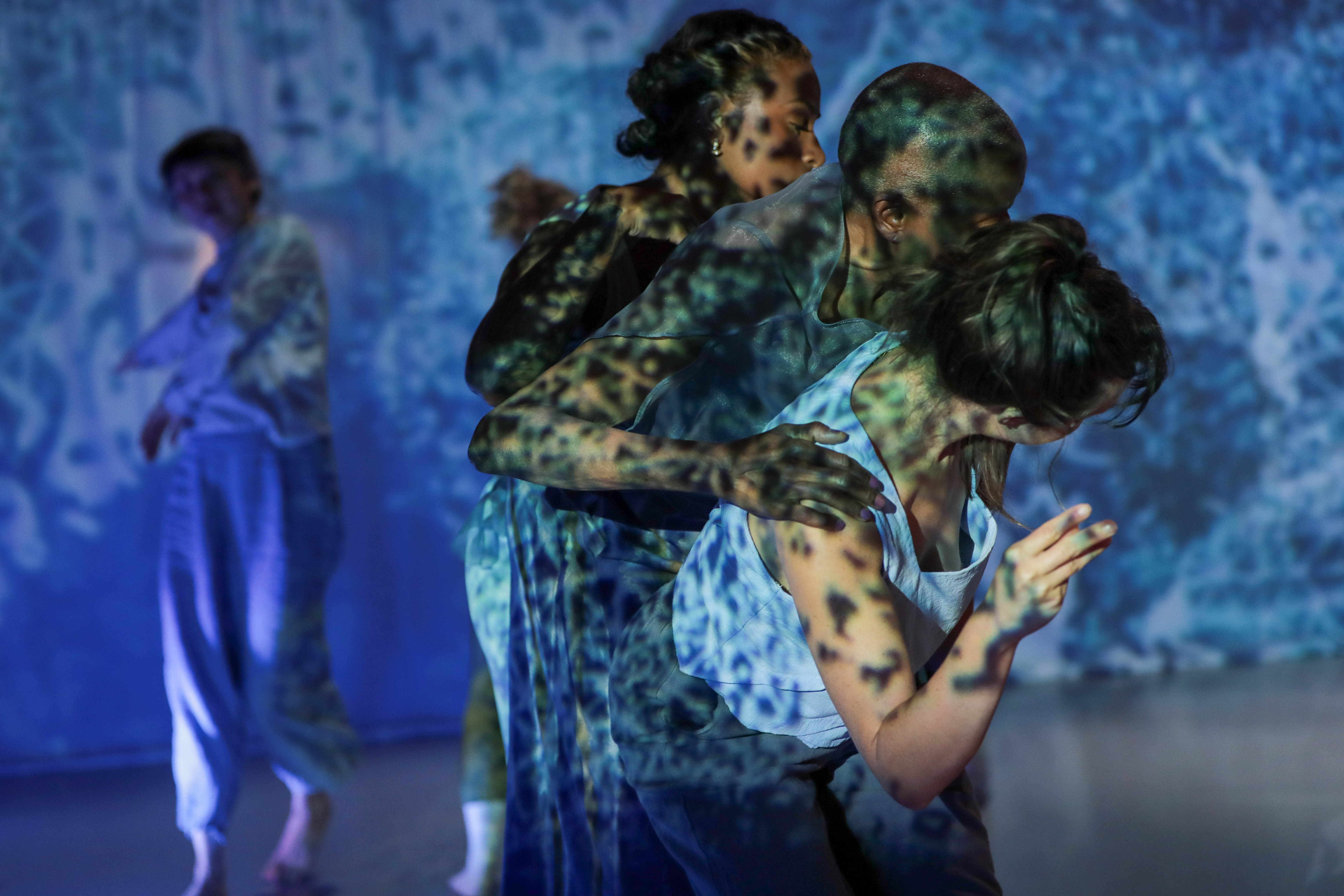
    Fringe Fest regular Nichole Canuso’s dance company Branching Paths is renowned for immersive and interactive performances; here she worked with ocean explorer/artist Rebecca Rutstein, sound designer Bobby McElver, video designer Kate Freer, and set designer Anna Kiraly, among many collaborators. The projections were especially astounding: In one room, a dancer performed a series of moves in one place that were recorded and projected to the same location on a loop, allowing her to essentially dance with and embrace the projected version of herself. It was a mesmerizing collaboration between dance and technology.

    Founder and artistic director of Nichole Canuso | Branching Paths, presented “Lunar Retreat” in the 2026 Philadelphia Fringe Festival.Theo Cote

    At the end, the three audience groups gathered for the finale, when eight dancers (including the choreographer, Canuso) evoked ocean tides as they converged and separated, where they kept reaching for one another and then leaping apart. I was in awe not only of the performance itself but of my fellow audience members, who embraced the experience with open hearts and curious minds — leaving me surprisingly optimistic about the future of humanity.

    — R.C.

    Standout Solo Show: ‘Tuzluk’

    This wildly inventive coming of age story follows Turkish Colombian American theatre artist izzy sazak as they deconstruct the heroes of their childhood. It’s a bold, imaginative examination of how we recontextualize the stories that we are told as kids. Throughout the piece, sazak examines their father, his Turkish heritage, and the Turkish mythos that they grew up instilled with. It is a magnificent look at the crossroads of culture, legacy, and family; while also being frankly honest about how many people idolize political figures.

    sazak is an effortless performer, immediately engaging with the audience, establishing a welcome and safe feeling throughout the performance. They are also very adept at comedy: their timing is precise, and they can easily adapt and improvise.

    izzy sazak in a promo image for their show “Tuzluk” in the 2026 Philadelphia Fringe Festival.Courtesy of subject

    The word tuzluk is Turkish for “salt and pepper shakers,” but it is also a colloquial name for the folded paper toys that kids use to tell their futures. This item is used both as a literary device, as sazak unravels their future through the show, and also as set pieces.

    Several tuzluks of varying sizes are arranged on the stage, and are utilized as props. The final moments of the show, when the last tuzluk is opened, is one of the most cathartic, community focused finales I’ve ever experienced in a theatre.

    — F.S.

    Best true story, retold: ‘Kramer/Fauci’

    C-SPAN isn’t usually the place where one might find dramatic inspiration. But for director/creator Daniel Fish, one hour of a televised debate in 1993 provided an insightful window into a painful history that still resonates deeply. His innovative verbatim play follows a contentious conversation between Larry Kramer, the fierce activist/playwright who founded ACT UP, and Anthony Fauci, head of the National Institute of Allergy and Infectious Diseases at the time, about then-President Bill Clinton’s new task force to address the AIDS crisis.

    On the sparse stage only four actors appear, playing the moderator (Greig Sargent), Fauci (Pete Simpson), Kramer (Thomas Jay Ryan), and the callers who dial into the TV segment (Jennifer Seastone). There are no cameras, no desks or green screens to evoke the monotony of C-SPAN’s regular programming; instead, the moderator is seated and his guests move around freely while Seastone spins around on roller skates, occasionally donning a chicken suit. The pared down production allows Kramer and Fauci’s sparring to take the spotlight (literally) but also creates a dynamic movement that keeps the audience engaged in their hot-and-cold ping-pong match without feeling like we’re watching a live podcast taping.

    It’s far from boring, no matter how wonky the dialogue gets. Ryan’s Kramer erupts on a dime, shouting and throwing barbs and teasingly threatening to slap Fauci, who deflects and delivers defensive, boilerplate responses typical of a bureaucrat, knowing that his answers are dissatisfying. Kramer is fuming and defiant, demanding urgency from a government and a public whose inert response to the epidemic was a systemic, fatal failure on an unimaginable scale. When the callers chime in, many express sympathy, but one chilling, virulently homophobic standout accuses him of infecting the nation’s bloodline.

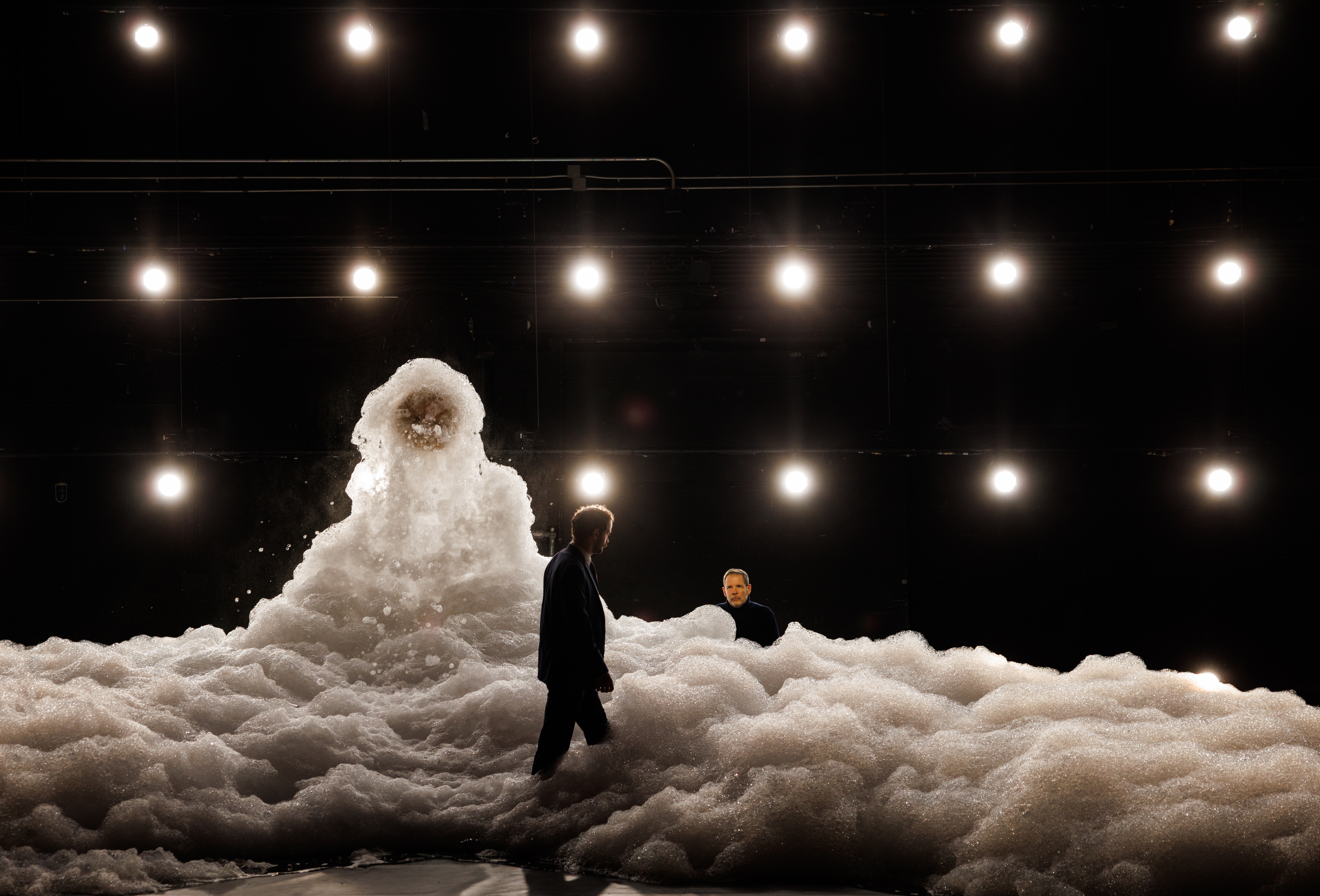
    The most dramatic moment comes rather abruptly, when a towering bubble machine churns out a mass of suds that slowly takes over the stage. Kramer sits next to it, arms crossed, resigned as the machine whirs and the foam spreads.

    Given the devastating subject matter, I didn’t expect to laugh so much. The pair at the center of the show hold profound respect for each other despite their disagreements and there’s a familiarity to their banter that underscores their shared goal; their debate is almost endearing to hear in retrospect today, if the reality wasn’t so infuriating. It ends with an epic line from Kramer when asked for his last word: “I want Bill Clinton to come out of the closet … and do something about this disease.”

    — R.C.

    A scene from “Returned, Iridescent,” part of the 2026 Philadelphia Fringe Festival.Seph McAndrew

    Most Promising: ‘Returned, Iridescent’

    There is a scarcity of narrative stories that showcase LGBTQ+ people growing up and living into old age. Oftentimes, these characters are burdened with struggle, defeat, and frequently, a tragic end; especially stories of trans people. Returned, Iridescent, the new work by playwright Rose Farrell, defies this trope by taking the audience on a beautifully poetic journey of two queer characters who constantly collide, combust, and separate, only to be drawn back together again and again. The text shifts between realism and poetry, allowing the characters to be both their true selves and romanticized versions. It is a beautiful story about finding yourself, loving yourself, and accepting the happiness that you deserve.

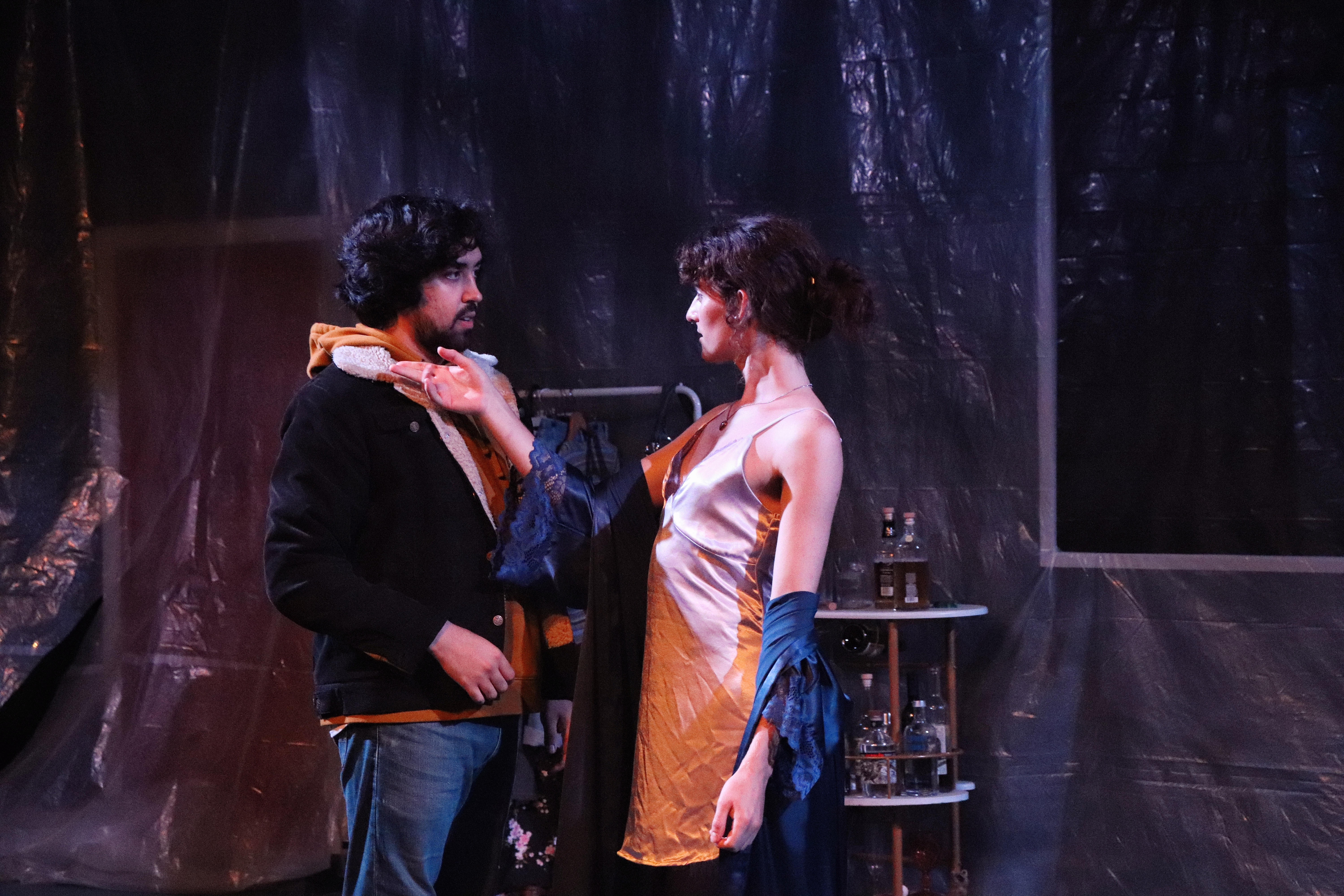
    Breathtakingly nuanced performances from the two leads (Olive Gallagher & Gideon Caro McDonald) help ground this work in the moment. Watching the two of them effortlessly push, pull, and play with each other is a joy. I’m eager to see what these two talents do next. Strong design elements, with direction by Jack McManus, help this play to soar.

    This play is an extremely timely one, given the current social and political discourse around trans people, which often serves to dehumanize or vilify them. I commend Theatre by Development for choosing to tell this story now, and hope that it is told many times more.

    — F.S.

    Nerdiest romance: ‘Wikipedilove’

    A Newfoundland town called Dildo. The erotic novella A Billionaire Dinosaur Forced Me Gay. Eva Braun?

    All are ripe for exploration at the love-and-sex-themed Wikipedilove, the lo-fi, musical PowerPoint presentation staged at West Philly Fringe hub Studio 34.

    Writer, singer, and guitarist Noam Osmond — who moonlights as a “troubadour for hire” and can occasionally be spotted serenading strangers in Clark Park — and singer and accordionist Anna Apostolidis take the audience through a whirlwind of weird internet, told through screenshots, academic analysis, and cutesy folk songs.

    In under an hour, we learn, for instance, that gray whales mate in threes (“#consensuwhale”) and that there’s a Wikipedia page of “List of sexually active popes,” among many other NSFW topics.

    At the packed Friday night performance I attended, audience members were game to sing and sway along, emblematic of the participatory theatre that makes the Fringe Festival so special.

    Two actors dressed as sparkly winged green and yellow bugs who appeared in the finale were a highlight of the show — luna moths, which live for just one week, solely to mate. Because who says science can’t be silly and sexy?

    — J.Z.

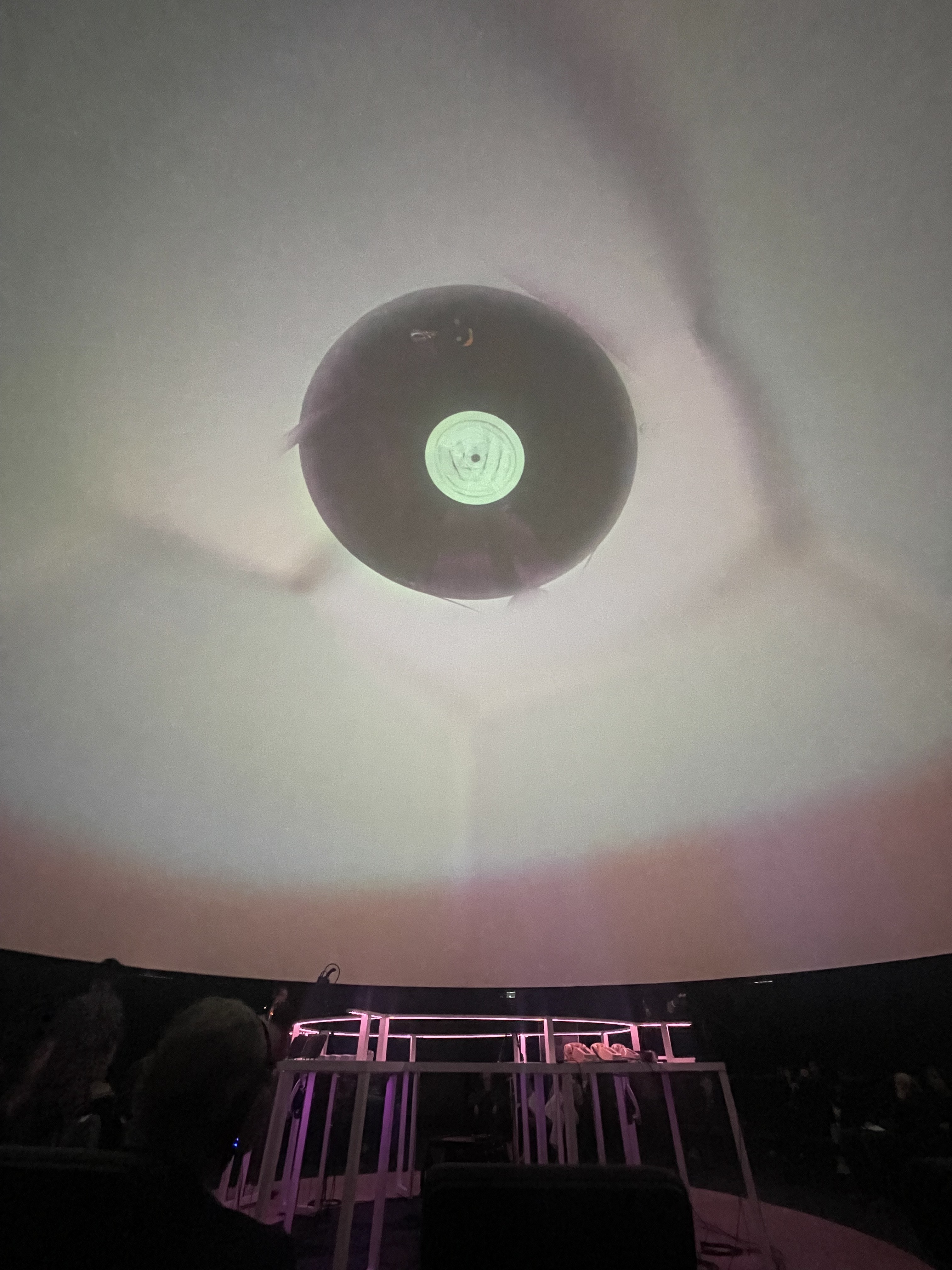
    A projection of a vinyl record on the domed screen of Fels Planetarium for “Utopian Hotline,” part of the 2026 Philadelphia Fringe Festival.Rosa Cartagena

    Strangest existential journey: ‘Utopian Hotline’

    A night at the museum is always a fun set up for a new adventure. This trip to the cosmos — courtesy of the theatermakers at Mitu, an experimental group based in Brooklyn — took place inside the Franklin Institute’s Fels Planetarium.

    At the center of the room sat a round desk with a camera, turntable, microphones, and telephones. Audience members wore headphones and sat back as the domed screen above came alive with the trippy, philosophical show.

    The titular hotline is real, inspired by the Golden Record that NASA sent to space that’s meant to represent earth, featuring sounds from voices to waterfalls to classical music. Mitu’s project imagines the messages we could send out into the universe if we created another record with people answering the prompt, “How do you imagine a more perfect future?”

    Their respondents express variations of similar feelings: that it’s a hard question to answer, that it’s especially difficult to imagine a future when our current present time is so fraught, that we all want compassion and care and kindness no matter how far humanity travels from earth. (It’s an active hotline for anyone who’d like to add their voice.)

    The show was part listening session (headphones required) and part strange story time as the performers at the center, akin to astronaut guides in matching gray suits, tinkered with the machines in front of them, sometimes taking over the mic to sing and other times recording with the camera so that their face would appear in the screen like a ghost. They posed existential questions about whether we’re alone in this universe or if we’ll ever truly understand the fickleness of time. The performance was somewhat disorienting, but the experience felt strikingly unique regardless of the occasional confusion, or maybe because of it.

    — R.C.

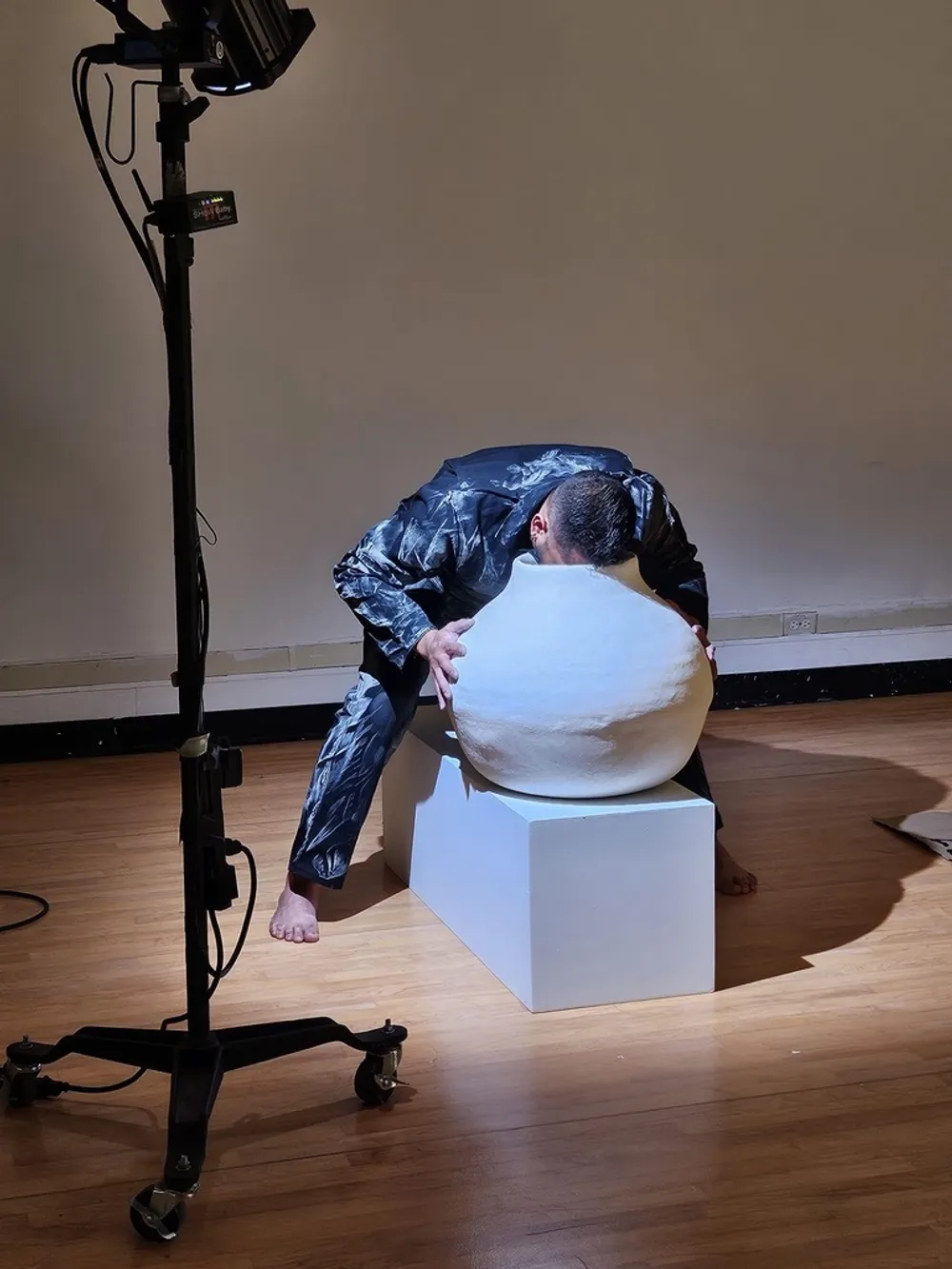
    Actor Justin Jain in “Bad Clay,” a show in the 2026 Philadelphia Fringe Festival.Wendi Van Horn

    Most Thought-Provoking: ‘Bad Clay’

    Justin Jain brings the audience to the cross section of sculptural ceramics and performance art in his original work Bad Clay. An experimental piece about migration, America, and sculpture, it delights in the way Fringe shows often do; by highlighting something new and unexpected. Entering the space, the audience is greeted by a series of ceramics laid around the room, all of which are made by Jain. Throughout the piece, Jain interacts with each ceramic, and also throws some clay on a wheel, creating live sculptures in front of the audience. Conspicuously, there is also a mannequin in the room; dressed as an ICE agent, and draped in an American flag. Ever present, this mannequin provides a feeling of unease that permeates the room, and when it is finally addressed and incorporated into the piece, it results in a truly harrowing moment.

    What really stood out about this piece was the prologue. In a prerecorded monologue from Jain, he explains that the piece we’re about to see is an experiment. He goes on to explain how he has struggled to be presented by the Asian Arts Initiative directly, and also how he came to be in the space that the piece is taking place in … as it was not the space he wanted to present in. According to this prologue, he was looked over for various fellowships and grants, which led to having to present this piece as part of the “pay to play” aspect of the Festival. As a Philly artist of some notoriety, Jain still has struggled for financial and creative stability. It was an interesting breath of realism, and a frank conversation about the state of arts funding throughout the city. Additionally, it also offered audiences a “peek behind the curtain” as they heard firsthand about the hurdles of presenting a fringe show, and how it affects performers and producers.

    Bad Clay is something I would be intrigued to see again, and to see what it would look like as Jain envisions it fully. It is a piece that raises interesting thoughts and questions, paired with honest reflection, and fully seeing it as the artist intended would be an exhilarating experience.

    — F.S.

    Shows we’re excited to seeing develop further post-Fringe

    • Alpha by Lisa Villamil
    • Trauma Queen by Liv Shoup
    • Amor/Libertad by Joel De Jesus-Pacheco
    • The Suppliants by Sidney Marie Hughes
    • Dickie Dickie Dicky Donnie by BETTY
  • The best theater shows in Philadelphia this fall and where to eat before or after

    The best theater shows in Philadelphia this fall and where to eat before or after

    Fall is the best time of year to explore Philadelphia’s theater scene, with local stages upping the ante on their programming. This season is full of family drama; from rival brothers in Suzan-Lori Parks’ Topdog/Underdog to father-daughter clashes in the world premiere of Horsegirl & Cowdaddy.

    We’ll also see big-name Broadway tours (Mamma Mia!, Operation Mincemeat) and a dance-fueled new musical (A Beat of Our Own), along with spooky stories right in time for Halloween (The Addams Family, Misery).

    Local theaters are also examining social issues this autumn: Feminism takes center stage with the Philadelphia premiere of the 2026 Pulitzer Prize-winner Liberation and a contemporary twist on a 17th-century play called Witch. Additionally, in #CHARLOTTESVILLE, an immigrant playwright explores the rise of white supremacy through a verbatim play based on interviews with community members in Virginia.

    These are 10 shows we want to see this fall, paired with suggestions on drink and dining options near each respective theater.

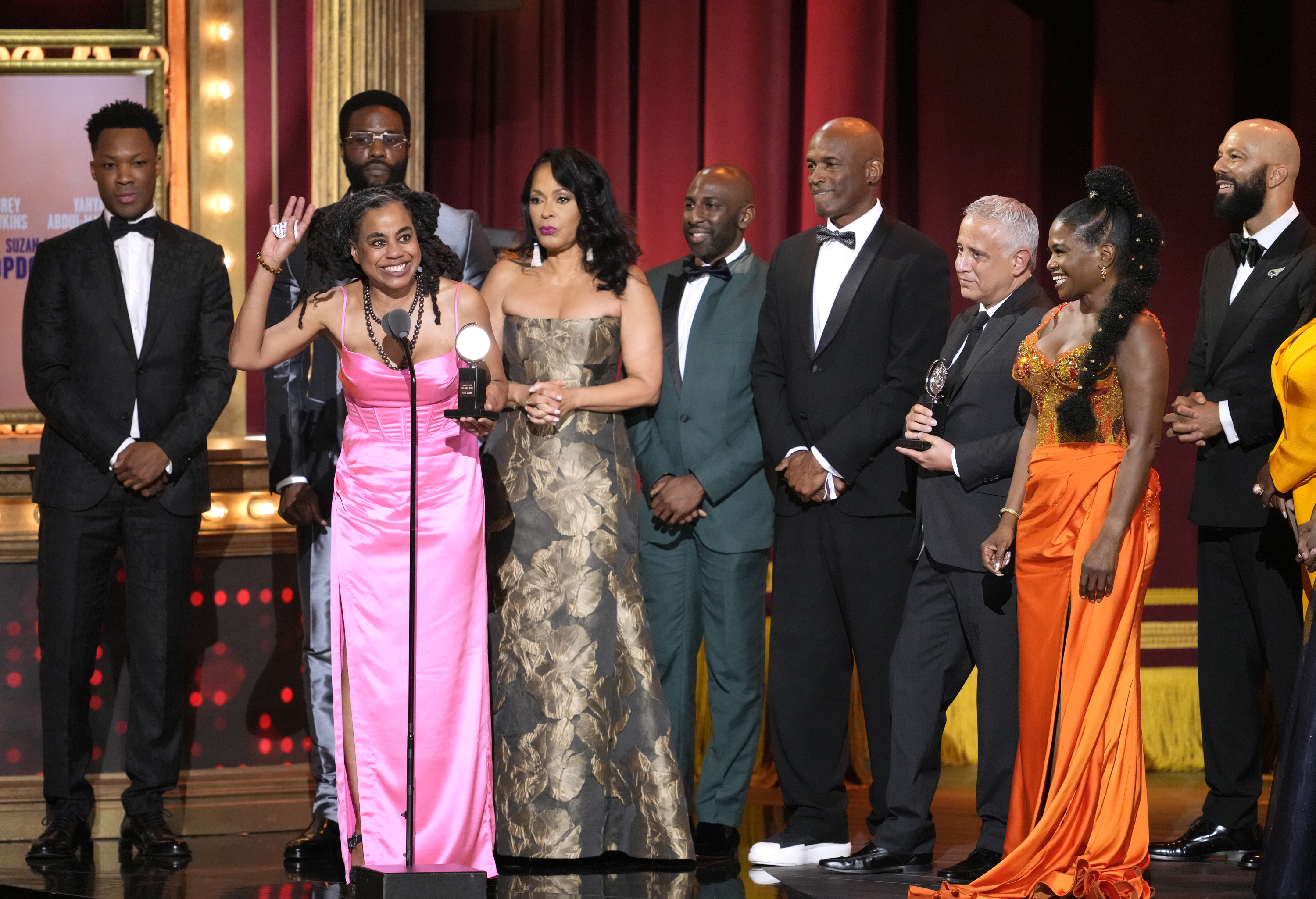
    Suzan-Lori Parks (second from left) and members of the company of “Topdog/Underdog” accept the award for best revival of a play at the 76th annual Tony Awards on June 11, 2023, at the United Palace theater in New York. Charles Sykes

    ‘Topdog/Underdog’

    Sept. 16-Oct. 18, People’s Light

    Oct. 29-Dec. 13, Arden Theatre Company

    An American classic will be staged at two theaters in separate runs this season in a rare coproduction between Malvern’s People’s Light and Old City’s Arden. This Pulitzer Prize-winning play from the prolific and incisive dramatist Suzan-Lori Parks follows two Black brothers, Lincoln and Booth, with a complicated relationship that is both competitive and interdependent. Booth (played by West Philly-raised actor George McGriff) scams and steals to get money while Lincoln (notable Philly star Akeem Davis) works at an arcade where he dons white face and reenacts the assassination of the president for whom he’s named.

    People’s Light, 39 Conestoga Rd., Malvern, 610-644-3500 or peopleslight.org, Arden Theatre, 40 N. Second St., Philadelphia, 215-922-1122 or ardentheatre.org

    Restaurant recs: In Malvern, you could go Italian (Anthony’s), Indian (Manam), Mediterranean (Fattoush), or free-ranging (Jockey Tavern). You can find those options in Old City too: (Piccolina, Masala Fusion, Olea, and Red Owl Tavern, respectively), plus Mexican (Tu Riconcito), Irish (the Monto), French (Forsythia), and Spanish (Amada).

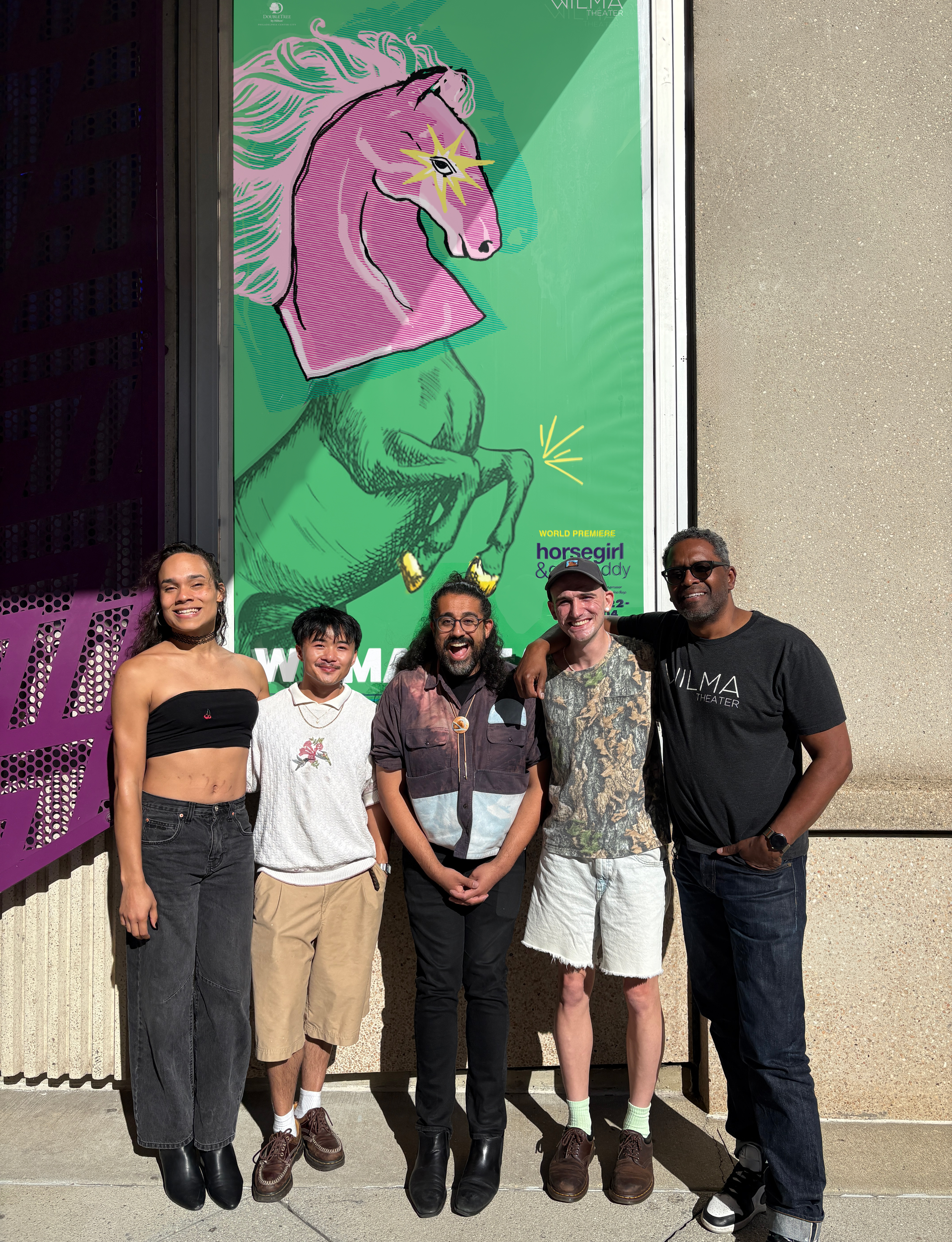
    Actor Samora de la Brisa, actor Ni-Ni, director Adil Mansoor, playwright DJ Hills, and actor Lindsay Smiling pose in front of the Wilma Theater following the first rehearsal for the world premiere of ‘Horsegirl & Cowdaddy,’ running Sept. 22 through Oct. 4.Courtesy of Wilma Theater

    ‘Horsegirl & Cowdaddy’

    Sept. 22-Oct. 4, Wilma Theater

    Philly poet/playwright DJ Hills — a queer and trans artist from Franklin County, Pa. — penned a new play that will have its world premiere at the Wilma before transferring to New York’s Soho Rep next year. Set in a small and rural Pennsylvania town, the story centers on a 30-something trans woman named Horsegirl who still lives at home with her father, Cowdaddy. A newfound love leads to an unexpected change that threatens to upend her life. Puerto Rican actor and singer/songwriter Samora de la Brisa stars as Horsegirl while veteran actor Lindsay Smiling, who was recently named the Wilma’s sole artistic director, plays Cowdaddy.

    Wilma Theater, 265 S. Broad St., Philadelphia, 215-546-7824 or wilmatheater.org

    Restaurant recs: Order a Southern-tinged feast at Kitchen & Kocktails, whose menu includes fried green tomatoes, shrimp and grits with lobster tail, chicken and a wide array of waffles, and peach cobbler.

    ‘The Addams Family: The Musical’

    Sept. 22-Nov. 1, Walnut Street Theatre

    The morbidly moody teen Wednesday Addams is about to do the scariest thing imaginable: introduce her eccentric family to her “normal” boyfriend and his parents. The young couple soon realize they aren’t the only ones with relationship problems as their parents — yes, even the eternally head-over-heels Gomez and Morticia — stumble into their own conflicts following a discomfiting dinner. With music and lyrics by Andrew Lippa, the popular musical features everyone’s favorite spooky relatives, including Uncle Fester, Lurch, and Thing. (Plus there’s a special showing on Halloween.)

    Walnut Street Theatre, 825 Walnut St., Philadelphia, 215-574-3550 or walnutstreettheatre.org

    Restaurant recs: Hi-Lo Taco Co. is one of the family- (and budget-) friendliest options in Washington Square West, and the tacos and margs couldn’t be tastier. If you’re looking for something funkier, try Dara, featured in the 2025 edition of The 76, for its deft touch with a range of Thai dishes.

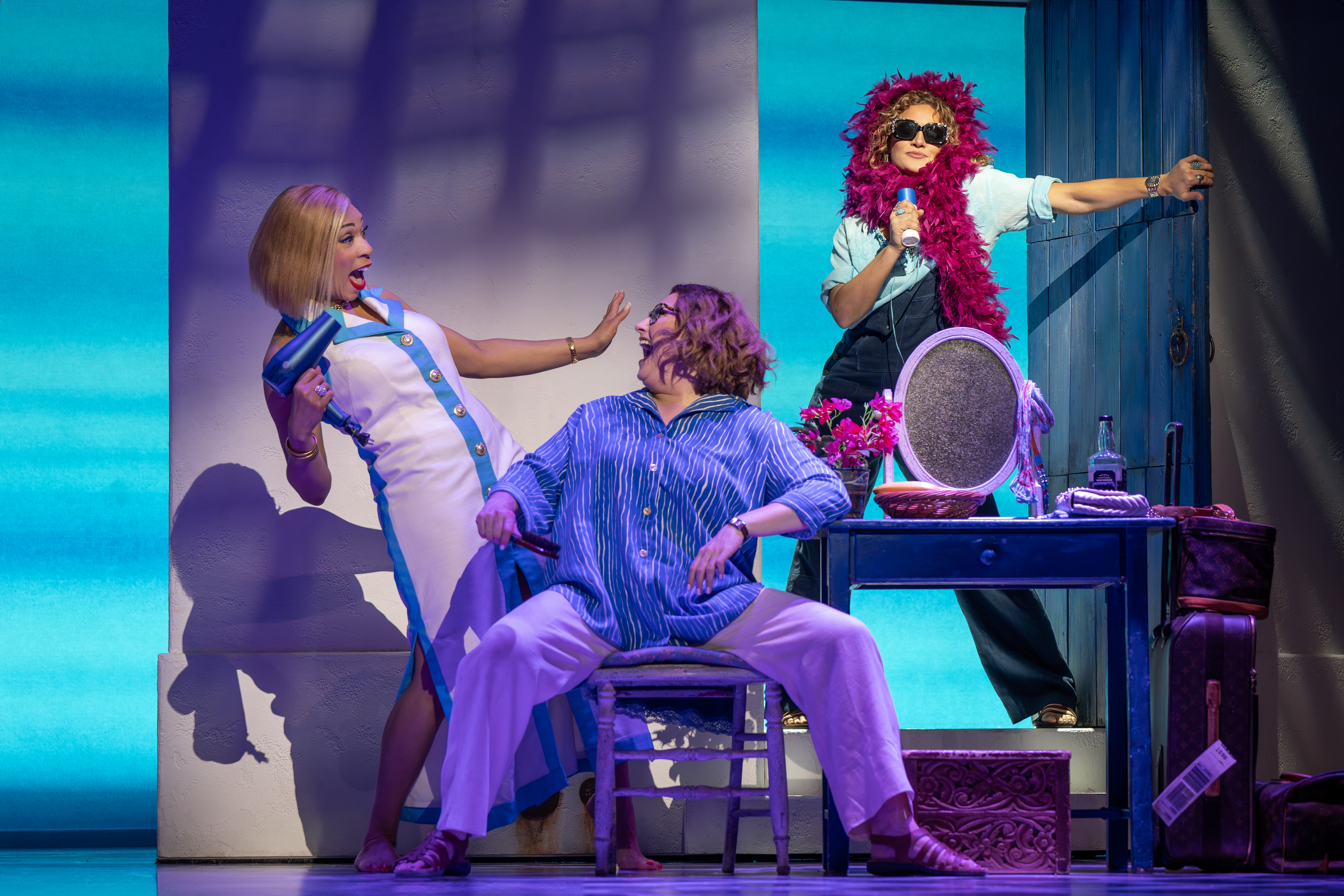
    Jalynn Steele (Tanya), Carly Sakolove (Rosie), and Jessica Crouch (Donna Sheridan) in “Mamma Mia!” The show runs Sept. 29 -Oct. 4 at the Academy of Music.Joan Marcus

    ‘Mamma Mia!’

    Sept. 29-Oct. 4, Academy of Music

    One of the longest-running shows in Broadway history makes its return to Philadelphia with a fresh cast belting beloved ABBA classics. On a luscious Greek island, a young bride has devised a clever plan to determine the identity of her father: inviting three potential dads to her wedding. What could go wrong? Sing along to favorite tunes like “Dancing Queen,” “Money, Money, Money,” and, of course, “Mamma Mia” while watching the heartwarming family bonding. Pretty Woman: The Musical actor Jessica Crouch takes on the role of Donna while The Voice contestant Juliette M. Ojeda stars as her daughter, Sophie.

    Academy of Music, 240 S. Broad St., Philadelphia, 215-893-1999 or ensembleartsphilly.org

    Restaurant recs: Double down on the spectacle of a night at the theater with drinks and starters at the bar at Mr. Edison, Jeffrey Chodorow’s aesthetically dazzling $10 million restaurant in the Bellevue Hotel. There are a number of Craig LaBan-approved items if you choose carefully.

    Suli Holum (center) and Frank Jimenez play Elizabeth Sawyer and the devil in “Witch,” running Sept. 30-Oct. 25 at Quintessence Theatre.Courtesy of Quintessence Theatre

    ‘Witch’

    Sept. 30-Oct. 25, Quintessence Theatre

    This fresh, funny, feminist twist on a 17th-century English play from Jen Silverman focuses on Elizabeth Sawyer, an outcast labeled a “witch” for reasons she can’t fathom. When the devil arrives in the small town of Edmonton, he considers Elizabeth easy prey, but she’s not convinced selling her soul for revenge on cruel neighbors will satisfy her. Instead, the devil finds men who readily fall, like two brothers eager to seize their rich noble father’s inheritance (and you can guess how that feud ends). Suli Holum, a Philly theater mainstay who once cameoed in the Emmy-winning show Mare of Easttown, stars as the titular witch while University of the Arts graduate Frank Jimenez plays the devil, aka Scratch.

    Quintessence Theatre at the Sedgwick Theater, 7137 Germantown Ave., Philadelphia, 215-987-4450 or quintessencetheatre.org

    Restaurant recs: It’s a bit of a walk down Germantown Avenue, but for a fresh pick in Mount Airy, head to Doho, the fusion-minded bistro from the culinary talents behind Catering by Design. The cocktails are always on point and you can easily fill up on the creative small plates and pasta dishes.

    Tara Venkataraman and Salena Quershi lead the cast of ‘A Beat of Our Own,’ running Oct. 7-25 at the McCarter Theatre Center.Thomas Robert Clarke Photography

    ‘A Beat of Our Own’

    Oct. 7-25, McCarter Theatre Center

    This big, bold musical feels like Bring It On meets competitive bhangra dancing. Married playwrights Rehana Lew Mirza, who grew up in Bridgewater, N.J., and Mike Lew (Teenage Dick) wrote this comedy about two bhangra teams going head to head in a national competition: one that prides itself on maintaining traditional choreography from Punjab, and another that embraces fusion and incorporates other dance styles like Bollywood and hip-hop. Challenge is, the latter team consists of total amateurs. With music and lyrics by Sam Willmott, the coming-of-age tale features movement by Bollywood choreographer Rujuta Vaidya, and Mirza promises some inside jokes meant specifically for Jersey audiences (her family included).

    McCarter Theater Center, 91 University Place, Princeton, N.J., 609-258-2787 or mccarter.org

    Restaurant recs: For small and local, Princeton restaurants like Mistral, Agricola, and elements are classic choices. For something new and from New York, try Ayat.

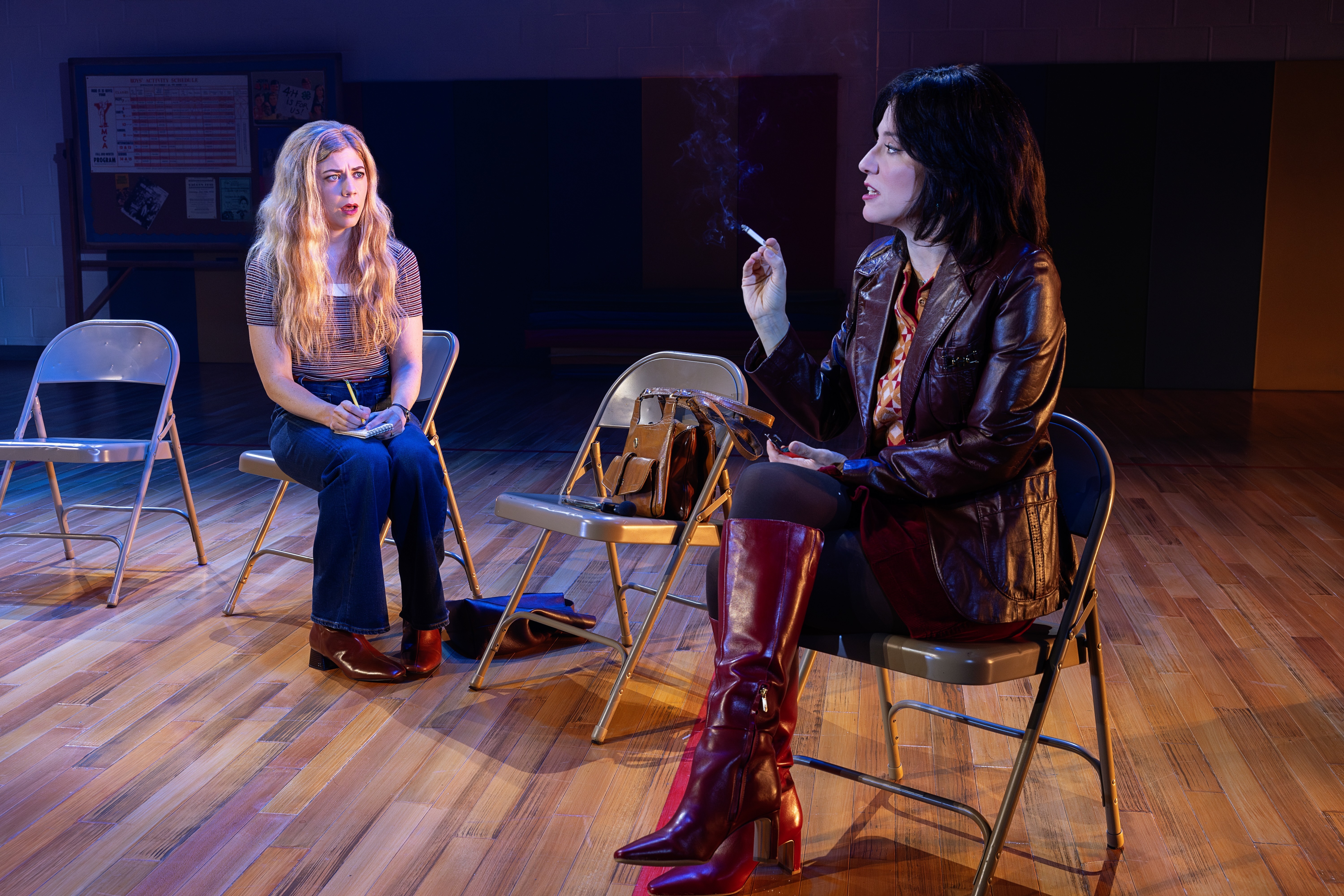
    Susannah Flood (left) and Irene Sofia Lucio appear in the Broadway production of “Liberation” in New York. The production comes to Philadelphia this fall. Adam Brisbine

    ‘Liberation’

    Oct. 9-25, Philadelphia Theatre Company

    The Philadelphia premiere of this much-buzzed-about play from Bess Wohl comes with dazzling credits as the winner of the 2026 Pulitzer Prize for drama and the 2026 Tony Award for best play. Partially based on the life of Wohl’s mother, who worked at the legendary feminist outlet Ms. Magazine, the play swings between present day and the 1970s as the protagonist, Lizzie, reflects on her mom’s activism in the women’s rights movement. Six women meet in an Ohio rec center and bond over workplace discrimination and the challenges of being wives and mothers while debating what it means to be a revolutionary. Philadelphia Theatre Company coartistic director Taibi Magar directs.

    Philadelphia Theatre Company at the Suzanne Roberts Theatre, 480 S. Broad St., Philadelphia, 215-985-0420 or philadelphiatheatrecompany.org

    Restaurant recs: If you’re heading to PTC, you couldn’t be closer to Oroshi, the recently opened omakase restaurant located directly across Broad Street. Check that out before the show, then head to Sonnys Cocktail Joint afterward for drinks, tavern pies, and hot dogs.

    ‘Misery’

    Oct. 14-Nov. 7, Hedgerow Theatre

    Before the internet age of stans, there was Annie Wilkes, a scarily impulsive fan who terrorized her favorite author in Stephen King’s 1987 novel Misery. After a major car crash, novelist Paul Sheldon wakes up in a remote cabin with Annie playing nurse, but soon he realizes her enthusiasm belies a dangerous obsession. This stage adaptation from Oscar-winning writer William Goldman — the pen behind All the President’s Men, Butch Cassidy and the Sundance Kid, and The Princess Bride — premiered at Bucks County Playhouse in 2012 before a star-studded run on Broadway with Bruce Willis and Laurie Metcalf. This production sees Bruce Graham and Emma Gibson facing off in this psychological thriller.

    Hedgerow Theatre, 64 Rose Valley Rd., Media, 610-565-4211 or hedgerowtheatre.org

    Restaurant recs: Media has lots of options, but why not go to Fond, Lee Styer and Jessie Prawlucki Styer’s brilliantly revived French bistro, located a mere four-minute drive away from Hedgerow.

    ‘#CHARLOTTESVILLE’

    Oct. 14-Nov. 1, Azuka Theatre @ The Drake

    Philadelphia-based actor/playwright Priyanka Shetty was a student at the University of Virginia in 2017 when hundreds of white supremacists marched in Charlottesville, resulting in the three people killed and 35 injured. As an immigrant from Bangalore, India, Shetty felt compelled to respond, so she began interviewing dozens of residents, researching court transcripts, and reading extremist right-wing material to create this verbatim play in which she stars as the sole performer. Popular local theatermaker Yury Urnov directs this production, which he also directed during its award-winning run at the 2025 Edinburgh Fringe Festival.

    Azuka Theatre at The Drake, 302 S. Hicks St., Philadelphia, 215-563-1100 or azukatheatre.org

    Restaurant recs: The options are good and plenty in this part of town. I’m partial to Monk’s Cafe for sentimental reasons, but you also have La Jefa & Tequilas, Kissho House, and Superfolie to choose from, all within a few minutes’ walk.

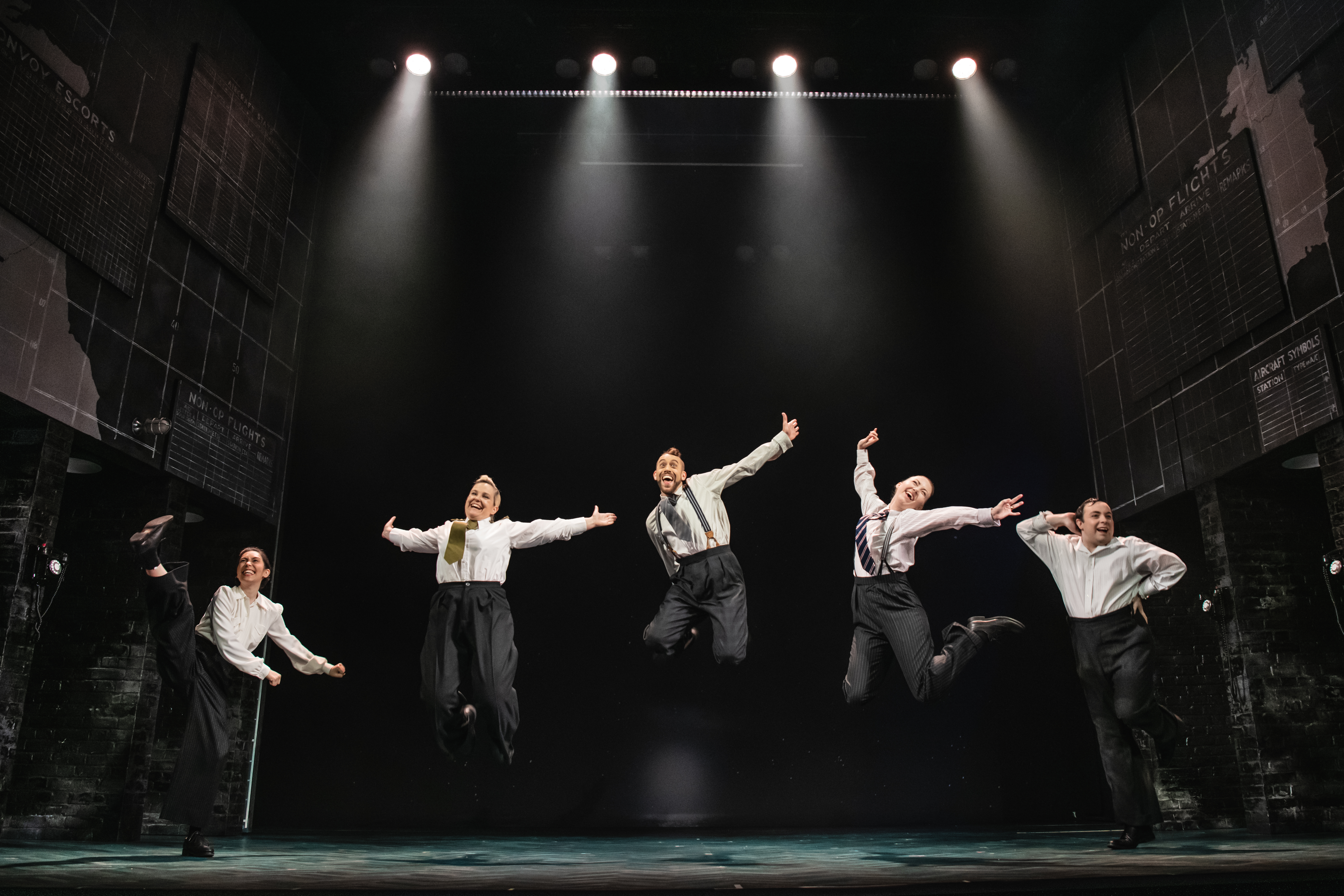
    Jak Malone accepts the award for best performance by an actor in a featured role in a musical for “Operation Mincemeat: A New Musical” during the 78th Tony Awards on June 8, 2025, at Radio City Music Hall in New York. The musical will have its Philadelphia premiere this fall.Charles Sykes

    ‘Operation Mincemeat’

    Dec. 15-20, Forrest Theatre

    Based on a real-life secret mission during World War II, this zany musical brings five versatile actors to play 87 characters with Monty Python-like humor. The British plot involved disguising a corpse as a Royal Marine officer and dumping the body into the sea along with a briefcase full of fake documents intended to deceive German spies (allowing the Allied forces to invade Sicily). The score includes sea shanties, ballads, electro-pop, and rap for an uproarious, unbelievably informative good time.

    Forrest Theatre, 1114 Walnut St., Philadelphia, 215-893-1999 or ensembleartsphilly.org

    Restaurant recs: The Walnut Street Theatre suggestions apply here, too, but for a few more, how about Kichi (a “zoomakase”), Oloroso (delicious tapas by chef Tod Wentz), and Darling Jack’s (a something-for-everyone contemporary tavern menu)?

  • Boricua pride murals, Philadelphia Orchestra feat. Joe Hisaishi, and a beautiful manhole cover are among our favorite works of art this week

    Boricua pride murals, Philadelphia Orchestra feat. Joe Hisaishi, and a beautiful manhole cover are among our favorite works of art this week

    Hidden art at your feet

    Museums and galleries are spaces we enter expecting to find joy and beauty in art. Even when we leave overwhelmed with feelings, we know that we went in looking for that beautiful indescribable emotion. That joy is doubled when art comes at you from unexpected corners.

    I was walking across the John F. Kennedy Boulevard Bridge one morning when my eyes fell on a manhole cover. A metal lid on the city’s unseen river of waste? Decidedly not art.

    A Philadelphia Water Department metal manhole cover on the John F. Kennedy Boulevard Bridge, on Sept. 17 2026.Bedatri D. Choudhury

    But imagine it’s early morning and the sun isn’t too strong yet, you’re walking to work with purpose and a head full of to-dos. You see the metal lid that conceals what you’re not supposed to see. The lid is stamped with a design of what looks like shoots of a plant with little leaves growing on them, and the words “Philadelphia Water” occupy the center in symmetrical typographic harmony.

    It’s beautiful; its beauty enhanced by the fact that it didn’t have to be anything but a plain metal lid screwed to concrete. No one is supposed to stop and look at manhole covers in silence like framed art in a gallery but someone somewhere in the long line of civic workers at the Philadelphia Water Department decided to build something beautiful just in case someone on their way to work decided to stop and look. Someone came up with a design, someone forged a stamp, someone stamped the metal with it, and someone put that metal lid on the bridge I walk to work. There’s so much joy in discovering this silent gift. Thank you.

    — Bedatri D. Choudhury

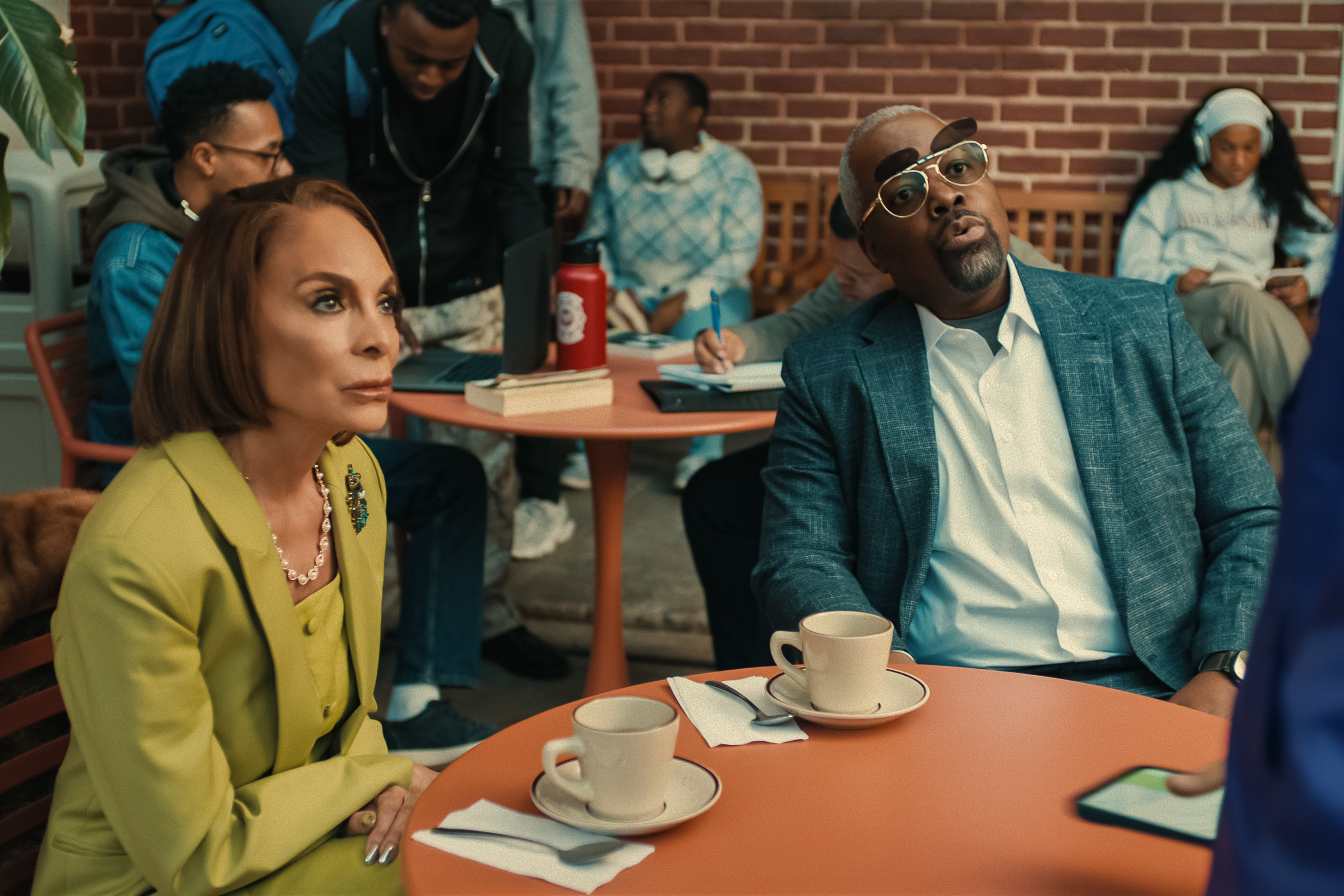
    Jasmine Guy and Kadeem Hardison in a scene from “A Different World.” (Netflix via AP)Uncredited

    Netflix’s ‘A Different World’ is everything I wanted ‘Bel-Air’ to be

    For those of you who don’t remember, A Different World was NBC’s 1987 spinoff of North Philly’s own Bill Cosby’s The Cosby Show. It featured Cliff’s second daughter, Denise Huxtable (Lisa Bonet), as a freshman at her parents’ alma mater, the fictional historically Black university, Hillman College.

    After one season, however, Denise was out, Whitley (Jasmine Guy) was the center, and viewers were glued to their seats every Thursday night following Dwayne (Kadeem Hardison) and Whitley’s budding romance. By the end of its six-season run, Dwayne and Whitley were married, and we assumed they lived happily ever after.

    After almost 30 years, Netflix has revived A Different World millennial-style, and this week it’s back.

    The 10-episode first season gives Philly-inspired Bel-Air vibes; it’s a serious take on a fun-and-games ’90s comedy. At first glance, the male lead, Shaquille Johnson (Cornell Young IV), looks a lot like Jabari Banks, the West Philadelphia-born actor who assumes Will Smith’s character on Peacock’s Bel-Air.

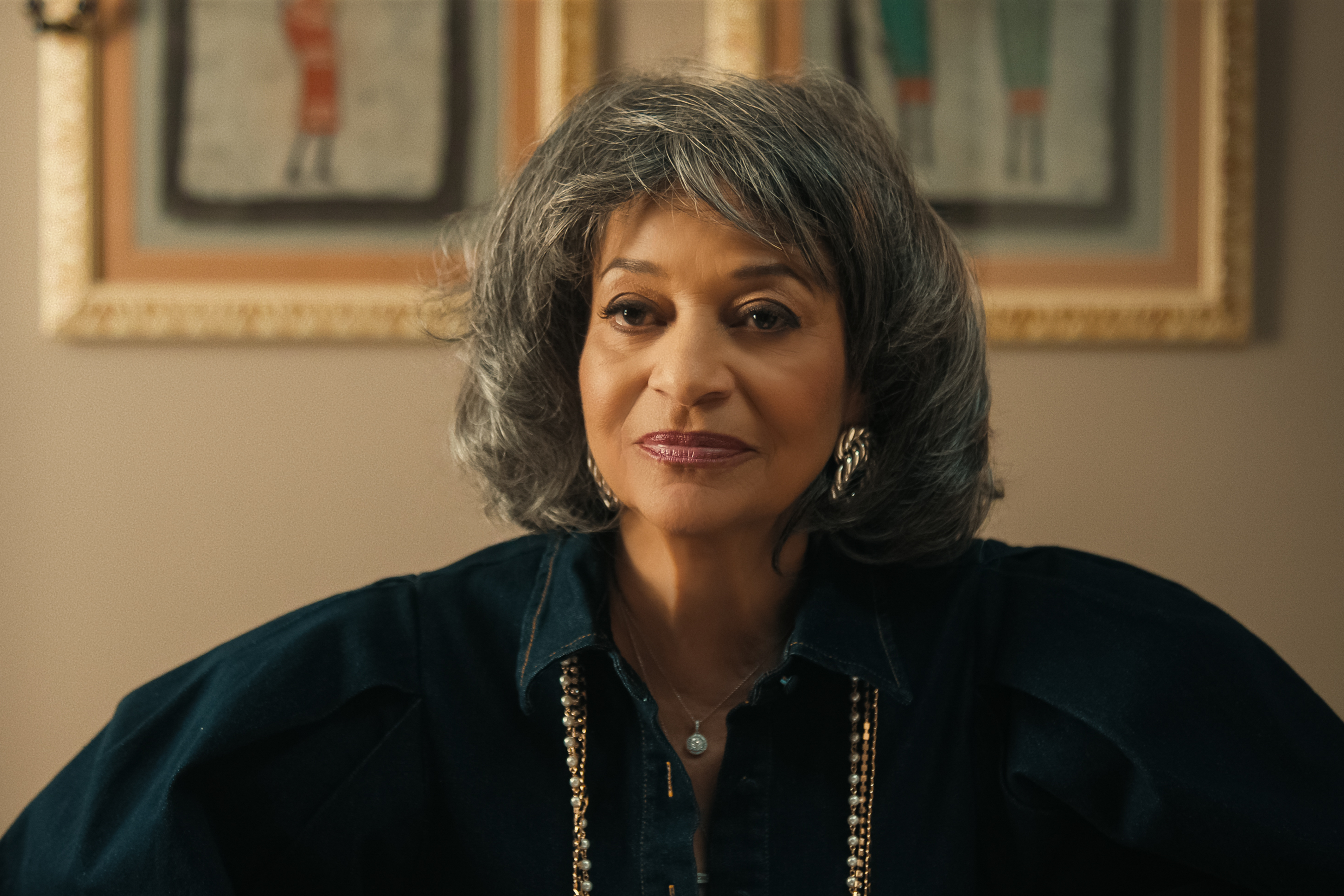
    Debbie Allen in a scene from “A Different World.” (Netflix via AP)Uncredited

    But that’s where the similarities end.

    The updated version of A Different World is what I thought Bel-Air would be. It remains true to the original show’s characters: Whitley is still an entitled snob. Dwayne remains as thoughtful as he is brilliant. And Dwayne and Whitley’s daughter, Deborah (Maleah Joi Moon), is a delightful blend of her mom’s sense of bougieness and her dad’s altruism. It’s a stone-cold gas that her favorite accessory are flip glasses just like Dwayne Wayne. (It made me want to dig mine out)

    Yet, the new A Different World is more than a nostalgic walk in the park. The first few episodes deal with 2020s issues like the current presidential administration’s attack on Black history, rampant mismanagement of funding by university administrators, and what it’s like for this generation of college students to engage with professors and each other after almost two years of COVID-19 lockdown.

    Just like its 1980s predecessor, A Different World millennium-style has the same immediacy.

    “A Different World” is now airing on Netflix.

    — Elizabeth Wellington

    Beethoven meets Joe Hisaishi, thanks to the Philadelphia Orchestra

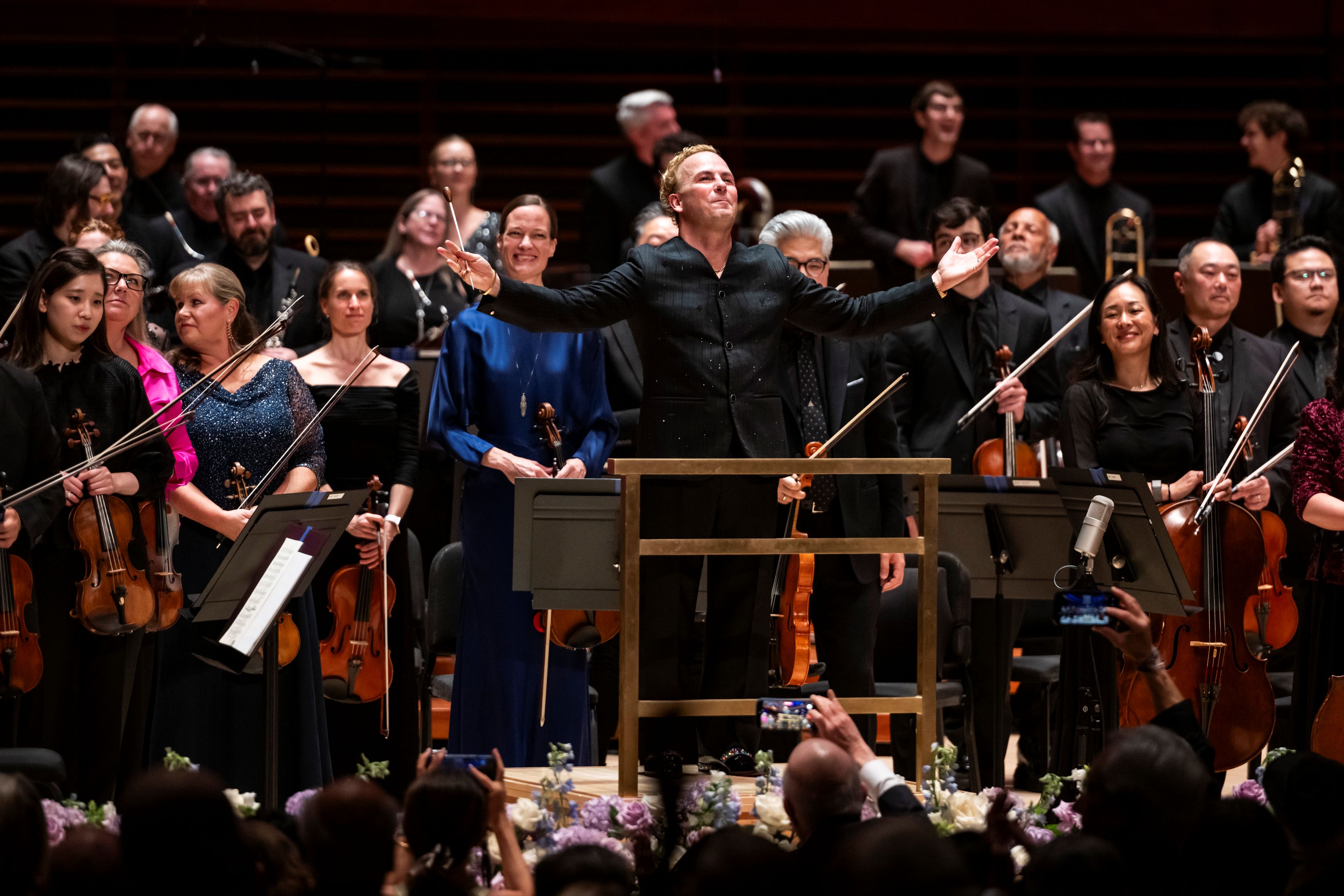
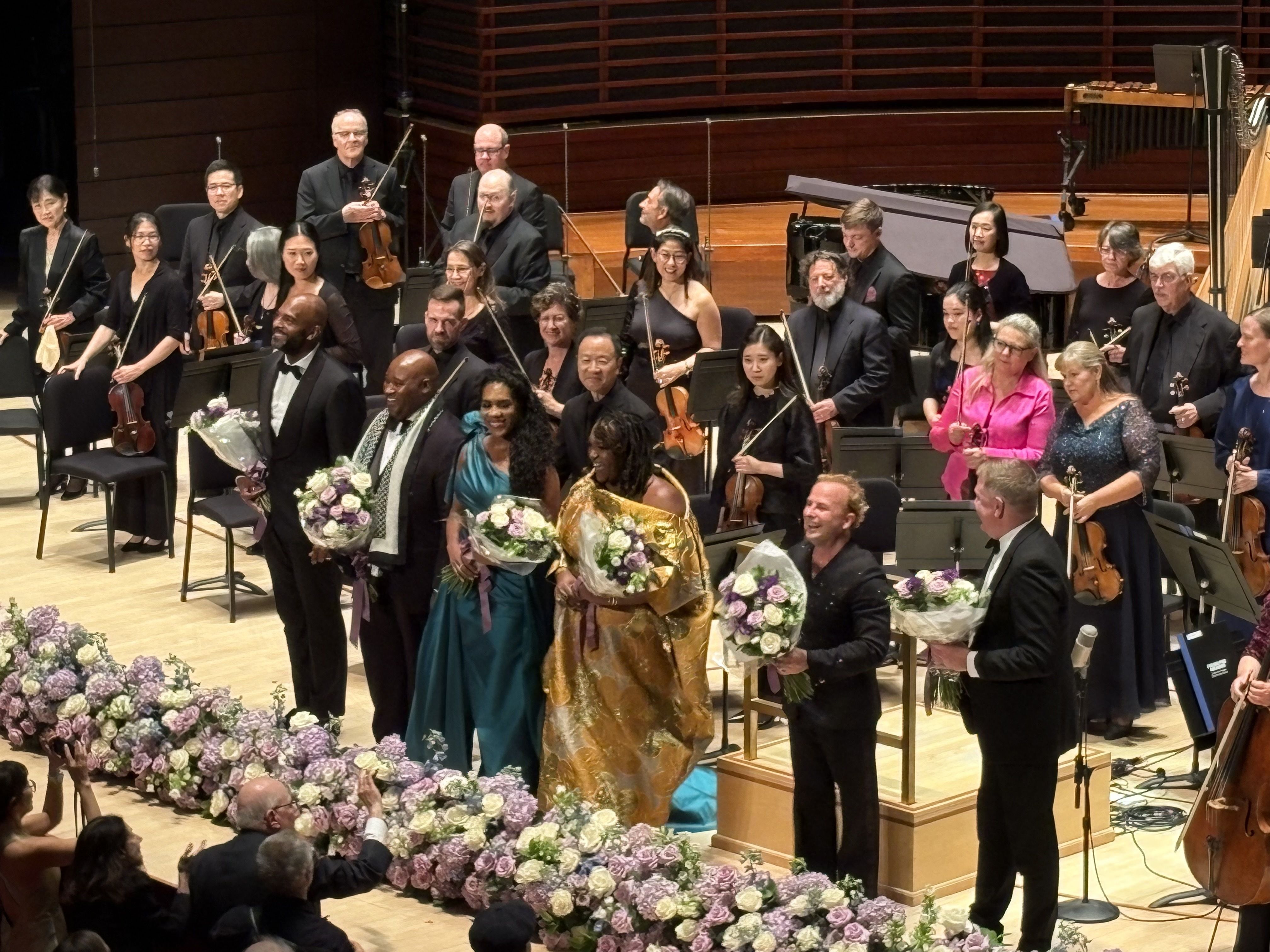
    At opening night of the Philadelphia Orchestra’s 2026-27 season in Marian Anderson Hall, performers take bows after Beethoven’s Symphony No. 9. From left, bass-baritone Ryan Speedo Green, tenor Issachah Savage, mezzo-soprano J’Nai Bridges, soprano Leah Hawkins, conductor Yannick Nézet-Séguin, and Philadelphia Symphonic Choir artistic director Joe Miller.Peter Dobrin

    Yannick Nézet-Séguin opened the Philadelphia Orchestra’s 127th season Thursday night with a message at once broad and universal, and very local.

    The piece was Beethoven’s Symphony No. 9, and the orchestra’s music and artistic director was no doubt referencing the state of the world when he spoke to the Marian Anderson Hall audience of the work’s shared humanity and how it reminds us that “there’s much more that unites us than what divides us.”

    But “this is why,” he continued, “I want to finish by saying that it’s important for me and all of us to recognize all the musicians who have devoted their lives to the orchestra.”

    No one said it explicitly at this gala fundraiser, but musicians and management of the orchestra recently agreed to remain united another three years. A new labor contract was ratified last week by players — “overwhelmingly,” a union official said — after six months of talks.

    Nézet-Séguin not only praised orchestra members who have been “at the service of this incredible … treasured sound that’s unique in the world,” but an unusually large number of them populated tables in the Kimmel Center lobby for the dinner following the concert, where flowered tablescapes featured photographs of the players.

    If the orchestra had wanted to extend the theme of unity, it might have programmed Valerie Coleman’s Umoja: Anthem of Unity, which the ensemble premiered in 2019 and has since championed. But Joe Hisaishi is the orchestra’s composer in residence, and his Orbis, a work whose sound straddles film and concert music, fit the moment.

    The orchestra, too, now occupies both of these stylistic realms, making Hisaishi’s ethereal-to-brightly-stirring score — whose Latin text sung by the Philadelphia Symphonic Choir speaks of joy — emblematic of the season ahead.

    The short work was written in 2007 as a companion piece to Beethoven’s symphony, which on Thursday featured the expert choir and four soloists who ranged from strong to stupendous: soprano Leah Hawkins, mezzo-soprano J’Nai Bridges, tenor Issachah Savage, and bass-baritone Ryan Speedo Green.

    Gala concerts of this sort often feature a single big-name soloist. The spotlight here was on the Beethoven, this great undying statement of humanity, and it was a programming decision endorsed by an audience that responded to the conductor’s push of the tempo at the end with a spontaneous roar.

    There was another notable singer in attendance — Kathleen Battle, not on stage, but in the audience. At 78, the soprano still has presence, and you couldn’t help but sense her place as a bridge in history, a link from the pioneering Black contralto for whom the hall is named to the four soloists on stage who represent the future of the art form.

    — Peter Dobrin

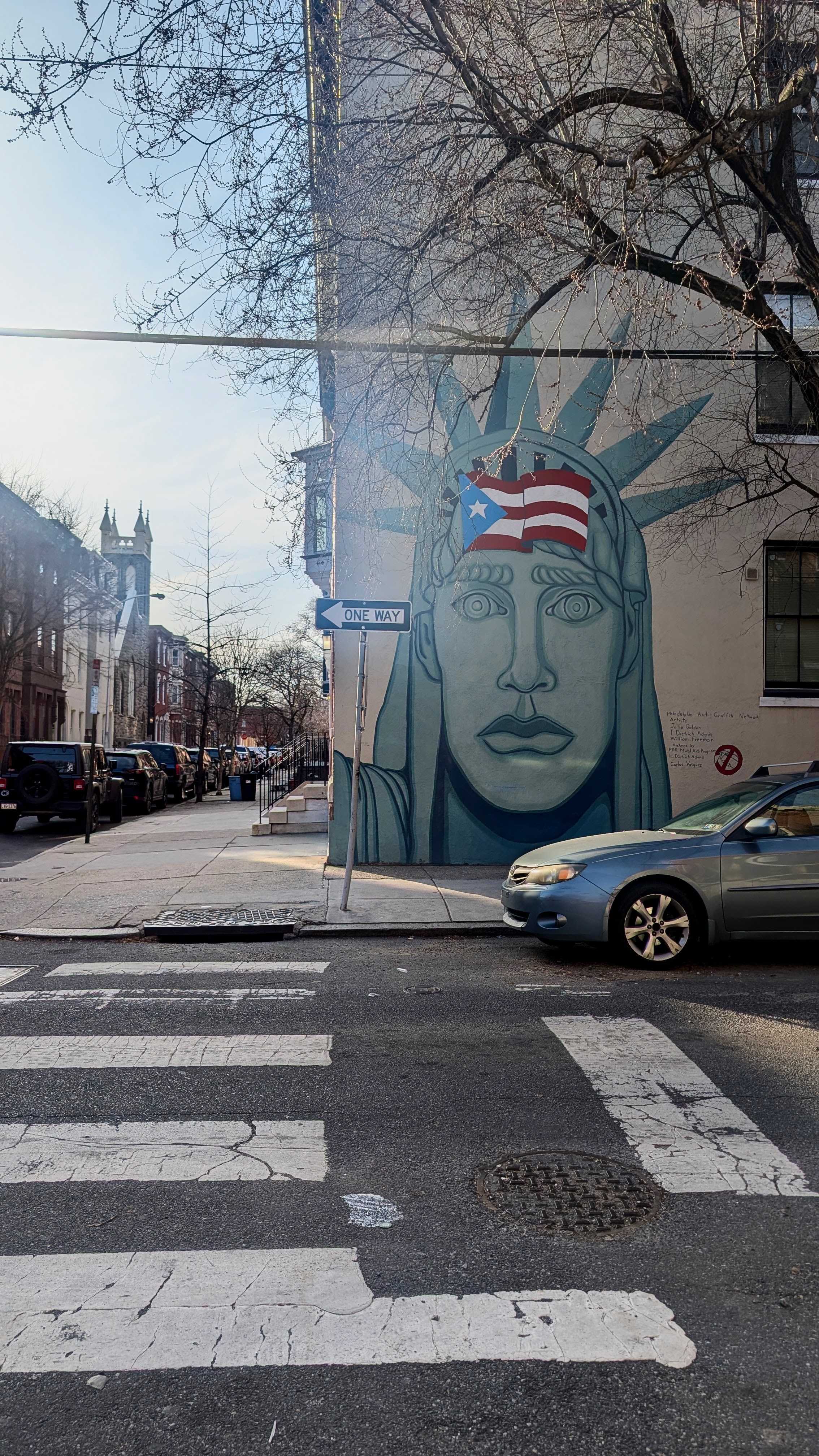
    The mural “Puerto Rican Statue of Liberty” in Fairmount, captured in March 2025.Bedatri D. Choudhury

    Ladies of liberty and Boricua pride

    Thousands of Philly Ricans will celebrate the annual Puerto Rican Day Parade on the Parkway this weekend in one of the loudest and proudest parties of the year spotlighting our city’s incredibly strong Boricua community. All year round, though, there are other places in Philly with quieter but no less exuberant representations of Puerto Rican history and culture that recently made me smile.

    In Fairhill — where I was thrilled to see the indie band Chuwi from Isabela perform at Feria del Barrio a couple weeks ago — there’s a towering, brightly colored mural by Philadelphia artist Parris Stancell that’s a joy to see. There are two vejigante figures in striking red, green, and yellow masks, one with arms wide open like it’s about to embrace the viewer. (These characters typically appear in festivals with frightening, monstrous masks to scare away bad spirits.) Beautiful birds and symbols from Indigenous Taino tribes adorn the vibrant scene.

    Also, picture the Statue of Liberty with a Puerto Rican flag hanging from her crown. If that sounds familiar, you may have seen a mural in Fairmount depicting Lady Liberty with the same flag. That painting offers a close-up look at the statue’s mournful, softly defiant face.

    Both murals show a powerful symbol in the history of Puerto Rico’s independence movements: These ladies of liberty were not some artistic imagination but recreations of a protest from 1977, when a group of Puerto Rican nationalists occupied the Statue of Liberty and draped their flag across her forehead to demand independence for Puerto Rico.

    According to Mural Arts, the Fairmount mural was first made by an anonymous graffiti artist in the early 1980s who wanted to honor that significant historical event, but the mural was later covered up, only to be recreated after Philly Ricans petitioned the mayor to replace it.

    These murals have me reflecting on the power of the diaspora in Philadelphia and beyond as Puerto Ricans on the archipelago are struggling through a devastating water crisis. That Statue of Liberty takeover happened nearly 50 years ago to criticize the government for treating Puerto Ricans as second-class citizens. Today, during Latino Heritage Month, when many Latin American nations ring in anniversaries of their independence days, Puerto Rico remains in colonial limbo. And Philly Ricans won’t let anyone forget it.

    — Rosa Cartagena

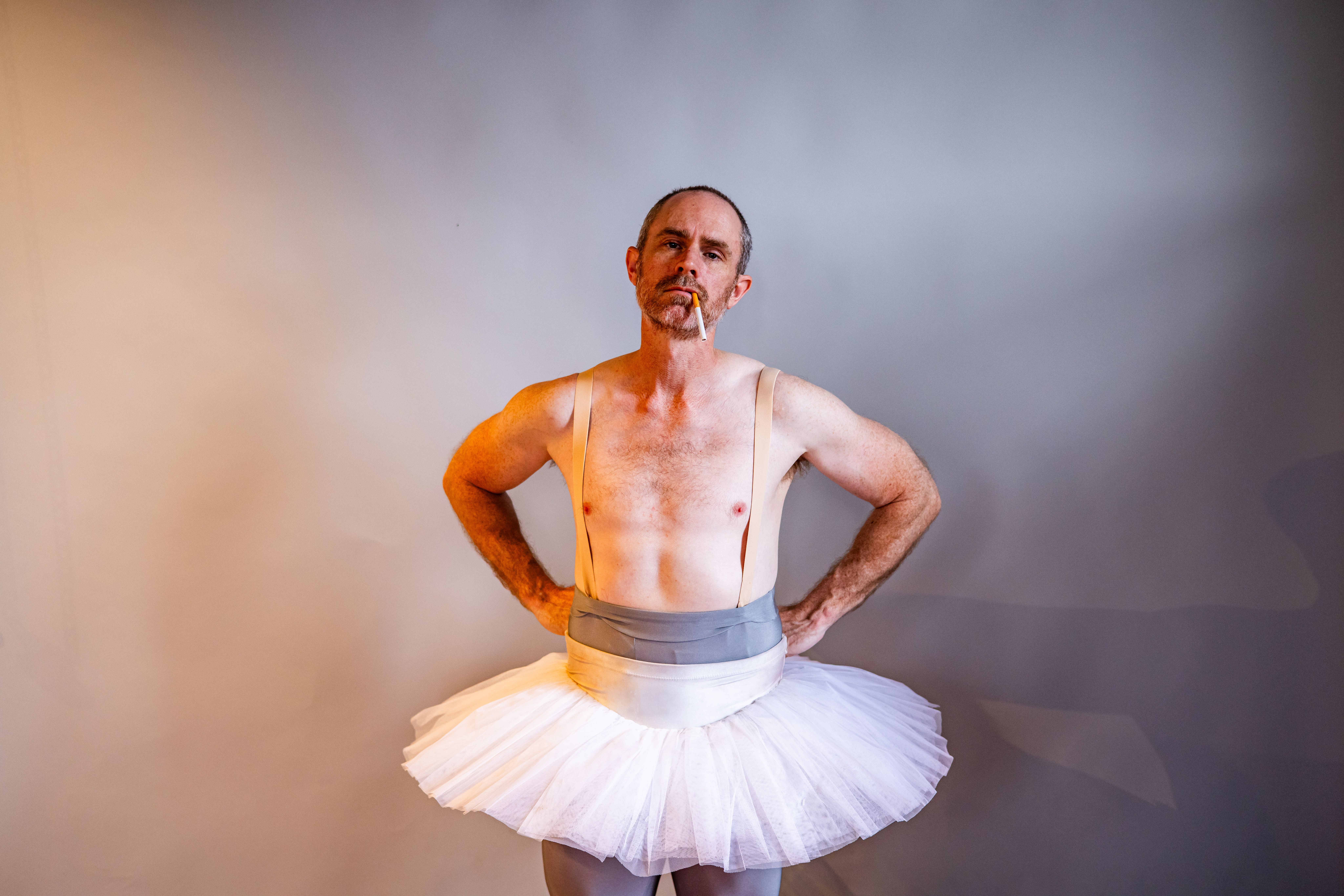
    Writer and performer Chris Davis in “The 40-Year-Old Ballerino” as part of the 2026 Philadelphia Fringe Festival. Ashley Smith / Wide Eye Studios

    Finding balance at Fringe

    Chris Davis is still learning to let go of the barre. A literal ballet barre, from his years of late-in-life dance training. But the barre also represents the vices of his past — drugs; alcohol; unrealistic romantic expectations, thanks to too much exposure to ‘90s media; a codependent relationship.

    And, he might admit, maybe they’re not all left in the past.

    Dressed in a white tank top, tights, and slippers, Davis stretches and speaks to the Fringe Festival audience with nothing beside him onstage, except the barre and a boom box, which he occasionally holds above his head à la Say Anything.

    The sparse set and sub-hour runtime are effective in centering Davis’ emotional journey from the guy who takes up ballet because of a ballerina ex, to the guy who keeps up with ballet (five to six days a week!) because it is what’s filling the existential void. There are more toxic ways to start over.

    “The 40-Year-Old Ballerino” runs until Saturday, Sept. 26, at Studio 34.

    — Julie Zeglen

  • NYT names ‘It’s Always Sunny in Philadelphia’ and ‘Mare of Easttown’ two of the best TV shows of the 21st century

    NYT names ‘It’s Always Sunny in Philadelphia’ and ‘Mare of Easttown’ two of the best TV shows of the 21st century

    The New York Times rolled out its roundup of the 100 best television shows of the 21st century so far, this week and highlighted some Philly shows and stars.

    The ranked list came from a survey the newspaper conducted of 516 actors, showrunners, behind-the-camera crew members, and others across the TV industry. The responders — including West Philly-raised star Colman Domingo — submitted their 10 favorite series that premiered on or after Jan. 1, 2000, from any genre.

    The top five shows were, in order, Breaking Bad, The Wire, Mad Men, Succession, and Fleabag.

    While no Philadelphia-specific shows made it that high up in the ranking, Upper Darby comedy legend Tina Fey landed the number eight spot with 30 Rock.

    Further down, It’s Always Sunny in Philadelphia, the longest running live-action sitcom in TV history, which celebrated its 20th anniversary last year, came in at number 78. Times writer Austin Considine described its undeniable staying power: “Sunny outlasted The Office. It outlasted Cheers. It may last as long as we need to laugh at horrible people, which shows no signs of abating.”

    Game of Thrones creator D.B. Weiss, one of the survey’s responders who named Sunny on his ballot, called it “the smartest show about dumb people ever made.”

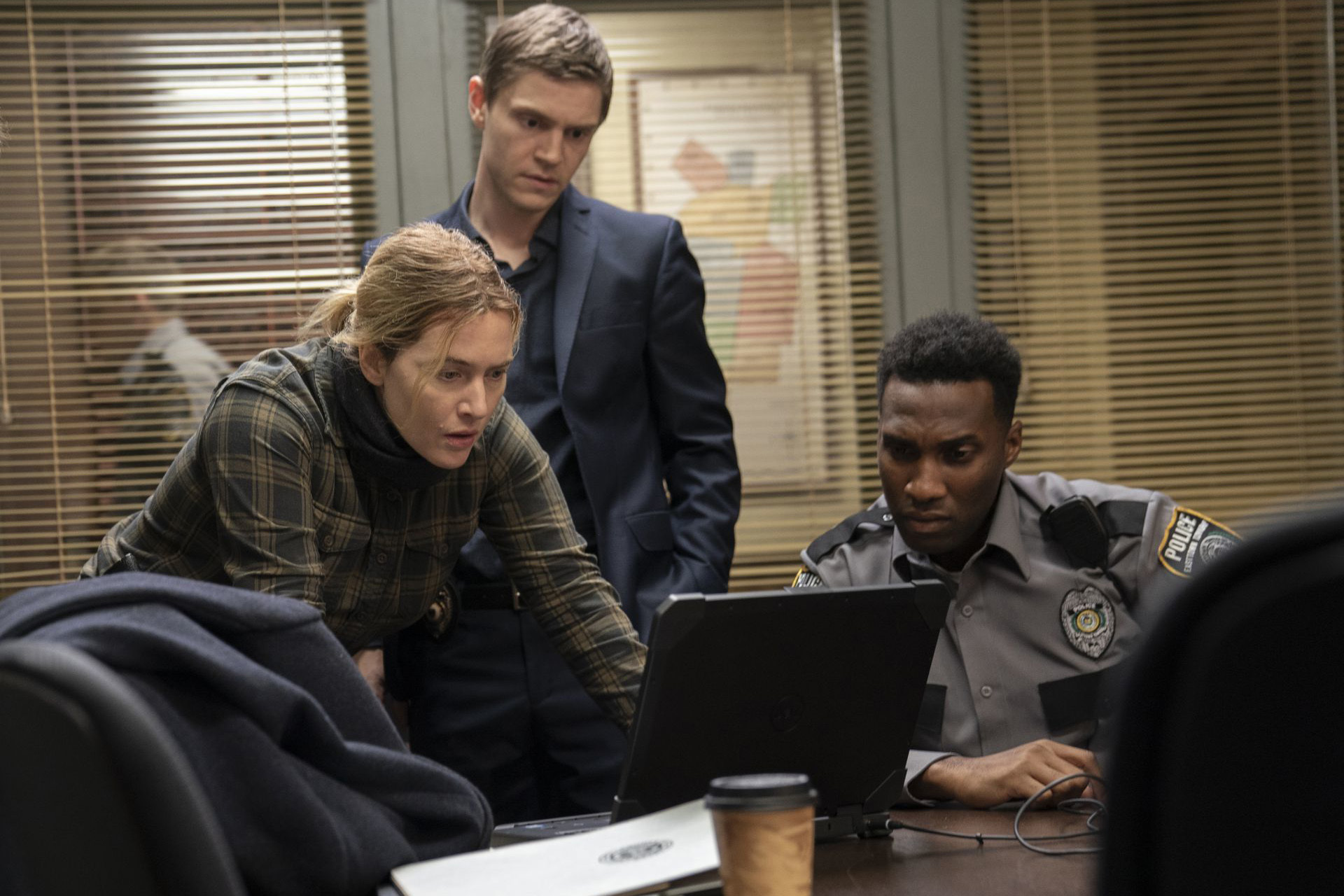
    Philly’s comedy chops aside, the dark Delco drama Mare of Easttown, from Berwyn writer Brad Ingelsby, landed in the 65th spot. Leah Greenblatt, another Times writer, praised the show for delivering a “Pennsylvania atmosphere so thick you could slap it on a hoagie and eat it with sweet peppers.”

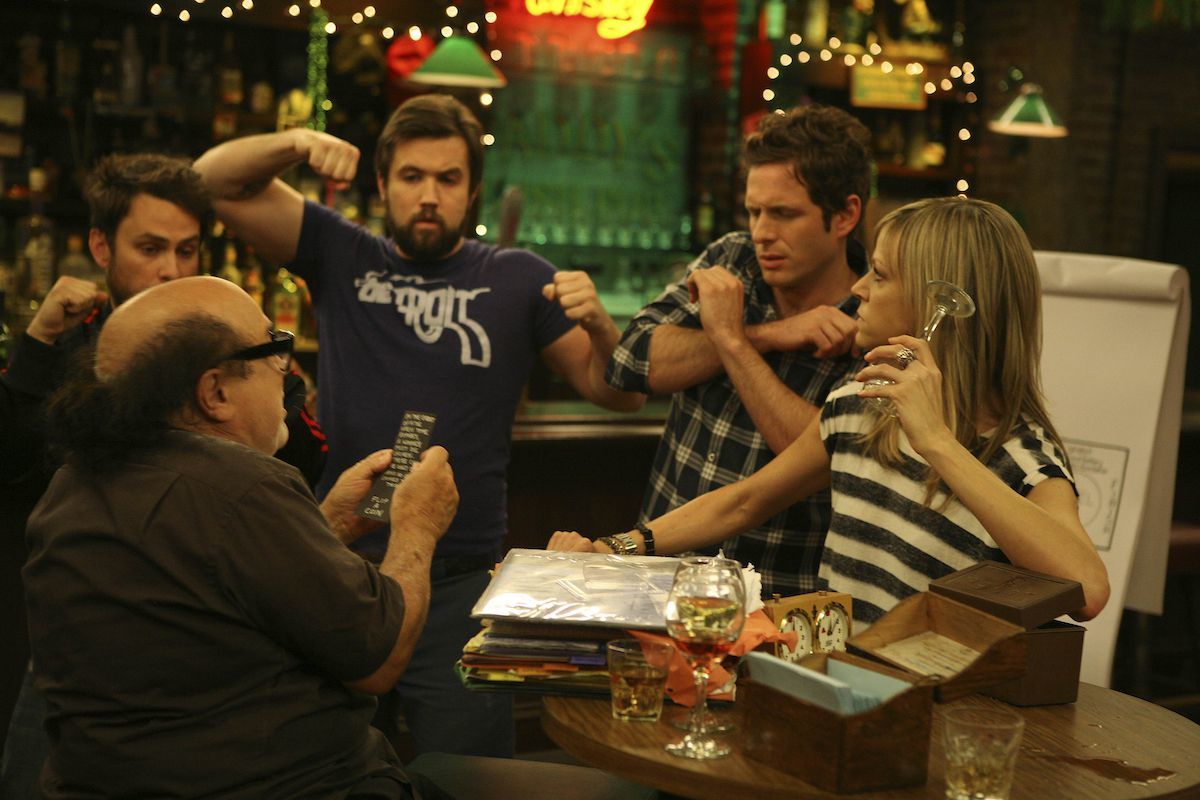
    The Gang from “It’s Always Sunny in Philadelphia” plays a game of CharDee MacDennis, a portmanteau of their names, Charlie, Dee, Mac, and Dennis, in Season 7.(Courtesy of FX Networks and Hulu)

    Several shows on the Times’ list featured actors and writers with ties to the Philadelphia area, including Broad City (#46), created by Wayne-raised actor Abbi Jacobson, who starred alongside her comedic partner, Ilana Glazer; Hacks (#42), which features famous Eagles fan Hannah Einbinder, who won an Emmy for her role, and Jean Smart, who also appeared in Mare of Easttown; and Friday Night Lights (#14), the high school football drama based on the book by former Inquirer reporter H.G. “Buzz” Bissinger.

    Pennsylvania-set shows received special shout-outs, too, including the gruesome Pittsburgh ER drama The Pitt (#36) and The Office (#11). The U.K. version of The Office also snagged the 16th spot.

    However, one big name was missing from the list: The Times snubbed Abbott Elementary. Two versions of The Office broke through the top 20, but their stylistic sequel — an Emmy-winning mockumentary workplace comedy inspired by The Office — didn’t even merit a mention.

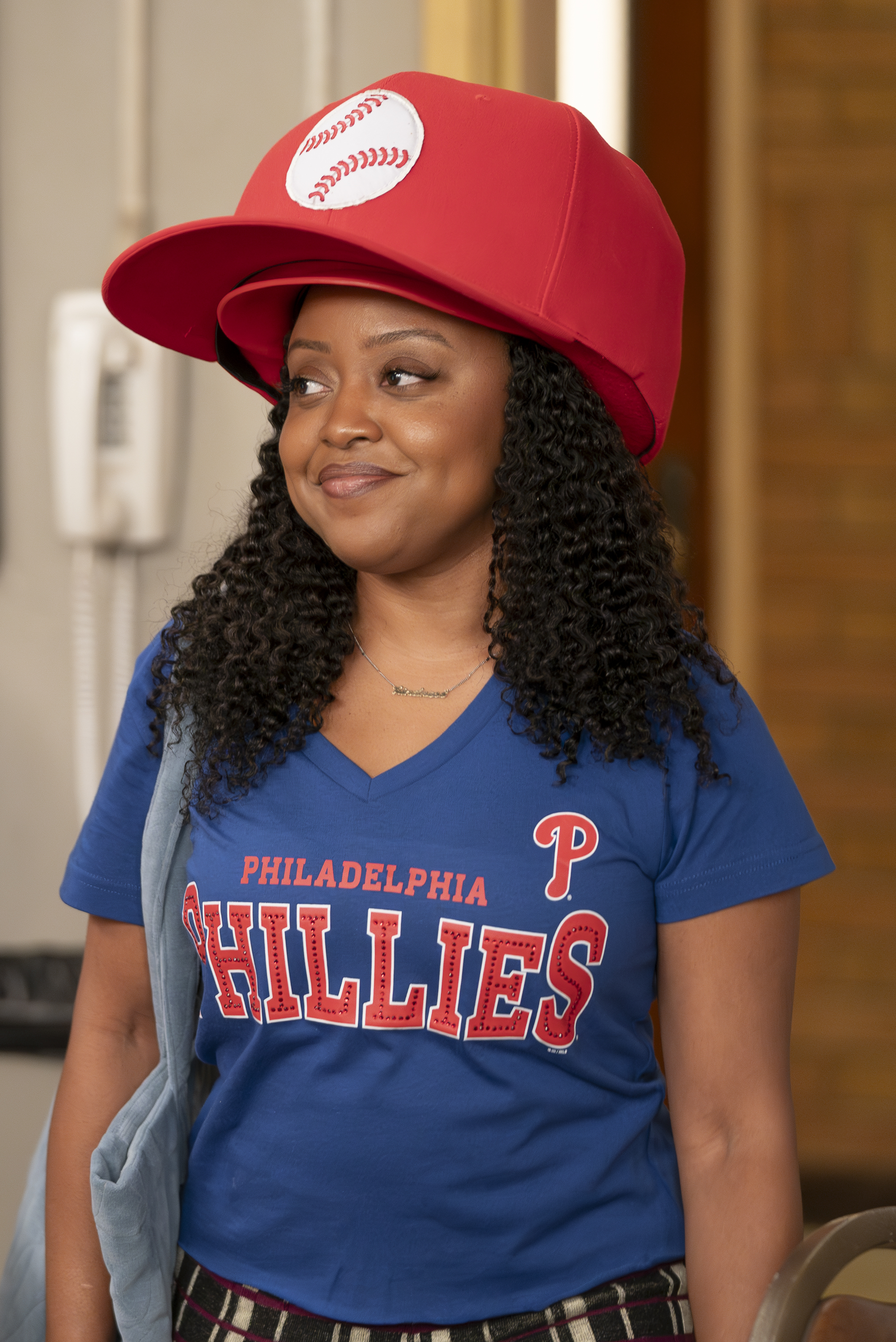
    West Philly comedian Quinta Brunson has been praised for saving, reviving, and reinvigorating the network sitcom (a genre well-represented throughout the Times list), but despite working with longtime Office director Randall Einhorn and picking up Emmy nominations for all of the show’s five seasons so far, Abbott was apparently left off many ballots. (Is everyone taking Abbott for granted? Maybe.)

  • The painful, complicated roots of American mid-century design trace back to Japanese American concentration camps

    The painful, complicated roots of American mid-century design trace back to Japanese American concentration camps

    George Nakashima never intended to move his family to New Hope.

    The famous furniture maker became one of the most sought-after artists in modern American design, considered so impactful that his home and studio in Bucks County were named a National Historic Landmark.

    It was a significant recognition from the government that had previously incarcerated Nakashima, his wife, Marion, and their then newborn daughter, Mira, forcing them to relocate from their home in Seattle to the Minidoka concentration camp in Idaho in 1942.

    The family was among some 120,000 Japanese Americans — including about 80,000 U.S. citizens — imprisoned during World War II due to the unsubstantiated fear that they could be foreign spies.

    By that point in his late 30s, Nakashima was already a successful architect and woodworker who had earned a master’s degree from MIT and traveled the world. Incarceration shaped his artistic practice and changed his trajectory significantly. At the camp, he met a skilled carpenter who taught him traditional Japanese carpentry techniques that greatly influenced his burgeoning signature style.

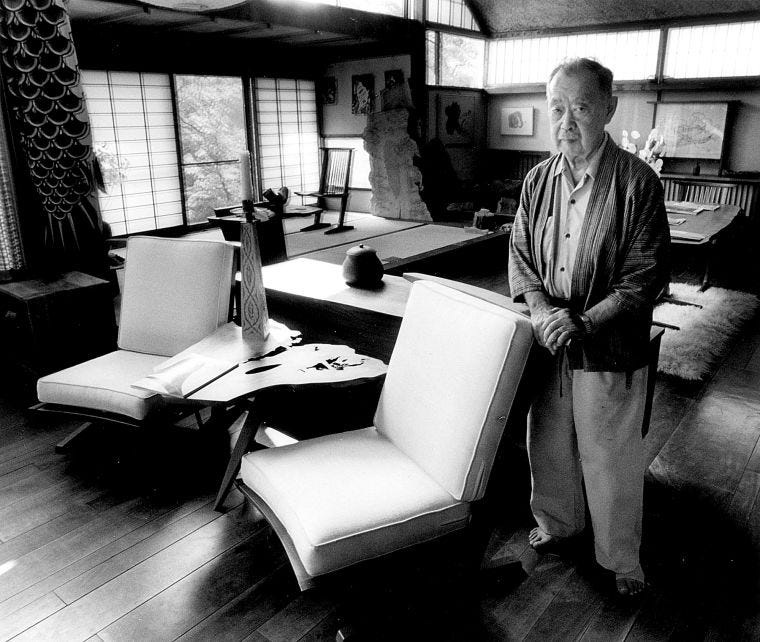
    Furniture designer and craftsman George Nakashima in his woodworking shop. In 2014, the U.S. Department of the Interior named his Solebury property a national landmark.The Intelligencer, file

    New Hope became a new home to the Nakashimas in 1943 when the War Relocation Authority released them under supervision, thanks to Nakashima’s old boss Antonin Raymond, who sponsored their freedom.

    (Ironically, the government respected the authority of the Czech immigrant Raymond, who was a naturalized citizen, over that of the Spokane-born Nakashima.)

    The conditions of the release prevented Nakashima from pursuing architecture projects with Raymond, so he worked as a farmhand by day while continuing to craft furniture by night. He transformed the farm’s milk house into a workshop and found inspiration in the woodlands surrounding him, where he would eventually establish himself as a giant of American design for decades to come.

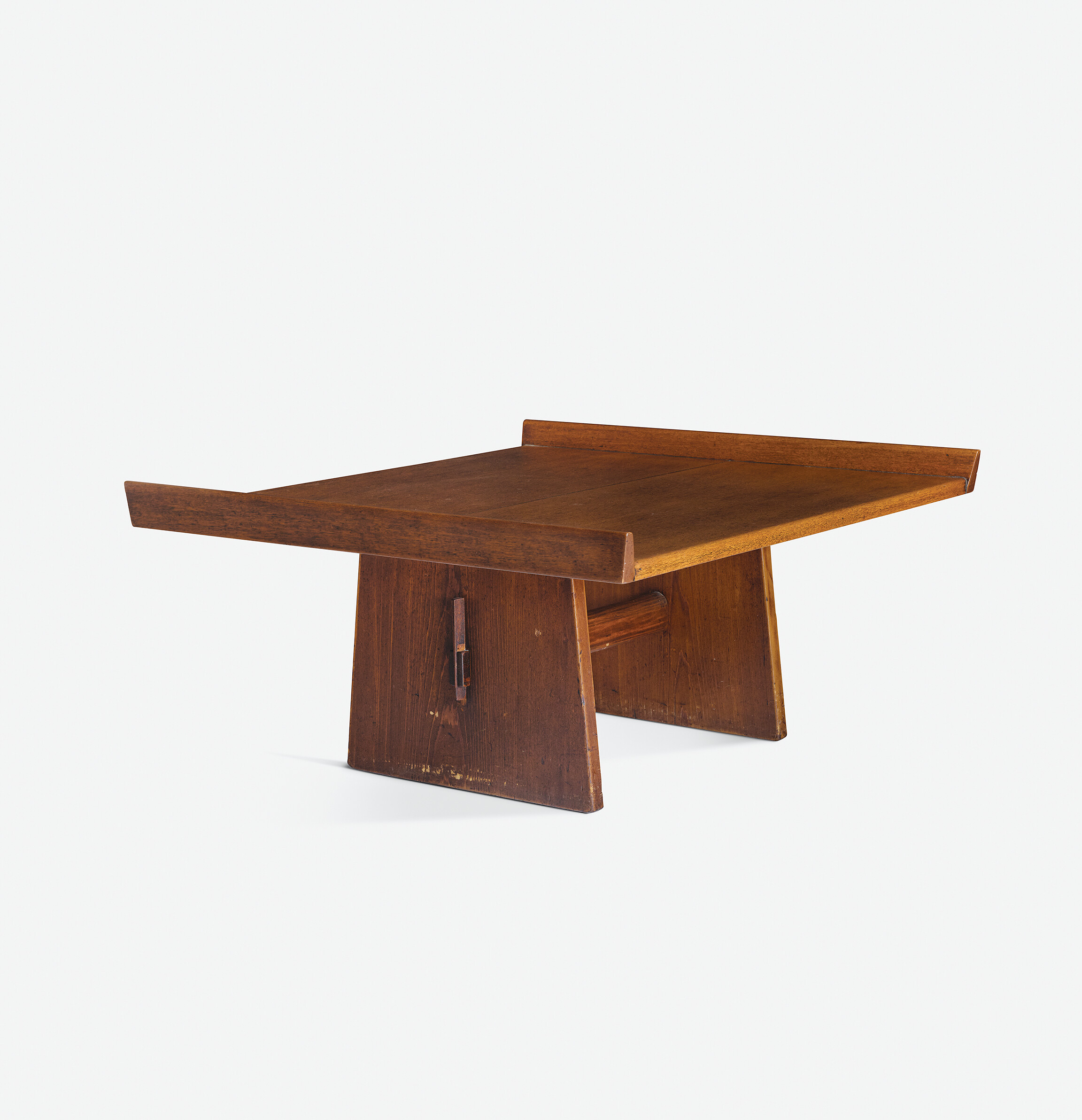
    George Nakashima (1905–1990), Milk House Table, 1944, Teak and cypress, 17 1/4 × 37 1/4 × 33 1/2 in. (43.8 × 94.6 × 85.1 cm), Nakashima Foundation for Peace.Christian Giannelli

    One of his earliest pieces after incarceration served as a poetic callback to the home he was compelled to leave behind: a coffee table made of teak wood from Washington a friend shipped to him.

    Milk House Table (1944) is one of 10 Nakashima artworks on view at the Barnes Foundation this fall as part of its American art programming marking the 250th anniversary of the nation’s founding. The exhibit “Noguchi to Asawa: Designing Postwar America” examines six renowned Japanese American artists whose work defined modern American art and design in the mid to late 20th century — all of whom were severely impacted by mass incarceration.

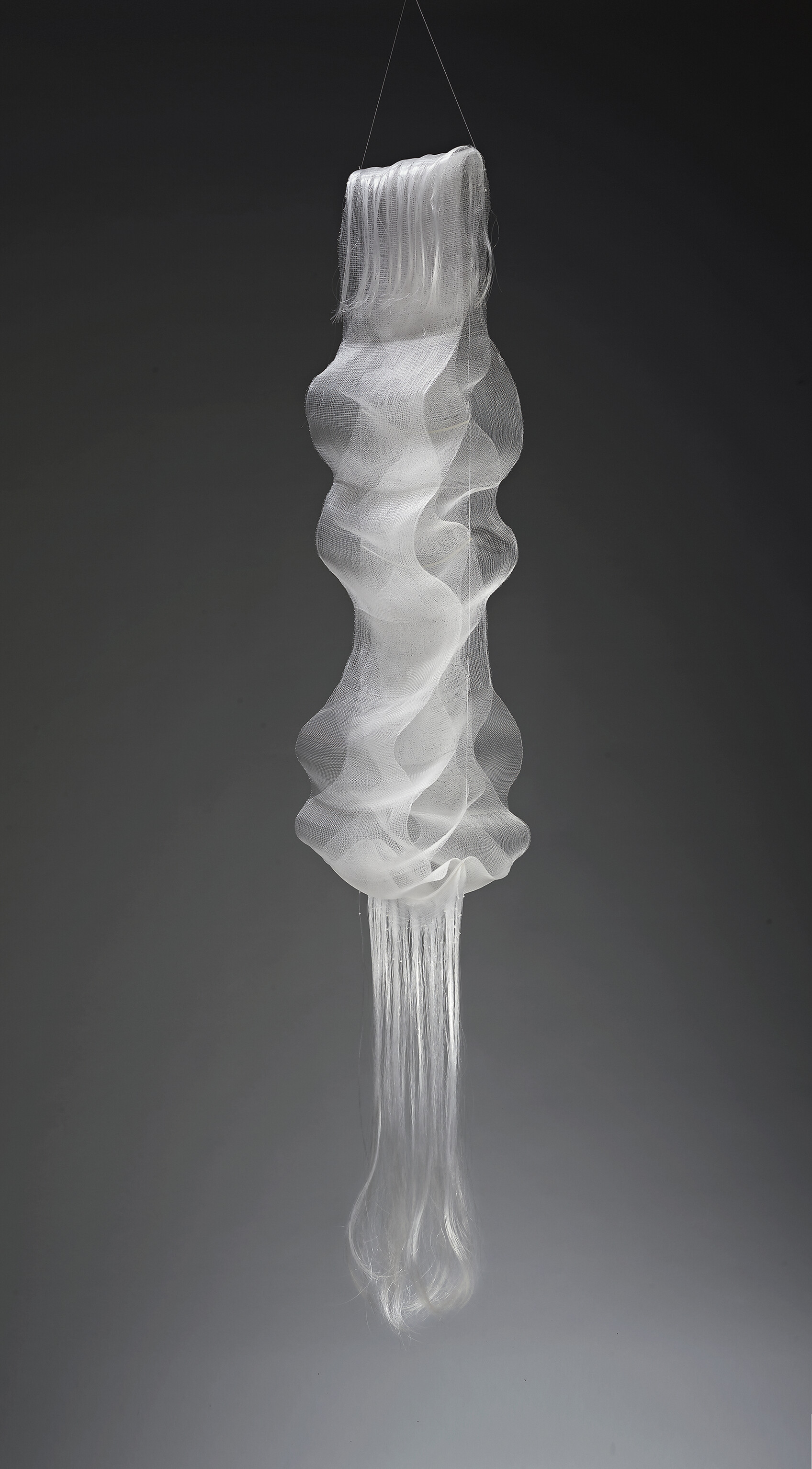
    Kay Sekimachi (b. 1926), Ogawa II, 1969, Nylon monofilament, glass beads, and plastic tubing, 76 × 12 × 10 1/2 in. (193 × 30.5 × 26.7 cm), Forrest L. Merrill Collection, © 2026 Kay Sekimachi / Artists Rights Society (ARS), New York.M. Lee Fatherree

    “This project is focused on six pretty iconic Japanese American artists who very much collectively shaped the look and the feel of mid-century America. The idea was to really look at the collective impact of this pivotal moment of Japanese incarceration during World War II, not only in the lives and careers of these artists, but by extension, in American art and design,” said Barnes curator Cindy Kang, who spearheaded the exhibit. “The roots of American modernism actually do extend into the Japanese incarceration camps. Some of these artists received their first really important artistic experiences there because they were incarcerated with professional artists, and that very much shaped the direction of their future careers.”

    Two generations are represented in the show — those who were older, established artists before incarceration (Nakashima, sculptor/designer Isamu Noguchi, and sculptor Leo Amino) and a younger generation who had formative experiences learning from artists while incarcerated (graphic designer S. Neil Fujita, fiber artist Kay Sekimachi, and sculptor Ruth Asawa).

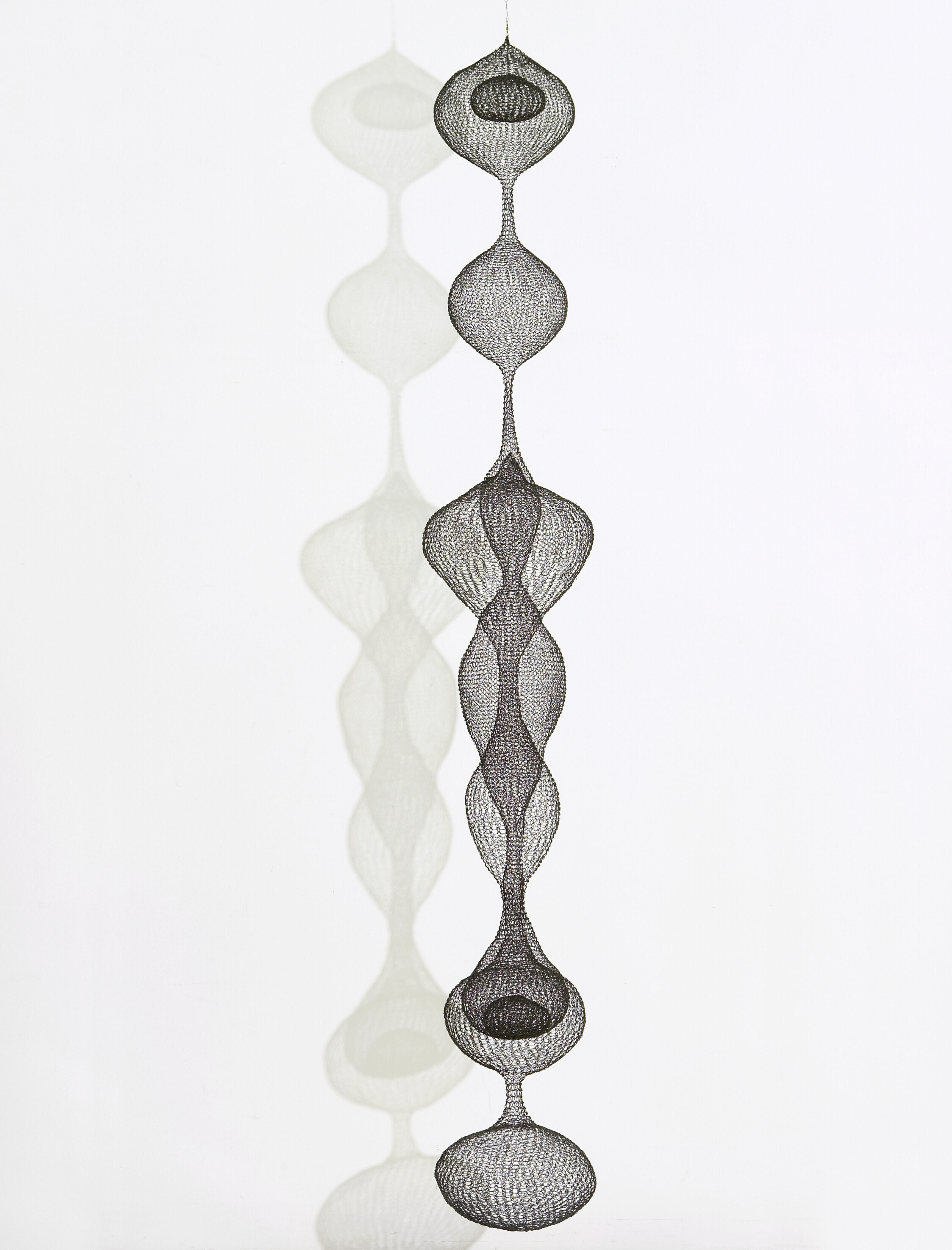
    Ruth Asawa (1926-2013), Untitled (S.272, Hanging Seven-Lobed Continuous Interlocking Form with Spheres in the First and Sixth Lobes), c. 1954, Copper and iron wire, 111 × 14 × 14 in. (281.9 × 35.6 × 35.6 cm), Private collection.Laurence Cuneo @ Studio 71, Inc

    Their works span media, from wood furniture to copper wire sculptures to jazz album covers. (Fujita got his start at a Philadelphia ad agency and taught at the Philadelphia Museum College of Art, which was later named University of the Arts, before becoming the design director at Columbia Records.) The final room in the exhibit evokes a typical postwar American living room with everything made by Japanese American artists that underscores how essential their artwork became to the aesthetics of modern design.

    “You may not have a Noguchi Akari lamp, but you may have the knockoffs from Target and Ikea,” said Kang.

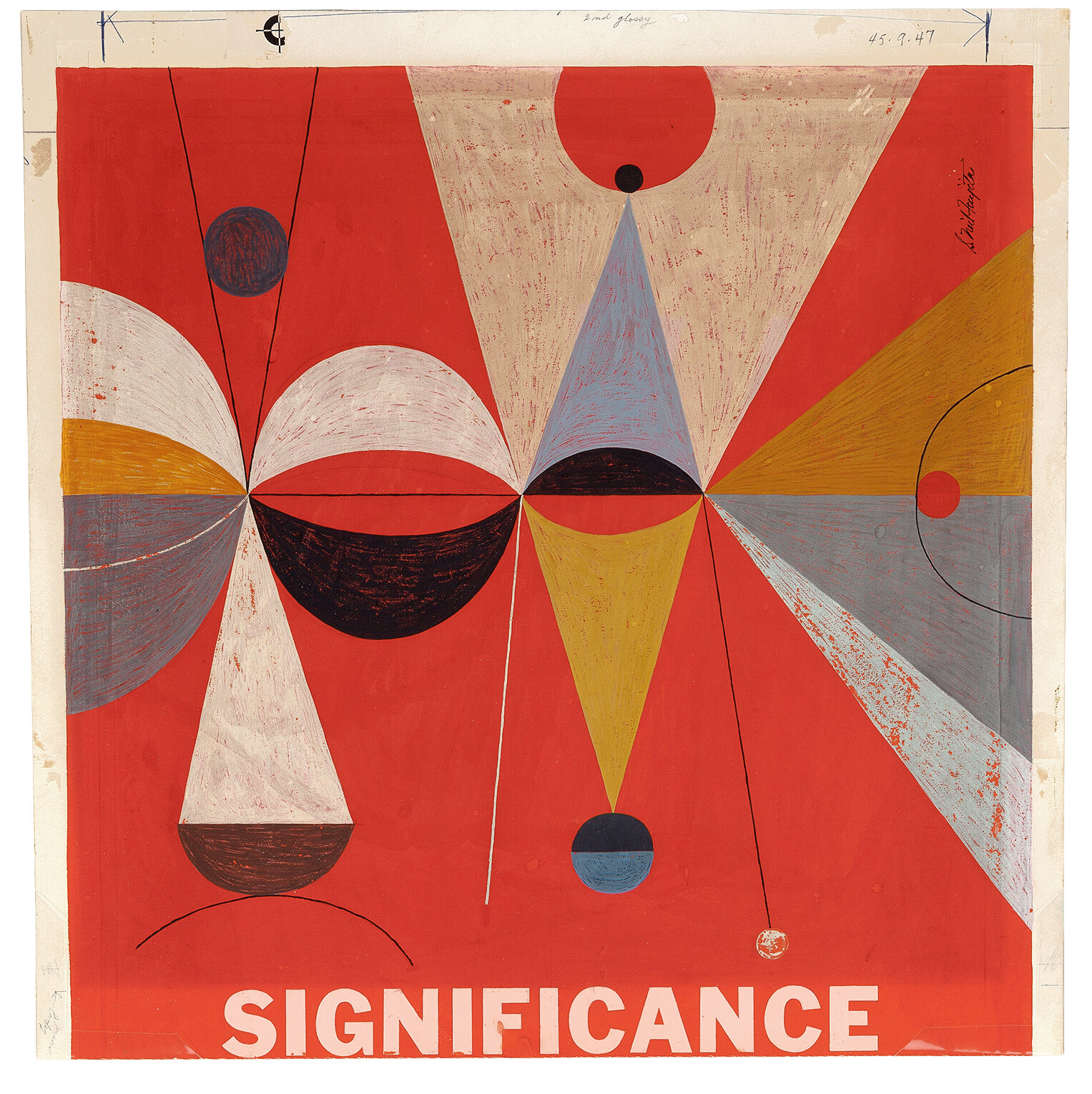
    S. Neil Fujita (1921–2010), “Significance,” advertisement for the United Aircraft Corporation, 1959, Paper, 11 3/8 × 8 1/8 in. (28.9 × 20.6 cm), Private collection. © 2026 Estate of S. Neil Fujita. Heritage Auctions / HA.com.Courtesy of the Barnes Foundation

    In her research, Kang explored how wartime incarceration contributed to the complicated formation of an Asian American political identity following decades of anti-immigration policies and discrimination. She found that these artists’ assimilation into the legacy of American design often sidelined or erased their connections to these historic injustices.

    “Especially with Nakashima and Noguchi, their work has been so fully assimilated into American design that the fact that they have these histories is so buried … you don’t even connect American design with these histories,” Kang said.

    “That’s what I was trying to bring out [in this show]… You see a Noguchi or Nakashima chair or lamp or table and think, ‘Oh yeah that’s American design,’ and then not have any idea that it’s connected to Asian American history.”

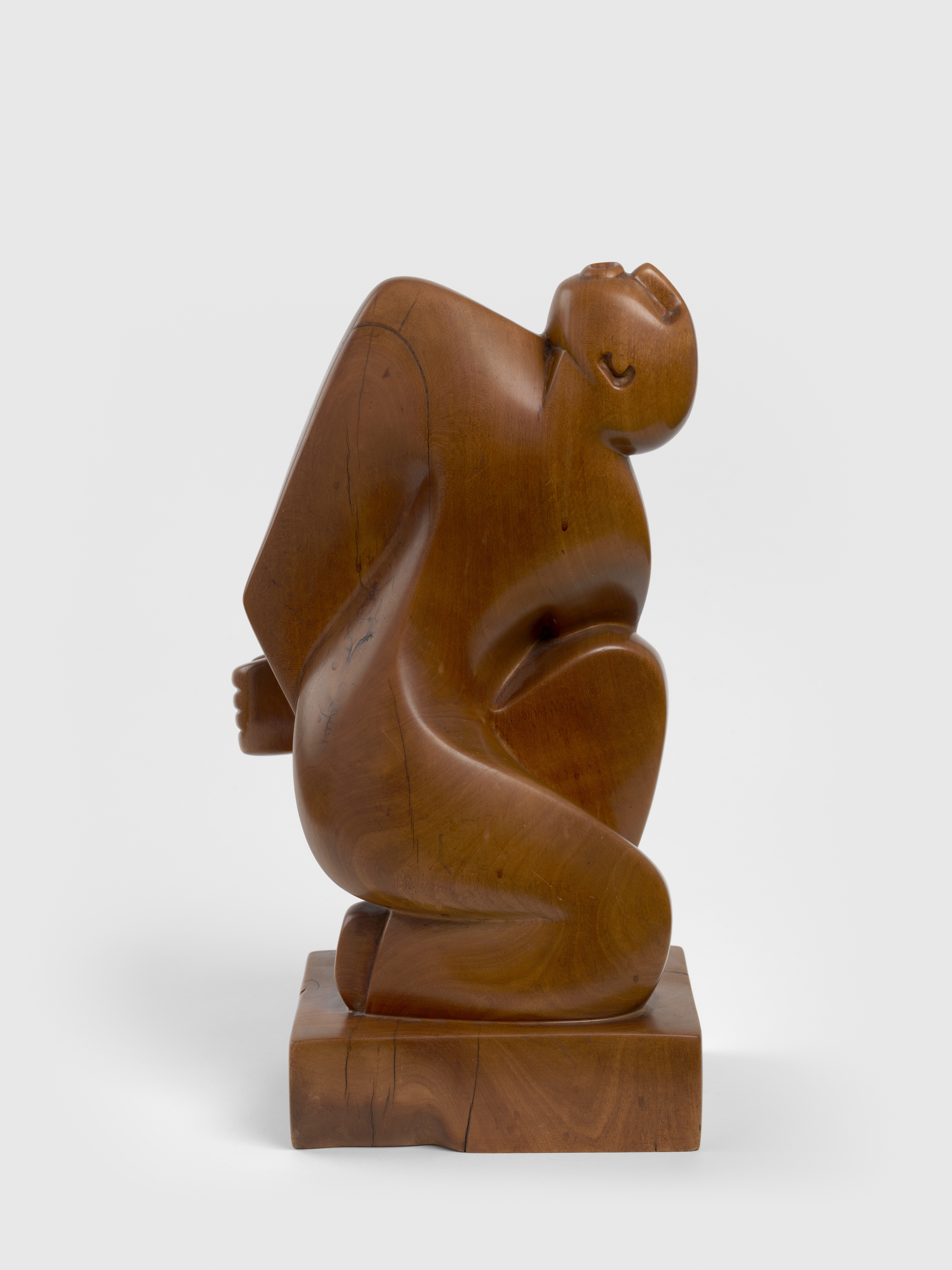
    Leo Amino (1911 – 1989), Unyielding Defiant, 1940, Wood, 18 × 9 3/4 × 7 in. (45.7 × 24.8 × 17.8 cm), Private collection, Memphis, Tennessee. Works by Leo Amino © 2026 Leo Amino Estate. Courtesy of the Estate and David Zwirner.Stephen Arnold

    Who gets to be an “American”? That question weighed heavily on Kang as she developed the exhibit and studied the historic period when the U.S. government imprisoned thousands of immigrants, including American citizens and children. She had no idea just how timely her project would feel opening this year, as the U.S. government continues to imprison tens of thousands of immigrants under President Donald Trump’s second administration.

    “It really was not in our minds that this would be as relevant, or as on the nose as it is today, that’s really unfortunate,” said Kang. “We need to keep remembering we’ve been through this and we already know this is not a good direction. We need to learn this lesson again.”

    George Nakashima (1905 – 1990), Dried Bitterbrush collected by the Nakashimas in Minidoka, Idaho, c. 1942, Wood, 5 1/2 × 14 × 10 in. (14 × 35.6 × 25.4), Nakashima Foundation for Peace.Christian Giannelli

    For many of the featured artists, life after incarceration provided an opportunity to move past that traumatic time — they often did not discuss or share details about their imprisonment with their families or others. However, younger generations of Asian Americans, including the artists’ descendants, want to interrogate these histories further to understand how that trauma lingered on in the lives of these beloved artists.

    For his part, Nakashima told his daughter that “his wounds healed over and left no scars.”

    Still, he kept pieces of wood he collected from the Minidoka camp, which he used to create case furniture for their family home. In the exhibit, one of these remnants will be on display: a branch of dried bitterbrush.

    “Noguchi to Asawa: Designing Postwar America,” runs through Jan. 10, 2027 at The Barnes Foundation, 2025 Benjamin Franklin Pkwy., Philadelphia, 215-278-7000 or barnesfoundation.org

  • Eagles fan David Corenswet is playing a Giants star in upcoming ‘Mr. Irrelevant’

    Eagles fan David Corenswet is playing a Giants star in upcoming ‘Mr. Irrelevant’

    Superman star David Corenswet grew up in Philadelphia loving the Eagles, but that didn’t stop him from saying yes to donning a Giants jersey for the upcoming biopic, Mr. Irrelevant.

    The 33-year-old actor — who got his start on local stages as a kid — became a breakout movie star last year when he played Superman in James Gunn’s revamp of the legendary superhero films. While the sequel, Man of Tomorrow, releases in summer 2027, Corenswet’s next project is based on a true story that follows underdog football player John Tuggle.

    Mr. Irrelevant, named because Tuggle was the last pick of 1983 NFL draft, was written by Reacher creator/producer Nick Santora and will be out in theaters Dec. 25. In a promotional video that dropped Wednesday, Corenswet admitted that he initially had doubts about the role because of his Eagles allegiance, but he soon realized the story was bigger than football fandom — and Tuggle had a connection to Philadelphia of his own, too.

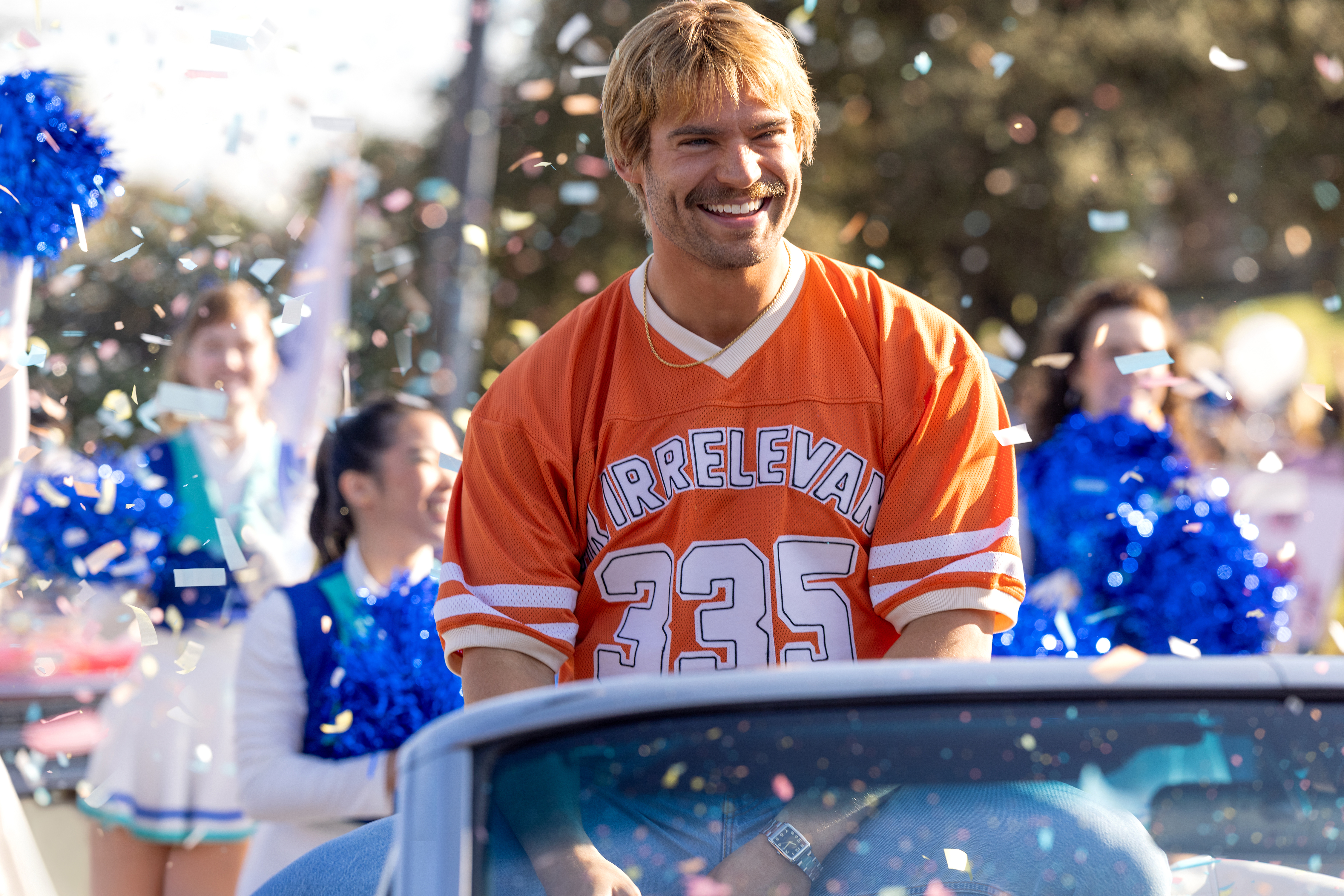
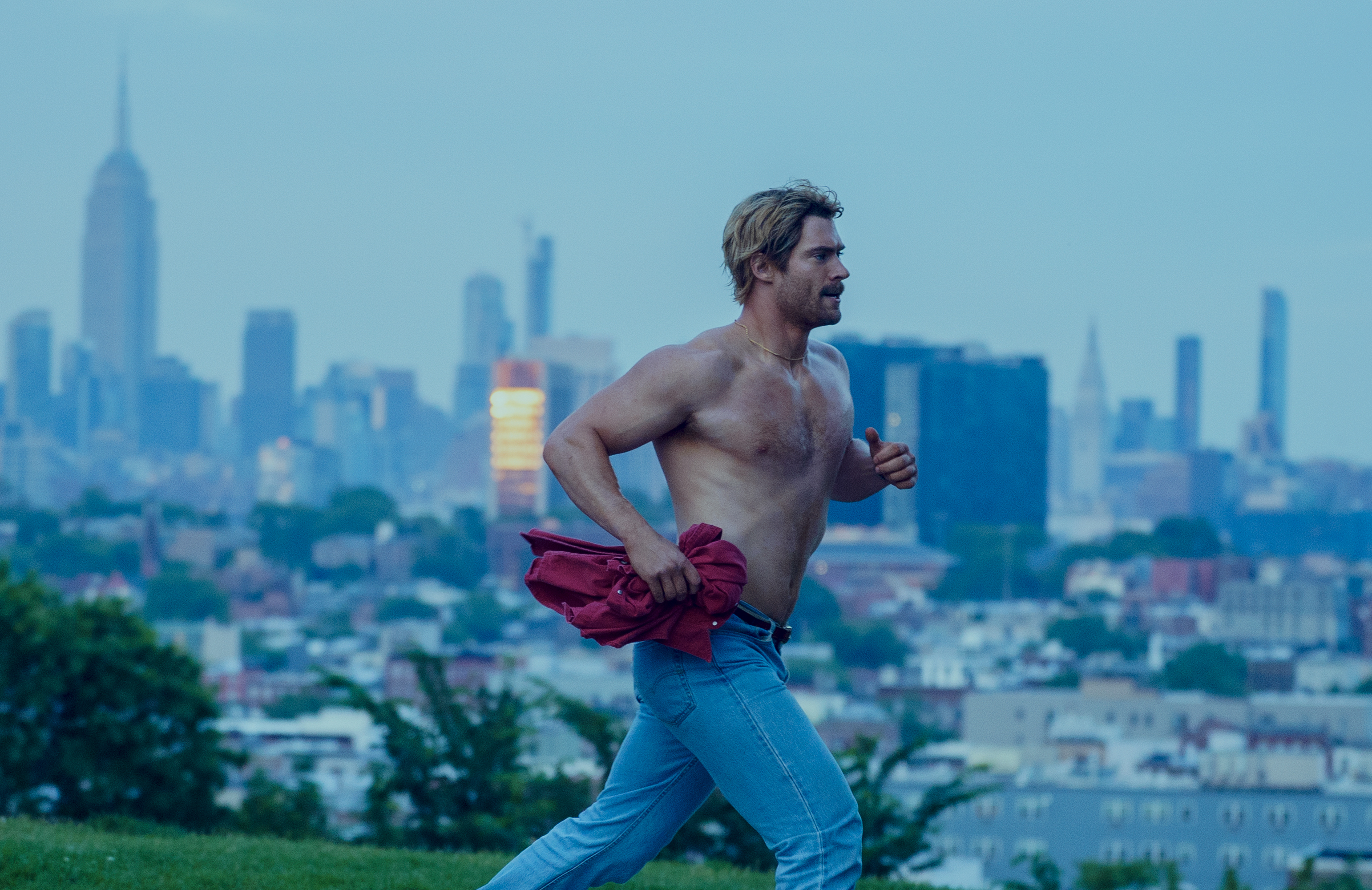
    David Corenswet as John Tuggle in “Mr. Irrelevant” from Paramount Pictures.Clay Enos

    “As a kid from Philadelphia, I thought it would be a hard sell to get me to wear a Giants jersey on the big screen,” said Corenswet. “When I learned that John Tuggle scored his only professional touchdown against Philadelphia in Philadelphia, I thought, ‘This would really be a terrible betrayal,’ you know? What would Bradley Cooper think of me?”

    Cooper, of course, is another diehard celebrity Eagles fan who introduced the Birds at their victorious Super Bowl LIX in New Orleans in 2025. The Silver Linings Playbook actor and Maestro director also wound up making a cameo in Superman as Corenswet’s extraterrestrial father, Jor-El.

    “But when I saw the footage of that play, when I saw John dive into that kelly green end zone, the fans cheered,” Corenswet continued. “The same fans that booed Santa Claus cheered for a New York Giant scoring six on their turf. Why? Because for that moment, John Tuggle wasn’t a New York Giant, he was Mr. Irrelevant. He was the guy who was never supposed to make it.”

    Tuggle was a rookie from California who played just one season with the Giants as a running back before he was diagnosed with cancer. After two years of extensive treatment, he died at age 25 in 1986. His story was explored in the 2018 ESPN 30 for 30 short film, The Irrelevant Giant.

    ‘Mr. Irrelevant’ will be released in theaters Dec. 25.

  • Philly nominees went home empty-handed at the 2026 Emmys, barring a lone ‘Task’ win

    Philly nominees went home empty-handed at the 2026 Emmys, barring a lone ‘Task’ win

    Philadelphia talent was on full display at the 2026 Emmy Awards in Los Angeles on Monday night, but only one of the nominated actors, crew members, or shows took home trophies.

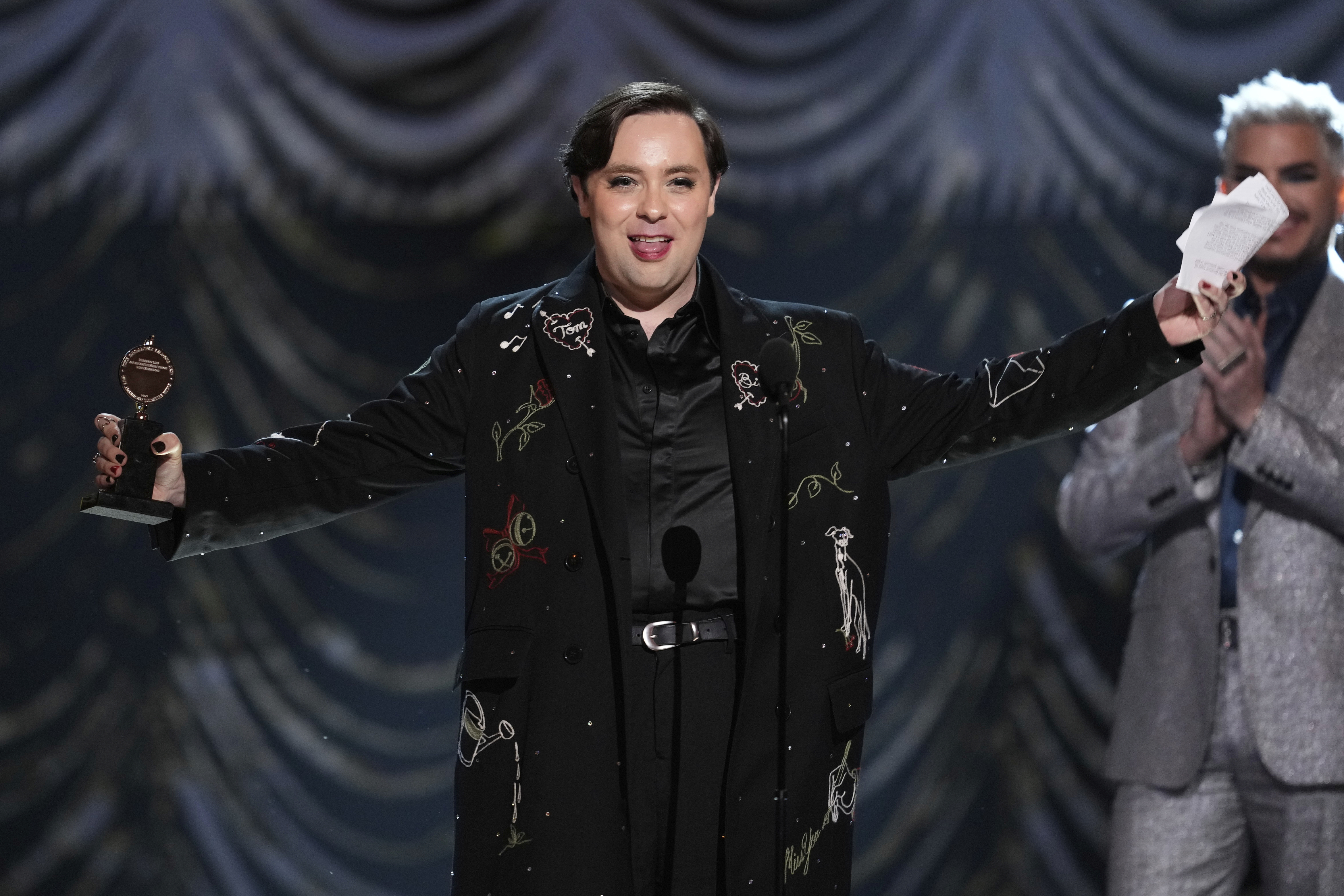
    The big, surprise exception was Tom Pelphrey, a Rutgers University alum from Howell Township, N.J., who won for outstanding supporting actor in a drama series for his performance as Robbie Prendergrast on Season 1 of the Delco-set HBO crime thriller Task.

    “I thank God for my life and my sobriety. I thank my family and my friends for all your love and support all these years, from Emmys to, you know, black box theaters and everything in between,” said Pelphrey in his acceptance speech before thanking Task creators including directors Jeremiah Zagar (son of South Philly mosaicist Isaiah Zagar) and Salli Richardson-Whitfield, and fellow cast members Mark Ruffalo, Emilia Jones, and Raúl Castillo.

    Ruffalo was nominated for outstanding lead actor in a drama for his role as Tom Brandis but lost to Noah Wyle of The Pitt. The Pittsburgh-set emergency room drama received a whopping 25 nominations and took home seven Emmys, including outstanding drama series; Pelphrey beat out three supporting actor nominees from The Pitt for his win.

    Brad Ingelsby, writer/executive producer of “Task” and “Mare of Easttown,” in his office in Berwyn on July 17, 2025. Jessica Griffin / Staff Photographer

    “Thank you to Brad Ingelsby for this incredible role and this opportunity and your friendship. You are an amazing human being. I’m so proud to be your friend,” Pelphrey continued onstage as the camera showed a beaming Ingelsby, the Berwyn-based showrunner. Ingelsby is the writer/executive producer behind Task, which is currently shooting its second season in the Philadelphia area, and the Emmy-winning Mare of Easttown.

    In Task, Pelphrey played a heartfelt but troubled trash collector who begins stealing from drug houses in Philadelphia’s collar counties run by a local motorcycle gang that killed his brother. Starring alongside two-time Emmy winner Ruffalo, Pelphrey was a complicated foil to Ruffalo’s priest-turned-FBI agent who hunted him down. The recognition marks Pelphrey’s first Emmy win after he was previously nominated for outstanding guest actor in a drama in 2022 for his role in Ozark.

    “Brad is desperately insistent upon each individual’s humanity, so every character he writes is justified, in some sense, with a reason why they’re doing everything that they do — and that’s incredible, because usually that stuff gets sacrificed for plot,” Pelphrey told The Inquirer in a 2025 interview.

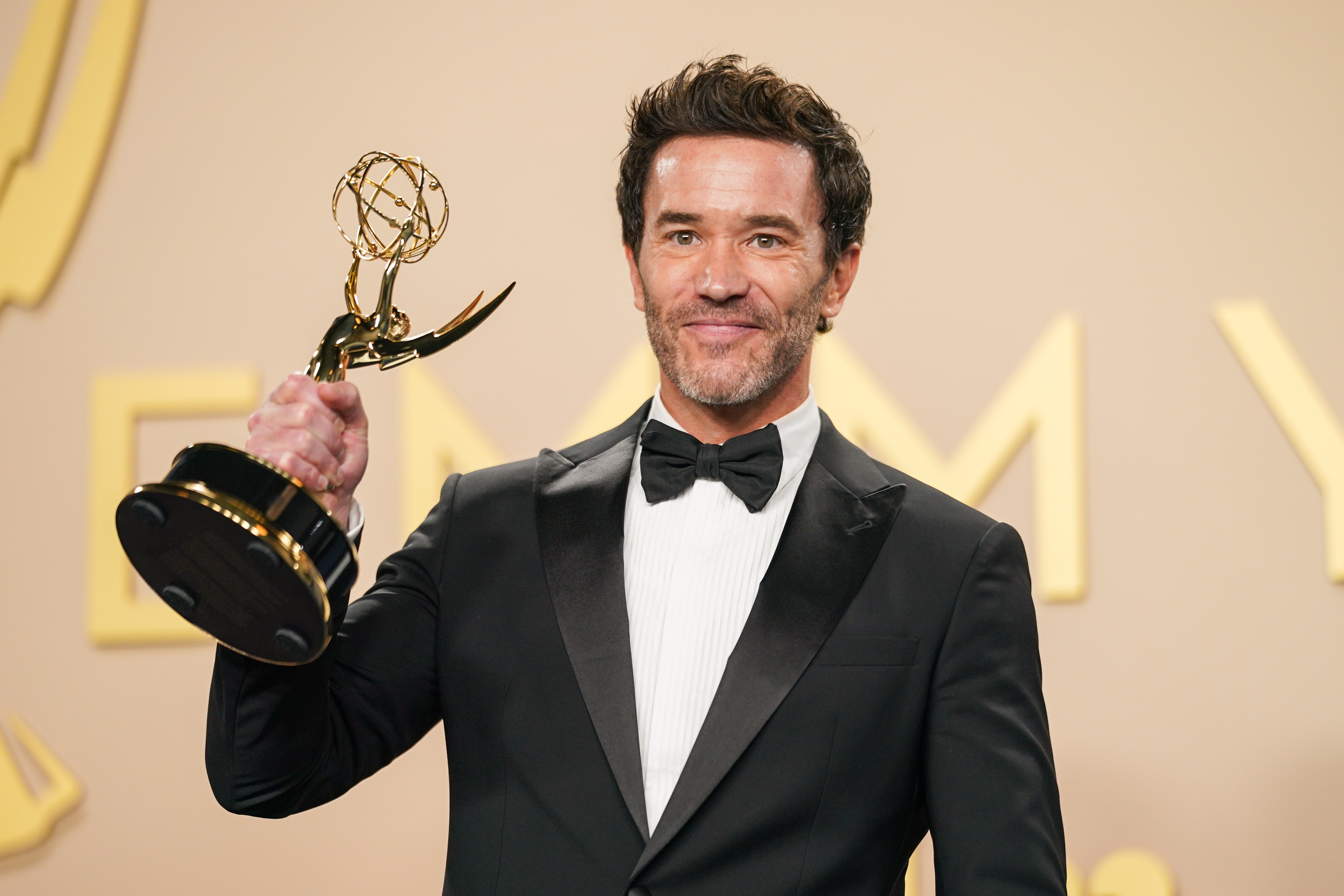
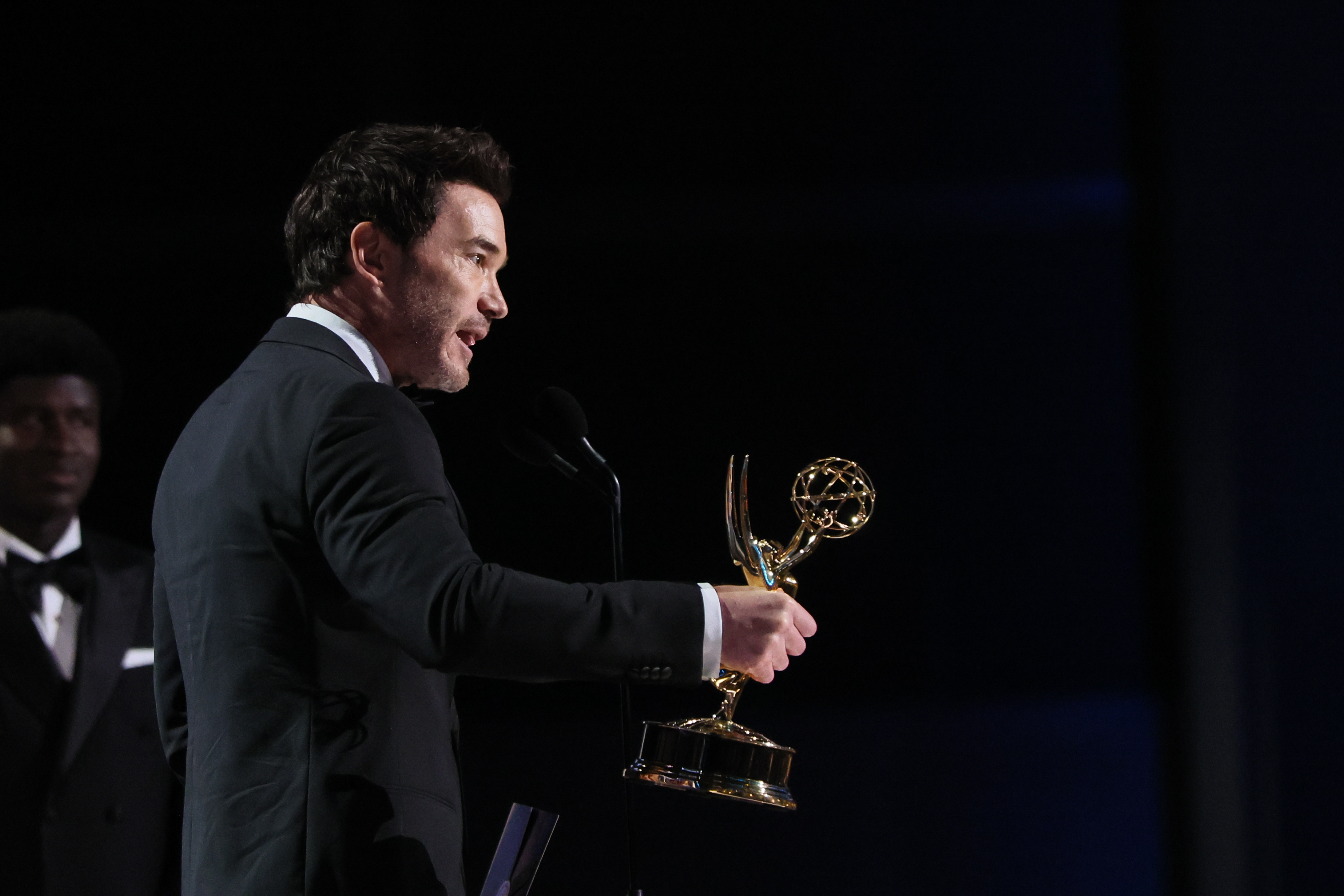
    Tom Pelphrey accepts the Emmy for Outstanding Supporting Actor in a Drama Series for “Task” at the Television Academy’s 78th Emmy Awards telecast at the Peacock Theater at L.A. LIVE on Monday, Sept. 14, 2026 in Los Angeles. (Photo by Danny Moloshok/Invision for the Television Academy/AP Content Services)AP Photo/Danny Moloshok

    Task received six Emmy nods, including outstanding writing for a drama (recognizing Ingelsby’s heart-wrenching finale), directing, picture editing, and cinematography. The dystopian Apple TV+ show Pluribus won for outstanding writing and picture editing, while the directing trophy went to the British spy show Slow Horses and cinematography went to Spider-Noir.

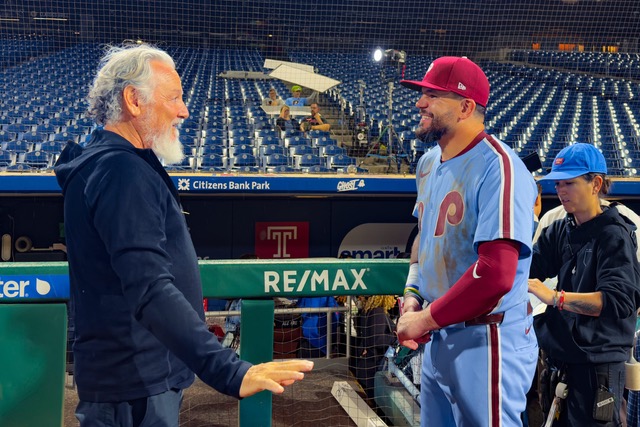
    Philly’s much-adored Abbott Elementary went into the evening with seven nominations for its fifth season, including West Philly comedian Quinta Brunson’s nod for outstanding lead actress in a comedy and outstanding writing for a comedy and director Randall Einhorn’s nod for his episode shot during a live Phillies game last year (featuring guest star Kyle Schwarber on the historic night when he hit four homers).

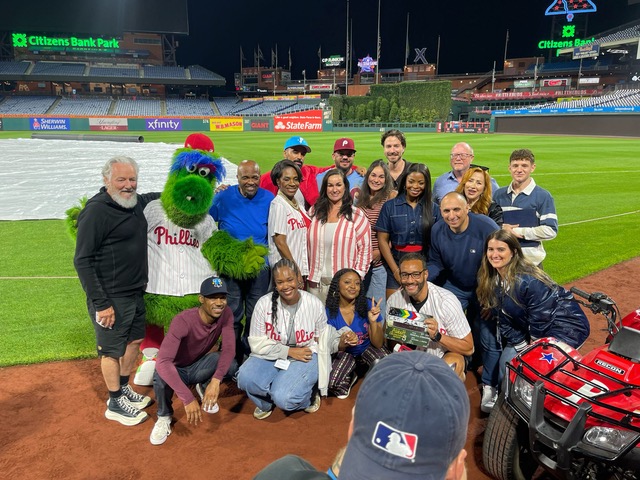
    “Abbott Elementary” cast and crew pose with the Phanatic and Phillies player Kyle Schwarber at Citizens Bank Park on Aug. 28, 2025.Vaughn C. Page Jr.

    However, the horror-tinged newcomer Widow’s Bay swept nearly all the comedy categories, dominating the stage with a record-breaking 14 wins. Abbott Elementary actors Tyler James Williams and Janelle James were up for outstanding supporting acting in their respective categories but both lost to Widow’s Bay.

    In the acting category, Brunson lost to Jean Smart as the Hacks star made history by becoming the first woman to win lead acting Emmy Awards for every season of a series. Smart’s costar Hannah Einbinder — an avid Eagles fan — was nominated for outstanding supporting actress in a comedy, which she won last year but lost this time to Kate O’Flynn for Widow’s Bay.

    Previous two-time Emmy-winner Brunson was briefly in the spotlight when Emmys host and Law & Order: Special Victims Unit star Mariska Hargitay asked celebrity attendees about their first jobs.

    “Oh, I was a student dance schoolteacher,” Brunson answered. Fellow West Philly-raised star Colman Domingo, who was nominated for outstanding guest actor in a drama for Euphoria and outstanding supporting actor in a comedy for Tina Fey’s The Four Seasons, also joined in. His first job, he said, was working the fries station at McDonald’s. (Domingo lost the former category to The Pitt and the latter to Widow’s Bay.)

    Tina Fey as Kate and Colman Domingo as Danny in Season 2 of the Netflix comedy series “The Four Seasons.”Emily V. Aragones/Netflix

    To celebrate the 30-year anniversary of Buffy the Vampire Slayer, Villanova-raised actor and Malvern Prep alum David Boreanaz joined star Sarah Michelle Gellar for a reunion moment onstage. The son of famous 6abc weatherman Dave Roberts, Boreanaz played the vampire with a soul Angel and later received his own spinoff show. (He’s also a diehard Philly sports fan.)

    “You know, Sarah, I always thought that Buffy and Angel would end up together,” Boreanaz said as the pair reflected on the groundbreaking show. “Well, I guess we won’t find out,” Gellar replied in a pointed critique of the recent cancellation of the Buffy reboot that had been in the works.

    Actor David Boreanaz, wearing a Randall Cunningham jersey, and his son, Jaden, in a Saquon Barkley jersey, at Super Bowl 59 in New Orleans.Courtesy of David Boreanaz

    Ahead of the 78th Primetime Emmy Awards ceremony, the Academy of Television Arts & Sciences hosted the Creative Arts Emmys in two events honoring artists behind the scenes in technical categories. Winners from those ceremonies included South Philly comedian Rob Mac — the showrunner behind It’s Always Sunny in Philadelphia — whose FX show Welcome to Wrexham won for outstanding sound mixing for a reality program. (It was also nominated for outstanding picture editing and outstanding unstructured reality program.)

    Bucks County pop star Sabrina Carpenter also won during the Creative Arts Emmys earlier this month for performing in and executive producing the 50th anniversary special of The Muppet Show, which earned a gold statue for outstanding variety special (prerecorded) — putting her halfway to EGOT status.

    Another Philadelphia-connected nominee was Tires, the Shane Gillis-led Netflix comedy recognized for outstanding sound mixing for a half-hour comedy or drama; the trophy went to Widow’s Bay.

    At Monday night’s ceremony, one more Pennsylvania celebrity made a cameo: Superstar singer Taylor Swift, who grew up in Reading was not in attendance, but appeared in a prerecorded skit with Hargitay spoofing Law & Order along with Swift’s cat, named for Hargitay’s character, Olivia Benson.

  • Skeletal spectacles, Rubber Band Gun’s ‘Bloodwork,’ and a P.T. Barnum takedown are our favorite arts picks this week

    Skeletal spectacles, Rubber Band Gun’s ‘Bloodwork,’ and a P.T. Barnum takedown are our favorite arts picks this week

    Rubber Band Gun’s ‘Bloodwork’: More musical gems from Historic New Jersey

    Kevin Basko has a suggestion: Music might make everything better.

    “If you don’t know what to do because you’ve never been this sad before,” Basko sings. “You don’t feel those problems when you’re singing the songs you love.”

    That lyric about music’s comforting and healing power is from “Songs You Love,” the closing track on Bloodwork, the winning new album by Rubber Band Gun, Basko’s primary vehicle for the many, many songs he loves to write.

    It’s been a good year for Historic New Jersey, the label that — somewhat confusingly — is based in South Philadelphia and whose emergence is one of the most heartening indie rock stories of 2026.

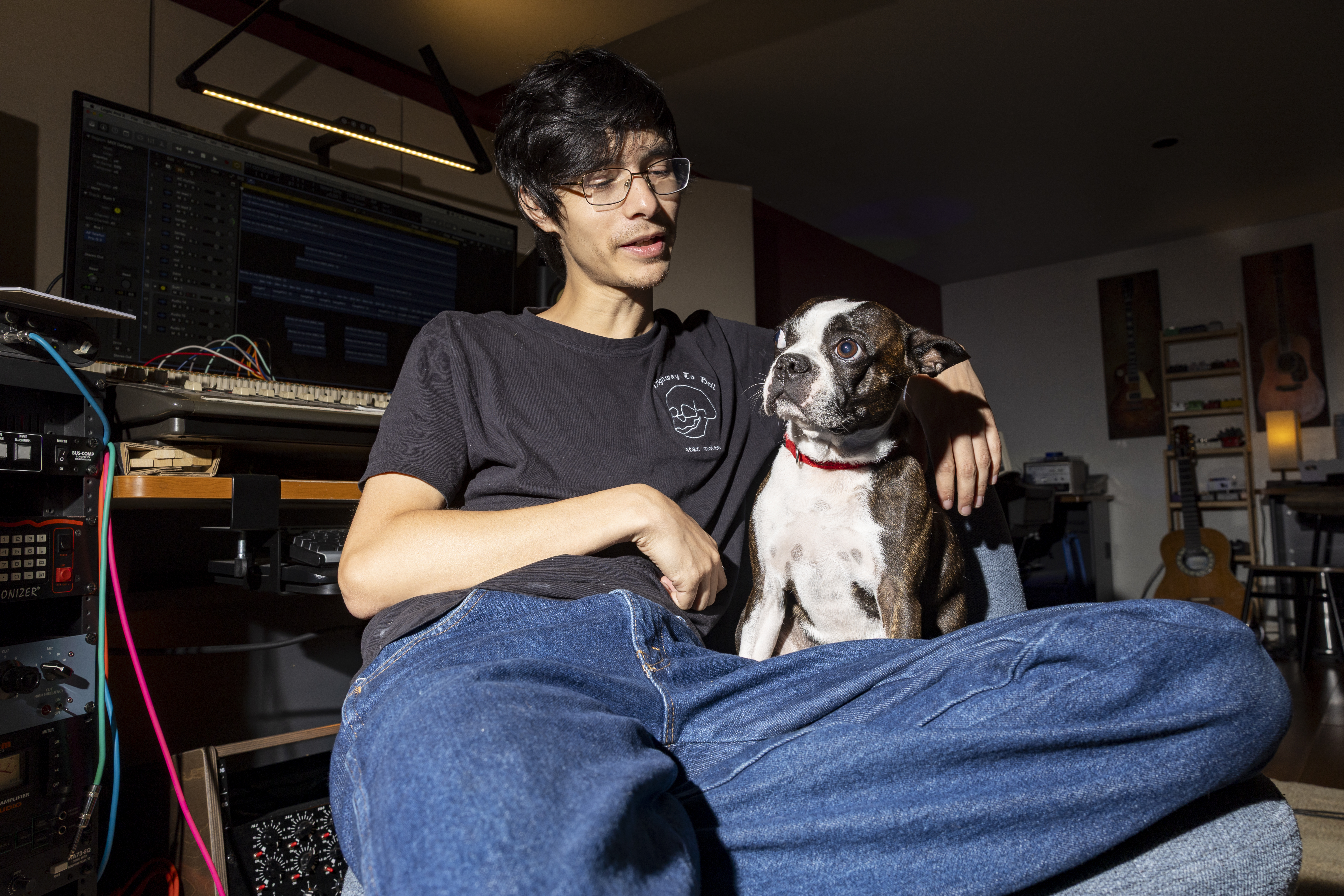
    Basko and his Historic NJ pals Emily Moales, who records as Star Moales, and sibling act Sam and Louise Sullivan have been producing a steady stream of retro-leaning but wholly in-the-moment high-level songcraft for a few years now.

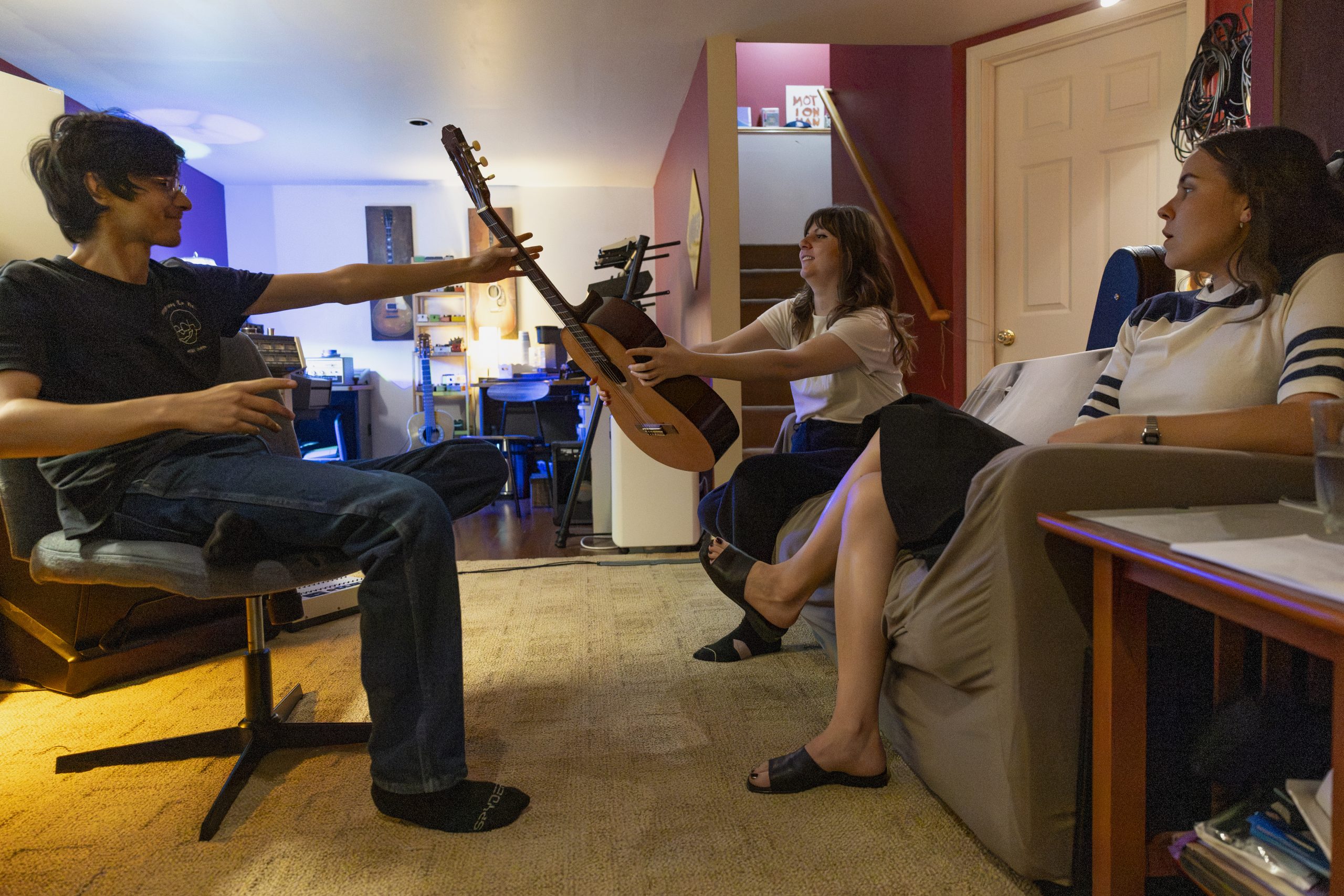
    Emily Moles (center), known as Star Moles, passes a guitar to longtime collaborator Kevin Basko inside the Historic NJ studio in South Philadelphia on Friday, July 10, 2026.Aidan T. Gallo / Staff Photographer

    Since the spring, the national and international music press has caught wind of what makes Historic NJ special, praising the warmth and camaraderie that comes through on Star Moales’ Highway to Hell and the Sullivans’ Love & Devotion.

    Now, it’s Basko’s turn. Rubber Band Gun’s Bloodwork, like all of the other Historic NJ projects, was recorded and produced at Basko’s home studio in South Philly, with Moales and the Sullivans contributing musically and vocally.

    The newest of the dozens of streamable releases on Rubber Band Gun’s Bandcamp page showcases Basko’s canny, inviting songwriting. Tunes like “Love Me Dawg” and “Money on My Mind” consistently offer subtle surprises and are never merely clever, even when Basko is punning on Rihanna and Rage Against the Machine lyrics while singing about feeling out of place in America in “Zombie in the Country.”

    — Dan DeLuca

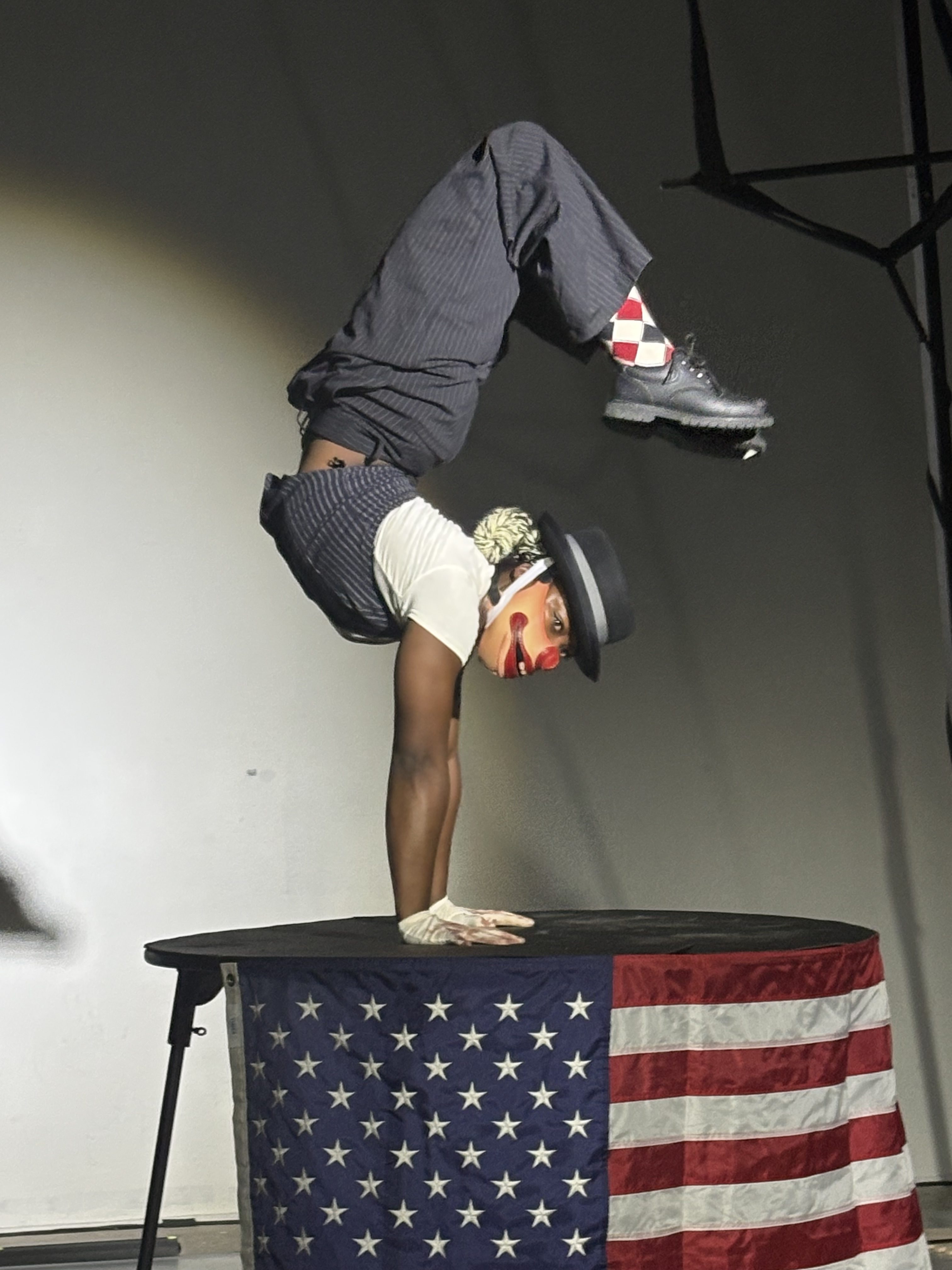
    Julia Baccellieri as Joice Heth in “Strange Root, or the Murder of P.T. Barnum by Joice Heth.” Elizabeth Wellington

    A Fringe Festival performance gives agency to enslaved member of P.T. Barnum’s 19th-century circus troupe

    In 1835, showman, businessman, and politician P.T. Barnum bought an elderly enslaved woman, Joice Heth, from a Kentucky enslaver, added her to his circus, and falsely claimed she was George Washington’s 161-year-old nursemaid.

    His advertisements described her as weighing 46 pounds and being blind and toothless — supposed evidence of her extreme age.

    To reinforce the trope of the frail, subservient, illiterate Black person, Barnum insisted she use a poor, Southern dialect to regale the audience with stories about her relationship to Washington.

    Heth died in 1836 at 80 and Barnum even exploited her in death, charging circusgoers 25 cents to see her dead body, an experience he marketed as a public autopsy.

    A Philadelphia Fringe Festival performance underway at Crane Arts’ Icebox Project Space is running hot hula hoops around Barnum’s narrative of Heth. Strange Root, or the Murder of P.T. Barnum by Joice Heth stars Chicago-born circus performer and acrobat Julia Baccellieri as Heth and New York-based actor and teaching artist Lex Alston as P.T. Barnum.

    Baccellieri created the work.

    Baccellieri doesn’t portray Heth as a weak woman beaten down by her circumstances. Instead, they use dance trapeze, aerial apparatus, Chinese pole, and hula hoops to give Heth power, agency, and beauty.

    The music is contemporary and soulful, weaving in Nina Simone’s jazz with Kendrick Lamar’s bars. Baccellieri dons a clown mask during the performance. They affix it as the audience listens to Maya Angelou read Paul Laurence Dunbar’s 1896 poem “We Wear the Mask,” which speaks to Black Americans’ dual consciousness.

    Alston’s portrayal of Barnum as a buffoon gives voice to the stupidity of racism, speaking truth to power: Racists who refuse to see the evil in their actions will cause their own demise.

    Strange Root is short — it runs under 45 minutes — but it’s powerful.

    “Strange Root, or the murder of P.T. Barnum” will be Saturday, Sept. 12 at 6:30 p.m., Crane Arts building, 1400 N. American Street. Tickets are $25. Ticket information is here.

    — Elizabeth Wellington

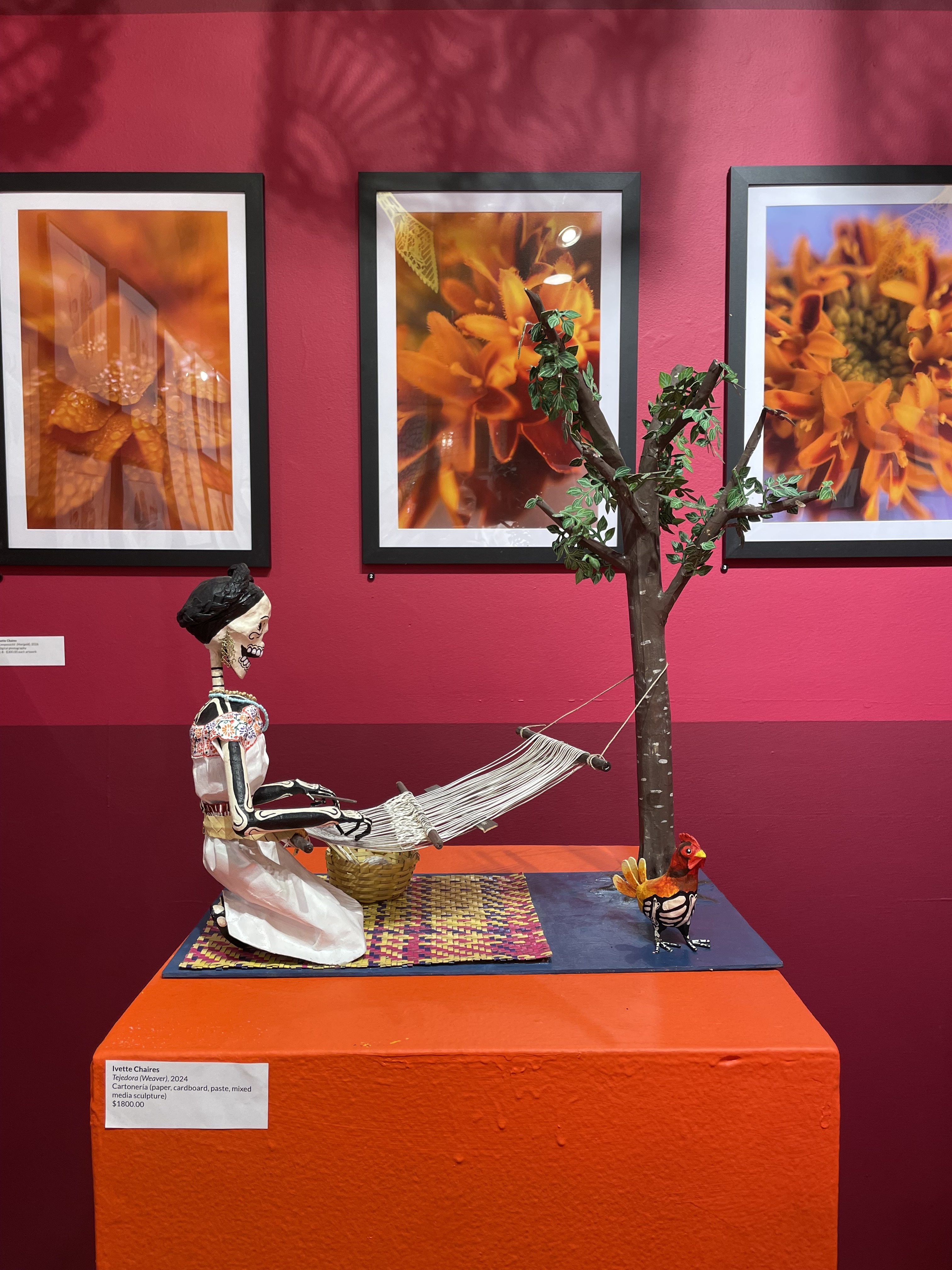
    “Tejedora (Weaver)” from Puebla, Mexico, artist Ivette Chaires is on view at Philadelphia’s Magic Gardens as part of her solo show, “Living Through Death,” through Nov. 8.Rosa Cartagena

    Skeletal spectacles

    South Street’s Magic Gardens are often packed with tourists and fans walking through the outdoor mosaic labyrinth of mirrors, glass bottles, clay sculptures, and ceramic tiles lovingly built by South Philly legend Isaiah Zagar. Inside, though, the building hosts rotating exhibits from other artists; currently on view is “Living Through Death” from Puebla artist Ivette Chaires, who spent time working in Philadelphia as part of the Julia Zagar Residency for Women Artists.

    Using papier-mâché, Chaires crafted 36 skeletal figures in the Mexican tradition of cartonería, often seen during Día de los Muertos celebrations. Her skeletons are strikingly animated, decked out in funky modern clothing and thick-rimmed glasses or posing cheekily. There’s a Frida Kahlo figure and an Edgar Allan Poe — and a football fan with an Eagles cap. Several works depict the Zagars, like one with Isaiah and Julia wearing colorful mosaic outfits. The show debuted five months after Zagar died, making it a powerful tribute to his legacy.

    Each delightfully spooky sculpture contains incredible layers. Tejedora (Weaver) features a bony woman bending over a loom attached to a tree trunk on one end and wrapped around her waist on the other. The details are so carefully crafted, from her twisted belt to her intricately woven gold earrings. Nearby stands a sweet little chicken with a living head and a dead underbelly. It was a fascinating, fully-formed scene that accomplished Chaires’ goal — for the viewer to feel deeply connected to the dead.

    “Living Through Death: Works by Ivette Chaires” is on view through Nov. 8 at Philadelphia’s Magic Gardens, 1020 South St., Philadelphia, 215-733-0390 or phillymagicgardens.org.
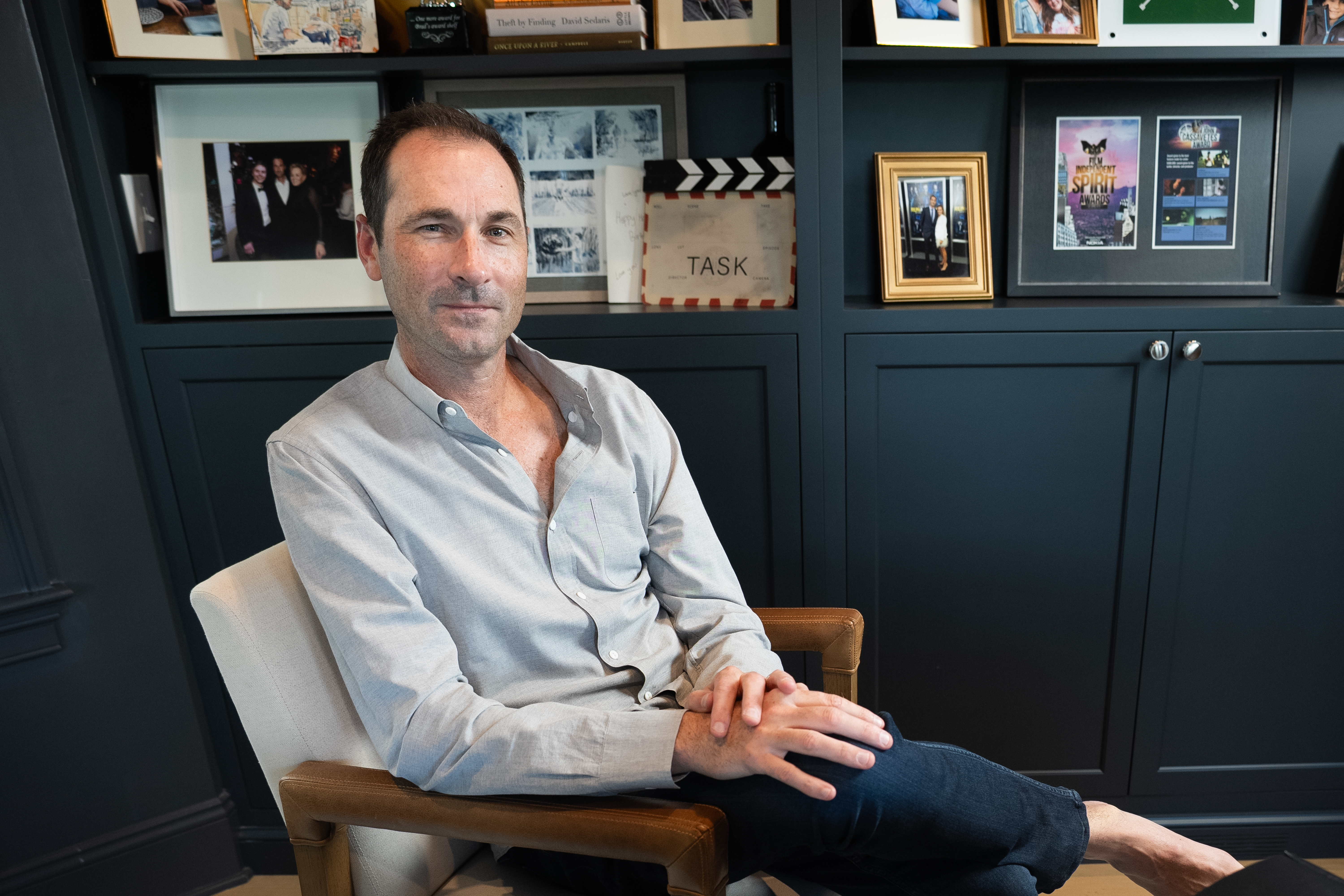
    — Rosa Cartagena

  • Kyle Schwarber’s ‘Abbott Elementary’ episode could win an Emmy

    Kyle Schwarber’s ‘Abbott Elementary’ episode could win an Emmy

    If it weren’t for Abbott Elementary, longtime TV director Randall Einhorn thinks he probably would’ve retired by now.
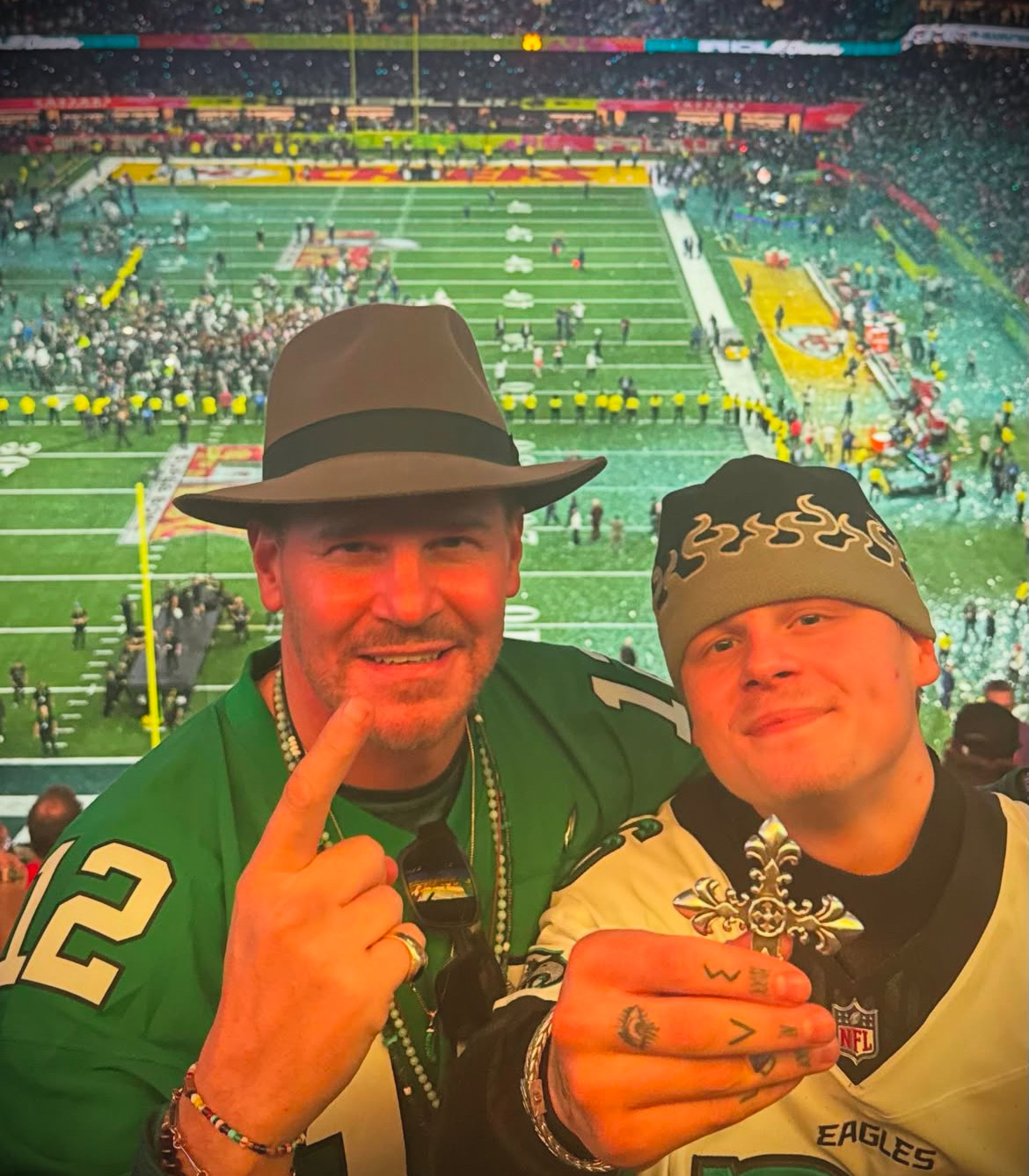
    After decades working behind the camera on essential sitcoms like The Office, It’s Always Sunny in Philadelphia, and Parks and Recreation, Einhorn could’ve stepped back from the industry — but then he met Quinta Brunson. The West Philly comedian approached him for the Abbott Elementary pilot in 2021 because she was such a big fan of his Scranton-set hit. Einhorn quickly realized Brunson and her show were special, so it was easy for him to say yes.

    “From the day we started filming the pilot, it just felt right. It always felt right,” said Einhorn, 62, who also serves as an executive producer on Abbott.

    Janine (Quinta Brunson) gets ready for a Phillies game in “Abbott Elementary.”Disney/Gilles Mingasson

    Now the beloved comedy has become an Emmy Awards darling and is about to premiere its sixth season this fall. Its fifth season alone is up for seven Emmys at the ceremony on Sept. 14. Einhorn is a nominee for outstanding directing for a comedy series, marking his second nod in that category for Abbott Elementary (he was also previously nominated for cinematography on Survivor).

    Einhorn received the recognition specifically for his ambitious work filming the “Ballgame” episode during a Phillies game at Citizens Bank Park in August 2025.

    Phillies fans remember it as the night Kyle Schwarber hit four home runs, making baseball history and leading the team to a 19-4 victory over the Atlanta Braves. After the field cleared, Schwarber joined the Abbott Elementary cast to film his guest appearance.

    “Abbott Elementary” actors Tyler James Williams (Gregory Eddie) and Quinta Brunson (Janine Teagues) chat with Phillies star Kyle Schwarber and director Randall Einhorn at Citizens Bank Park in August 2025.Louie Escobar

    “What a great dude! He had all the time in the world for us, and he was tremendous,” said Einhorn. “Nobody expected Kyle Schwarber to hit four home runs … there’s no type of energy like that. You can act that energy, but also you can’t. We fed off of that energy, which I think was really, really fun.”

    As exciting as the game was, the Abbott cast and crew had already been at Citizens Bank Park for days leading up to the live event so they could capture the scenes with dialogue. That meant bringing in some 400 local background actors to play Phillies fans as well as roughly 200 workers from the Phillies and Aramark to staff the ballpark.

    Jacob (Chris Perfetti) and Melissa (Lisa Ann Walter) at a concessions stand at Citizens Bank Park in the “Ballgame” episode of “Abbott Elementary.”Disney/Gilles Mingasson

    The complicated logistics required precise coordination between the Abbott crew and cast, the Phillies staff (especially those behind PhanaVision), and Major League Baseball. Einhorn’s biggest challenge was ensuring that the dialogue scenes matched up with the baseball action and vice versa. That meant carefully plotting the camera’s focus to whip between the actors, the field, and the PhanaVision screen. The 14-page script had more than 70 instances of “whip offs and whip ons,” according to Einhorn.

    “I had to have this really meticulous plan to connect the game day to dialogue day, which were two separate days. That was quite complex, I mean, I’ve never had so many notes to myself in the margins of, ‘Don’t mess this up, Randall,’” the director said. “I really enjoy something with a high degree of difficulty because once you stick the landing, it’s just so rewarding.”

    The teachers from “Abbott Elementary” captured on PhanaVision at Citizens Bank Park.Disney/Gilles Mingasson

    Serendipitously, Brunson and her fellow writers had already planned to feature Schwarber as a guest star before he made baseball history as the 21st player in MLB history to hit four home runs in one game. (A diehard Phillies fan, Brunson was thrilled to meet Schwarber — and the Phanatic, of course — for the special opportunity to spotlight Philly’s robust sports culture; she called the episode a “complete fan service.”)

    The Abbott team developed contingency plans to ensure that they’d capture at least one Schwarbomb for the show — even if they had to cheat it by filming a Schwarber hit and panning to another ball soaring in the sky — but that night, those plans were totally unnecessary. The episode, which aired on Oct. 15, wound up including multiple Schwarbombs.

    “The camera operators did just spectacular work … the more times [he hit], the better we got at filming it,” said Einhorn. “It’s amazing how much of the show was from game day footage and our cast reacting to it.”

    As Einhorn and the Abbott team prepare for the Emmy’s red carpet, Schwarber has continued to deliver wow-worthy performances on the field. If Einhorn’s “Ballgame” episode wins the Emmy, Schwarber will have one more thing to celebrate.

    The 78th annual Primetime Emmy Awards will air 8 p.m. Monday, Sept. 14, on NBC.